
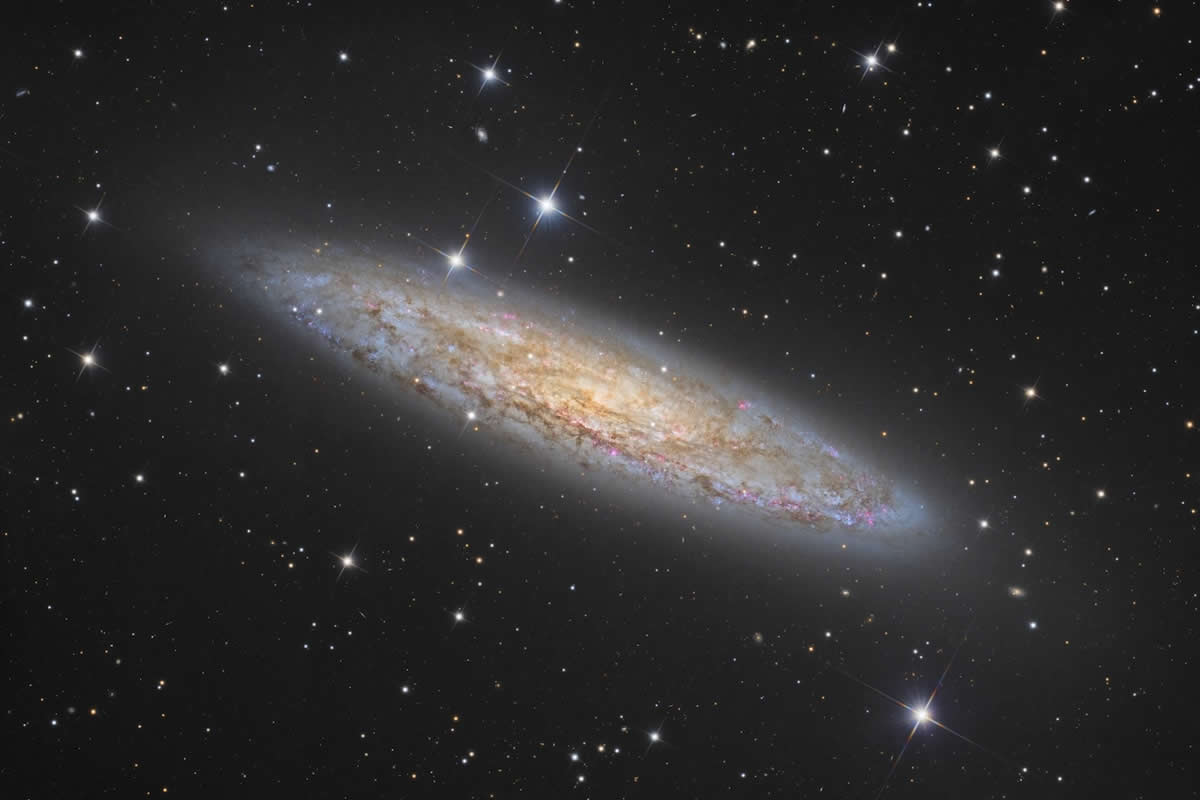
There’s something humbling about looking up at the night sky. You might see a handful of stars from your backyard, but point a serious camera upward and suddenly, the universe gets a whole lot bigger.
The 2026 David Malin Astrophotography Awards, presented by the Central West Astronomical Society (CWAS), celebrate photographers who turn that vast darkness into extraordinary images. Named after pioneering astronomical photographer David Malin, the awards bring together amateur and professional talent, blending scientific curiosity with great artistic skill.
This year’s winning photographs span the cosmos, from distant galaxies and glowing nebulae to planets, eclipses, comets, and beautifully composed nightscapes. Categories include Deep Sky, Solar System, Nightscapes, Wide-Field, Junior, and Animated Sequences, with judges rewarding both technical precision and creative vision.
One image that immediately grabs attention is Stefan Buda’s “The Lunar Apennines,” winner of the Overall & Solar System category. The photograph shows the rugged lunar mountain region with astonishing clarity. Hadley Rille, where Apollo 15 landed, appears in razor-sharp detail, while delicate shades of gray reveal the Moon’s terrain with almost three-dimensional depth. Honestly, it looks less like a photograph taken from Earth and more like something captured from lunar orbit.
That’s the magic of these awards. They don’t just show us space; they make the unreachable feel surprisingly close.
The winning images are exhibited at the CSIRO Parkes Observatory Visitors Center before touring museums and galleries across Australia. Scroll through these 34 remarkable photographs and take a fresh look at the universe above us.
You can find more info:
#1. Overall & Solar System Winner: The Lunar Apennines by Stefan Buda
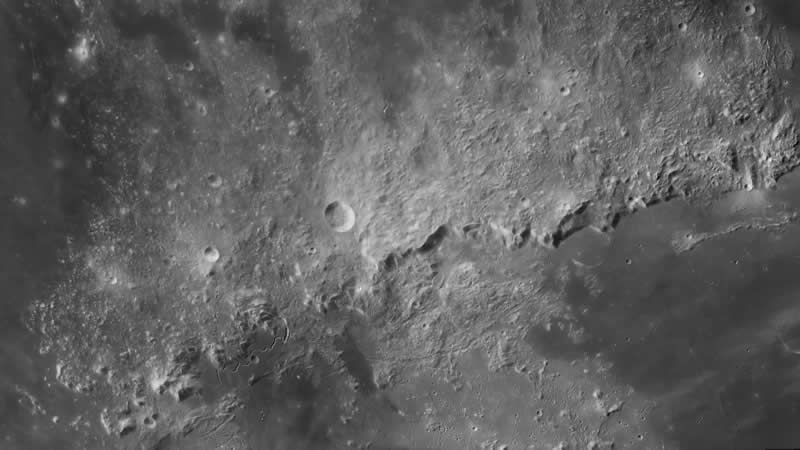
"This stunning image of the lunar Apennine mountain region seems to have been acquired not from the Earth, but from lunar orbit. Hadley Rille, the site of the Apollo 15 landing, is shown in razor sharp relief. The image is deftly processed showing a wealth of subtle grey shading in the terrain: it is simply flawless."
#2. Wide-Field Winner: The Dividing Line by Jarrod Koh
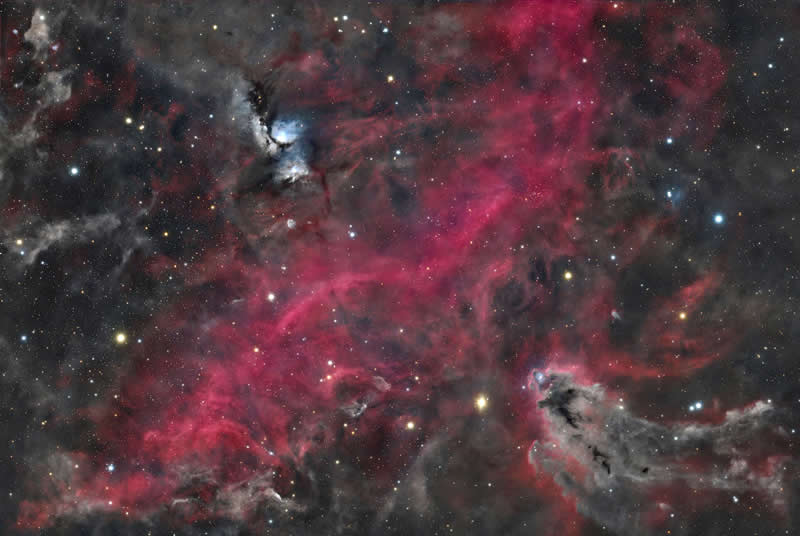
"This image offers a deeply textured view of the Orion Molecular Cloud Complex. Achieving extraordinary depth, the composition balances thick molecular dust against this luminous backdrop, where the dark silhouette of LDN 1622 and the subtle blue glow of M78 serve as delicate points of contrast. Jarrod’s 17-hour integration ultimately yields a highly compelling and immersive widefield perspective."
#3. Deep Sky Winner: The Rippling Flames – Chamaeleon III by Andy Campbell
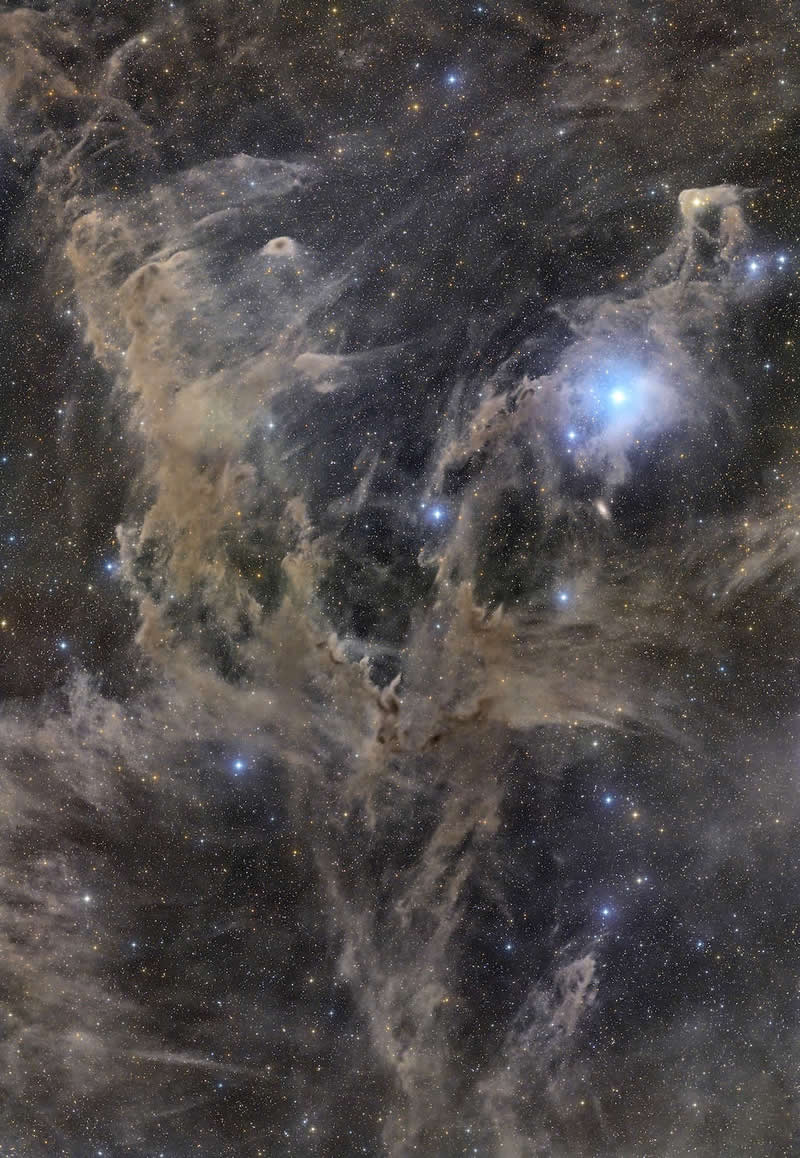
"The excellent image draws the viewer in for closer inspection. Beautifully rendered stars with accurate, delightful and natural colour variation provide a jewel like “glitter” to the dark yet deftly revealed Chamaeleon molecular cloud. The two-frame mosaic is flawlessly and precisely framed."
#4. Nightscapes (International) Winner: Zenith by Brighton Seeley
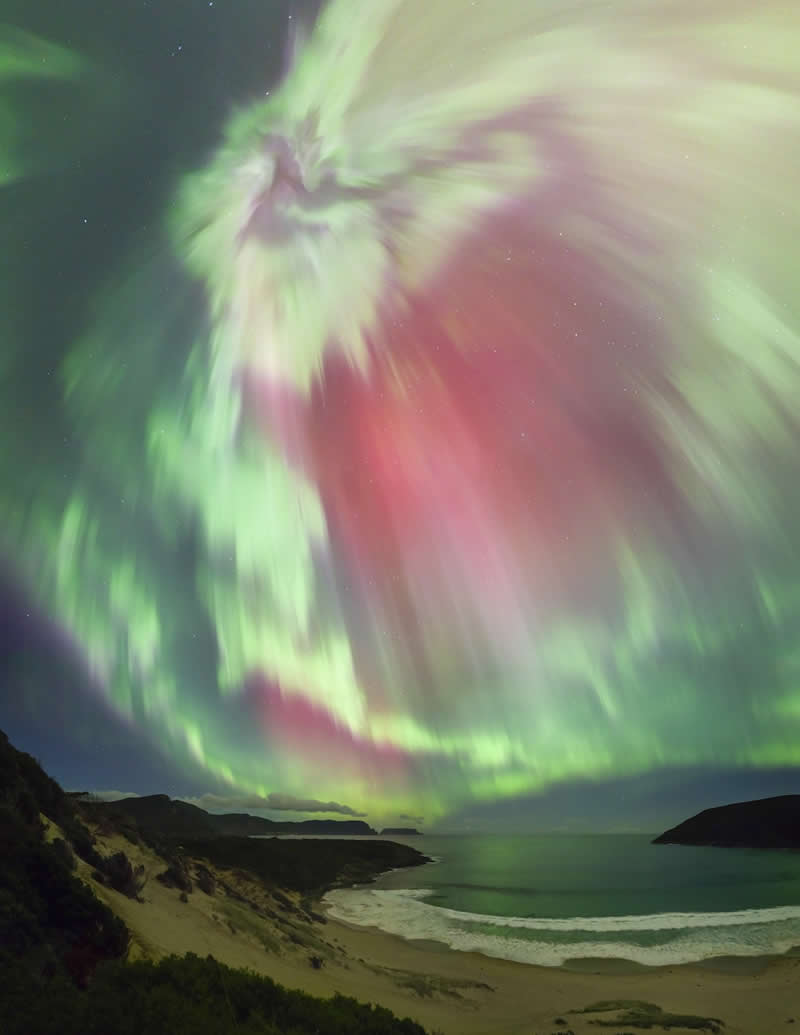
"A masterfully executed 8-panel mosaic capturing a rare, highly geomagnetic storm. From a remote, isolated vantage point, the photographer captured a once-in-a-lifetime display of the Aurora Australis, with vibrant red and green light stretching to the zenith – a testament to both artistic persistence and the immense scale of the Southern Lights."
#5. Junior Winner: The Boogeyman Nebula by Charlie Marzolla
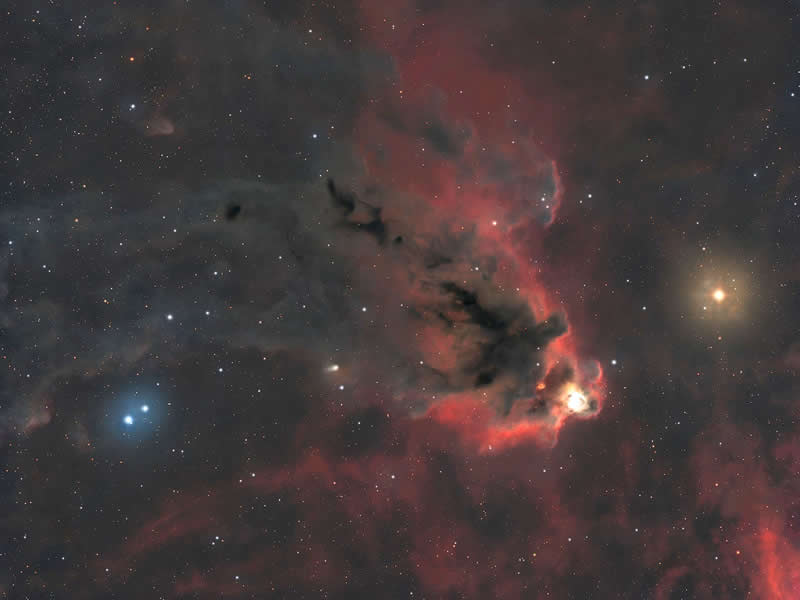
"Framing the dark, obscuring dust of LDN 1622 against the glowing Ha emissions of the Orion Cloud Complex, the photographer demonstrates strong processing fundamentals, yielding good star color and well-defined H-alpha regions. Although a slightly dark overall stretch hides some of the intricate dust structures captured during the 28-hour integration, the rendition of the visible dust is highly effective."
#6. Photo Editor’s Choice Winner: A Dragon’s Egg in a Gossamer Cocoon by Frank Alvaro
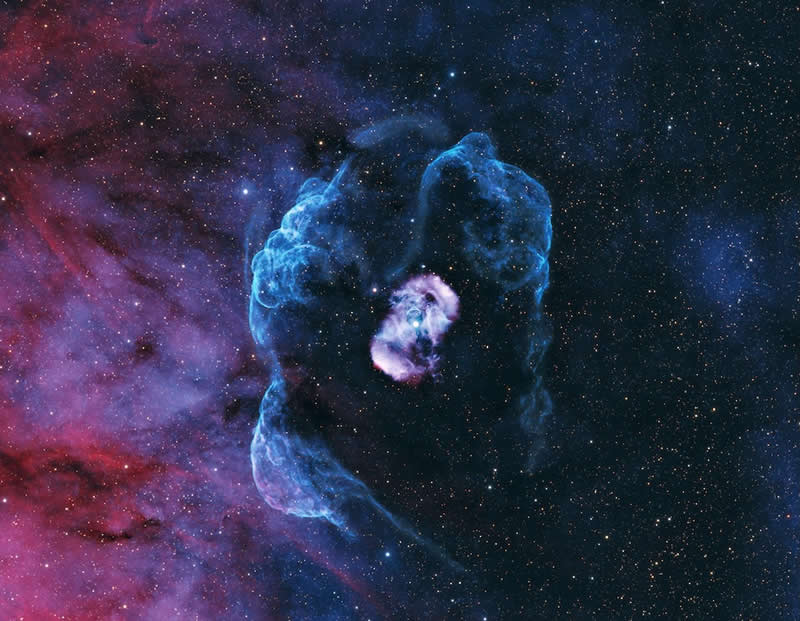
"This is a photograph that rewards the viewer the longer they spend with it. The visual layering, striking composition and extraordinary use of colour create a sense of depth that draws you into the frame. The opposing hues of pink and blue work beautifully together, while the luminous central structure acts as an anchor, pulling the eye ever deeper into the image."
Honorable Mentions:
#7. Deep Sky: OED1 – Winged Sandals of Mercury by Andy Campbell
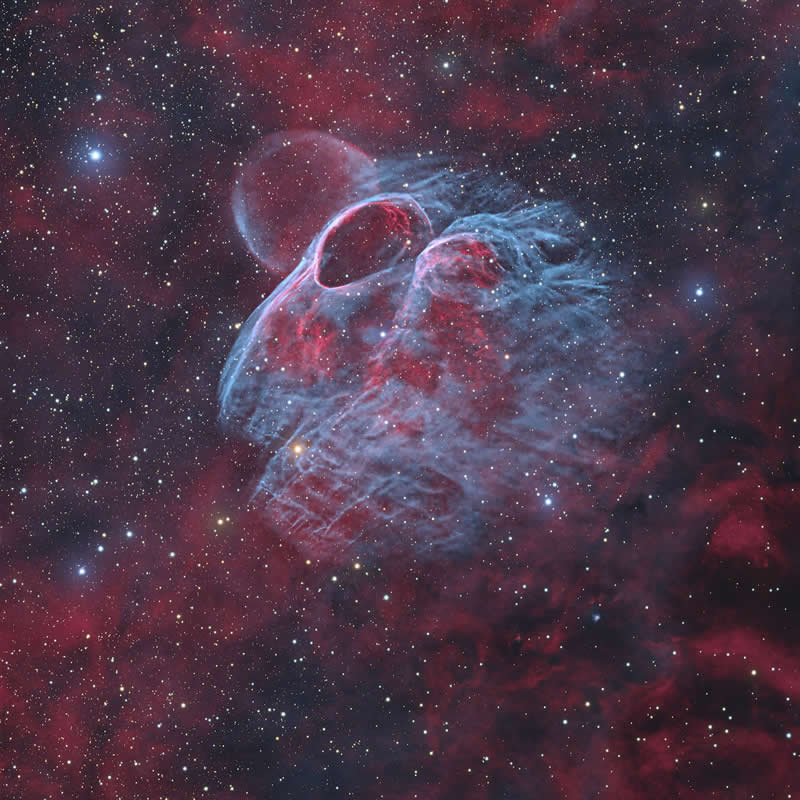
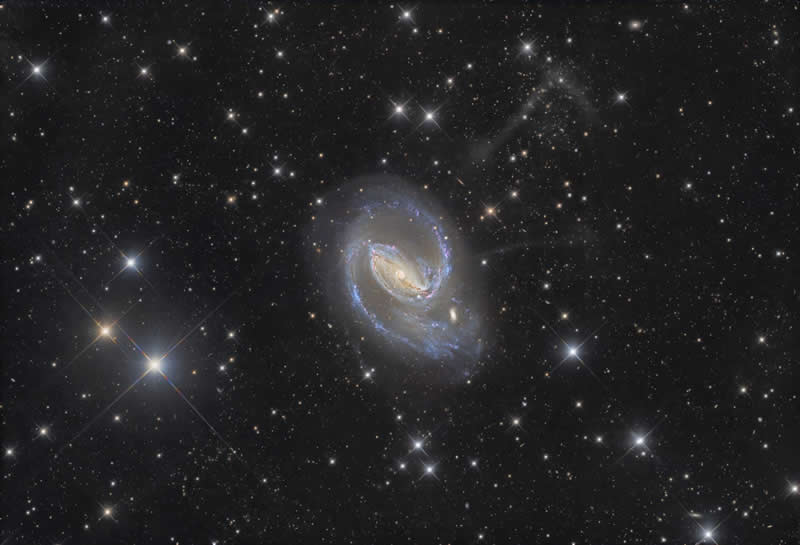
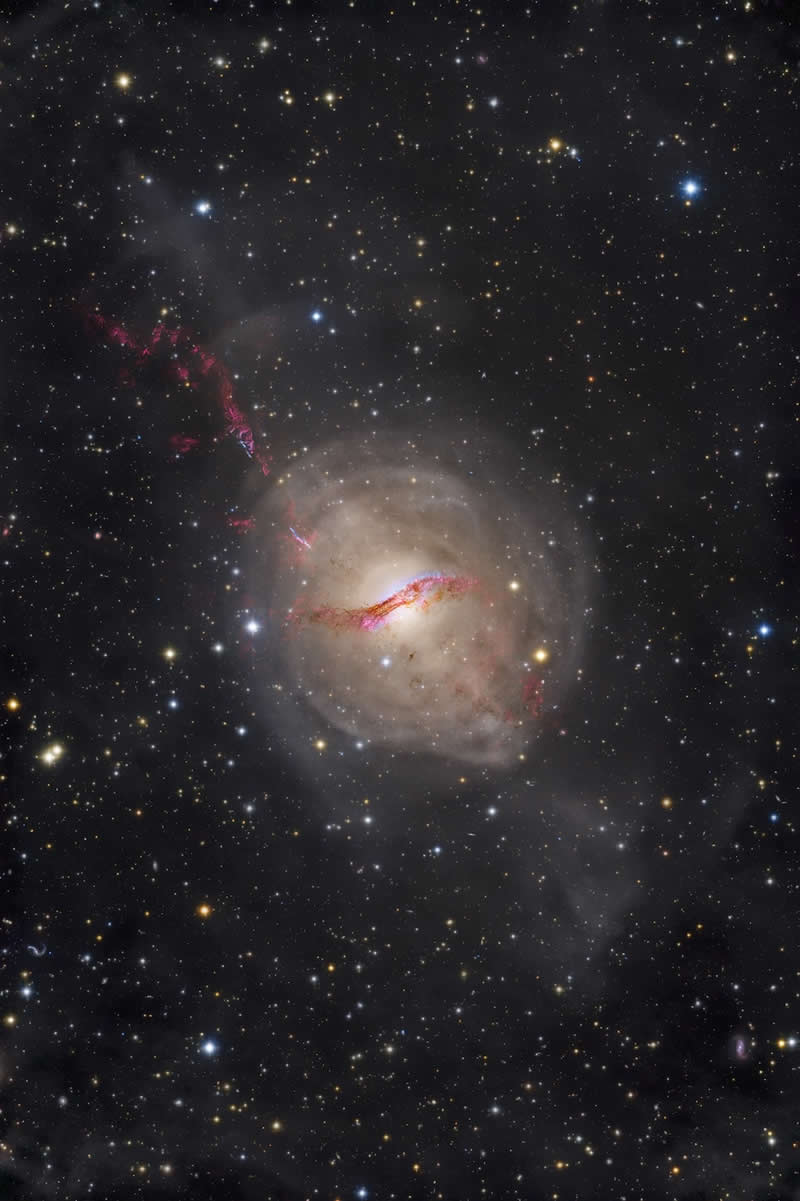
#8. Deep Sky: NGC 1097 – A Barred Spiral with Jets by Paul Montague
#9. Deep Sky: God’s Hand by Frank Alvaro
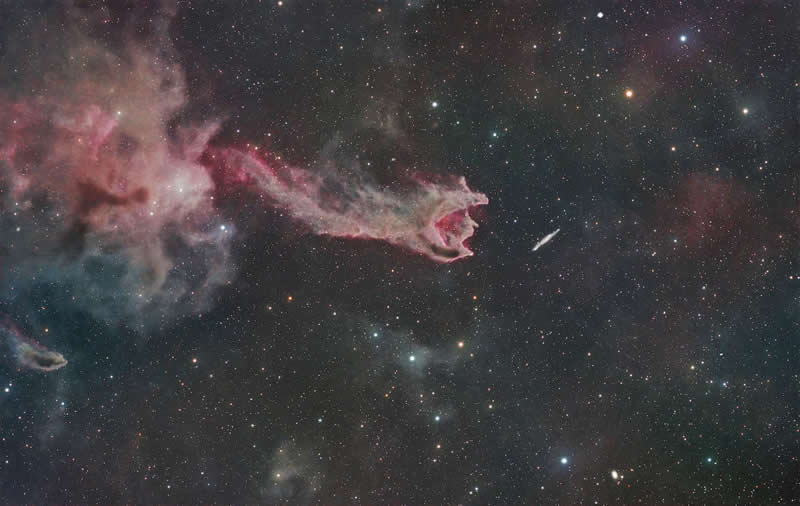
#10. Deep Sky: Celestial Dolphin by Elizabeth Armarego
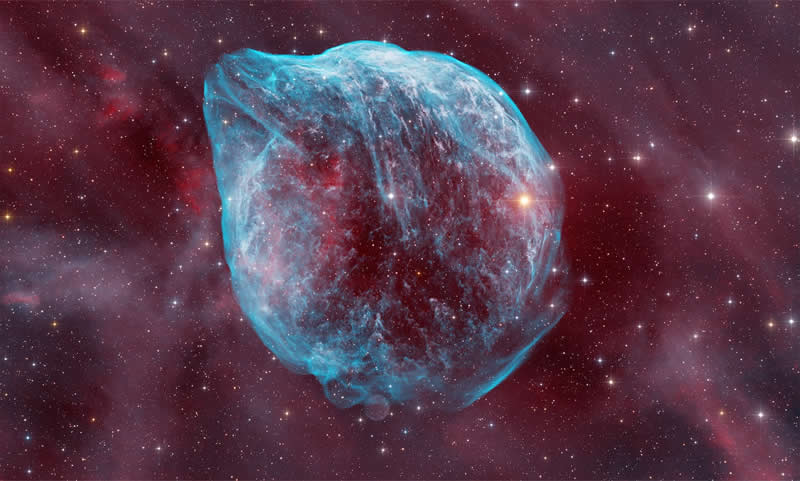
#11. Deep Sky: Blue Sprites and Red Twisters by Jason Wehbe
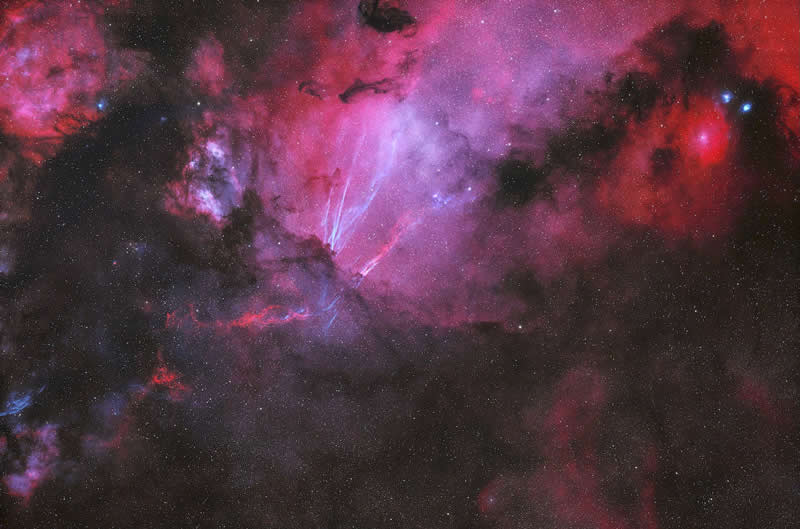
#12. Deep Sky: Another Day, Another Dollar by Paul Montague
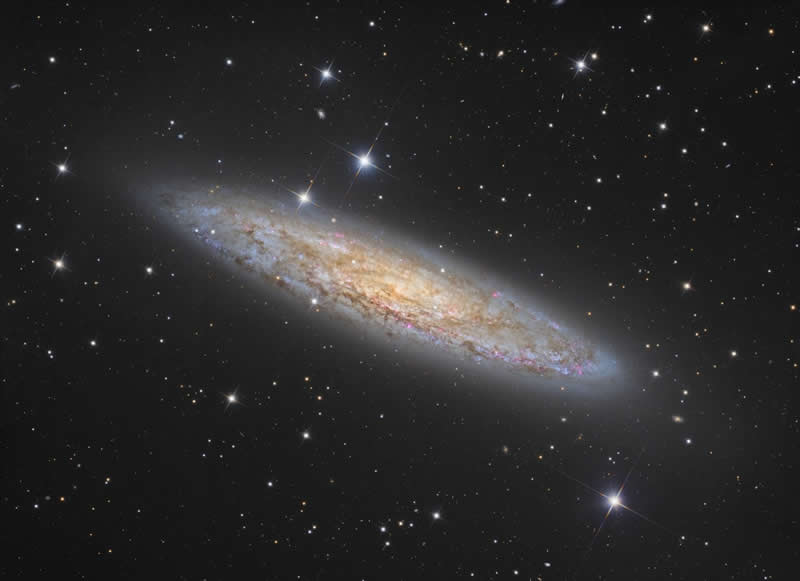
#13. Deep Sky: BRAN 56 by Jarrod Rueff
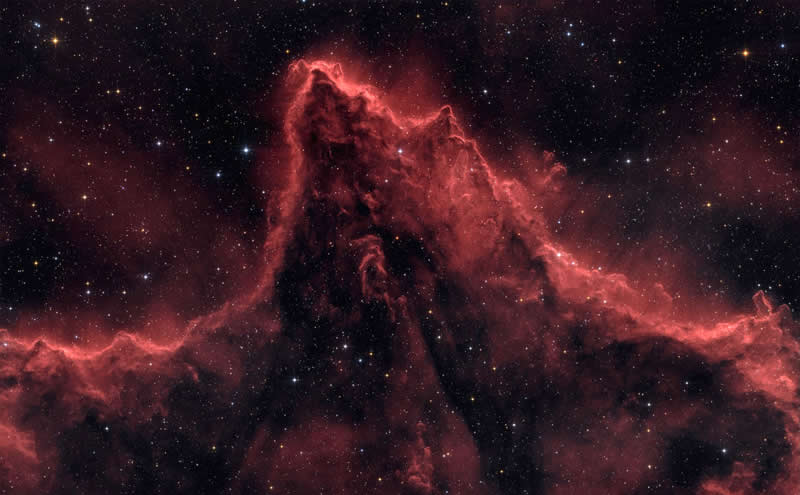
#14. Deep Sky: Ghostly Shells and Blazing jets by Jarrod Koh
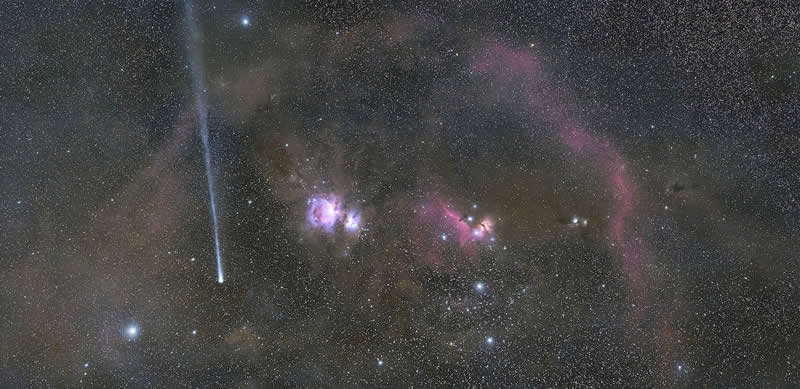
#15. Wide-Field: Comet C/2025 R3 PanSTARRS in Orion by Kelvin Hennessy
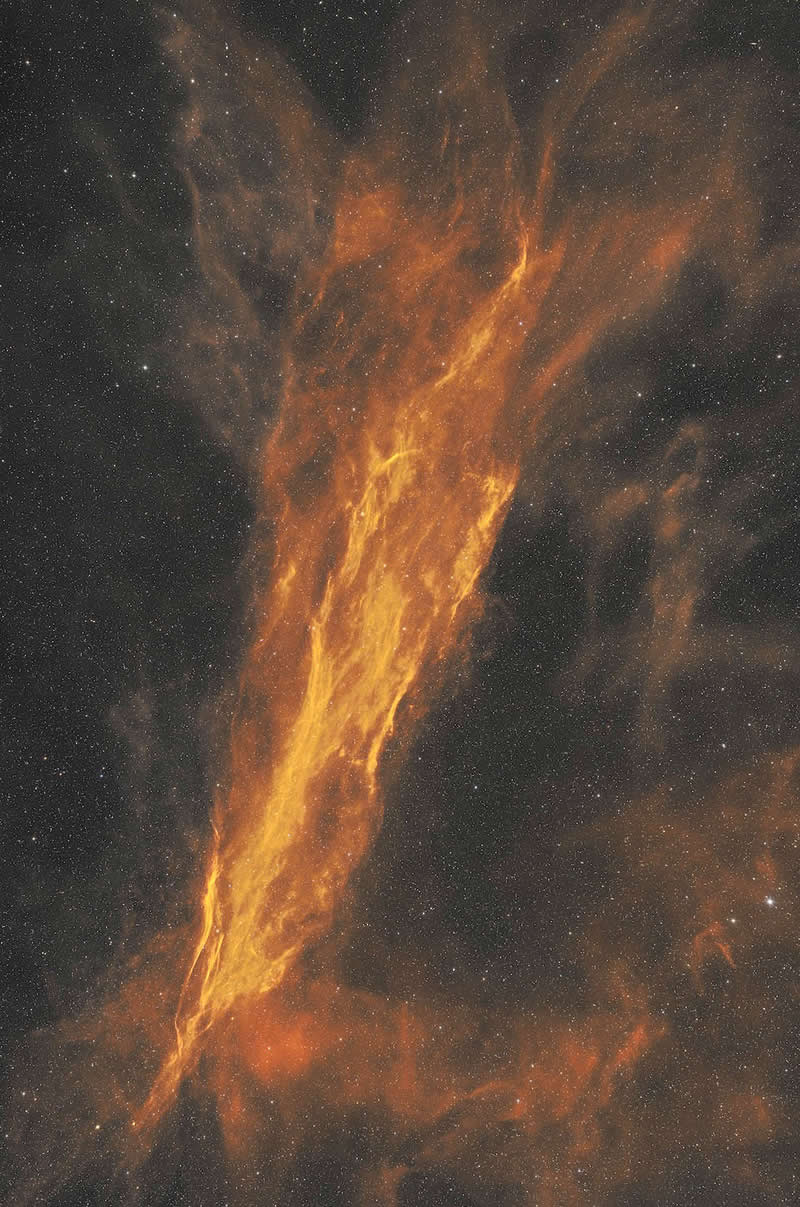
#16. Wide-Field: Gum 12b RGB Ha SII by Rodney Watters
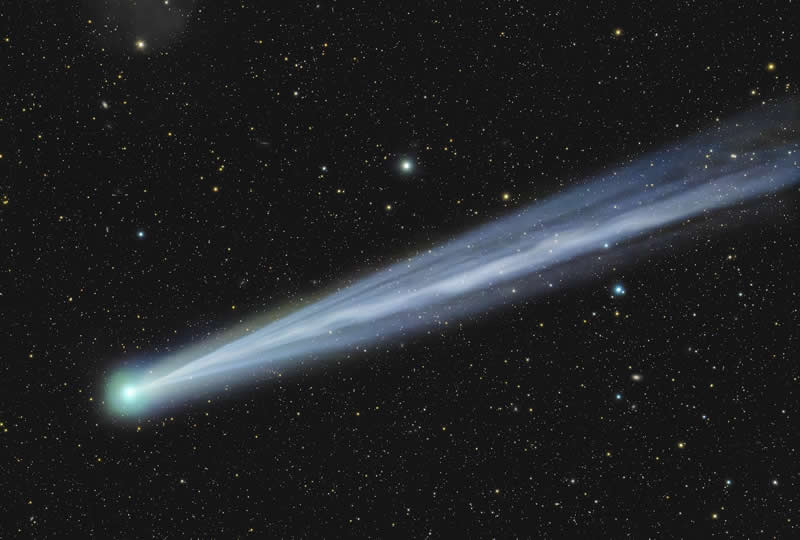
#17. Solar System: Comet 2025 R3 PanSTARRS by Murray Parkinson
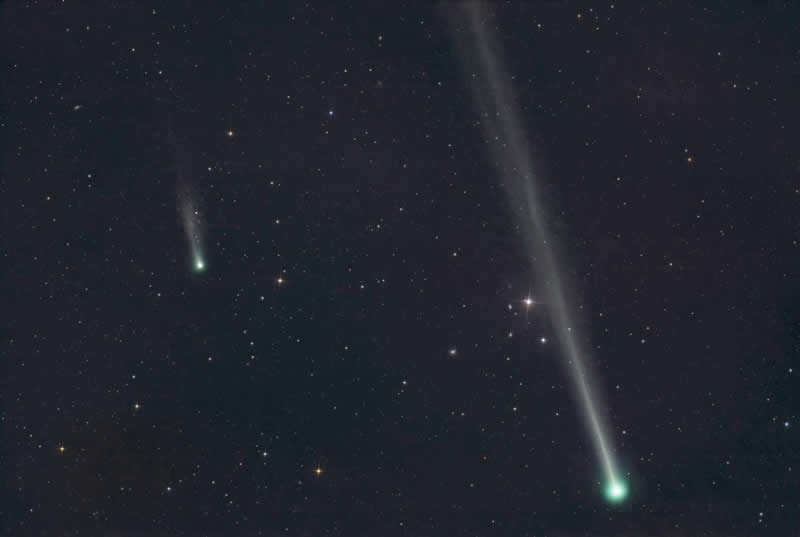
#18. Solar System: C/2025 R2 rendezvous with C/2025 K1 by Jarrod Rueff
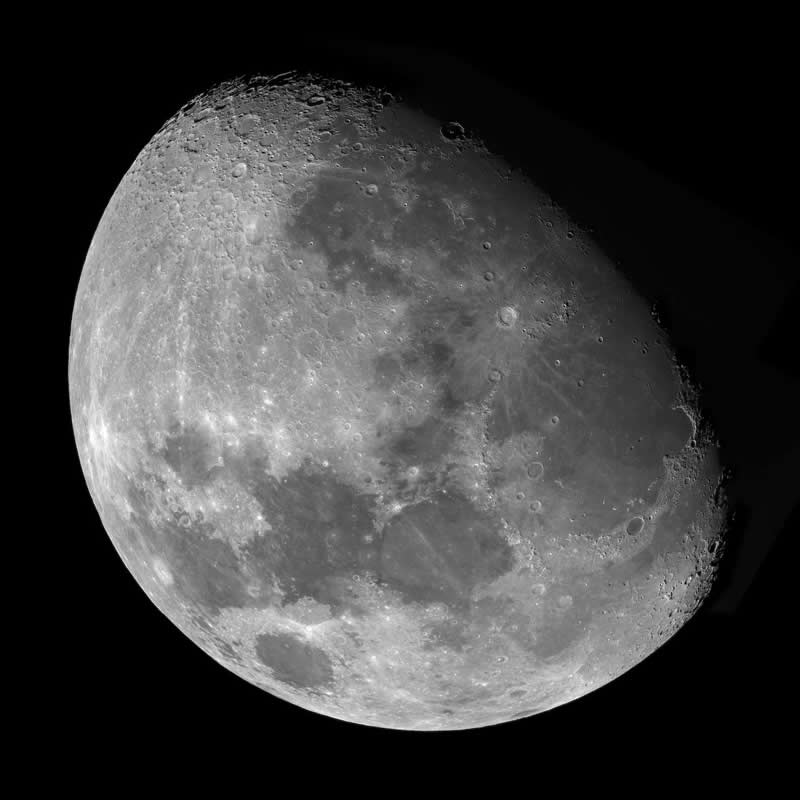
#19. Solar System: Waxing Gibbous by Andy Casely
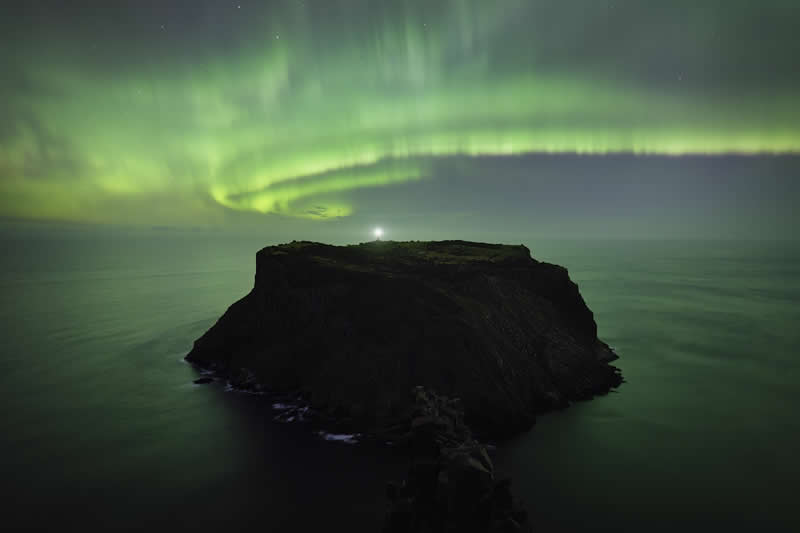
#20. Nightscapes (International): Tasman Arc by Luke Tscharke
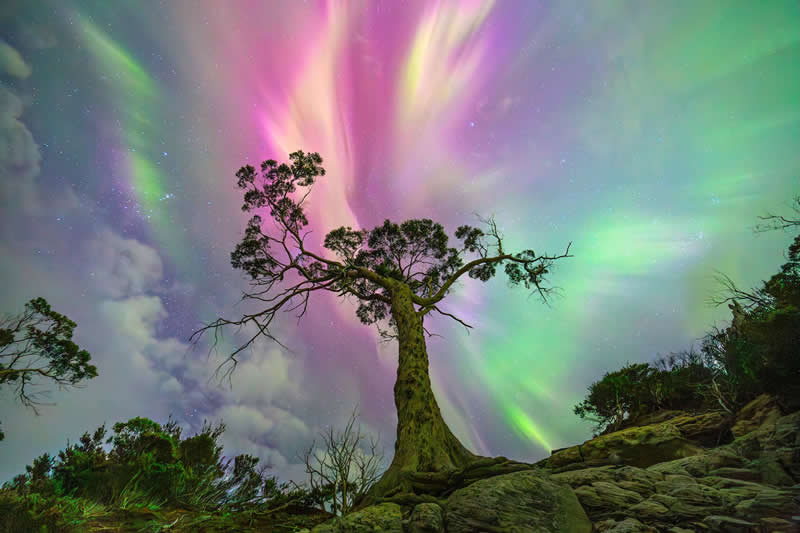
#21. Nightscapes (International): The Wishing Tree by Luke Rasmussen
#22. Nightscapes (International): Pantoney’s Crown by Ed Hurst
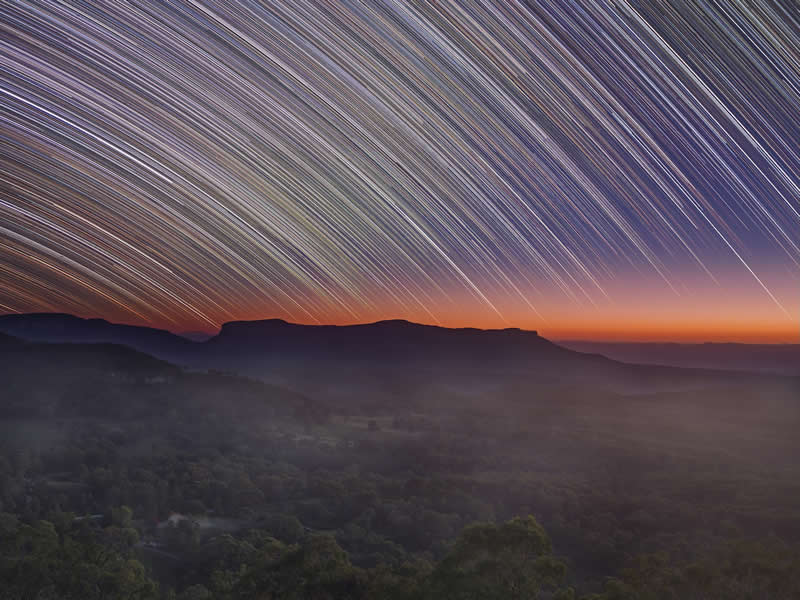
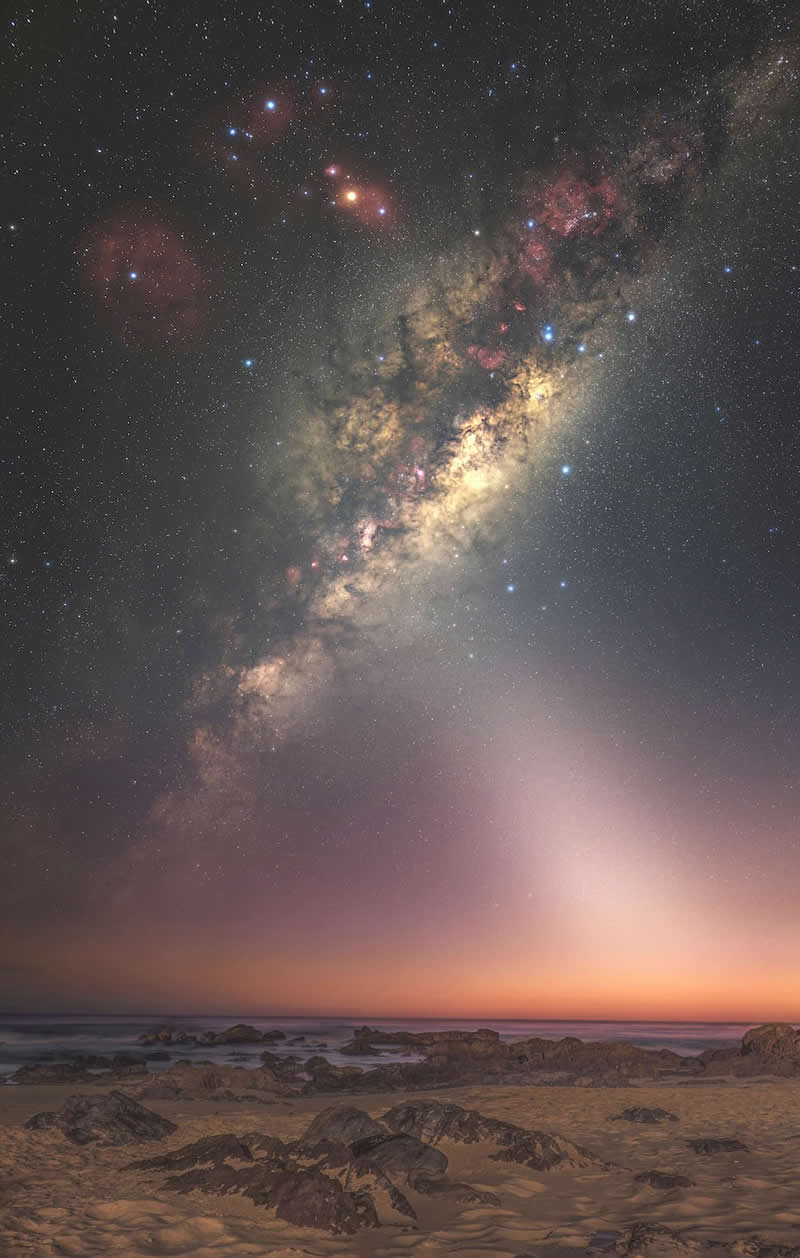
#23. Nightscapes (International): Milky Way and Zodiacal Light by Lucy Yunxi Hu
Highly Commendeds
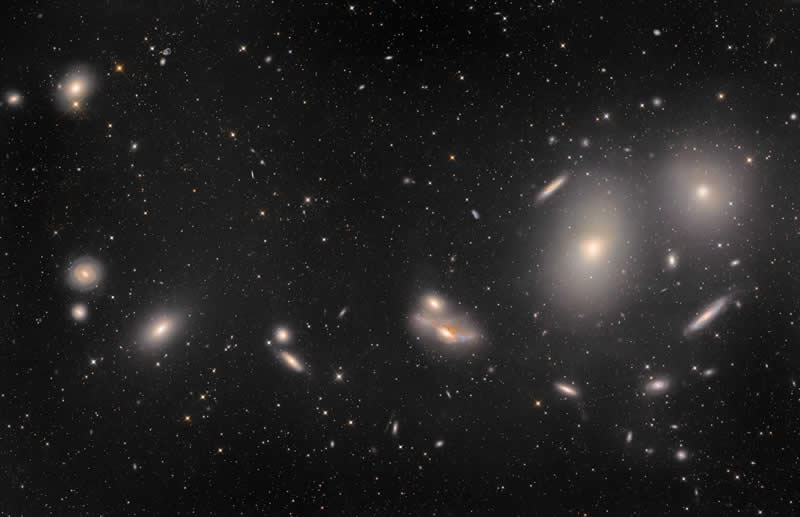
#24. Deep Sky: Markarian’s Chain by Jarrod Rueff
#25. Deep Sky: Icarus Ascending by William Vrbasso
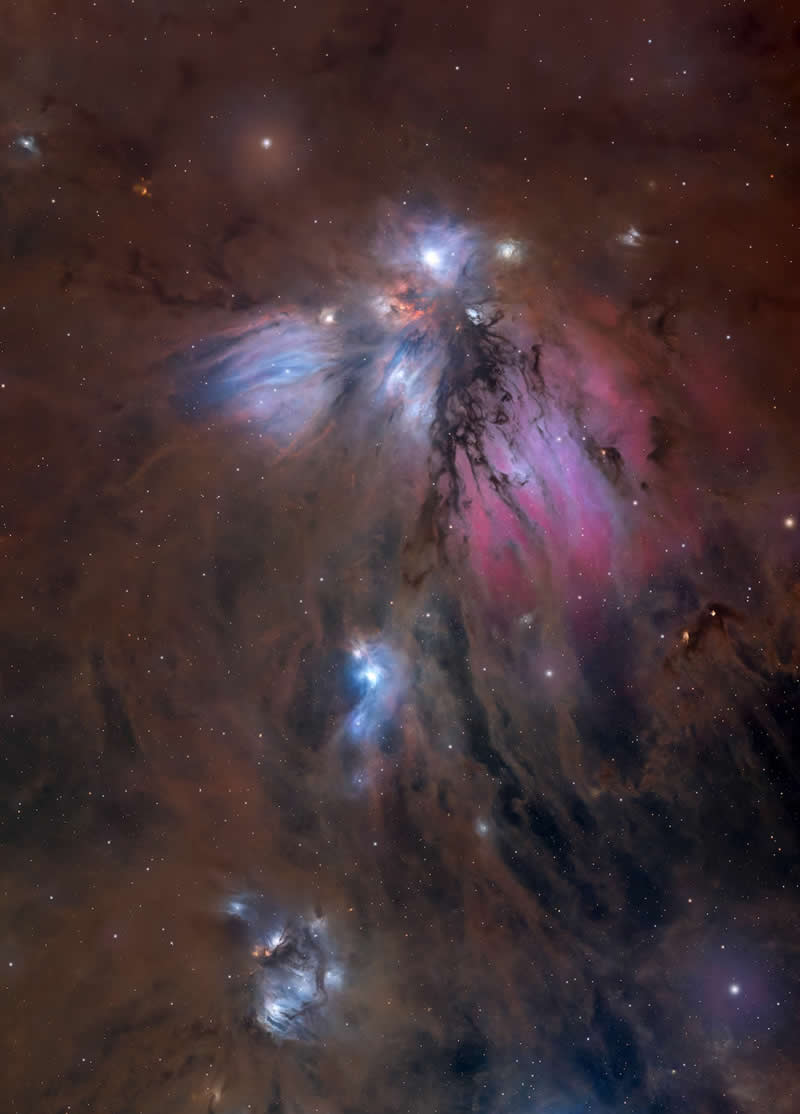
#26. Deep Sky: Harmony in a Fractured Wing by Andy Campbell
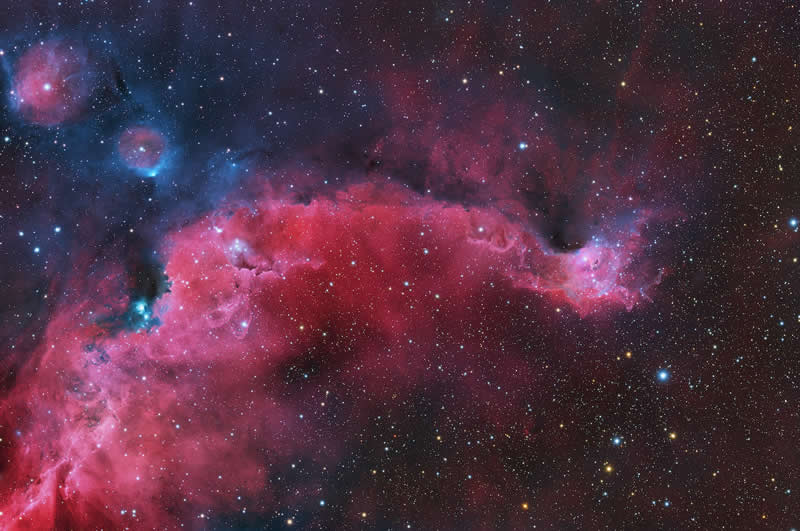
#27. Deep Sky: A Grand Design Face-on Spiral by Niall MacNeill
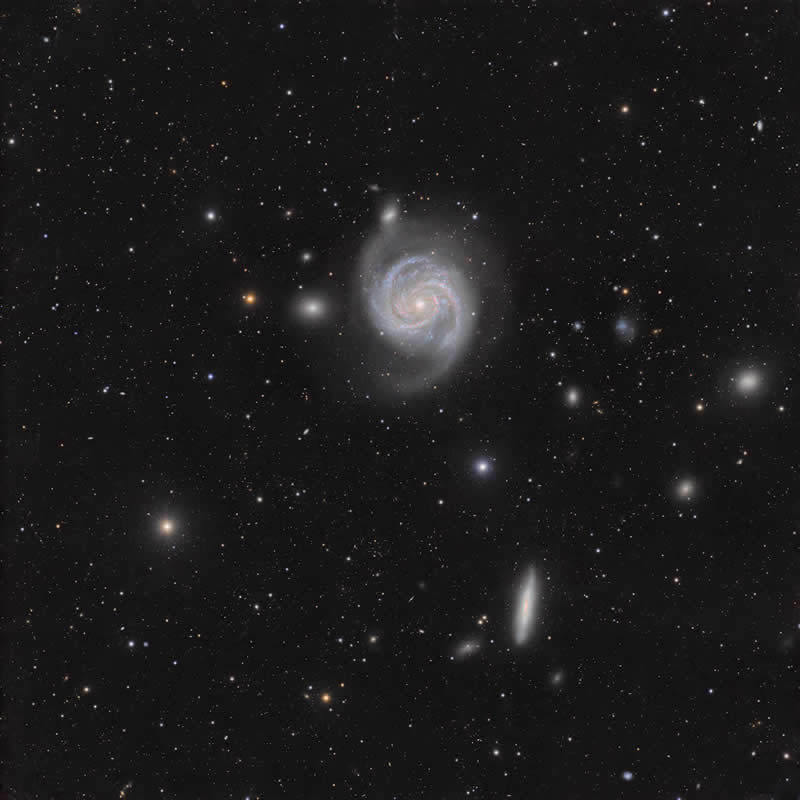
#28. Wide-Field: Ichabod’s Steed by Jarrod Koh
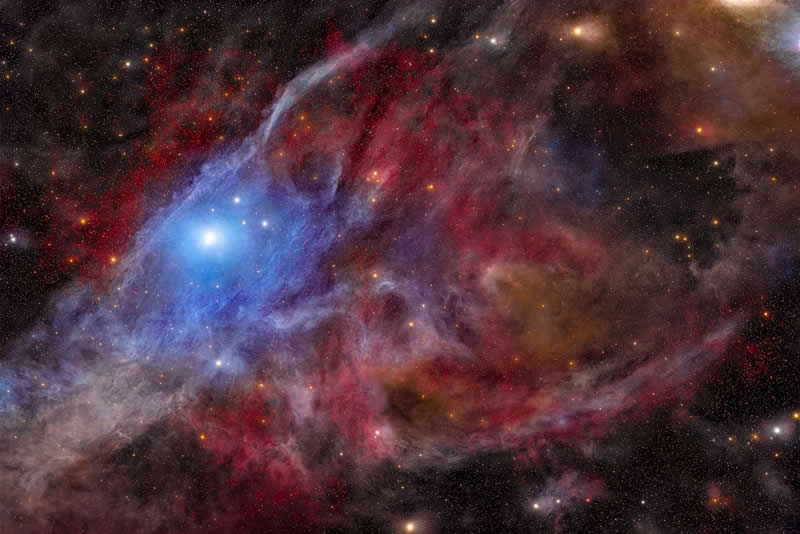
#29. Wide-Field: The Messenger from the Abyss by Jarrod Koh
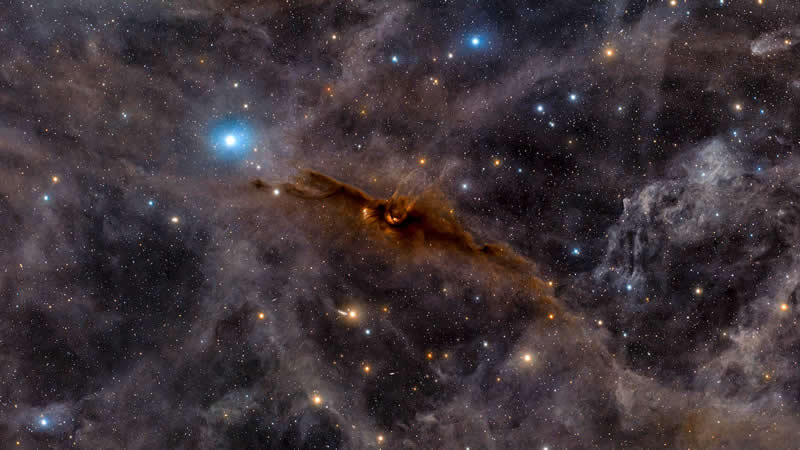
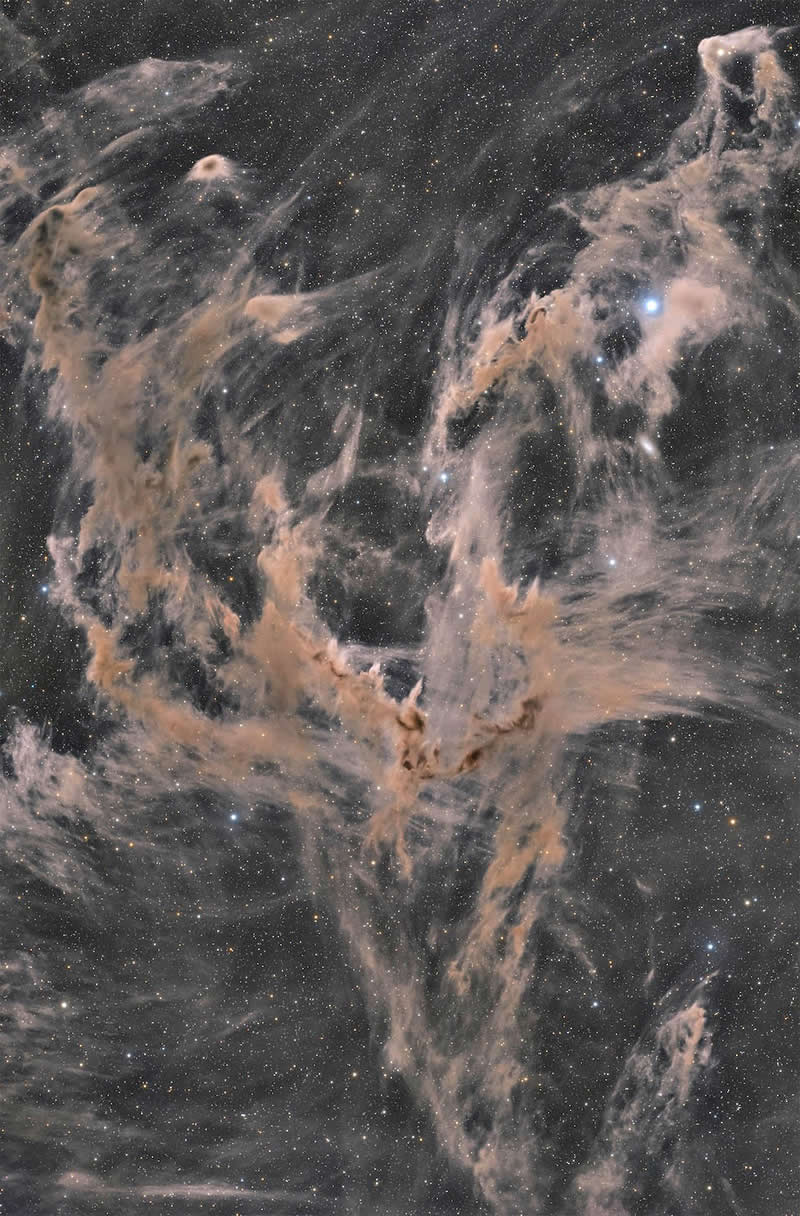
#30. Wide-Field: The V Shadow in Chamaeleon by Rod Prazeres
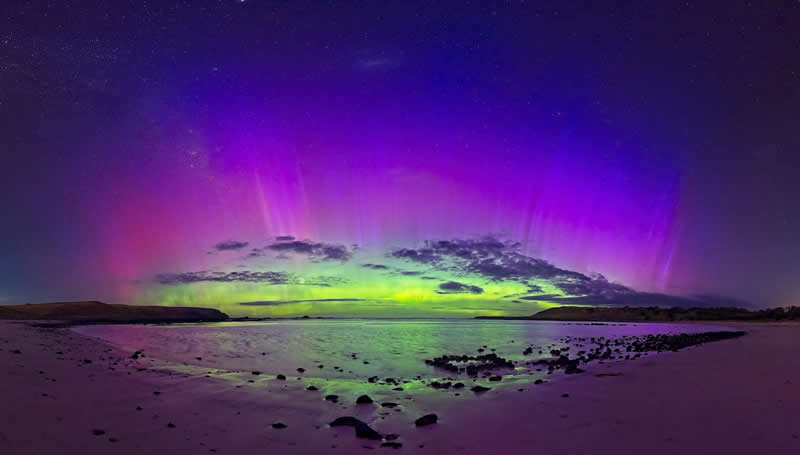
#31. Nightscapes (International): Bay Beyond Beauty by Mark Osmotherly
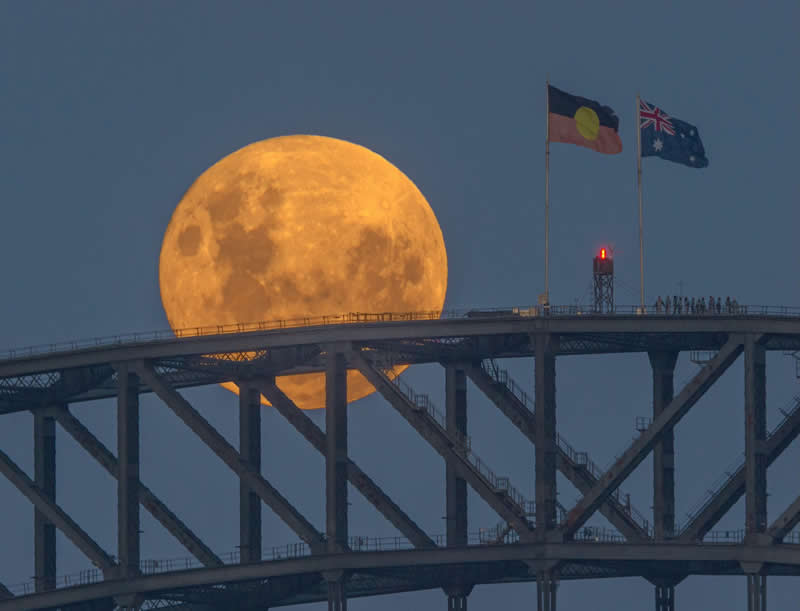
#32. Nightscapes (International): Climbing to the Moon by Peter Patonai
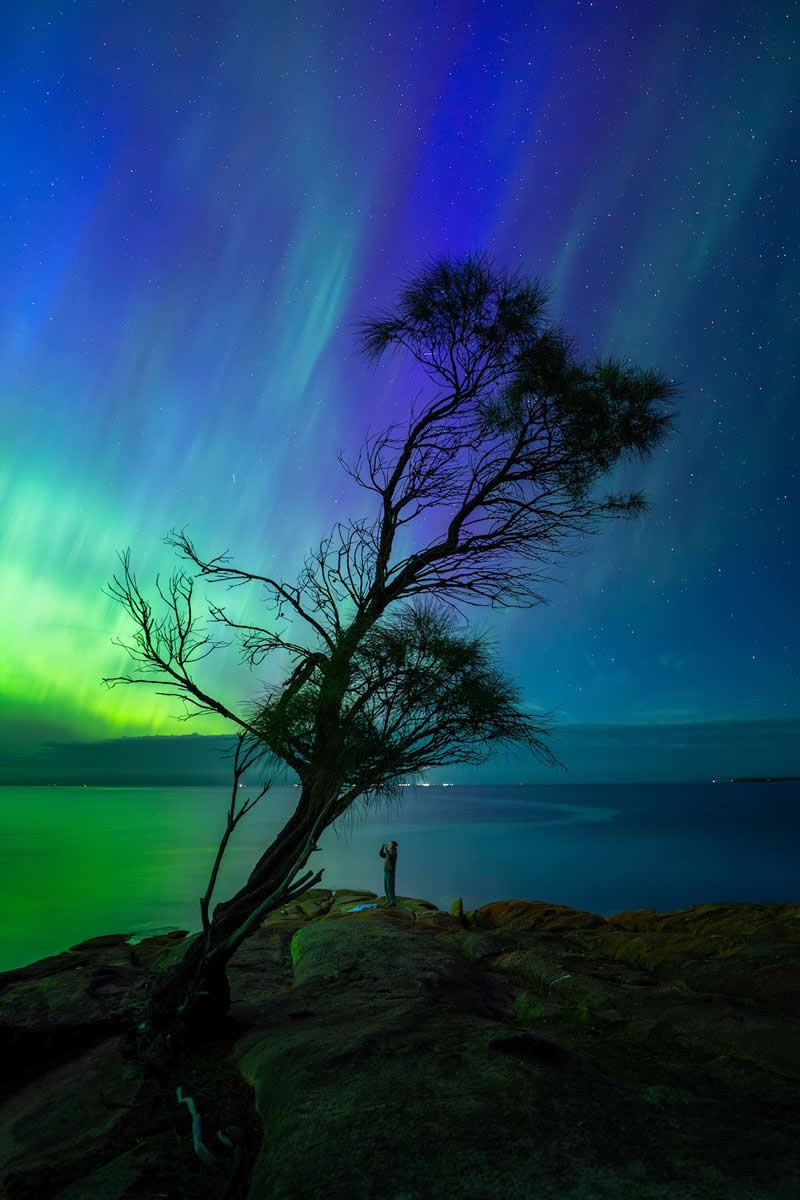
#33. Nightscapes (International): Observers by Nathan Waterhouse
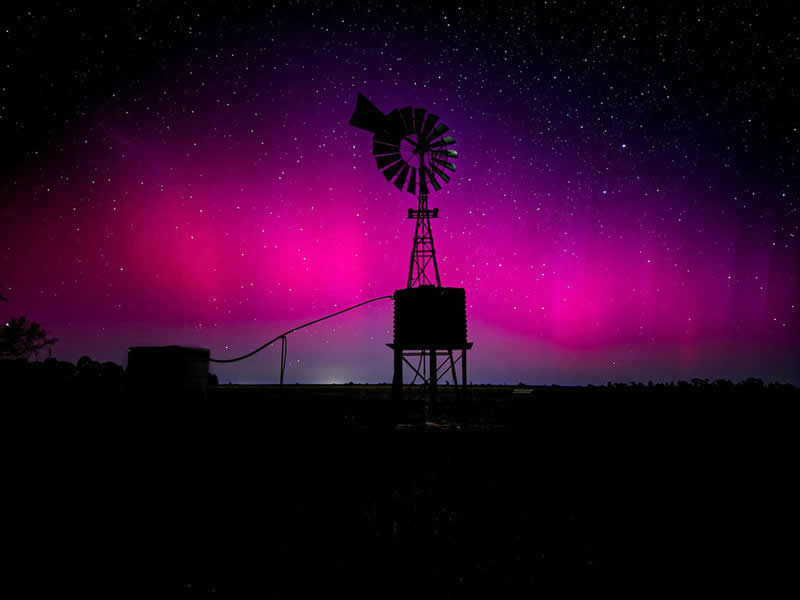
#34. Smartphone Astrophotography: Echos Beneath the Aurora Australis by Sharon Woods
Frequently Asked Questions:
What are the David Malin Astrophotography Awards?
The David Malin Astrophotography Awards are an annual competition organized by the Central West Astronomical Society that celebrates exceptional astrophotography from amateur and professional photographers worldwide.
Who won the Overall category in 2026?
Stefan Buda won the Overall & Solar System category in 2026 with “The Lunar Apennines,” a remarkably detailed photograph showcasing the Moon’s Apennine mountain region and Hadley Rille.
What subjects appear in the winning photographs?
The winning images capture a wide range of celestial subjects, including distant galaxies, colorful nebulae, planets, eclipses, comets, lunar landscapes, stars, and dramatic Earth-based nightscapes.
What categories are included in the awards?
The competition includes categories such as Deep Sky, Solar System, Nightscapes, Wide-Field, Junior, and Animated Sequences, giving photographers different ways to showcase technical and artistic approaches to astrophotography.
Where can people see the winning photographs?
The winning photographs are exhibited at the CSIRO Parkes Observatory Visitors Center and later tour museums and galleries across Australia, allowing audiences to experience these remarkable views of the universe.