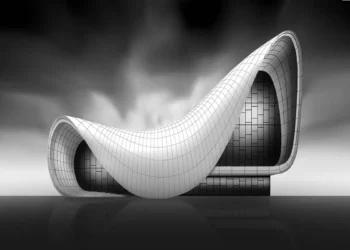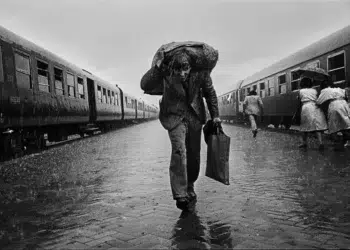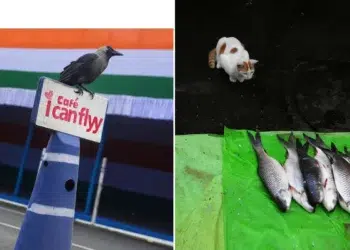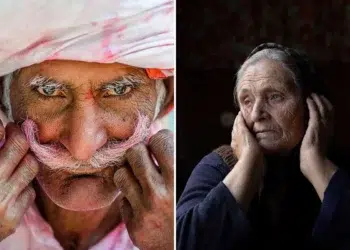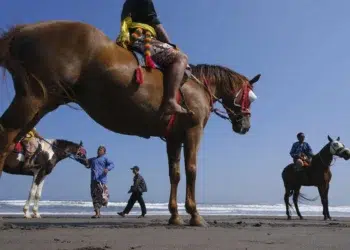

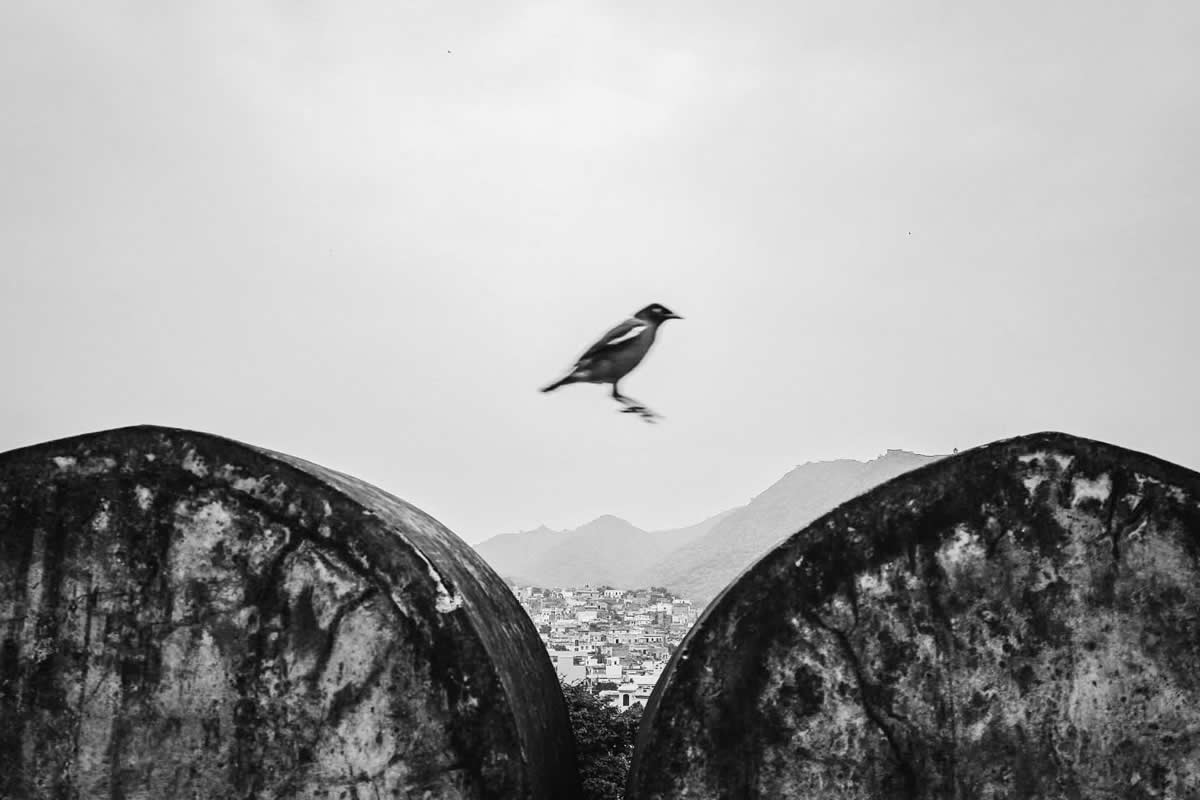
Some photographers chase spectacular scenes. Divyanshu Verma does something more interesting—he slows down and pays attention to the moments most of us walk right past.
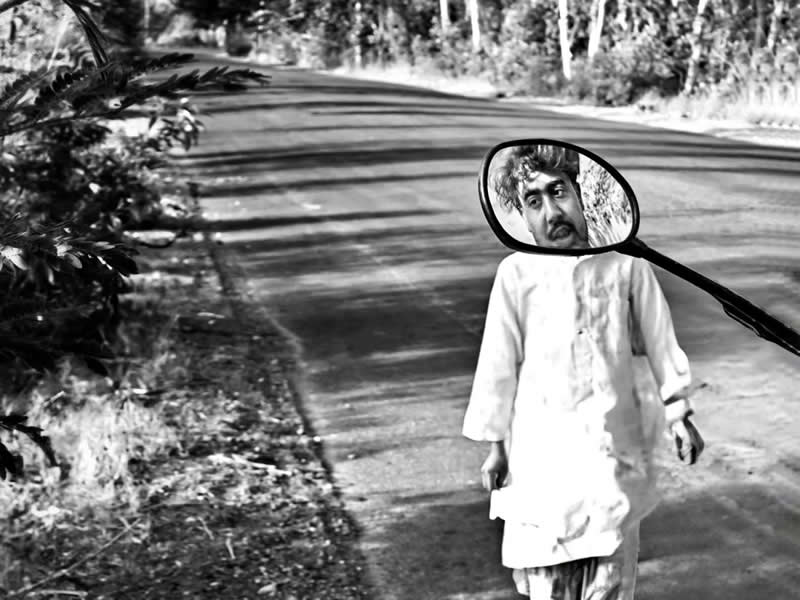
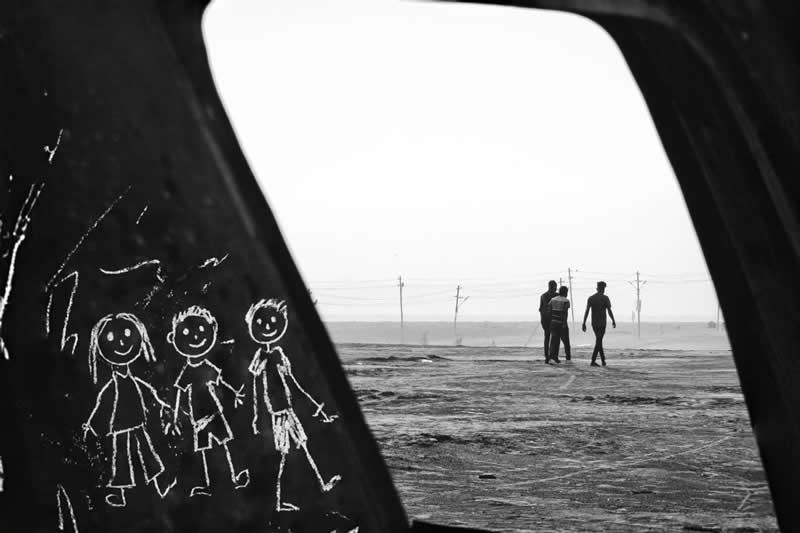
The self-taught Indian photographer has built his visual language around everyday life: people crossing busy streets, a sudden shadow on a wall, sunlight falling across a face, a quiet gesture, or a perfectly timed silhouette. Nothing needs to be extraordinary. The way he sees it is enough.
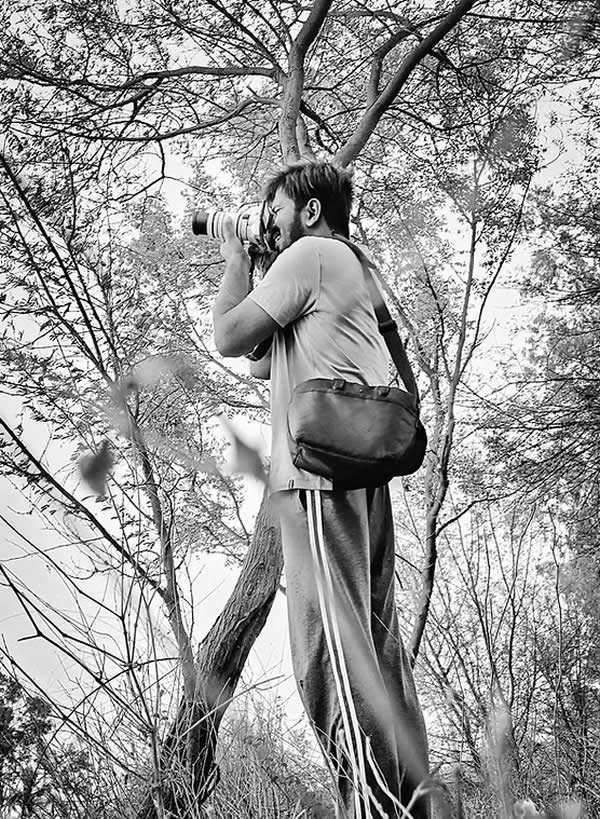
Verma’s journey began in high school with his father’s smartphone, photographing flowers, clouds, and anything else that caught his eye. Even today, he continues to photograph with a phone, proving that a great photograph starts with observation, not expensive gear.
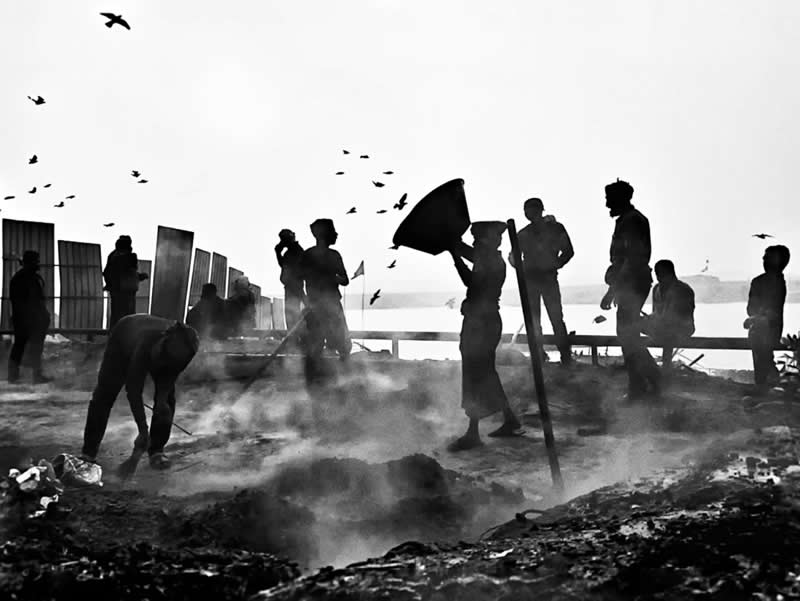
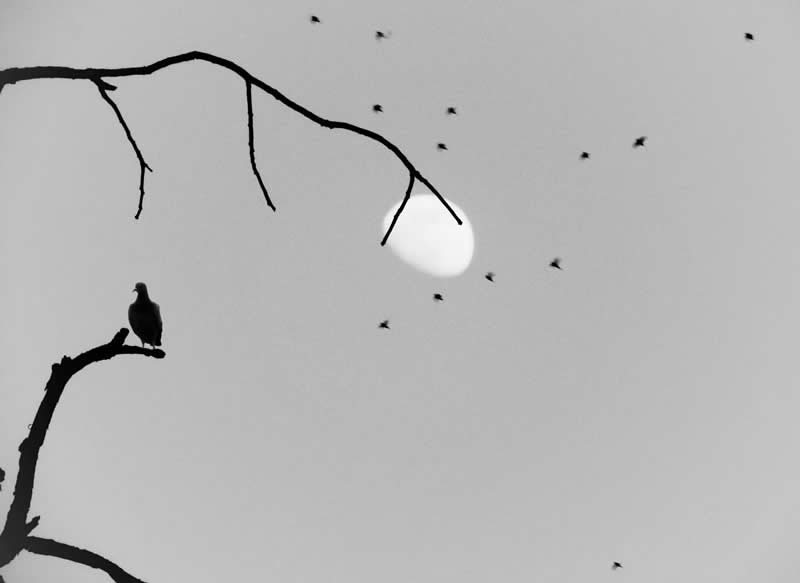
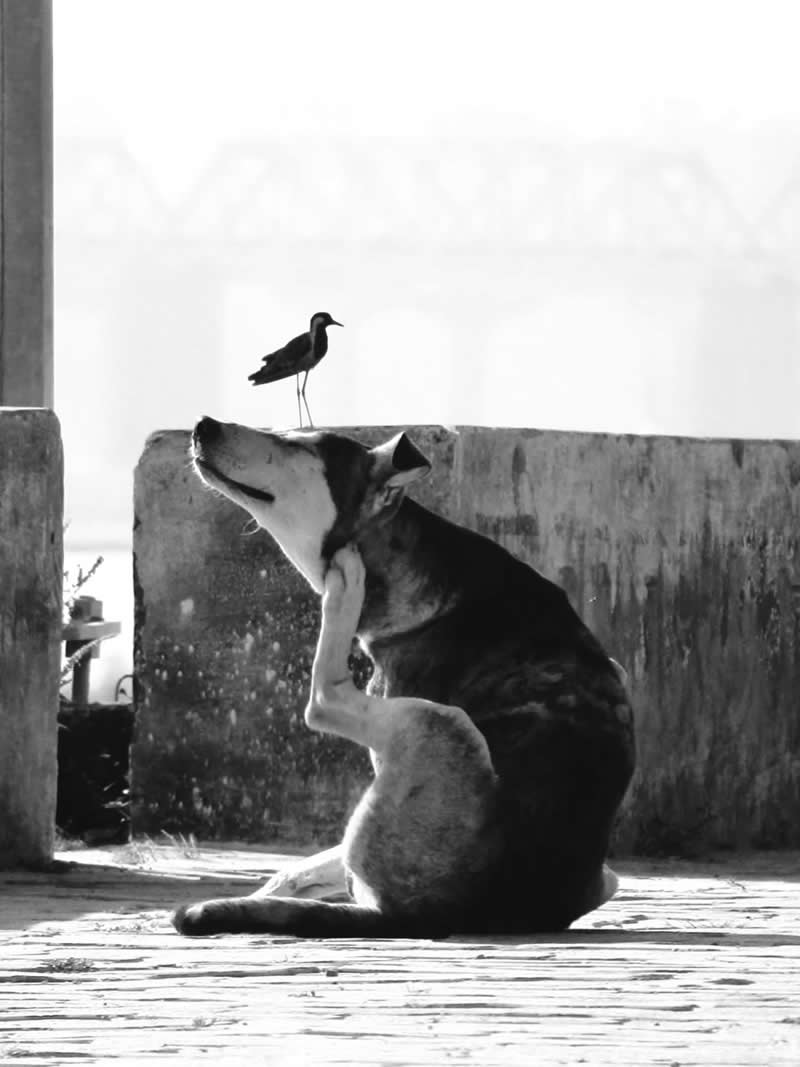
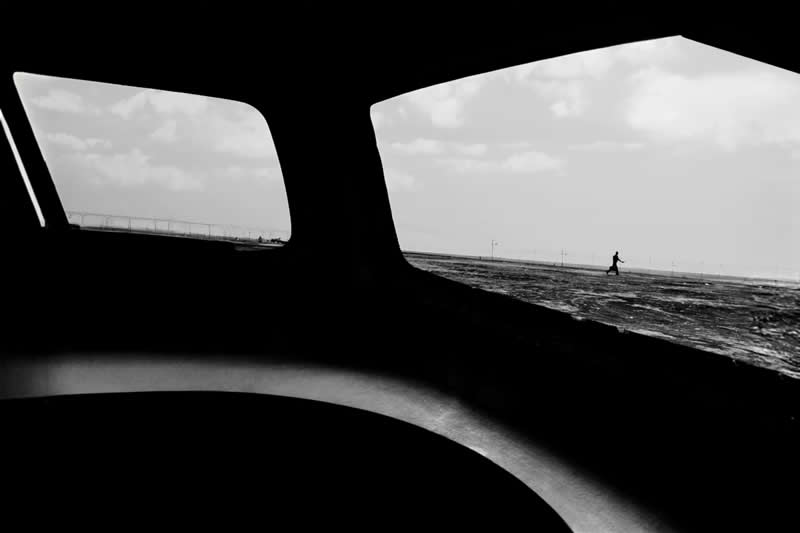
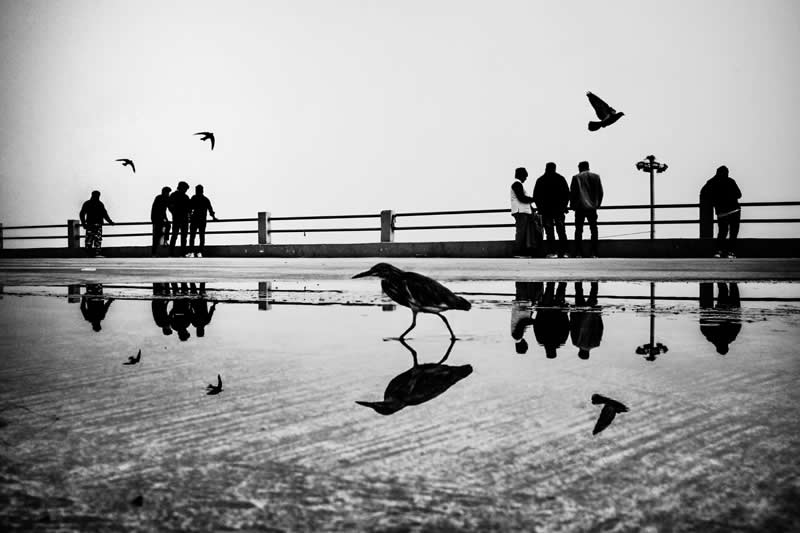
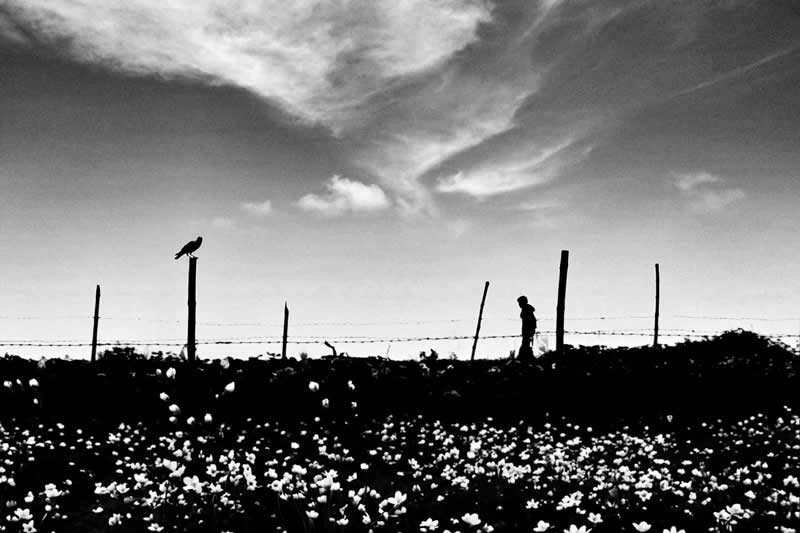
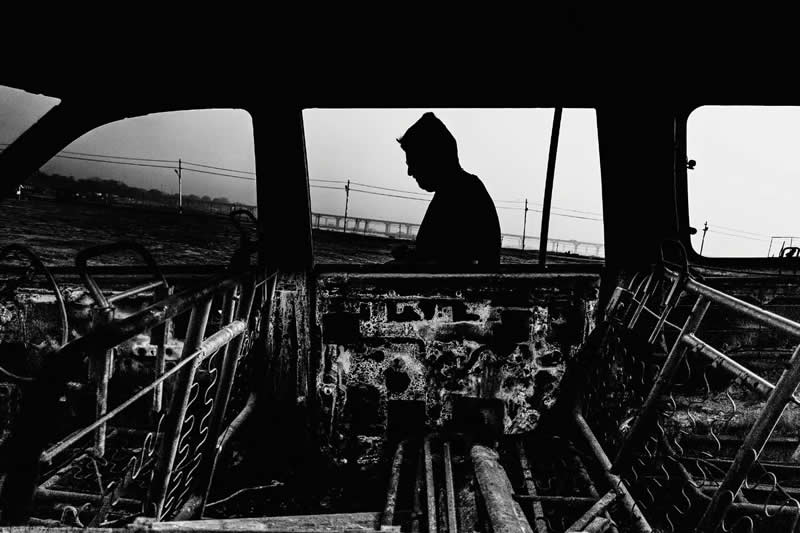
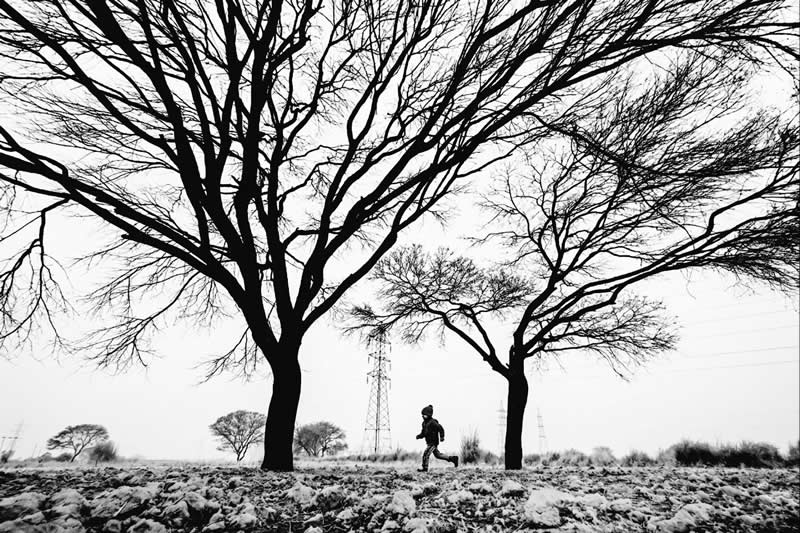
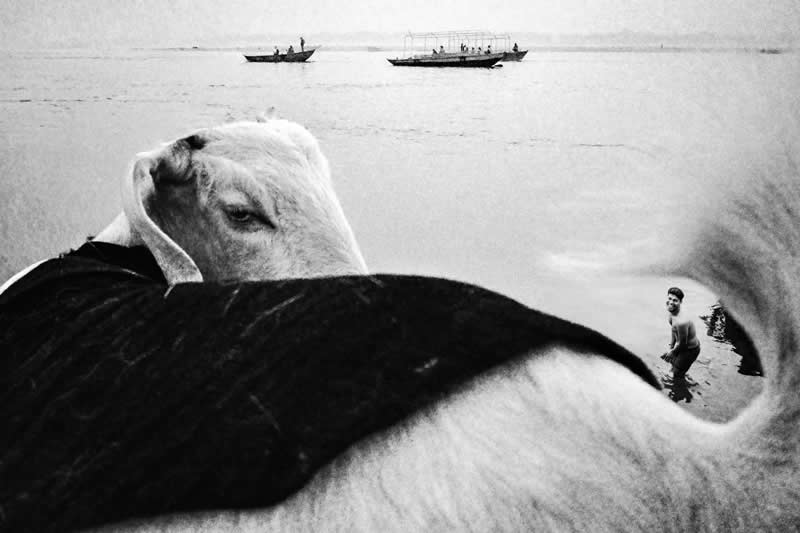
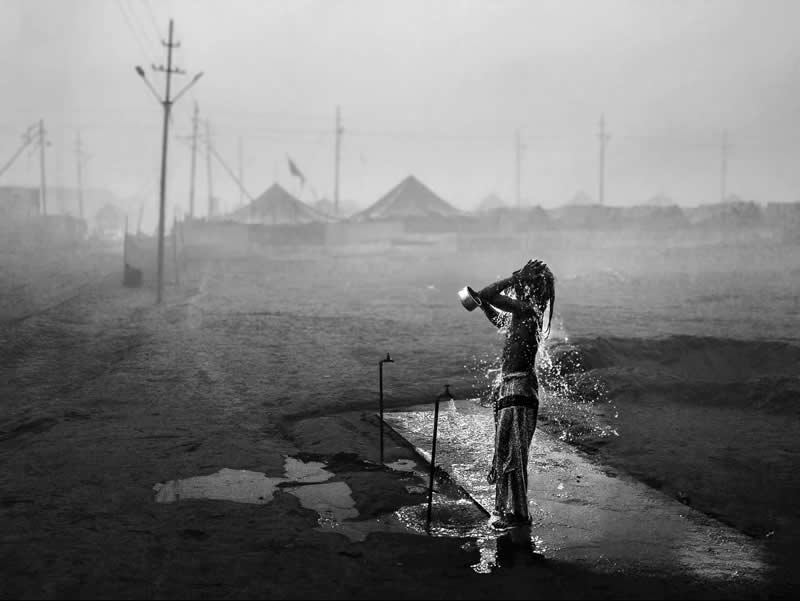
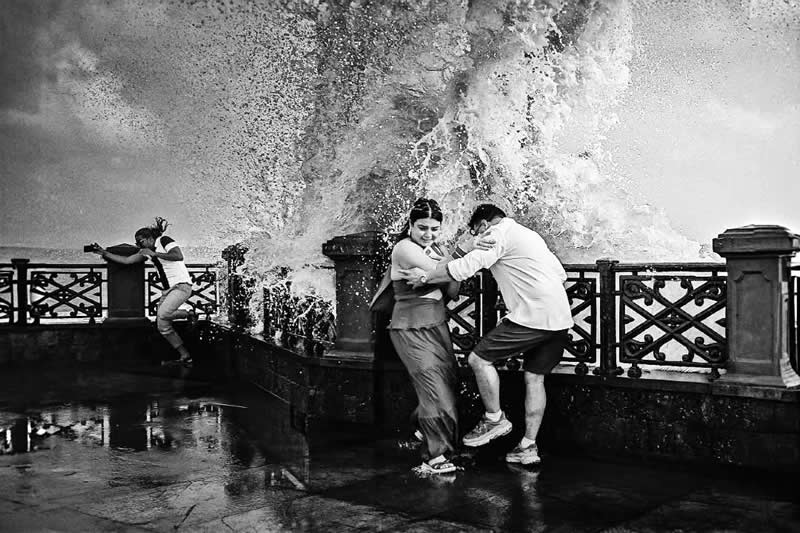
His street photography often plays with light, shadows, perspective, geometry, and composition. Sometimes he waits patiently for a person to enter a frame; other times, an unexpected moment unfolds and he simply reacts. That balance between patience and instinct gives his images a natural, unforced quality.
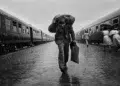
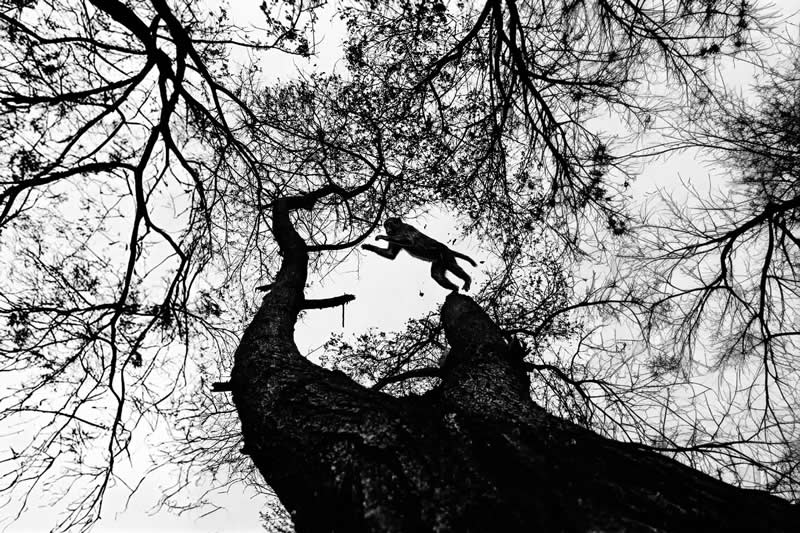
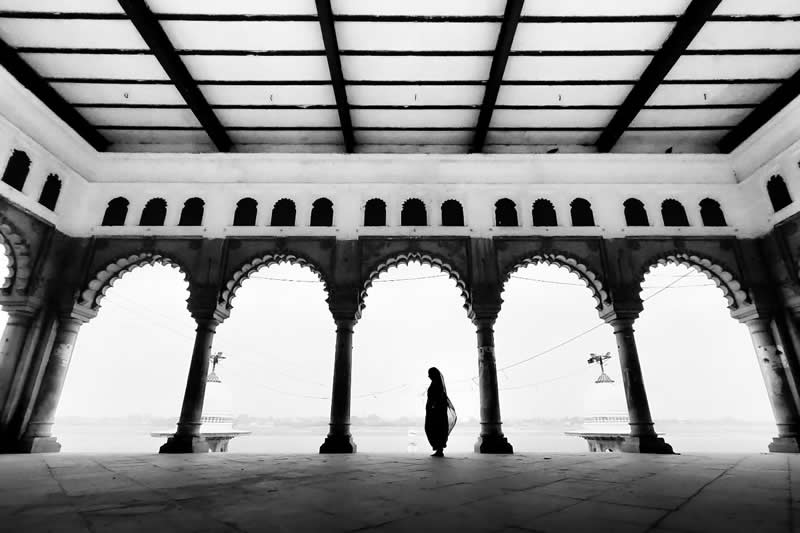
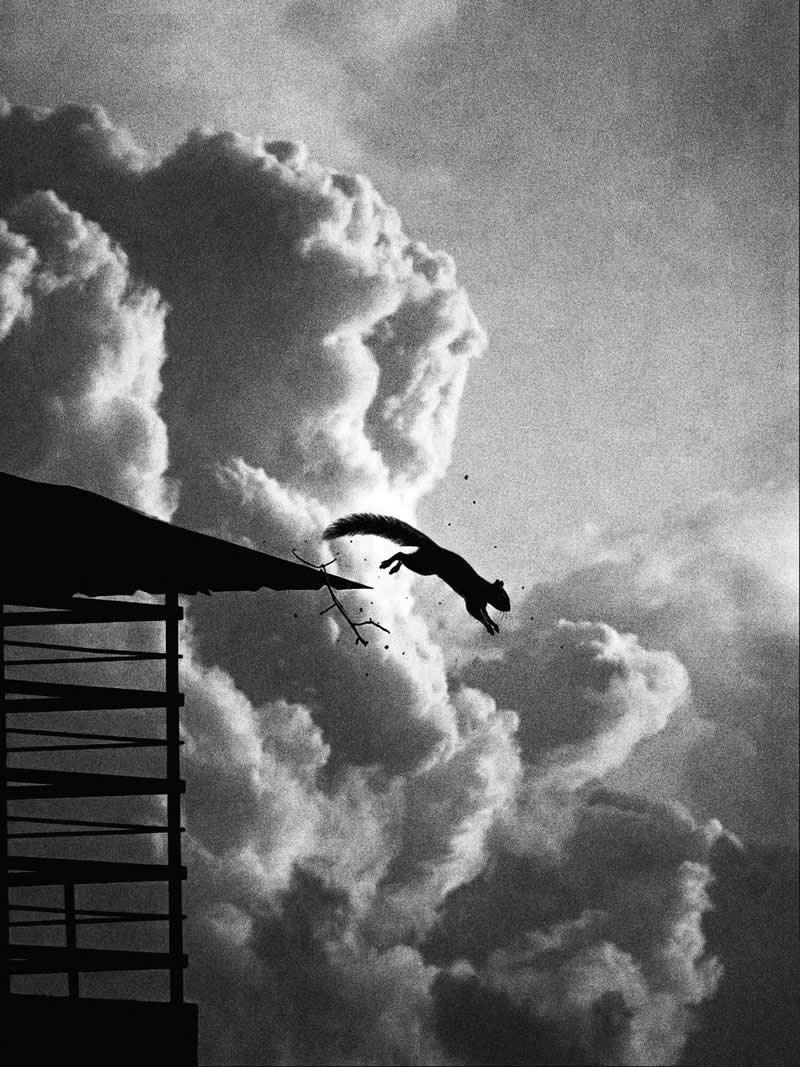
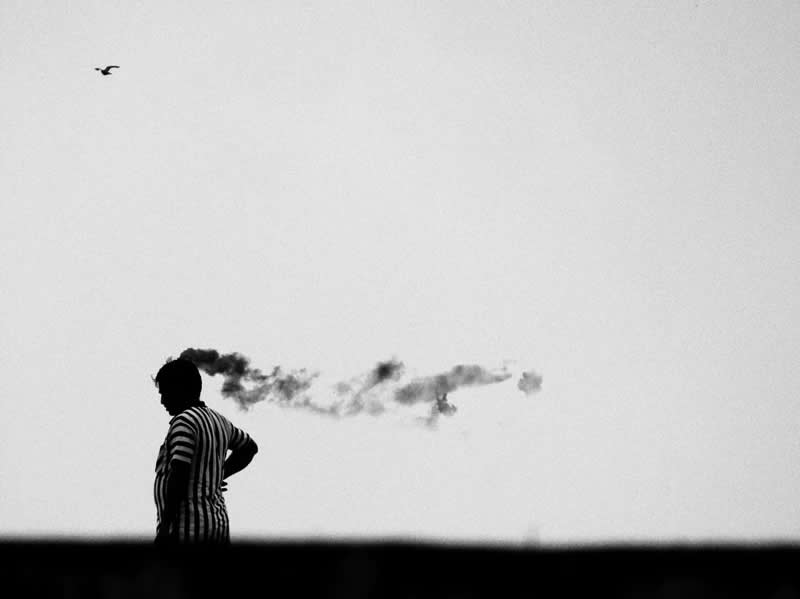
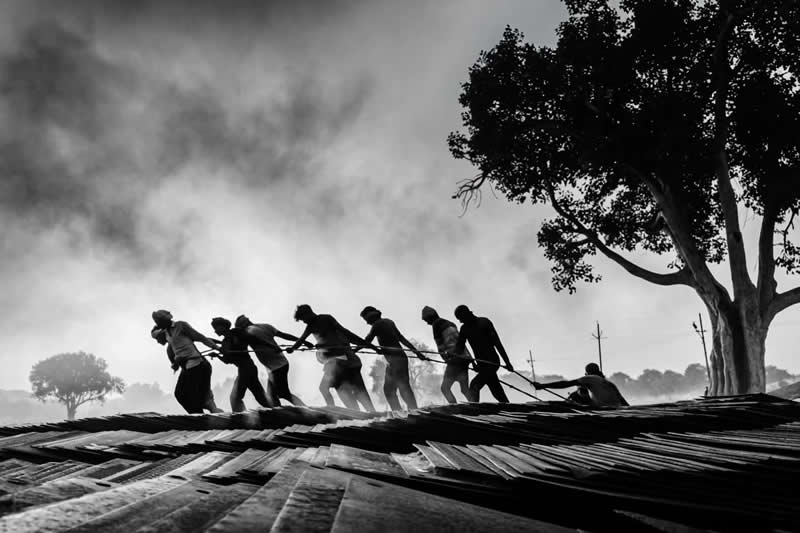
Black and white photography has also become an important part of his visual language, stripping away distractions and putting the spotlight on emotion, gesture, atmosphere, and light.
What makes Verma’s work especially compelling is its reminder to look twice. There’s beauty hiding in plain sight—we just have to slow down enough to notice it.
You can find Divnyanshu Verma on the web:
A brief introduction about yourself
I’m a self-taught photographer and visual storyteller drawn to the beauty hidden in ordinary, often overlooked moments. My photography moves between family life, the streets, and the quiet interplay of light, shadows, and silhouettes.
Through my photographs, I try to hold on to fleeting emotions, gestures, and little moments that might otherwise disappear with time. Whether I’m photographing a crowded street or the quietness of home, I’m always looking for something honest and real rather than something perfect.
My photography journey began with a smartphone, and interestingly, I still photograph with one today. It keeps my approach simple and reminds me that photography isn’t always about having the best equipment. For me, it’s about curiosity, observation, and patience—and being present enough to notice what’s happening around me.
I never really know what a photograph will become when I start looking. I simply let everyday life guide me. A shadow falling across a wall, a fleeting expression, a quiet gesture, or a completely unexpected moment can suddenly become worth remembering.
For me, photography is more than just making images. It’s a way of looking at life, understanding the world around me, and keeping small pieces of it alive through photographs.
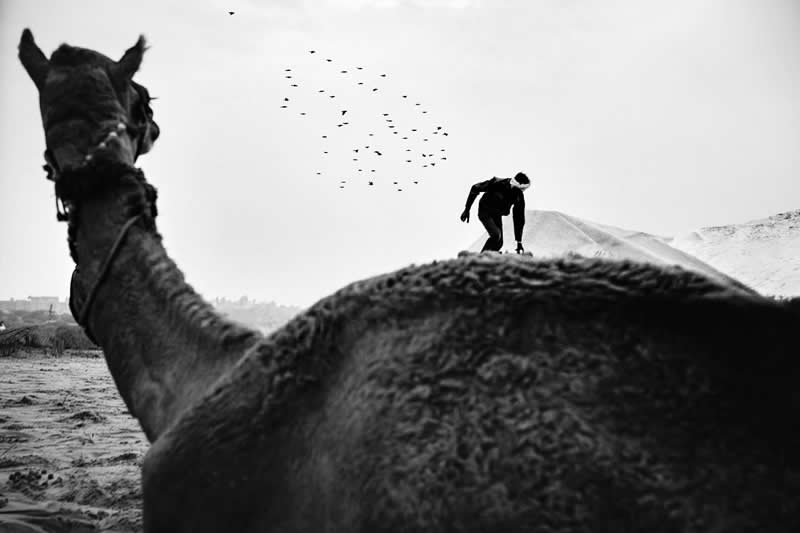
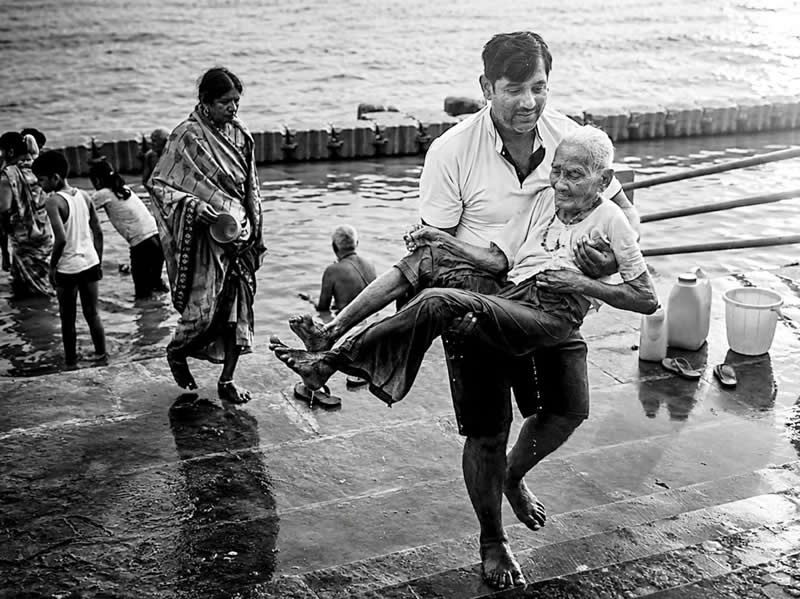
How did you begin your journey in photography?
My journey in photography began during high school, when I used my father’s smartphone to photograph flowers, clouds, and anything else that caught my attention. I simply loved making an image and seeing the world I noticed on the screen.
In 2015, I decided to take photography more seriously. What began as a hobby gradually changed the way I saw ordinary things. I started noticing different perspectives, light, shadows, people, and fleeting moments, and I wanted to photograph the world as I experienced it.
I began with a phone camera and still use one today. For me, photography has never been about equipment, but about observing and noticing. Black and white has become an important part of my visual language, helping me focus on light, emotion, gesture, and atmosphere.
Over time, photography became more than a hobby. It became a way of documenting life and preserving moments that might otherwise disappear. Most importantly, it has changed the way I see the world.
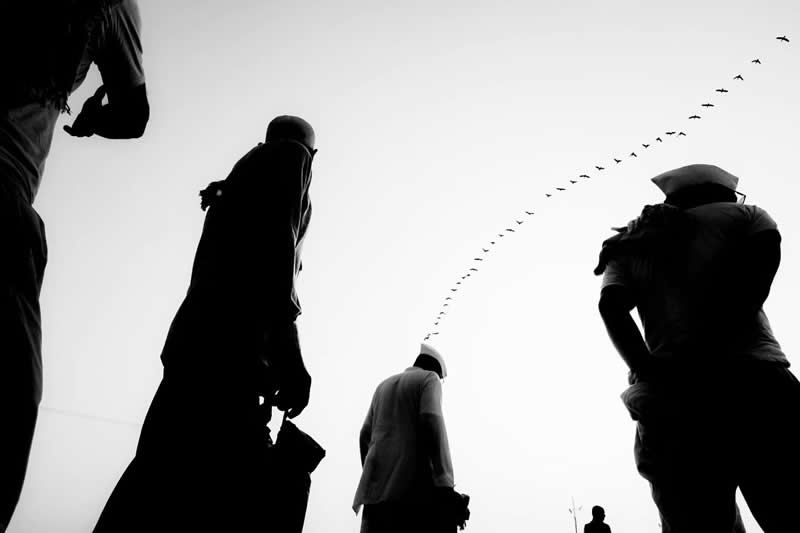
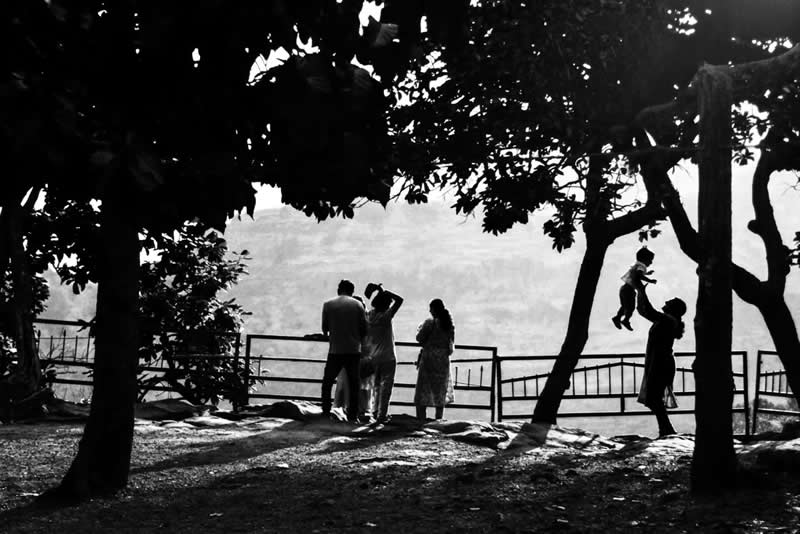
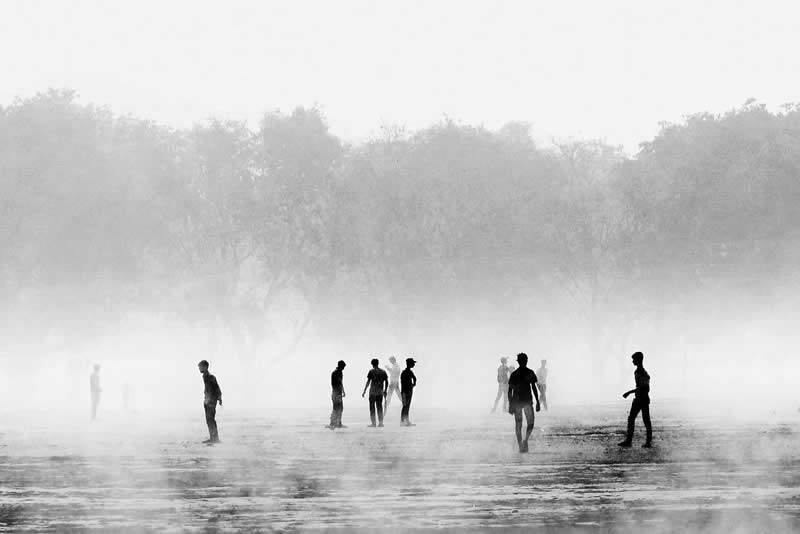
Your photographs often turn very ordinary scenes into something visually striking through perspective, light, color, and composition. What do you see in a scene that makes you think, “There’s a photograph here”?
For me, a photograph often begins with something very simple. It could be a particular light falling on a person, an unusual shadow, a small gesture, a reflection, or just an interesting moment in an ordinary place. I try to notice things that people might usually pass by without looking twice.
I think what makes a scene worth photographing is not always the subject itself, but the way I see it. Sometimes changing my position, waiting for the right moment, or simply looking at something from a different angle can completely change the feeling of a scene.
I don’t always know exactly what I’m looking for when I walk with my camera. I just try to stay curious and observant. When something makes me stop for a second and look at it differently, I usually feel that there is a photograph there.
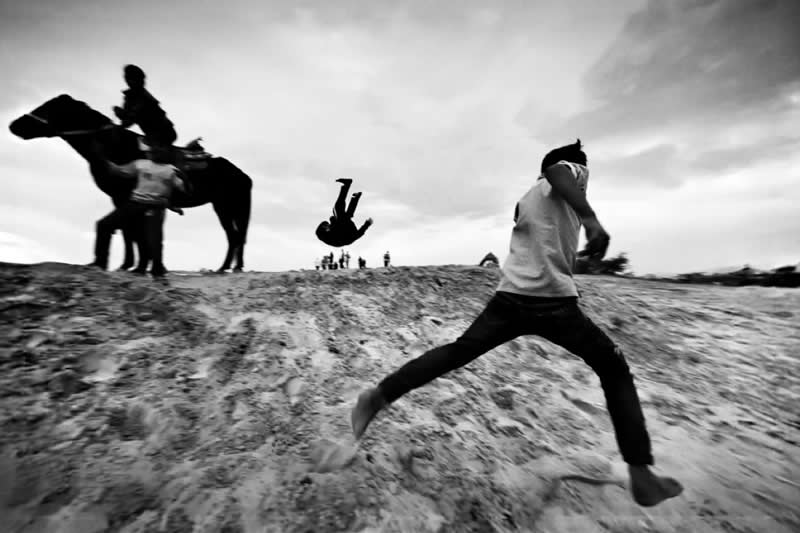
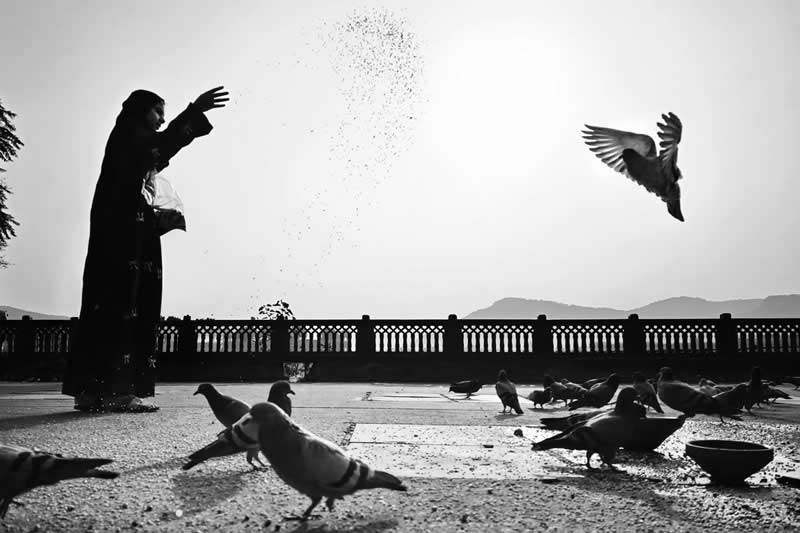
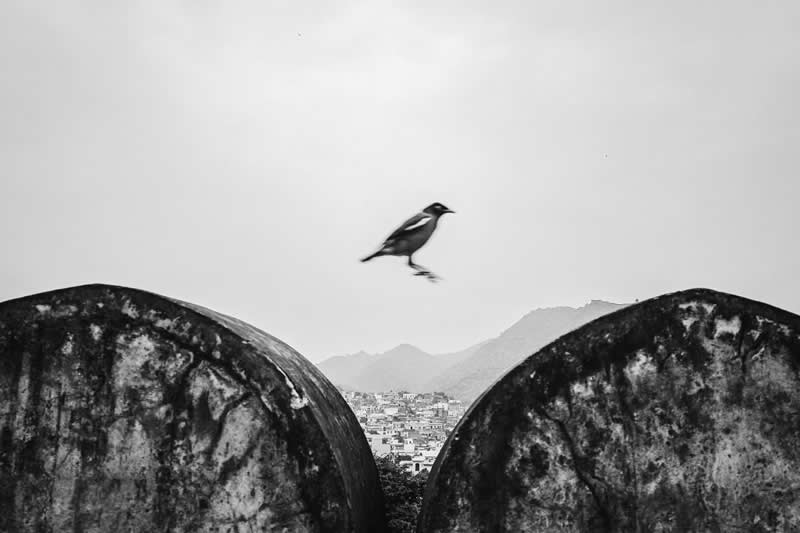
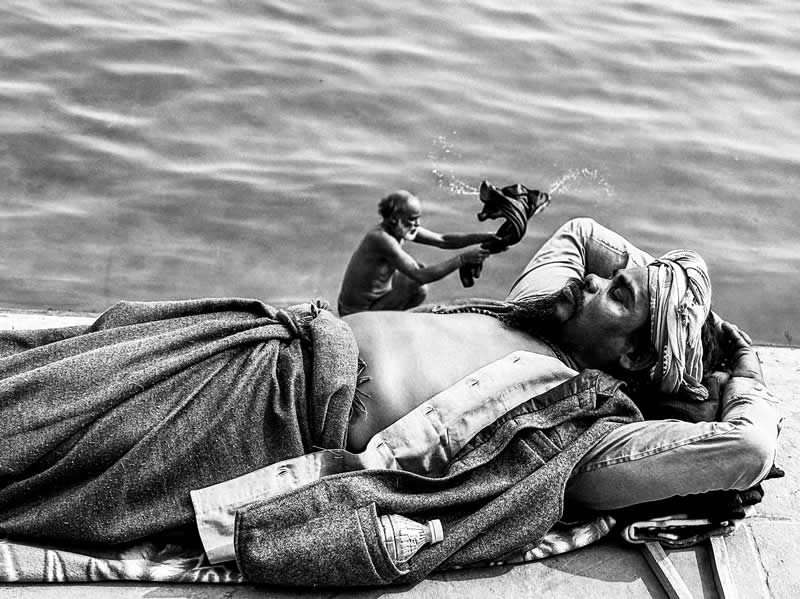
Some of your images rely heavily on light, shadows, and carefully placed subjects to create a strong visual impact. When you’re walking through a busy street, are you actively searching for these elements, or do you let the scene surprise you?
I think it’s a little bit of both. I’m always aware of light, shadows, shapes, and how people move through a scene, so in that sense, I’m actively looking for them. But I also like to let the scene surprise me.
Sometimes I notice a certain light or shadow and wait for someone to enter the frame. Other times, something completely unexpected happens in front of me, and I simply react to it. I don’t like to force a photograph. I prefer to notice what is already happening and wait for the moment when all the elements come together naturally.
For me, photography is partly about searching and partly about being ready when something unexpected happens.
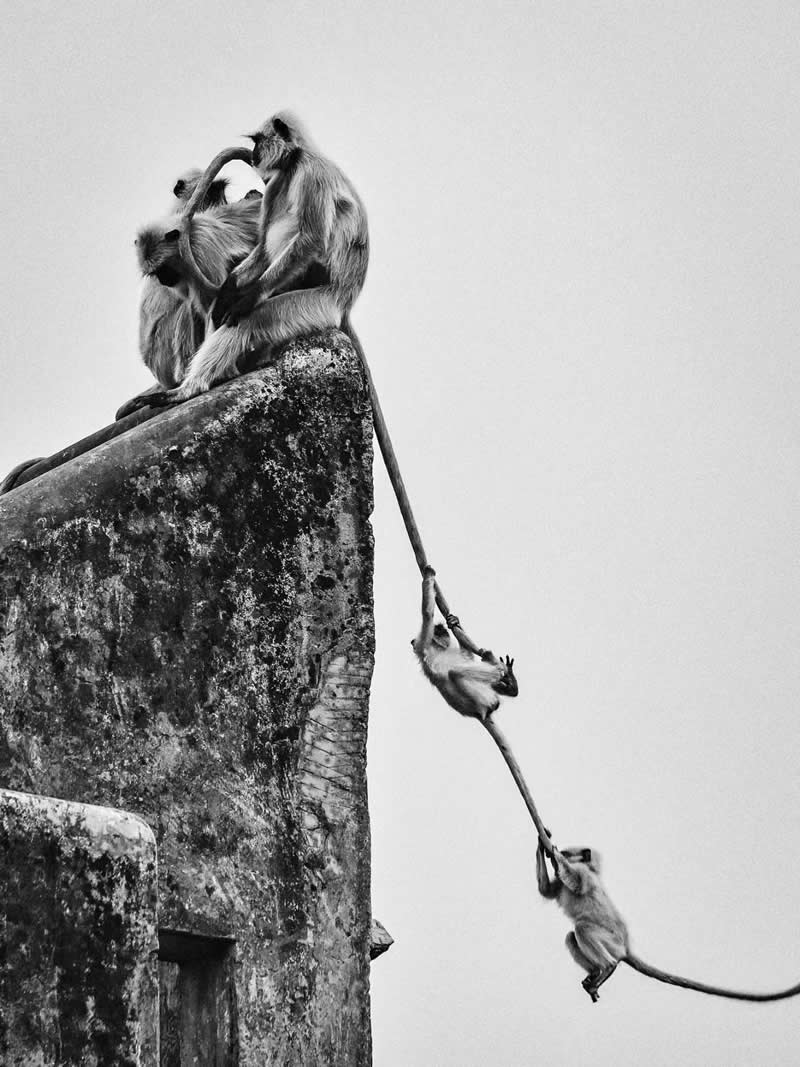
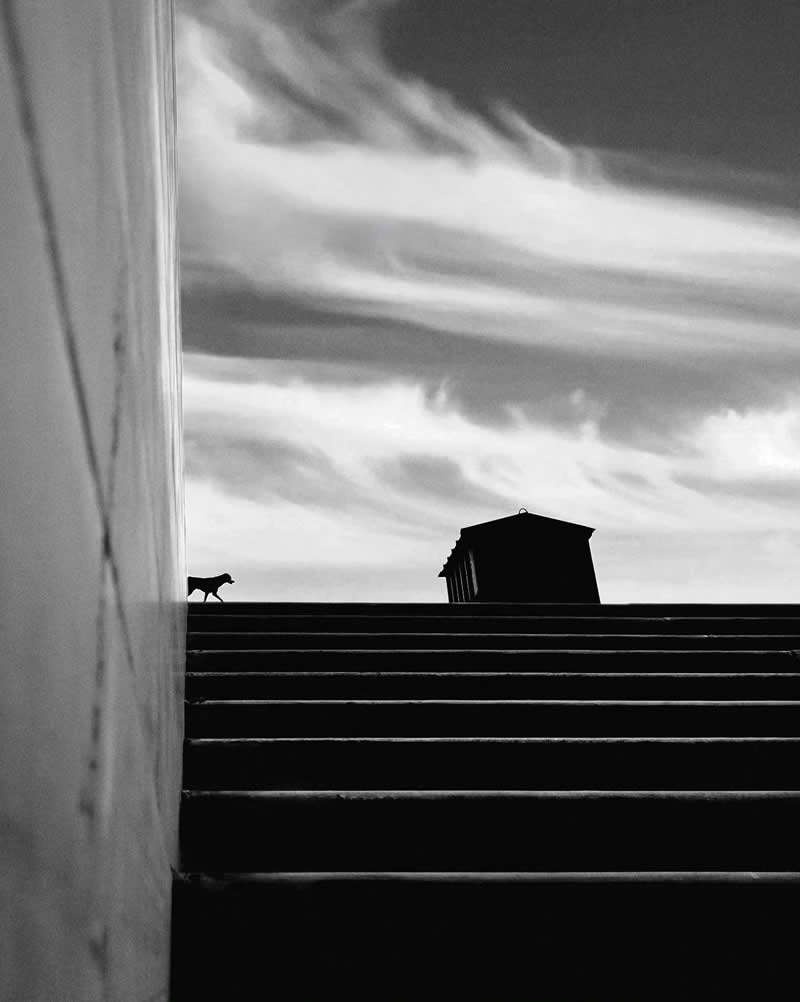
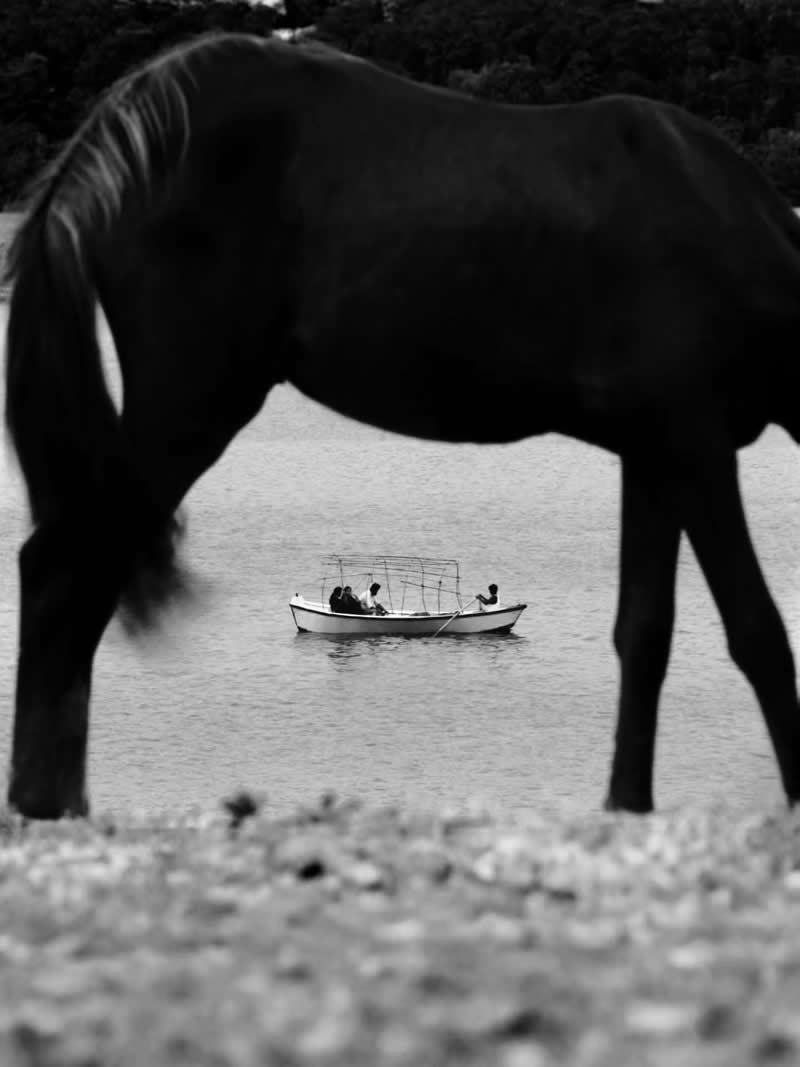
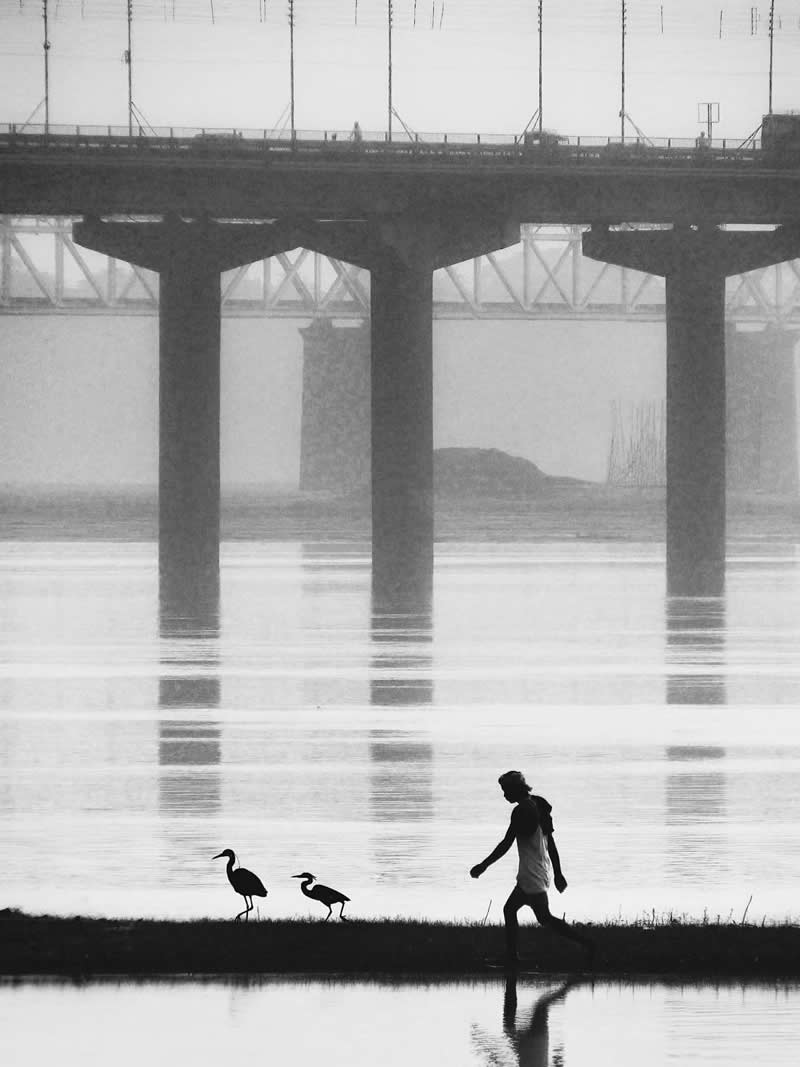
Your ongoing “Home Documentary” project seems to have a very personal connection with you. What has photographing the small, everyday moments at home taught you that you couldn’t have learned by photographing unfamiliar places?
Photographing my home has taught me to slow down and pay attention to things I once took for granted. When you live in the same place every day, it’s easy to stop noticing the small moments—the way someone sits by the window, a quiet meal, morning light entering a room, or a simple interaction between family members.
Photographing these moments made me realize that ordinary life can hold a lot of emotion and meaning. At home, I’m not just observing from the outside; I’m part of the story. That makes the photographs more personal and honest.
Unfamiliar places often give me something new to discover, but photographing home has taught me that there is always something new to see in a place you think you already know. It has also taught me that you don’t need to travel far to find a story. Sometimes, you just need to look more carefully at the life happening around you.
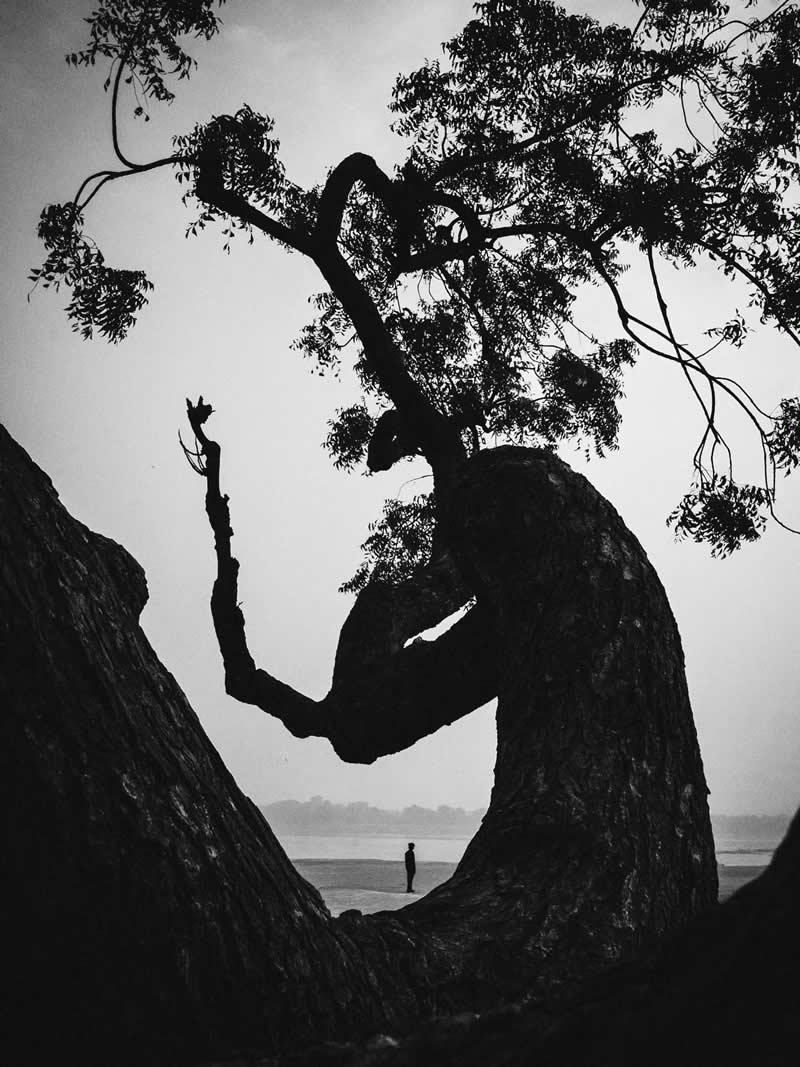
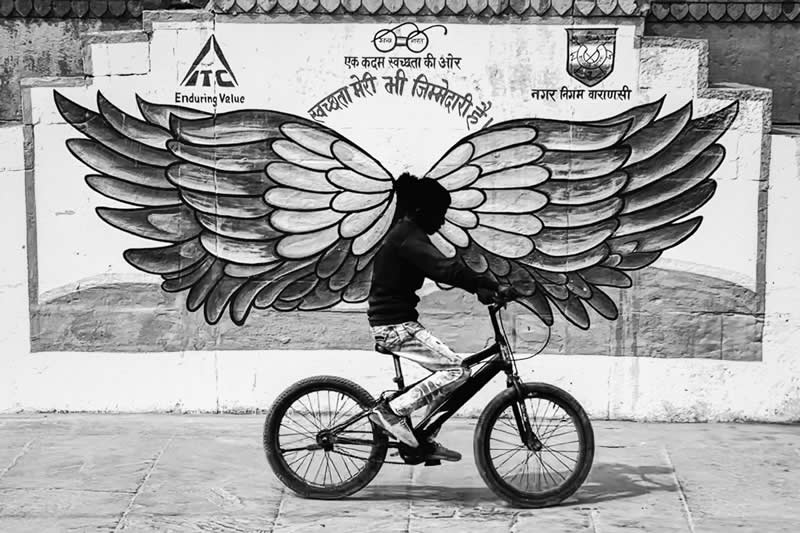
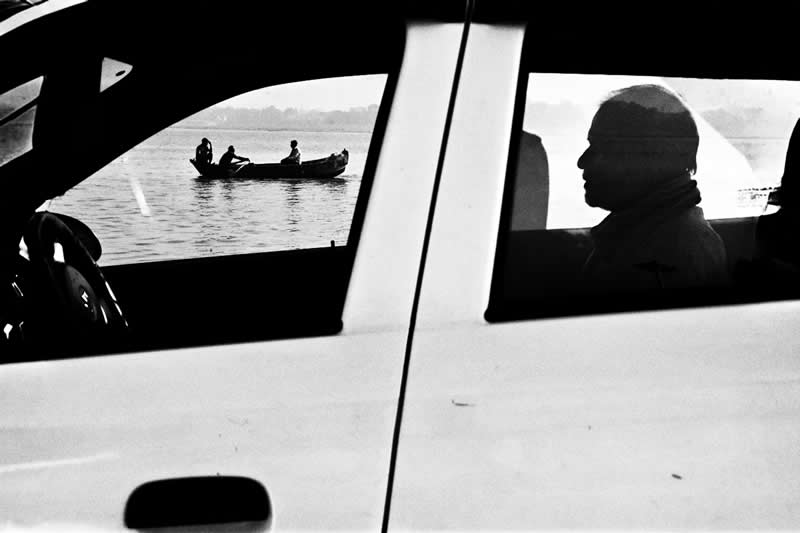
You started photography as a way of discovering yourself and seeing the world from different perspectives. After all these years of shooting, do you feel photography has changed more the way you make pictures, or the way you see life when you don’t have a camera in your hand?
I think photography has changed more the way I see life than the way I make pictures. Over the years, I’ve learned to slow down and notice things that I might have ignored before, light on a wall, a quiet expression, a small gesture, or a moment between people.
Even when I don’t have a camera in my hand, I still find myself observing these things and thinking about how they look and feel. Photography has made me more patient and more aware of my surroundings.
I still love making photographs, but I think the bigger change is that photography has taught me to look at everyday life with more curiosity. Now, I don’t always need a camera to see a photograph. Sometimes, I just enjoy noticing the moment.
What are some of your awards and recognitions?
I’m honored to have received recognition in several national and international photography competitions over the years. Some of my achievements include:
- 1st Place Winner: National Geographic India, 2026
- Honorable Mention: Minimalist Photography Awards, 2026
- Finalist: Pure Street Photography Award, 2025
- Honorable Mention: Turkey Mobile Photo Awards, 2025
- 4× Finalist and 2× Winner: HIPA Instagram Competitions, 2023 & 2025
- Winner: National Geographic Your Shot Bupa, Health Theme, 2024
- 2× Winner: Kaaf Photo Contest, Black & White and Street Categories, 2024
- Remarkable Artwork: Siena Creative Photo Awards, 2024
- Golden Frame Award: Void Frame, 2024
- 3rd Place: Artist Gallery Award, Open Theme, 2024
- 2nd Place: Fine Art Photography Awards, People Category, 2024
- 1st Place: Street Photography India Contest, 2023
- 2× Winner: 35Awards Thematic Contest, 2021 & 2023
These recognitions have been encouraging, but more importantly, they have pushed me to keep experimenting and exploring new ways of seeing.
Who are your favorite photographers and key sources of inspiration?
Alan Schaller is one of my biggest sources of inspiration. I really admire the way he uses light, shadow, geometry, and everyday moments to create strong and often unexpected images. His work has influenced the way I look at ordinary scenes.
Henri Cartier-Bresson is another photographer I deeply admire, especially for his understanding of timing and the decisive moment.
Raghu Rai Sir is also a major inspiration for me. I admire the honesty, emotion, and depth in his photographs, as well as the way he captures people and everyday life.
What inspires me most about all three is that they can find something meaningful and visually powerful in real life without forcing the moment. That is something I also try to carry into my own photography.
Editor’s Summary
Divyanshu Verma’s photography proves that powerful images don’t always require extraordinary subjects. His thoughtful eye transforms everyday scenes into moments filled with emotion, rhythm, and visual poetry. From expressive black-and-white frames to beautifully timed street encounters, his work encourages us to slow down, observe, and appreciate what’s happening right in front of us.
- Notice the ordinary: Great photographs can be hiding in everyday life.
- Chase the light: Light and shadow can completely transform a familiar scene.
- Wait for the moment: Patience can turn a simple composition into something memorable.
- Keep it authentic: Verma’s images feel natural because he doesn’t force the scene.
- Gear comes second: His smartphone journey proves that vision matters more than expensive equipment.