
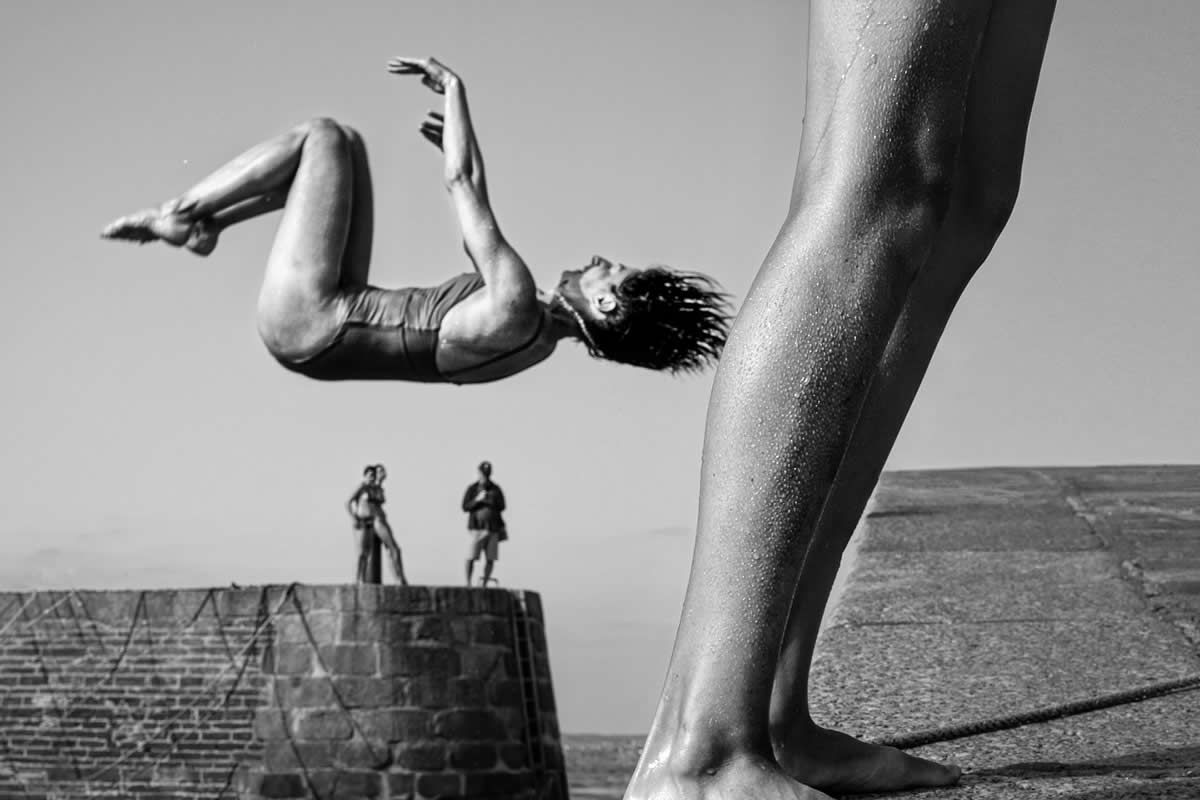
Paris has been photographed to death. The Eiffel Tower, the Seine, Montmartre, those dreamy little cafés we’ve all seen them a million times. But what happens when a photographer ignores the postcard version of Paris and simply watches the people?
That’s where Gaspard Claude’s street photography gets interesting.
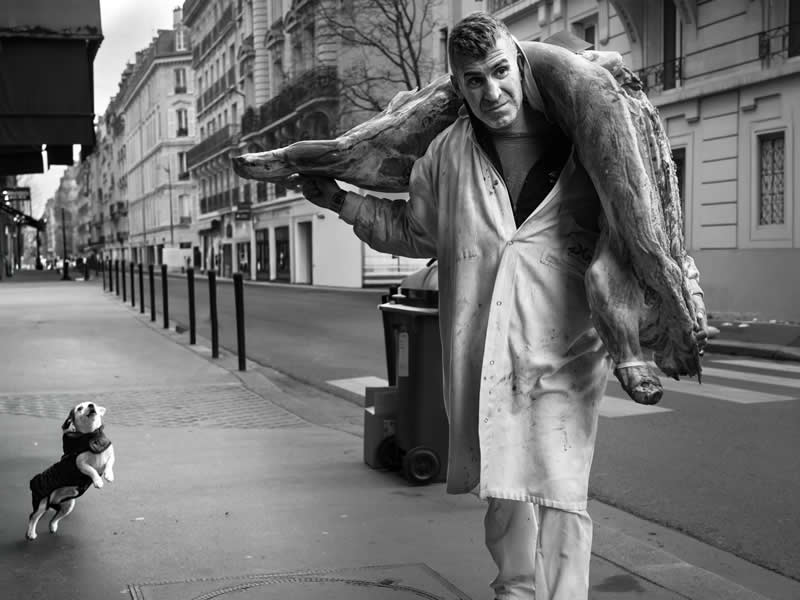
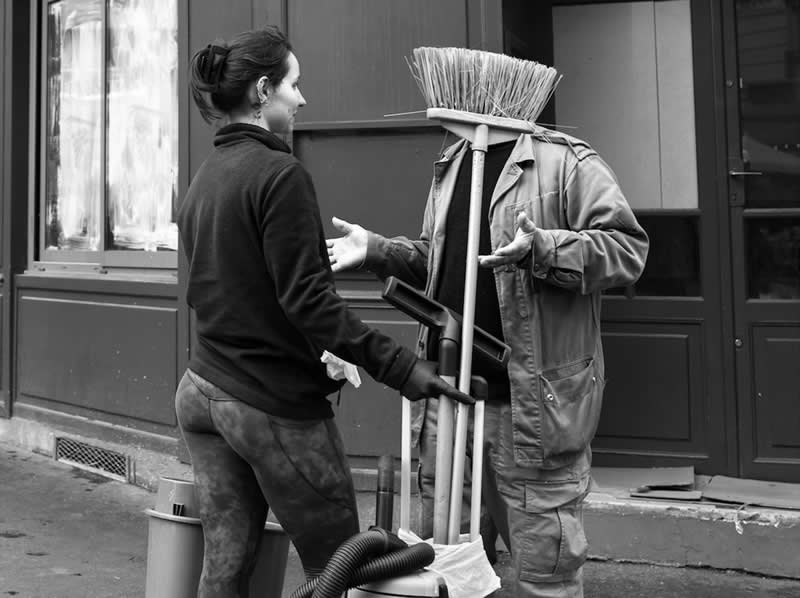
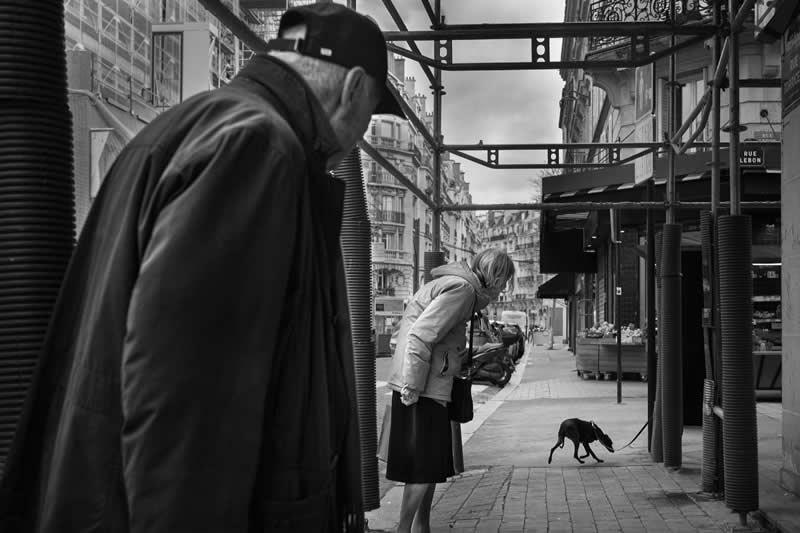
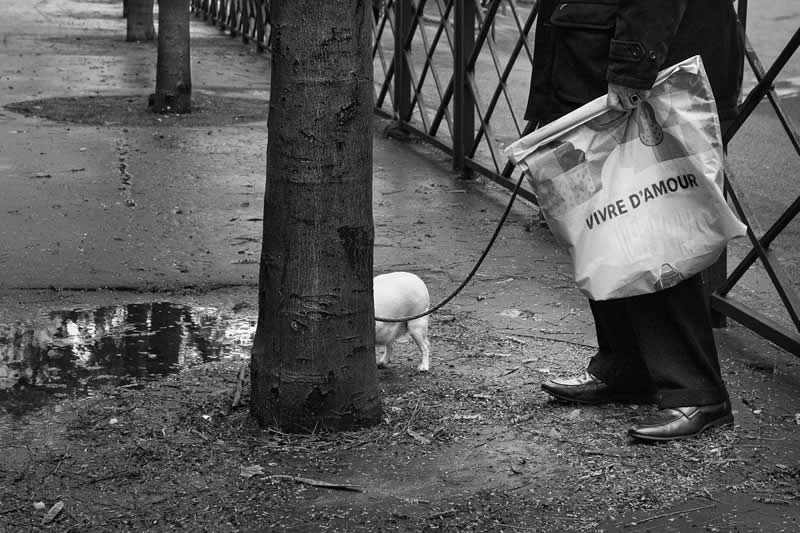
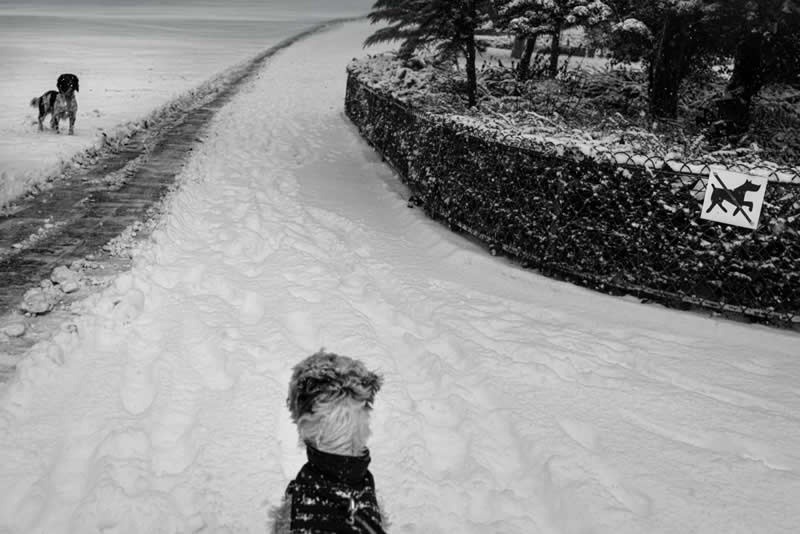
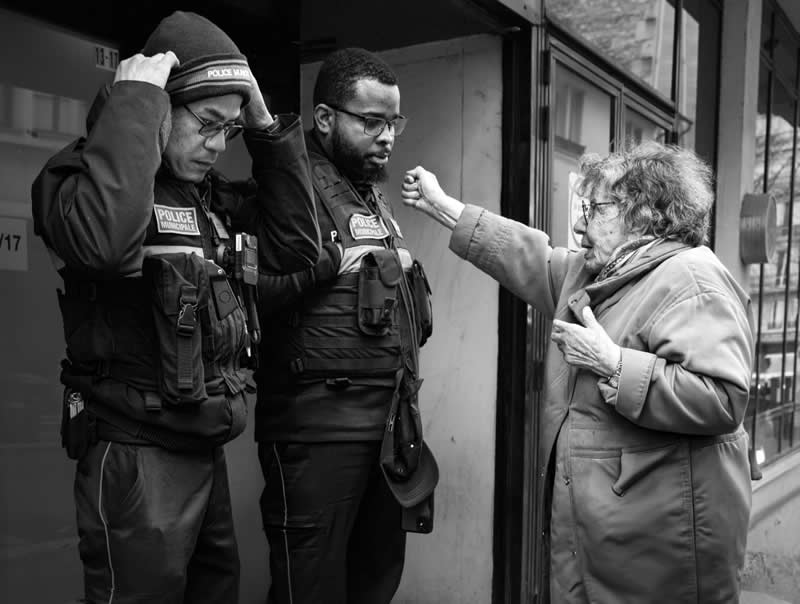
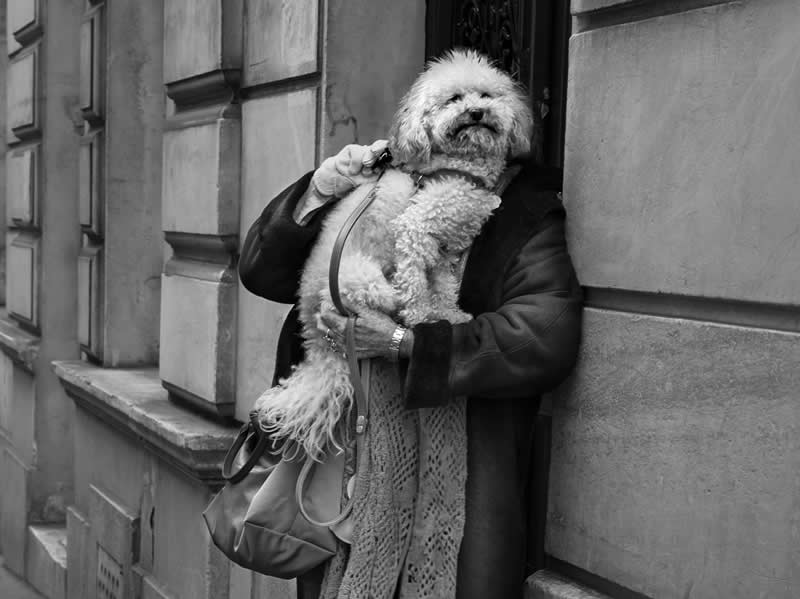
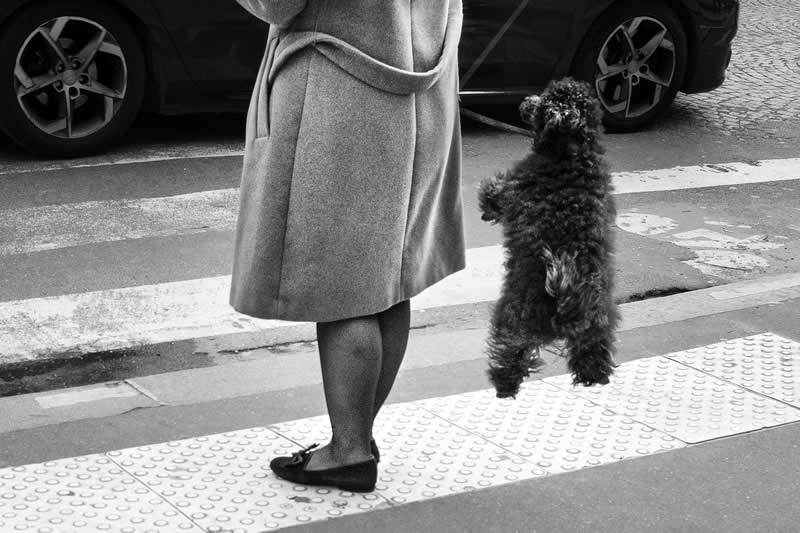
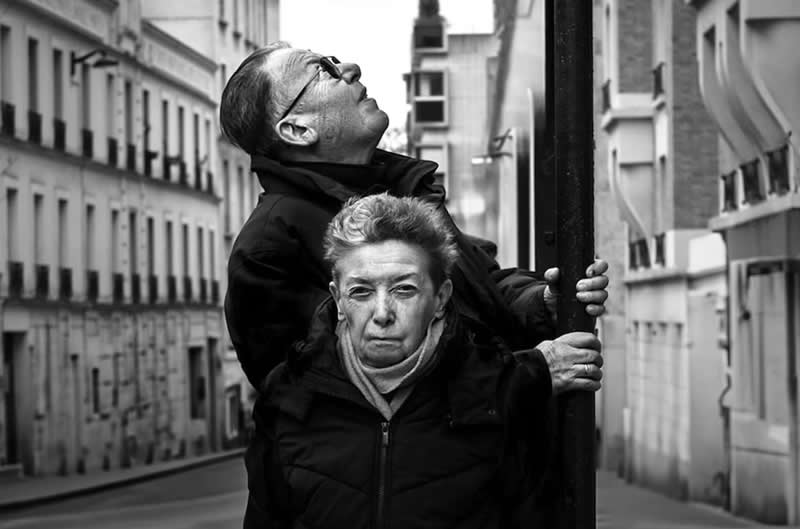
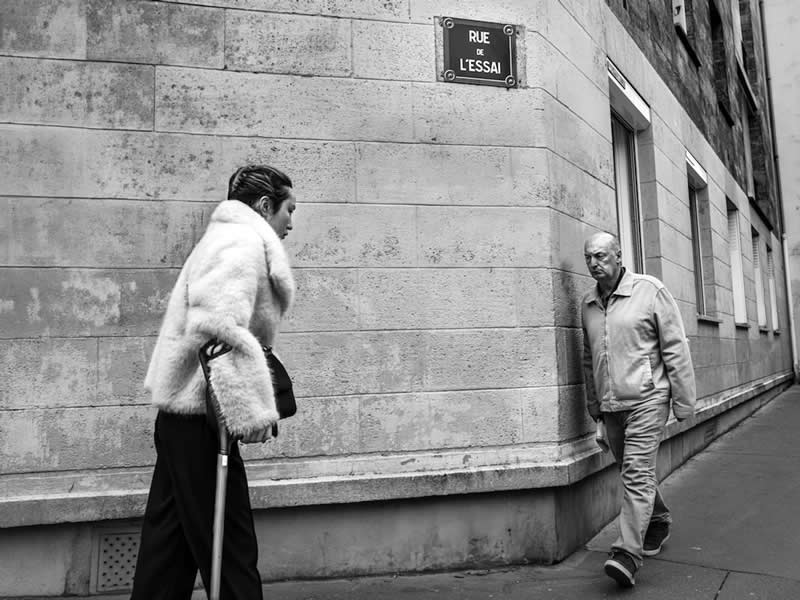
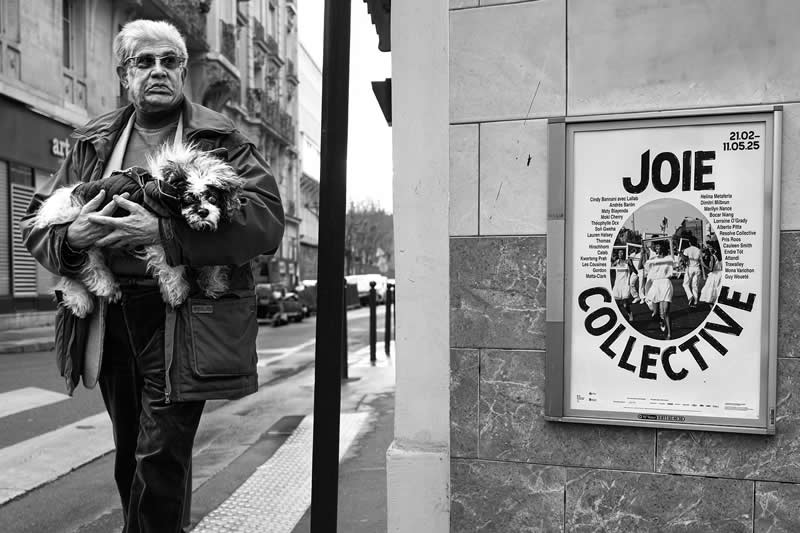
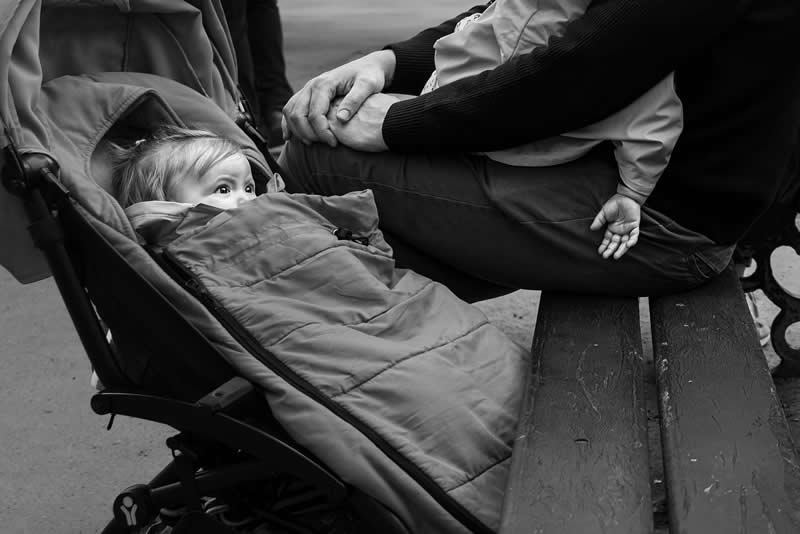
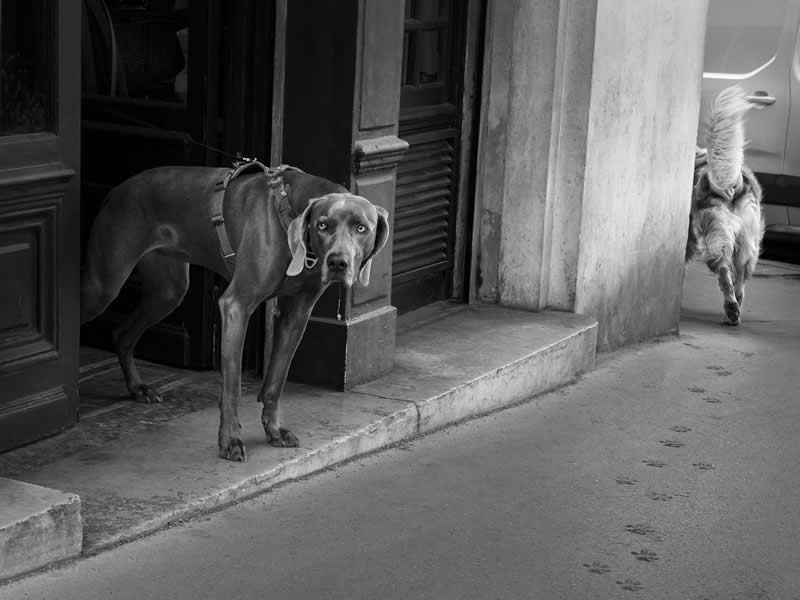
Rather than chasing famous landmarks or waiting for some big cinematic event, Claude turns his camera toward the everyday theater happening on sidewalks, corners, crossings, and quiet streets. A stranger passing another stranger. A dog pulling its owner in one direction. Two generations sharing the same patch of pavement. Someone caught staring into space for half a second.
Nothing extraordinary, right?
And yet, somehow, everything is.
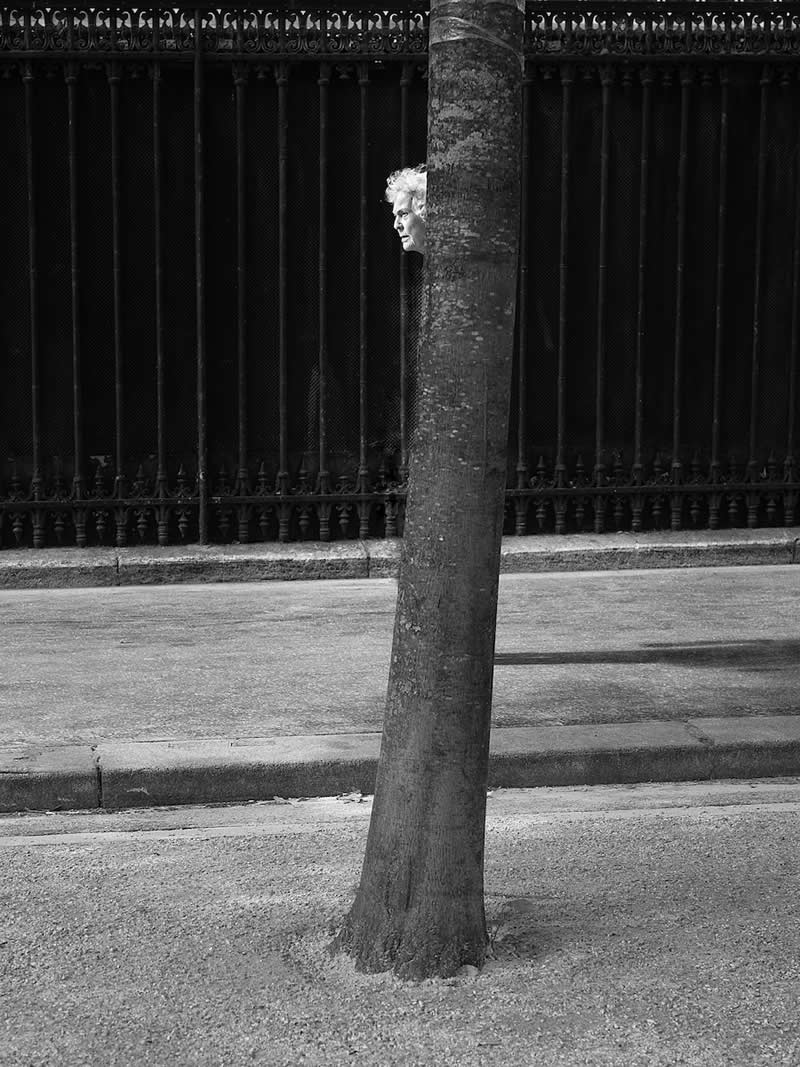
Claude’s black-and-white photographs are built around those tiny collisions of timing and composition. A few inches to the left, a person disappears behind a pole. One second earlier, the gesture isn’t there. One second later, the magic is gone.
That’s the thrill of street photography.
Working largely across Paris’s 8th, 16th, and 17th arrondissements, Claude pays attention to what he calls "non-events": ordinary moments that most people walk straight past. His photographs remind us that a city doesn’t reveal itself through monuments alone. Sometimes, you just have to slow down and watch.
You can find more info about Gaspard Claude:
#1
#2
#3
#4
#5
Forget the Postcard Paris
Claude’s Paris isn’t the one you’ll find on a tourist postcard. There are no desperate attempts to squeeze the Eiffel Tower into every frame, and no obsession with making the city look impossibly romantic. Instead, he looks at Paris at street level, where real life actually happens.
That’s a refreshing choice.
Walk through any busy neighborhood, and you’ll notice the same thing: people are constantly creating little visual stories without realizing it. Someone pauses while another person rushes past. A couple walks in opposite directions. A businessman checks his phone while a child watches something completely different.
Claude recognizes those moments.
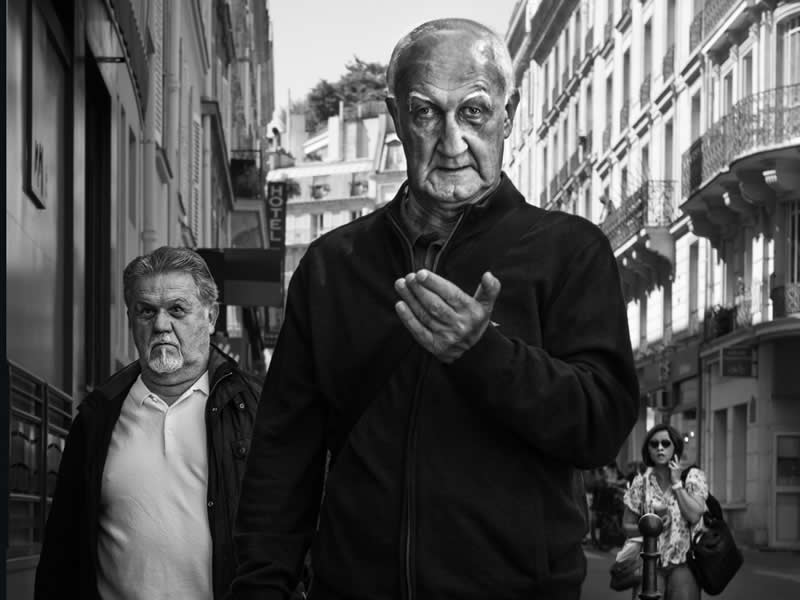
His photographs feel less like sightseeing and more like eavesdropping with a camera. You’re not being shown Paris; you’re being allowed to observe it. And because the landmarks are largely absent, your attention shifts toward expressions, gestures, body language, shadows, and relationships between strangers.
Suddenly, an ordinary sidewalk becomes the stage.
#6
#7
#8
#9
#10
Timing Turns Ordinary Into Extraordinary
Great street photography often comes down to one brutally simple question: did you press the shutter at exactly the right moment?
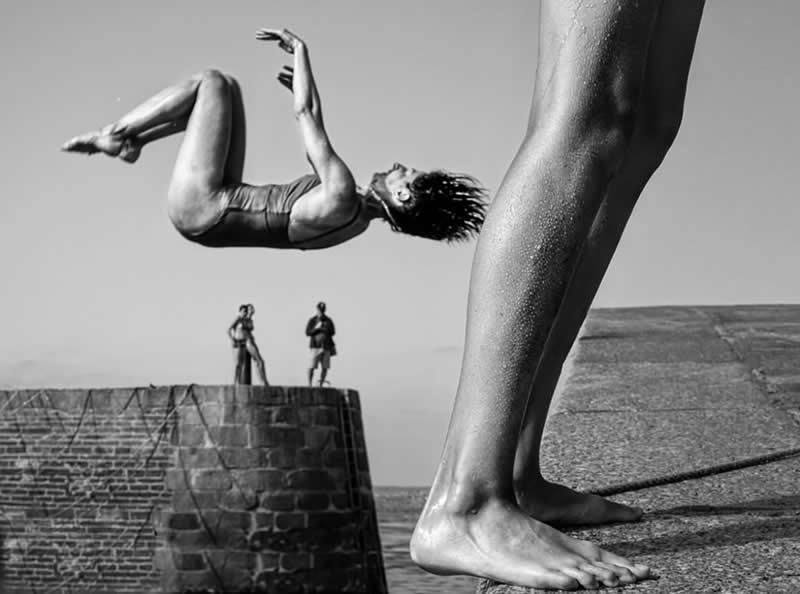
Claude seems to have a sharp instinct for that split second.
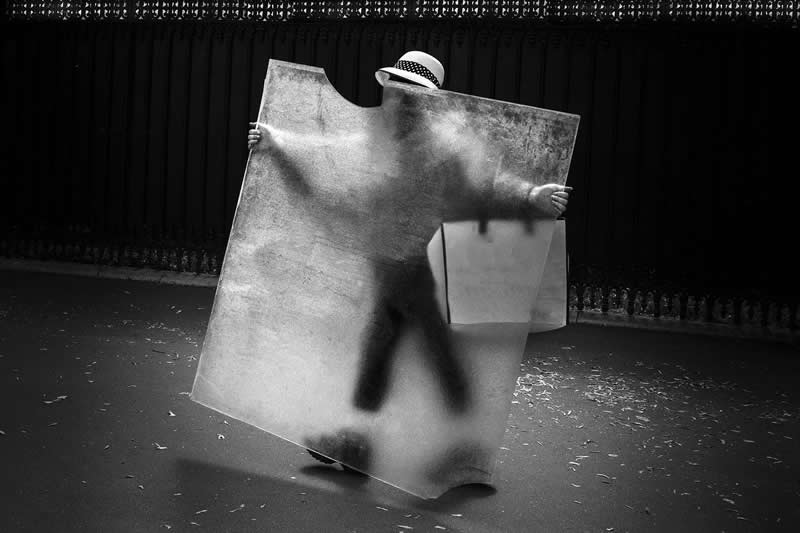
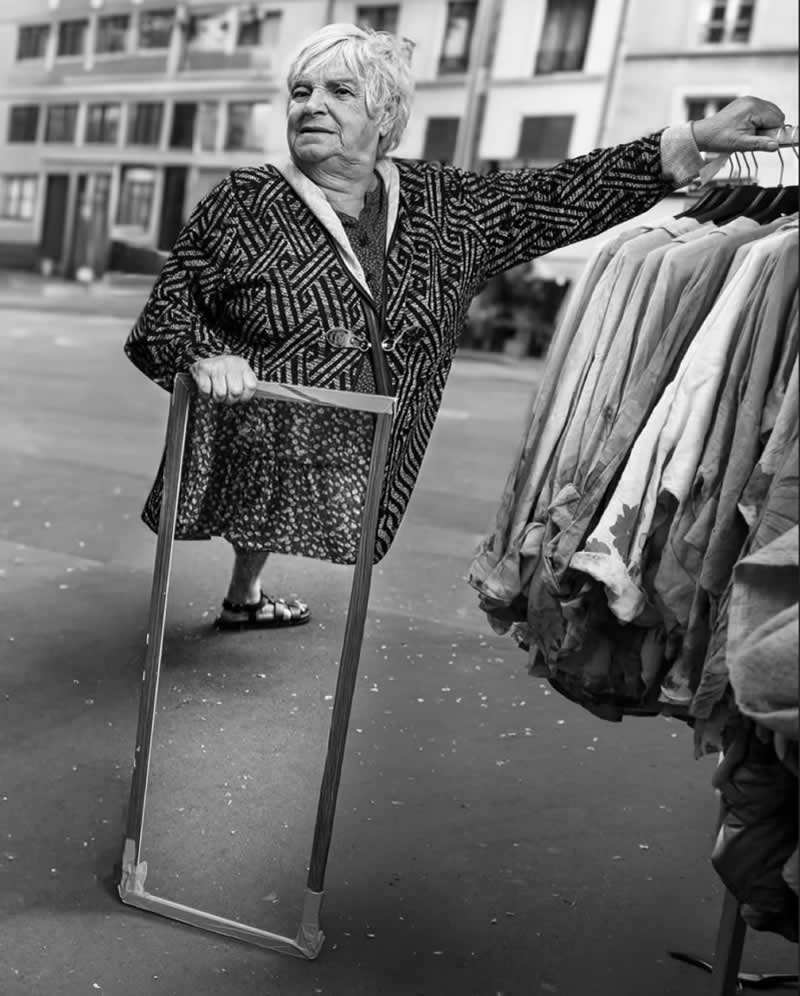
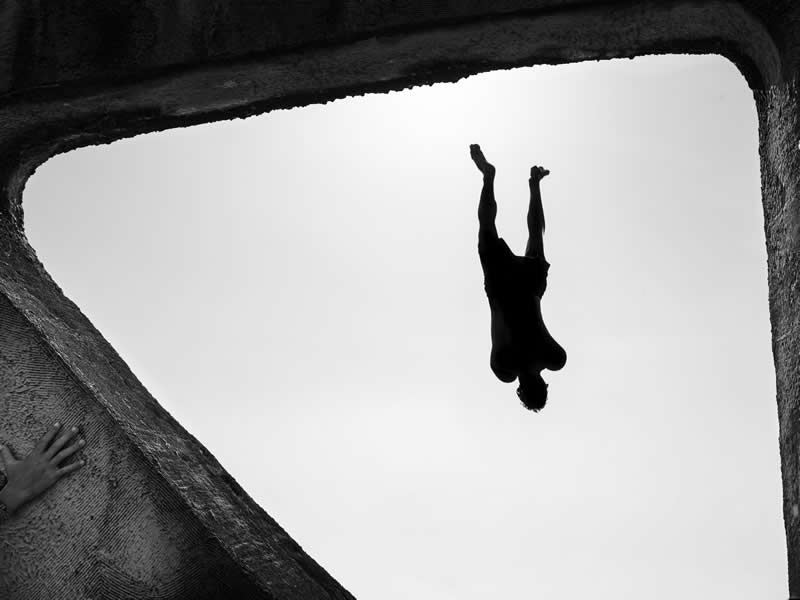
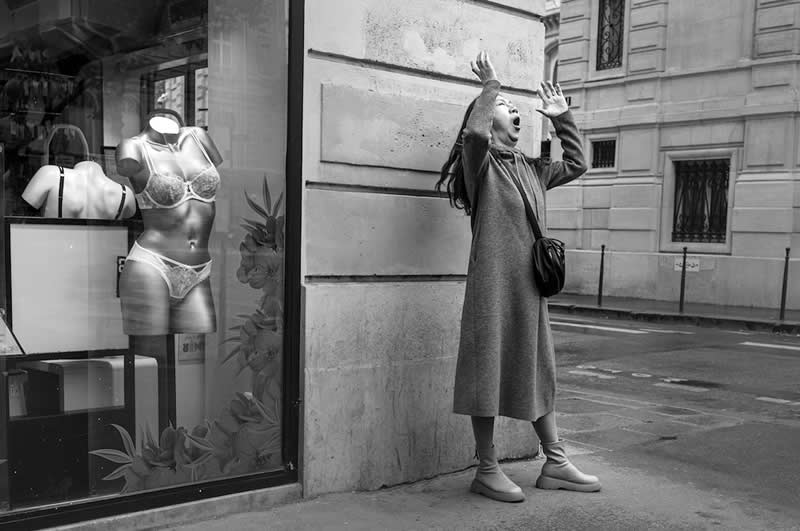
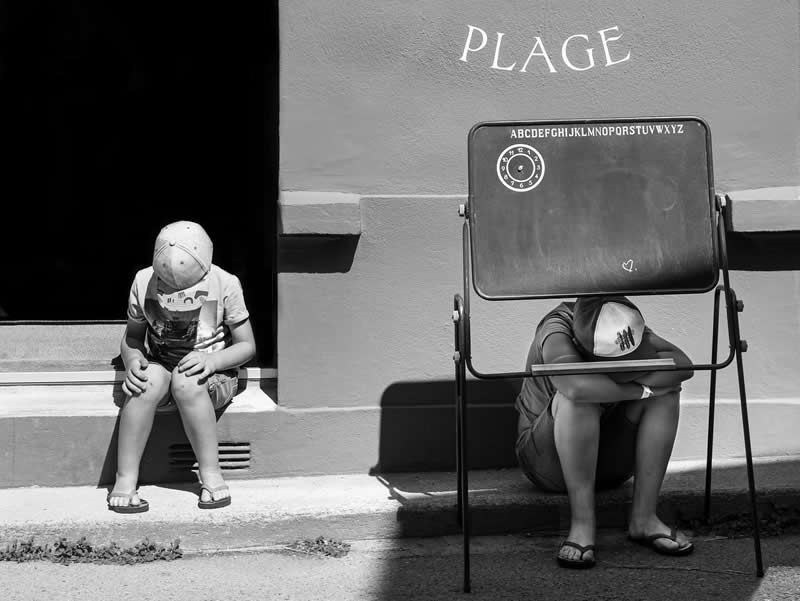
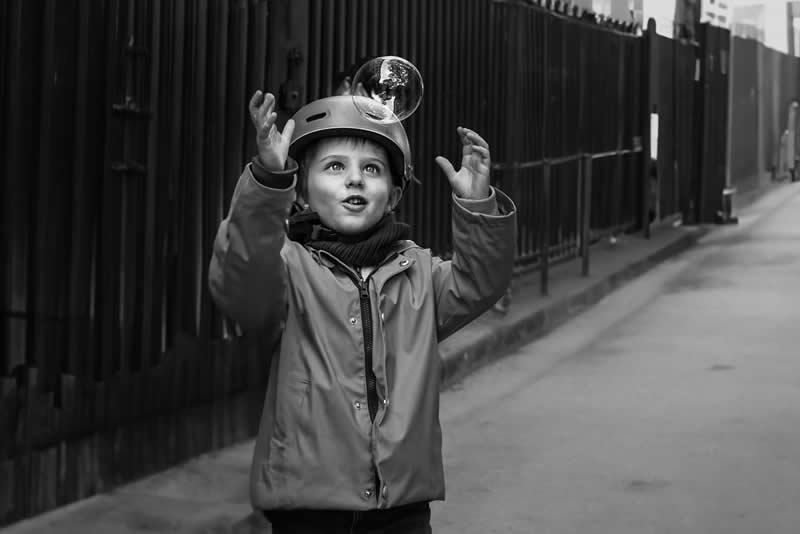
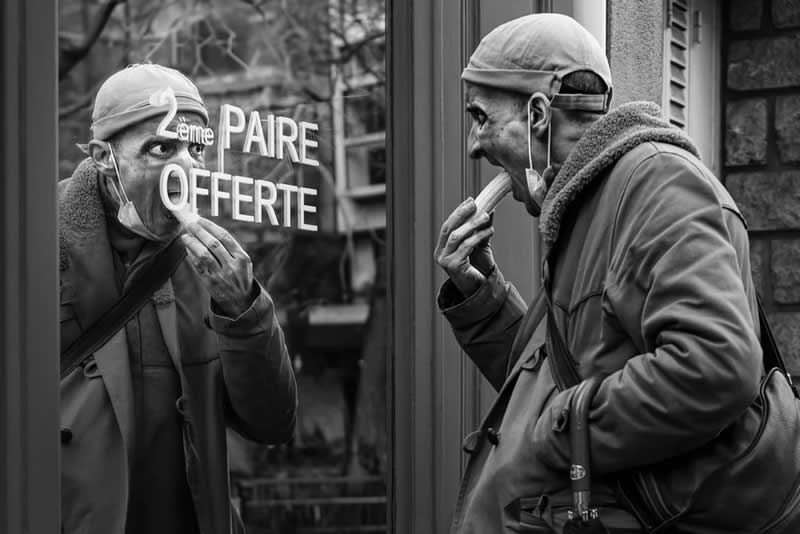
A scene can look completely ordinary until several elements suddenly line up. A passing figure completes a shape. A shadow lands in exactly the right place. Two strangers appear connected even though they don’t know each other. A gesture creates a tiny visual joke.
Then, click.
Miss it, and it’s gone.
That’s what makes perfectly timed street photos so addictive. You can’t recreate them easily. There’s no second take, no asking the subject to walk back and repeat the moment. You’re working with whatever the street gives you.
Claude’s photographs celebrate that unpredictability. He doesn’t need dramatic action. A glance, a posture, a strange coincidence, or an unexpected interaction can be enough.
Sometimes the best photograph hides in a moment that lasts less than a second.
#11
#12
#13
#14
#15
Composition Is Happening Everywhere
Timing might get you the moment, but composition determines whether that moment actually works.
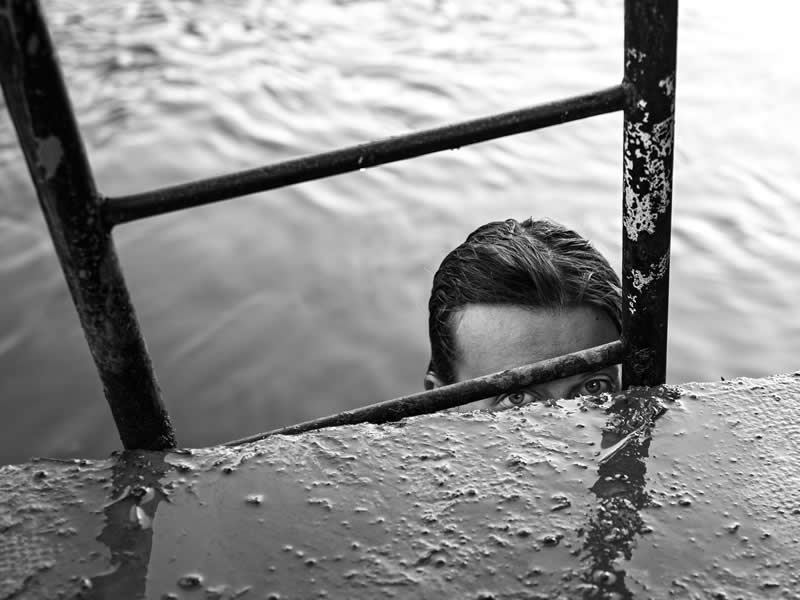
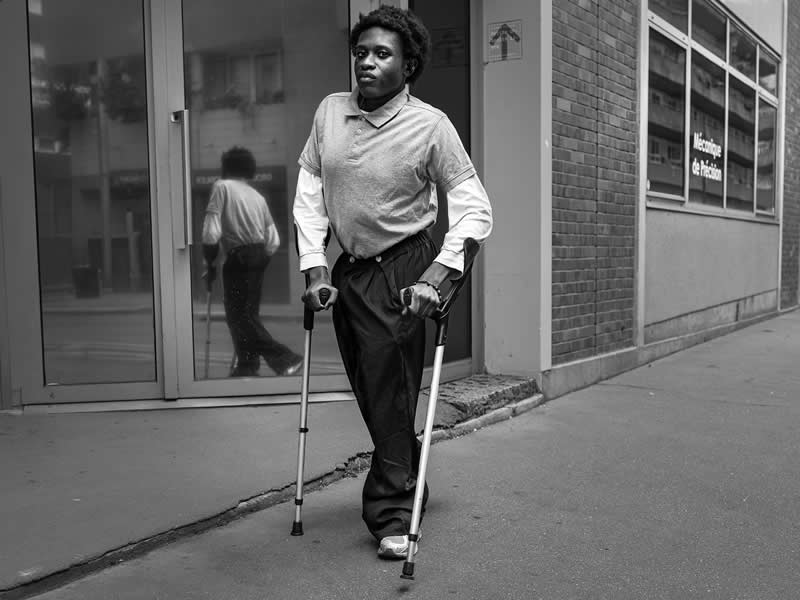
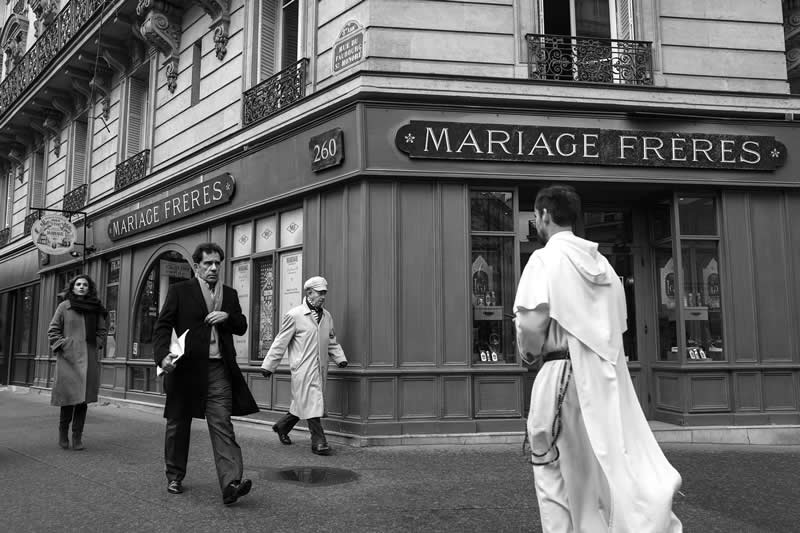
Claude’s photographs show how much visual information exists in an ordinary Paris street. Buildings create frames. Railings divide the scene. Shadows add structure. Windows become rectangles within rectangles. People move through these elements, accidentally completing the composition.
It’s almost like watching a puzzle assemble itself.
The trick is that Claude doesn’t appear to force the scene. He observes until the pieces naturally fall into place. A person might stand perfectly beneath a sign, cross a patch of light, or align with another figure in a way that creates an unexpected relationship.
This is where street photography gets really fun.
You start realizing that composition isn’t always something you build beforehand. Sometimes, you’re simply waiting for the city to compose itself.
And when it finally does, you’d better be ready.
#16
#17
#18
#19
#20
Why Black and White Changes Everything
Take away color and Paris suddenly feels different.
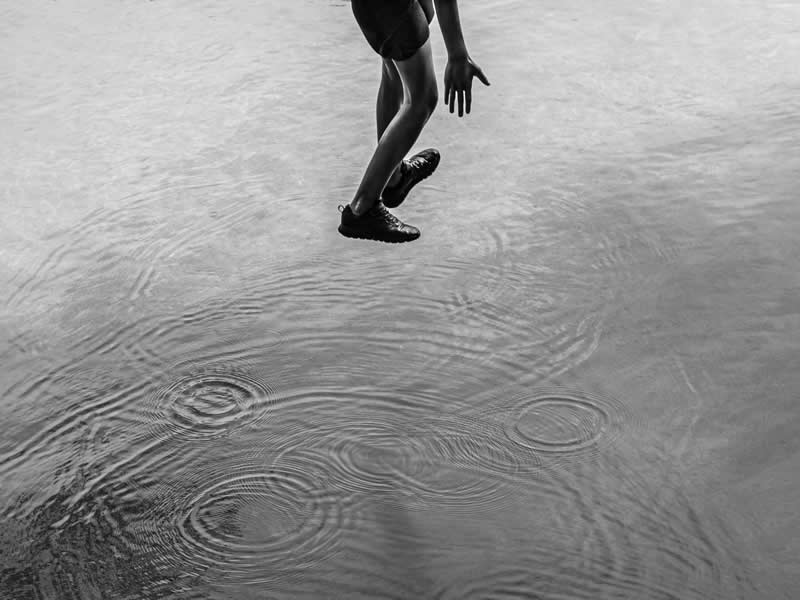
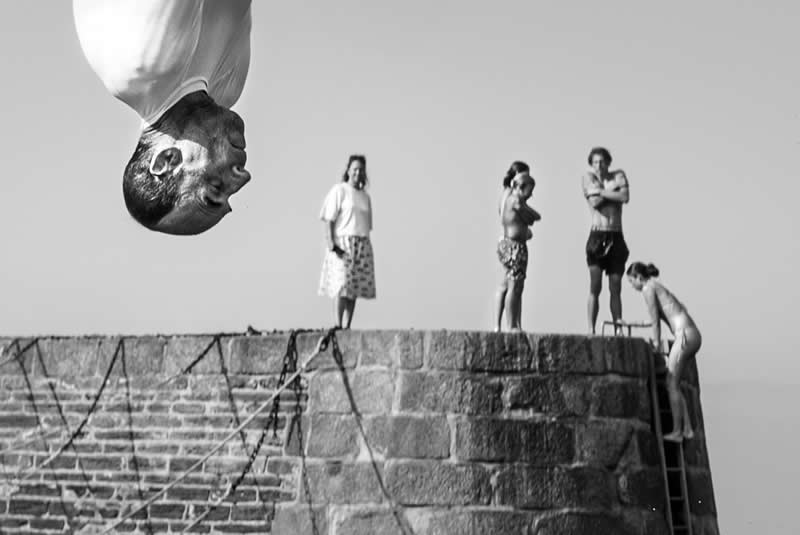
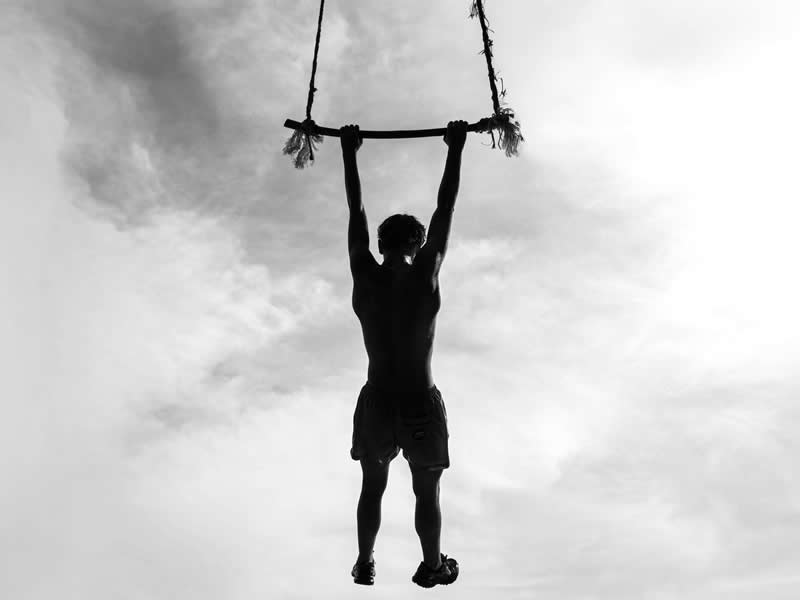
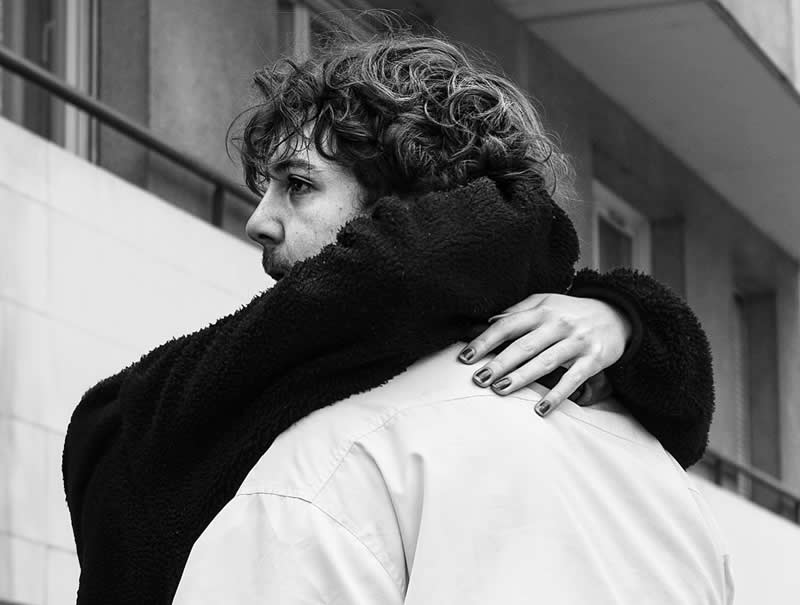
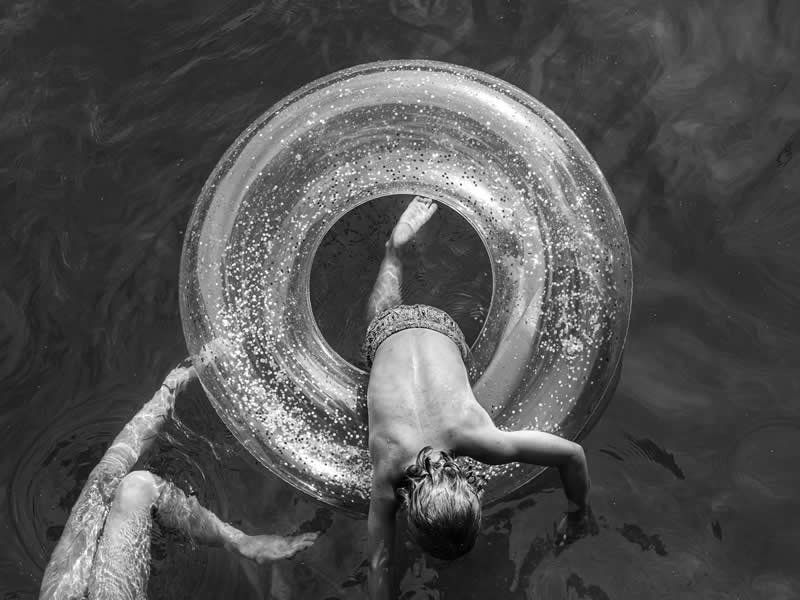
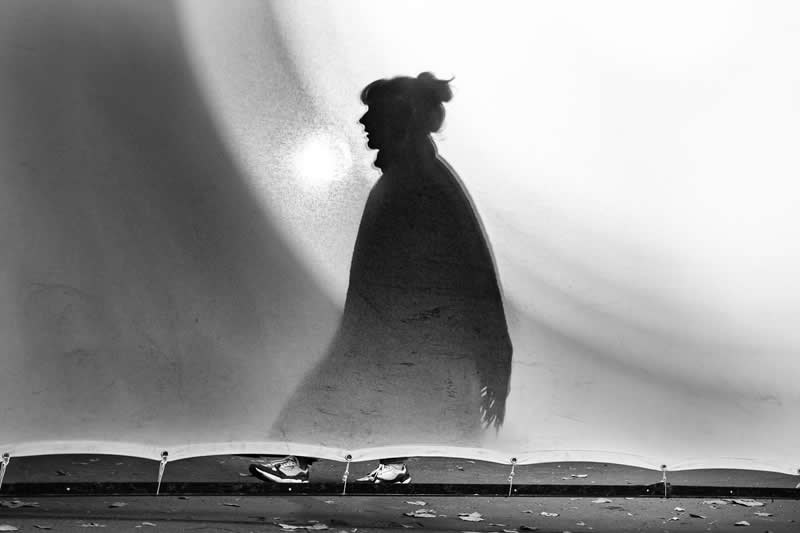
Claude’s black-and-white approach strips the photographs down to their essential ingredients: light, shadow, shape, texture, movement, and human behavior. Without bright signs or colorful clothing competing for attention, your eye has nowhere else to go.
You look at the people.
You notice the architecture.
You see the shadows.
And then you start noticing the little things.
Black and white also gives Claude’s photographs a certain timeless quality. A scene made yesterday can feel as though it happened decades ago. That’s especially effective in Paris, a city where old architecture and modern life constantly overlap.
But monochrome isn’t just about making photographs look classic. It can make a complicated street scene easier to read. Strong contrasts separate subjects. Shadows create depth. Bright areas pull your attention toward specific gestures.
It’s a visual language that suits Claude’s observational style beautifully.
#21
#22
#23
#24
#25
The Beauty of Parisian “Non-Events”
There’s something wonderfully human about photographing nothing.
No parade. No protest. No dramatic accident. No celebrity walking down the street.
Just life.
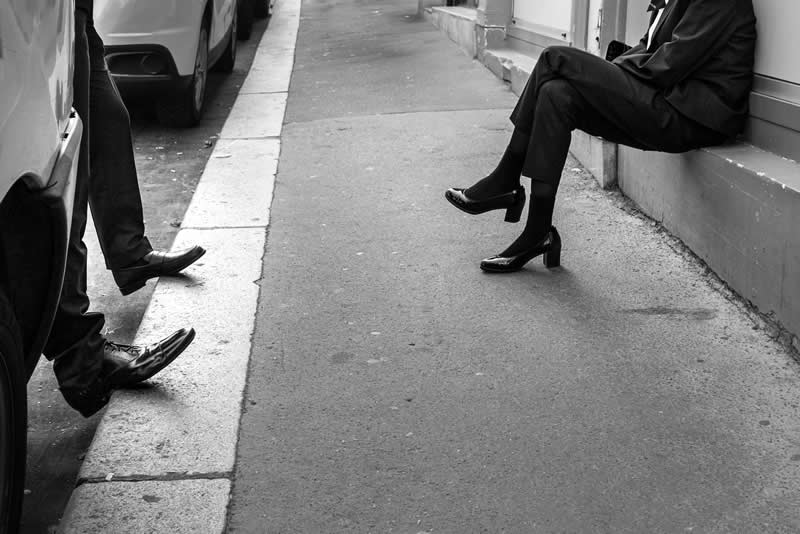
Claude’s fascination with "non-events" is perhaps the most charming part of his approach. These are the moments that don’t make the news and probably won’t make anyone else’s memory either. Yet, photograph them at the right instant, and suddenly they become worth remembering.
Think about your own day. How many tiny moments happen around you that you completely ignore?
A stranger’s funny expression. Someone struggling with an umbrella. A parent trying to keep up with a child. Two people accidentally mirroring each other’s movements.
They’re forgettable until they’re not.
Claude gives those moments a little permanence. His camera says that ordinary life deserves attention too. And honestly, isn’t that what makes street photography so special?
You don’t need a spectacular event when everyday life is already full of surprises.
#26
#27
#28
#29
#30
Paris Seen Through Human Connections
Ultimately, Claude’s photographs aren’t really about Parisian streets. They’re about the people who temporarily occupy them.
The 8th, 16th, and 17th arrondissements become living stages where office workers, tourists, families, dog owners, residents, and people living on the margins all cross paths. Everyone is moving somewhere, waiting for someone, thinking about something.
And for a fraction of a second, their stories overlap.
That’s where Claude finds his photographs.
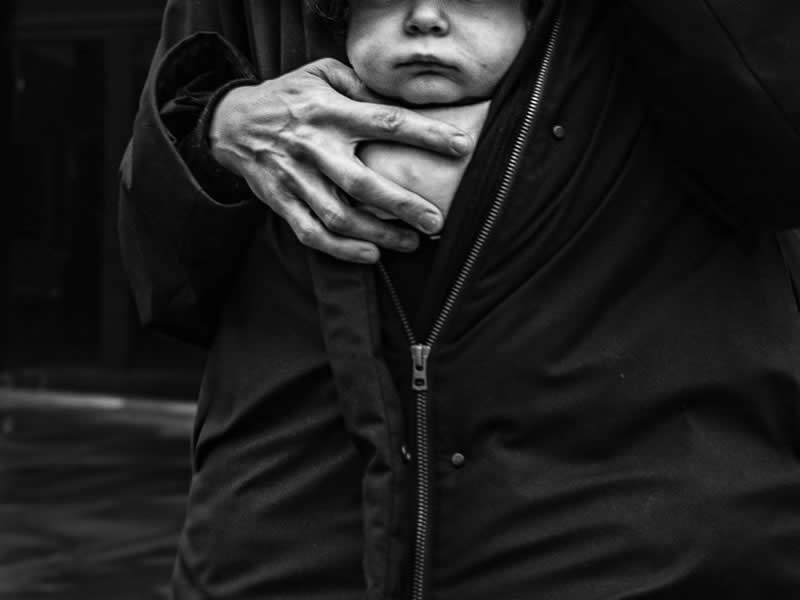
His work reminds us that street photography isn’t simply about documenting what a city looks like. It’s about noticing how people behave inside it. The awkward pauses. The accidental connections. The funny contradictions. The quiet loneliness. The unexpected tenderness.
Maybe that’s why these photographs feel so relatable.
We’ve all been that person crossing a street without noticing the world around us. We’ve all walked past a perfect photograph while checking our phone or thinking about dinner.
Claude simply stops.
He watches.
And when the moment arrives, he captures it.
#31
#32
#33
#34
Frequently Asked Questions:
Who is Gaspard Claude?
Gaspard Claude is a street photographer focused on everyday life in Paris. Working primarily in black and white, he photographs fleeting interactions, unexpected juxtapositions, and ordinary “non-events” across several Parisian neighborhoods.
What makes Gaspard Claude’s street photography unique?
Claude avoids famous Paris landmarks and concentrates on people, gestures, coincidences, and everyday interactions. His photographs combine precise timing with thoughtful composition, turning ordinary street scenes into visually engaging, memorable moments.
Why does Gaspard Claude use black and white?
Black and white allows Claude to emphasize light, shadows, shapes, gestures, textures, and human interactions without color becoming a distraction. This approach also gives his Paris street photographs a timeless and documentary-like visual character.
What is a “non-event” in street photography?
A “non-event” is an ordinary, unscripted moment that most people overlook. Claude photographs these subtle situations because they reveal personality, humor, coincidence, human relationships, and the everyday character of Paris without requiring dramatic action.
Where does Gaspard Claude photograph in Paris?
Much of Claude’s street photography is made in Paris’s 8th, 16th, and 17th arrondissements. He photographs the diverse people moving through these neighborhoods, capturing everyday encounters, gestures, coincidences, and fleeting moments.