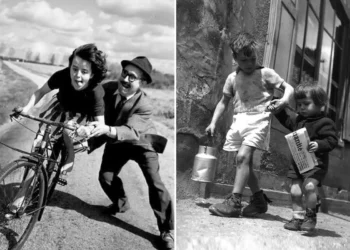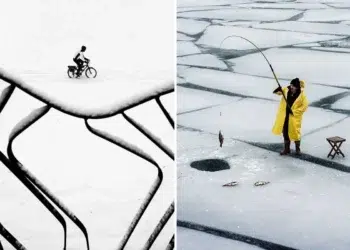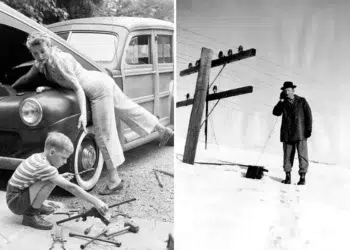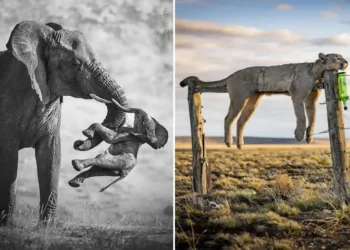

Certain photographs have no need for colour in order to attract you. All you have to do is add a bit of light, a human face, a peaceful street, or a fleeting moment from everyday life and immediately you’ll find yourself staring at something that seems almost come to life. That is the wonder of black-and-white photos since it eliminates the distractions and causes you to focus on what is truly important.
Imagine going through an old family album. The pictures may have faded, be grainy, or be a bit crooked, yet you still spend more time looking at certain ones than at the well-polished photographs on your phone. What is the reason for this? It’s because there’s a story concealed within them.
The legendary photographers who are included in these 40 images had a good understanding of instinct; they took photographs of workers, children, strangers, lovers, streets, celebrations, moments of hardship and small everyday occasions. A number of them used large film cameras with slow lenses and manual settings. They had no means of seeing the image instantly, no burst mode, and for sure no possibility of deleting a poorly taken photograph with a single tap.
That limitation influenced their perception.
To be a master photographer one had to be able to predict the right moments, understand people, study the way light fell, and ensure that each photograph was worthwhile. What these photographers have given us is the idea that good photography does not come down to possessing expensive equipment; it is about noticing something significant and knowing precisely when to push the shutter.
How about we take a moment to pause and consider what we can learn from these timeless frames?
#1
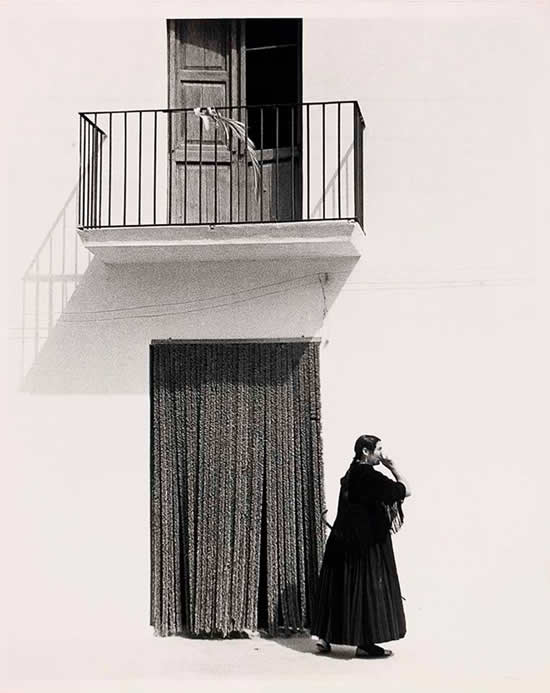
Photo By: Todd Webb
#2
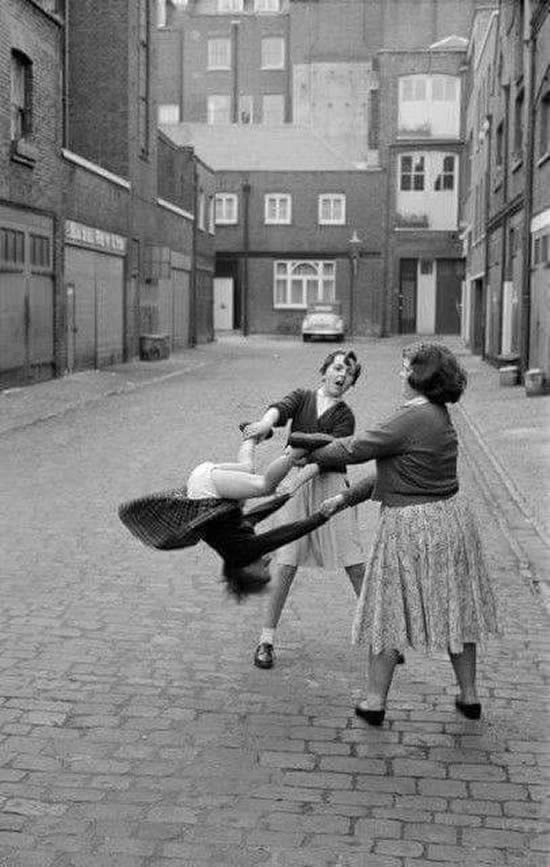
Photo By: Oscar van Alphen
#3
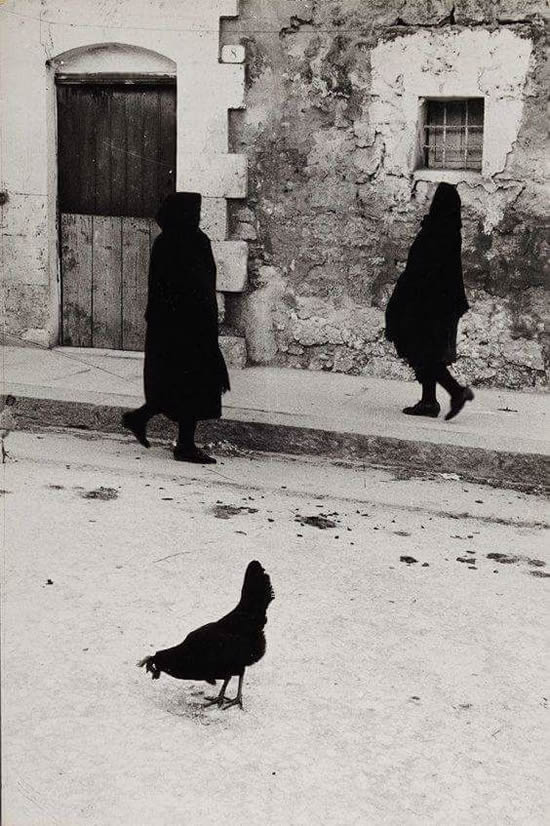
Photo By: Sergio Larrain
#4
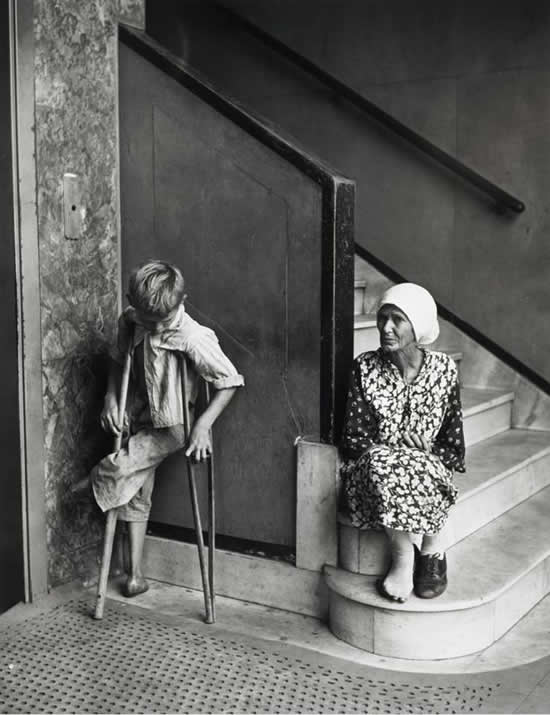
Photo By: Lou Stoumen
#5
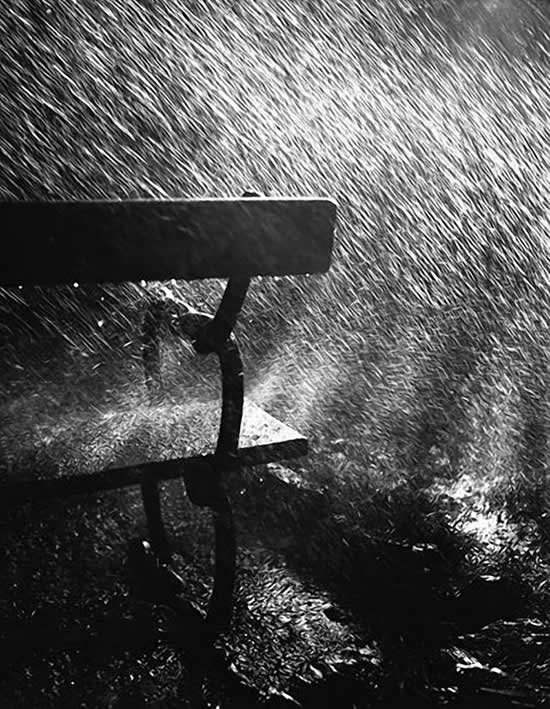
Photo By: Robert Hausser
#6
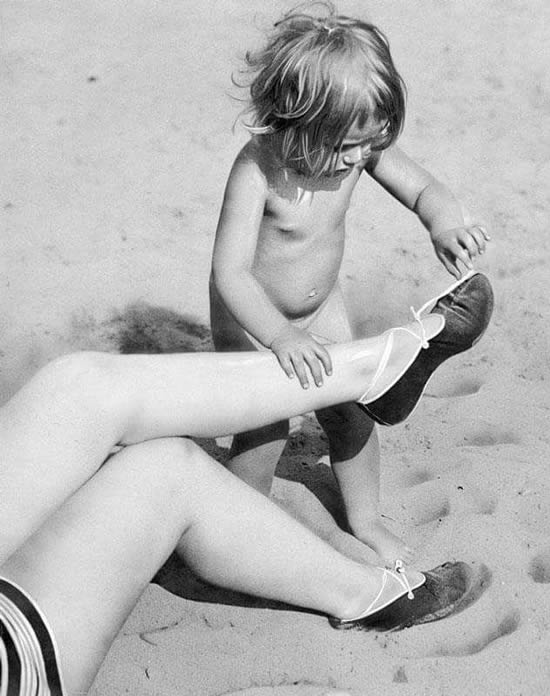
Photo By: Martin Munkacsi
The Early Days: When Every Frame Mattered
Early photography demanded patience. Legendary photographers working with film couldn’t spray hundreds of frames and pick the best one later. They waited, watched, focused, and trusted their instincts. That discipline shows up in these photographs, where timing and intention feel incredibly precise.
- Film cameras forced photographers to think carefully before pressing the shutter.
- Legendary photographers mastered exposure, focus, light, and timing through experience.
- Grain, contrast, and imperfections became part of the character of black-and-white photography.
- Great photographers learned to recognize meaningful moments before they disappeared.
- These early photographs prove that limitations can sharpen creativity rather than kill it.
#7
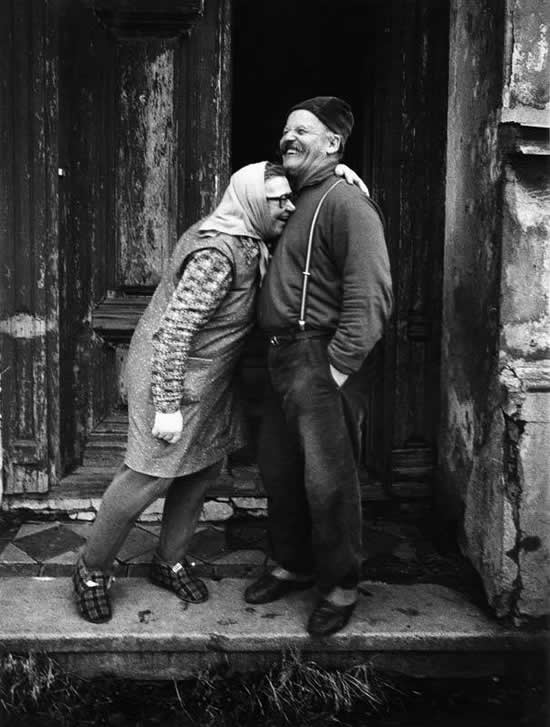
Photo By: Jindrich fight
#8
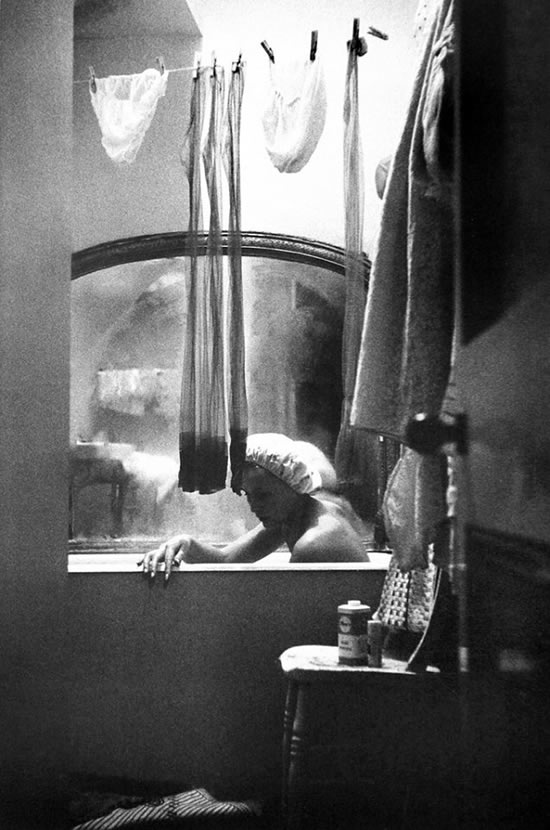
Photo By: Eve Arnold
#9
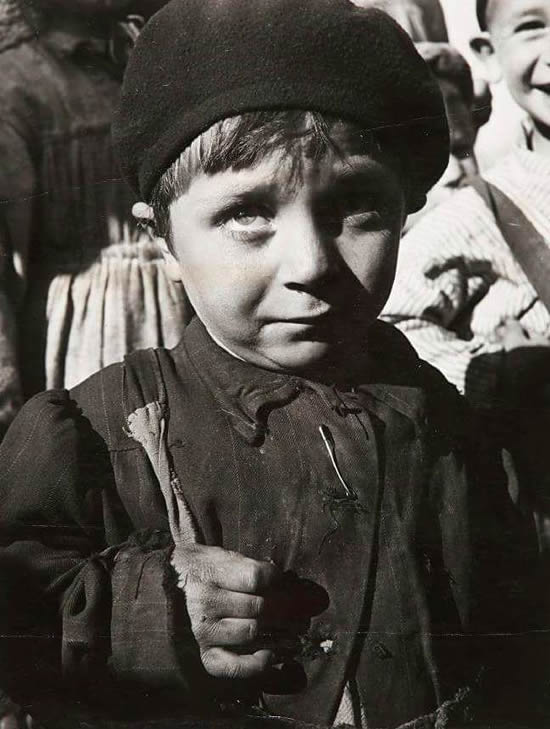
Photo By: David Seymour
#10
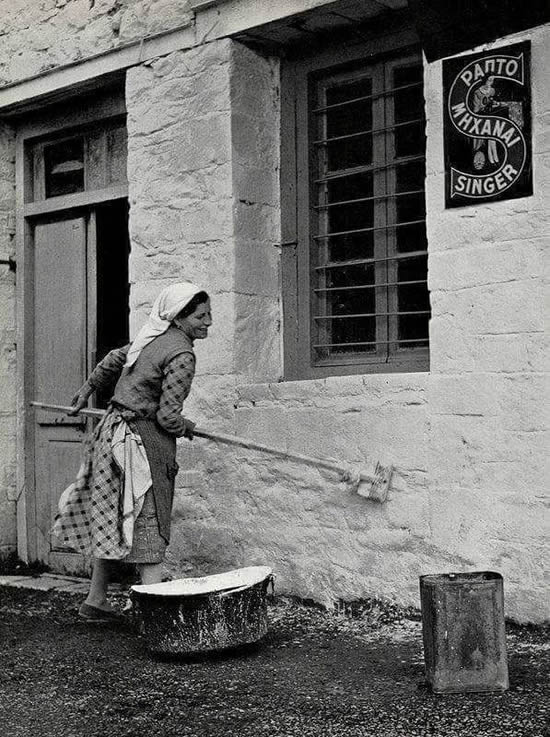
Photo By: Alfredo Camisa
#11
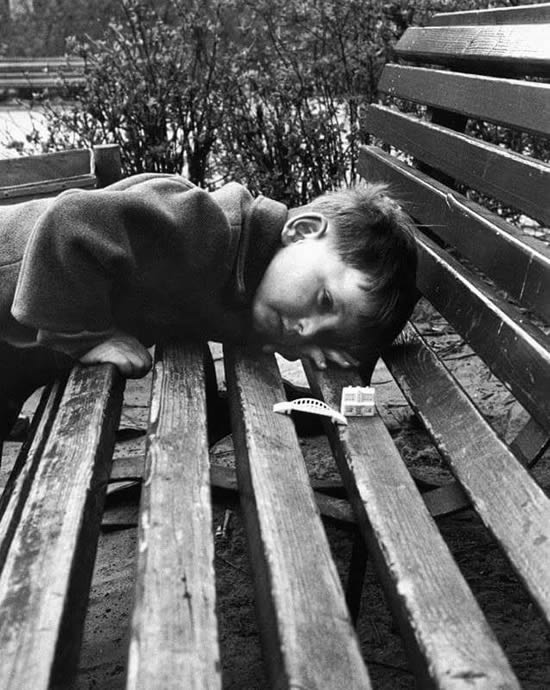
Photo By: Oscar van Alphen
#12
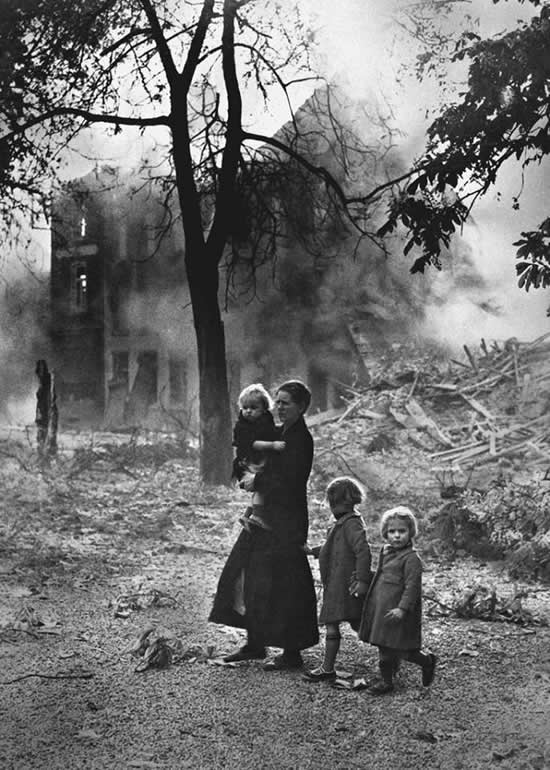
Photo By: Robert Capa
Everyday Life: Finding Beauty in Ordinary Moments
You don’t always need a dramatic event to make a memorable photograph. Sometimes it’s a person waiting for a bus, kids playing in an alley, a worker taking a break, or sunlight hitting an old doorway. Master photographers knew ordinary life was packed with visual gold if you paid attention.
- Everyday scenes became powerful because photographers noticed small human details.
- Street corners, homes, markets, workplaces, and sidewalks became visual storytelling spaces.
- Black-and-white photography made simple moments feel timeless and universal.
- Legendary photographers showed that ordinary people can create extraordinary photographs.
- The best frames often feel natural because the photographer understood the environment rather than forcing it.
#13
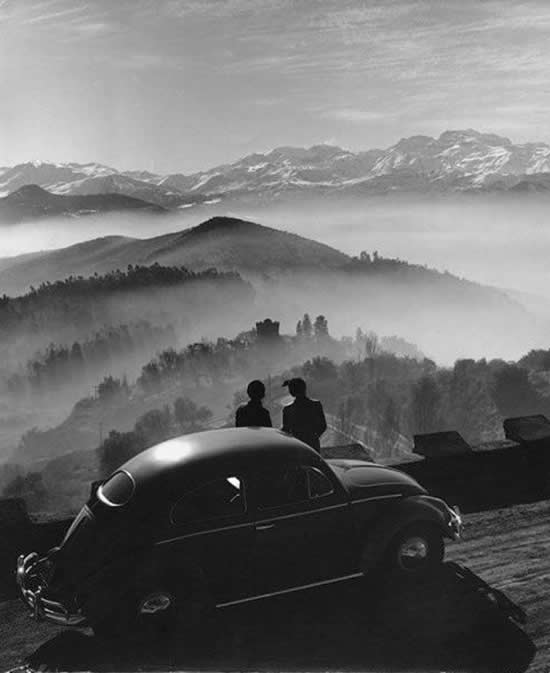
Photo By: Rosemarie Pierer
#14
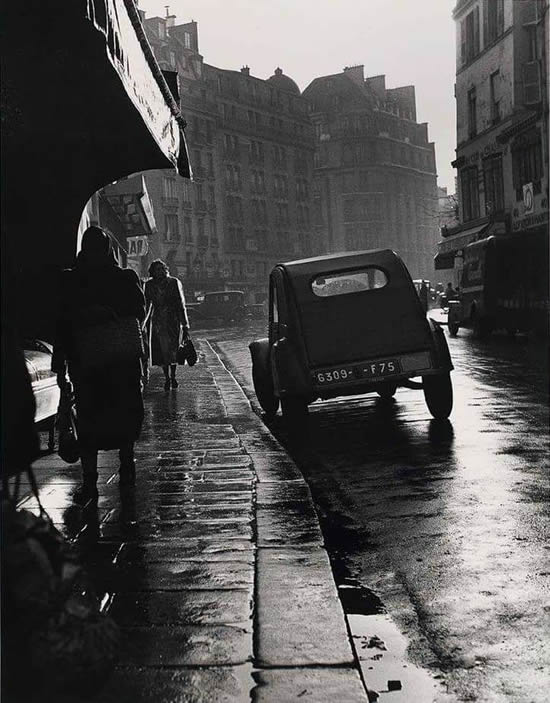
Photo By: Todd Webb
#15
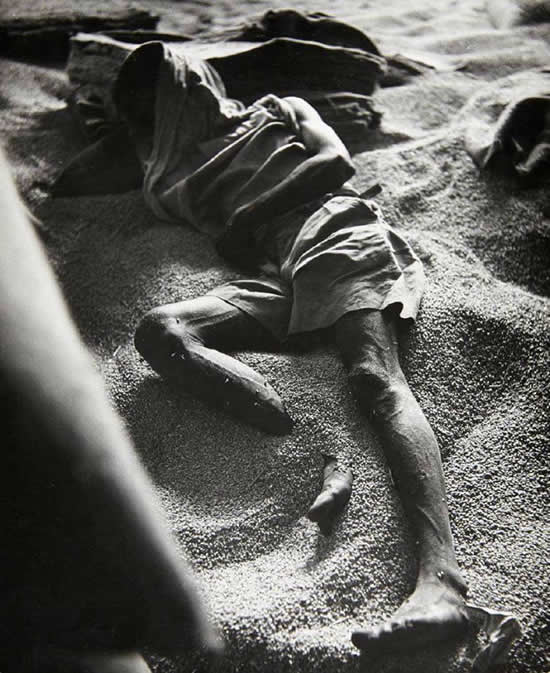
Photo By: Werner Bischof
#16
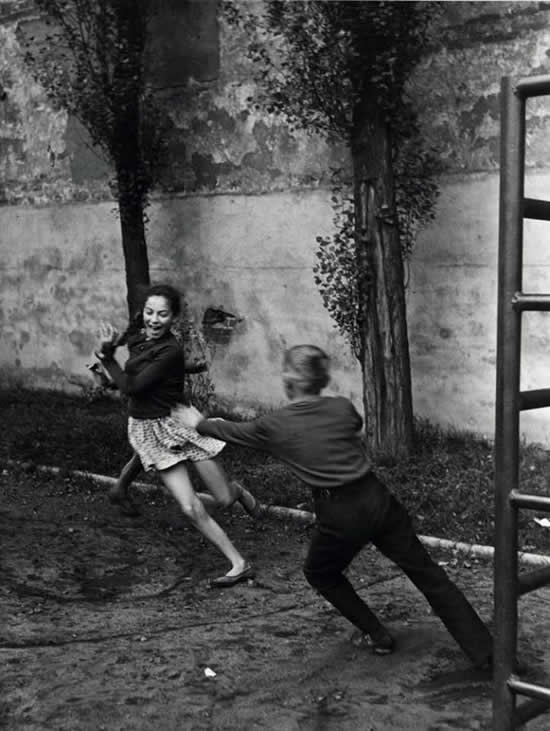
Photo By: Bogdan Dziworski
#17
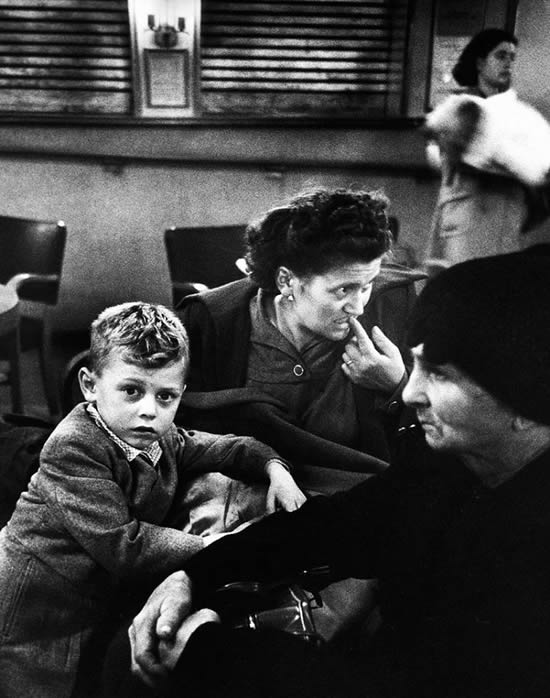
Photo By: Alfred Eisenstaedt
#18
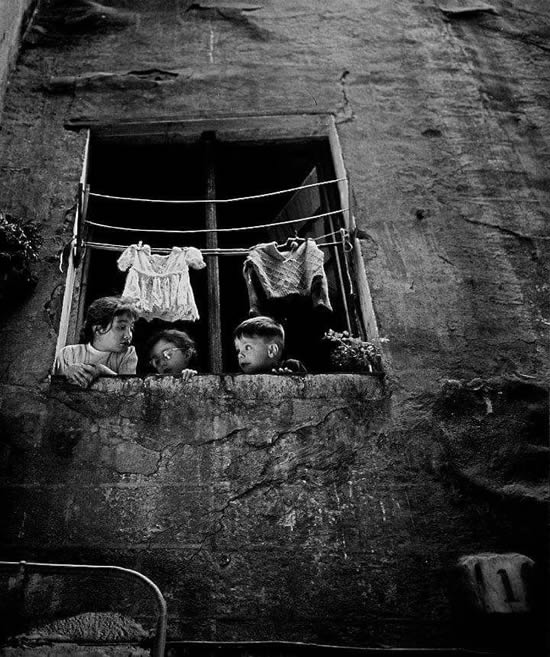
Photo By: Eugenio Octavio
Streets and Shadows: The Soul of Street Photography
Street photography is basically life happening without a script. That’s what makes it so addictive. A stranger turns a corner, sunlight cuts across a wall, someone laughs, and boom—the moment is gone. Great photographers learned to anticipate these little collisions of people, light, shadows, and movement.
- Legendary street photographers used patience to capture fleeting, unscripted moments.
- Shadows and strong sunlight created dramatic shapes within ordinary streets.
- Film cameras encouraged photographers to observe rather than constantly chase images.
- Composition and framing helped turn chaotic streets into balanced visual stories.
- The strongest street photographs reveal something about the place as much as the people inside them.
#19
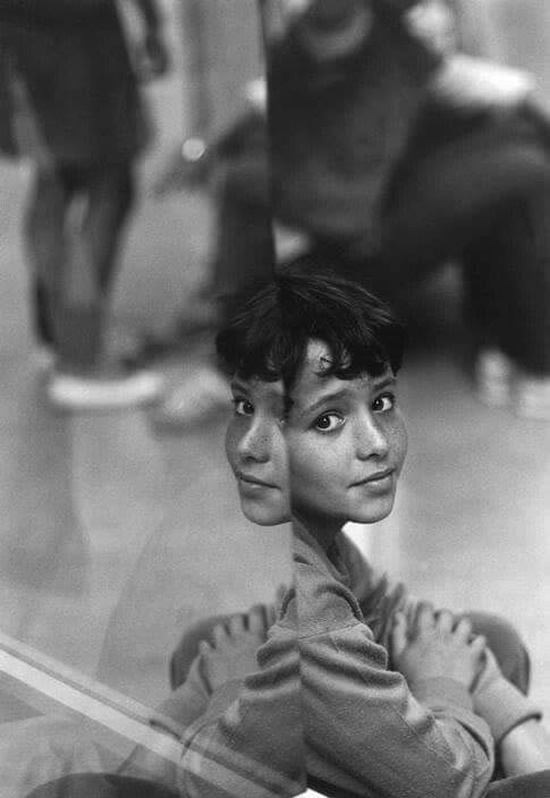
Photo By: Ferdinando Scianna
#20
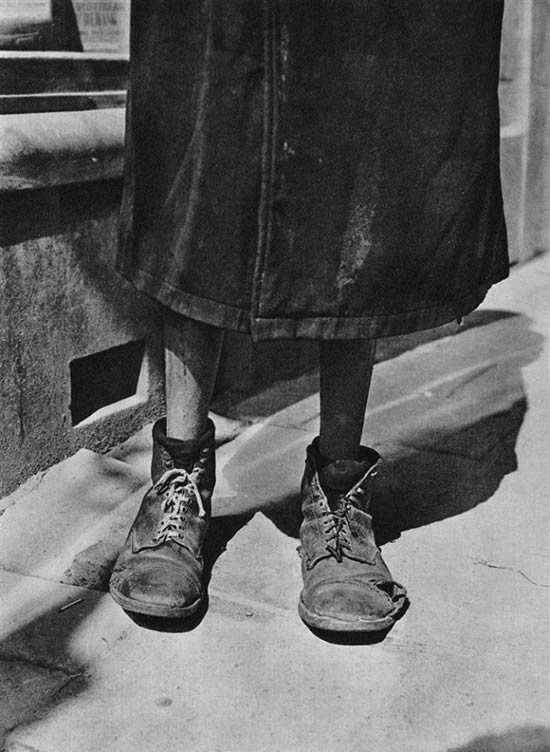
Photo By: Emmy Andriesse
#21
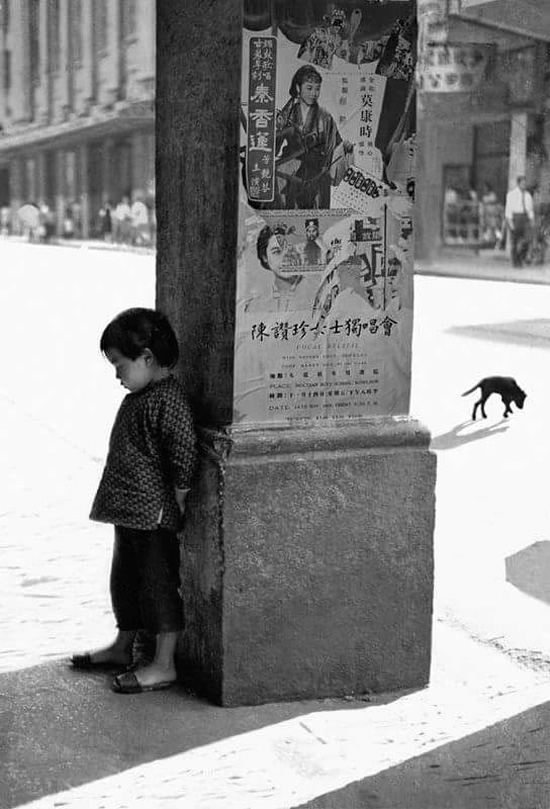
Photo By: Fan Ho
#22
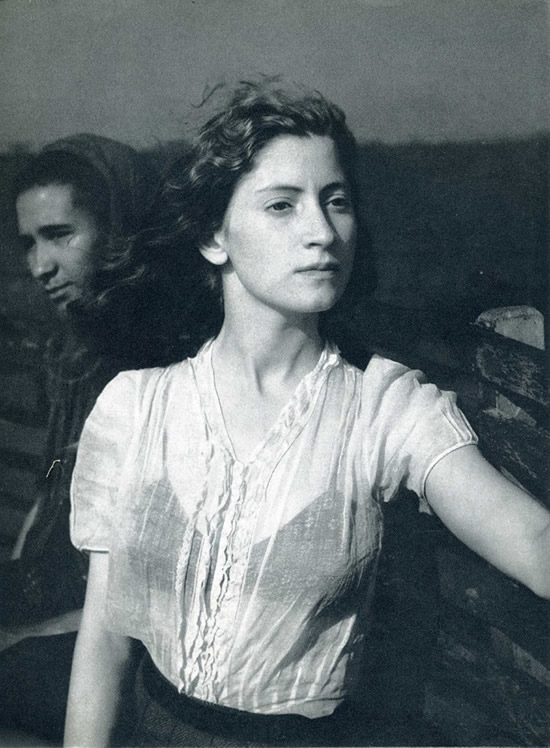
Photo By: Edouard Boubat
#23
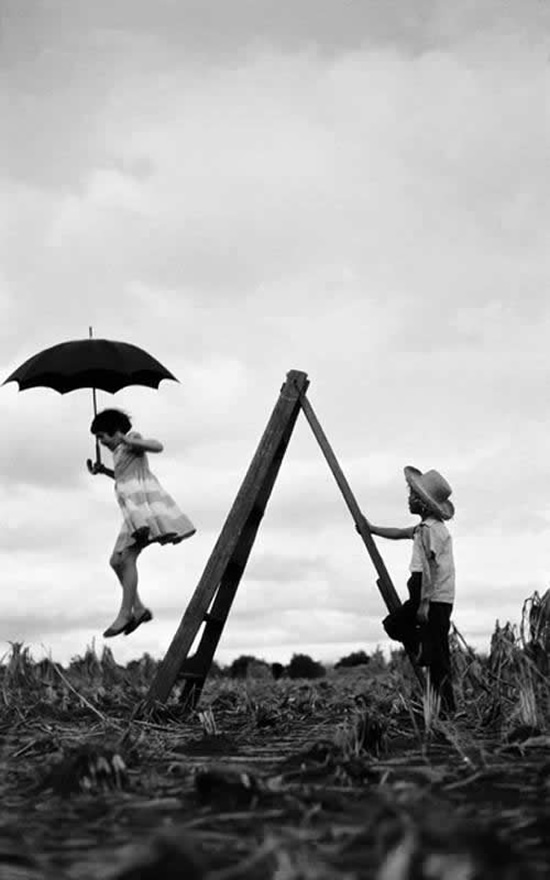
Photo By: Haruo Ohara
#24
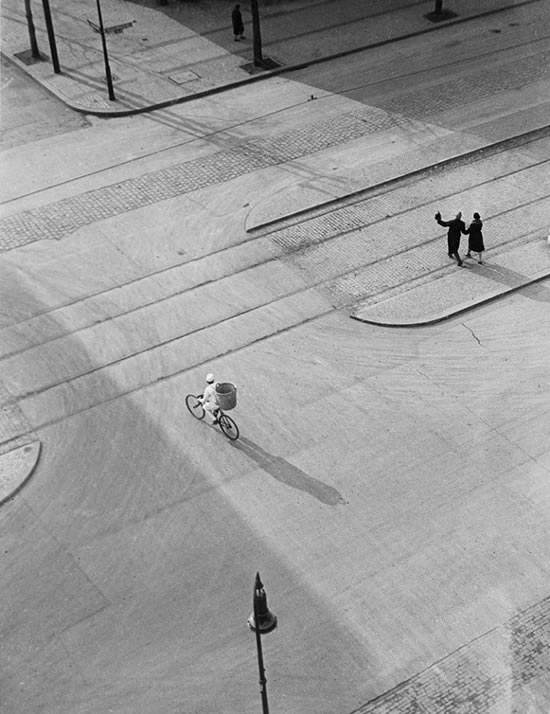
Photo By: Laszlo Moholy-Nagy
People and Their Stories: Photography With a Human Heart
A technically perfect photograph can still feel empty. The master photographers understood that faces carry history. A tired expression, nervous smile, weathered hands, or confident posture can tell you something without a single word. That’s why portraits from the film era can feel so intimate, they’re less about posing and more about connection.
- Great photographers studied people before deciding how to photograph them.
- Expressions, gestures, clothing, and body language often became important storytelling details.
- Portraits captured personality instead of simply recording someone’s appearance.
- Understanding a person’s environment added deeper meaning to the photograph.
- The best photographs make us wonder who the person was and what happened before or after the frame.
#25
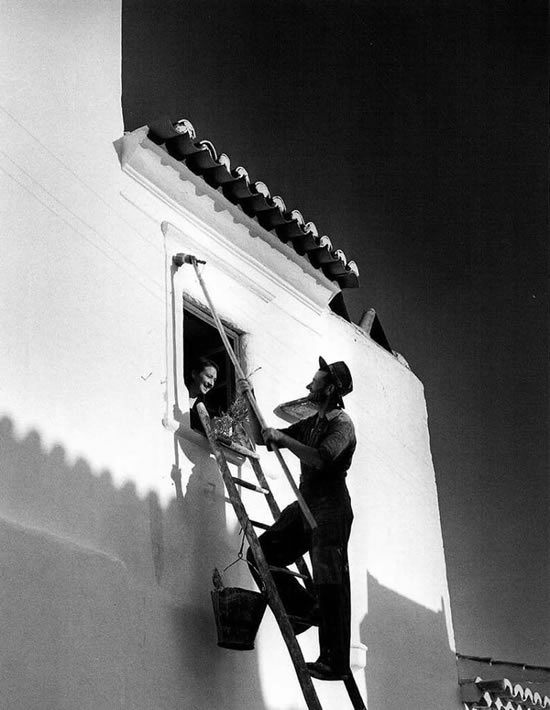
Photo By: Jean Dieuzaide
#26
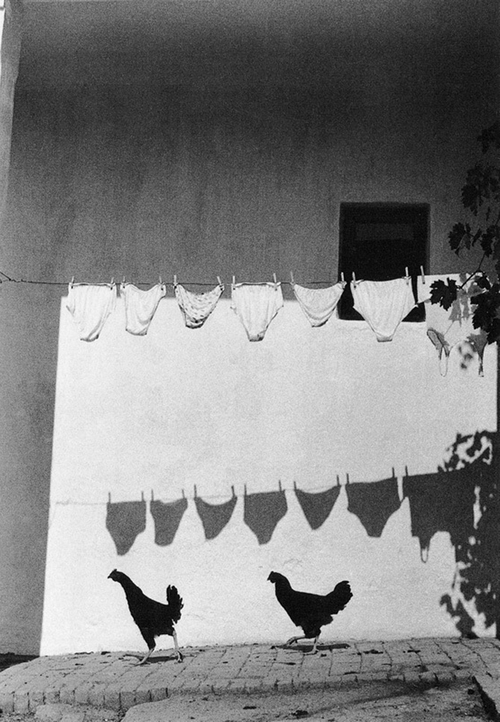
Photo By: Bruno Bourel
#27
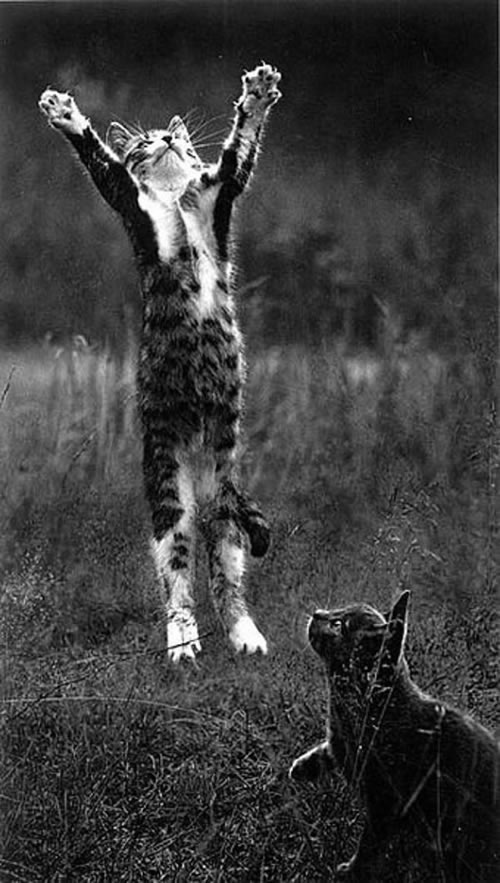
Photo By: Pentti Sammallahti
#28
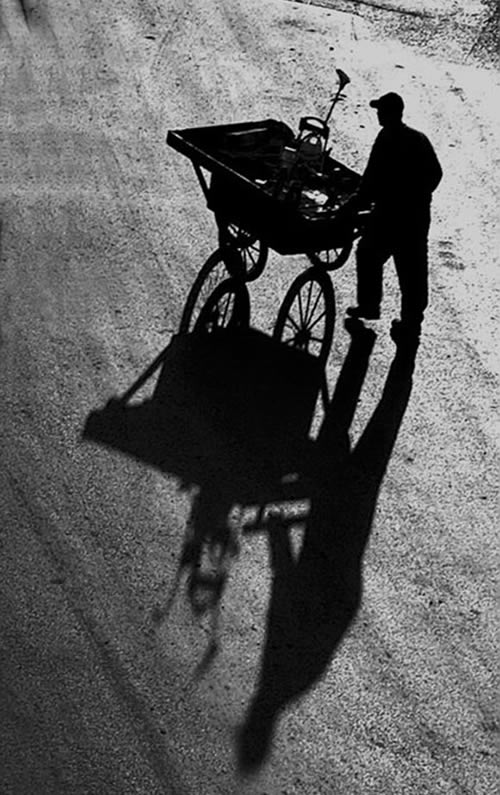
Photo By: Anonymous
#29
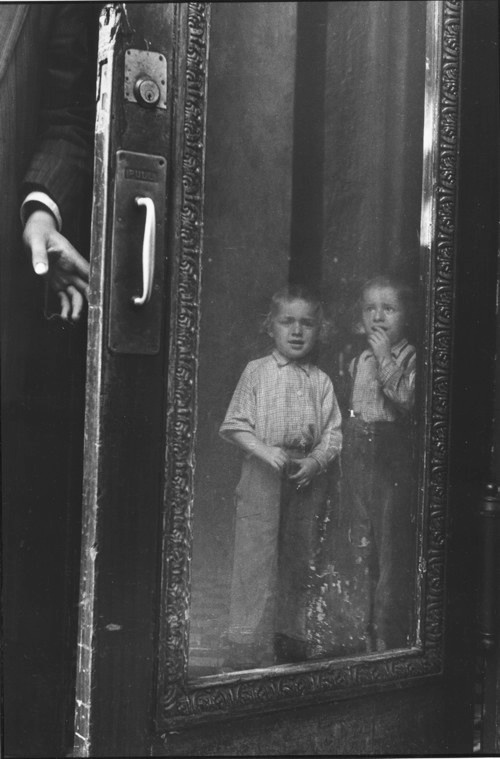
Photo By: Anonymous
#30
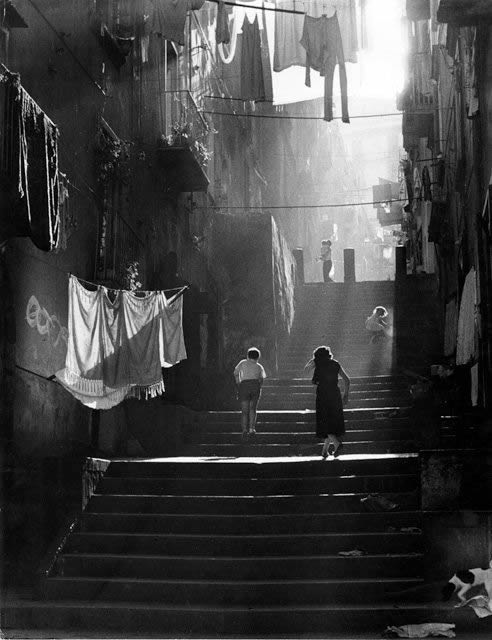
Photo By: Piergiorgio Branzi
Composition and Framing: Why Some Images Just Work
Ever look at a photograph and instantly feel that everything is exactly where it should be? That’s composition. Legendary photographers didn’t randomly point their cameras and hope for magic. They understood lines, shapes, negative space, light, perspective, and timing—and they used those elements to guide your eyes through the frame.
- Composition helped photographers turn busy scenes into clear visual stories.
- Framing could isolate a person, emphasize movement, or create emotional distance.
- Leading lines, shadows, symmetry, and negative space added structure to photographs.
- Black-and-white tones made shapes, textures, and contrast especially important.
- Studying these master photographers can teach us to see composition before we even lift a camera.
#31
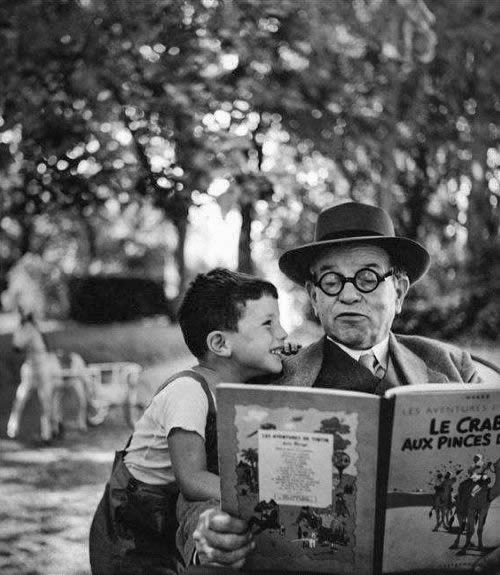
Photo By: Janine Niepce
#32
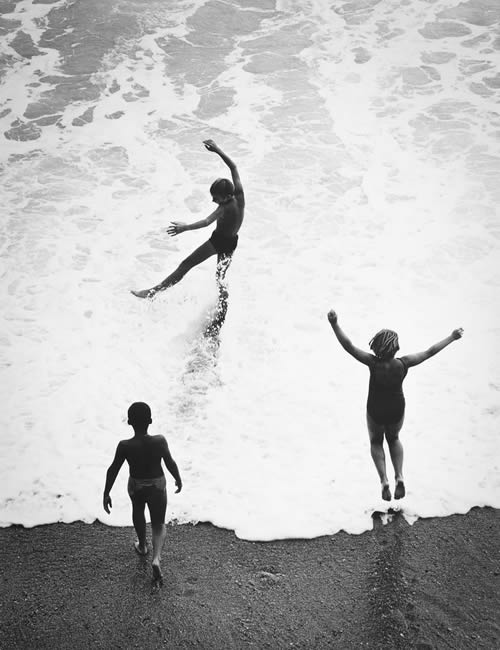
Photo By: Siegfried Lauterwasser
#33
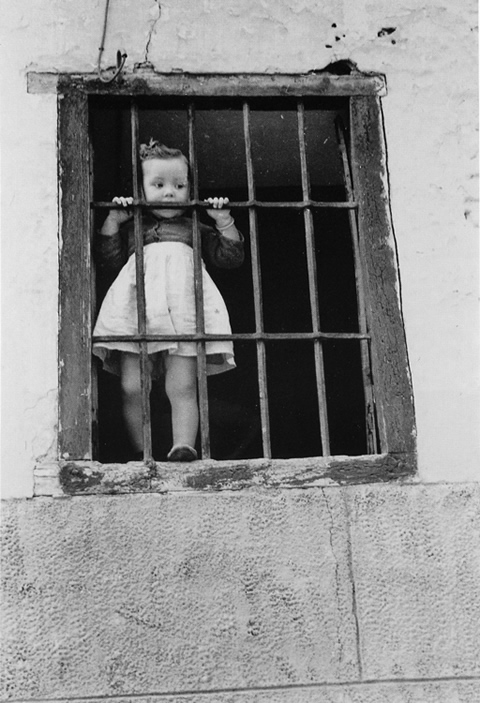
Photo By: Edouard Boubat
#34
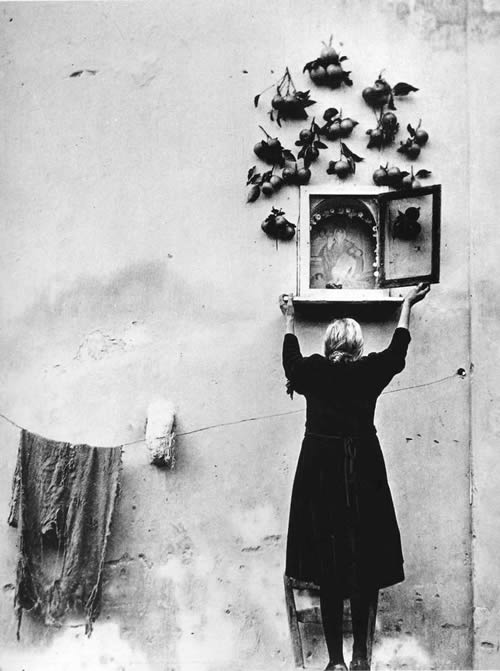
Photo By: Enzo Sellerio
#35
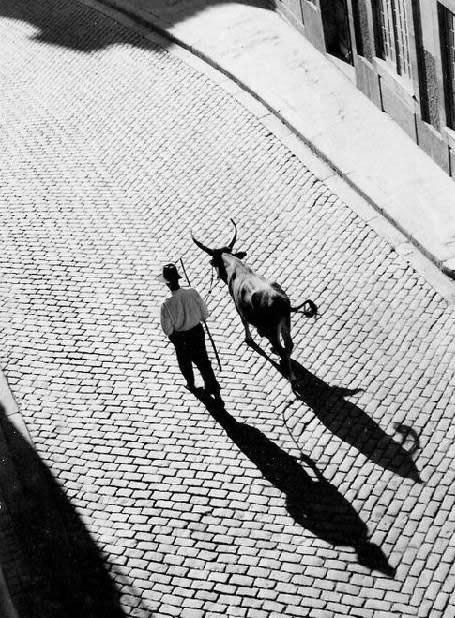
Photo By: Eduardo Teixeira Pinto
#36
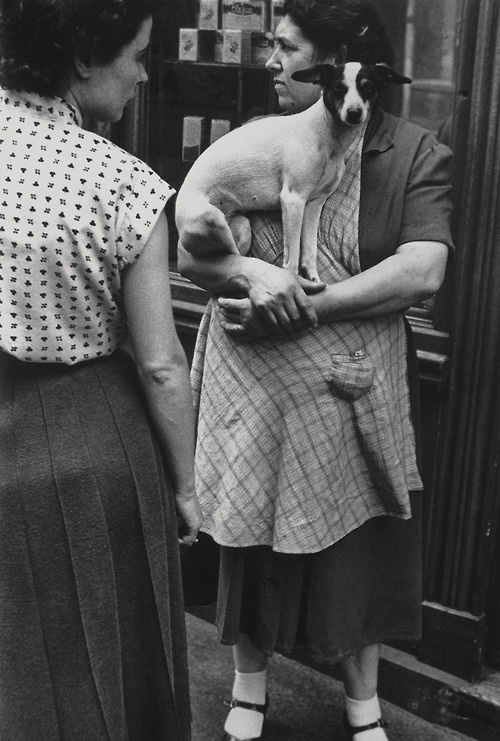
Photo By: Elliott Erwitt
Film, History, and the World Behind the Frame
Every photograph has a time and place attached to it. That’s something we sometimes forget while scrolling through thousands of digital images. These 40 frames carry traces of different eras—the clothes, buildings, streets, technology, expressions, and social realities. The camera didn’t just record people; it recorded the world around them.
- Film photographs preserve details of history that might otherwise disappear.
- Legendary photographers understood that environment could be just as important as their subjects.
- Black-and-white images often emphasize the mood and seriousness of historical moments.
- Great photographers looked beyond appearances to understand culture, place, and circumstance.
- These photographs teach us to consider the story behind the frame, not just the beauty inside it.
#37
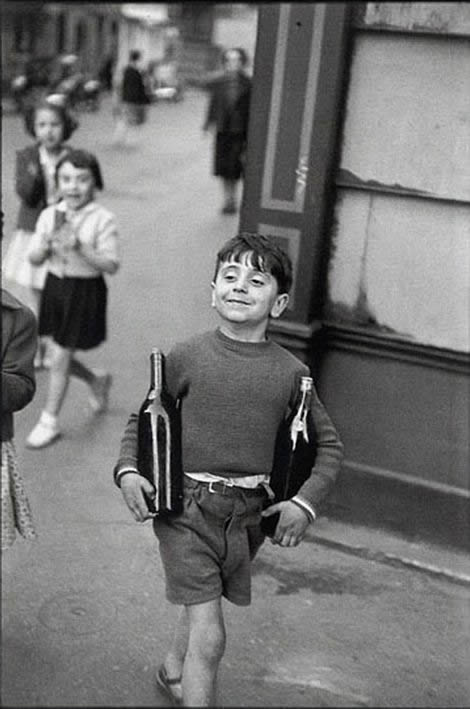
Photo By: Henri Cartier Bresson
#38
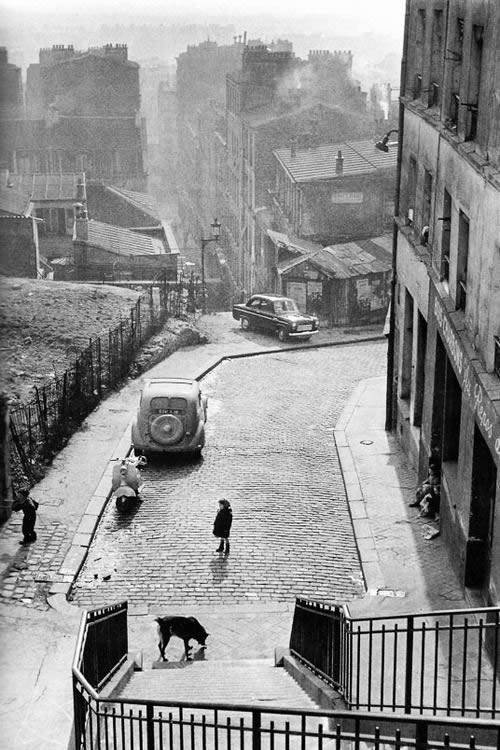
Photo By: Edouard Boubat
#39
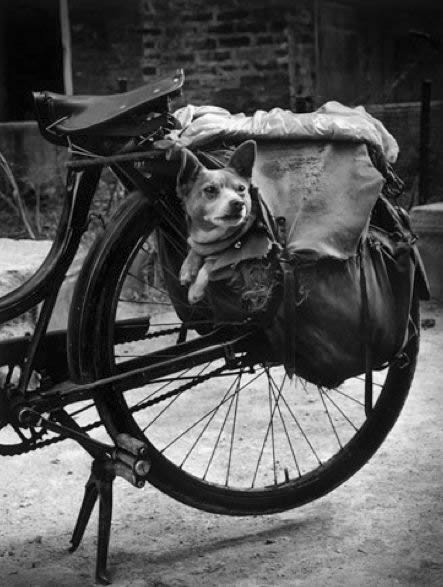
Photo By: Christer Stromholm
#40
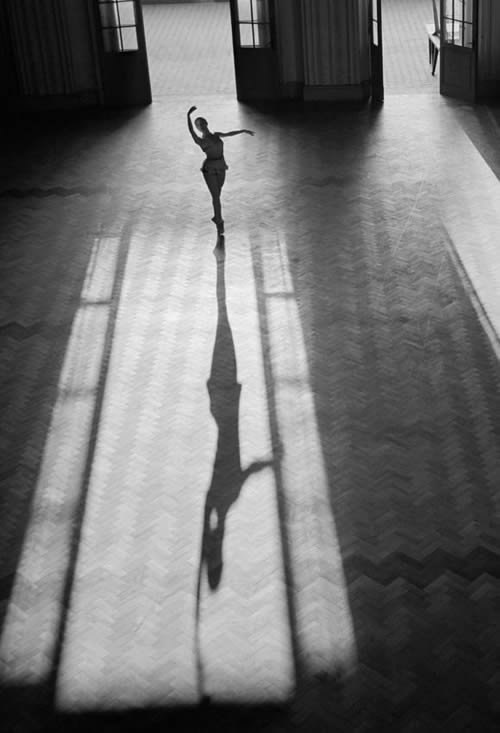
Photo By: Thomaz Farkas
Editor’s Summary
These photographs aren’t simply old pictures. They’re lessons in seeing. Master photographers understood people, light, history, timing, and place before worrying about gear. Their work shows why great photography starts with curiosity and observation. Look closely at these 40 frames, and you’ll discover plenty to borrow for your own photographic eye.
- Observe before shooting.
- Study light and shadows.
- Understand people and environments.
- Practice composition and framing.
- Let the story lead the photograph.