
Have you ever stopped to look at a tiny flower, a curious beetle, or a single drop of morning dew and realized there’s an entire universe hiding just inches from your feet? That’s the magic of macro photos. It doesn’t ask you to travel to exotic places or chase dramatic landscapes. Instead, it quietly whispers, "Look closer." Suddenly, an ordinary backyard becomes an endless playground packed with incredible textures, dazzling colors, delicate wings, and tiny creatures living lives we barely notice.
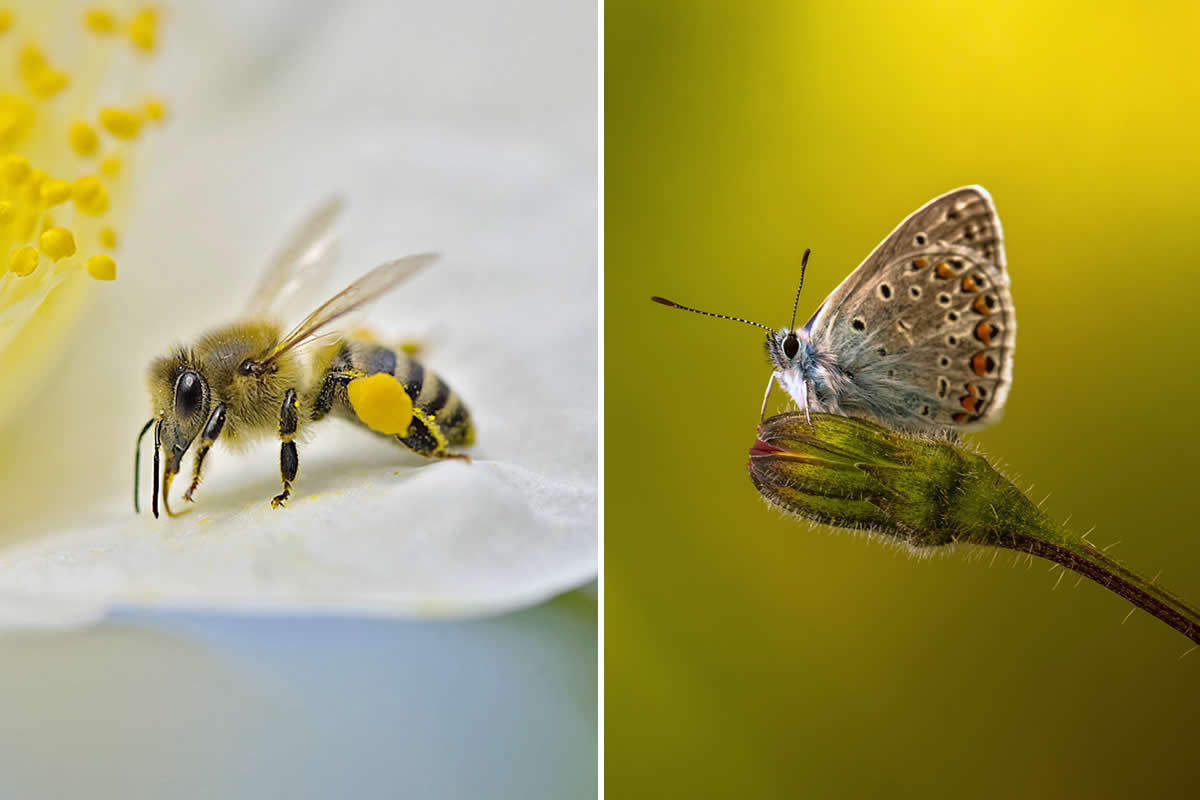
The best macro photographers don’t just capture close-ups; they capture wonder. A butterfly’s wing turns into stained glass. A jumping spider suddenly looks like a tiny superhero. Even a blade of grass covered in dew can feel like something from another planet. It’s amazing how changing your perspective by just a few inches can completely transform the way you see nature.
Of course, patience is part of the adventure. You’re not simply taking pictures; you’re waiting for the perfect light, watching insects go about their tiny routines, and learning to appreciate details most people walk right past every single day. That’s what makes macro photography so rewarding. Every successful shot feels like discovering a hidden treasure that was there all along.
This collection of 30 remarkable macro photos celebrates talented photographers who prove that nature’s smallest miracles are often its most breathtaking. Get ready to slow down, look closer, and discover a world that’s been hiding in plain sight the whole time.
#1
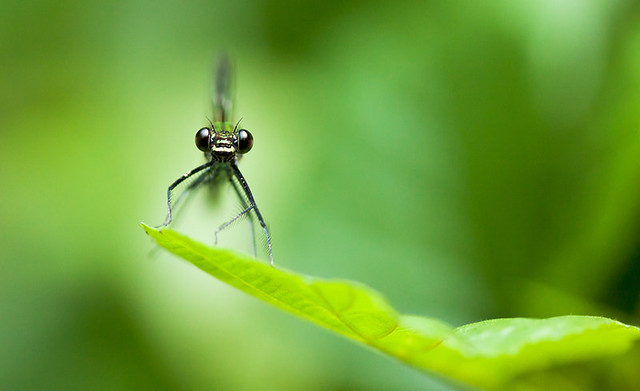
Photo Credit: Mathieu Capdeville
#2
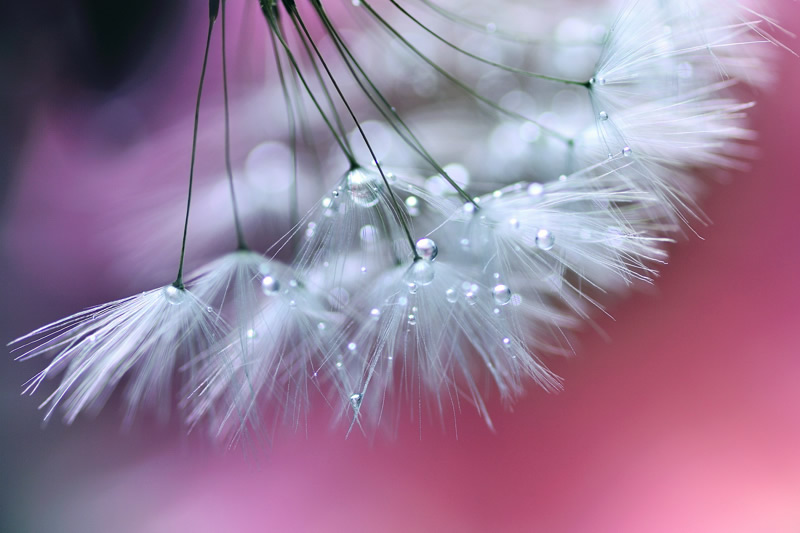
Photo Credit: Lafugue Logos
#3

Photo Credit: Mateus88
#4
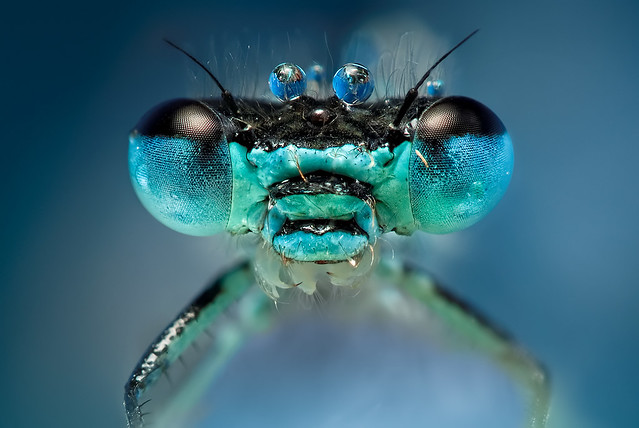
Photo Credit: John Hallmén
#5
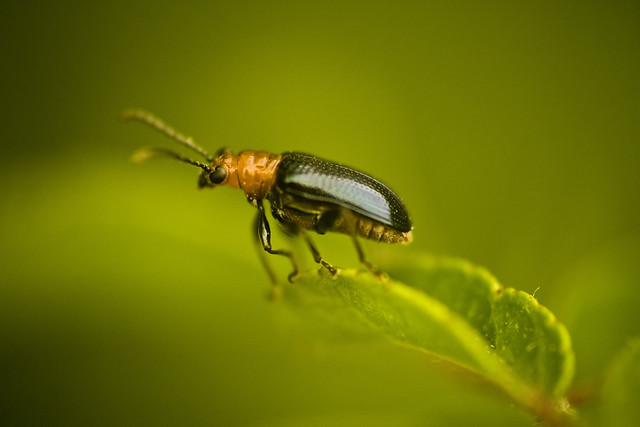
Photo Credit: Nagesh Jayaraman
Tiny Subjects, Giant Stories: Discovering Nature One Close-Up at a Time
Every tiny insect, flower, or water droplet has its own story waiting to be told. The beauty of macro photography comes from revealing details invisible to the naked eye, transforming everyday moments into unforgettable works of art.
- Get eye-level with insects for more engaging photographs.
- Focus on a single subject to reduce distractions.
- Use natural backgrounds for creamy bokeh.
- Shoot during calm mornings when insects move slowly.
- Practice patience because the best moments can’t be rushed.
#6
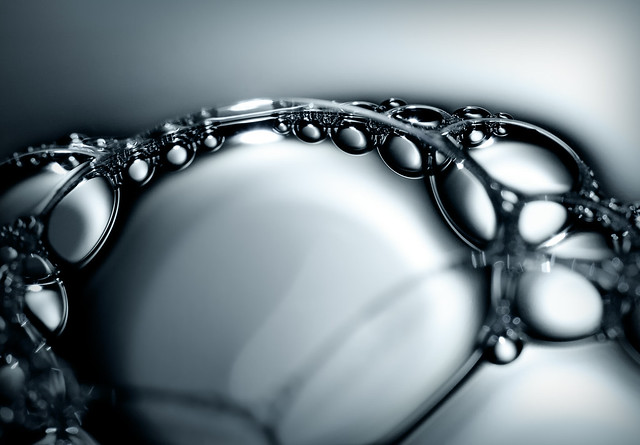
Photo Credit: Vilhjálmur Ingi Vilhjálmsson
#7
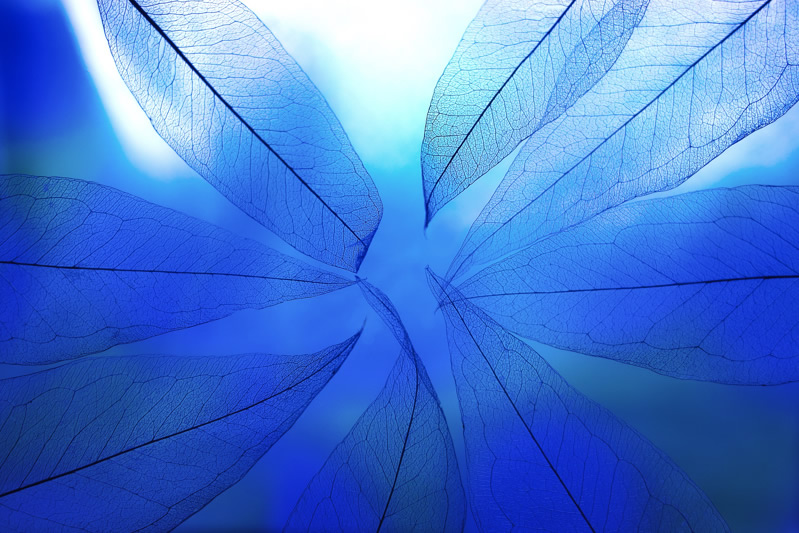
Photo Credit: Lafugue Logos
#8
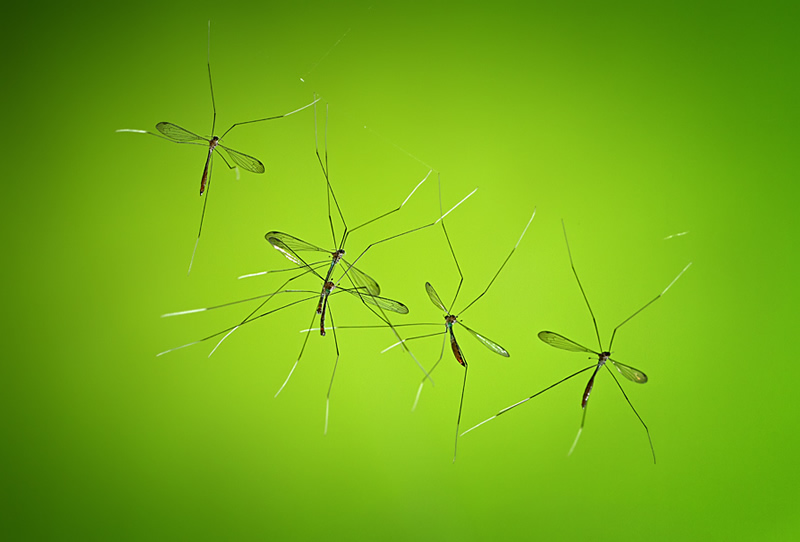
Photo Credit: Shikhei Goh
#9
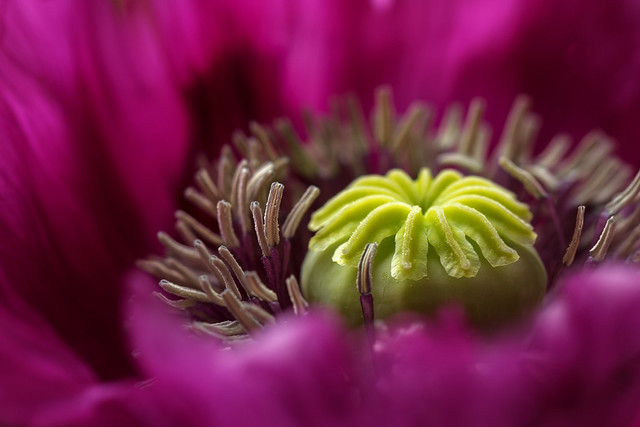
Photo Credit: Mandy Disher
#10
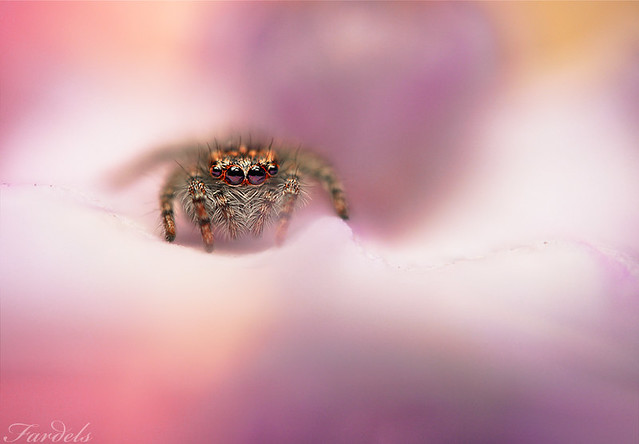
Photo Credit: Fardels
Mastering Bokeh and Color for Dreamy Macro Photography
Soft backgrounds and vibrant colors can turn an ordinary close-up into something magical. Great macro photographers know how to separate their subjects from busy surroundings while letting natural light create smooth, colorful backgrounds.
- Shoot with wide apertures for beautiful bokeh.
- Look for colorful flowers behind your subject.
- Use soft morning or evening light.
- Avoid harsh midday sunlight whenever possible.
- Experiment with different angles for richer colors.
#11
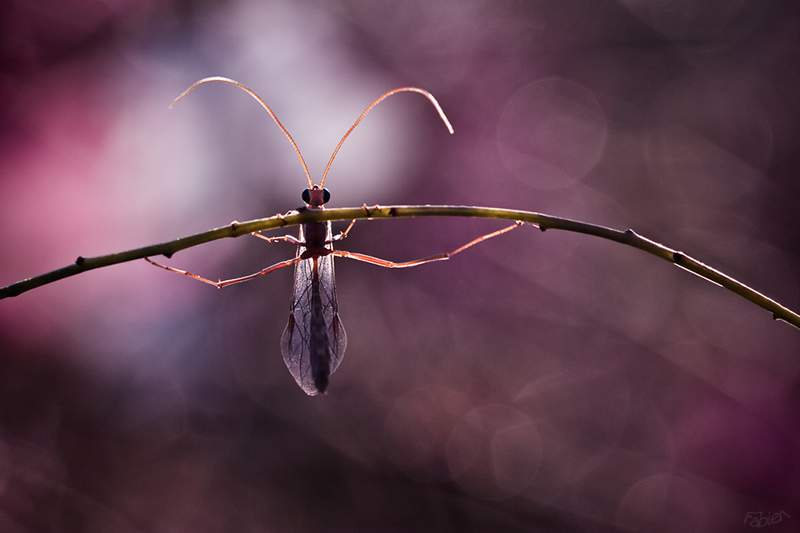
Photo Credit: Fabien Bravin
#12
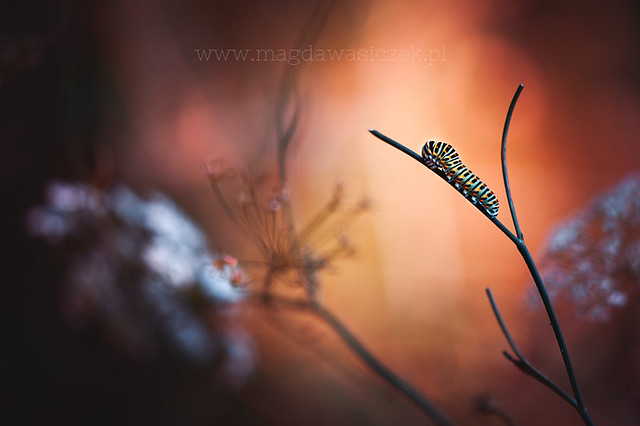
Photo Credit: Magda Wasiczek
#13
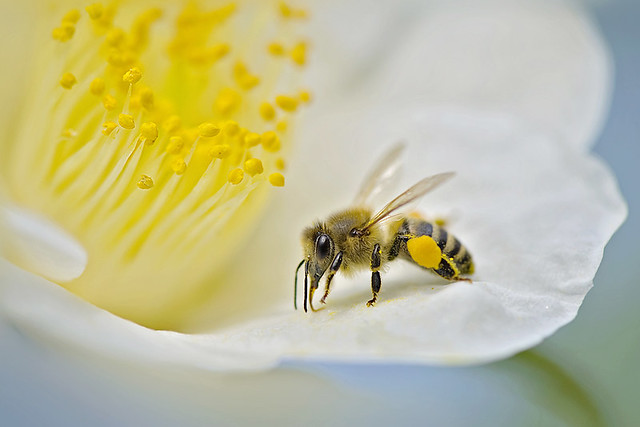
Photo Credit: Jacky Parker
#14
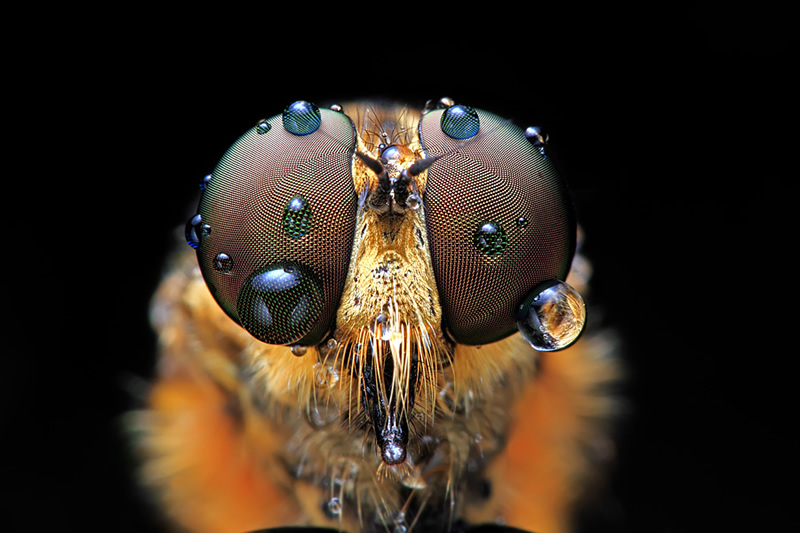
Photo Credit: Shikhei Goh
#15
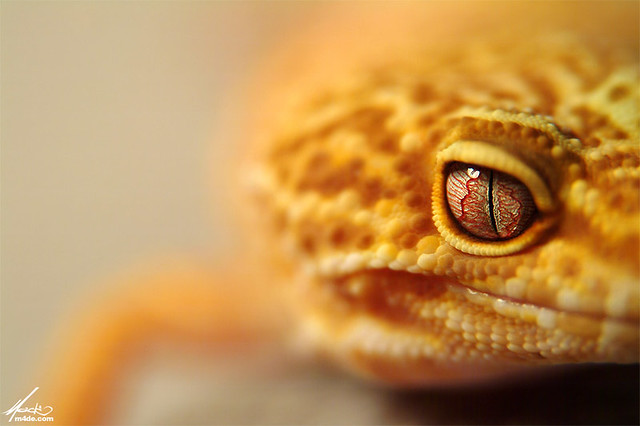
Photo Credit: Carlos Pardo
Composition Is Everything When You’re Shooting Small
Tiny subjects demand careful composition. A slight camera movement can completely change the mood of a photograph. The strongest macro images guide your eyes naturally while making even the smallest creature feel important.
- Apply the Rule of Thirds creatively.
- Leave negative space for a balanced composition.
- Keep backgrounds clean and uncluttered.
- Frame insects naturally with leaves or petals.
- Watch every edge of the frame before shooting.
#16
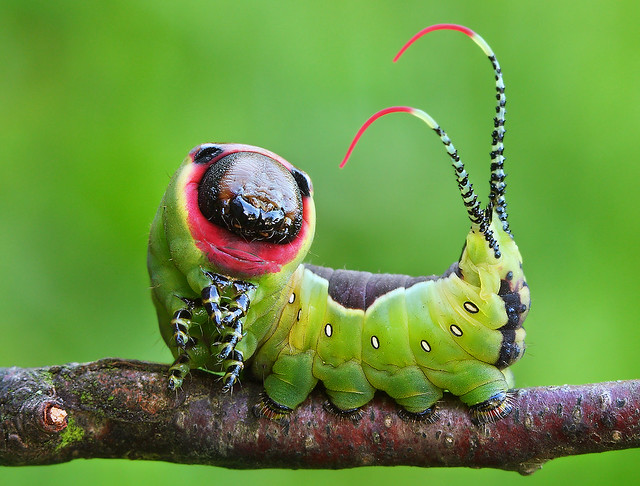
Photo Credit: Lukas Jonaitis
#17
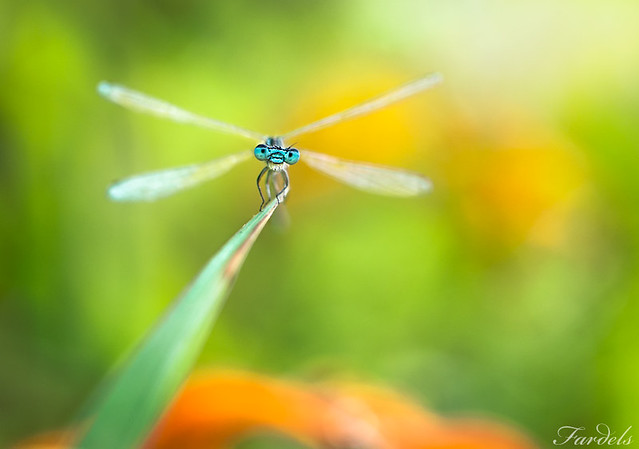
Photo Credit: Fardels
#18
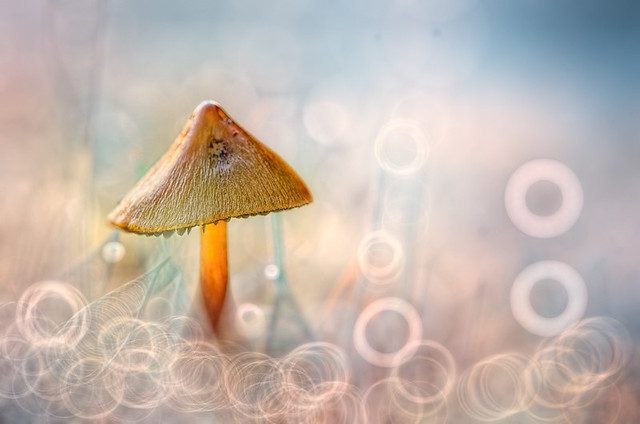
Photo Credit: Capuchon29
#19

Photo Credit: Jean François Bonachera
#20
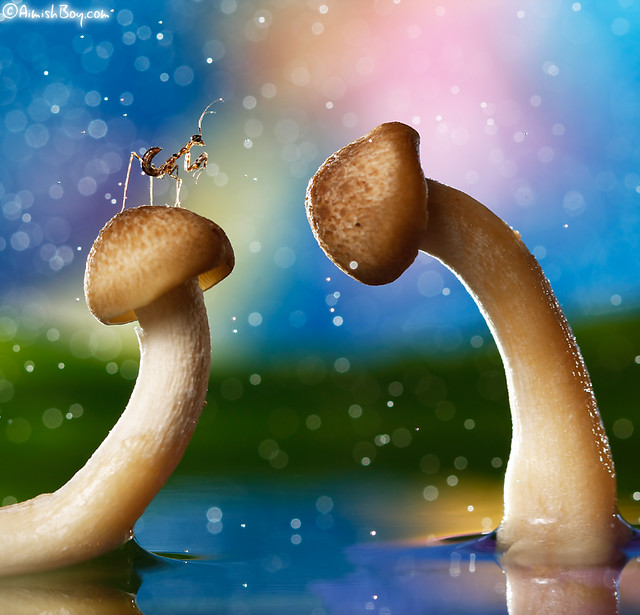
Photo Credit: Nadav Bagim
Patience Beats Expensive Gear Every Single Time
You don’t need the newest camera to create incredible macro photos. What matters most is observation. The longer you spend watching nature, the more fascinating moments you’ll discover hiding right in front of you.
- Observe insect behavior before taking photos.
- Wait for still moments between movements.
- Shoot multiple frames for better sharpness.
- Keep your hands steady or use a tripod.
- Respect wildlife and never disturb your subjects.
#21
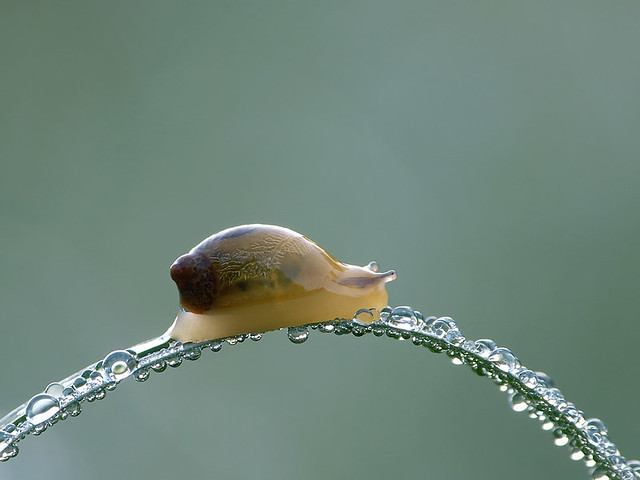
Photo Credit: Martin
#22
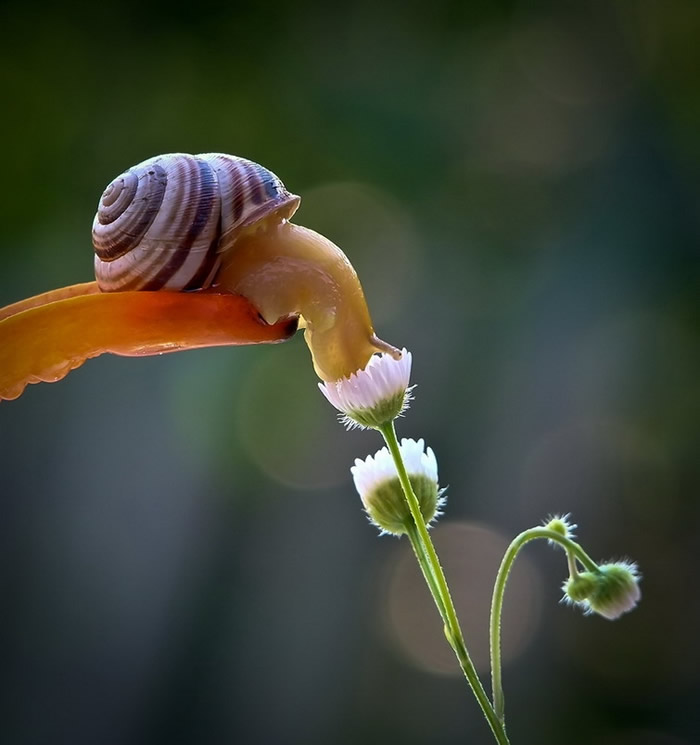
Photo Credit: Vyacheslav Mishchenko
#23
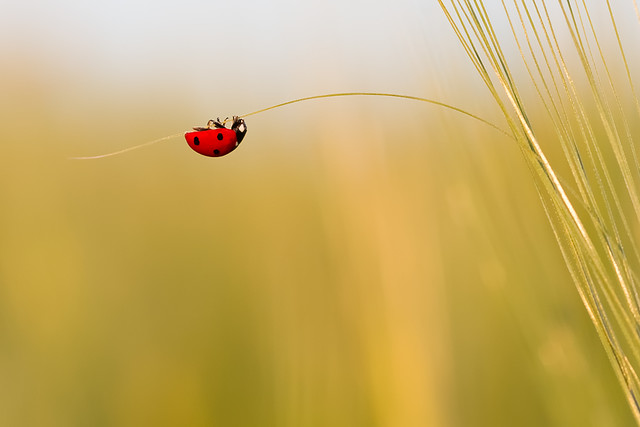
Photo Credit: 7ns
#24
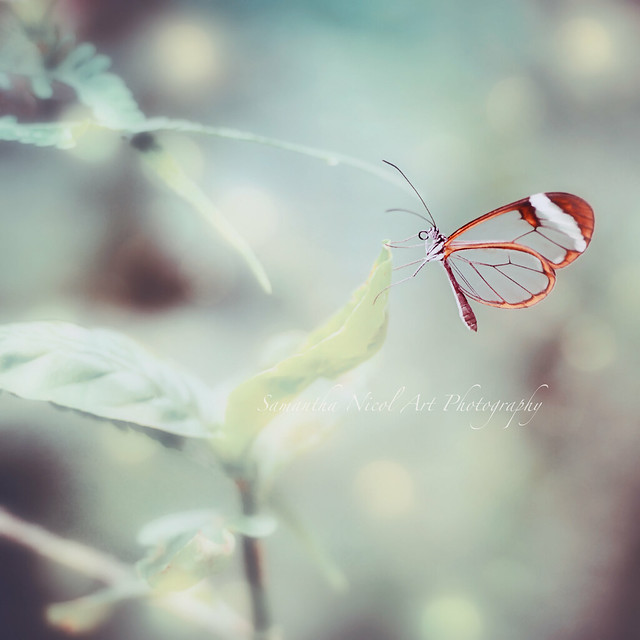
Photo Credit: Samantha Nicol
#25
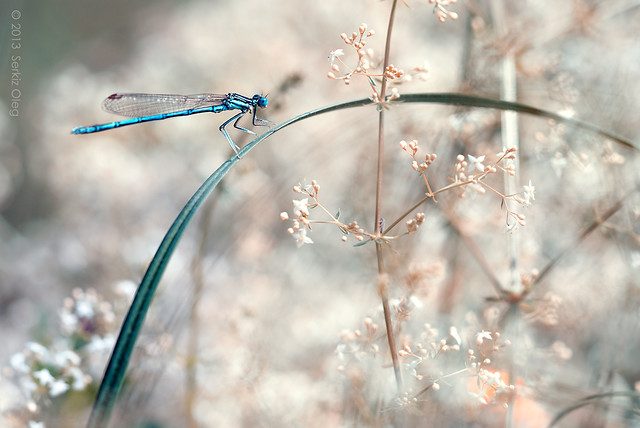
Photo Credit: Oleg Serkiz
Seeing the Invisible Changes the Way You See the World
Macro photography teaches you to appreciate details that most people overlook. Once you begin noticing tiny textures, glowing wings, sparkling dew, and microscopic patterns, even an ordinary walk through the park becomes an unforgettable adventure.
- Explore gardens after rainfall for fresh subjects.
- Search for textures on leaves and tree bark.
- Use framing elements to add depth.
- Let vibrant colors become part of your storytelling.
- Keep practicing because every outing teaches something new.
#26

Photo Credit: El.Justino
#27
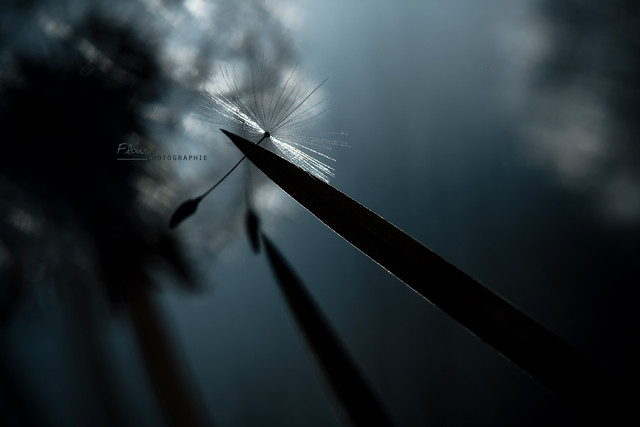
Photo Credit: Flow
#28
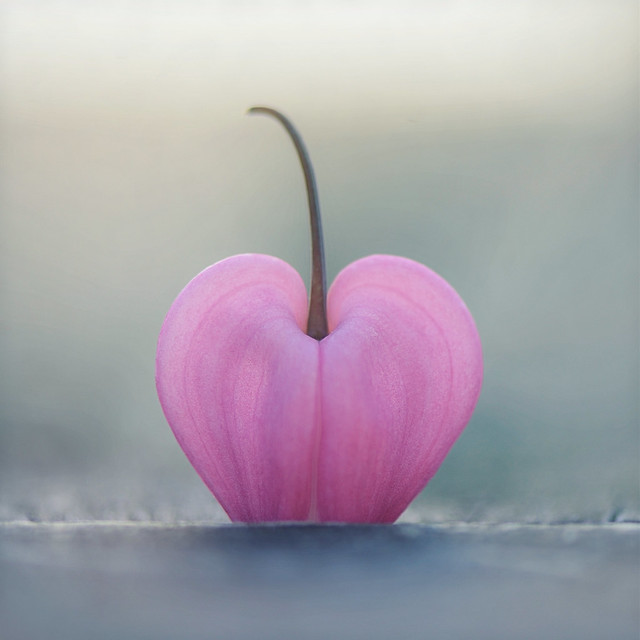
Photo Credit: Lotte Grønkjær
#29
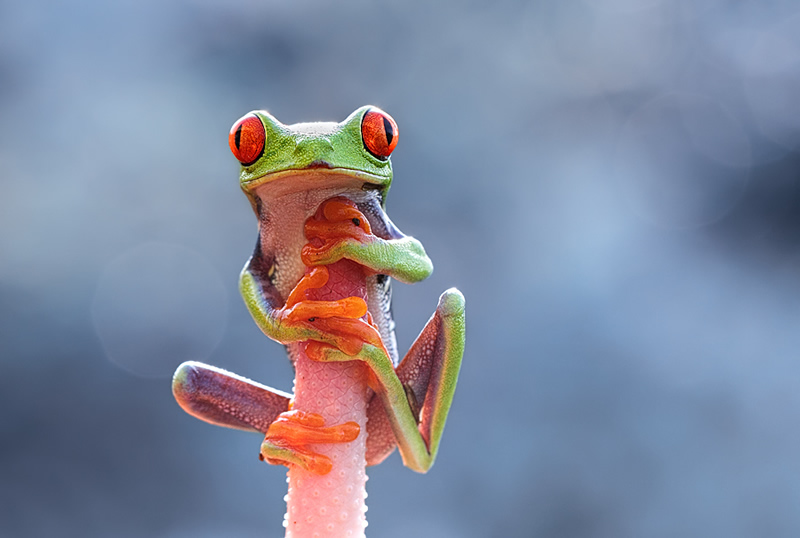
Photo Credit: Shikhei Goh
#30
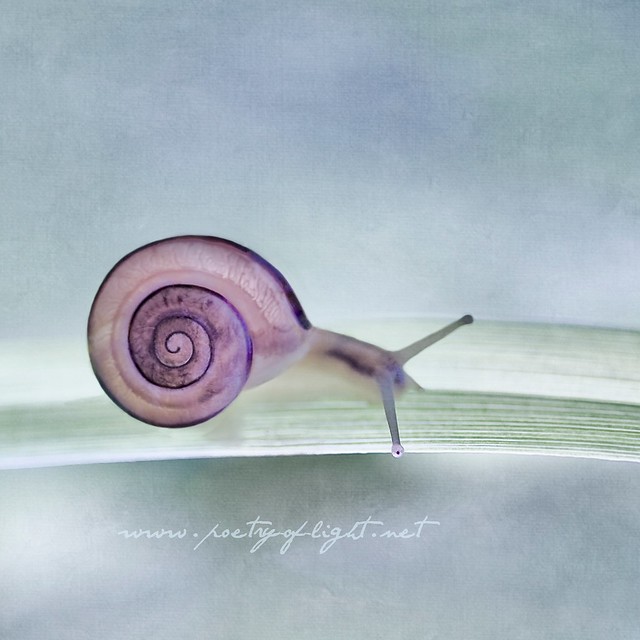
Photo Credit: Lightspectral
Frequently Asked Questions:
What is macro photography?
Macro photography is a style of photography that captures extremely close-up images of small subjects like insects, flowers, water droplets, and textures, revealing details that are often invisible to the naked eye. It transforms ordinary natural scenes into extraordinary visual stories.
What camera equipment is best for macro photography?
A dedicated macro lens offers the highest image quality, but extension tubes, close-up filters, and even smartphones with macro modes can produce impressive results. Stable support, good lighting, and patience are often more valuable than expensive gear.
How do photographers create beautiful bokeh in macro photos?
Beautiful bokeh is created by using a wide aperture, placing the background far behind the subject, and shooting with longer focal lengths. Soft natural light and colorful surroundings help produce smooth, dreamy backgrounds that highlight the main subject beautifully.
What are the best subjects for nature macro photography?
Popular macro subjects include butterflies, bees, dragonflies, spiders, flowers, mushrooms, dew drops, leaves, feathers, and tiny textures found in everyday nature. Early mornings are often the best time because insects are calmer and the light is softer.
Why is patience so important in macro photography?
Macro photography rewards photographers who slow down and observe carefully. Waiting for the perfect light, a still insect, or an ideal composition often makes the difference between an ordinary close-up and an unforgettable image that reveals nature’s hidden beauty.