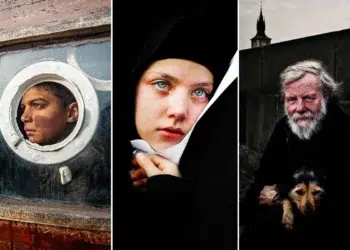

Some photographs don’t just show you a place; they make you feel like you’ve stepped into someone else’s life. Oliver Klink’s Where the Earth Remembers does exactly that by revealing stories passed from one generation to the next without ever needing to be written down. You aren’t simply looking at old farmhouses, weathered faces, or quiet villages. You’re witnessing a way of life that carries history in every wrinkle, every worn wooden door, and every pair of hardworking hands.
What makes this project so captivating is its honesty. Klink doesn’t rush, doesn’t use flashy editing, and doesn’t try to romanticize rural life. Instead, he invites us to slow down and see the quiet moments that usually slip by unnoticed. Think about visiting your grandparents and noticing the tiny routines they’ve followed for decades. Maybe it’s the way they brew coffee every morning or tend to a small garden without thinking twice. Those simple rituals become priceless once you realize they won’t last forever.
Set across the rural landscapes of Central and Eastern Europe, Where the Earth Remembers reflects on communities where faith, family, tradition, and the land remain deeply connected. As modernization reshapes the world, these customs are quietly fading. Through compassionate storytelling and extraordinary photography, Oliver Klink preserves memory itself, reminding us that the strongest roots often grow in the quietest places.
Oliver Klink’s Where the Earth Remembers solo exhibition, held from July 1 to July 31, 2026, was featured on the All About Photo website.
You can find Oliver Klink on the web:
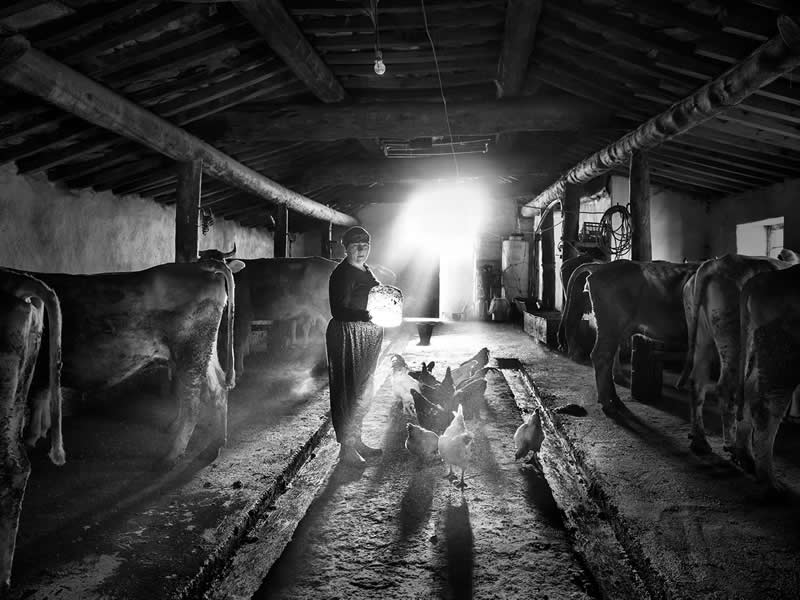
#1. Work in Silence, Feeding Life, Turkey
#2. Bound to Tradition, Generations Apart, Poland
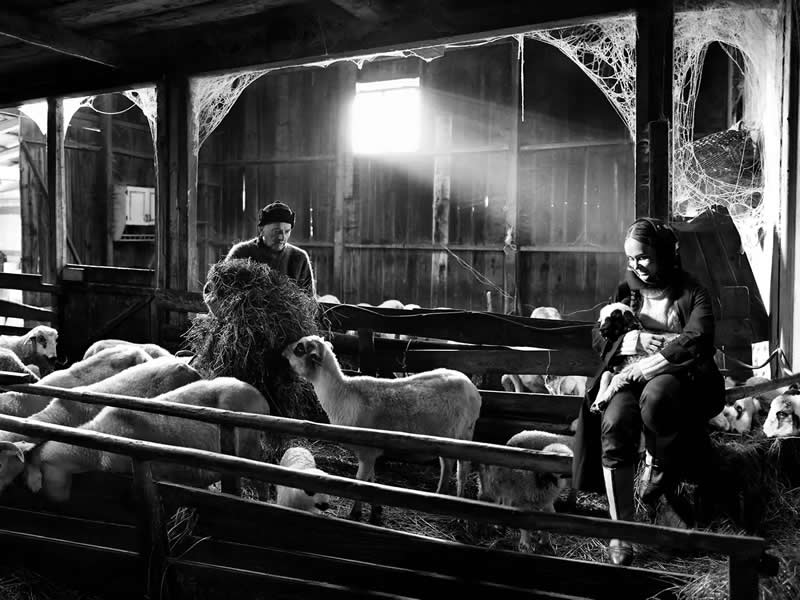
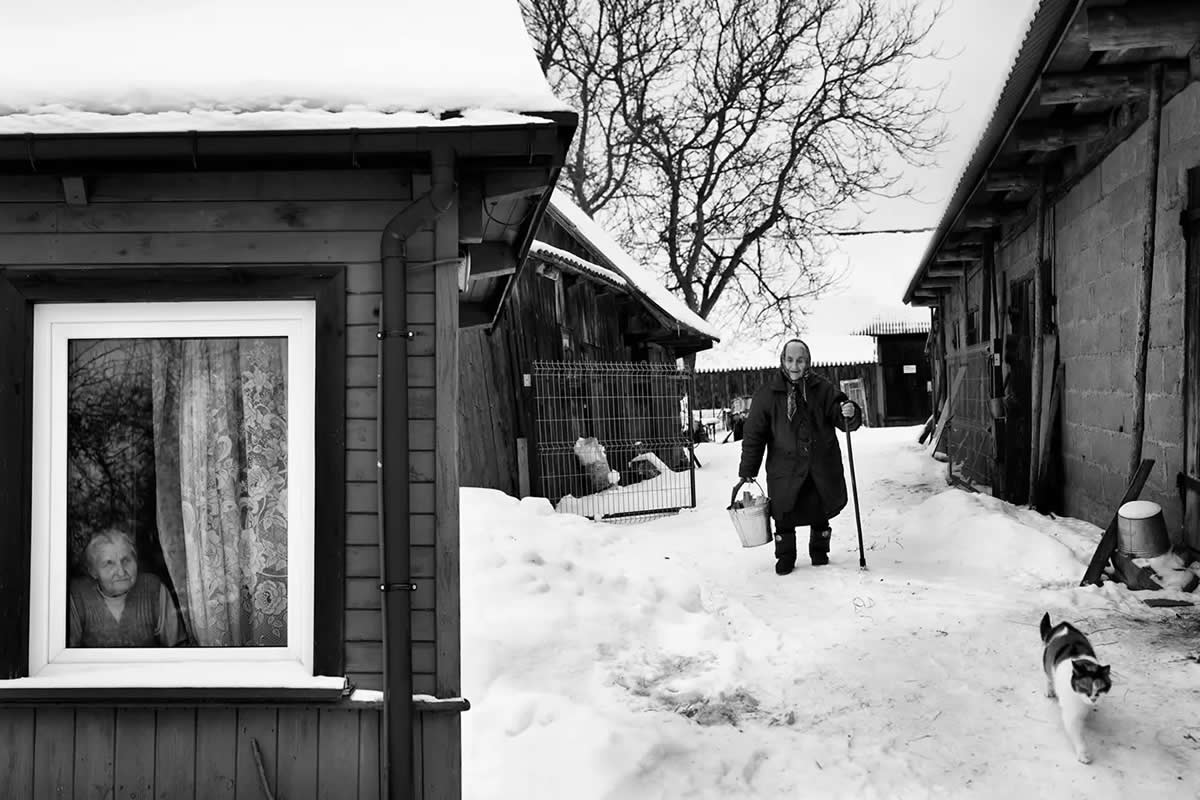
#3. Beyond the Window, Where the Cold Settles, Poland
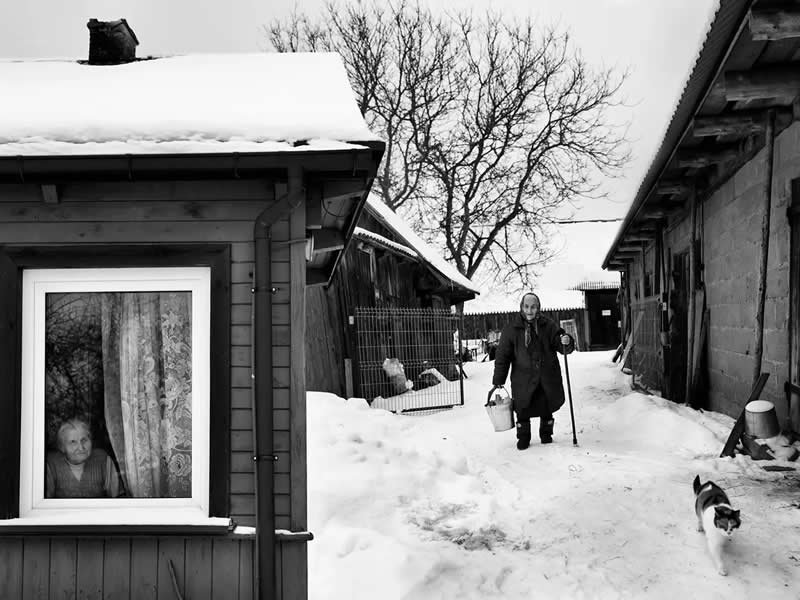
#4. Fading Interiors, Untold Stories Within, Turkey
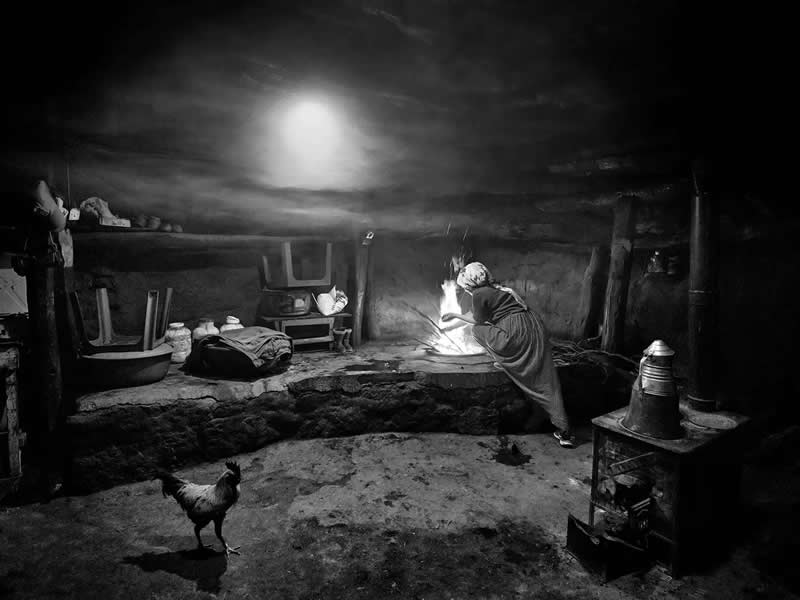
#5. Generational Home, Kitchen Rhythms, Turkey
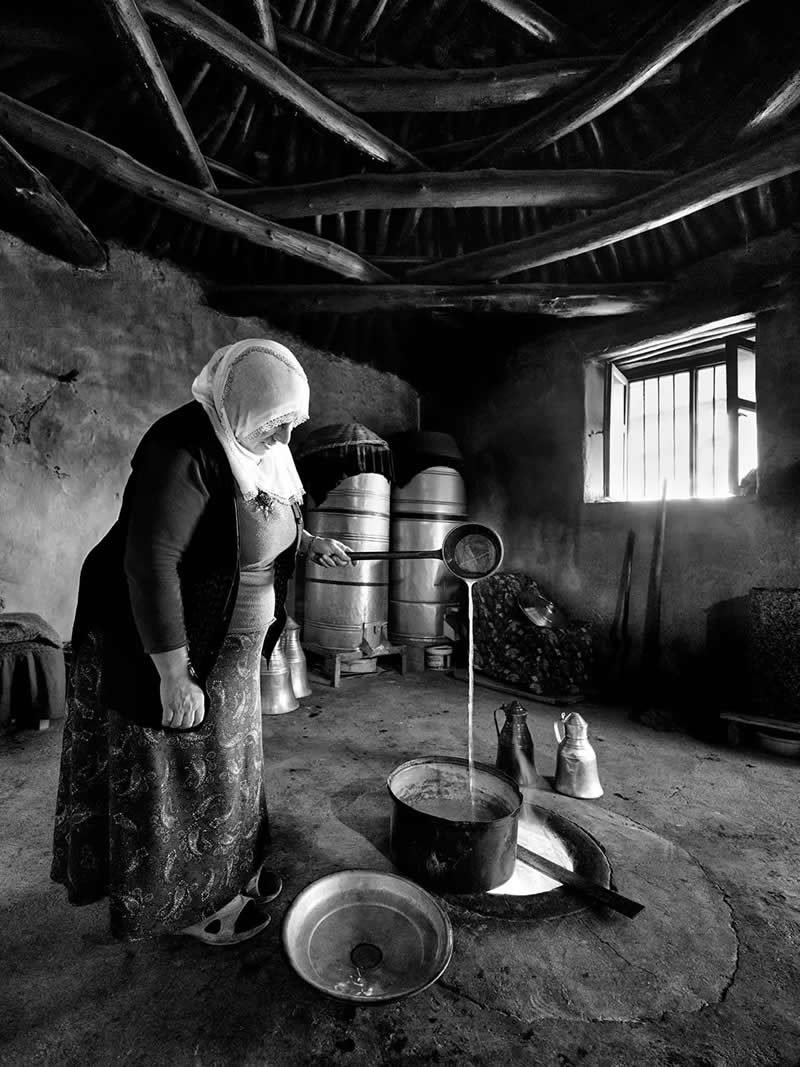
A Landscape Shaped by Faith, Tradition, and Everyday Life
The beauty of Where the Earth Remembers isn’t found in dramatic mountain peaks or postcard-perfect scenery. Instead, it lives inside everyday moments. A farmer walking through mist at sunrise. A grandmother lighting a candle before beginning her day. Children learn traditions that their parents and grandparents inherited long before them. These scenes may appear ordinary, yet they’re filled with meaning.
Across Central and Eastern Europe, Klink documents communities where life still follows the rhythm of nature instead of the clock. Seasons determine work, faith shapes daily routines, and the land provides both challenge and comfort. Scarred hands, faded homes, and aging churches become symbols of resilience rather than hardship. His photographs remind us that real wealth isn’t always measured by possessions. Sometimes it’s found in belonging, shared history, and a deep respect for the land that has sustained generations.
#6. Faith in Motion, Strength in Age, Romania
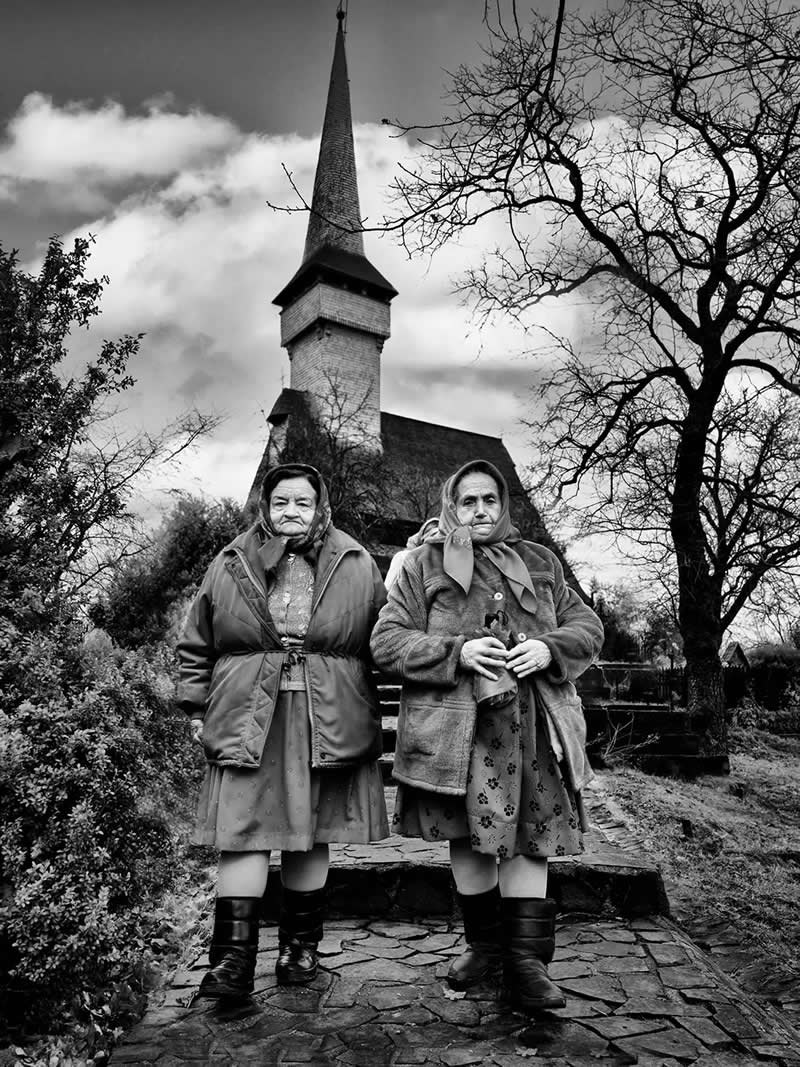
#7. Home Coming, Untold Stories, Turkey
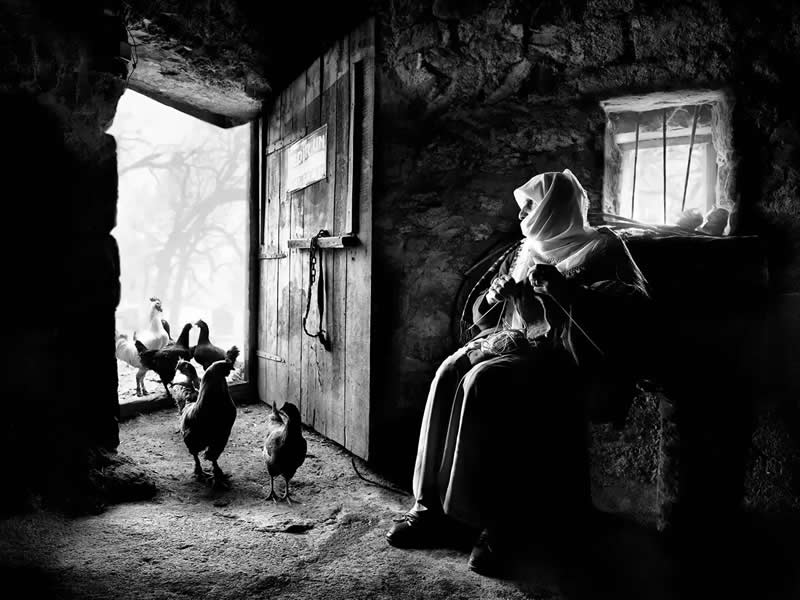
#8. Physical Reality, Collective Survival, Poland
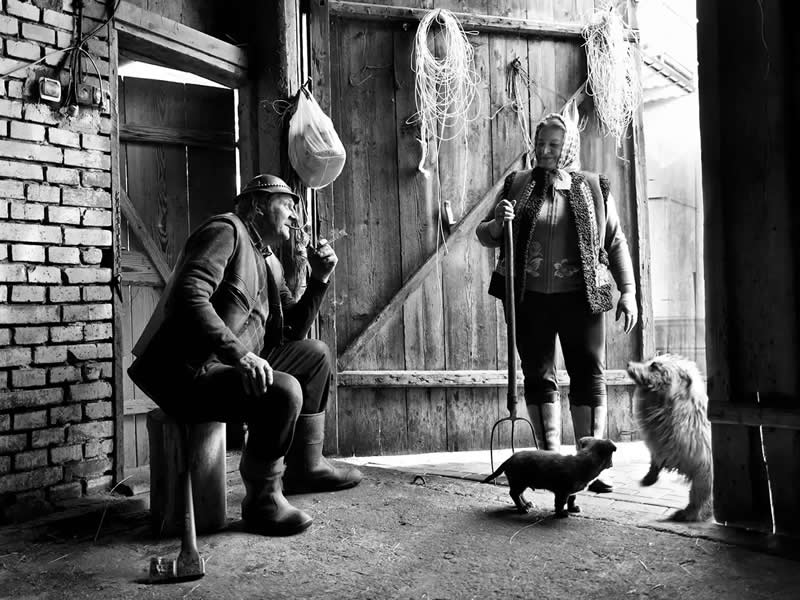
#9. Priest Blessing, Sacred Space, Poland
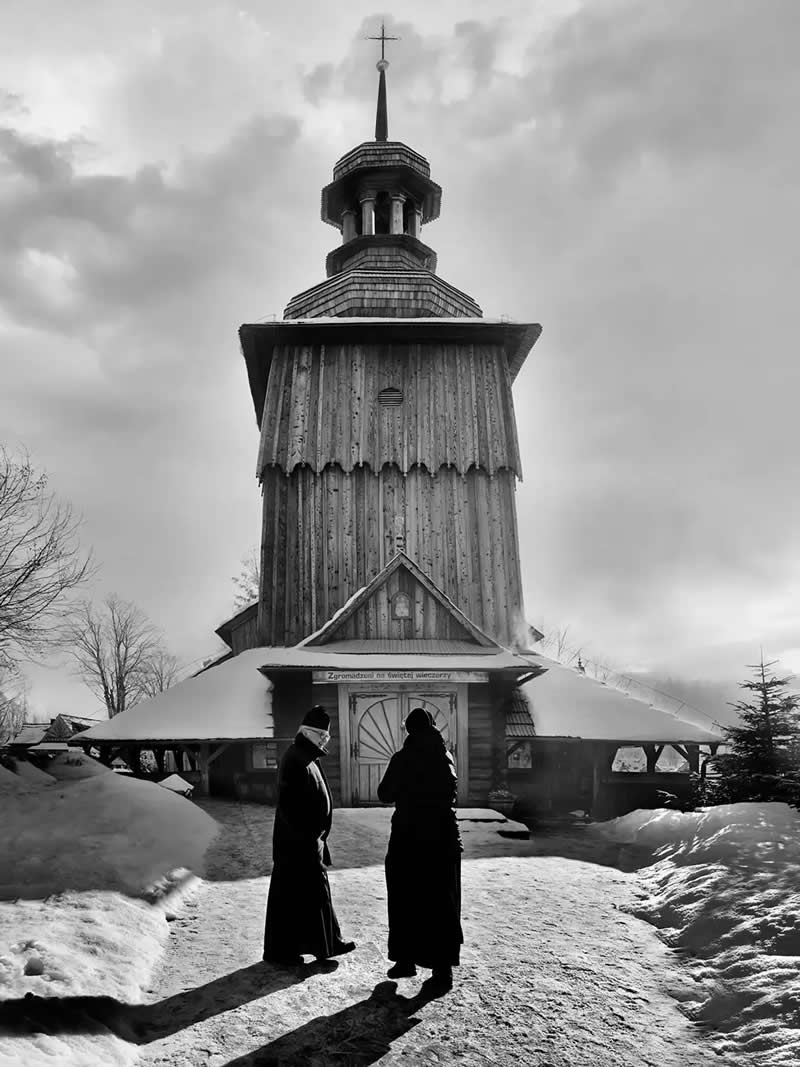
#10. Perception Deepens, Empathy Expands, Turkey
Photography Built on Trust Instead of Distance
Photographing people is easy. Photographing their truth is something entirely different.
Oliver Klink understood that entering these rural communities required patience, humility, and genuine curiosity. Growing up on a farm in Switzerland gave him an appreciation for agricultural life, but he never assumed that familiarity meant understanding. Instead, he spent time listening, observing, and building trust before raising the camera.
That approach changes everything. His images never feel intrusive because they aren’t created from the outside looking in. They feel like quiet conversations between photographer and subject. Rather than treating photography as the mere collection of images, Klink transforms it into an exchange of respect. Every portrait carries dignity. Every landscape feels lived in. The result is a body of work that values connection over spectacle and humanity over perfection, making every photograph feel deeply authentic.
#11. Repetition, Lifes Ritual, Poland
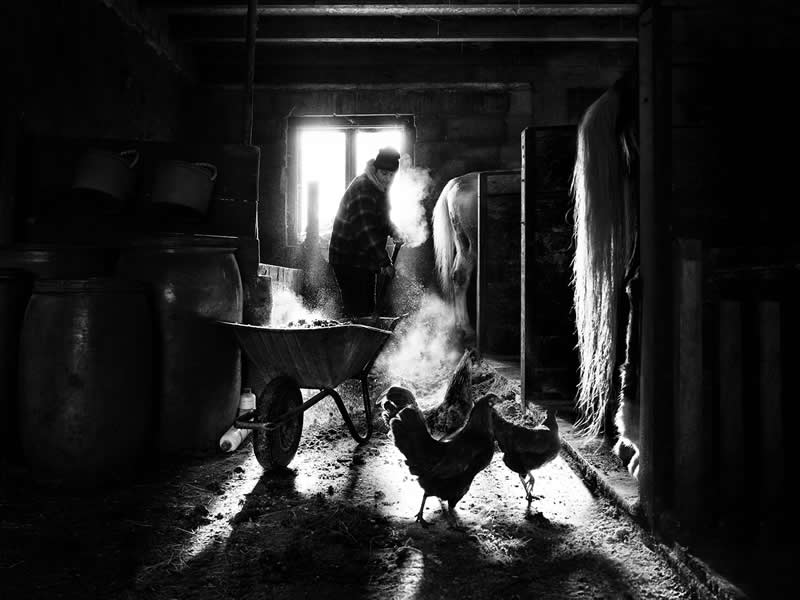
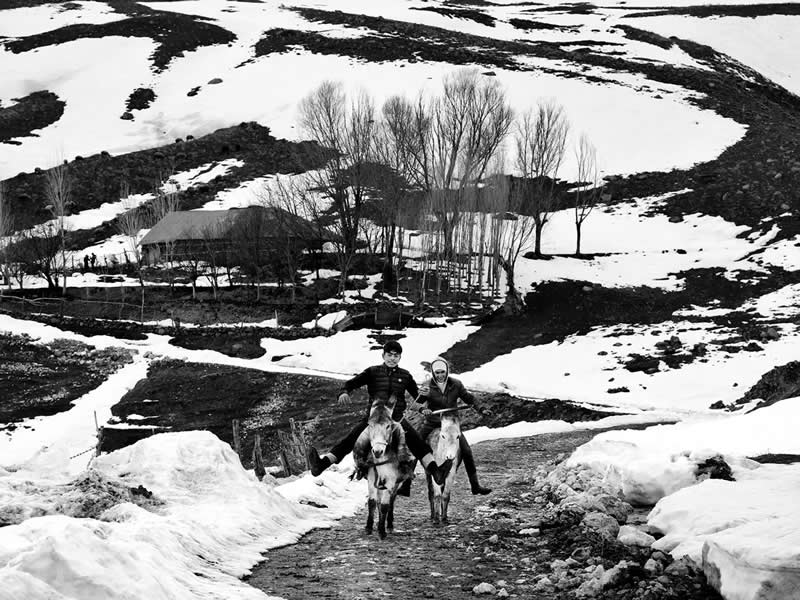
#12. Rough Winter, Shared Steps, Poland
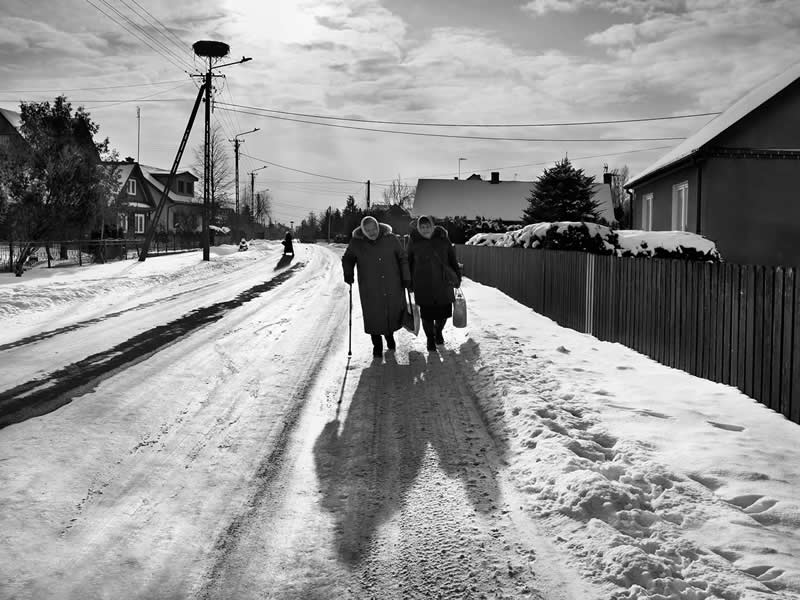
#13. Shared Devotion, Unbroken Ritual, Romania
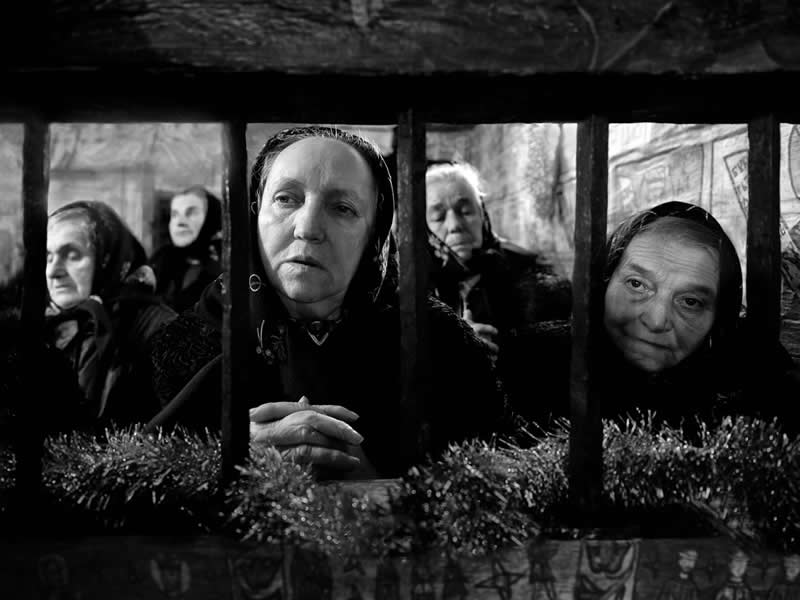
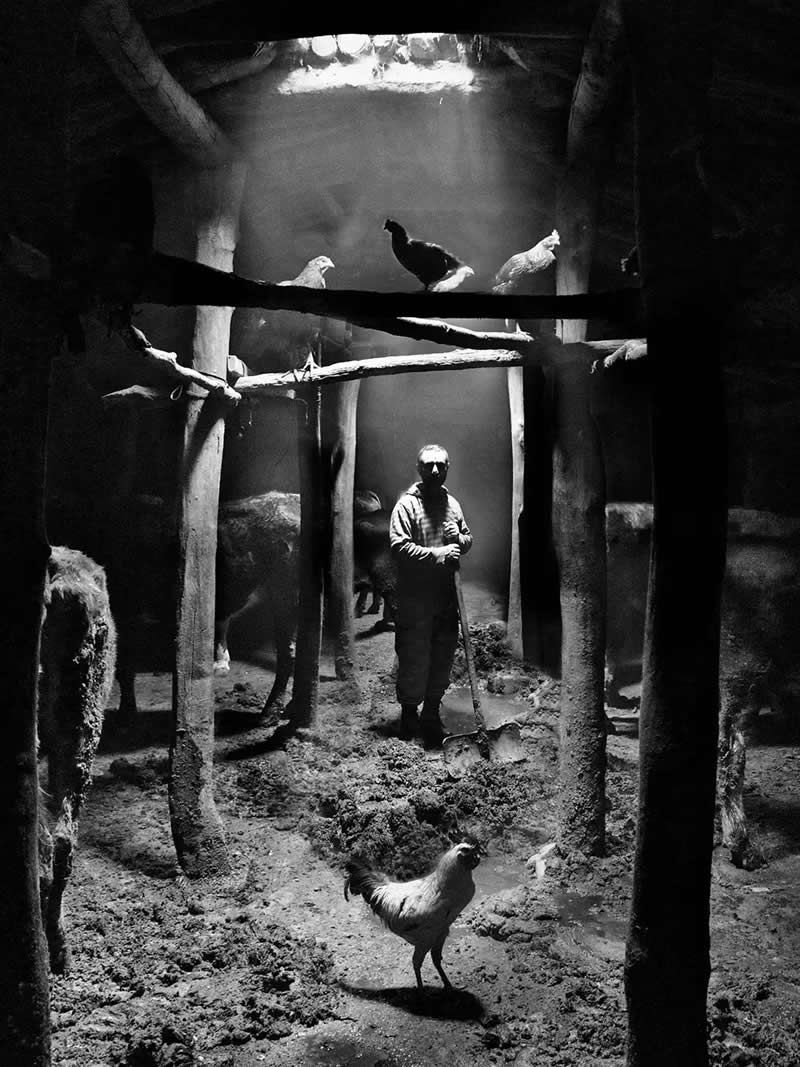
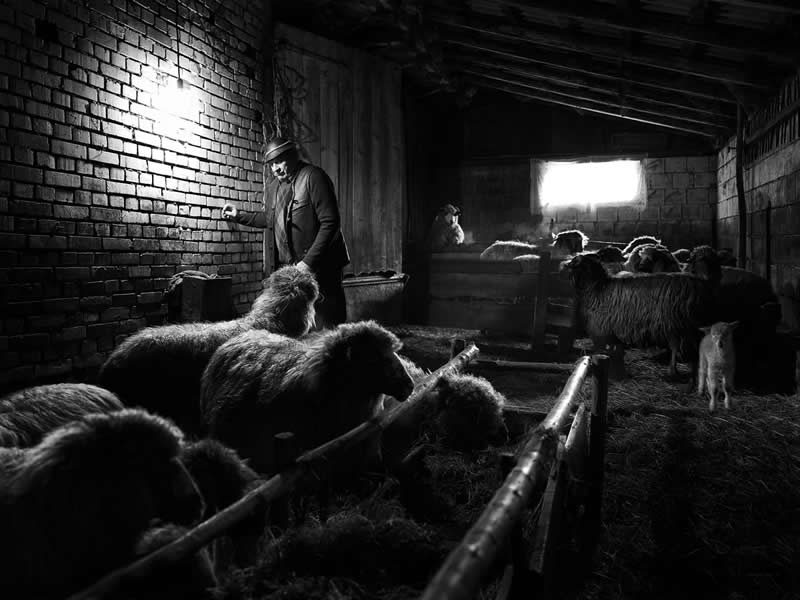
#14. Shepherd Feeding, Memory of Land, Poland
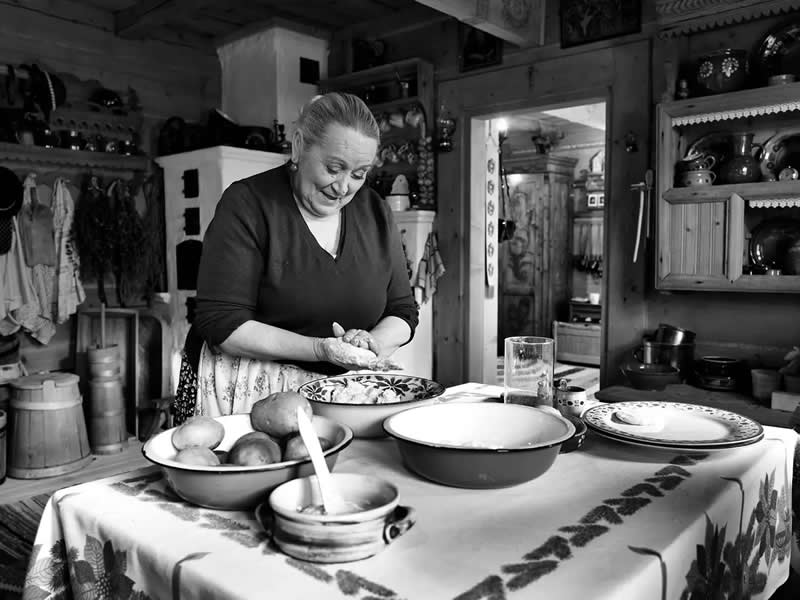
#15. Cooking Traditional Food, Waiting Family Returns, Poland
Why Where the Earth Remembers Matters Today
We live in a world obsessed with speed. New trends replace old ones overnight, and traditions often disappear before anyone thinks to preserve them. That’s why projects like Where the Earth Remembers feel so important. They remind us that progress shouldn’t come at the cost of forgetting who we are.
Oliver Klink has built an international reputation through projects such as Cultures in Transition and Poetry in Motion, earning numerous awards for photography books while mastering the remarkable tonal richness of Piezography printing. His exhibitions across museums and galleries worldwide reflect both technical excellence and emotional depth.
Yet this project may be his most personal. It asks us to pause and appreciate the invisible threads connecting people to family, faith, memory, and place. Long after these villages change, these photographs will continue telling their stories. And maybe that’s photography at its very best—not freezing time, but helping us remember what truly matters.
#16. The House Remembers, Portrait of Quiet Resilience, Turkey
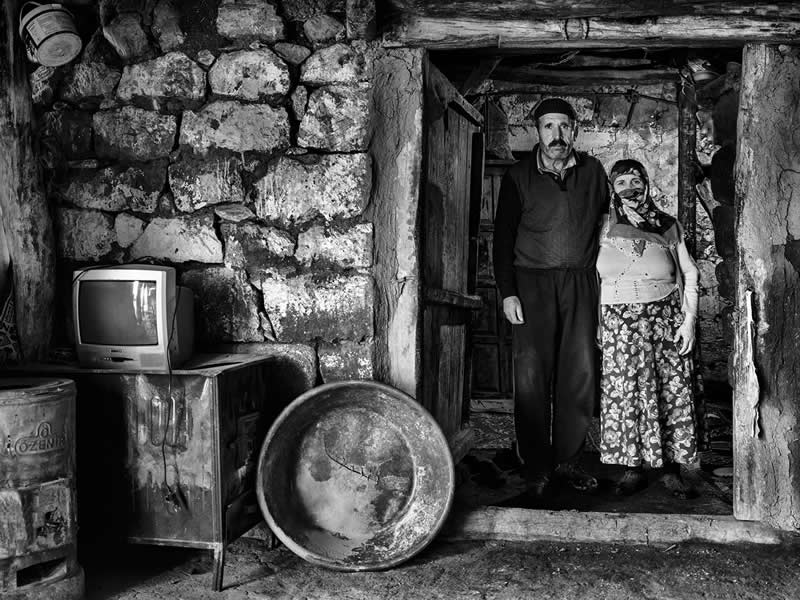
#17. Traditional Rhythms, Collective Survival, Turkey
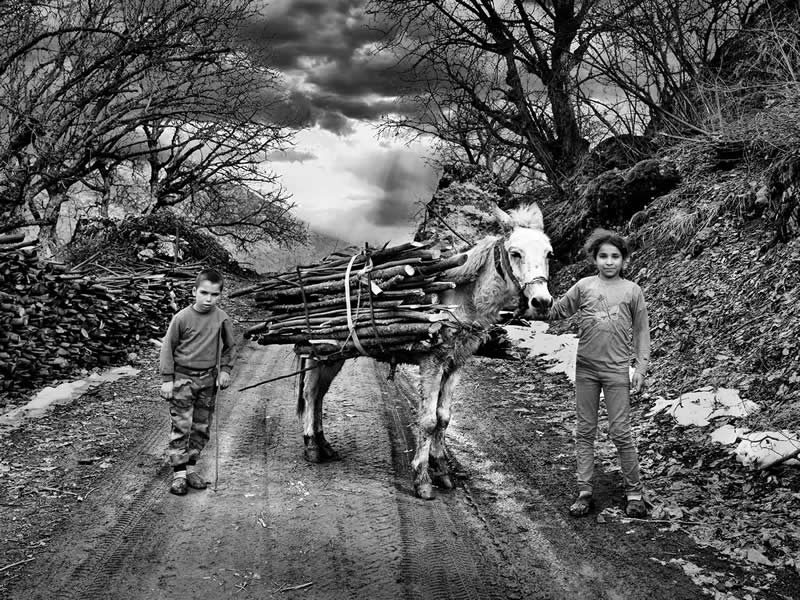
#18. Field of Memory, Lifted in Joy, Turkey
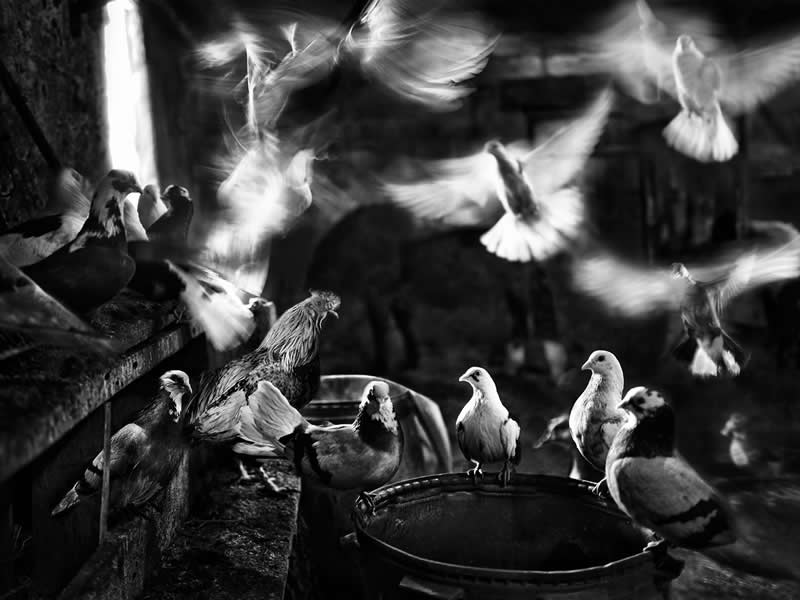
#19. Alone in Spirit, Together in Flight, Poland
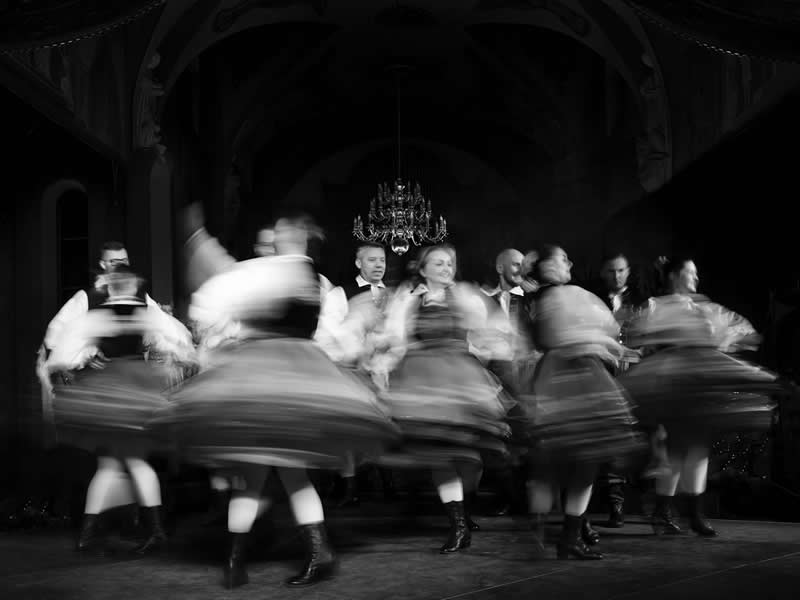
#20. Folk Traditions, Shared Movement, Poland
Frequently Asked Questions:
What is Where the Earth Remembers by Oliver Klink?
Where the Earth Remembers is a fine art documentary photography project about rural communities in Central and Eastern Europe. Through portraits and landscapes, Oliver Klink captures traditions, faith, family life, and humanity’s relationship with the land before these ways of life disappear.
What themes does Oliver Klink explore in this photography series?
The project explores memory, cultural heritage, faith, agriculture, family traditions, and the connection between people and nature. It shows how everyday rituals, hard work, and shared histories shape communities while reflecting on the disappearance of traditional rural lifestyles.
Why is Oliver Klink uniquely suited to create this project?
Raised on a farm in Switzerland, Oliver Klink understands agricultural rhythms and rural living firsthand. This background helped him approach communities with empathy and patience to build trust and create authentic photographs rooted in human connection.
Who is Oliver Klink?
Oliver Klink is an internationally recognized fine art photographer known for culture, light, and the human condition. He has published award-winning books, exhibited globally, mastered Piezography printing, and earned recognition including Critical Mass Top 50 and Black and White Photographer of the Year.
Why is Where the Earth Remembers important today?
The series preserves disappearing traditions as modernization transforms rural communities. By documenting everyday life with honesty and compassion, the project encourages viewers to value cultural heritage, appreciate slower ways of living, and recognize the importance of memory and belonging.