
Have you ever looked at a landscape photos and wondered if someone accidentally uploaded an oil painting instead? That’s the kind of magic you’re about to experience. Some places on Earth seem almost too beautiful to be real. When talented photographers arrive at just the right moment with perfect light, thoughtful composition, and a whole lot of patience, they create images that blur the line between photography and fine art.
The best landscape photography isn’t just about mountains, waterfalls, or endless forests. It’s about telling the story of a place. A glowing sunrise spilling over a quiet valley, mist wrapping around ancient trees, or golden light dancing across rolling hills can completely change the way we see the world. Suddenly, an ordinary location becomes extraordinary.
What’s even more impressive is the journey behind these images. Many photographers hike for hours before dawn, travel to remote corners of the planet, brave freezing temperatures, or wait days for the perfect weather. They aren’t simply documenting nature; they’re translating emotion into pixels. Every frame reflects careful composition, balanced framing, and a deep respect for the landscapes standing before them.
This collection celebrates 40 remarkable landscape photographs captured by gifted photographers from around the globe. Each image reminds us that our planet is the greatest artist of all. Sometimes, all it takes is the right person holding a camera to reveal a masterpiece that has been waiting there all along.
#1
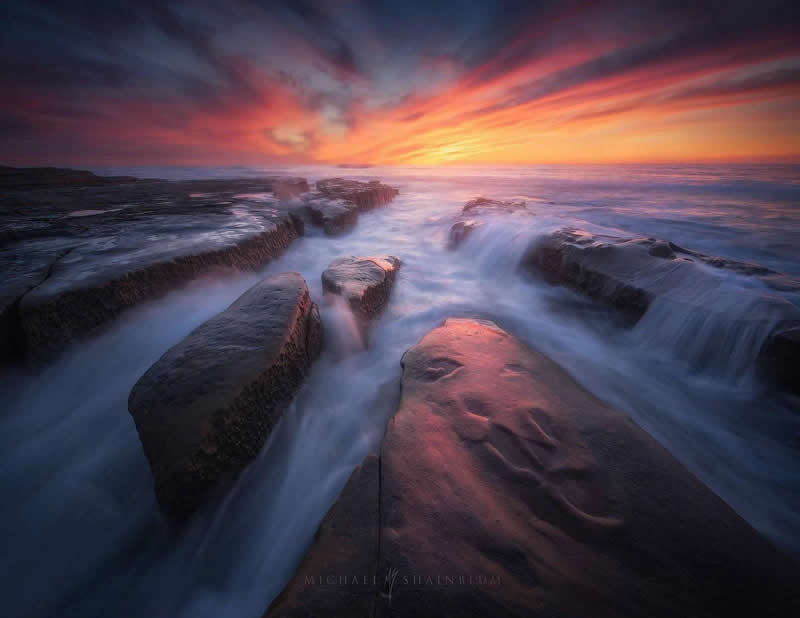
Photo by: Michael Shainblum
#2
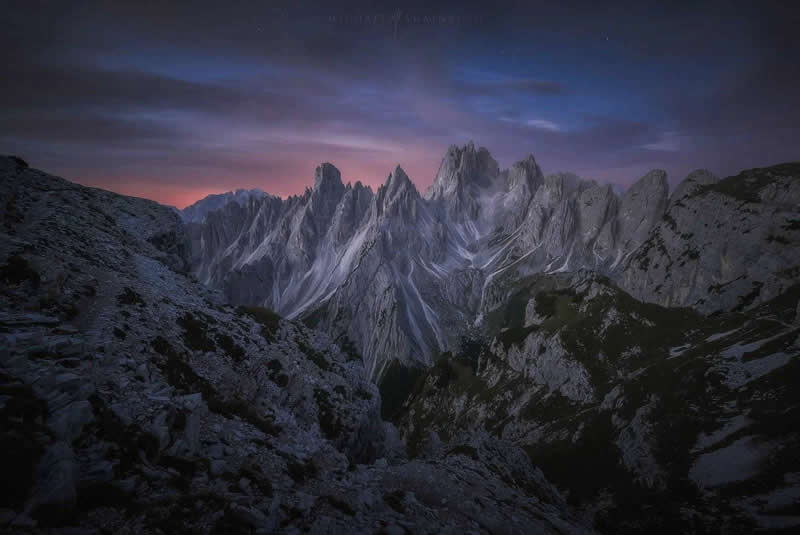
Photo by: Michael Shainblum
#3
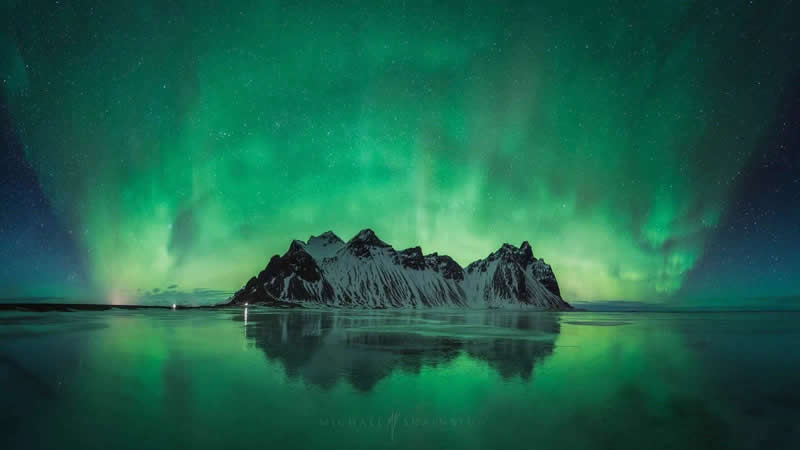
Photo by: Michael Shainblum
#4
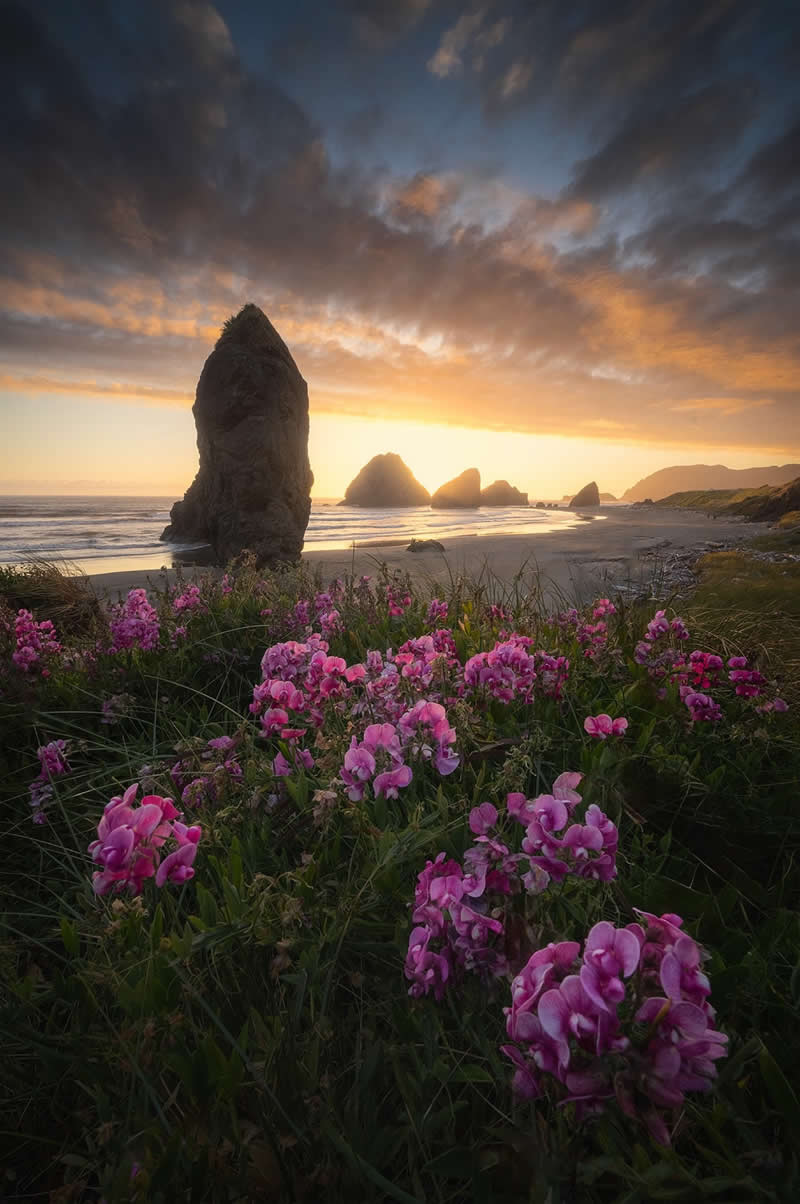
Photo by: Michael Shainblum
#5
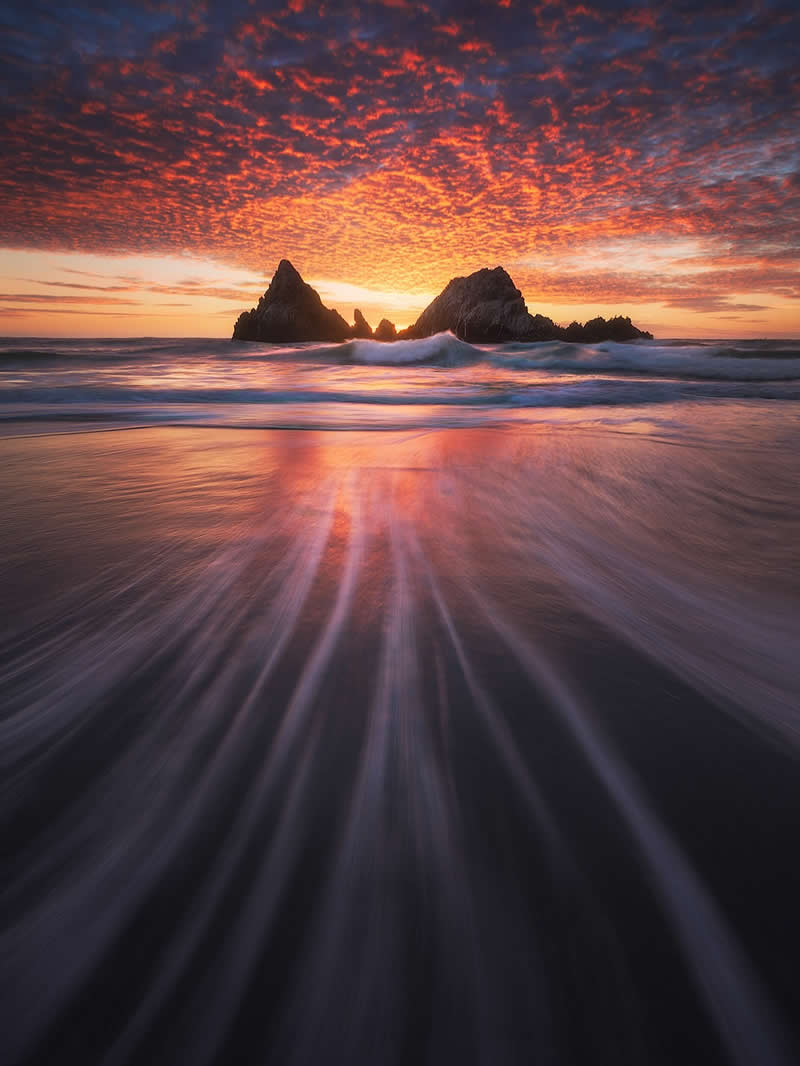
Photo by: Michael Shainblum
#6
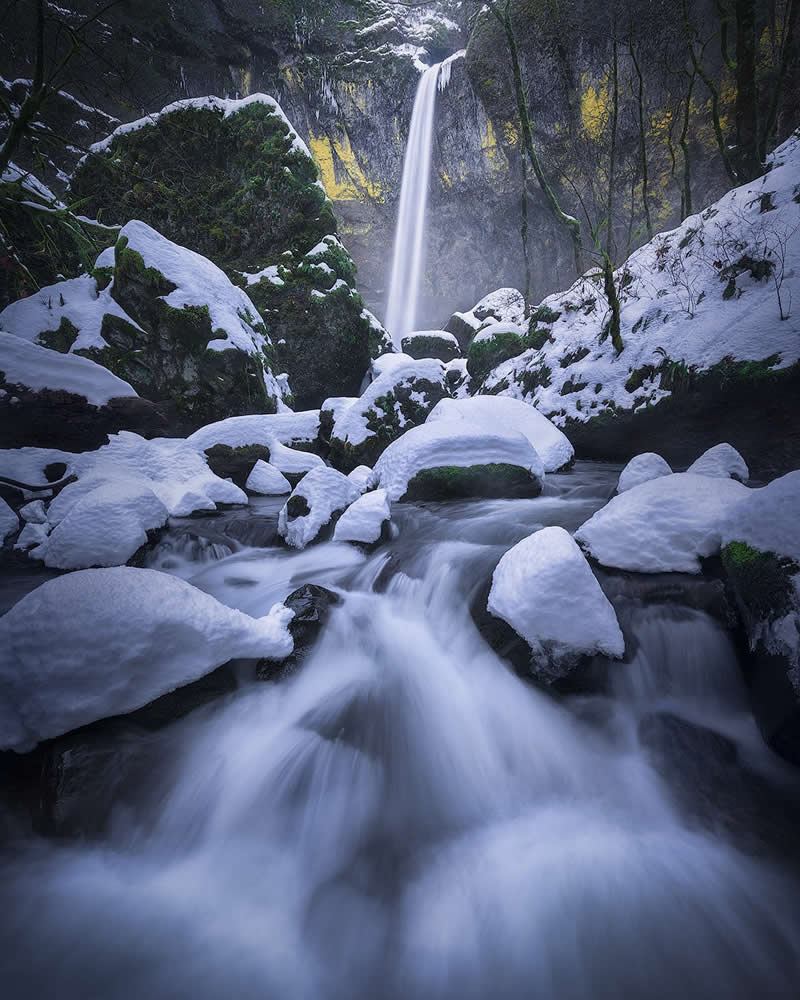
Photo by: Michael Shainblum
#7
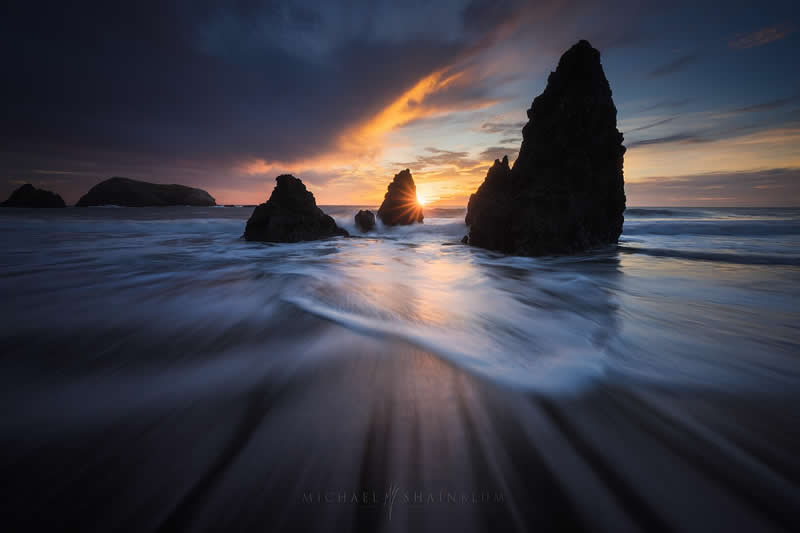
Photo by: Michael Shainblum
#8
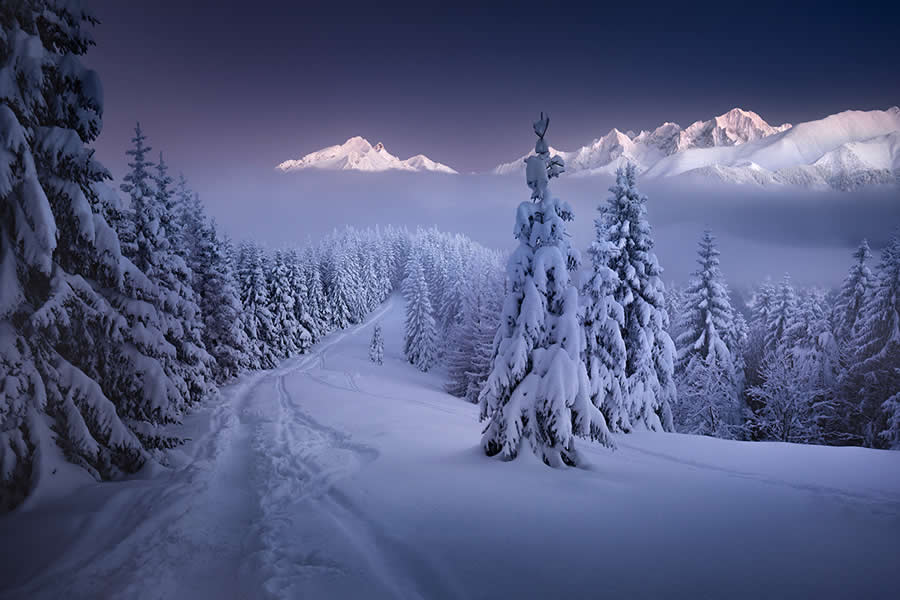
Photo by: Karol Nienartowicz
#9
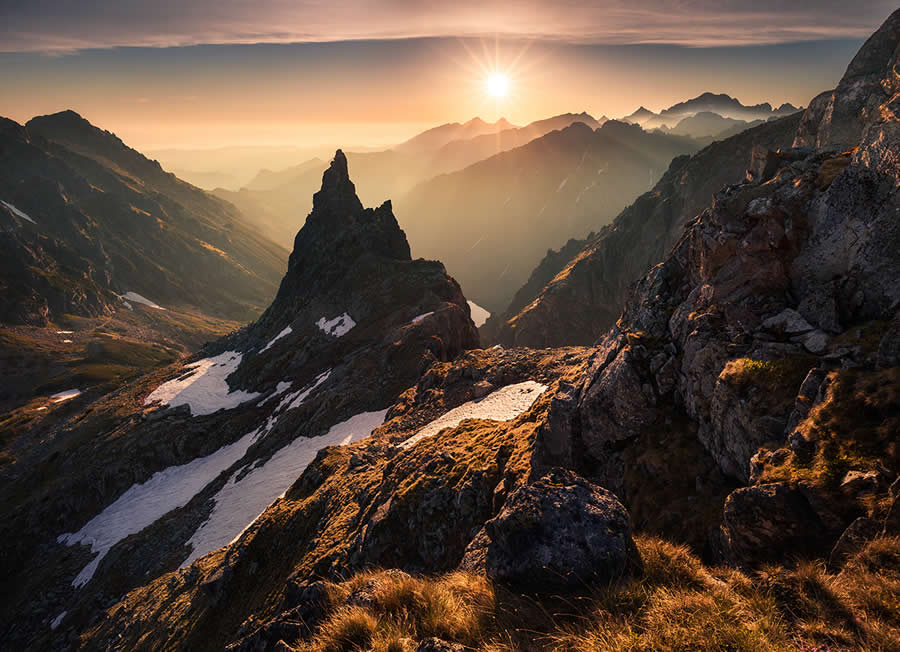
Photo by: Karol Nienartowicz
#10
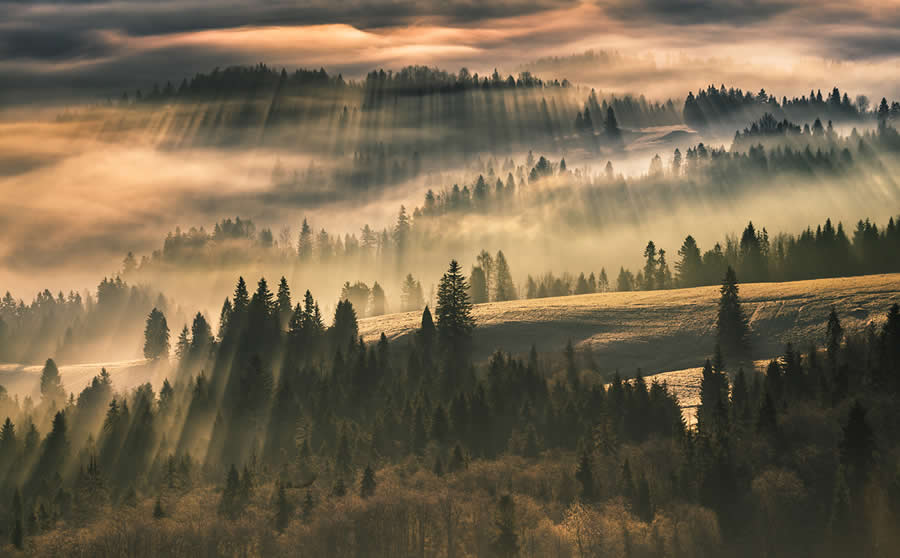
Photo by: Karol Nienartowicz
Every Great Landscape Starts With Great Light
The difference between an average photo and one that feels like a painting often comes down to light. Sunrise, sunset, fog, and even dramatic storm clouds can completely transform a familiar scene into something unforgettable.
Landscape Photography Tips:
- Shoot during the golden hour for warm, soft colors.
- Watch weather forecasts for dramatic skies.
- Use side lighting to reveal texture and depth.
- Avoid harsh midday sunlight whenever possible.
- Be patient—the best light rarely lasts more than a few minutes.
#11
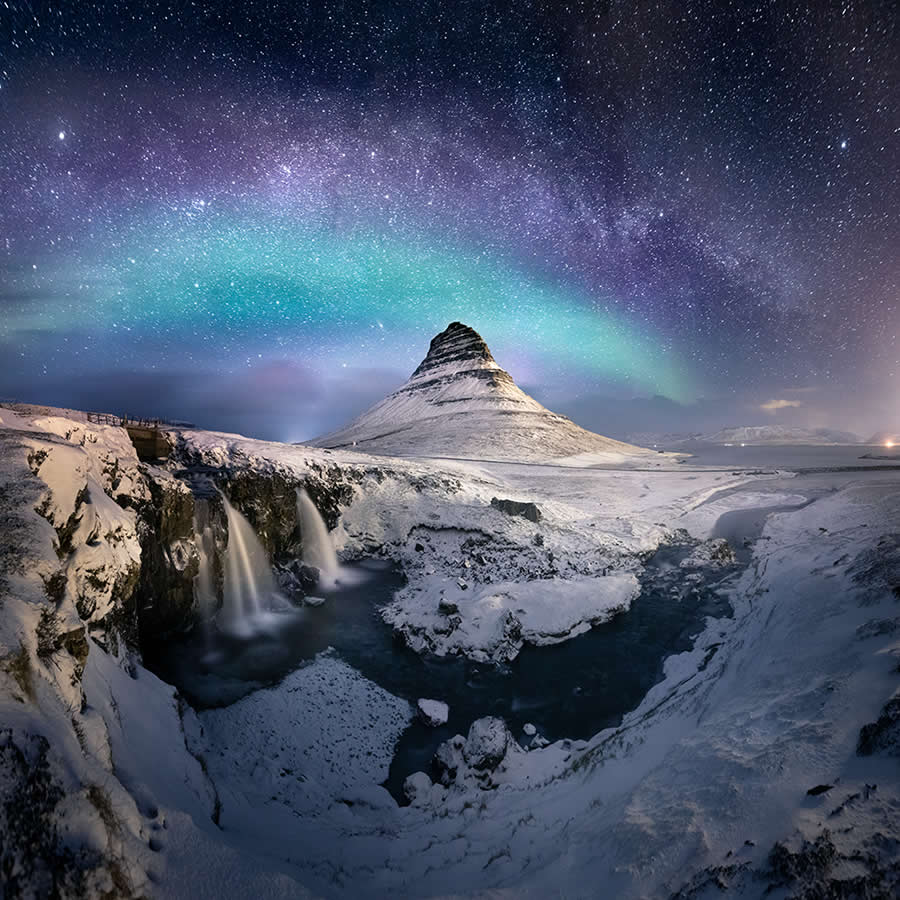
Photo by: Karol Nienartowicz
#12
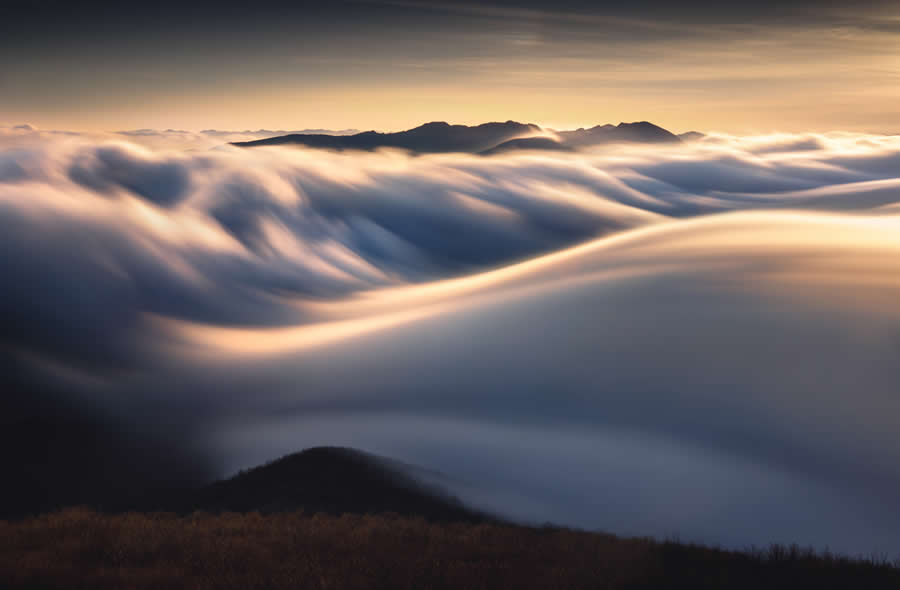
Photo by: Karol Nienartowicz
#13
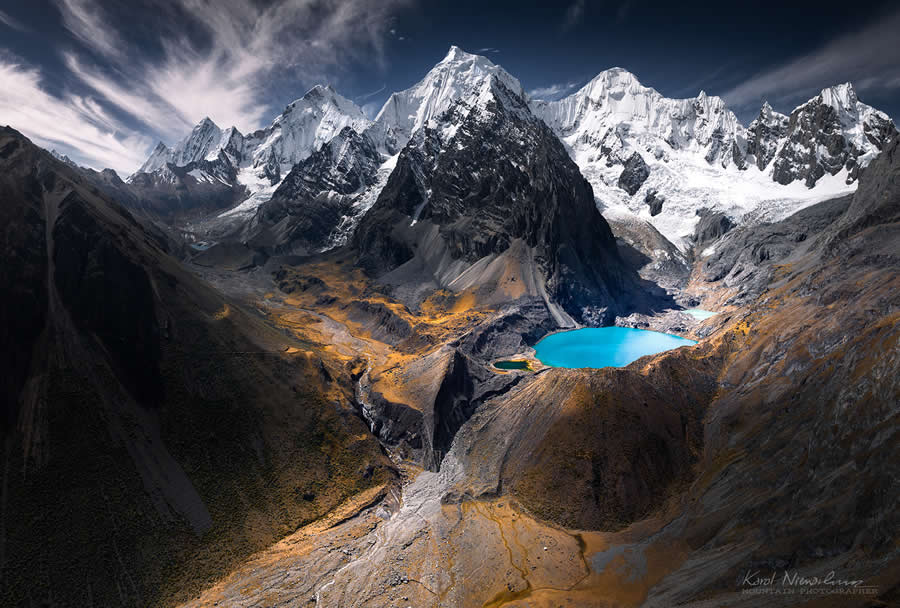
Photo by: Karol Nienartowicz
#14
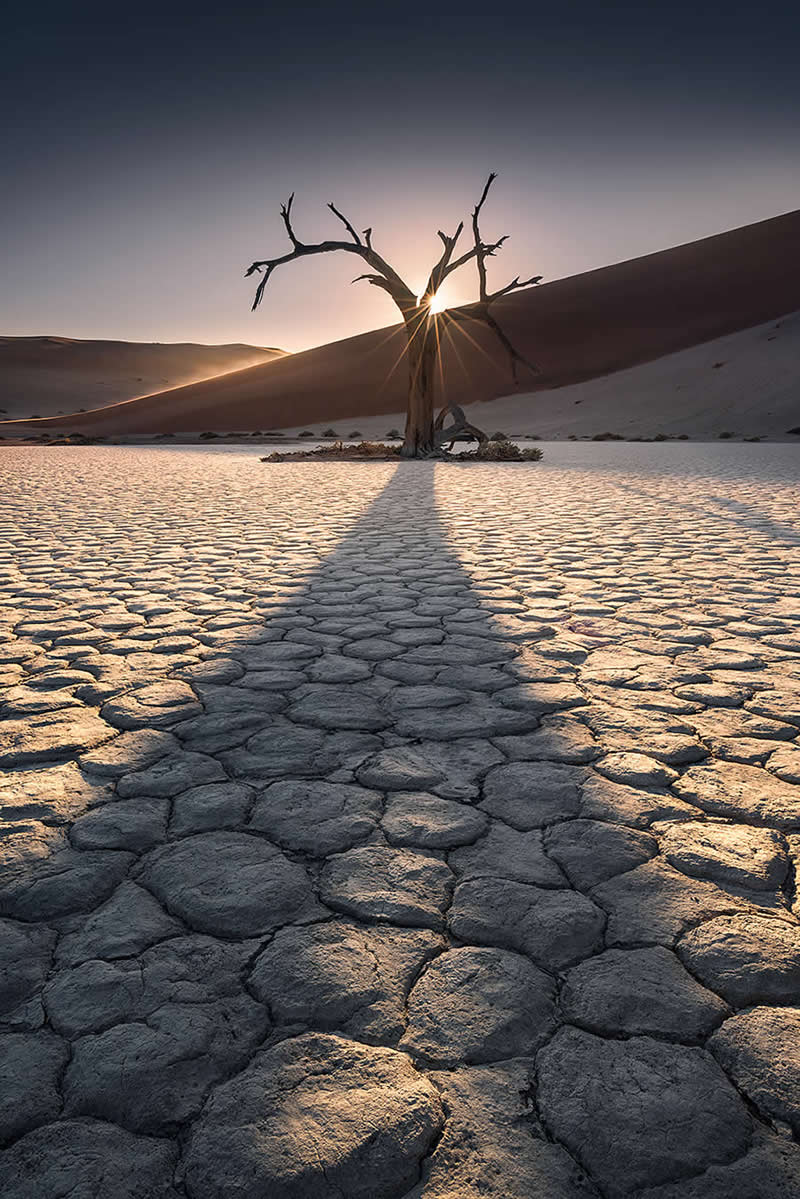
Photo by: Karol Nienartowicz
#15
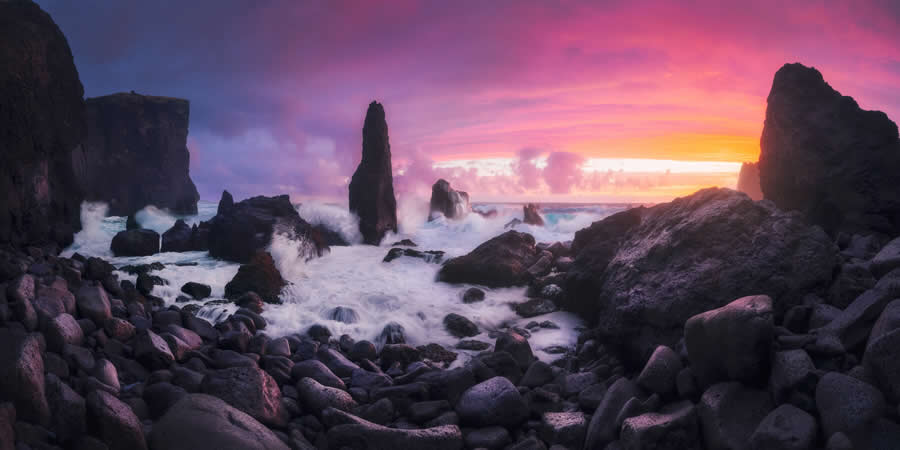
Photo by: Gianluca Rubinacci
#16
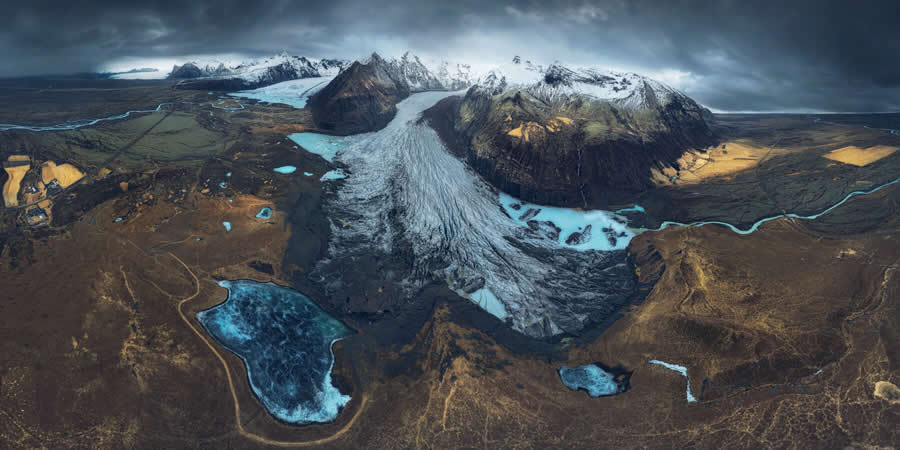
Photo by: Gianluca Rubinacci
#17
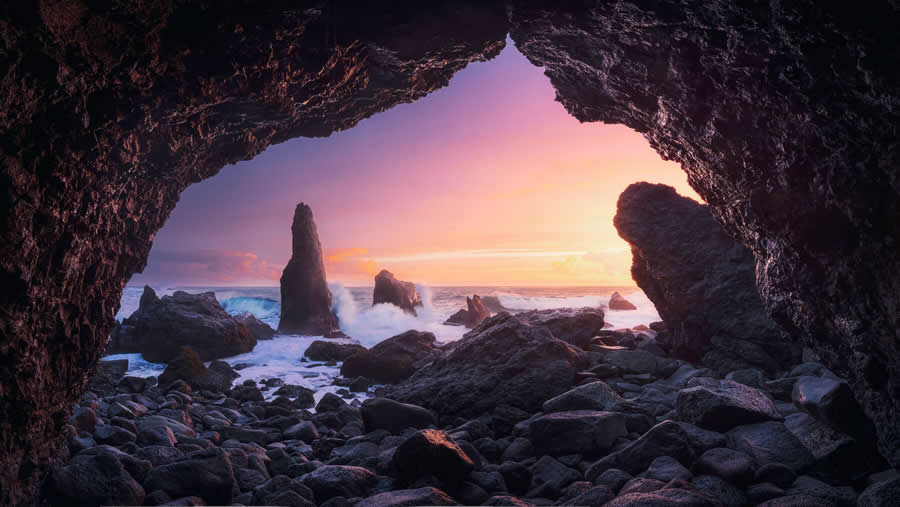
Photo by: Gianluca Rubinacci
#18
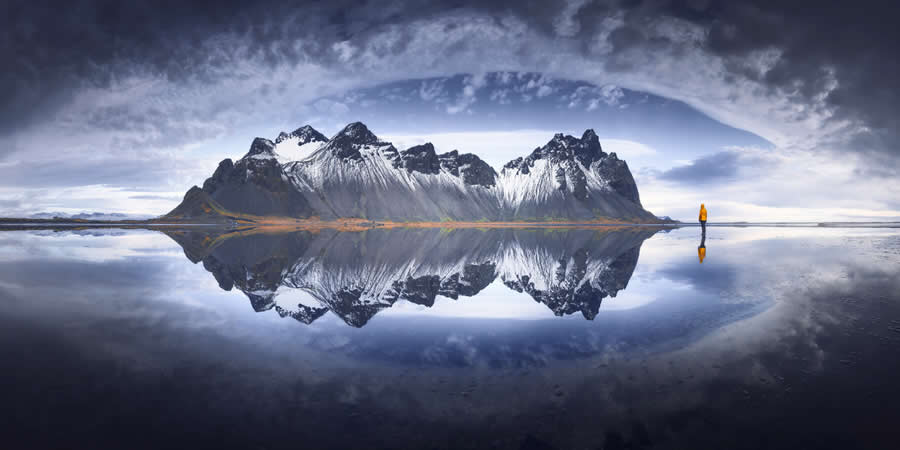
Photo by: Gianluca Rubinacci
#19
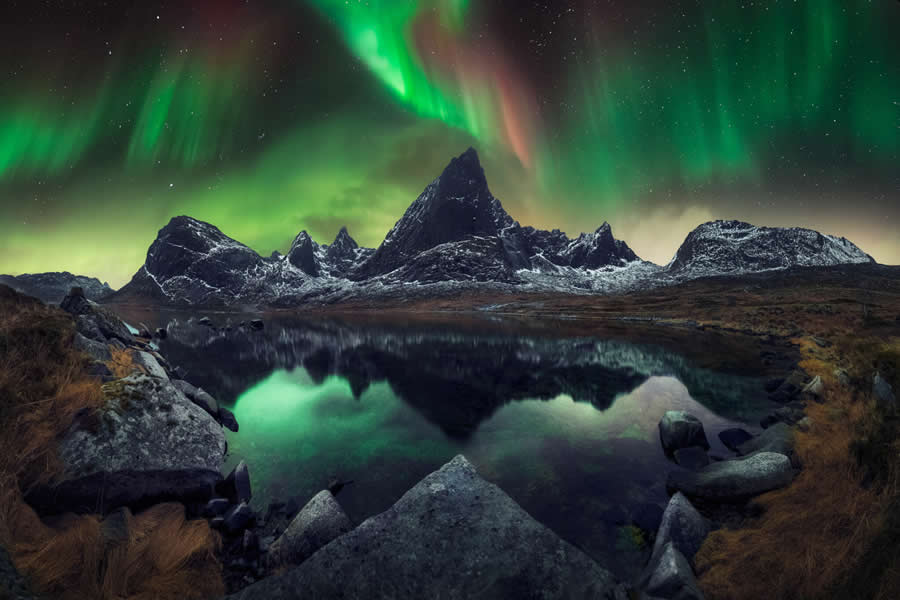
Photo by: Gianluca Rubinacci
#20
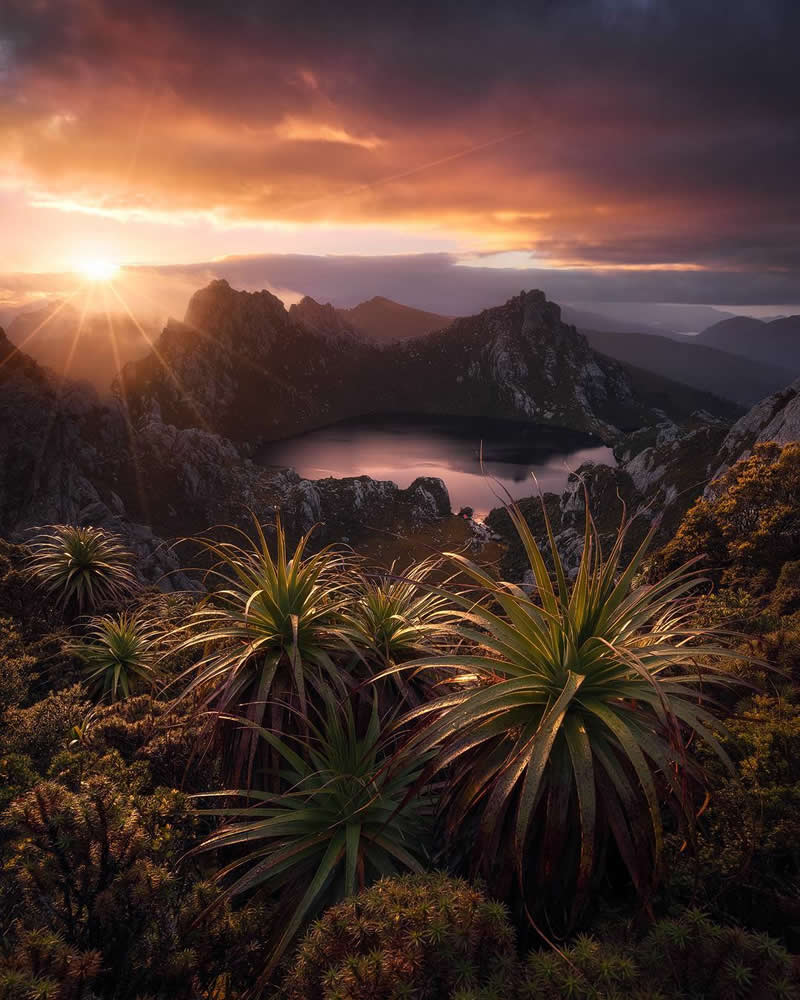
Photo by: Dylan Gehlken
Composition Is What Makes Viewers Stop Scrolling
A beautiful location is only half the story. The real magic happens when photographers carefully arrange every element inside the frame. Strong composition guides the eye naturally and turns a simple landscape into visual storytelling.
Landscape Photography Tips:
- Use leading lines like rivers, roads, or fences.
- Place your subject using the rule of thirds.
- Include foreground elements to create depth.
- Keep the horizon level and balanced.
- Remove distractions before pressing the shutter.
#21
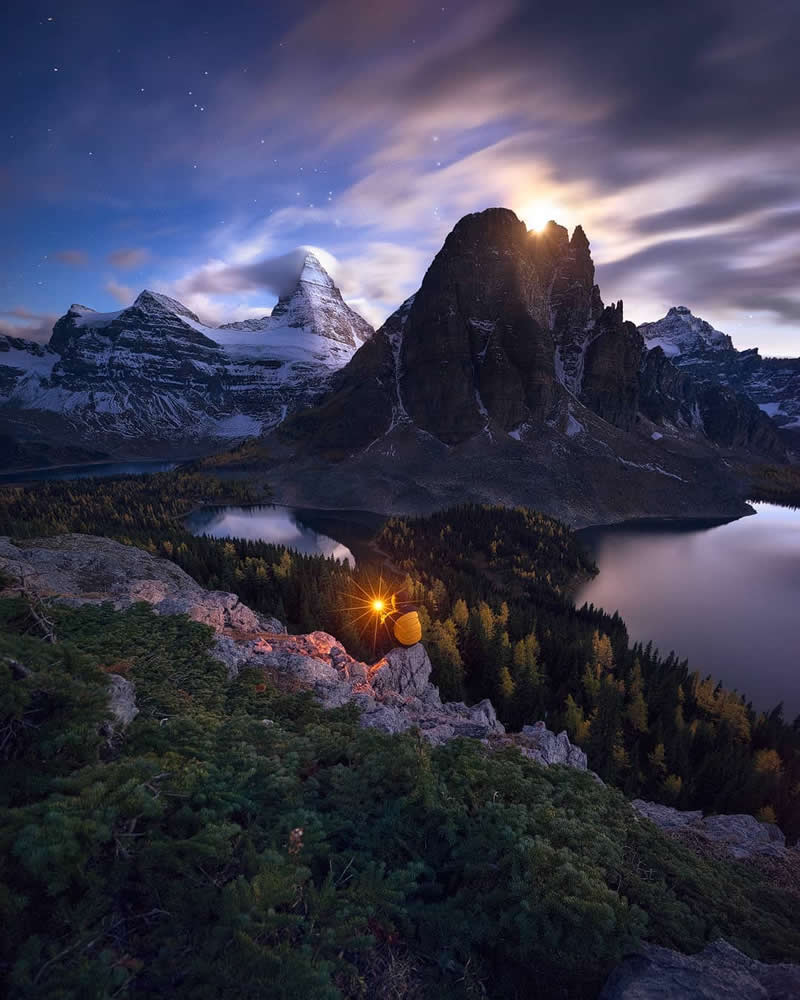
Photo by: Dylan Gehlken
#22
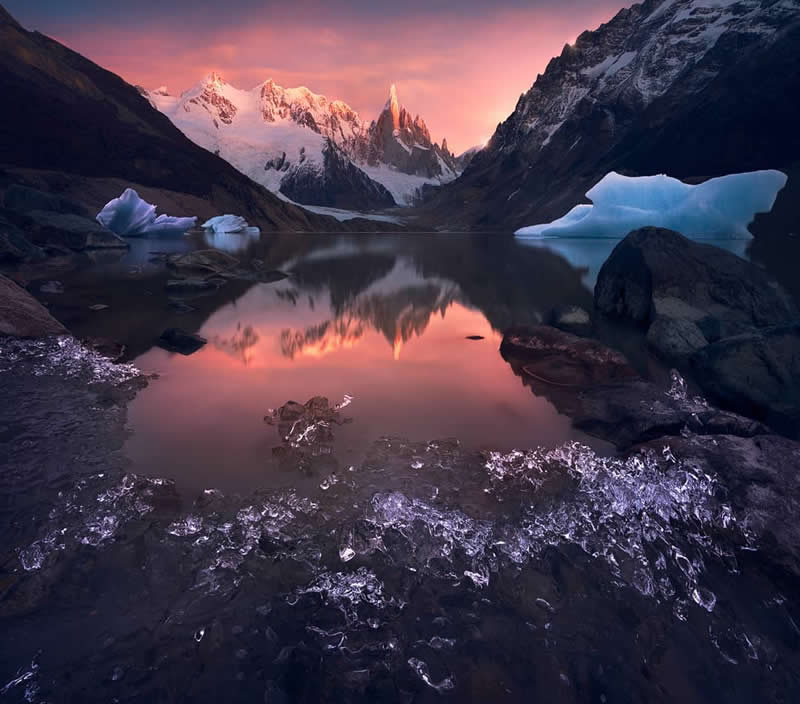
Photo by: Dylan Gehlken
#23
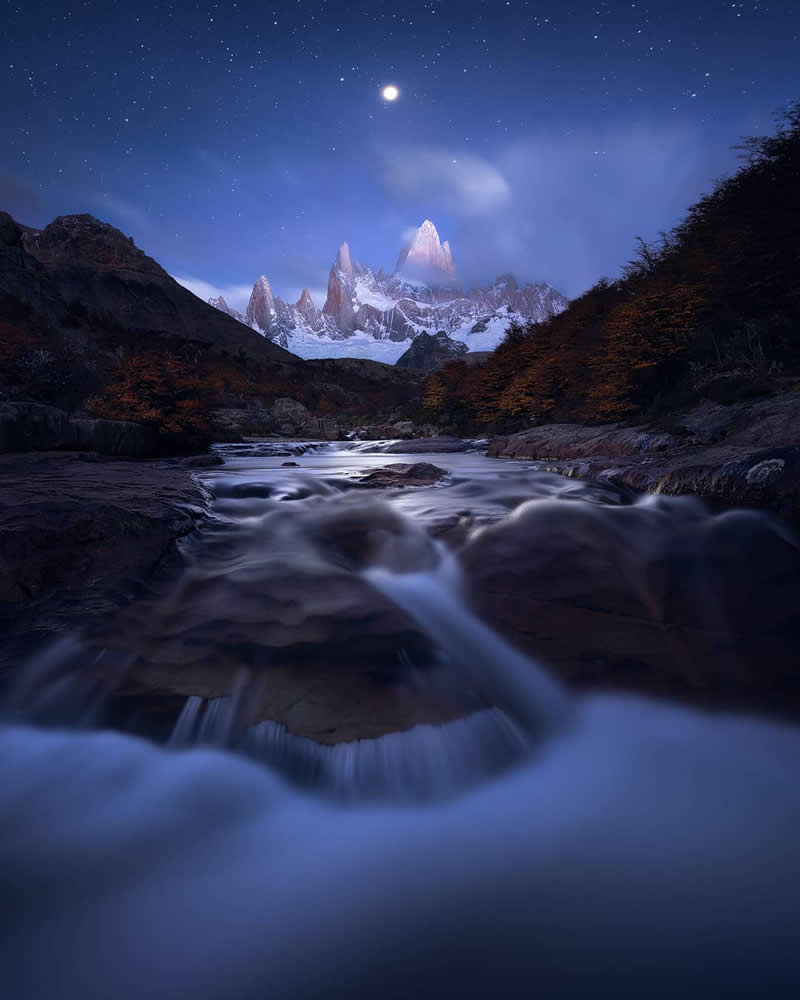
Photo by: Dylan Gehlken
#24
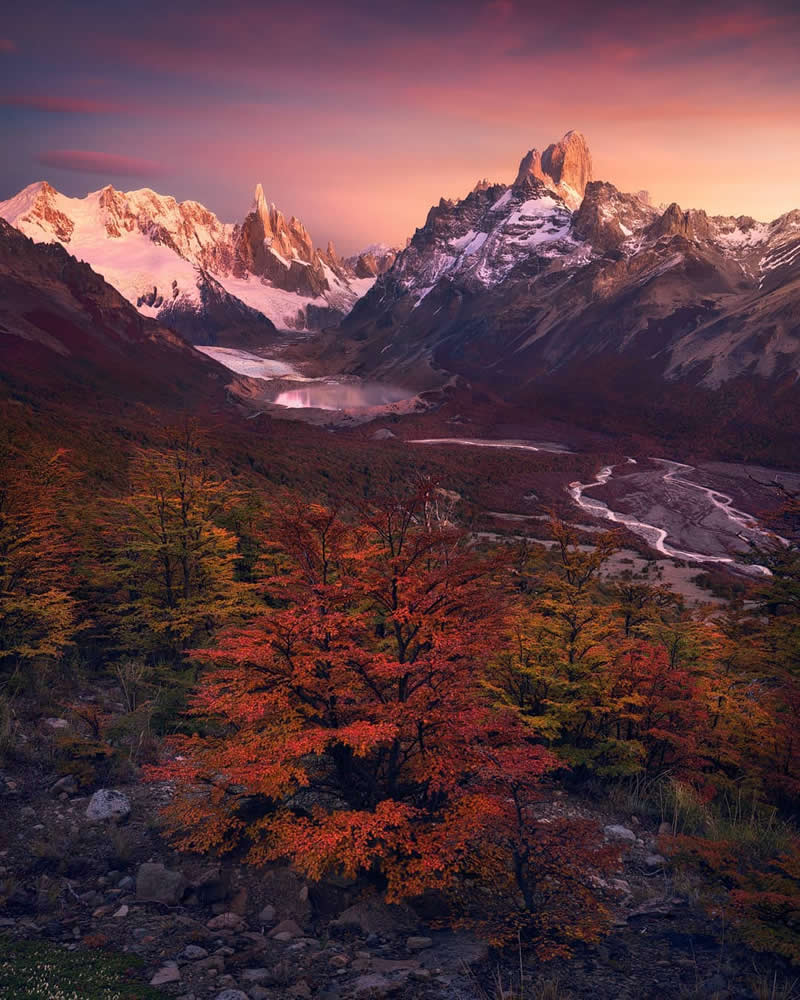
Photo by: Dylan Gehlken
#25
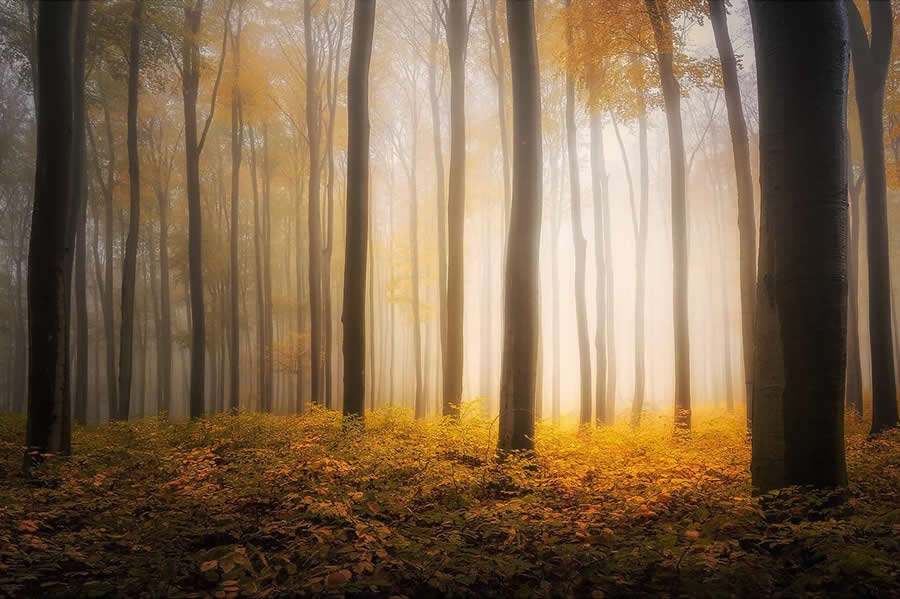
Photo by: Radoslav Cernicky
#26
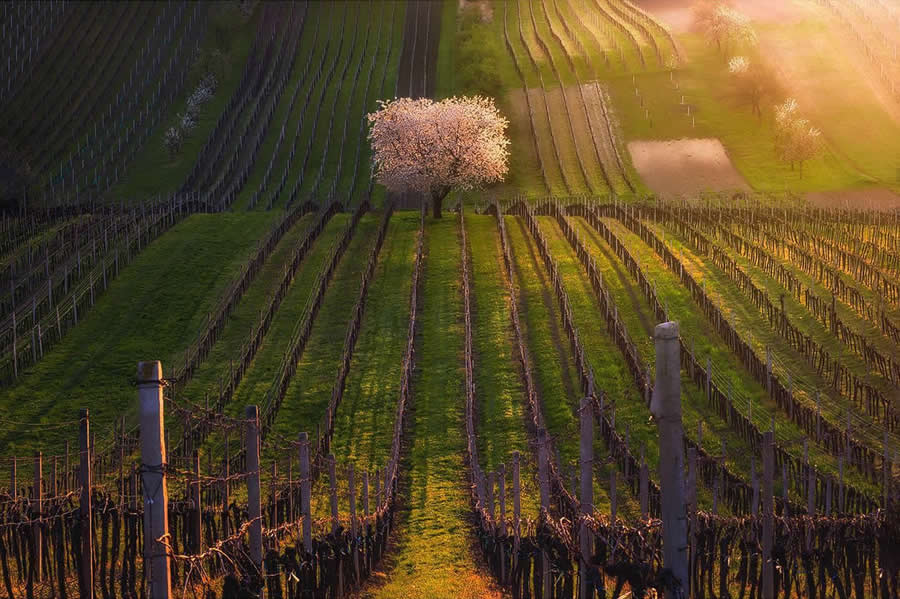
Photo by: Radoslav Cernicky
#27
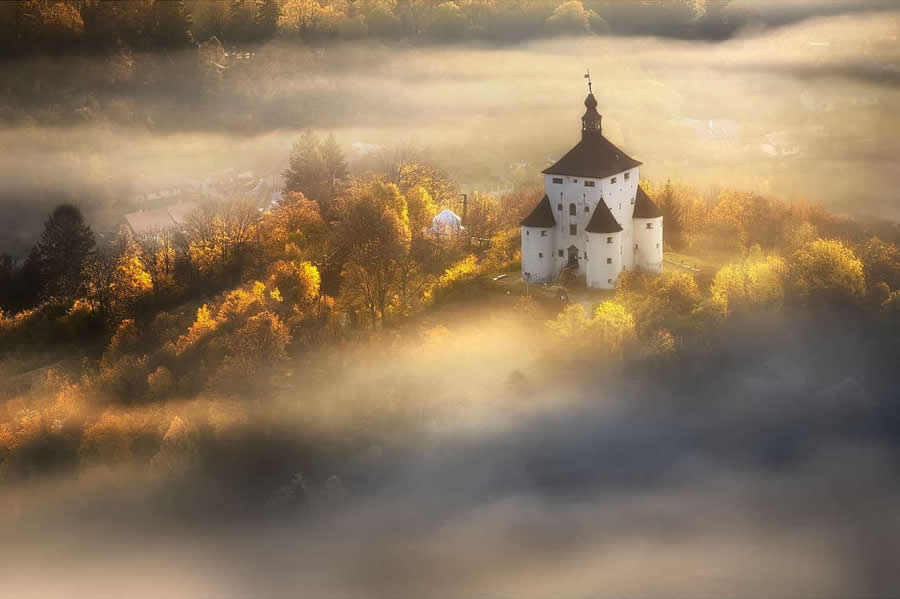
Photo by: Radoslav Cernicky
#28
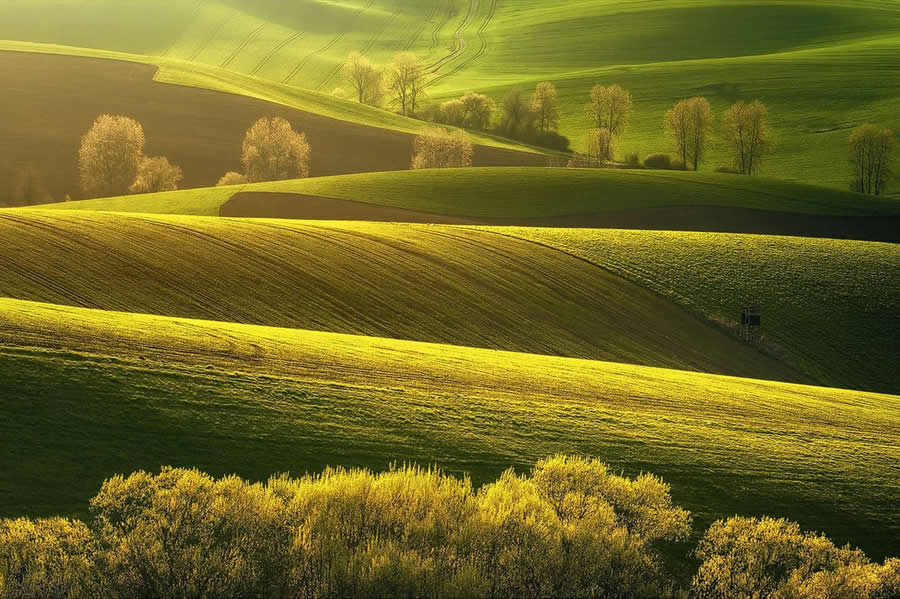
Photo by: Radoslav Cernicky
#29
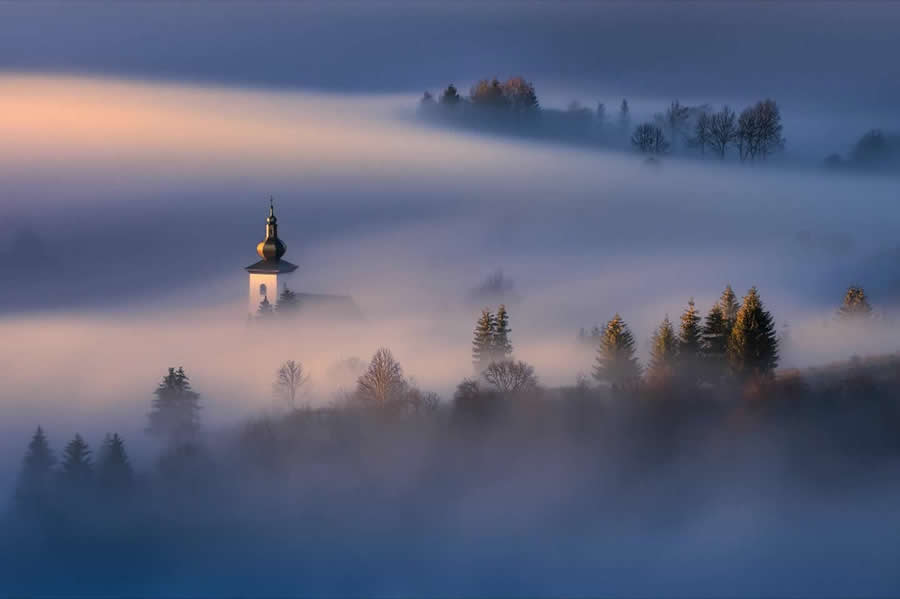
Photo by: Radoslav Cernicky
#30
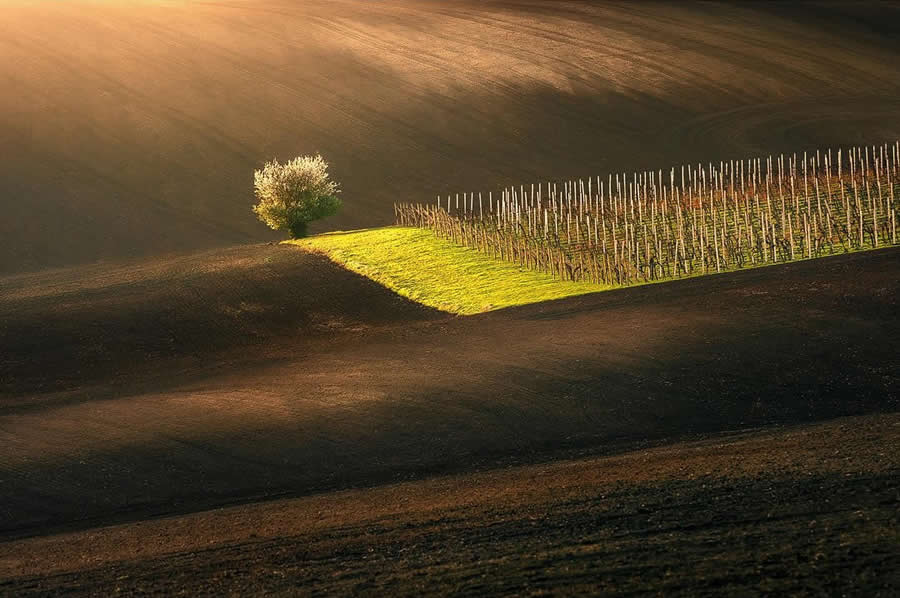
Photo by: Radoslav Cernicky
Adventure Rewards Those Who Keep Exploring
Many of these incredible photographs exist because photographers chose the harder path. They climbed mountains before sunrise, camped under star-filled skies, crossed rivers, or waited through changing weather. The extra effort often leads to unforgettable moments that few people ever witness.
Landscape Photography Tips:
- Scout locations before your photography trip.
- Carry a sturdy tripod for sharp images.
- Pack light but don’t forget essential gear.
- Always prioritize safety over the perfect shot.
- Explore lesser-known places for unique perspectives.
#31
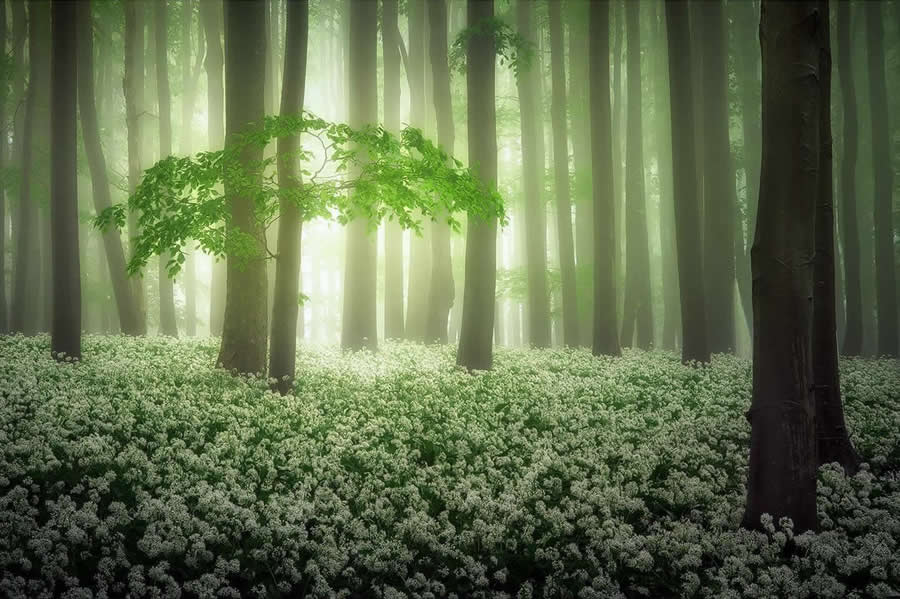
Photo by: Radoslav Cernicky
#32
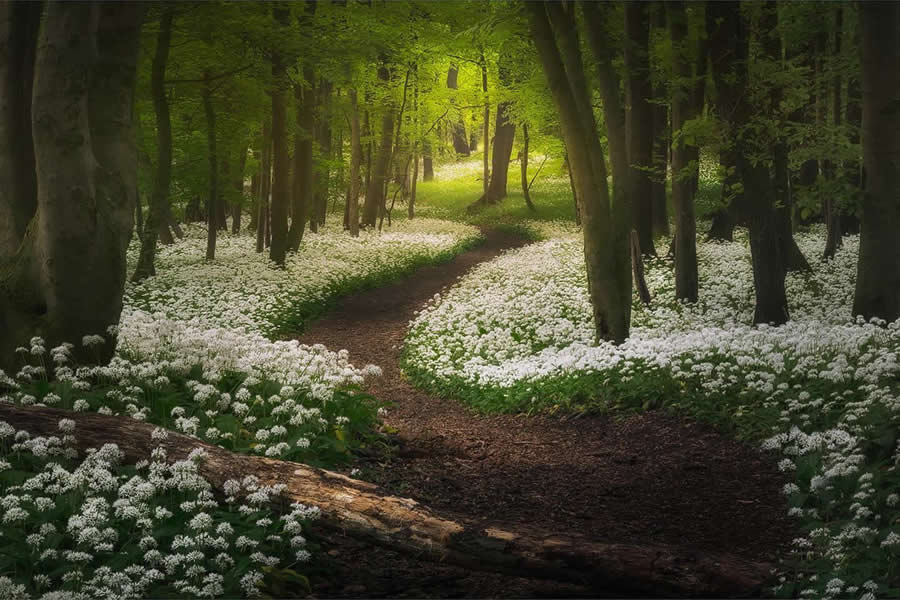
Photo by: Radoslav Cernicky
#33
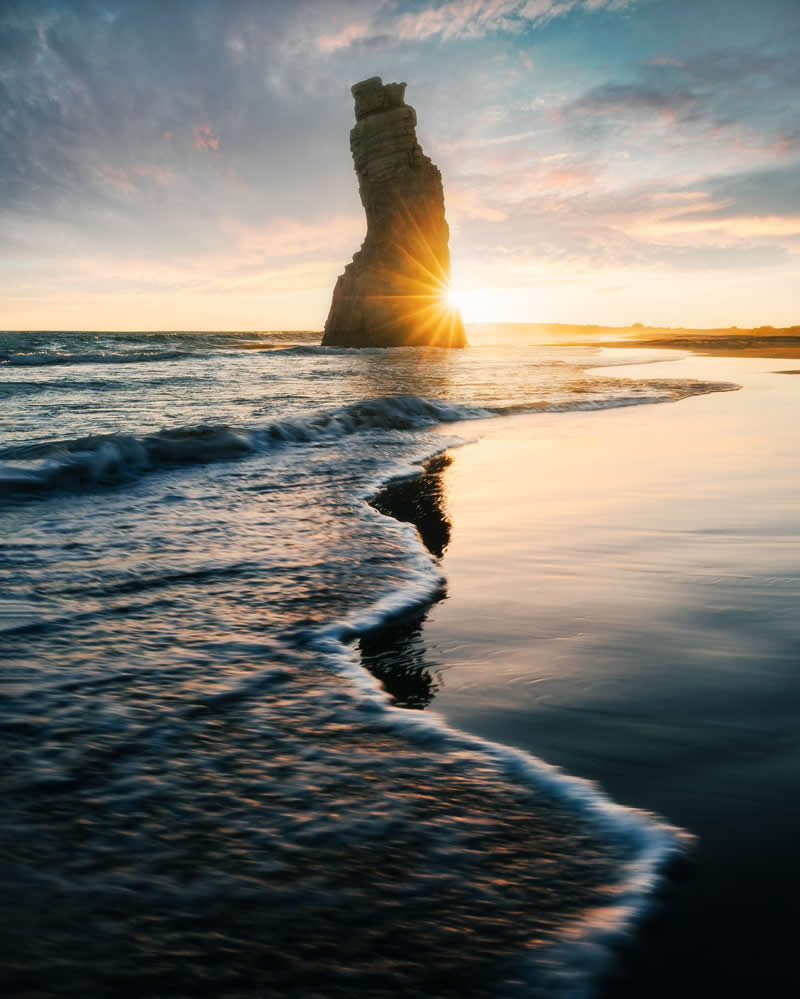
Photo by: Khumais Idrees
#34
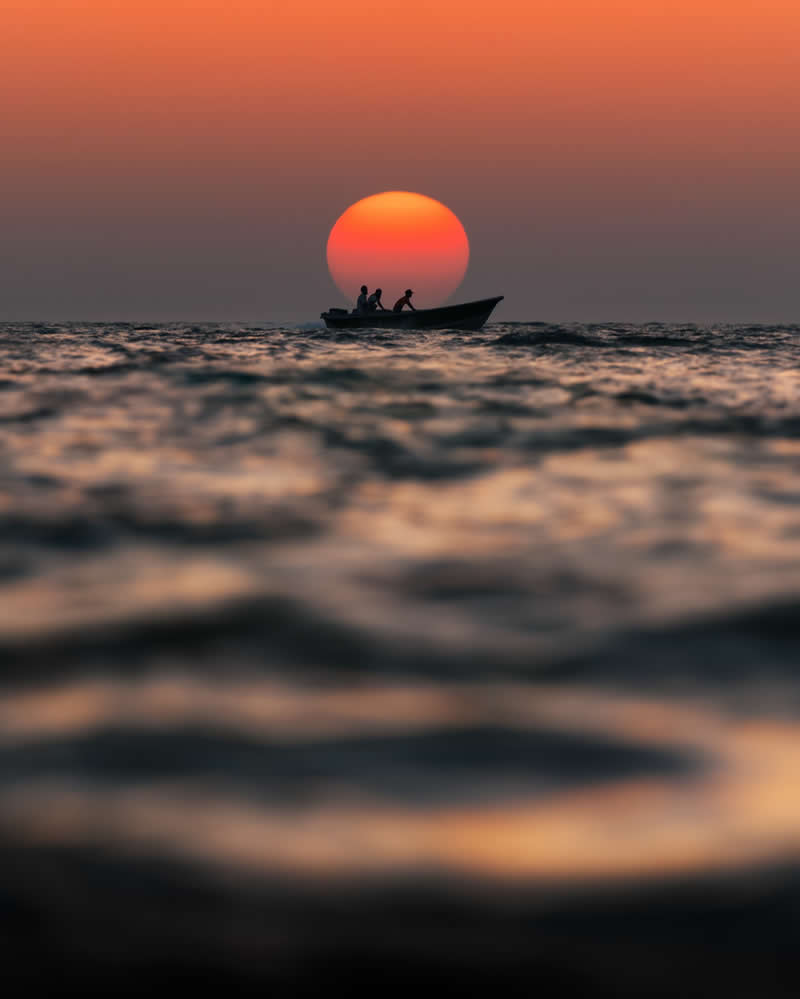
Photo by: Khumais Idrees
#35
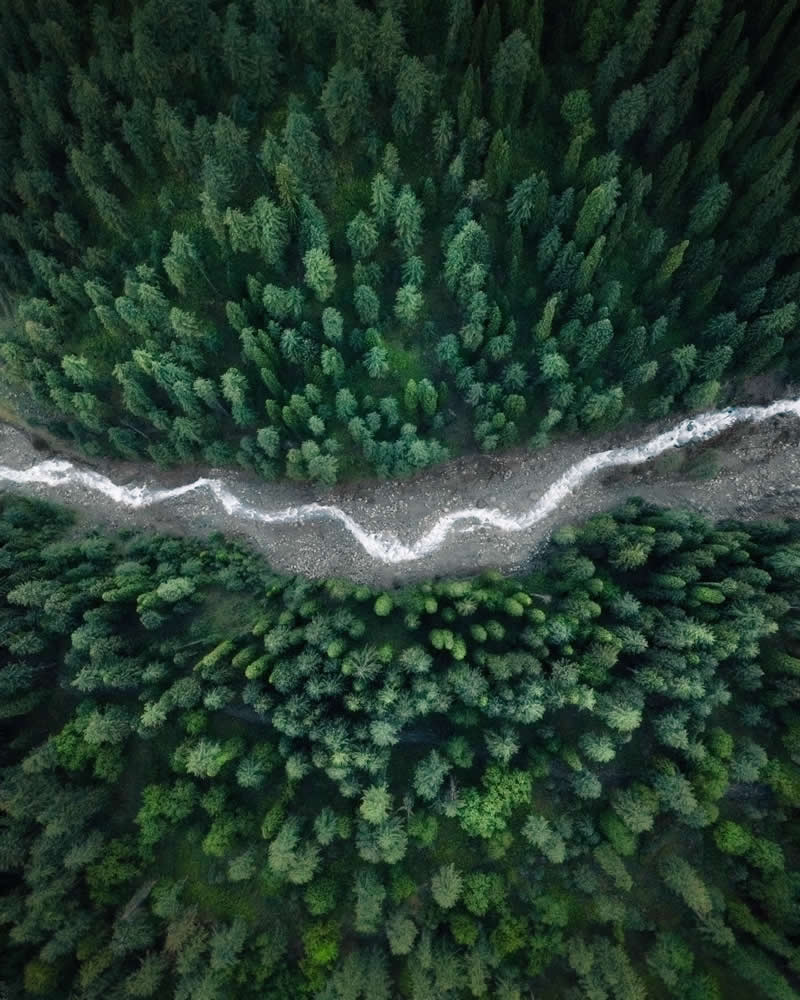
Photo by: Khumais Idrees
#36
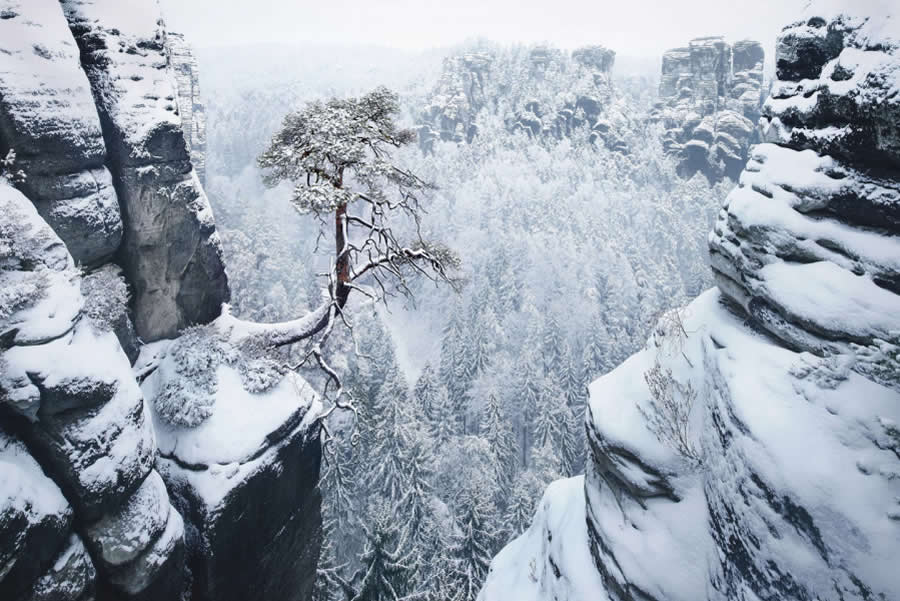
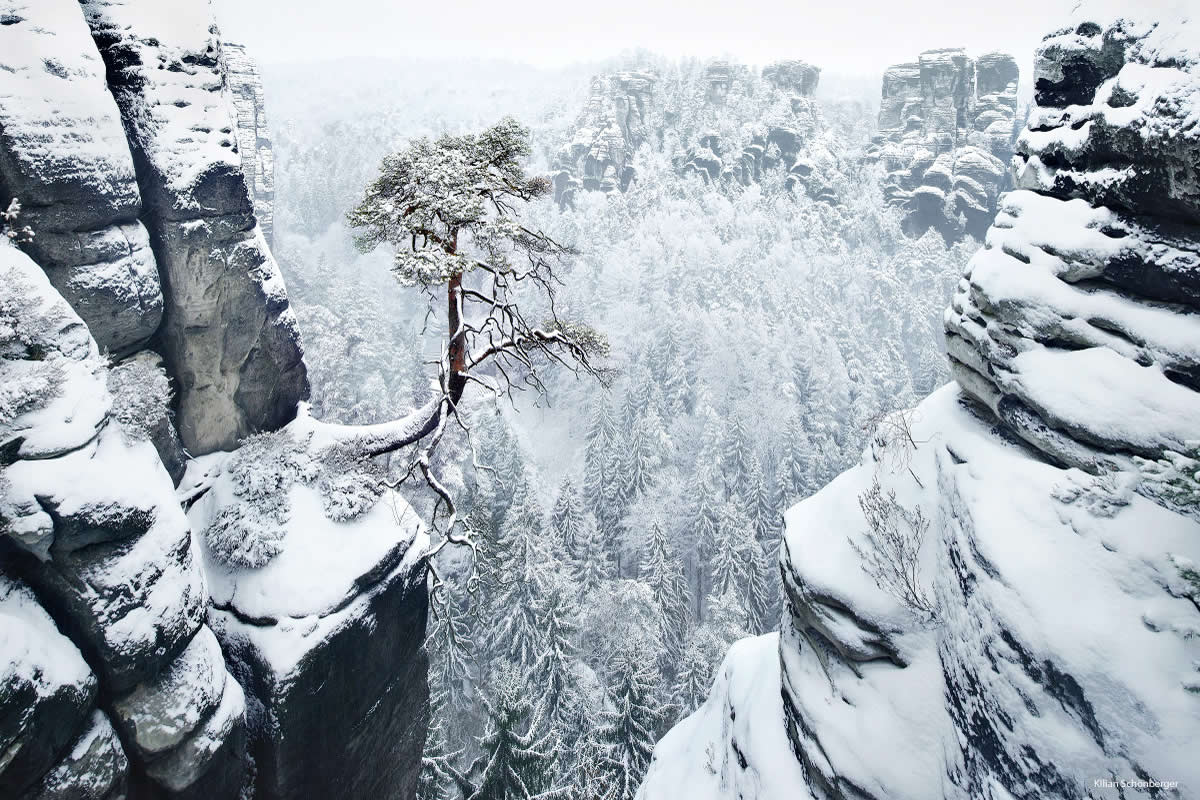
Photo by: Kilian Schönberger
#37
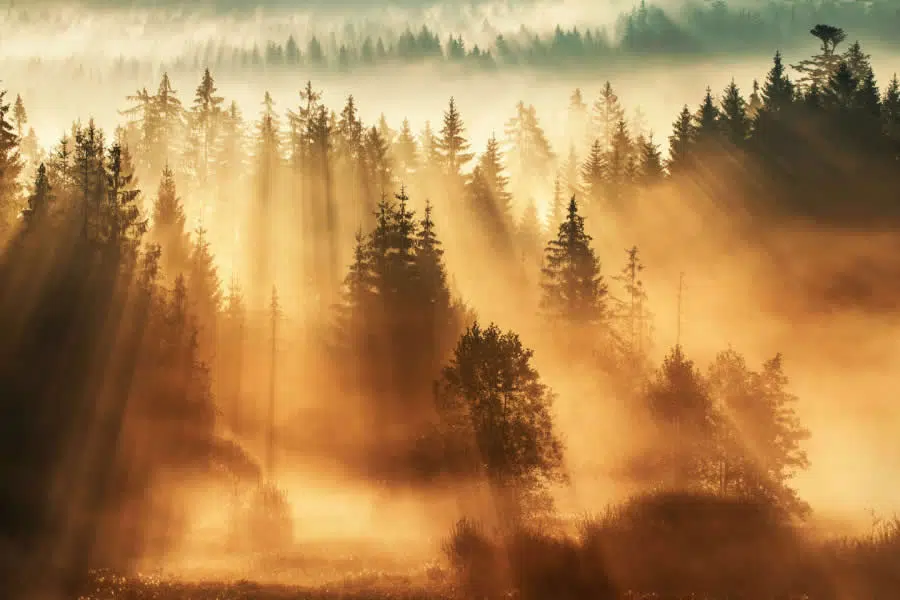
Photo by: Kilian Schönberger
#38
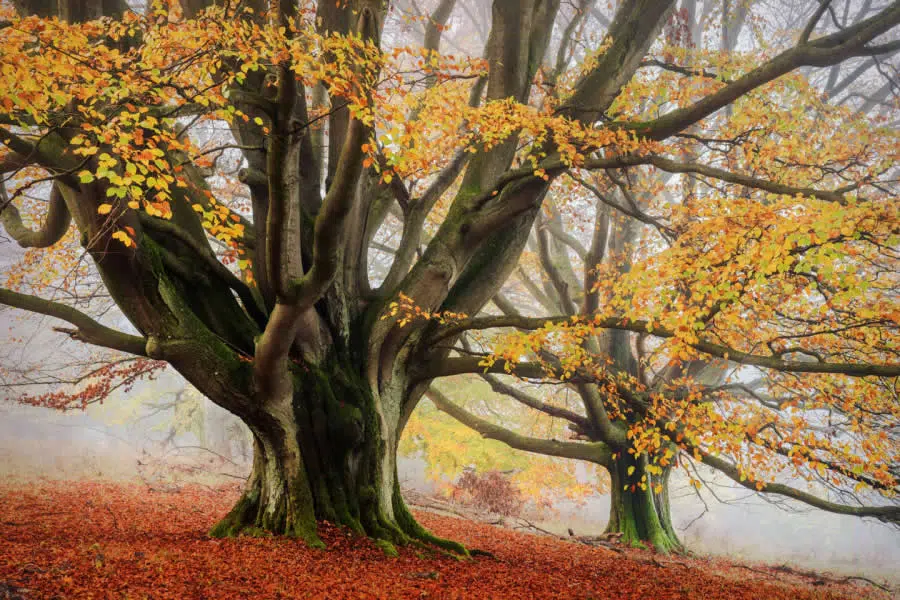
Photo by: Kilian Schönberger
#39
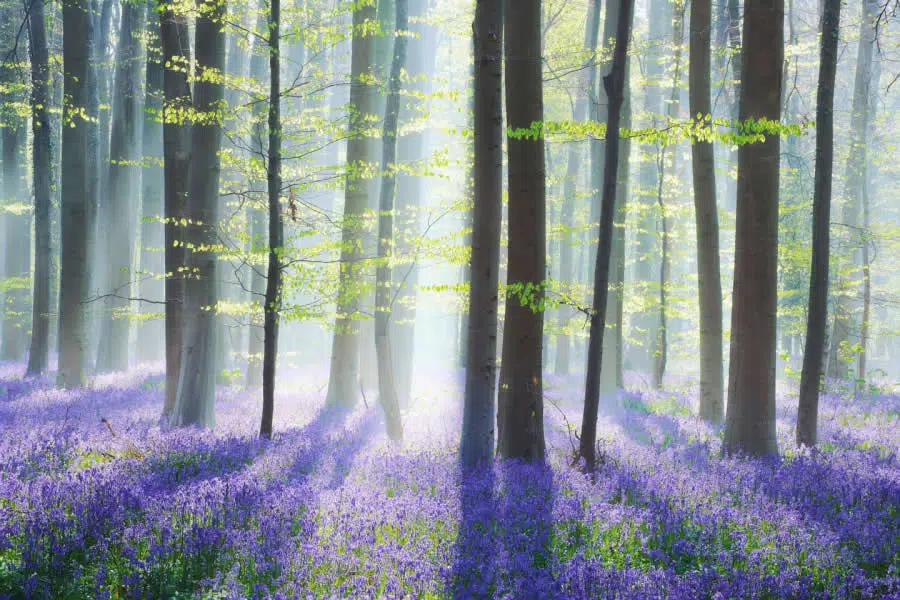
Photo by: Kilian Schönberger
#40
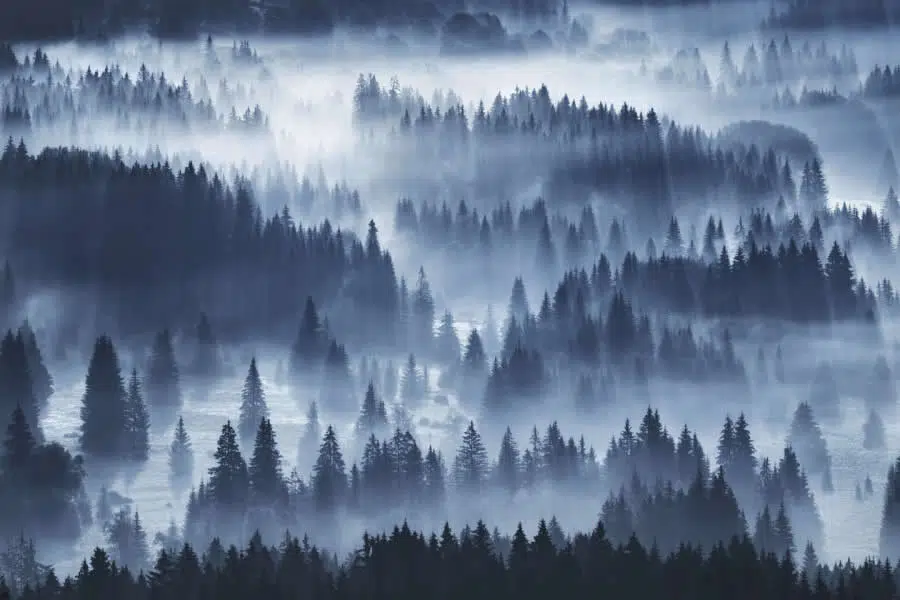
Photo by: Kilian Schönberger
Frequently Asked Questions:
Why do some landscape photos look like paintings?
Landscape photos resemble paintings because of beautiful natural light, thoughtful composition, balanced colors, atmospheric weather, and careful editing. Skilled photographers combine these elements to create images that feel artistic while still capturing real places exactly as they exist.
What camera settings are best for landscape photography?
Landscape photographers typically use a low ISO, narrow aperture like f/8 to f/16, and a tripod for maximum sharpness. Shooting in RAW format also preserves more detail and provides greater flexibility when editing the final photograph.
What is the best time to photograph landscapes?
The golden hour around sunrise and sunset offers the most flattering light for landscape photography. Soft shadows, warm colors, and dramatic skies help create depth, mood, and a painterly quality that midday sunlight often cannot achieve.
How can beginners improve their landscape photography?
Beginners should focus on composition, lighting, patience, and understanding weather conditions. Practicing with foreground interest, leading lines, and thoughtful framing can dramatically improve images, even when using entry-level cameras or modern smartphones.
Why do photographers travel to remote locations for landscape photography?
Remote locations often provide untouched scenery, cleaner environments, fewer distractions, and unique perspectives that are difficult to find elsewhere. The adventure itself also increases the chances of capturing rare weather conditions and unforgettable moments that make extraordinary landscape photographs.