History usually remembers kings, wars, inventions, and world-changing moments. But what about the ordinary people who simply woke up, went to work, laughed with friends, raised families, and lived their everyday lives? That’s where these rare photos of the 19th century become something truly special. They’re not just old black-and-white pictures; they’re tiny windows into a world that disappeared more than a hundred years ago.
As you scroll through this collection, you’ll notice details that history books rarely mention. The worn boots of factory workers, children playing in dusty streets, families posing proudly outside their modest homes, crowded marketplaces buzzing with life, and quiet moments that feel surprisingly familiar. Sure, the clothes are different, and there isn’t a smartphone in sight, but the emotions? Those haven’t changed a bit.
Early photographers captured these scenes with incredible patience, preserving slices of daily life that otherwise would’ve been forgotten forever. Every wrinkle, every smile, every weathered face tells a story that still feels real today. It’s almost like stepping into a time machine where you can observe the ordinary instead of the extraordinary.
These rare photographs remind us that history wasn’t only made by famous names. It was built by millions of everyday people whose lives, dreams, struggles, and simple routines shaped the world we know today. And honestly, that’s what makes these images so unforgettable.
#1. Photograph Of French Actress Sarah Bernhardt
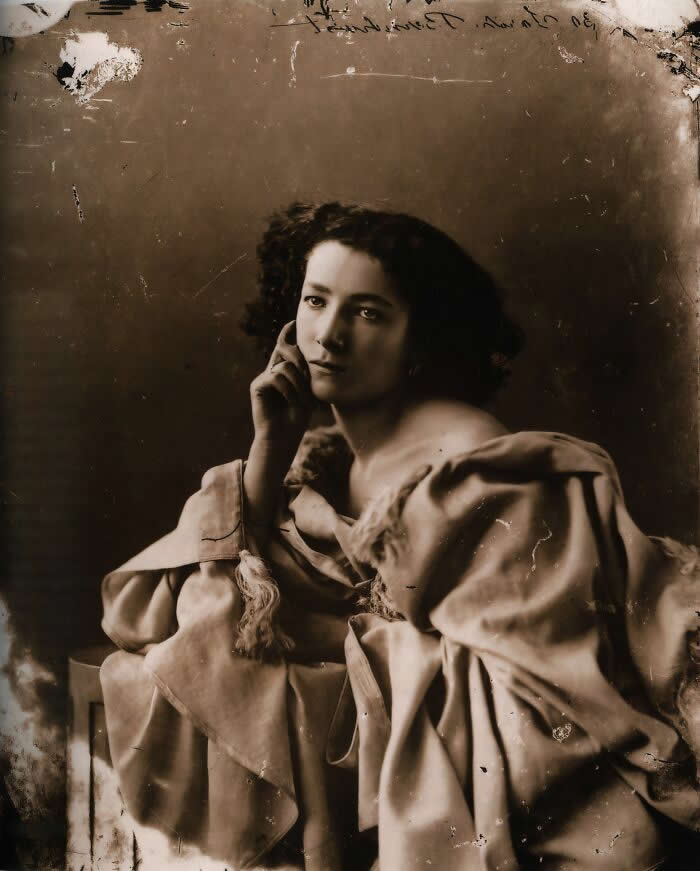
Photo by: Nadar
#2. Portrait Of A Young Woman, Ethiopia, 1885-1888
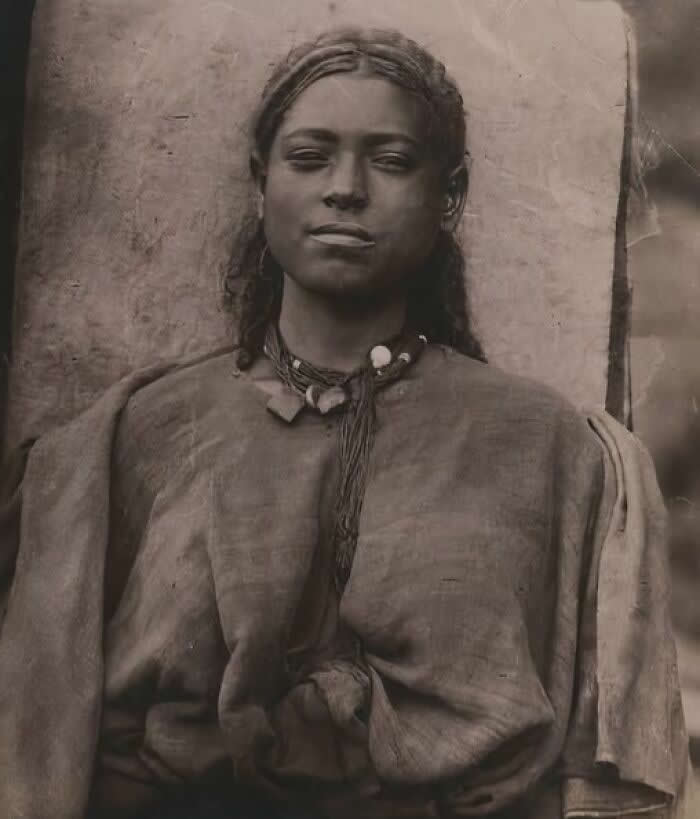
Photo by: Jacques Chirac
#3. Sleeping, Homeless Children, 1890s
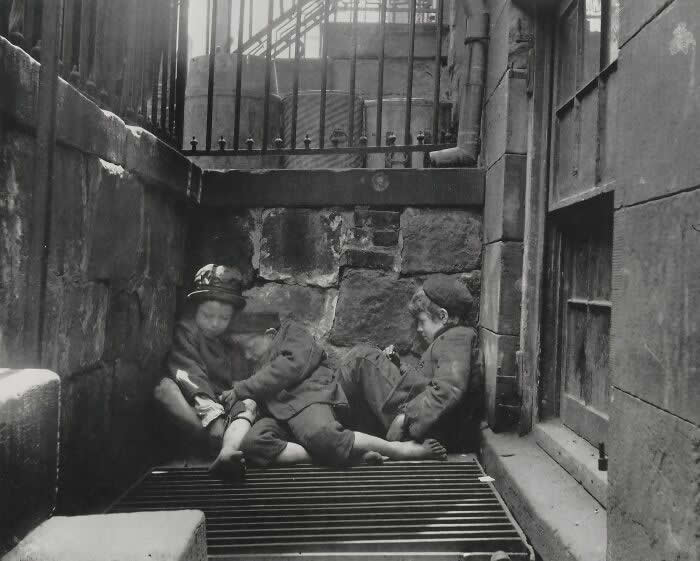
Photo by: Jacob Riis
#4. James Mye, Mashpee Wampanoag, 1860
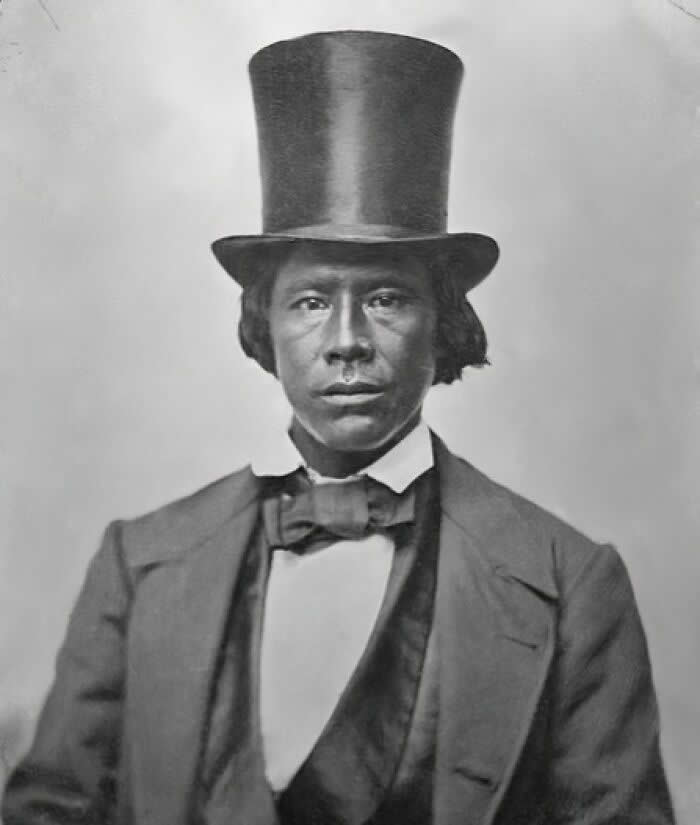
Photo by: wikimedia
#5. Emil Racovitza As A Diver At The Banyuls-Sur-Mer Oceanographic Observatory. The Upside-Down Sign The Man Is Holding Says "Underwater Photography.", 1899
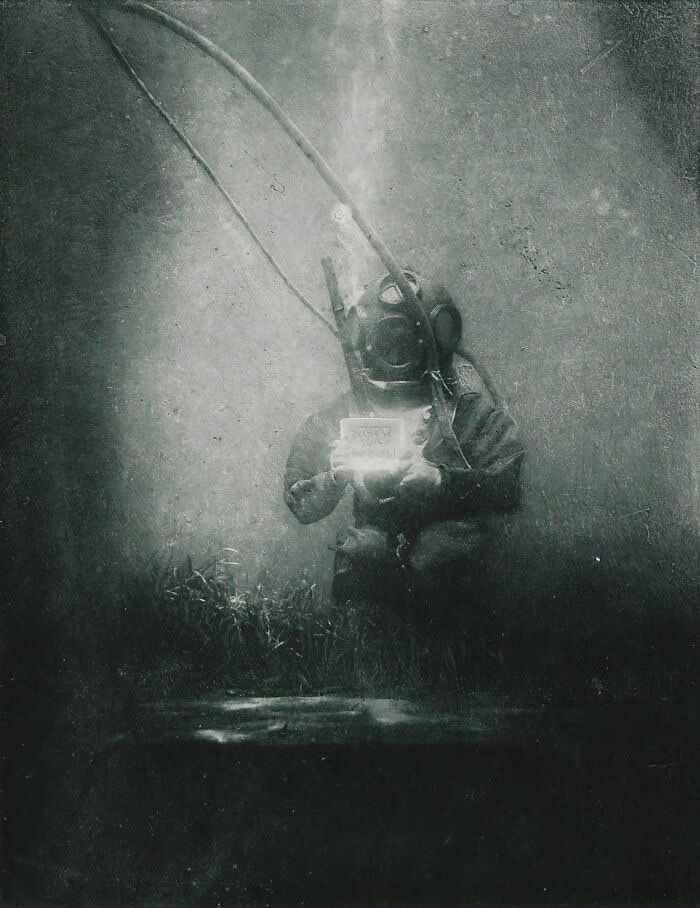
Photo by: Louis Boutan
#6. Charging Thunder, A Sioux Indian From Buffalo Bill’s Wild West Show, 1900
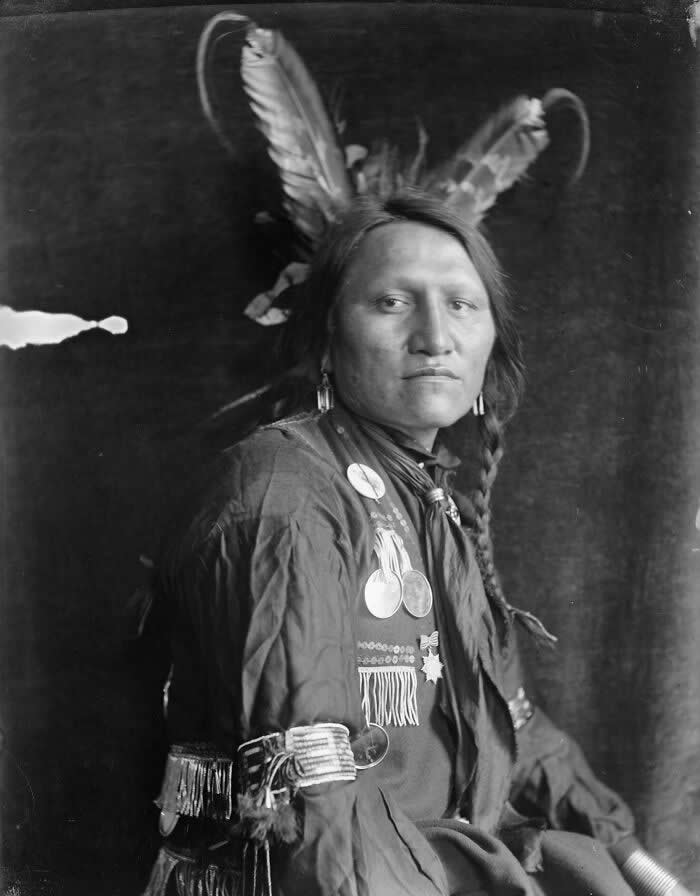
Photo by: Gertrude Kasebier
#7. Fading Away, "Farewell To The Dying", Considered The First Photograph To Deal With The Theme Of Passing, 1858
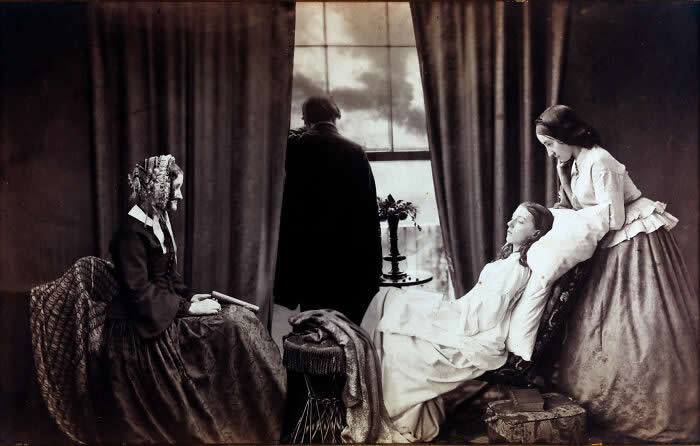
Photo by: Henry Peach Robinson
#8. Close No. 193 High Street, Scotland, 1868
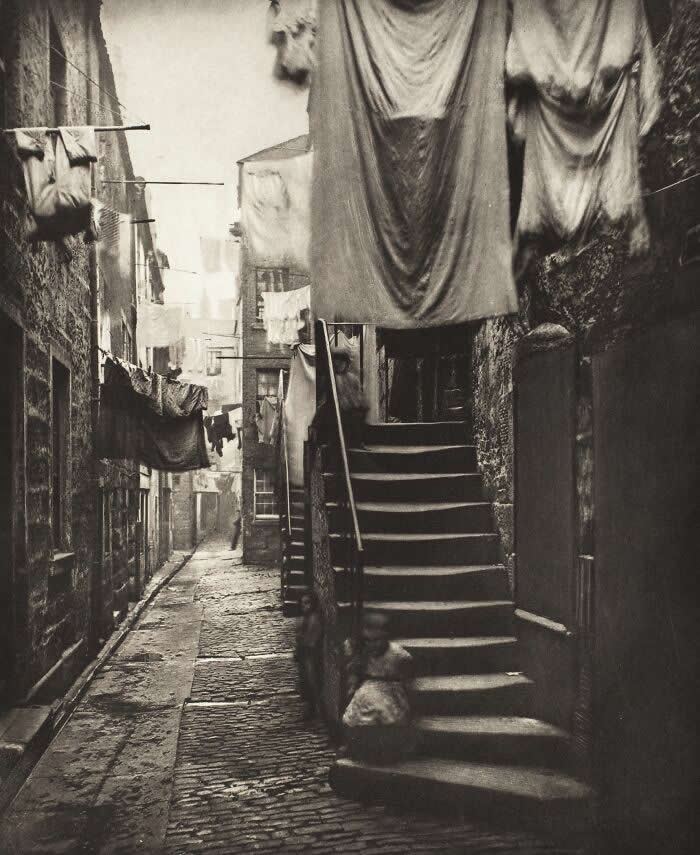
Photo by: Thomas Annan
#9. Photo Of Lower Yellowstone Falls, Taken During The Hayden Expedition To Yellowstone, 1871
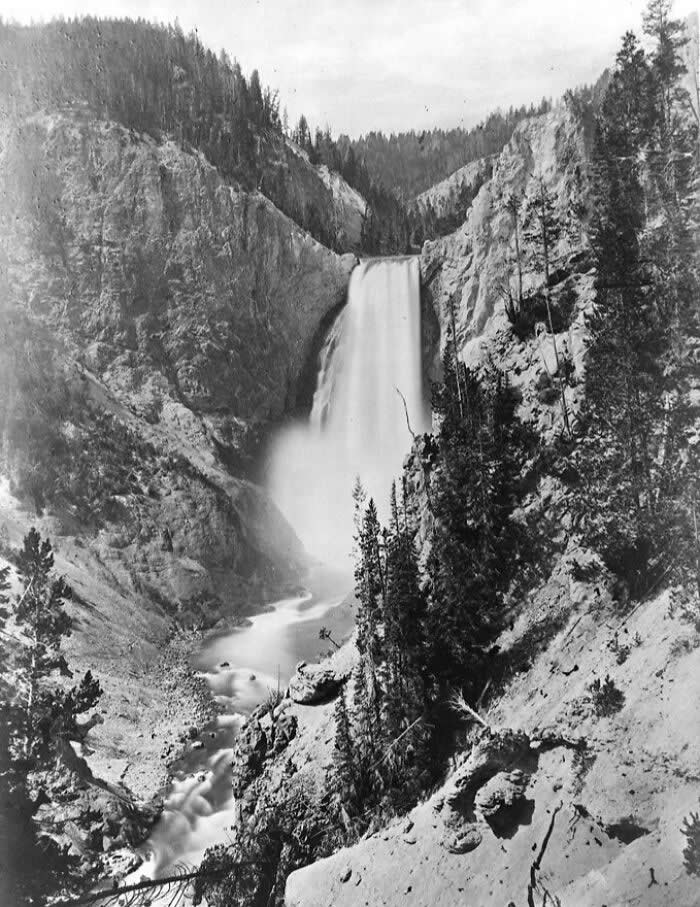
Photo by: William Henry Jackson
#10. Street Musicians, 1898-99
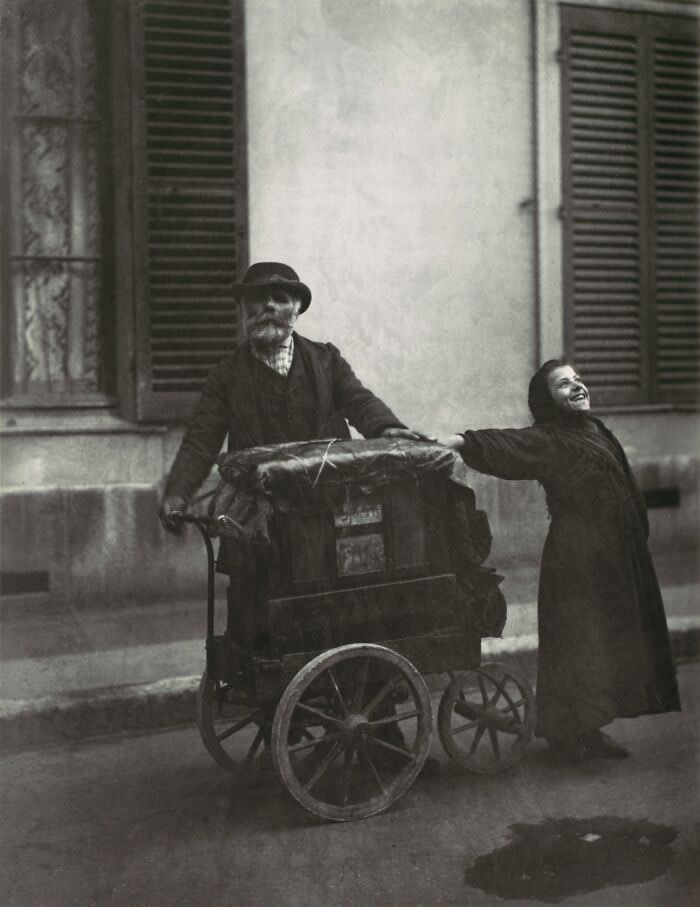
Photo by: Eugene Atget
#11. Boulevard Du Temple, Paris, 3rd Arrondissement, Daguerreotype. Made In 1838 By Inventor Louis Daguerre, This Is Believed To Be The Earliest Photograph Showing A Living Person, Circa 1838
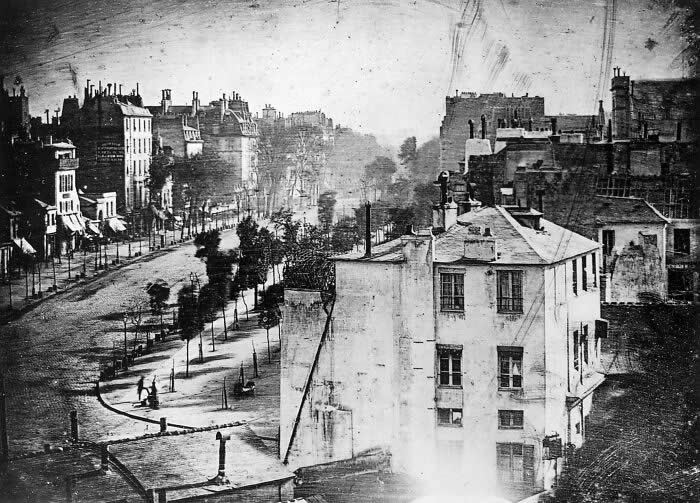
Photo by: Louis Daguerre
#12. Sitting Bull And Buffalo Bill, 1895
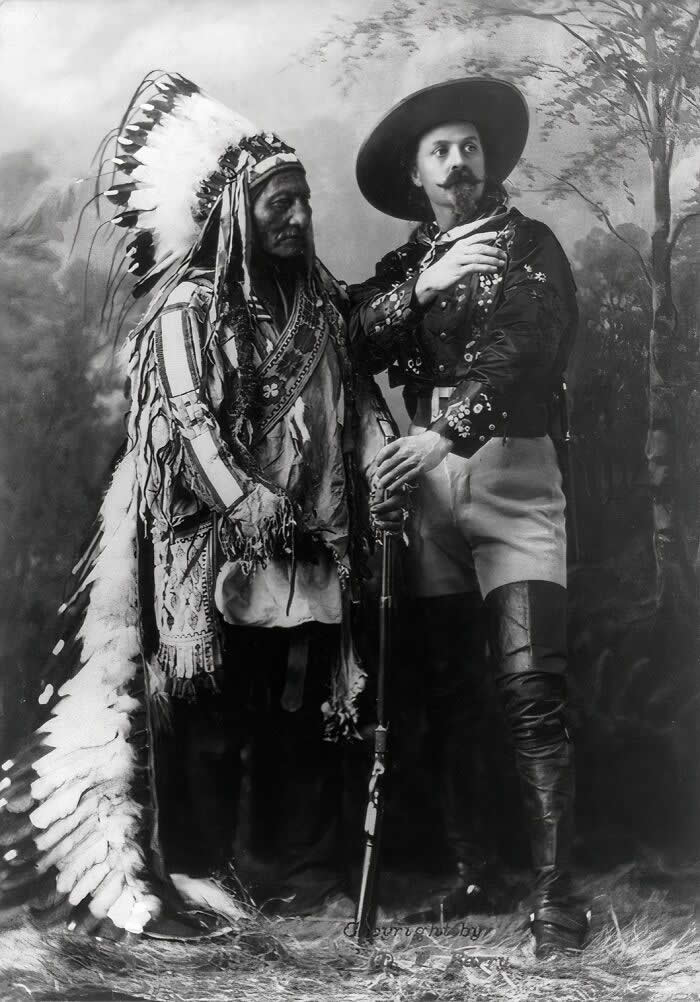
Photo by: William Notman and Son
#13. Frederick Douglass Portrait, Circa 1860s
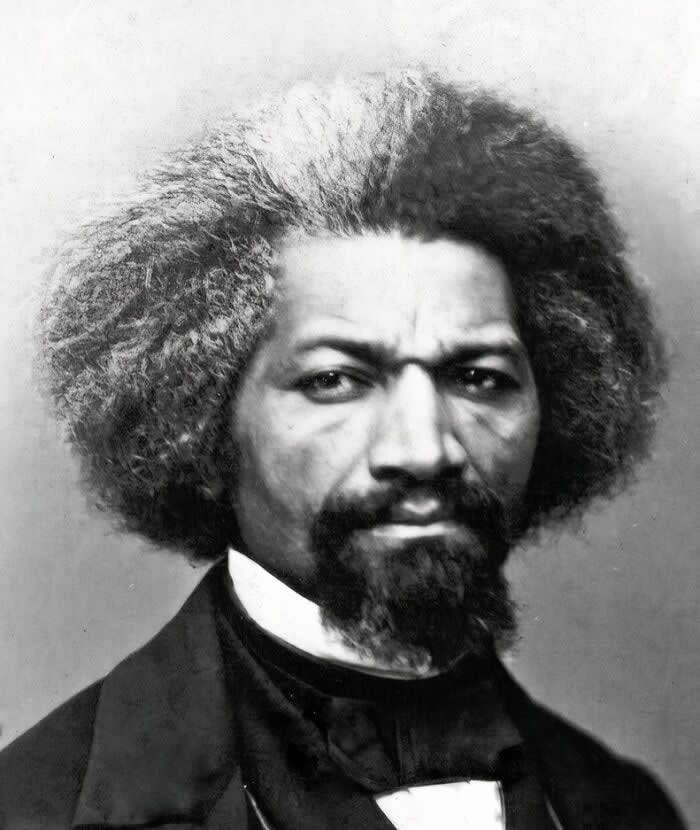
Photo by: Picture History
#14. Brig Upon The Water, 1856

Photo by: Gustave Le Gray
#15. Ancient Ruins In The Canon De Chelle, 1873
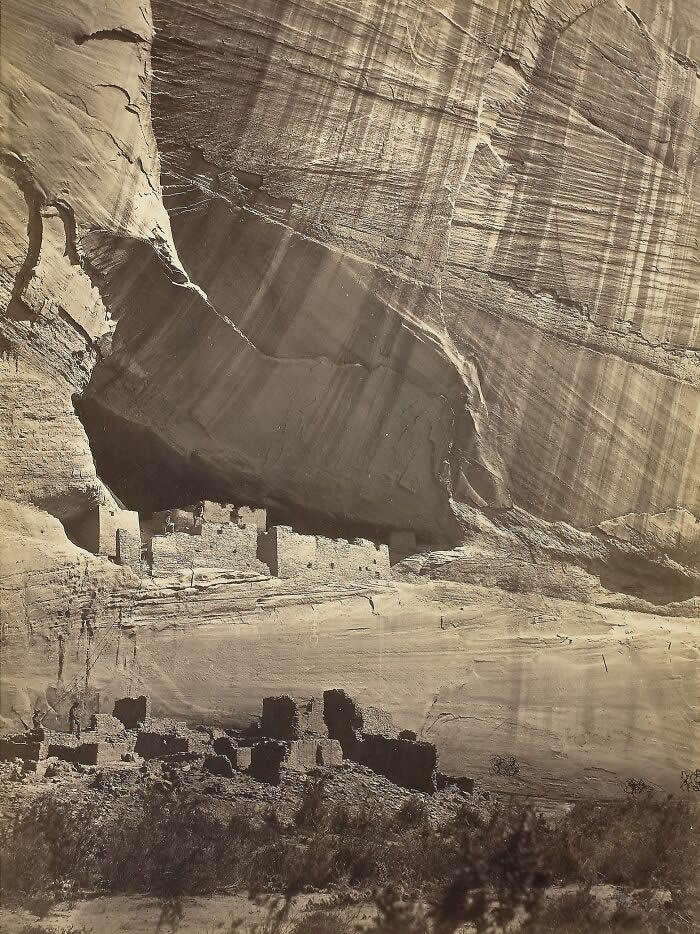
Photo by: Timothy O’Sullivan
#16. The Maharani Of Nepal And Her Followers, 1885-1894
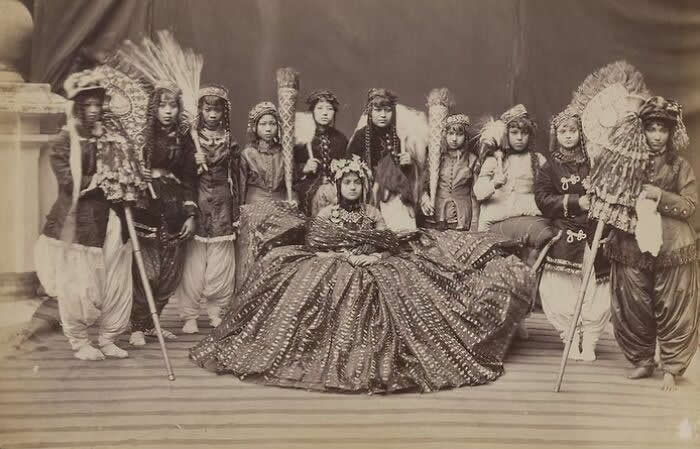
Photo by: global nepali museum
#17. Robert Howlett, Isambard Kingdom Brunel Standing Before The Launching Chains Of The Great Eastern, 1875

Photo by: Robert Howlett
#18. Woman Seen From The Back, Circa 1862
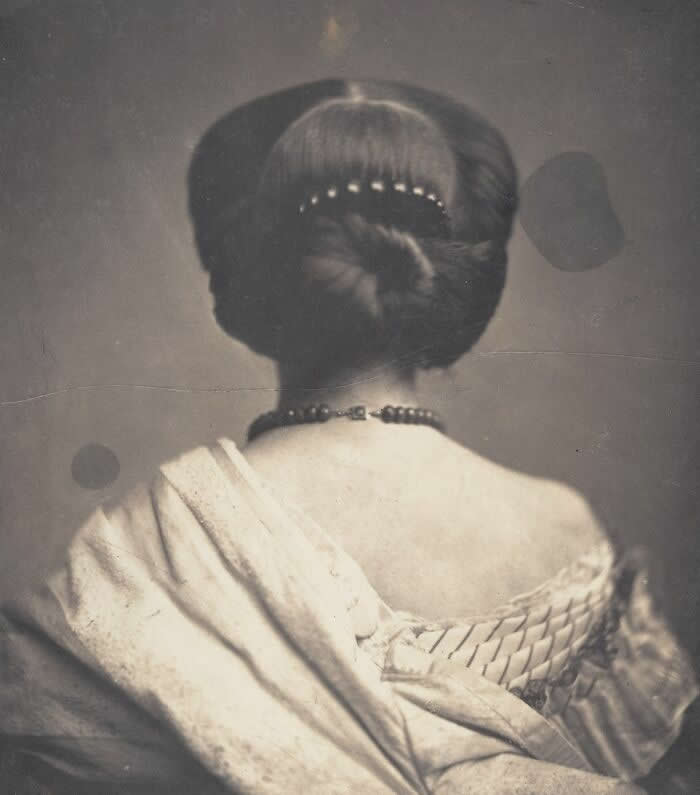
Photo by:
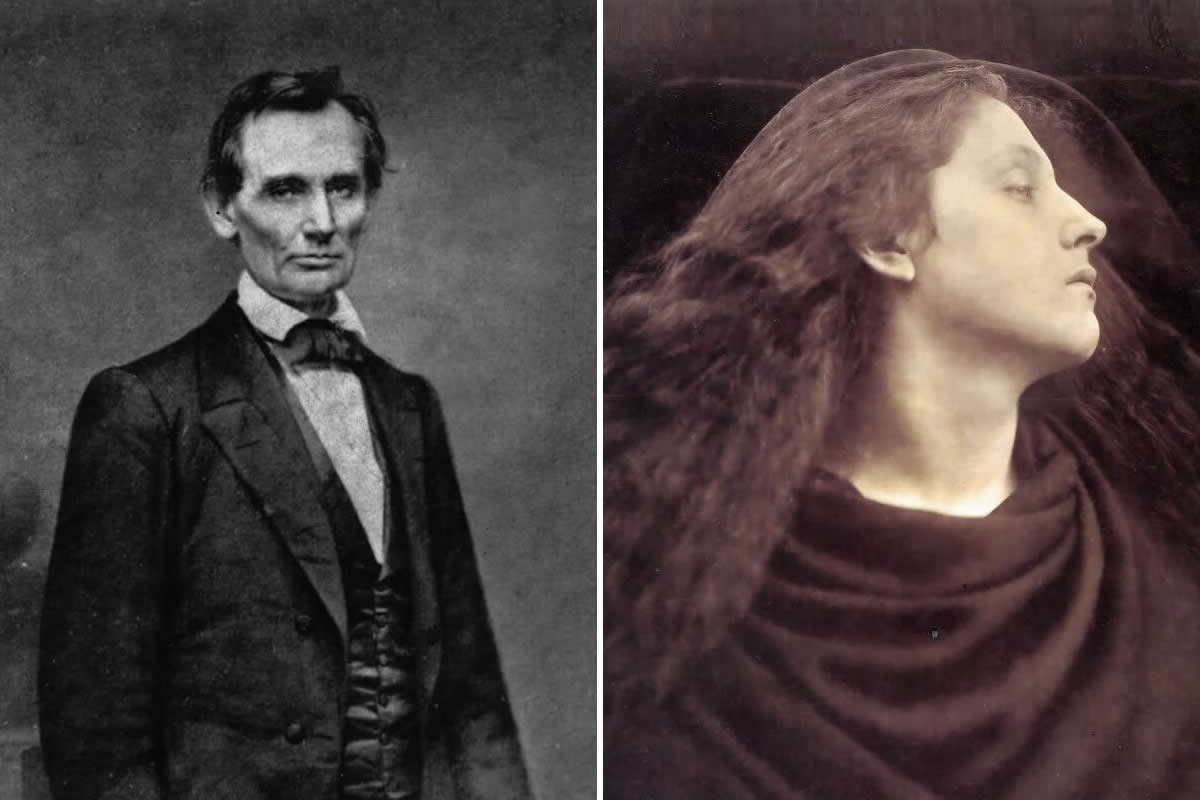
#19. Abraham Lincoln, Candidate For U.S. President, Three-Quarter Length Portrait, Before Delivering His Cooper Union Address In New York City, 1860
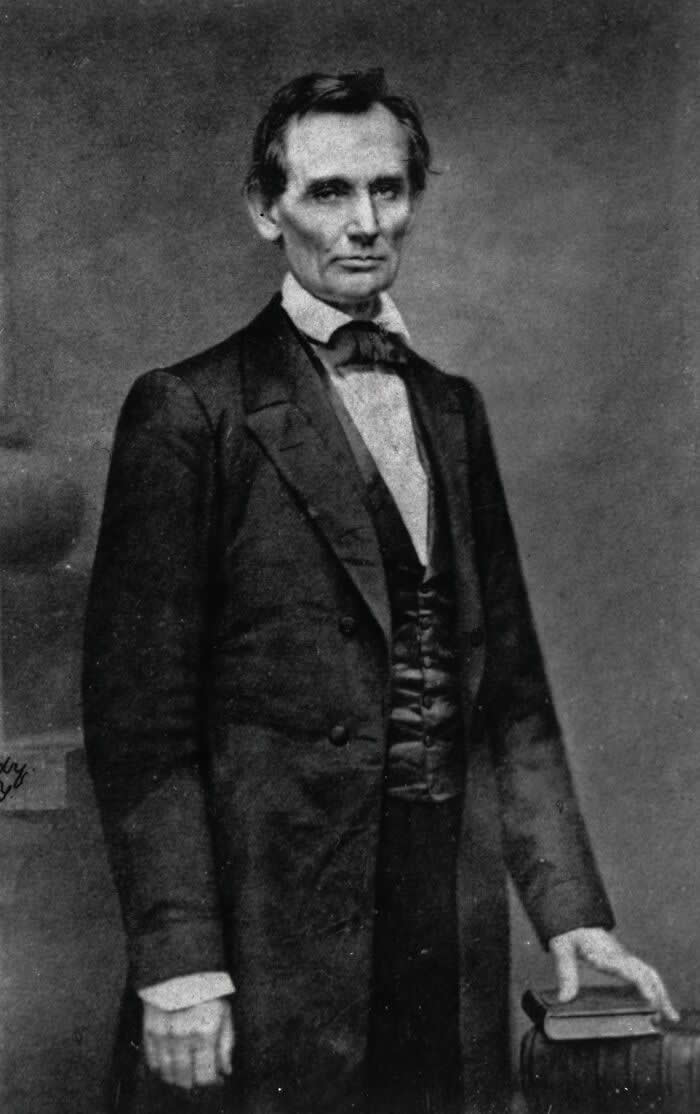
Photo by: Mathew Benjamin Brady
#20. "Call, I Follow, I Follow, Let Me Die", Model Is Mary Ann Hillier, Circa 1867

Photo by: Julia Margaret Cameron
#21. John Mayall, Sergeant Dawson And His Daughter, 1855

Photo by: John Jabez Edwin Mayall
#22. Eruption Of The Geyser Old Faithful In Yellowstone Valley, 1870 Or 1871
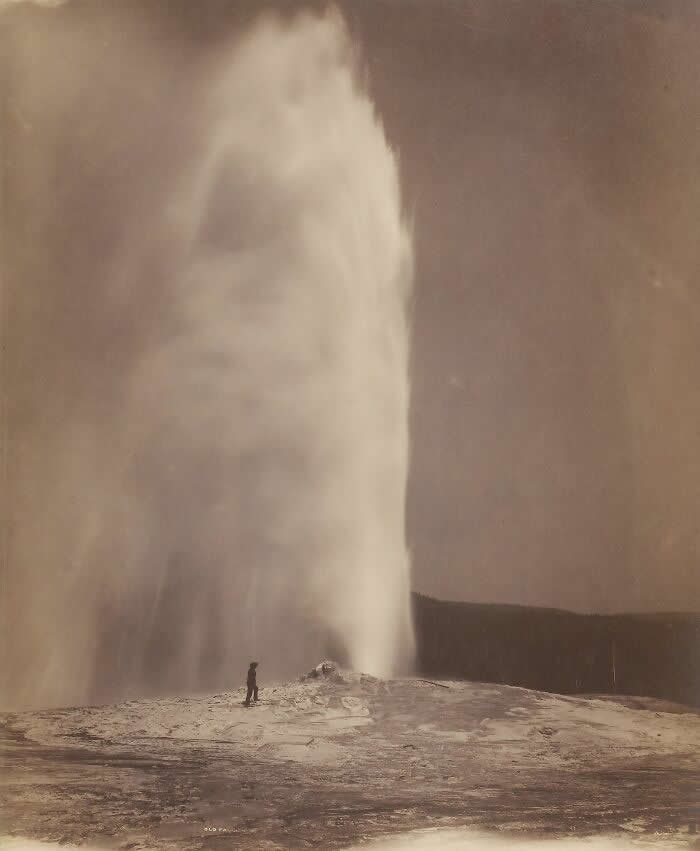
Photo by: William Henry Jackson
#23. Bandits Roost, 59 And A Half Mulberry Street, 1888
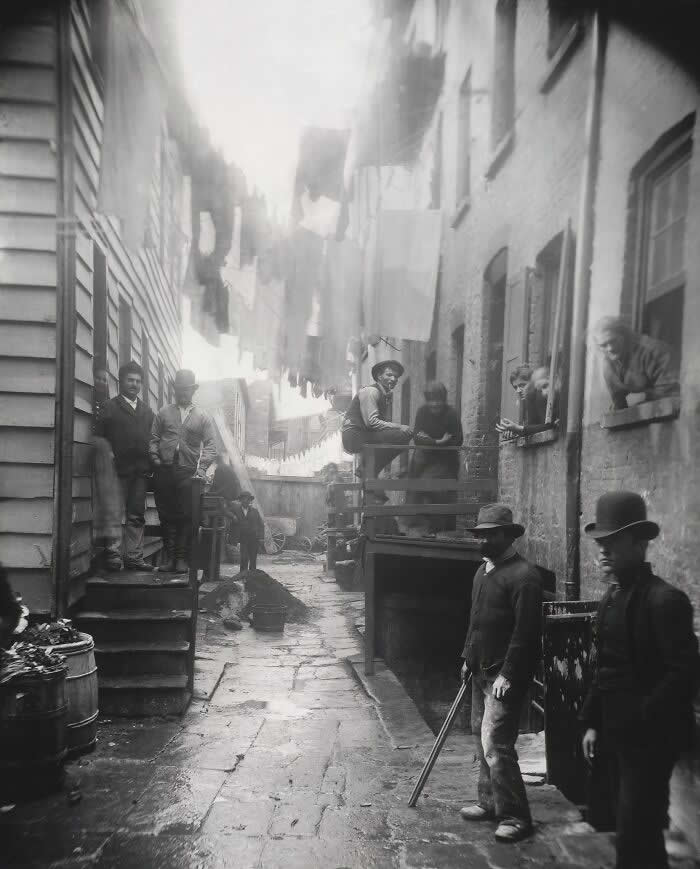
Photo by: Jacob Riis
#24. Fox Talbot, The Haystack, 1844
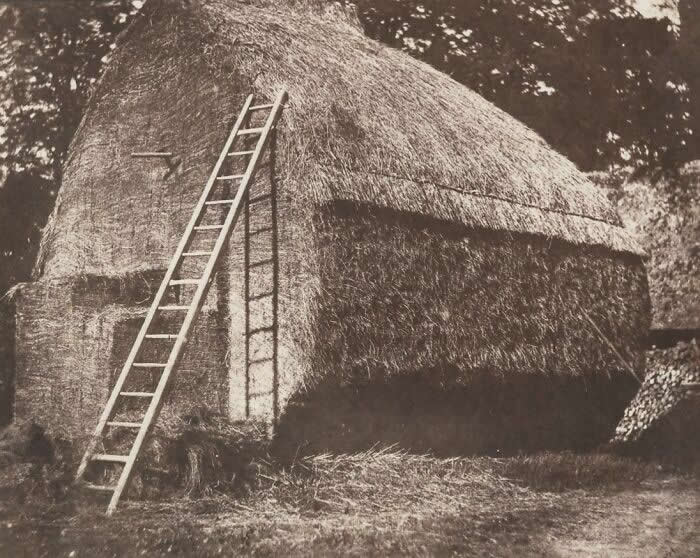
Photo by: William Henry Fox Talbot
#25. Blacksmith Forging A Horshoe, C. 1859-1860
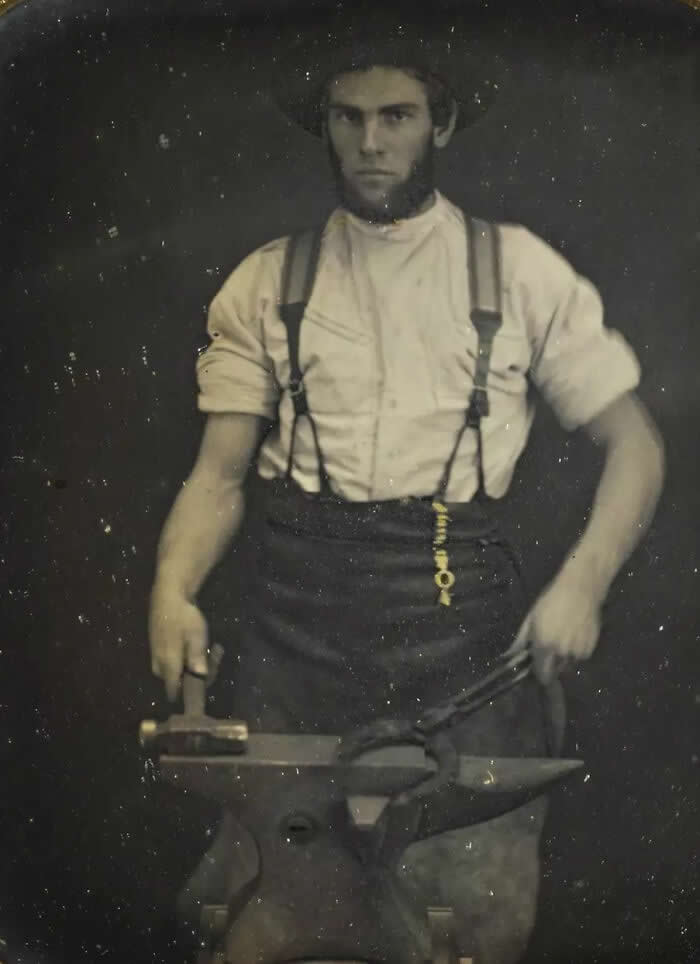
Photo by: Summer A. Smith
#26. Pierrot Laughing, 1855
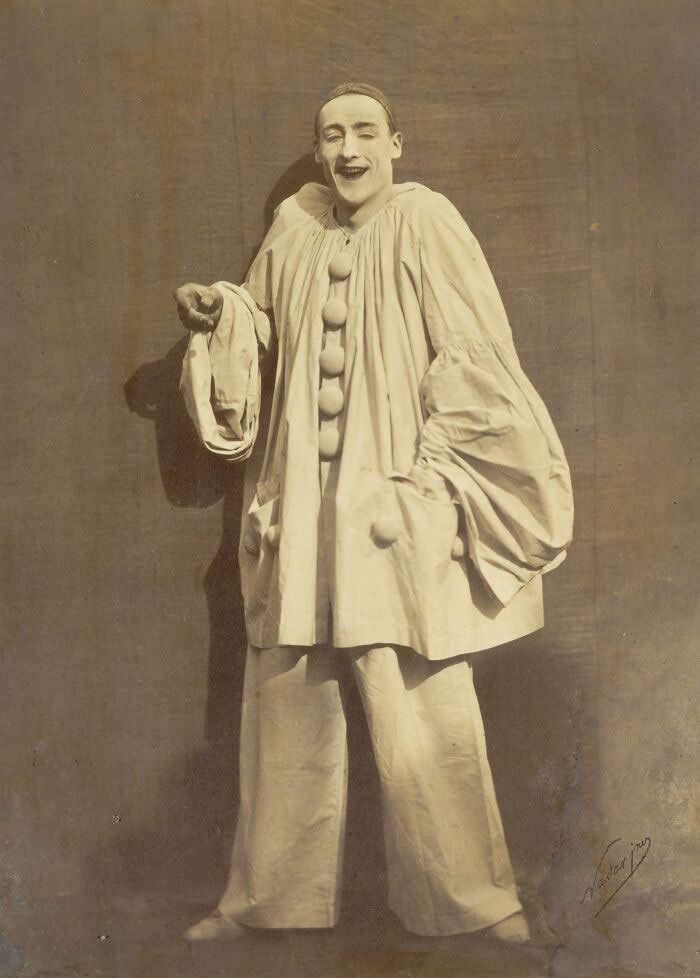
Photo by: Adrien Alban Tournachon
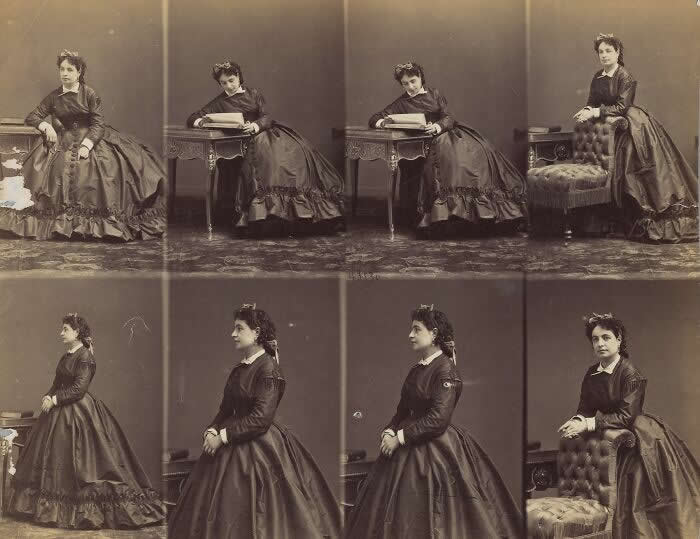
#27. Schneider, 1863
 s
s
Photo by: Andre-Adolphe-Eugene Disder
#28. Great Chicago Fire, Men Stand Amid The Rubble At Lasalle Street And Washington, 1871

Photo by: Rare historical photos
#29. A Native Hut, Circa 1890
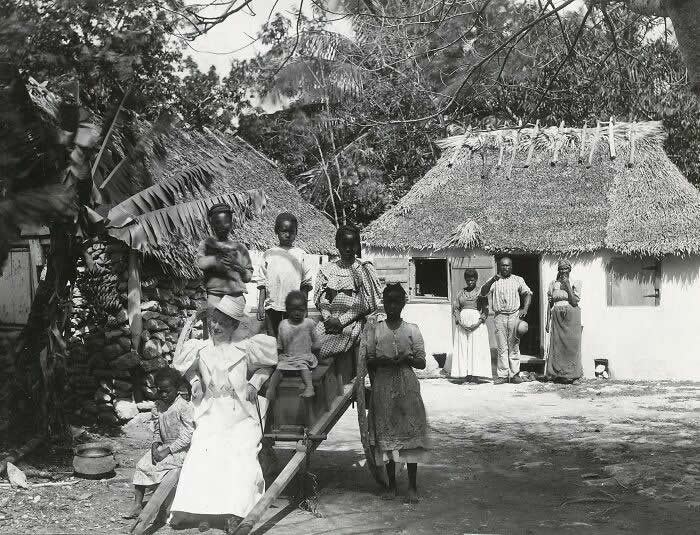
Photo by: Jacob F. Coonley
#30. East And West Shaking Hands At The Laying Of Last Rail Union Pacific Railroad, 1869
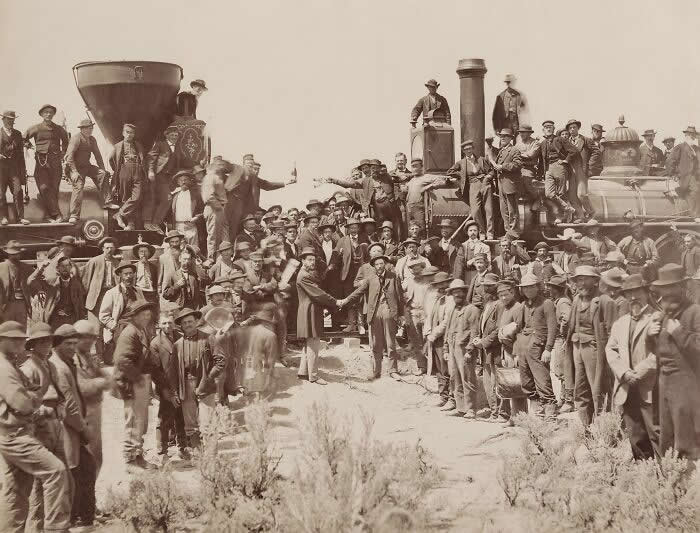
Photo by: Andrew J. Russell
#31. Boston, As The Eagle And The Wild Goose See It, 1860
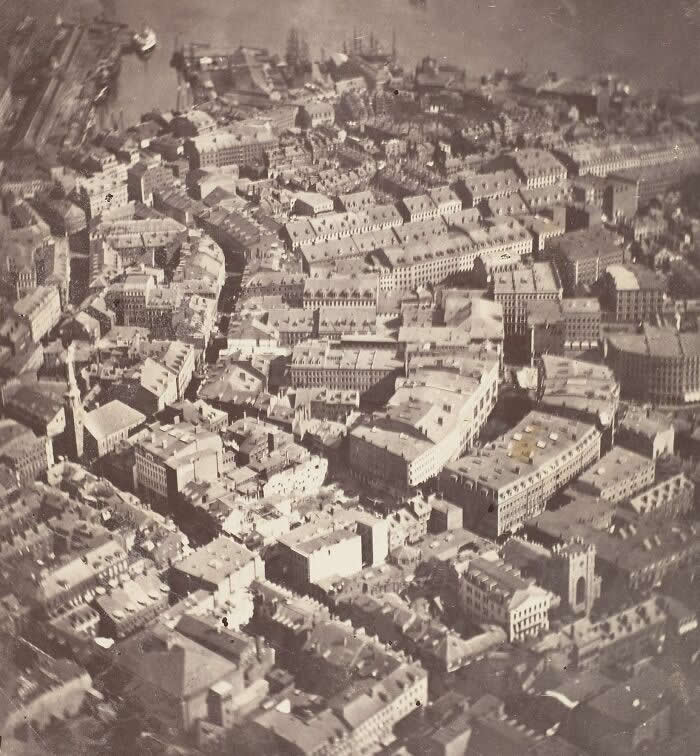
Photo by: James Wallace Black
#32. The Market Nassau, Circa 1890
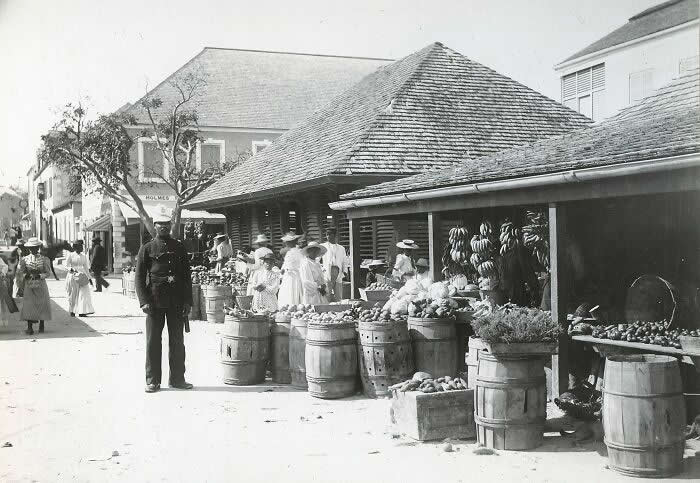
Photo by: Jacob F. Coonley
#33. Portrait Of Sir John Herschel, 1867
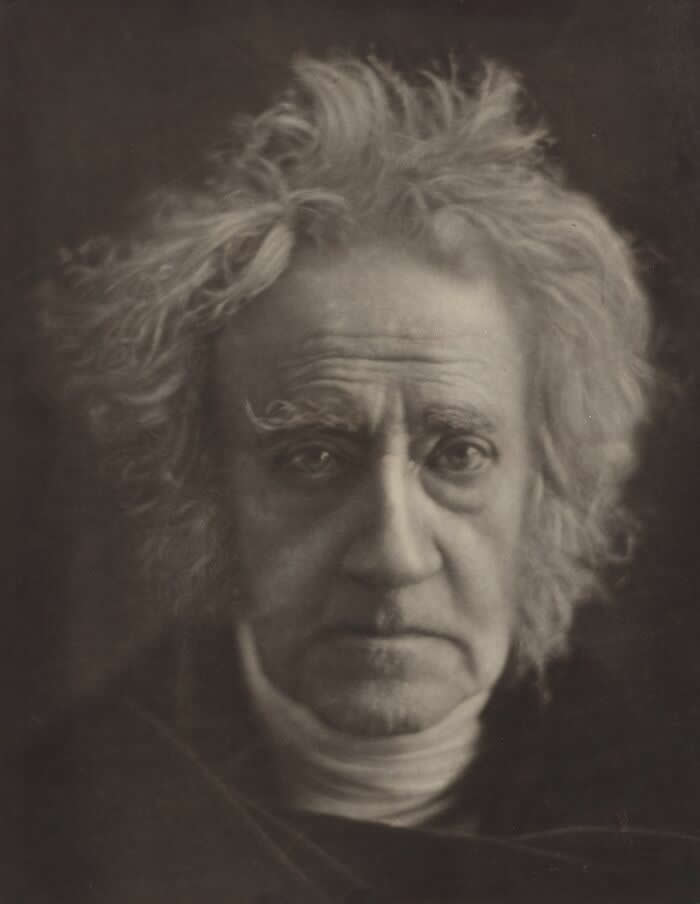
Photo by: Julia Margaret Cameron
#34. Cathedral Rock, 1861
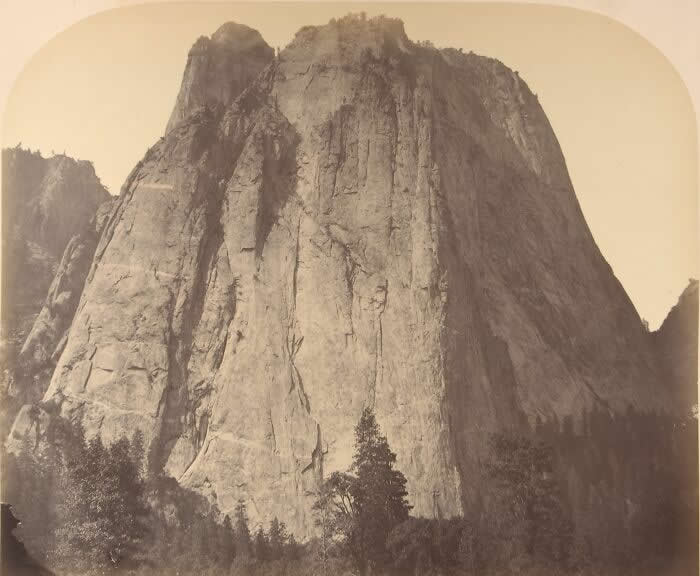
Photo by: Carleton Watkins
#35. Kitchen Of The 8th Hussar Unit, Russia, 1855

Photo by: Roger Fenton
Frequently Asked Questions:
Why are 19th-century photographs considered historically valuable?
These photographs preserve authentic moments from everyday life during the 1800s. They document clothing, architecture, occupations, transportation, traditions, and social customs, giving historians and readers a genuine look at how ordinary people lived beyond famous historical events.
What do these rare historical photos reveal about daily life?
They showcase ordinary routines like working, shopping, farming, traveling, celebrating, and family gatherings. These visual records highlight the similarities and differences between modern life and the lives of people who lived over a century ago.
Why are most 19th-century photos black and white?
Photography technology during the 19th century couldn’t capture color as we know it today. Most surviving images were produced using monochrome processes, which emphasized light, contrast, texture, and remarkable photographic detail for their time.
How were everyday people photographed in the 1800s?
Early photography required long exposure times, so subjects often remained still while posing. Photographers captured workers, families, merchants, children, and communities, creating priceless visual records of ordinary life that are now historical treasures.
What makes rare 19th-century photos so fascinating today?
They offer an unfiltered glimpse into real people and genuine moments rather than staged historical scenes. Every photograph connects modern viewers with forgotten lives, reminding us that everyday experiences have always been an important part of human history.