
Minimalism in photography isn’t just about using less; it’s about noticing more. It’s the instant a blank wall feels like art, a shadow takes center stage, or a splash of color steals the whole show. These 30 minimalist photos stand out because they focus on the basics: sharp lines, strong colors, and the right human touch at just the right moment. It’s street photography, simplified and stripped to its most honest form.
You’ll see how geometry takes over windows forming patterns, poles slicing through space, staircases twisting into perfect shapes. Color jumps in next, bright and bold reds, yellows, blues; never thrown in, always chosen on purpose. And the way things are arranged? That’s what pulls it all together. Every detail feels intentional, whether it’s a fleeting shadow or a cat walking overhead.
What really makes these photos pop is the photographer’s eye. They didn’t just pass by; they stopped, took it in, framed the moment, and waited for the magic to happen. Maybe it’s sunlight cutting across a wall or someone stepping into the right patch of shade, but these shots show there’s beauty hiding in everyday streets.
If you’ve ever thought minimalist photography was just “easy,” think again. Sure, it’s clean, but it’s also thoughtful, precise, and surprisingly powerful when it’s done well.
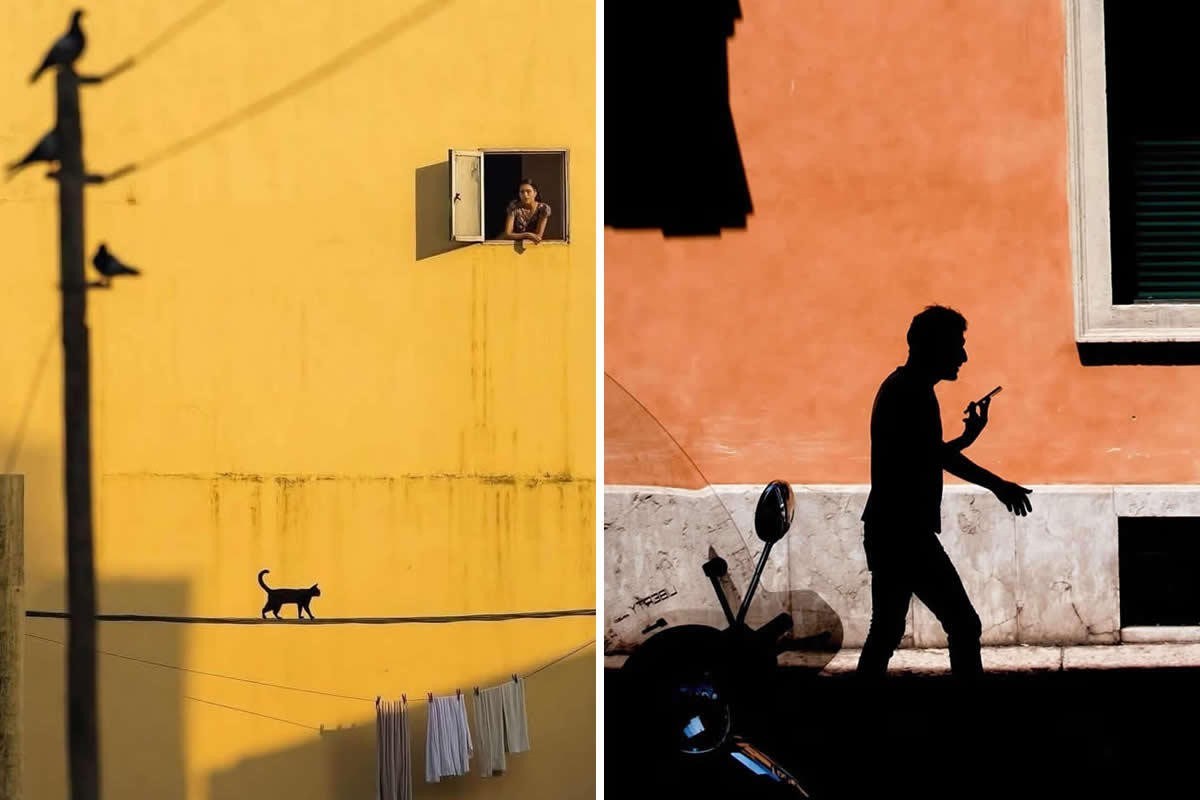
1. Between Color and Silence
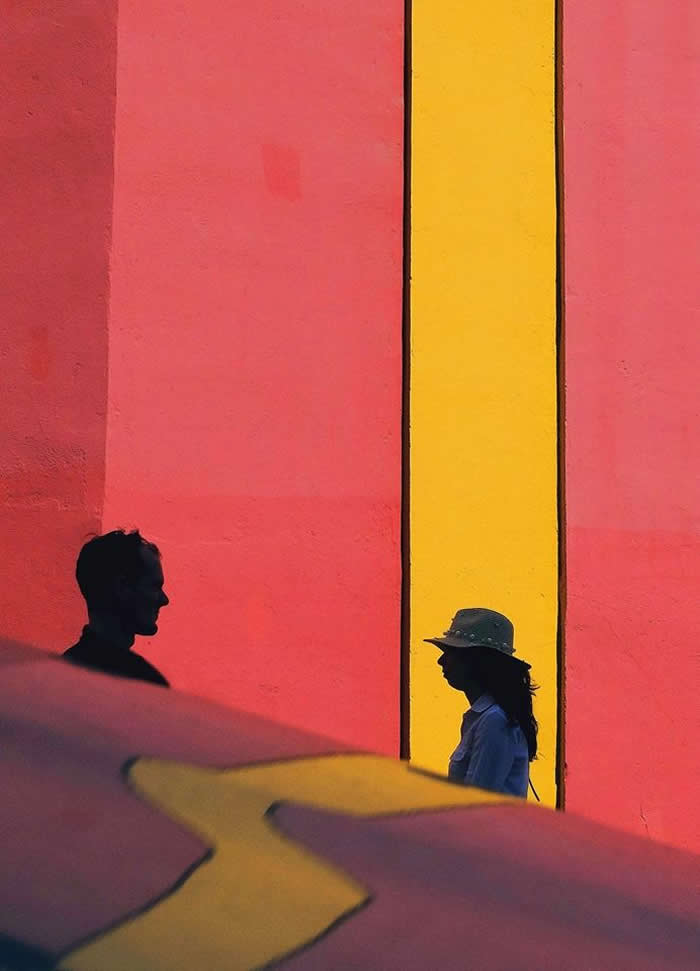
Photo by: Antonio E. Ojeda
2. Lines of Stillness and Life
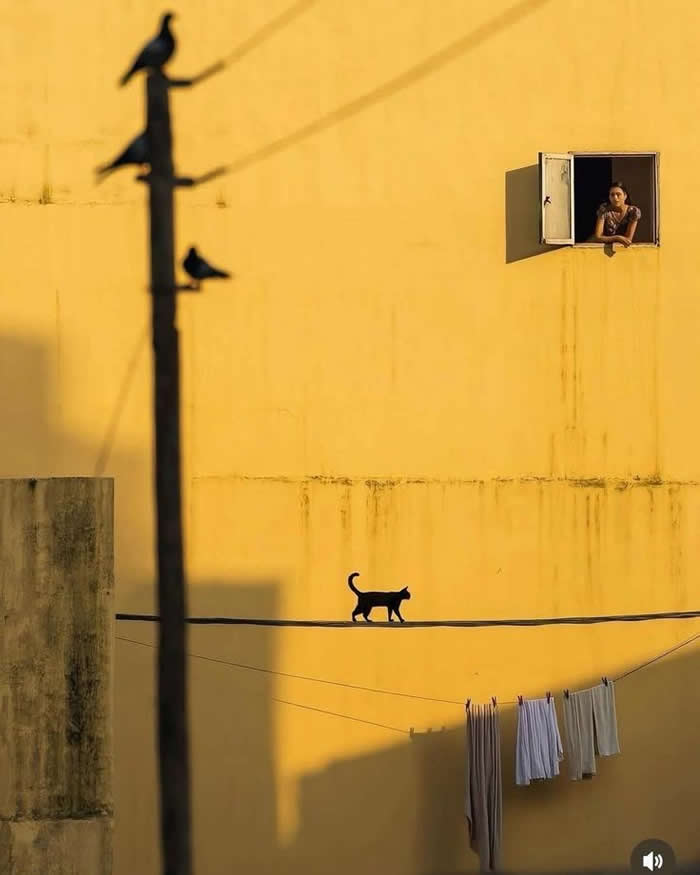
Photo by: turker.alagozayaylasi
3. A Shadow That Bends the Silence
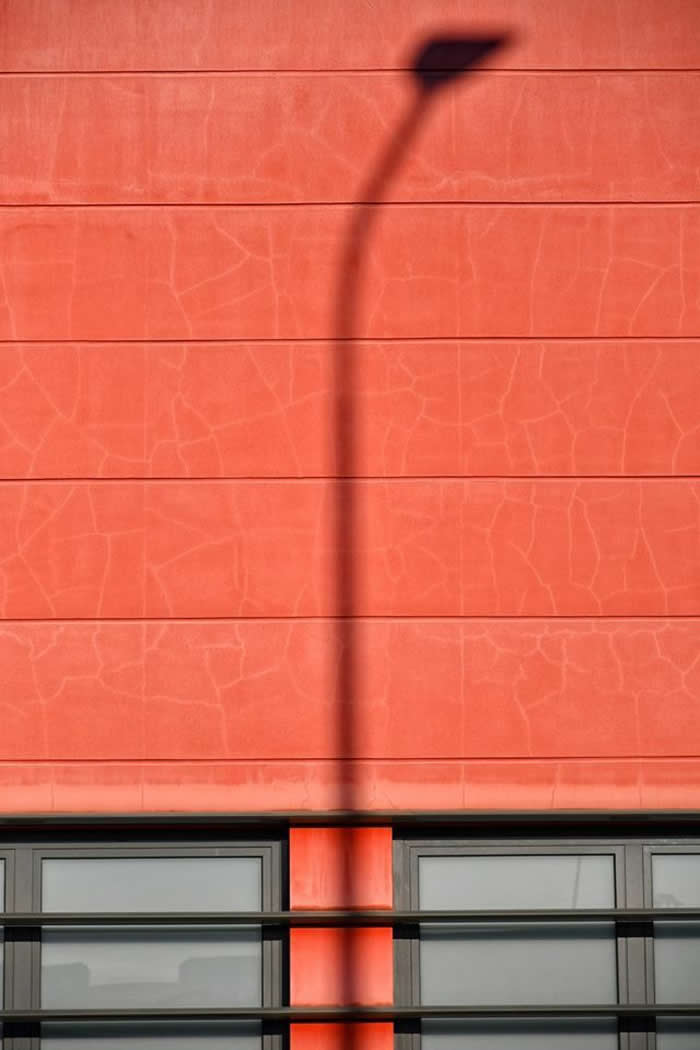
Photo by: Alina Migliori
4. Stillness by the Window
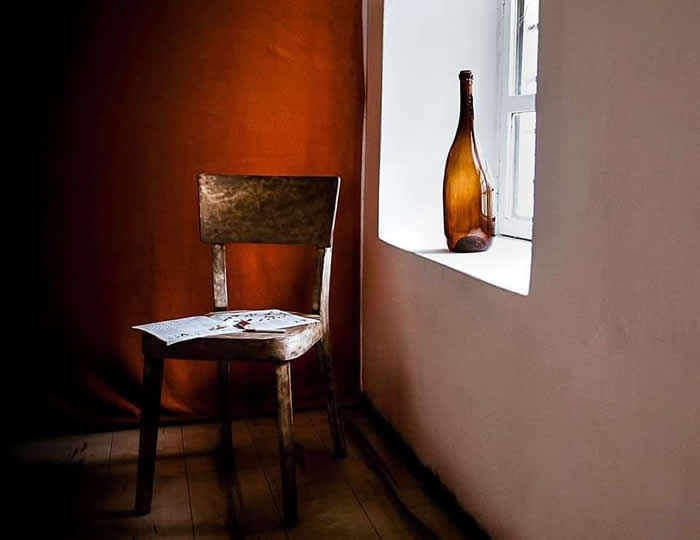
Photo by: Luisa Navalesi
5. Layers of Quiet Symmetry
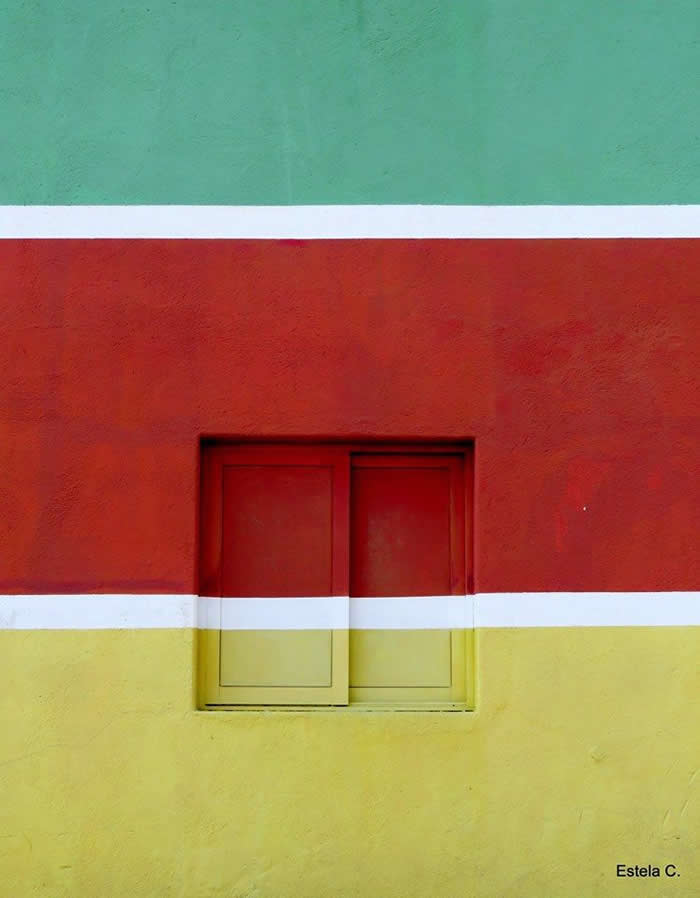
Photo by: Estela Canaveira
See Geometry in Everyday Spaces
Minimalist photography begins with seeing the shapes that surround us every day. Walk down the street and you’ll find geometry everywhere, from the edges of buildings to the lines of staircases and lampposts. These everyday forms can create striking compositions if you focus on them. Try to simplify your view and pick out those shapes to build your shot.
- Look for repeating patterns in buildings and architecture.
- Use lines (horizontal, vertical, diagonal) to guide the viewer’s eye.
- Frame subjects within shapes like doors or windows.
- Focus on symmetry or intentional imbalance.
- Eliminate distractions to let geometry stand out.
6. Crossing the Edge of Light
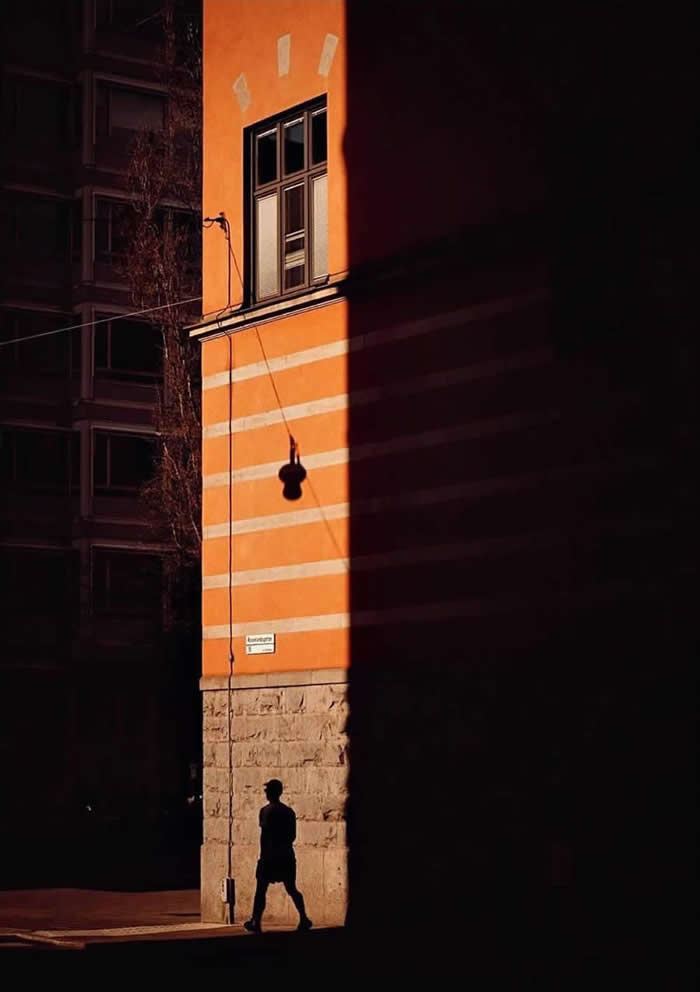
Photo by: @fredrik.axling
7. A Pause in Red
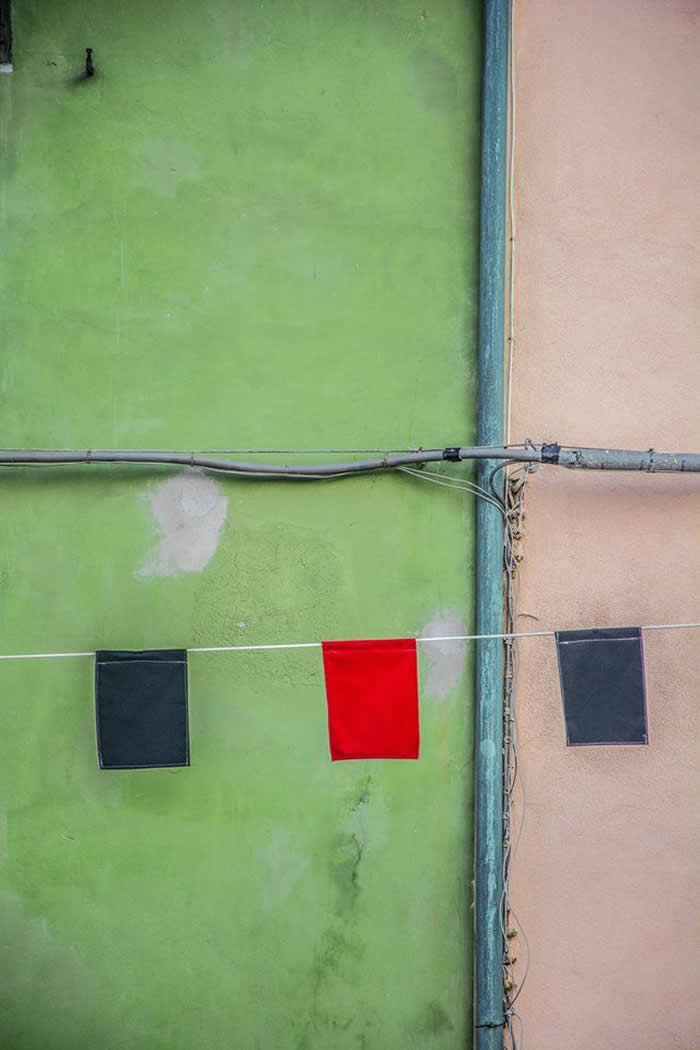
Photo by: Fabio Salvi
8. Lost in Light and Time
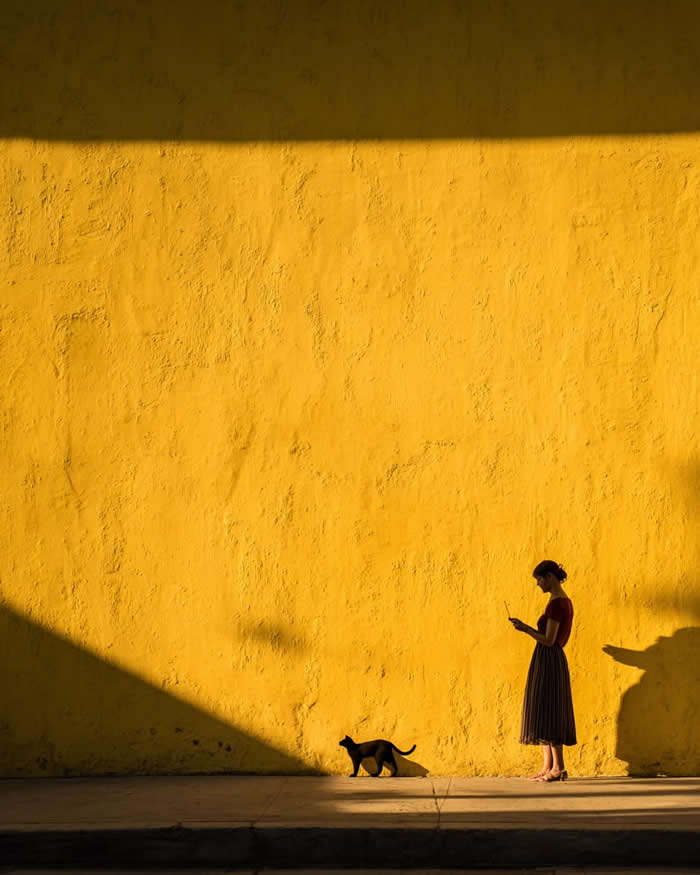
Photo by: turker.alagozayaylasi
9. Walking Through Color
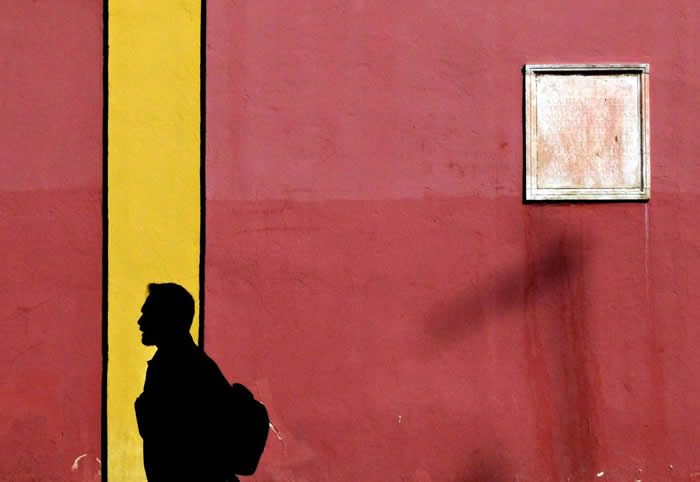
Photo by: Antonio E. Ojeda
10. Edges of Fire and Sky
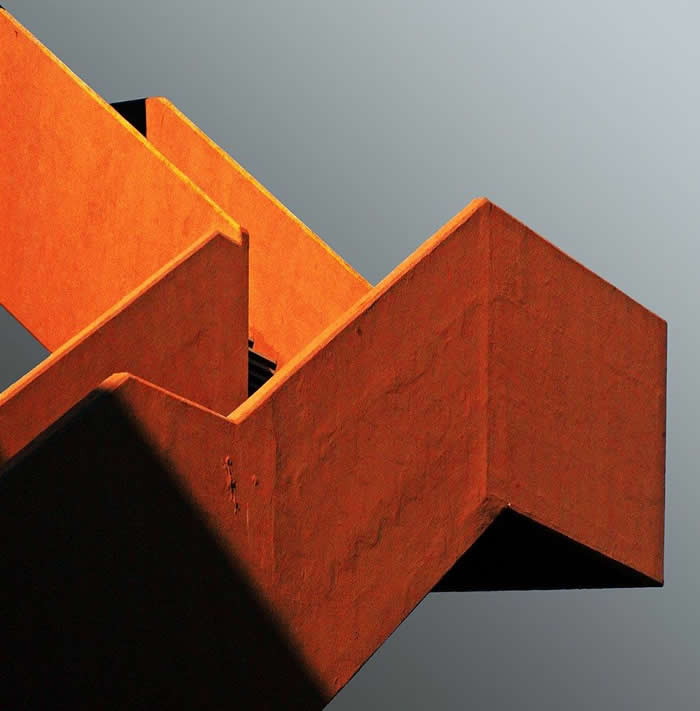
Photo by: Maria Luisa Corapi
Use Bold Colors Like a Pro
In minimalist photography, color isn’t just something in the background; it’s often the star of the image. Bold shades like red, yellow, or blue can make a photo pop, especially when the rest of the composition is kept simple. Aim for a balance of contrast and harmony to make your colors stand out.
- Shoot against solid-colored walls for clean backgrounds.
- Combine contrasting colors for visual punch.
- Limit your color palette to 2–3 tones max.
- Use color blocks to divide the frame.
- Let one dominant color carry the mood.
11. Where Angles Breathe
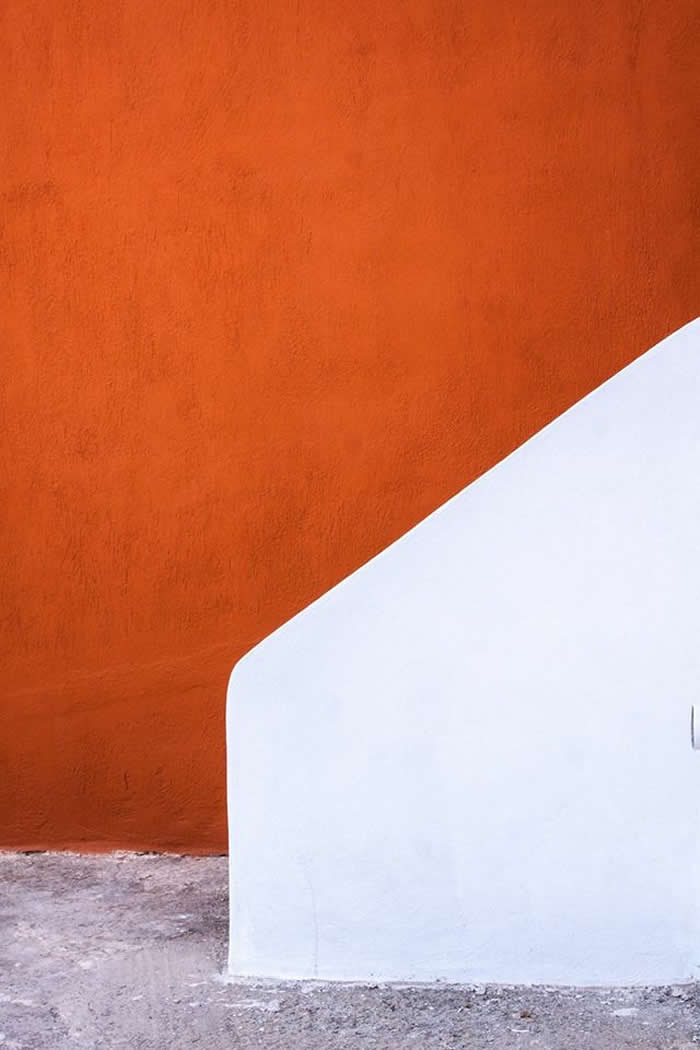
Photo by: Barbara Stoia
12. A Corridor of Quiet Turns
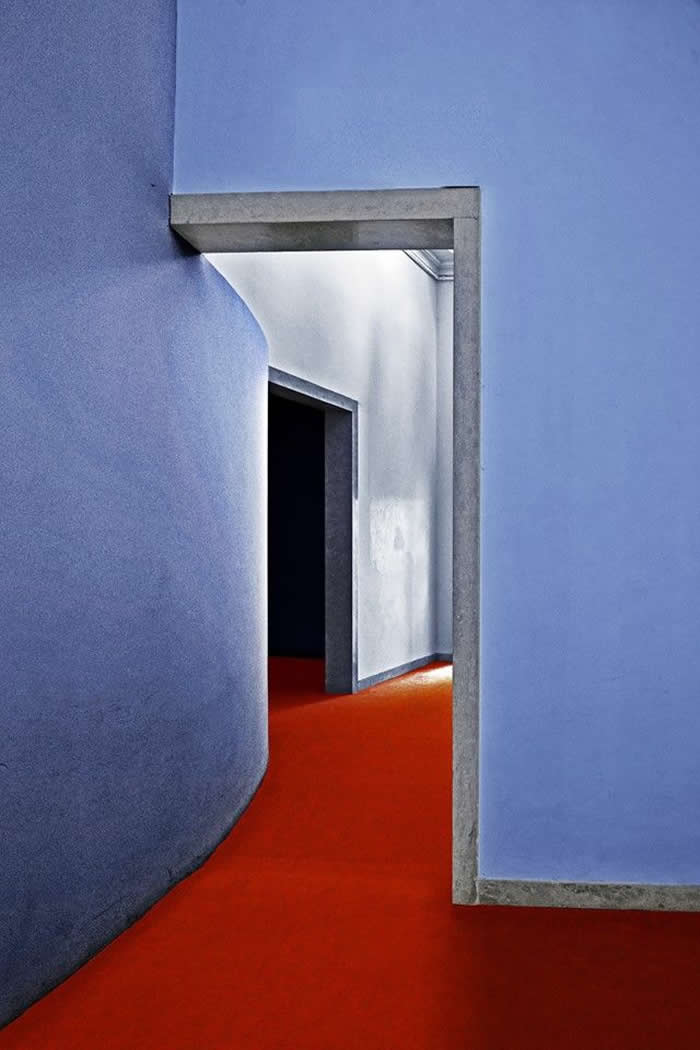
Photo by: Maria Luisa Corapi
13. Steps Beneath a Silent Window
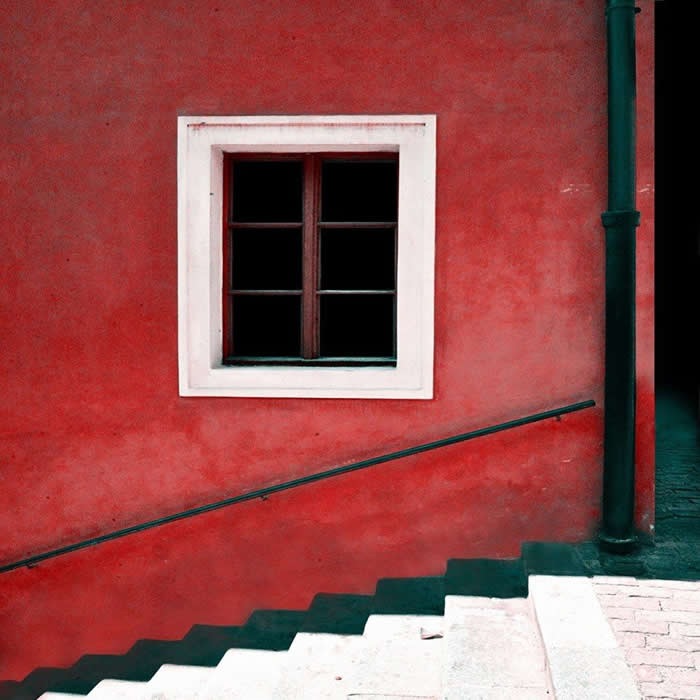
Photo by: Maria Luisa Corapi
14. Into the Geometry of Light
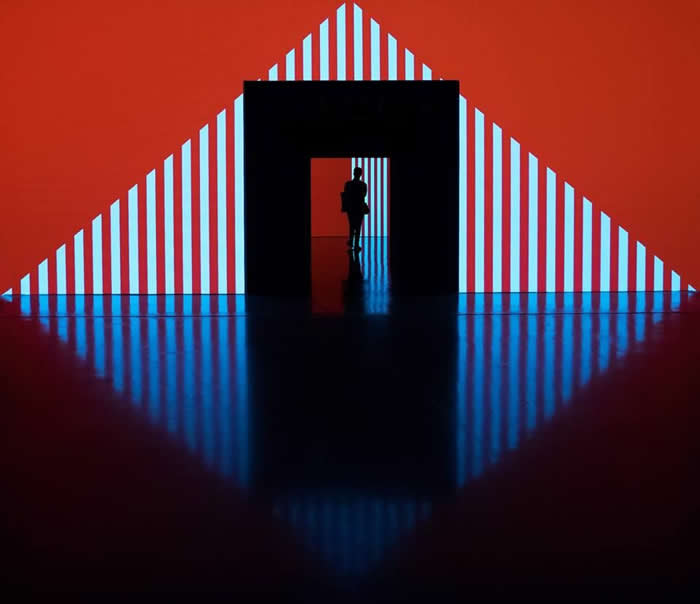
Photo by: Federico Leffe
15. Where Walls Meet the Sky
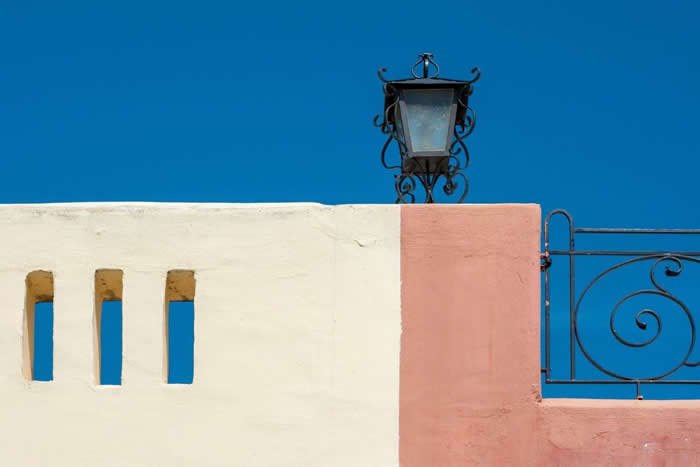
Photo by: Tamás Vörös
Master Light and Shadow Play
Playing with light and shadow can turn an ordinary scene into something dramatic. The way sunlight hits a wall can change everything, adding depth and mood to your shot. Shadows can help tell a story, all without needing any extra props.
- Shoot during golden hour for softer shadows.
- Use harsh midday light for strong geometric shadows.
- Capture silhouettes for mystery and simplicity.
- Let shadows create patterns and shapes.
- Wait for the light to align perfectly with your scene.
16. Chairs in Quiet Conversation
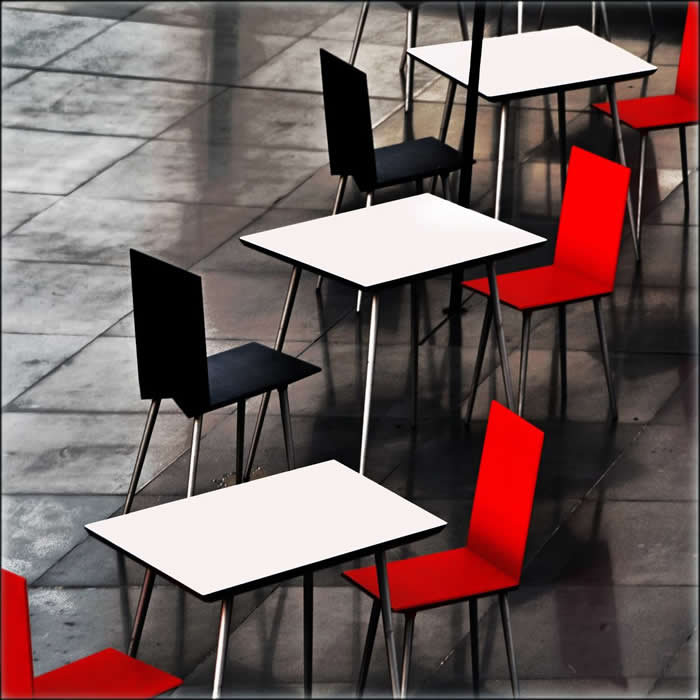
Photo by: Maria Luisa Corapi
17. Where Shadows Take Root
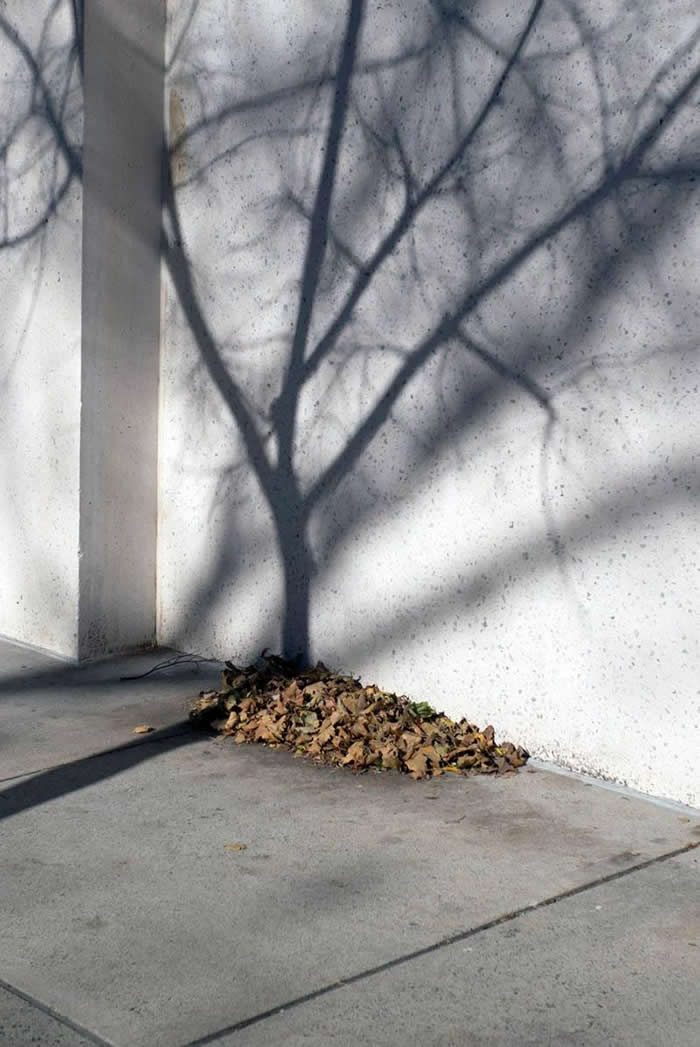
Photo by: Eric Kogan
18. A Breath Above the City
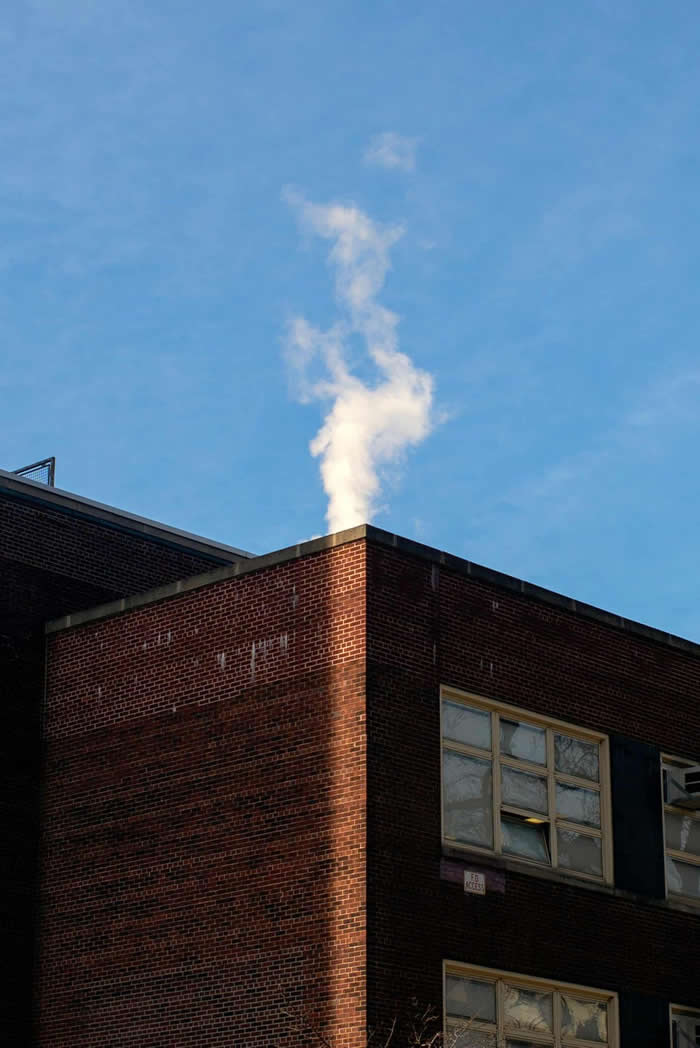
Photo by: Eric Kogan
19. Walking the Edge of Light
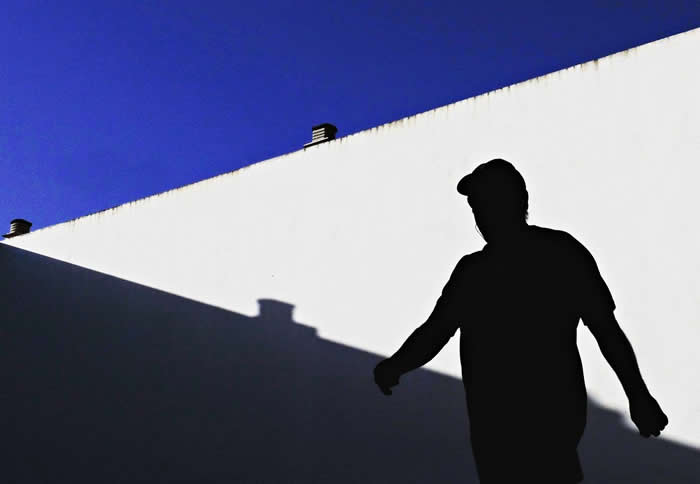
Photo by: Antonio E. Ojeda
20. Rhythm in Color and Form
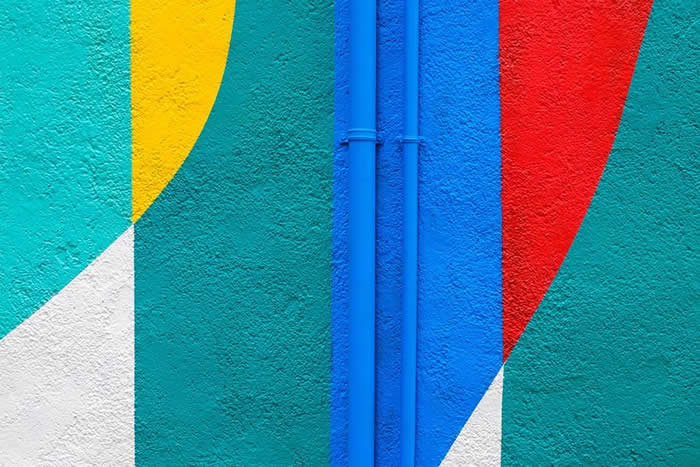
Photo by: Josep Garriga
Add Human Elements with Purpose
Adding a single person to your composition can turn a simple scene into something memorable. Where you place them and when you capture the moment is important. Whether it’s a silhouette, someone walking, or a quiet pose, these choices make a big difference in a minimalist photo.
- Use silhouettes to keep things clean and dramatic.
- Position subjects along lines or intersections.
- Capture candid moments instead of posed shots.
- Maintain a distance to keep the composition minimal.
- Use people as a scale against large structures.
21. Symmetry in Warm Tones
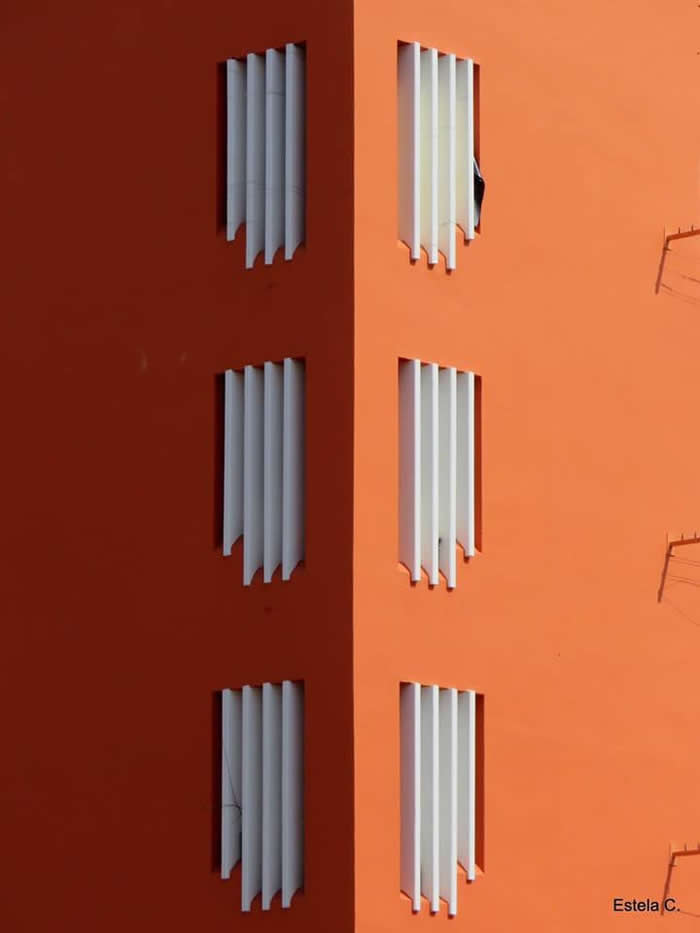
Photo by: Estela Canaveira
22. A Line Across Stillness
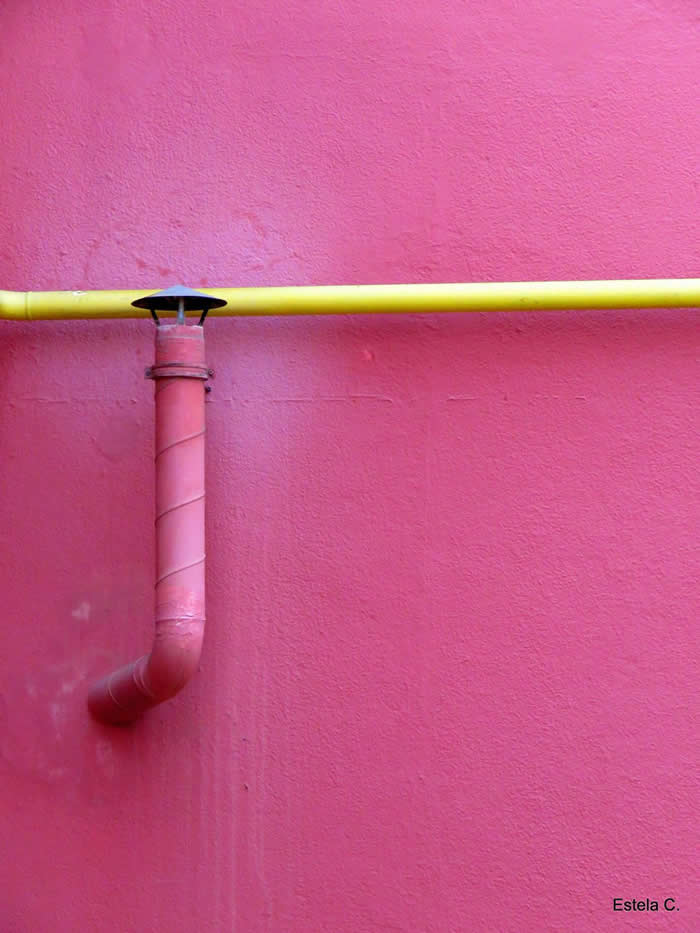
Photo by: Estela Canaveira
23. Spiraling Into Infinity
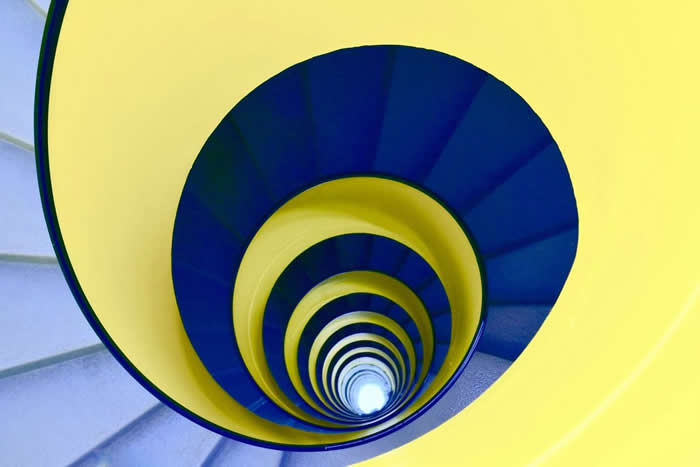
Photo by: Yves Assouline
24. Two Paths in the Same Light
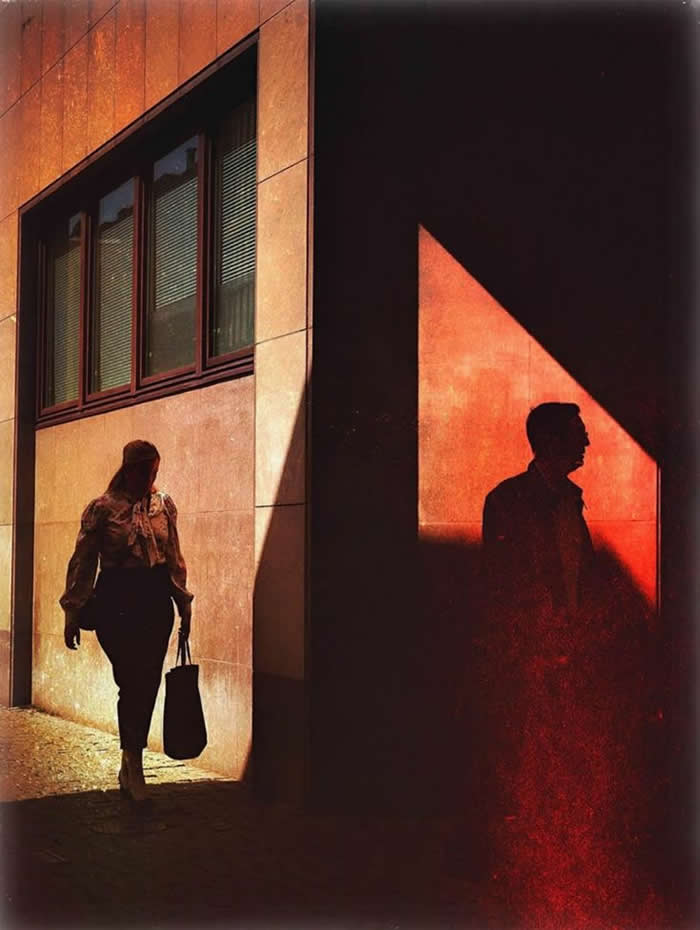
Photo by: Fredrik Axling
25. Midstep in Silence
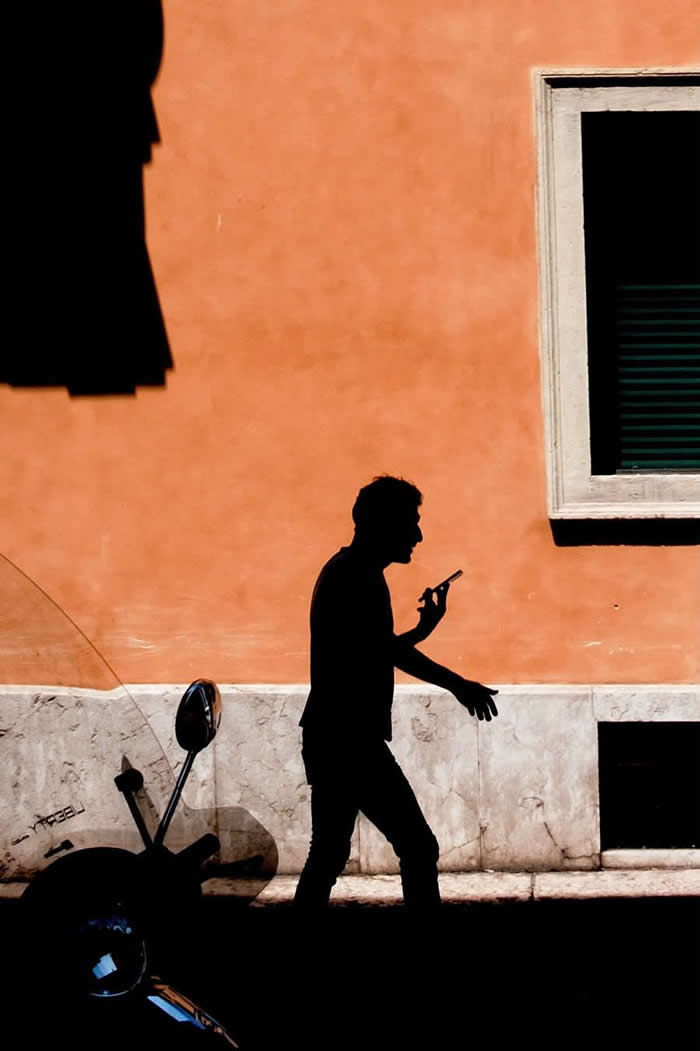
Photo by: Josep Fabrega Agea
Compose with Intention, Not Chance
Minimalist photography might look easy, but every detail counts. Each part of the frame needs to serve a purpose. Careful composition is what transforms a casual snap into a photo that really grabs attention.
- Follow the rule of thirds or break it intentionally.
- Center your subject for symmetry and balance.
- Leave negative space to enhance simplicity.
- Align objects carefully within the frame.
- Be patient, wait for the perfect moment.
26. Directions Without Destination
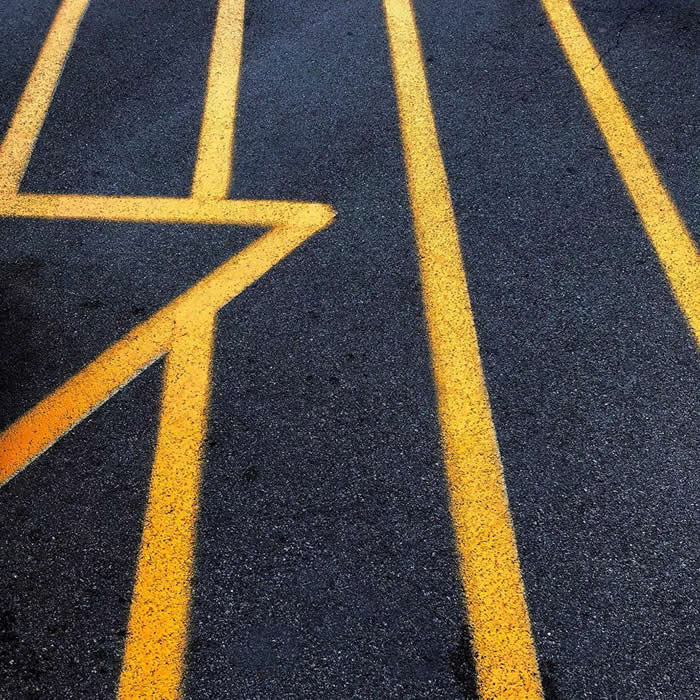
Photo by: Michael Alvis
27. Reaching Through Light
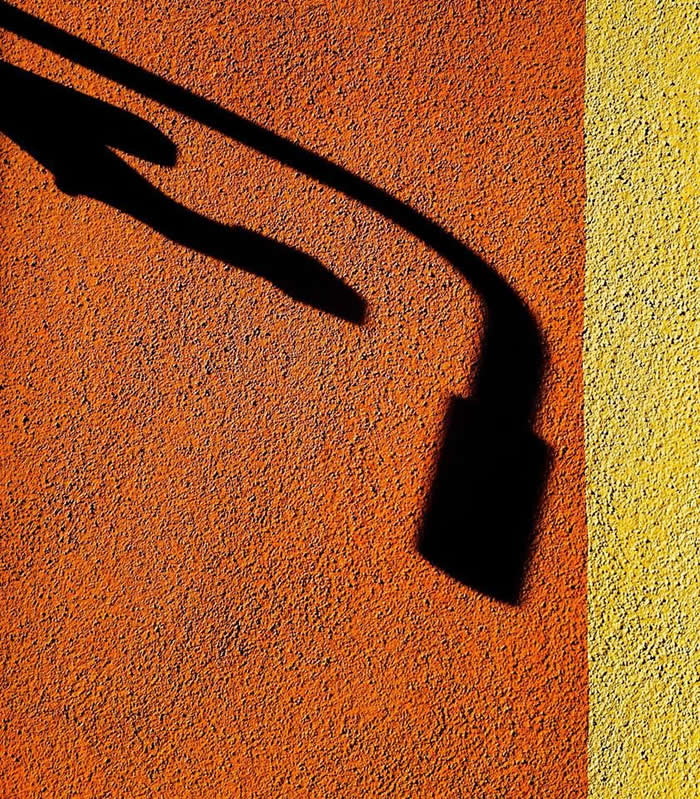
Photo by: Valeria EGraziano
28. Where Light Draws Lines
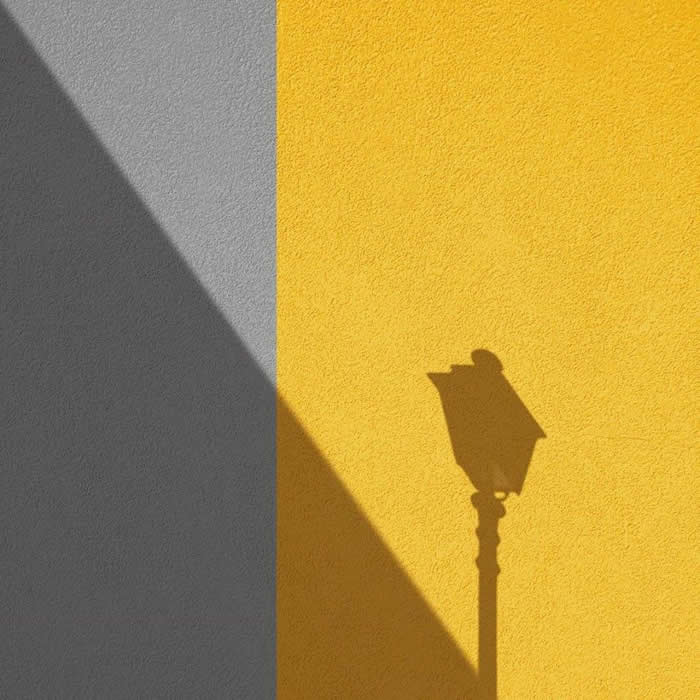
Photo by: Stefano Cirillo
29. A Shape Suspended in Silence
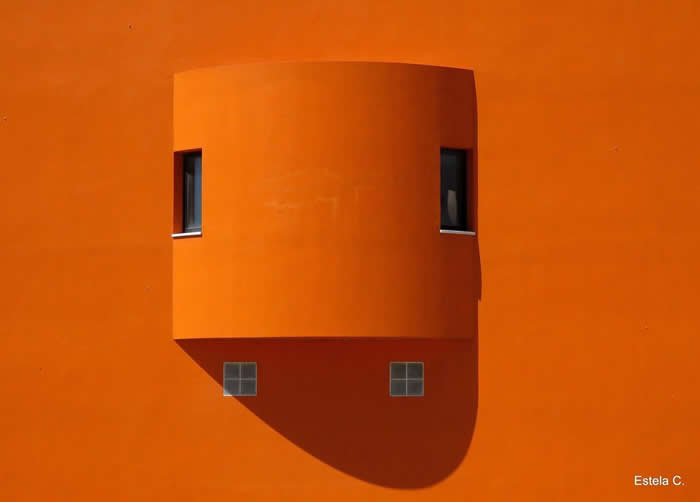
Photo by: Estela Canaveira
30. Blocks of Silence
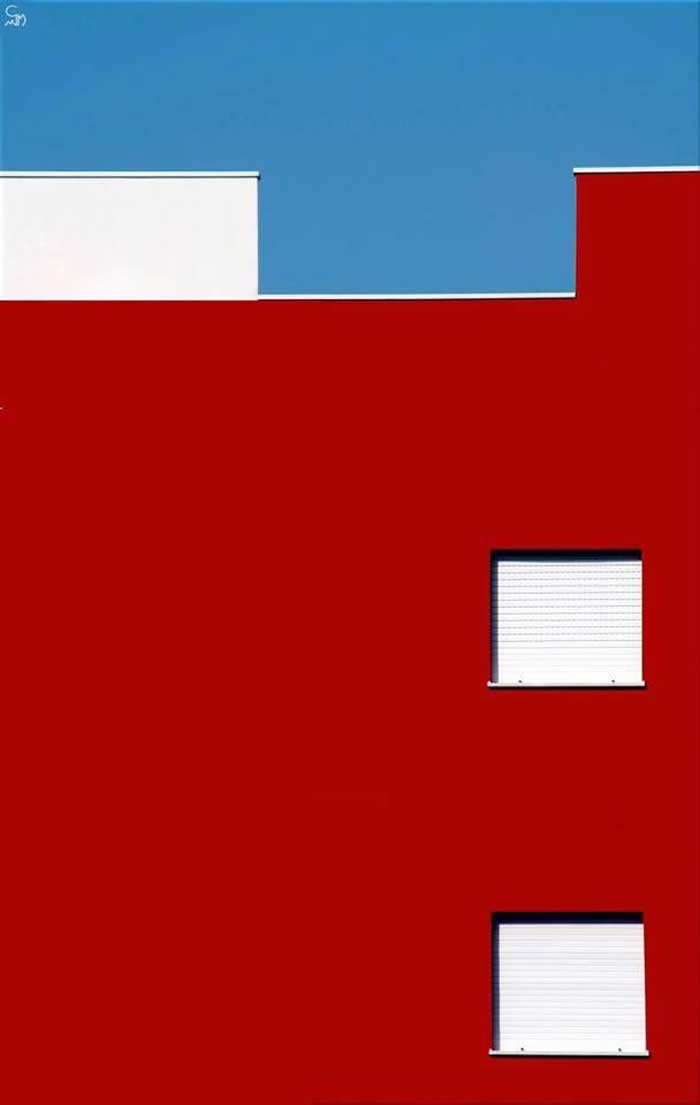
Photo by: Giuseppe Mastrosimone
FAQs:
What is minimalist photography?
Minimalist photography focuses on simplicity by reducing elements in a frame to highlight subject, composition, and meaning. It often uses negative space, clean lines, and limited colors to create visually striking and emotionally engaging images.
How do you use geometry in photography?
Geometry is used by identifying shapes, patterns, and lines in everyday scenes. Photographers align these elements thoughtfully within the frame to guide the viewer’s eye and create balance, symmetry, or intentional tension in the composition.
Why are bold colors important in minimalist photos?
Bold colors create visual impact and help define the subject in minimalist photography. Since fewer elements are present, strong colors add emotion, contrast, and focus, making the image more engaging and easier to interpret.
How can shadows improve composition?
Shadows add depth, texture, and shape to a scene. They can transform ordinary subjects into abstract compositions, create leading lines, and enhance contrast, making minimalist photos more dynamic and visually compelling.
What makes a good minimalist street photo?
A good minimalist street photo combines strong composition, clean backgrounds, and meaningful subjects. It often includes geometry, bold colors, or silhouettes, captured with precise timing and observation to tell a story with minimal elements.