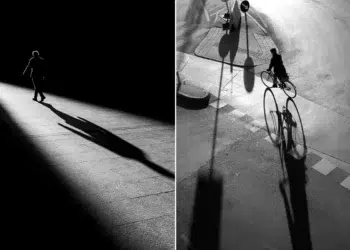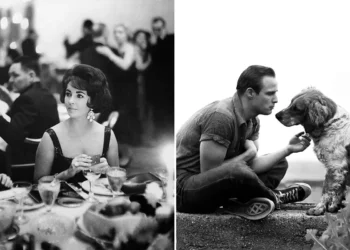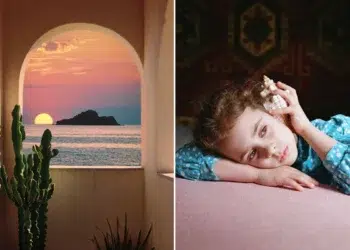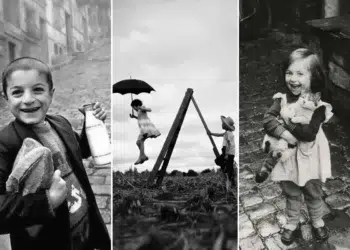

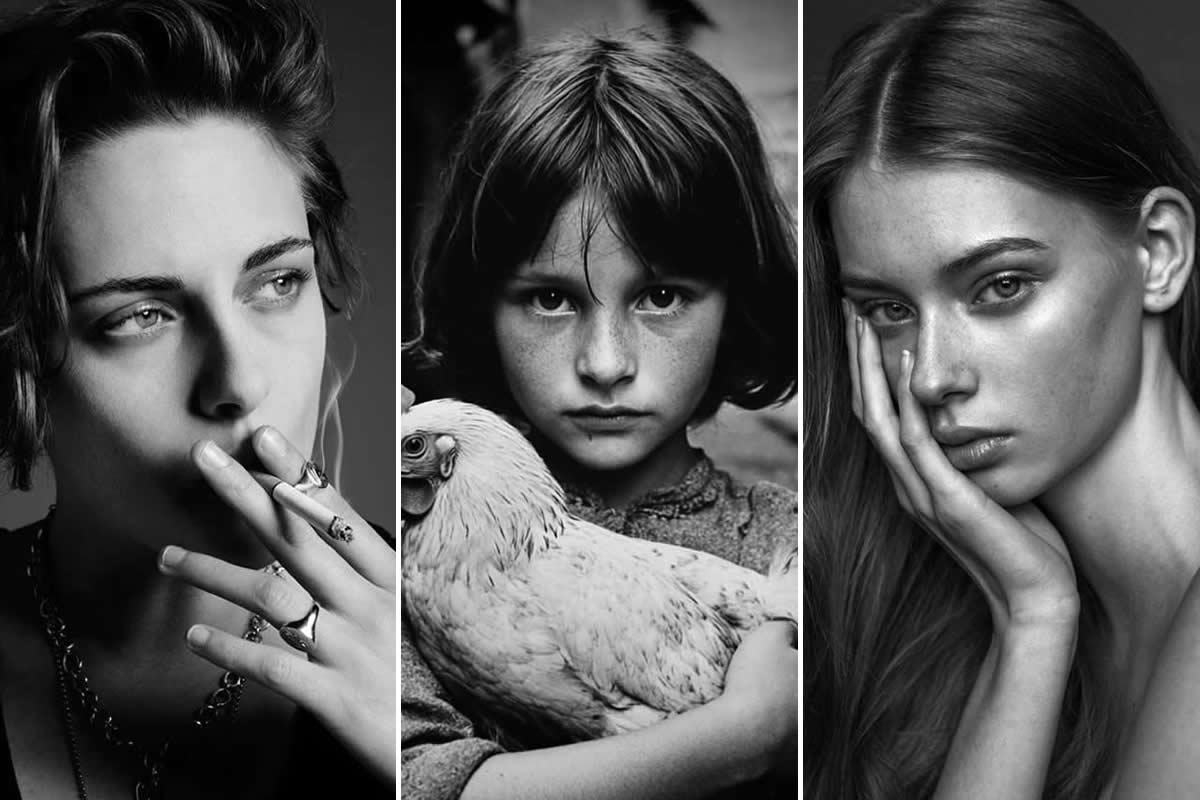
There’s something wildly powerful about black and white portraiture. Strip away the noise of color, and suddenly every wrinkle, shadow, stare, and tiny human emotion hits differently. A soulful black-and-white portrait doesn’t just show a face; it tells a story. It feels poetic, raw, cinematic, and deeply personal all at once. That’s why some of the greatest portrait photographers in history leaned hard into monochrome. They knew emotion lives in contrast, texture, light, and timing.
The beauty of mastering black-and-white portraiture is that it forces you to see differently. You stop chasing flashy colors and start paying attention to mood, composition, expressions, and the tiny details hidden inside the frame. A single beam of window light can transform an ordinary portrait into something unforgettable. A quiet glance can carry more emotion than a dramatic pose ever could.
These 32 soulful portraits are more than just beautiful images; they’re lessons in storytelling. Every frame teaches you how to use shadows, eyes, textures, framing, and human connection to create portraits that actually mean something. Whether you shoot with a DSLR, mirrorless camera, or even your phone, the secret isn’t expensive gear. It’s learning how to observe people and shape light with intention.
If you’ve ever wanted your portraits to feel timeless, emotional, and genuinely artistic, this collection is your masterclass in seeing like a pro.
#1
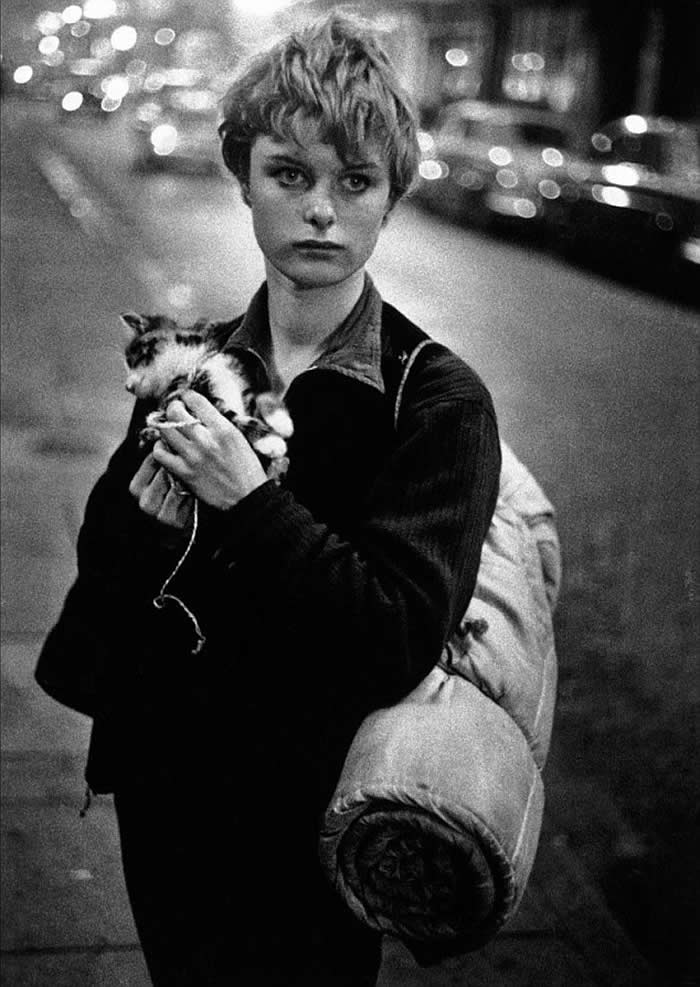
Photo by: Bruce Davidson
#2
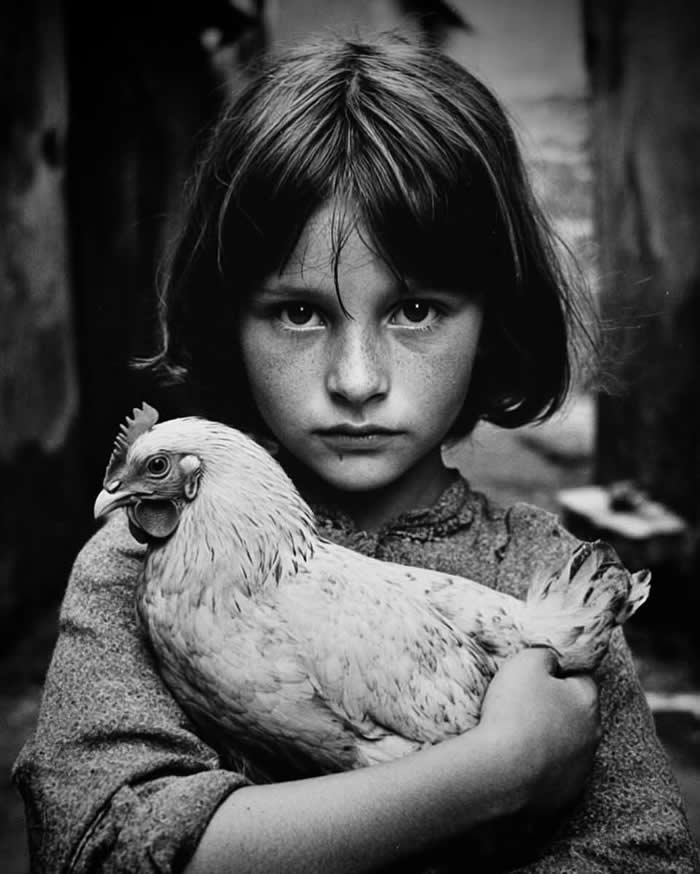
Photo by: Sherry
#3
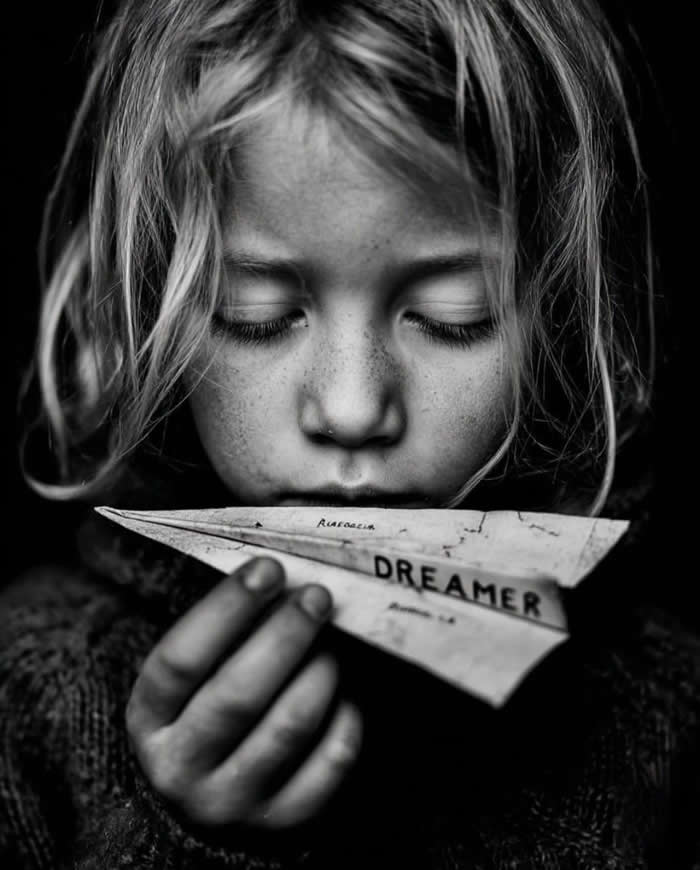
Photo by: Norhan
#4
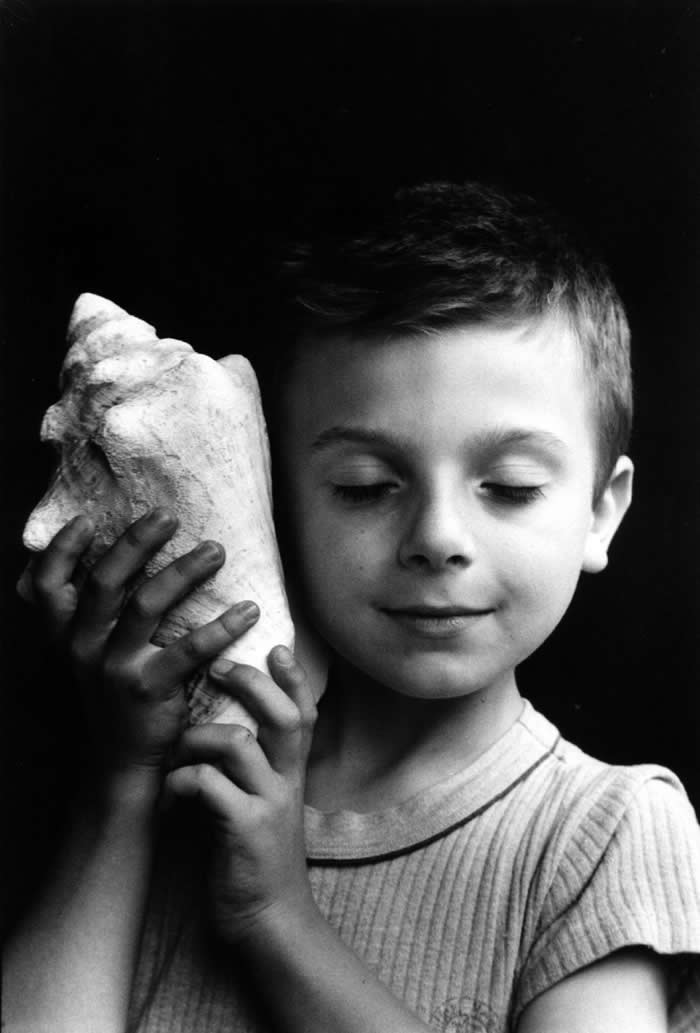
Photo by: Edouard Boubat
#5
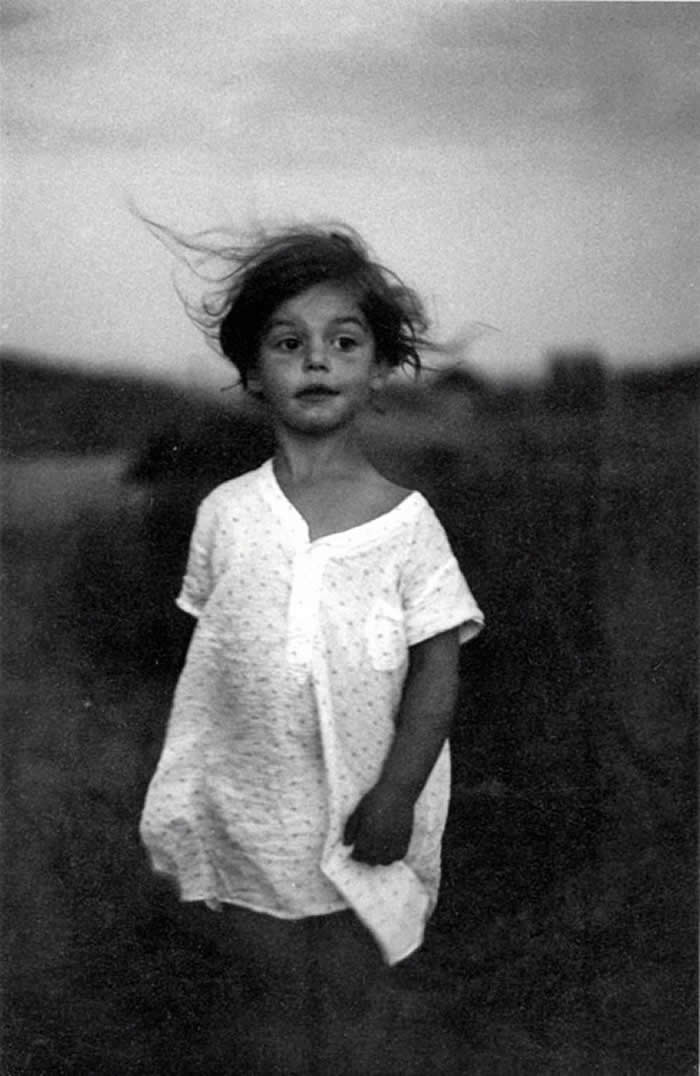
Photo by: Diane Arbus
Learn to Use Light Like a Storytelling Tool
Great black-and-white portraits are built on light. Without color, lighting becomes the emotional heartbeat of the image. Soft window light creates intimacy, while harsh shadows add mystery and drama. The trick is learning how light shapes a face and reveals emotion.
Instead of flooding your subject with brightness, embrace shadows and contrast. Moody lighting often creates the most poetic portraits by adding depth and tension. Watch how light falls on the eyes, cheeks, and the skin’s textures. Soulful portraiture isn’t about perfection — it’s about atmosphere and feeling.
- Use side lighting for dramatic depth.
- Shoot near windows for soft, natural light.
- Let shadows remain dark and moody.
- Avoid flat lighting whenever possible.
- Focus on catchlights inside the eyes.
#6
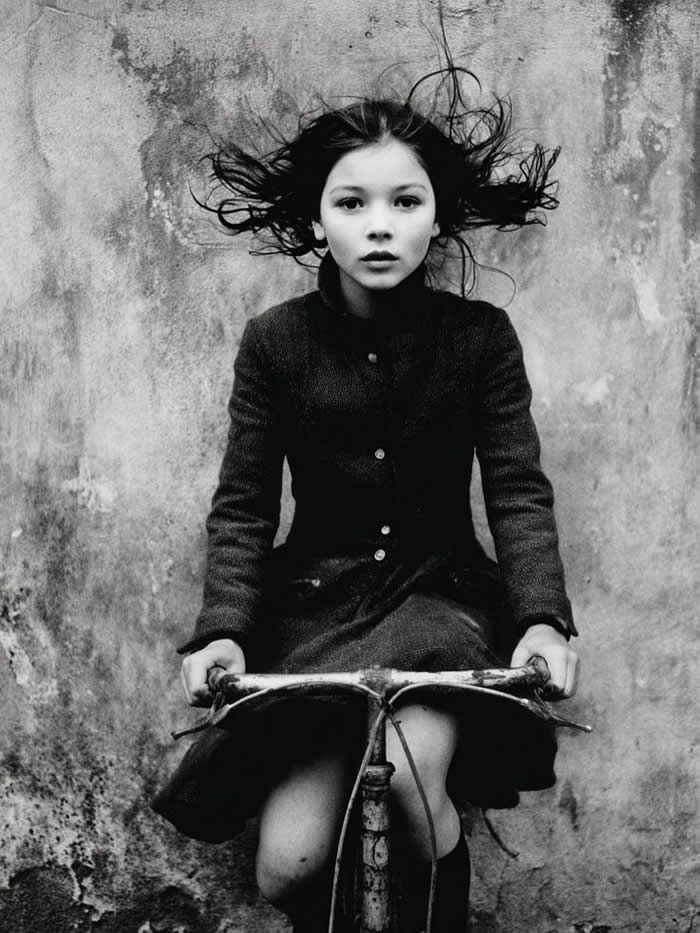
Photo by: Katarzyna Markowicz
#7
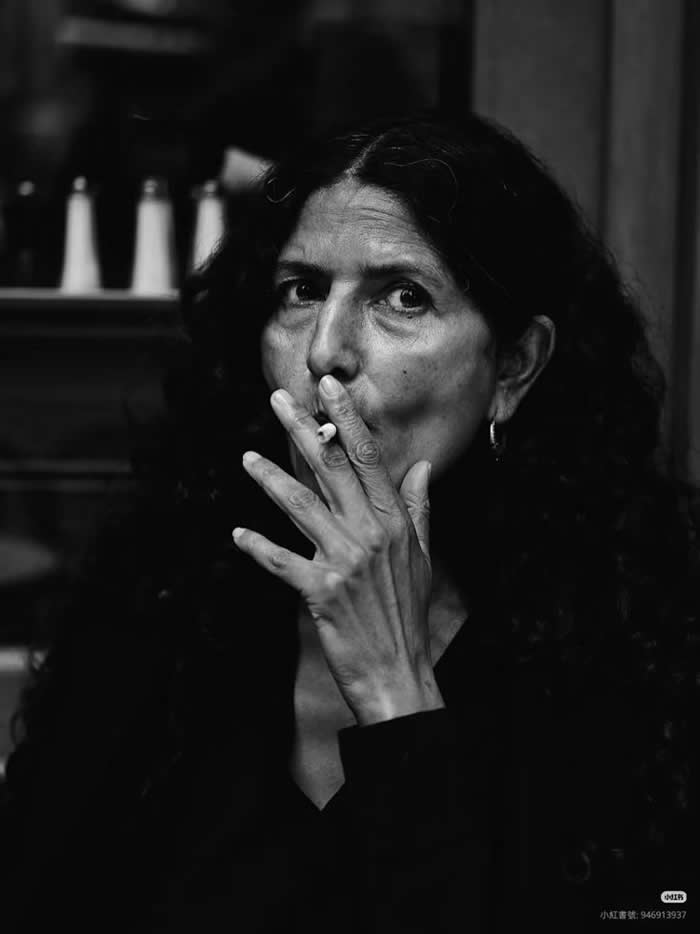
Photo by: Sonia Ichti
#8
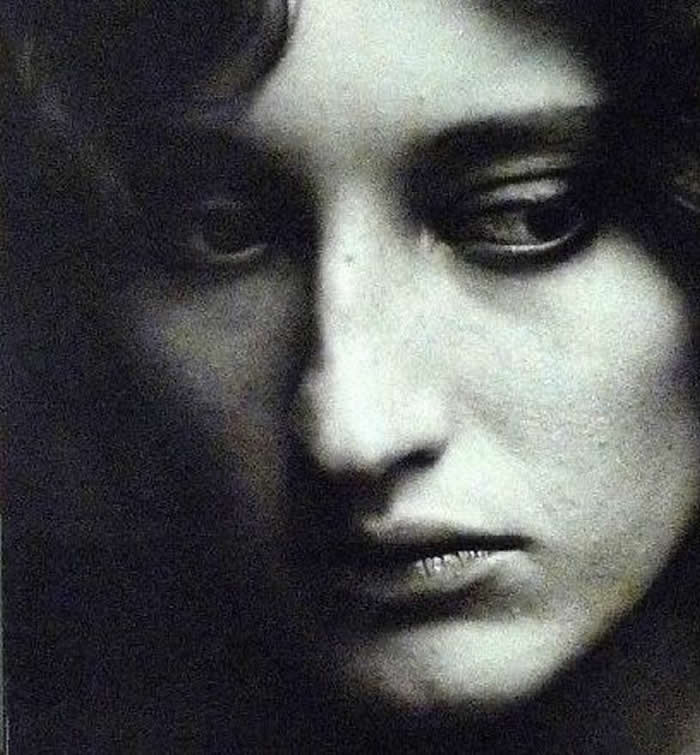
Photo by: Deborah Turbeville
#9
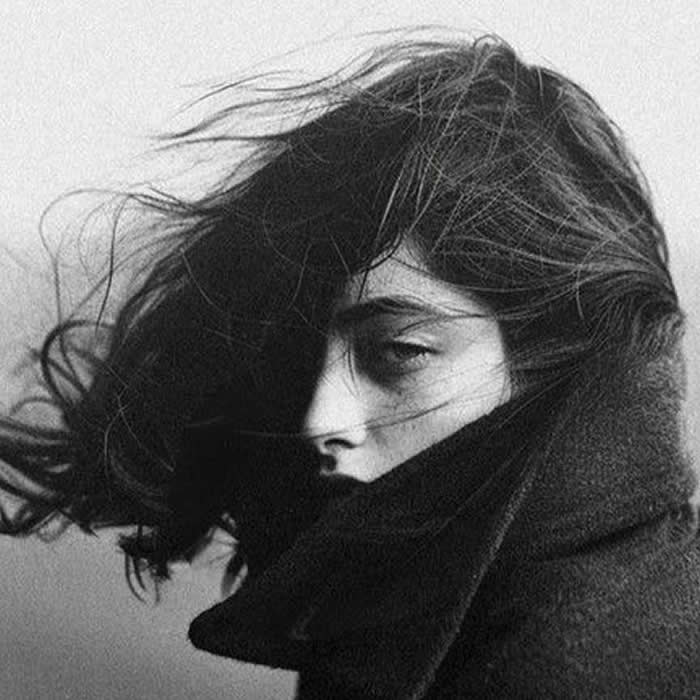
Photo by: Hannes Caspar
#10
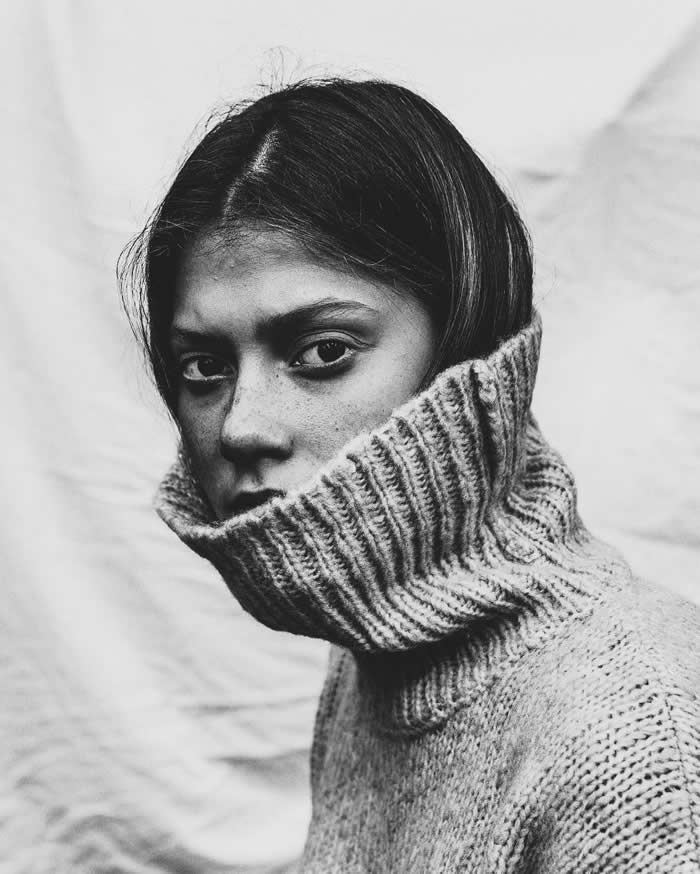
Photo by: Unknown
Capture Real Emotion Instead of Perfect Poses
The strongest portraits happen when people forget the camera exists. Soulful black-and-white portraits are emotional before they are technical. Instead of obsessing over perfect poses, focus on creating connection. Talk to your subject, make them comfortable, and wait for authentic moments to happen naturally.
Tiny expressions often carry the most emotional weight: a nervous smile, a distant stare, or thoughtful silence can completely transform a portrait. Great photographers don’t just photograph faces; they photograph feelings. The goal is to make viewers pause and wonder about the story behind the eyes.
- Encourage natural movement and conversation.
- Avoid stiff studio-style posing.
- Capture quiet in-between moments.
- Focus heavily on emotional eye contact.
- Shoot continuously during emotional reactions.
#11
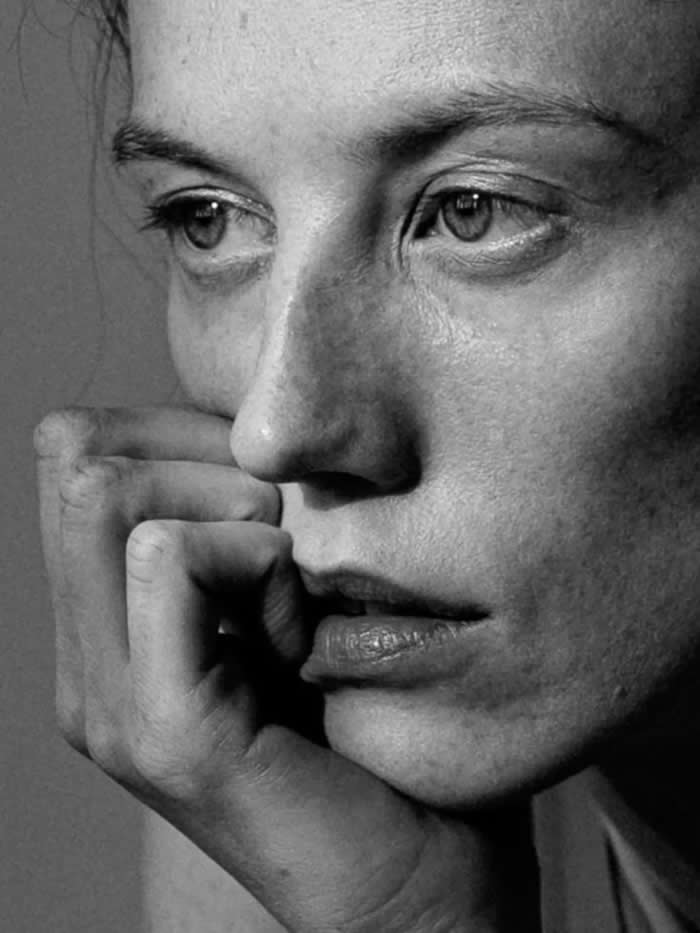
Photo by: Lia Lauder
#12
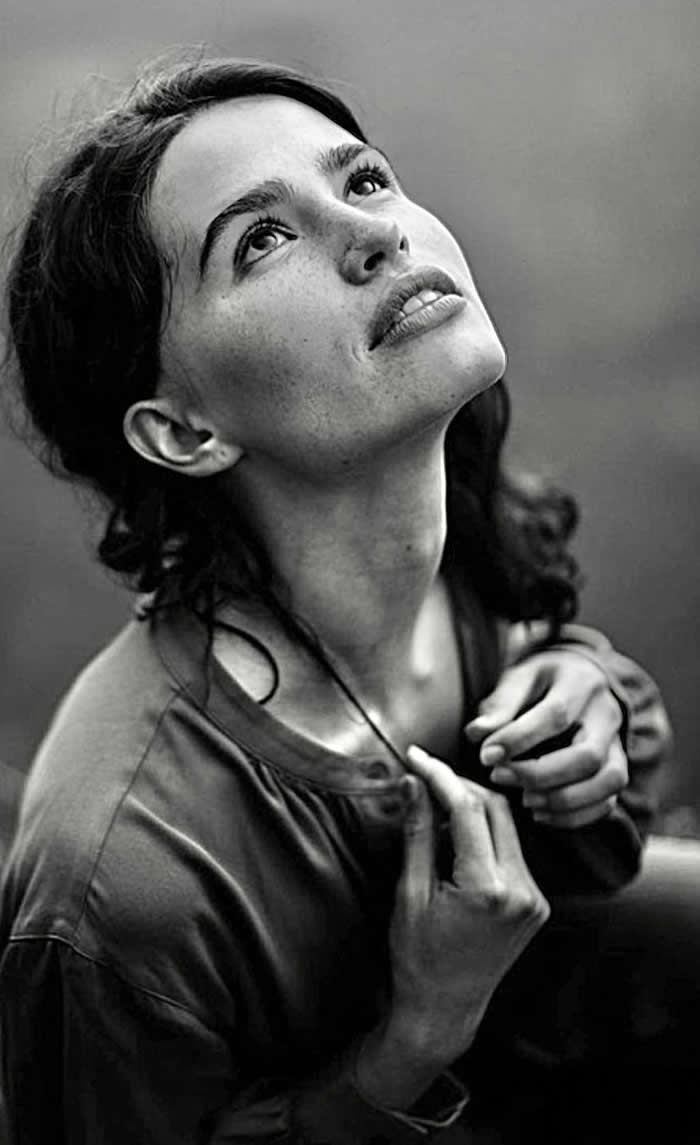
Photo by: Pablo
#13
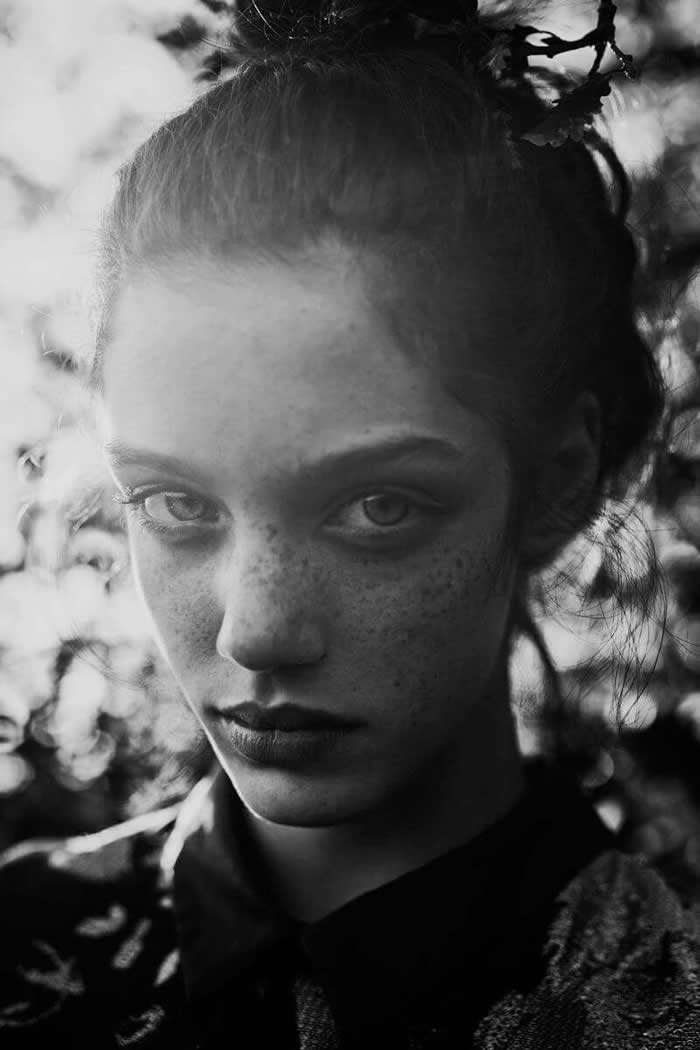
Photo by: Marta Bevacqua
#14
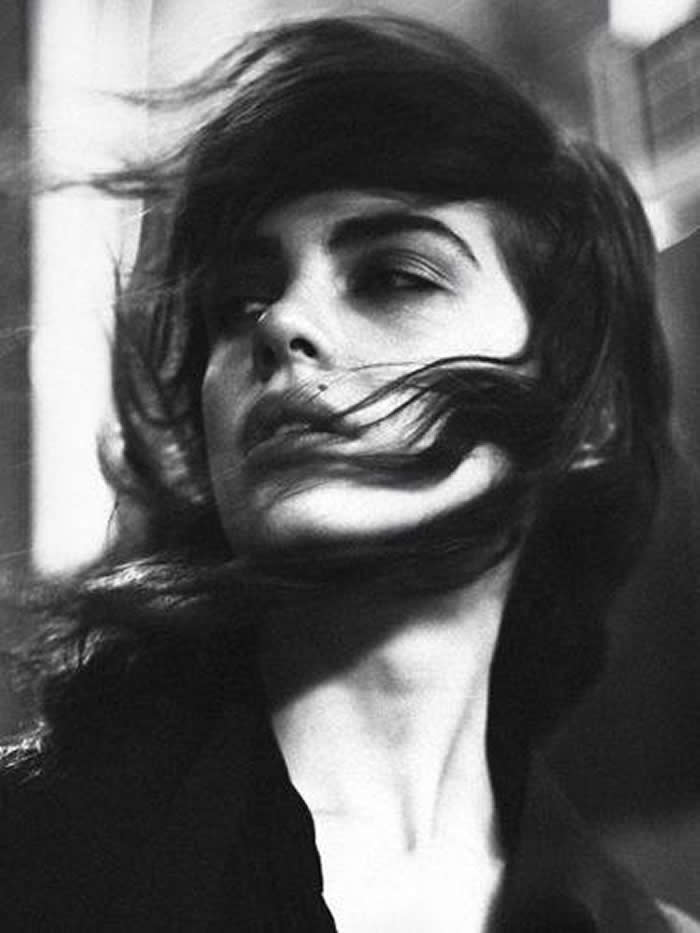
Photo by: Marco Javier
#15
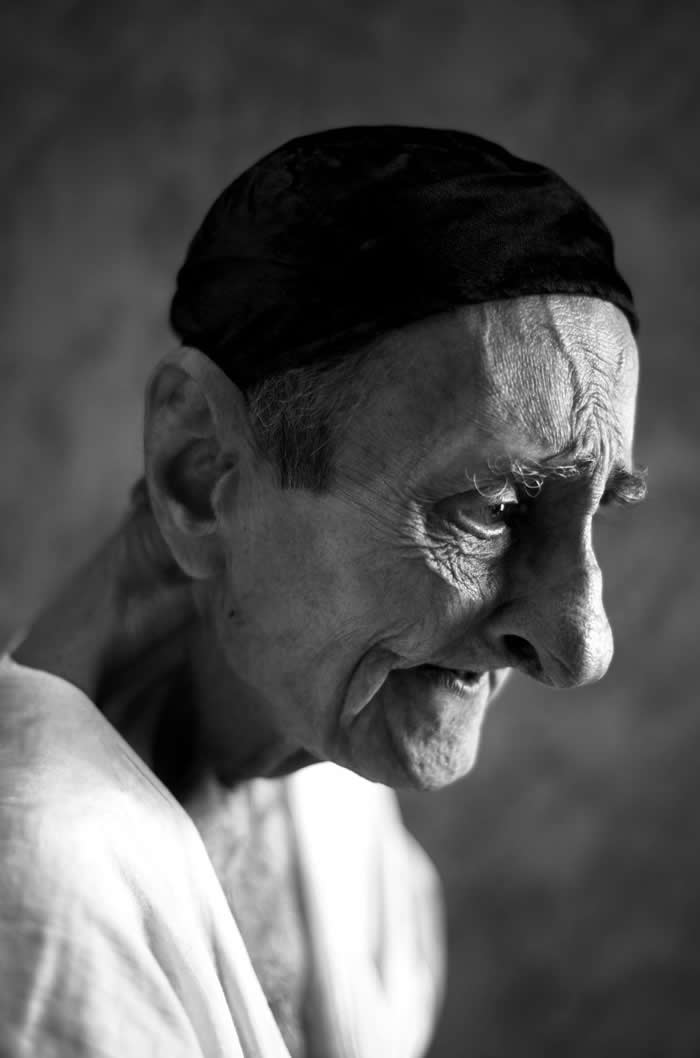
Photo by: Kurush M. Umrigar
Use Contrast and Texture to Add Depth
Black-and-white photography thrives on texture. Skin details, wrinkles, hair, fabric, rain, smoke, and rough backgrounds suddenly become visual gold in monochrome. Contrast helps separate your subject from the environment while adding cinematic intensity.
Deep blacks and bright highlights create mood and visual drama. Don’t be afraid of grain, imperfections, or rough textures; they often make portraits feel more human and authentic. A perfectly clean image can sometimes feel lifeless. Soulful portraits often feature textures that viewers can almost feel through the screen.
- Increase contrast carefully during editing.
- Look for textured walls or clothing.
- Embrace natural skin details and wrinkles.
- Shoot in dramatic weather conditions.
- Use shadows to create layered depth.
#16
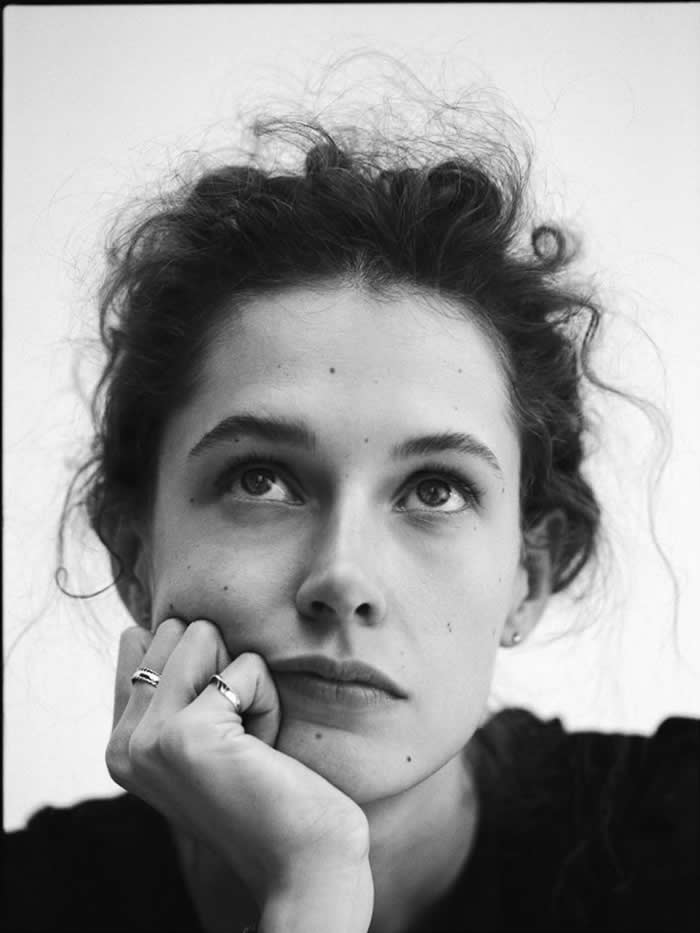
Photo by: Armchair Oxford Scholar
#17
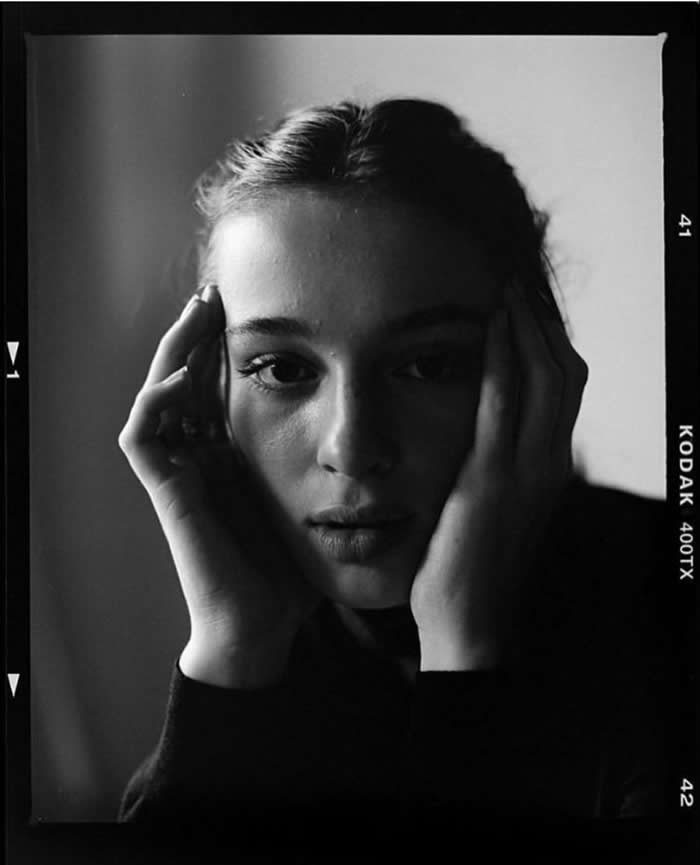
Photo by: Anastasia Petrik
#18
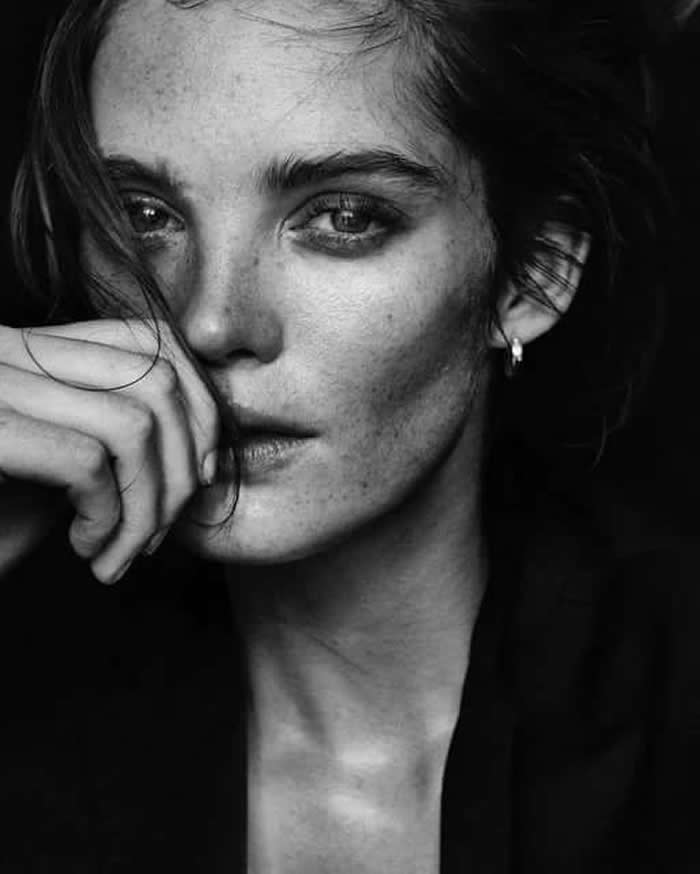
Photo by: llarina Marie
#19
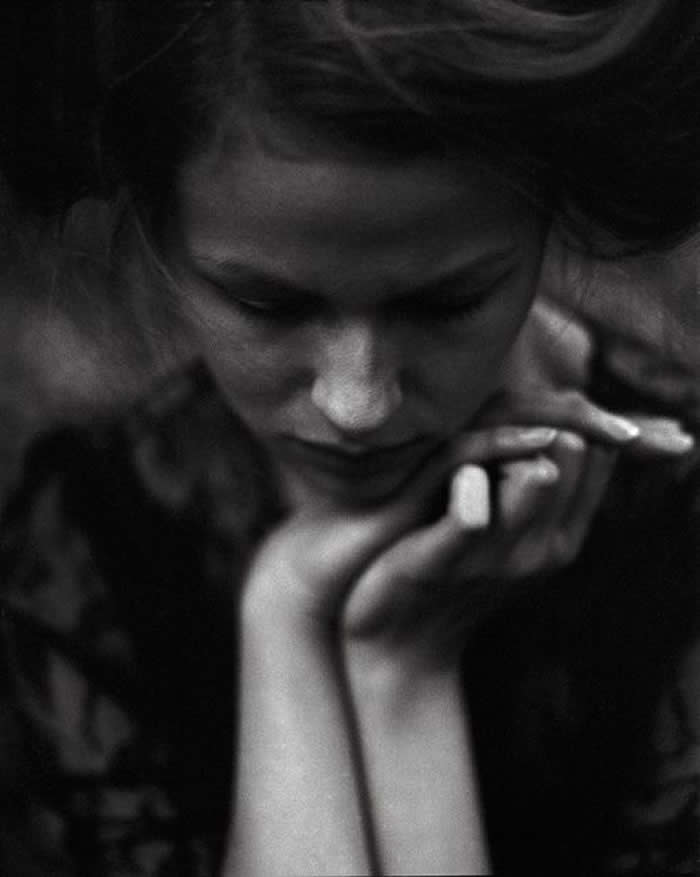
Photo by: Susan Eisner
#20
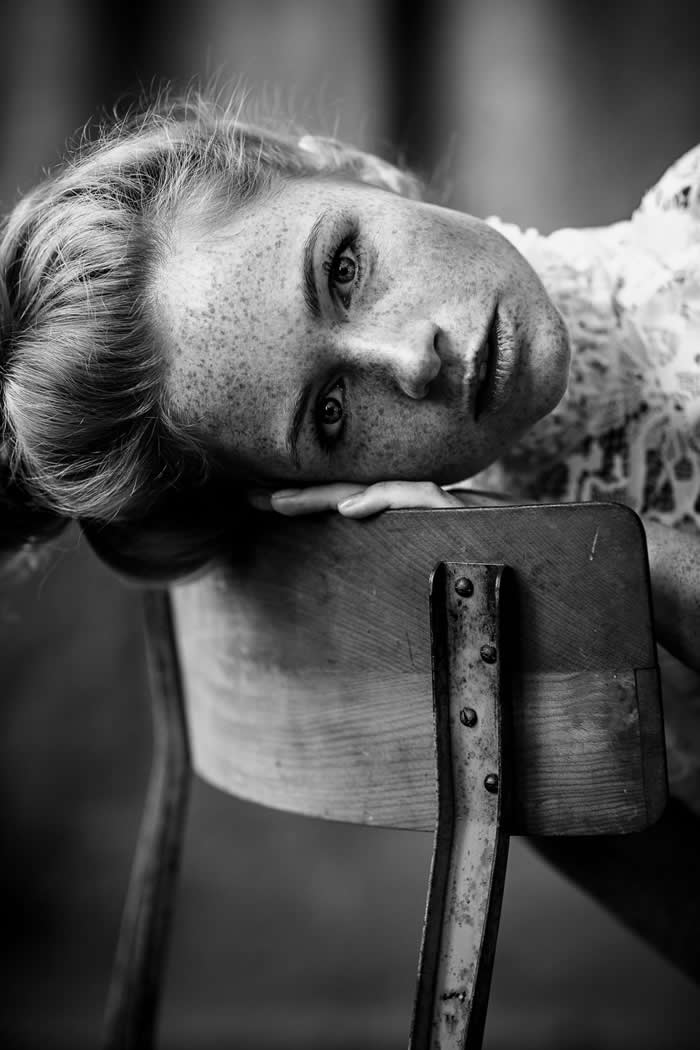
Photo by: Anne Hoffmann
Master Composition and Framing for Emotional Impact
Composition quietly controls how people emotionally react to a portrait. Strong framing directs attention exactly where you want it, usually the eyes. In black-and-white portraiture, simplicity works best. Remove distractions and let emotion dominate the frame.
Negative space can create loneliness or calmness, while tight close-ups increase intimacy and tension. Leading lines, reflections, and doorways can also add cinematic storytelling without overwhelming the subject. Every element inside the frame should support the mood you’re trying to create.
- Keep backgrounds simple and uncluttered.
- Use negative space for an emotional mood.
- Place emphasis on the subject’s eyes.
- Experiment with close-up framing.
- Use reflections and shadows creatively.
#21
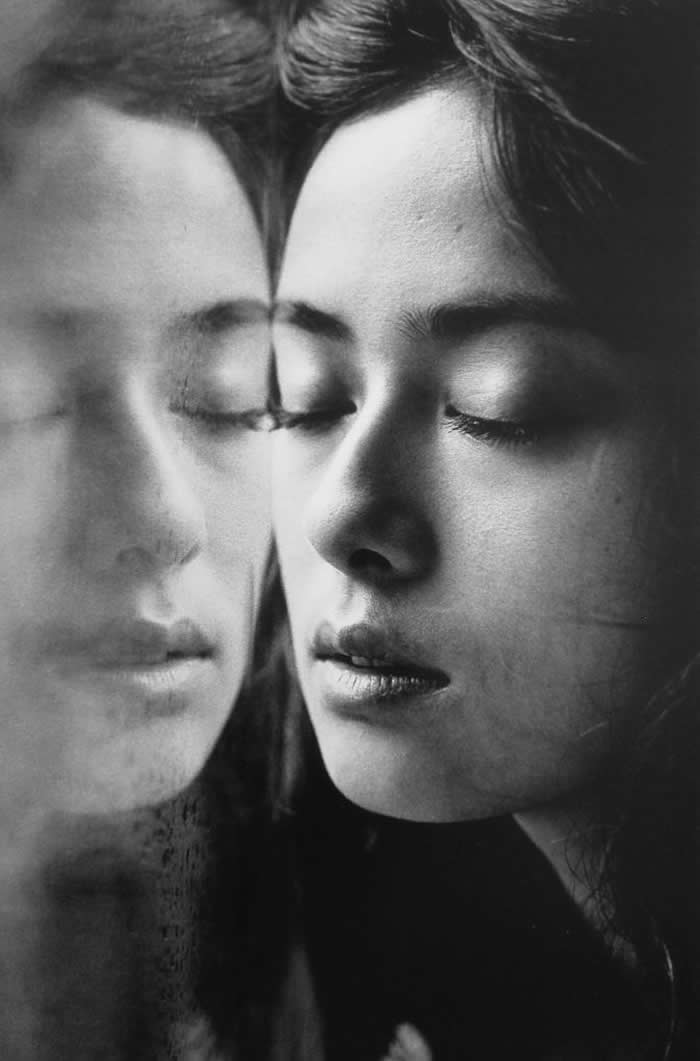
Photo by: Unknown
#22
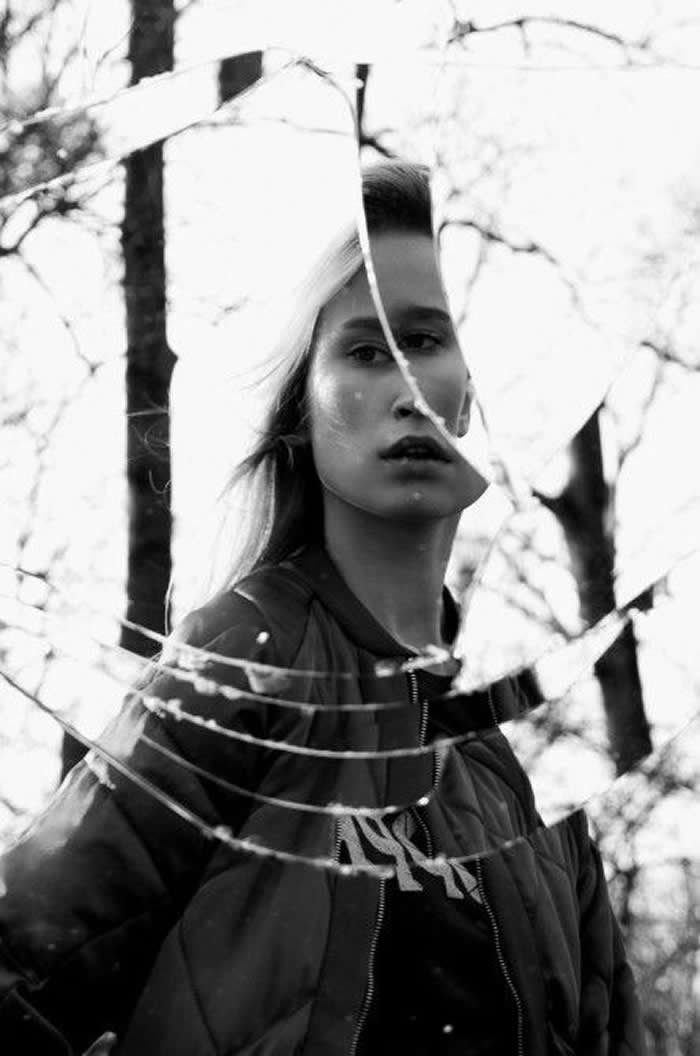
Photo by: Shannon
#23
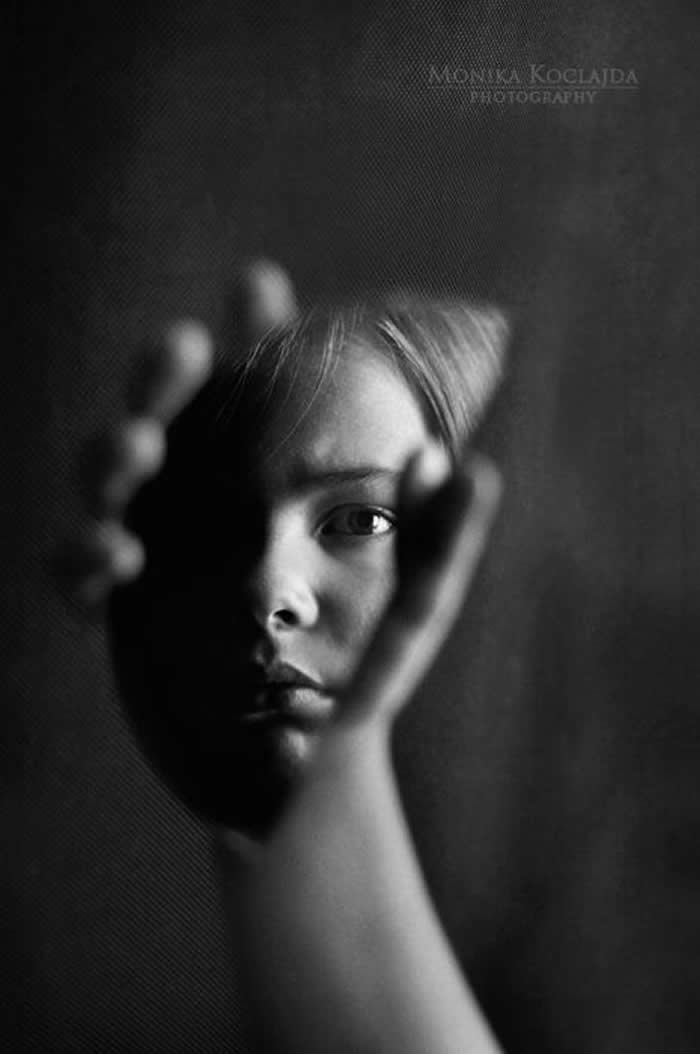
Photo by: Monika Koclajda
#24
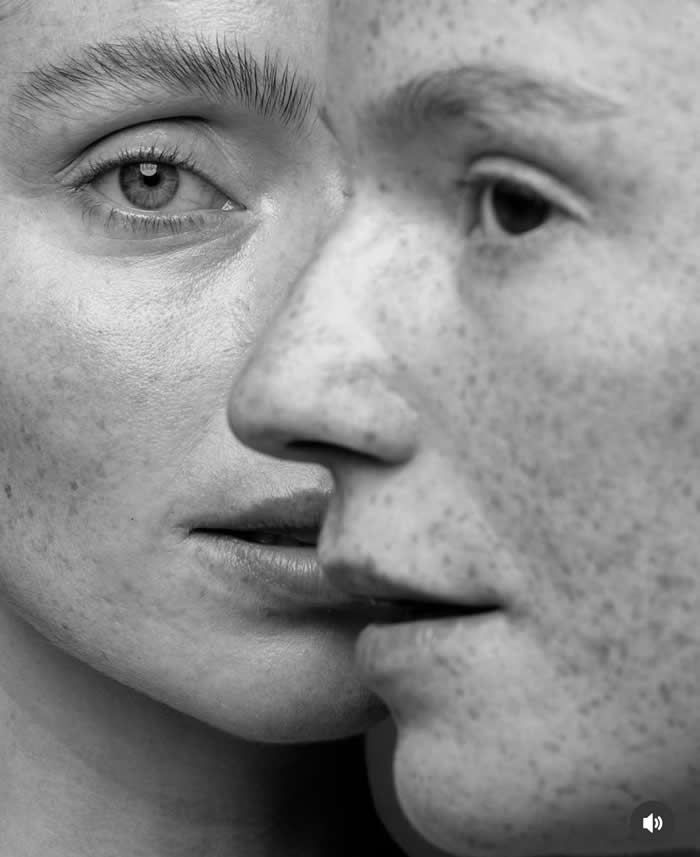
Photo by: Nanda Hagenaars
#25
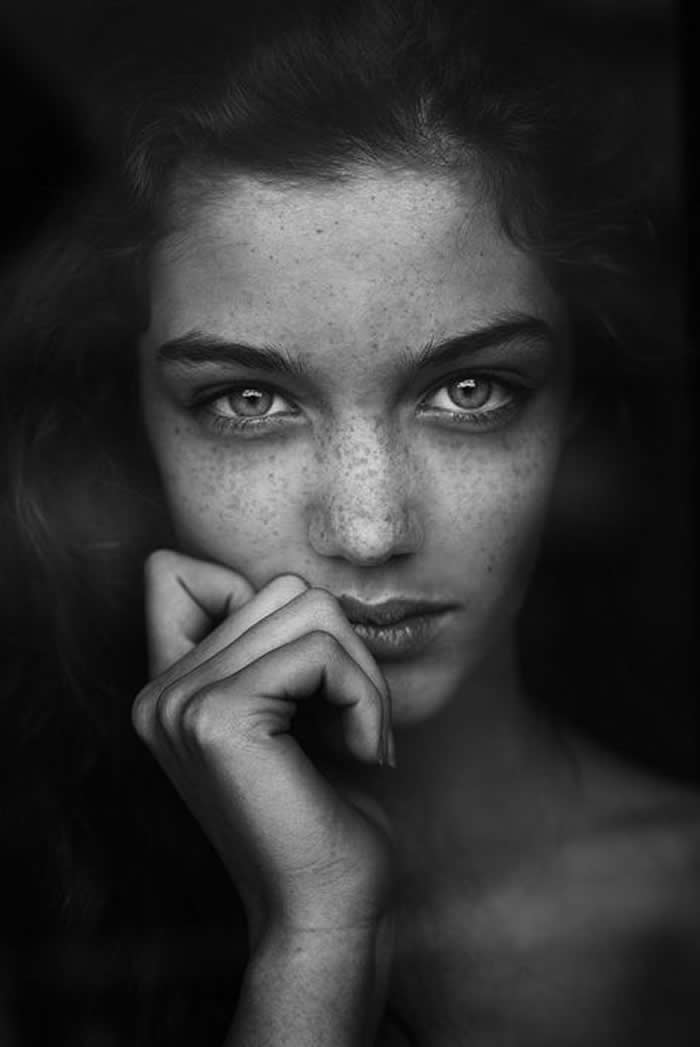
Photo by: BeArt Presets
Edit Your Portraits With a Cinematic Black and White Style
Editing is where black-and-white portraits truly come alive. The goal isn’t just removing color, it’s sculpting mood. Pay attention to tonal balance, deep blacks, glowing highlights, and rich midtones. Dodging and burning can subtly guide the viewer’s eyes through the image.
Grain can add a timeless film-like character, while sharpness helps enhance emotional details. Avoid over-editing skin because soulful portraits should still feel human and natural. The best black-and-white edits feel emotional rather than overly polished.
- Adjust tones before adding heavy contrast.
- Add subtle grain for a film-style mood.
- Enhance eyes carefully without overdoing it.
- Keep skin textures realistic and natural.
- Use dodge and burn for depth control.
#26
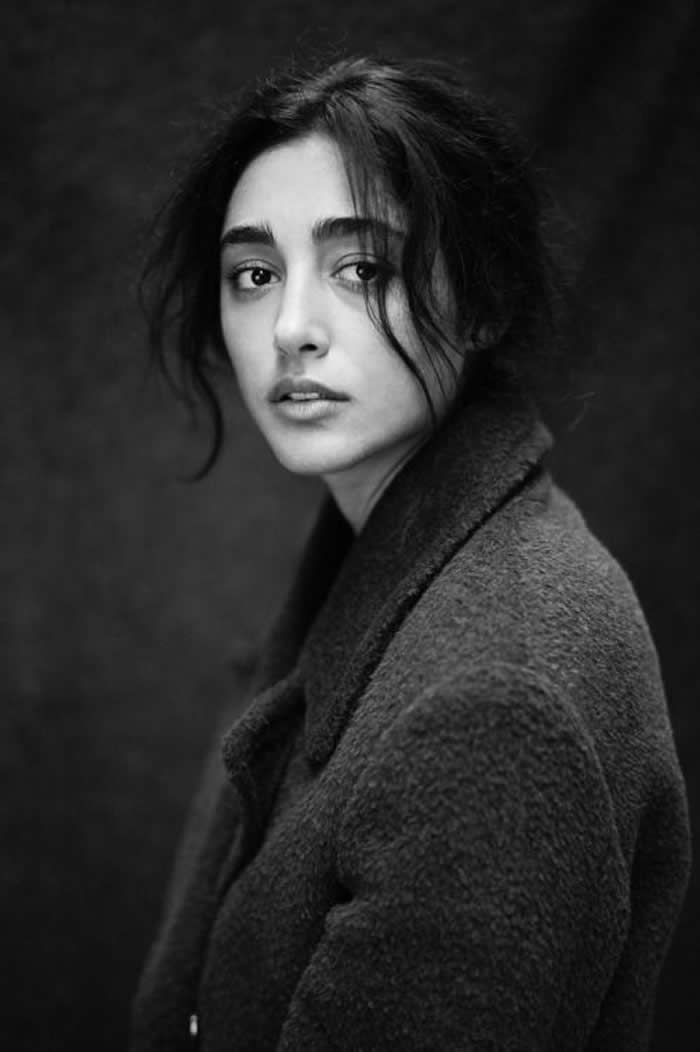
Photo by: Golshifteh Farahani
#27
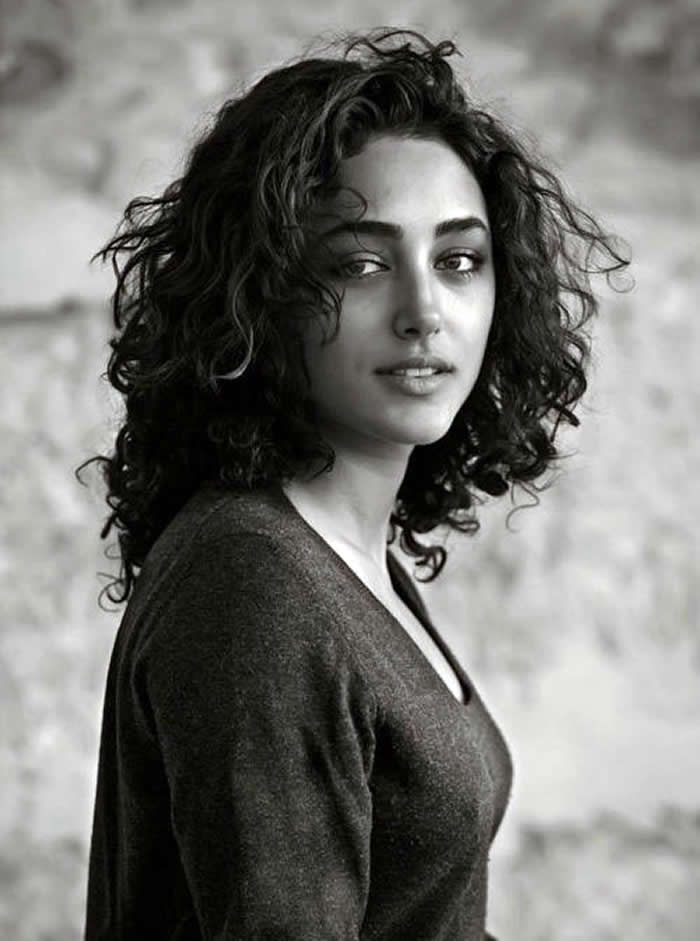
Photo by: Golshifteh Farahani
#28
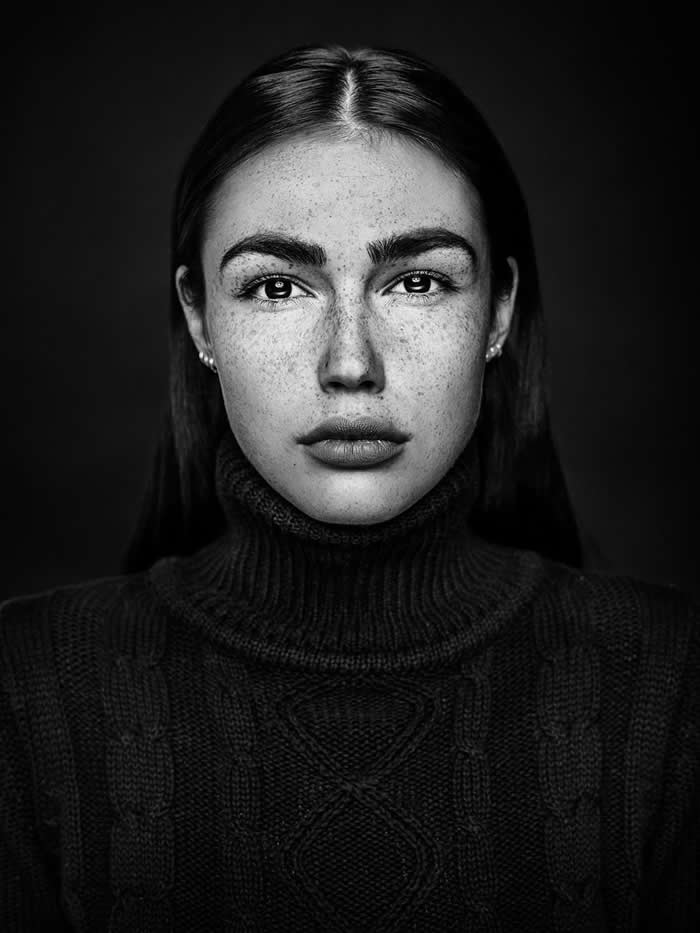
Photo by: Martin Krystynek
#29
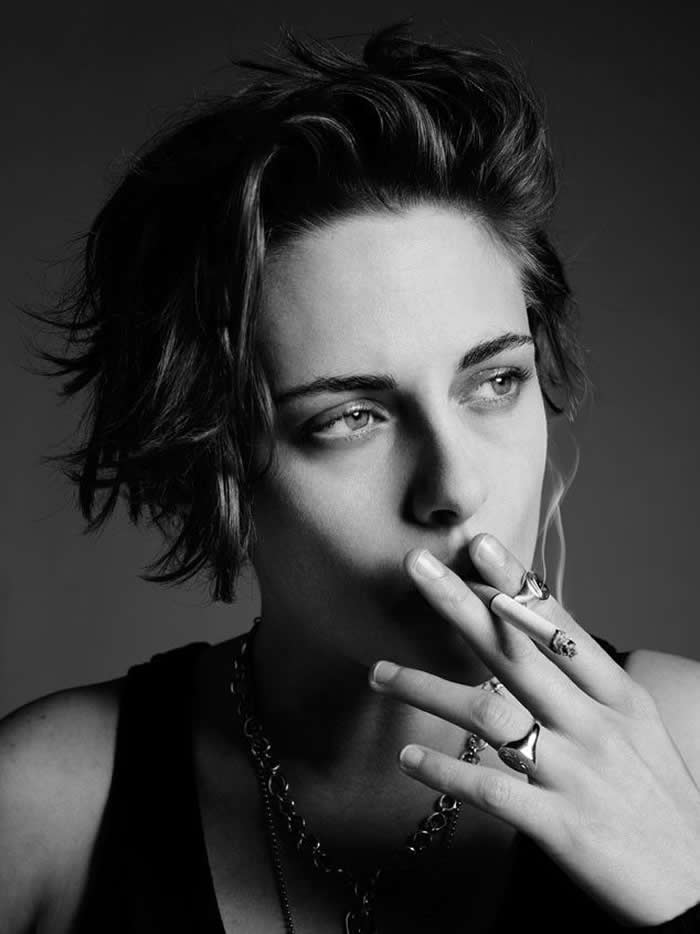
Photo by: Hedi Slimane
#30
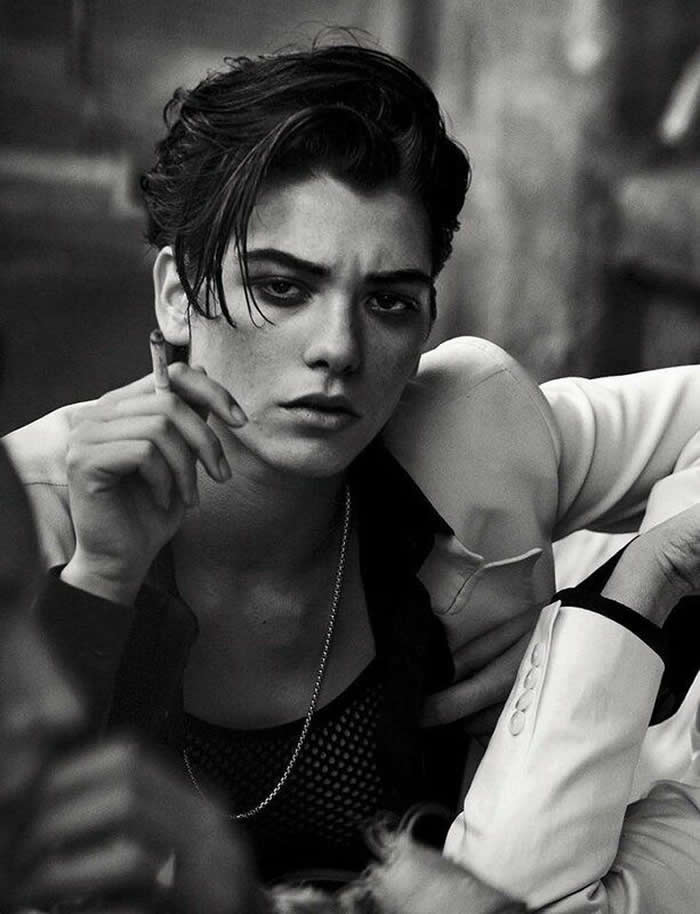
Photo by: Peter Lindbergh
#31

Photo by: Thomas Lavelle
#32
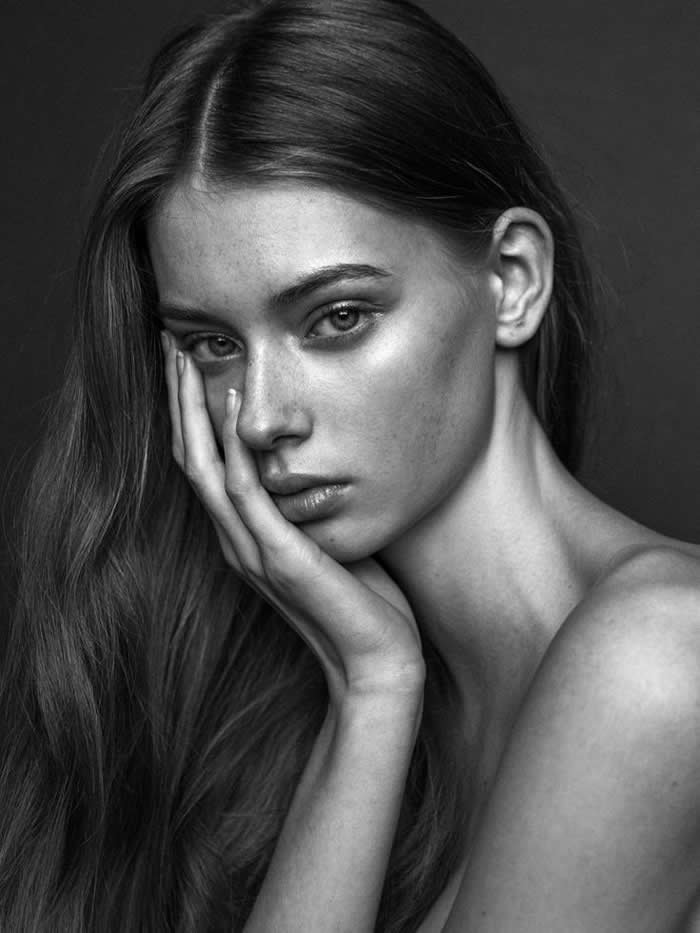
Photo by: AJM
FAQs:
What makes a black and white portrait look soulful?
A soulful black-and-white portrait captures authentic emotion through strong eye contact, dramatic lighting, rich textures, and meaningful composition. The absence of color helps viewers focus entirely on emotion, mood, and storytelling within the image itself.
What lighting works best for black and white portraits?
Soft natural window light and directional side lighting work beautifully for black-and-white portraits. These lighting styles create shadows, depth, and contrast that help emphasize facial expressions, textures, and emotional atmosphere in a timeless cinematic way.
Why is contrast important in black and white photography?
Contrast adds drama, separation, and emotional depth to black-and-white portraits. Strong highlights and deep shadows guide the viewer’s attention while making facial expressions, textures, and composition feel more striking and visually powerful.
How can beginners improve black and white portrait photography?
Beginners can improve by focusing on lighting, emotional connection, simple backgrounds, and careful composition. Practicing with natural light and studying shadows helps photographers understand how monochrome images create mood and visual storytelling more effectively.
What camera settings are best for black and white portraits?
Using a wide aperture, such as f/1.8 or f/2.8, helps isolate the subject beautifully. Keeping ISO low maintains detail, while proper exposure ensures balanced highlights and shadows, resulting in rich black-and-white tonal quality and emotional depth.