
Bird photography hits different. It’s fast, unpredictable, and honestly a little addictive once you get into it. One second, the scene is calm, next thing you know, a bird launches into flight, wings slicing through the air, and you’ve got a split second to nail the shot. That’s the thrill right there.
But here’s the deal: great bird photography isn’t just about having a fancy camera. It’s about timing, patience, and understanding your subject. The pros don’t just chase birds; they study them. They know when a bird is about to take off, where it’s likely to land, and how light will hit those feathers just right. That’s what turns a random snap into a jaw-dropping image.
This collection of 30 stunning bird photos isn’t just eye candy; it’s a full-on masterclass. Every shot has something to teach, from framing and composition to capturing action mid-flight. You’ll start noticing the little things: how backgrounds are kept clean, how motion is frozen, and how each image tells a story.
Whether you’re shooting in your backyard or deep in the wild, these insights will help you level up. Grab your camera, it’s time to shoot like a pro.
#1
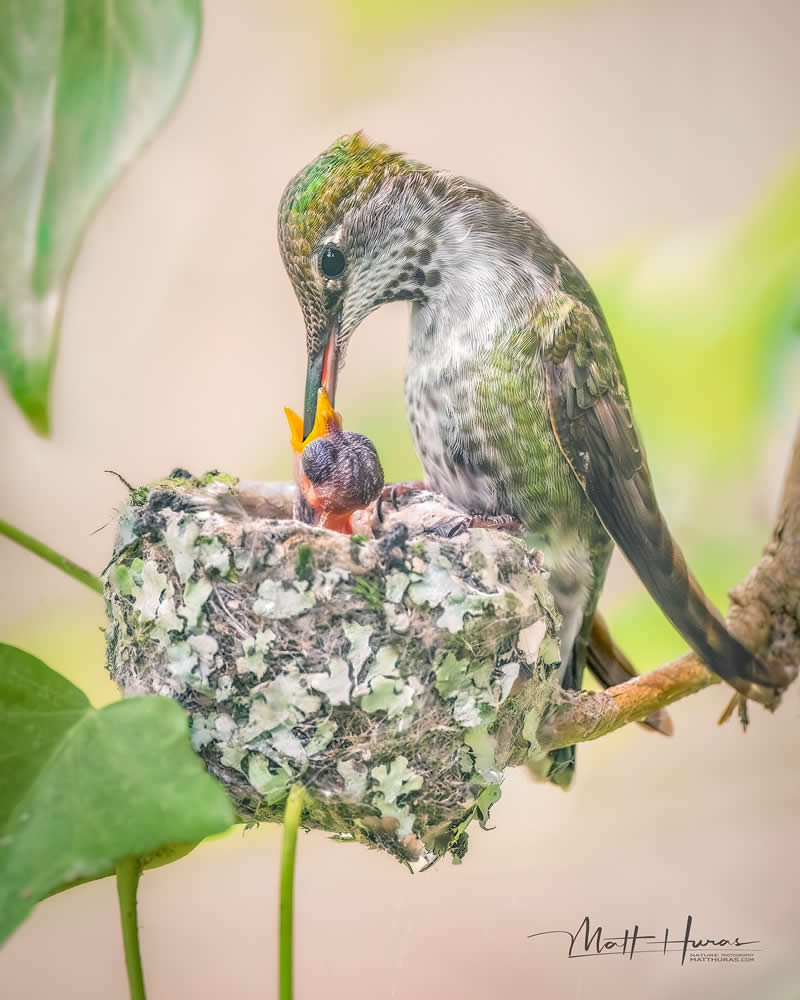
Photo by: Matt Huras
#2
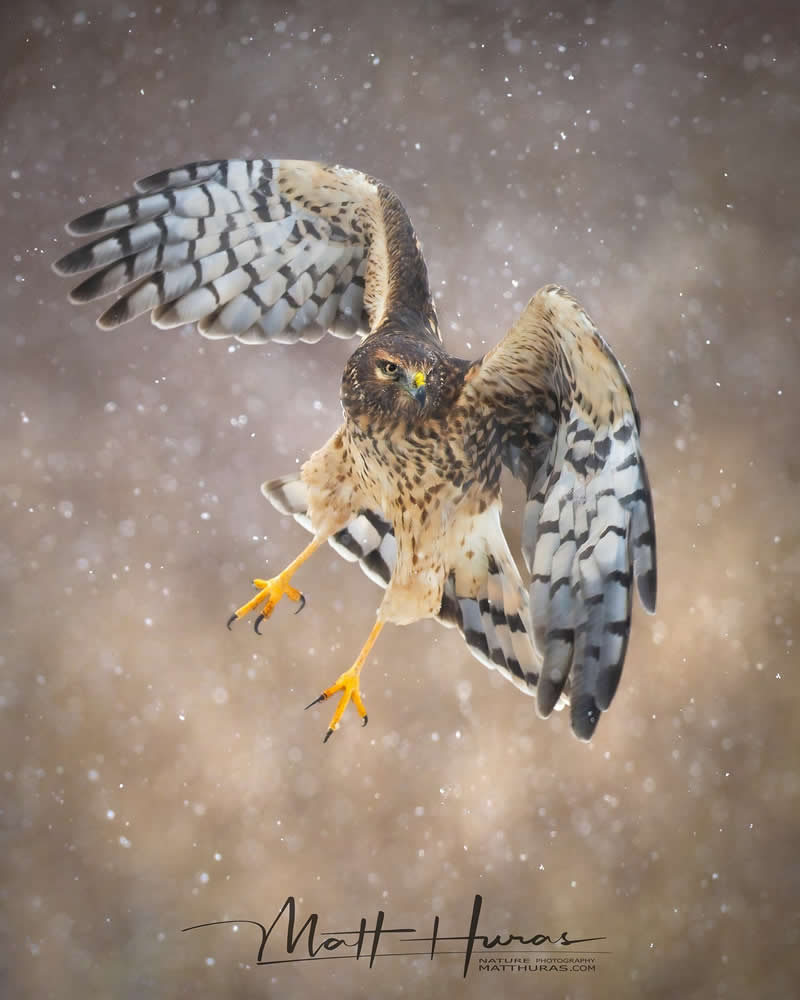
Photo by: Matt Huras
#3
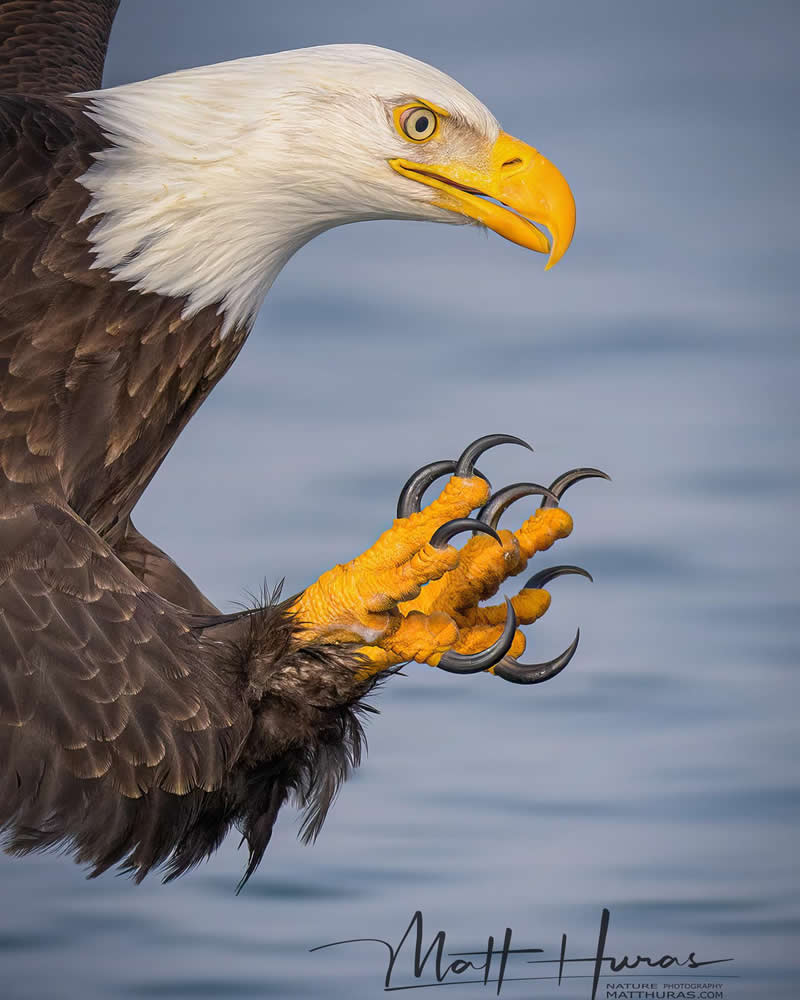
Photo by: Matt Huras
#4
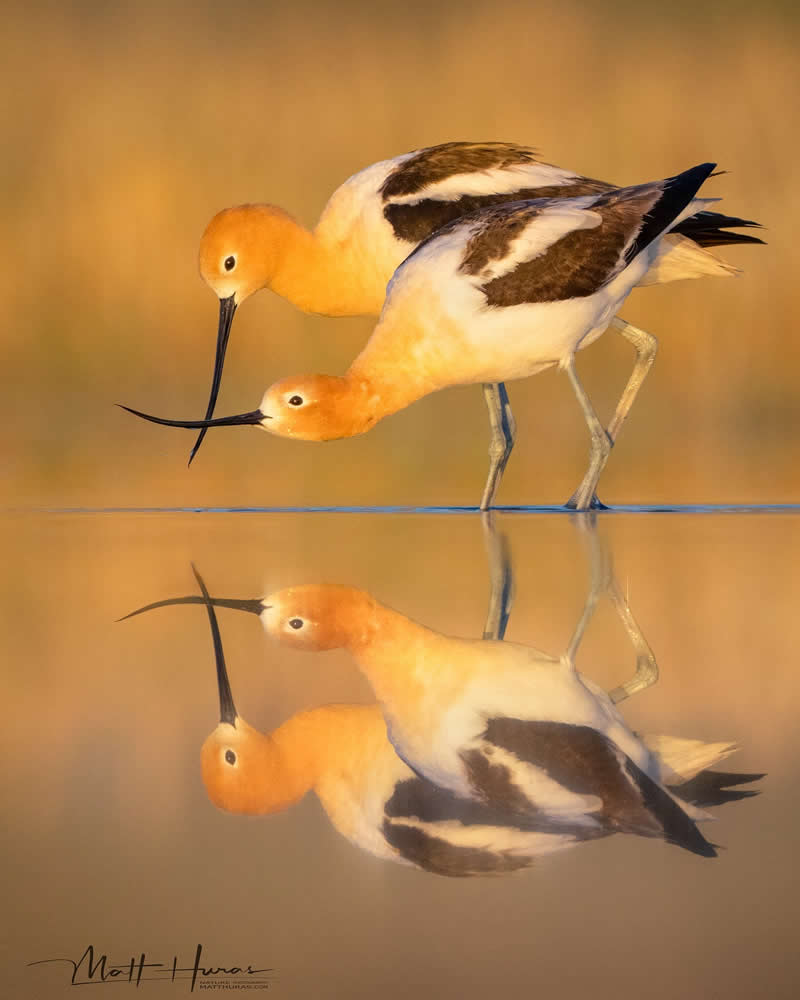
Photo by: Matt Huras
#5
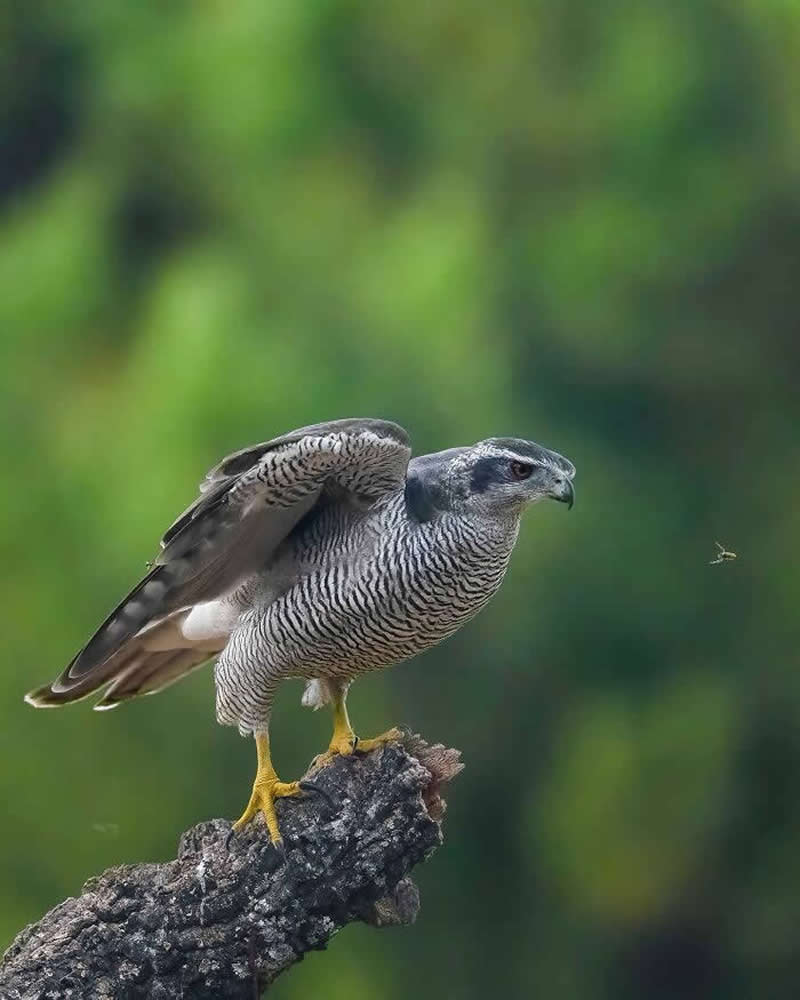
Photo by: Ze Da Quinta
Gear Up Right: Camera and Lenses Matter
Let’s keep it real, gear won’t make you a pro overnight, but it definitely gives you an edge. Bird photography needs speed, precision, and reach. A fast camera with good autofocus helps you track birds in motion, while a telephoto lens lets you get close without spooking them.
You don’t need the most expensive setup, but you do need something reliable. Sharpness, quick response, and decent low-light performance go a long way when you’re out chasing birds at sunrise or sunset.
- Use a telephoto lens (300mm or more)
- Fast autofocus is key.
- Shoot in burst mode
- Keep the shutter speed high.
- Use lightweight gear for mobility.
#6
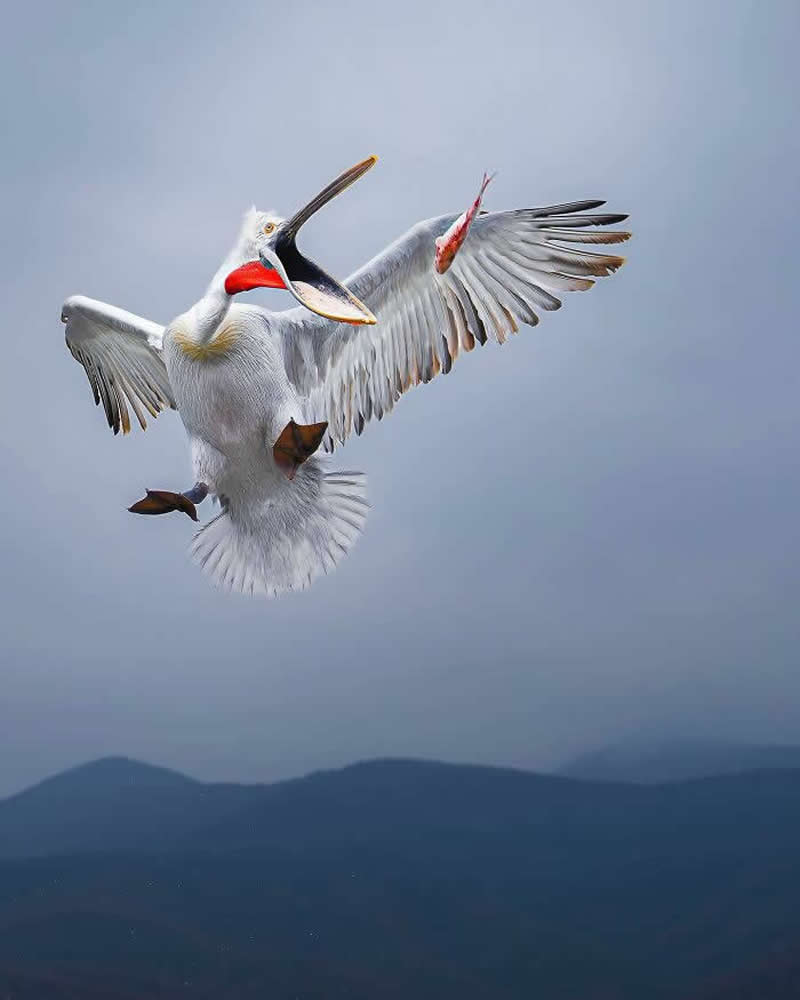
Photo by: Ze Da Quinta
#7
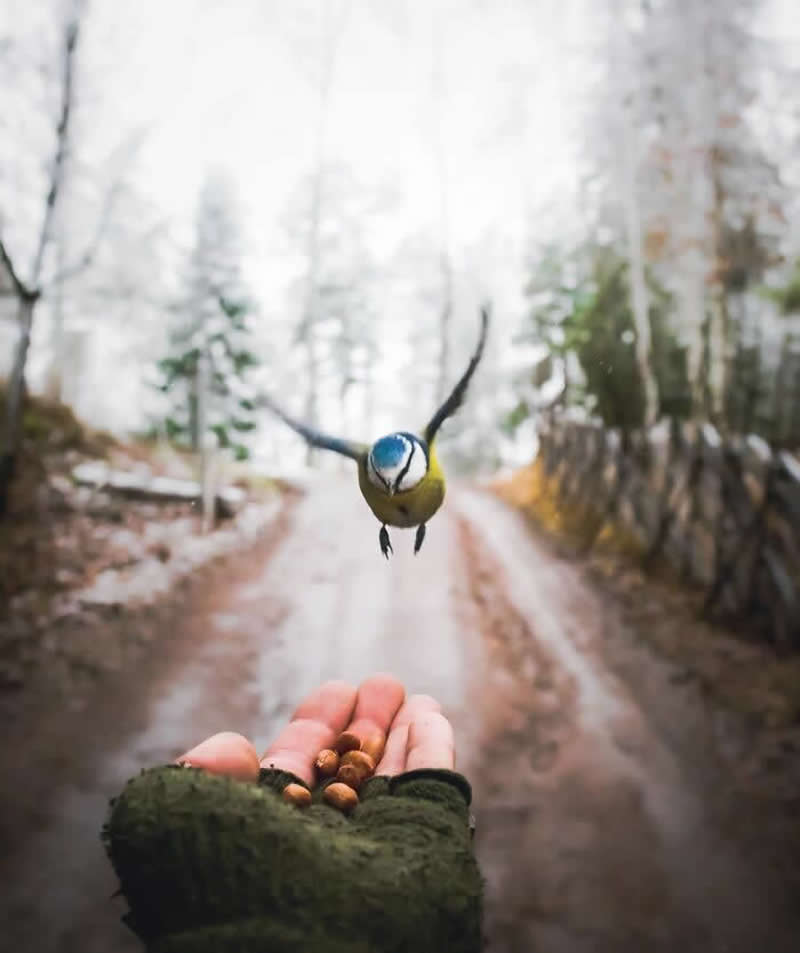
Photo by: Ian Granstrom
#8
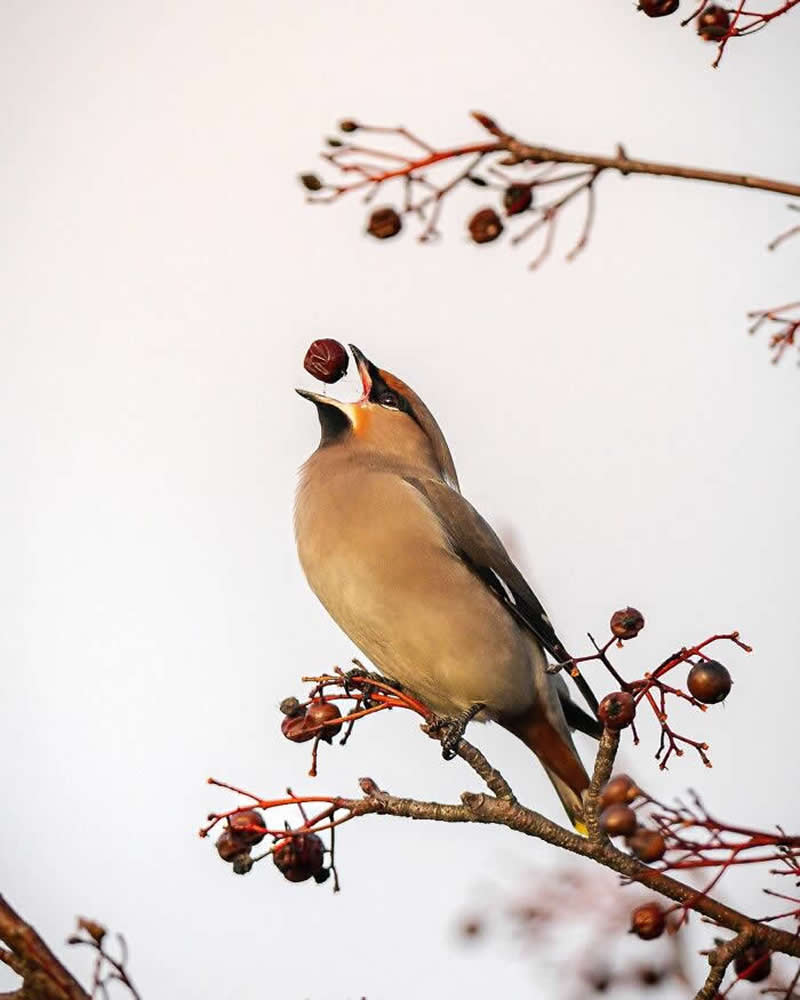
Photo by: Ian Granstrom
#9
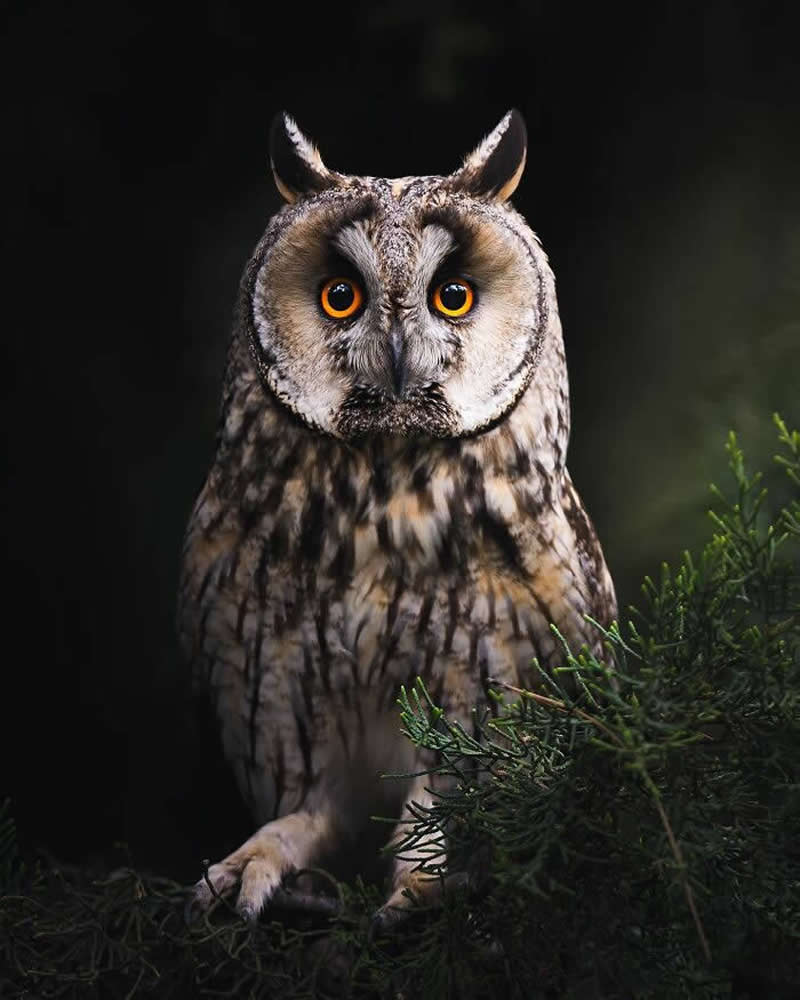
Photo by: Ian Granstrom
#10
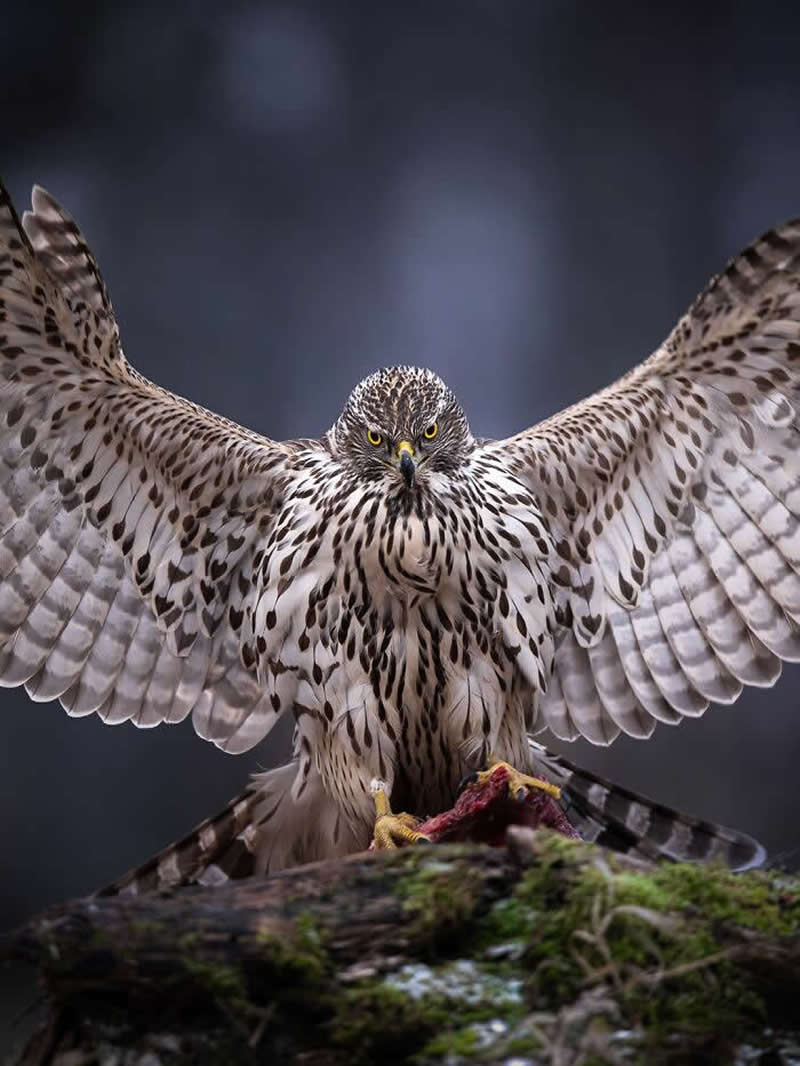
Photo by: Ian Granstrom
Pick the Perfect Spot: Location is Everything
You can’t photograph birds if there are no birds around, simple as that. Location is a game-changer. Wetlands, forests, lakes, and even urban parks can be goldmines if you know where to look.
The trick is to find places where birds feel safe and active. Early mornings? That’s prime time. The light is soft, and birds are out hunting, feeding, and flying around.
- Scout local bird hotspots
- Visit during early morning or dusk.
- Look for water sources.
- Stay quiet and blend in.
- Observe before shooting
#11
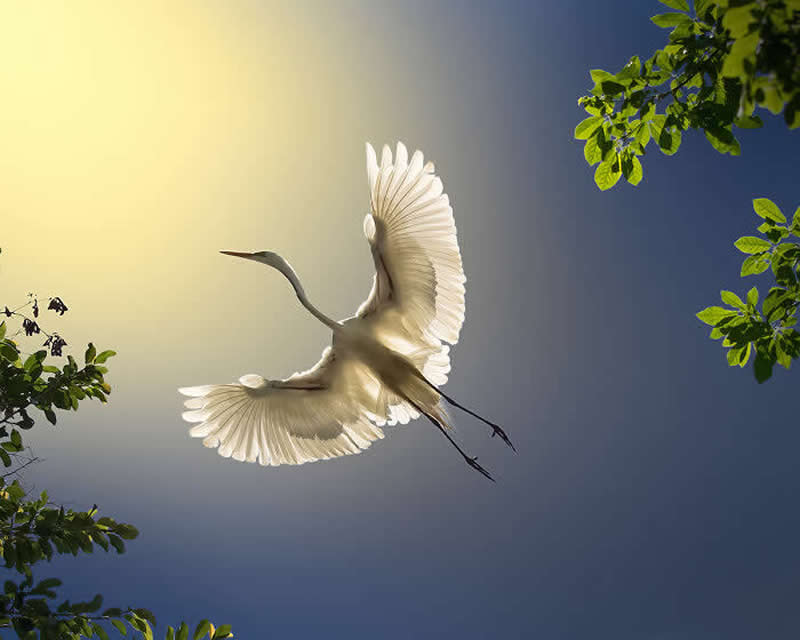
Photo by: Fenqiang Liu
#12
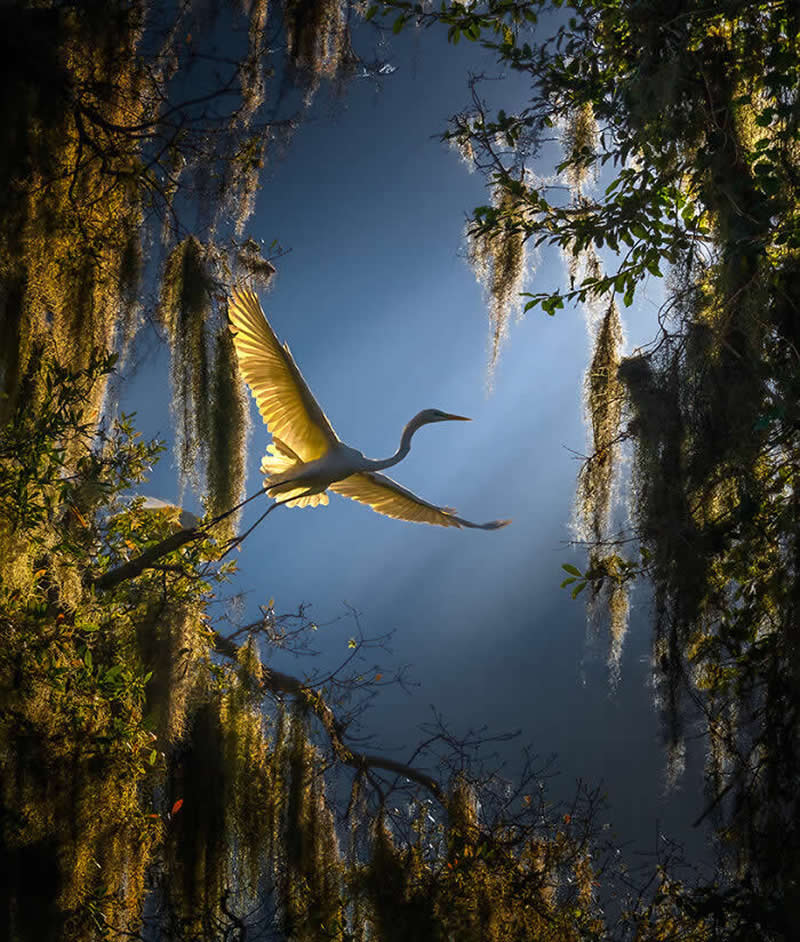
Photo by: Fenqiang Liu
#13
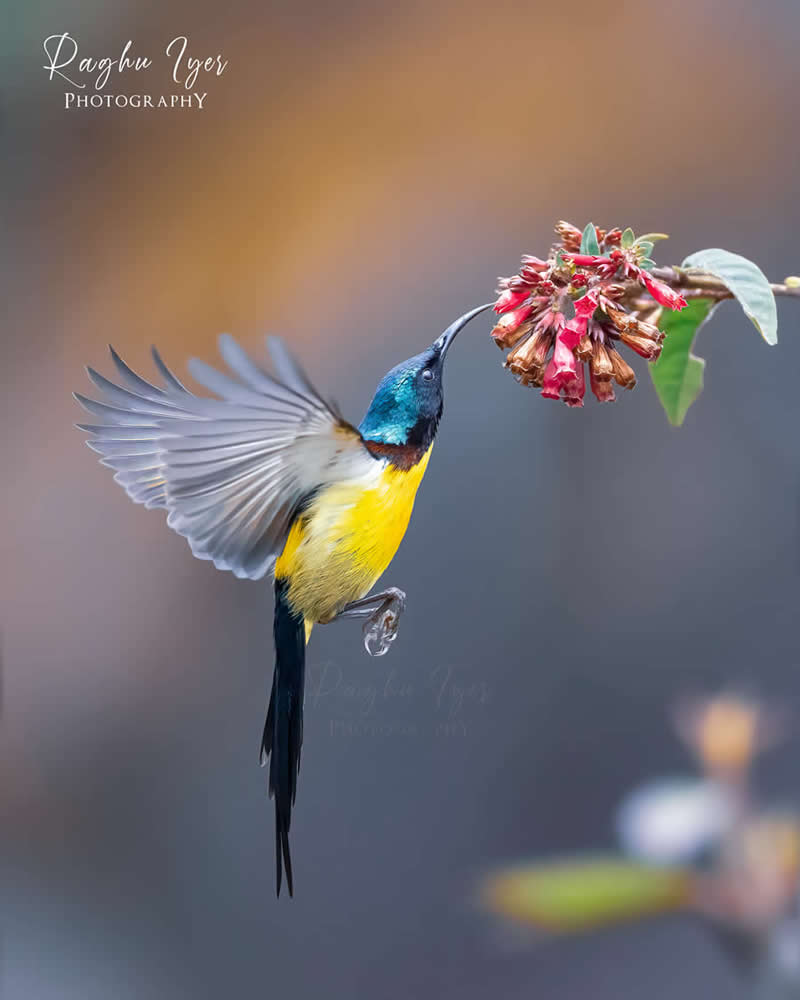
Photo by: Raghu Iyer
#14
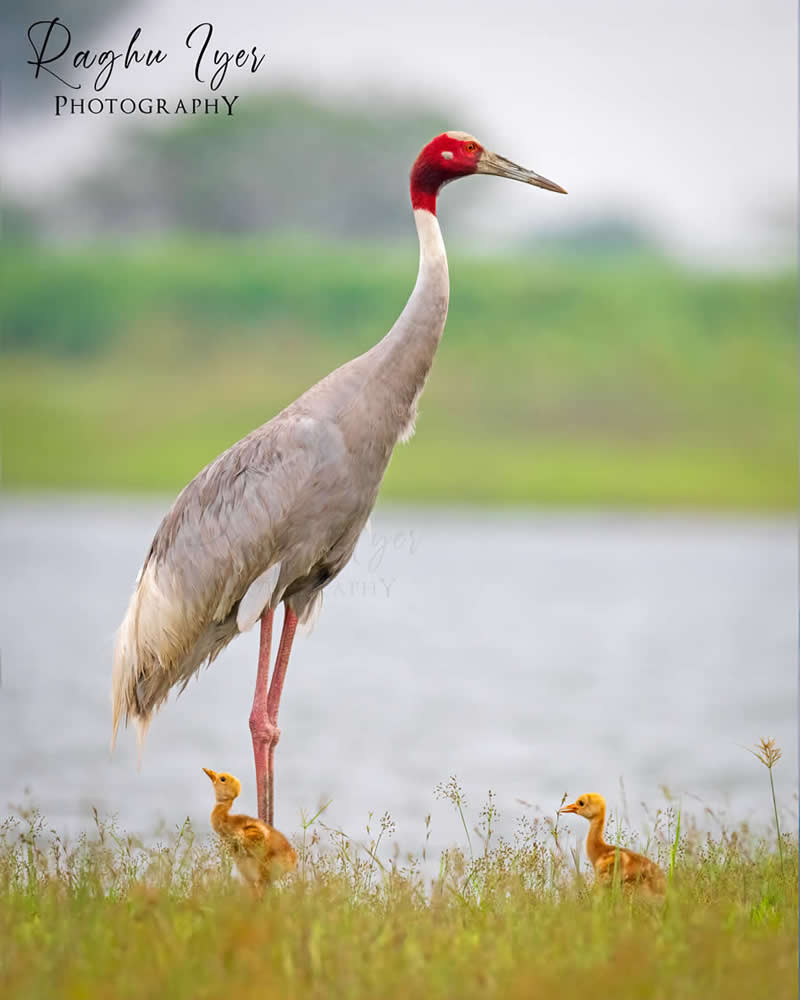
Photo by: Raghu Iyer
#15
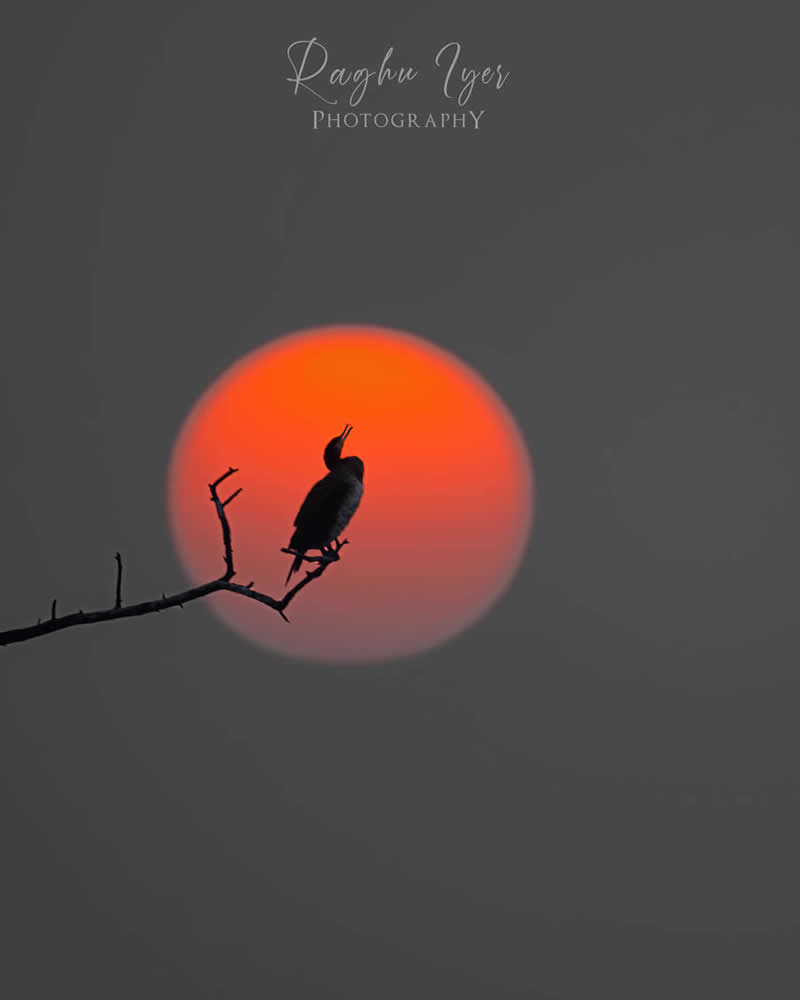
Photo by: Raghu Iyer
Know Your Subject: Behavior and Species
This is where things level up. The more you understand birds, the better your photos get. Different species behave differently; some are shy, some are bold, and some move lightning fast.
Learn their patterns. Watch how they feed, perch, and take off. Once you can predict their behavior, you’ll be ready before the action even happens.
- Study bird species in your area
- Watch movement patterns
- Learn feeding habits
- Anticipate takeoff moments
- Respect their natural space.
#16
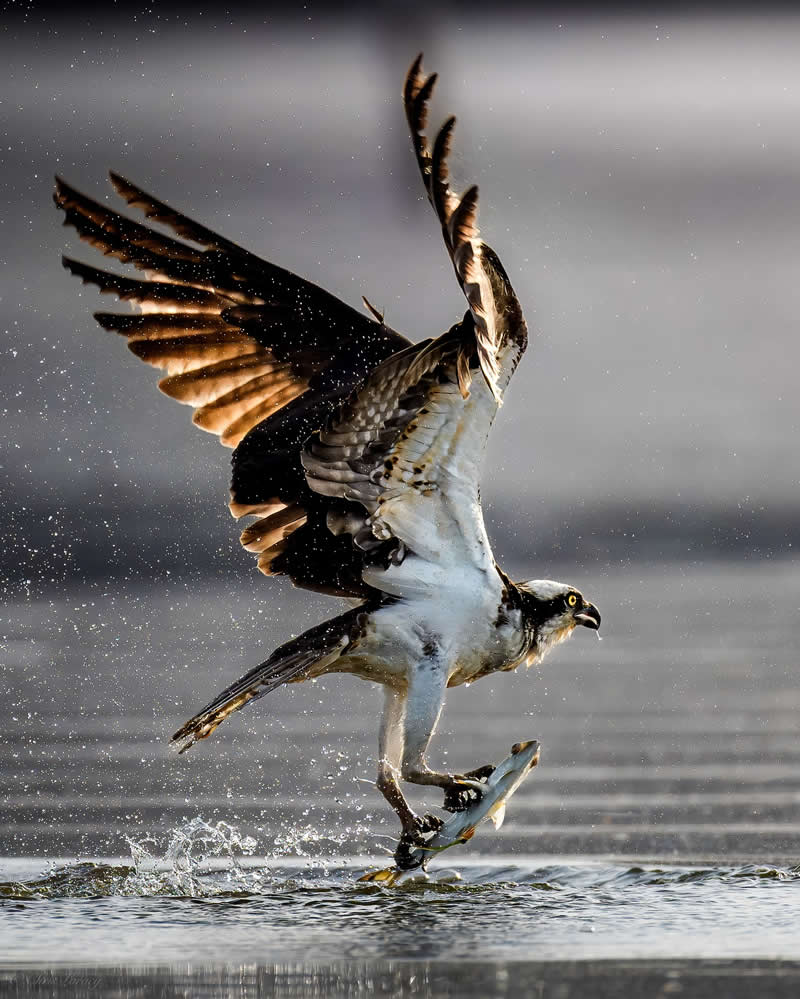
Photo by: Chris Laracy
#17
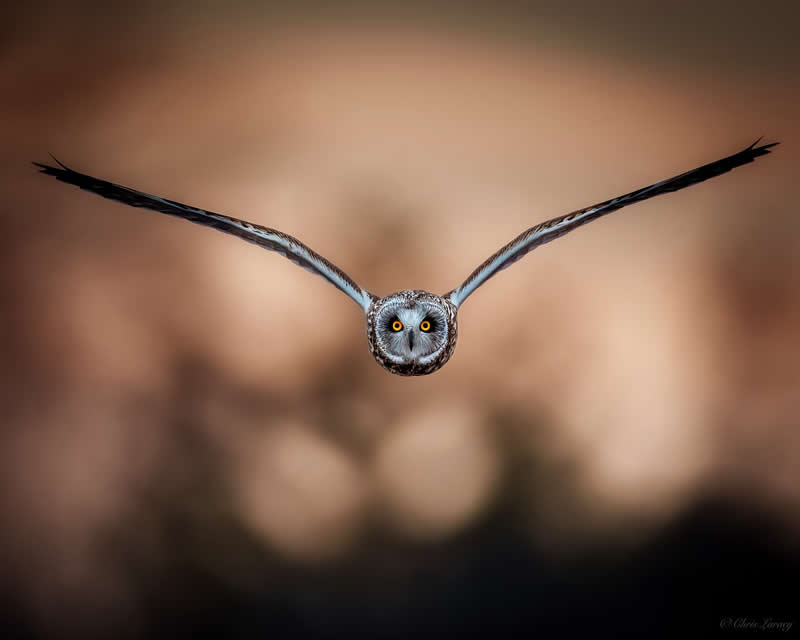
Photo by: Chris Laracy
#18
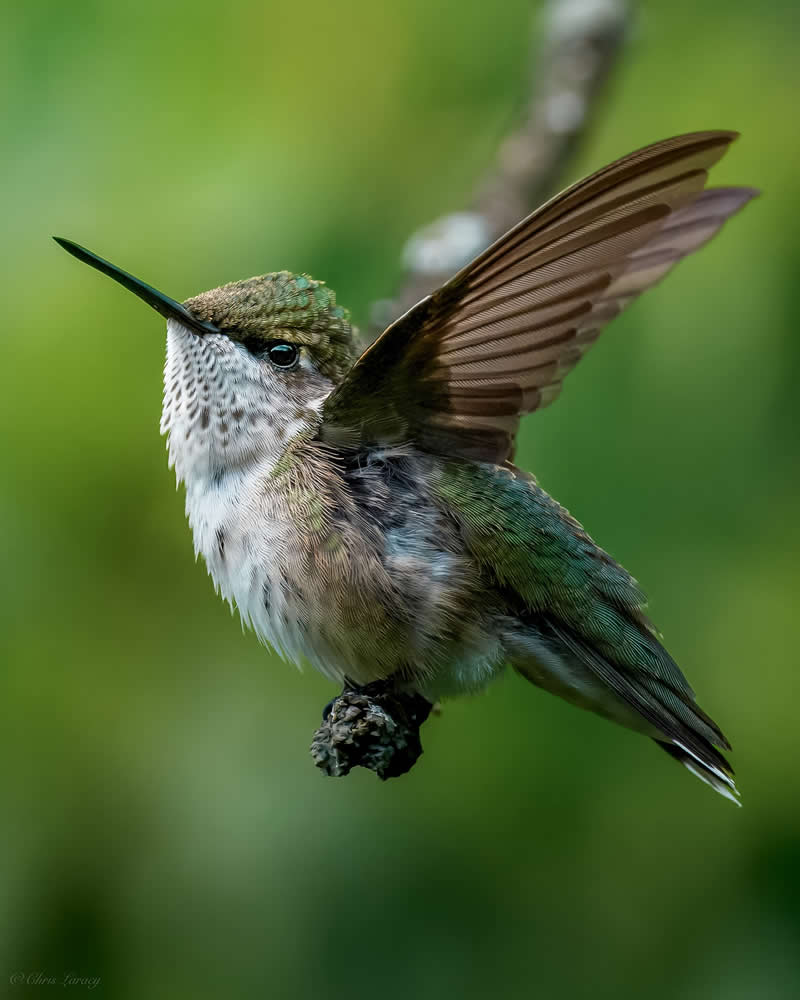
Photo by: Chris Laracy
#19
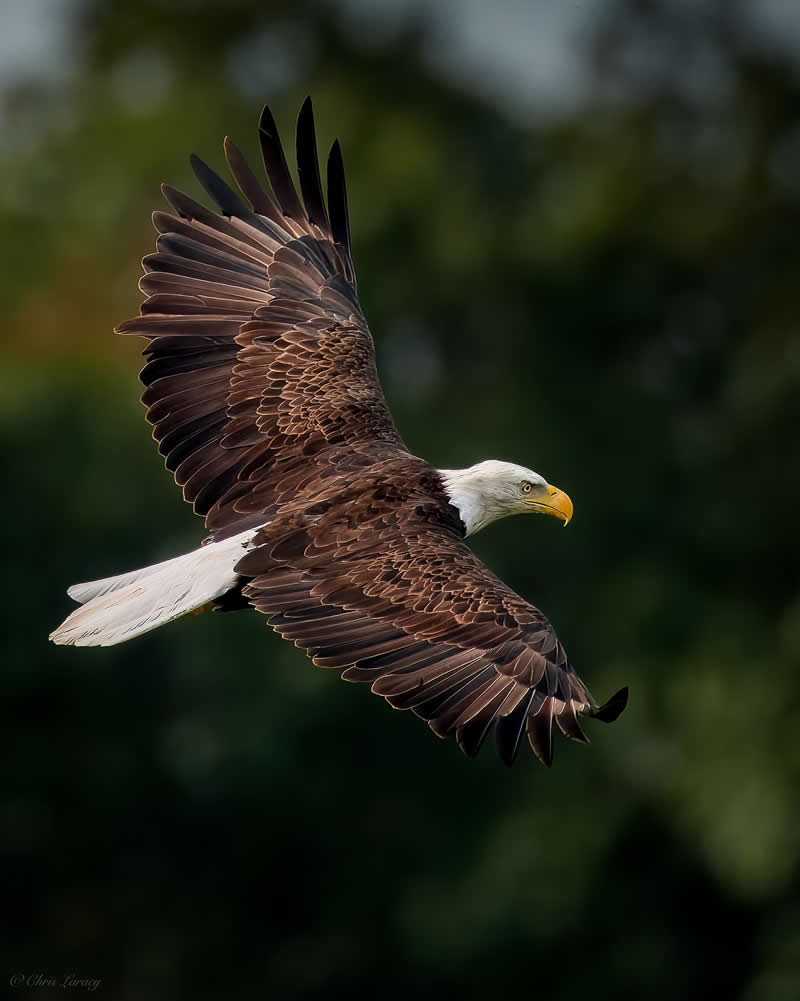
Photo by: Chris Laracy
#20
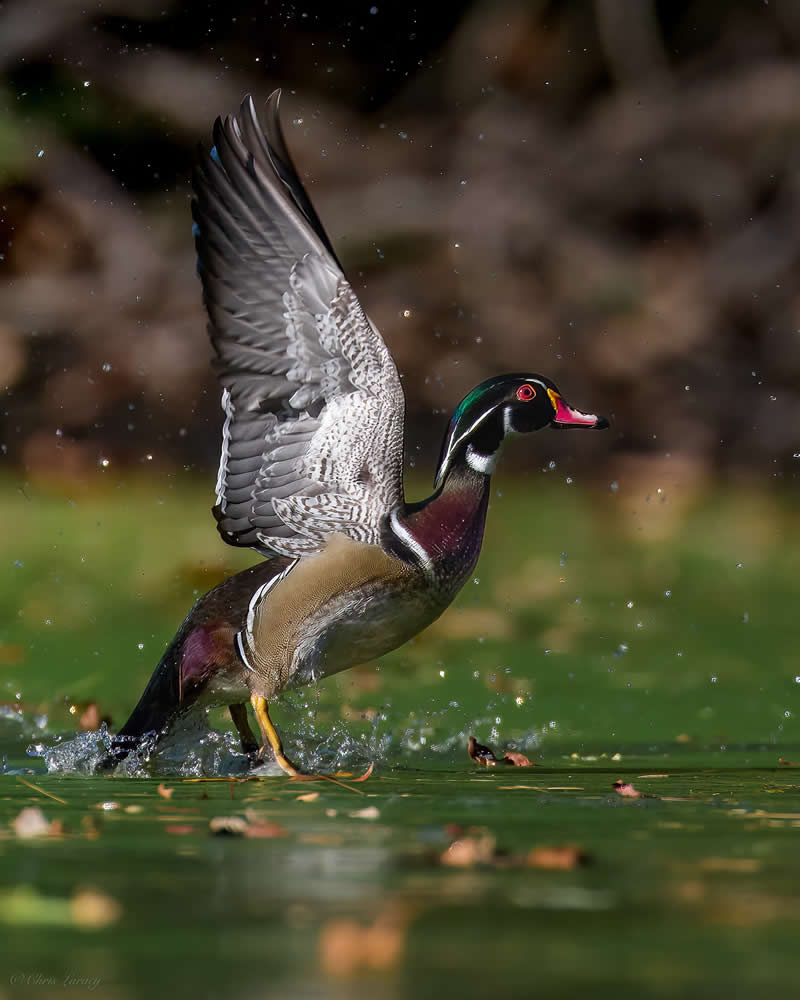
Photo by: Chris Laracy
Composition & Framing: Make It Pop
A great bird photo isn’t just about the bird; it’s about the whole frame. Clean backgrounds, good lighting, and strong composition can turn a basic shot into something scroll-stopping.
Think about angles. Get low, shoot at eye level, and use natural elements to frame your subject. Keep distractions out and let the bird shine.
- Use the rule of thirds
- Keep backgrounds simple
- Shoot at eye level
- Use natural framing
- Focus on the eyes
#21
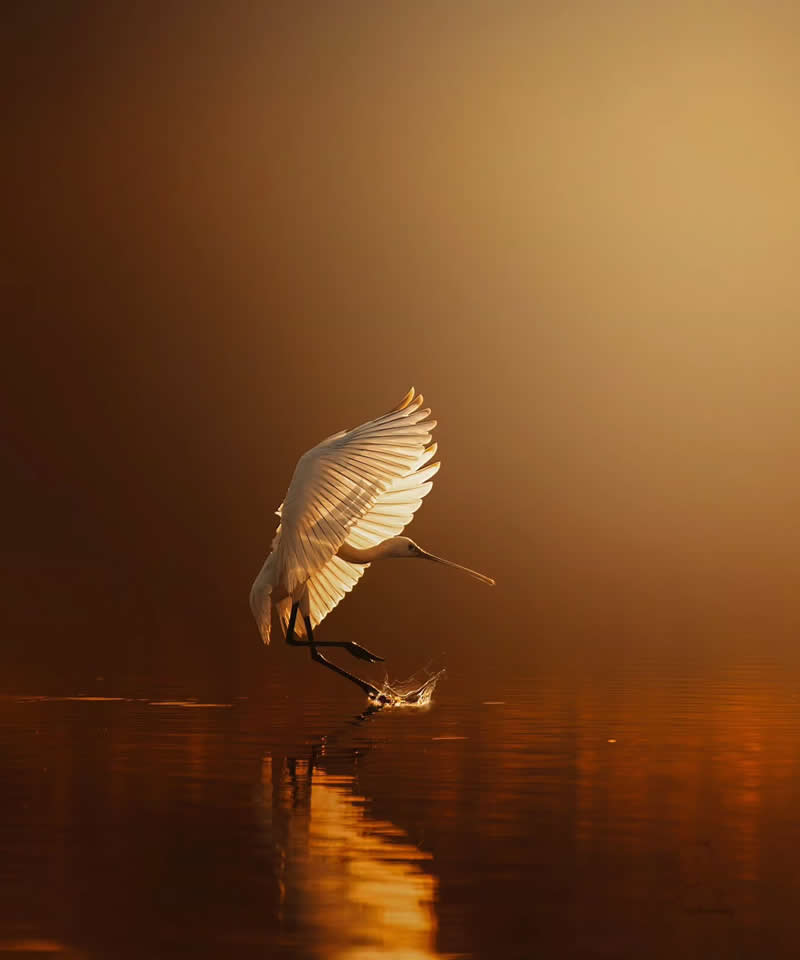
Photo by: Nachu Seena
#22
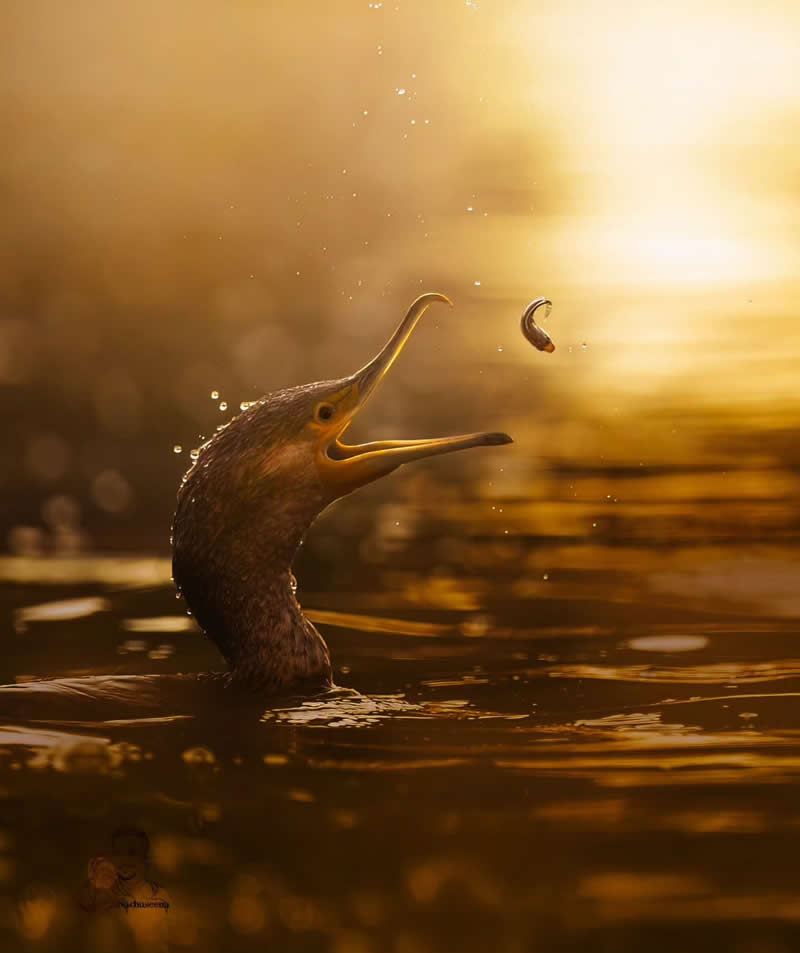
Photo by: Nachu Seena
#23
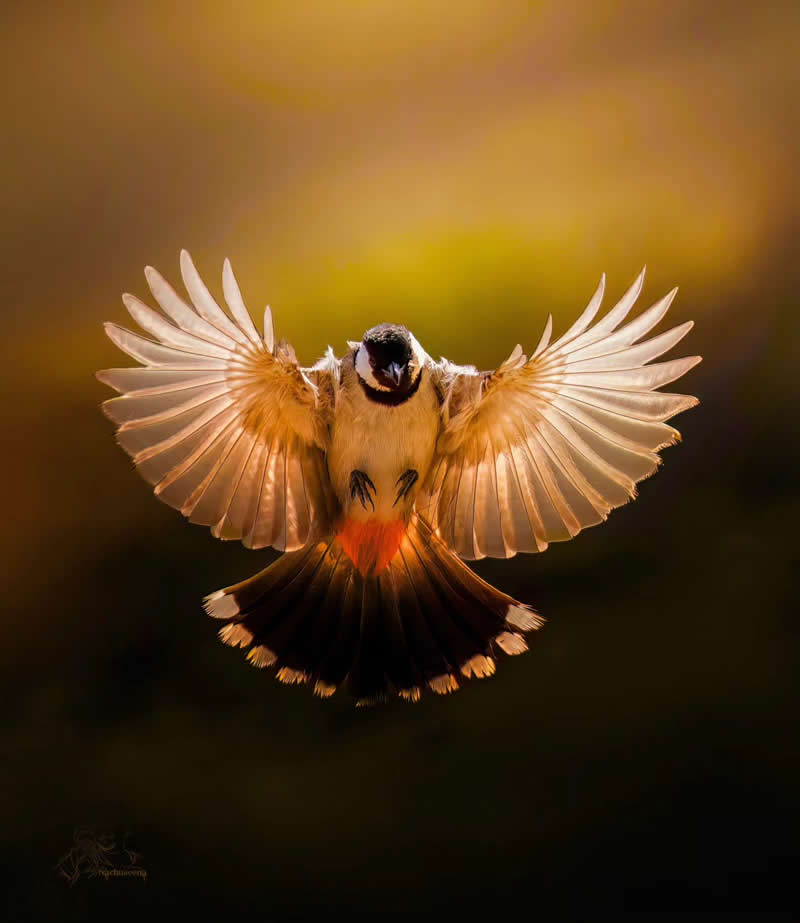
Photo by: Nachu Seena
#24
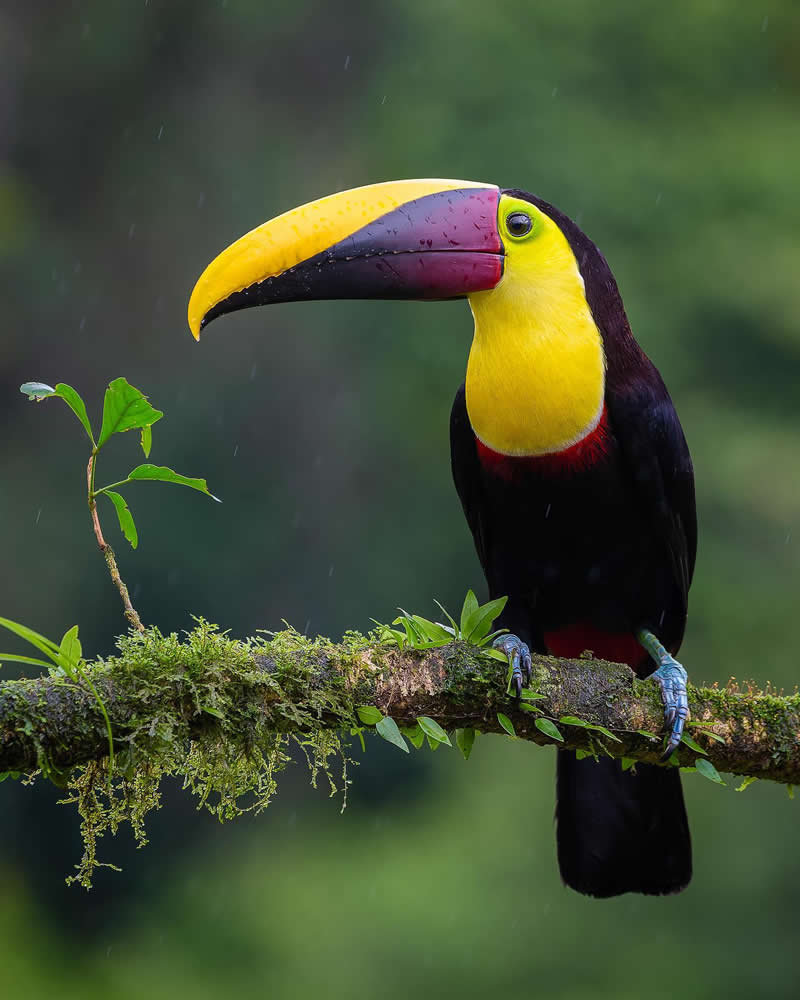
Photo by: Javier Chaves Alvarado
#25
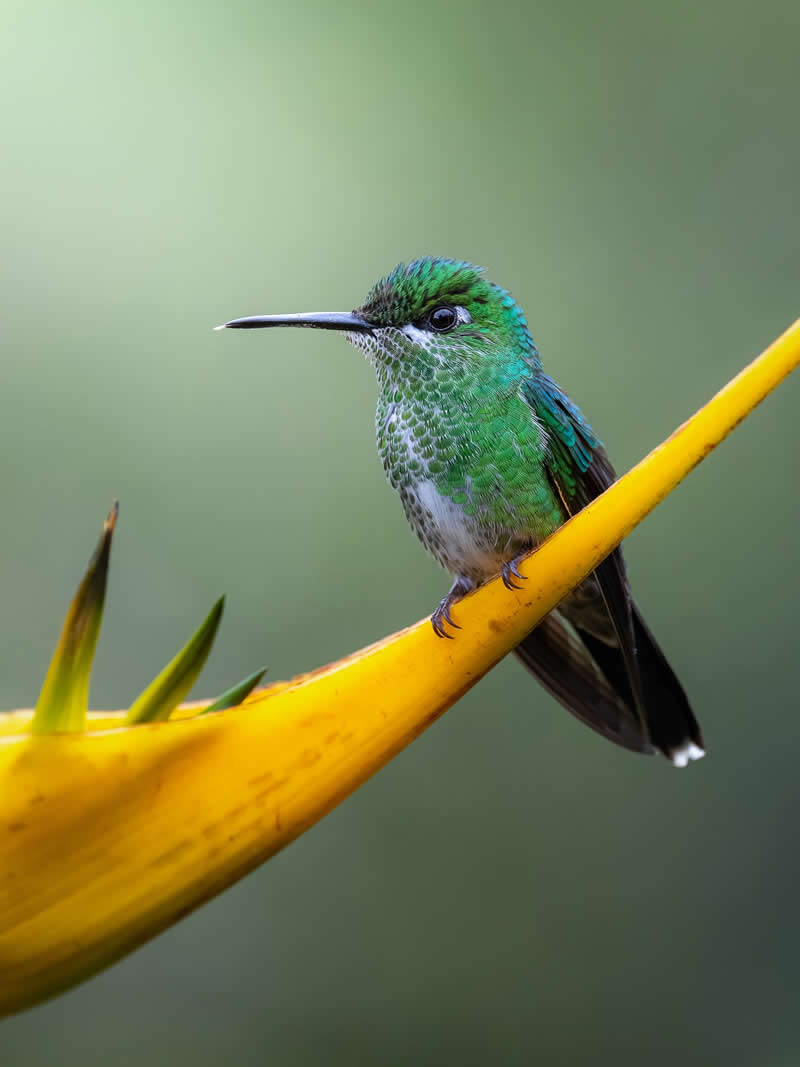
Photo by: Javier Chaves Alvarado
Patience, Action & Respect: The Real Secret
Here’s the truth, bird photography is a waiting game. You might stand still for 30 minutes just to get one perfect shot. But when it happens, it’s worth it.
Don’t chase or disturb birds just for a photo. Respect wildlife and let moments happen naturally. The best action shots—takeoffs, landings, mid-flight—come when you’re patient and ready.
- Be patient and stay still
- Don’t disturb wildlife
- Wait for natural action
- Capture birds in motion
- Practice consistently
#26
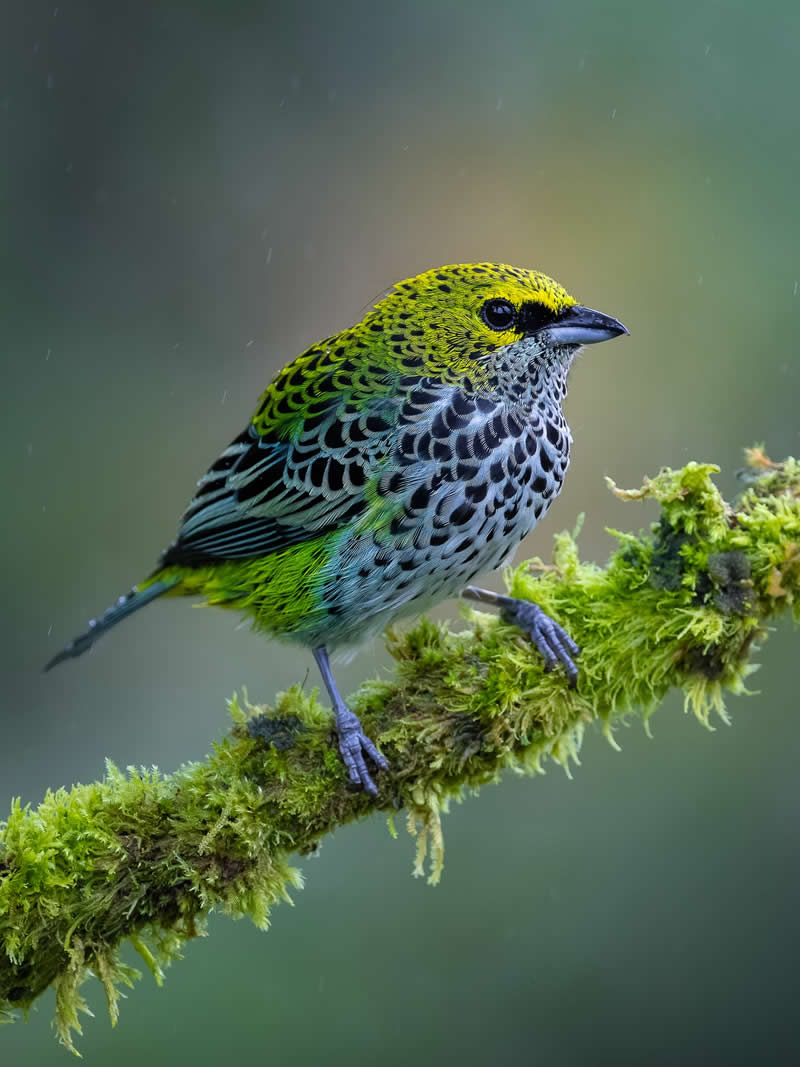
Photo by: Javier Chaves Alvarado
#27
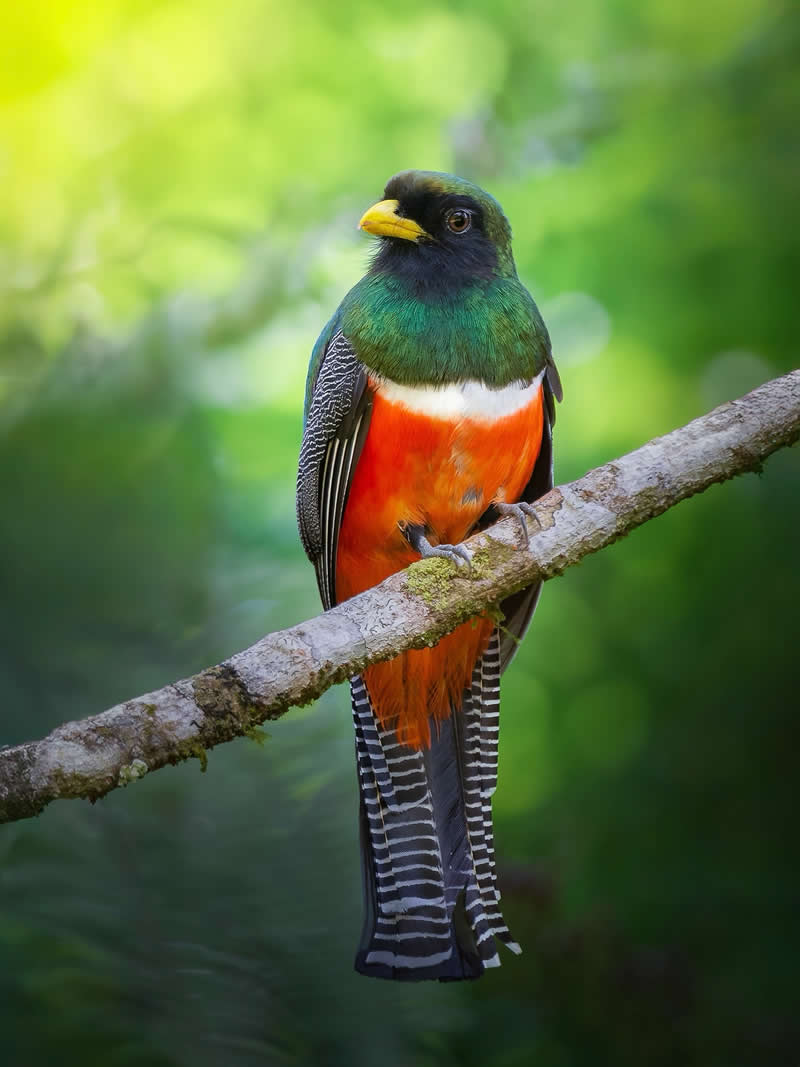
Photo by: Javier Chaves Alvarado
#28
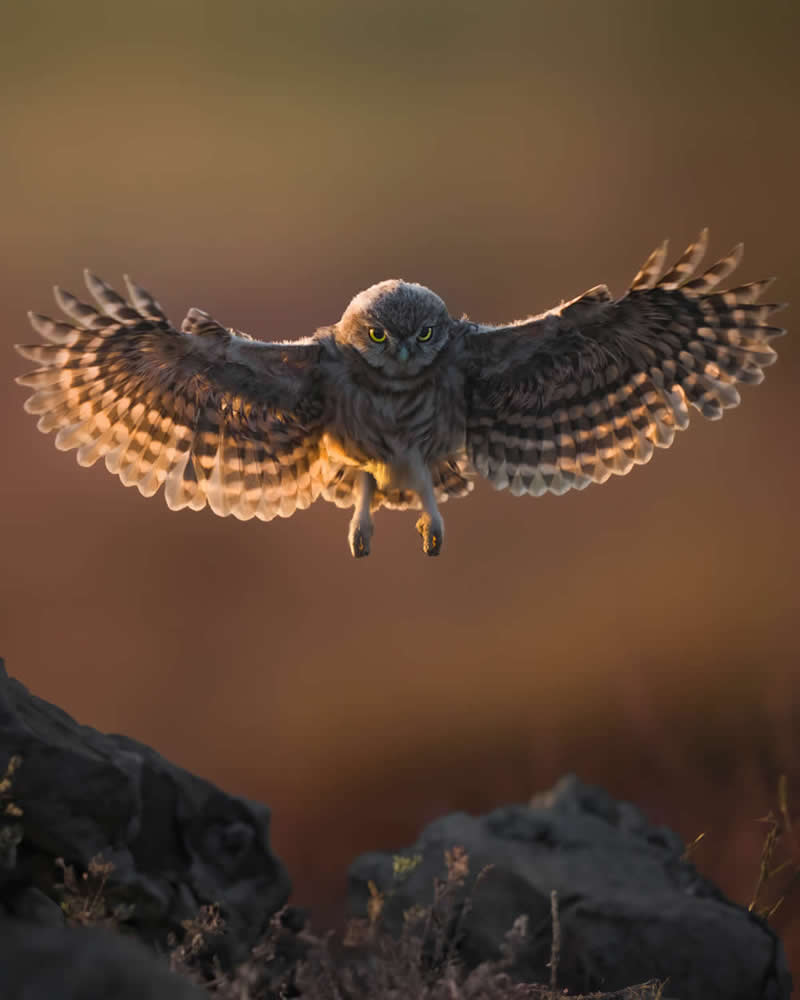
Photo by: Alexandra Surkova
#29
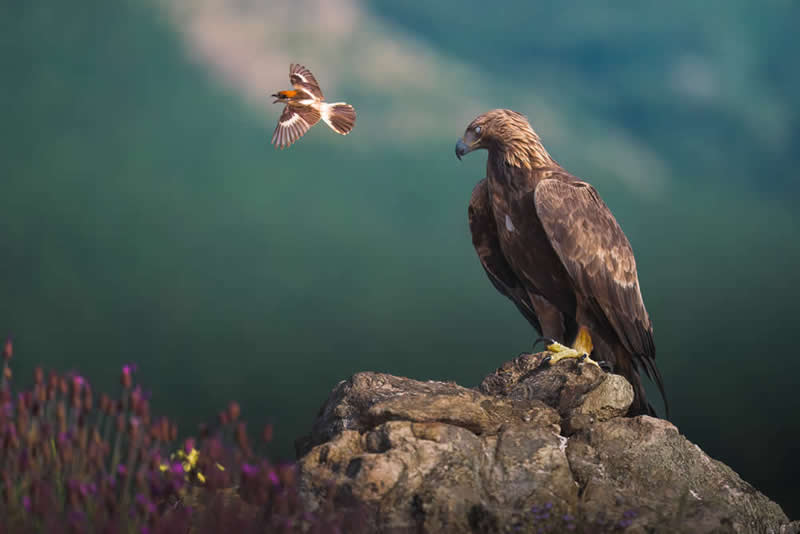
Photo by: Alexandra Surkova
#30
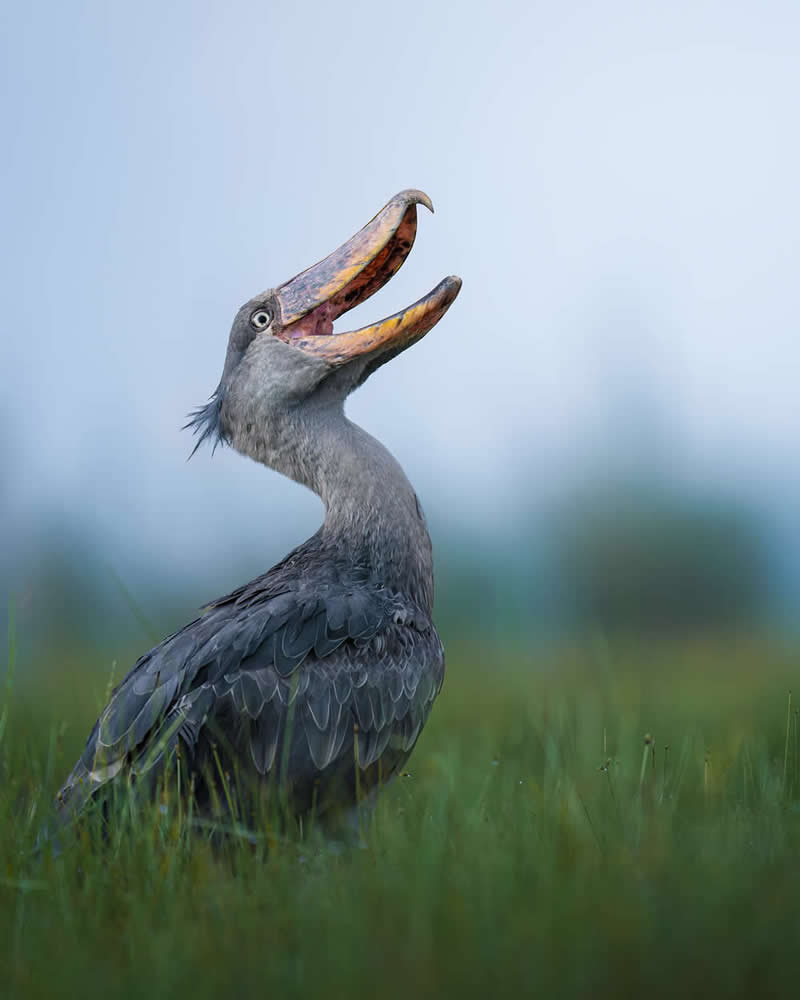
Photo by: Alexandra Surkova
FAQs:
What is the best camera setting for bird photography?
The best settings include a fast shutter speed, typically above 1/1000, to freeze motion. Use continuous autofocus and burst mode to track movement. Adjust ISO based on lighting conditions while keeping images sharp and well-exposed.
Which lens is ideal for bird photography?
A telephoto lens of at least 300mm is ideal for bird photography. Longer lenses allow you to capture detailed shots from a distance without disturbing birds, making them essential for both beginners and professionals.
How can beginners improve their bird photography skills?
Beginners can improve by practicing regularly, learning bird behavior, and shooting in natural light. Studying composition and reviewing photos helps identify mistakes, while patience and consistency gradually lead to better results.
What is the best time to photograph birds?
Early morning and late afternoon are the best times. Birds are more active during these hours, and the lighting is softer, creating more natural and visually appealing photographs with balanced shadows and highlights.
Why is patience important in bird photography?
Patience is crucial because birds are unpredictable and move quickly. Waiting quietly allows natural behavior to unfold, helping photographers capture authentic moments without disturbing wildlife and resulting in more meaningful, visually striking images.