
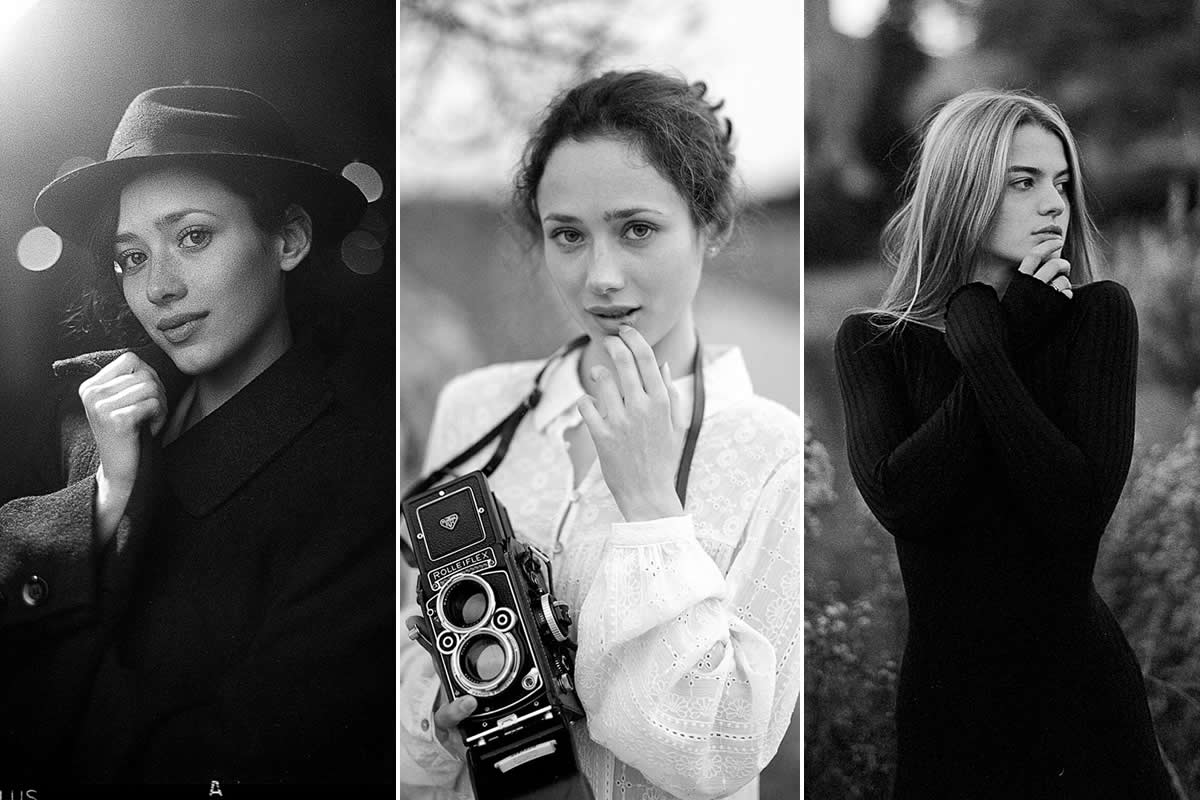
There’s something quietly magnetic about the work of Luis Martin, a kind of stillness that pulls you in and doesn’t let go. Based in Spain, Martin didn’t just stumble into photography; he earned it through life’s twists, including a serious health setback that reshaped his path. What started as a way to pass the time turned into a full-blown calling. Today, his portraits feel less like images and more like moments suspended in time.
Martin’s love for film photography is where the real magic kicks in. Forget instant gratification, this is about patience, intention, and feeling every frame. Influenced by legends like Peter Lindbergh and Richard Avedon, his work leans heavily into black-and-white storytelling that feels cinematic, raw, and deeply human.
What truly sets him apart is connection. He doesn’t just photograph people, he reads them, understands them, and creates space for something real to surface. His images breathe with emotion, shaped by intuition rather than rigid rules.
In a world chasing trends, Martin keeps it real: stay honest, study the greats, and build your own visual language. Because at the end of the day, the strongest images don’t just look good, they feel something.
You can find Luis Martin on the web:
#1
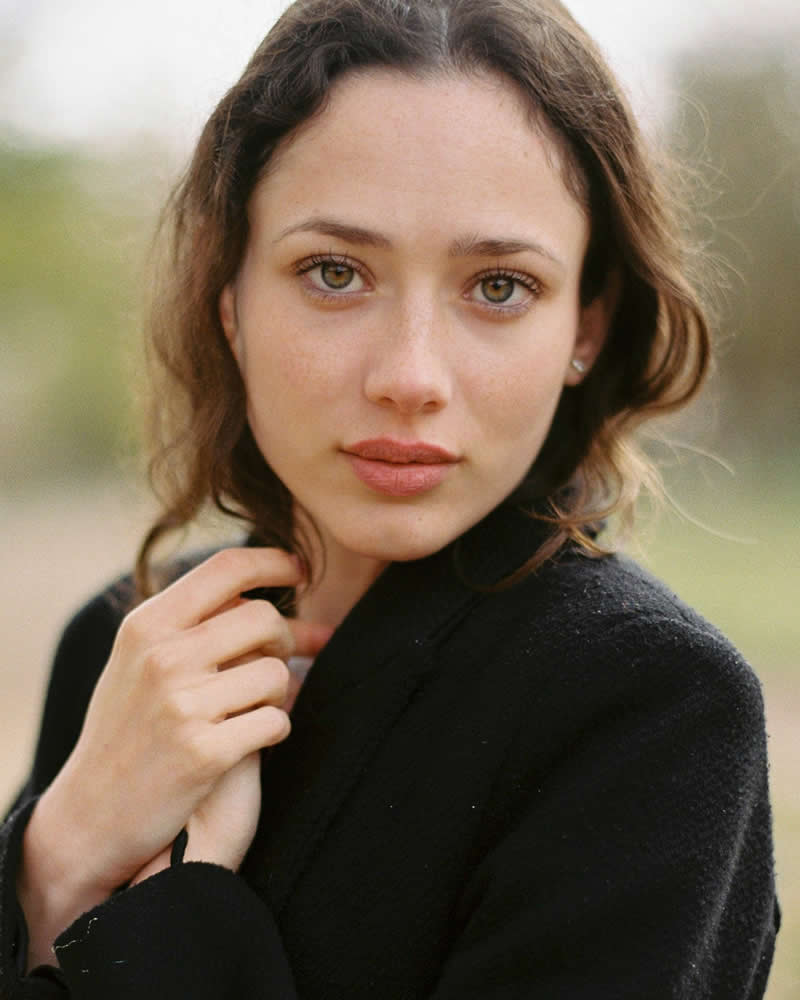
#2
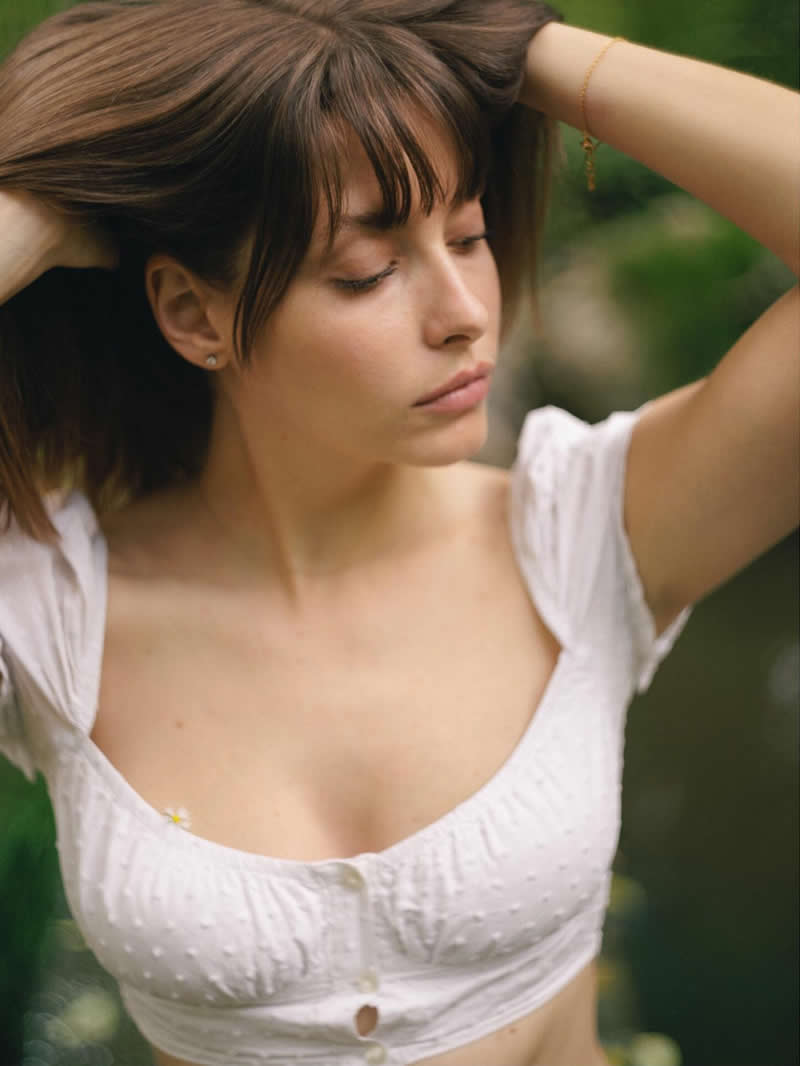
#3
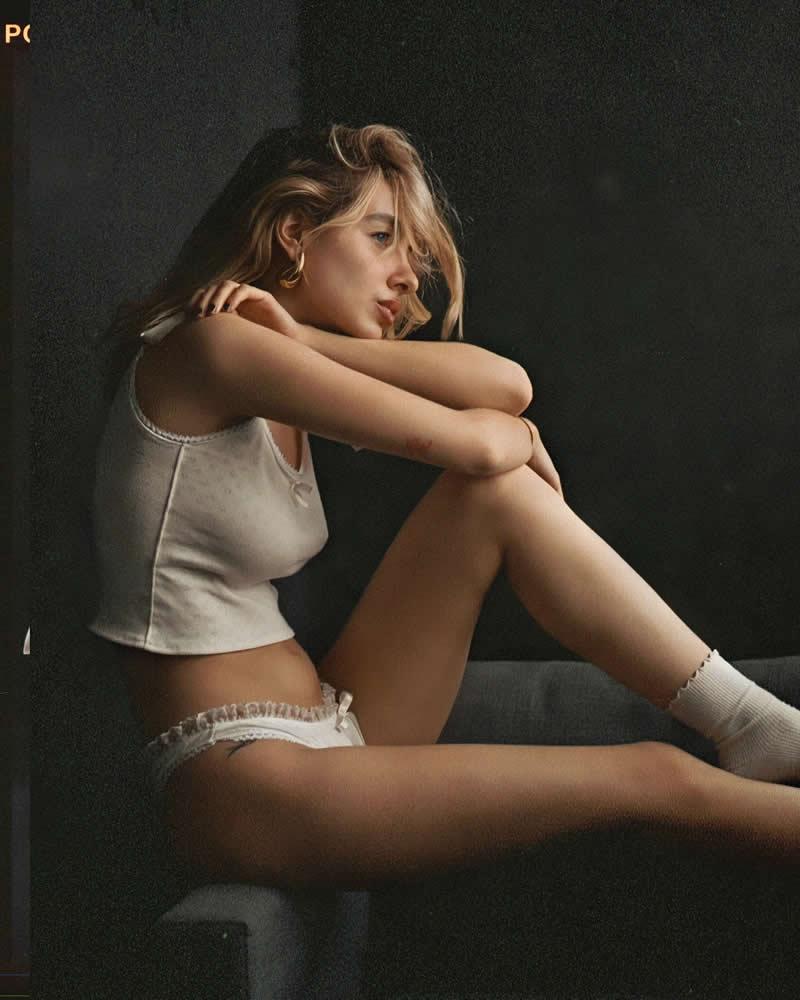
#4
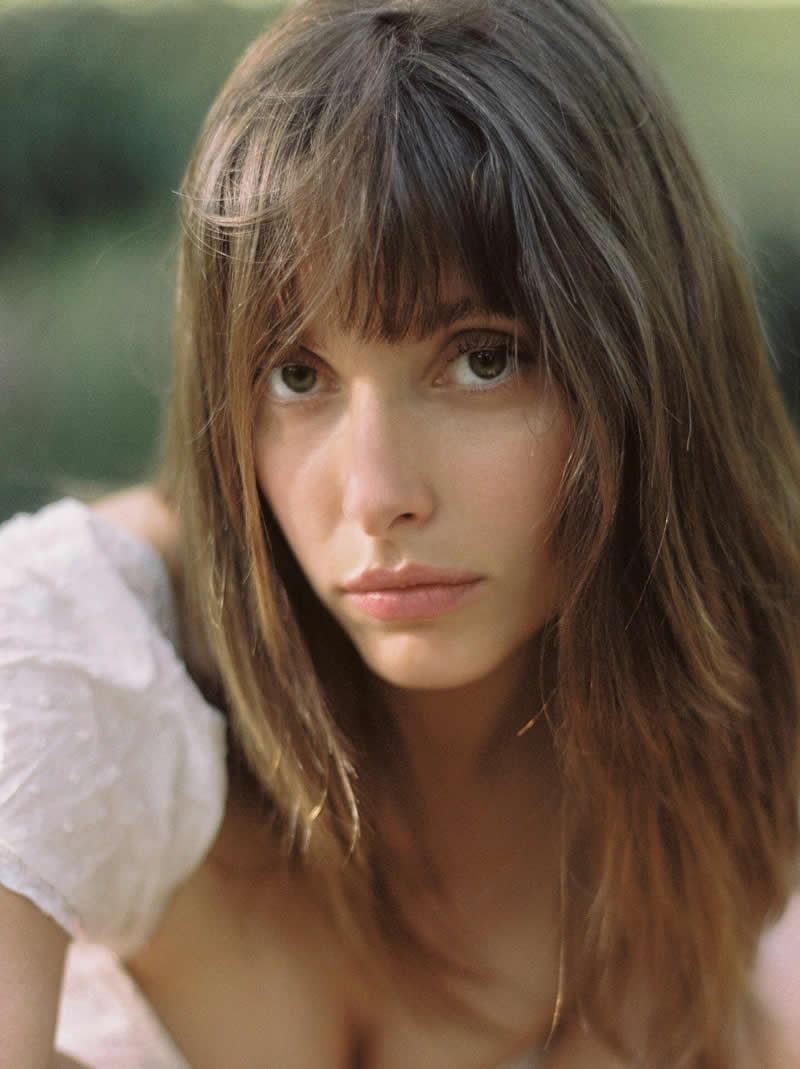
Can you please give a brief introduction about yourself?
My name is Luis Martin, and I am a portrait and fashion photographer based in Spain, with an increasingly international practice and a strong affinity for analog photography and emotionally grounded image-making.
Before dedicating myself fully to photography, I spent many years working as an engineer and executive in industry. Photography had long been part of my life, but over time it evolved from a personal passion into something much deeper, a way of seeing, feeling, and relating to the world. In recent years, I left that previous career behind to focus entirely on building my photographic practice.
My work moves between portrait, fashion, and more personal fine art projects, often with a quiet, cinematic atmosphere and a strong interest in presence, gesture, and emotional truth. I am especially drawn to film for the depth, texture, and timelessness it brings, and for the way it encourages a more attentive and intentional approach to image-making.
#5
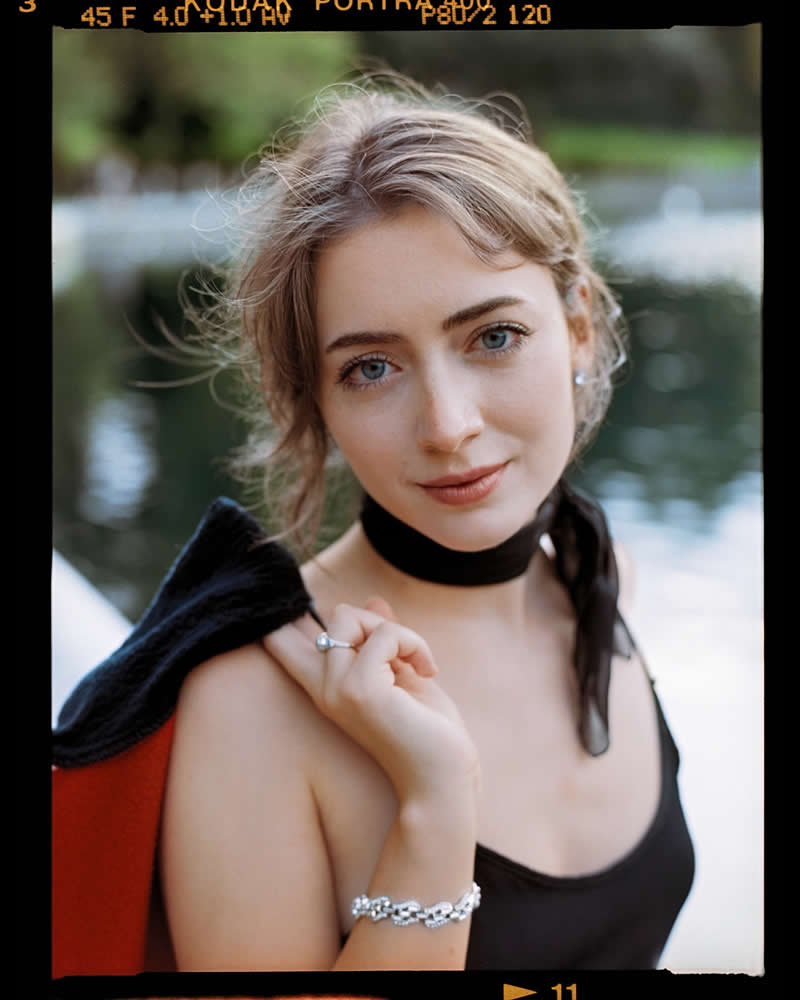
#6
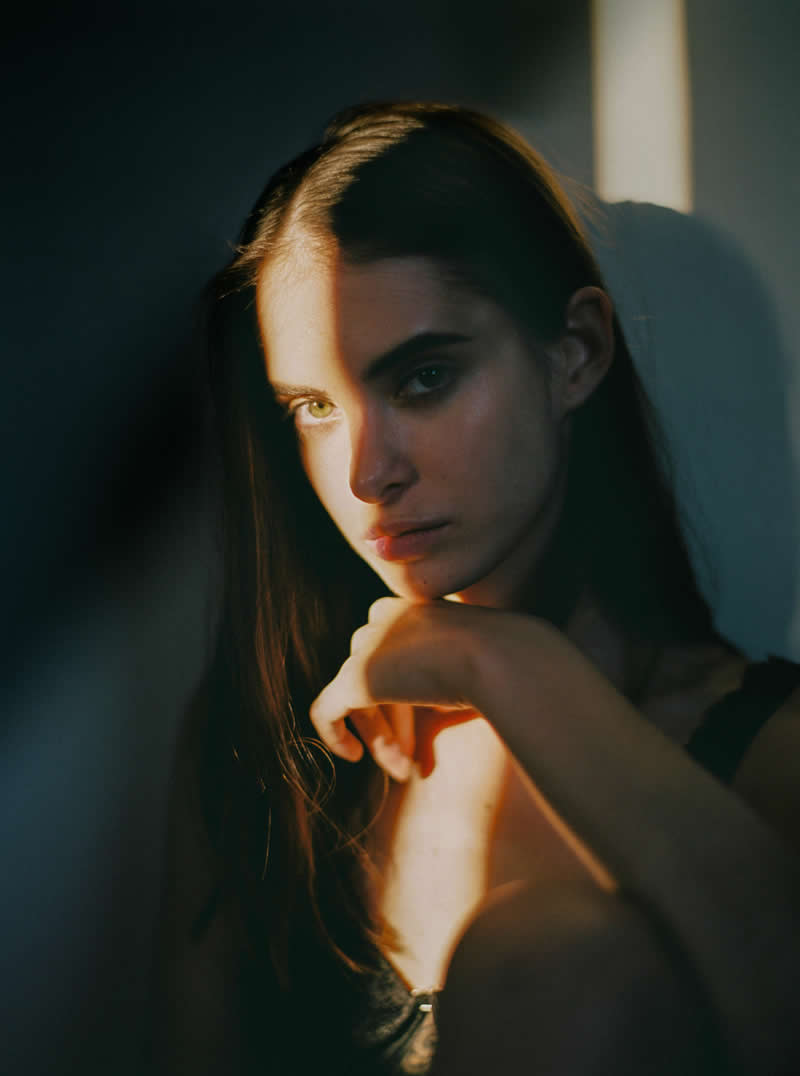
#7
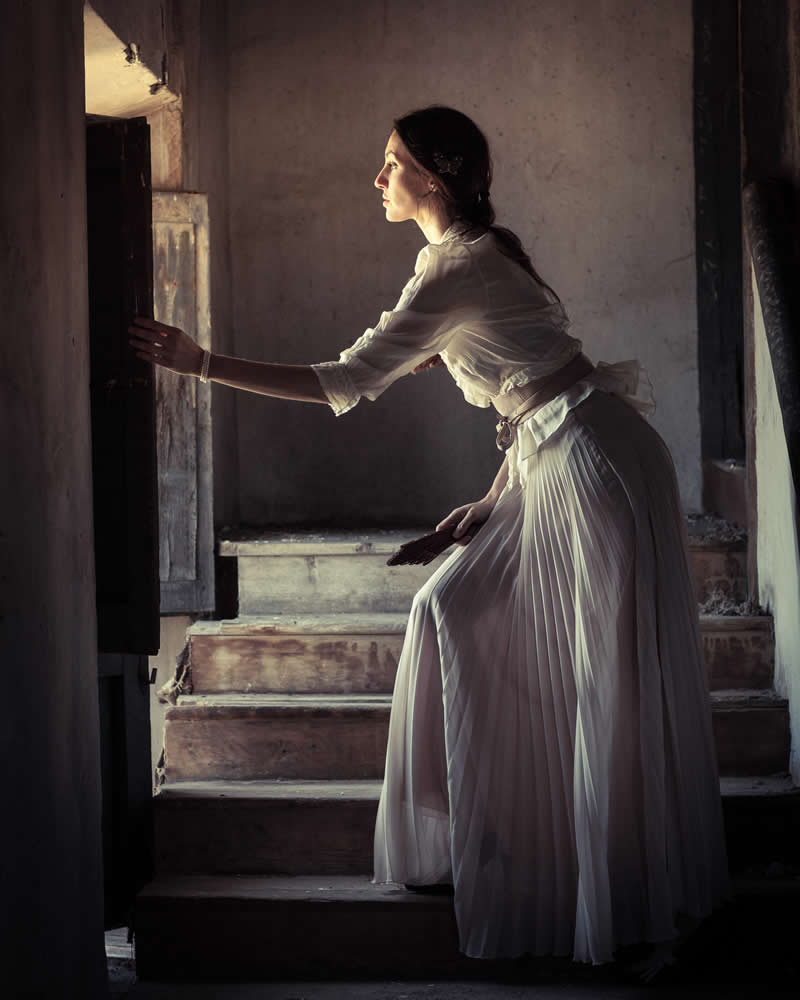
#8
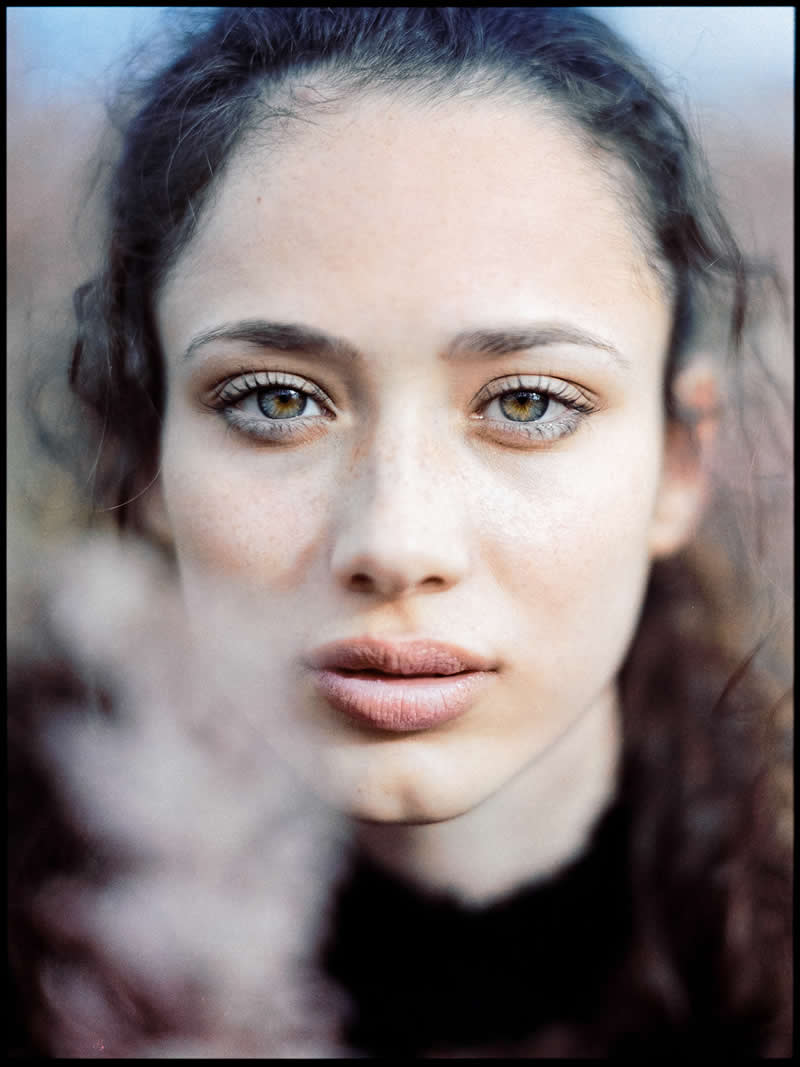
How did you start your journey in photography?
My journey into photography began during a period of recovery after a serious health episode. I was physically weak and spending a lot of time at home, so I bought a small digital camera and started photographing in a quiet, instinctive way.
Soon after, I attended a workshop with international photographers, which led me to a photographic safari in Kenya. It was there that everything truly opened up for me. I discovered film photography not only in the cameras and materials themselves, but also in the passion, care, and intention behind the process. That experience had a deep impact on me, and from then on, photography became much more than an interest; it became a lasting passion.
#9
#10
#11
#12
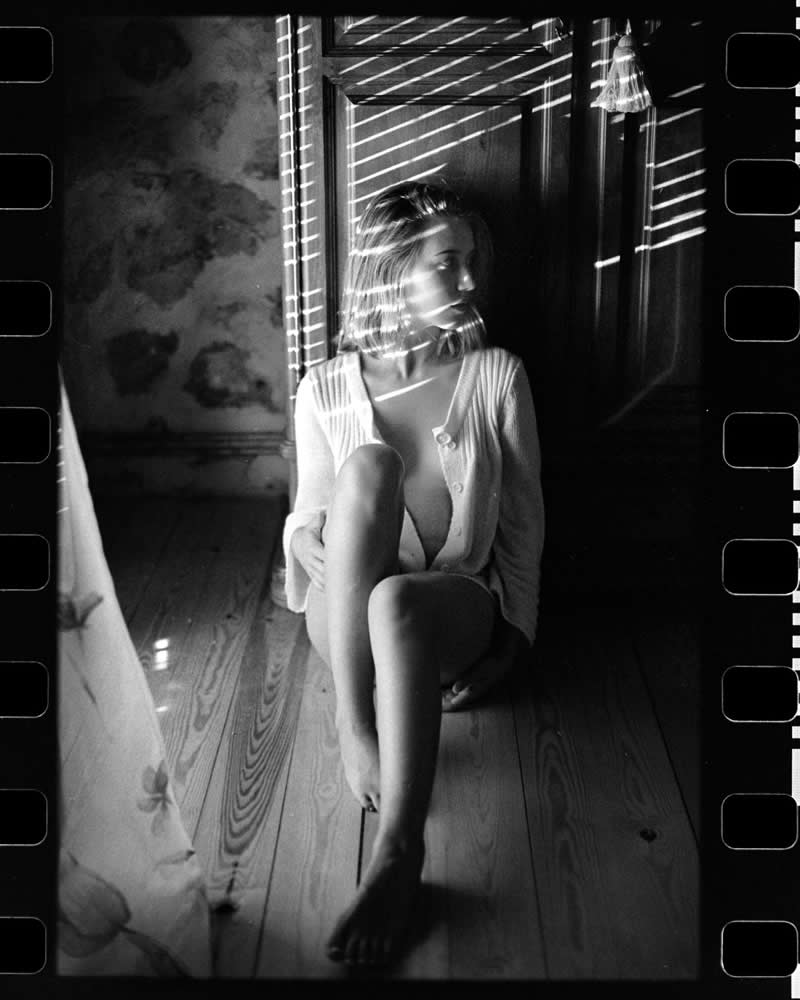
What draws you to film photography?
What first drew me to film photography was that sense of discovery. During that workshop in Kenya, I was exposed for the first time to the cameras, the materials, and the way analog photographers worked with such care and intention. Seeing their results and understanding the full process, including development, felt almost magical to me.
From that point on, I entered a long period of self-teaching and intensive study. I have always been very autodidactic, so I spent many hours learning, experimenting, and building my own relationship with film.
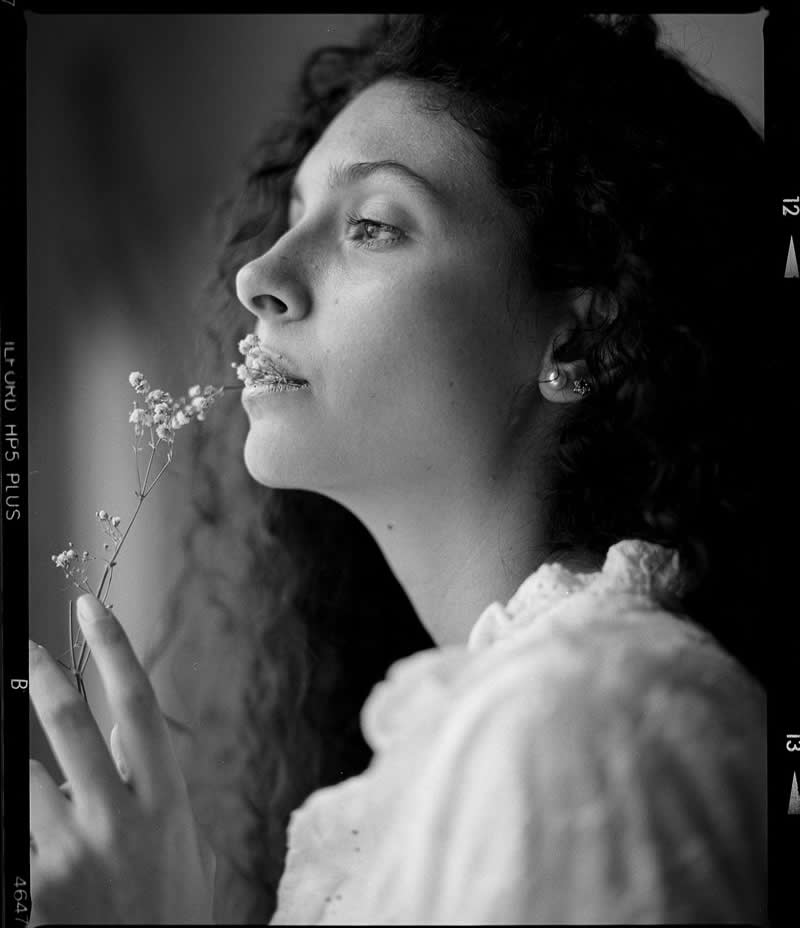
What continues to draw me to it is not only the visual result, but the discipline and sensitivity it demands. I was strongly influenced by photographers whose work carried a deep emotional presence and a timeless sense of portraiture, such as Peter Lindbergh, Jeanloup Sieff, Richard Avedon, and Gregory Heisler. Through them, I understood how much depth, subtlety, and atmosphere film, especially black-and-white film, could hold, and that sensibility still shapes the way I photograph today.
#13
#14
#15
#16
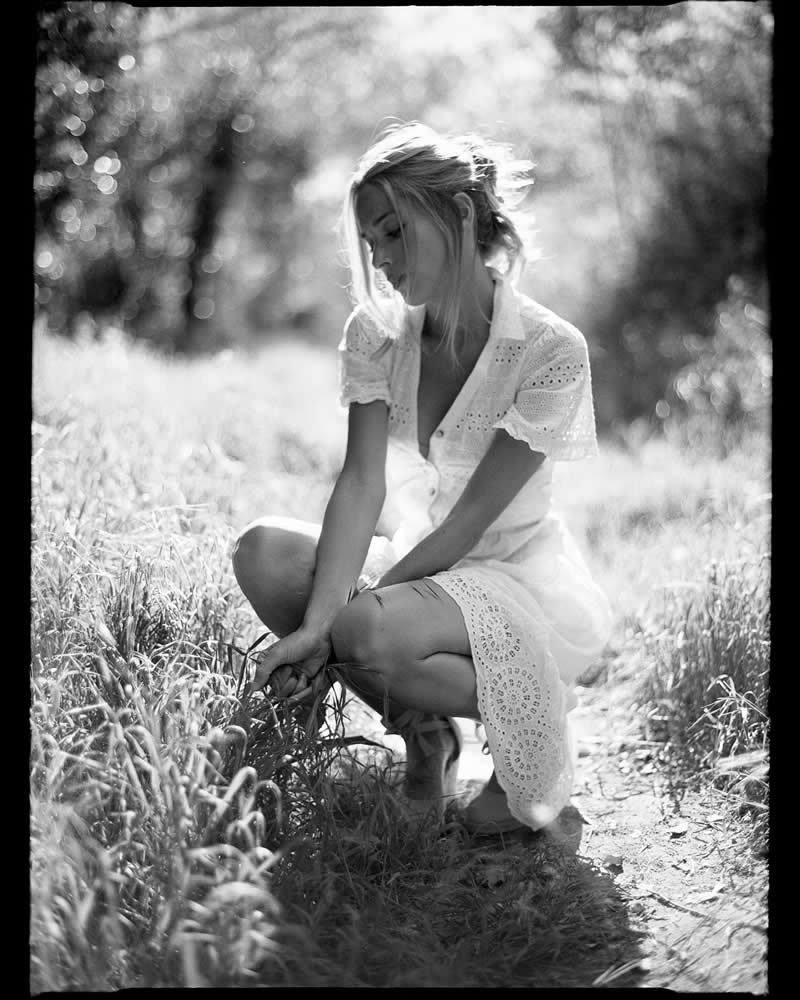
Your portraits have such a strong sense of presence and emotion. How do you create that connection with the people you photograph?
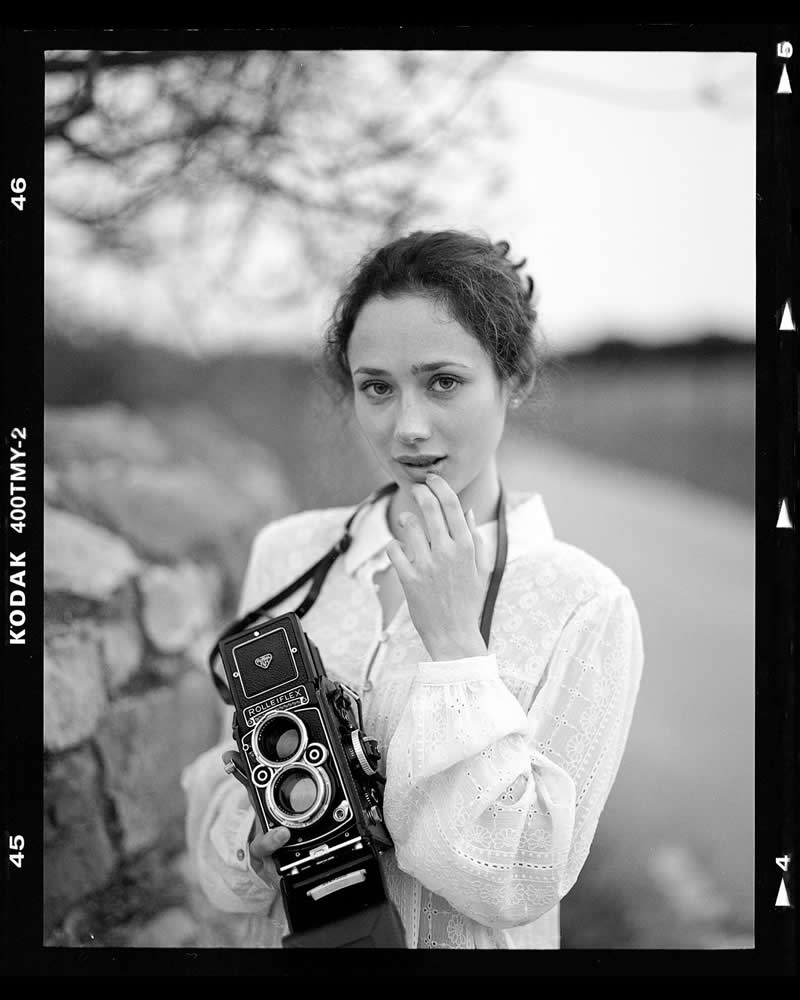
For me, everything begins with respect and with seeing the person in front of the camera simply as a person, beyond any role, label, or expectation they may carry outside that moment.
I rely a lot on instinct. Every person gives you something different, and I try to read that carefully and adapt my way of working accordingly. Sometimes that means speaking more, sometimes less. Sometimes it means giving more space and freedom, and sometimes offering clearer direction. It really depends on the energy, sensitivity, and presence of the person I am photographing.
The most important thing is creating a real human connection. Once that connection is there, everything starts to open up naturally. For me, portraiture is not only about technique or control; it is also about trust, intuition, and that invisible link that allows something honest to appear in the image. That is usually when the strongest photographs happen.
#17
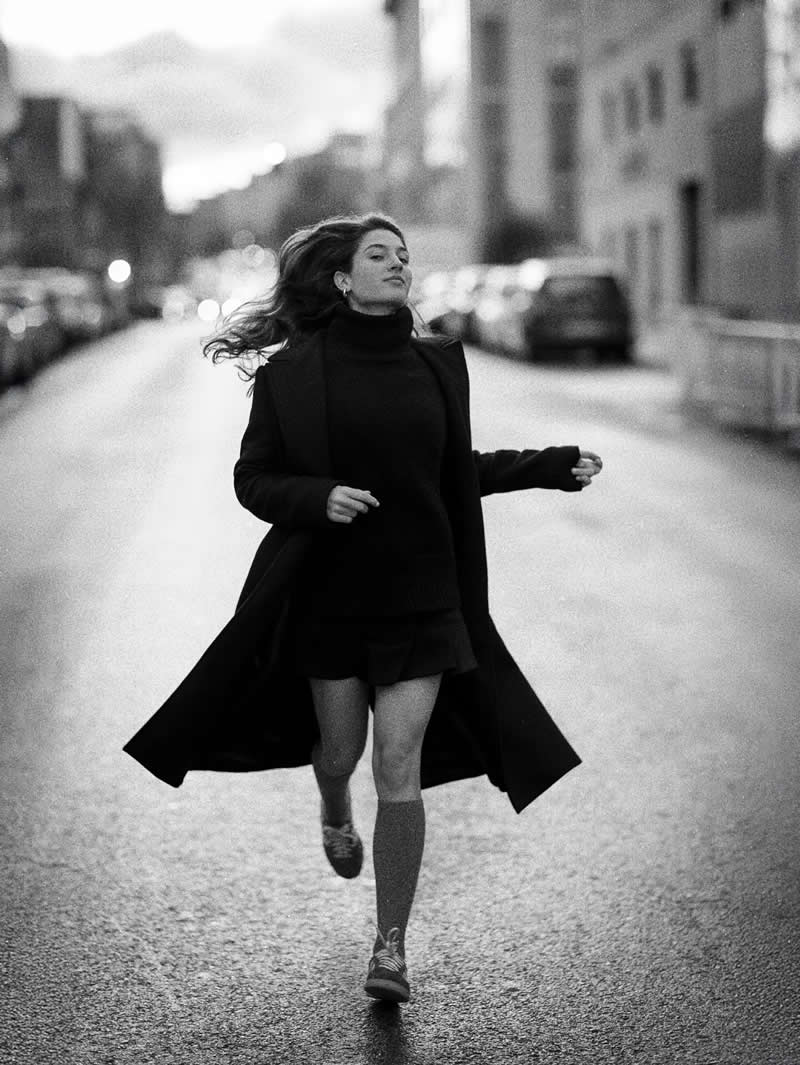
#18
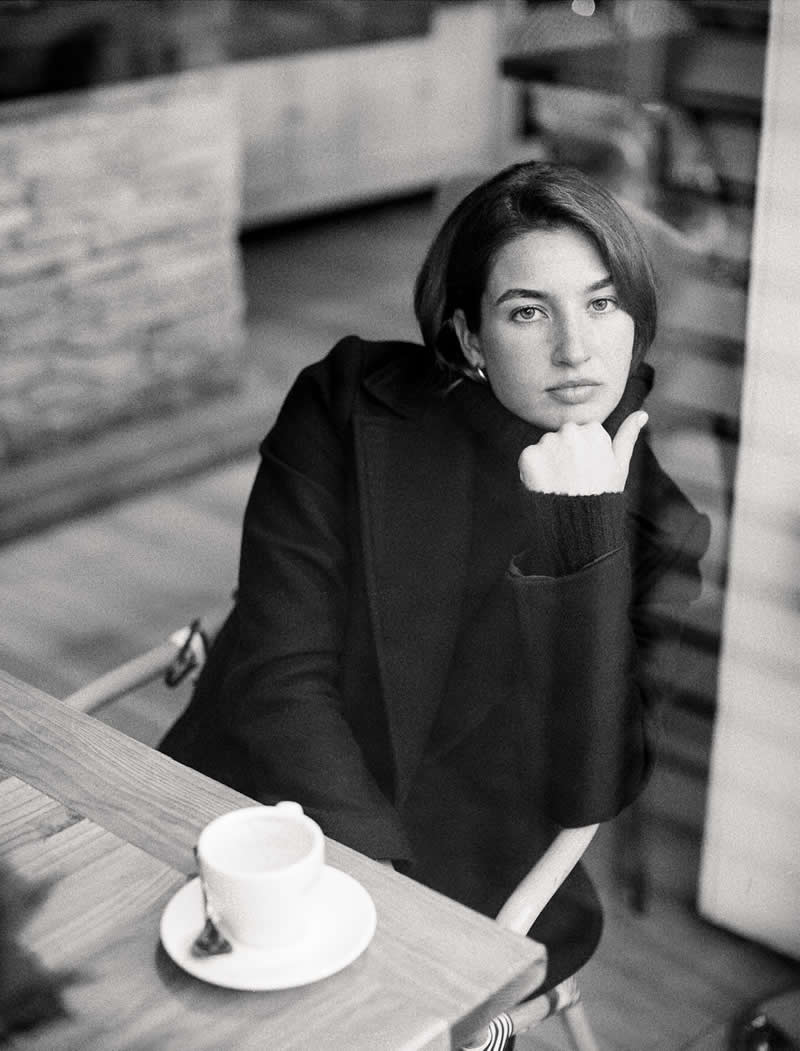
#19
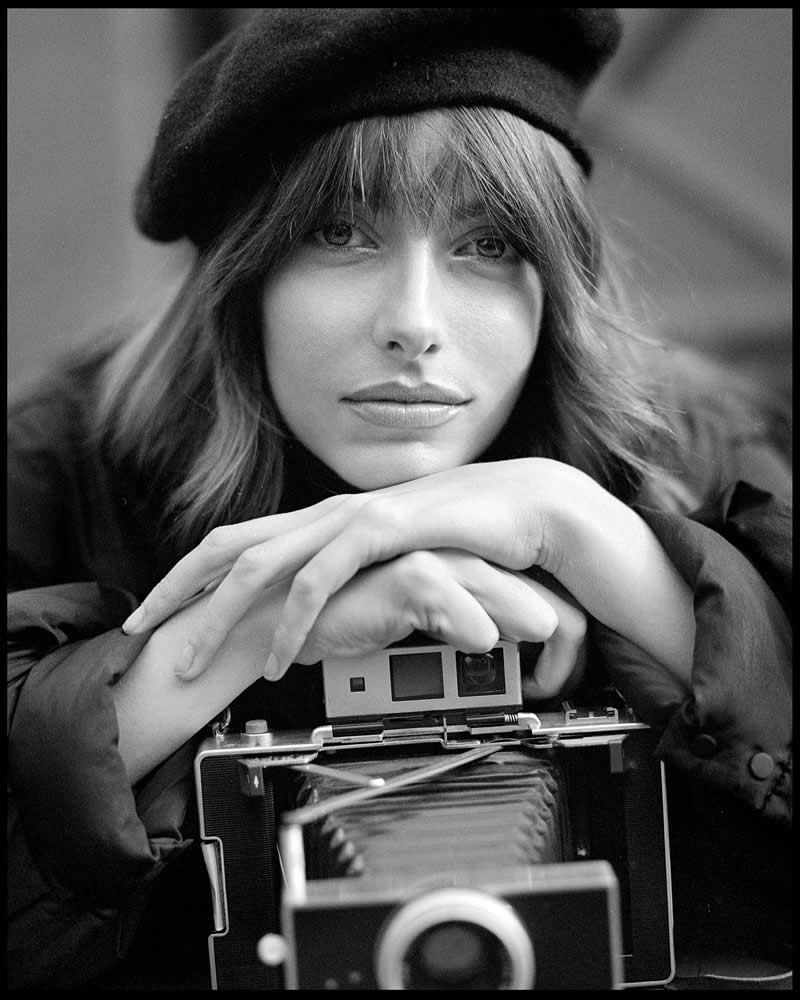
#20
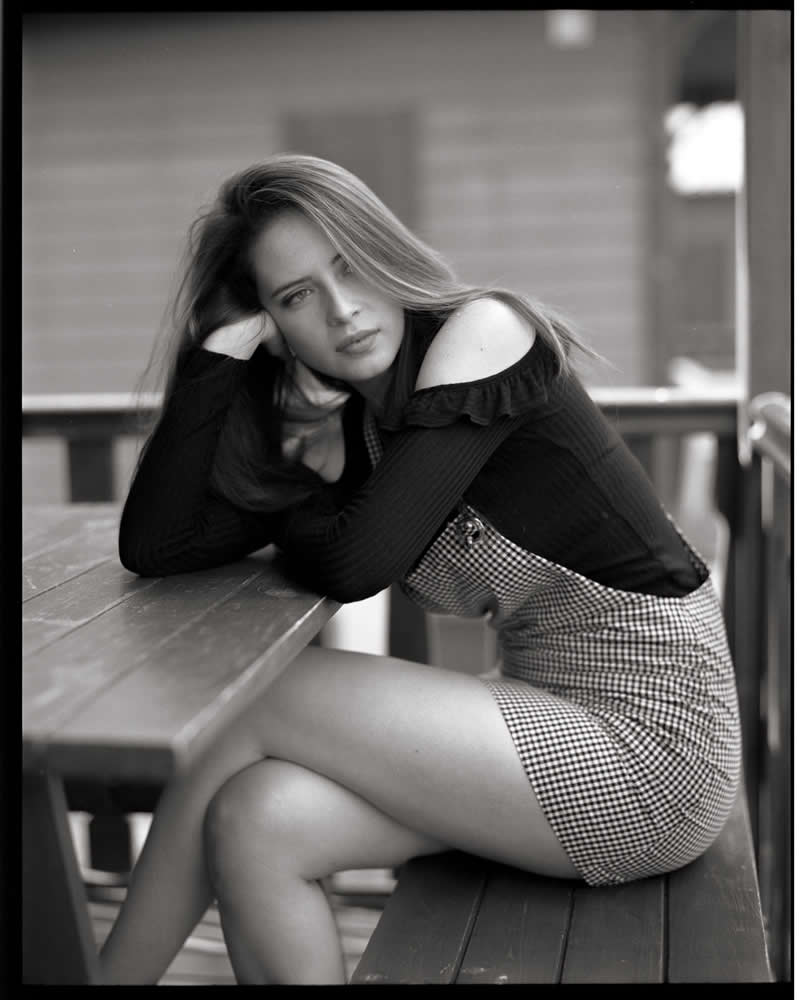
A lot of your work in black and white feels very cinematic and timeless. What do you look for when composing or developing those images?
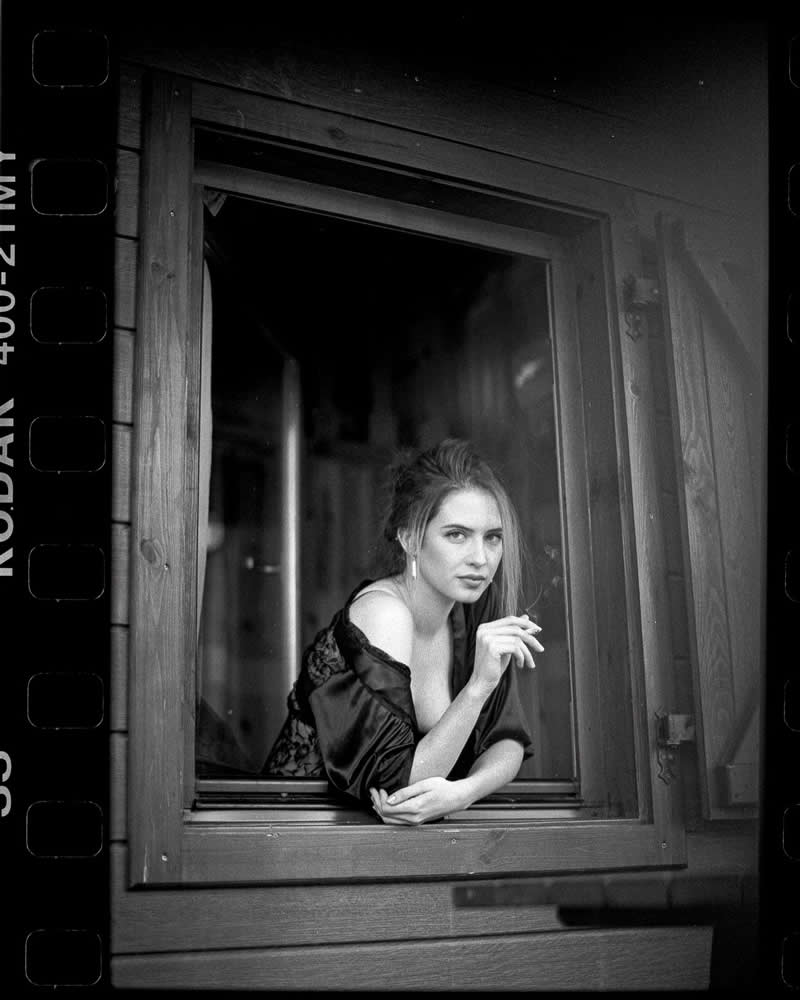
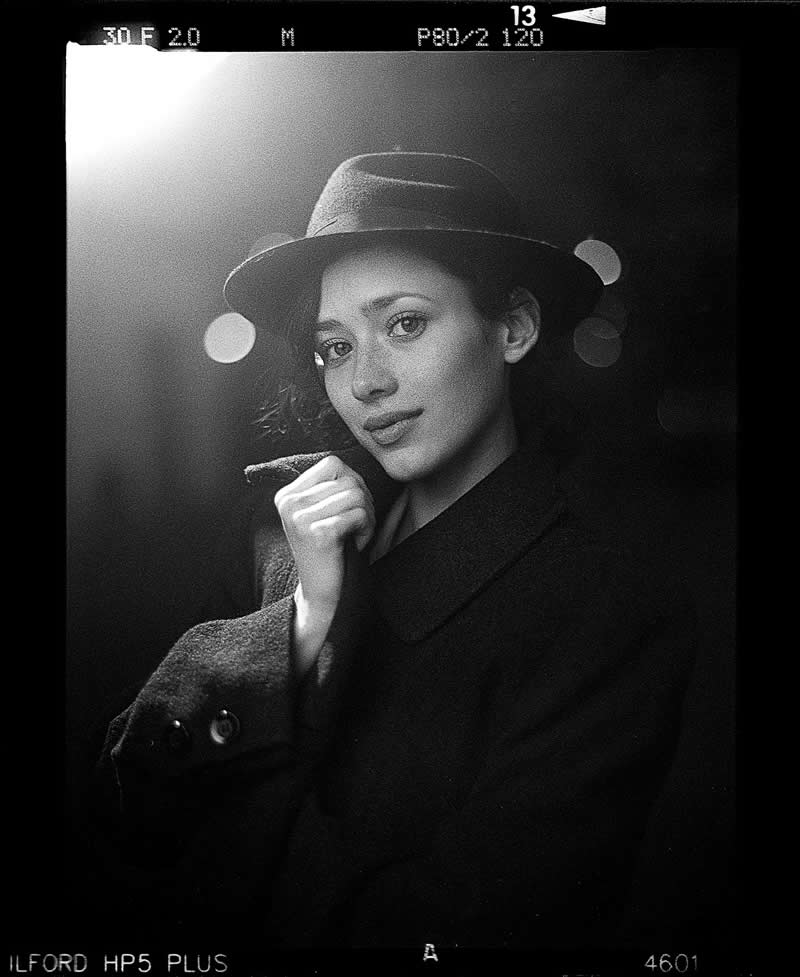
Intuition plays a central role for me here as well. My relationship with black and white comes from many layers of influence that have stayed with me over time: classic photography, fashion photography, and especially film noir and American black-and-white cinema. All of that has shaped how I feel about images, and that feeling naturally guides how I compose and develop them.
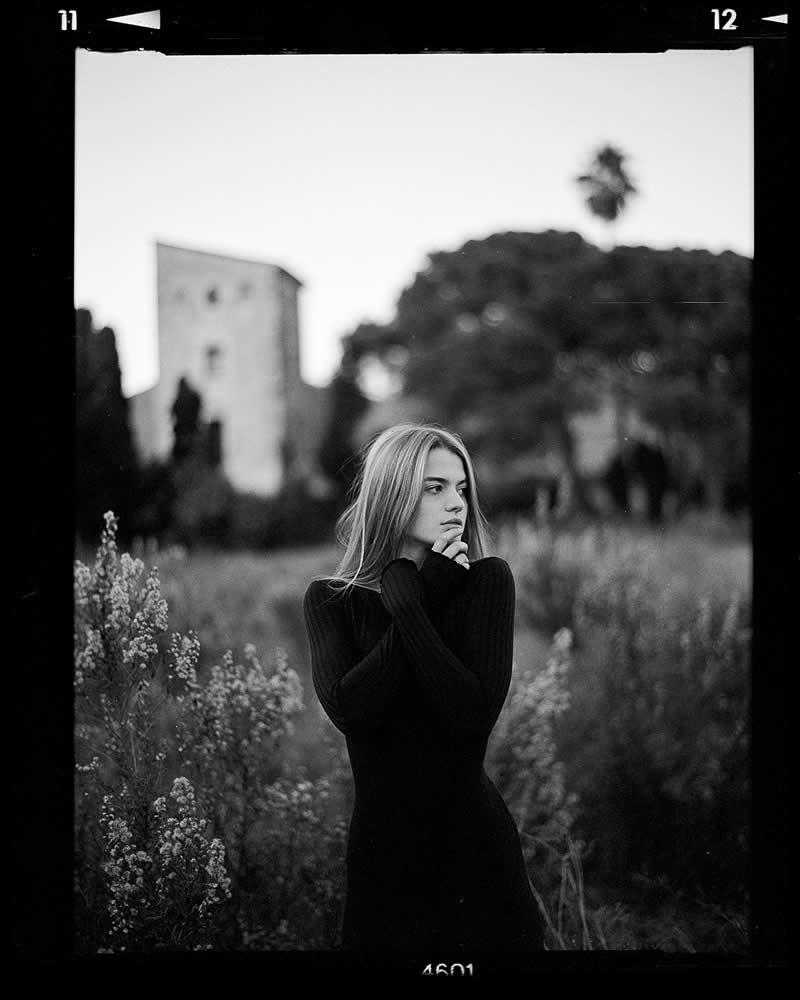
What I look for is not only form, but atmosphere, tension, gesture, and emotional weight. Black and white allows me to move away from the distractions of color and focus on what’s essential. It can reveal a deeper, more artistic, and more honest emotional presence.
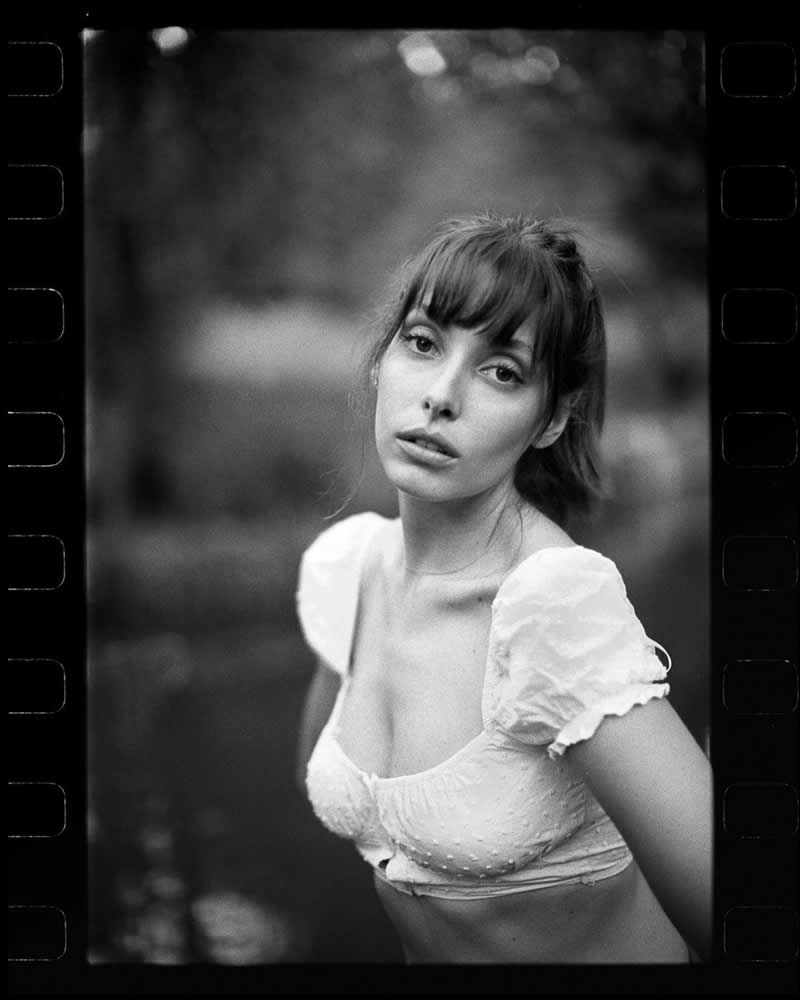
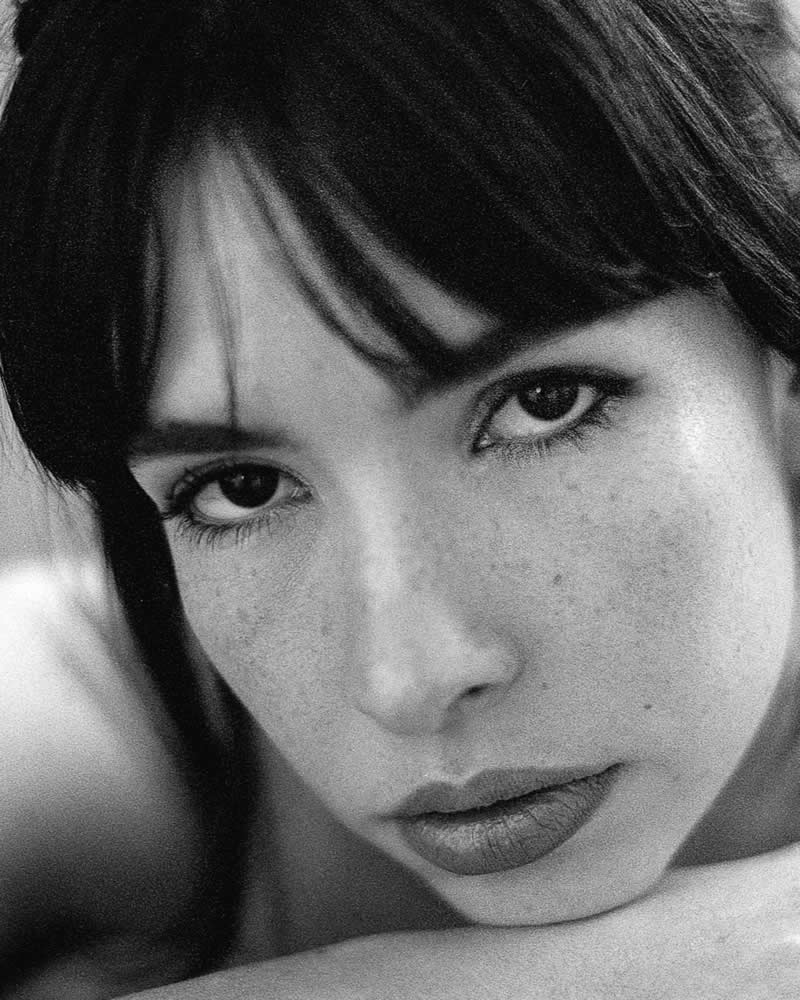
I have always been especially drawn to the way female presence can be expressed in black and white through gesture, mystery, strength, softness, and emotional nuance. I think film has a unique way of holding that complexity with great beauty and depth.
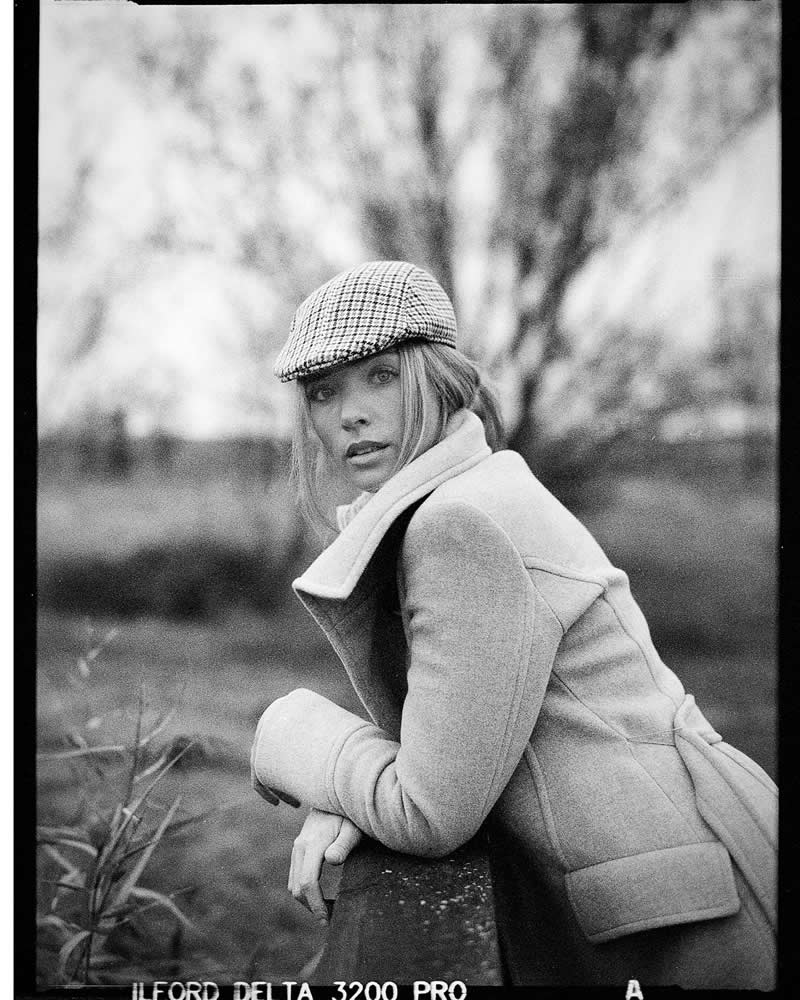
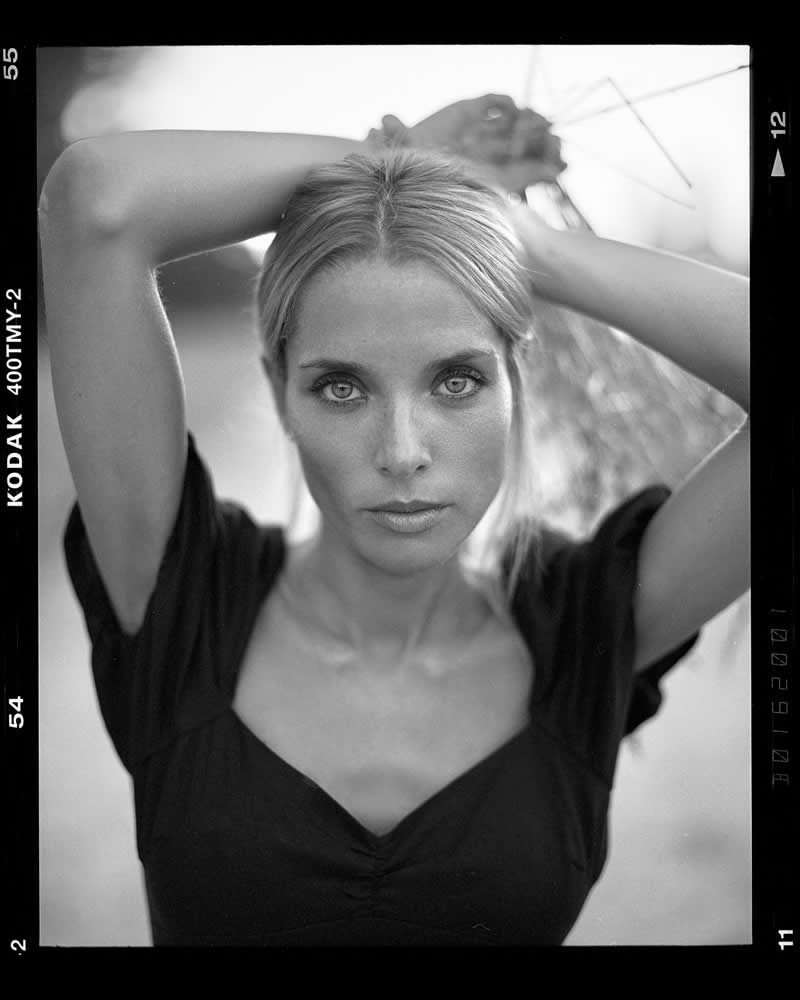
I also love how different films respond to light in very different ways. Each emulsion has its own character, which becomes part of the photograph’s emotional language. For me, black and white is not a reduction; it is a way of intensifying presence, depth, and timelessness.
#21
#22
#23
#24
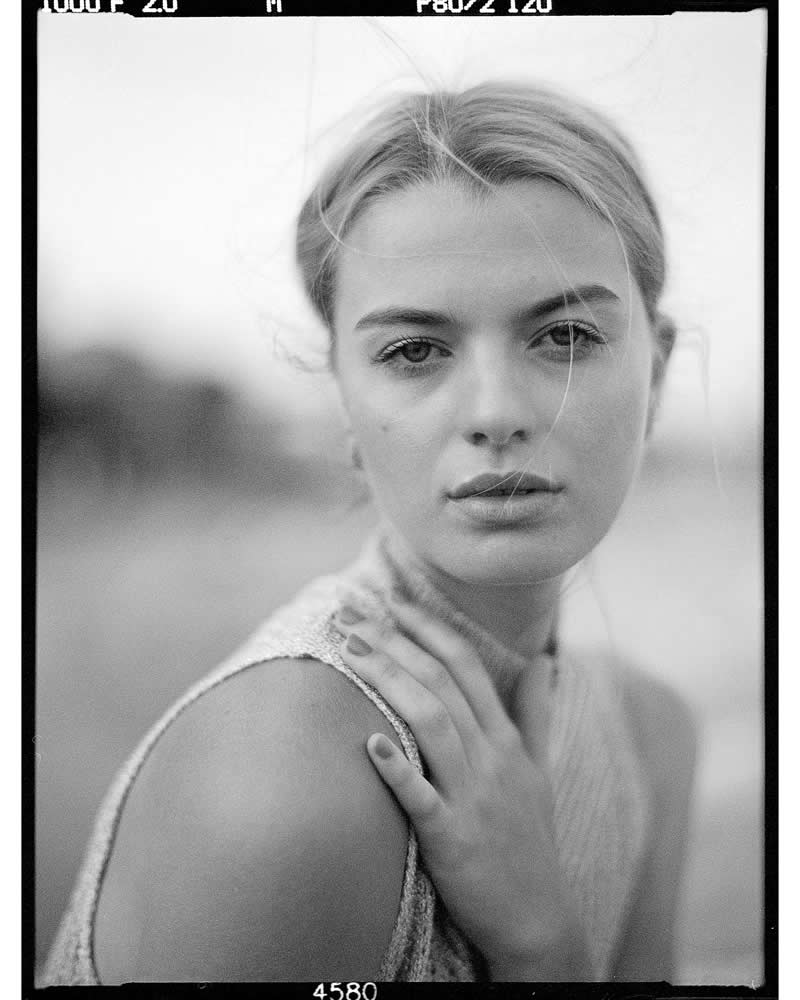
What advice would you give to photographers who are trying to find their own visual language?
I would encourage them to spend time with the classics, not to imitate them, but to understand the depth, discipline, and visual intelligence that great photography can offer. At the same time, they should remain open to contemporary work and to anything that genuinely moves them.
Finding a visual language takes time, and I think it requires honesty. It means paying attention to what truly resonates with you, what keeps returning, the kinds of images that stay in your mind, and the kind of emotional world you want to build through photography.
My advice would be: do not let trends or social media aesthetics define how you see. Learn from everything that inspires you, old and new, but stay faithful to your own sensitivity. In the end, a visual language becomes stronger when it grows from something personal, not from trying to look like everyone else.
#25
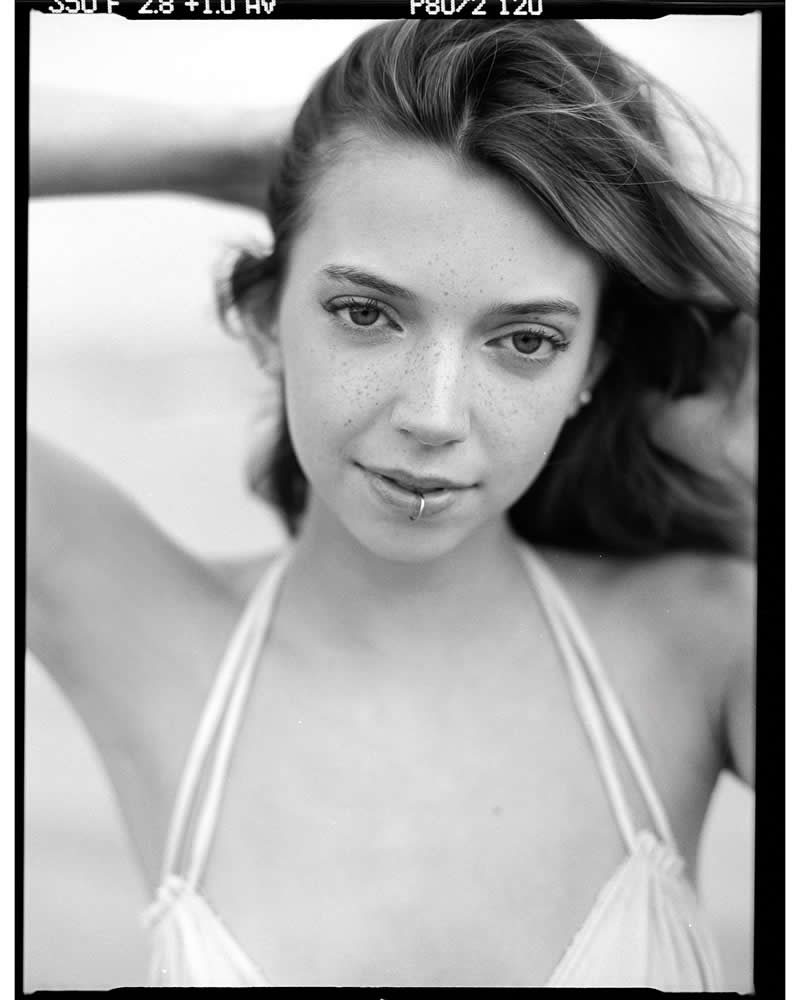
#26
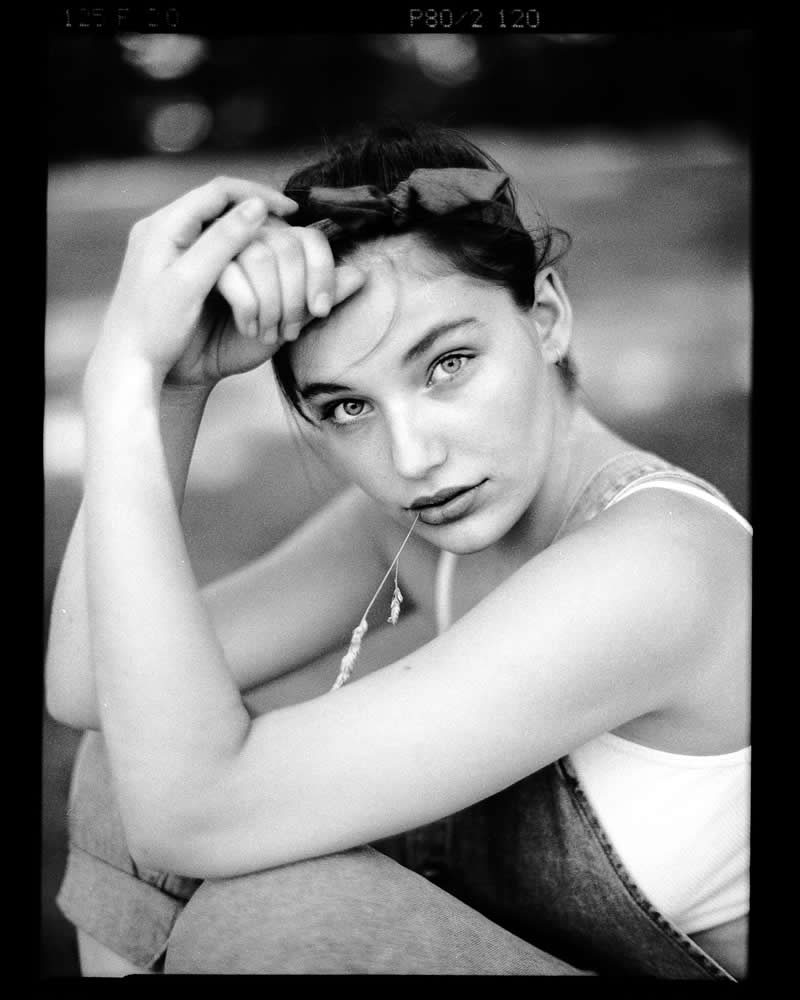
#27
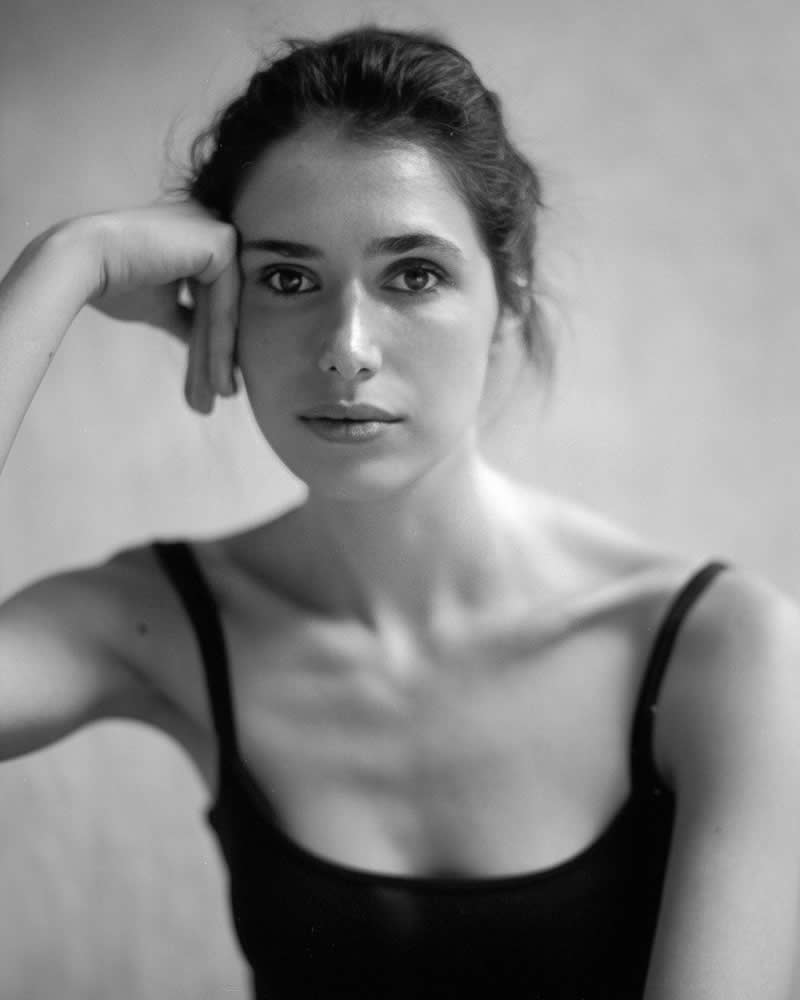
#28
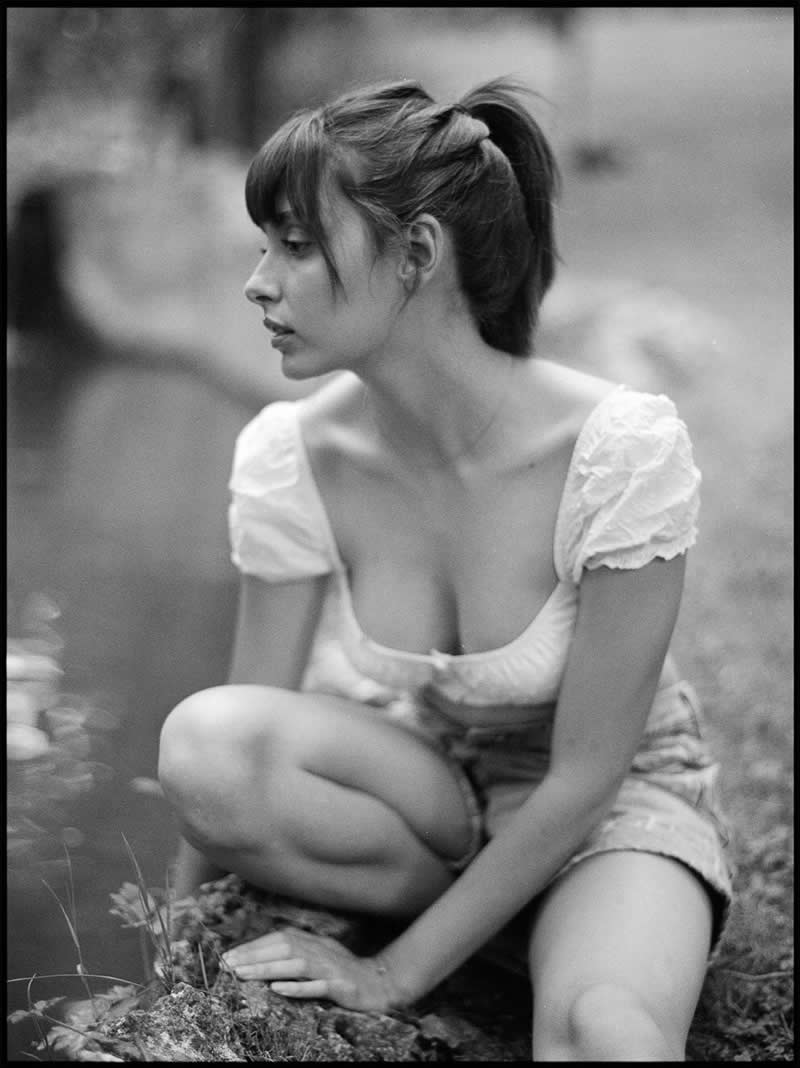
Can you please share your awards and recognitions?
My work has been exhibited internationally in cities such as London, New York, and Paris, including participation in festivals and exhibitions at One Art Space in Tribeca, New York, and IMAGENATION Paris International Photo Festival.
In London, I exhibited twice in Soho galleries, and earlier in my journey, I received recognition in portrait photography through a competition that led to exhibitions, as well as a period of representation and membership in the former London Photographic Association.
I also received an Honorable Mention from United Photographers International in 2014 for my image “Scene in Marrakech.” Alongside these recognitions, my work has continued to grow through exhibitions, online publications, workshops, and, more recently, mentoring and photographic projects with an increasingly international reach.
#29
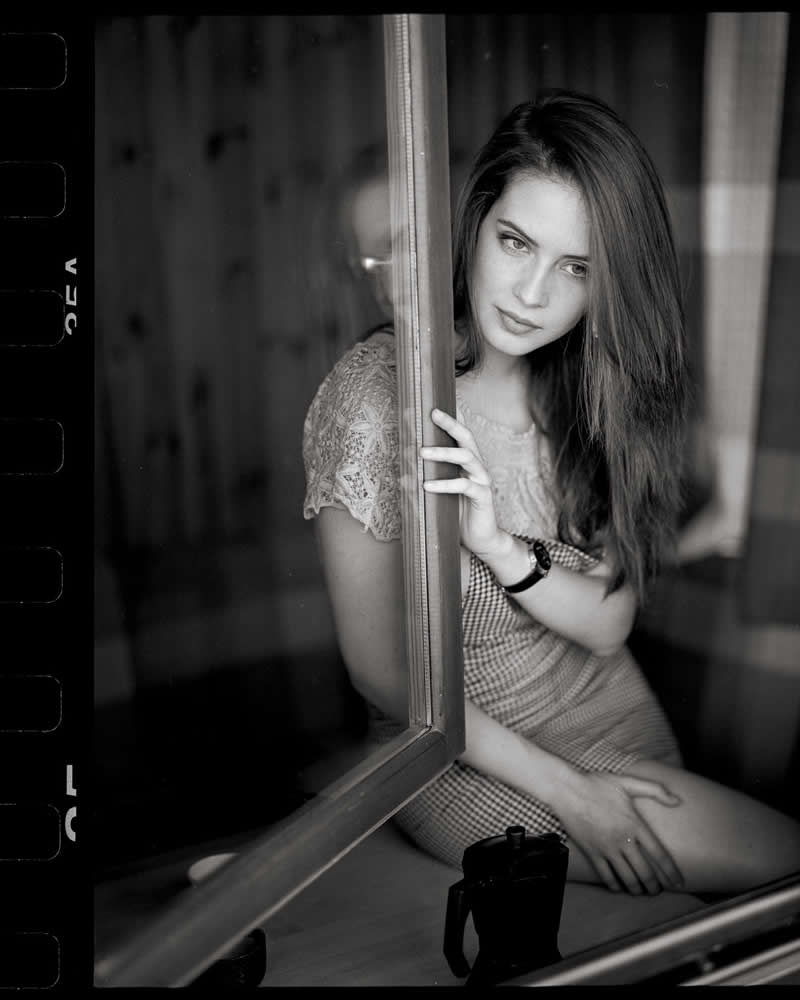
#30
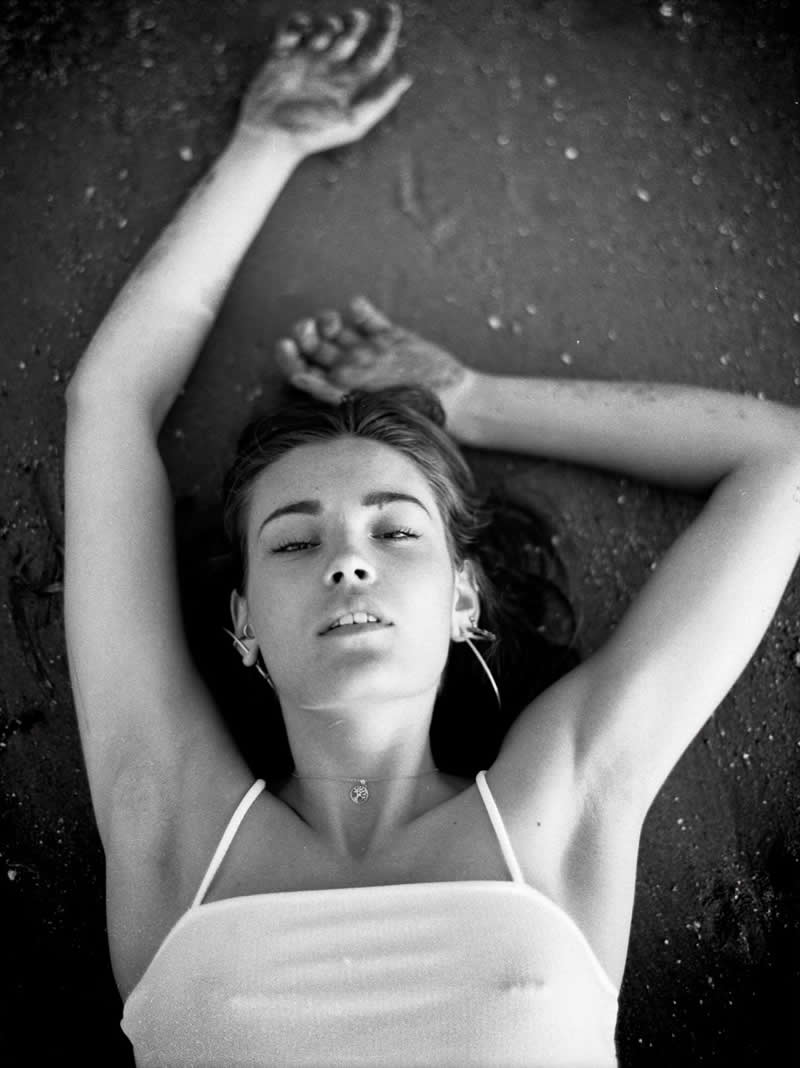
121clicks Editor’s Take on Luis Martin
Luis Martin’s work hits different and in the best way possible. It’s not loud or overproduced, but that’s exactly why it sticks with you. There’s honesty in every frame that today’s fast-paced photography scene often misses.
- His commitment to film reminds photographers to slow down and shoot with intention.
- The emotional depth in his portraits teaches the value of human connection.
- His journey proves it’s never too late to reinvent your creative path.
- The cinematic black-and-white style inspires timeless storytelling.
- His advice encourages photographers to stay authentic, not trendy.
Martin’s work is a solid reminder: great photography isn’t about perfection, it’s about presence, patience, and real emotion.