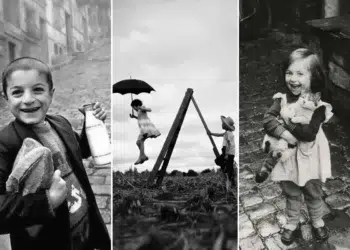

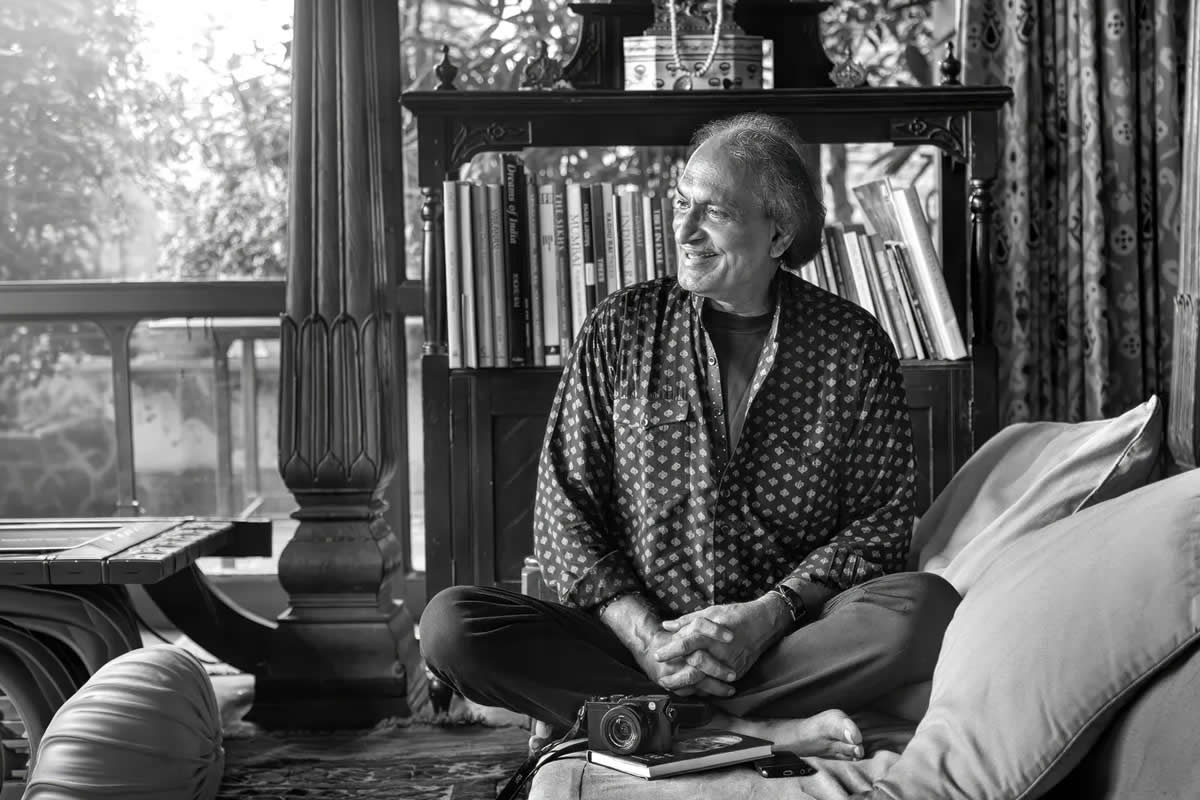
India has lost more than a photographer; it has lost a witness, a storyteller, and one of the sharpest eyes ever to look through a lens. Raghu Rai, one of the nation’s most celebrated photographers, passed away at 83 in the early hours of Sunday after battling cancer and age-related health issues. He leaves behind his wife, Gurmeet, his son, Nitin, and his daughters, Lagan, Avani, and Purvai.
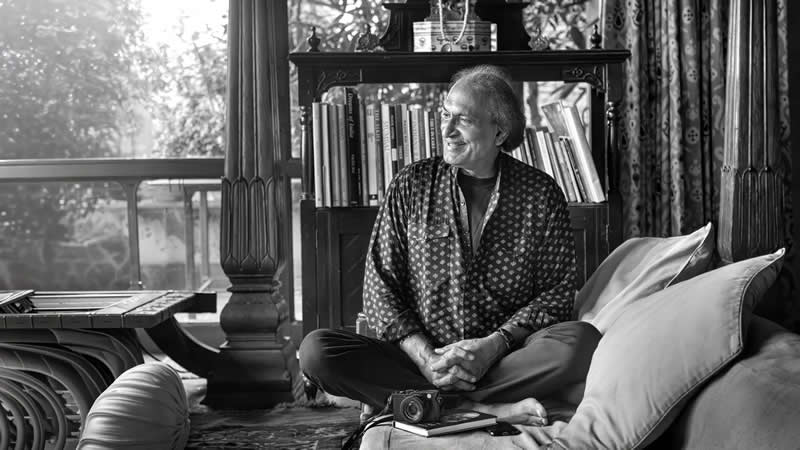
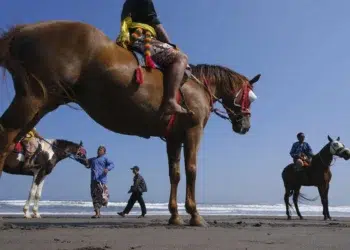
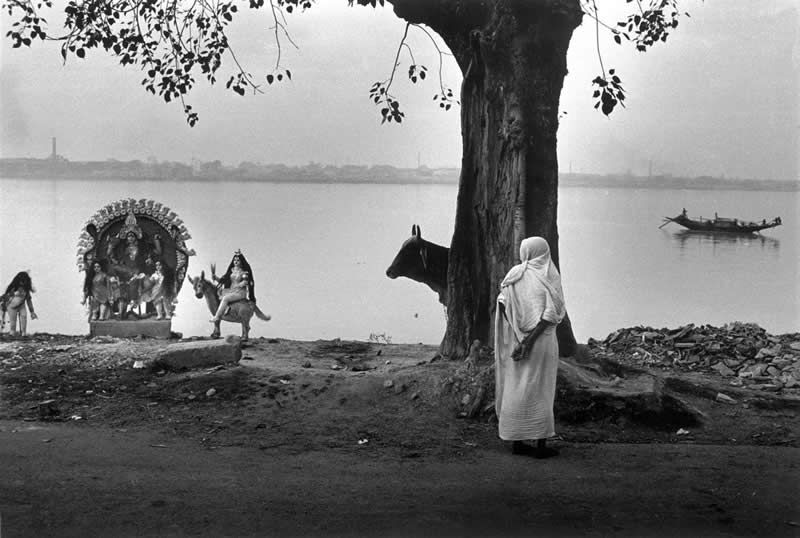
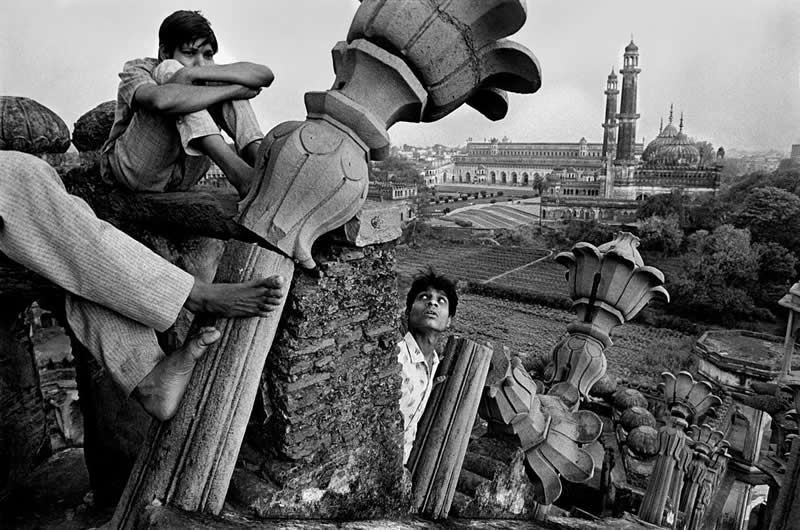
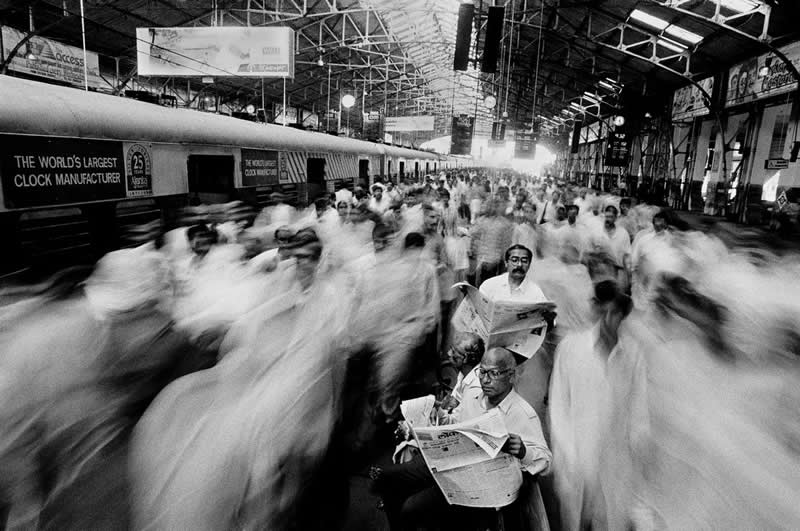
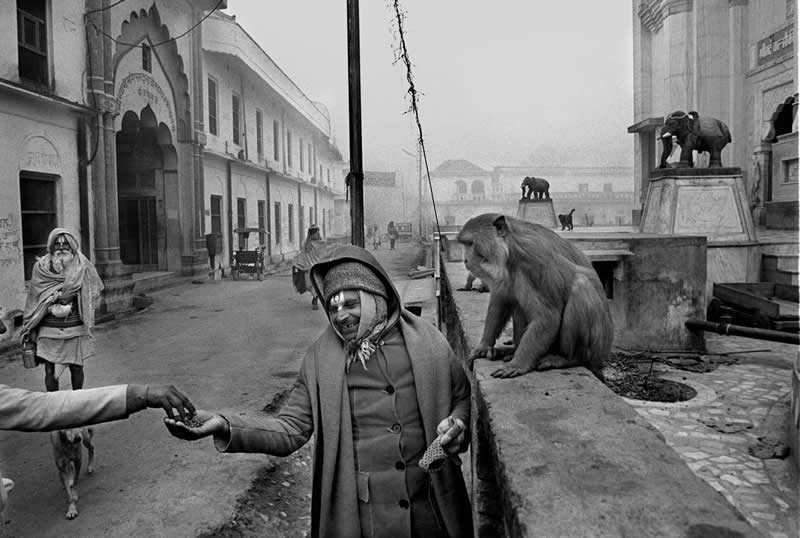
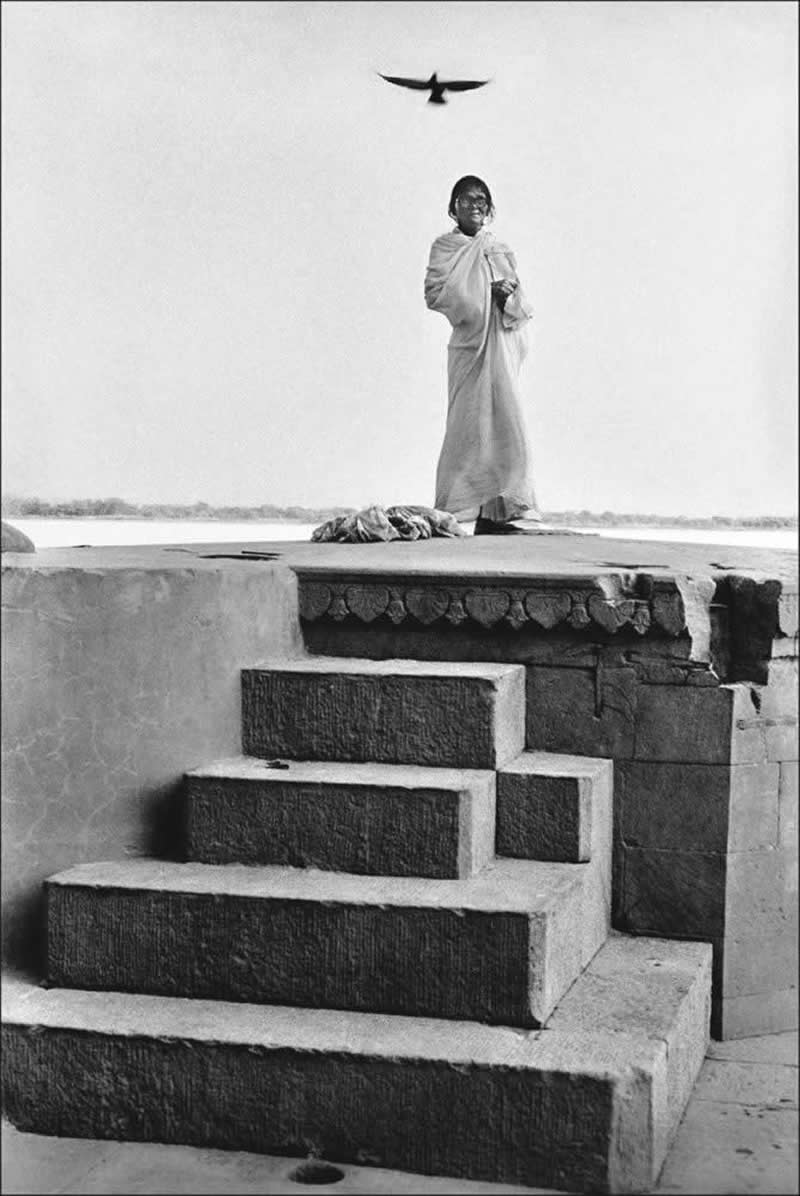
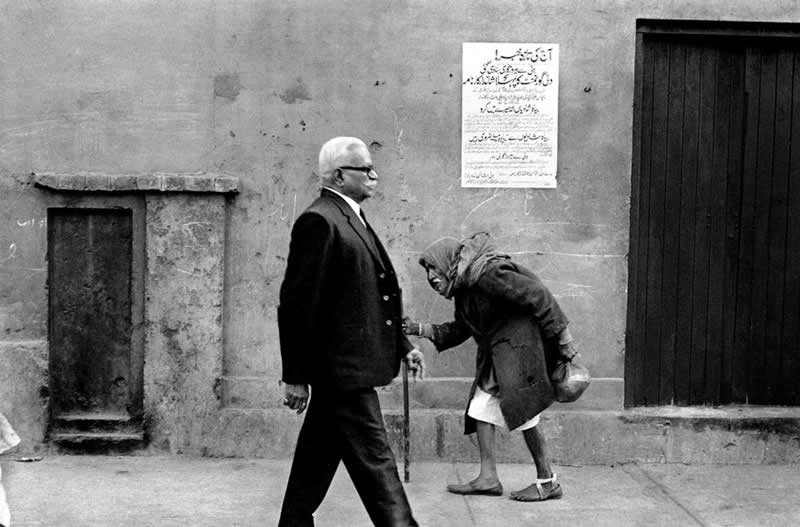
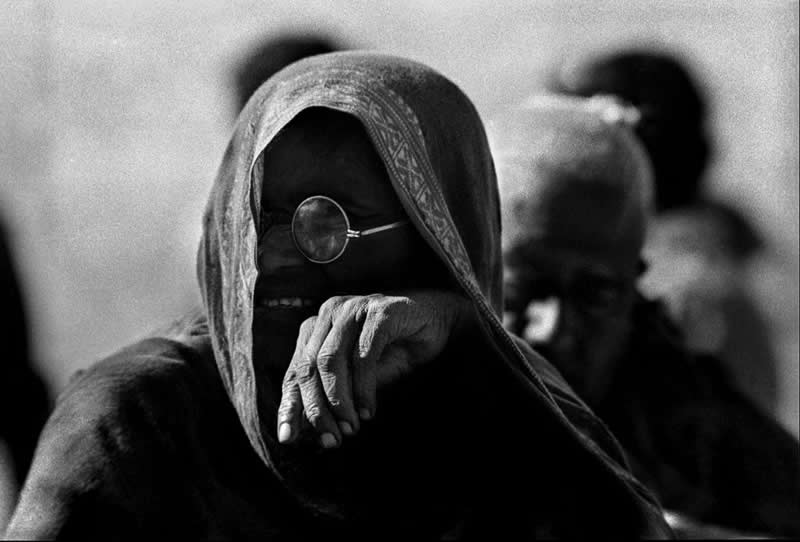
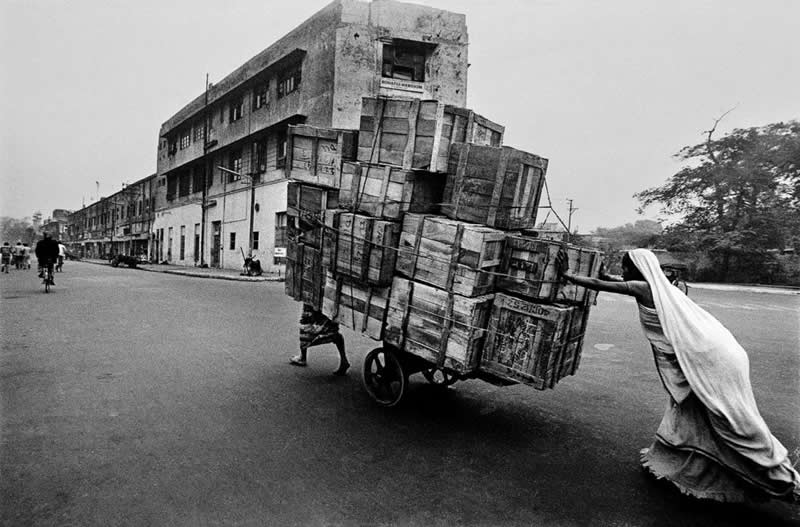
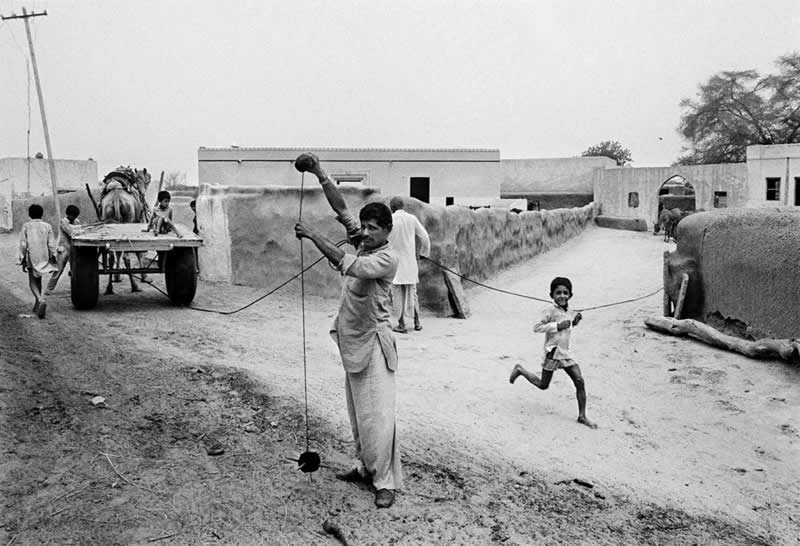
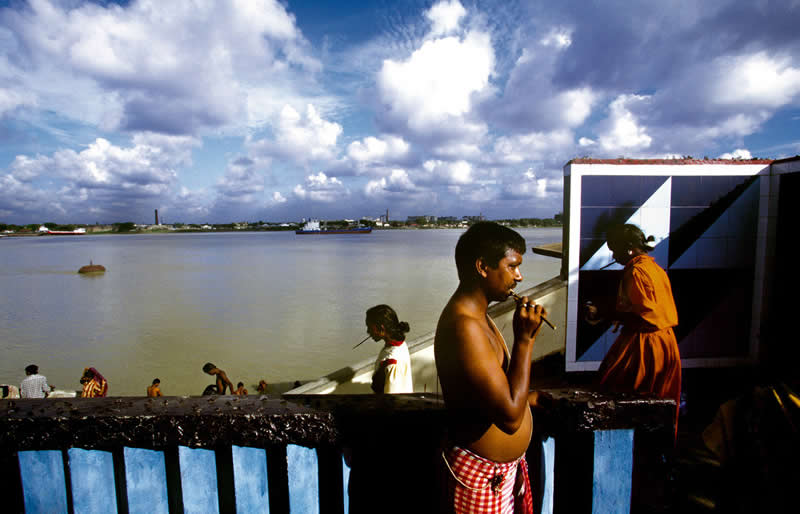
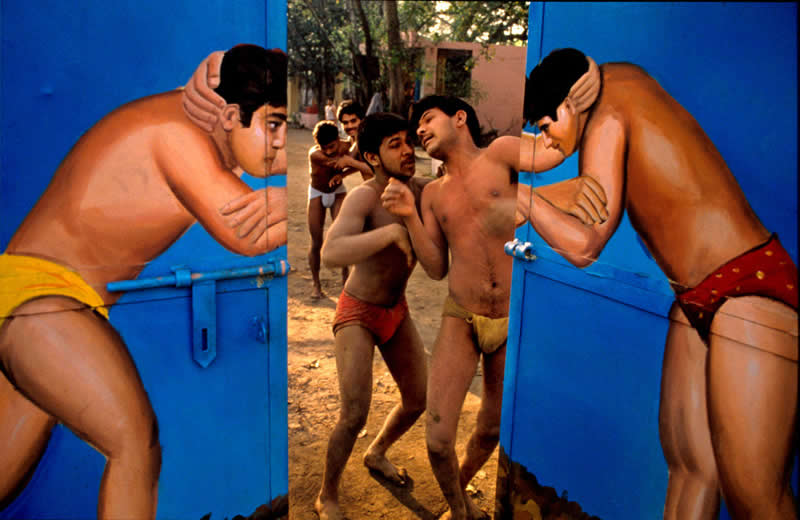
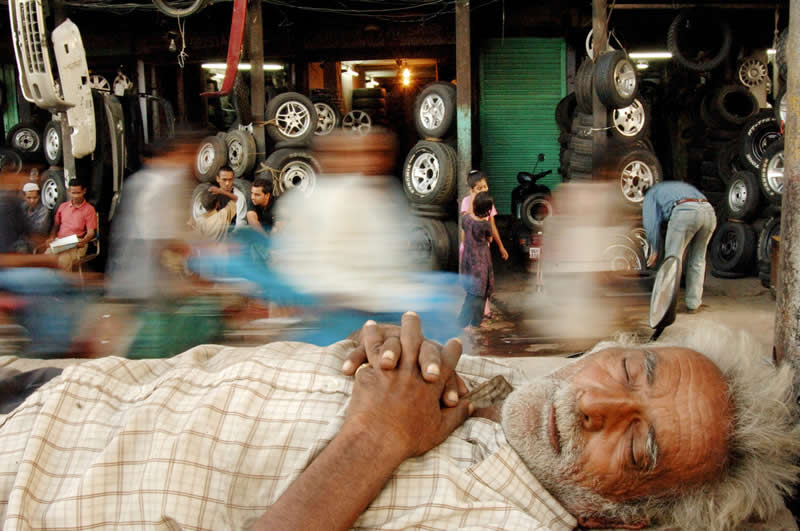
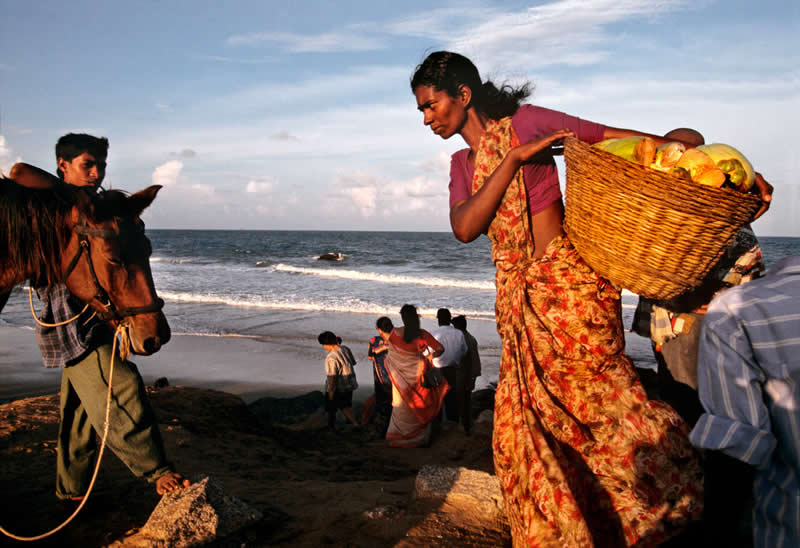
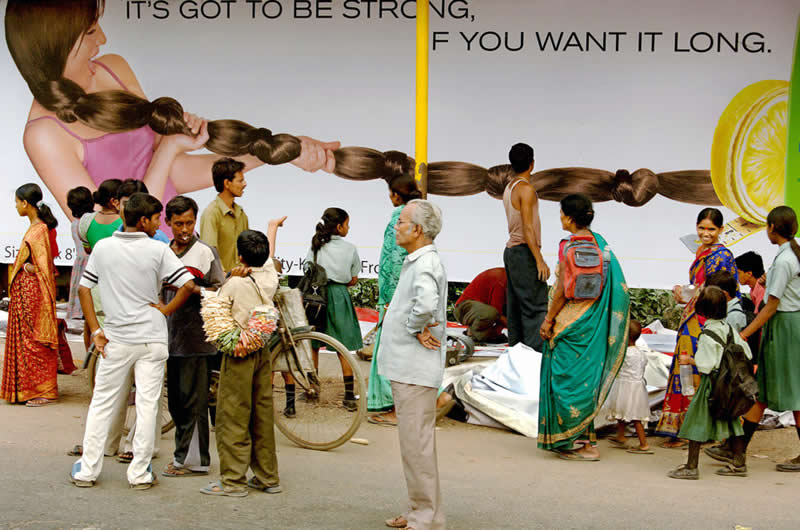
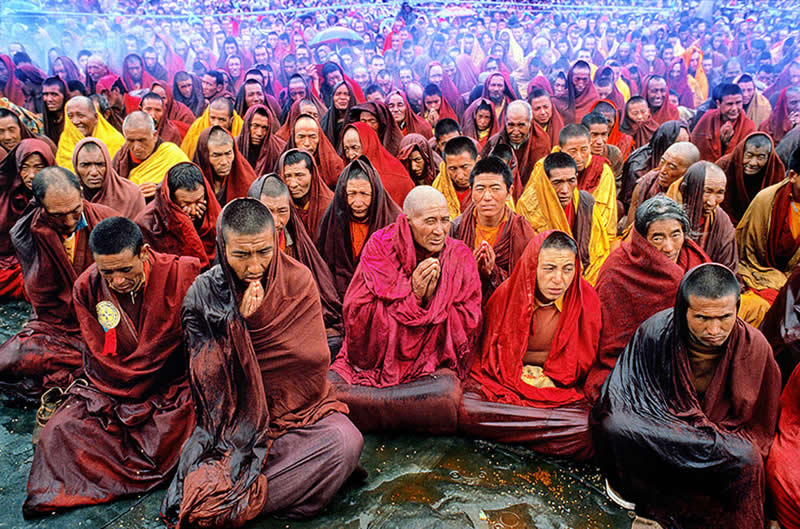
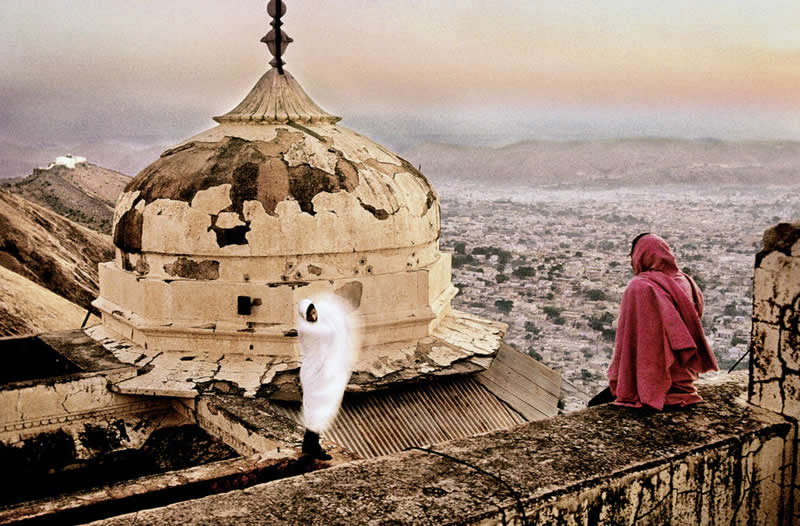
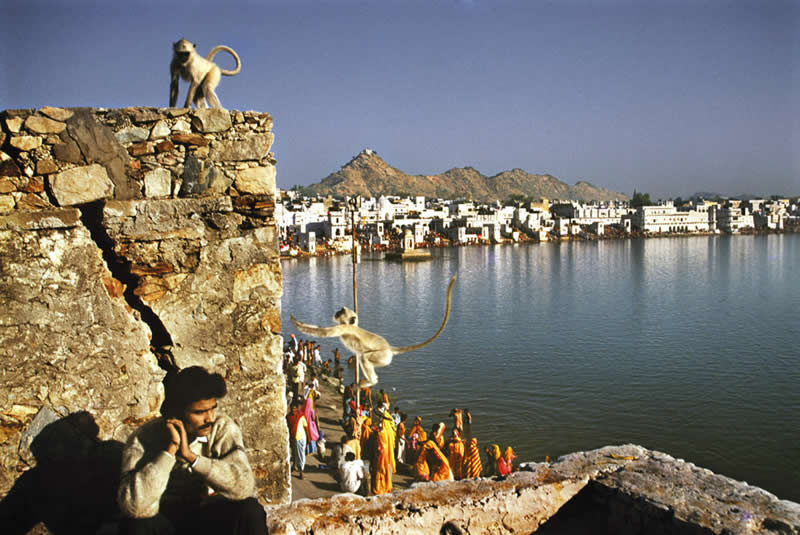
For decades, Raghu Rai didn’t just photograph India, he felt India. His camera moved through crowded streets, political corridors, railway stations, temples, protests, festivals, and quiet corners where everyday life unfolded with raw honesty. He had a gift for finding poetry in chaos and dignity in ordinary faces. Whether he was documenting historic moments or a child smiling in a dusty lane, his images carried soul.
Born in 1942 in Jhang, then British India, Rai’s life mirrored the story of a changing subcontinent. Guided early by his brother S. Paul, he entered photography in the 1960s and soon became one of the defining visual voices of modern India. He later joined Magnum Photos after being nominated by Henri Cartier-Bresson, a massive nod to his genius.
Today, photographers across the world are grieving, but also celebrating a life that proved one powerful truth: when you photograph with heart, your images outlive time.
You can find More Info:
#1
#2
#3
#4
#5
The Man Who Taught India How to See Itself
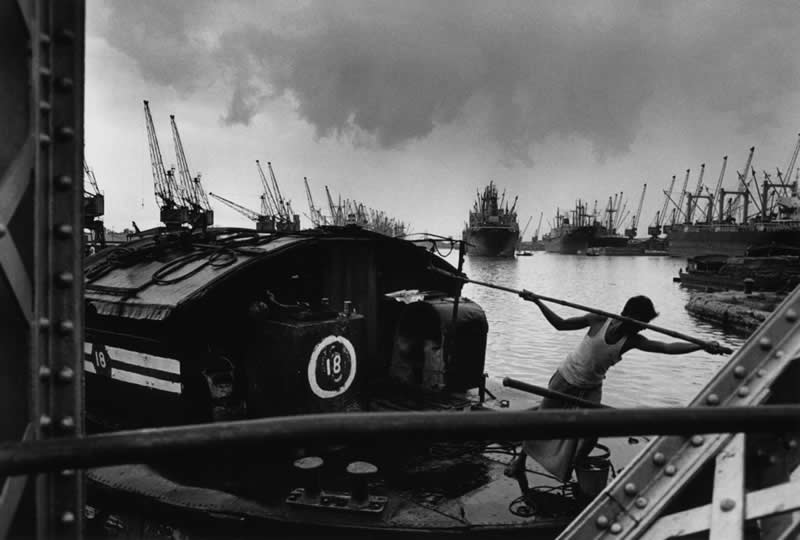
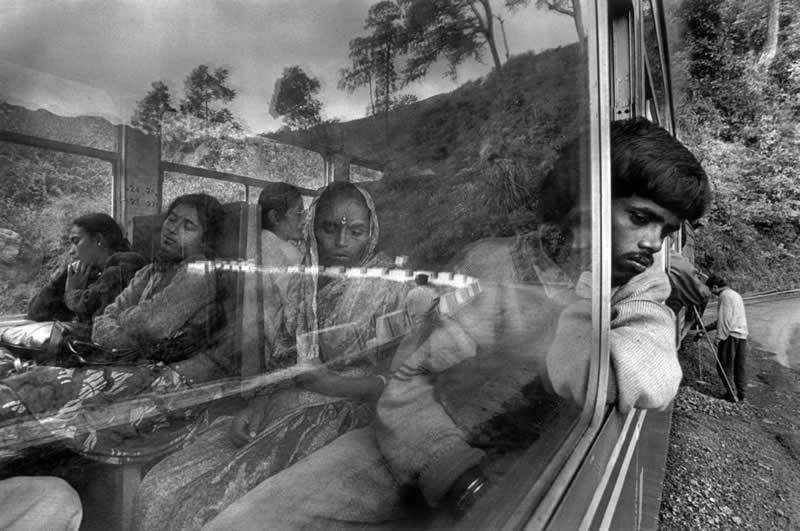
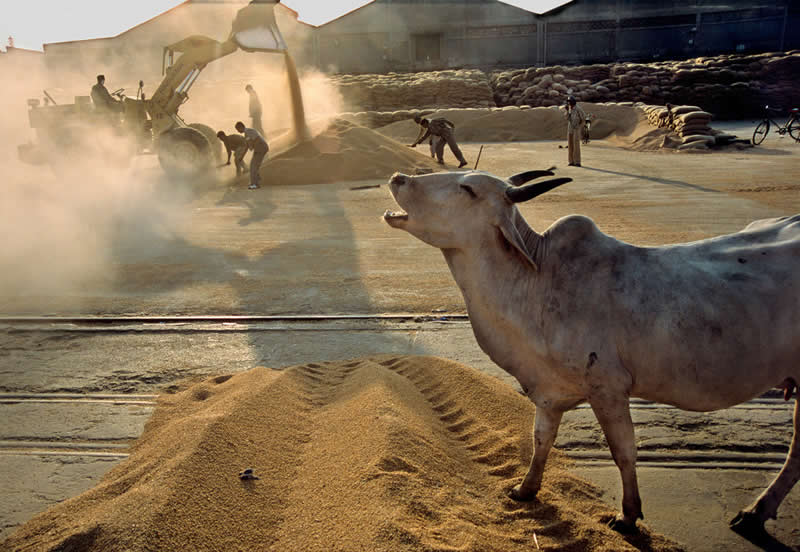
Before social media and smartphone cameras, Raghu Rai was already building a visual memory bank for India. His photographs showed the nation in every mood: joyful, wounded, hopeful, spiritual, restless, and alive. He captured bustling markets, sacred rituals, laborers, leaders, and children with the same respect.
What made Rai different was empathy. He never photographed from above; he photographed from within. His images made viewers feel present in the moment, not just looking at it. That’s why his work still hits hard decades later.
He understood that photography wasn’t about expensive gear or flashy tricks. It was about patience, instinct, and caring enough to wait for the truth to appear. Through his lens, India recognized itself as beautiful, messy, complex, and deeply human.
#6
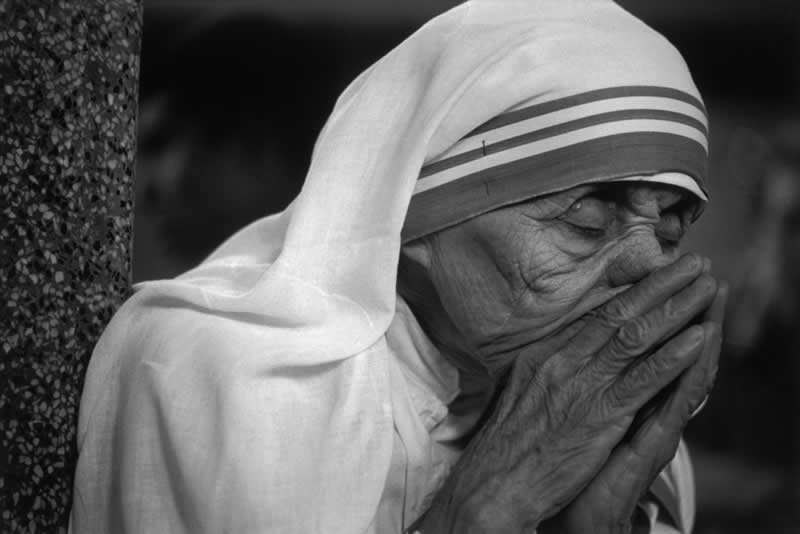
#7
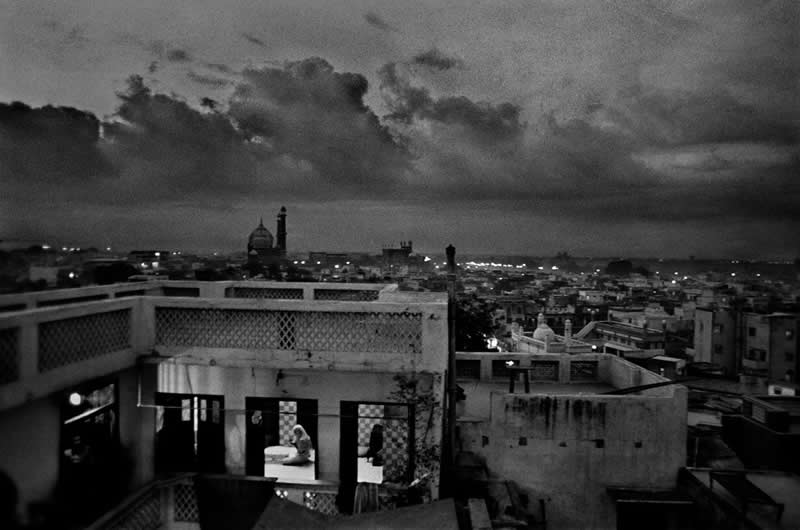
#8
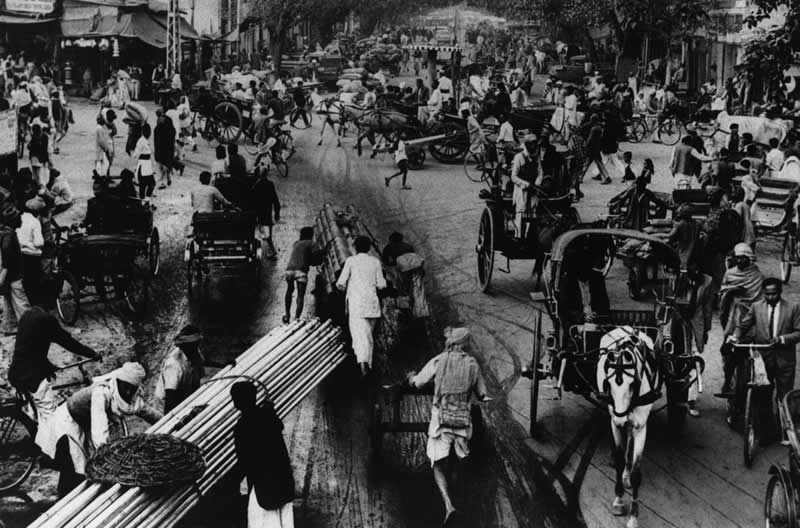
#9
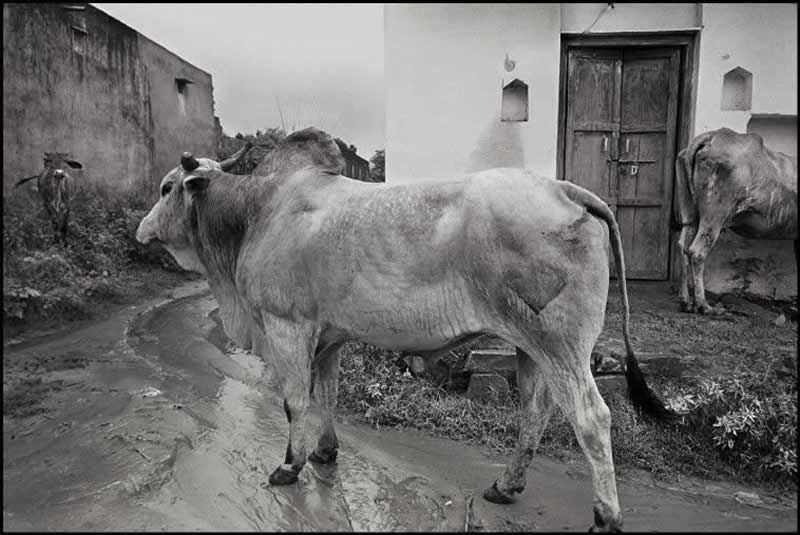
#10
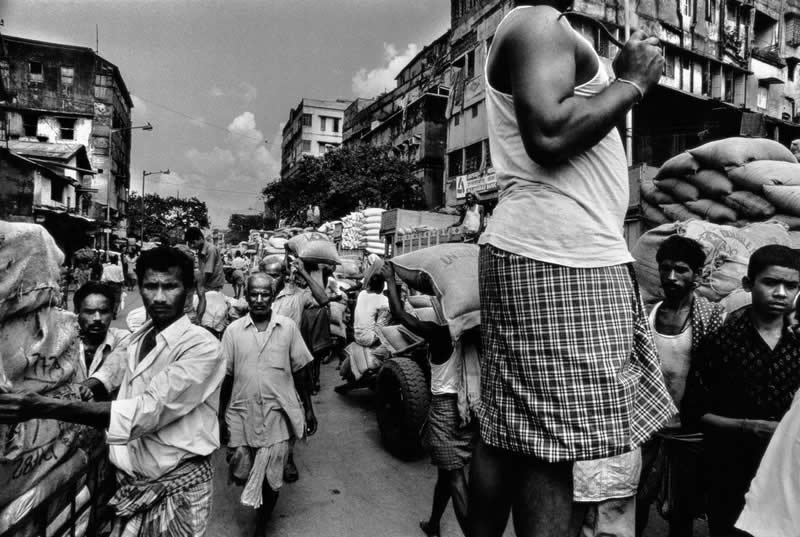
From The Statesman to Global Fame
Raghu Rai began photographing seriously in the mid-1960s and soon joined The Statesman newspaper in New Delhi. His sharp storytelling style quickly caught people’s attention. Later, he worked with Sunday magazine and became a major creative force at India Today during its formative years.
Then came a career-defining moment: Henri Cartier-Bresson nominated him to join Magnum Photos in 1977. That placed Rai among the world’s elite photographers.
But even with global recognition, he stayed rooted in Indian stories. International fame never pulled him away from local streets, real people, and everyday truths. He proved that world-class photography doesn’t need to chase foreign glamour. Sometimes greatness lives right outside your front door.
#11
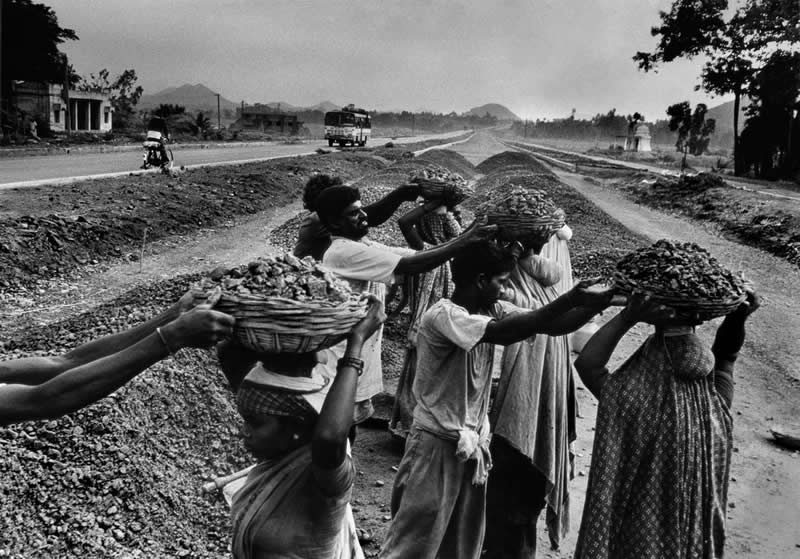
#12
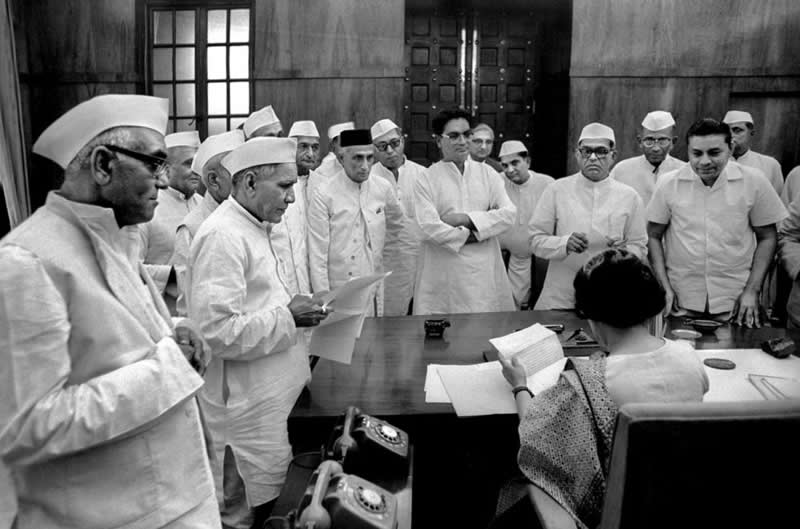
#13
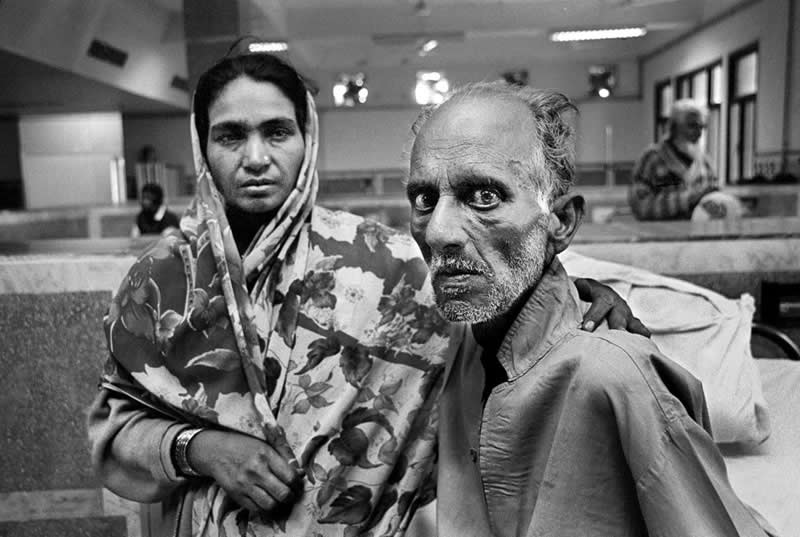
#14
#15
Images That Became History
Some photographers take pictures. Raghu Rai created historical memory. His camera documented leaders, movements, disasters, celebrations, and turning points that shaped India’s story.
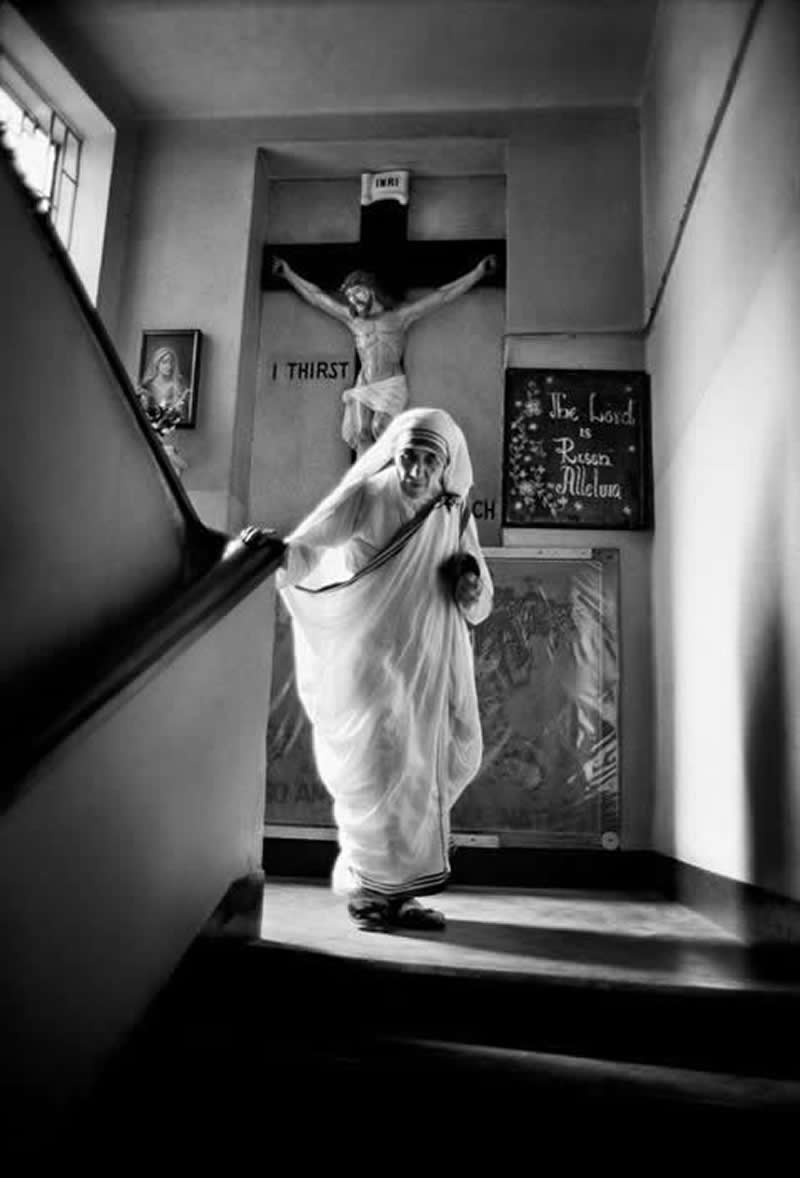
He became widely known for his powerful coverage of the 1984 Bhopal disaster and its long aftermath, using photography to keep public attention on suffering and accountability. He also produced landmark visual work on Mother Teresa, Indian politics, Delhi life, and spiritual culture.
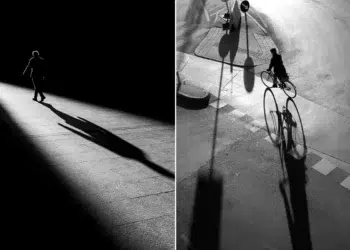
His frames didn’t scream. They stayed with you quietly. A glance, a hand gesture, a shadow, a crowd, he knew tiny details could hold giant meaning. That’s why his photographs feel alive even now. They aren’t frozen moments; they still breathe.
#16
#17
#18
#19
#20
A Legacy That Will Inspire Every Young Photographer
Raghu Rai leaves behind more than archives and awards. He leaves a mindset. He showed young photographers that the best images come from curiosity, compassion, and consistency.
You don’t need to travel far to make meaningful work. Rai found magic in local streets, train stations, old neighborhoods, weathered faces, and everyday routines. He taught that strong photography begins with truly observing life.
For new creators, his journey is proof that patience wins. Keep shooting. Keep learning. Keep noticing details others ignore. The next iconic frame might be one honest second away.
His life reminds every artist: fame fades, trends fade, but truthful images stay forever.
#21
#22
#23
#24
#25
Farewell to the Eye That Never Looked Away
India says goodbye to a master, but his vision remains everywhere. In books, galleries, magazines, classrooms, and memories, Raghu Rai still speaks through light and shadow.
He captured pain without exploitation. Beauty without exaggeration. Humanity without filters.
That is rare. That is timeless.
And that is why Raghu Rai will never truly be gone. Every time a photographer chooses honesty over hype, patience over speed, and heart over ego, a little of his spirit clicks the shutter again.
#26
#27
#28
#29
#30
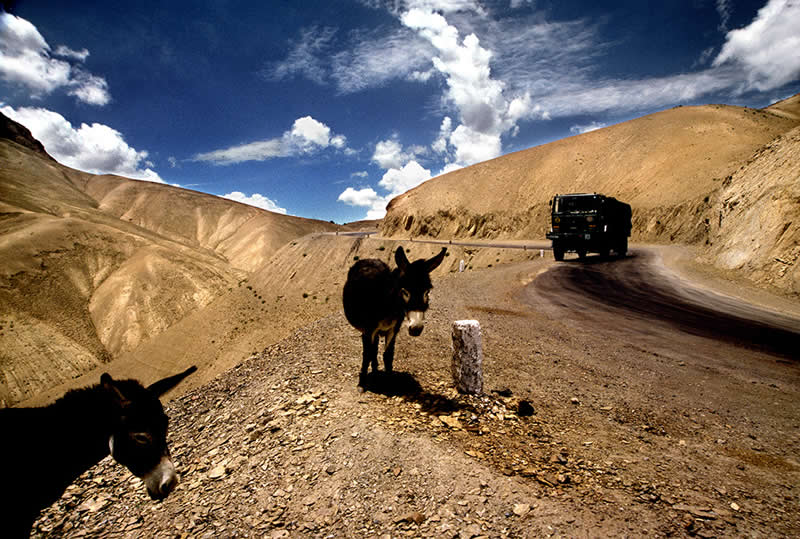
Tribute from 121Clicks Editor
At 121Clicks, we salute Raghu Rai not only as a legend, but as a teacher whose frames still guide photographers worldwide. His work showed us that truth, patience, and compassion create timeless images. Through every street, face, and fleeting moment, he revealed India with honesty and grace. His legacy will continue to inspire generations who pick up a camera with purpose.
- We admire his fearless dedication to documenting real life with heart and integrity.
- We learn that patience and observation are stronger than trends or technology.
- He inspires future photographers to tell human stories with honesty.
- He captured the soul of India in light, emotion, and everyday moments.
- His timeless vision reminds us photography can preserve humanity forever.
Related Articles:
- Master Photographer Sebastiao Salgado
- Master Photographer Henri-Cartier Bresson
- Master Photographer Steve McCurry
- Master Photographer Alex Webb