Cities can feel loud, rushed, and a little too serious until street art steps in and flips the mood. Creativity doesn’t need a museum wall. Sometimes it needs a cracked sidewalk, a rusty pipe, a leaning pole, or an old urban wall waiting for a second life.
What makes these works hit different is how they blend with their surroundings. A tree branch becomes wild hair. A broken wall turns into a giant mouth. A drainpipe transforms into part of the joke. These artists don’t just paint on surfaces; they collaborate with the city itself. Every crack, shadow, stain, and shape becomes part of the final message.
Some pieces are playful and funny. Others carry sharp satire about politics, consumer culture, pollution, or human behavior. That mix of humor and honesty is what gives street art real power. It grabs attention fast, makes you laugh, then sneaks a thought into your head hours later.
Bold colors, smart placement, and fearless imagination make this collection impossible to ignore. These photos prove art can live anywhere and speak to everyone. No velvet ropes, no fancy frames, just raw creativity meeting real life in the middle of the street. Once you see it, the city never looks quite the same again.
1. Breaking the Ride – Glasgow, Scotland
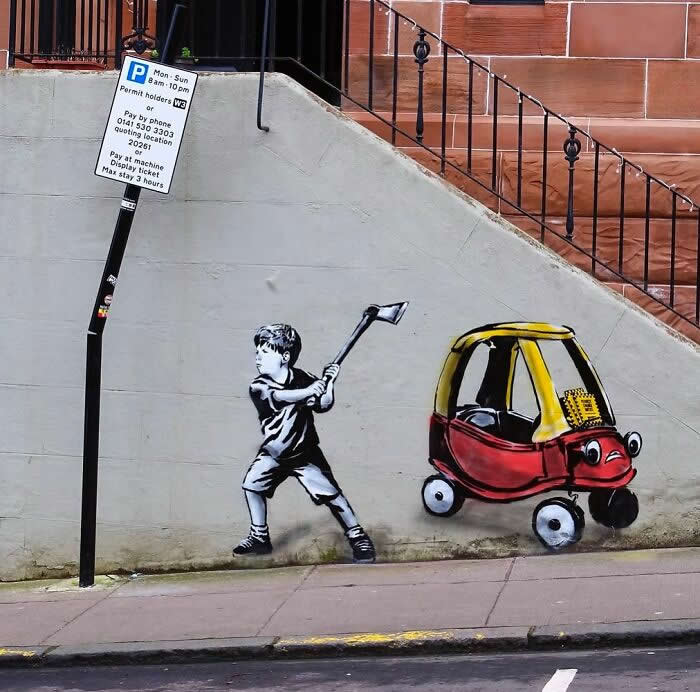
Image Source: the rebel bear
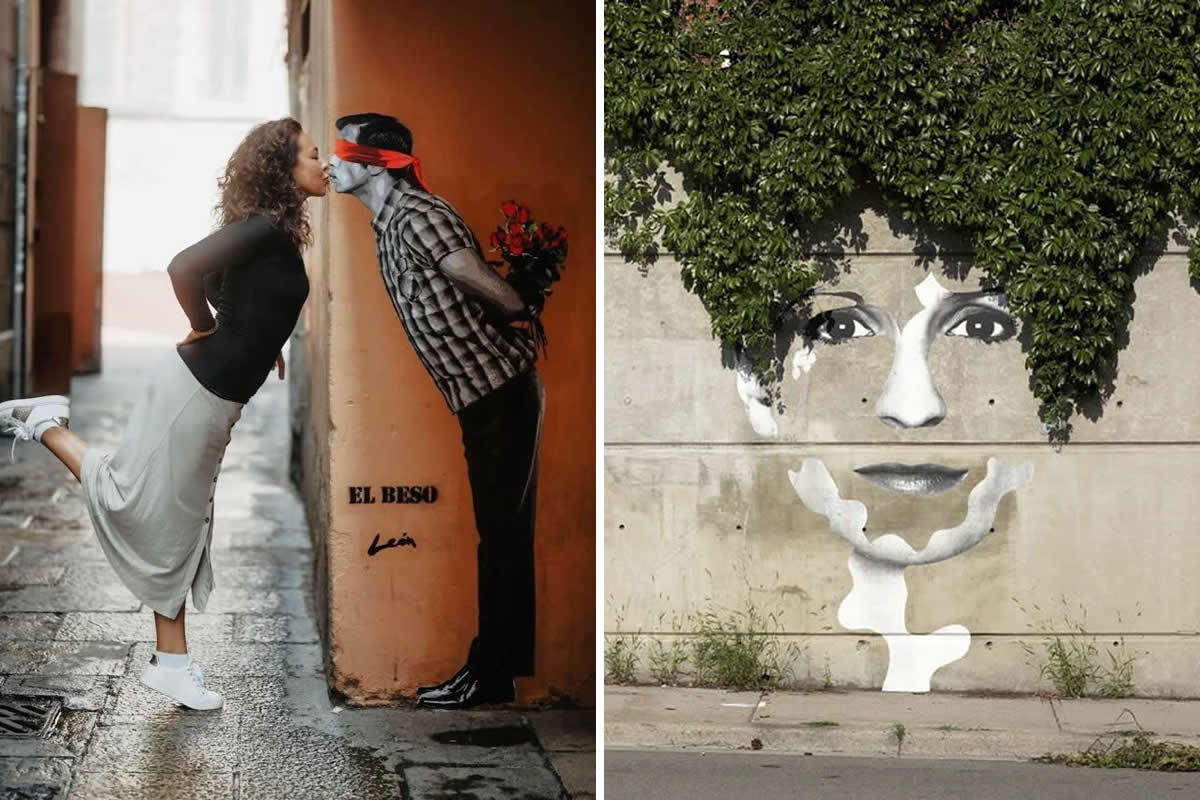
2. A Kiss Beyond Reality – Barcelona, Spain
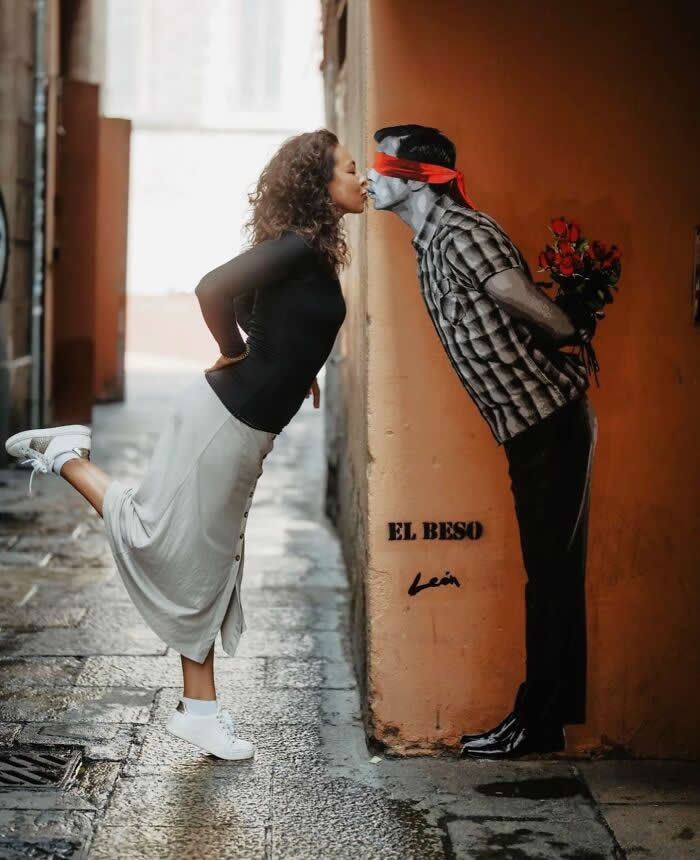
Image Source: LEÓN
3. Take advantage of it when it’s in bloom – Trindade Goiás, Rainbow Iris Set, Street 6
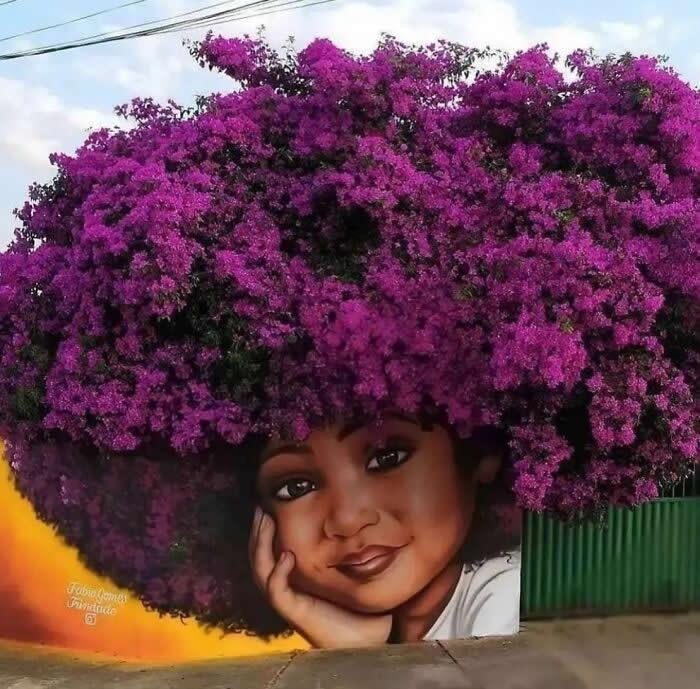
Image source: fabiogomestrindade
4. Walk by 3D mural ‘Shattering’ in Helsingborg Sweden
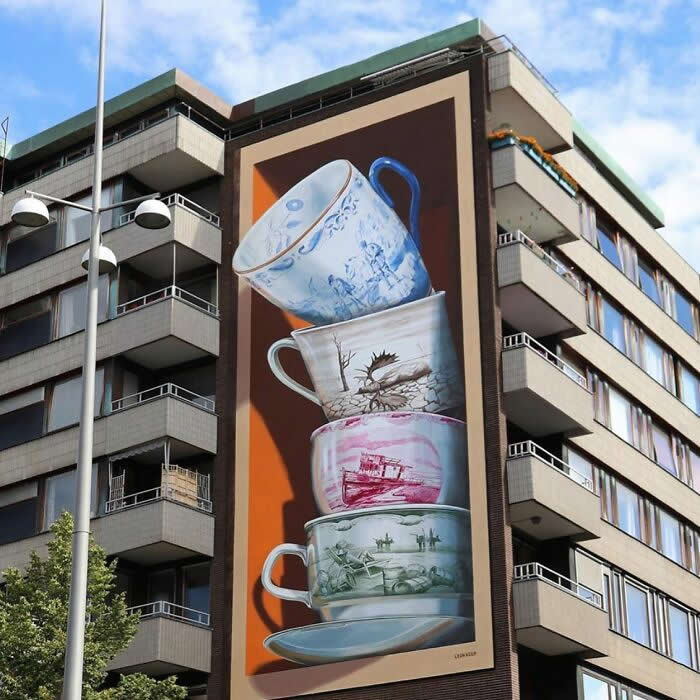
Image source: leonkeer
5. Something new from Janis Deman in Utrecht, Netherlands
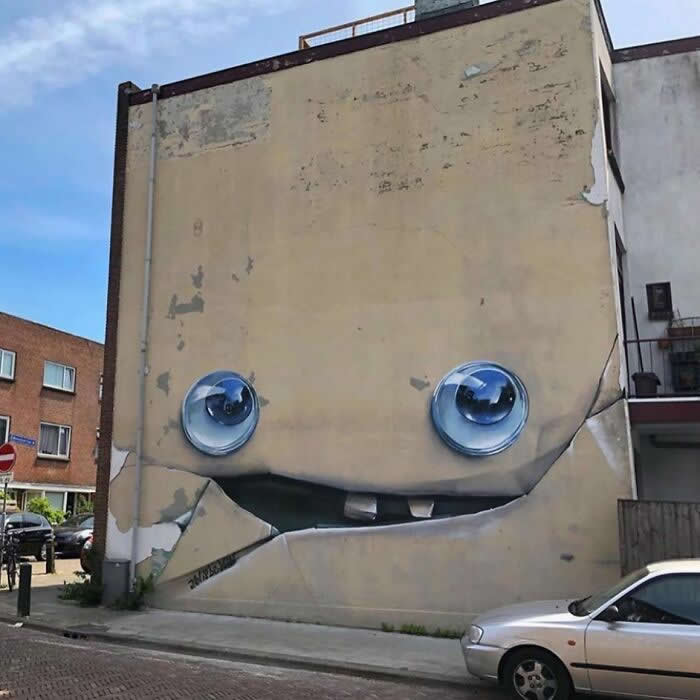
Image source: janisdeman
6. Wall in Paris, France
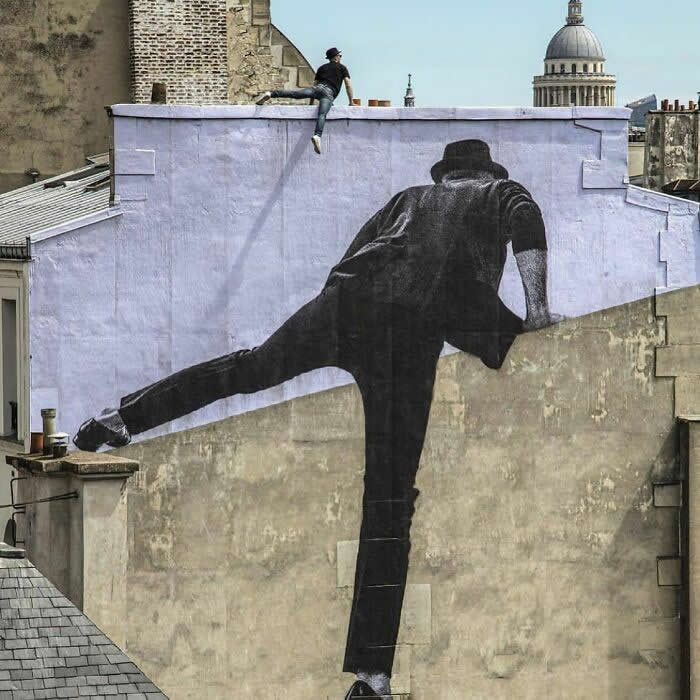
Image source: jr
7. Crowned by Nature – Sao Paulo, Brazil
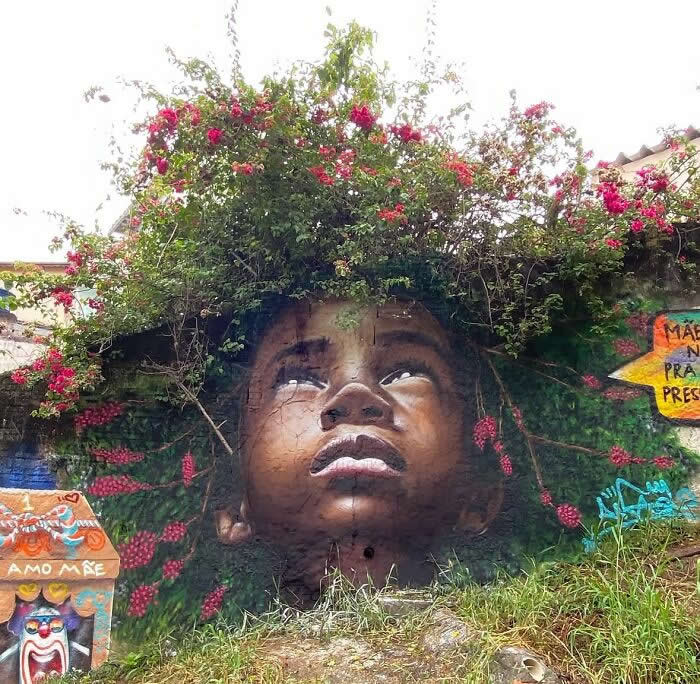
Image Source: Rodrigo Rodrigues
8. Urban Charge – London, UK
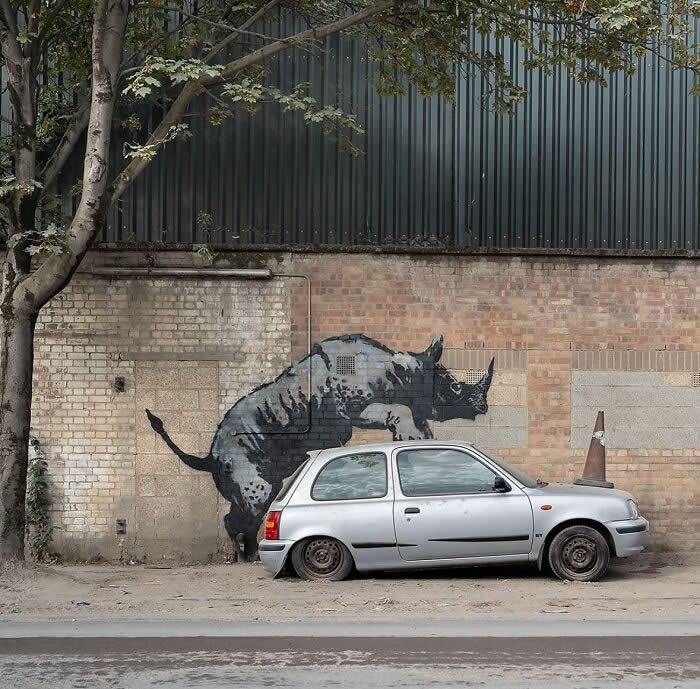
Image Source: Banksy
9. Painted in Arden, an area I know well from my childhood. The oak tree represents growth/age, and is a local tree.
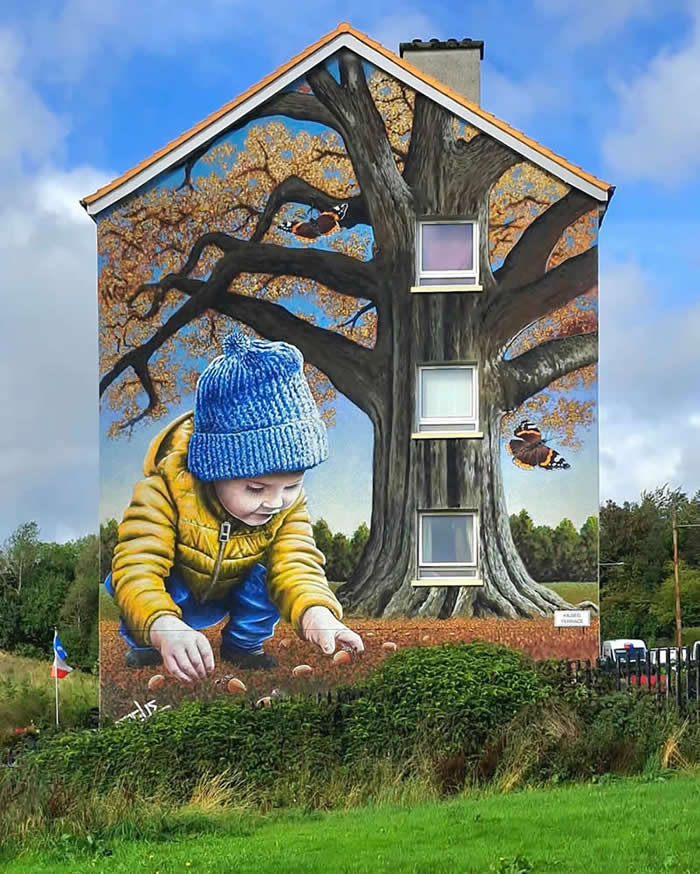
Image Source: Bobby RogueOne
10. Mollerussa, La nena de cal Duch
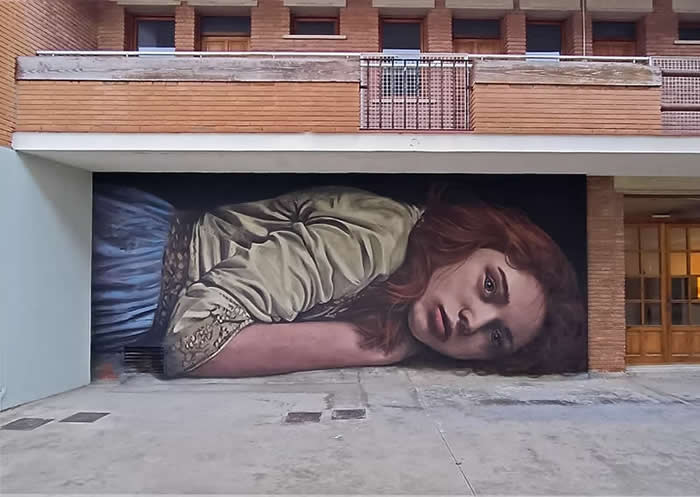
Image Source: Oriol Arumí
11. CEIP Ciudad de Roma, Madrid
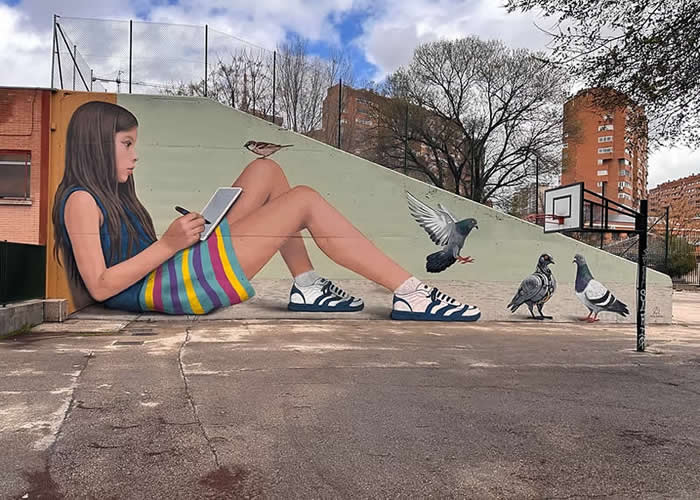
Image Source: Oriol Arumí
12. First Steps After a Fall – By David Zinn in Michigan, USA
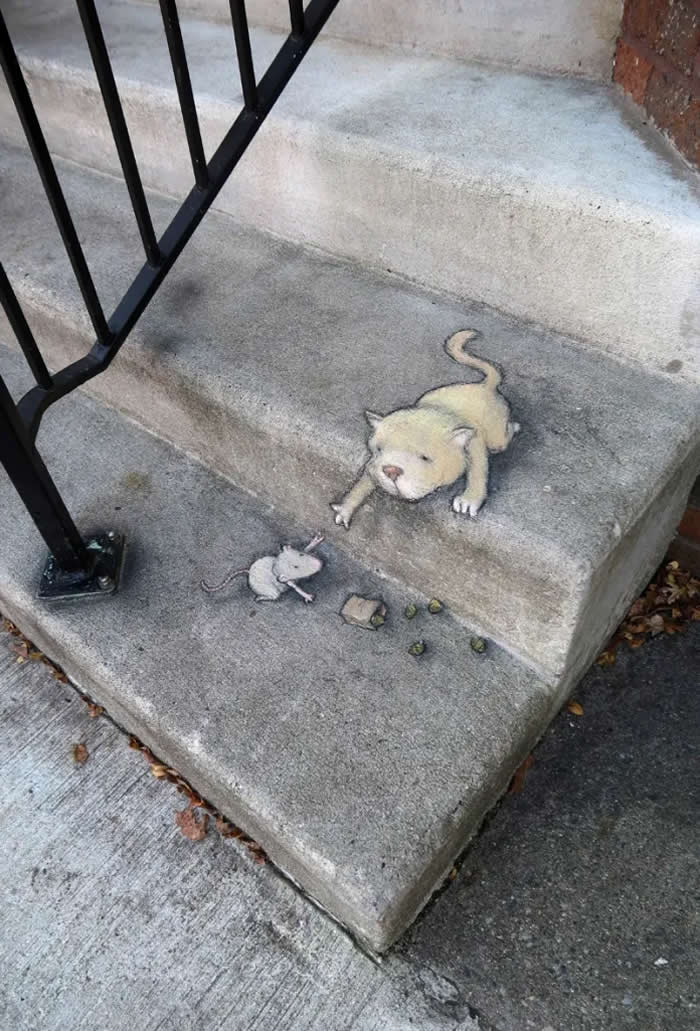
Image Source: David Zinn
13. Telefòn – By Seth in Little Haiti, Miami, USA
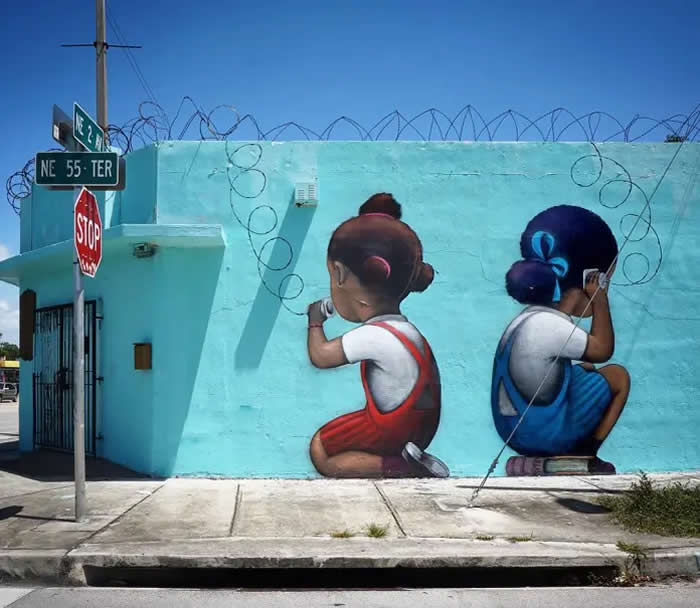
Image Source: Seth
14. Cobija de plantas – By El Decertor in Imbabura, Ecuador
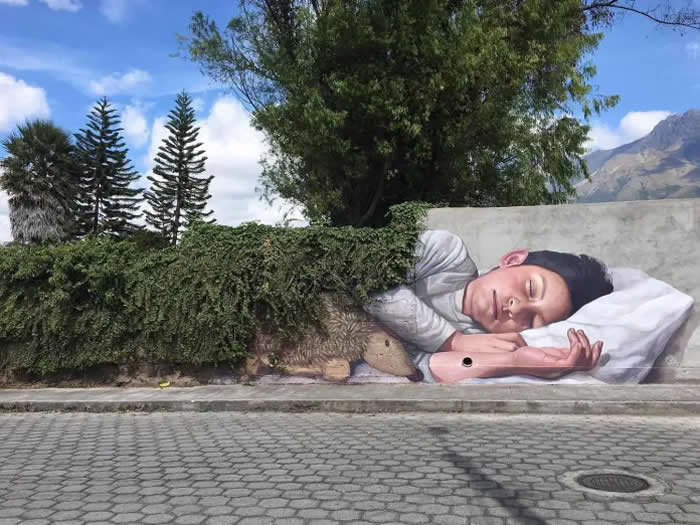
Image Source: El Decertor
15. Reflective Eye – By My Dog Sighs in Miami, USA
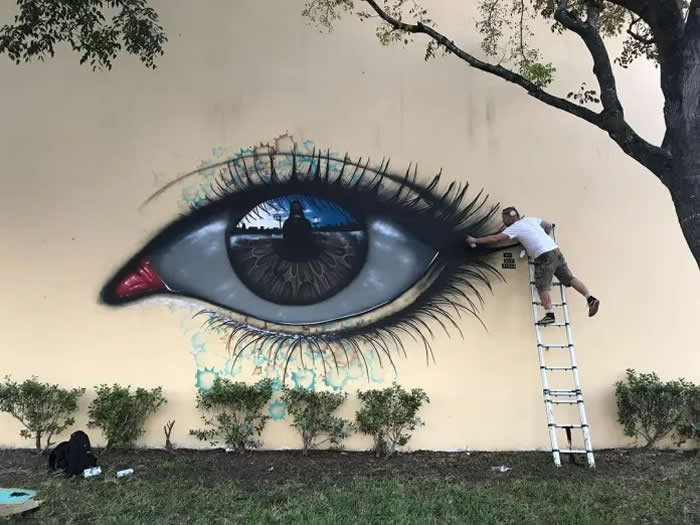
Image Source: My Dog Sights
16. Bookshelf Building – By Jan Is De Man in Solnechnodolsk, Russia
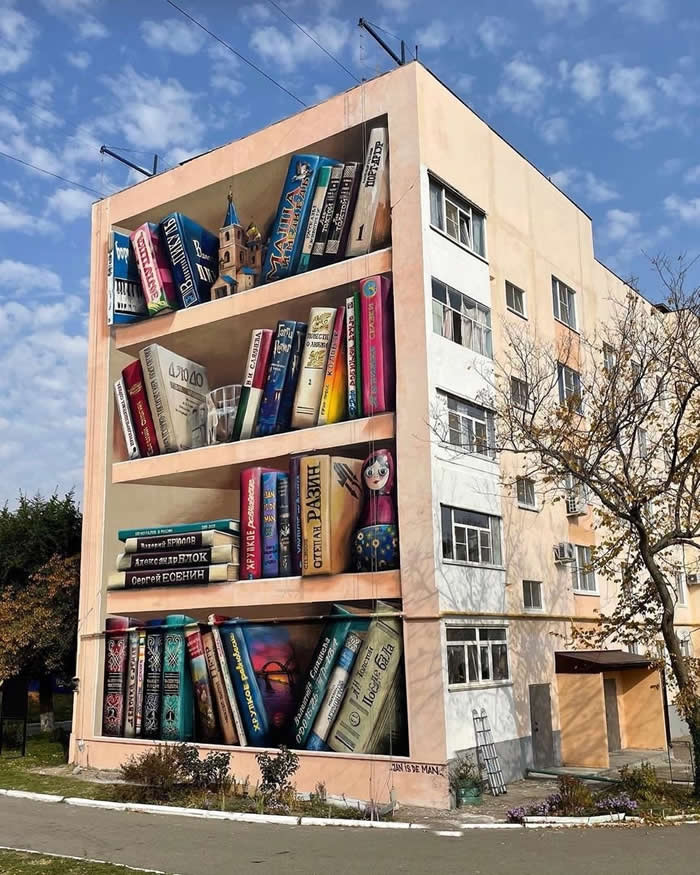
Image Source: Jan Is De Man
17. Oxygen Tree – By Dr Love in Bristol, England
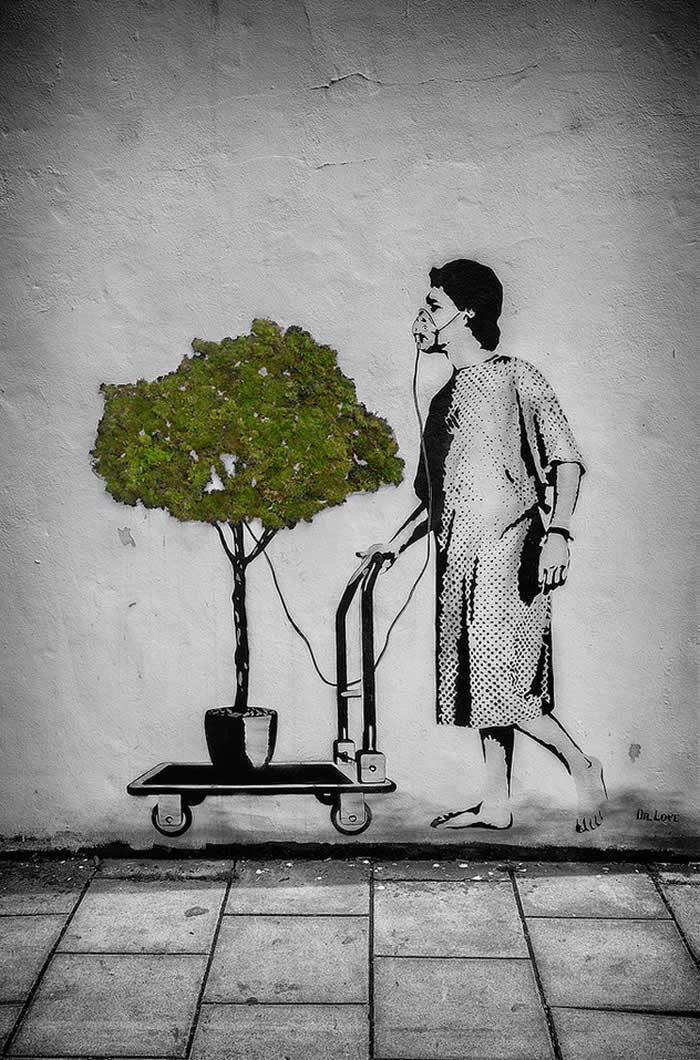
Image Source: Dr. Love
18. Waterworld – By Sandrine Boulet in Saint-Cast-le-Guildo, France
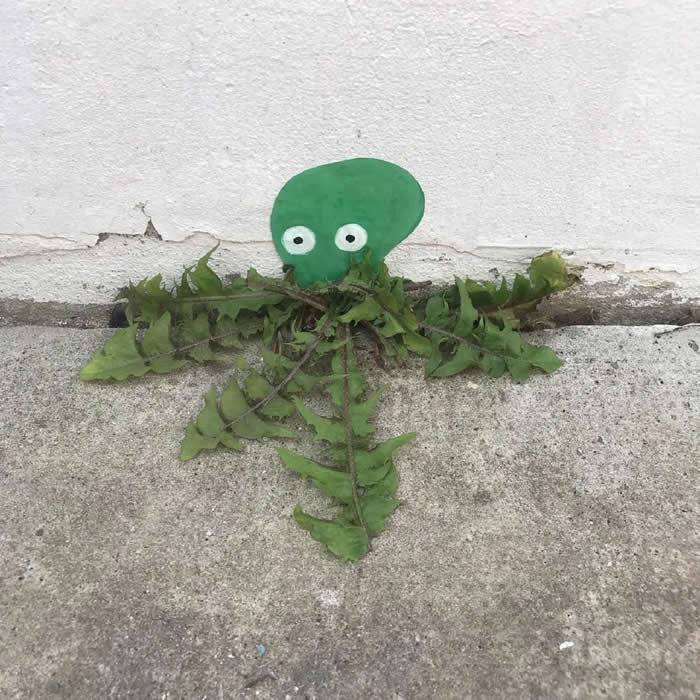
Image Source: Sandrine Boulet
19. Tiger Bites a Tree — By Koka Mexico in Mexico City, Mexico
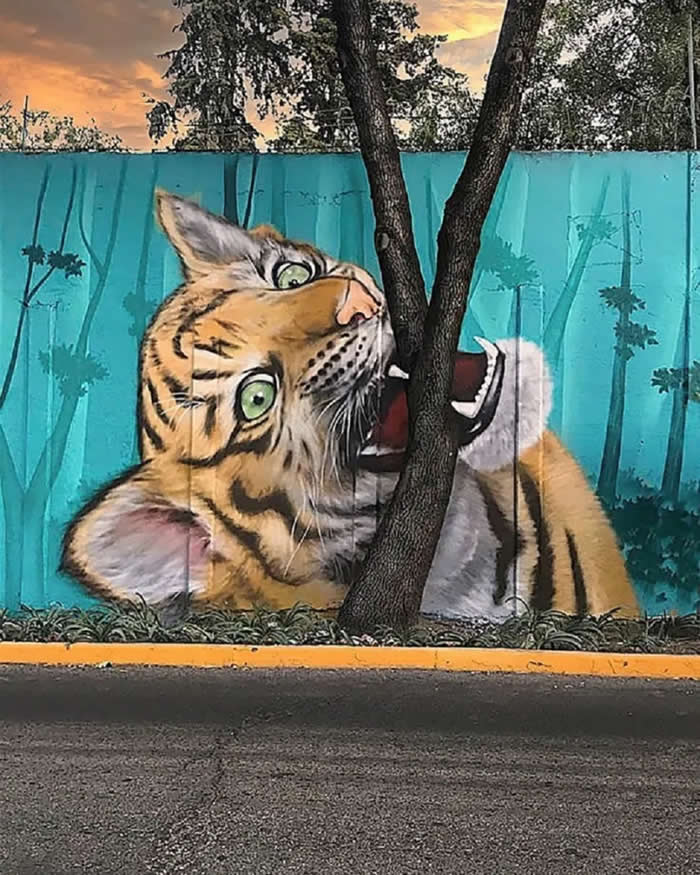
Image Source: Koka Mexico
20. Ivy Portrait – By Fauxreel in Toronto, Canada
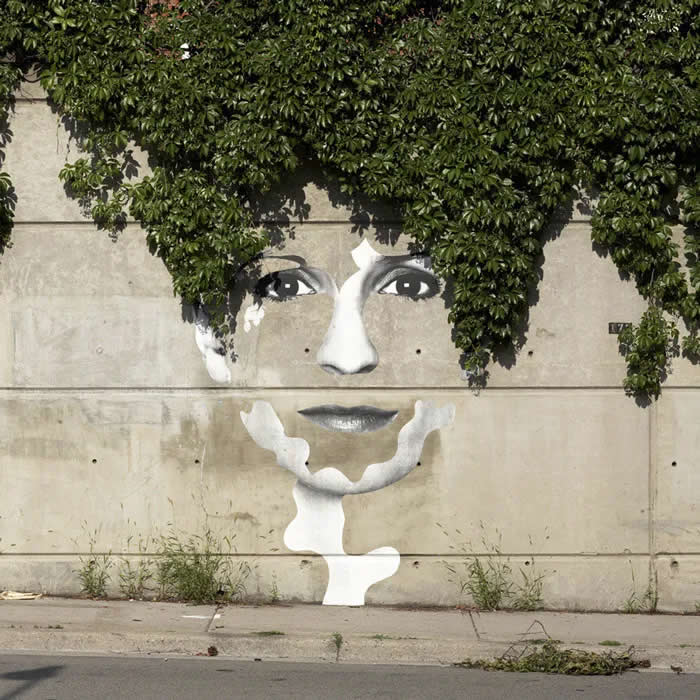
Image Source: Fauxreel
21. Clean Up Gone Wrong: A Darkly Funny Take on Housework
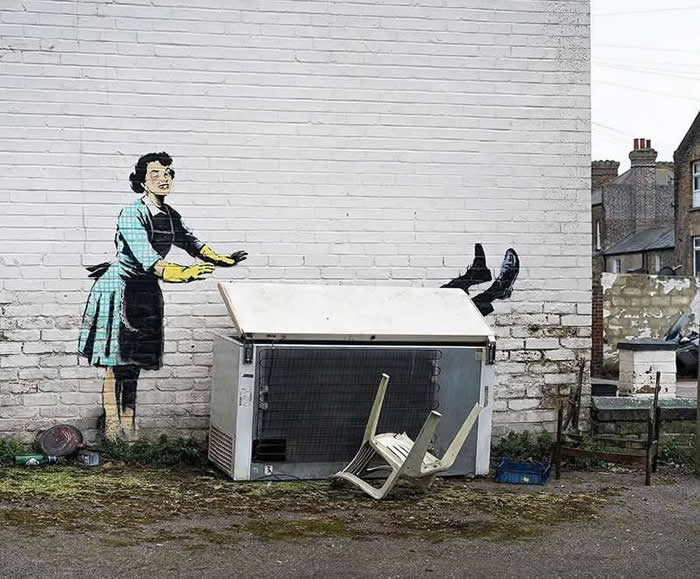
Image Source: Banksy
22. Lighthouse Message: I Want to Be What You Saw in Me
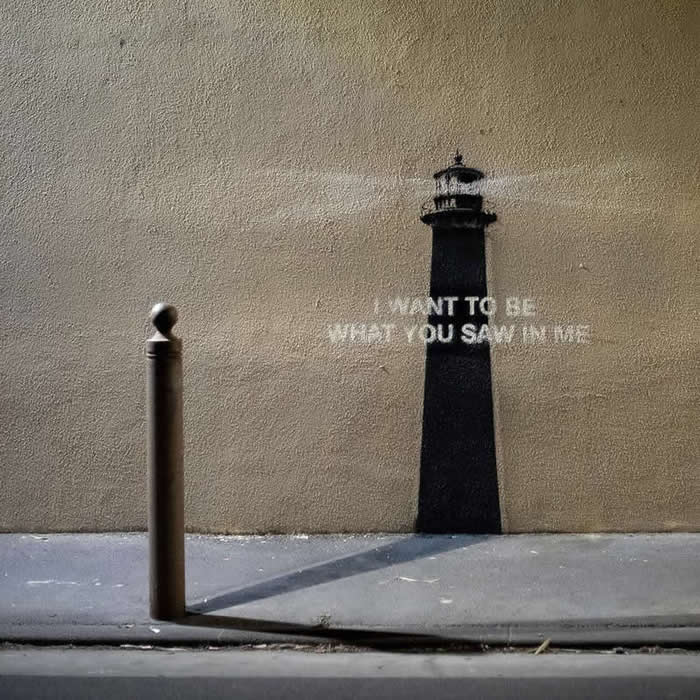
Image Source: Banksy
23. Hungry Seagull: Turning Trash Into Street Art Humor
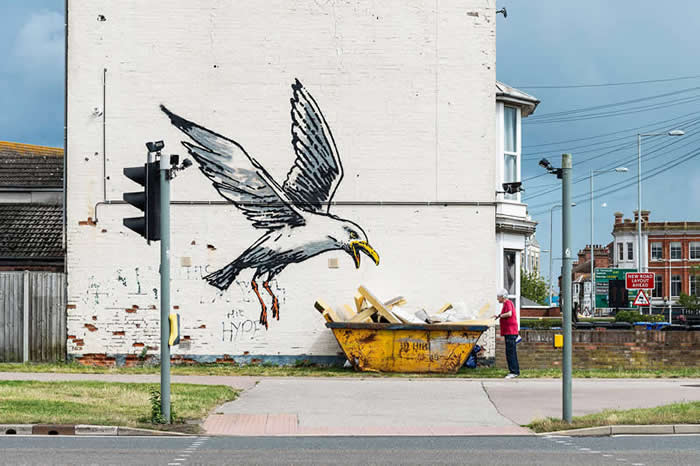
Image Source: Banksy
24. Fire Hydrant Smash: A Kid’s Rebellion Against the System
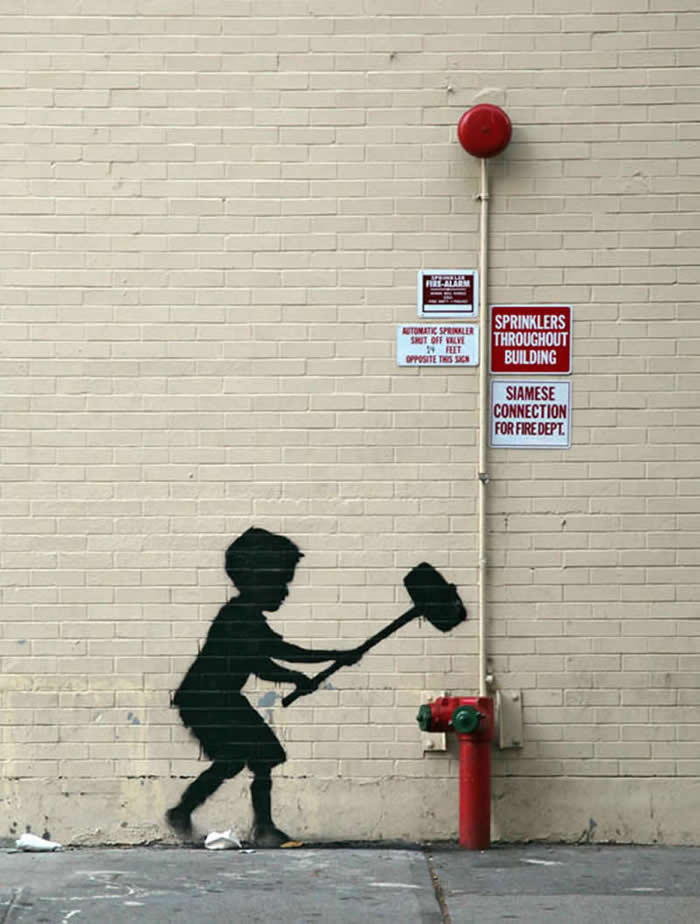
Image Source: Banksy
25. Escaping Child: Freedom Beyond the Window
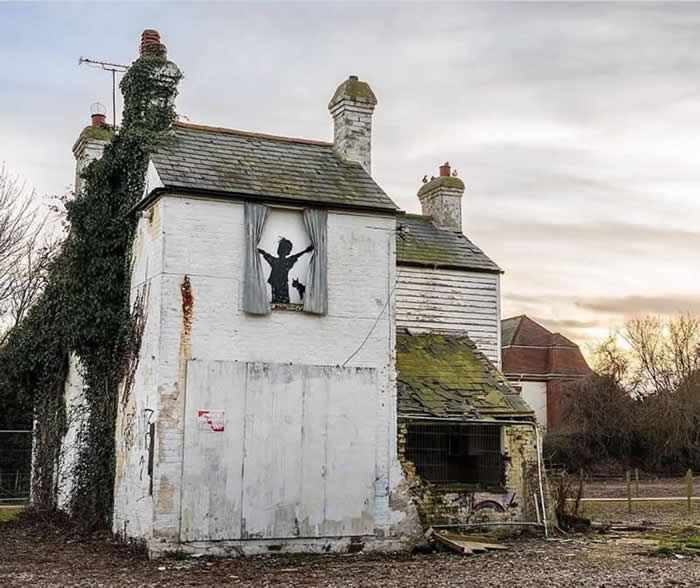
Image Source: Banksy
FAQs:
What is clever street art?
Clever street art uses existing surroundings like walls, poles, pipes, cracks, or trees as part of the artwork. It transforms ordinary urban spaces into creative visual messages that feel smart, surprising, and perfectly placed.
Why is street art so popular?
Street art is popular because it is accessible, bold, and unexpected. It brings creativity into everyday life, often mixing humor, satire, and beauty while speaking directly to people outside traditional gallery spaces.
How does street art use surroundings creatively?
Artists study shapes, textures, shadows, and objects nearby, then design artwork around them. A drainpipe, broken wall, or tree can become a key part of the final image or message.
Can street art carry social messages?
Yes, many street art pieces highlight politics, pollution, inequality, mental health, or consumer culture. Their public placement helps messages reach wide audiences quickly and encourages conversation through visual storytelling.
Why do people photograph street art?
People photograph street art because it is temporary, unique, and visually striking. Photos preserve the artwork, share creative ideas online, and allow more people to experience public art from anywhere.