
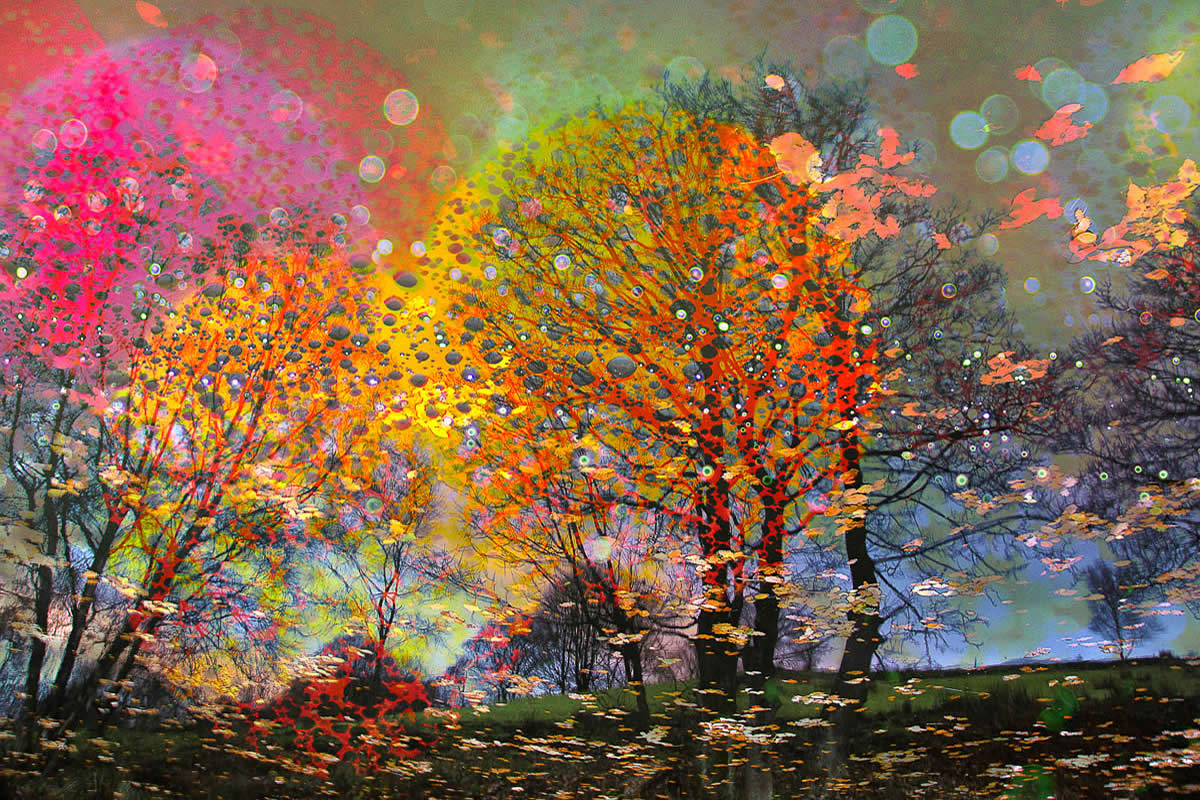
Nature photography is often about detail—the crisp petal, the perfect leaf, the golden light. But sometimes the boldest images happen when artists break the rules. In the 19th International Garden Photographer of the Year, the Abstract View category proves that gardens, woodlands, and natural textures can become pure fine art. These winning images blur the line between photography and imagination.
First place went to Ian Gilmour for Autumn Flurry, a striking composition made from reflections of trees in the canal, blended with glowing window-light bokeh. The final image feels like a windy fall day caught mid-spin, full of motion and mood.
Second-place winner Isobel Chesterman impressed with Wander, a layered multiple exposure built from woodland scenes, blossom branches, two figures, and hand-painted textures. Cool blue tones and shifting shadows make it feel like stepping into a dream you don’t want to leave.
Third place was awarded to Laurie Peek for For Gabriel, a deeply creative digital composite using ginkgo leaves, geranium petals, inverted tones, and metallic finishes on translucent vellum. It feels elegant, modern, and almost sculptural.
These 15 award-winning photos show that nature doesn’t always need to be literal to be beautiful. Through reflection, layering, texture, and motion, photographers transform everyday botanical elements into emotional, gallery-worthy visions. It’s fresh, fearless, and seriously inspiring.
You can find more info:
1. 1st Place: "Autumn Flurry" by Ian Gilmour
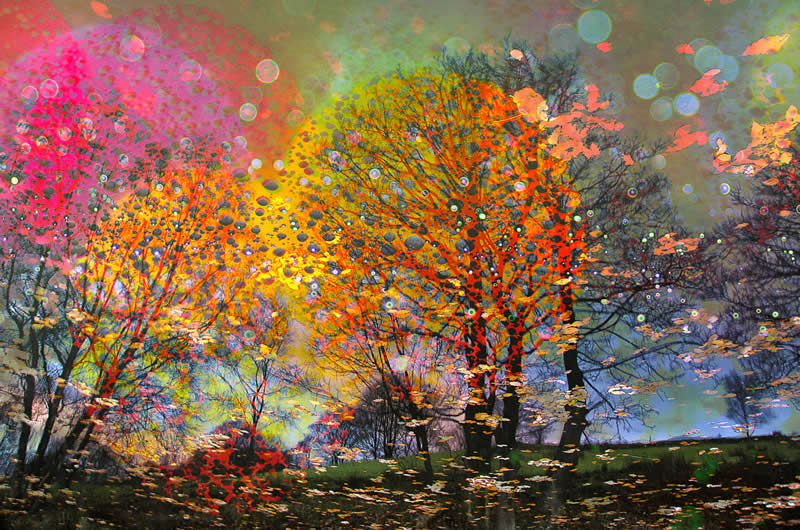
"A photograph of trees reflected in the Rochdale Canal, combined in post-processing using blending modes, with a photograph of bokeh from lights reflected in a window – to give the impression of a windy autumn day."
2. 2nd Place: "Wander" by Isobel Chesterman
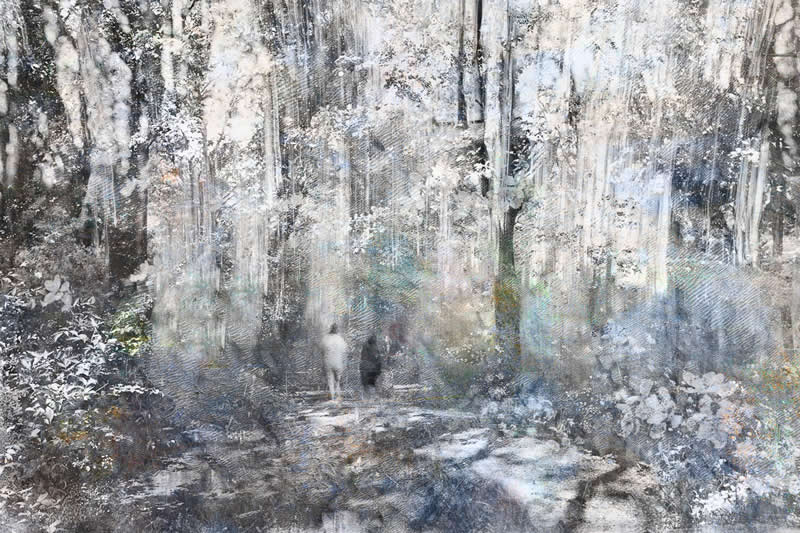
"A multiple exposure in our local woodland with blend modes used and a dappled shade created the shadows. I took the basic image, added a branch with blossom on, added two people then added another woodland photo, with a hand painted texture. I changed the blend mode and/or opacity on most of the layers to get the colour blue and the desired amount of visibility of the various layers."
3. 3rd Place: "For Gabriel" by Laurie Peek
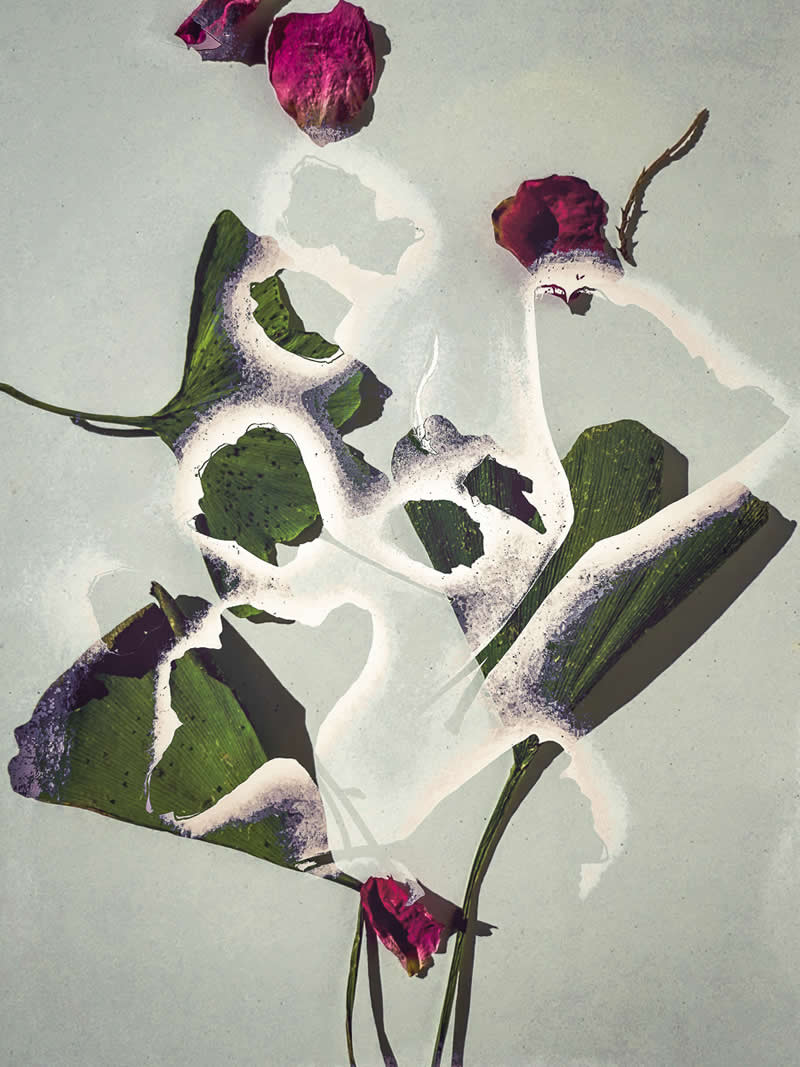
"I superimposed an inverted high-contrast image of ginkgo leaves (that became a white swirl) on top of a photo of three ginkgo leaves and some geranium petals. After putting my photographs of floral elements (mostly from my garden) through various apps and mixing colour, inverting images, and playing with scale, the result was a digital composite. Physical output was an archival pigment print on semi-transparent vellum, gilded with silver-toned metallic leaf on the back, varnished on both sides."
4. Finalist: "A Chorus Line" by Honey J Walker
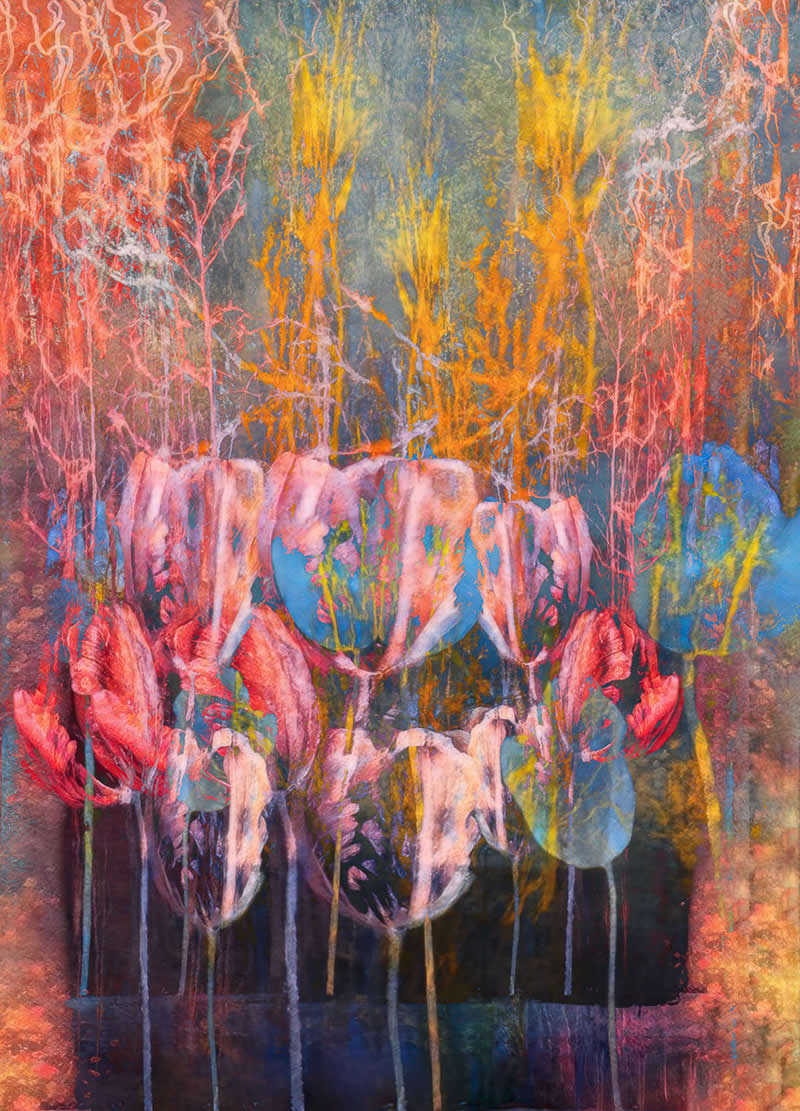
"Tulips are the happiest of flowers, their vibrant colours herald spring. A profusion of tulips dance like a chorus line in the slightest breeze. This shot is a multiple exposure, taken in-camera, then combined with textures and images and layered in Procreate. Drawing on original print and re-photographed."
5. Finalist: "Canadian Poplar in Infrared" by Wil Meinderts
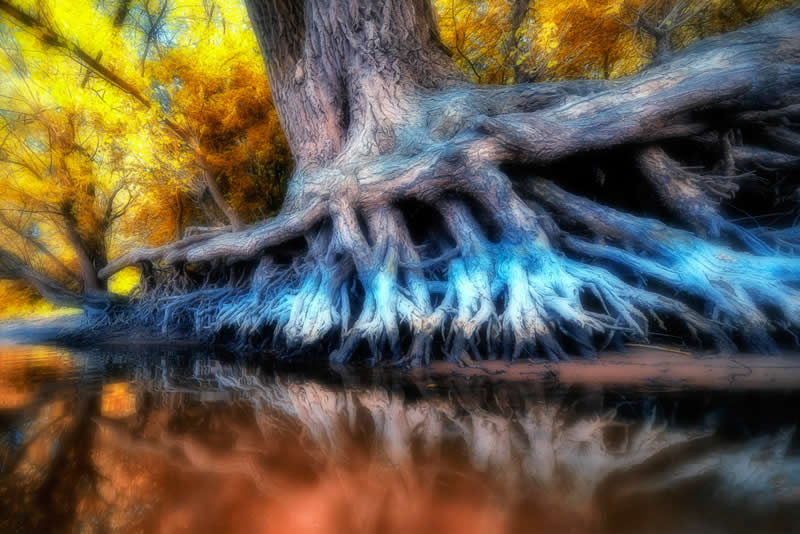
"Roots of an old Canadian poplar tree, along the River Waal, in Zaltbommel which I enhanced by applying infrared filters in post-processing using Nik Color Efex."
6. Finalist: "A Conversation" by Honey J Walker
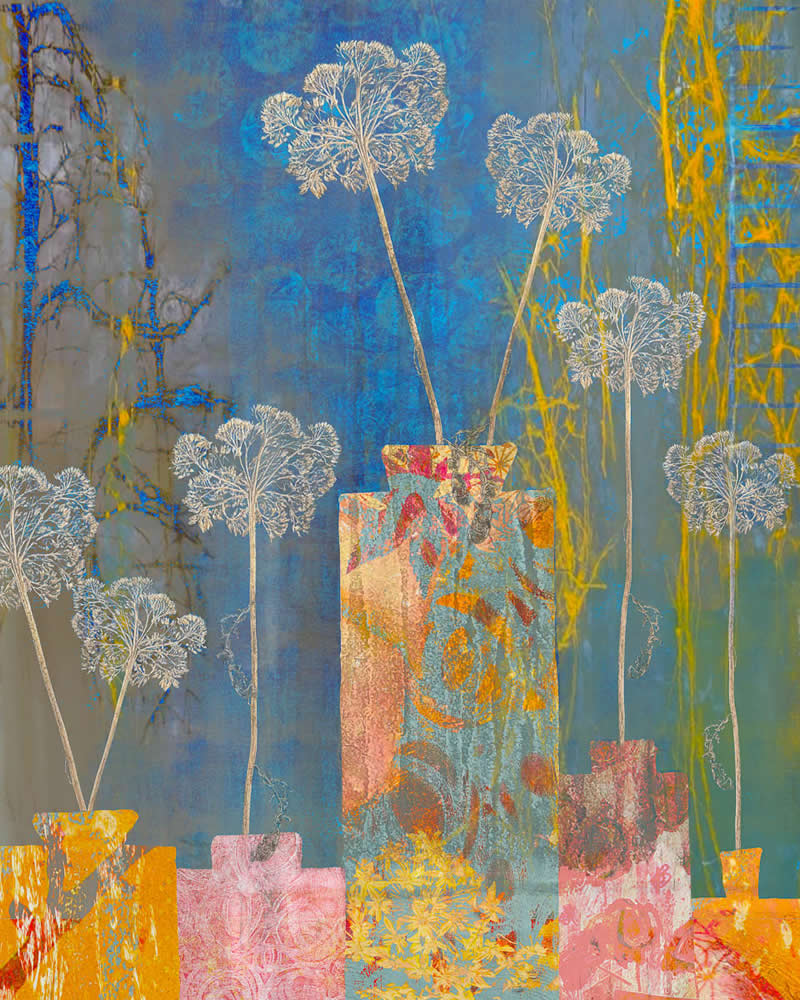
"Single stems of foliage in multi-patterned vases. The patterns from garden vegetation pressed and mono printed, then re-photographed onto the vases. I initially layered in-camera, then added layers in Procreate app to combine textures taken with Apple iPhone and mono prints, using foliage from the garden and bubble wrap to create textures."
7. Finalist: "Ghost Blooms" by Claire Carter
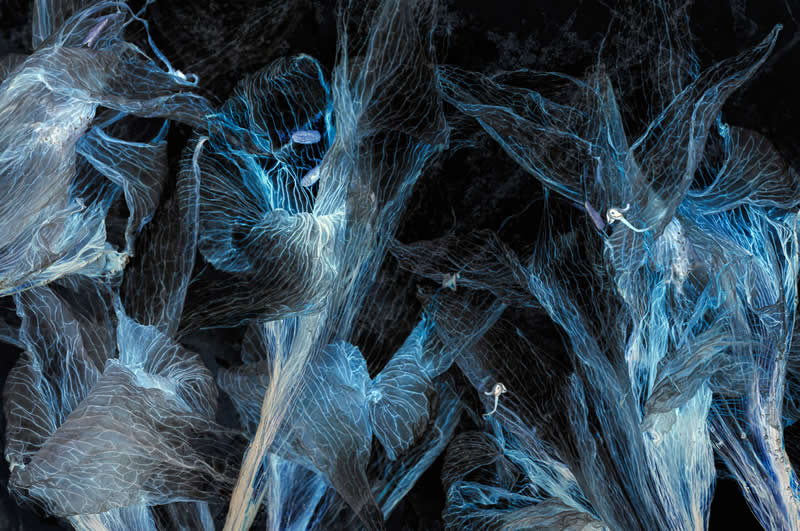
"Amaryllis flowers photographed against natural light, layered and then inverted. I wanted to give a spectral quality to them, ghosts of what they were, skeletons. I layered several images together and applied inversion from yellow to blue, which is like a metamorphosis, decay rendered luminous."
8. Highly Commended: "The Roots" by Pawel Zygmunt
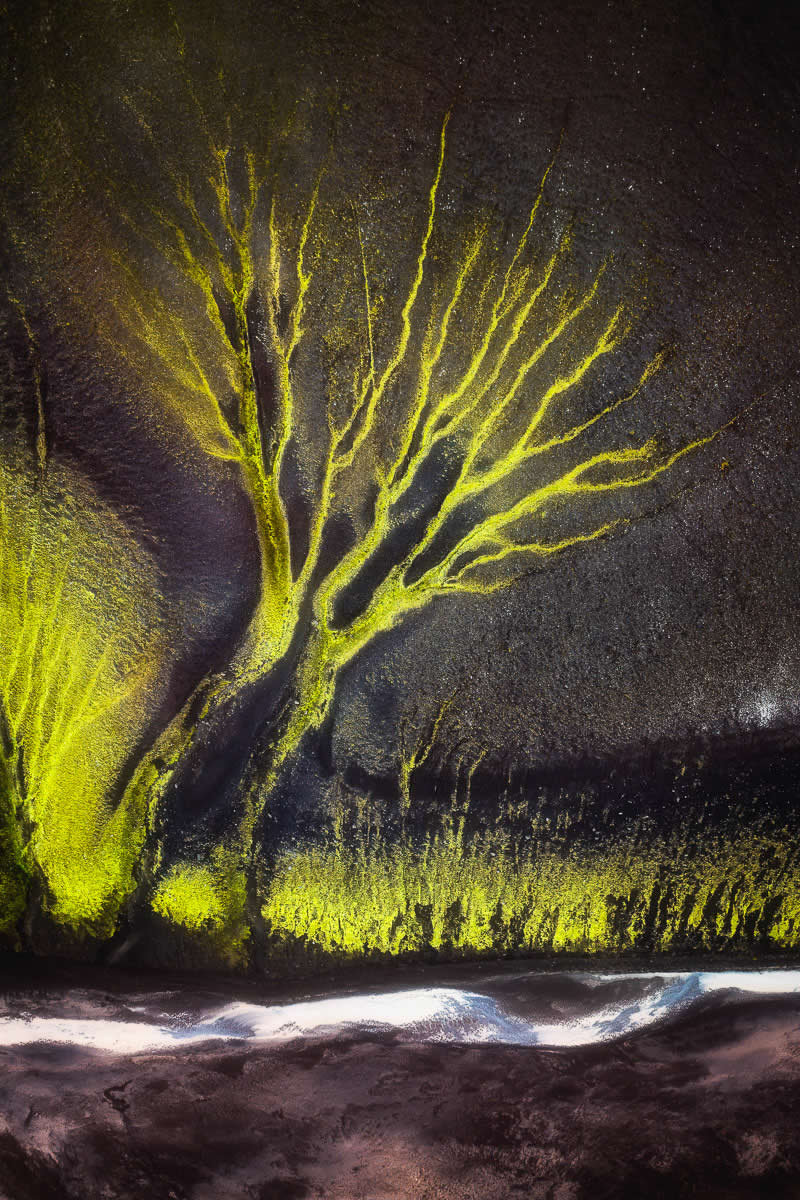
"What at first appears like a painting of trees spreading their branches across a canvas is, in fact, moss flourishing on volcanic sand; the earth itself drawing a picture of life. Golden lines split and scatter across a deep, textured ground, resembling branches that carry the memory of spring’s renewal. In this vision, growth is not limited to leaves or stems but becomes an abstract force, a luminous pulse that transcends the familiar."
9. Highly Commended: "Bokeh Summer Flowers" by Ian Gilmour
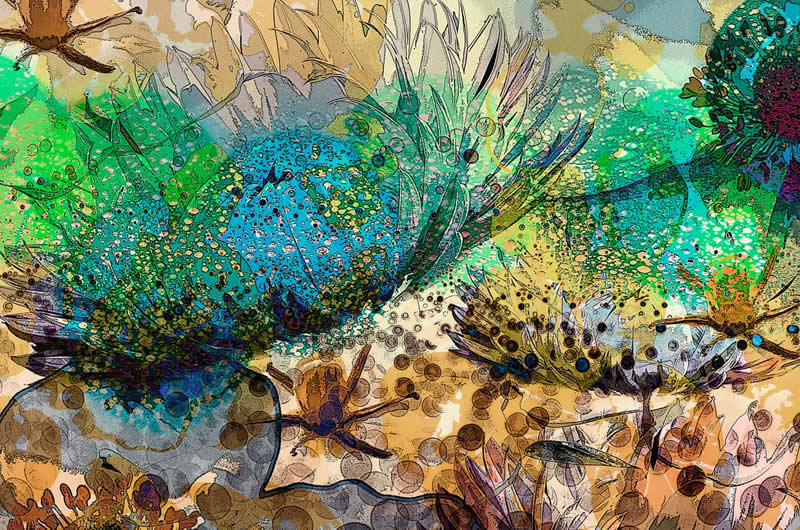
"Photographs of helichrysum, gardenia, cosmos and Japanese anemone blended together in post-processing with a photograph of bokeh. The finished image reminded me of an underwater scene."
10. Highly Commended: "Throw A Pebble" by Honey J Walker
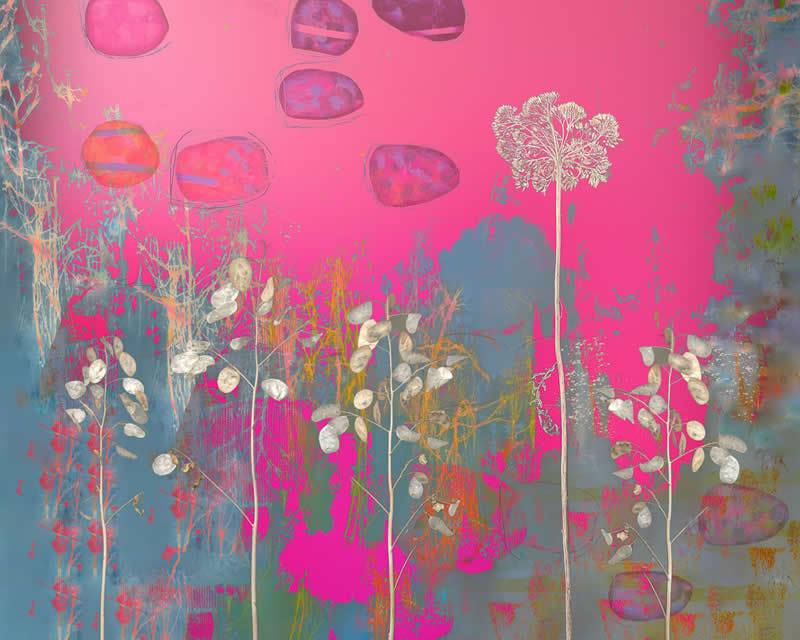
"A reimagining of a pond with the perspectives altered. Dried foliage and small pebbles became the central theme, with all the fun of skimming pebbles in a pond as a child. Multiple images taken on both Apple iPhone and mirrorless SLR camera, combined in Procreate, with hand-drawn lines."
11. Commended: "The Leaf Behind The Curtain" by Claire Carter
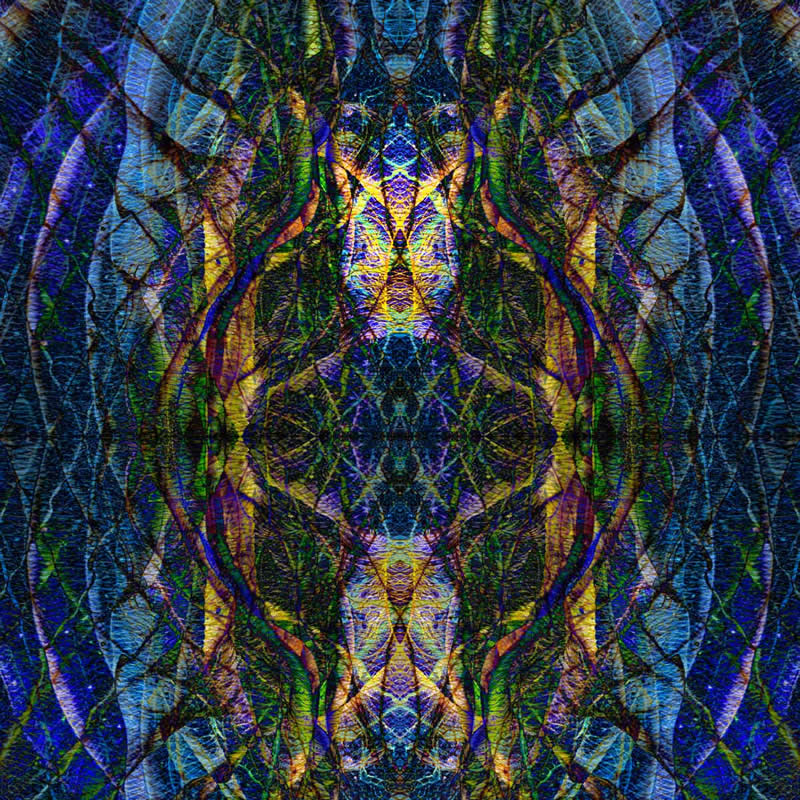
"This abstraction I created reminded me of The Wizard of Oz and the wizard’s great hall, all reflected in a shiny floor. This image was created from photographs of intricate, dried Hosta leaves that have been duplicated, layered and blended to create a complex curtain, revealing a face."
12. Commended: "Anenome Fantasy" by Dianne English
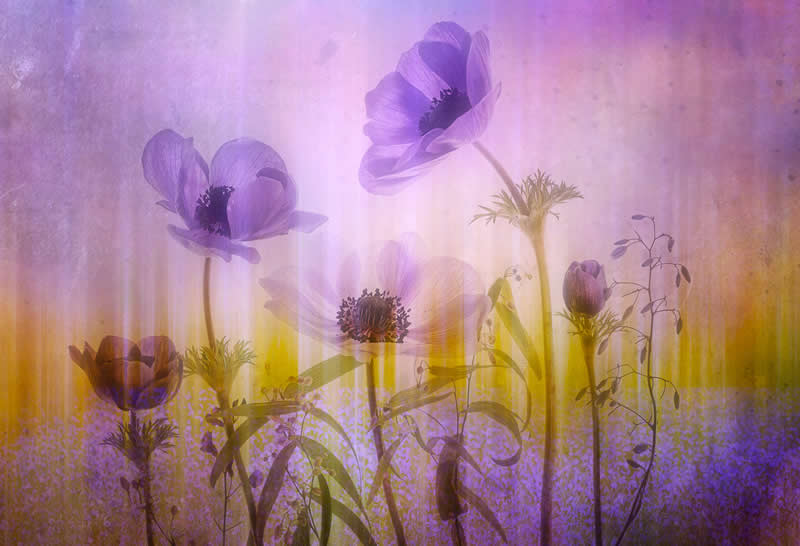
"Flowers from my garden, placed and photographed on a light pad, with my own texture added in post-processing, with additional processes applied. The blurred background was created using intentional camera movement."
13. Commended: "Sarracenia Rhythm and Blues" by Jackie Kramer
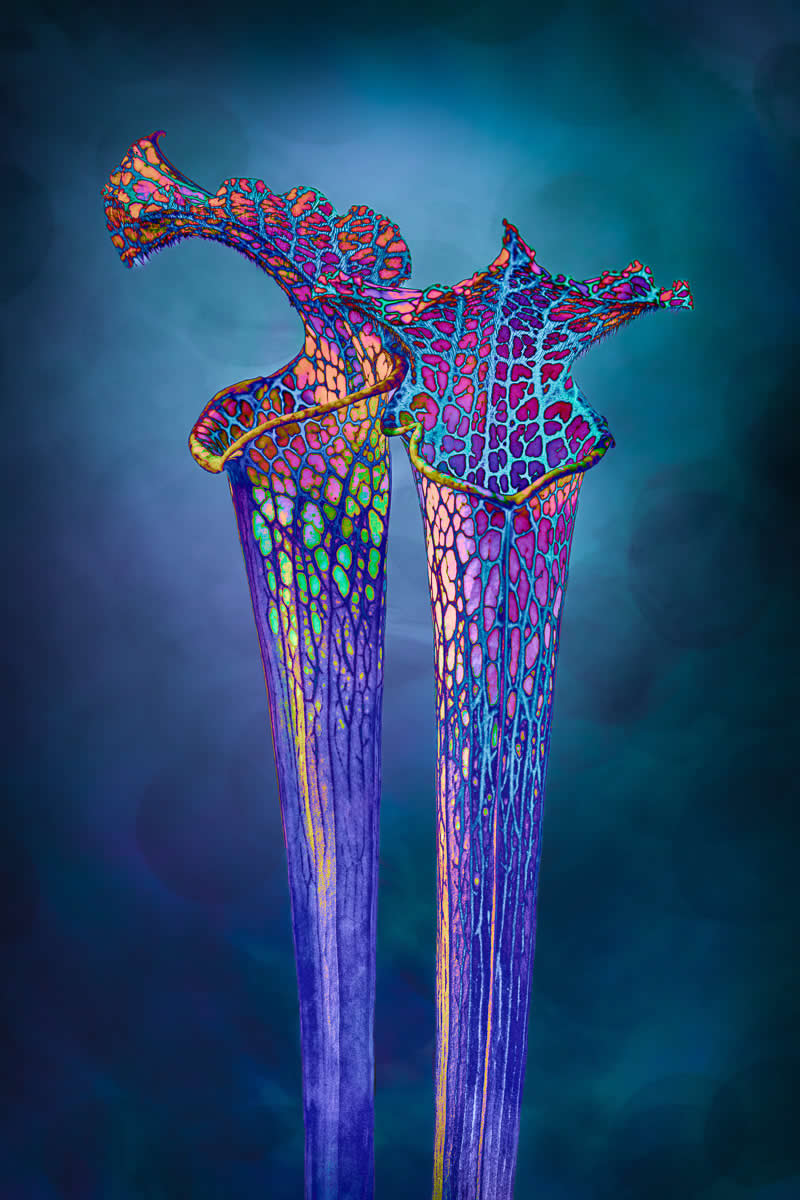
"This pair of Sarracenia stood out and appeared to be singing out loud to the world, hence I titled it Rhythm and Blues. I therefore edited it accordingly, and rendered them with bright colours against a background of the blues. I gave the pair additional personality in post-processing by duplicating the original image and playing with inversion and blending modes. I also added bokeh in the background in another layer of an image I created in the same garden."
14. Commended: "Bamboo Grove" by Paul Mitchell
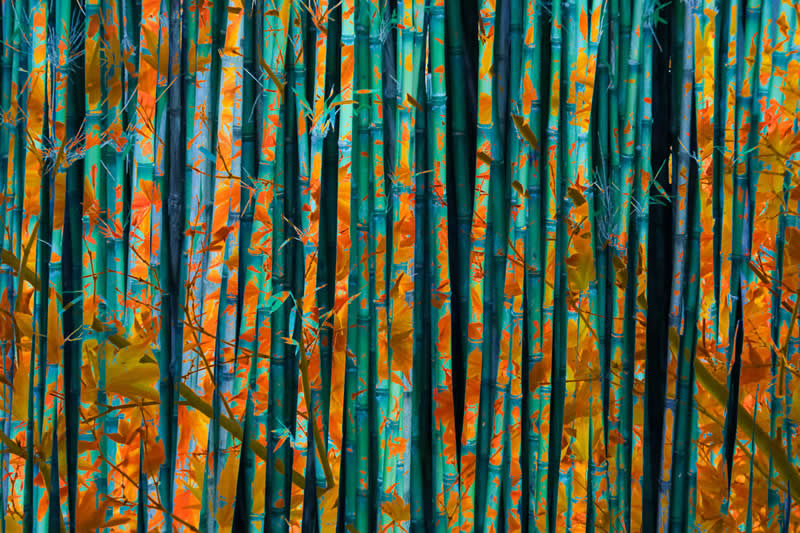
"I have recently discovered the creative possibilities of in-camera multiple exposures, especially when photographing differing types of plants and foliage."
15. Commended: "Botanical Mandalas" by Luca Menotti
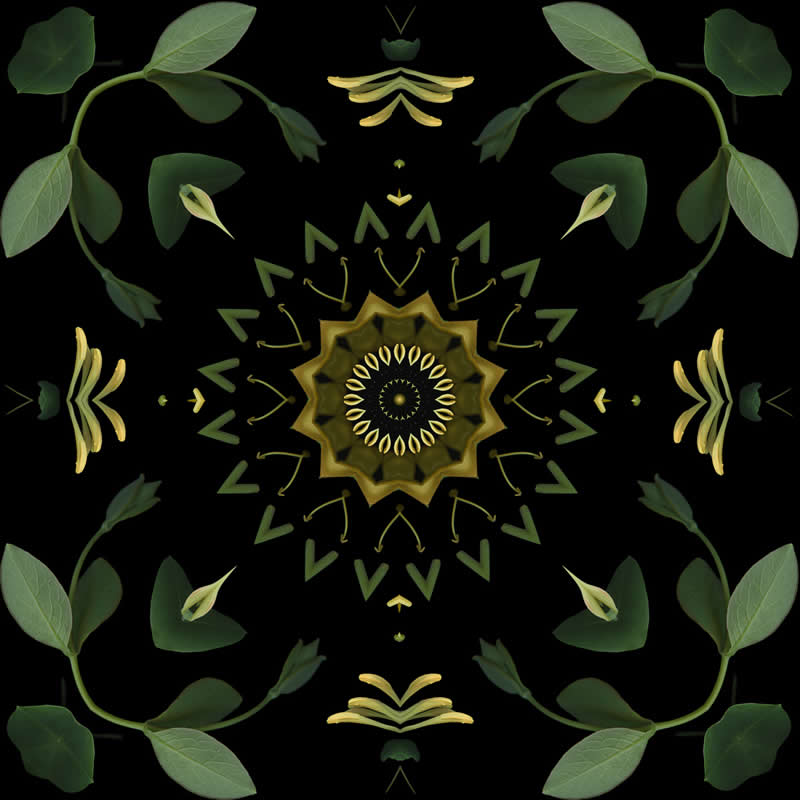
"Mandalas have long been recognised as powerful tools in meditative and spiritual practices. Through mandalas, individuals can explore themes such as the cycle of life, connection with nature, and the inner universe."
FAQs:
What is the Abstract View category in photography?
The Abstract View category focuses on creative interpretations of nature. Photographers use reflections, motion, layering, texture, and color to transform gardens, flowers, trees, and landscapes into artistic images beyond literal representation.
Who won first place in the Abstract View category?
Ian Gilmour won first place with Autumn Flurry, combining tree reflections in the Rochdale Canal with bokeh light reflections to create the feeling of a windy autumn day.
Why is abstract nature photography popular?
Abstract nature photography offers fresh ways to see familiar subjects. It turns leaves, flowers, and woodland scenes into emotional, imaginative art that feels modern, expressive, and visually exciting.
What techniques are used in these winning photos?
Winning photographers used multiple exposures, blending modes, digital compositing, reflections, opacity changes, hand-painted textures, and metallic finishes. These methods create layered images full of mood and originality.
Why does Garden Photographer of the Year matter?
This competition celebrates excellence in nature and garden photography worldwide. It highlights creative talent, inspires photographers, and showcases how plants, landscapes, and seasons can become extraordinary visual stories.