Black-and-white photographs have a certain magic. They make the past feel distant, almost like it happened in another universe. But then you see an old American history photograph in color, and suddenly everything shifts. A red dress looks red. A yellow taxi actually feels yellow. Someone’s blue jeans look surprisingly familiar. The past stops looking like “history” and starts looking like somebody’s Tuesday afternoon.
That’s what makes these rare color photographs so fascinating. Captured with early color film cameras, they preserve more than famous faces and major events. They show everyday America, the clothes people wore, the cars they drove, the houses they lived in, the TVs they watched, and the streets where ordinary life unfolded.
And honestly, isn’t that the stuff we’re most curious about?
You can stare at a black-and-white photograph of a family gathering and wonder what the room really looked like. Add color, film grain, and those wonderfully imperfect old-school tones, and suddenly you can almost imagine standing there.
These photographs take us through celebrities, politicians, movie stars, musicians, NASA, computers, architecture, inventions, famous landmarks, and moments that shaped the country. But their real charm is simpler: they let us see how America looked, felt, and lived before our time.
1. Fashion in Beverly Hills High School, 1969
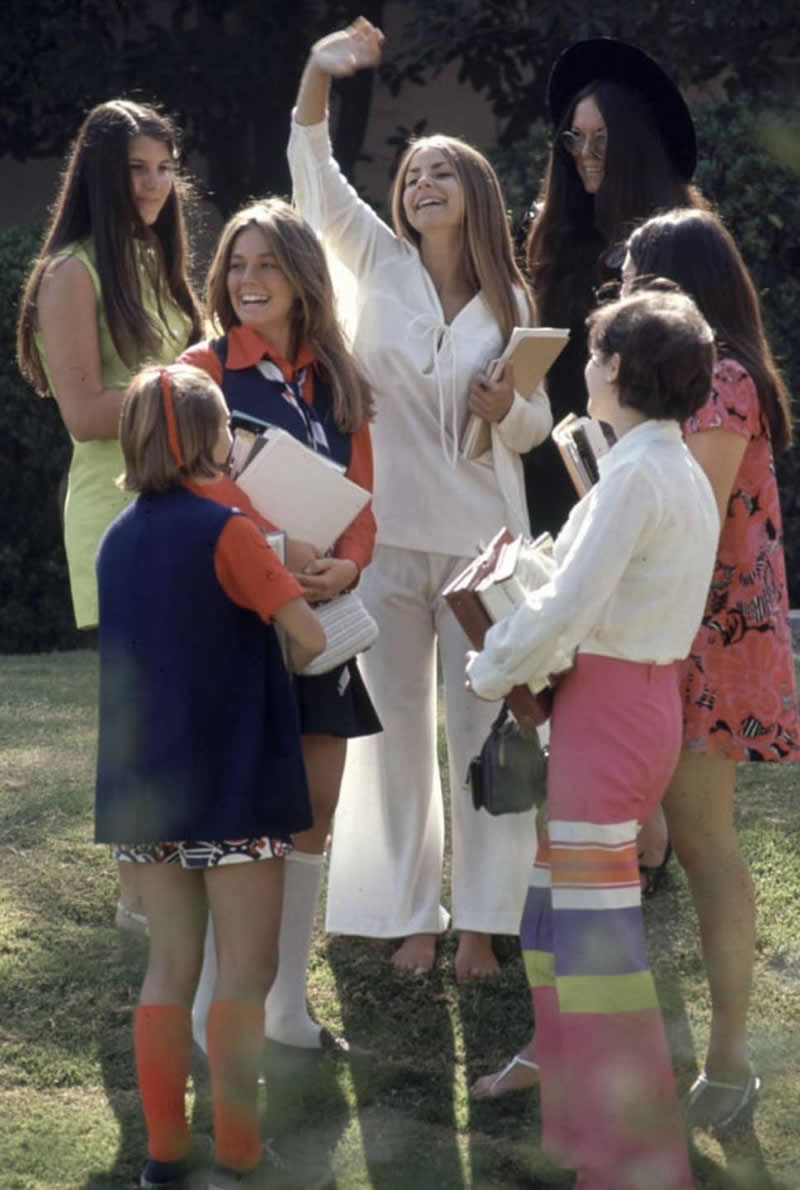
Image Source: History Photographs
2. A photo Barack Obama with his grandparents that was taken when he was an undergrad in college sometime in the 1980s. Sadly, I was unable to find an exact date.
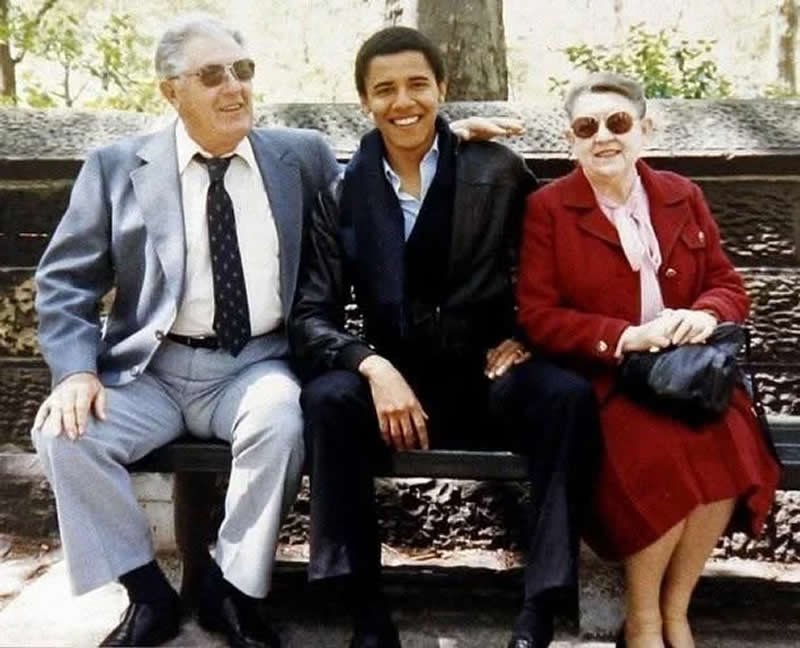
Image Source: History Photographs
3. Apple II Computers II production line in California 1980s
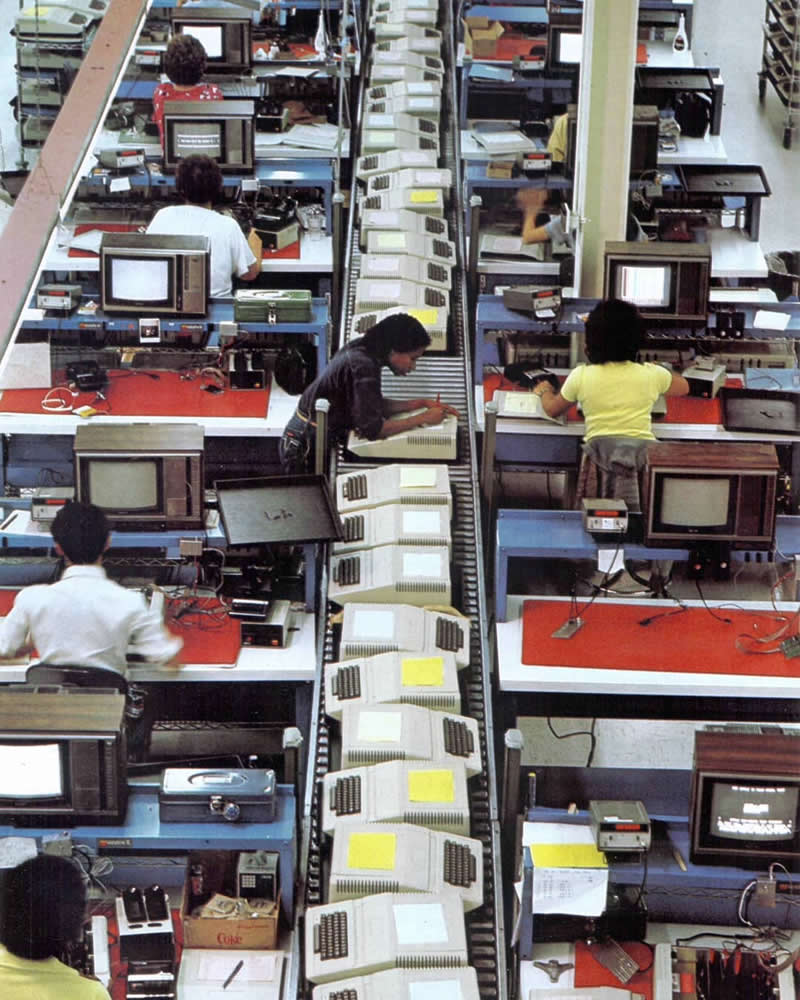
Image Source: History Photographs
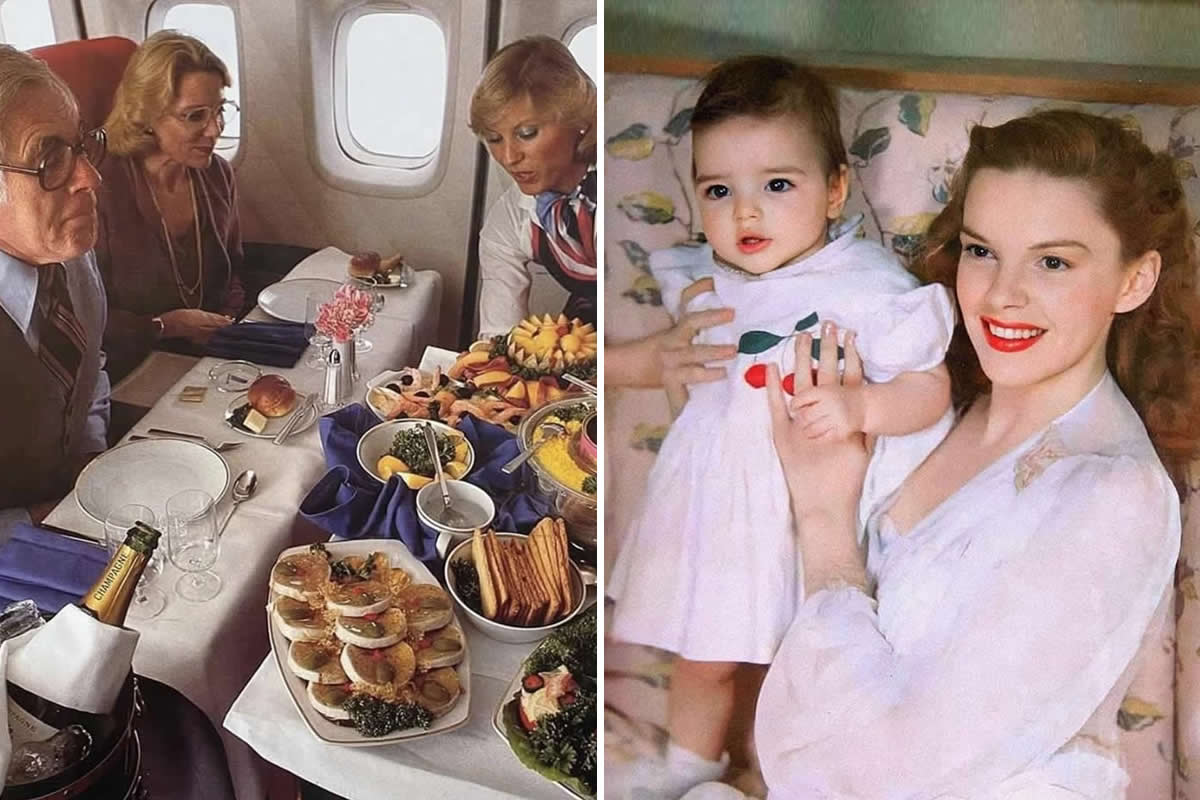
4. Pan Am 747SP first class dining on the main deck, late 1970s
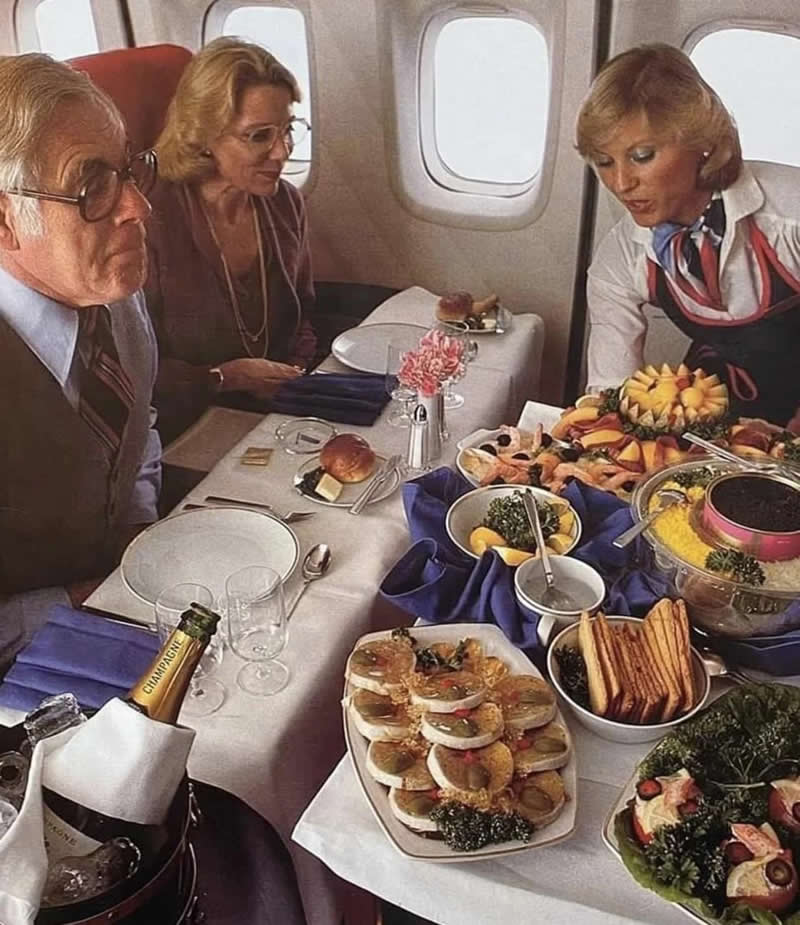
Image Source: History Photographs
5. A surreal view from New York City, 1982. (65 W 54th St, taken from the Warwick Hotel)
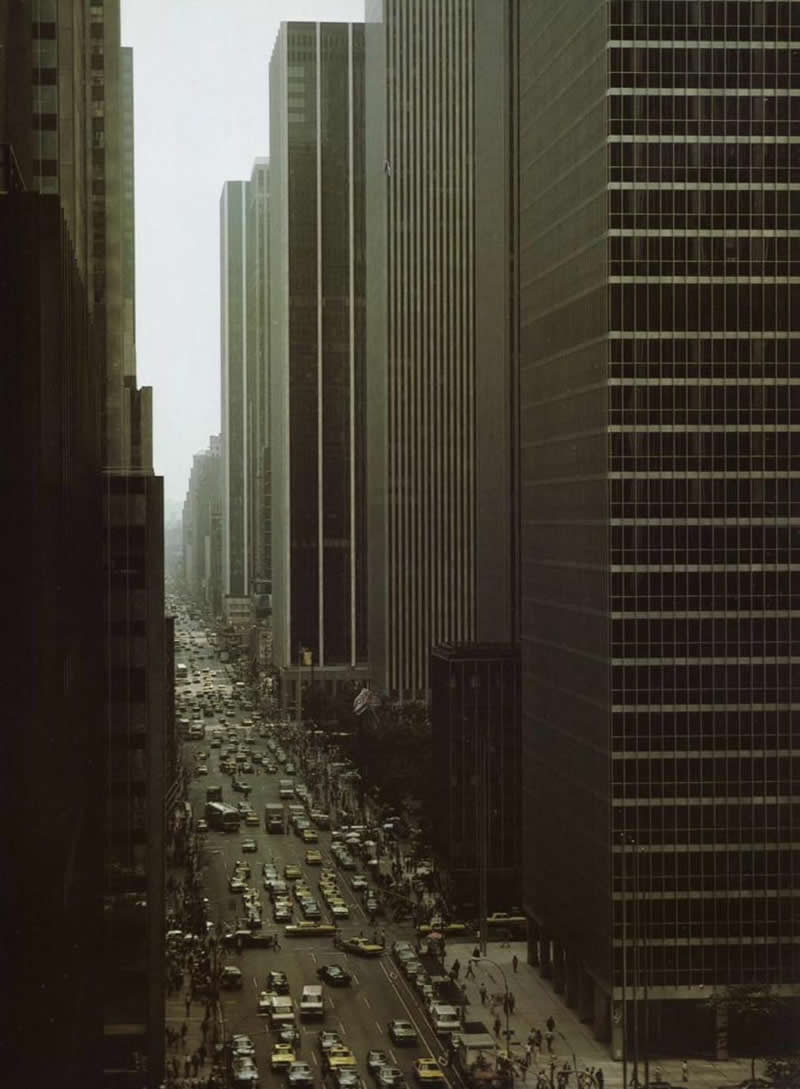
Image Source: History Photographs
6. Pete Conrad emerges from the Command Module following splashdown of Gemini 11 in the Atlantic Ocean, Sept 1966

Image Source: History Photographs
Everyday America Suddenly Feels Familiar
- Families gather around tables, porches, cars, and living rooms in wonderfully ordinary moments.
- Early color film gives old neighborhoods, kitchens, stores, and streets unexpected warmth.
- Fashion reveals how quickly hairstyles, dresses, suits, and youth culture evolved.
- Grainy colors make familiar objects televisions, cars, signs feel wonderfully authentic.
- These aren’t distant historical figures; they’re people simply getting through another day.
7. At the height of its popularity, RadioShack was the go-to destination for audio enthusiasts and tinkerers alike, whether they needed to replace woofers, tweeters, or track down just about any electronic component imaginable. (1970s)
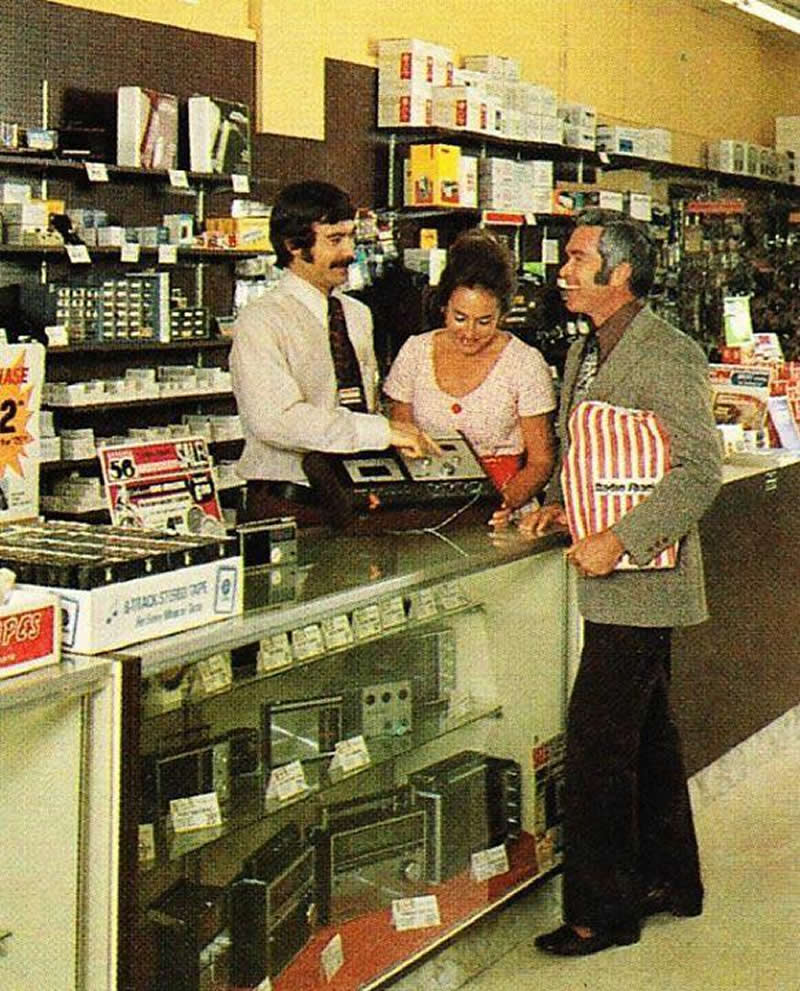
Image Source: History Photographs
8. Three elderly women pose poolside as they enjoy a sunny day at a South Beach hotel, Florida, 1979. (Photo by Andy Sweet)
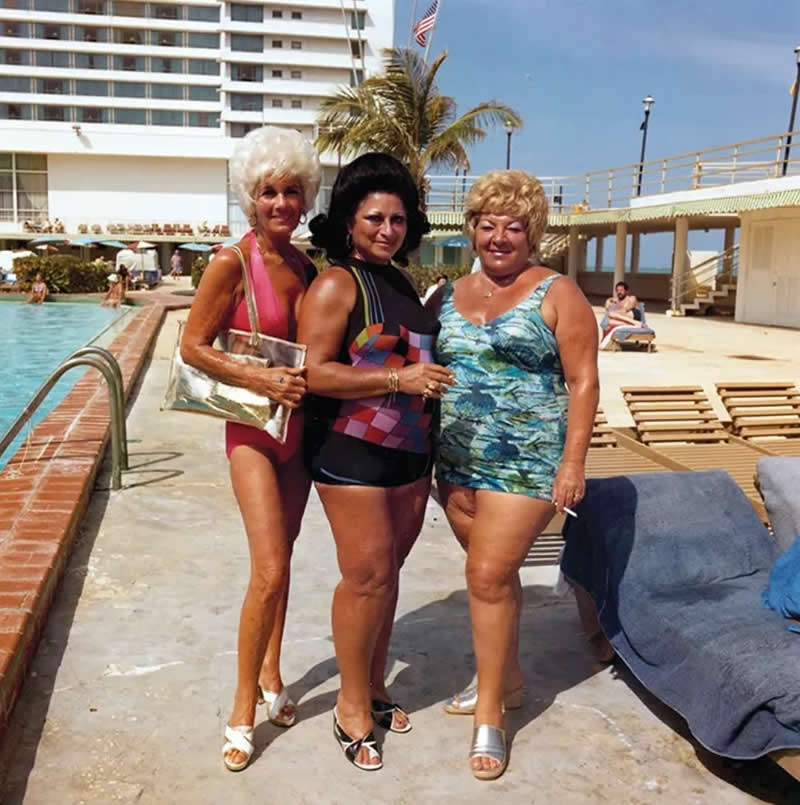
Image Source: History Photographs
9. Demi Moore at Tower Records in 1977. She’s holding a Jean Luc Ponty LP titled Imaginary Voyage.
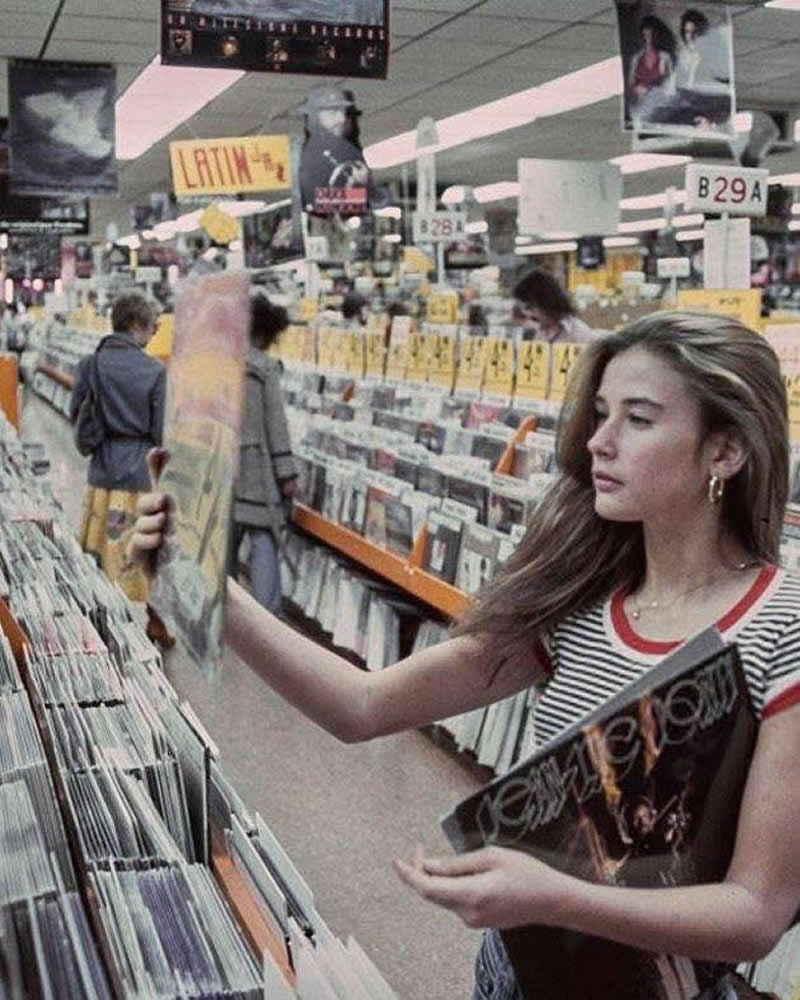
Image Source: History Photographs
10. US soldier with a load of precious cargo, Vietnam. (Late 1960s-early 1970s)

Image Source: History Photographs
11. The McCartney family at their home, 1974.
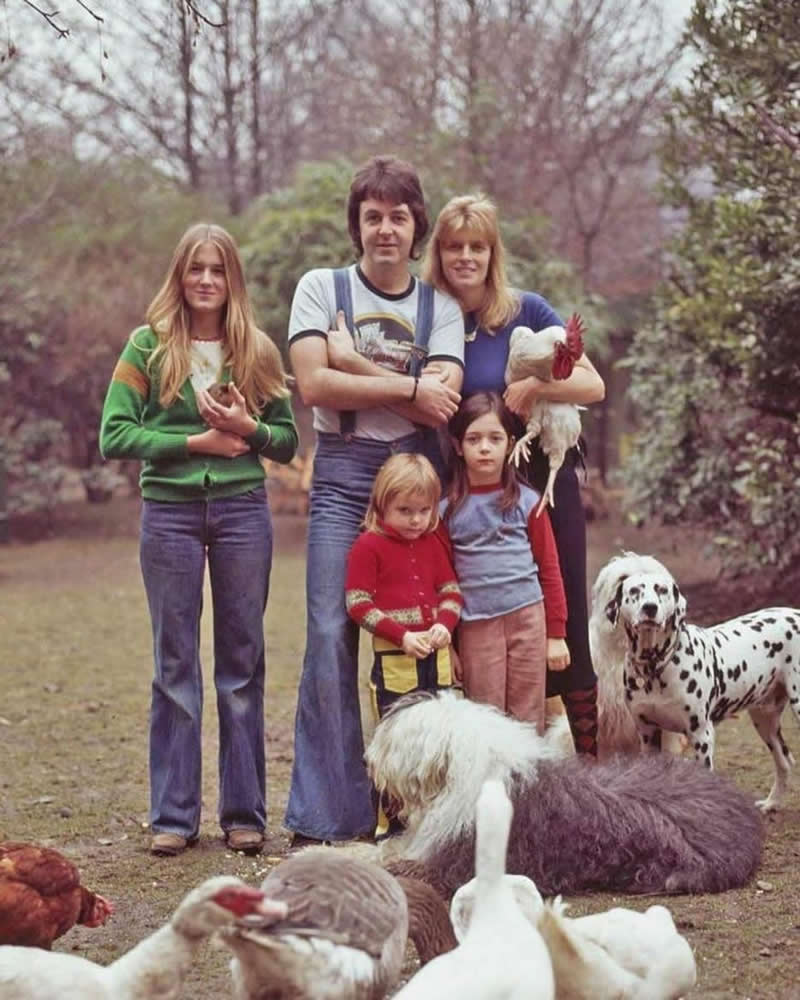
Image Source: History Photographs
12. Paul Tibbets (1915–2007), Brigadier General in the United States Air Force, and Colonel Thomas Ferebee (1918–2000), in the cockpit of the Boeing B-29 Superfortress bomber ‘Enola Gay’ that they crewed to drop the first atomic bomb on Hiroshima in 1945. Photo taken in 1981.
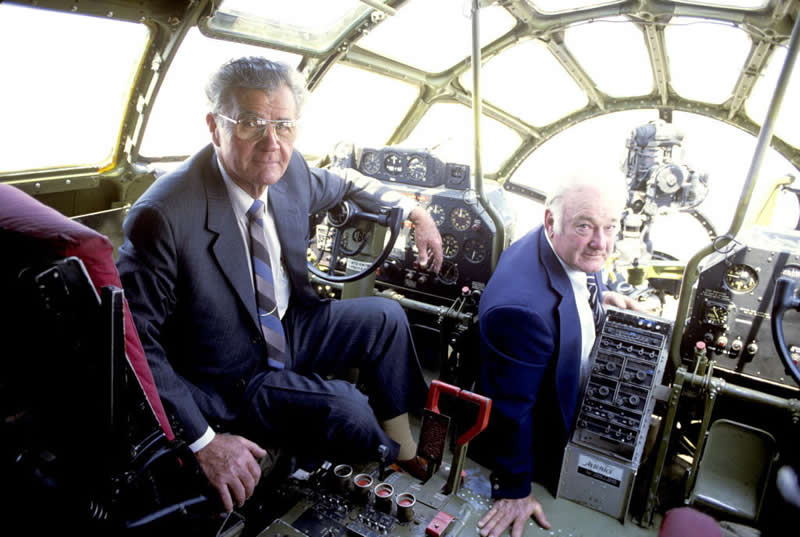
Image Source: History Photographs
Celebrities, Politicians, and Cultural Icons in Color
- Movie actors suddenly look less like legends and more like people from next door.
- Musicians, politicians, and celebrities reveal personalities hidden behind familiar black-and-white portraits.
- Color brings costumes, hairstyles, makeup, and stage performances vividly back into focus.
- Famous faces become surprisingly relatable when surrounded by everyday colors and settings.
- You might recognize the person instantly, but the photograph can still surprise you.
13. Bill Clinton on his final day in the office as President (January 19, 2001).
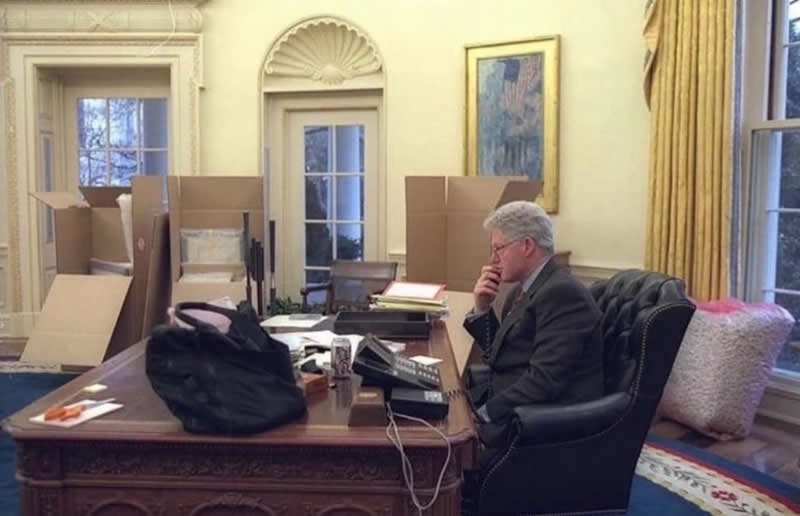
Image Source: History Photographs
14. A hippie girl selling roadside flowers in Oklahoma, 1973.
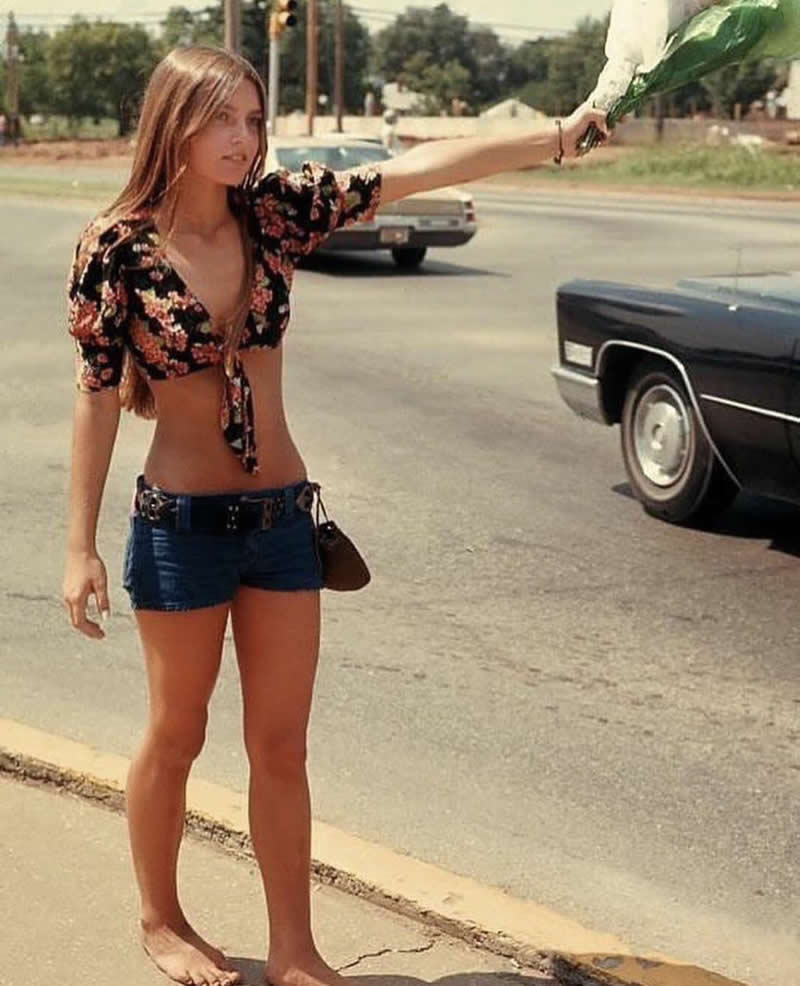
Image Source: History Photographs
15. A top-of-the-line computer setup in the mid-1990s.
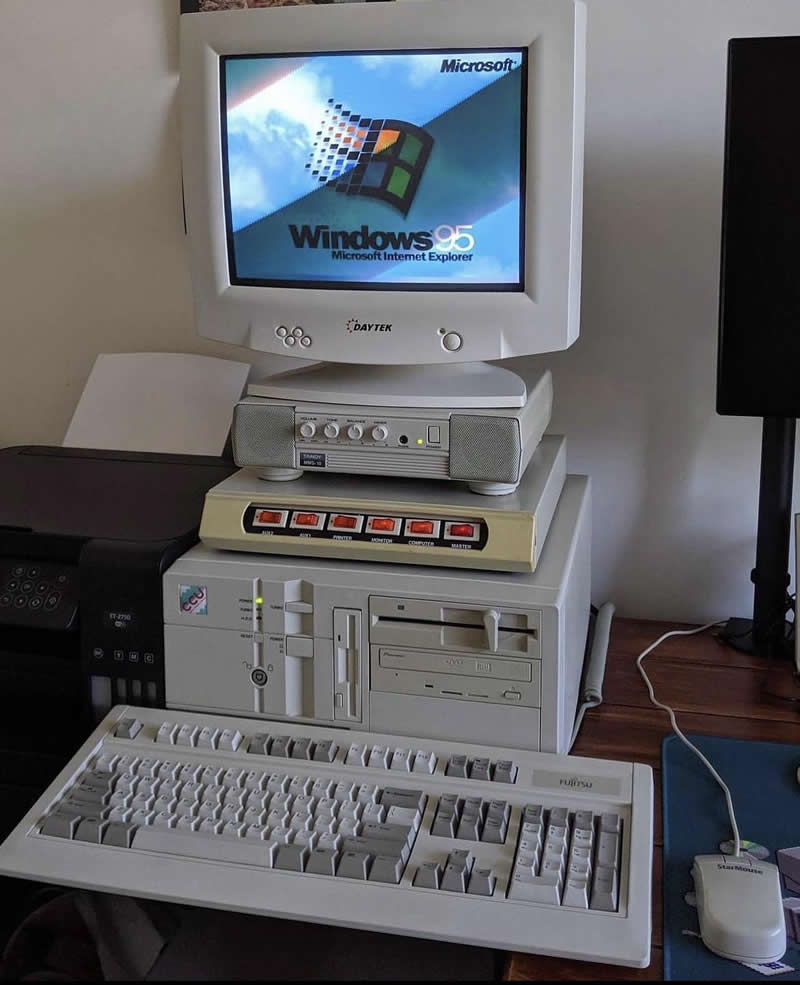
Image Source: History Photographs
16. A Chevrolet and a Ford Model A driving through the oil fields of Signal Hill, Long Beach, California, 1952.
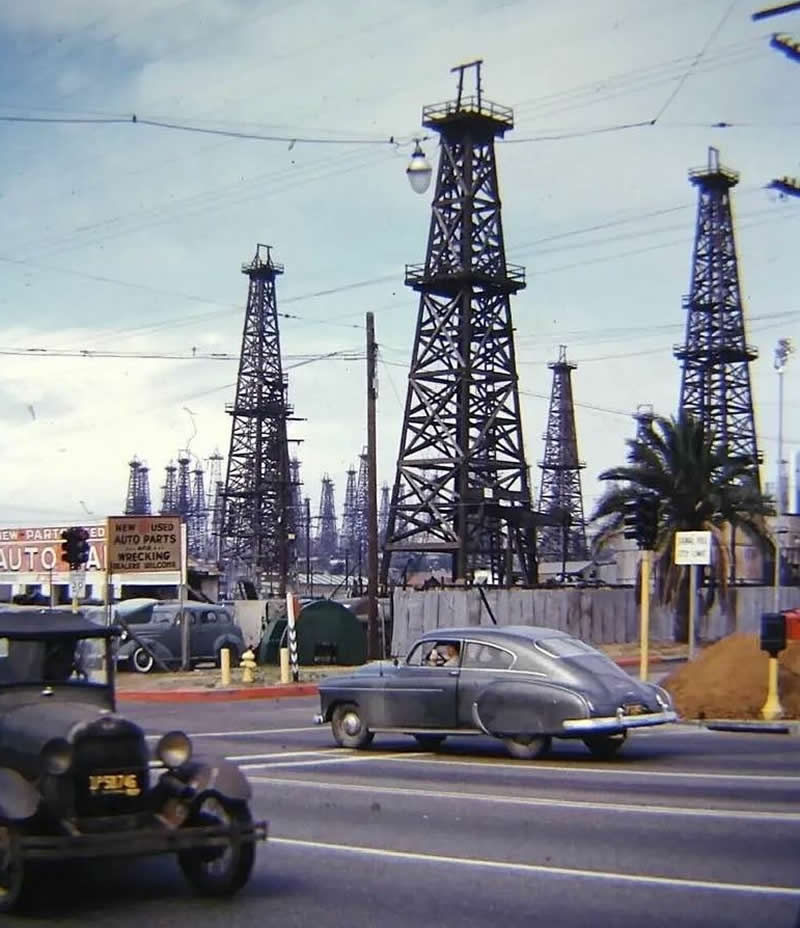
Image Source: History Photographs
17. This kid has no idea that he’s living the best days of his life (1980s)
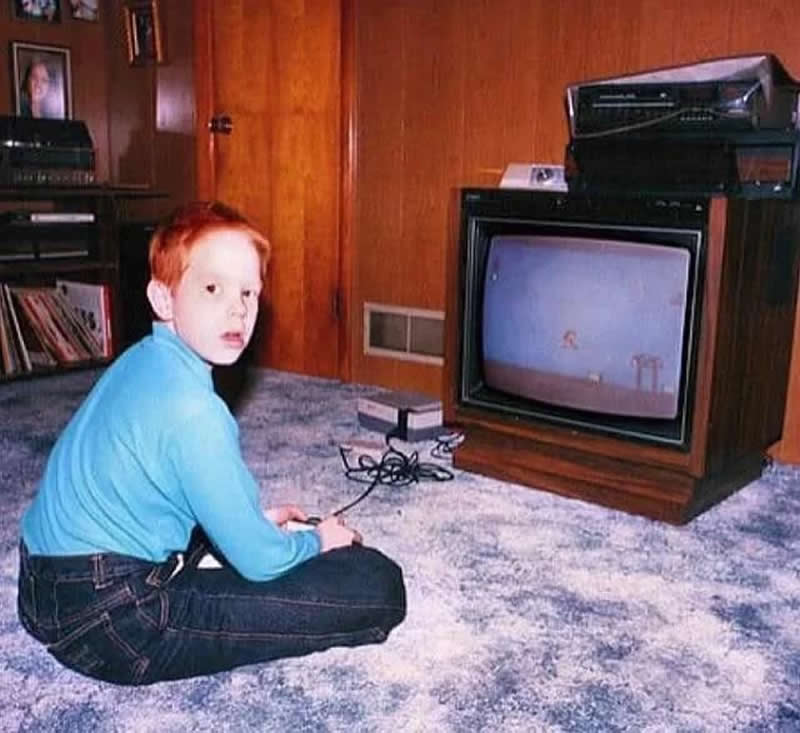
Image Source: History Photographs
18. The McDonald’s McPizza in the 1990s. Unfortunately, the McPizza was discontinued by the early 2000s due to its 11-to-16-minute cooking time, which did not align with McDonald’s fast-service standards.
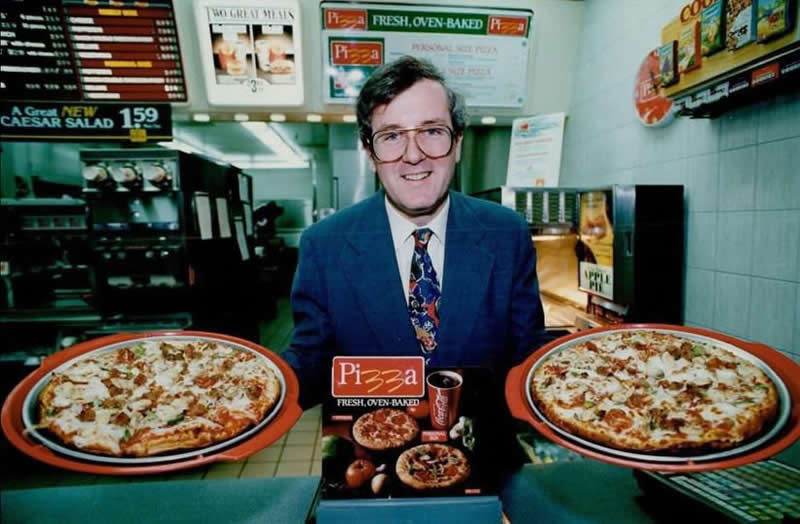
Image Source: History Photographs
Famous Places, Architecture, and Changing America
- Historic buildings reveal colorful signs, storefronts, cars, and streets often forgotten today.
- Architecture looks different when sunlight, paint, brick, and surrounding landscapes return.
- Famous American landmarks appear less polished and more wonderfully lived-in.
- Downtown streets show how transportation, advertising, fashion, and architecture changed together.
- These photographs turn familiar places into time machines with surprisingly vivid details.
19. The Guardian Angels patrolling the New York City subways during the 1980s.
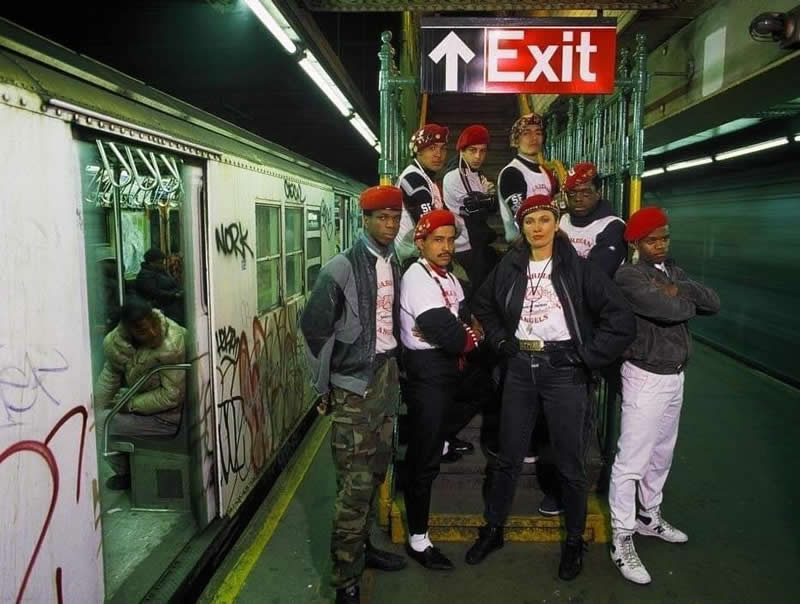
Image Source: History Photographs
20. 1960s hairstyles may require structural support.
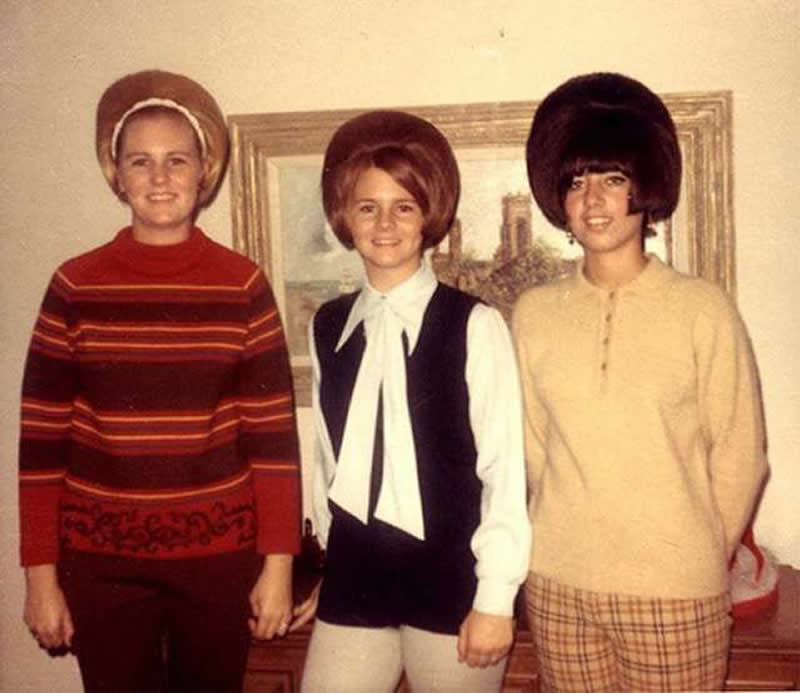
Image Source: History Photographs
21. The Flying Saucer Fishing Boat made by Evinrude and designed by Brooke Stevens. 1957
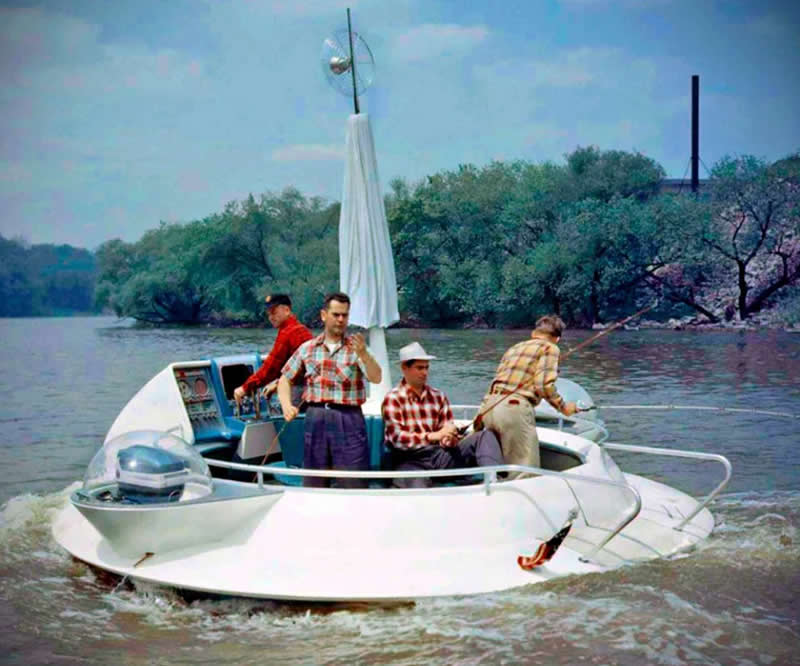
Image Source: History Photographs
22. Adam Faith and Adrienne Posta during filming of the first episode of Budgie. London Weekend Television, 1971.
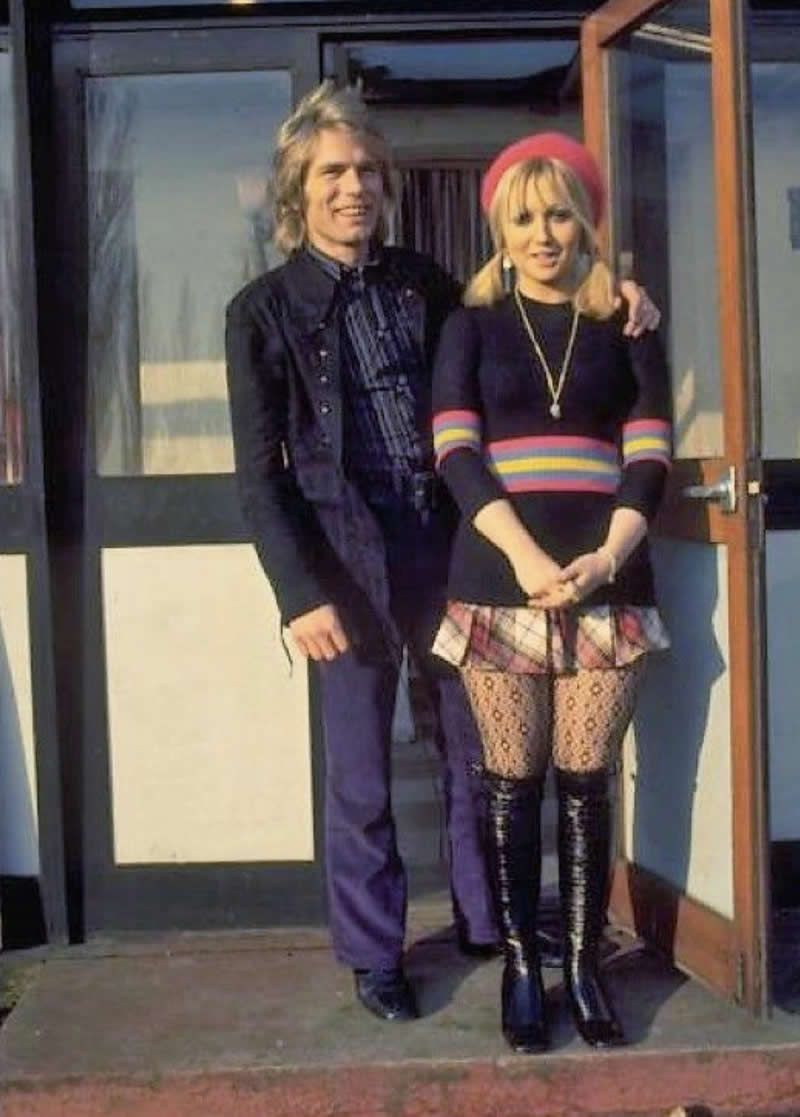
Image Source: History Photographs
23. Vangelis composing for Blade Runner, 1981.
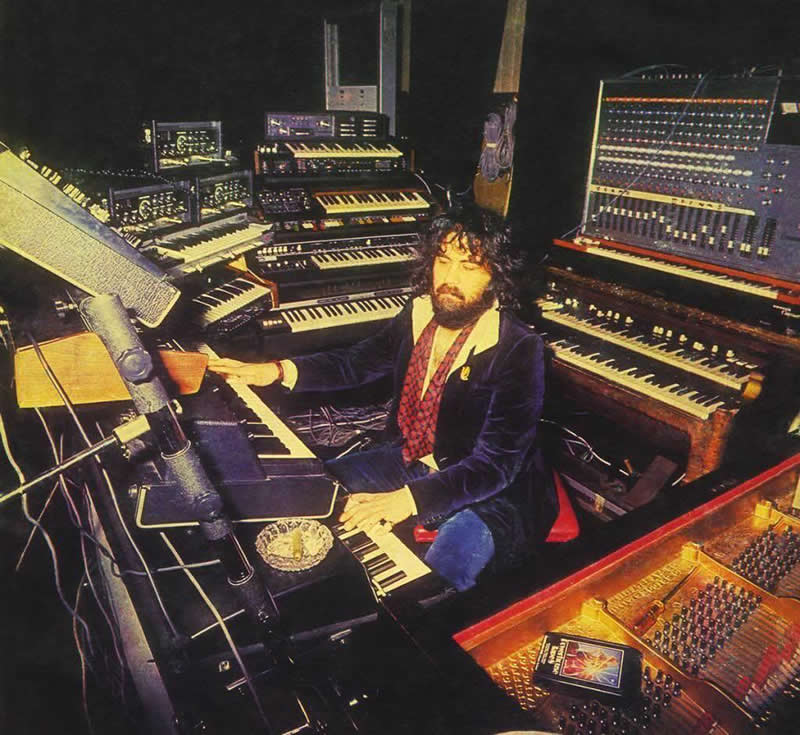
Image Source: History Photographs
24. Dinner on trays around the TV (1960s)
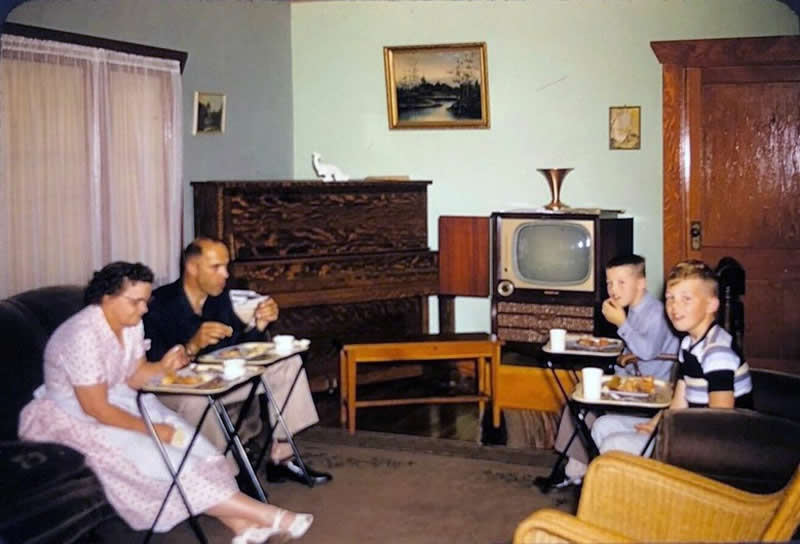
Image Source: History Photographs
NASA, Computers, TVs, and the Future Arrives
- NASA photographs capture America’s fascination with space exploration and technological ambition.
- Early computers look wonderfully bulky compared with the tiny devices we carry today.
- Television sets became household centerpieces, changing how families experienced entertainment and news.
- Engineers and scientists reveal the human side behind America’s technological breakthroughs.
- Seeing yesterday’s “future” in color makes today’s technology feel almost unbelievable.
25. Disneyland circa 1955. These are the first versions of the character costumes
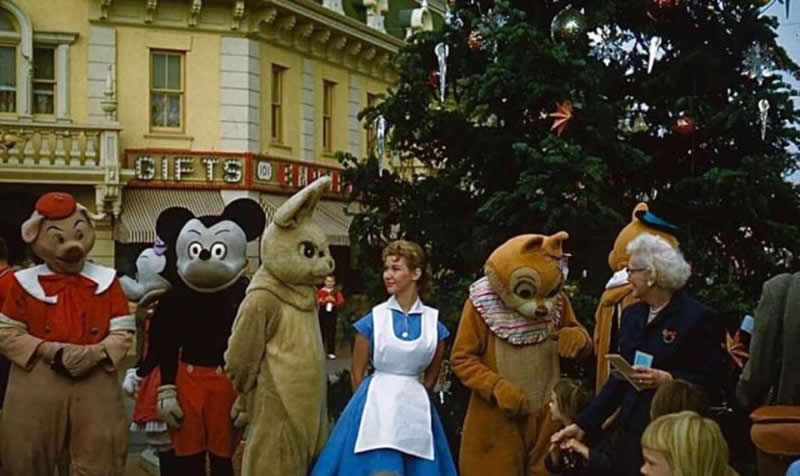
Image Source: History Photographs
26. Round and round they go! (A playground from the 1970s)
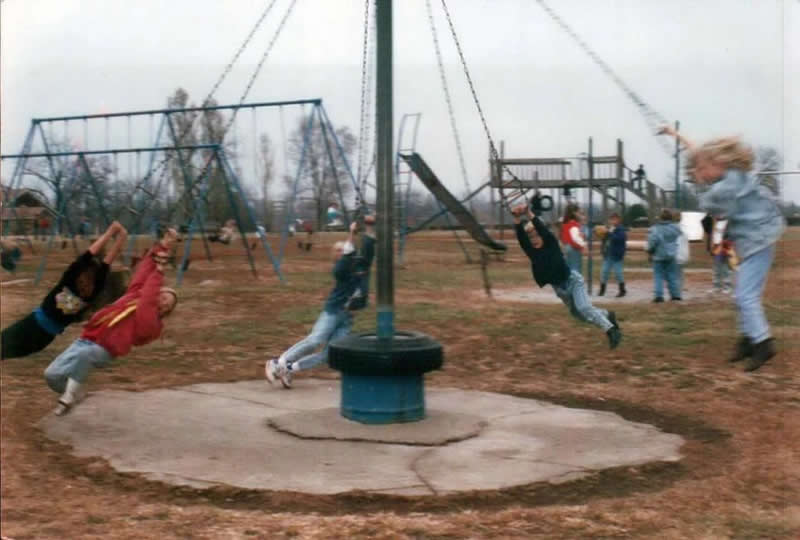
Image Source: History Photographs
27. Arnold Schwarzenegger showing off his American citizenship, 1983.
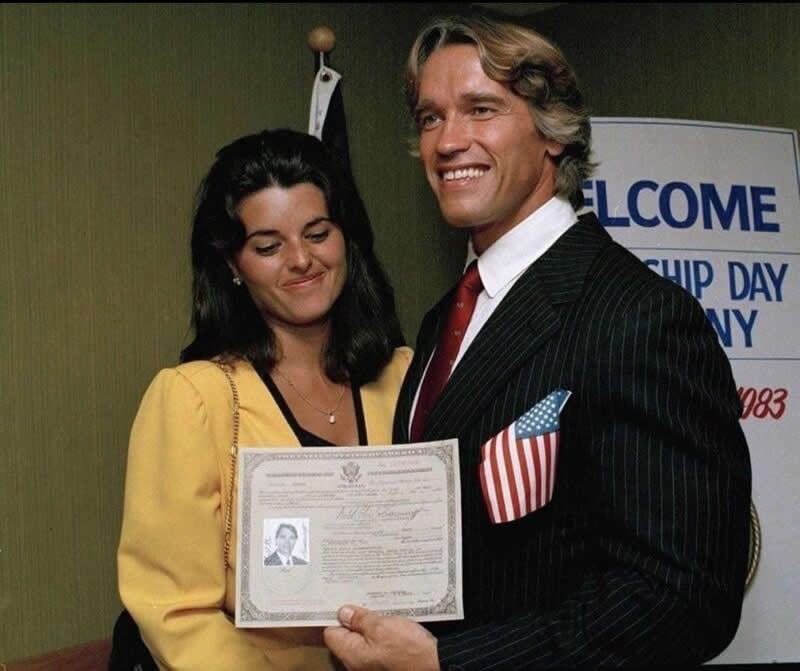
Image Source: History Photographs
28. A young Bill and Hillary Clinton in the 1970s.
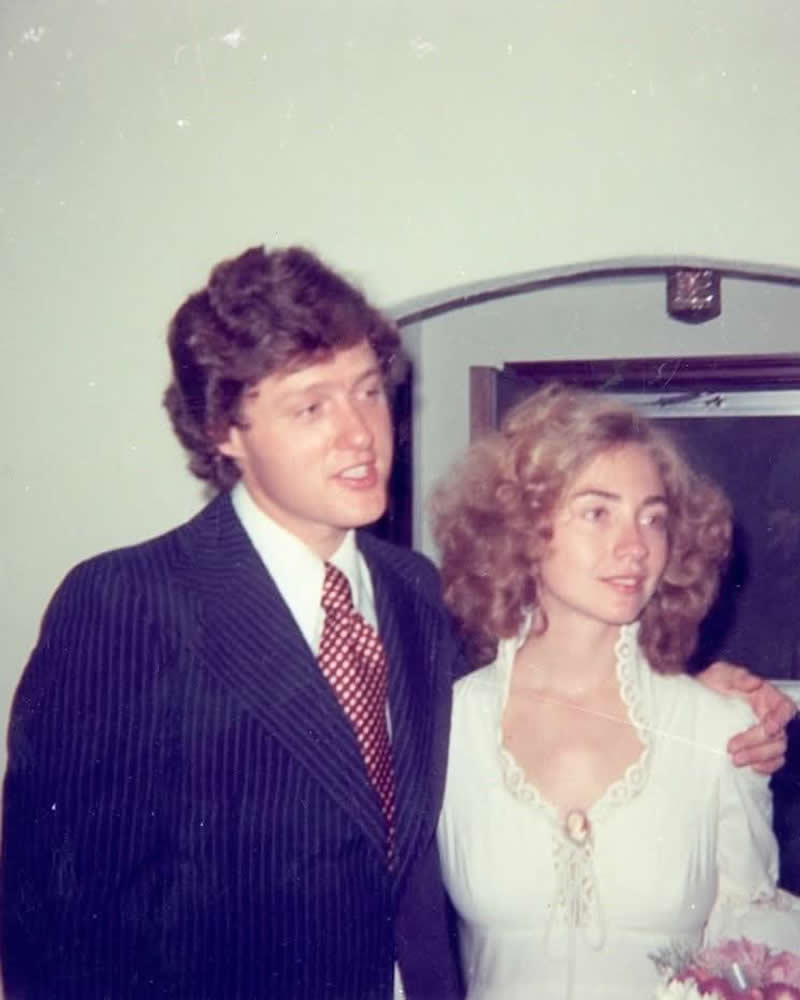
Image Source: History Photographs
29. The Supremes 1970 line up. Jean Terrell had just replaced Diana Ross and she teamed up with Mary Wilson and Cindy Birdsong
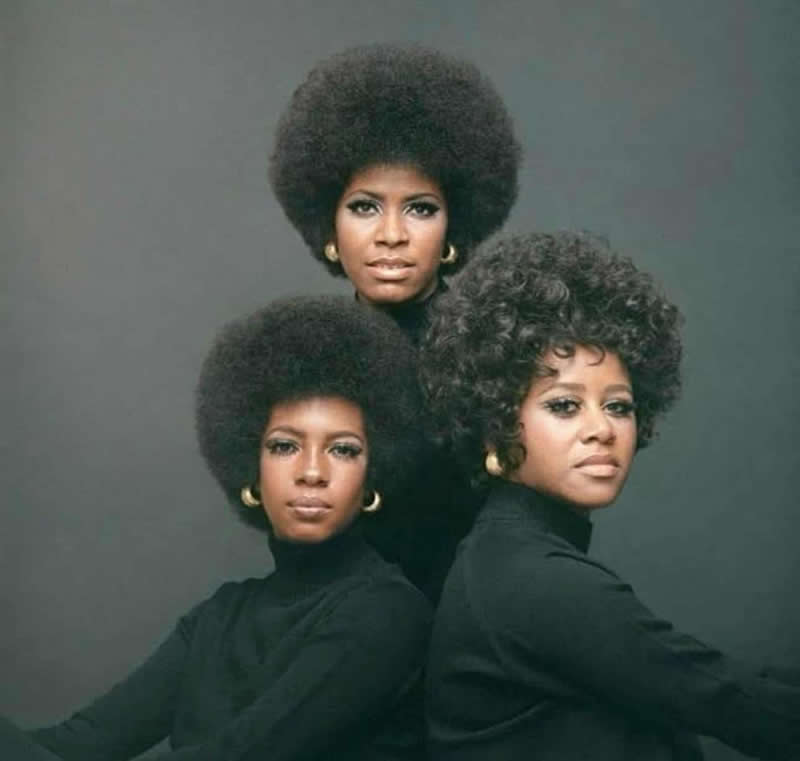
Image Source: History Photographs
30. Before the internet or the invention of the food apps, these people would take your order, write down an address and deliver a pizza to your home in less than 30 minutes by using a paper map like some sort of mythical pizza land pirate. (1990s-2000s)
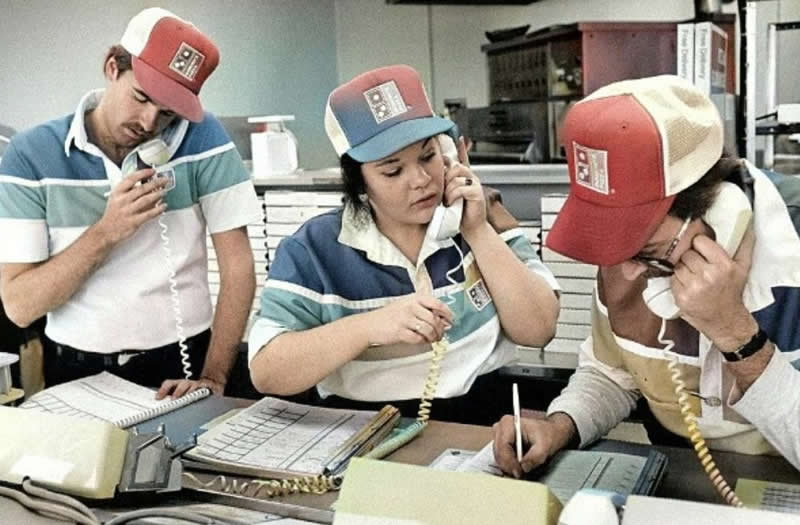
Image Source: History Photographs
The Little Details That Make History Feel Real
- A teenager’s clothes can tell a story faster than a textbook ever could.
- Old cars, furniture, advertisements, and appliances reveal changing American tastes.
- Film grain preserves imperfections that make these photographs feel intimate, not polished.
- Sun-faded colors remind us these moments were once someone’s present, not history.
- Look closely, and tiny details often become the most memorable part of each photograph.
31. The 1969 Ford Aurora II Country Squire billed as a "living room on wheels," with unique features like a wraparound sofa, swivel chairs, a coffee table, and custom wood trim, designed to show future family travel but was never mass-produced due to safety concerns, including the lack of seatbelts.
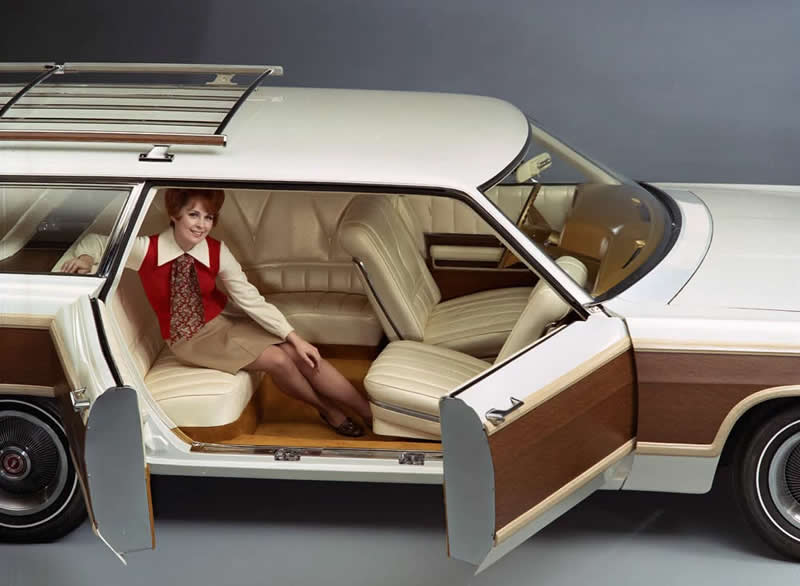
Image Source: History Photographs
32. Harlem, New York. 1971. Photo by Jack Garofalo.
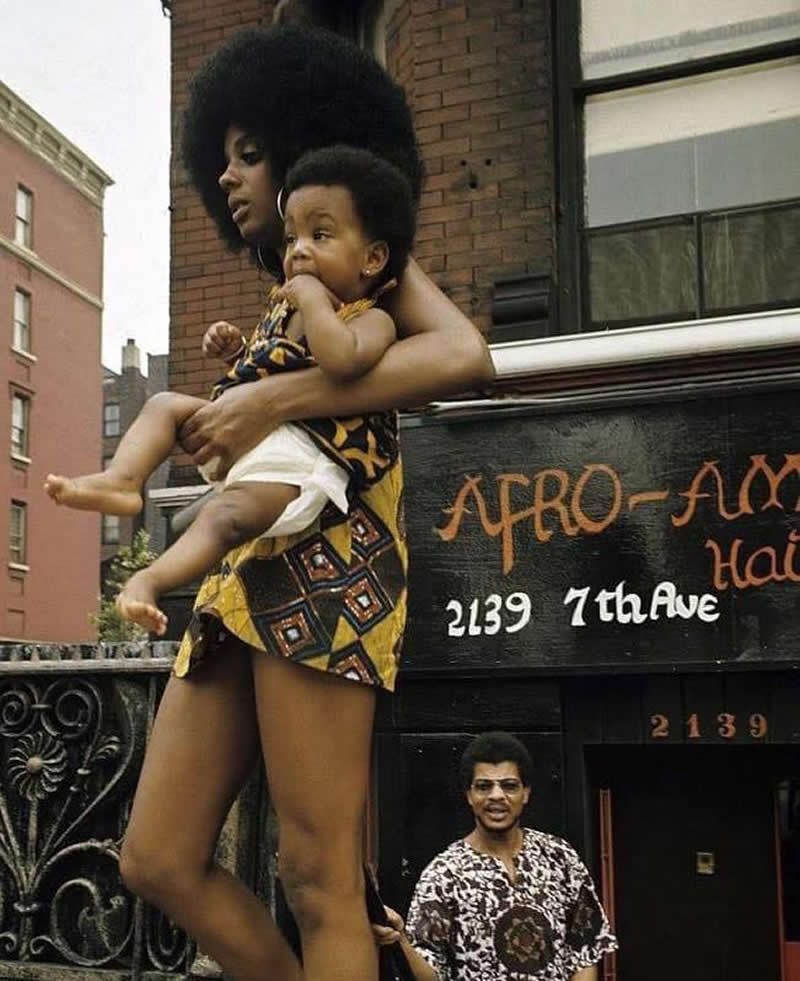
Image Source: History Photographs
33. Tourists at the Statue of Liberty’s crown in New York City, 1947.
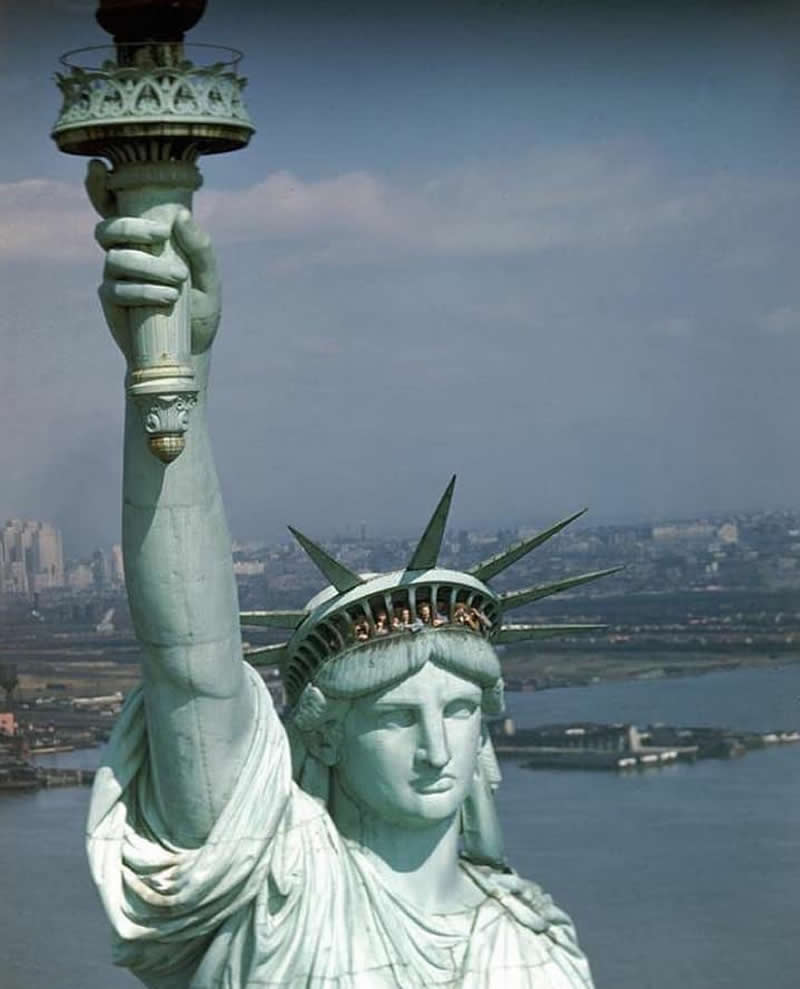
Image Source: History Photographs
34. Subway, 1980, New York City.
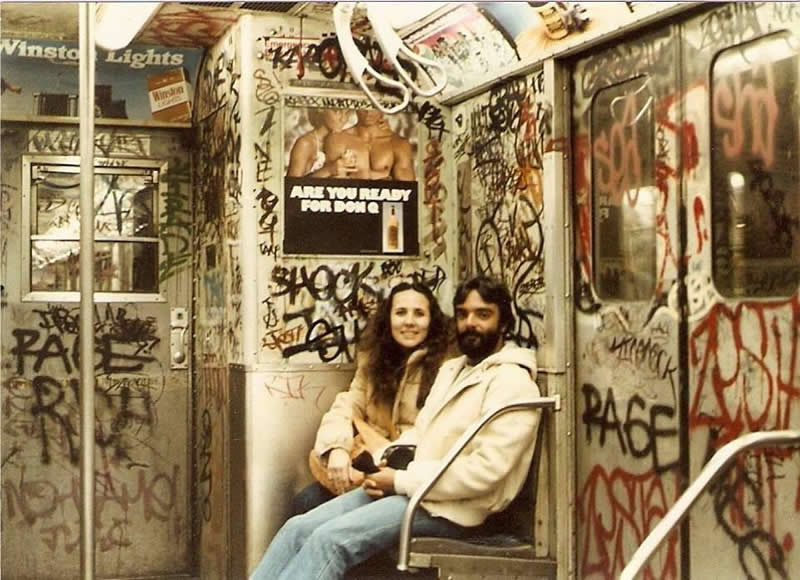
Image Source: History Photographs
35. Judy Garland and her daughter, Liza Minnelli in 1947.
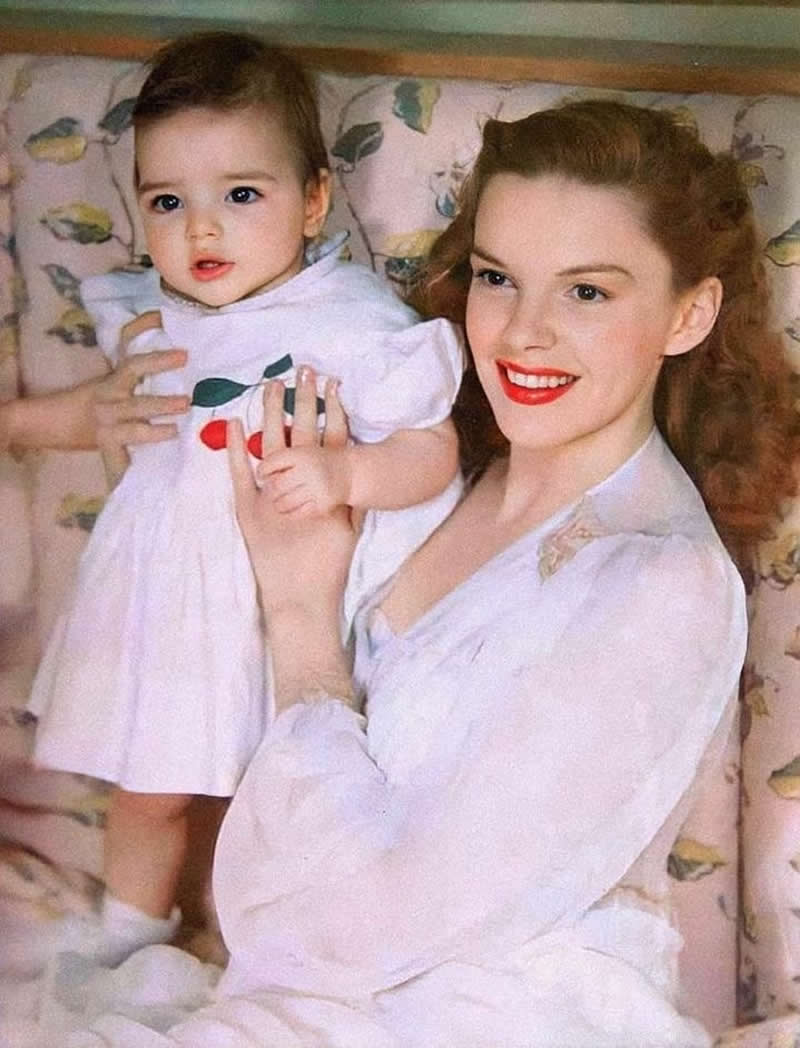
Image Source: History Photographs
Frequently Asked Questions:
Why are color photographs important for American history?
Color photographs add visual details that black-and-white images cannot show, including clothing, architecture, cars, advertisements, interiors, and landscapes. These details make historical moments feel more immediate and help viewers understand what everyday American life actually looked like across decades.
When did color photography become popular in America?
Color photography developed during the early twentieth century, but it became increasingly accessible and popular as color film technology improved. Over time, photographers captured families, celebrities, events, architecture, and everyday American life in increasingly vibrant, recognizable color.
What can old color photographs reveal about American life?
Old color photographs reveal everyday details including fashion, hairstyles, cars, homes, television sets, workplaces, architecture, entertainment, and family life. These visual clues help us understand changing American culture while showing how ordinary people experienced major periods of social and technological change.
Why does film grain make historical photographs interesting?
Film grain gives old photographs a distinctive texture that reflects the technology used when they were captured. Instead of looking perfectly polished, these images feel physical and authentic, preserving small imperfections that can make historical moments seem more intimate and emotionally immediate.
What subjects appear in rare American color photographs?
Rare American color photographs document an enormous range of subjects, including families, celebrities, politicians, movie actors, musicians, NASA missions, computers, televisions, inventions, famous buildings, architecture, fashion, youth culture, major events, and everyday scenes from communities across America.