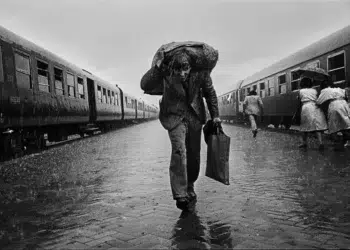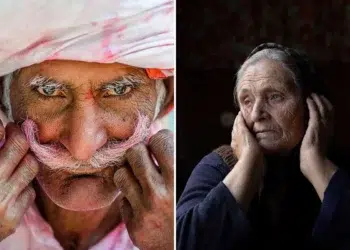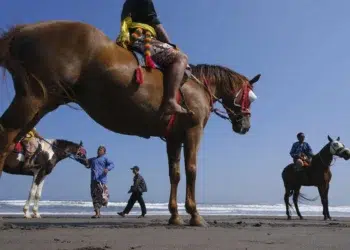

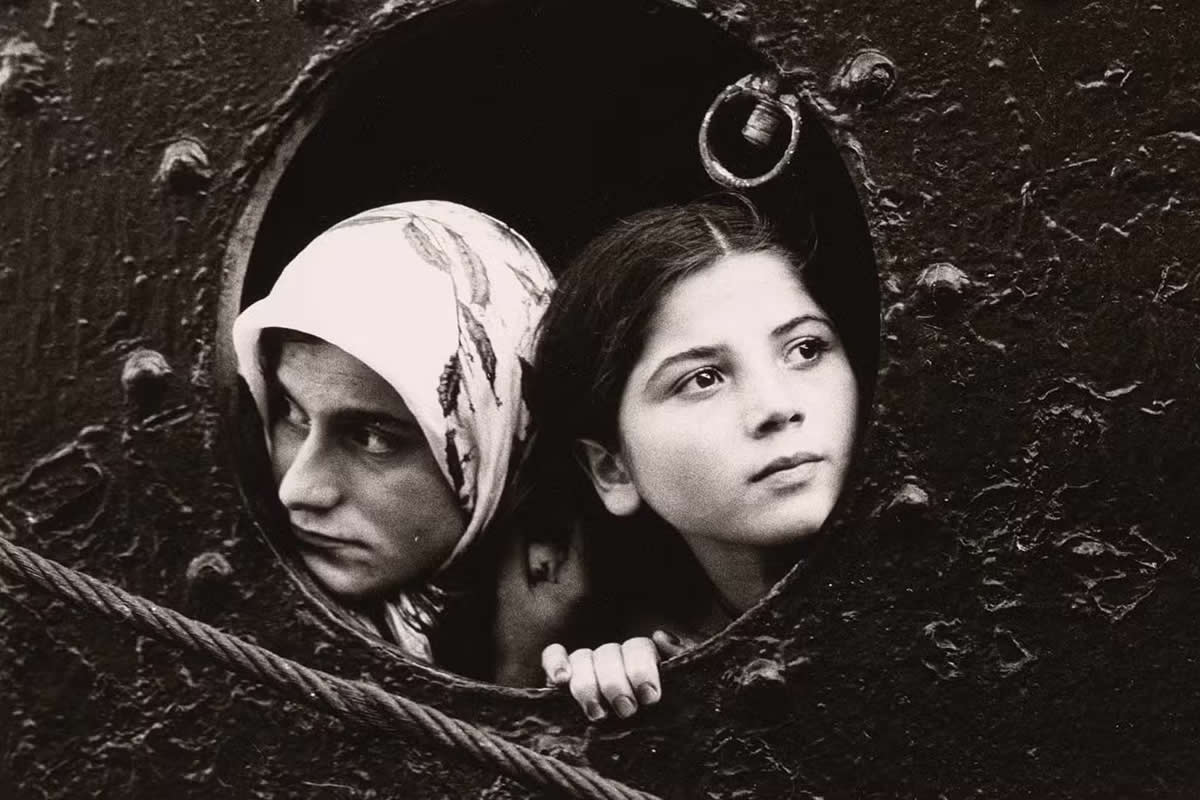
There’s something about a great black and white photos that makes you stop scrolling. No flashy colors. No digital polish doing the heavy lifting. Just light, shadow, faces, gestures, and a moment that somehow still feels alive decades later.
Think about looking through an old family album. A grandmother laughing in the kitchen. Kids running barefoot down a street. A tired worker heading home. Someone staring out a train window, completely lost in thought. These moments might look ordinary, but in the hands of a great photographer, they become little pieces of history.
That’s the magic behind the timeless art of monochrome.
Legendary photographers understood that everyday life didn’t need to be dramatic to be worth photographing. They watched. They waited. They noticed the tiny things most people walked right past. With film cameras, limited frames, and plenty of patience, they turned ordinary streets and quiet homes into unforgettable visual stories.
And maybe that’s why these black-and-white photos still hit so hard today. They strip away distractions and put emotion front and center. You notice a face. Then a shadow. Then a hand, a doorway, a glance.
Suddenly, you’re not just looking at an old photograph. You’re standing inside someone else’s world.
#1
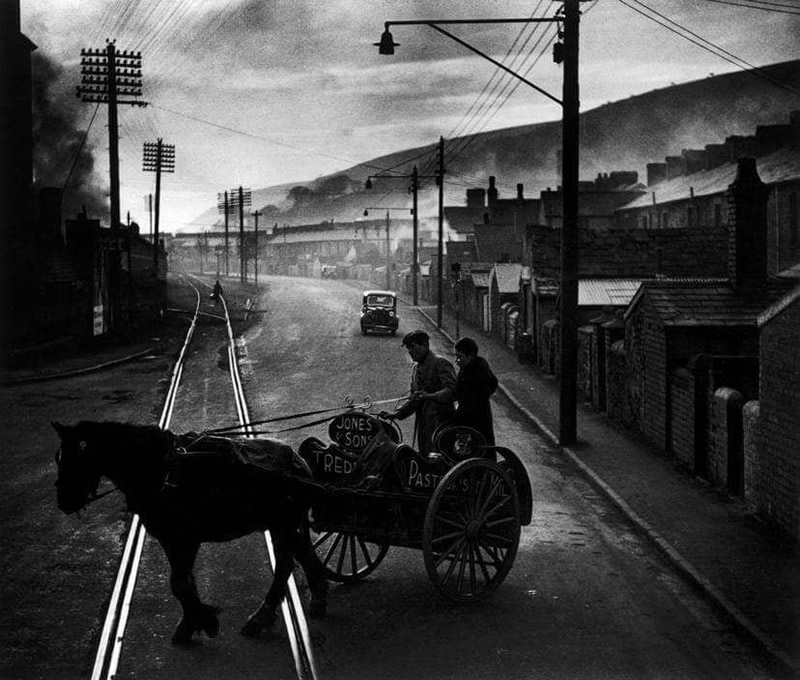
Photo By: W. Eugene Smith
#2
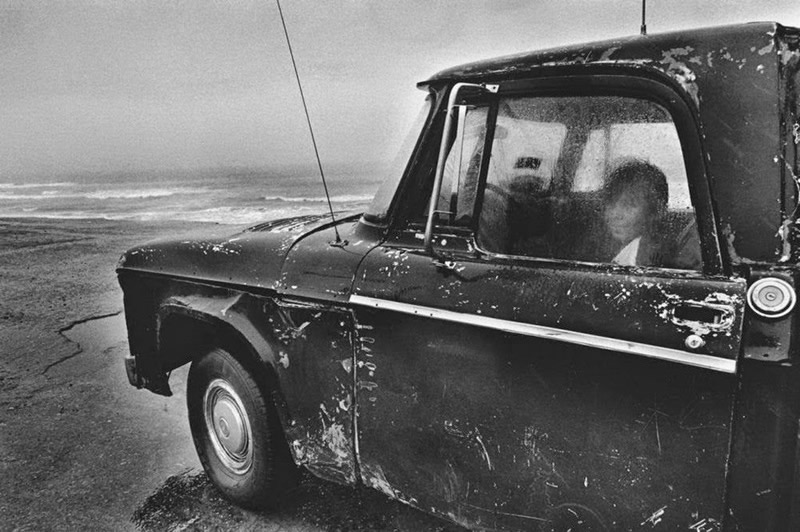
Photo By: Elsa Medina
#3

Photo By: Marc Riboud
#4
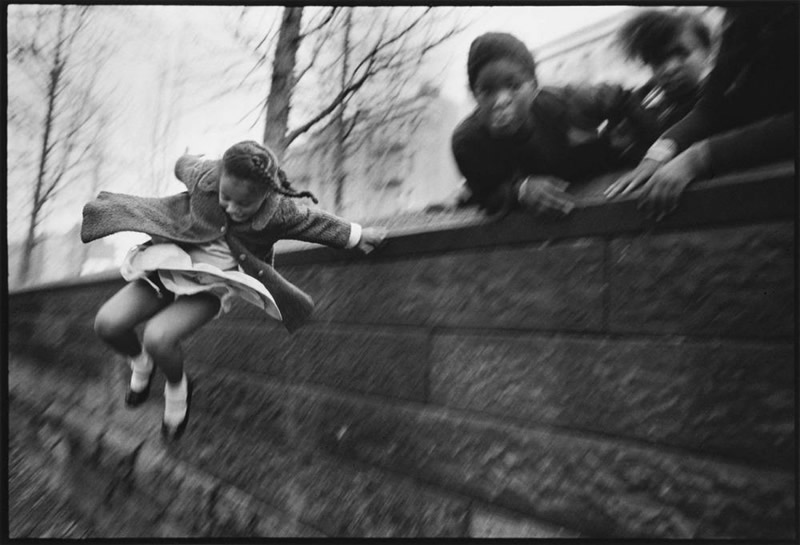
Photo By: Mary Ellen Mark
#5
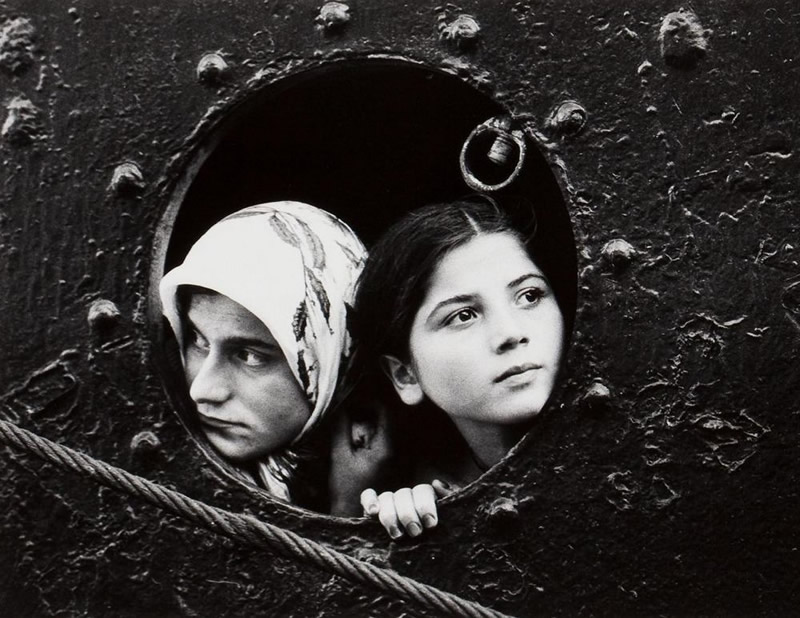
Photo By: Mary Ellen Mark
Finding Extraordinary Moments in Everyday Life
Legendary photographers had a gift for making everyday life feel important. Their cameras followed workers, children, families, travelers, and strangers through ordinary routines. Careful observation helped them recognize fleeting gestures before they disappeared. Film cameras demanded patience, while thoughtful composition and framing turned simple moments into soulful black and white photographs that still feel remarkably intimate today.
- Observation: They watched patiently before pressing the shutter.
- Everyday life: Ordinary routines became powerful visual stories.
- Patience: Film photography rewarded photographers who could wait.
- Framing: Doorways, windows, streets, and crowds naturally shaped compositions.
- Emotion: Small gestures often carried more weight than dramatic scenes.
#6
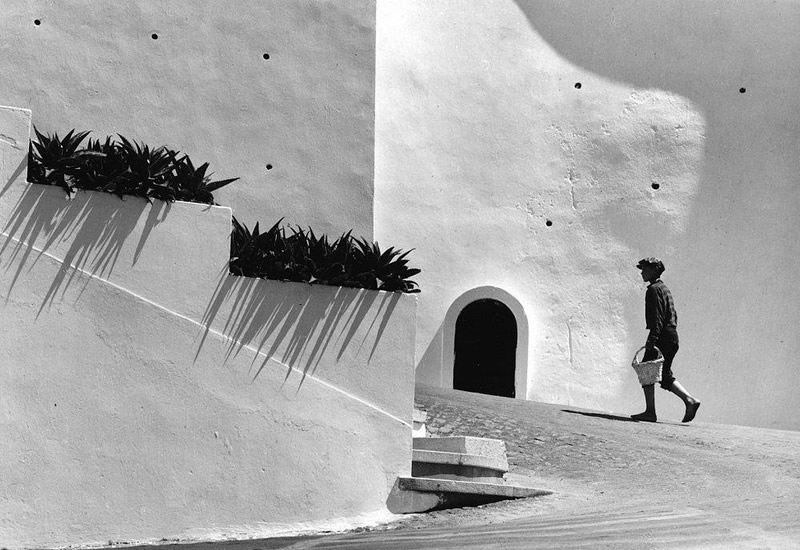
Photo By: Eduardo Gageiro
#7
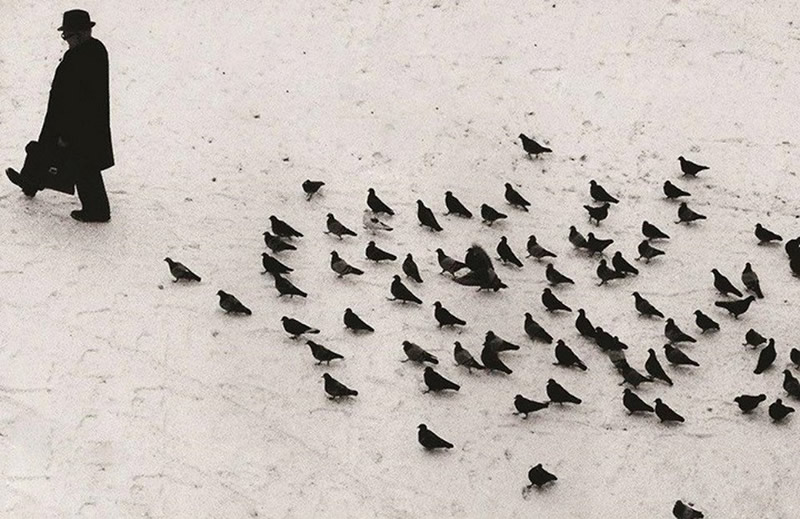
Photo By: Mehmet Unal
#8
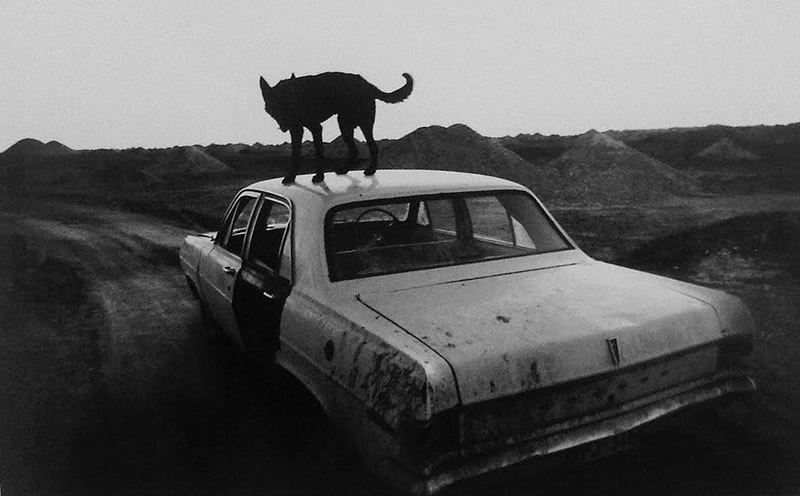
Photo By: Wim Wenders
#9
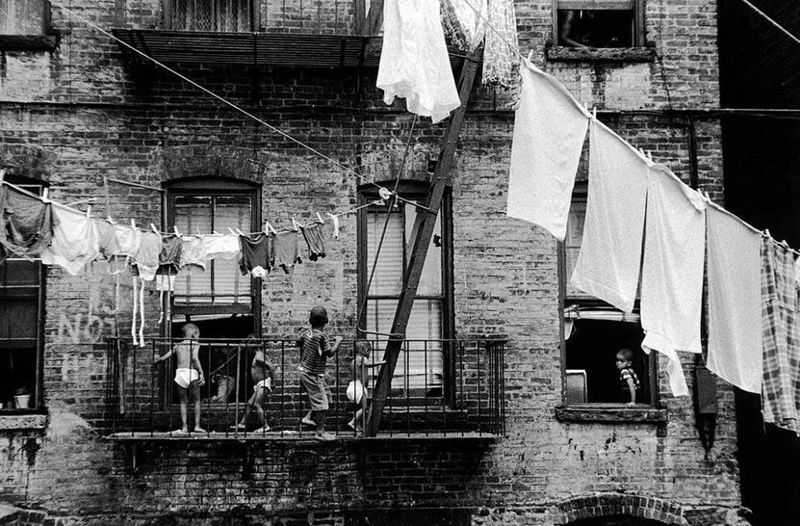
Photo By: Bruce Davidson
#10
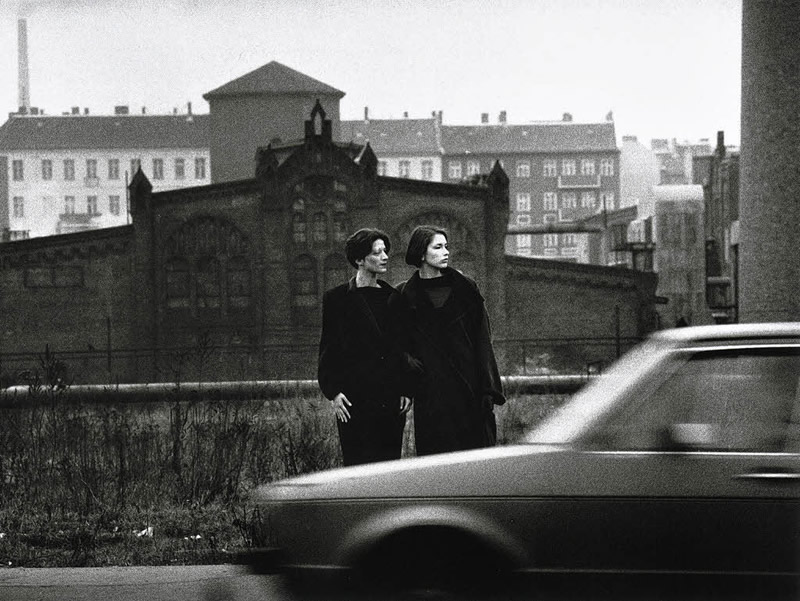
Photo By: Sibylle Bergemann
Composition That Makes Ordinary Scenes Memorable
Great composition doesn’t always announce itself. Sometimes you only notice it after staring at a photograph for a few seconds. Legendary photographers carefully arranged people, architecture, streets, and negative space inside the frame. Their black and white images show how strong lines, balanced shapes, perspective, and timing can transform everyday scenes into beautifully structured photographs.
- Leading lines: Streets, buildings, and shadows guide your eyes.
- Negative space: Empty areas create breathing room and visual calm.
- Layers: Foreground, middle ground, and background add depth.
- Timing: A perfectly placed person can completely change a frame.
- Balance: Simple visual relationships make photographs easier to remember.
#11
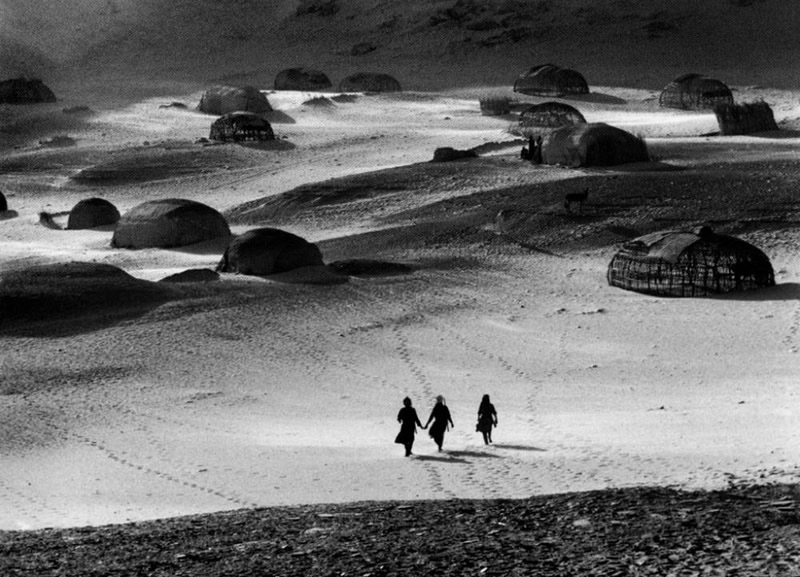
Photo By: Raymond Depardon
#12
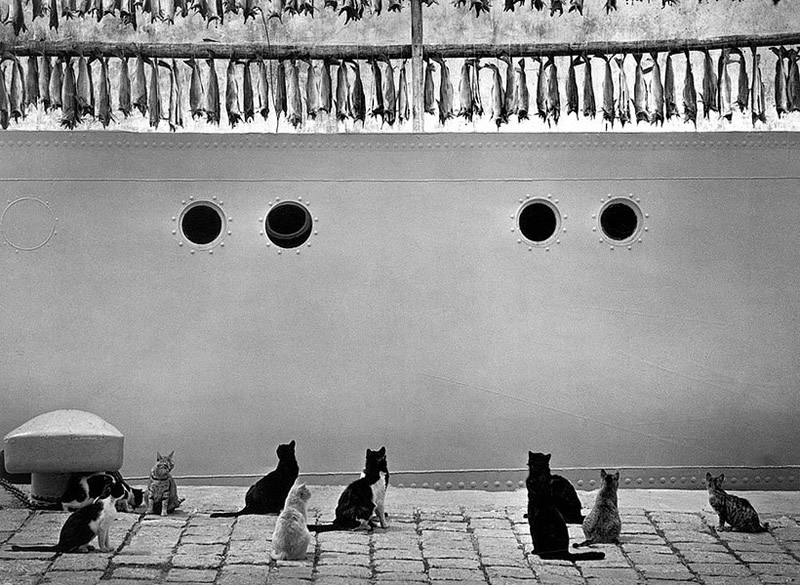
Photo By: Pentti Sammallahti
#13
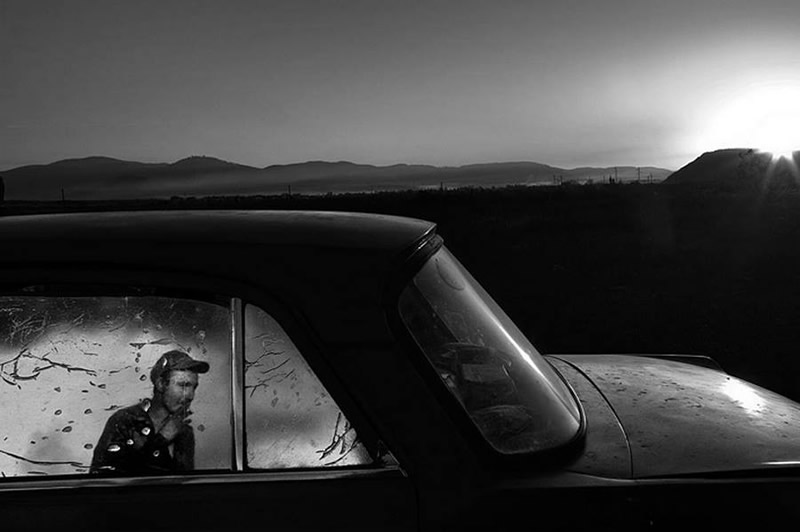
Photo By: Anna Voytenko
#14
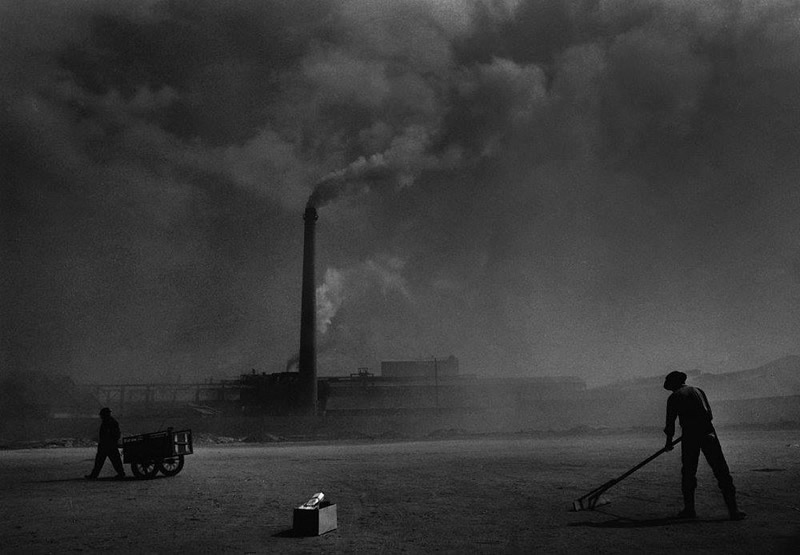
Photo By: Eduardo Gageiro
#15
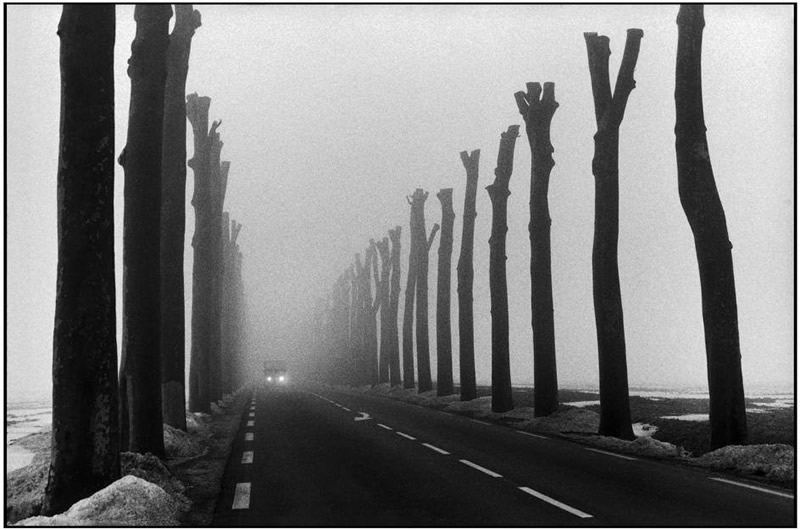
Photo By: Martine Franck
The Power of Light, Shadow, and Contrast
Black and white photography lives and dies by light. Without color to grab attention, contrast becomes the storyteller. Legendary photographers used bright windows, deep shadows, harsh sunlight, and soft evening light to shape their frames. A simple street could suddenly feel mysterious. A face could reveal exhaustion, happiness, age, or hope simply through the way light touched it.
- Contrast: Bright highlights and dark shadows create visual drama.
- Side light: It reveals texture, wrinkles, walls, and everyday details.
- Silhouettes: Strong shapes can communicate an entire story.
- Shadows: Darkness becomes an important part of the composition.
- Natural light: Available light often made older photographs feel authentic.
#16
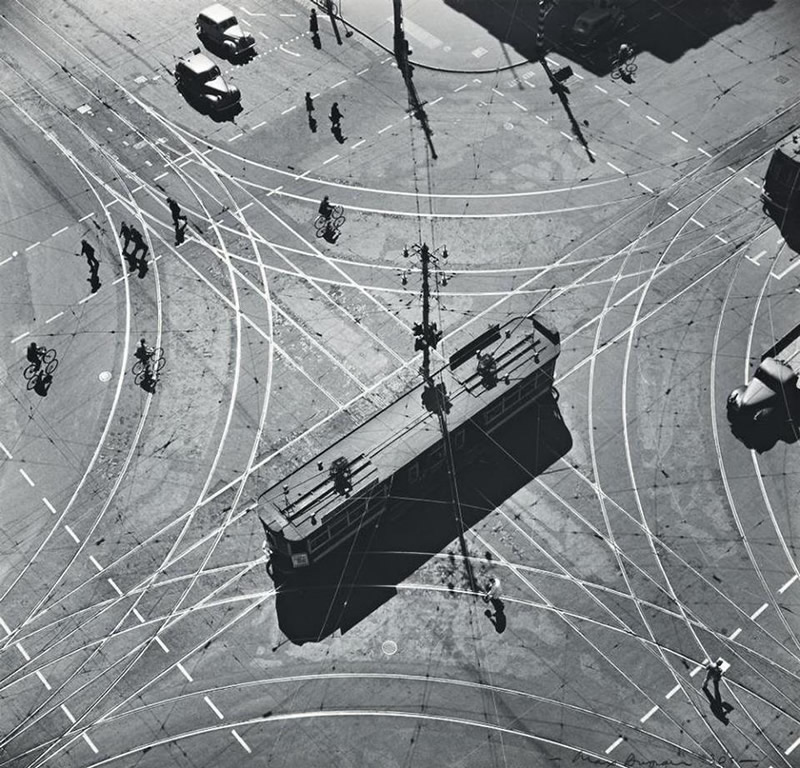
Photo By: Max Dupain
#17
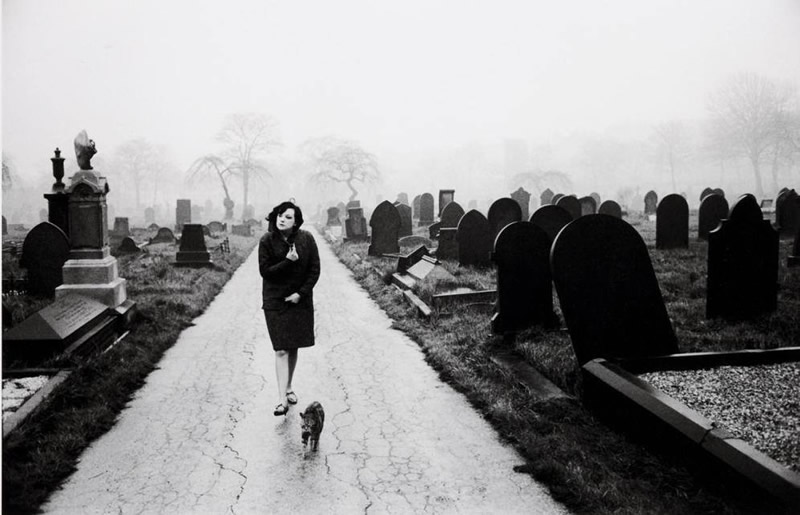
Photo By: John Bulmer
#18
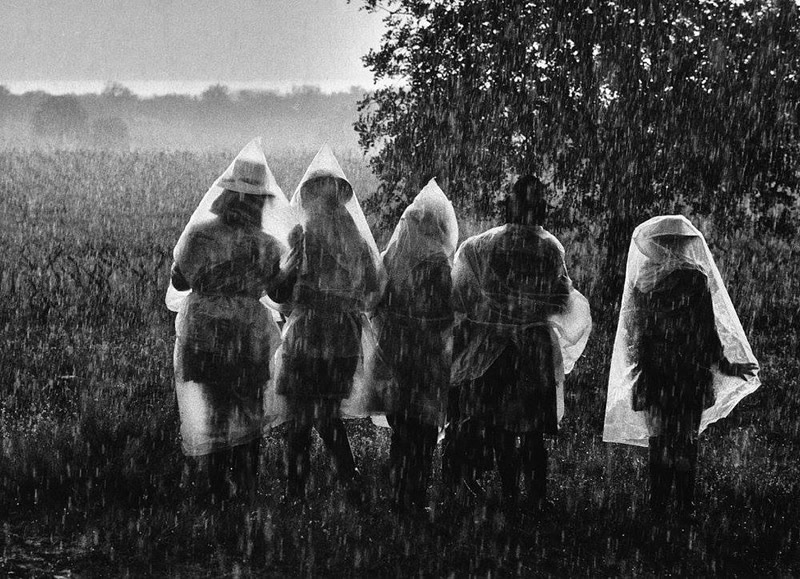
Photo By: Eduardo Gageiro
#19
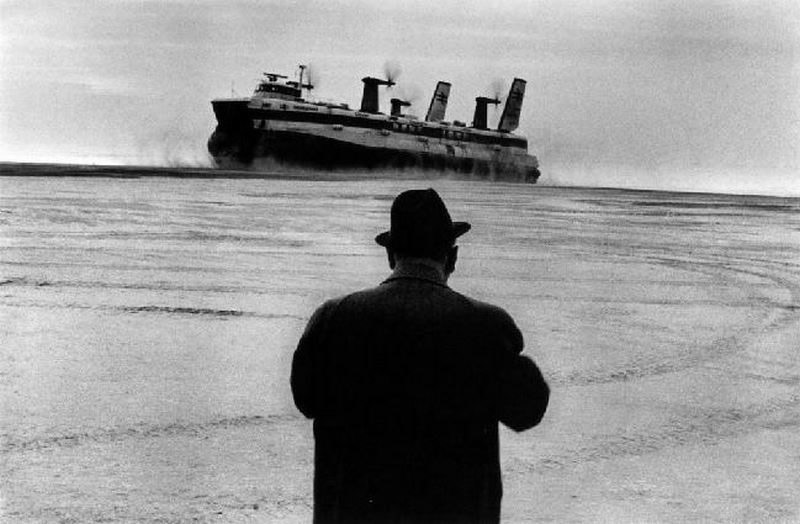
Photo By: Josef Koudelka
#20
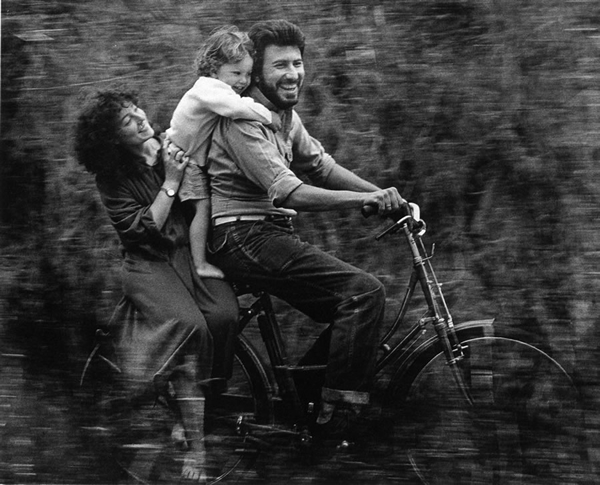
Photo By: Pedro Luis Raota
Framing People With Honesty and Emotion
What makes old black and white photographs so moving? Often, it’s the people. Legendary photographers didn’t need elaborate setups to create emotional portraits. They photographed people as they were—working, laughing, waiting, walking, resting, or simply looking into the camera. The framing feels honest because the photographer first built a relationship with the moment instead of forcing it.
- Human connection: Faces become windows into another time.
- Unposed moments: Authentic expressions often feel more powerful.
- Close framing: Eyes, hands, and gestures reveal personality.
- Distance: Wider frames show people within their social environment.
- Emotion: Subtle expressions can say more than a dramatic pose.
#21
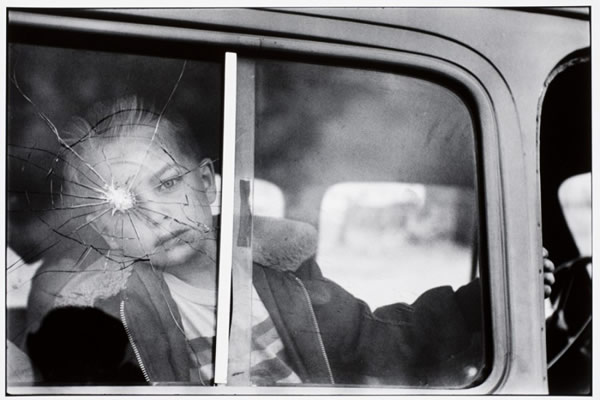
Photo By: Elliott Erwitt
#22
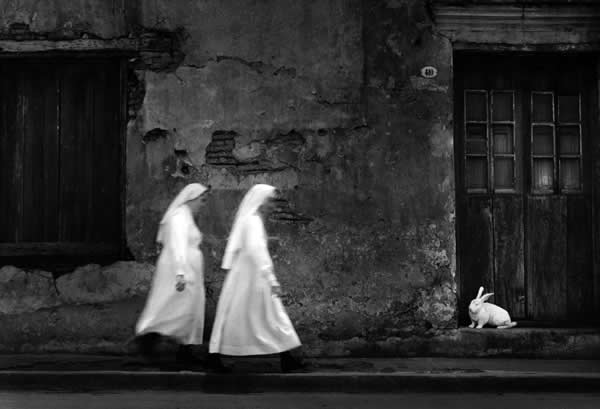
Photo By: Pedro Luis Raota
#23
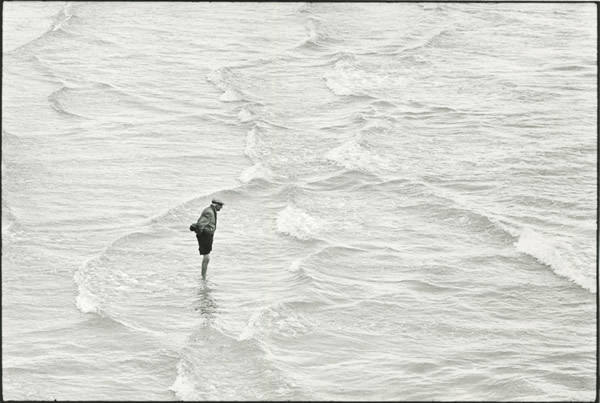
Photo By: Elliott Erwitt
#24
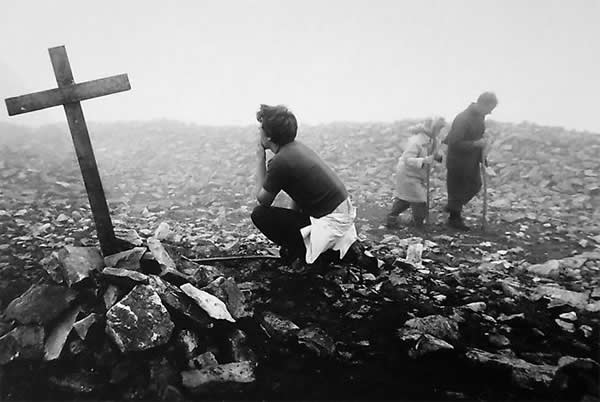
Photo By: Pentti Sammallahti
#25
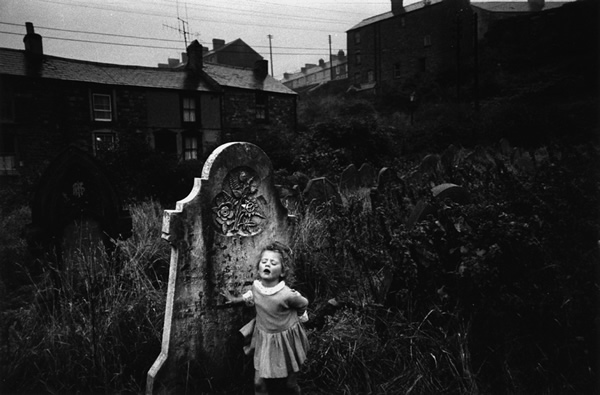
Photo By: Bruce Davidson
Patience, Timing, and the Art of Observation
Before instant previews and endless digital frames, photographers had to trust their eyes. They couldn’t check the back of the camera and shoot again five seconds later. That limitation created discipline. Legendary photographers observed scenes carefully, anticipated movement, and waited for the right instant. Sometimes the difference between an average photograph and a masterpiece was simply knowing when not to press the shutter.
- Patience: The best frame often arrived after a long wait.
- Anticipation: Photographers learned to predict movement and gestures.
- Discipline: Limited film encouraged thoughtful shooting.
- Awareness: Every detail inside the frame mattered.
- Timing: A fraction of a second could change everything.
#26
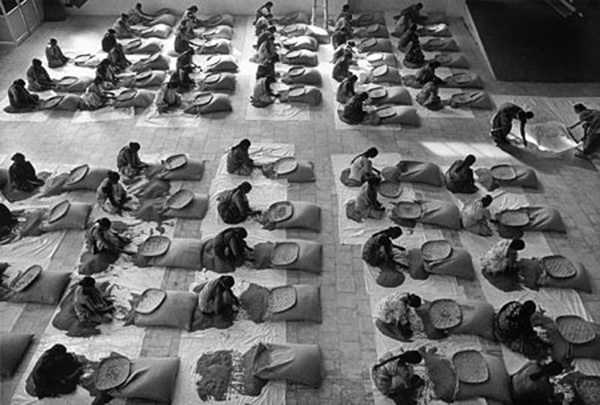
Photo By: Sebastiao Salgado
#27
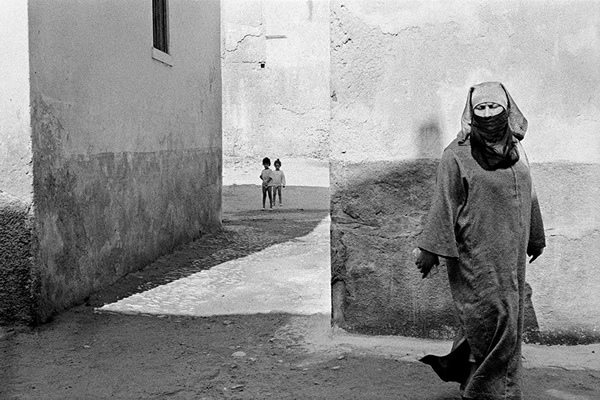
Photo By: Abbas
#28
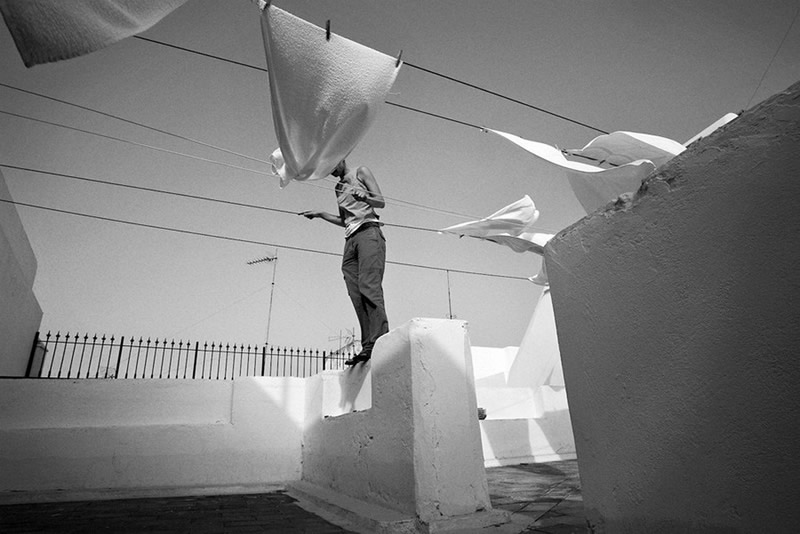
Photo By: Rafael Arocha
#29
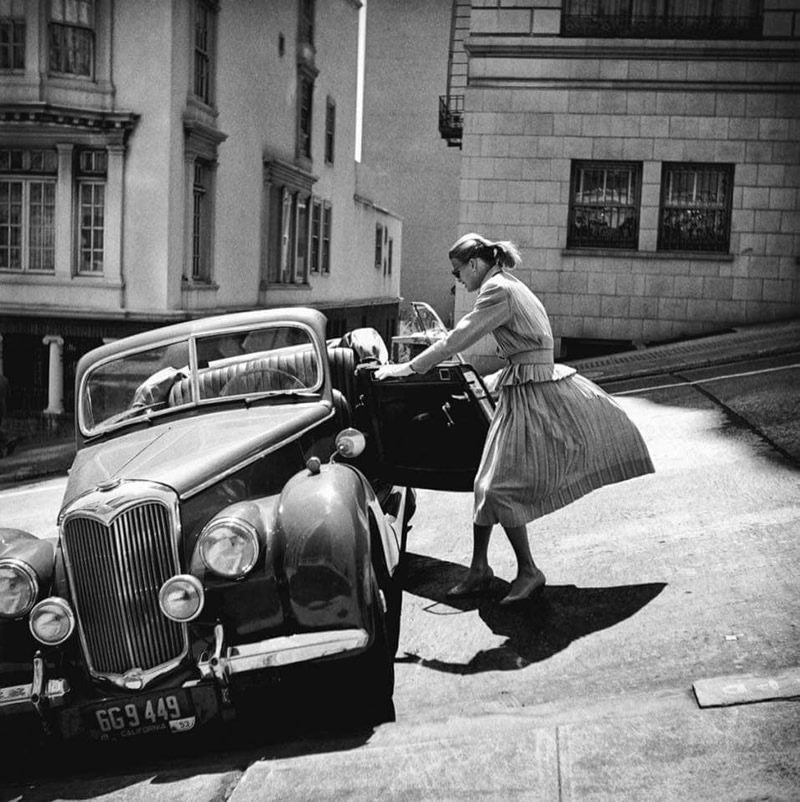
Photo By: Fred Lyon
#30
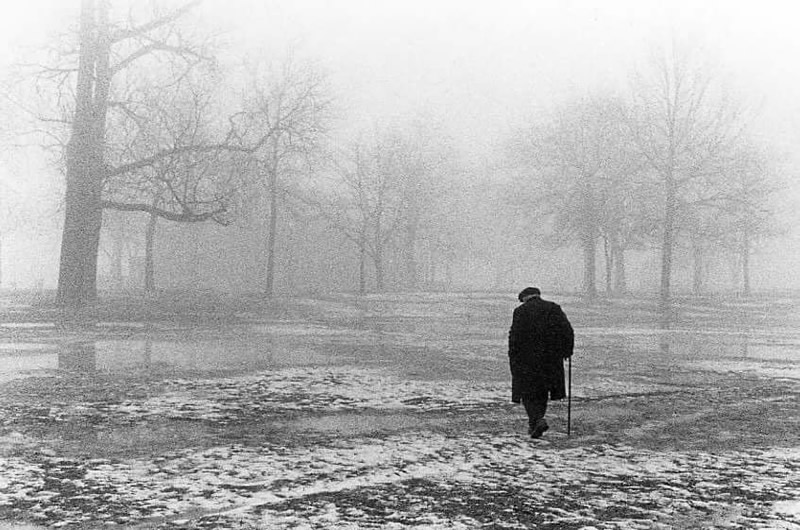
Photo By: Jay King
Why Monochrome Still Feels So Powerful Today
Color photography can be spectacular, but monochrome has a different kind of pull. It removes visual noise and pushes your attention toward shape, texture, light, and emotion. That’s why these photographs from older generations still connect with us. The clothes may look dated and the streets may have changed, but human behavior? That part hasn’t changed much at all.
- Timelessness: Human emotions don’t really have an expiration date.
- Simplicity: Removing color focuses attention on the story.
- Texture: Film grain and tonal range add character.
- Memory: Monochrome often gives photographs a nostalgic quality.
- Storytelling: A strong image can communicate without explanation.
#31
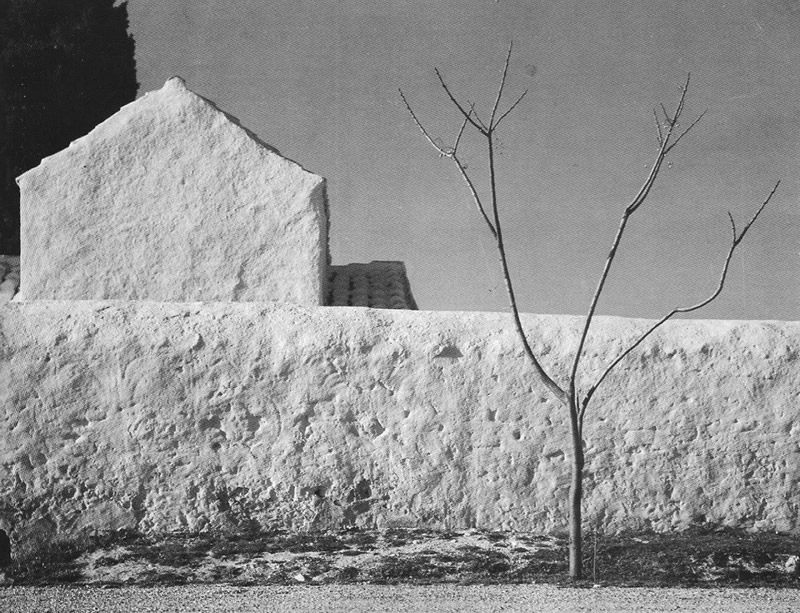
Photo By: Dimitris Harissiadis
#32
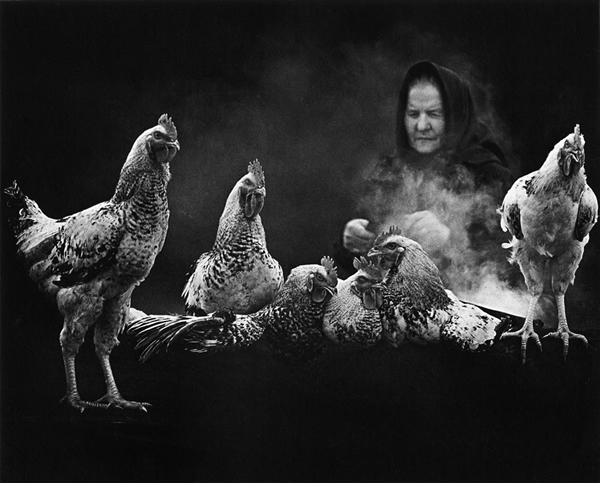
Photo By: Pedro Luis Raota
#33
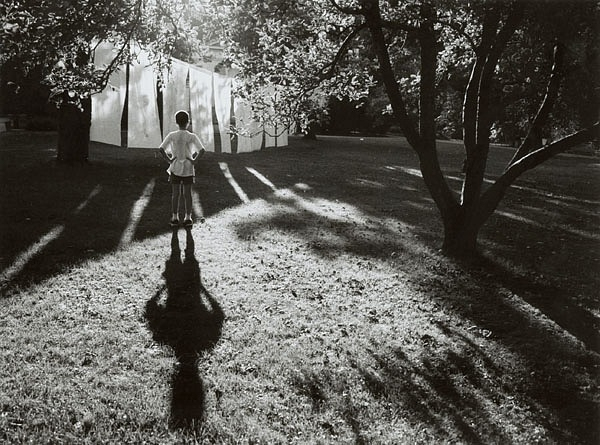
Photo By: Stanko Abadzic
#34
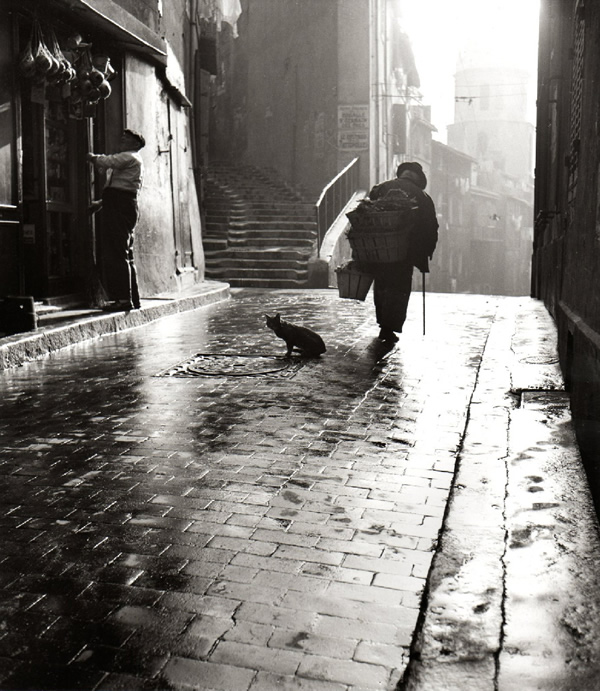
Photo By: Henri Cartier Bresson
#35
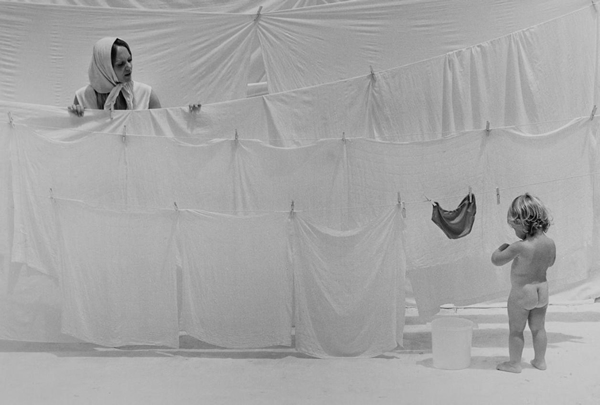
Photo By: Pedro Luis Raota
Frequently Asked Questions:
What makes black and white photography timeless?
Black and white photography removes color distractions and focuses attention on light, shadow, composition, texture, and emotion. Legendary photographers used these elements to turn ordinary moments into powerful visual stories that continue connecting with viewers across generations today.
How did legendary photographers capture everyday life?
Legendary photographers carefully observed ordinary people, streets, families, workers, and daily routines. They waited patiently for authentic gestures and meaningful moments, using film cameras, thoughtful framing, natural light, and precise timing to preserve genuine slices of everyday life.
Why is composition important in monochrome photography?
Composition becomes especially important without color because shapes, lines, shadows, subjects, and negative space carry the visual story. Strong framing helps guide the viewer’s eye while creating balance, depth, rhythm, and emotional impact inside each black and white photograph.
How does contrast improve black and white photographs?
Contrast separates highlights from shadows, creating depth, drama, texture, and visual emphasis. Legendary photographers used natural sunlight, deep shadows, silhouettes, and tonal differences to direct attention toward important subjects and reveal emotion within otherwise ordinary everyday scenes.
Why do old black and white photographs feel emotional?
Old black and white photographs often feel emotional because they preserve genuine human moments without modern visual distractions. Faces, gestures, textures, shadows, and film grain create intimacy, allowing viewers to connect with people and everyday experiences from another time.