
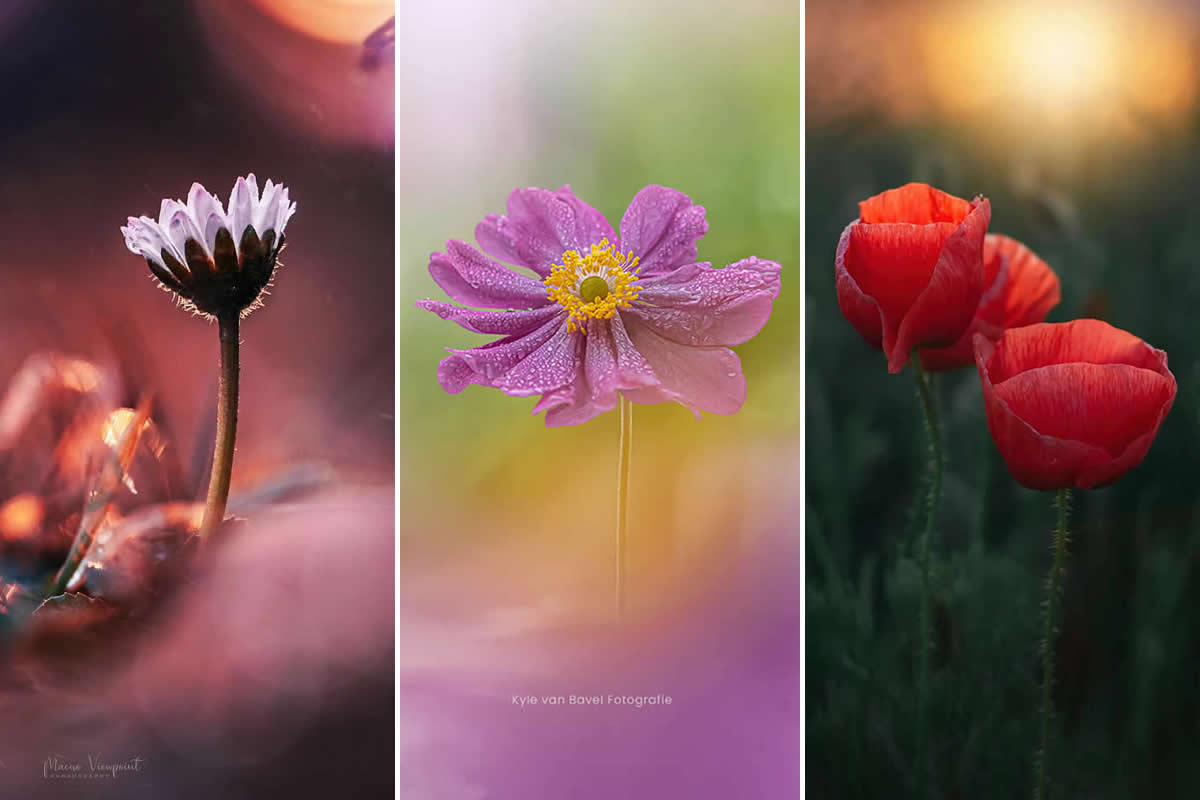
Have you ever looked at a flower and realized that you’re only seeing half the story? If you get close to it, a small petal can at once appear as a sweeping landscape, a field of colour, or some wild abstract painting. That is the magic of macro flowers photography.
These thirty-four photographs take that idea and go with it. Delicate petals turn into huge textures. The small veins become leading lines. Water droplets become tiny mirrors. As for the colors? They almost leap off the screen.
But it’s not that simple to capture a beauty of this kind; the nearer you get, the more important every single choice becomes. Where should the focus be placed? Should the background fade away into creamy bokeh? Would a different angle cause those petals to stand out more?
This is precisely where patience proves valuable.
Although flowers don’t move very much, they do change continuously due to light, wind, shadows, and the time of day. On certain occasions you have to stay there longer than you had anticipated, waiting for the single frame in which all the elements come together.
To be honest, isn’t that part of what makes it enjoyable?
The macro photographs of flowers, featuring dreamy close-ups as well as bold and colourful compositions, display nature in a totally new way. They remind us that it is not necessary to have an exotic landscape in order to take a stunning photograph; sometimes the entire landscape is just sitting there quietly in your garden.
#1
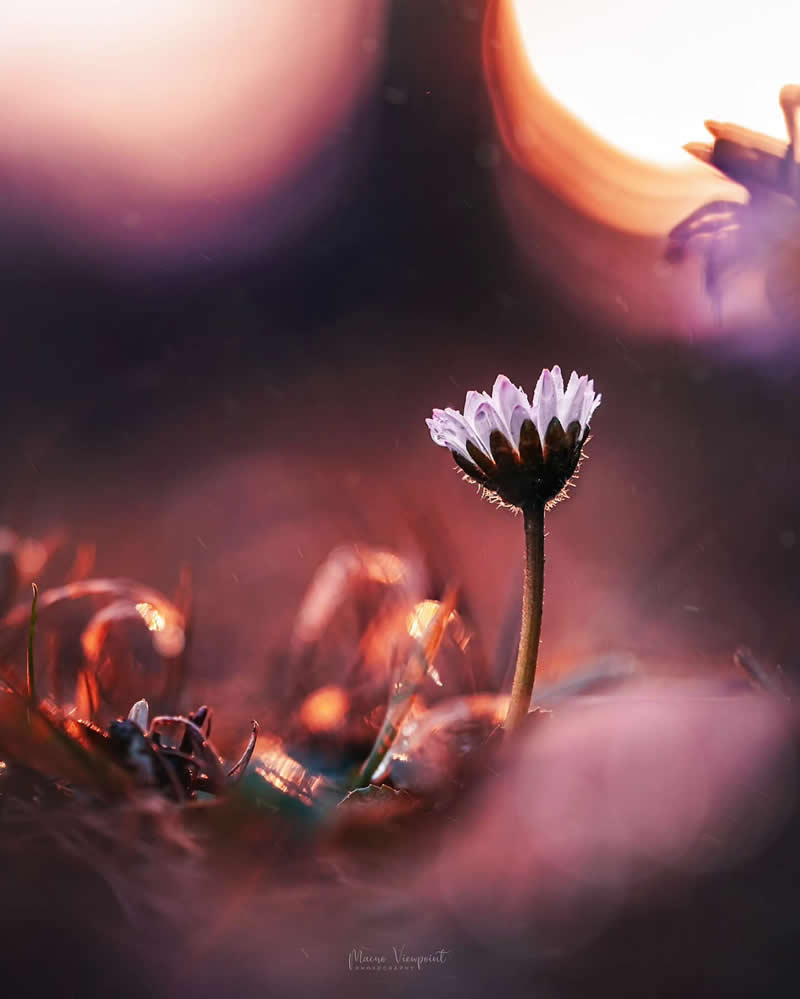
Photo by: Kristine
#2
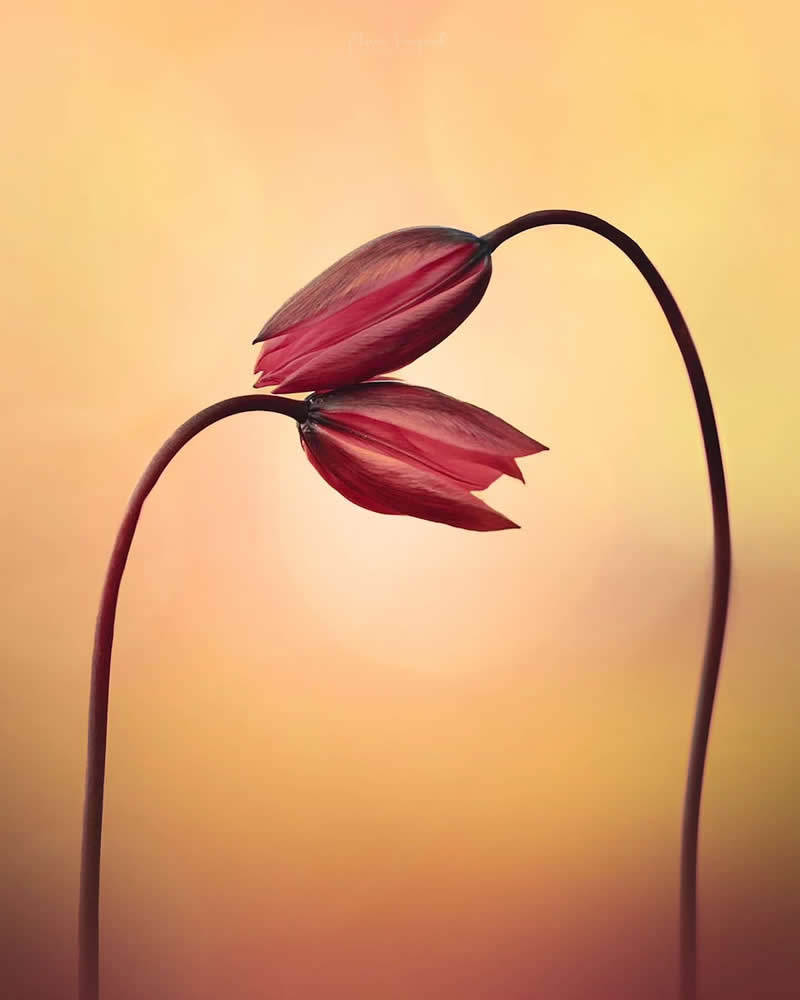
Photo by: Kristine
#3
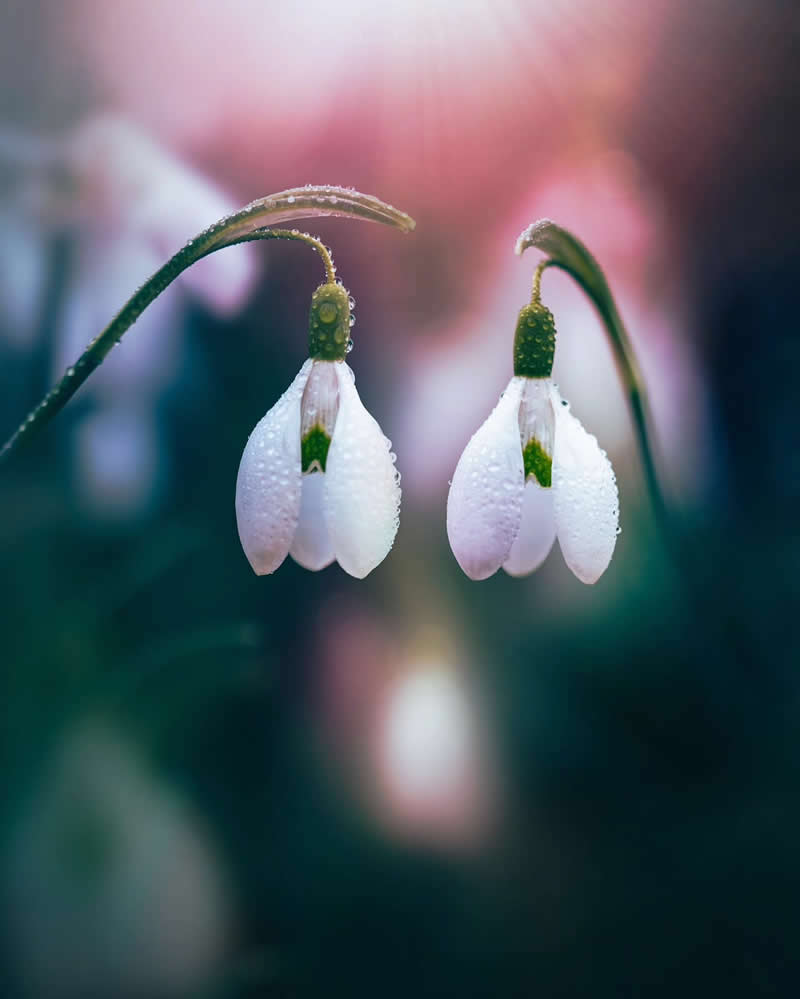
Photo by: Kristine
#4
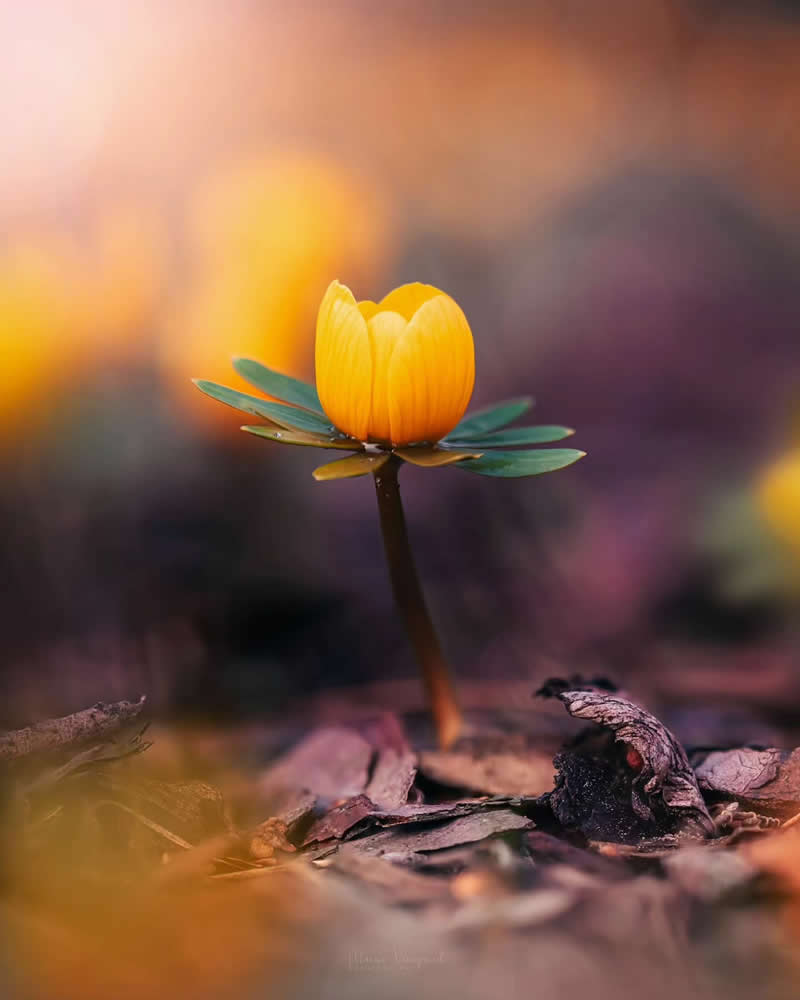
Photo by: Kristine
#5
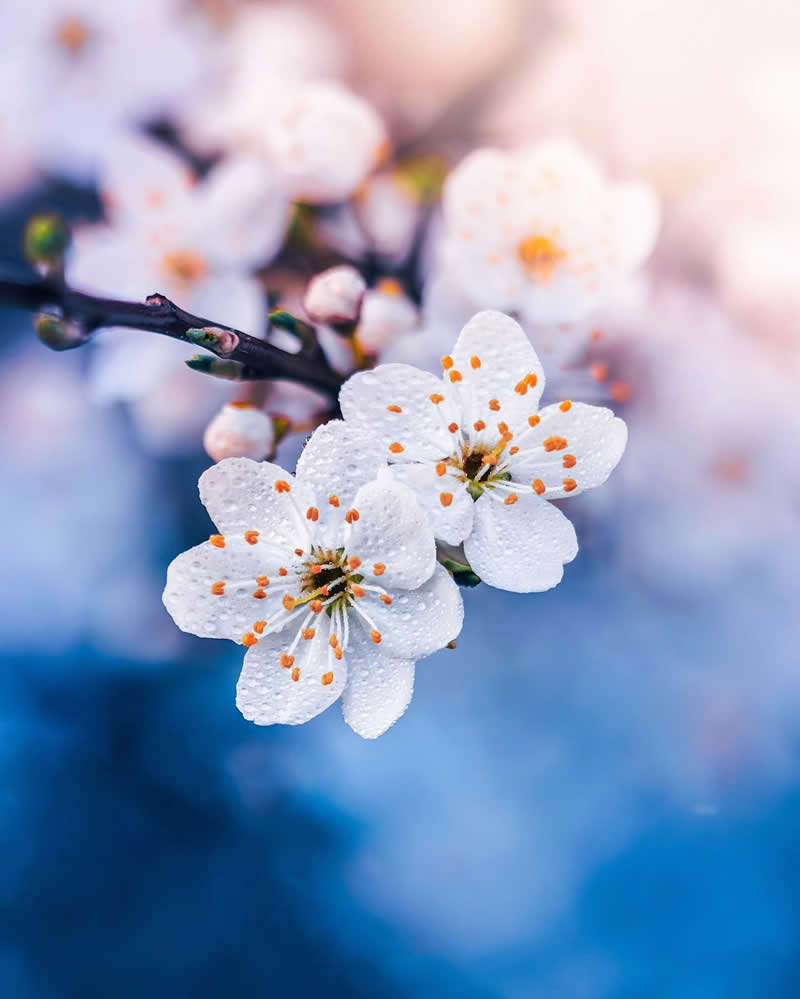
Photo by: Kristine
#6
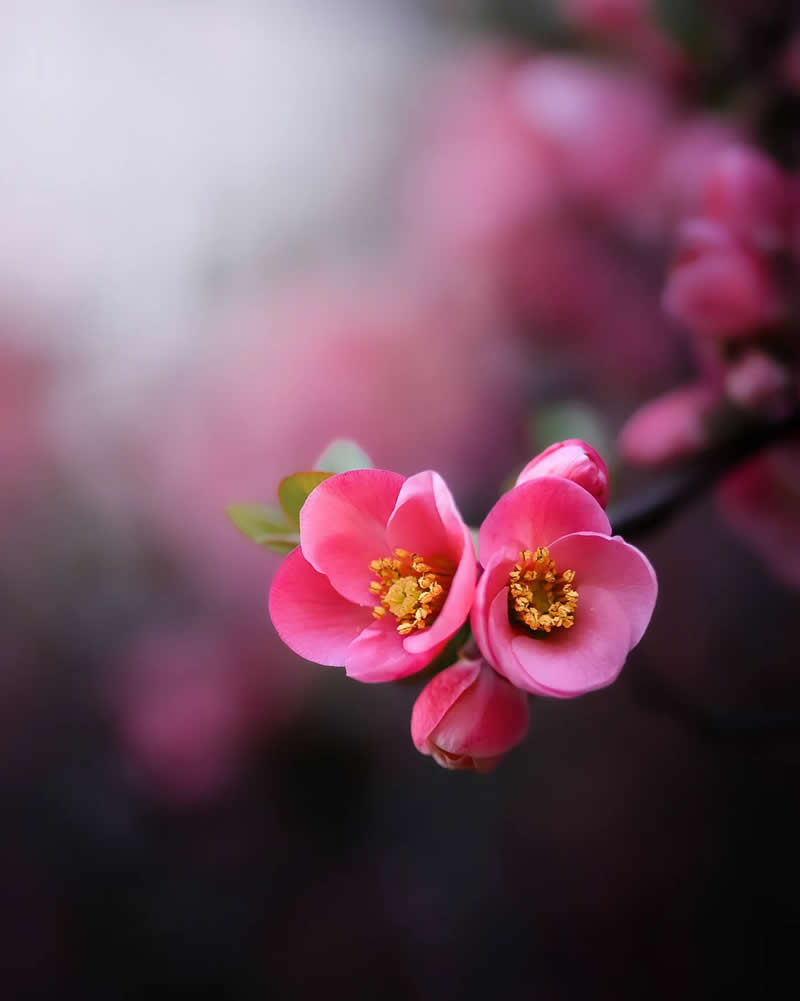
Photo by: Andrea Duskova
Get Close and Notice the Details
Macro photography starts with slowing down. Don’t just photograph the whole flower. Get close and explore the tiny world hiding inside it.
- Look for veins and textures.
- Watch tiny details around petals.
- Try unusual angles.
- Fill the frame creatively.
- Focus on one striking feature.
#7
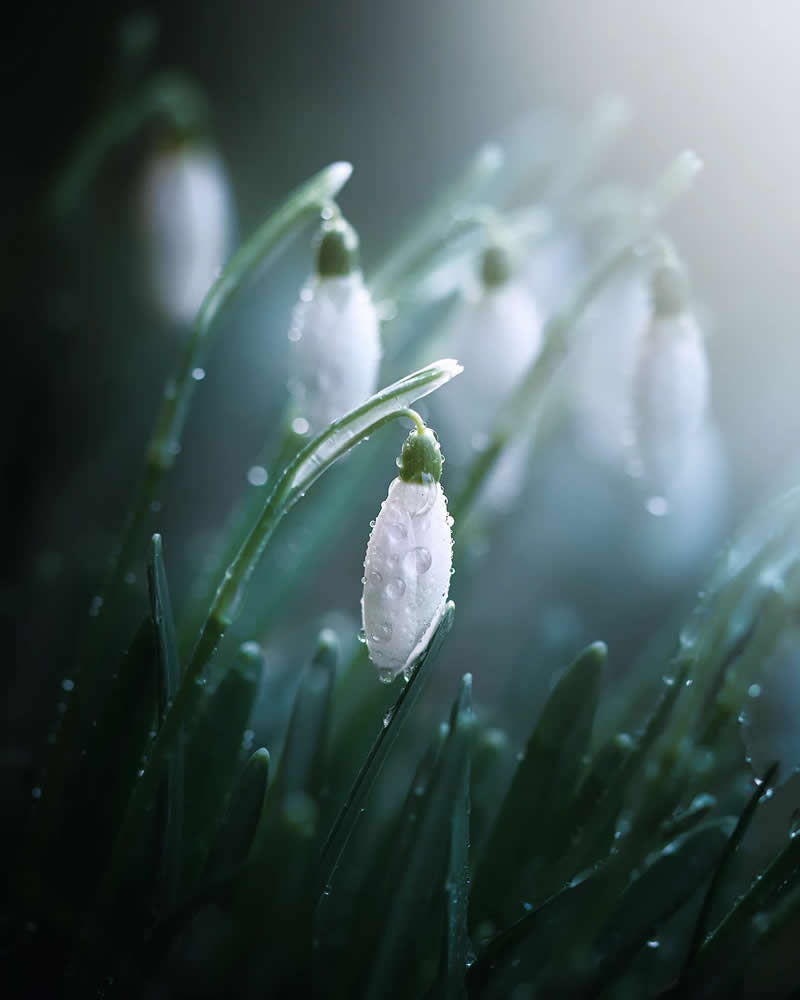
Photo by: Andrea Duskova
#8
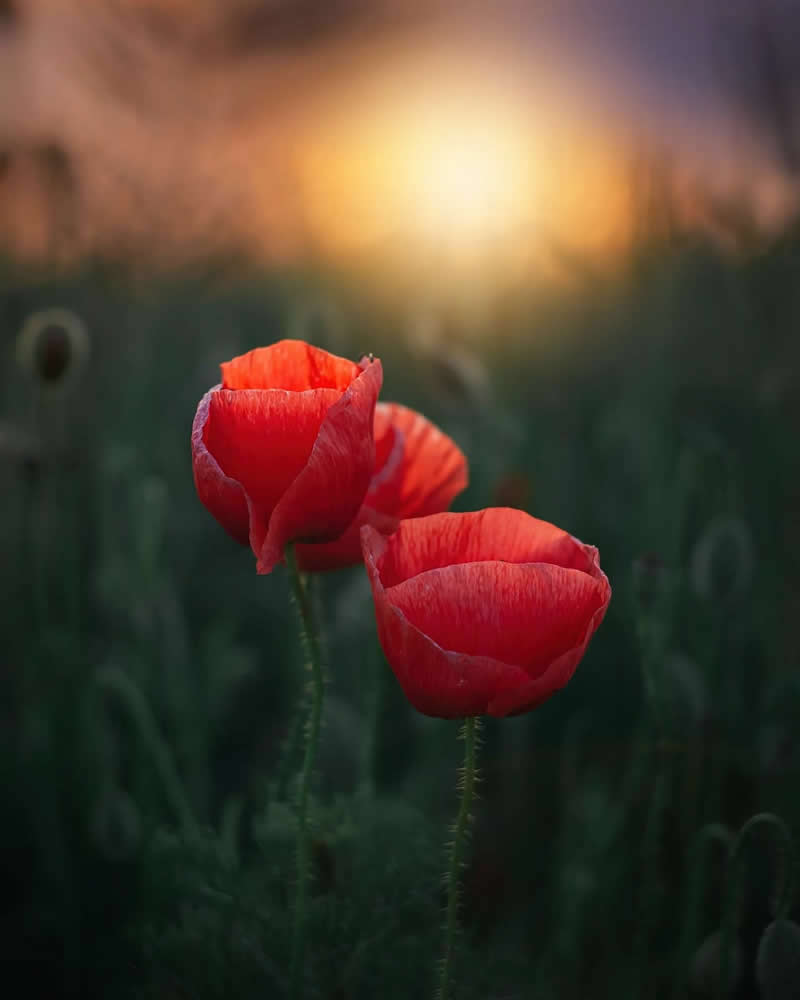
Photo by: Andrea Duskova
#9
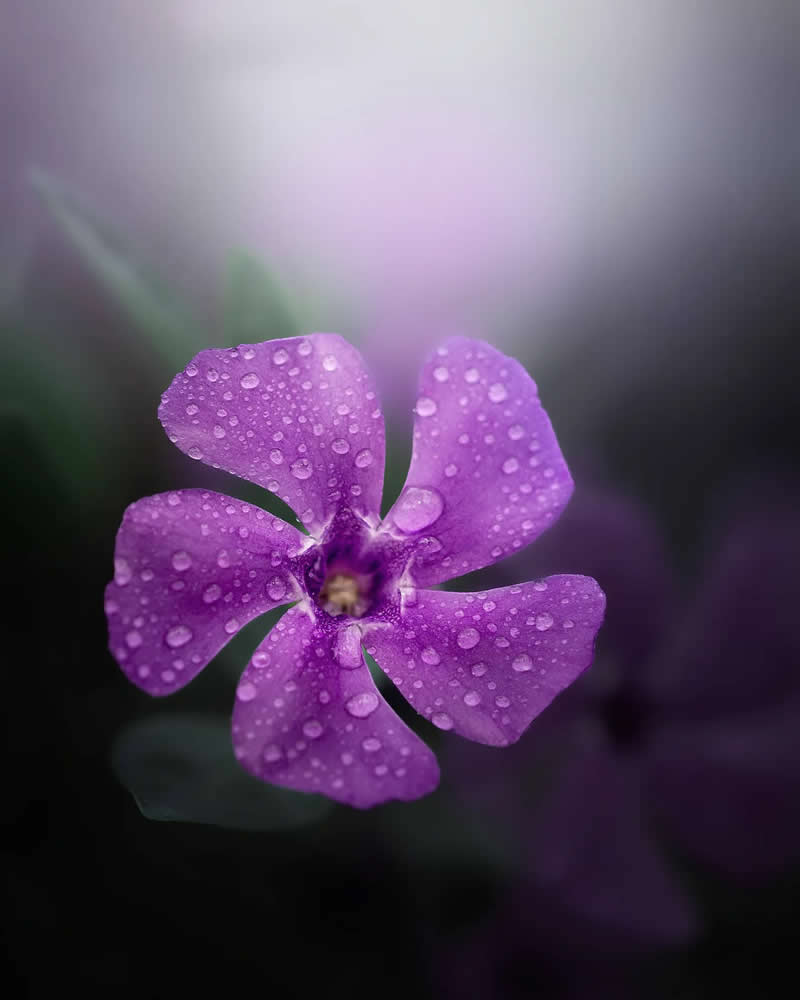
Photo by: Andrea Duskova
#10
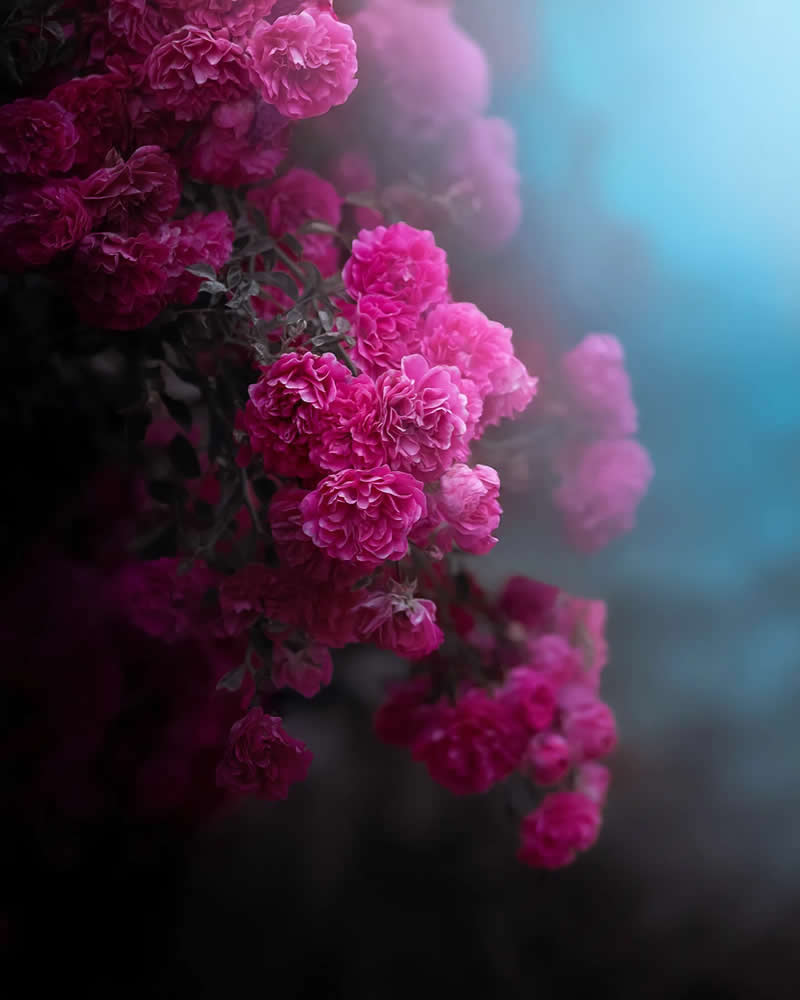
Photo by: Andrea Duskova
#11
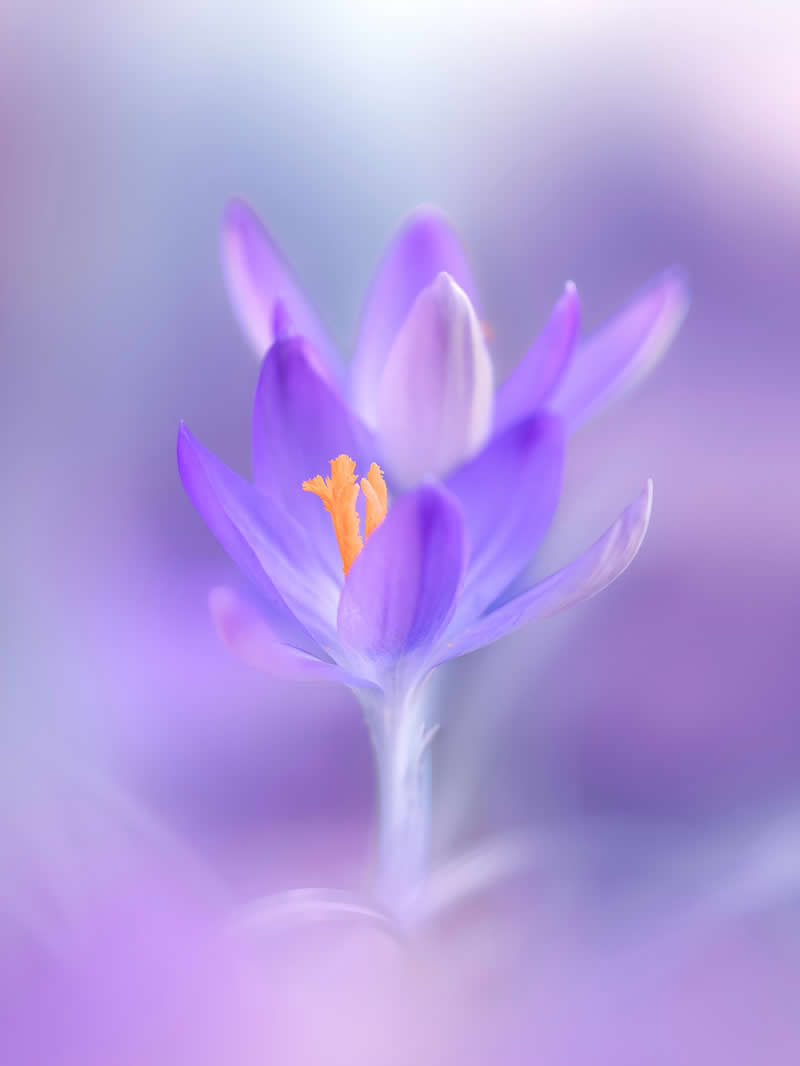
Photo by: Lisette
#12
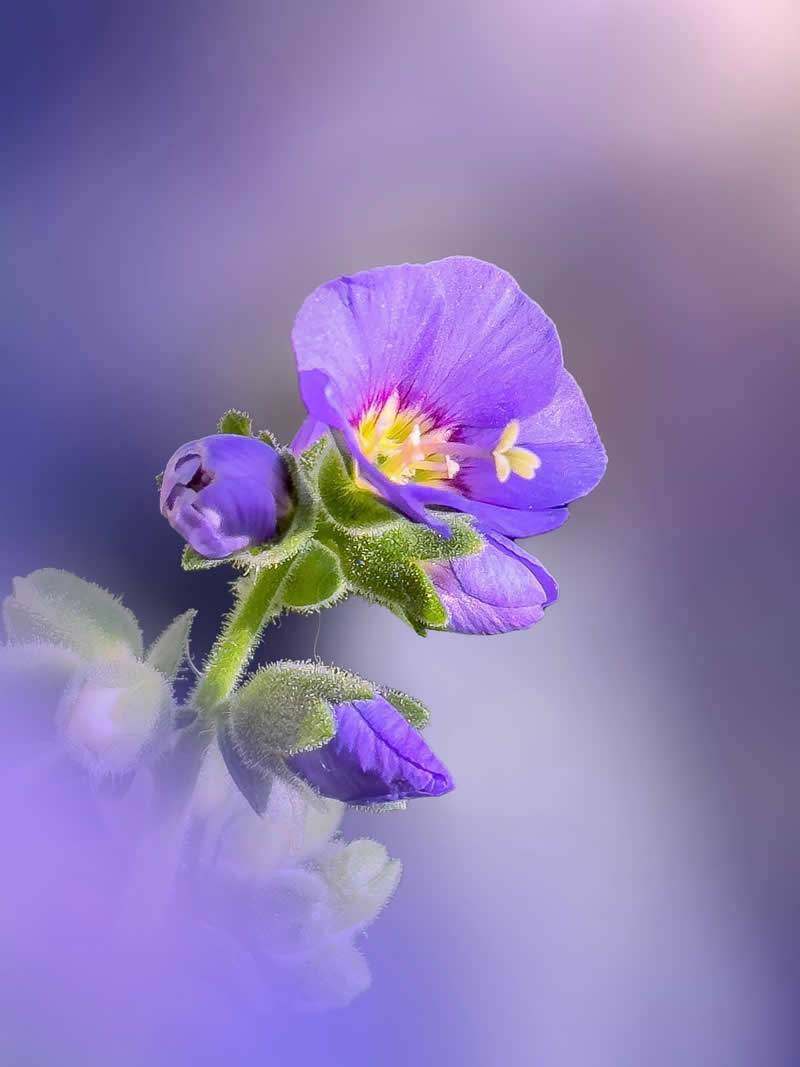
Photo by: Lisette
Use Light, Bokeh, and Color
Great flower photos often depend on beautiful light. Soft morning or evening light can reveal subtle colors while creating gorgeous backgrounds. Keep distractions away and let the flower become the star.
- Shoot during soft light.
- Look for colorful backgrounds.
- Use a wide aperture.
- Experiment with backlighting.
- Watch how shadows fall.
#13
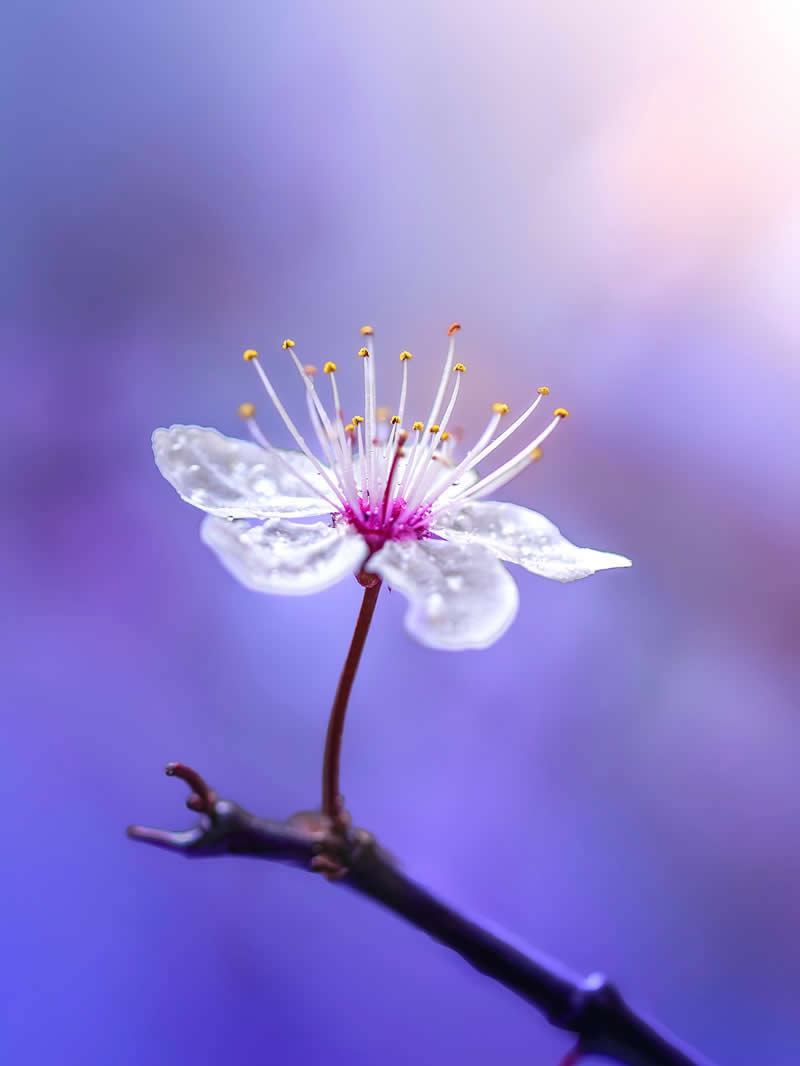
Photo by: Lisette
#14
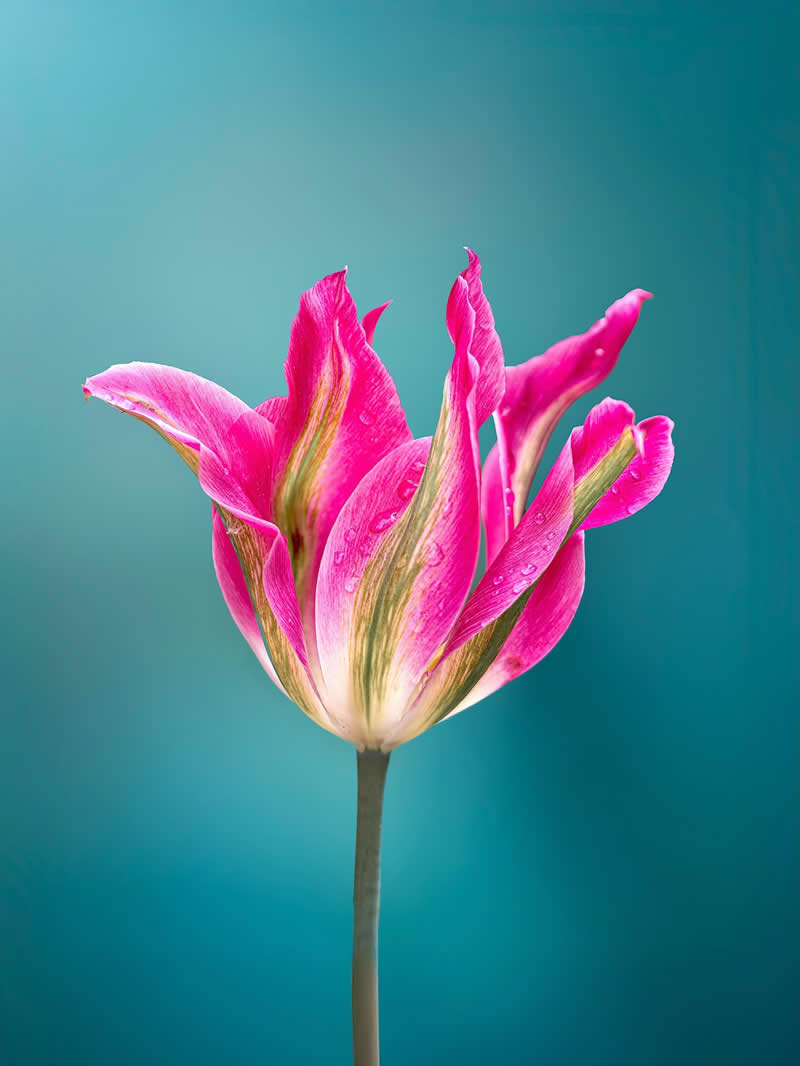
Photo by: Lisette
#15
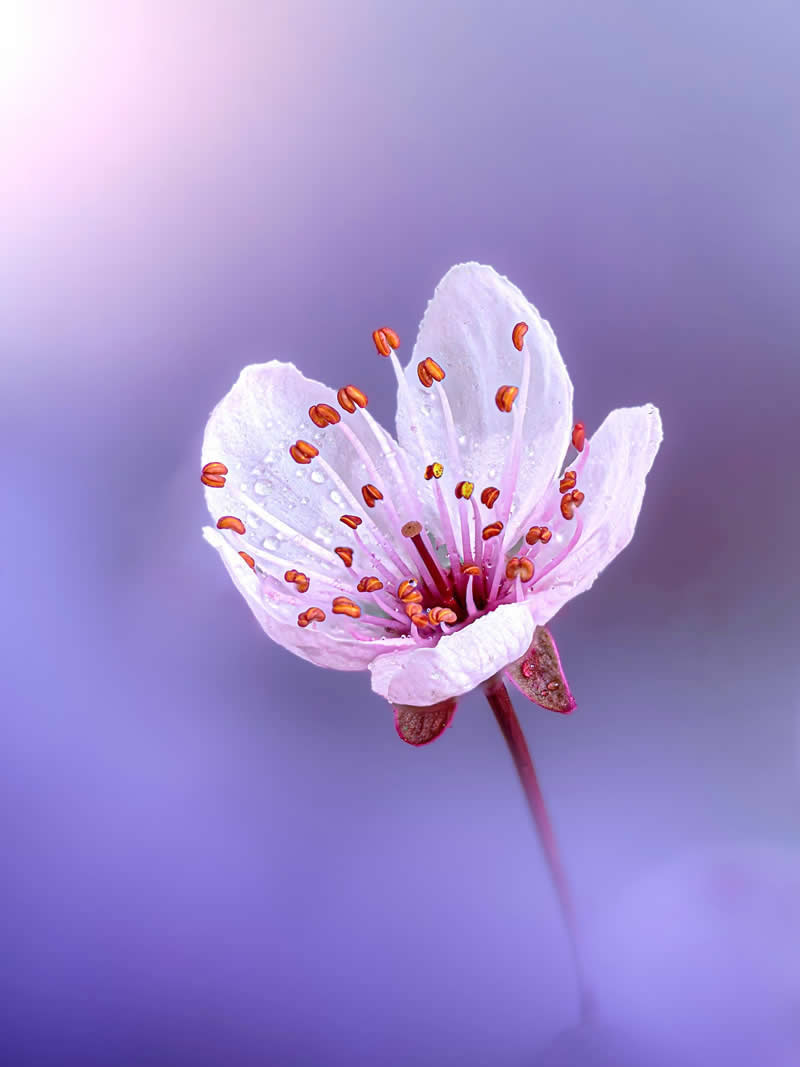
Photo by: Lisette
#16
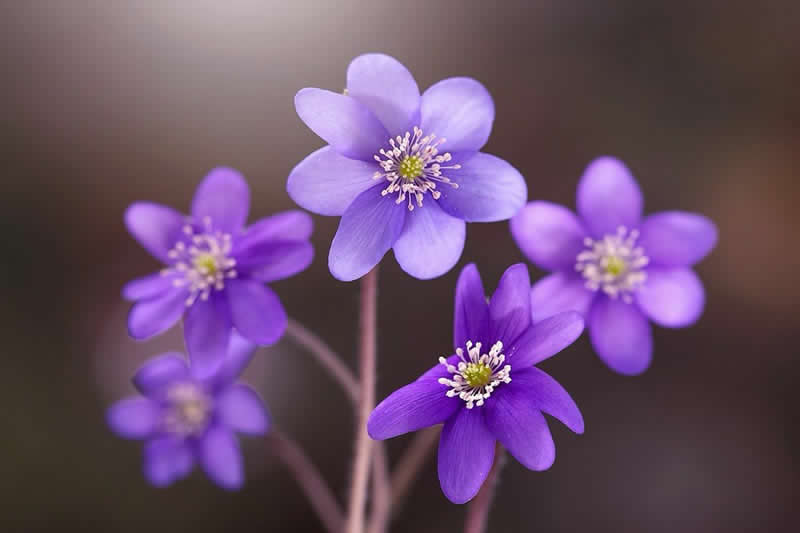
Photo by: Kasia Pietraszko
#17
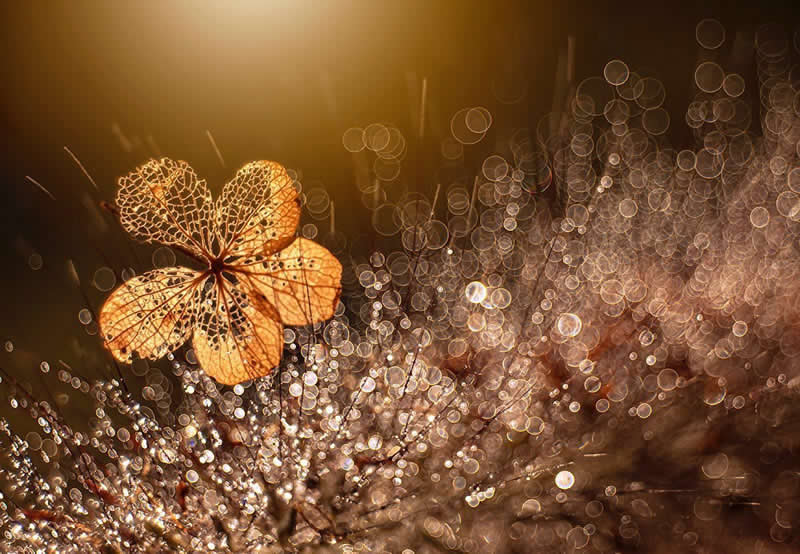
Photo by: Kasia Pietraszko
#18
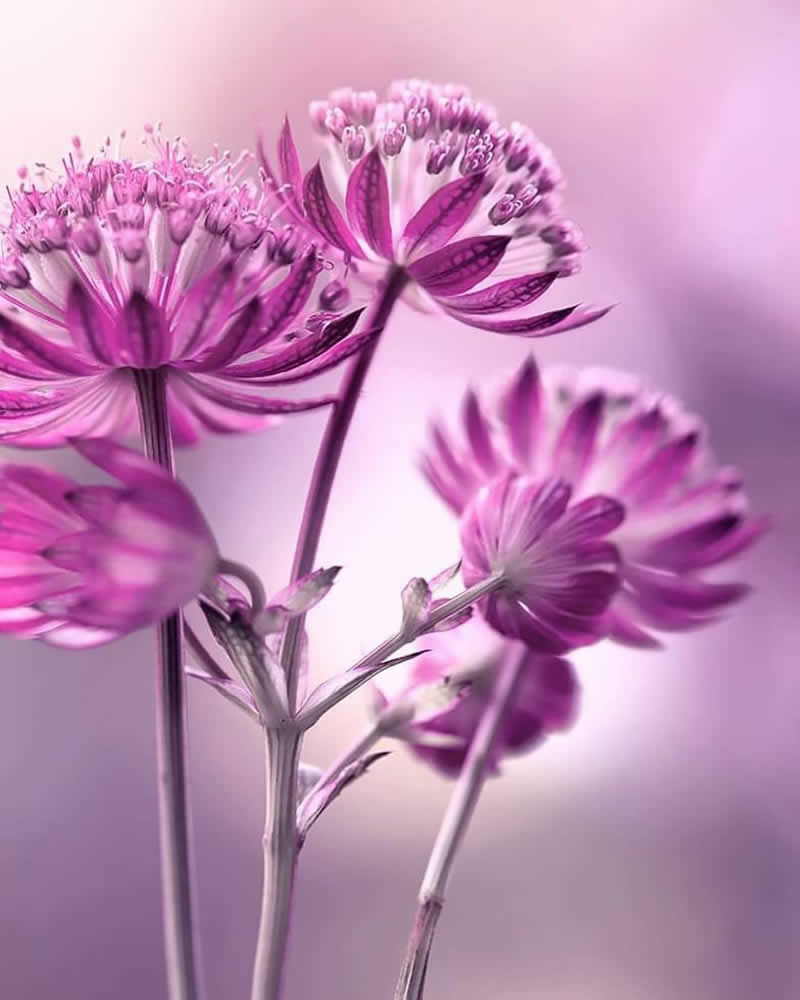
Photo by: Kasia Pietraszko
Nail Your Composition and Framing
A beautiful flower doesn’t automatically make a great photograph. Composition still matters. Move around, change your perspective, and think about where the flower sits inside the frame.
- Try low shooting angles.
- Leave intentional negative space.
- Use petals as leading lines.
- Experiment with symmetry.
- Keep backgrounds clean.
#19
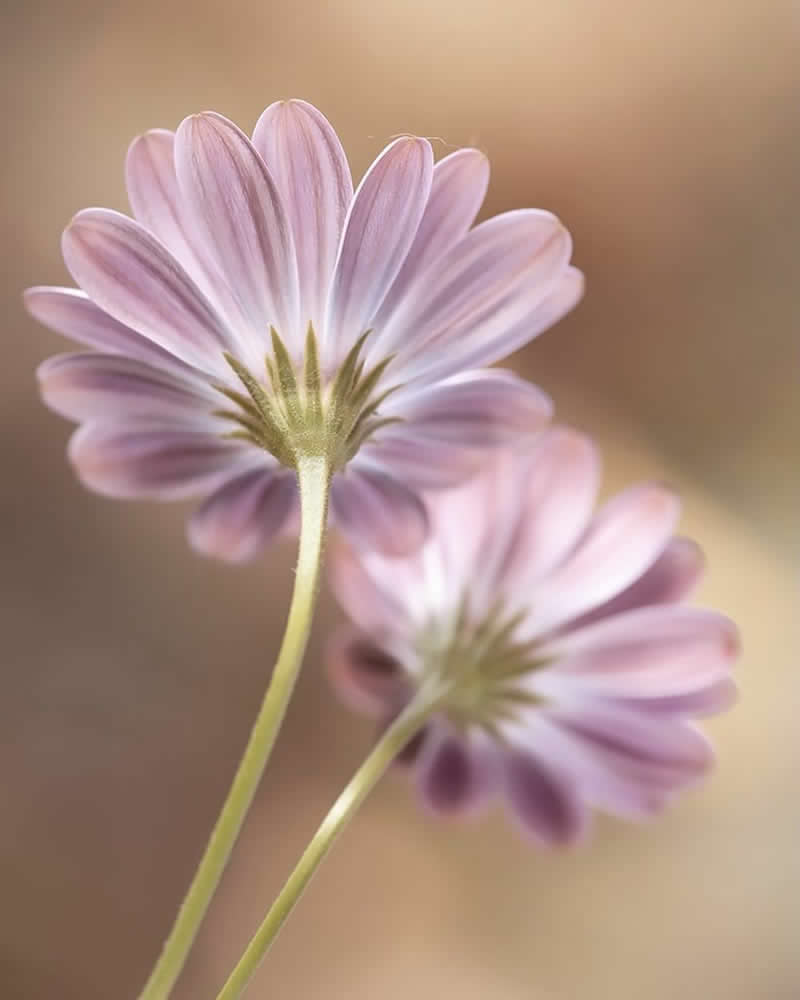
Photo by: Kasia Pietraszko
#20
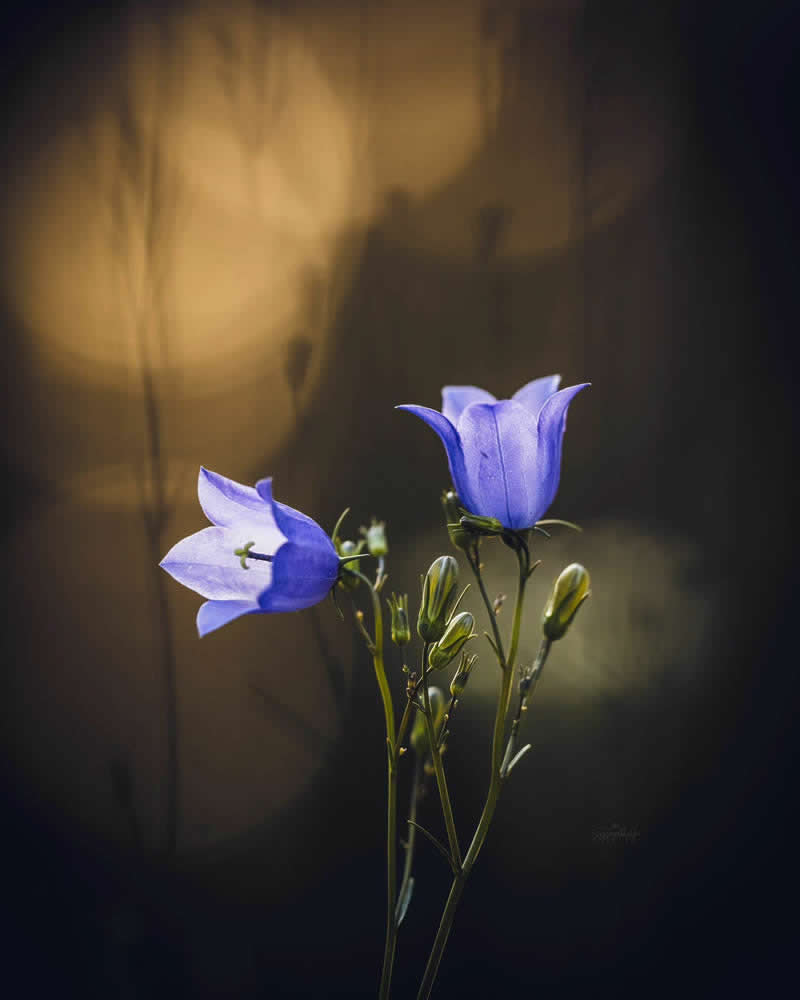
Photo by: Juuli
#21
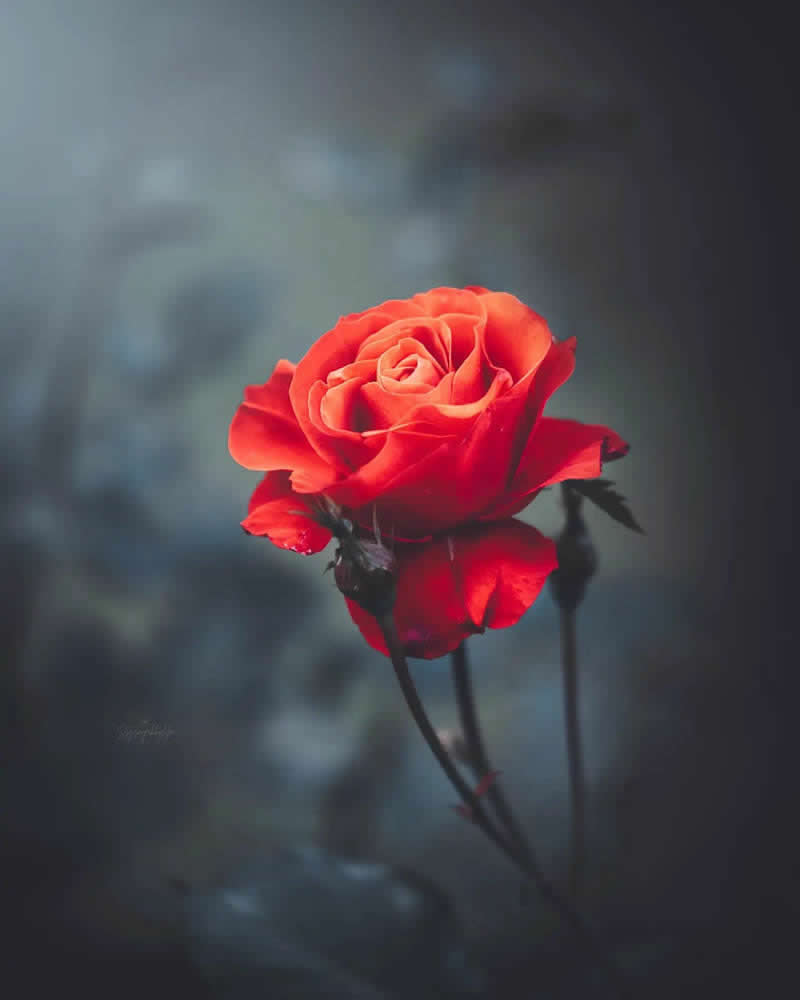
Photo by: Juuli
#22
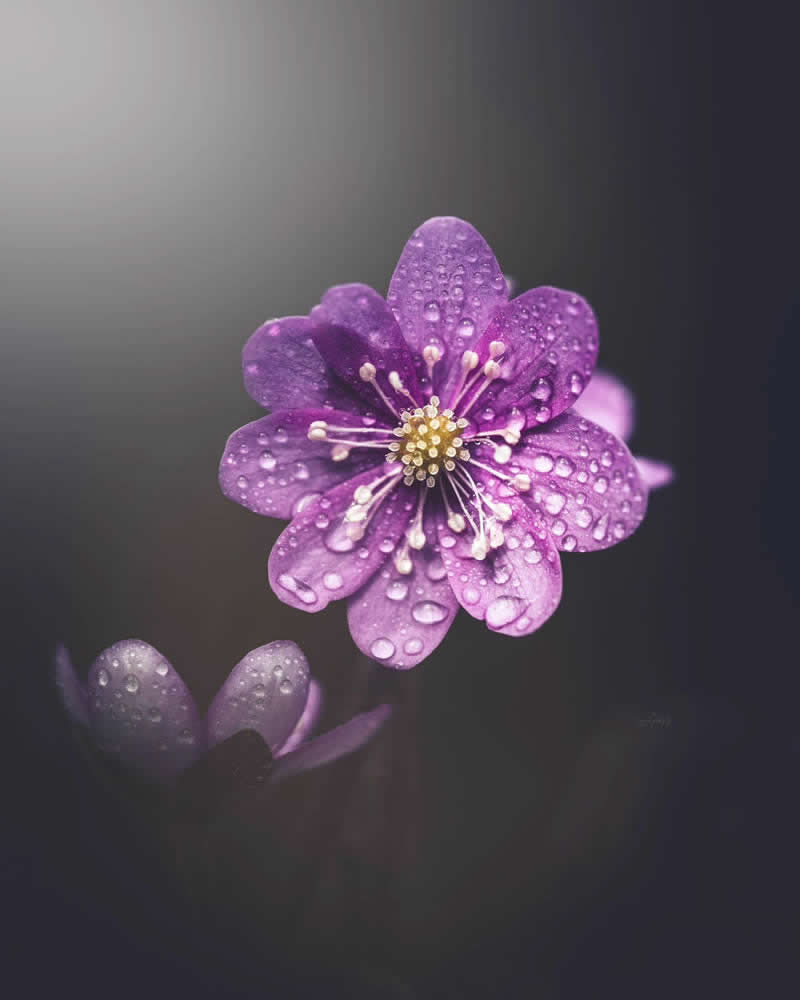
Photo by: Juuli
#23
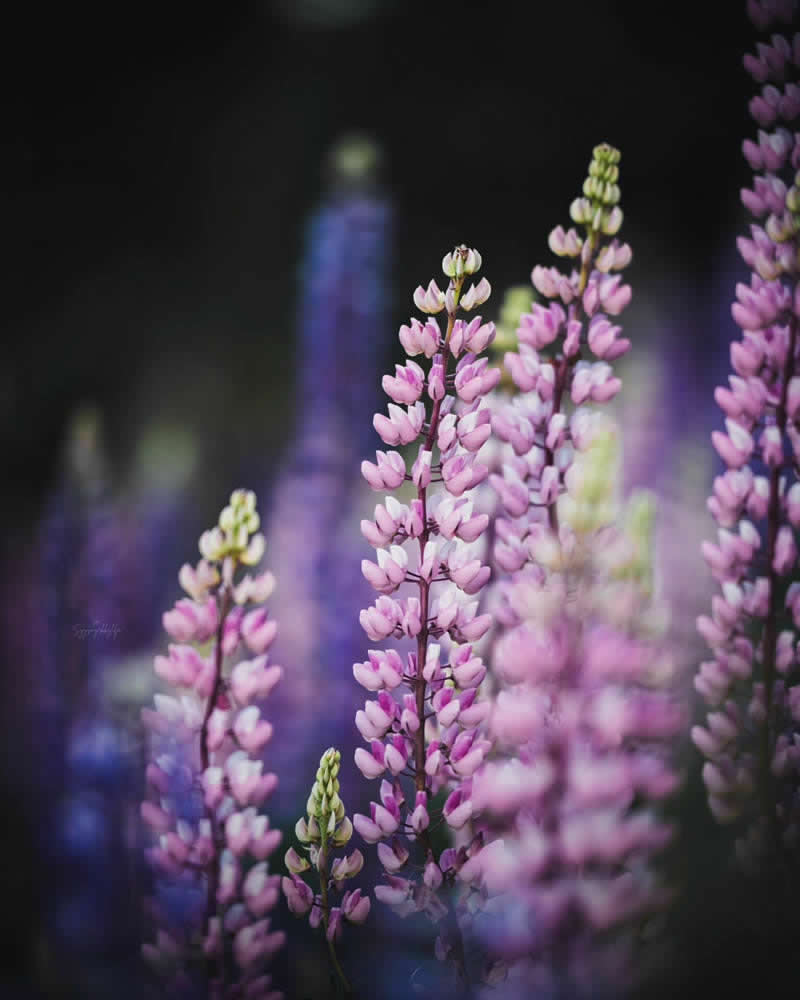
Photo by: Juuli
#24
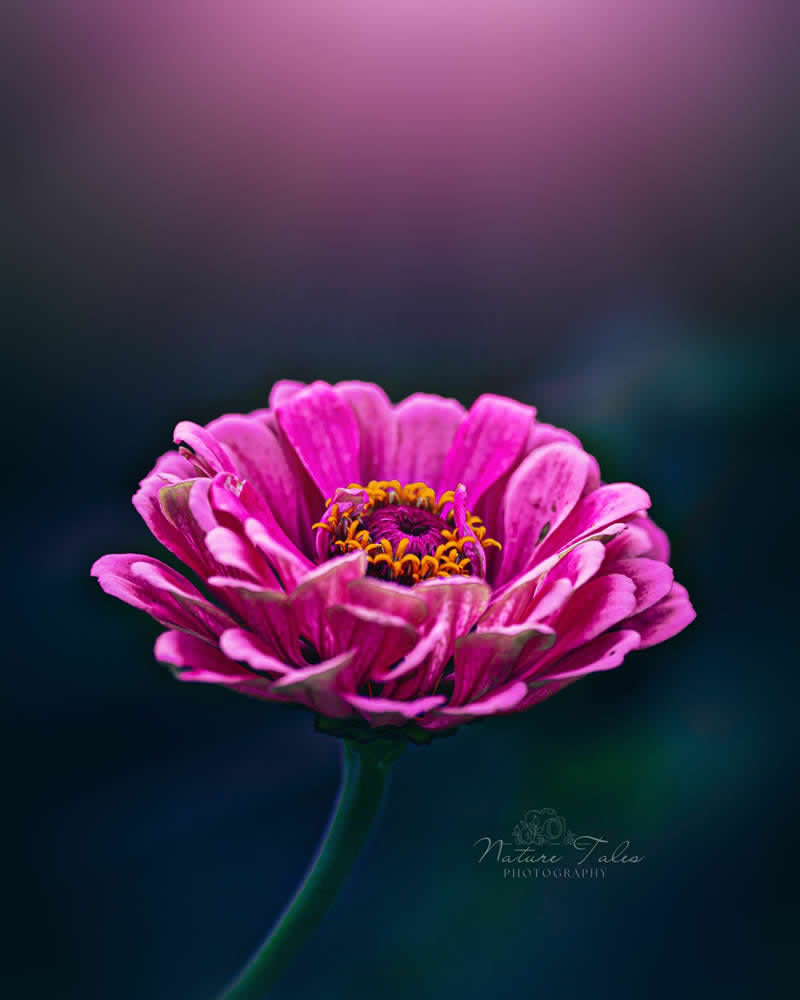
Photo by: Elien Van Moerzeke
Choose the Right Gear
You don’t need a giant gear bag, but the right setup can make macro work much easier. A dedicated macro lens gives you detail and working distance, while a tripod helps keep everything steady.
- Use a dedicated macro lens.
- Keep your camera stable.
- Try a sturdy tripod.
- Use manual focus when needed.
- Shoot with a remote or timer.
#25
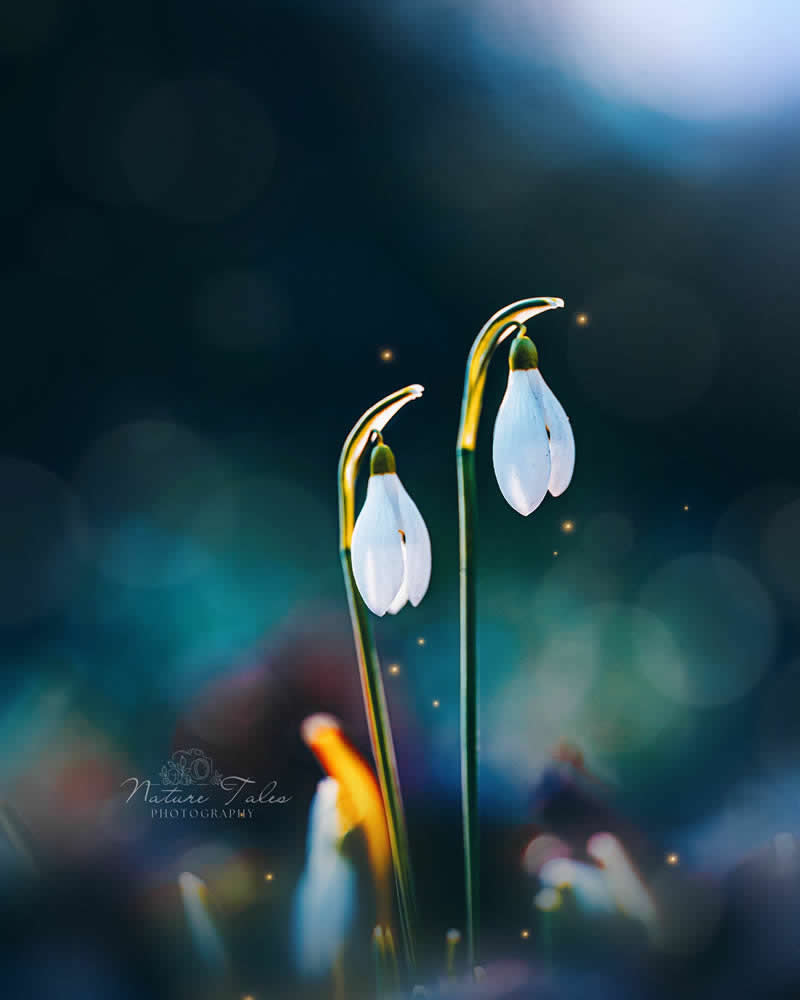
Photo by: Elien Van Moerzeke
#26
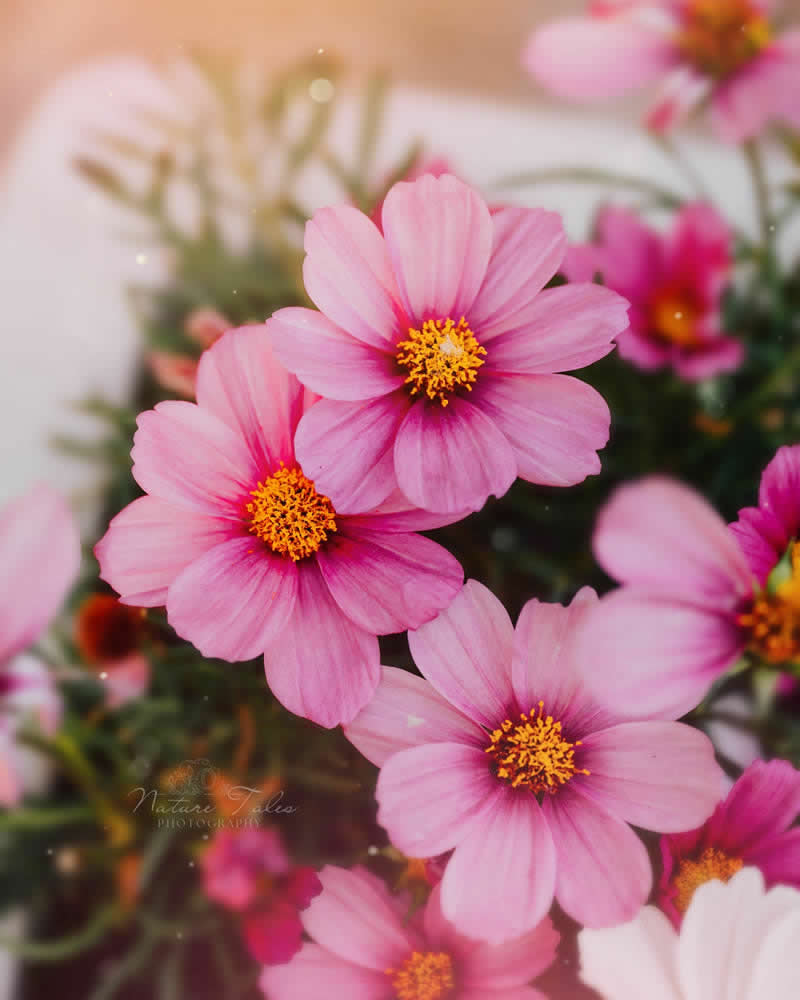
Photo by: Elien Van Moerzeke
#27
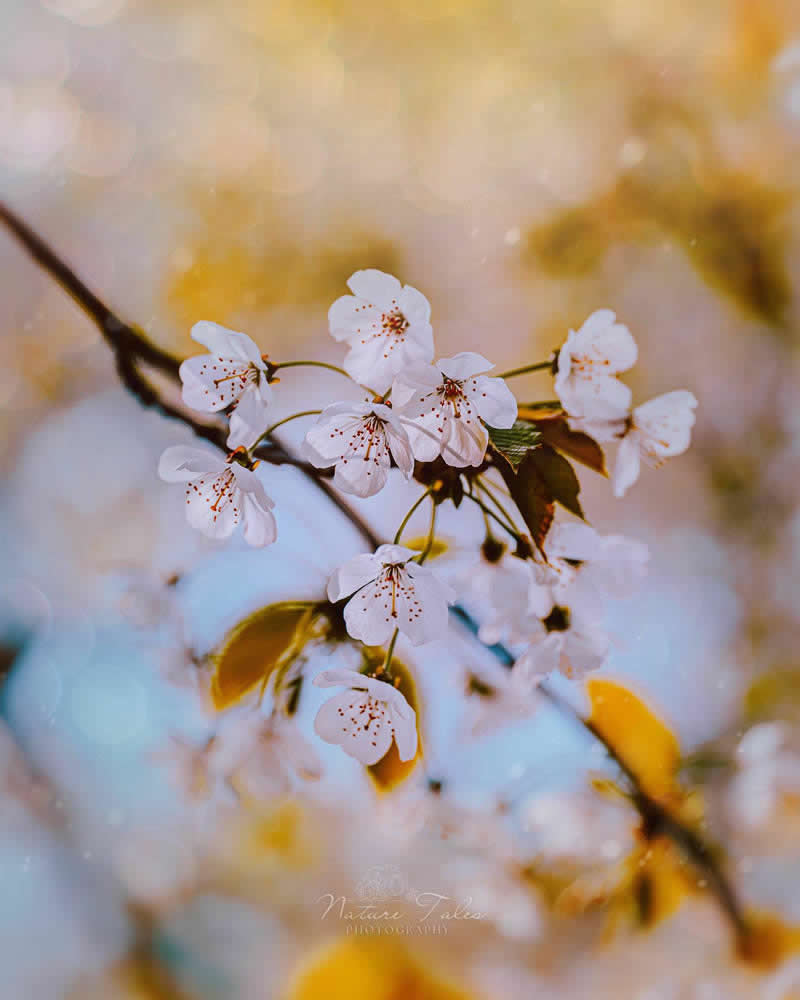
Photo by: Elien Van Moerzeke
#28
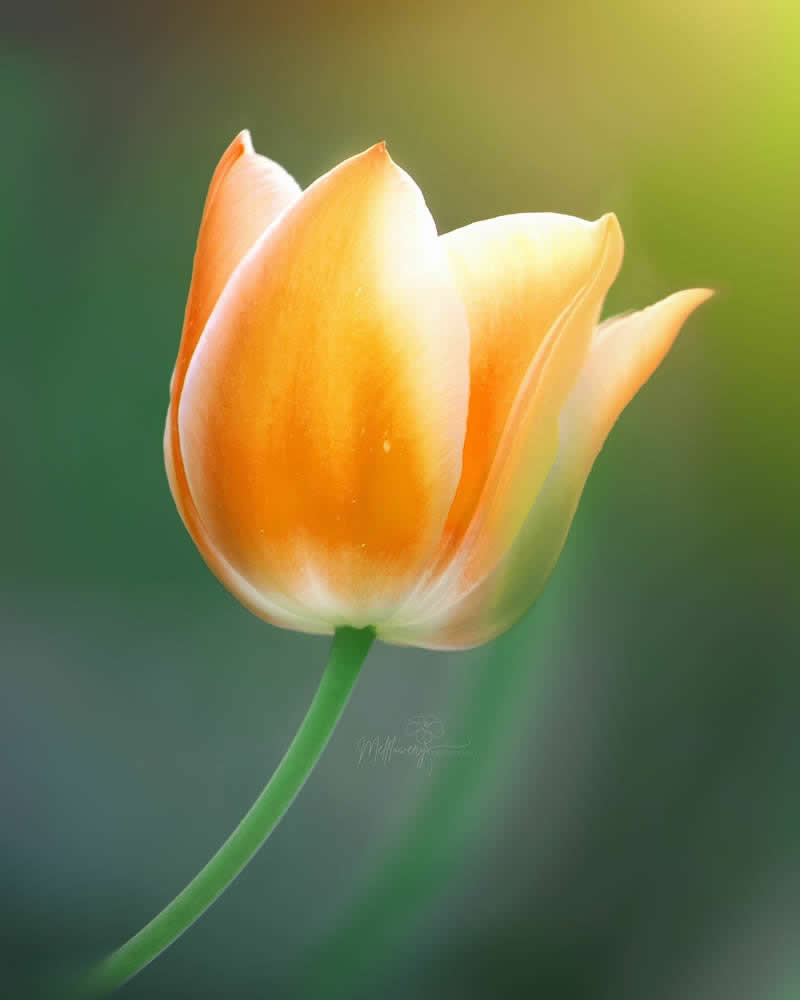
Photo by: Mel
#29
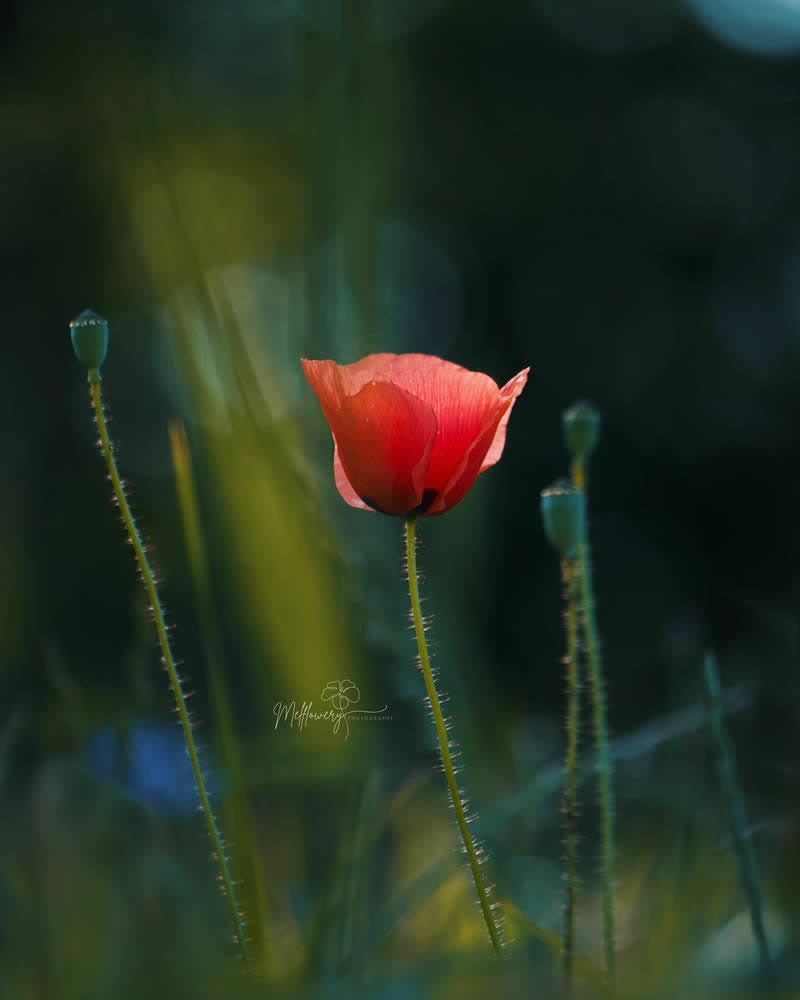
Photo by: Mel
#30
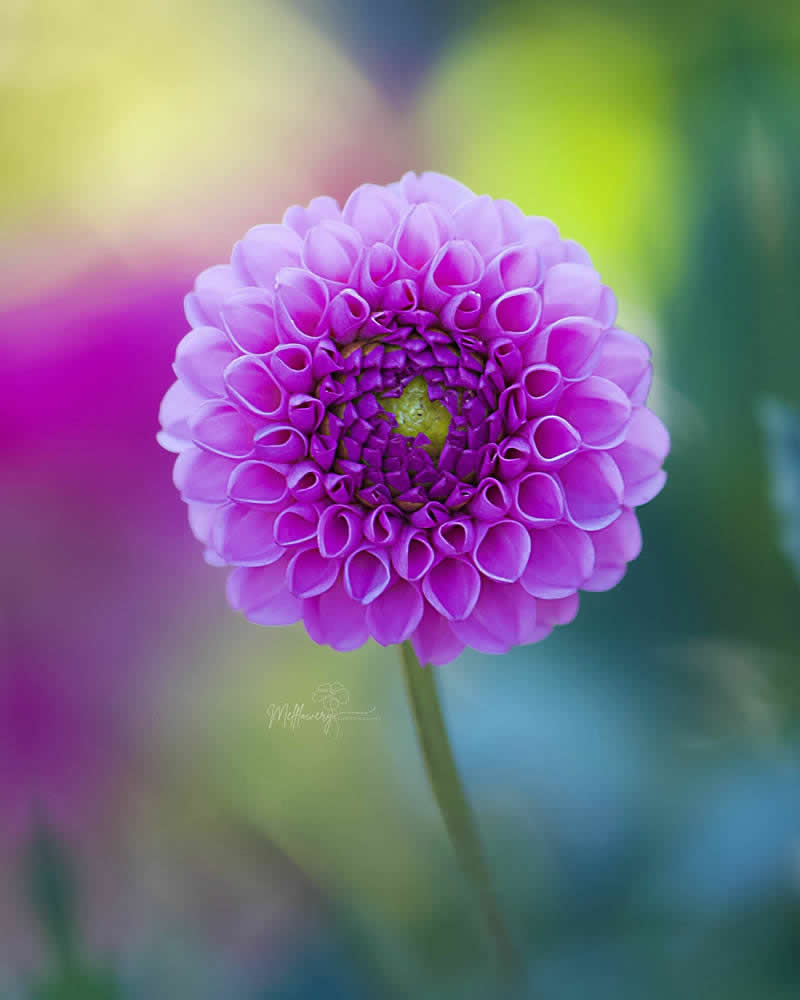
Photo by: Mel
Finish With Thoughtful Editing
Post-processing should enhance nature, not turn it into something unrecognizable. A little contrast, color adjustment, sharpening, and cleanup can bring out details that were already there.
- Adjust exposure carefully.
- Enhance natural colors.
- Add selective contrast.
- Sharpen important details.
- Don’t overdo the saturation.
#31
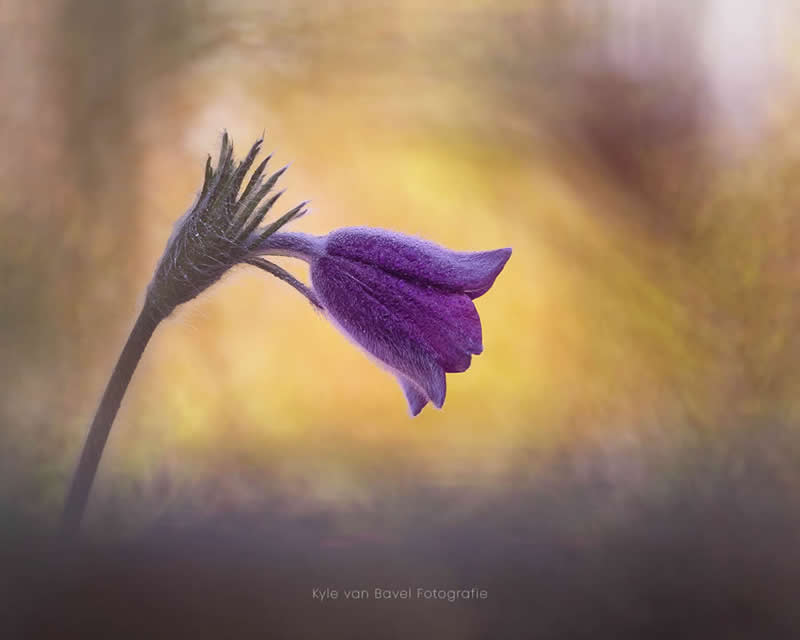
Photo by: Kyle van Bavel
#32
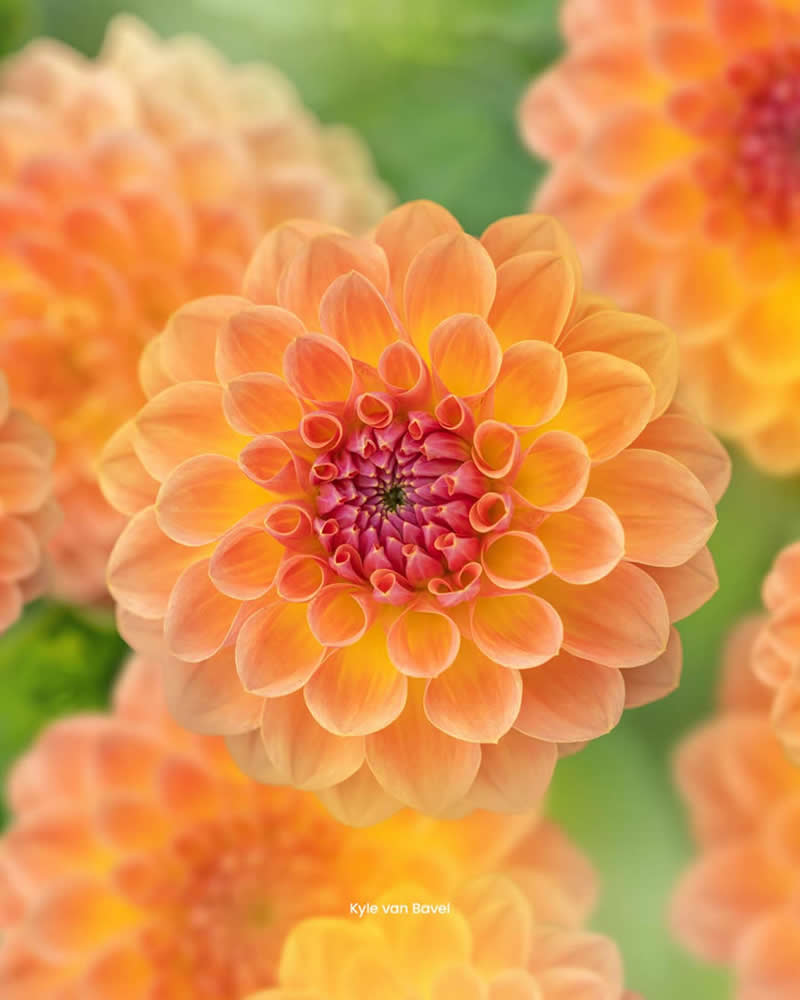
Photo by: Kyle van Bavel
#33
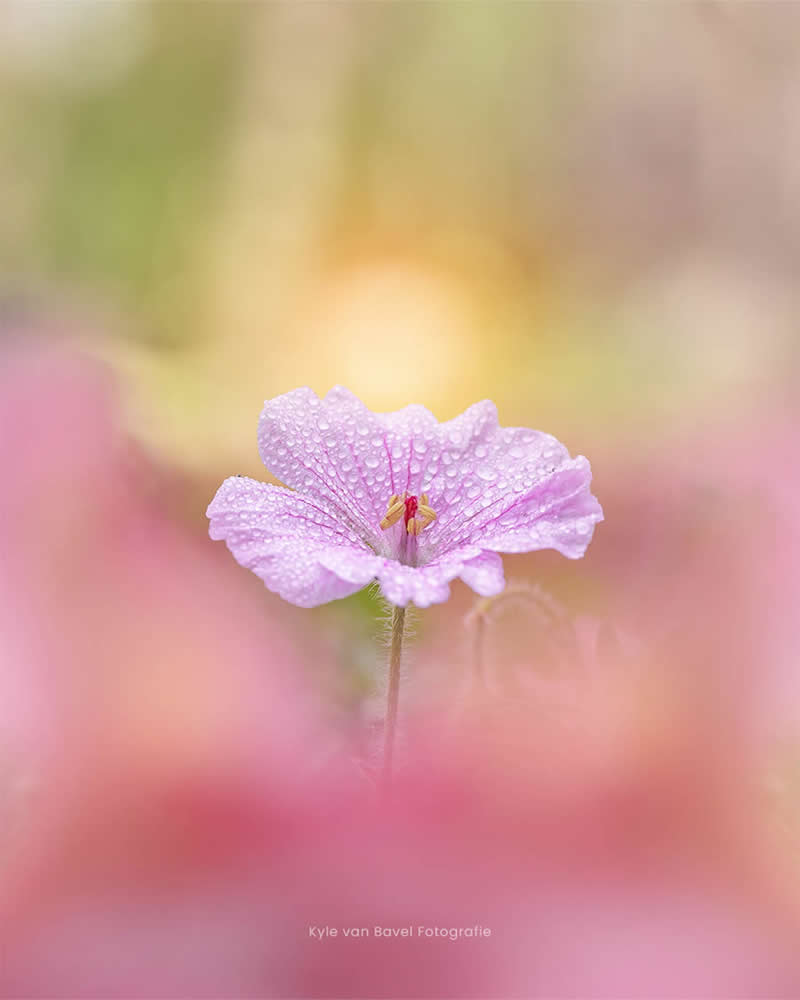
Photo by: Kyle van Bavel
#34
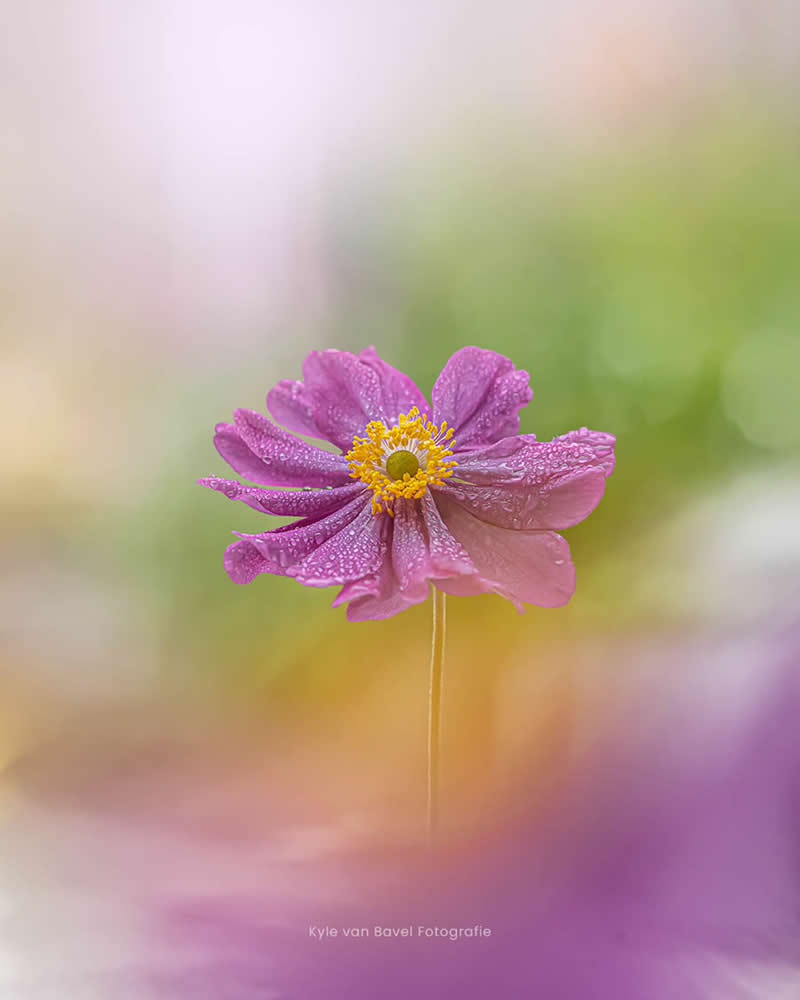
Photo by: Kyle van Bavel
Frequently Asked Questions:
What is macro flower photography?
Macro flower photography captures flowers at very close range, revealing details that are difficult to see normally. Petal textures, veins, pollen, water droplets, and tiny patterns become prominent, allowing photographers to present familiar flowers as dramatic miniature landscapes.
What lens is best for flower macro photography?
A dedicated macro lens is generally the best choice for photographing flowers because it provides close focusing and excellent detail. Common macro focal lengths around 90mm to 105mm offer useful working distance while producing beautifully detailed images and backgrounds.
What is the best light for photographing flowers?
Soft natural light is excellent for flower photography because it produces gentle shadows and preserves subtle colors. Early morning and late afternoon can work beautifully, while overcast conditions provide naturally diffused light without harsh highlights or distracting contrast.
How can photographers create beautiful bokeh in flower photos?
To create attractive bokeh, use a wide aperture and place the flower away from its background. A longer focal length can also help compress the scene. Look for colorful, distant backgrounds that complement rather than compete with your subject.
Why is patience important in flower photography?
Patience allows photographers to wait for better light, calmer conditions, stronger compositions, and unexpected details. Even flowers can move in wind, while sunlight constantly changes. Waiting a few minutes can transform an ordinary close-up into a truly memorable photograph.