
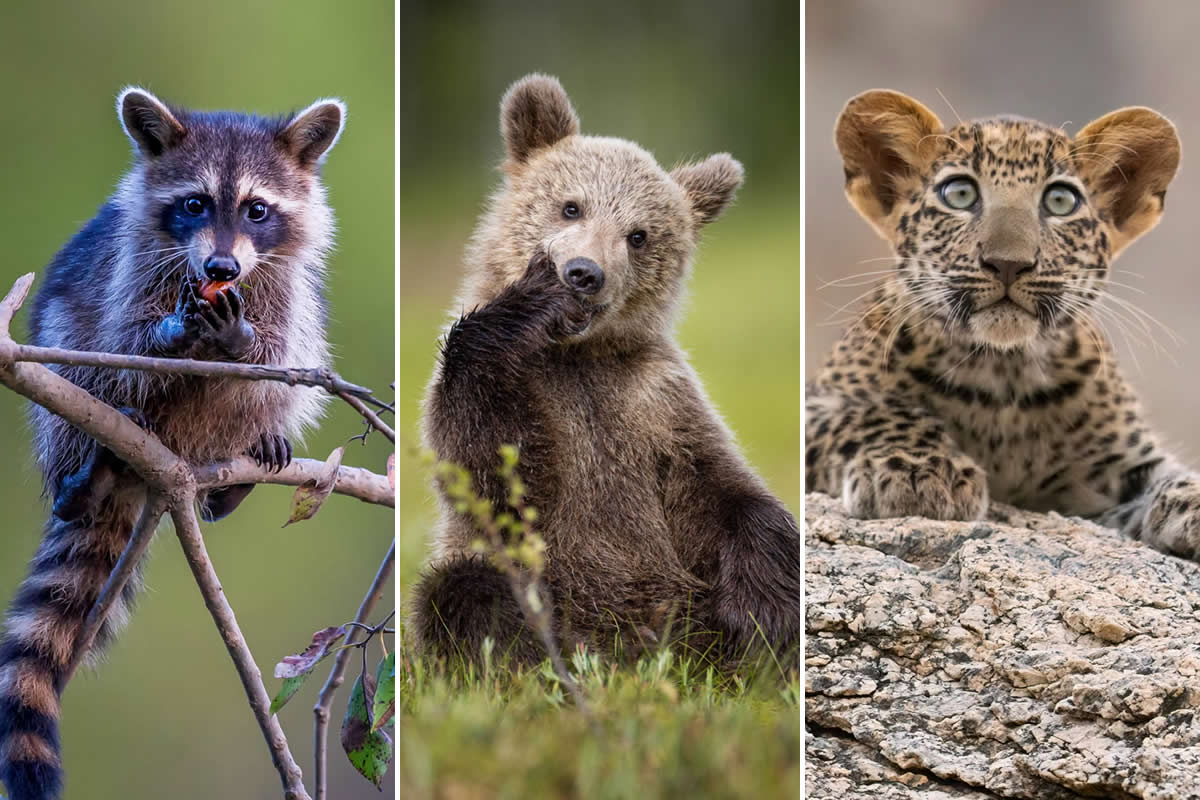
A great wildlife photograph can make you stop scrolling. It could be the gaze of a wild cat, the odd look on a bird’s face when it’s curious, or that brief moment when an animal does something entirely unexpected. You’ll understand what I mean: you’re only looking at your feed for a moment and then find yourself staring at a photograph for five minutes.
The Facebook page of Animal Planet, which has more than 20 million followers, regularly shares these moments with a large number of people. This collection of 31 amazing photographs is a pleasant reminder that wildlife photography is not just a matter of possessing an expensive camera and aiming it at an animal; it’s about being present there, watching, waiting, and coming to understand.
Consider this: animals don’t assume a pose simply because you’re ready; they move when they please, vanish when they feel in danger, and at times offer you only a small opportunity to capture something remarkable. It is precisely for this reason that patience and observation are just as important as your photographic equipment.
Even though a long zoom lens, a sturdy tripod, and a good camera can certainly be of assistance, they only make up part of the picture. The true magic lies in knowing your subject and showing respect for the space it occupies. Therefore, what can photographers learn from these remarkable Animal Planet photographs?
A great deal. By studying animal behaviour and by predicting those brief moments, these pictures demonstrate how preparation, patience, a spirit of adventure, and real respect for wildlife can turn a normal encounter into an unforgettable image.
#1. Me next to the cookie jar. Photo by: Krzysztof Baranowski
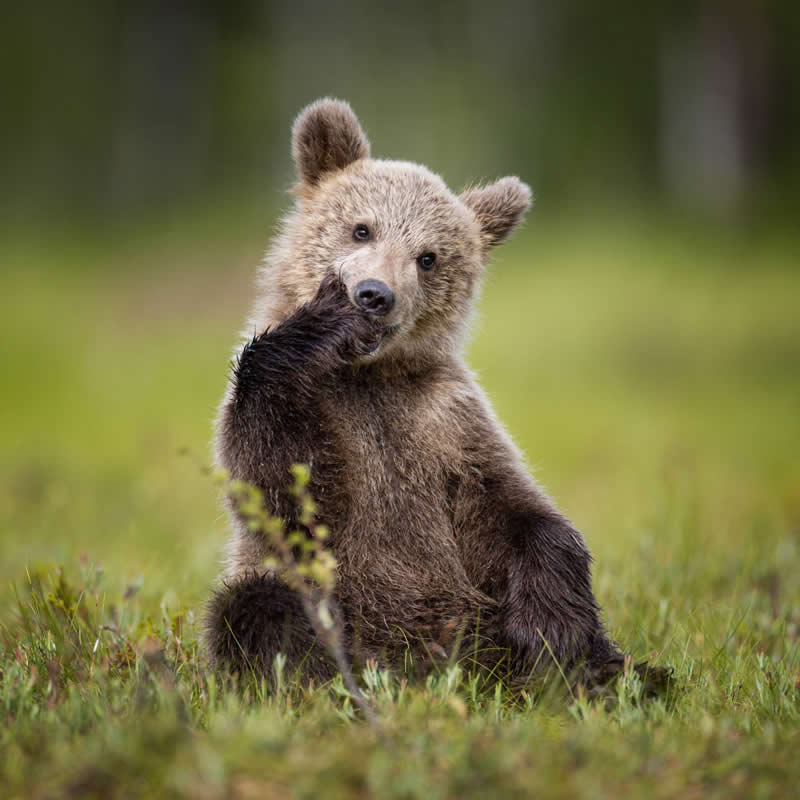
Photo by: Animal Planet
#2. Date night! Photo by: Roine Magnusson
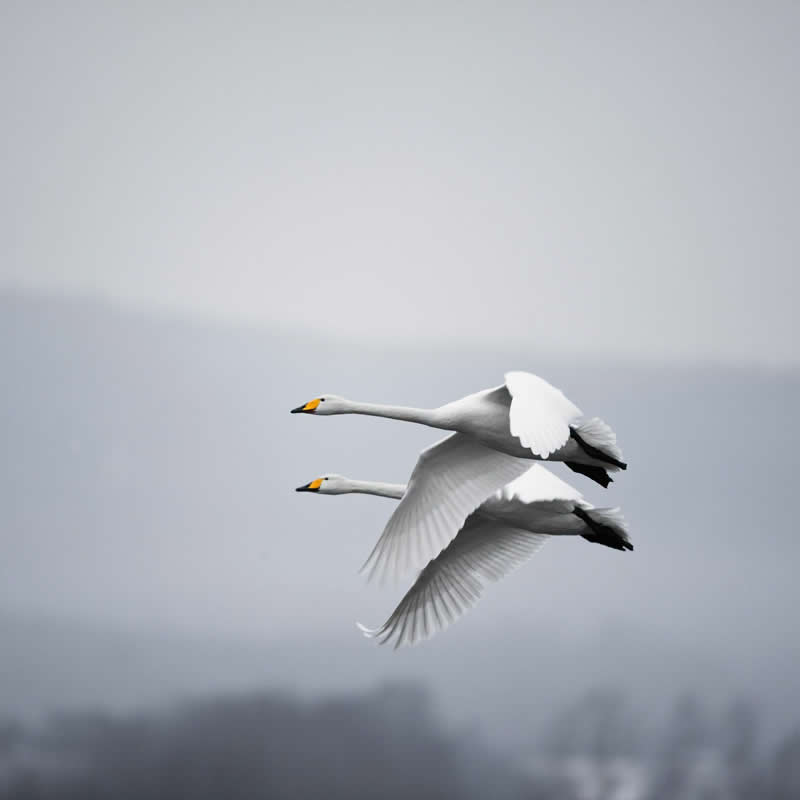
Photo by: Animal Planet
#3. Beautiful moment captured from above, mother and calf swimming together. Photo by: Maria Korneeva
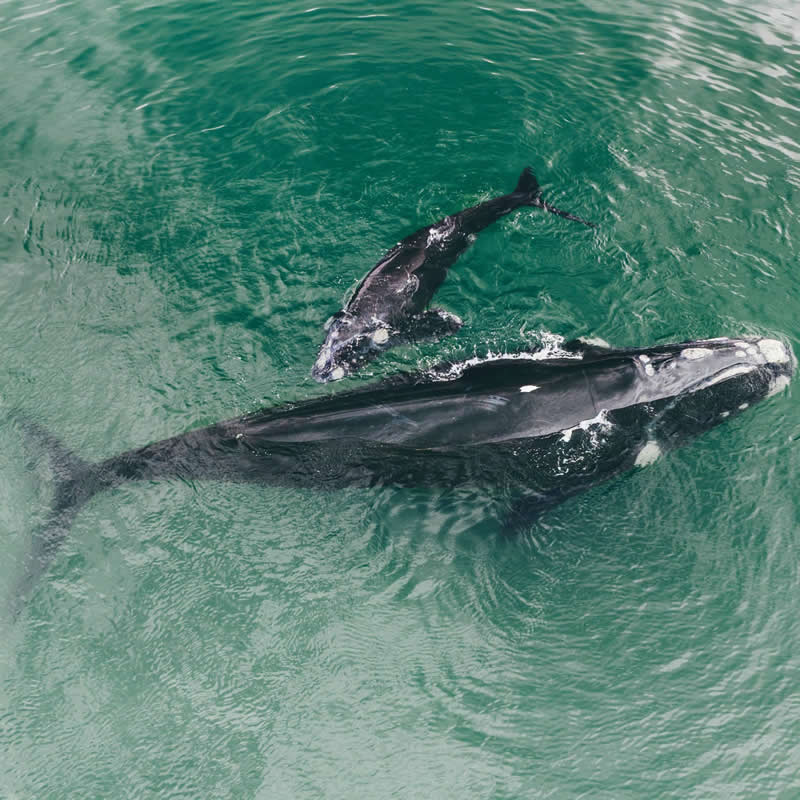
Photo by: Animal Planet
#4. Stunning Eyes. Photo by: Jeremy Woodhouse
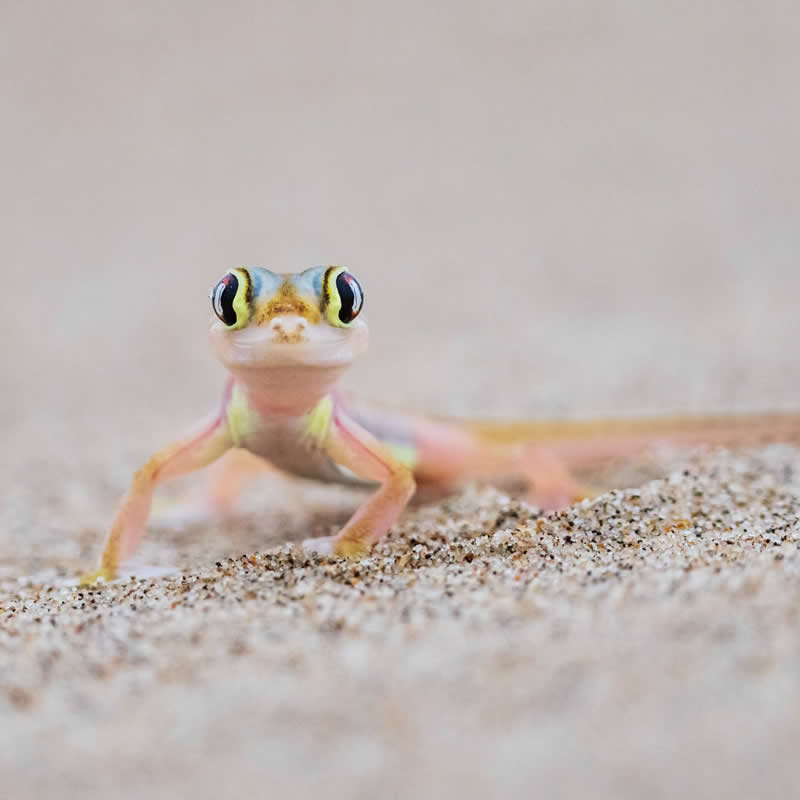
Photo by: Animal Planet
#5. Excuse me? Photo by: Karl Drage
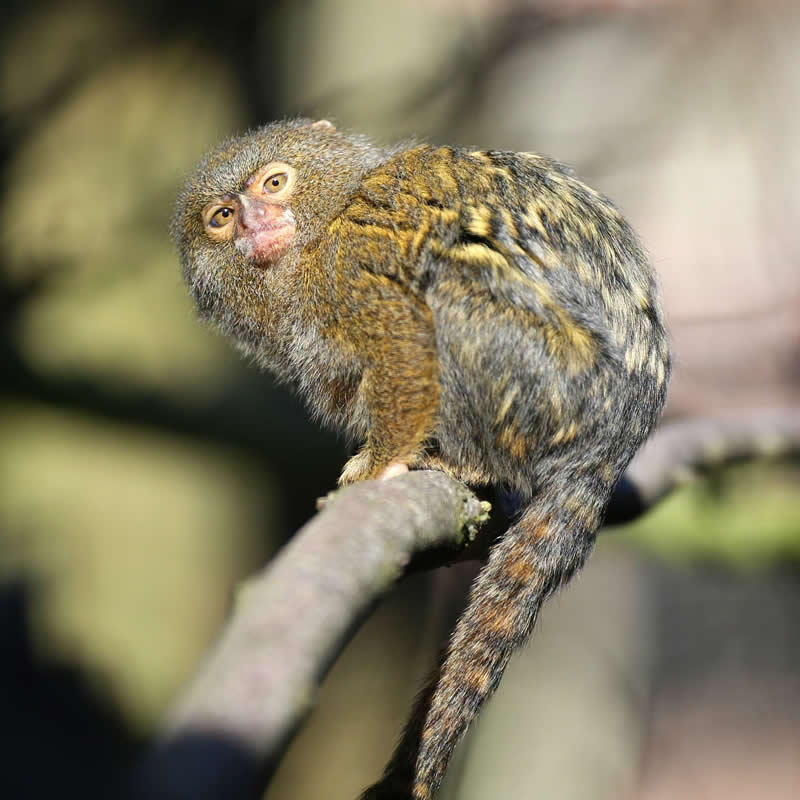
Photo by: Animal Planet
#6. Snack break. Photo by: Tuan Dao
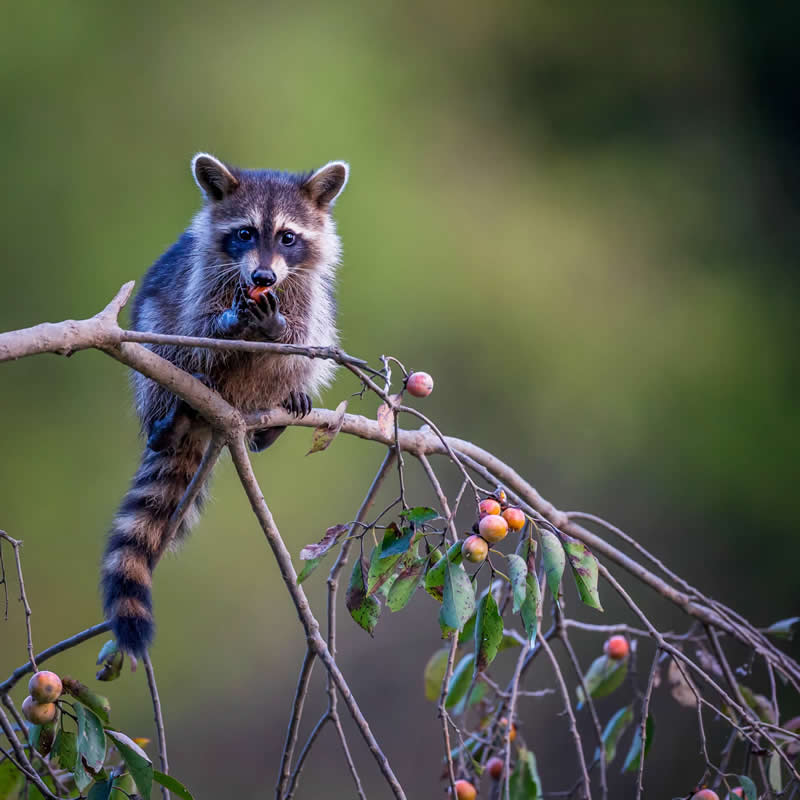
Image Source: Animal Planet
Watch Before You Shoot: Let Wildlife Reveal the Moment
The best wildlife photographs often happen after the photographer has stopped rushing. Spend time watching how an animal moves, where it looks, and what it does before an important moment. Observation helps you predict behavior instead of constantly reacting to it. Sometimes the shot you want appears only after several quiet minutes of doing absolutely nothing.
- Study the animal first before lifting your camera.
- Watch body language for clues about what may happen next.
- Learn the species and its typical behavior.
- Keep your camera ready without constantly firing.
- Anticipate moments instead of chasing them.
#7. Too precious for words. Photo by: Dhaivat Mehta
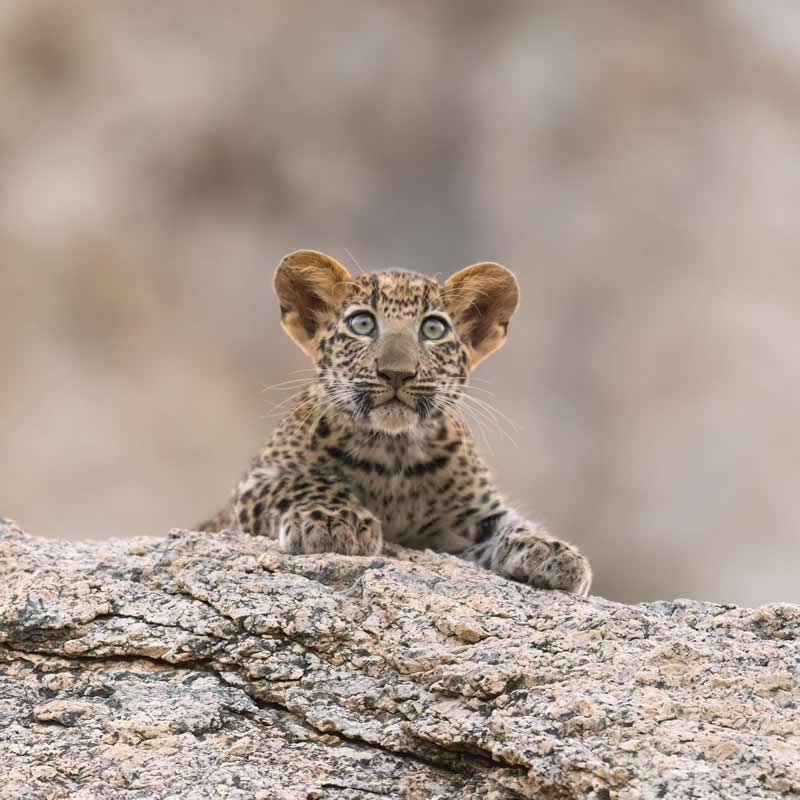
Image Source: Animal Planet
#8. Mama on a mission. Photo by: Martin Harvey
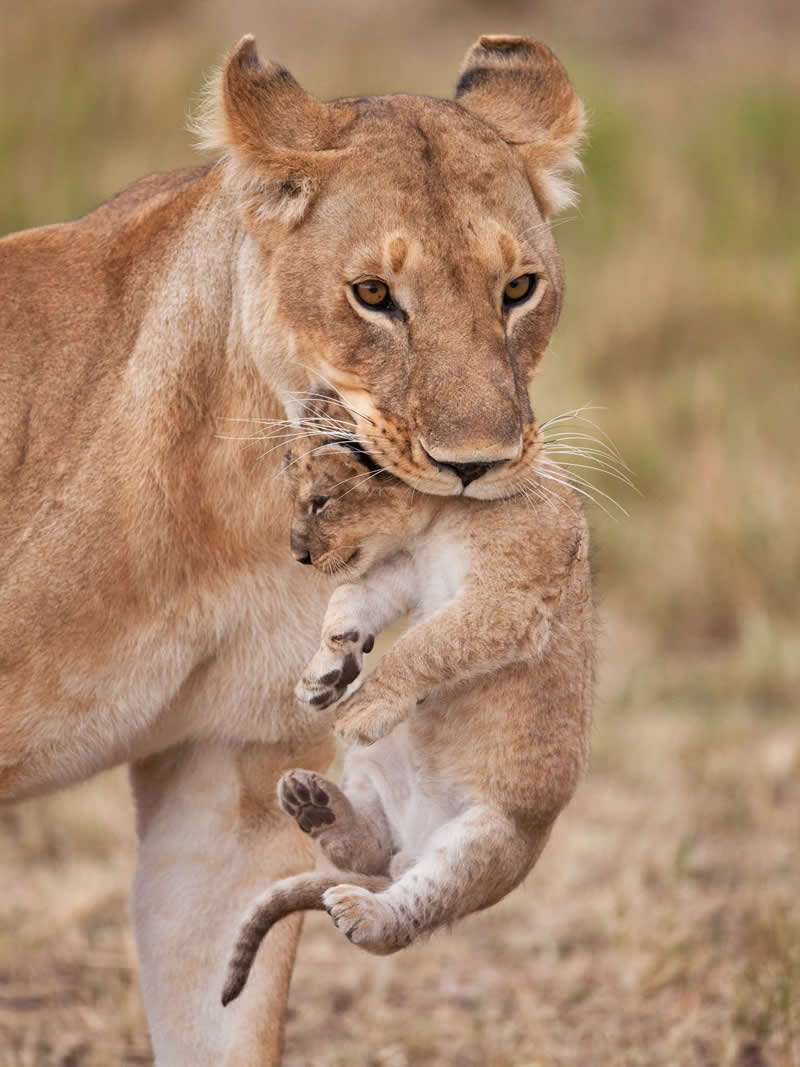
Image Source: Animal Planet
#9. Caught mid-munch. Photo by: Beata Whitehead
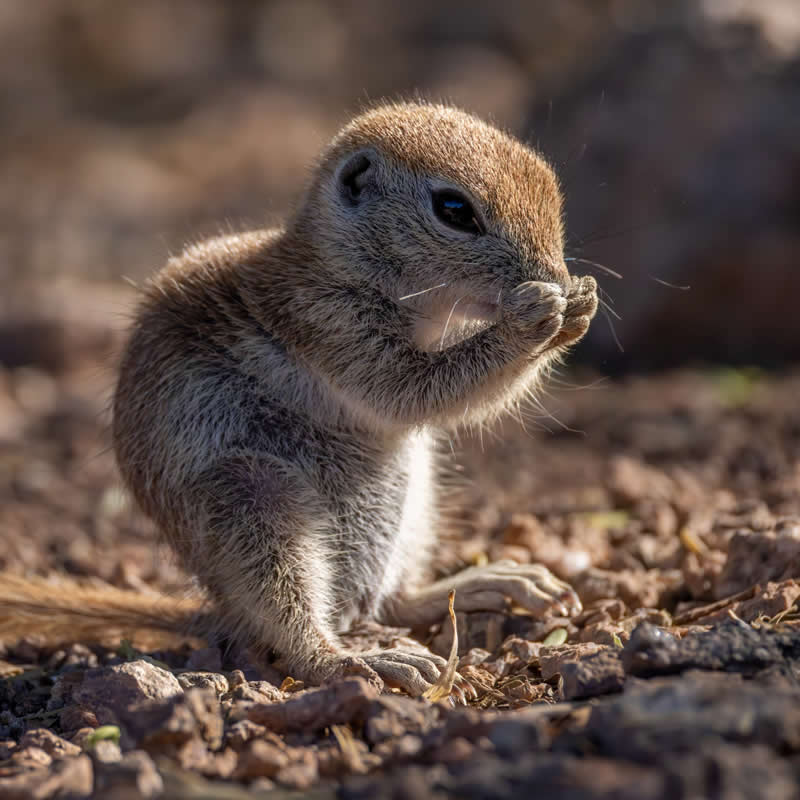
Image Source: Animal Planet
#10. Tuesday morning after a long weekend. Photo by: Steve Stringer
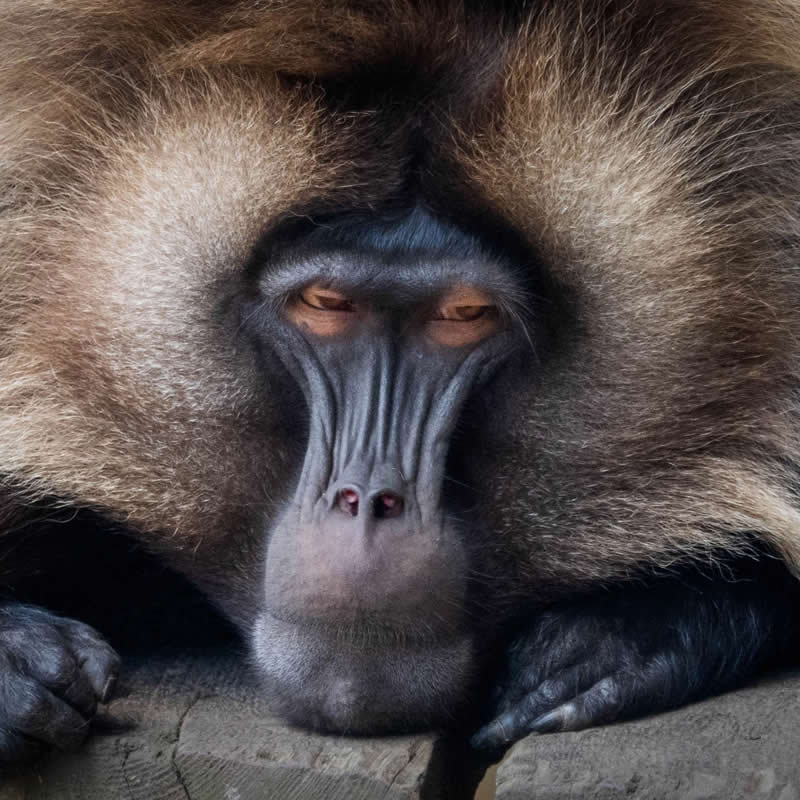
Image Source: Animal Planet
#11. Small & fluffy!. Photo by: Stan Tekiela
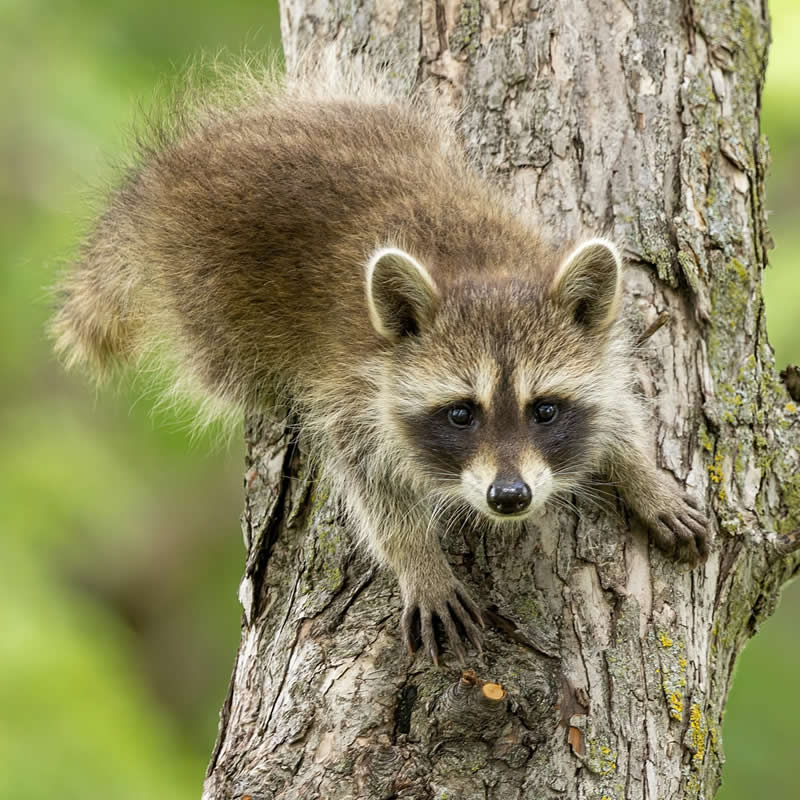
Image Source: Animal Planet
#12. Monday morning mood. Photo by: Brett Phibbs
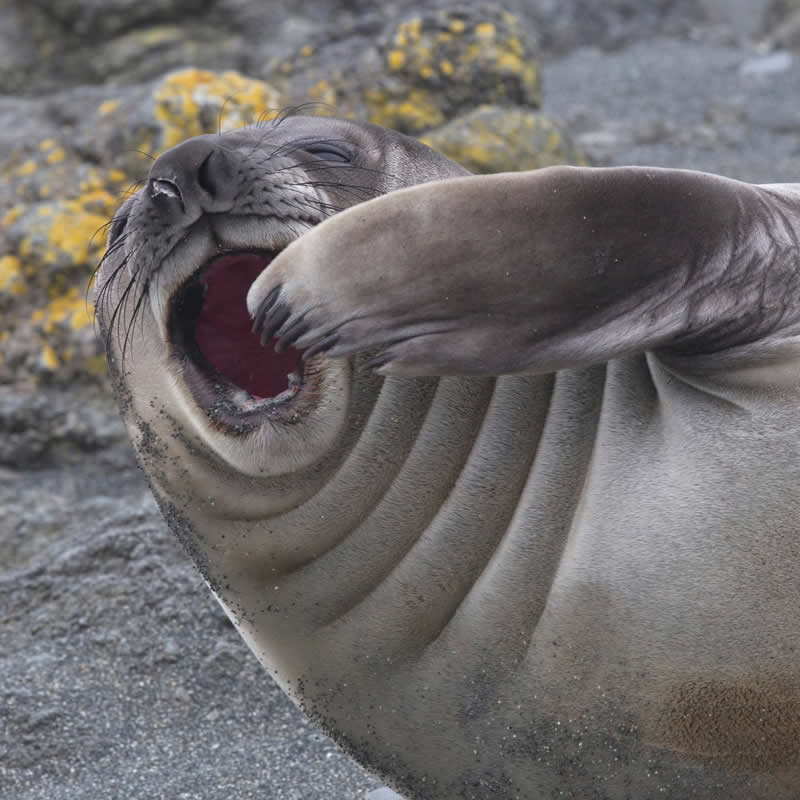
Image Source: Animal Planet
Patience Pays Off: Wait for the Perfect Wildlife Moment
Wildlife photography can test your patience like few other genres. You might wait for ages and get nothing. Then, suddenly, everything lines up—the light, the movement, the expression, the background. That’s the frame. These photographs are a great reminder that patience isn’t wasted time. It’s part of the craft, and sometimes waiting is exactly how you get lucky.
- Give yourself plenty of time in the field.
- Avoid disturbing animals just to get closer.
- Wait for behavior rather than random movement.
- Use quiet settings when appropriate.
- Stay patient when the scene looks uneventful.
#13. Special panda pose. Photo by: Alatom
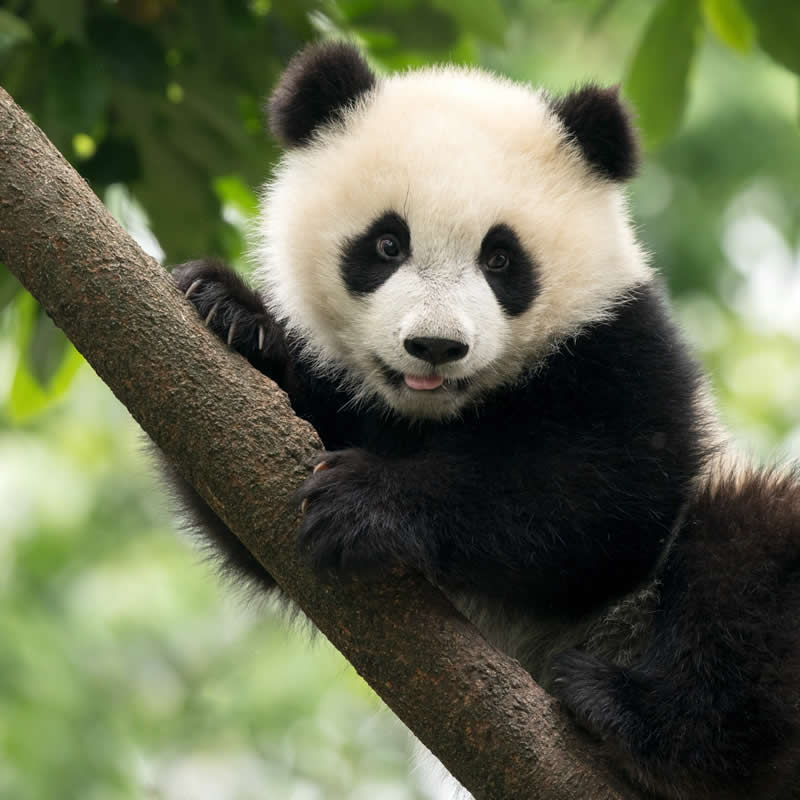
Image Source: Animal Planet
#14. Red Panda on a mission. Photo by: Ronald Wittek
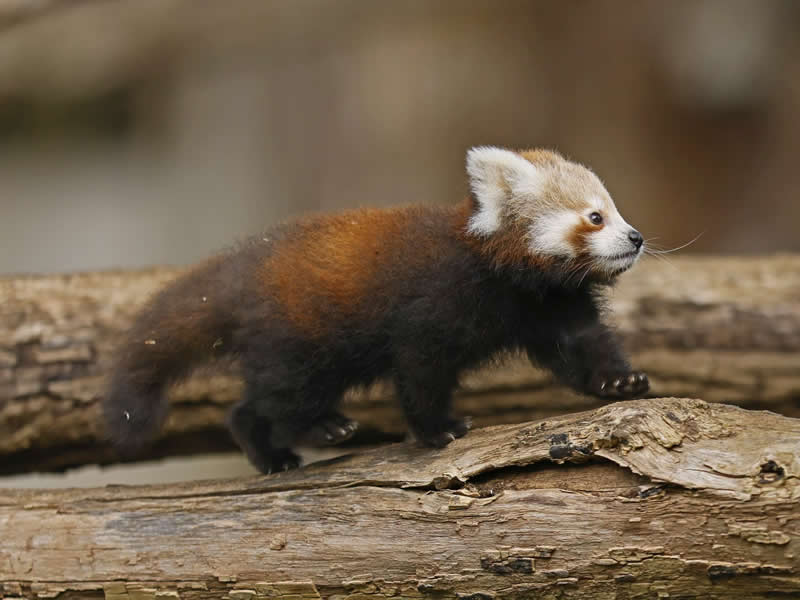
Image Source: Animal Planet
#15. Built-in besties. Photo by: Tambako the Jaguar
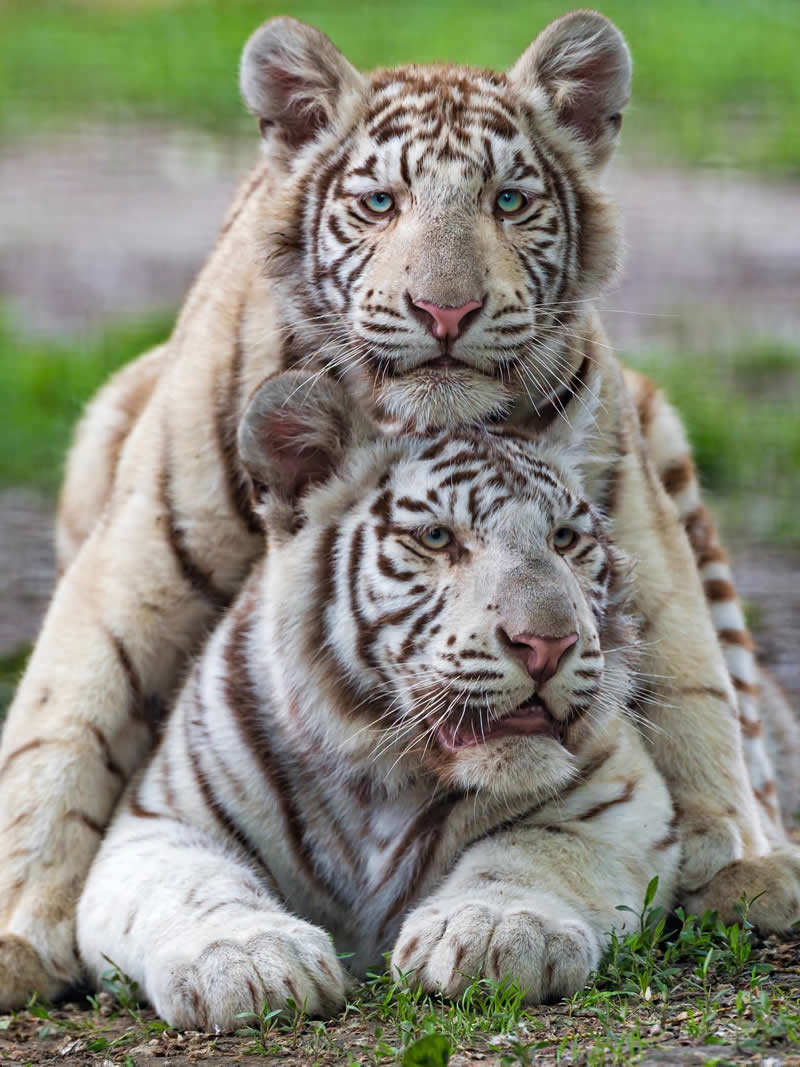
Image Source: Animal Planet
#16. Best seat in the house. Photo by: Vronja Photon
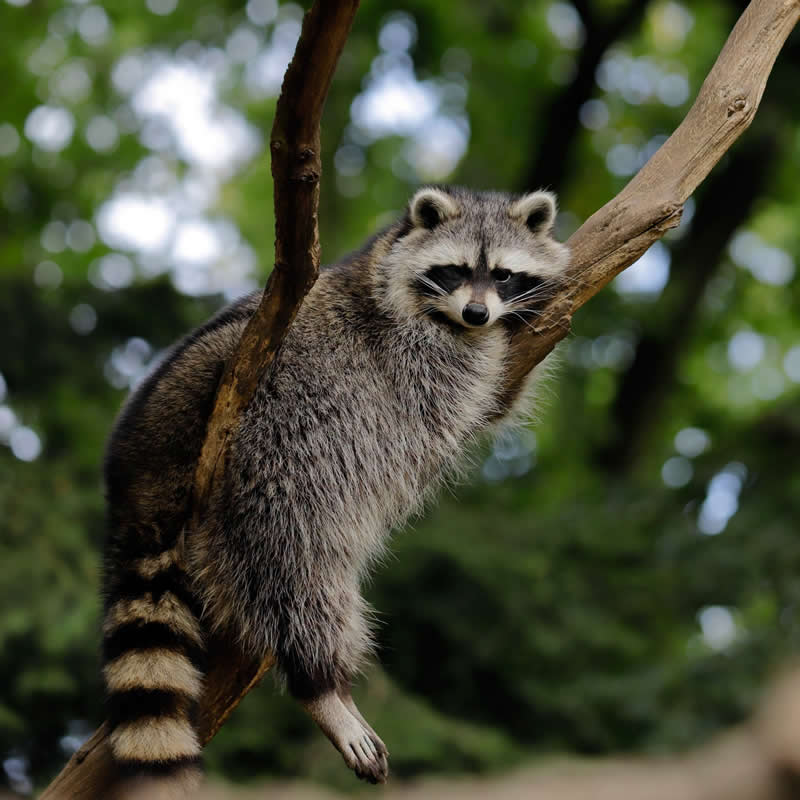
Image Source: Animal Planet
#17. Me seeing a meeting invite on Summer Friday. Photo by: Andrew Coleman
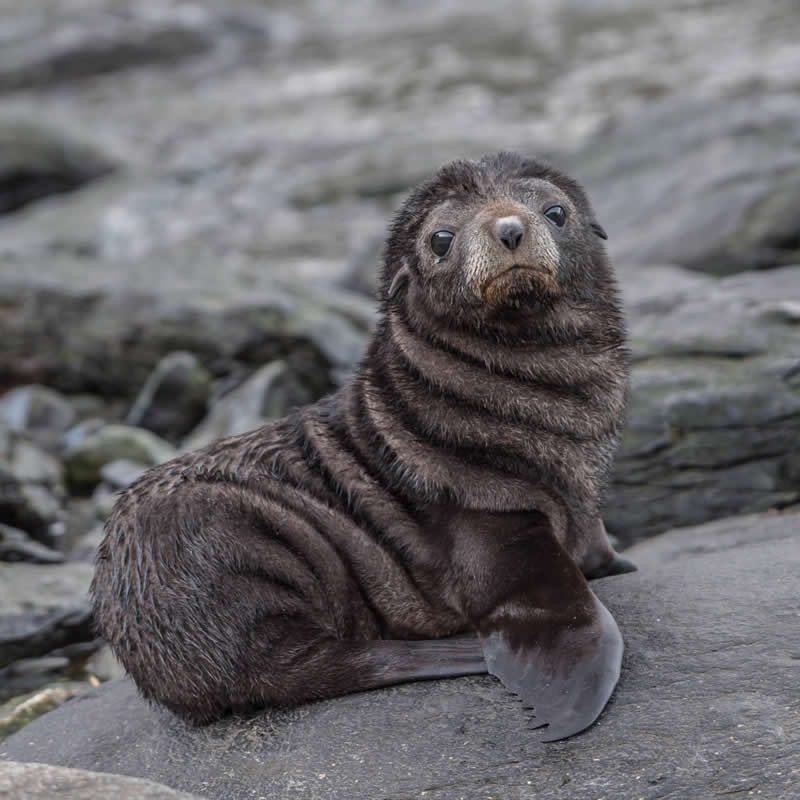
Image Source: Animal Planet
#18. Clinging to the weekend like. Photo by: Cyrielle Beaubois
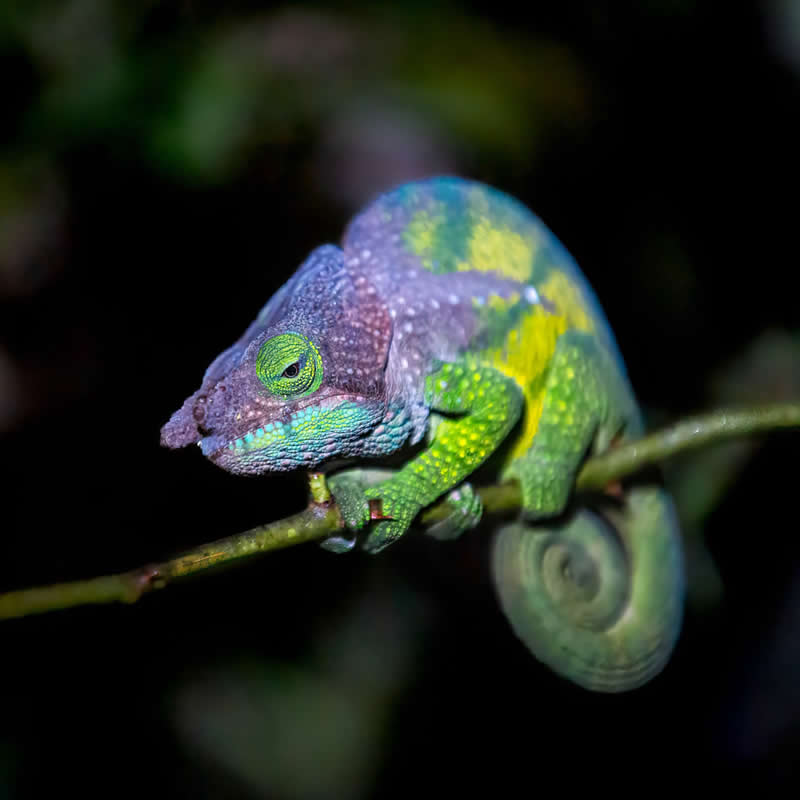
Image Source: Animal Planet
Bring the Right Gear: Zoom In Without Getting Too Close
Good photo gear can make a huge difference, especially when photographing animals that shouldn’t be approached. A quality zoom lens lets you fill the frame while maintaining a safe distance. Pair it with a sturdy tripod when conditions allow. But remember, gear shouldn’t replace technique. Knowing when to adjust shutter speed, focus, and composition matters just as much.
- Use a zoom lens for reach and flexibility.
- Carry a sturdy tripod for stable compositions.
- Choose faster shutter speeds for moving animals.
- Use continuous autofocus when tracking action.
- Know your equipment before heading into the wild.
#19. Good hair day?. Photo by: Joy Pan
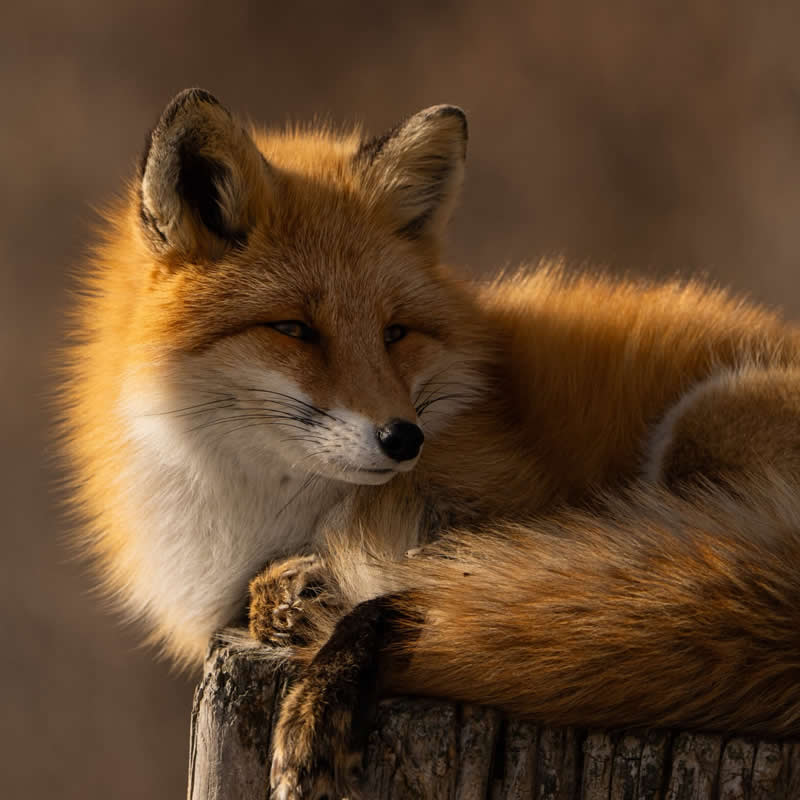
Image Source: Animal Planet
#20. Nature said copy, paste. Photo by: Fanie Heymans
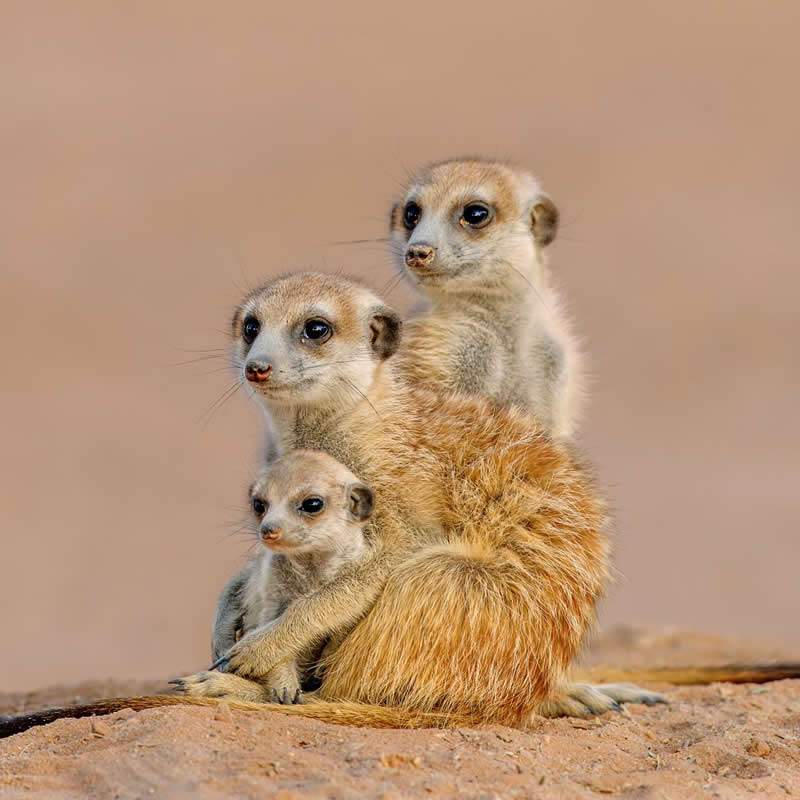
Image Source: Animal Planet
#21. Wait up!. Photo by: Jeremy Richards
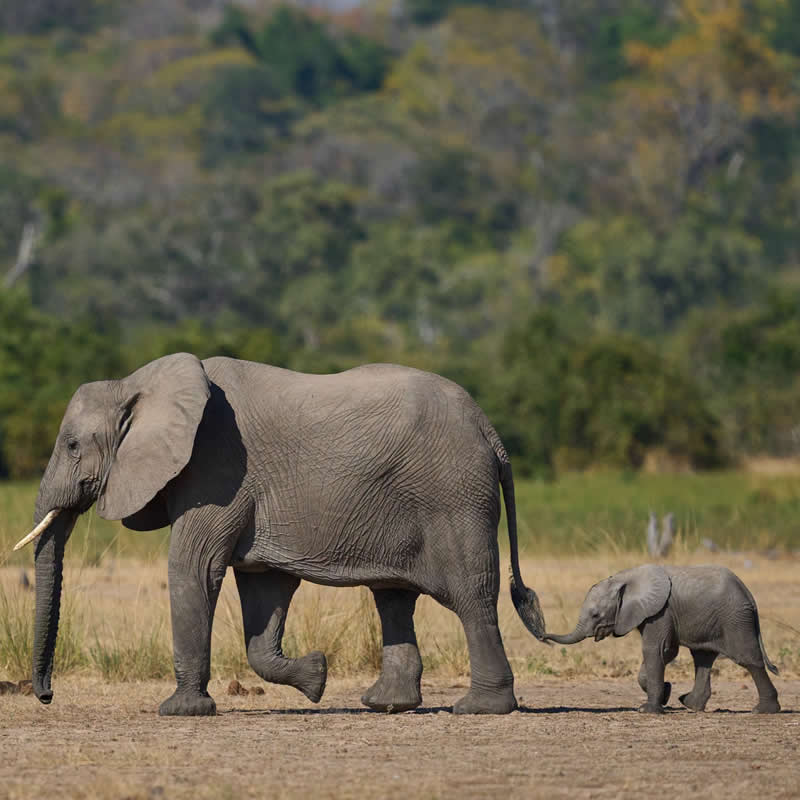
Image Source: Animal Planet
#22. An icon. Photo by: Samuel J Coe
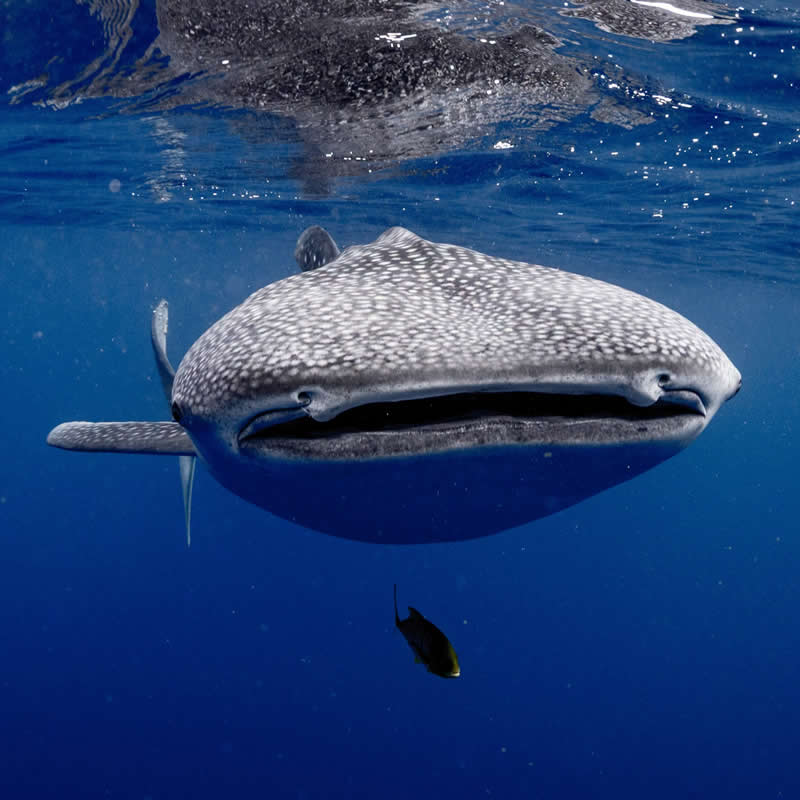
Image Source: Animal Planet
#23. Bestie status. Photo by: Adria Photography
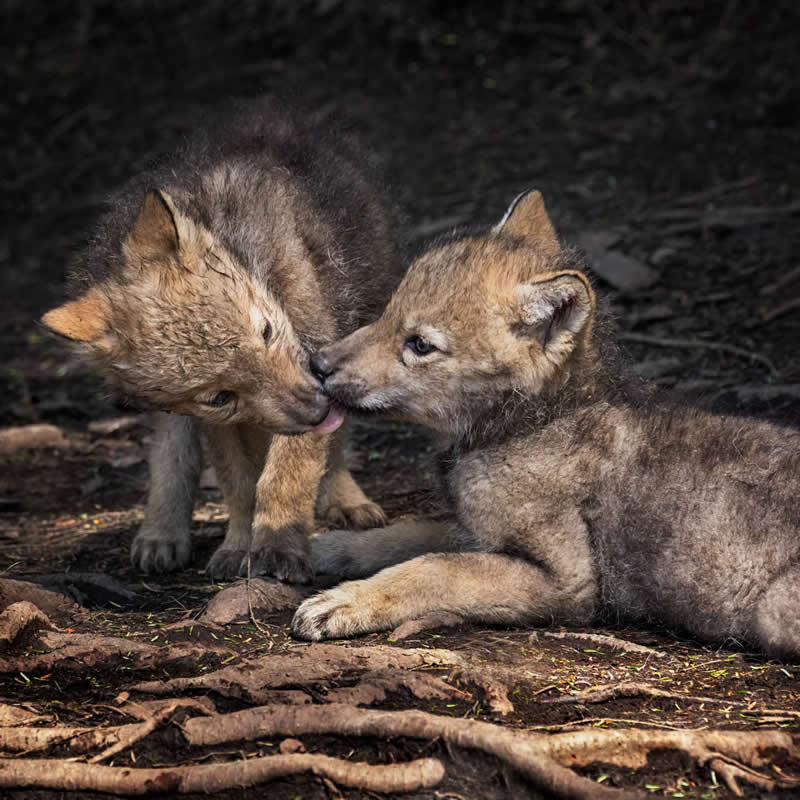
Image Source: Animal Planet
#24. Gliding through your feed. Photo by: Anisah Priyadi
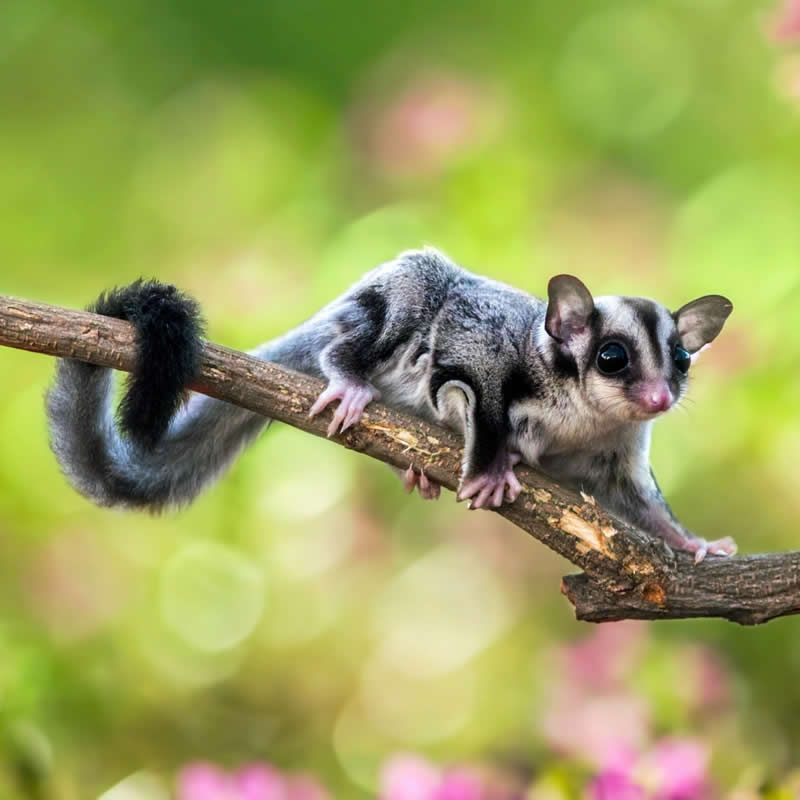
Image Source: Animal Planet
Respect the Wild: Photograph Animals, Don’t Interrupt Them
The most important wildlife photography rule is simple: the animal comes first. No photograph is worth stressing, frightening, or disrupting a wild creature. Learn about the species you’re photographing, understand its space and habits, and know when to back off. The strongest wildlife images often come from respectful observation rather than getting dangerously close.
- Keep a safe distance from wildlife.
- Never bait or harass animals for a photograph.
- Learn local wildlife guidelines before shooting.
- Understand breeding and nesting behavior.
- Put conservation and animal welfare first.
#25. Nails on fleek. Photo by: Jurgen & Christine Sohns
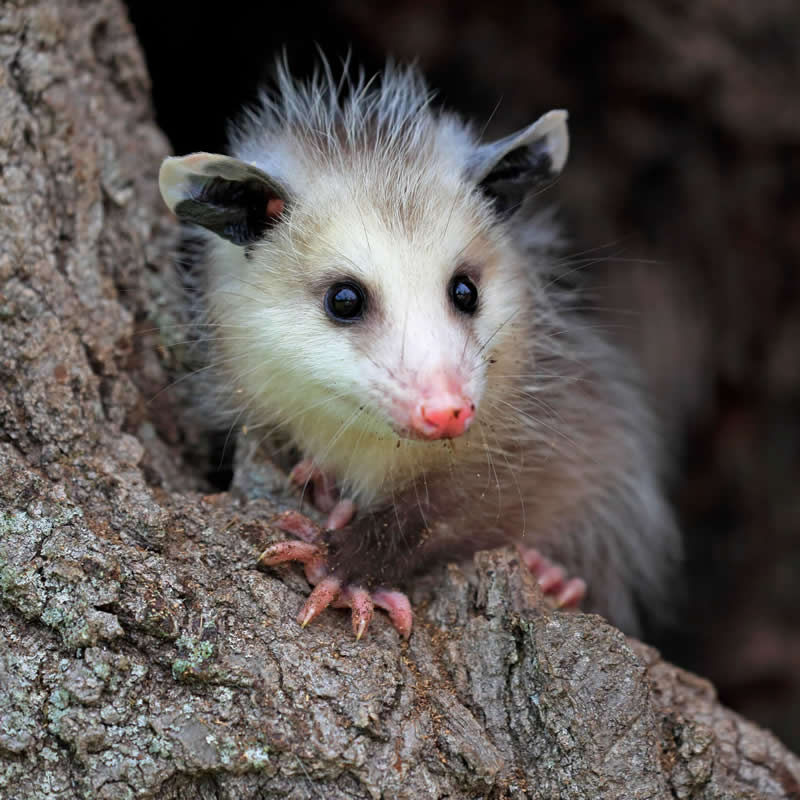
Image Source: Animal Planet
#26. Owl. Photo by: Jose A. Bernat Bacete
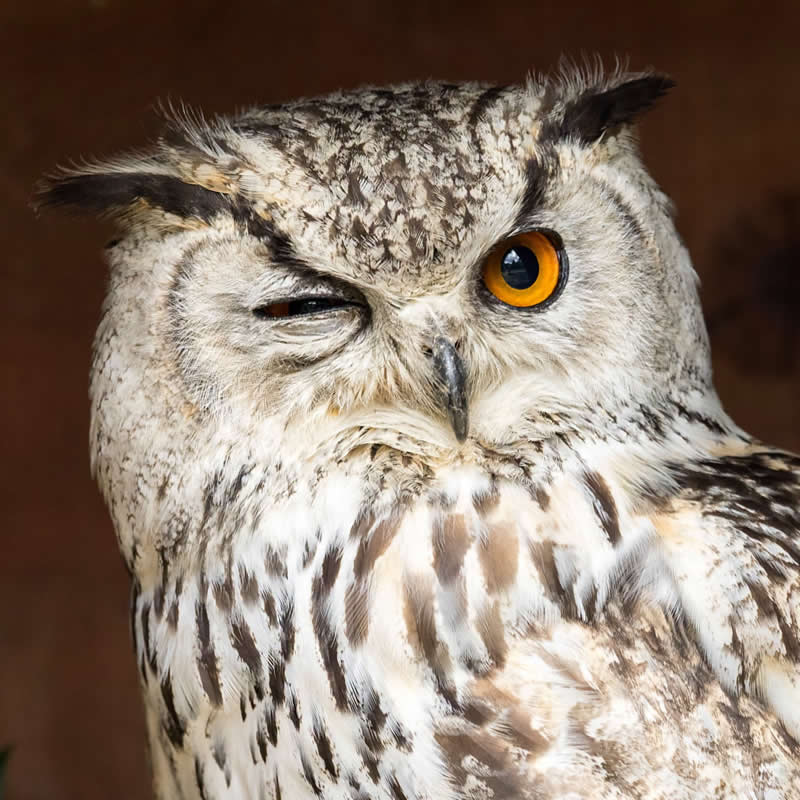
Image Source: Animal Planet
#27. Just a little guy. Photo by: Alan Tunnicliffe
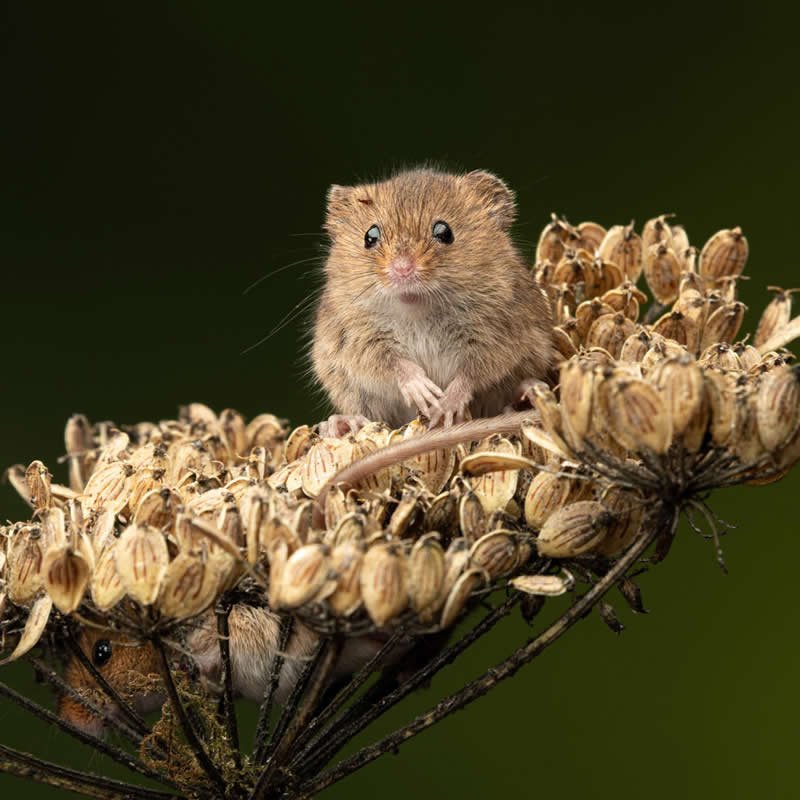
Image Source: Animal Planet
#28. Beauty in motion. Photo by: Juan Carlos Vindas
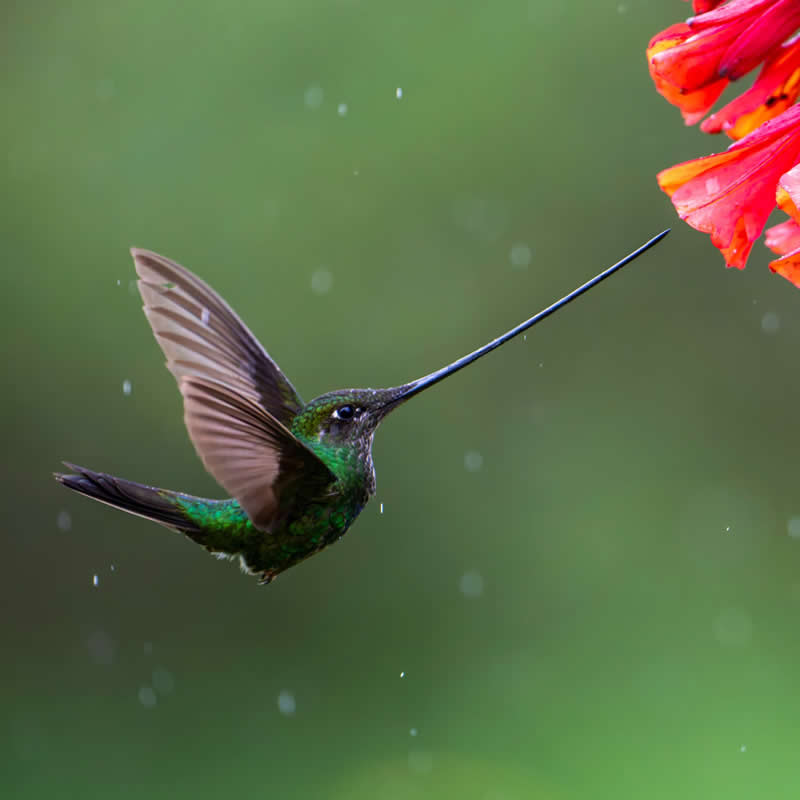
Image Source: Animal Planet
#29. I’ll be here all day. Photo by: Majd Forrest
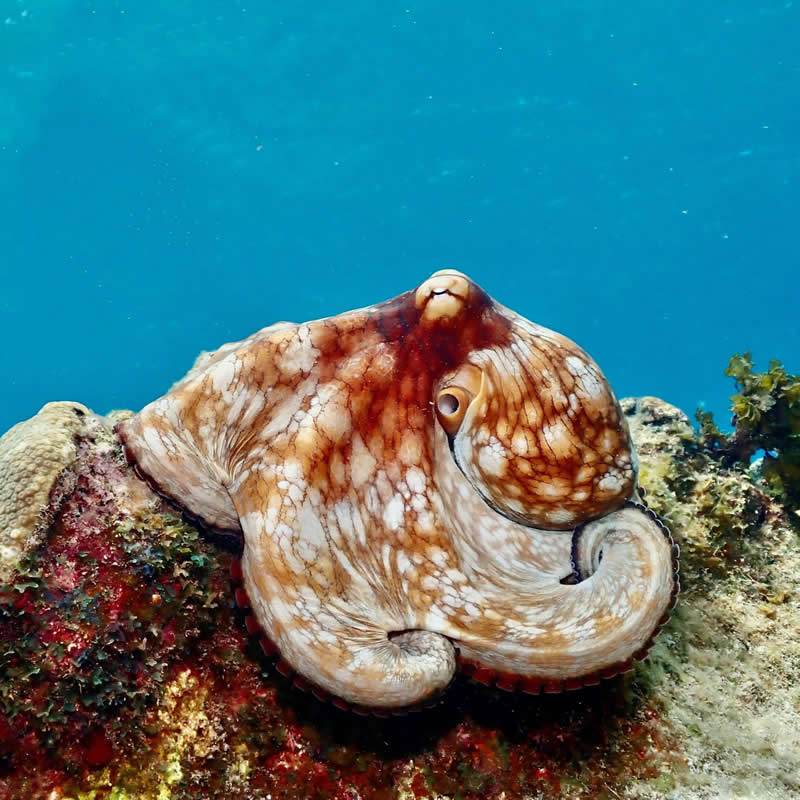
Image Source: Animal Planet
#30. Home sweet anemone. Photo by: Andrei Savin
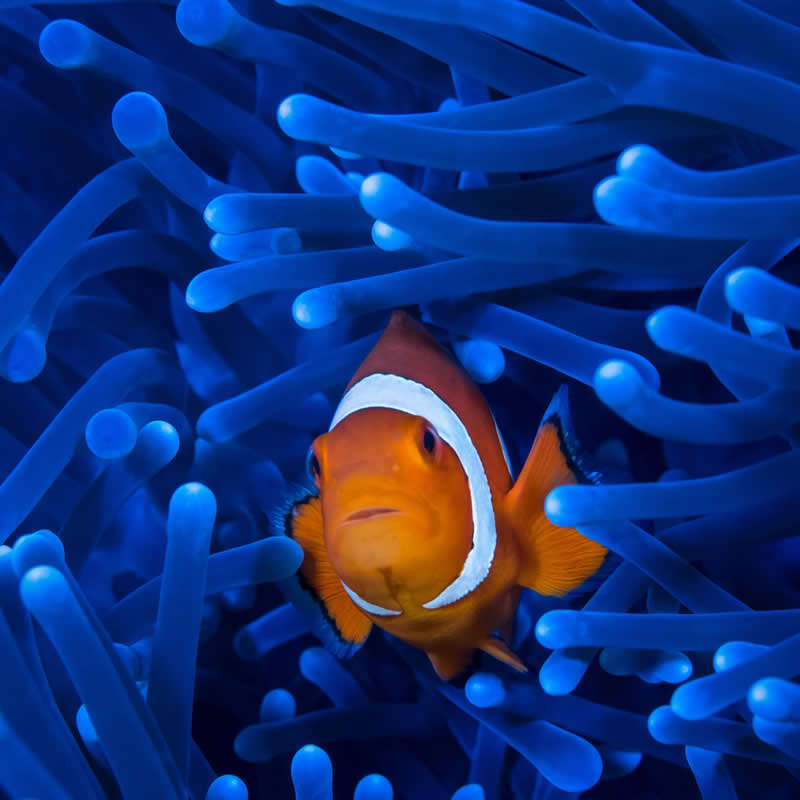
Image Source: Animal Planet
#31. Baby turtle incoming. Photo by: Mitchell Pettigrew
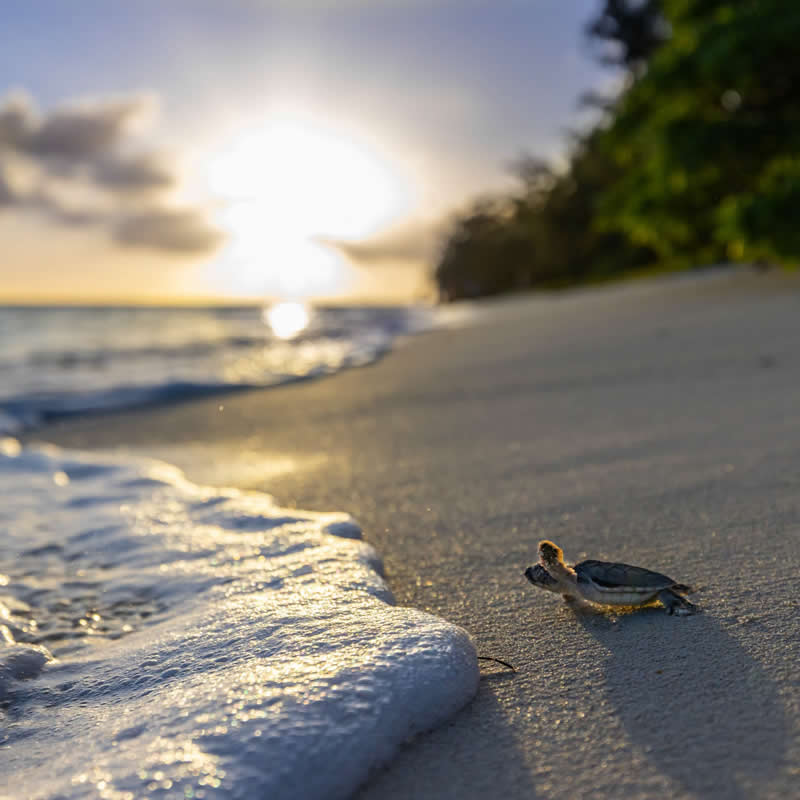
Image Source: Animal Planet
Editor Summary: What These Animal Photographs Teach Us
These 31 photographs show why wildlife photography is so much more than clicking a shutter. They encourage photographers to slow down, pay attention, and understand the creatures in front of them. Every image can teach something—from timing and composition to patience and respect. Most importantly, great wildlife photography should celebrate animals without getting in their way.
- Observation creates better opportunities.
- Patience helps reveal authentic moments.
- Good gear supports strong technique.
- Species knowledge improves anticipation.
- Respect for wildlife should always come first.