Photography can make us stop scrolling. It can make us remember someone we never met, feel the weight of a moment we missed, or suddenly see an ordinary street in a completely different way. That’s the magic of a great photograph. But behind those unforgettable frames are photographers who didn’t just take pictures; they changed how the world saw itself.
This World Photography Day, I wanted to go back a little. Before Instagram, before smartphones, before everyone carried a camera in their pocket, these photographers experimented, took risks, walked into uncomfortable places, waited for the perfect light, and sometimes completely broke the rules.
Some photographed war. Others photographed poverty, fashion, landscapes, cities, strangers, families, or simply the quiet beauty of everyday life. Their cameras became more than tools. They became a way of asking questions.
What does a human face tell us? What does a city reveal about the people living in it? Can one photograph change public opinion? Can a picture of a mountain make us care about nature?
Absolutely.
And that’s why remembering these photographers matters. Their work didn’t just fill photo books or museum walls. It changed visual culture. It influenced generations of photographers and taught us all to look a little closer.
So grab your coffee, take a few minutes, and let’s remember 15 photographers who helped shape the way we see this world.
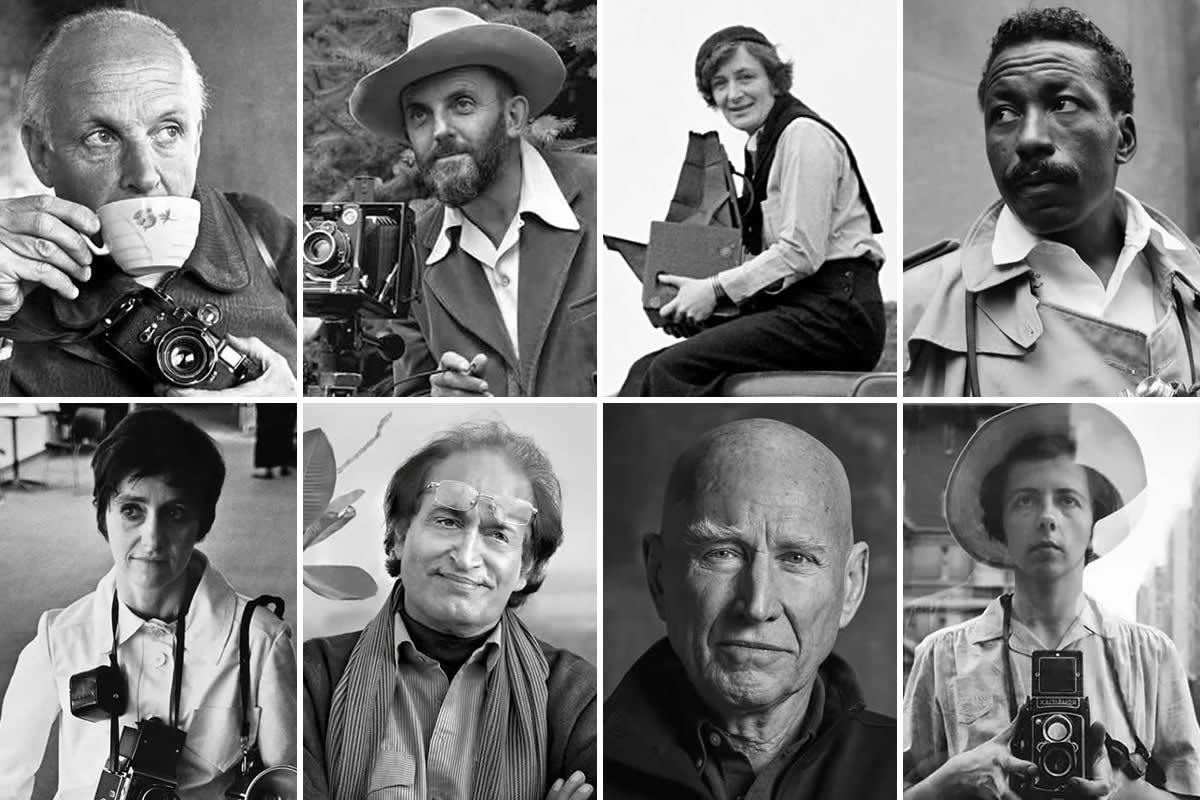
1. Henri Cartier-Bresson: The Master of the Decisive Moment
Henri Cartier-Bresson taught generations of photographers that sometimes the best photograph exists for only a fraction of a second. His candid street images combined timing, geometry, instinct, and human behavior. He made ordinary moments feel almost cinematic.
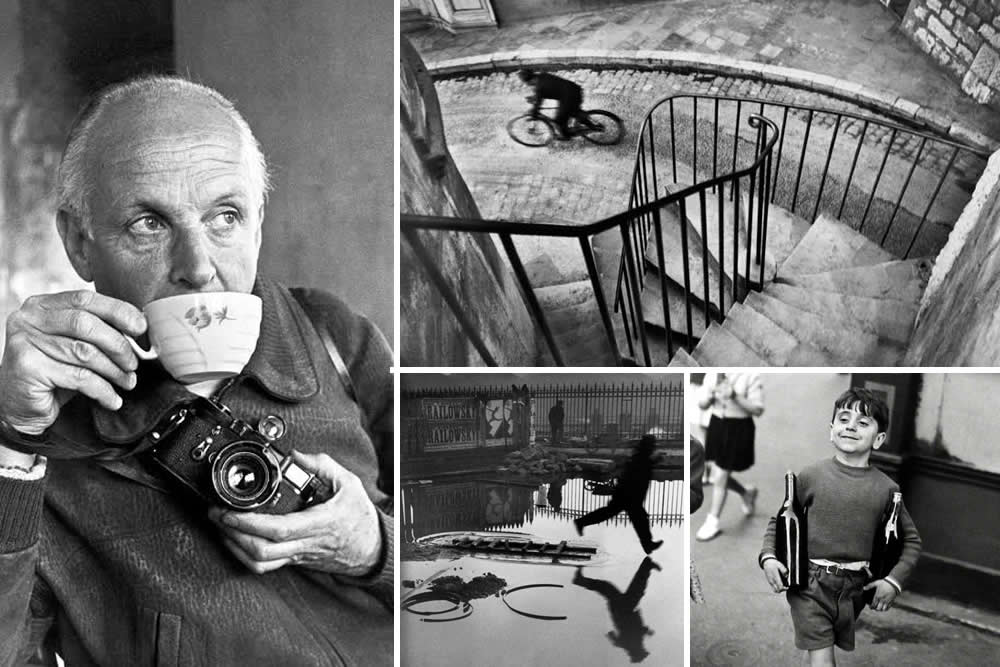
Why we should remember him:
- Popularized the idea of the "decisive moment."
- Helped establish modern street photography.
- Co-founded Magnum Photos.
- Influenced generations of documentary photographers.
- Proved that patience and observation can matter more than equipment.
2. Ansel Adams: The Photographer Who Made Mountains Speak
Ansel Adams didn’t just photograph landscapes. He made people feel the power of wilderness. His dramatic black-and-white photographs of Yosemite and the American West became visual symbols of America’s natural beauty. His technical mastery also pushed photographers to take exposure, printing, and tonal control seriously.
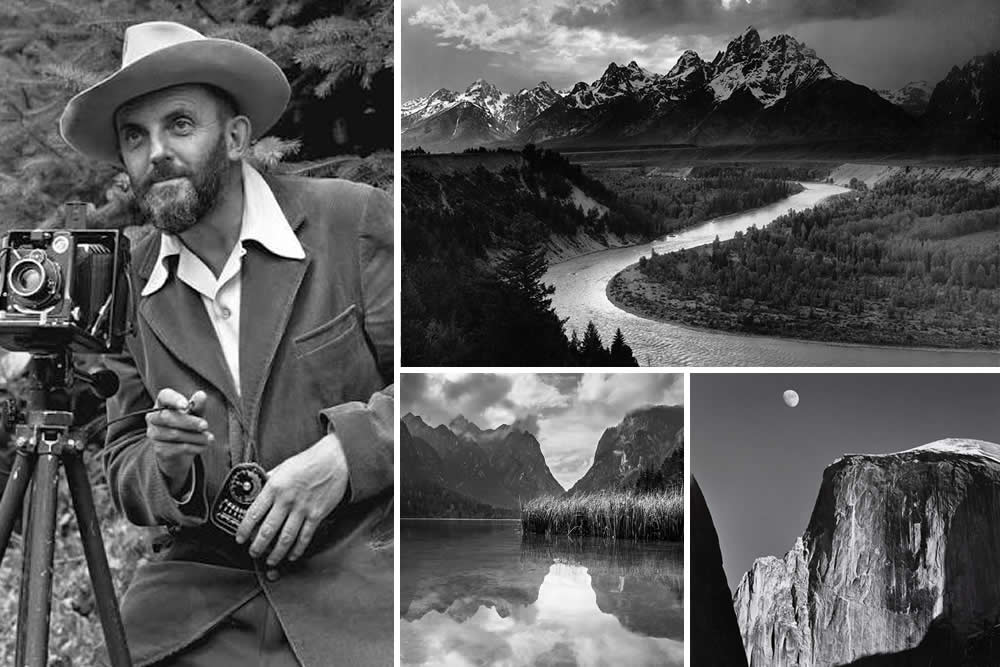
Why we should remember him:
- Redefined landscape photography.
- Created iconic images of the American wilderness.
- Developed the Zone System with Fred Archer.
- Became a major voice for environmental conservation.
- Showed how technical precision can serve artistic emotion.
3. Dorothea Lange: The Camera That Looked at People
Dorothea Lange understood something powerful: a photograph doesn’t need spectacle to be unforgettable. During the Great Depression, she photographed displaced families, workers, and struggling communities with extraordinary humanity. Her famous image Migrant Mother became one of the defining photographs of American history.
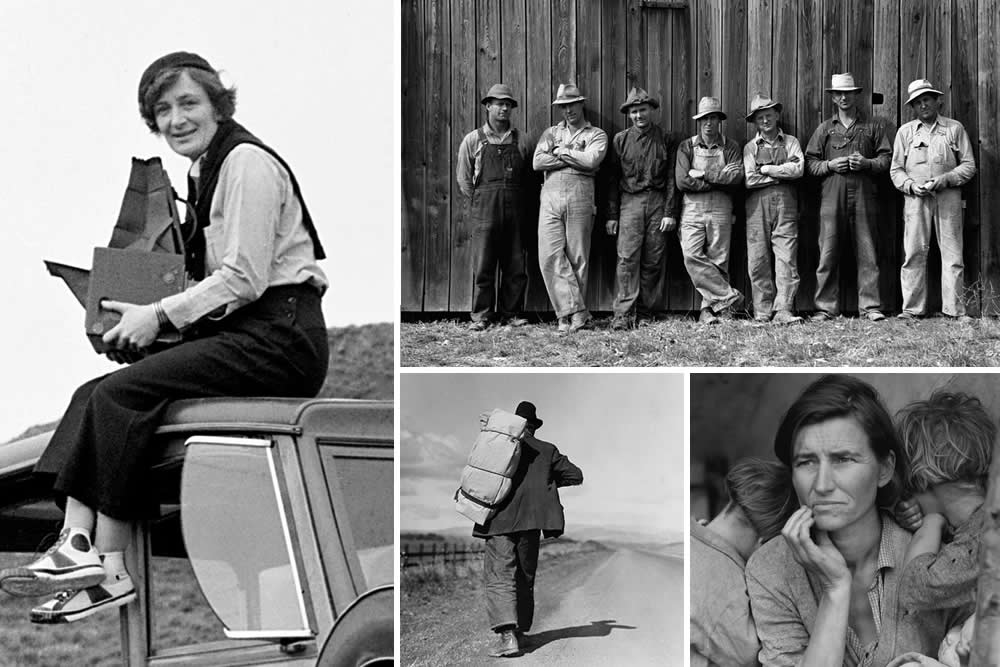
Why we should remember her:
- Documented the human cost of the Great Depression.
- Created one of photography’s most recognizable portraits.
- Used photography as social commentary.
- Gave dignity to people living through hardship.
- Demonstrated photography’s power to influence public awareness.
4. Robert Capa: Get Close to the Story
Robert Capa wasn’t interested in watching history from a safe distance. He went where the action was. His work made war photography intensely personal, especially his photographs from the Spanish Civil War and D-Day. His famous philosophy about getting closer became almost a rulebook for documentary photography.
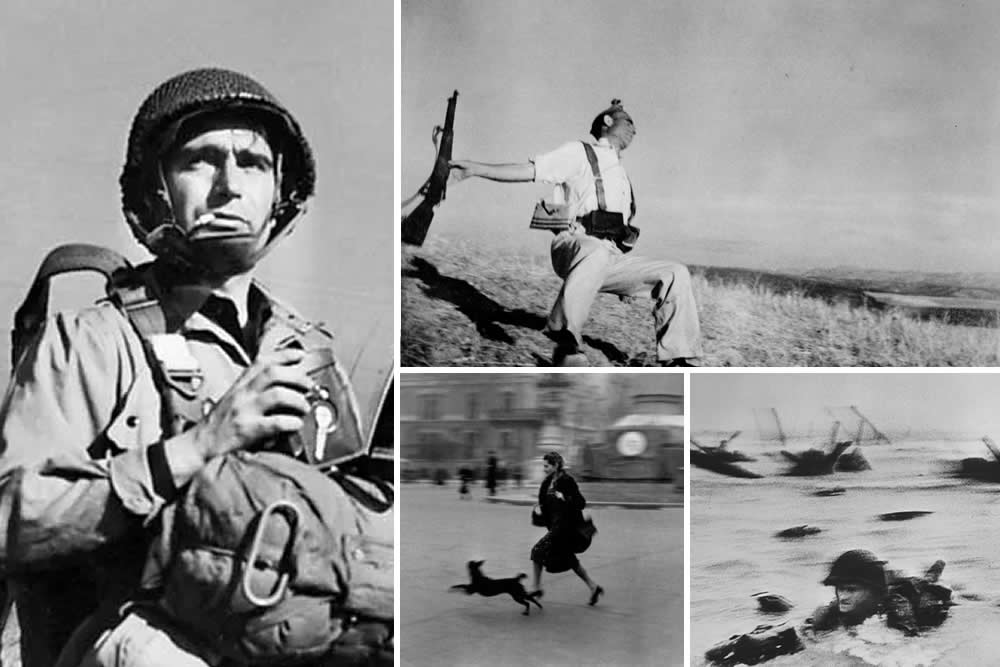
Why we should remember him:
- Transformed war photography.
- Covered several major conflicts.
- Co-founded Magnum Photos.
- Showed the emotional reality of combat.
- Inspired photographers to physically and emotionally engage with their subjects.
5. Gordon Parks: Photography With a Purpose
Gordon Parks was much more than a photographer. He was a filmmaker, writer, composer, and storyteller who used his camera to confront racism, poverty, inequality, and identity. His photographs were often beautifully composed, but their beauty never distracted from the deeper story underneath.
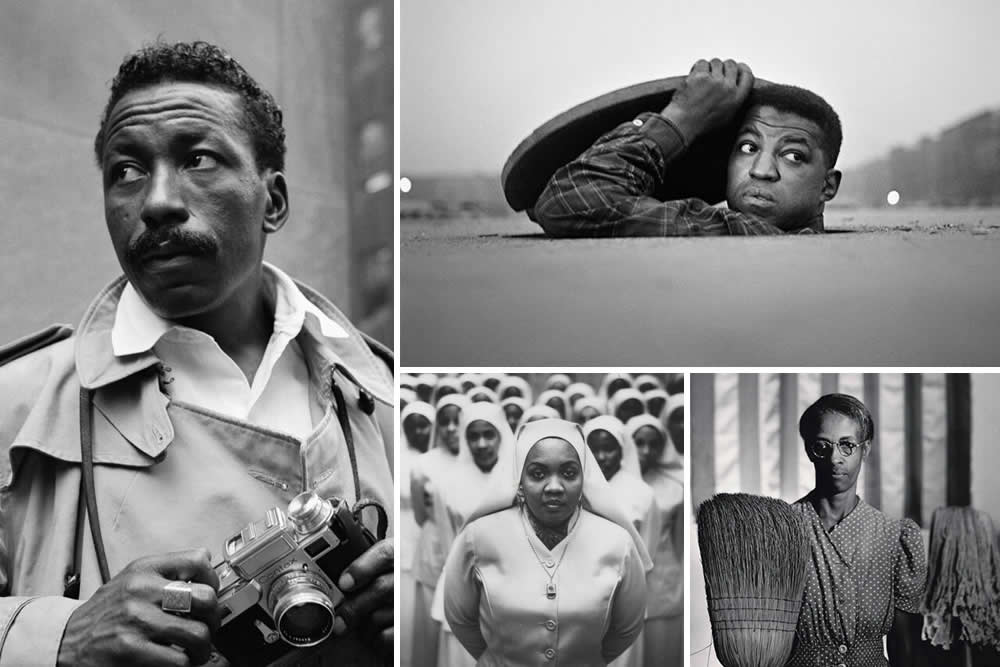
Why we should remember him:
- Documented racial inequality in America.
- Became the first Black photographer hired by Life magazine.
- Combined journalism with personal storytelling.
- Created powerful portraits of American life.
- Opened doors for generations of Black photographers.
6. Vivian Maier: The Street Photographer Nobody Knew
Vivian Maier’s story sounds almost impossible. She spent decades photographing people and places, yet much of her work remained unknown during her lifetime. Thousands of negatives were eventually discovered, revealing an extraordinary street photographer with a sharp eye for gesture, expression, reflection, and everyday drama.
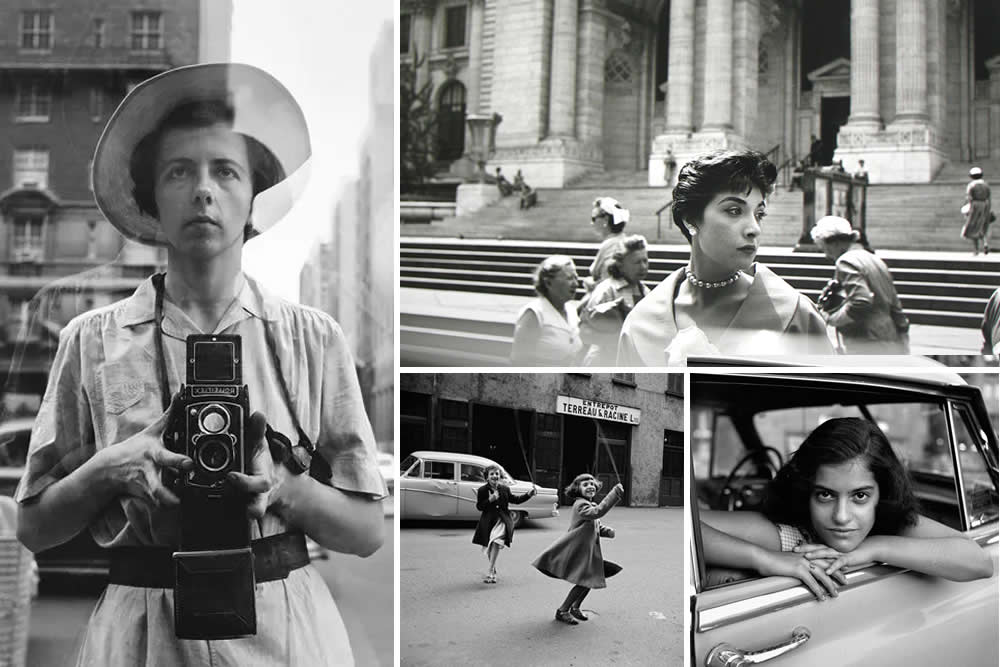
Why we should remember her:
- Became one of the most fascinating discoveries in photography.
- Captured intimate moments of everyday urban life.
- Had an extraordinary eye for composition.
- Made self-portraits through reflections and shadows.
- Reminded us that great photography doesn’t always need an audience immediately.
7. Diane Arbus: Finding the Extraordinary in the Unusual
Diane Arbus had a distinctive way of looking at people who were often ignored, misunderstood, or pushed to the edges of society. Her portraits can feel uncomfortable, strange, funny, and deeply human all at once. She challenged viewers to reconsider what they thought a portrait was supposed to be.
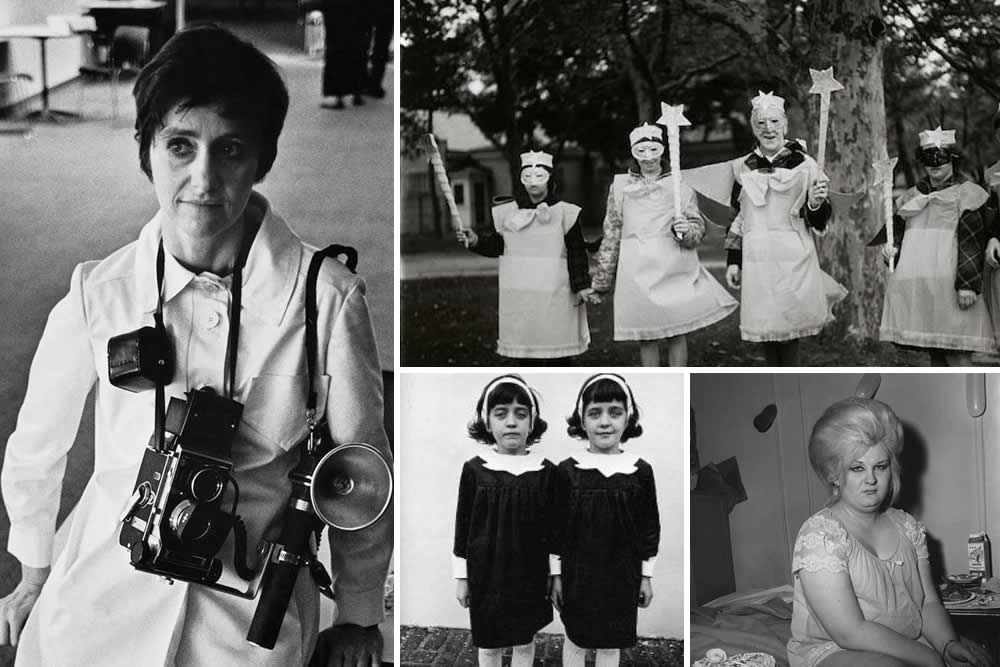
Why we should remember her:
- Expanded the boundaries of portrait photography.
- Focused on people outside conventional social norms.
- Created psychologically intense portraits.
- Challenged ideas of beauty and normality.
- Influenced contemporary portrait photographers worldwide.
8. Alfred Stieglitz: Photography Becomes Art
At one point, photography still had to fight for recognition as a serious art form. Alfred Stieglitz was one of the people pushing hardest against that idea. Through his photographs, exhibitions, publications, and galleries, he helped establish photography as an important artistic medium.
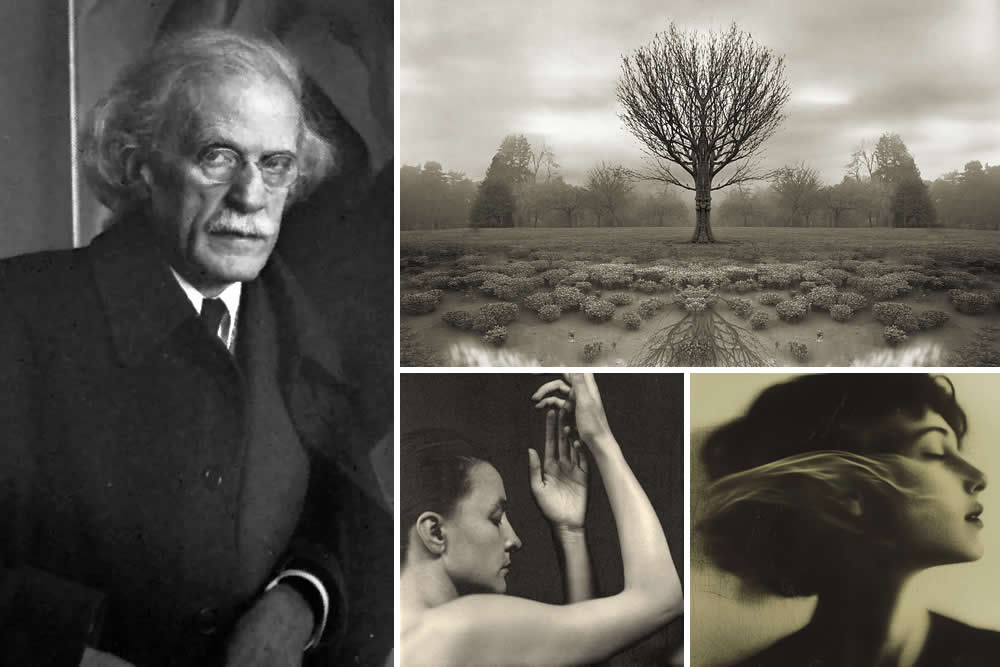
Why we should remember him:
- Fought for photography’s recognition as fine art.
- Helped introduce modern art to American audiences.
- Founded influential photography organizations and publications.
- Supported emerging artists and photographers.
- Helped bridge photography and modern art.
9. Raghu Rai: The Soul of Indian Photography
Raghu Rai has spent decades photographing India with an eye that feels both intimate and unmistakably honest. From crowded streets and political moments to quiet portraits and everyday life, his photographs reveal the country’s contradictions, emotions, and incredible visual energy. He doesn’t simply document India, he makes you pause and really look at it.
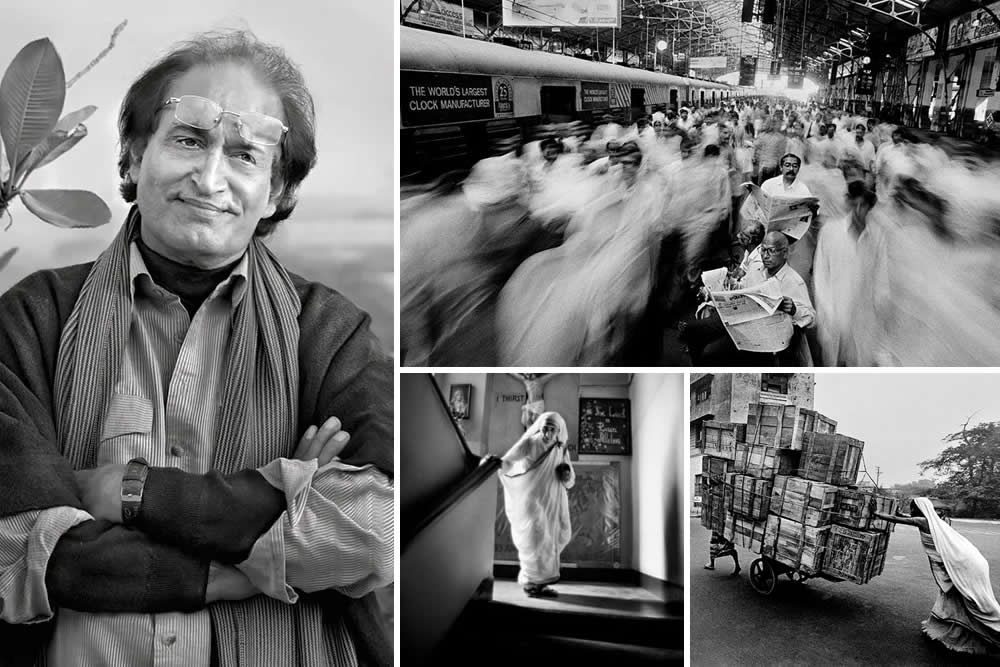
Why we should remember him:
- Became one of India’s most influential photographers.
- Captured India’s people, politics, landscapes, and everyday life.
- Created powerful visual records of major historical moments.
- Joined Magnum Photos and gained international recognition.
- Showed how documentary photography can be deeply personal and poetic.
10. Eadweard Muybridge: The Man Who Made Motion Visible
How does a horse actually move when it runs? That sounds like a simple question, but Eadweard Muybridge’s experiments helped answer it with photography. His sequential images broke movement into individual frames and became hugely important to the development of motion studies and, eventually, cinema.
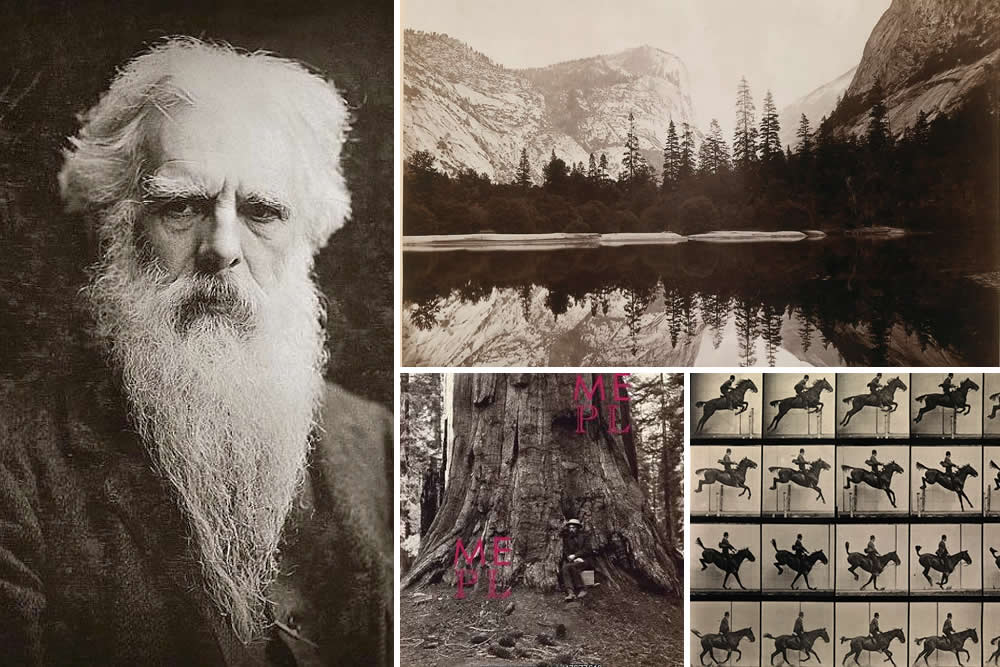
Why we should remember him:
- Pioneered photographic studies of motion.
- Used sequential photography to analyze movement.
- Influenced the development of cinema.
- Expanded photography beyond single images.
- Showed how cameras could reveal things human vision couldn’t easily see.
11. Julia Margaret Cameron: Beautifully Imperfect Portraits
Julia Margaret Cameron didn’t worry too much about making technically perfect photographs. Soft focus, expressive faces, and imperfect details became part of her visual language. Her portraits feel intimate and almost dreamlike, reminding us that technical sharpness isn’t the only path to a powerful image.
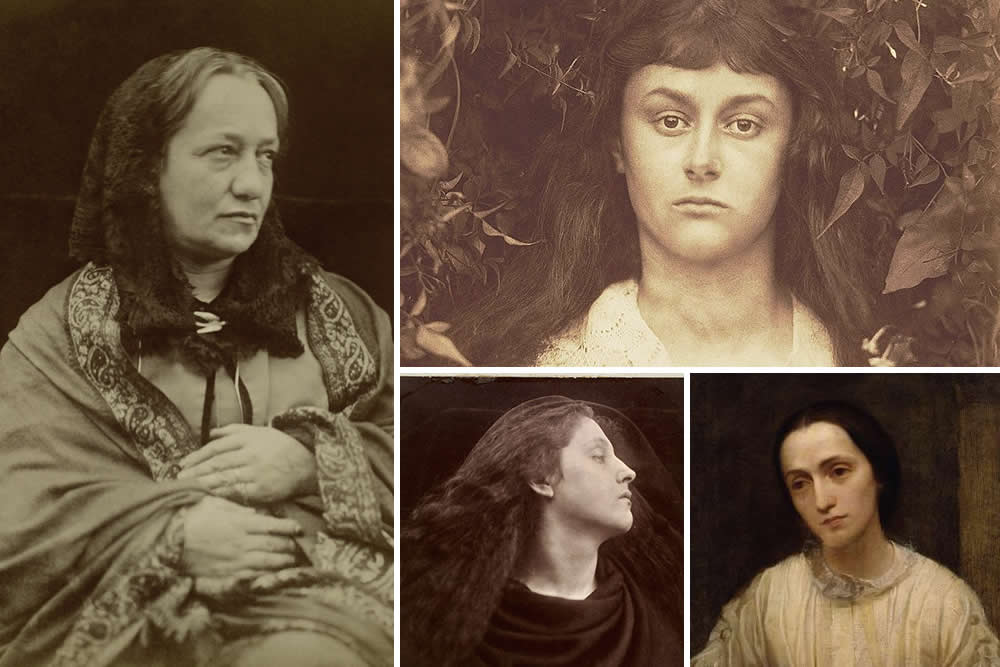
Why we should remember her:
- Became a pioneer of fine-art portrait photography.
- Embraced softness and expressive imperfection.
- Created psychologically powerful portraits.
- Challenged the technical expectations of her era.
- Influenced later generations of artistic photographers.
12. Fan Ho: The Poet of Hong Kong Streets
Fan Ho could turn a back alley, staircase, wall, or beam of sunlight into something almost magical. His black-and-white photographs of Hong Kong are masterclasses in composition, light, geometry, and timing. He didn’t need dramatic subjects. Give him light and a street, and suddenly the ordinary became extraordinary.
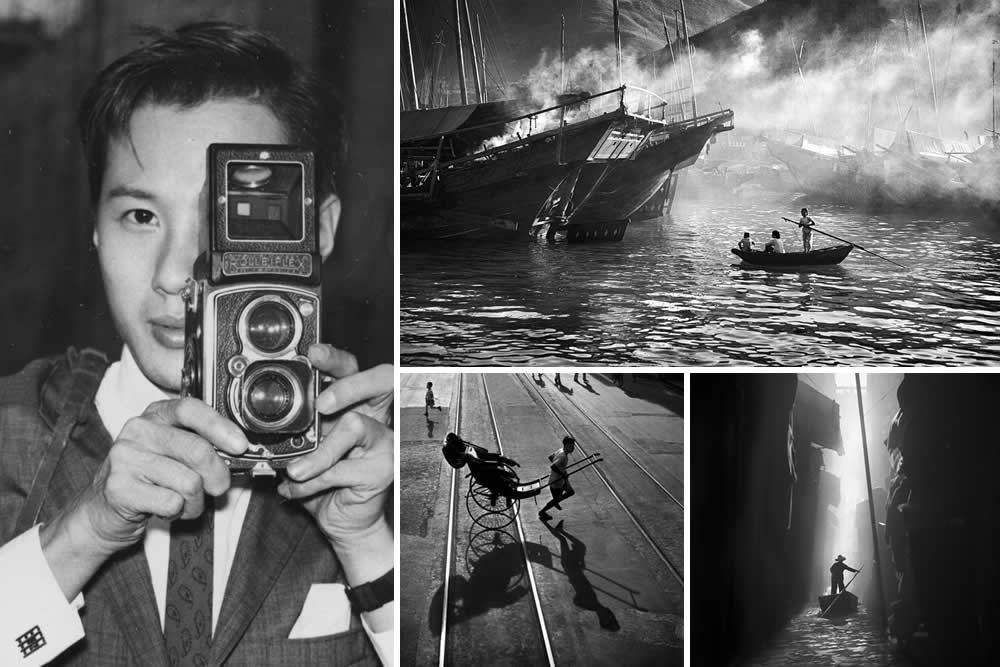
Why we should remember him:
- Created iconic photographs of old Hong Kong.
- Mastered light, shadow, and geometric composition.
- Combined street photography with cinematic storytelling.
- Inspired photographers across generations.
- Proved that atmosphere can transform an ordinary scene.
13. Sebastião Salgado: Humanity Through a Monumental Lens
Sebastião Salgado’s photographs often feel enormous in scale, even when they’re focused on individual people. His long-term projects have documented workers, migration, conflict, poverty, and the natural world. His dramatic black-and-white imagery asks viewers to look closely at humanity without reducing complex lives to simple headlines.
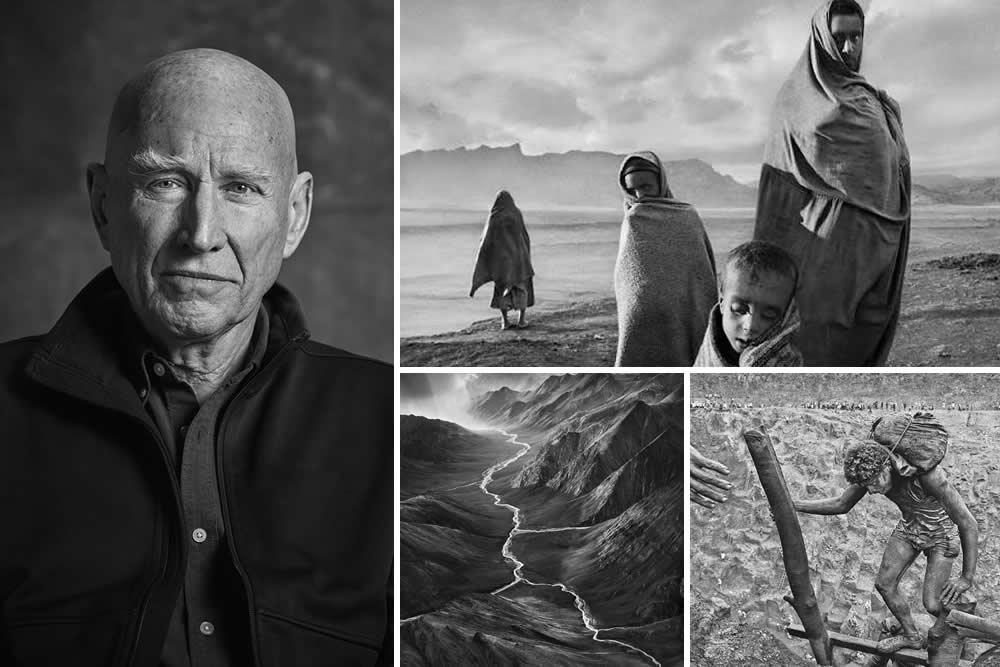
Why we should remember him:
- Created powerful long-term documentary projects.
- Documented workers and communities around the world.
- Used black and white to create monumental visual narratives.
- Combined journalism with fine-art photography.
- Used photography to encourage environmental awareness and social reflection.
14. Steve McCurry: The Face That Stopped the World
Steve McCurry’s portraits and travel photographs have taken viewers across continents, but one image in particular became almost impossible to forget: the piercing gaze of the Afghan Girl. McCurry demonstrated the extraordinary emotional power of color, especially when a face carries a story that words struggle to explain.
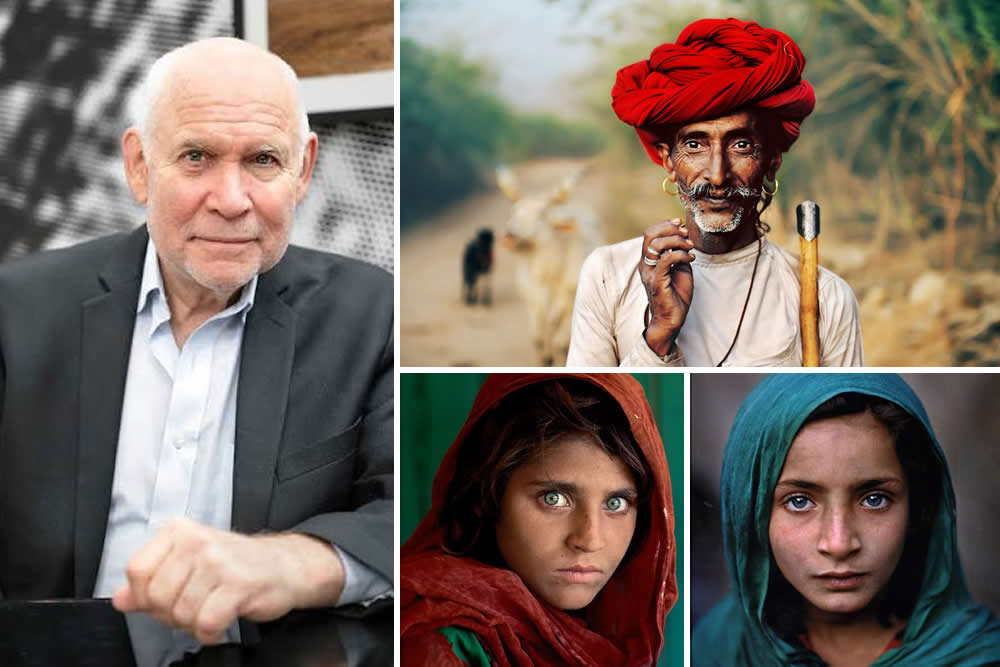
Why we should remember him:
- Created one of the most recognizable modern portraits.
- Covered major international stories as a photojournalist.
- Became known for powerful use of color.
- Connected travel photography with human storytelling.
- Inspired millions of photographers to look beyond postcard-style travel images.
15. W. Eugene Smith: The Photo Essay as a Complete Story
W. Eugene Smith believed a photograph could be powerful, but a carefully constructed body of photographs could say something much bigger. His photo essays combined individual moments into larger narratives. From wartime reporting to deeply personal documentary projects, Smith treated photography as serious storytelling rather than simply collecting pictures.
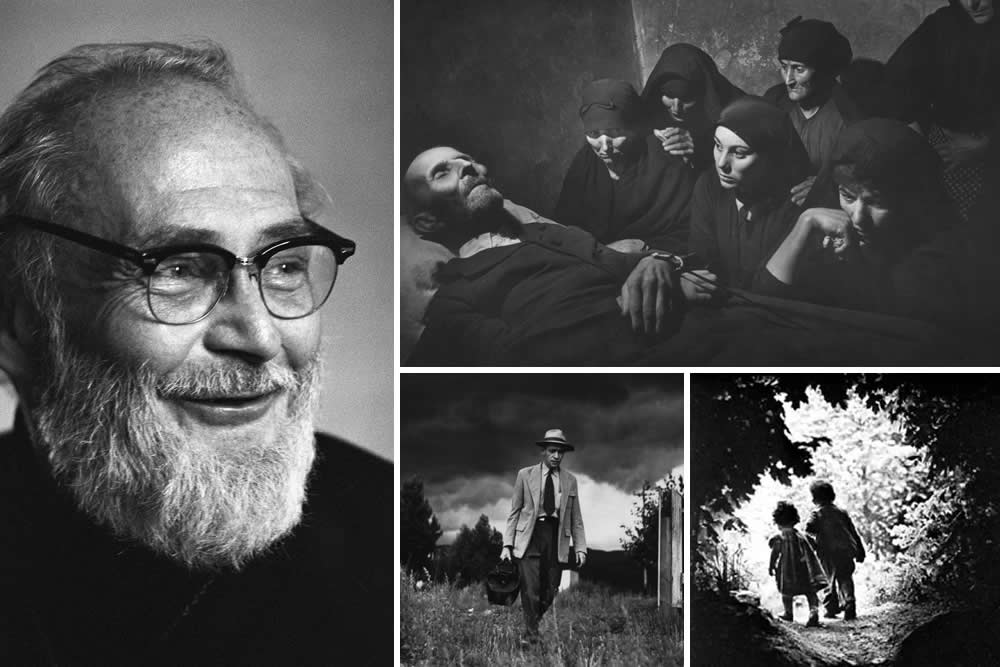
Why we should remember him:
- Helped elevate the modern photo essay.
- Produced deeply immersive documentary projects.
- Covered war and social issues with remarkable intensity.
- Influenced generations of photojournalists.
- Demonstrated how multiple photographs can create one powerful narrative.
Why These Photographers Still Matter
Here’s the thing about photography: technology keeps changing, but the reasons we take pictures really haven’t changed that much.
We still want to remember people. We still want to freeze moments. We still want to show beauty, expose injustice, document history, and make someone stop for a second and say, "Wow."
These photographers understood that long before smartphones made photography part of everyday life.
Some changed the way we photograph people. Some changed landscapes. Some documented history. Others challenged what photography could even be.
And that’s why World Photography Day isn’t just about celebrating cameras, lenses, or beautiful pictures.
It’s about celebrating the people who taught us how to see.
Because once you’ve seen the world through Cartier-Bresson’s timing, Adams’ landscapes, Lange’s humanity, Fan Ho’s light, or Parks’ storytelling, you don’t quite look at ordinary life the same way again.
Maybe that’s the greatest gift a photographer can leave behind.
Not a photograph.
A new way of seeing.