
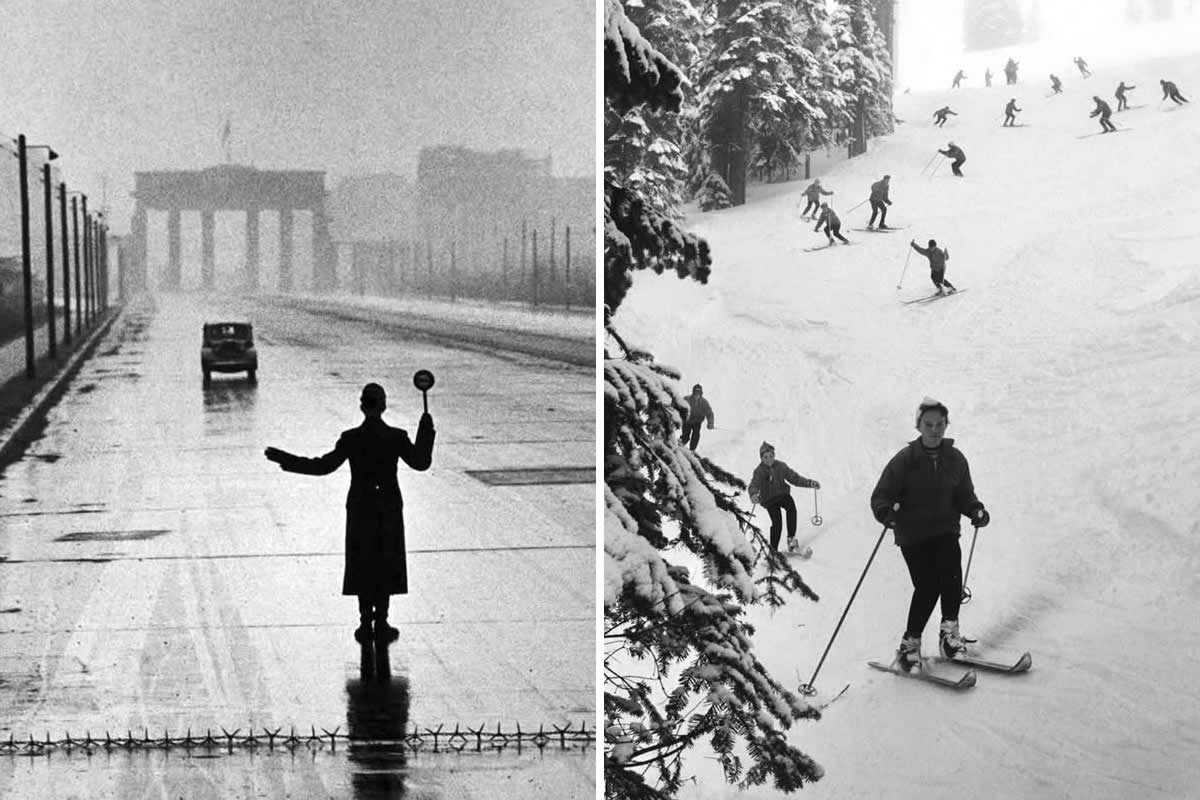
Every now and then, you come across a photographer whose work doesn’t just impress you, it stays with you. That’s exactly how I feel about Ralph Crane.
The first time I spent serious time studying his photographs, I wasn’t looking at camera techniques or wondering what equipment he used. I was looking at people. Real people. Living real lives. And somehow, Crane had a gift for making ordinary moments feel unforgettable.
Born in Germany in 1913, Ralph Crane wasn’t supposed to become a photographer at all. His father and grandfather were physicians, and the expectation was pretty clear: follow the family tradition. But life had other plans. Drawn to photography through his father’s hobby, young "Rudi" Crane eventually found work carrying equipment for Wide World Photo. That small opportunity led to a remarkable journey that would eventually bring him to the United States, to Black Star Agency, and, finally, to LIFE magazine in 1951.
What fascinates me most is that Crane could photograph almost anything. Celebrities. Scientists. Workers. Families. Every day people. Yet no matter the assignment, his photographs always felt alive.
As an editor, I learned something important from his work. Great photography isn’t about chasing dramatic subjects. It’s about paying attention. It’s about observing people, understanding behavior, and recognizing small moments others overlook.
Looking at Ralph Crane’s photographs feels like opening a time capsule of human life. And somehow, decades later, those stories still feel incredibly relevant.
#1.
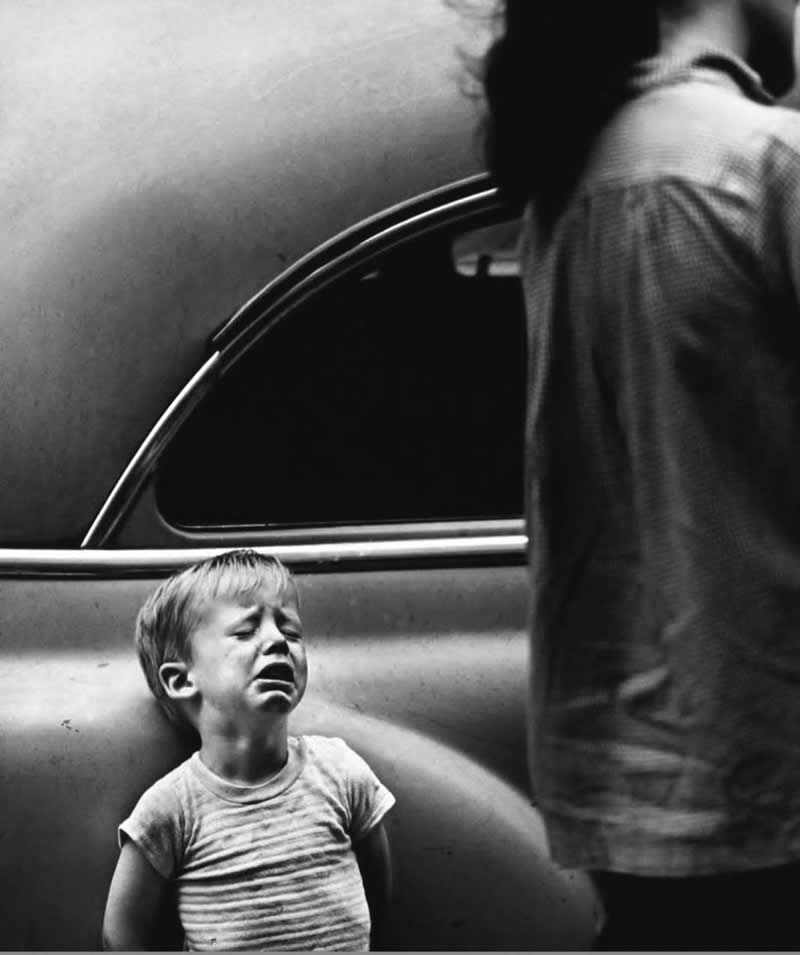
© Ralph Crane
#2.
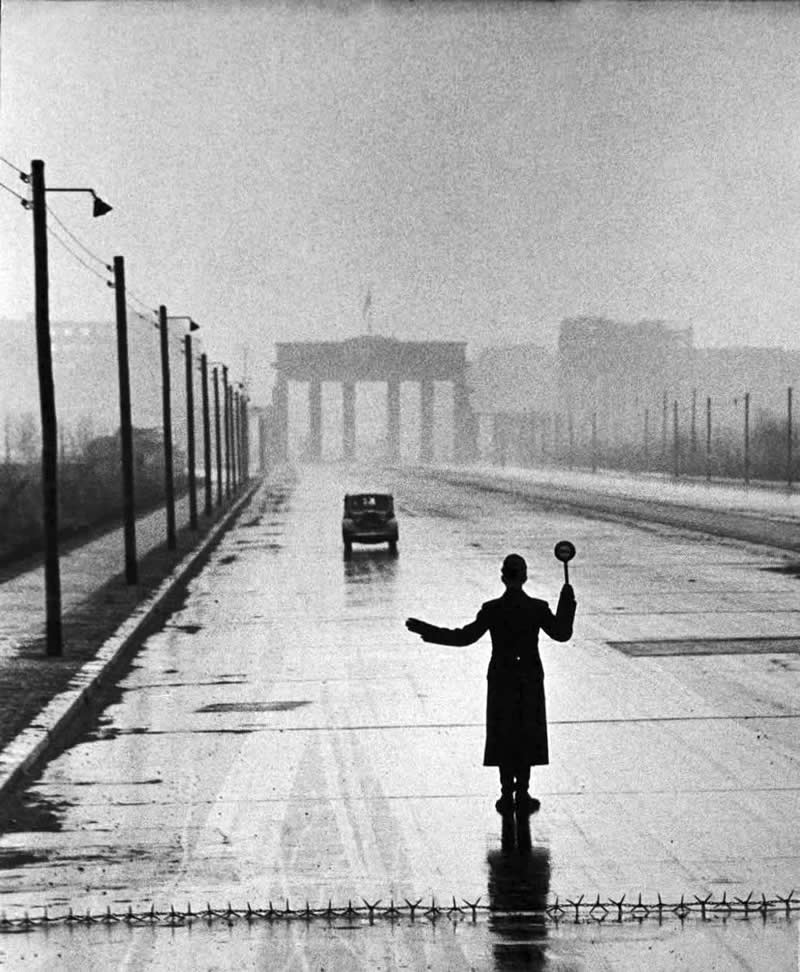
© Ralph Crane
#3.
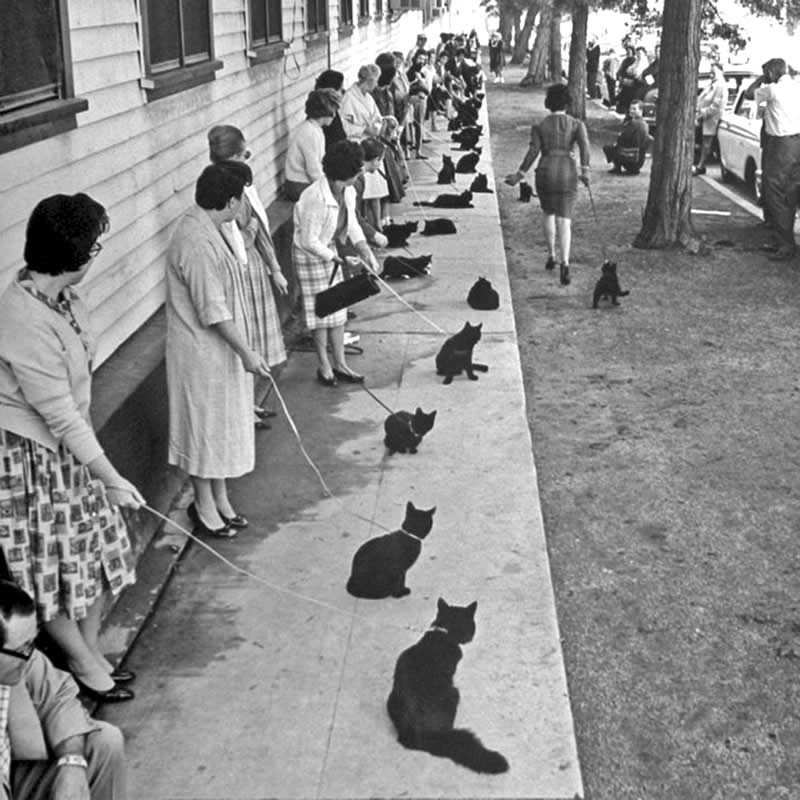
© Ralph Crane
#4.
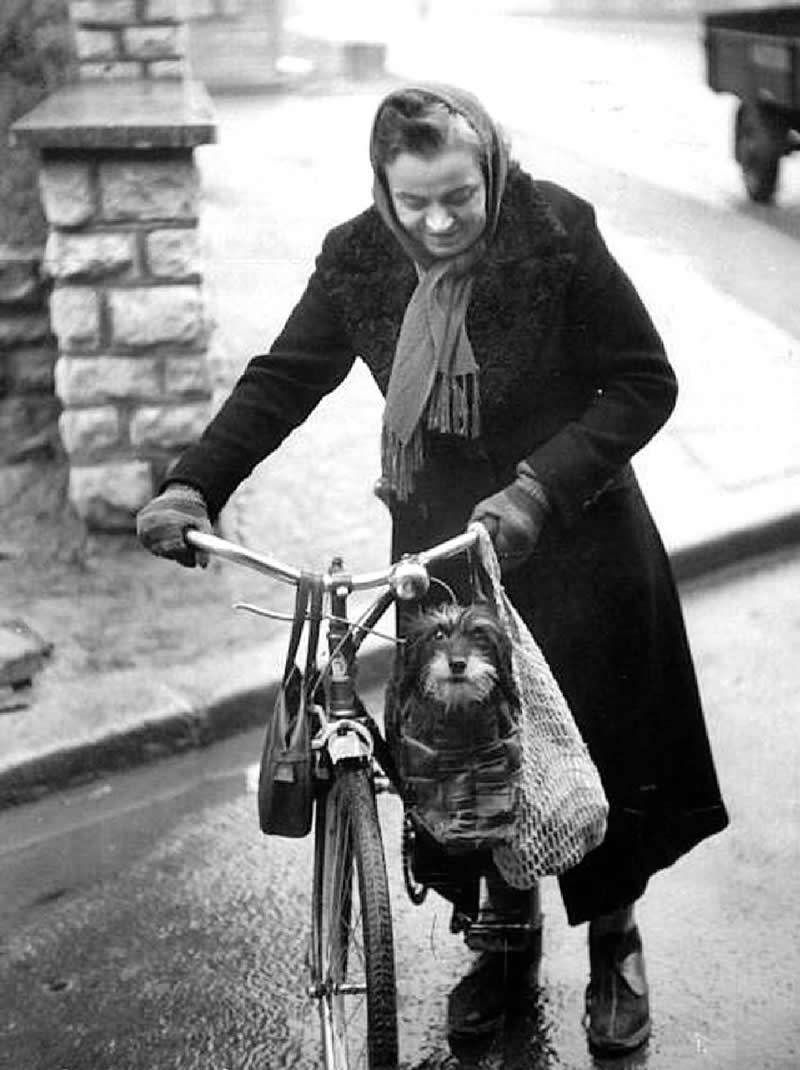
© Ralph Crane
#5.
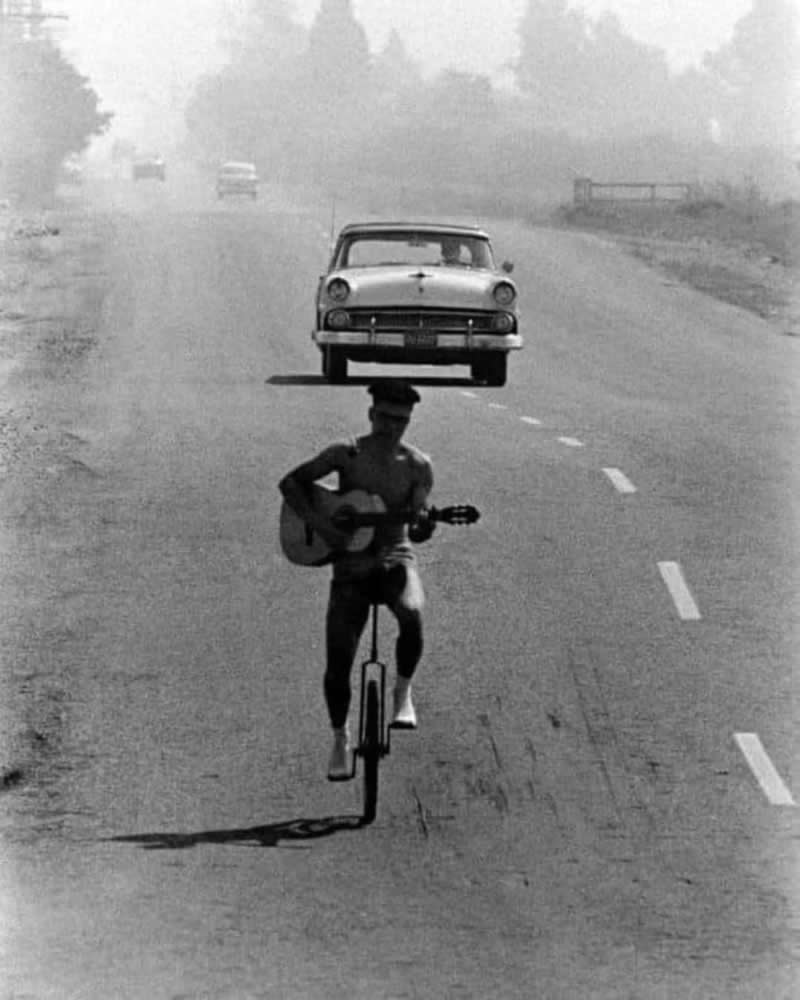
© Ralph Crane
Ralph Crane Had an Eye for Human Nature
One thing I immediately observed in Crane’s photography was his understanding of people.
Not just their appearance. Their behavior. Their habits. Their emotions.
His photographs often feel like moments stolen from everyday life, yet they never feel intrusive. That’s a difficult balance to achieve. Many photographers document people, but Crane seemed to understand them.
You can see it in the way subjects interact with their surroundings. The way they move. The way they pause. The way they naturally occupy a space.
That’s what separates documentary photography from simple observation.
Looking through his work reminds me that photography is often less about cameras and more about curiosity. Why do people do what they do? How do they react when nobody thinks they’re being watched?
Crane constantly explored those questions.
And because he genuinely cared about human stories, viewers still connect with his images decades later.
#6.
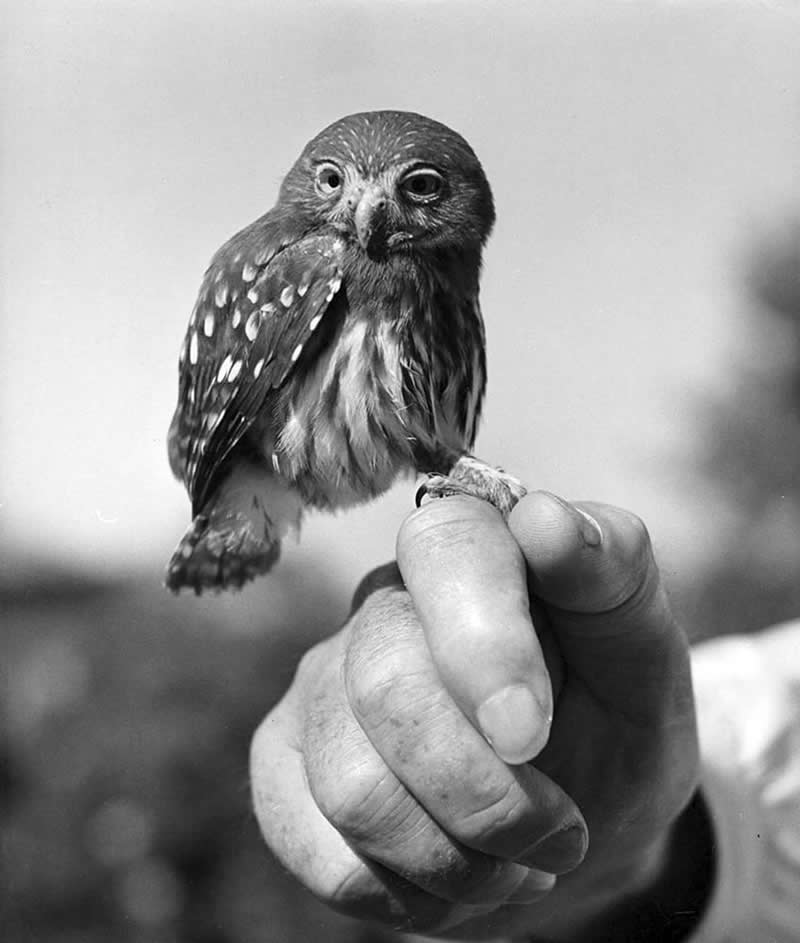
© Ralph Crane
#7.
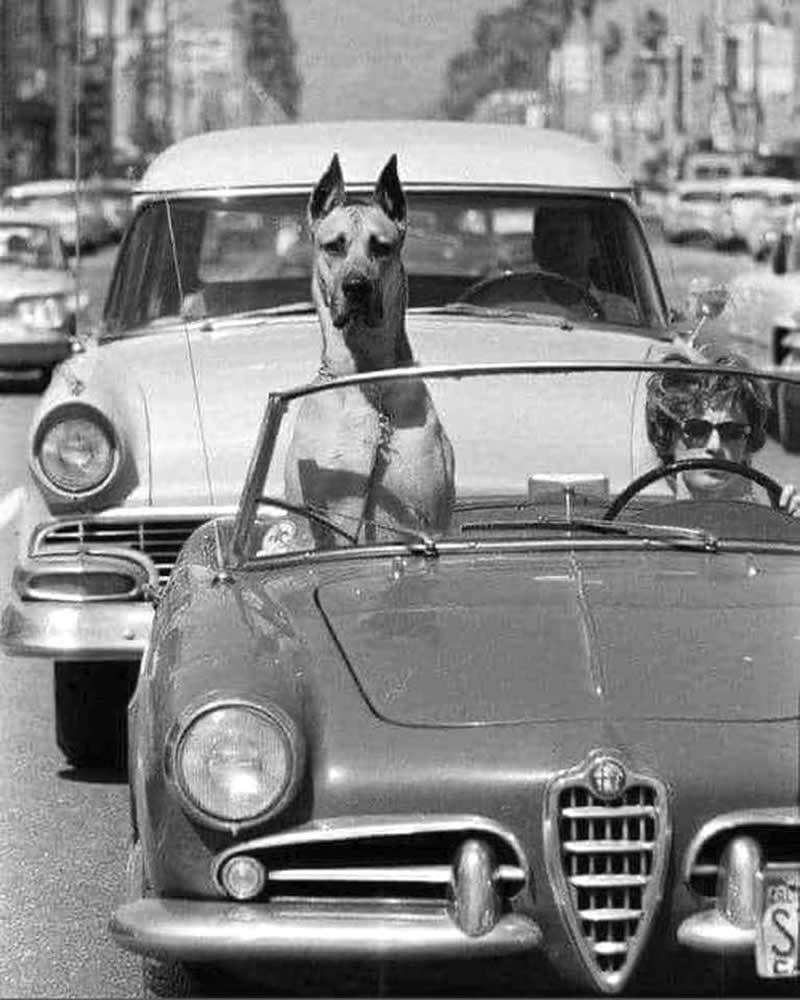
© Ralph Crane
#8.
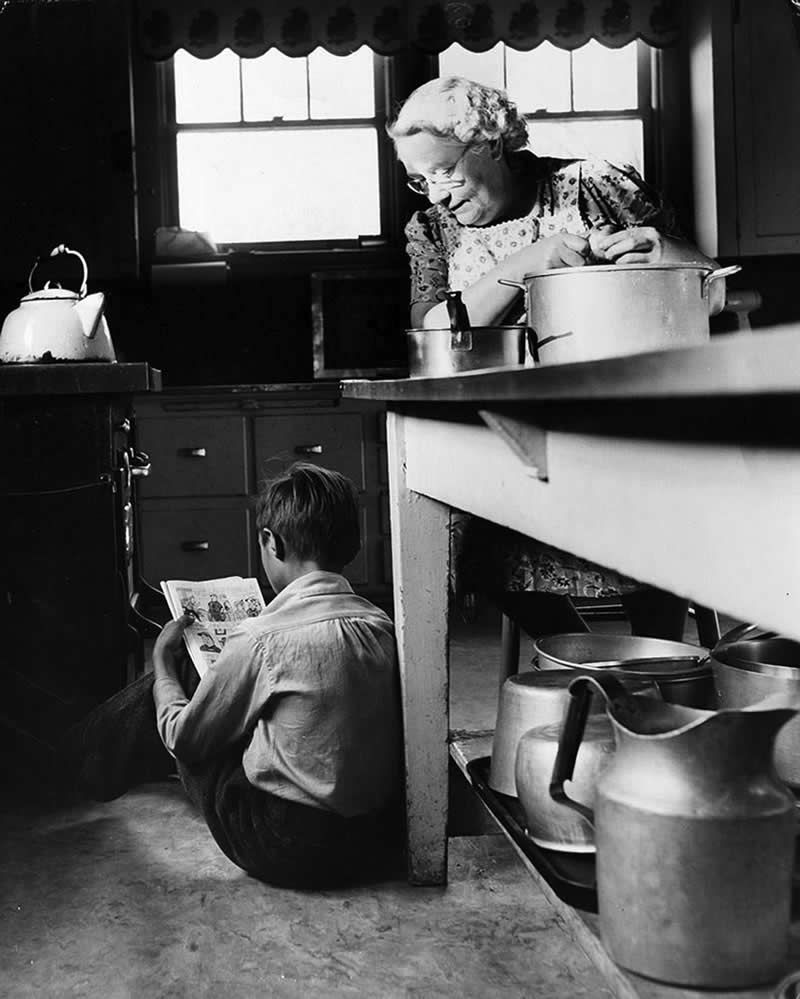
© Ralph Crane
#9.
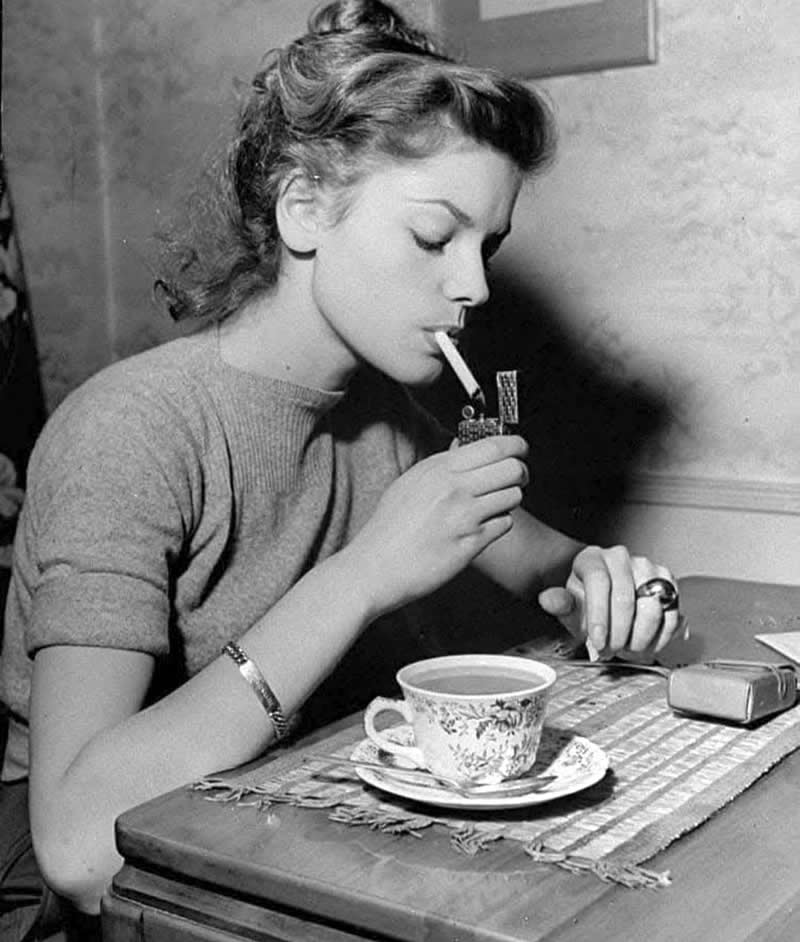
© Ralph Crane
#10.
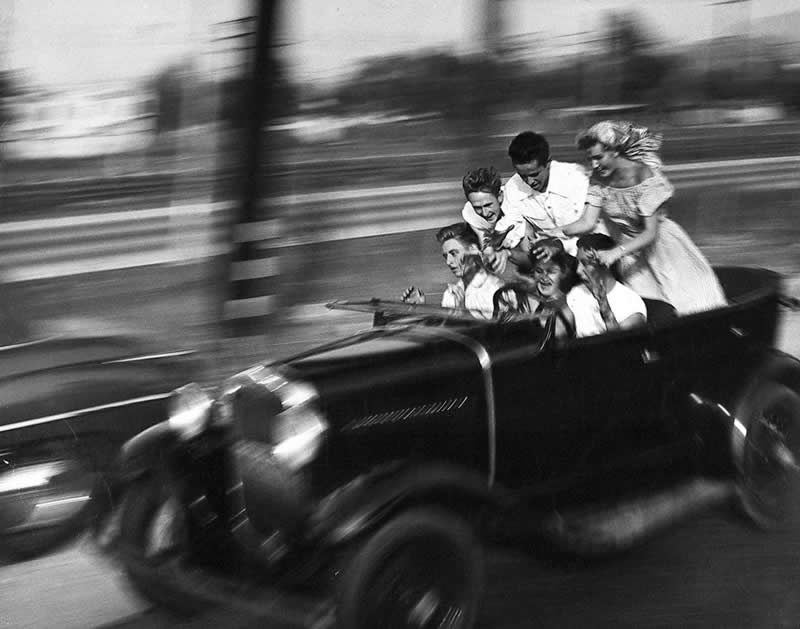
© Ralph Crane
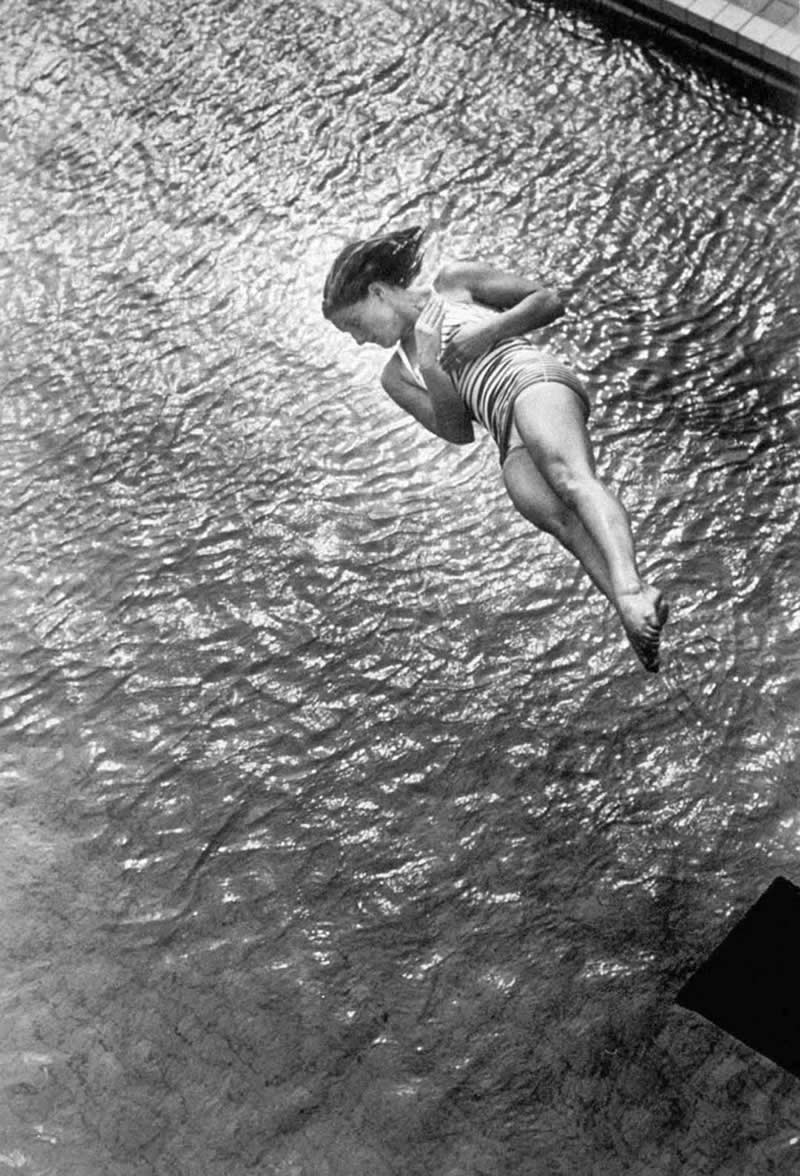
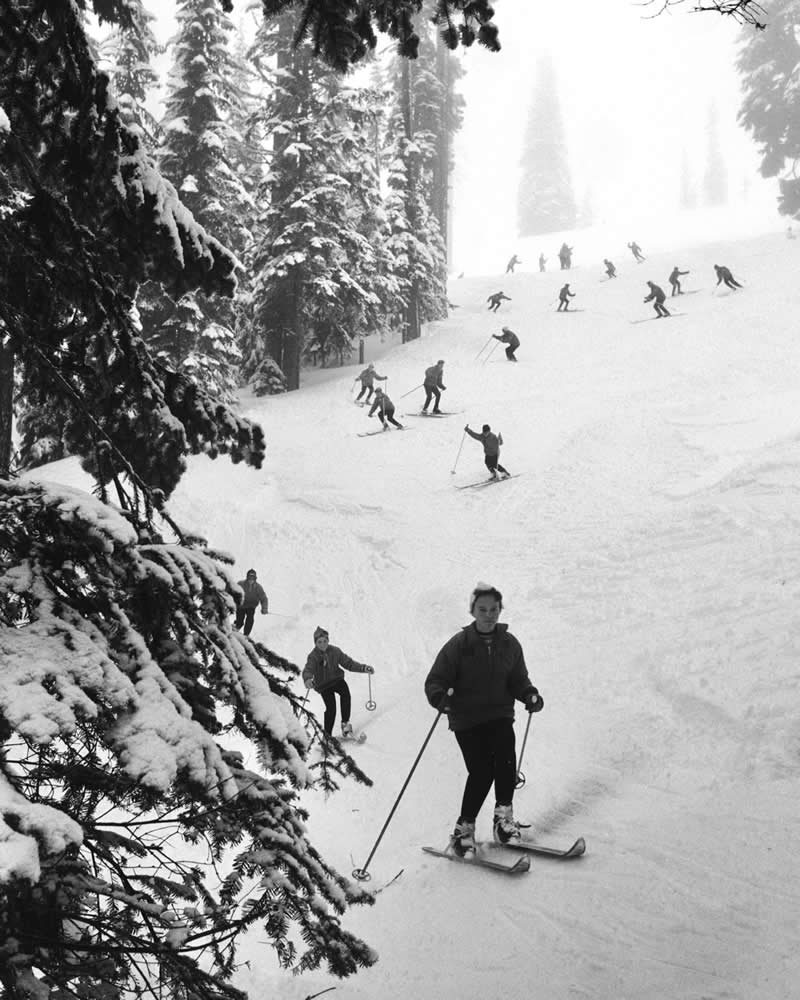
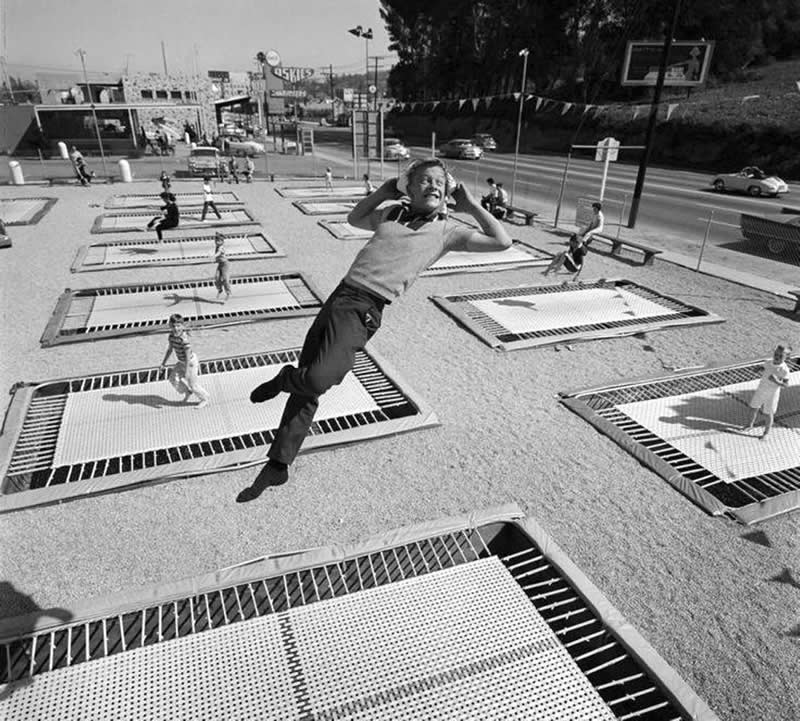
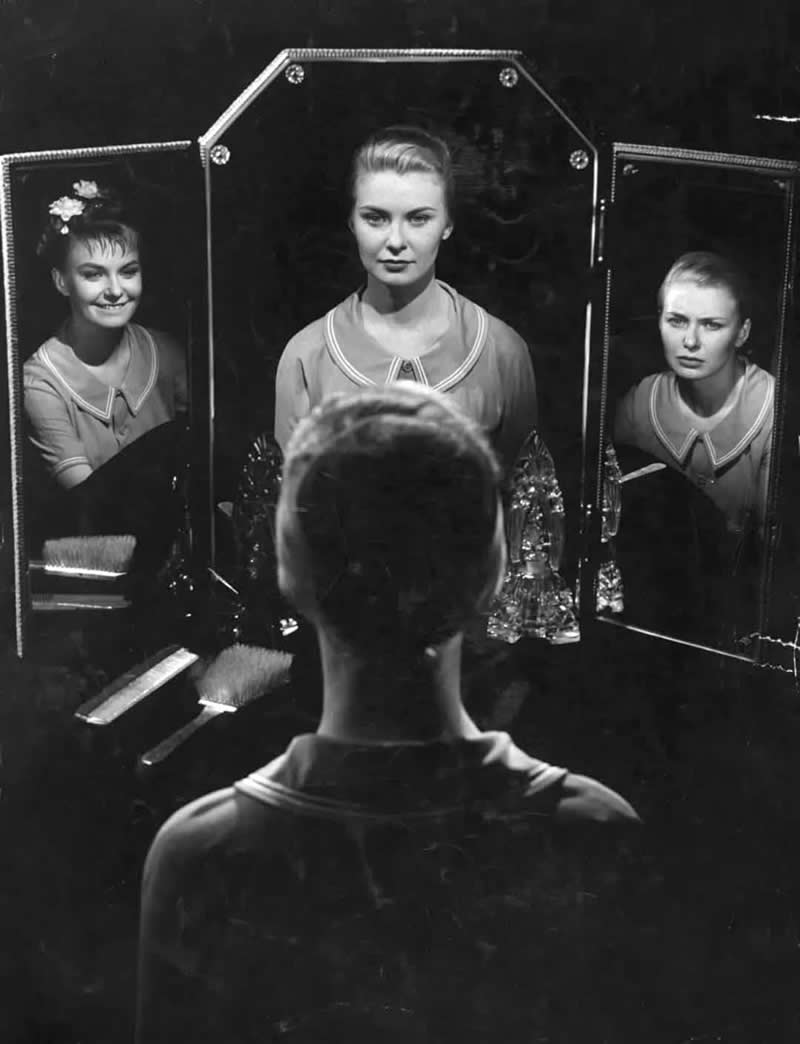
His Composition Looks Effortless, But It Never Was
The funny thing about great composition is that it often looks easy.
Ralph Crane’s photographs have that quality.
You glance at them and think, "Of course, that’s where the camera should be."
But then you study them more carefully.
The framing is intentional. The balance is intentional. The visual flow is intentional. Nothing feels accidental.
Whether photographing a crowded street, a family at home, or a public event, Crane knew exactly where to place the viewer inside the scene.
I learned that he wasn’t trying to create flashy compositions. He was creating clarity.
The best photographs don’t confuse people. They guide them.
Your eyes naturally move through Crane’s images because he understood visual structure. Foreground, background, subjects, and context all work together seamlessly.
That’s a lesson every photographer can learn from today.
Simple doesn’t mean easy. Simple often requires mastery.
#11.
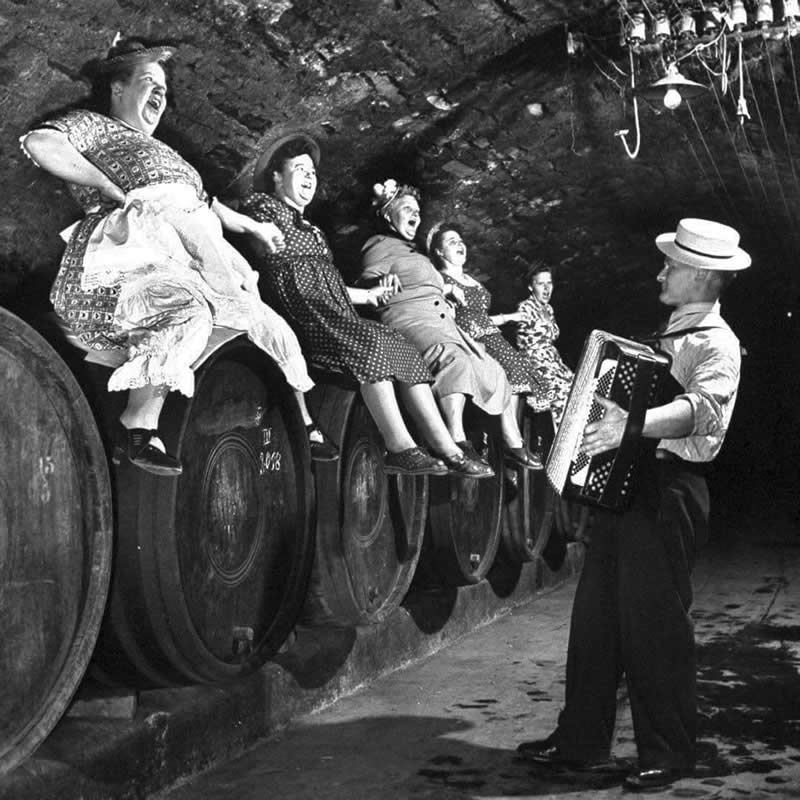
© Ralph Crane
#12.
© Ralph Crane
#13.
© Ralph Crane
#14.
© Ralph Crane
#15.
© Ralph Crane
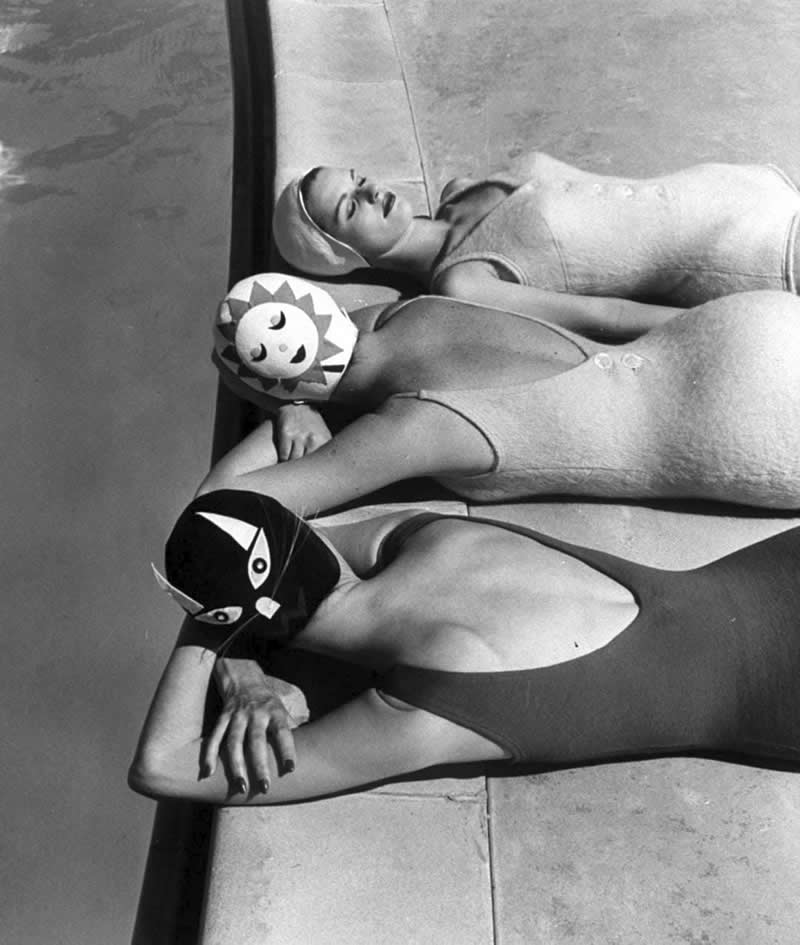
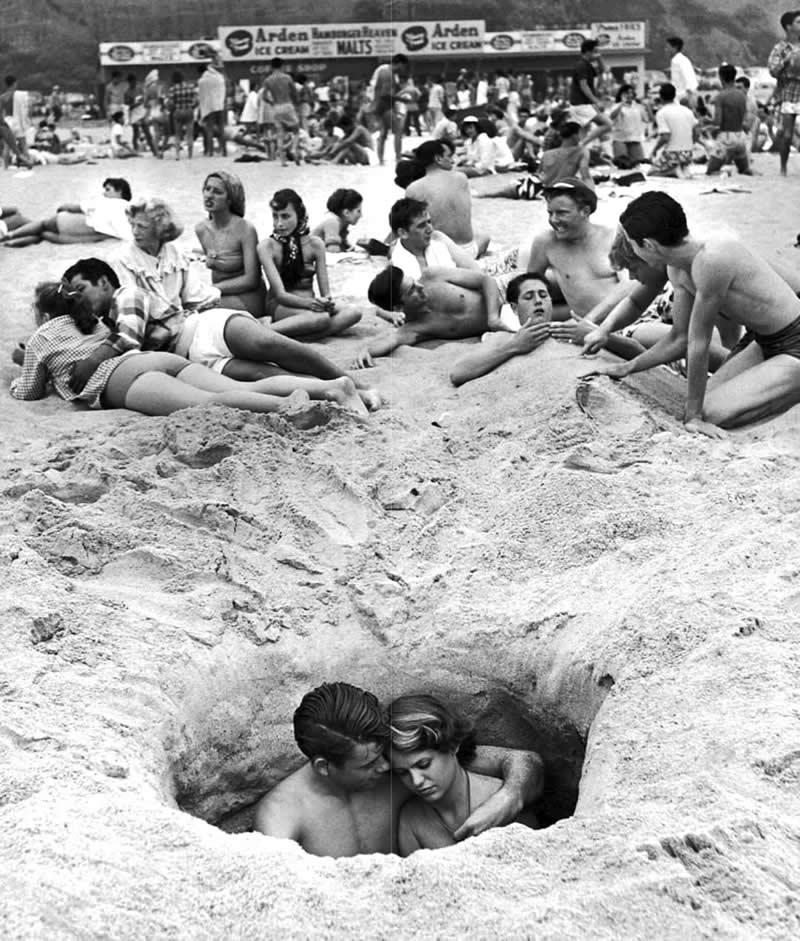
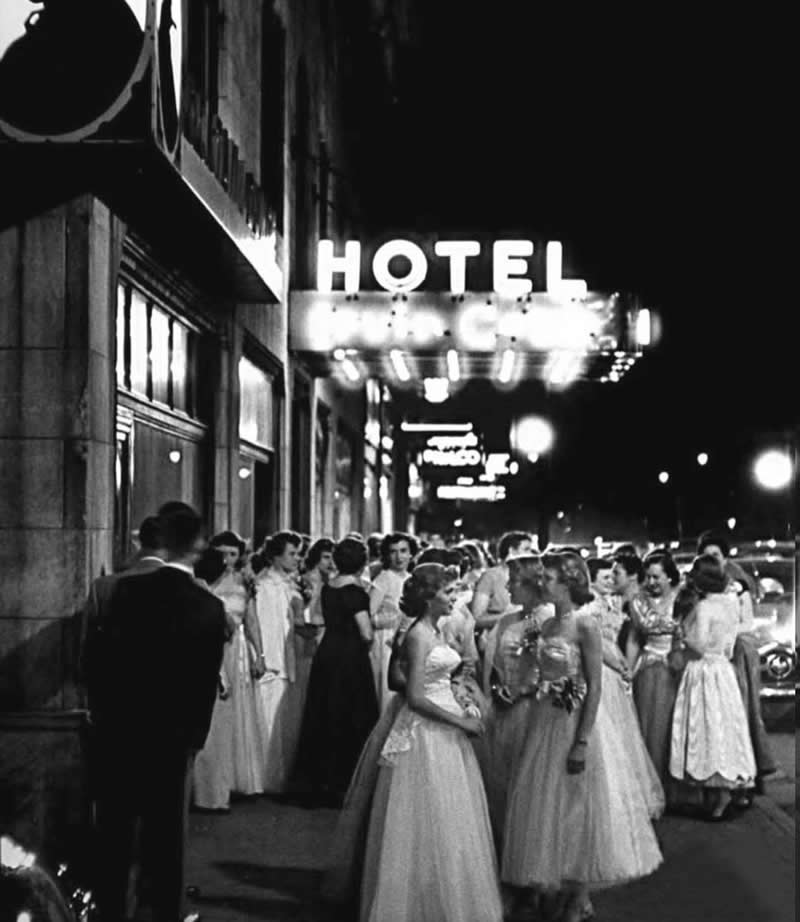
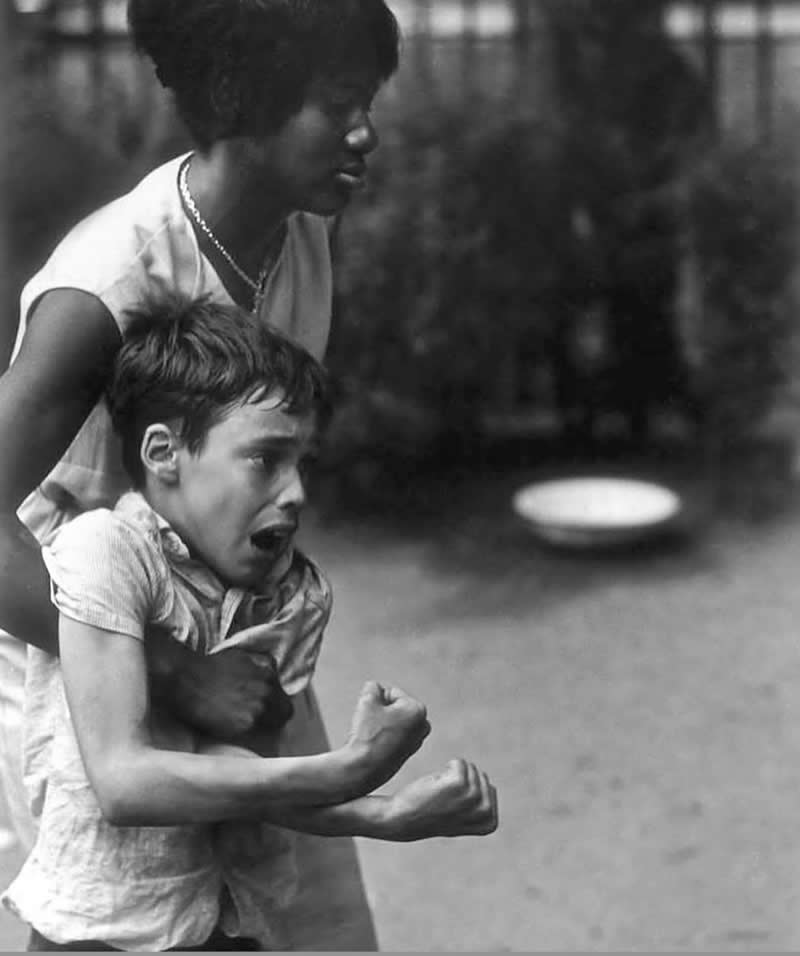
Everyday Life Was His Greatest Subject
Many photographers spend their careers chasing rare moments.
Crane often did the opposite. He found magic in everyday life. That’s one reason I admire him so much.
A child is playing. A worker concentrating. A family gathering. People waiting. People talking. People simply exist.
Those moments may sound ordinary, but Crane understood something powerful: everyday life is where the real stories happen.
His photographs remind me that interesting subjects aren’t hidden away. They’re everywhere.
Most people walk past these moments without noticing them. Crane didn’t. He paid attention.
And that’s what transformed routine activities into meaningful visual narratives.
Looking through his work today feels surprisingly modern because the emotions remain universal.
Technology changes. Fashion changes. Cities change. Human behavior? Not nearly as much.
That’s why his photographs continue to resonate with new generations of viewers.
#16.
© Ralph Crane
#17.
© Ralph Crane
#18.
© Ralph Crane
#19.
© Ralph Crane
#20.
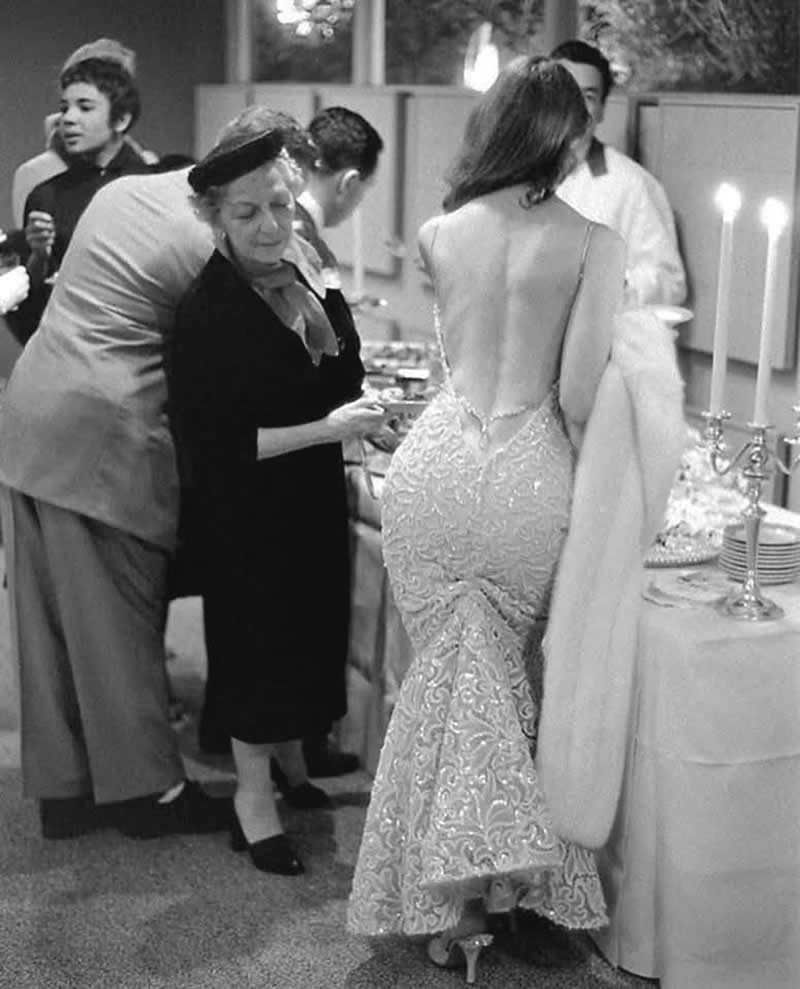
© Ralph Crane
He Brought Energy to Every Assignment
LIFE magazine photographers faced enormous pressure. Deadlines. Travel. Constantly changing assignments.
Yet Crane earned a reputation for handling virtually any story.
That versatility fascinates me.
Some photographers become known for one subject.
Crane seemed comfortable photographing everything.
Scientists, Politicians, Children, Street scenes, Celebrities, Documentary projects, What ties all those images together isn’t subject matter.
It’s energy. There’s movement in his work. Curiosity. Optimism. Life.
Even when photographing simple situations, his images feel active and engaging.
I learned that versatility comes from observation, not specialization.
When photographers develop the ability to see stories everywhere, they can work in any environment.
That’s exactly what Ralph Crane mastered.
And it’s one reason his portfolio remains such an important part of photographic history.
#21.
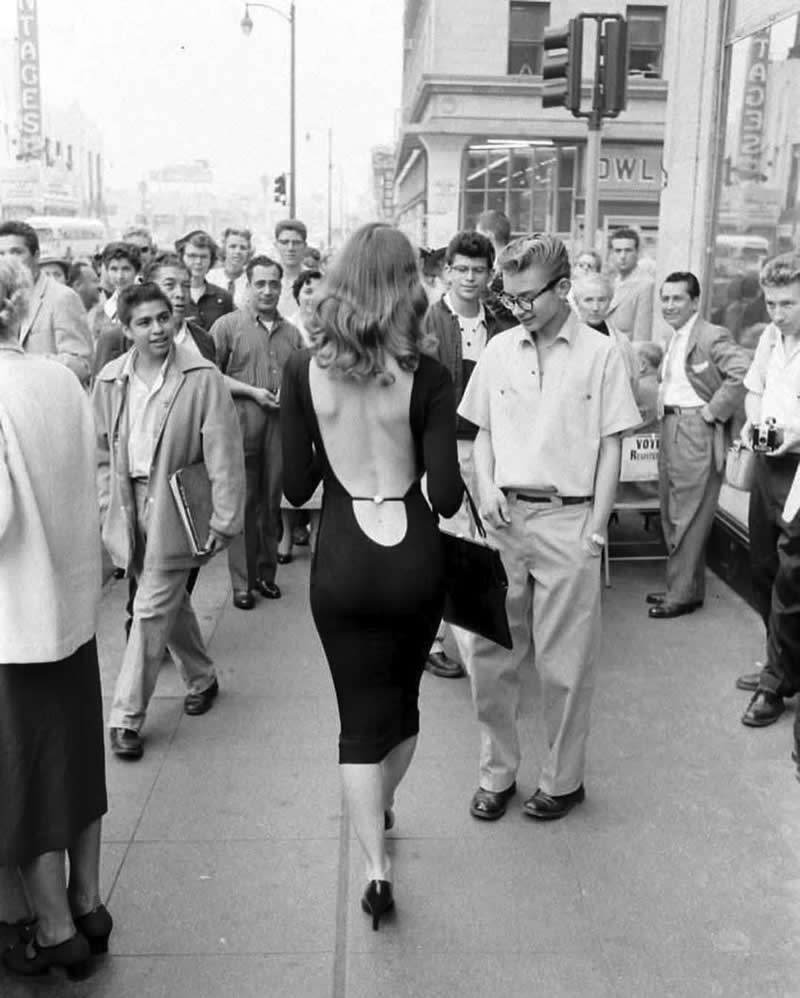
© Ralph Crane
#22.
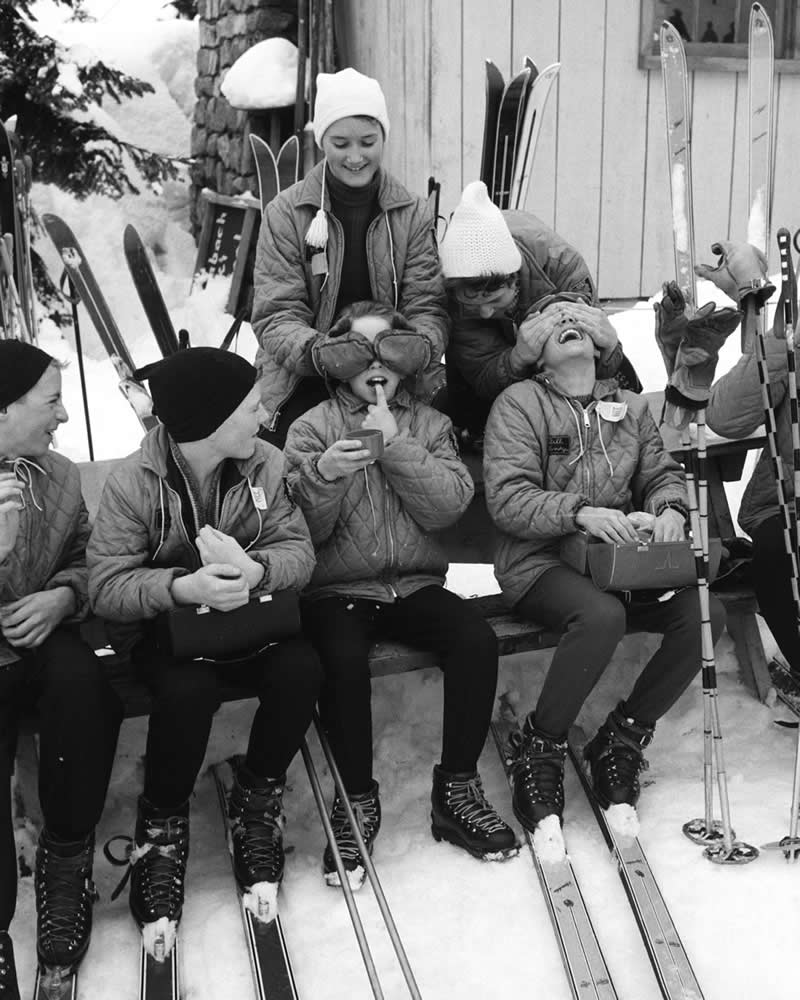
© Ralph Crane
#23.
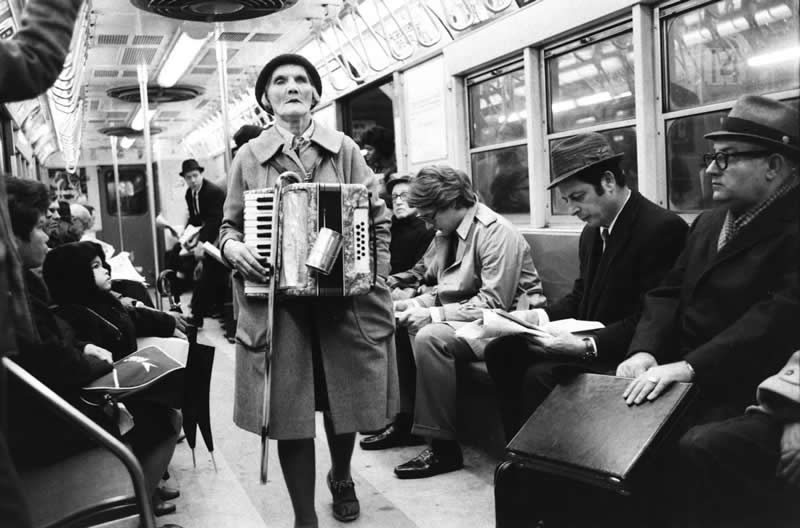
© Ralph Crane
#24.
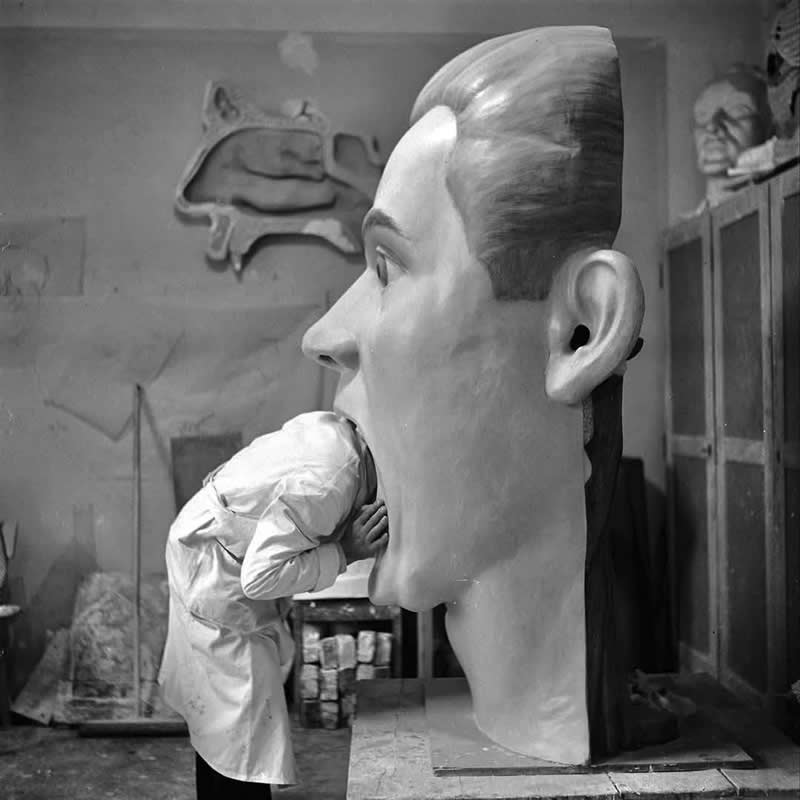
© Ralph Crane
#25.
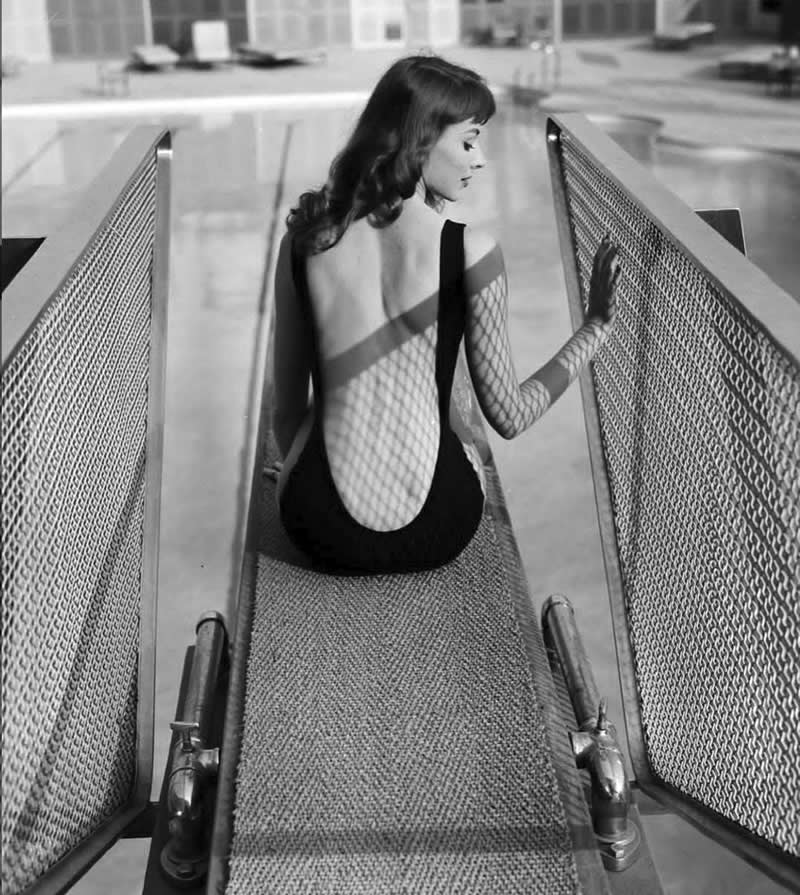
© Ralph Crane
What Modern Photographers Can Learn From Ralph Crane
Here’s the biggest lesson I took away from studying Ralph Crane’s work.
Slow down. Seriously. Most photographers today are shooting thousands of images and scrolling through endless content every day.
Crane worked differently. He observed first. Photographed second.
That mindset is incredibly valuable in today’s fast-moving world.
His photographs teach us to be patient.
To wait. To anticipate. To notice small details. To understand people before pressing the shutter.
The camera itself isn’t the most important tool. Your attention is.
Crane’s success came from his ability to see stories unfolding in real time.
That’s a skill every photographer can develop.
Whether you’re using a professional camera or a smartphone, the lesson remains the same.
Look closer. Stay curious. Observe more deeply. The photograph will follow.
#26.
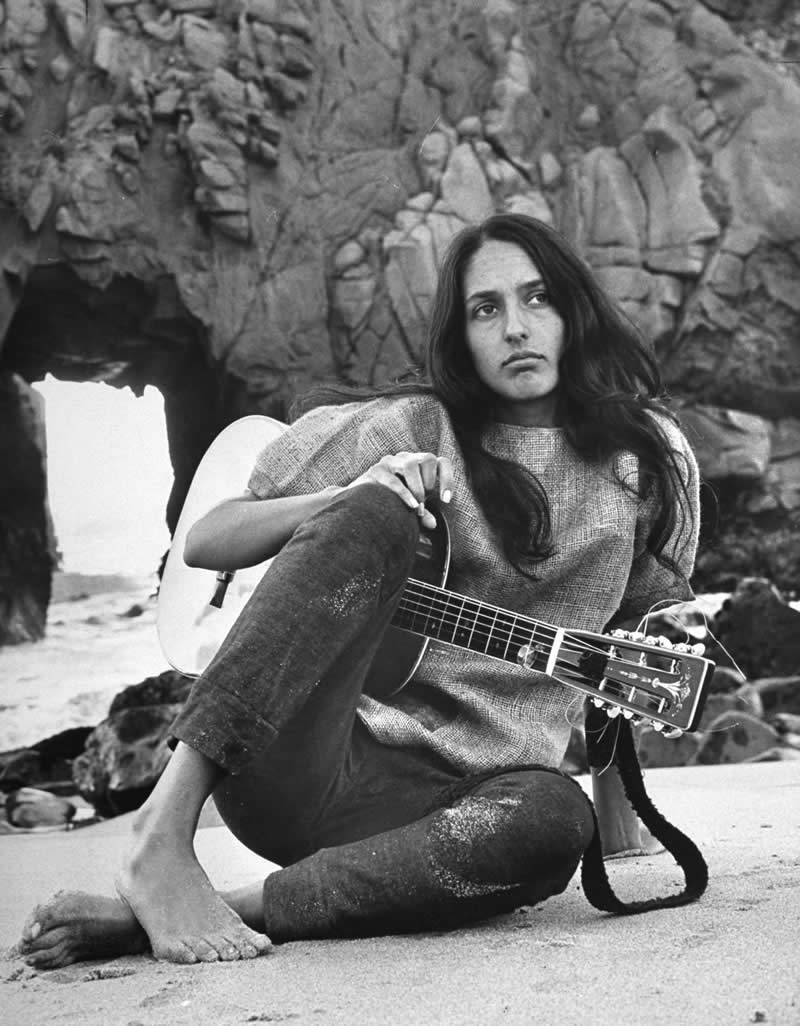
© Ralph Crane
#27.
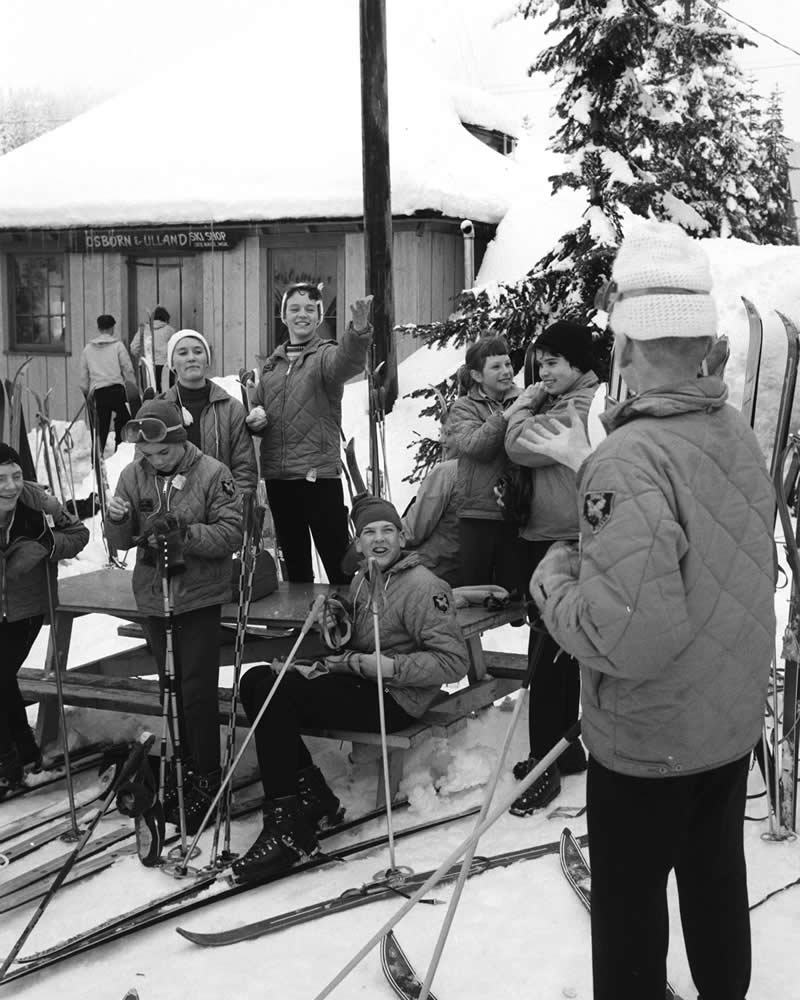
© Ralph Crane
#28.
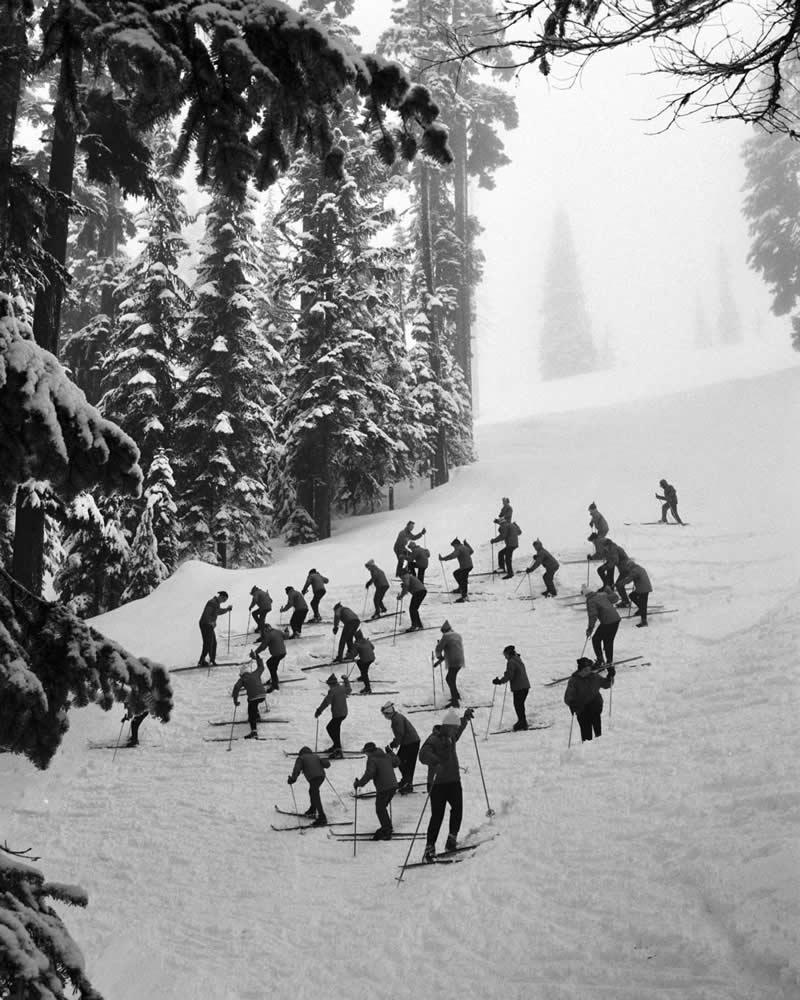
© Ralph Crane
Final Thoughts
The more I study Ralph Crane’s work, the more I appreciate his ability to make ordinary life feel extraordinary.
He wasn’t chasing perfection. He was chasing the truth.
His photographs are filled with humanity, observation, thoughtful composition, and genuine curiosity about how people live.
That’s why I continue returning to his work.
Not because the images are technically impressive, although they certainly are.
But because they remind me that photography is ultimately about people.
And very few photographers understood people as well as Ralph Crane.
#29.
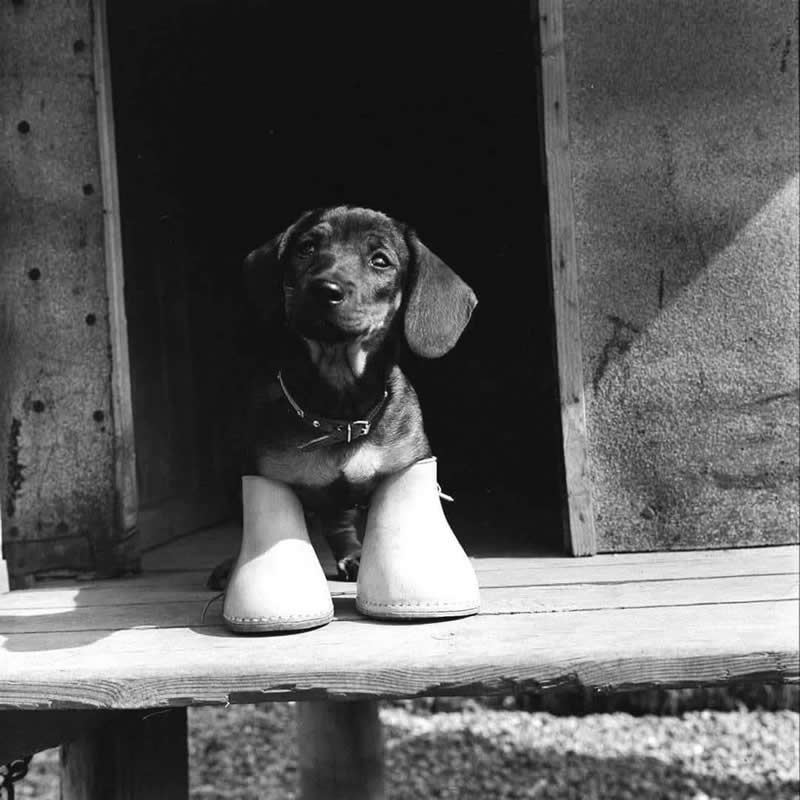
© Ralph Crane
#30.

© Ralph Cranes
Frequently Asked Questions:
Who was Ralph Crane?
Ralph Crane was a German-born photographer who became a celebrated contributor and staff photographer for LIFE magazine. Known for his versatility, documentary style, and human-centered storytelling, he photographed a wide range of subjects, creating images rich in observation and authenticity.
What made Ralph Crane’s photography unique?
Crane excelled at capturing natural human behavior and everyday moments. His photographs combined thoughtful composition, strong storytelling, and emotional connection, allowing viewers to feel immersed in his subjects’ lives and experiences rather than simply observing them.
What can photographers learn from Ralph Crane?
Photographers can learn the importance of observation, patience, and understanding human behavior. Crane demonstrated that meaningful photographs often come from paying attention to everyday moments and creating compositions that guide viewers naturally through the visual story.
Why are Ralph Crane’s photographs still relevant today?
His images focus on universal human experiences such as work, family, curiosity, and daily life. Although decades have passed since they were created, the emotions and stories within his photographs remain relatable to audiences across generations.
How did Ralph Crane influence documentary photography?
Crane helped elevate documentary photography by combining journalistic storytelling with strong visual composition. His work showed that everyday life could be both historically significant and artistically compelling, inspiring photographers to document the world with empathy and curiosity.