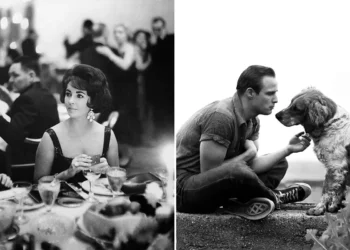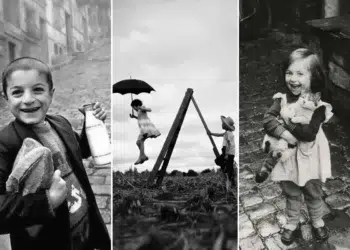

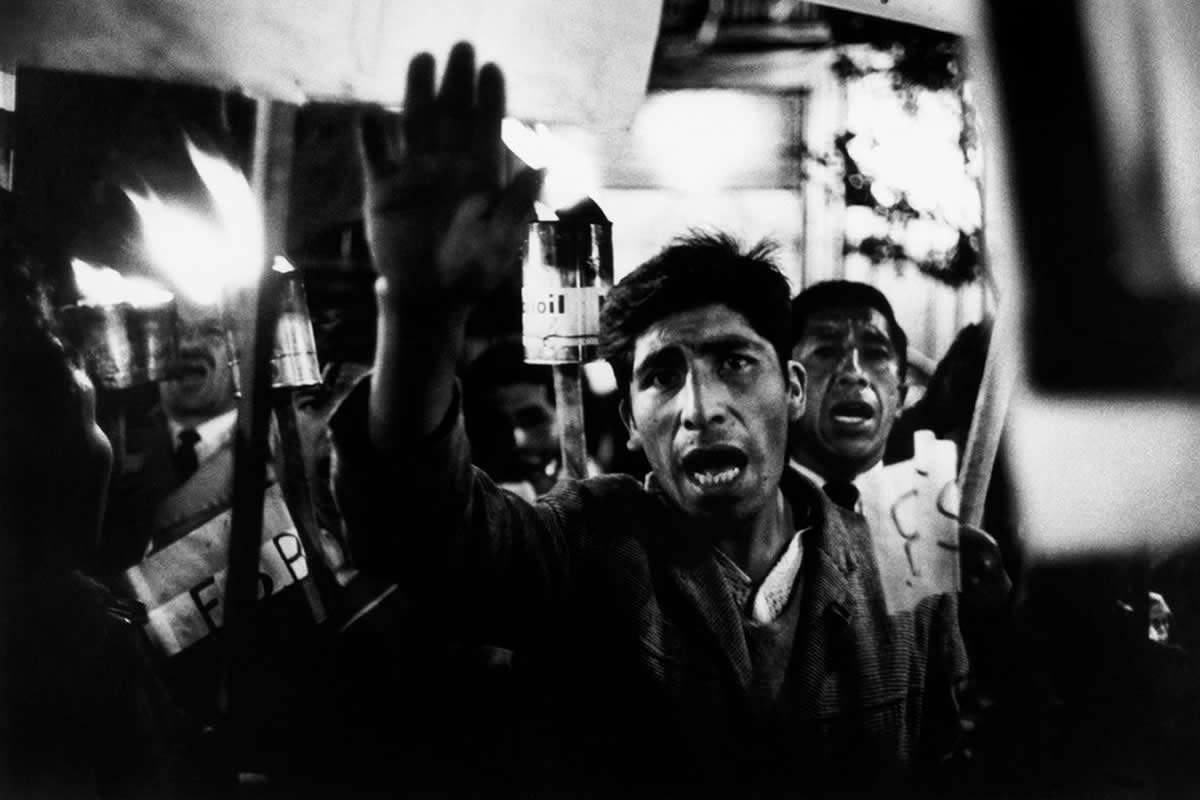
When most people hear the name Capa, they immediately recall Robert Capa, the renowned war photographer who captured some of the twentieth century’s most iconic images. However, another Capa left an equally significant mark on the world of photography, albeit in a different way. That person was Cornell Capa. His legacy isn’t just about making images; it’s about safeguarding the very spirit of photography.
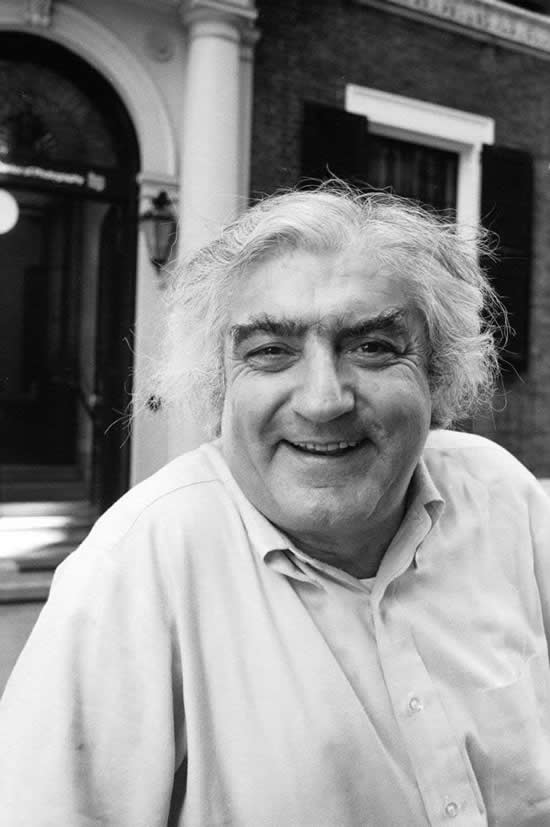
Cornell Capa was born in Hungary in 1918 and would go on to become one of America’s most respected photojournalists. Throughout his career, he showed that a camera could serve as more than just a device for capturing moments. To him, photography was a means of connecting people, fostering empathy, sparking understanding, and raising social awareness. Unlike those who sought out sensational stories, Cornell was drawn to the quieter, deeper human narratives that often went unnoticed.
What sets Cornell’s work apart is the genuine care he had for his subjects. Whether he was photographing world leaders, vulnerable children, or ordinary people experiencing change, he always approached each person with respect and compassion. His photographs feel intimate because they truly are; they reflect real connections, not just fleeting encounters.
Cornell’s impact went far beyond his own images. He became a tireless advocate for photography itself, founding institutions, safeguarding its history, and encouraging new generations to use their cameras with intention. His lasting message is that the strongest photographs aren’t always the most dramatic. Often, it’s the quieter ones that linger in your mind, gently shifting your perspective and deepening your understanding of the world.
You can find Cornell Capa on the web:
#1.
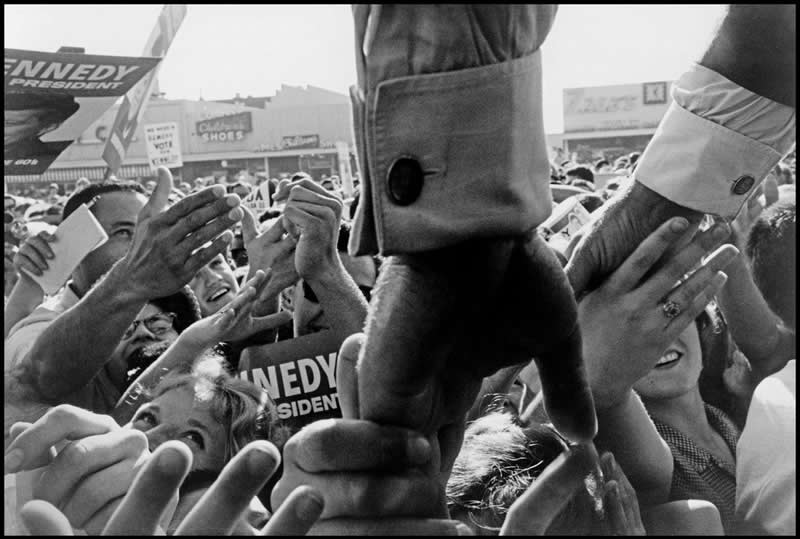
© Cornell Capa | International Center of Photography | Magnum Photos
#2.
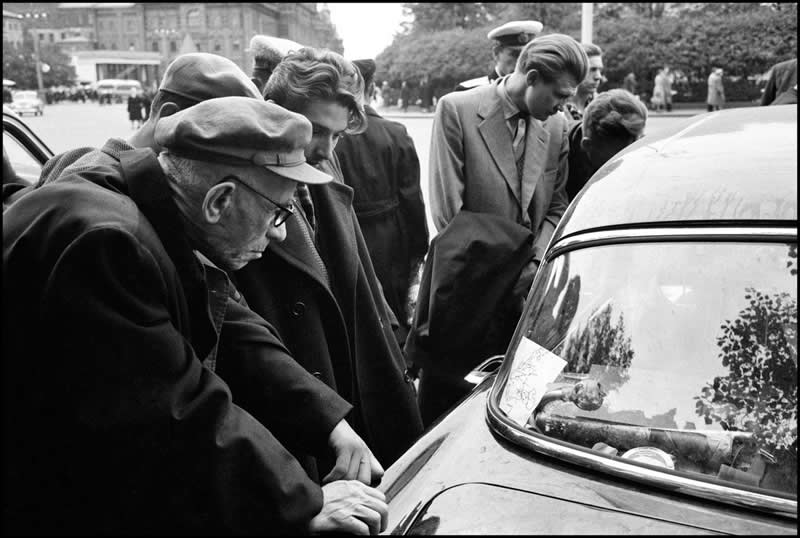
© Cornell Capa | International Center of Photography | Magnum Photos
#3.
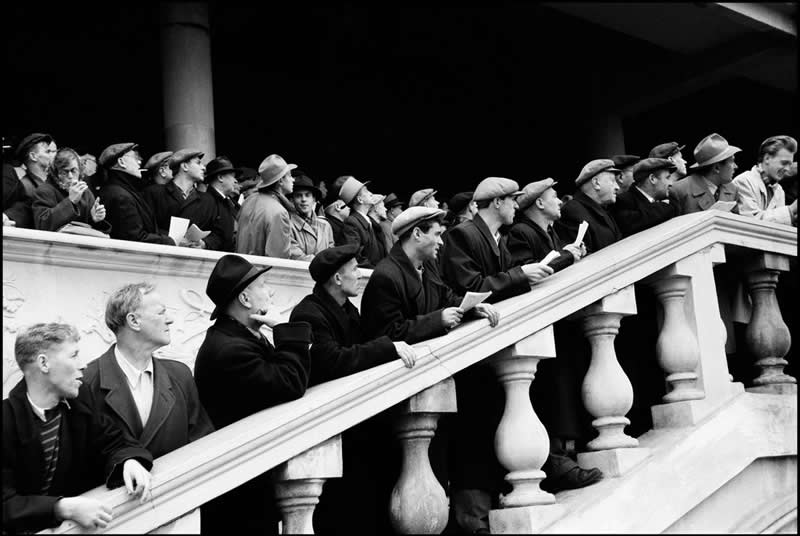
© Cornell Capa | International Center of Photography | Magnum Photos
#4.
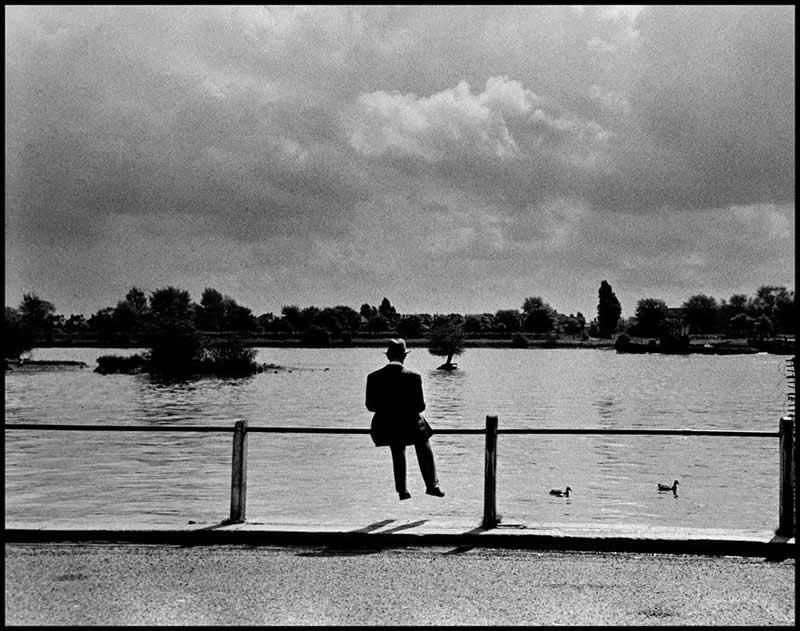
© Cornell Capa | International Center of Photography | Magnum Photos
#5.
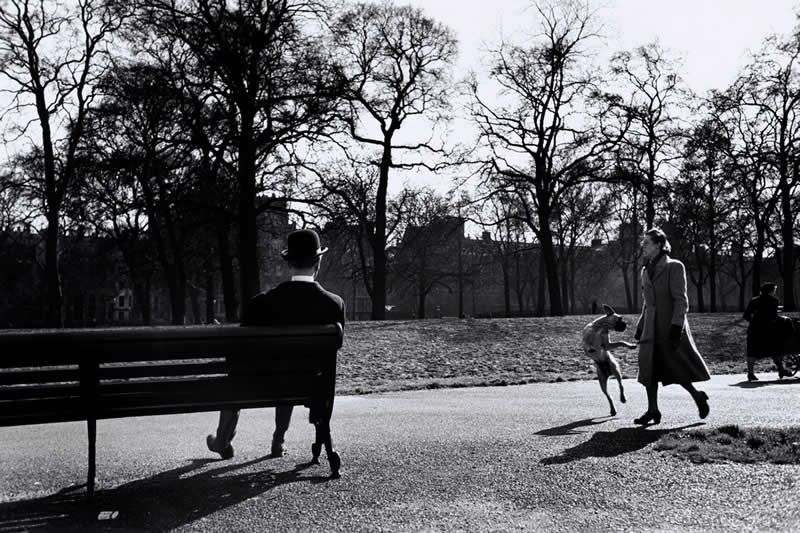
© Cornell Capa | International Center of Photography | Magnum Photos
The Birth of a Concerned Photographer
Cornell Capa never viewed photography as just an artistic pursuit. He saw it as something with a greater purpose than simply looking beautiful. That’s where his well-known phrase, "The Concerned Photographer," comes into focus. It wasn’t a marketing slogan, but a philosophy that shaped his life’s work.
To Cornell, a concerned photographer was someone who truly cared about people and used photography to spotlight social issues that mattered. His photos weren’t meant to startle or provoke; they were meant to build understanding and empathy. Viewing his images feels less like scanning news headlines and more like being invited into someone’s life story. He wanted people to form emotional connections with strangers from across the world. This belief turned his work into more than just documentation; it became a quiet form of advocacy grounded in compassion and respect.
#6.
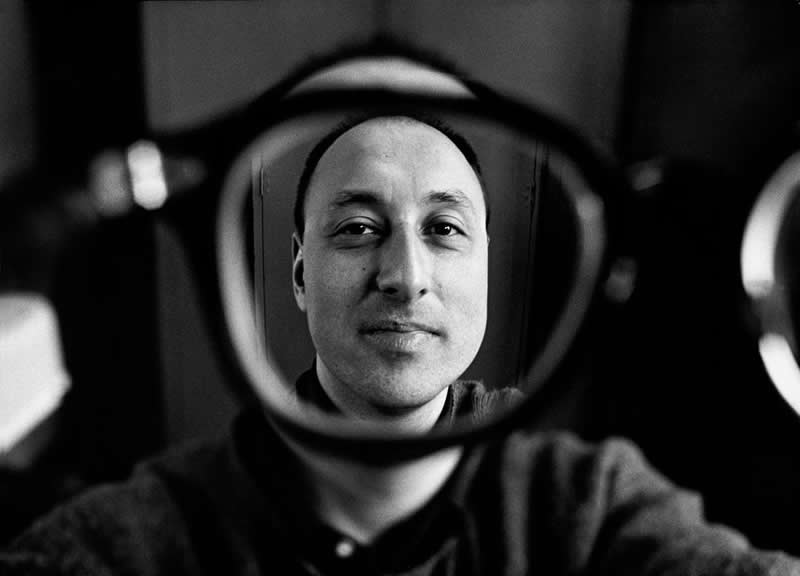
© Cornell Capa | International Center of Photography | Magnum Photos
#7.
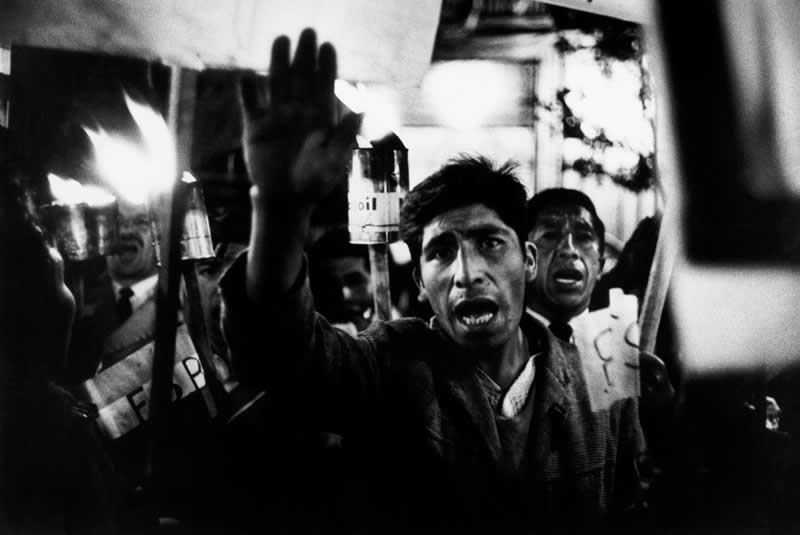
© Cornell Capa | International Center of Photography | Magnum Photos
#8.
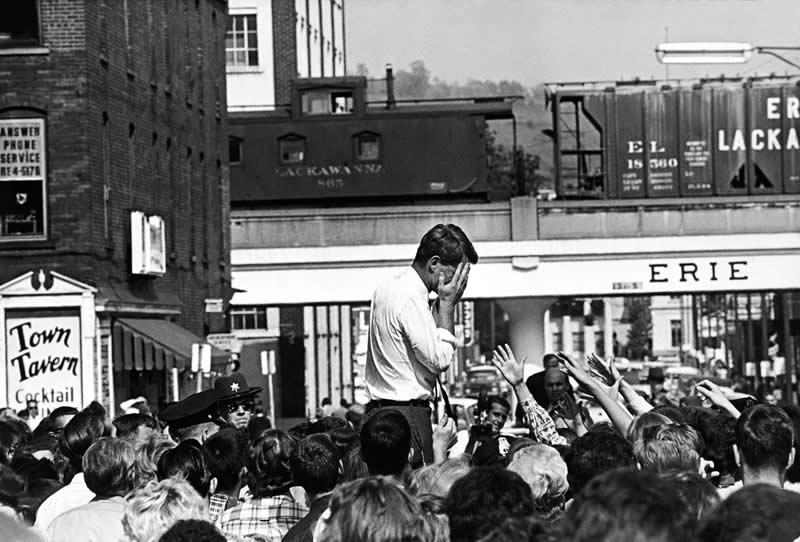
© Cornell Capa | International Center of Photography | Magnum Photos
#9.
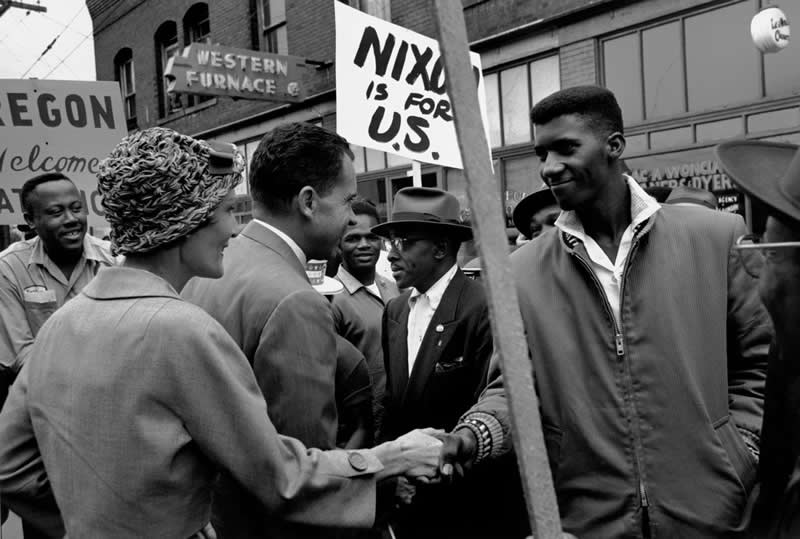
© Cornell Capa | International Center of Photography | Magnum Photos
#10.
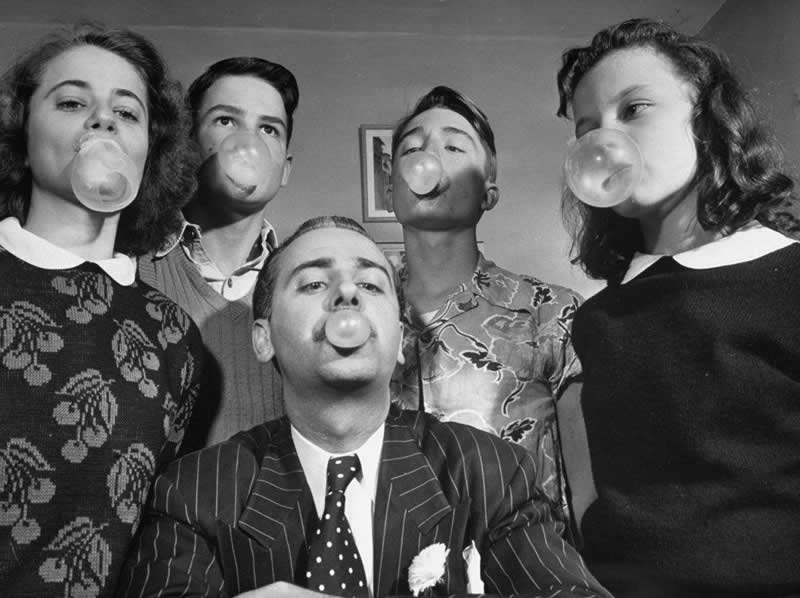
© Cornell Capa | International Center of Photography | Magnum Photos
Capturing Humanity in Times of Change
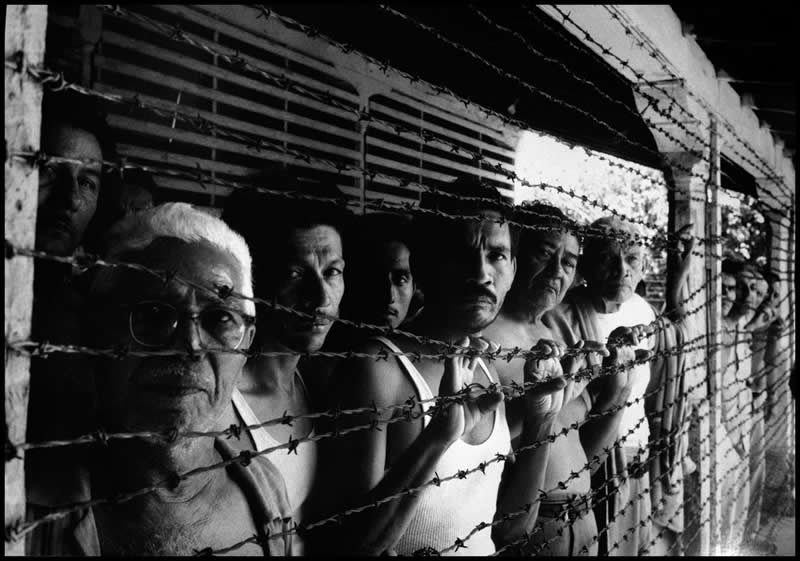
The mid-twentieth century was a period of intense political change, social upheaval, and major historical events. Cornell Capa found himself in the midst of many of these moments, always with his camera ready. But rather than chasing after sensational confrontations, he chose to focus on the people experiencing and shaping history firsthand.
His portraits of political leaders, such as John F. Kennedy, captured rare glimpses of vulnerability and sincerity. Just as important were his stories about marginalized groups, children living with disabilities, and everyday people facing extraordinary challenges. These projects reflected his deep belief that every individual deserves to be seen and treated with dignity.
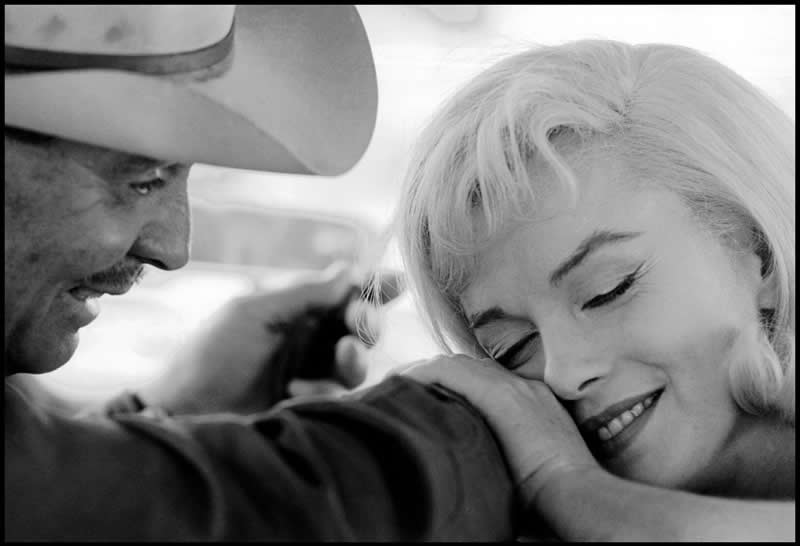
Cornell’s black-and-white photographs are rich with emotion and depth. Because he often spent time building trust with his subjects, his images feel remarkably intimate. This closeness allowed him to capture authentic moments that still resonate with viewers today, decades after they were taken.
#11.
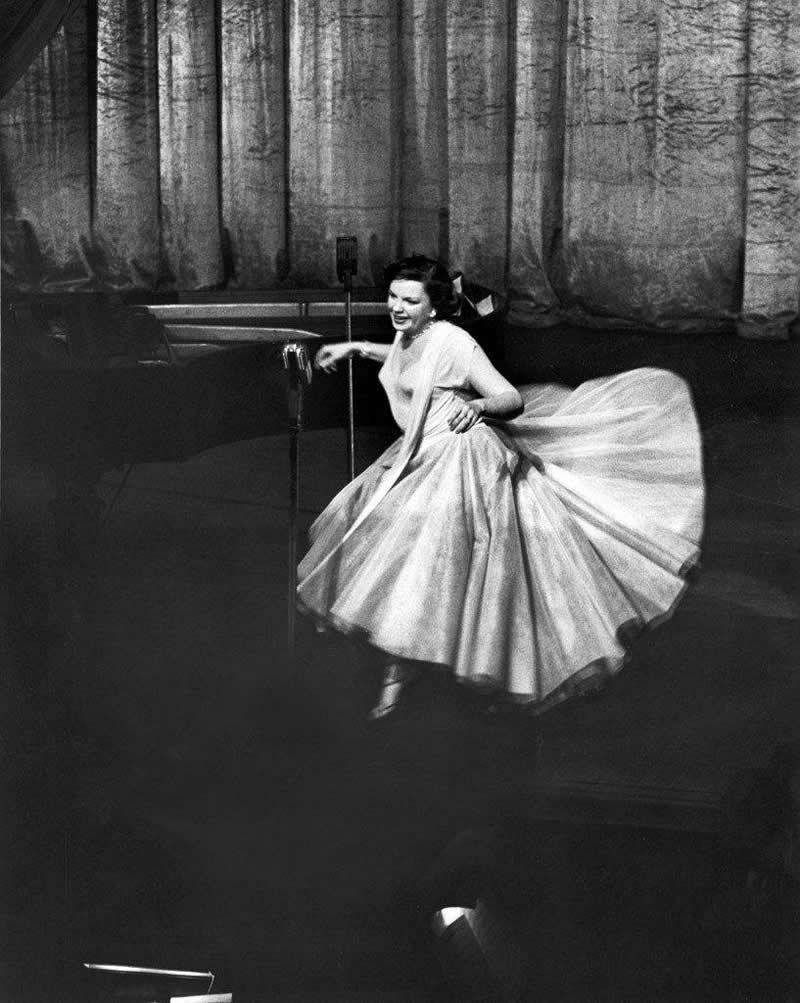
© Cornell Capa | International Center of Photography | Magnum Photos
#12.
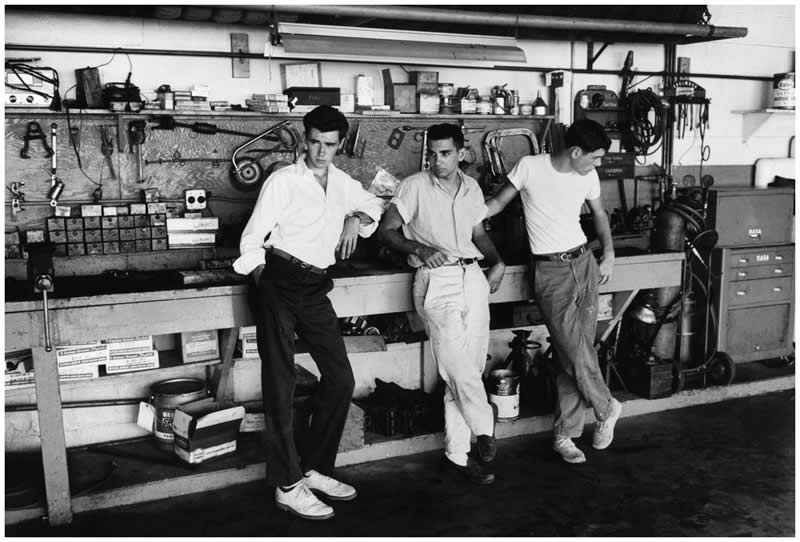
© Cornell Capa | International Center of Photography | Magnum Photos
#13.
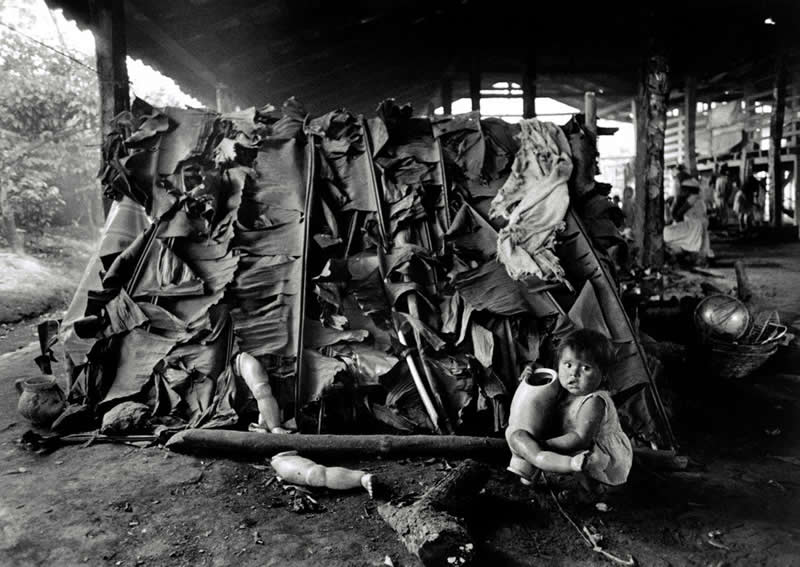
© Cornell Capa | International Center of Photography | Magnum Photos
#14.
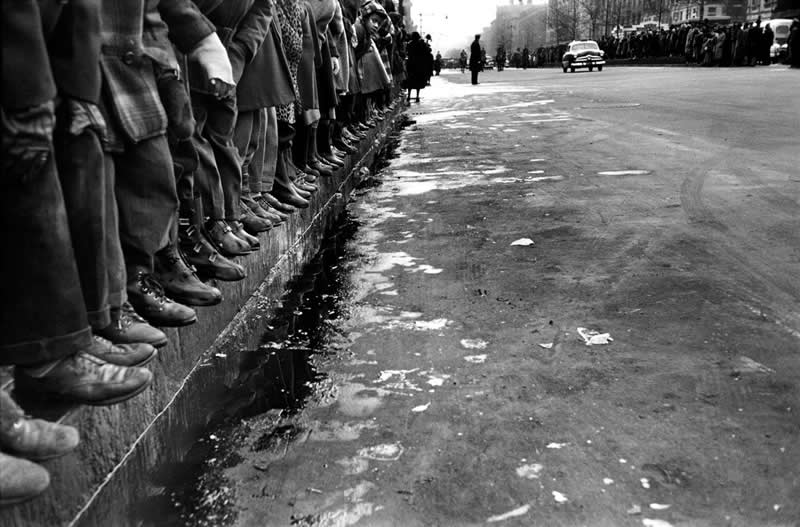
© Cornell Capa | International Center of Photography | Magnum Photos
#15.
© Cornell Capa | International Center of Photography | Magnum Photos
LIFE Magazine and a Defining Career
Becoming a staff photographer during the heyday of photojournalism was a dream job, and that’s exactly what Cornell Capa achieved when he joined LIFE magazine in 1946. Back then, LIFE was one of the world’s most influential magazines, shaping public understanding of news and culture for millions of readers.
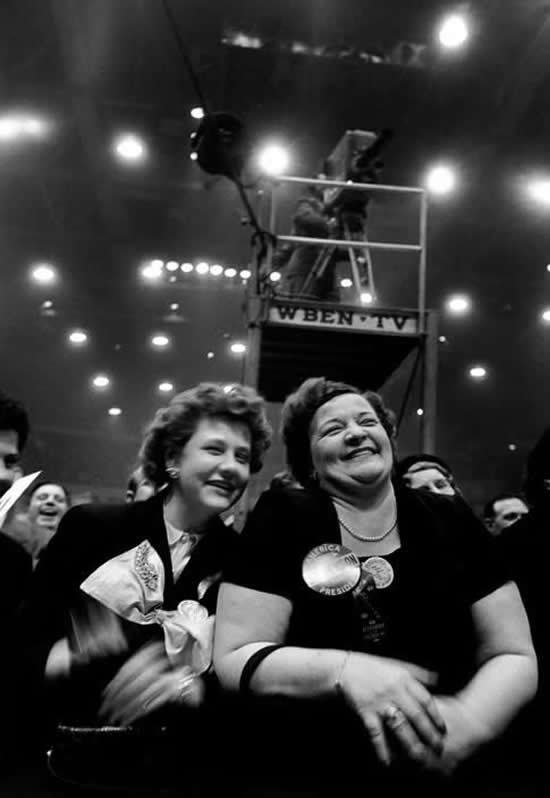
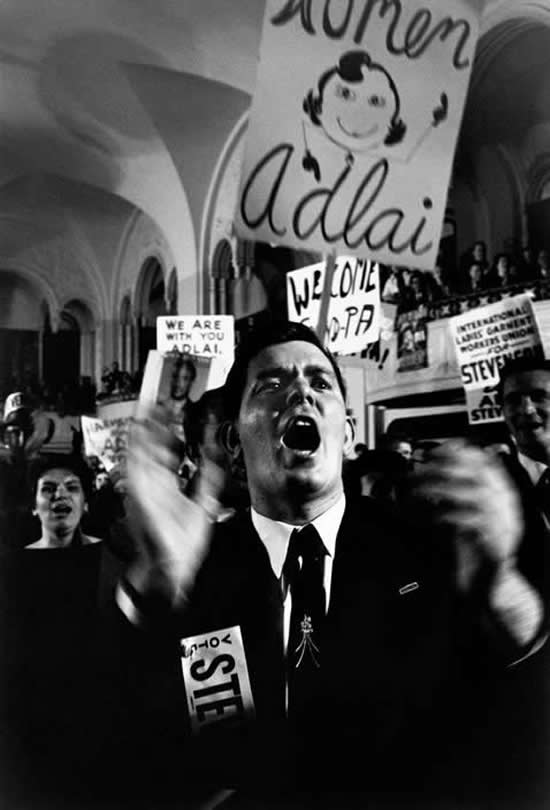
His time at LIFE offered him the chance to cover an extraordinary range of stories and to develop his unique photographic voice. Assignments led him into political campaigns, classrooms, neighborhoods, and communities undergoing dramatic transformation. With each story, he built a reputation as a photographer who cared more about people than spectacle.
Cornell’s years at LIFE solidified his status as a leading photojournalist of his era. More importantly, his experiences there deepened his conviction that photography could educate, inspire, and spark important conversations about society. These core beliefs would soon influence his most important work in the field.
#16.
© Cornell Capa | International Center of Photography | Magnum Photos
#17.

© Cornell Capa | International Center of Photography | Magnum Photos
#18.
© Cornell Capa | International Center of Photography | Magnum Photos
#19.
© Cornell Capa | International Center of Photography | Magnum Photos
#20.
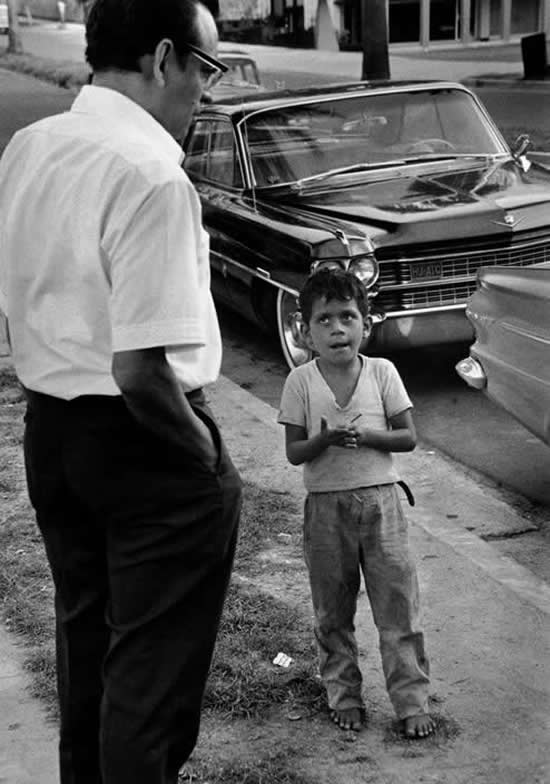
© Cornell Capa | International Center of Photography | Magnum Photos
Building a Home for Photography’s Future
After losing his brother Robert Capa in 1954, Cornell became even more committed to preserving the legacy of photography. He realized that without someone to protect them, powerful images and the stories behind them could be lost forever. This concern would eventually inspire one of his greatest achievements.
In 1974, Cornell founded the International Center of Photography (ICP) in New York City. His idea was both bold and straightforward: to create a space where photography could be displayed, studied, preserved, and honored. Thanks to his leadership, the ICP became one of the world’s most respected centers for the art and history of photography.
The ICP quickly became much more than just a museum. It turned into a vibrant community where photographers, students, historians, and the general public could come together to explore the power of visual storytelling. Through his efforts, Cornell made sure that future generations would have access to photography’s rich and vital history.
#21.

© Cornell Capa | International Center of Photography | Magnum Photos
#22.
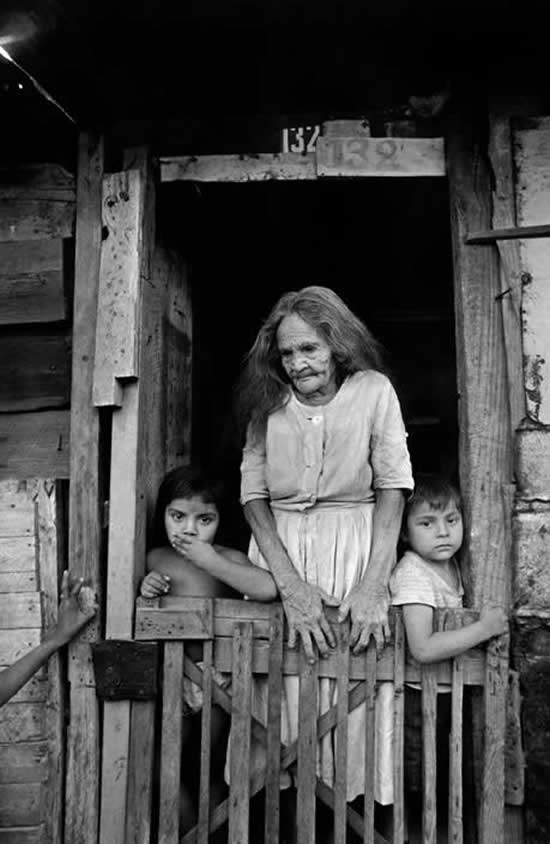
© Cornell Capa | International Center of Photography | Magnum Photos
#23.
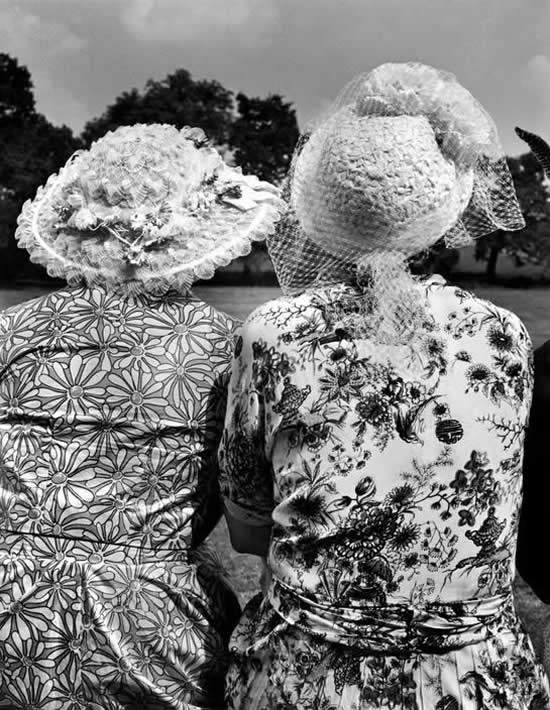
© Cornell Capa | International Center of Photography | Magnum Photos
#24.
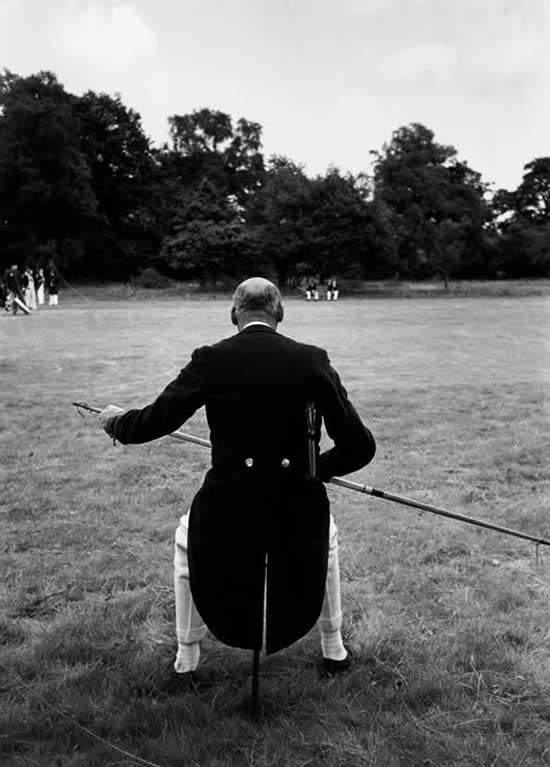
© Cornell Capa | International Center of Photography | Magnum Photos
#25.
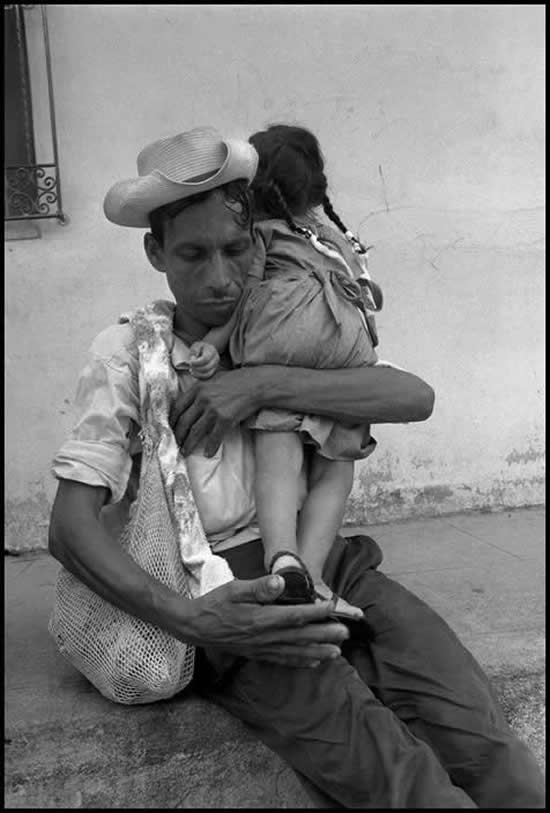
© Cornell Capa | International Center of Photography | Magnum Photos
Why Cornell Capa’s Legacy Still Matters Today
Photography has changed in ways Cornell Capa could never have imagined. With smartphones, social media, and even artificial intelligence, the way we create and share images is almost unrecognizable from his early days. Still, his message is more relevant now than ever.
Today, we’re inundated with images from all directions, but Cornell’s legacy reminds us that the most meaningful photographs are created with real intention and empathy. He believed that photography should help people understand each other, not just grab attention. It’s a lesson that continues to matter.
Cornell’s photographs still inspire documentary photographers, photojournalists, and storytellers worldwide. The International Center of Photography stands as one of his most enduring gifts to the field. Through his life and work, Cornell Capa proved that photographers do more than just record history; they can preserve it, protect it, and even shape it for the better.
#26.
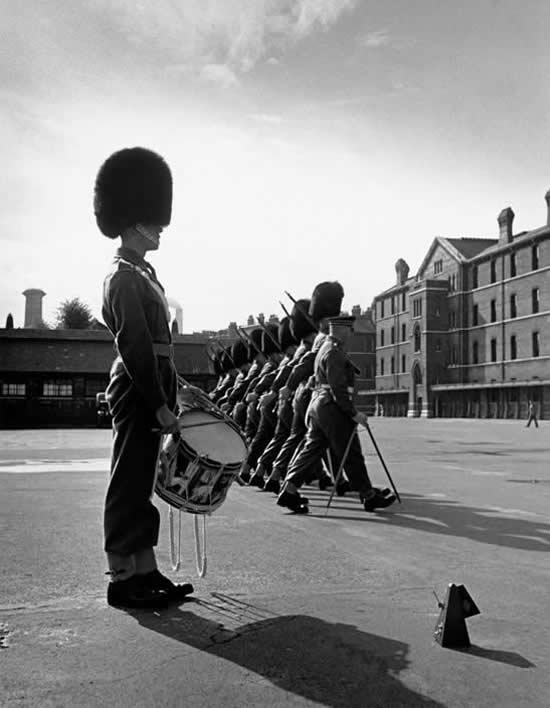
© Cornell Capa | International Center of Photography | Magnum Photos
#27.
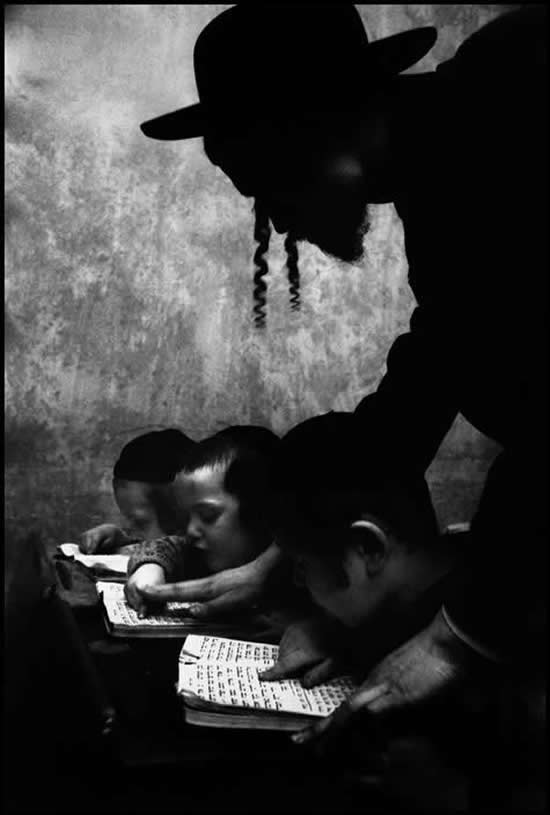
© Cornell Capa | International Center of Photography | Magnum Photos
#28.
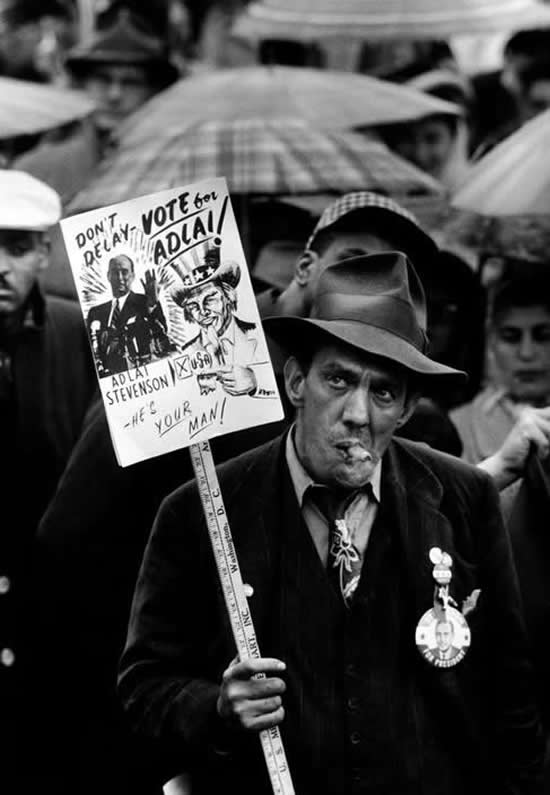
© Cornell Capa | International Center of Photography | Magnum Photos
#29.
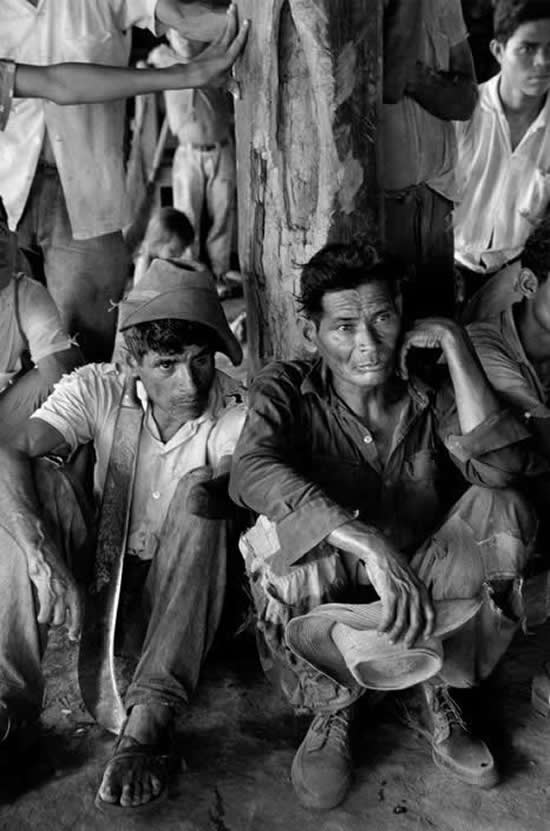
© Cornell Capa | International Center of Photography | Magnum Photos
#30.

© Cornell Capa | International Center of Photography | Magnum Photoss
FAQs:
Who was Cornell Capa?
Cornell Capa was a Hungarian-American photojournalist, humanitarian photographer, and founder of the International Center of Photography. Known for his compassionate storytelling, he believed photography could inspire social awareness, empathy, and positive change while preserving important moments in human history.
Why is Cornell Capa called the "Concerned Photographer"?
Cornell coined the term "Concerned Photographer" to describe photographers motivated by humanitarian values. He believed images should go beyond documentation and help viewers understand social issues, human struggles, and shared experiences through empathy and visual storytelling.
What kind of photography did Cornell Capa create?
His work focused on photojournalism, social documentary photography, political figures, marginalized communities, and everyday life. Using expressive black-and-white imagery, he emphasized human dignity, emotional connection, and authentic moments rather than dramatic or sensational events.
What is the International Center of Photography?
Founded by Cornell Capa in 1974, the International Center of Photography is a leading institution dedicated to photography education, exhibitions, research, and preservation. It serves as a global center for photographers, historians, students, and visual storytellers.
Why is Cornell Capa important to photography history?
Cornell Capa influenced photography both as a photographer and an advocate. His humanitarian vision, preservation efforts, educational leadership, and founding of the ICP helped protect photographic heritage while inspiring generations to use photography responsibly and compassionately.