
Macro photography has a wild way of changing how you see the world. What looks like an ordinary backyard flower suddenly becomes a jungle, and a tiny bug crawling across a leaf turns into a full-on cinematic star. That’s the magic of insect macro photography: it reveals details most people never notice. The shimmer in a beetle’s shell, the crystal drops resting on a ladybug, the sharp geometry of a mantis, or the velvet texture of butterfly wings all become jaw-dropping works of art when captured up close.
This collection of 33 insect photos isn’t just eye candy. It’s a masterclass in how to shoot macro photography like a pro. Every image teaches something valuable, whether it’s how to use soft natural light, frame a subject with intention, control depth of field, or wait for the perfect moment when nature lines everything up. Great macro photographers know it’s not about owning expensive gear alone, it’s about patience, timing, and learning to work with the tiny chaos of the natural world.
If you’ve ever wanted to improve your close-up photography skills, insects are some of the best subjects to practice with. They’re colorful, unpredictable, weirdly beautiful, and packed with personality. From dramatic portraits to dreamy backgrounds, these images prove that the smallest creatures often create the biggest impact. So grab your camera, slow down, and step into the tiny worlds hiding right outside your door.
1. Crimson Ascent: Ladybug on a Velvet Leaf
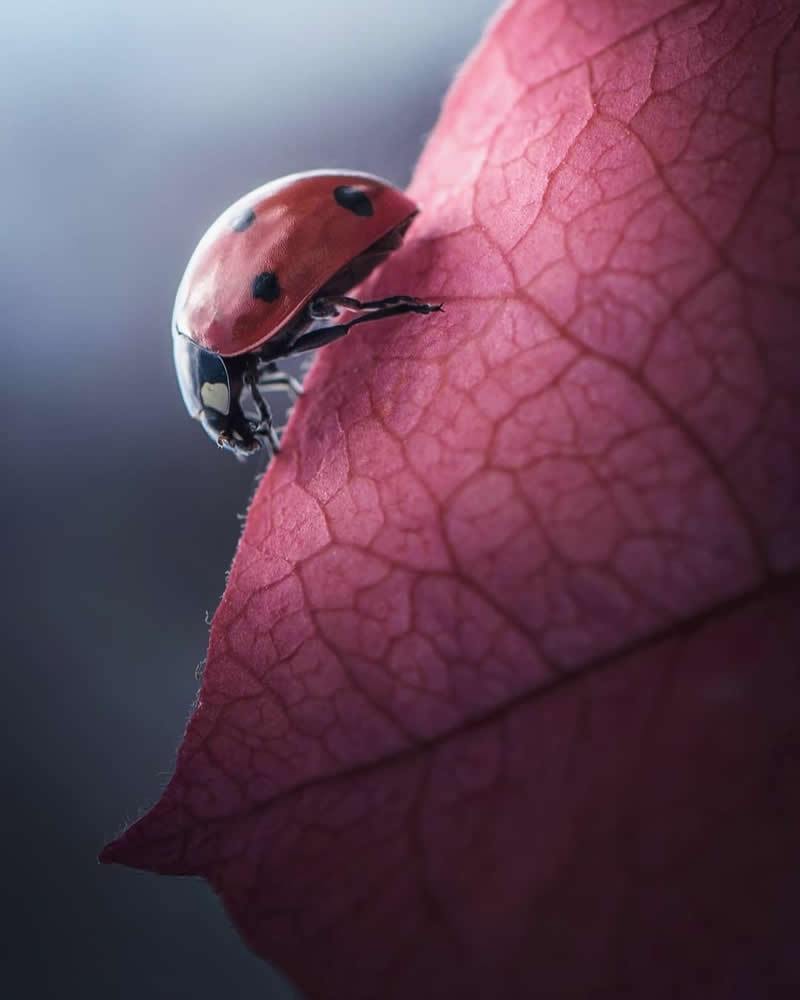
Photo by: @makis_bitos
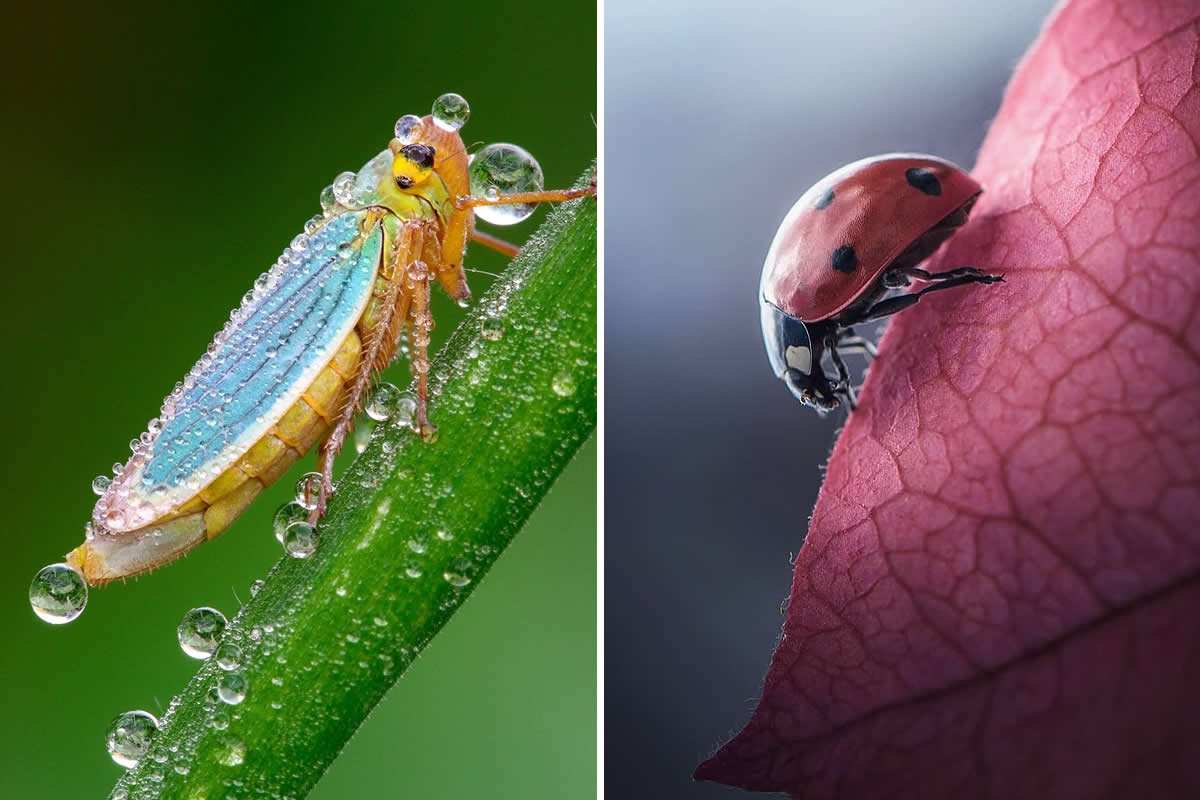
2. Jewel of the Morning: Insect Draped in Dew
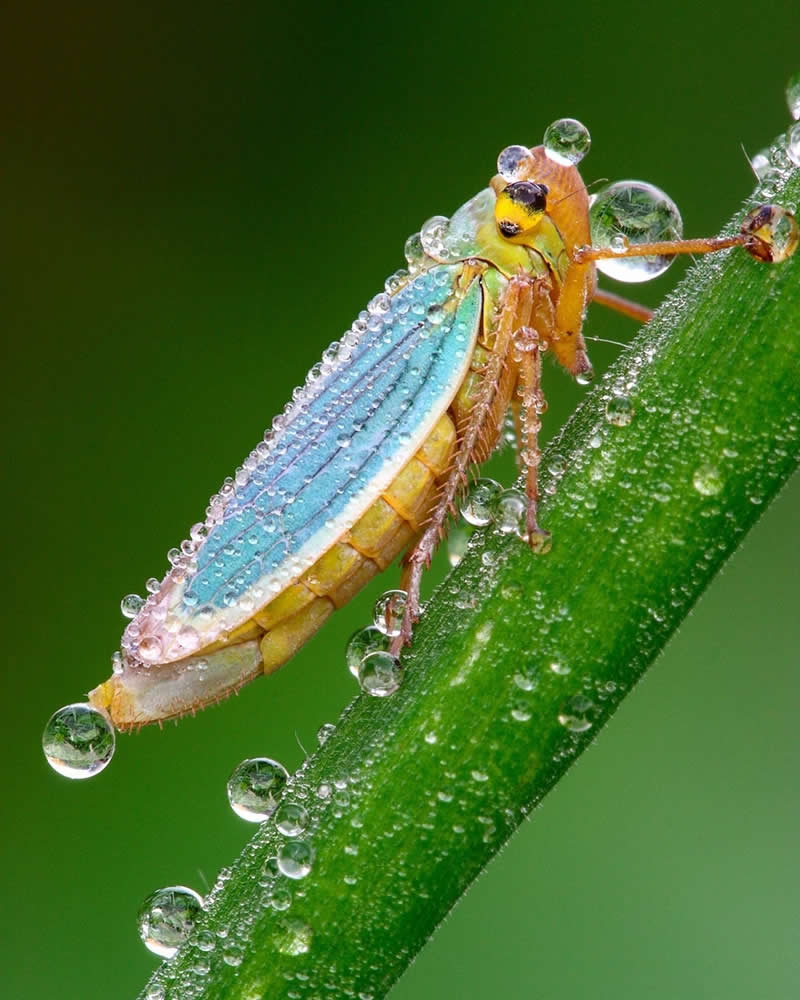
Photo by: @luis_manuel_iglesias
3. Resting Worker: Honeybee in Golden Detail
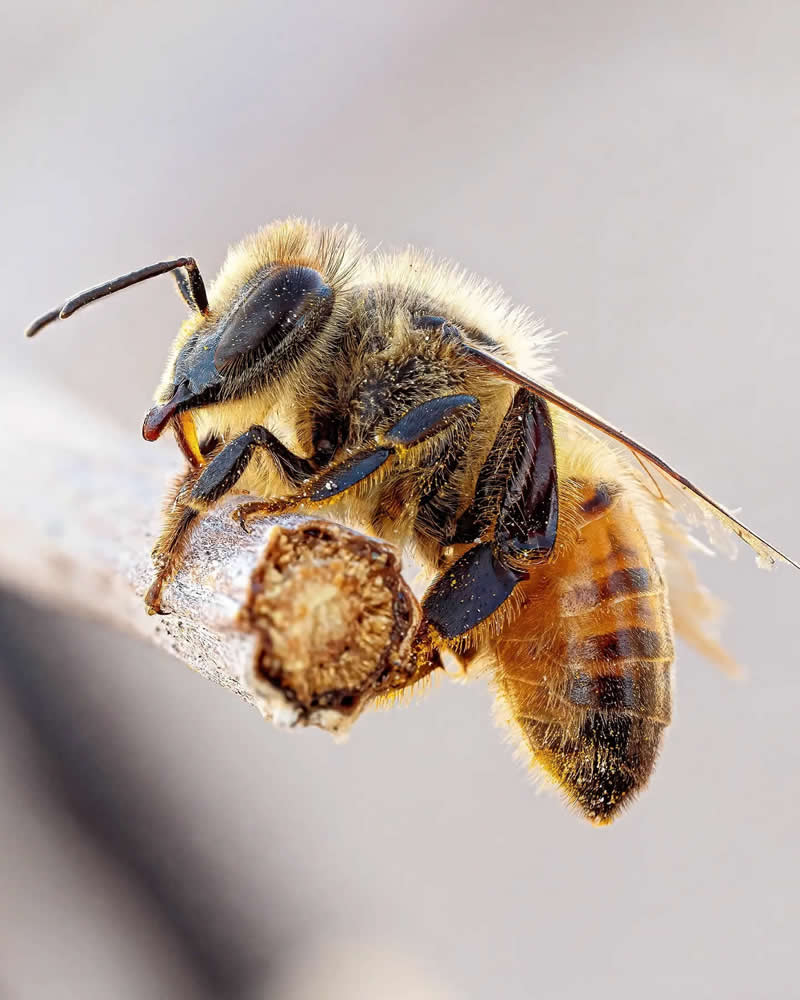
Photo by: @bugyardigans
4. Horned Guardian: Nature’s Tiny Warrior
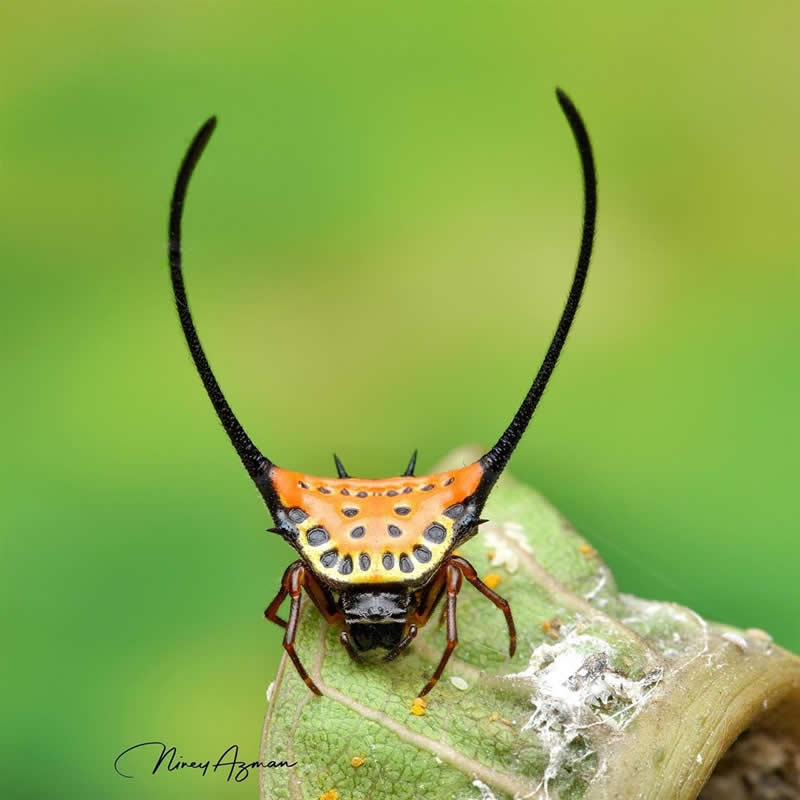
Photo by: @niney_azman
5. Sunset Sentinel: Damselfly in Silhouette
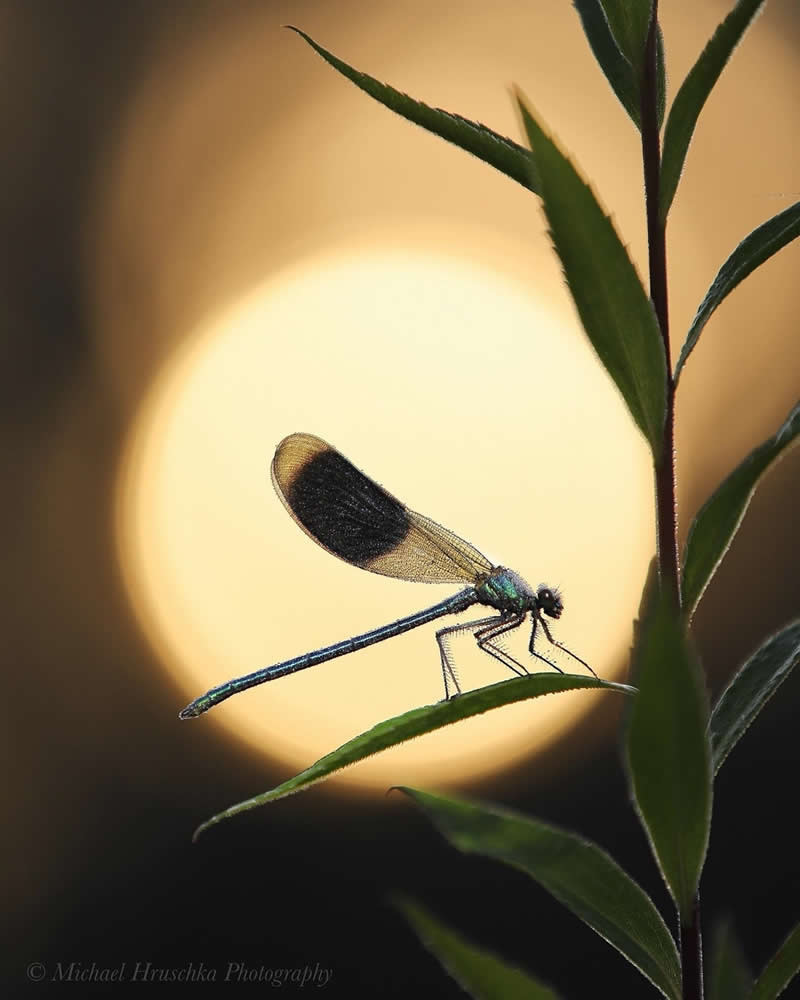
Photo by: @michael.hruschka.photography
Gear and Lenses: Build the Right Macro Setup
You don’t need a truckload of gear to shoot killer macro photos, but the right tools absolutely help. A dedicated macro lens gives you sharp detail and true close focus, while extension tubes can turn regular lenses into budget-friendly macro machines. Stability matters too, because even tiny movements can wreck sharpness. Many pros also carry diffusers and reflectors for softer light in the field.
- Use a 90-105mm macro lens for a comfortable insect distance.
- Try extension tubes for low-cost magnification.
- Use a tripod or monopod for extra stability.
- Carry lens cloths for outdoor dust and moisture.
- Pack light so you can move quickly outdoors.
6. Wings of Ember: Butterfly in Bloom
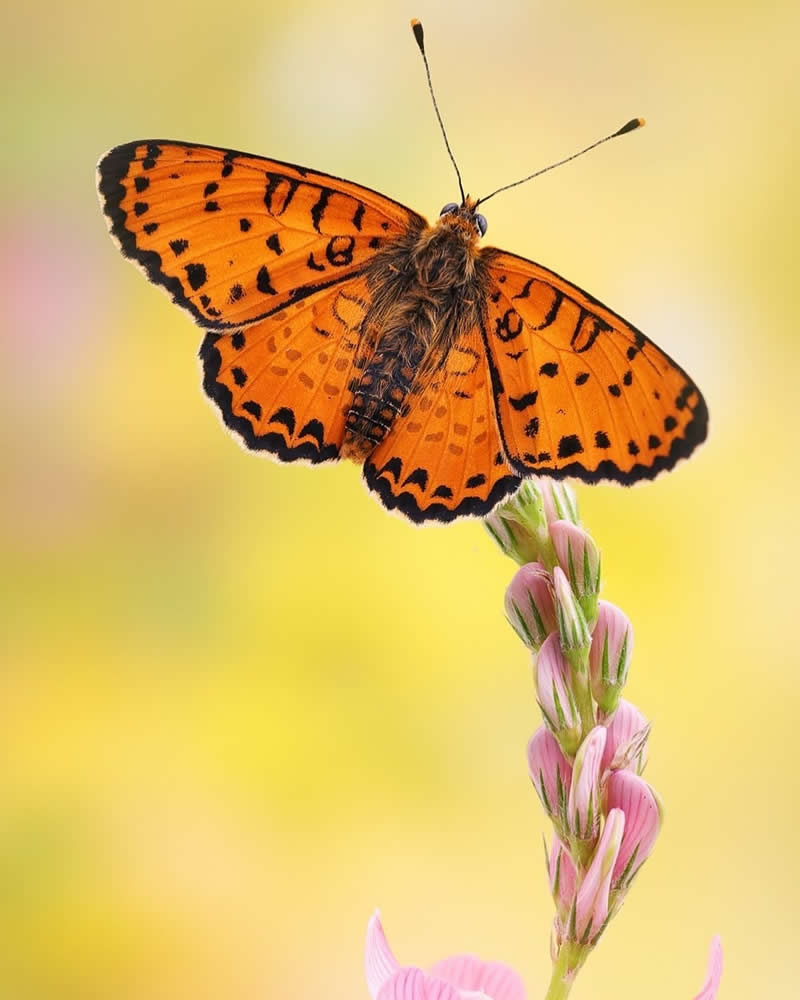
Photo by: @akolossa
7. Scarlet Visitor: Ladybug on a Daisy Crown
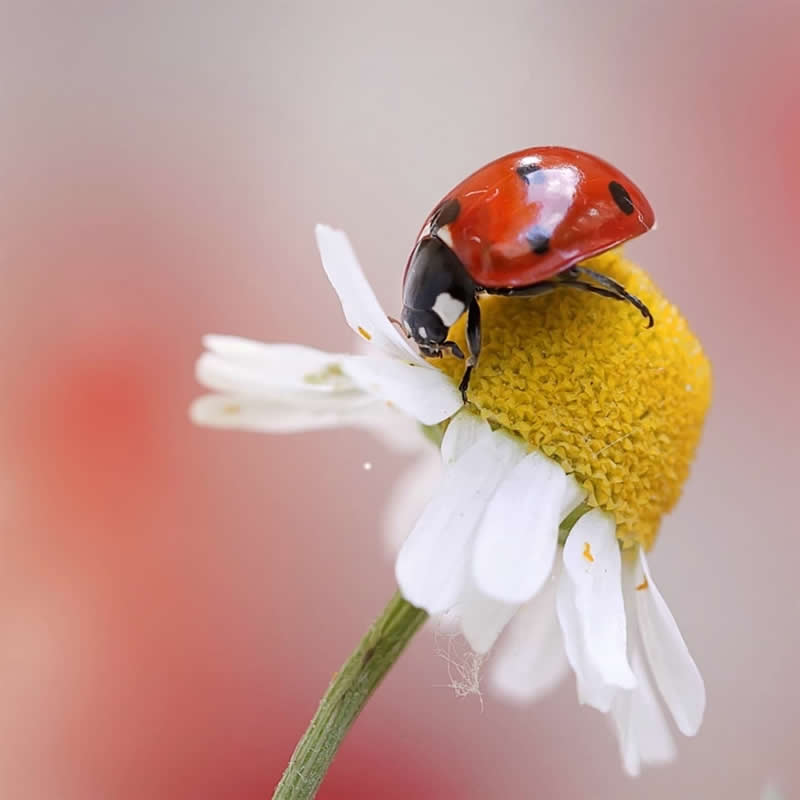
Photo by: @__.l_a_r_a__
8. Mirror Dance: Twin Moths in Perfect Balance
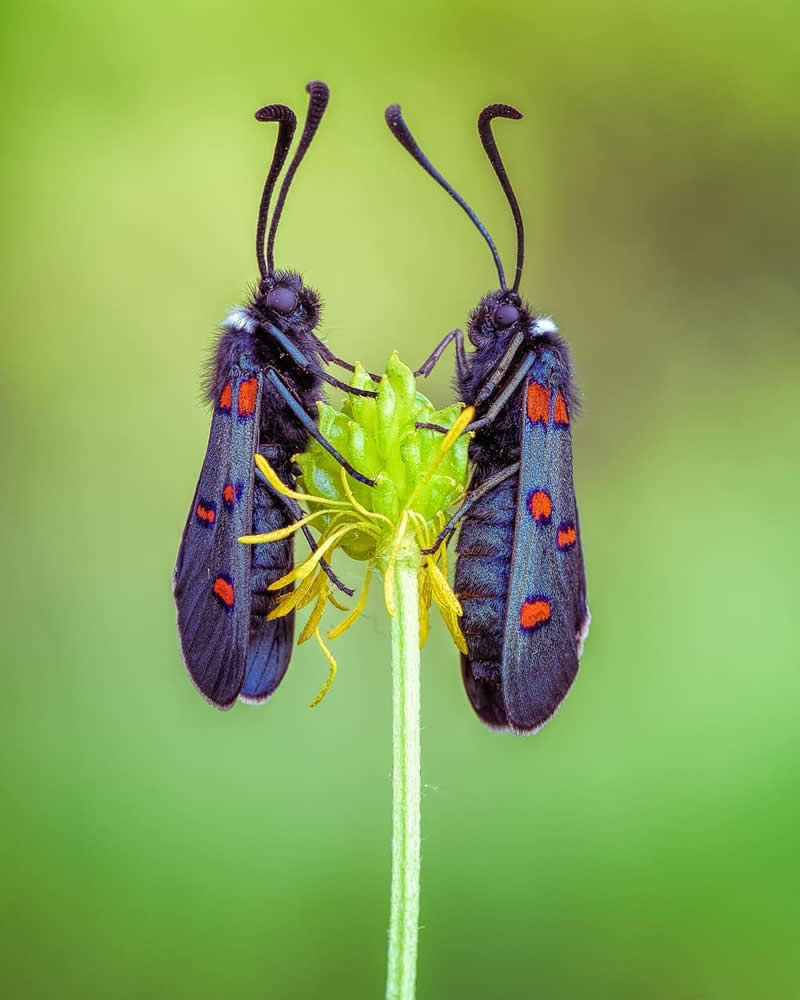
Photo by: @quimpadi
9. Hanging Grace: Butterfly Beneath the Bloom
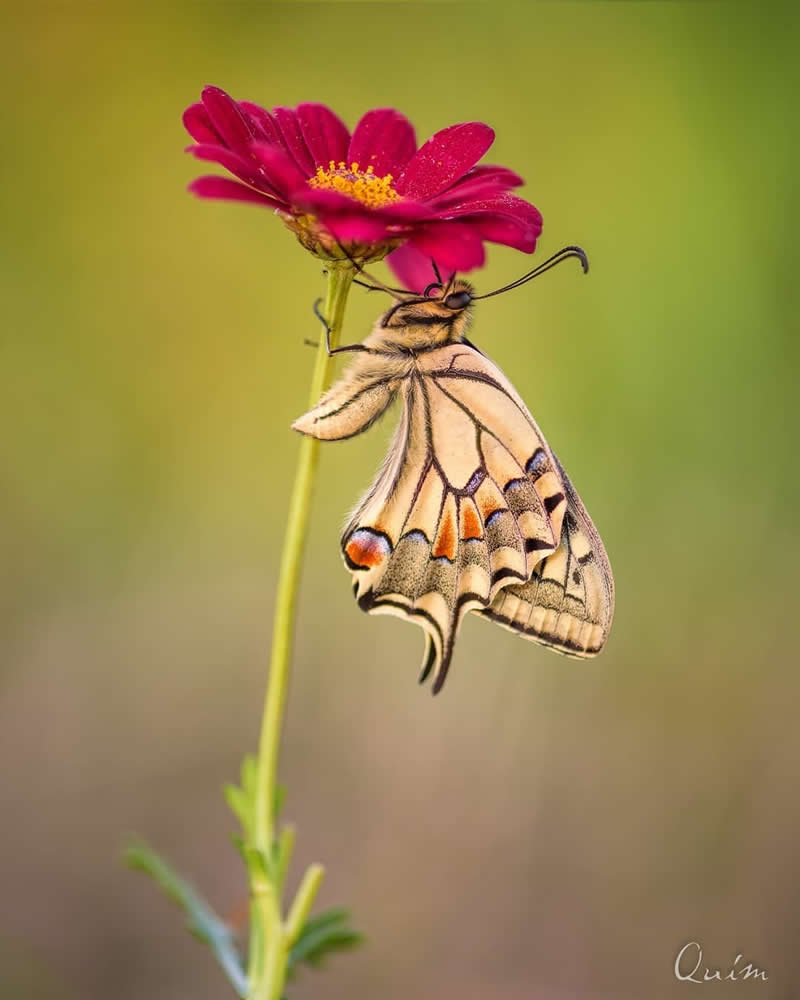
Photo by: @quimpadi
10. Emerald Gaze: Predator on the Leaf
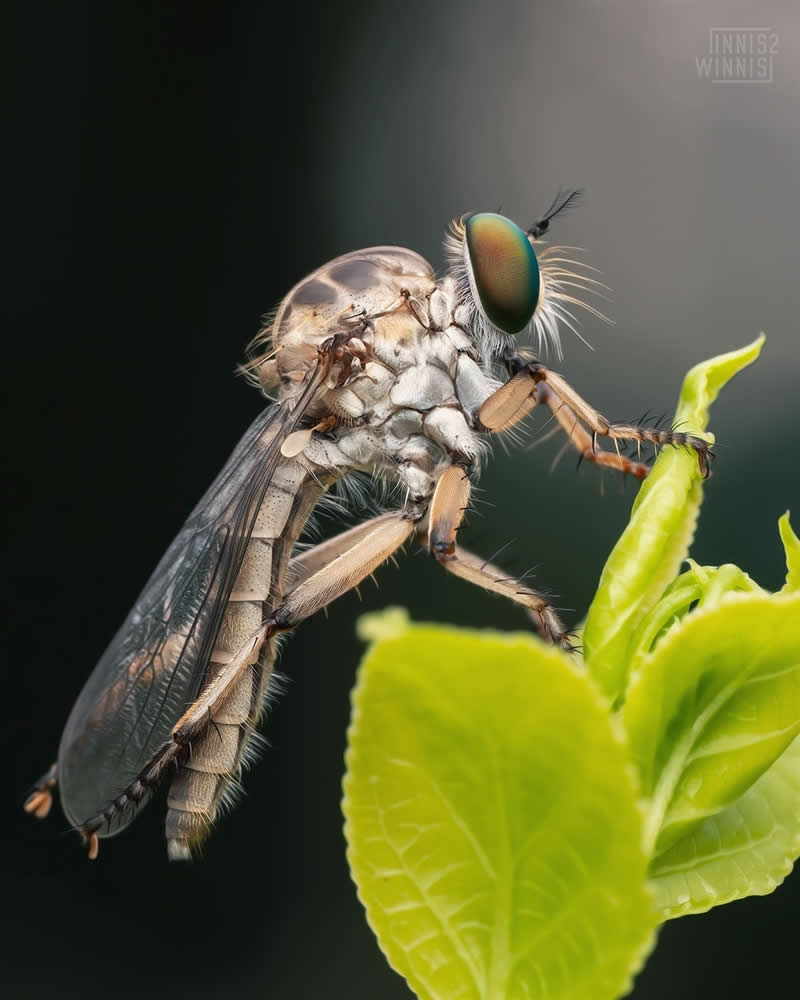
Photo by: @innis2winnis
Lighting Equipment and Depth of Field Control
Lighting can make or break insect photography. Natural morning light is gold because it’s soft and flattering. Flash with a diffuser can freeze motion and reveal insane detail. Macro depth-of-field is razor thin, so learning aperture settings is crucial. Wider apertures create dreamy blur, while narrower ones keep more of the insect sharp. Balance both for impact.
- Shoot during sunrise for soft natural light.
- Use diffused flash to freeze fast insects.
- Try f/8 to f/11 for sharper details.
- Use wide apertures for creamy bokeh.
- Watch shadows falling across your subject.
11. Dawn Encounter: Wings in a Golden Standoff
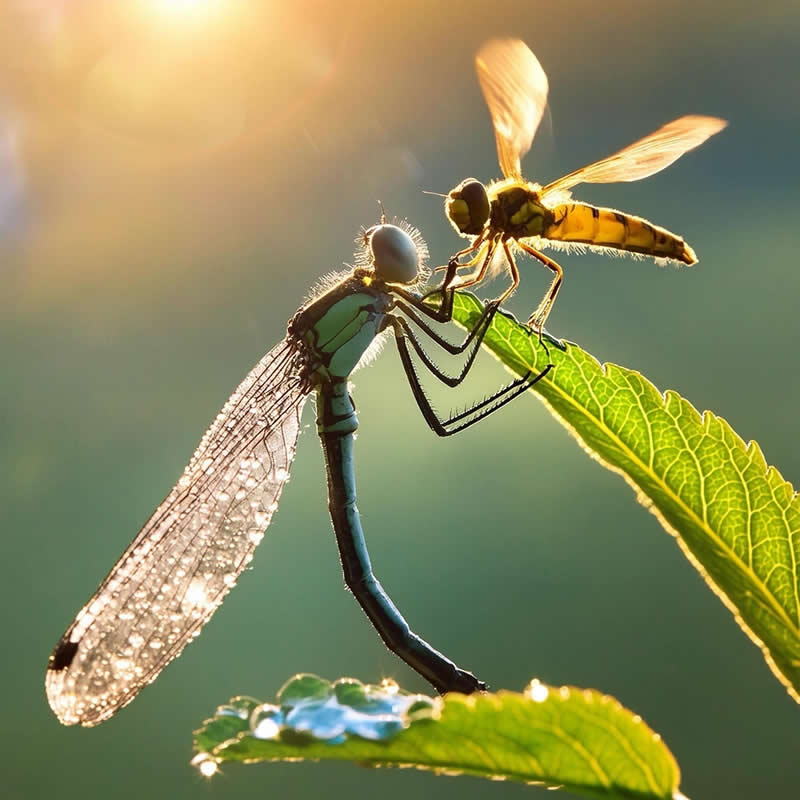
Photo by: @janda_michal
12. Crystal Offering: Face of the Wasp
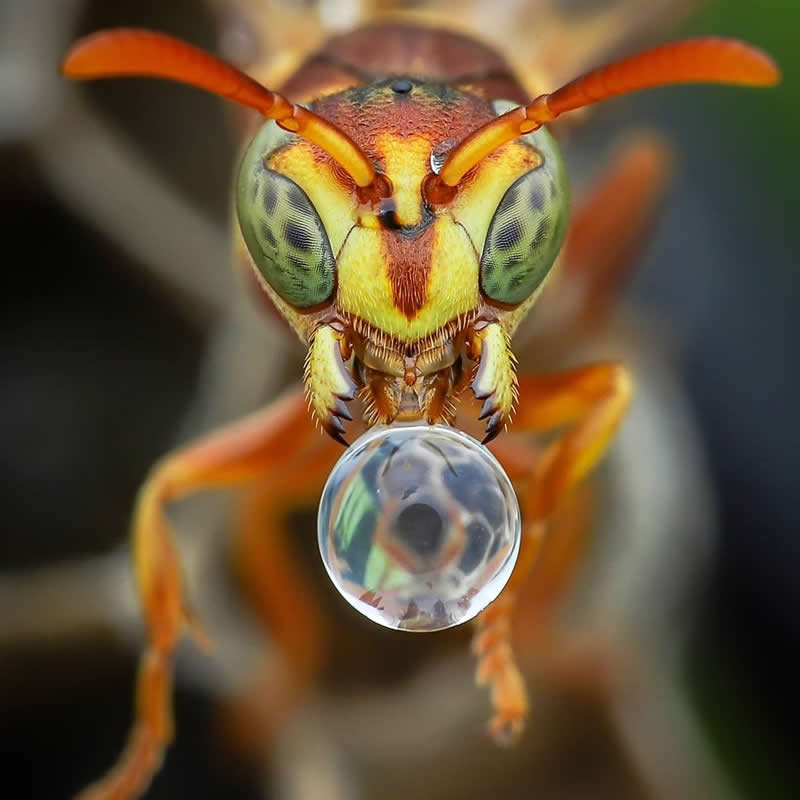
Photo by: @ngocphotograph
13. Scarlet Traveler on a Fading Crown
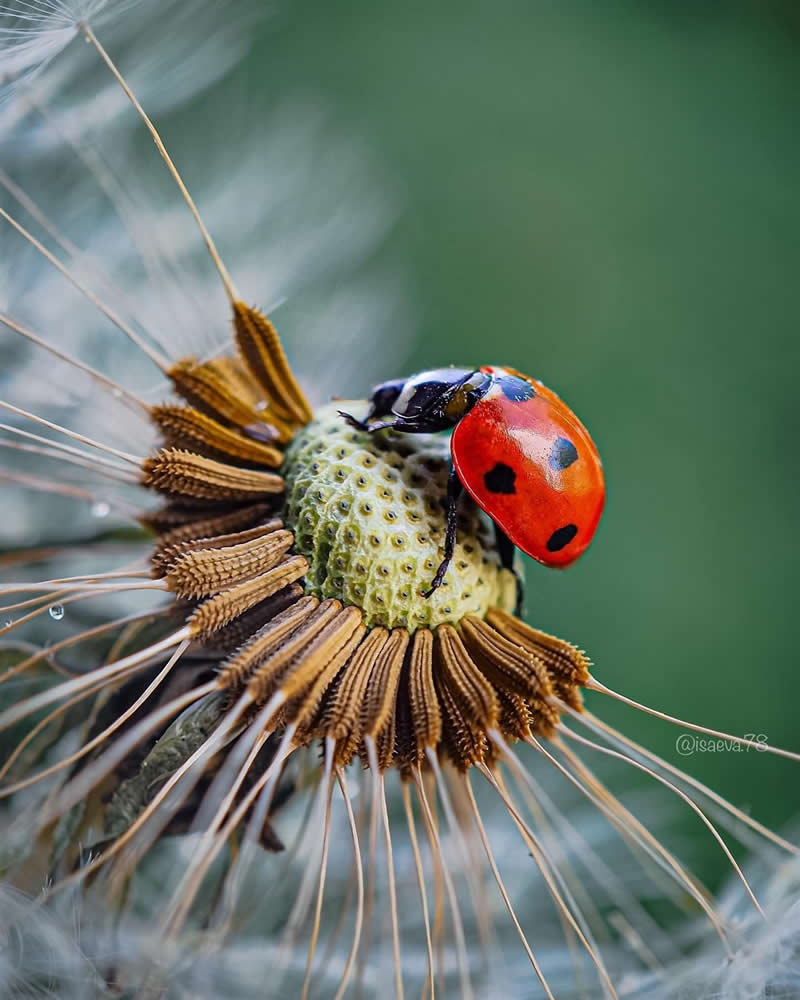
Photo by: @isaeva.78
14. Emerald Warrior: Portrait of a Praying Mantis
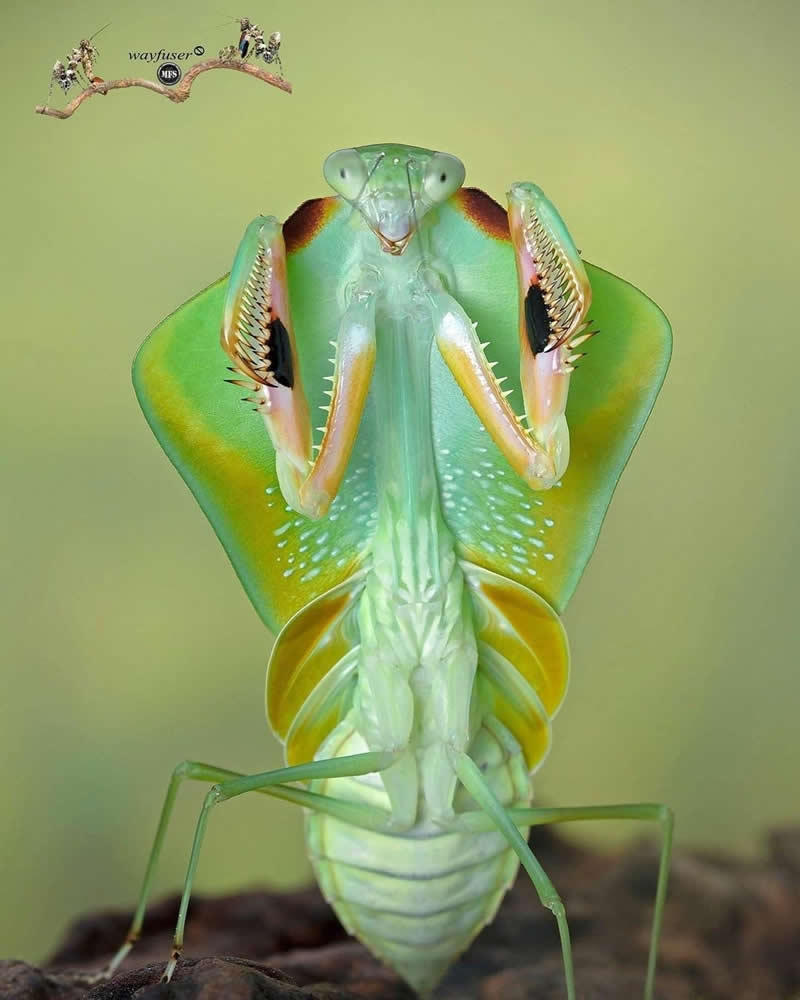
Photo by: @pang.way
15. Climbing Light: Ladybug and the Daisy
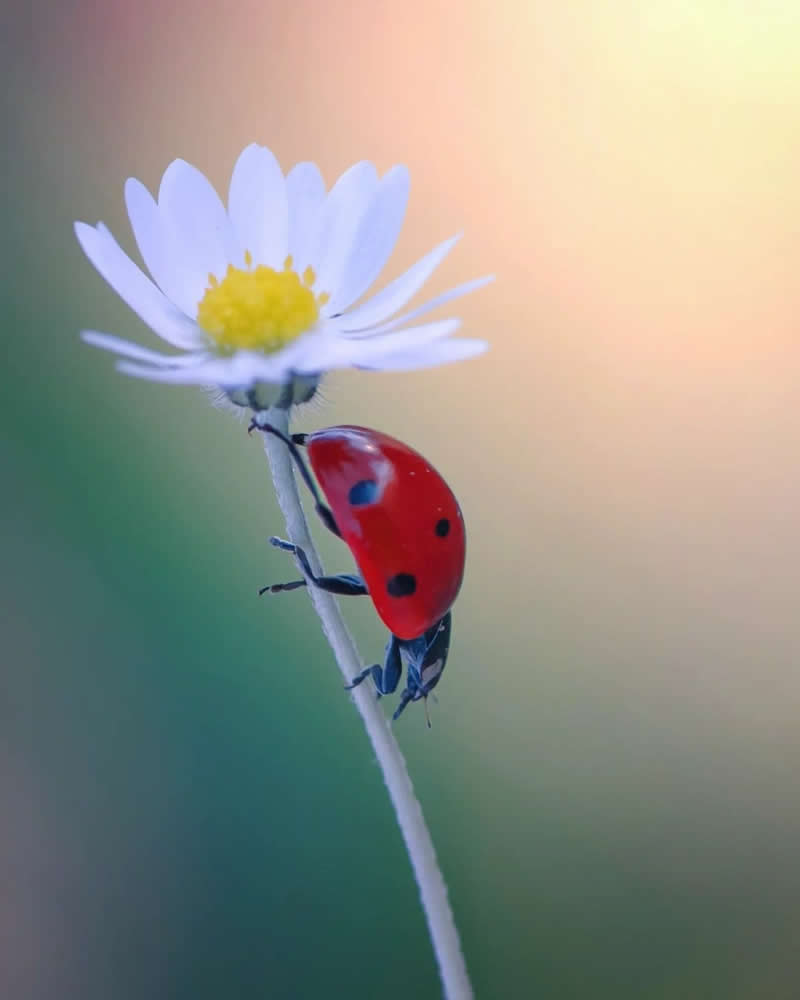
Photo by: @makis_bitos
Patience, Observation, and Understanding Behavior
Macro photography rewards people who chill out and pay attention. Insects move on their own schedule, not yours. Watch how bees return to the same flower, how dragonflies perch repeatedly, or how butterflies pause in sunlight. Once you learn behavior patterns, your hit rate goes way up. Instead of chasing bugs, you start predicting them.
- Move slowly and avoid sudden gestures.
- Observe repeated landing spots first.
- Shoot cooler mornings when insects are calmer.
- Learn species habits for better timing.
- Wait longer than feels comfortable.
16. Spiral Perch: Tiny Beetle on Nature’s Coil
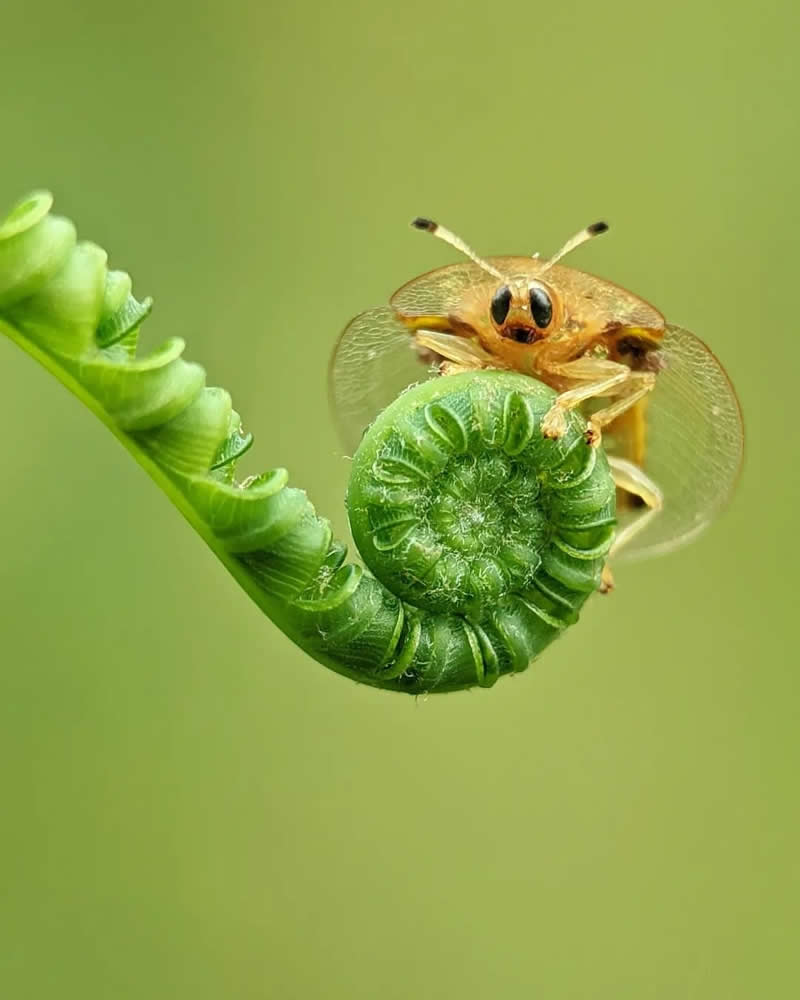
Photo by: @sipinkaras
17. Painted Warrior: Mantis with Raised Arms
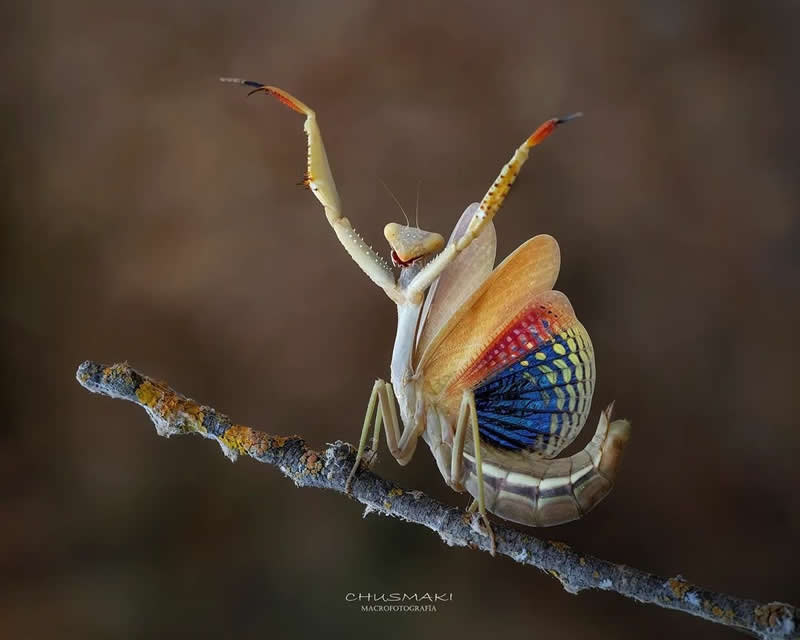
Photo by: @chusmaki
18. Blush Hunter: Orchid Mantis in Bloom
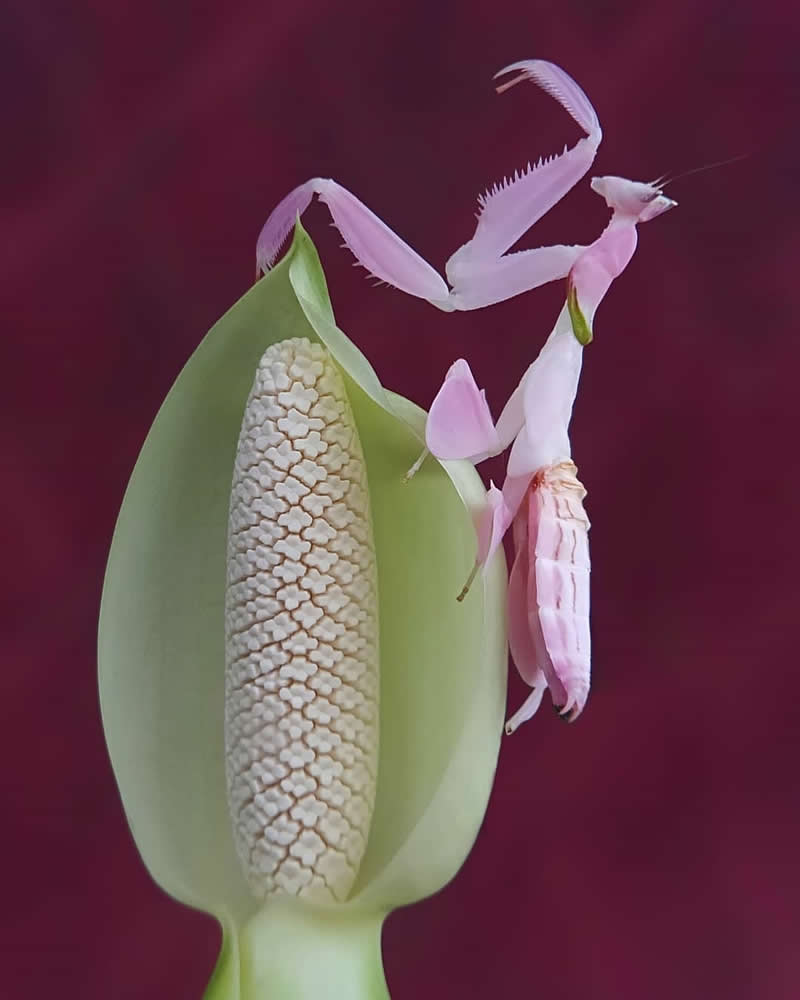
Photo by: @sipinkaras
19. Neon Guardian: Peacock Spider Portrait
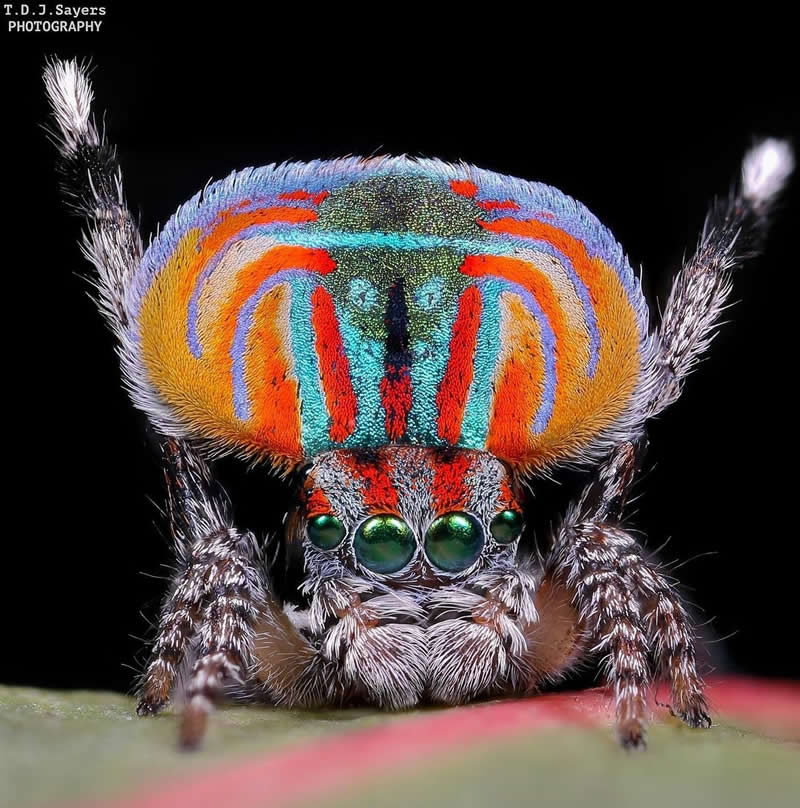
Photo by: @tdjsayers
20. Dew-Crowned Ladybug
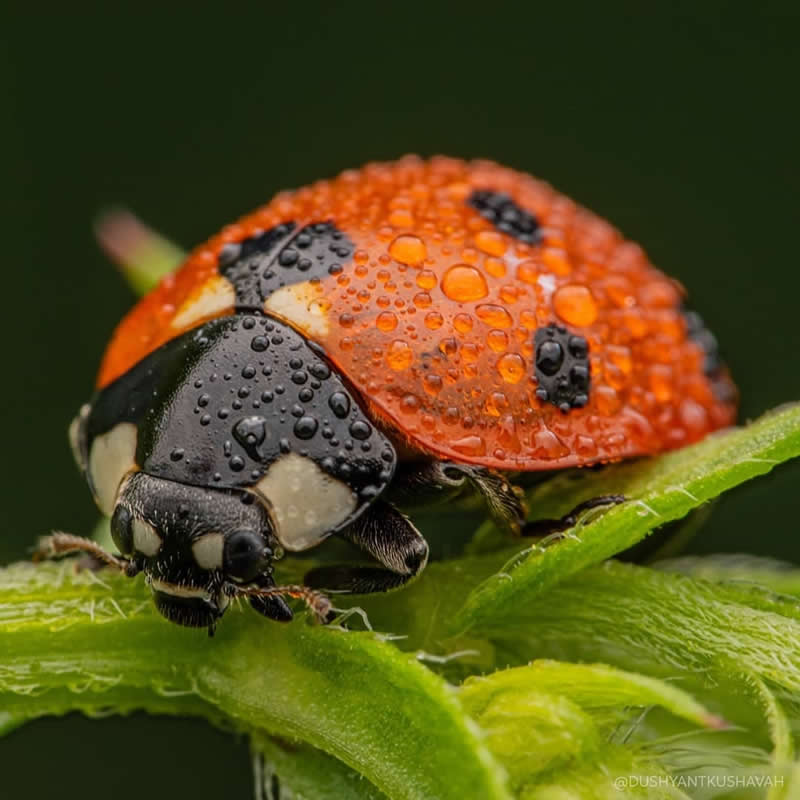
Photo by: @dushyantkushavah
Composition, Framing, and Capturing Surroundings
A sharp bug isn’t enough—you need style. Strong composition turns a simple insect into art. Use clean backgrounds, leading lines, negative space, or flowers and leaves to tell a fuller story. Sometimes, it includes the environment rather than filling the whole frame. A ladybug on a stem or a mantis on a branch often feels more dramatic than an extreme close-up alone.
- Use the rule of thirds for balance.
- Leave space in the direction of movement.
- Include leaves or flowers for context.
- Simplify messy backgrounds whenever possible.
- Try vertical framing for stems and insects.
21. Archer Stance: Wasp on the Blade
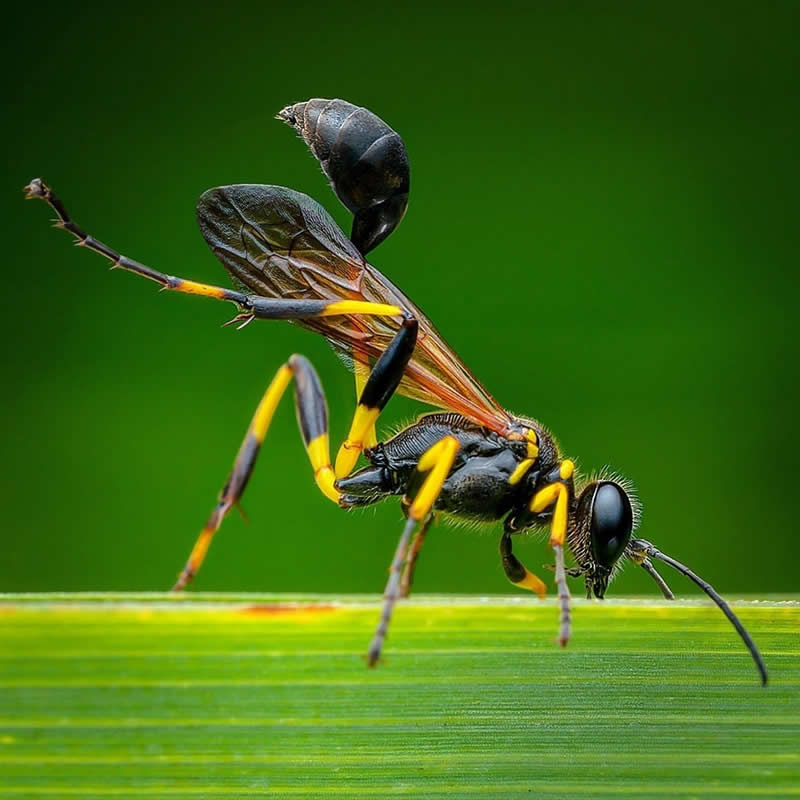
Photo by: @saidkry2
22. The Praying Mantis and the Seed Pod
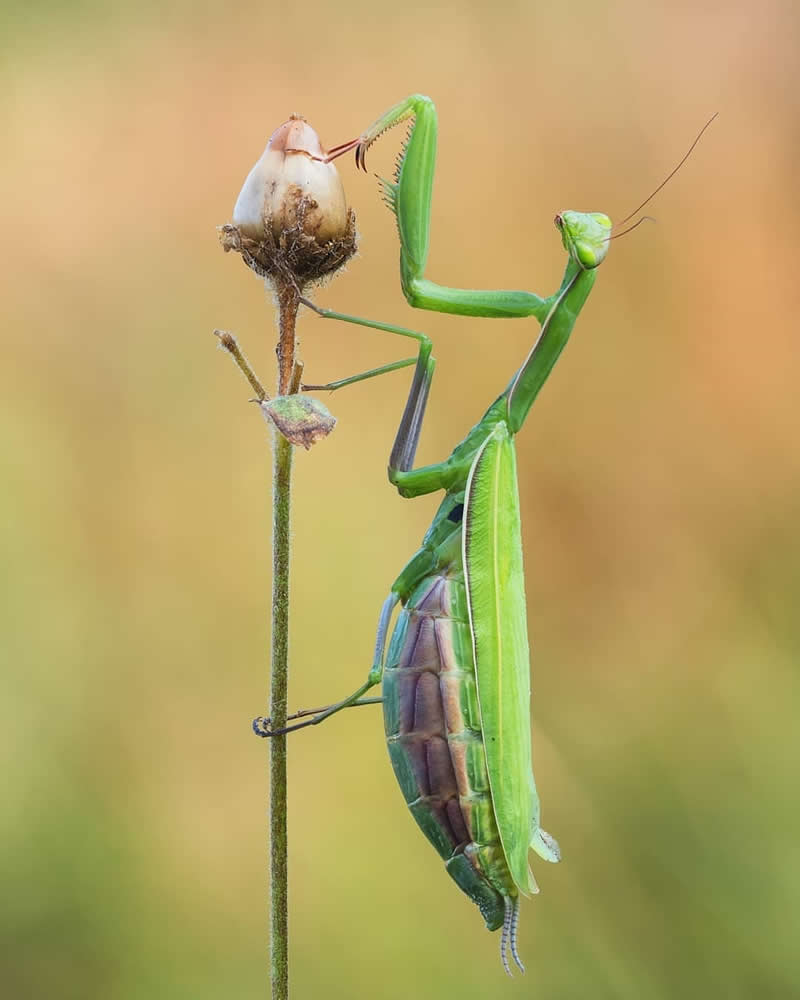
Photo by: @lukasz_prajzner
23. Sawfly Larvae on a Green Leaf
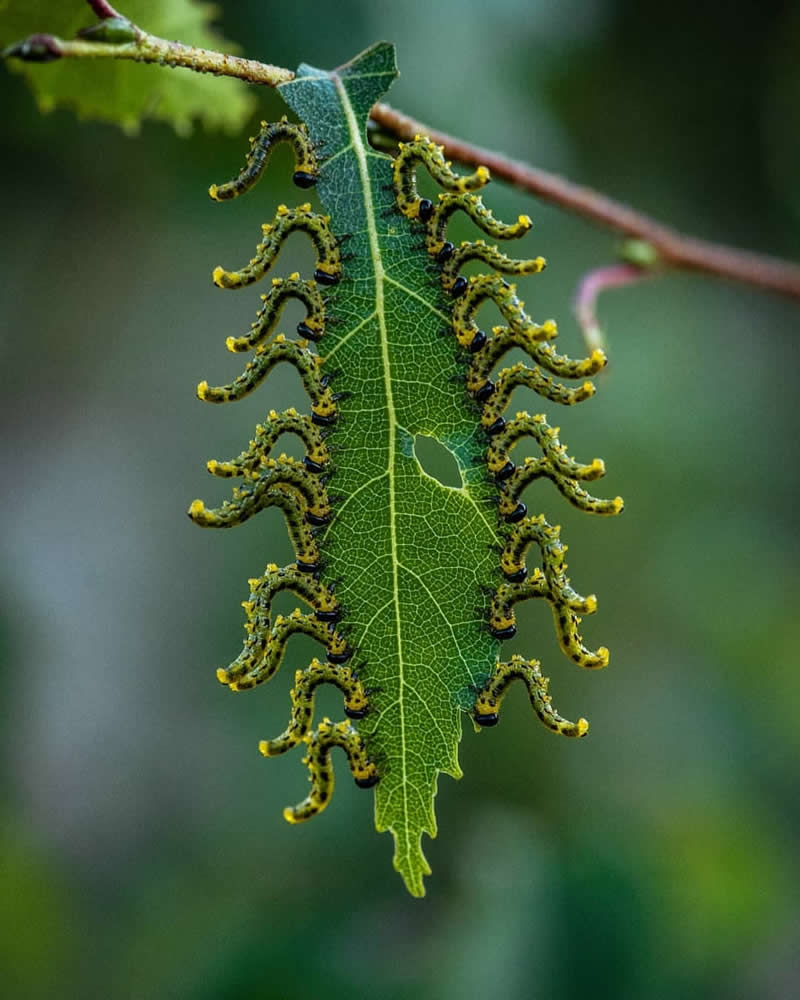
Photo by: @jkorhoin
24. Macro Profile of a Tiger Beetle
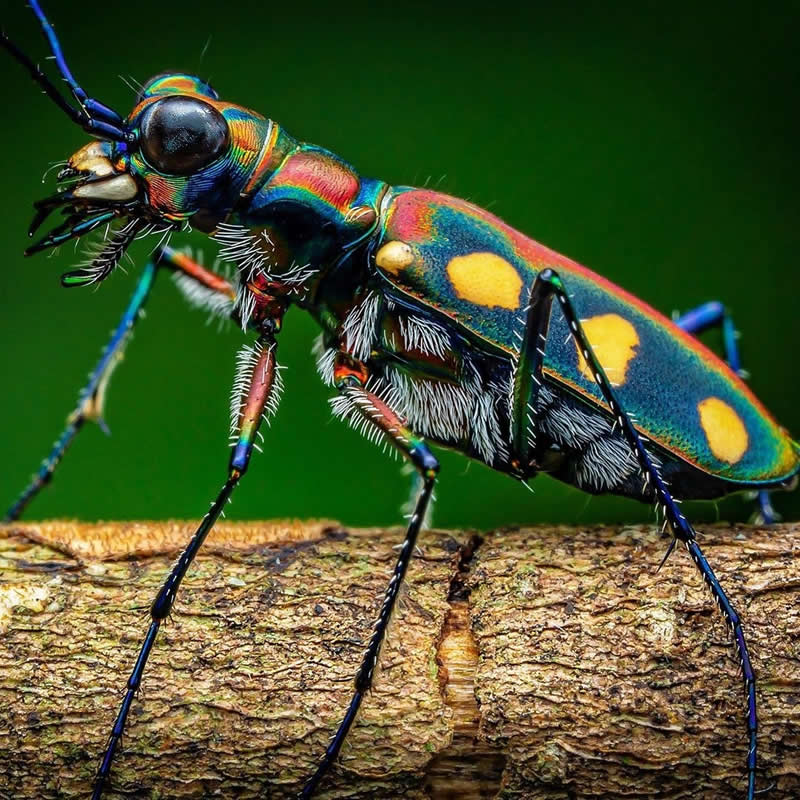
Photo by: @saidkry2
25. Living Spiral: Caterpillars in Harmony
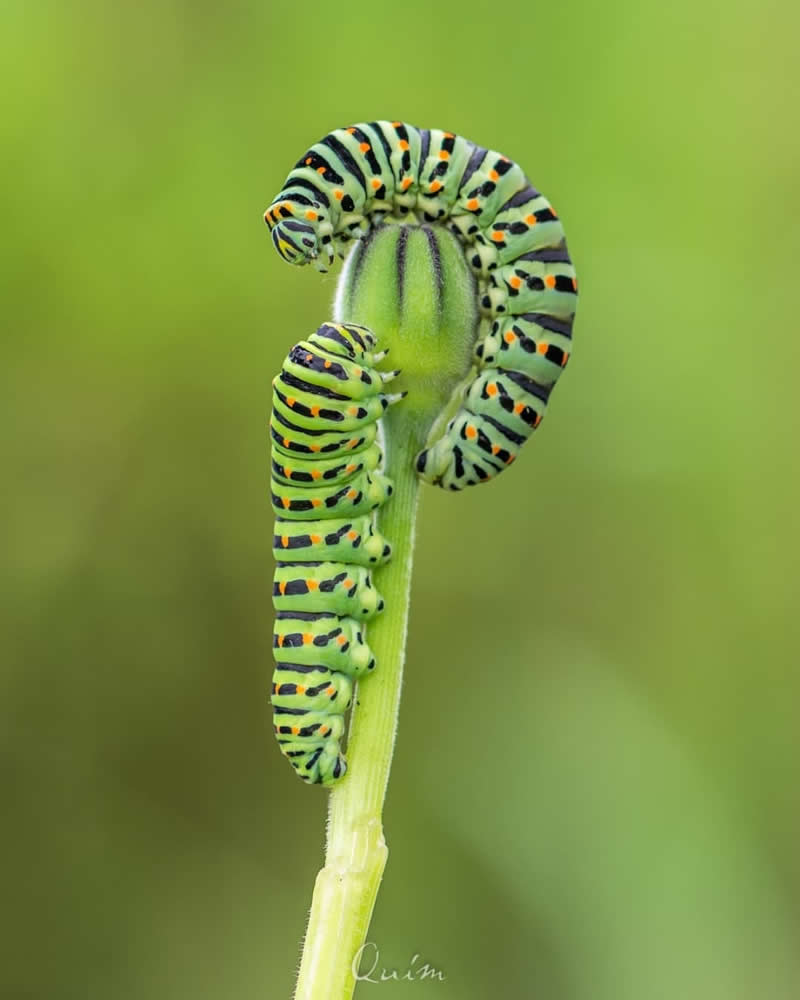
Photo by: @quimpadi
The Art of Macro Photography: Variety and Storytelling
The best macro photographers don’t shoot only butterflies. They explore beetles, flies, mantises, caterpillars, wasps, moths, spiders, and more. Every species offers different colors, textures, and moods. Some look elegant, others look alien. The goal is storytelling to capture drama, tenderness, symmetry, struggle, or motion. That’s how insect photos become unforgettable art.
- Photograph many insect species for variety.
- Focus on texture, color, and personality.
- Capture interactions with flowers or prey.
- Look for symmetry and unusual shapes.
- Tell a story, not just a close-up.
26. Crystal Cloak: Bee Fly at Dawn
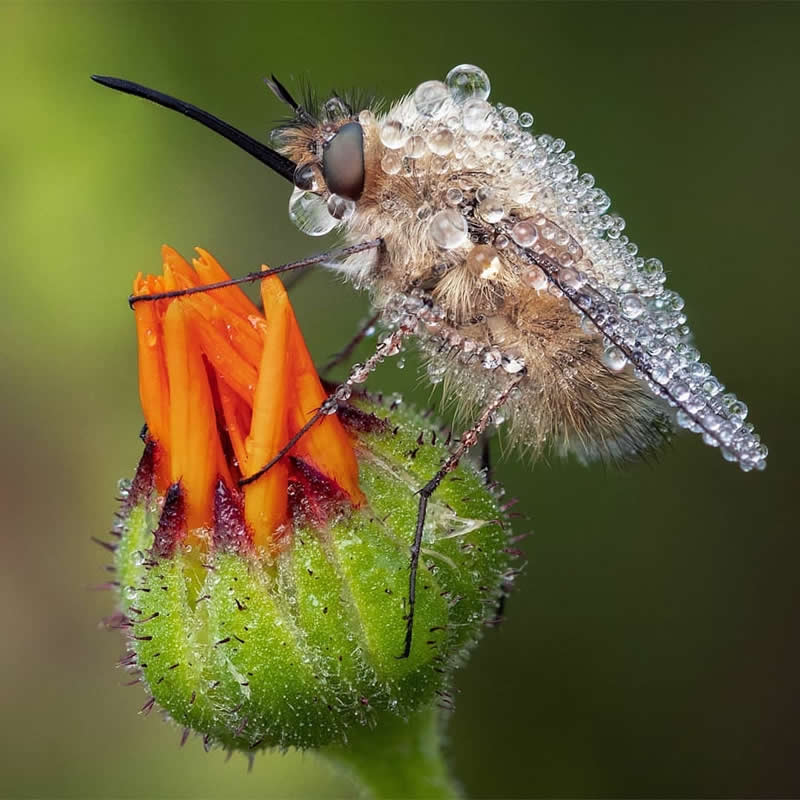
Photo by: @macro.tal
27. Pink Empress: Orchid Mantis Portrait
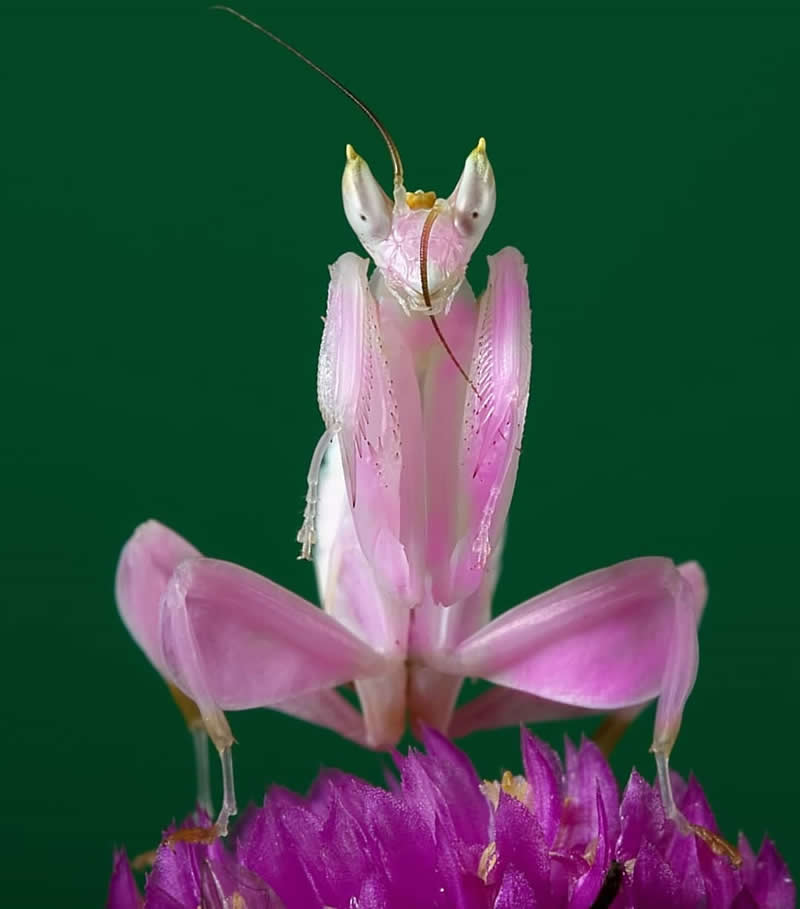
Photo by: @laurence_suryanata
28. Lace Wings: Night Visitor on Fern
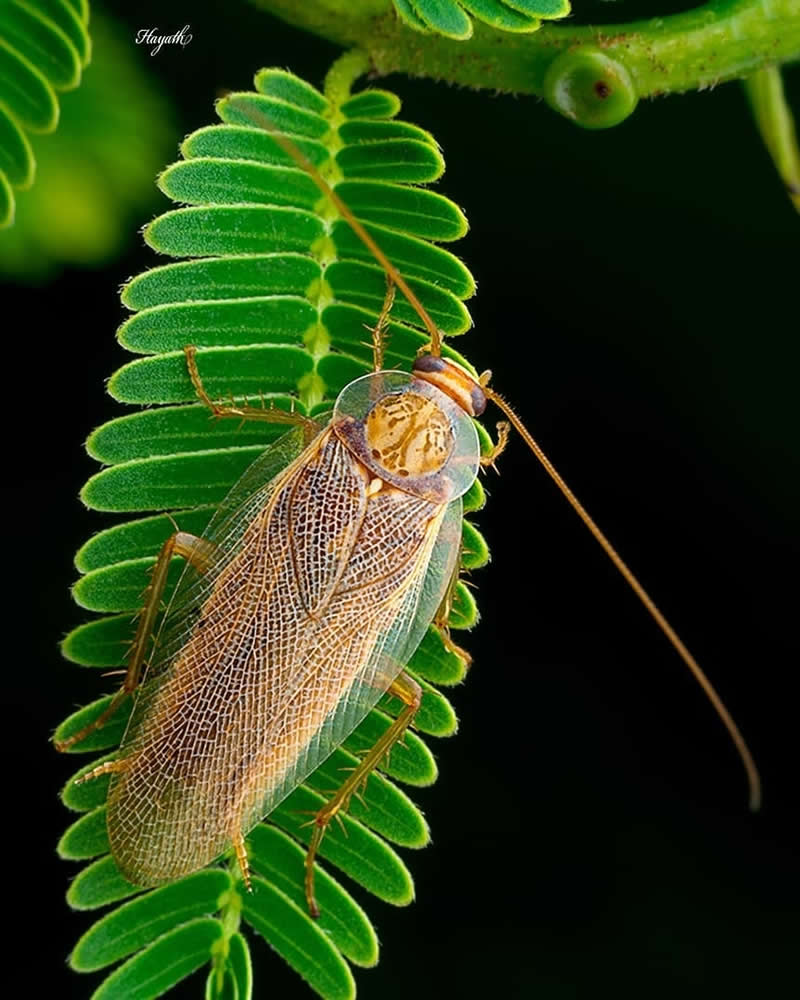
Photo by: @hayath_dyno
29. Jewel Climber: Beetle on Blush Pearls
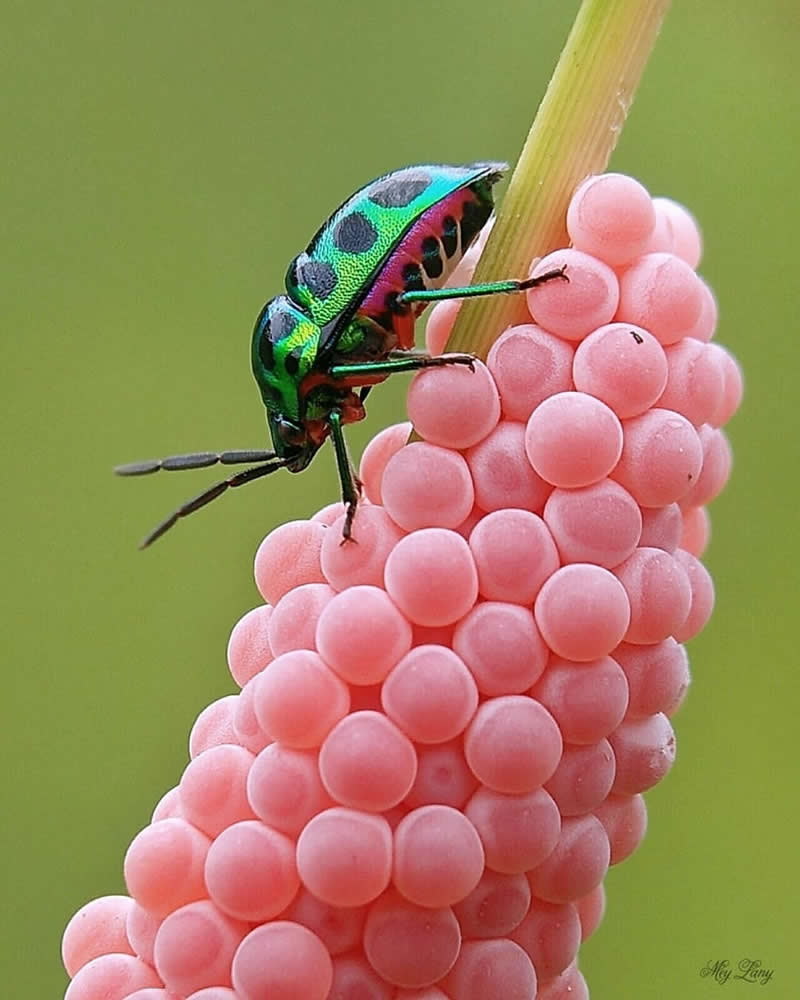
Photo by: @meylany665
30. Mint Voyager on Violet Petals
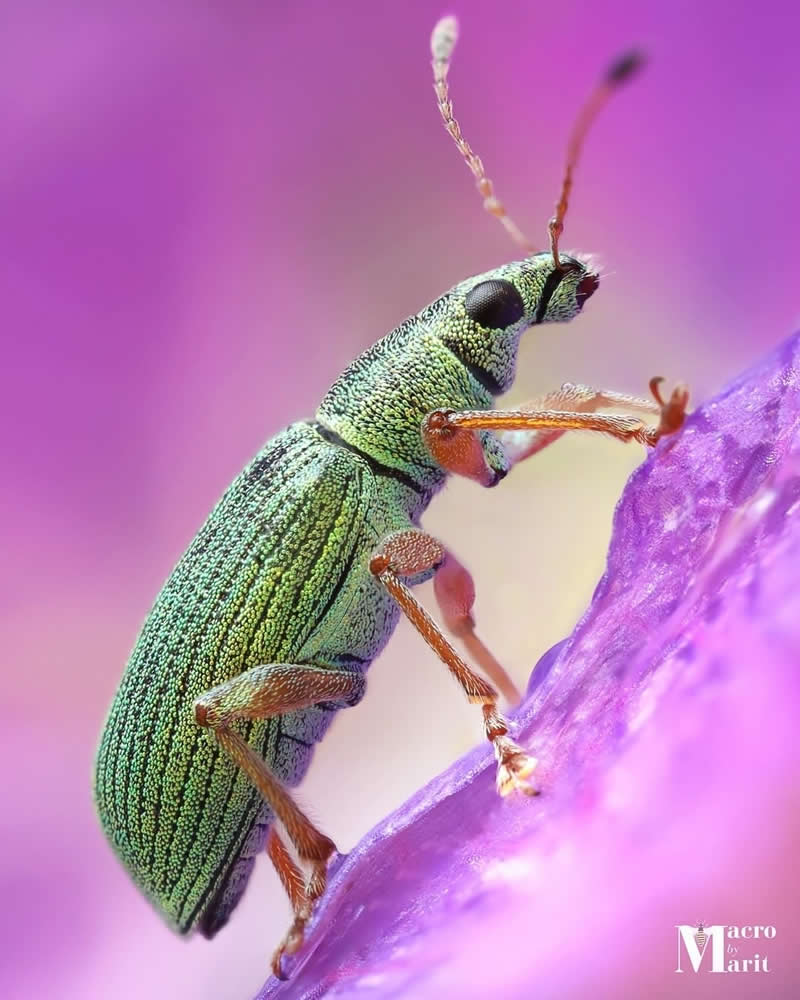
Photo by: @macrobymarit
31. Tribal Fire: Painted Grasshopper Portrait
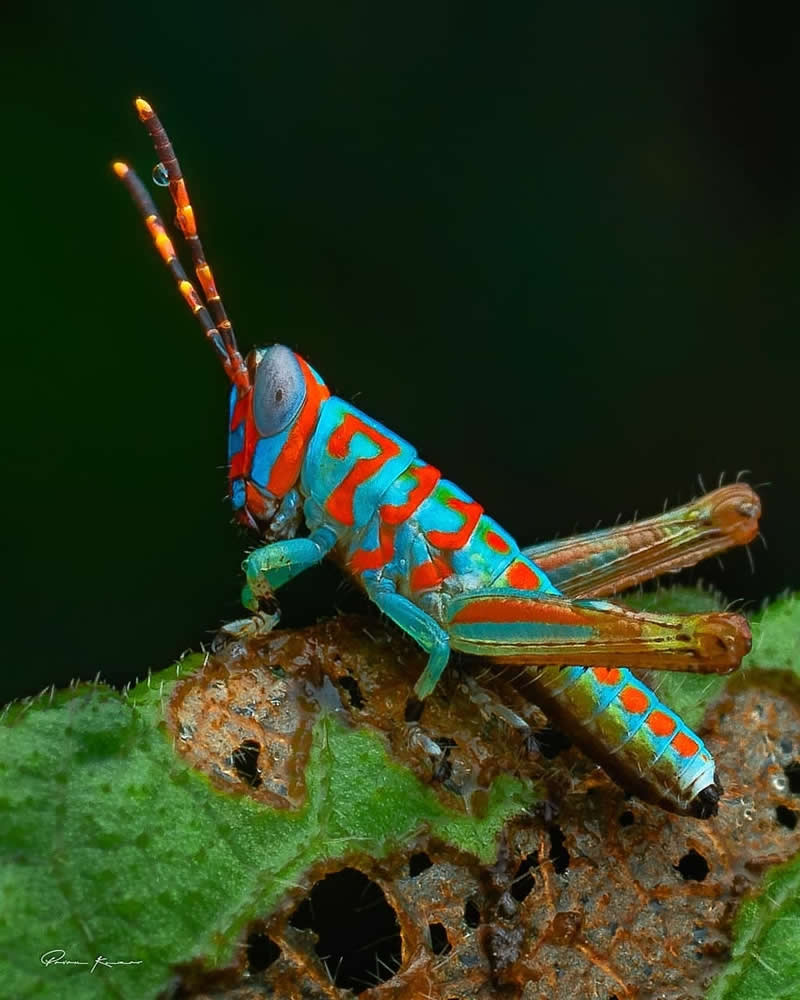
Photo by: @pavan_tavrekere
32. Crimson Eye: Jewel Wasp on the Rise
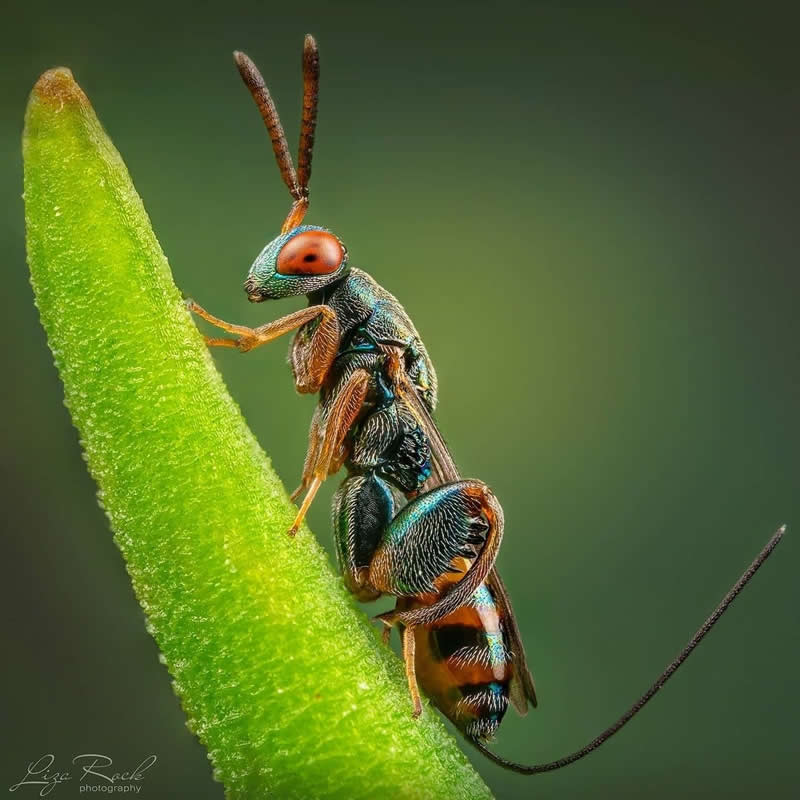
Photo by: @lizarock
33. Midnight Shield: Jewel Bug Portrait
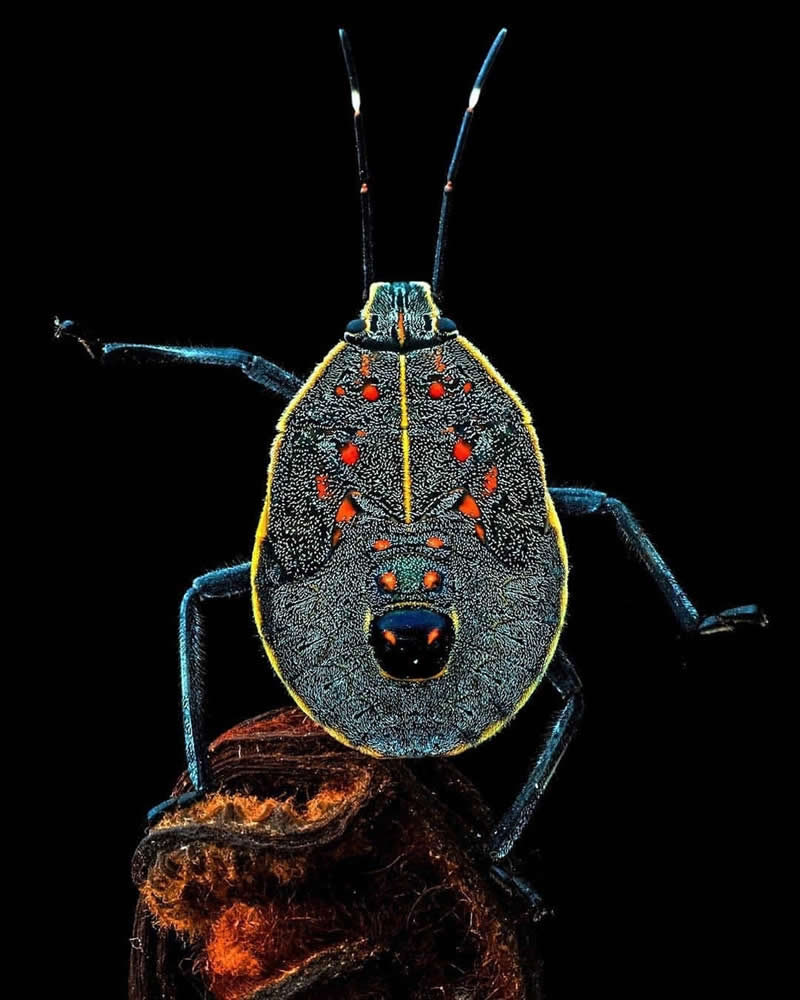
Photo by: @morries_lky
FAQs:
What is macro photography?
Macro photography is close-up photography that captures tiny subjects in great detail. It reveals textures, patterns, and features often invisible to the naked eye, making insects, flowers, and small objects look larger than life and visually dramatic.
What lens is best for insect macro photography?
A 90-105mm macro lens is ideal because it offers sharp detail and sufficient working distance. This lets photographers stay farther from insects, reducing the chance of scaring them while still getting frame-filling close-ups.
What time is best to photograph insects?
Early morning is often the best time because temperatures are cooler and insects move more slowly. Soft sunrise light also creates flattering illumination, cleaner backgrounds, and sparkling dew that adds extra beauty to macro images.
How do I get blurry backgrounds in macro photos?
Use a wide aperture, increase the distance between the subject and background, and position yourself close to the insect. Longer macro lenses also help create creamy bokeh, making the subject stand out with a professional, polished look.
Do I need expensive gear for macro photography?
No, expensive gear is not required to begin. A basic camera, extension tubes, natural light, and patience can create excellent results. Skill, observation, and composition matter more than owning the most costly equipment.