
When wildflowers bloom, nature really shows off. Hillsides turn electric, valleys glow, and quiet wetlands become straight-up magical. That energy bursts through the latest Wildflower Landscapes category from the 19th International Garden Photographer of the Year awards, one of the most respected contests in garden, botanical, and plant photography worldwide.
Taking 1st Place, Bernadette Benz wowed judges with Alpine Cotton Balls. The image captures protected Scheuchzer’s cotton grass high in alpine wetlands, where white seed heads float like tiny clouds above the earth. It’s soft, surreal, and seriously stunning.
In 2nd Place, Matthew Turner delivered Mellbreak from Rannerdale, a dreamy scene from the Lake District where bluebells blanket the valley. Add a perfectly aligned sunset, and the whole frame feels unreal.
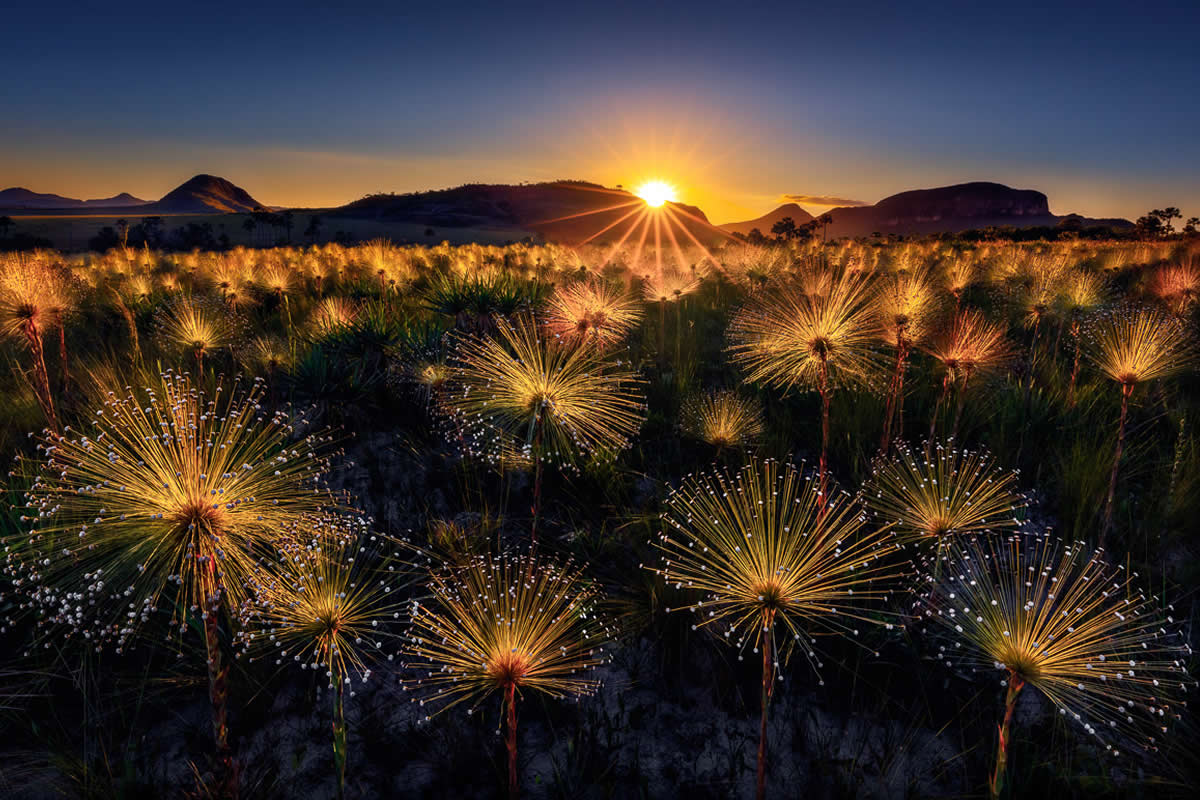
Claiming 3rd Place, Marcio Cabral impressed with Golden Bloom, featuring a radiant Brazilian wildflower rising after wildfire. Backlit at sunset, it becomes a symbol of resilience and fresh starts.
Across all 15 winning images, these photographers prove wildflower landscapes are more than pretty views; they’re stories of survival, beauty, and timing. From alpine moors to glowing valleys and reborn grasslands, every frame reminds us that nature still knows how to steal the spotlight.
You can find more info:
1. 1st Place: "Alpine Cotton Balls" by Bernadette Benz
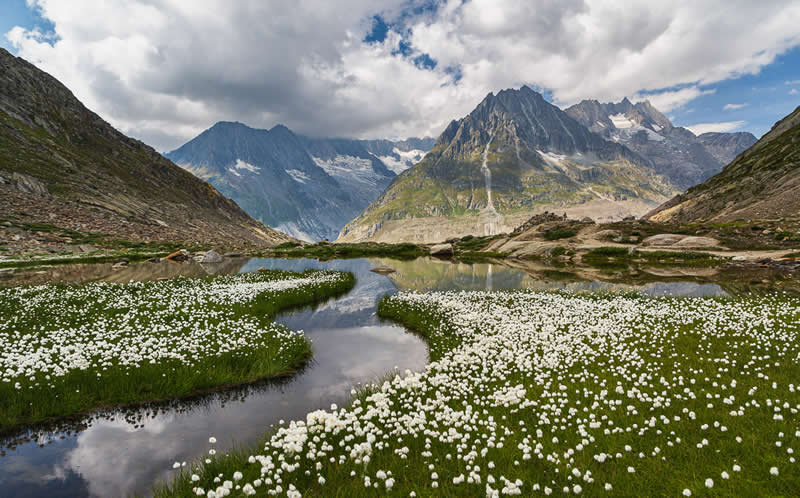
"Scheuchzer’s cotton grass (Eriophorum scheuchzeri) is a protected alpine plant that typically grows in wet, nutrient-poor peat in lowland moors, around ponds and on the banks of standing waters at altitudes of approximately 2,500 metres above sea level. During its flowering period from spring to summer, it can be recognised by its white, spherical spikes, which look like small cotton balls."
2. 2nd Place: "Mellbreak from Rannerdale" by Matthew Turner
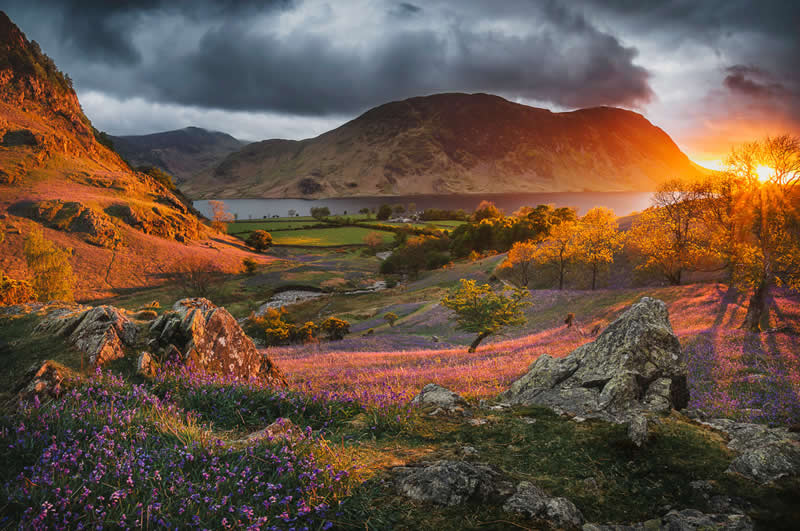
"Every year in springtime, the valley of Rannerdale in the Lake District becomes carpeted in a luscious layer of bluebells. Coincidentally, the setting sun aligns perfectly with this seasonal spectacle, creating a breathtaking display of colour at the end of each day, for just a few weeks. This shot is comprised of two separate images stitched together."
3. 3rd Place: "Golden Bloom" by Marcio Cabral
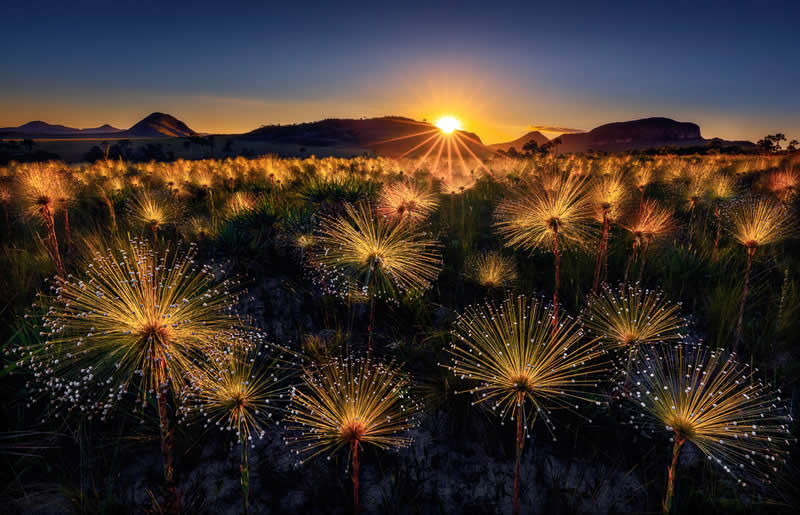
"This image features Paepalanthus chiquitensis (Syn. Coracoralina chiquitensis), a radiant wildflower native to Brazil’s Cerrado. Photographed at sunset, the spherical inflorescences shimmered with delicate filaments that reflect sunlight dramatically when backlit, which created a radiant tapestry of botanical detail. This plant flourishes after intense wildfires, rising from scorched soil as a symbol of renewal and strength. Its luminous presence pays tribute to the Cerrado’s enduring spirit and the quiet power of nature’s recovery. This image is comprised of two sequential exposures, blended together."
4. Finalist: "A Spread of Wild Garlic" by Albert Ceolan
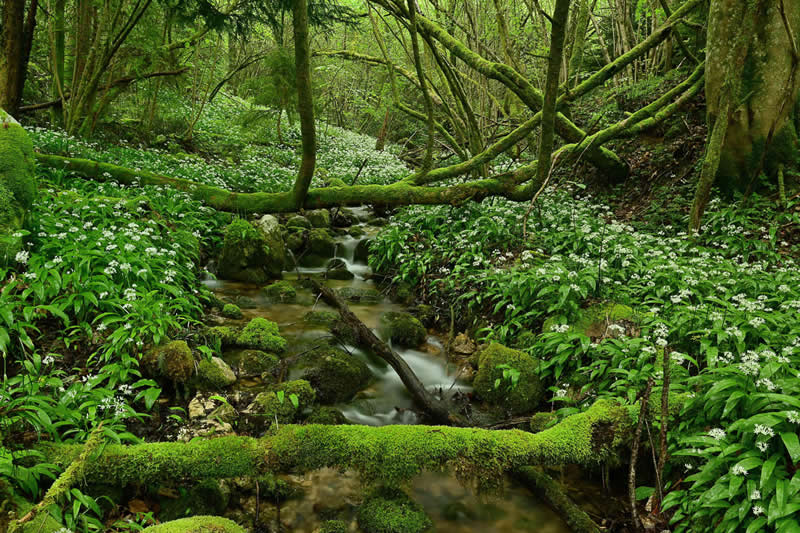
"A shot of the dense, verdant woodland of a carpet of Allium ursinum (wild garlic), as it permeated the forest floor."
5. Finalist: "Mining Track" by Will Barron
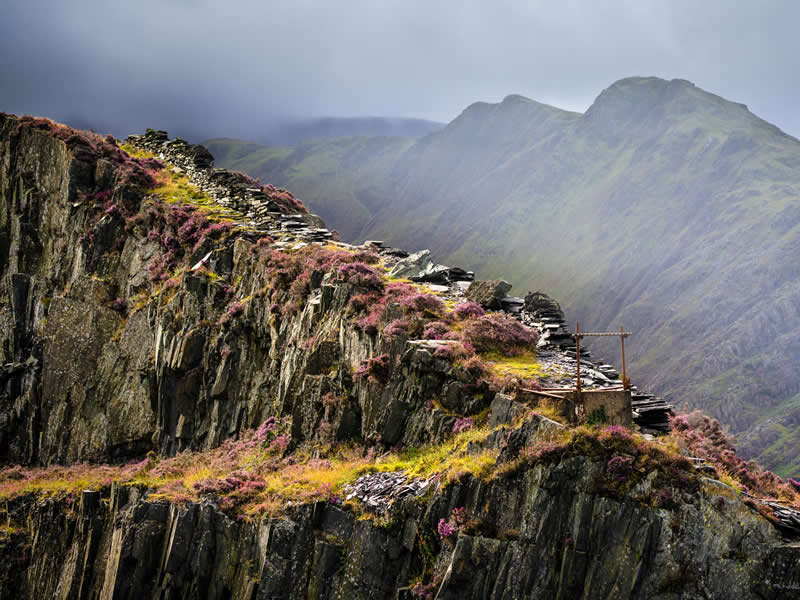
"This is an old slate mining track in Eryi (Snowdonia), North Wales, that the brave miners would have moved along no matter the weather. Slowly over time the wild heather and grasses are claiming it back."
6. Finalist: "Downland Delight" by Ian Brierley
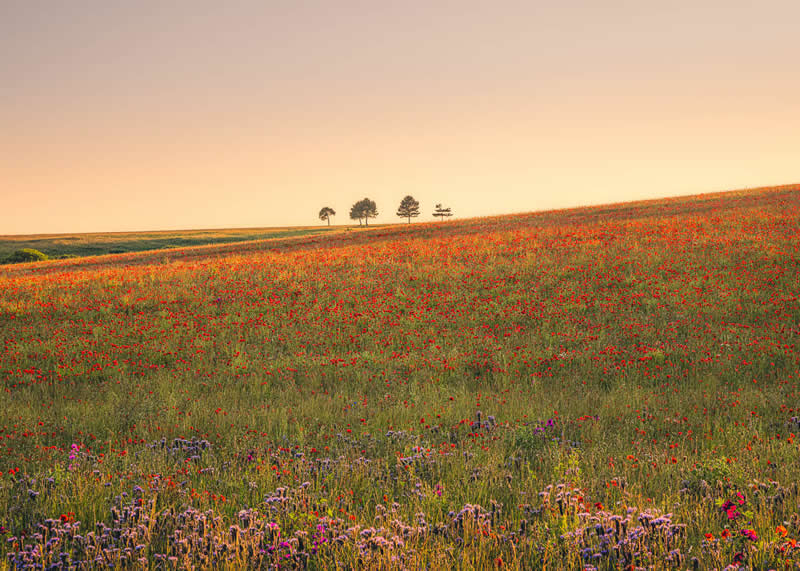
"A beautiful warm summer’s evening at Mount Pleasant on the South Downs, with a field of poppies and wildflowers towards a small group of trees. The scene was lit by fantastic sidelight just before sunset, which illuminated the foreground flowers. High above, the birdsong of skylarks could be heard, a truly magical moment. This shot is comprised of three images focus stacked together."
7. Finalist: "The High-Altitude Meadow" by Albert Ceolan
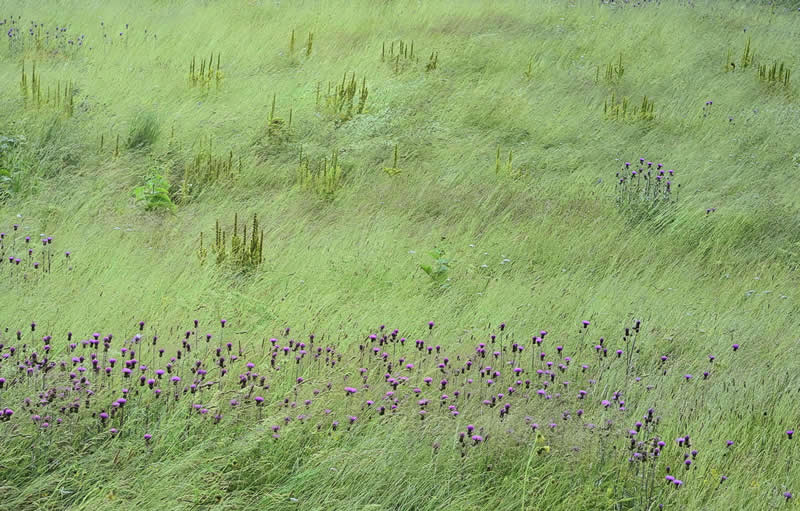
"Wild plants and thistles in this high-altitude meadow created a beautiful picture, that resembles a painting."
8. Highly Commended: "Botanical Fireworks" by Marcio Cabral
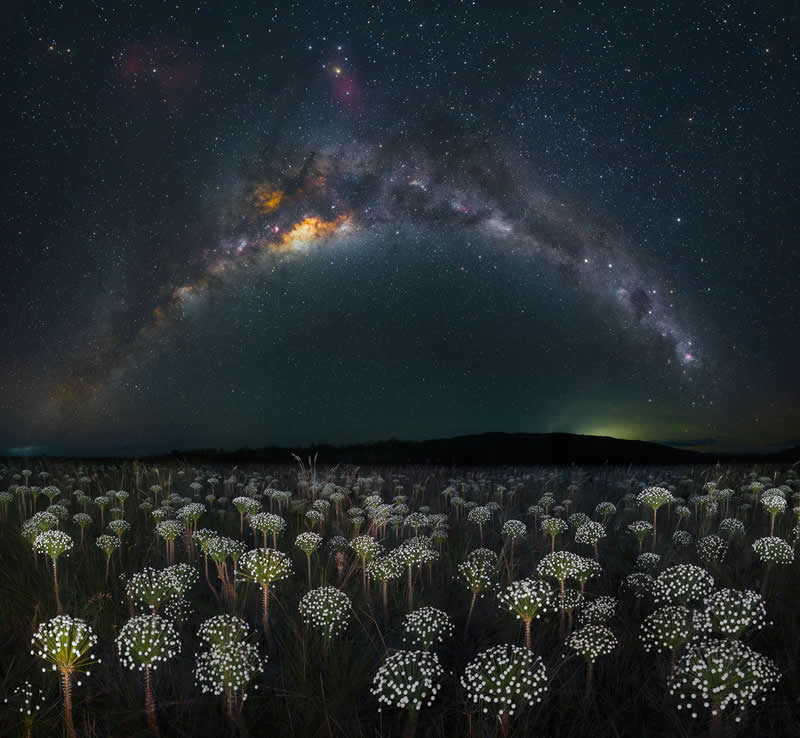
"This photograph captures a rare wildflower of the Brazilian Cerrado, likely belonging to the genus Actinocephalus, a synonym of Paepalanthus. The species is distinguished by its solitary, spherical blooms at their peak flowering stage. The flowers were illuminated using precision photo-optic flashlights to reveal their structure under the night sky."
9. Highly Commended: "The Rock" by Will Barron
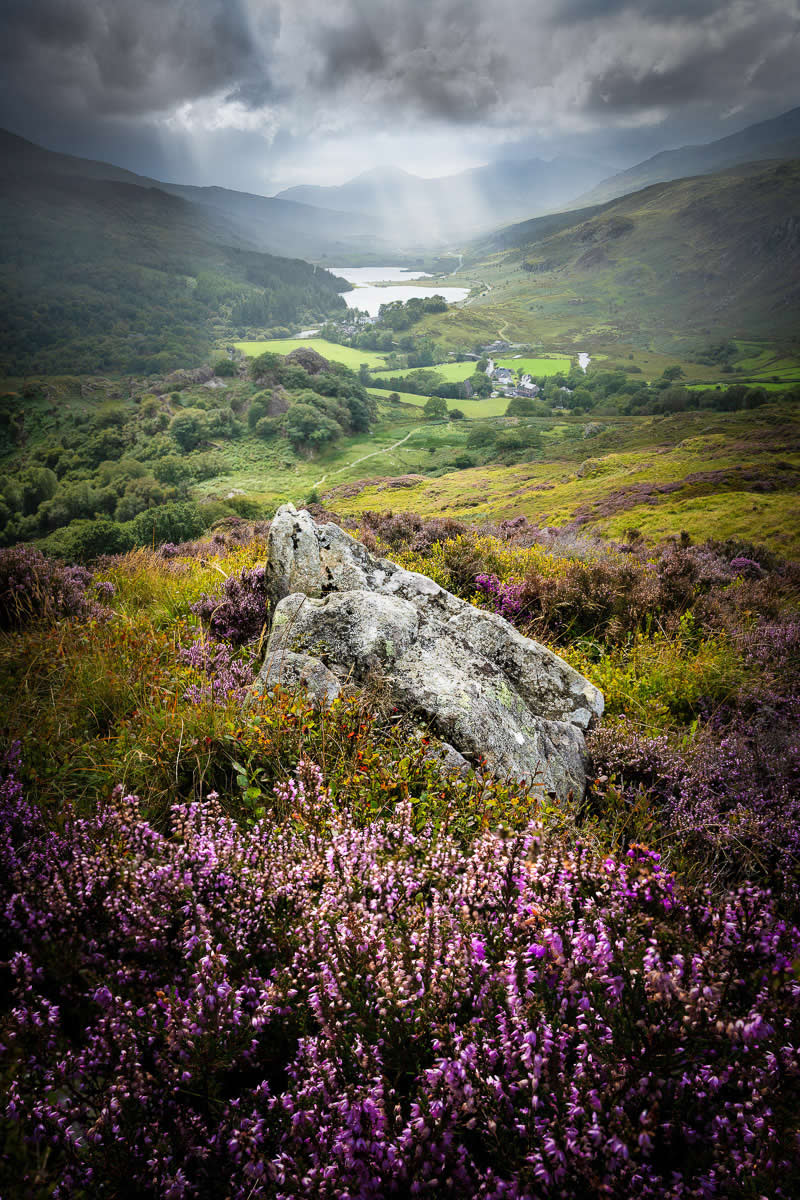
"My dog and I, endured some epic weather to watch it pass over our heads and splash down across the Eryi (Snowdonia) mountain range. In the foreground, vibrant heather flowers contrasted well with the moody sky. This shot is comprised of three images, focus stacked together."
10. Highly Commended: "Magic Land in Bloom" by Marcio Cabral
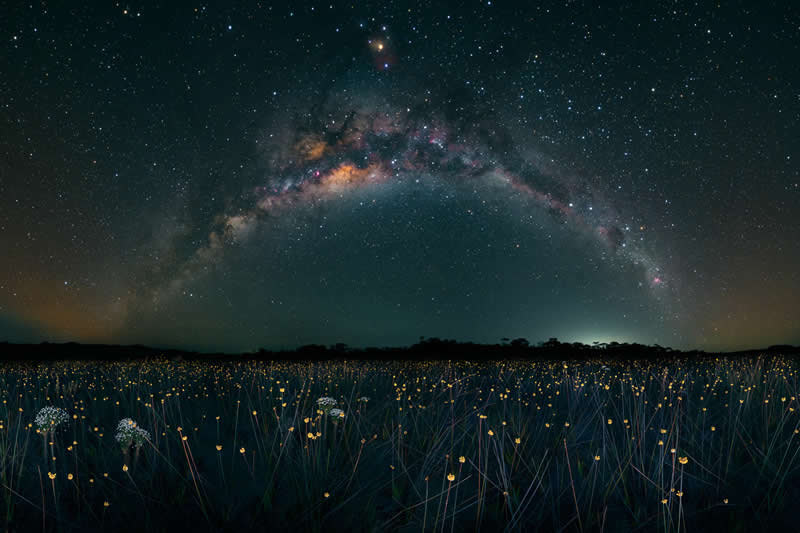
"This panoramic nightscape revealed a rare and expansive field of Xyris jupicai; yellow wildflowers native to the Cerrado biome. Covering an area larger than three football fields, this flowering meadow is a botanical rarity, especially in full bloom under the dry season’s night sky."
11. Highly Commended: "Mountain Peat Bog" by Albert Ceolan
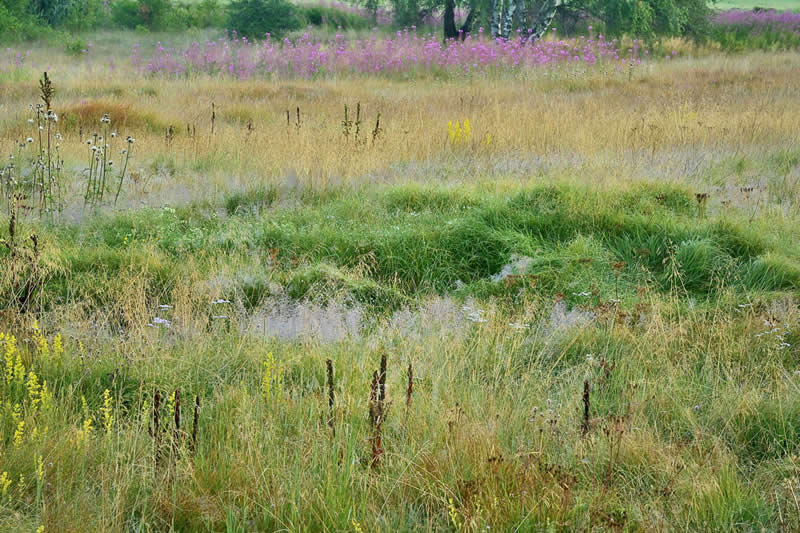
"I captured this mountain peat bog at 1,600 metres elevation, which featured numerous wildflowers. The colours, and layers in the frame resemble a painting."
12. Highly Commended: "Heavenly Heath" by Ian Brierley
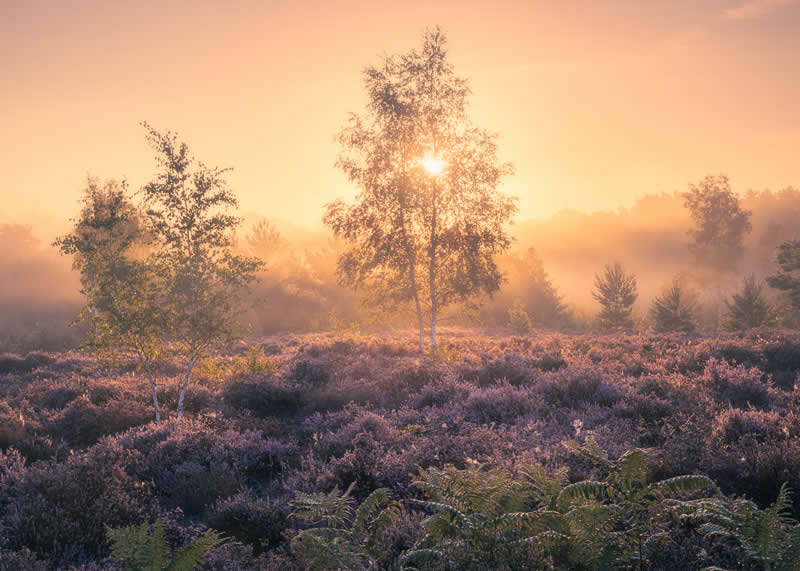
"A stunning summer sunrise in the South Downs with the heather in full bloom, and a layer of mist which created a beautiful glow. The dewy foreground ferns and delicate silver birch trees created a lovely depth to this tranquil scene. I combined two exposures together to form this HDR photograph."
13. Highly Commended: "Gymeas at Gan Gan Hill" by Pamela Pauline
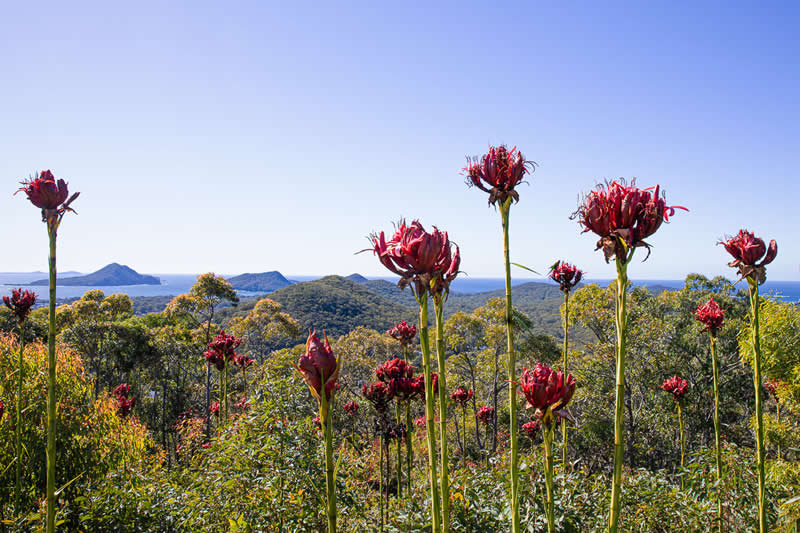
"Towering up to six metres tall, the Gymea lily is one of Australia’s most striking plants. Endemic to the sandstone country around Sydney, it produces a dramatic spear-like stalk crowned with a cluster of deep crimson flowers that attract birds, bees, and other pollinators. Appearing after fire or rain, it symbolises resilience and renewal in the Australian landscape. Once used by First Nations people for food and fibre, the Gymea lily remains a powerful emblem of strength and beauty within the bush."
14. Commended: "Bowscale Tarn" by Matthew Turner
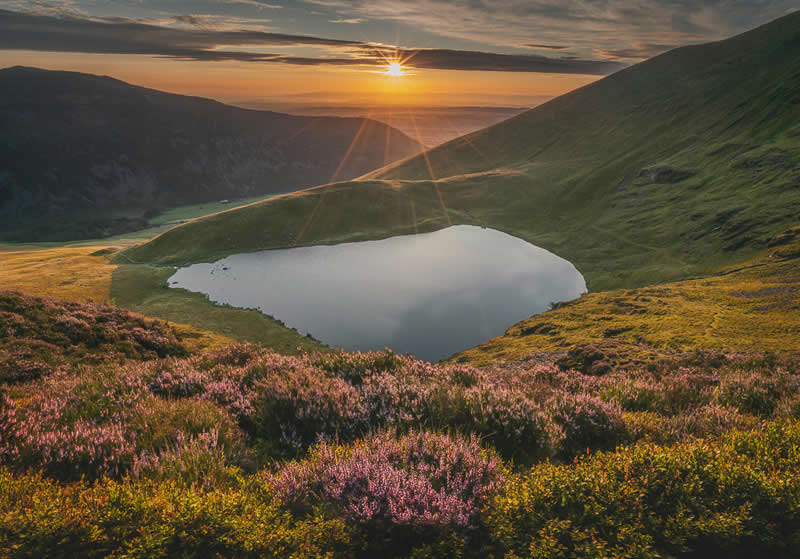
"A beautiful summertime sunrise captured at Bowscale Tarn, in the Lake District, with the vibrant heather blooming in the foreground, which were bathed in the first light of the day. I combined three exposures together to form this HDR photograph."
15. Commended: "Woodland Dawn" by David G Jones
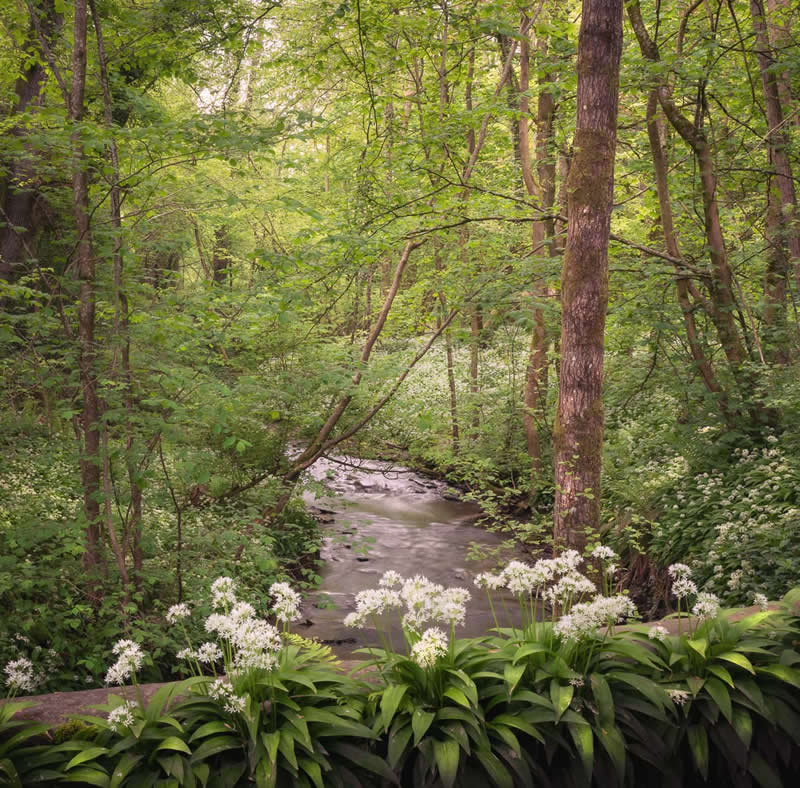
"The image shows the entrance to a beautiful small wooded dell, nestled remotely in the Shropshire Hills. This view always draws me in – especially with the wild garlic growing on the bridge that you cross to enter it. The bridge has since been repaired, and whilst the garlic is not as vigorous on the bridge, it remains a wonderful walk I return to take each year."
FAQs
What is the Garden Photographer of the Year competition?
The International Garden Photographer of the Year is a globally respected contest celebrating garden, flower, plant, and botanical photography. It showcases top photographers capturing the beauty and diversity of nature through creative and technical excellence.
Who won first place in Wildflower Landscapes?
Bernadette Benz won first place with Alpine Cotton Balls. Her image features protected Scheuchzer’s cotton grass growing in alpine wetlands, where white blooms appear like floating cotton balls against a peaceful mountain environment.
Why is Rannerdale famous for photography?
Rannerdale in England’s Lake District becomes covered in bluebells each spring. Combined with warm sunset light and rolling hills, it creates one of the most photogenic seasonal landscapes for nature and landscape photographers.
What makes Golden Bloom special?
Marcio Cabral’s Golden Bloom shows a Brazilian wildflower glowing at sunset after wildfire. The plant symbolizes renewal, resilience, and the natural ability of ecosystems to recover after destruction and environmental stress.
Why are wildflower landscapes important in photography?
Wildflower landscapes combine color, seasonal timing, atmosphere, and storytelling. They reveal ecosystems in peak beauty while reminding viewers of biodiversity, climate cycles, and the fragile balance that supports natural habitats worldwide.