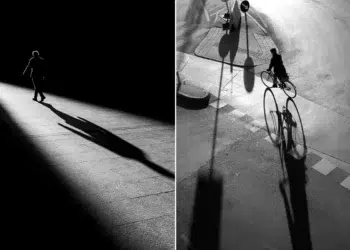

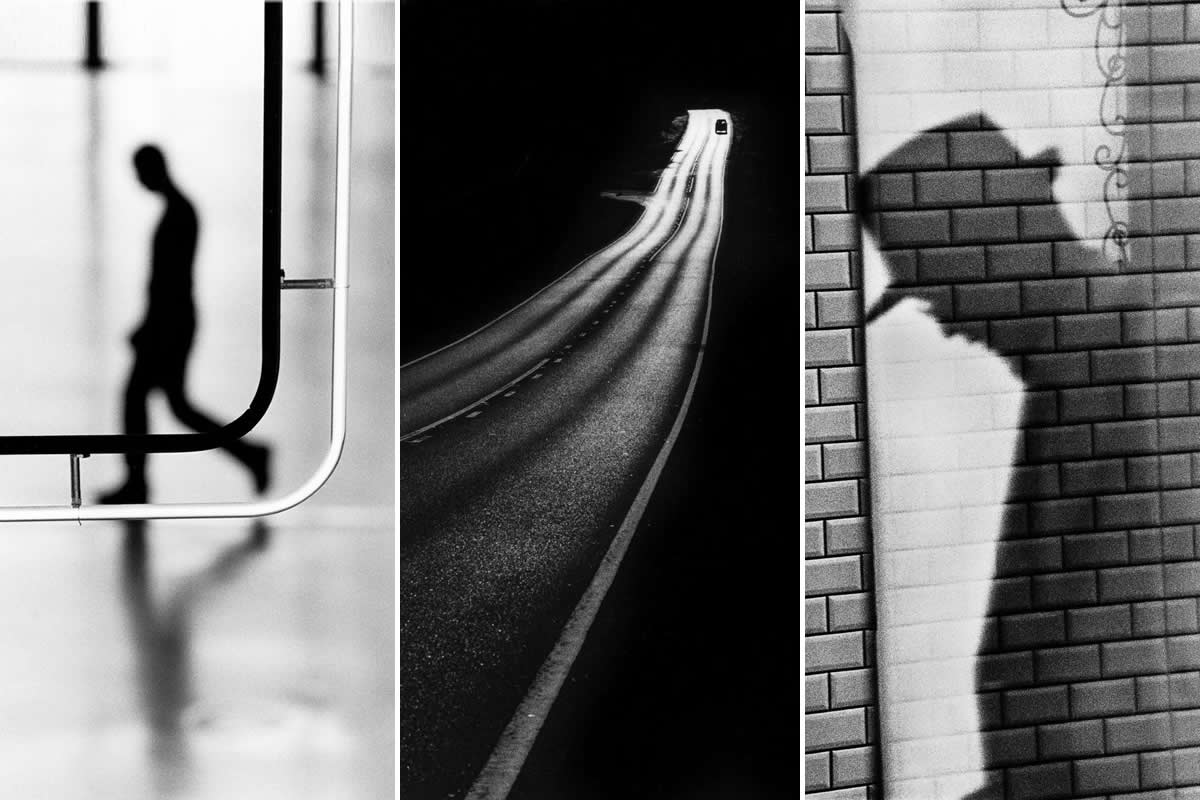
Imagine strolling through a city at dawn, when the streets lie silent and the gentle morning light gives every shadow a story of its own. That’s the atmosphere captured by Renato D’Agostin’s photographs. Rather than simply depicting locations, his work evokes feelings. He invites viewers into scenes where buildings, light, and people seem to share a hushed dialogue.
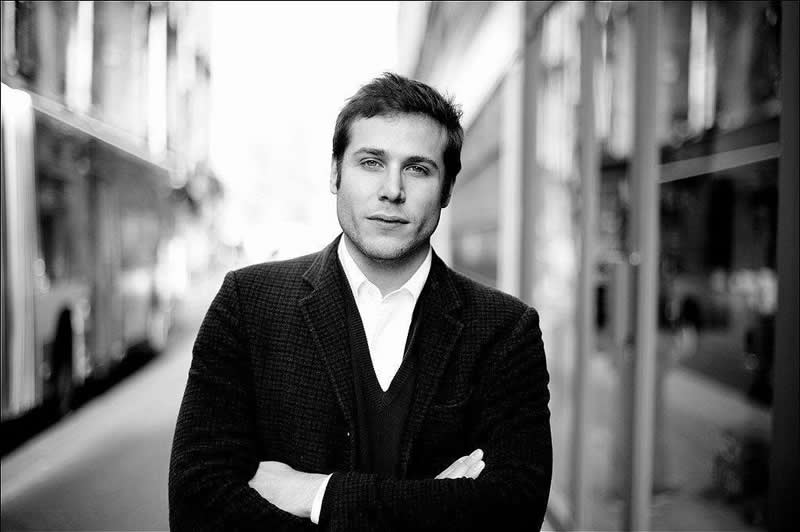
D’Agostin was born in Venice in 1983 and discovered photography in 2001. Urban life quickly became his muse: bustling avenues, tucked-away alleys, and fleeting encounters sparked his imagination. His journey began at home but soon carried him across Europe and, eventually, to New York City, where he honed his craft and worked with the celebrated photographer Ralph Gibson.
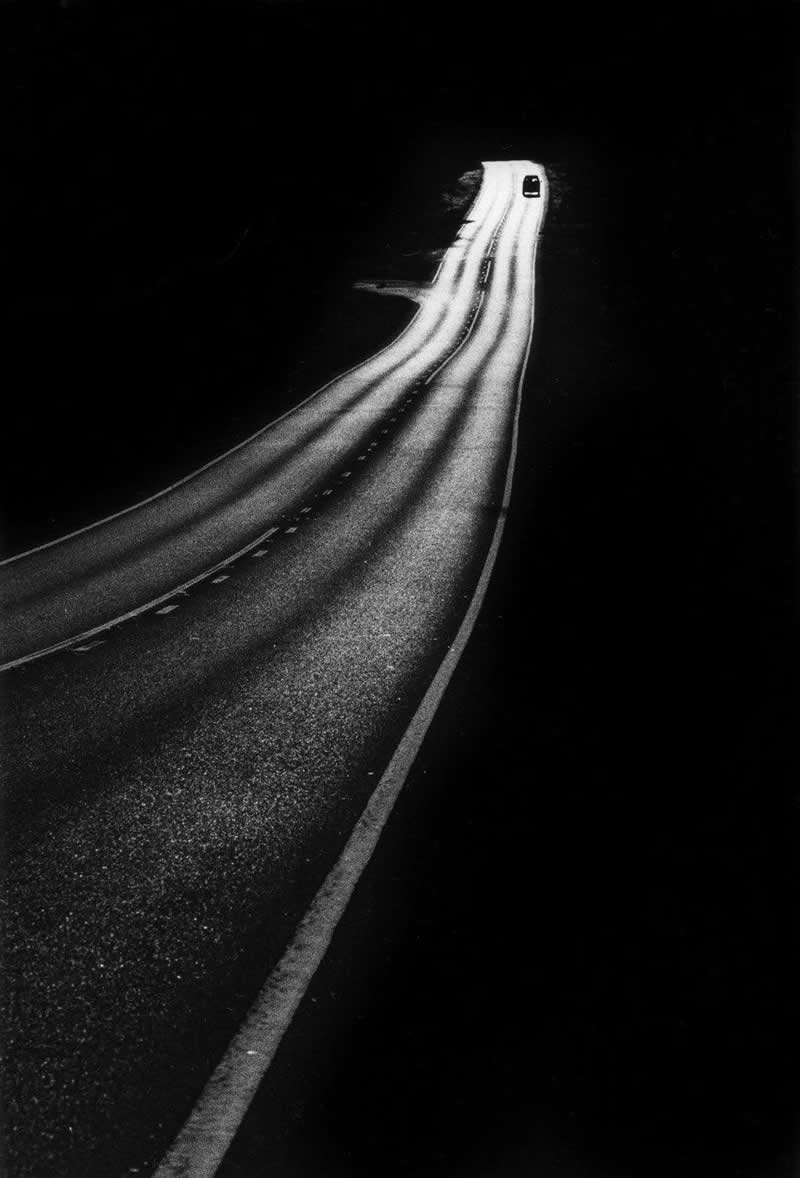
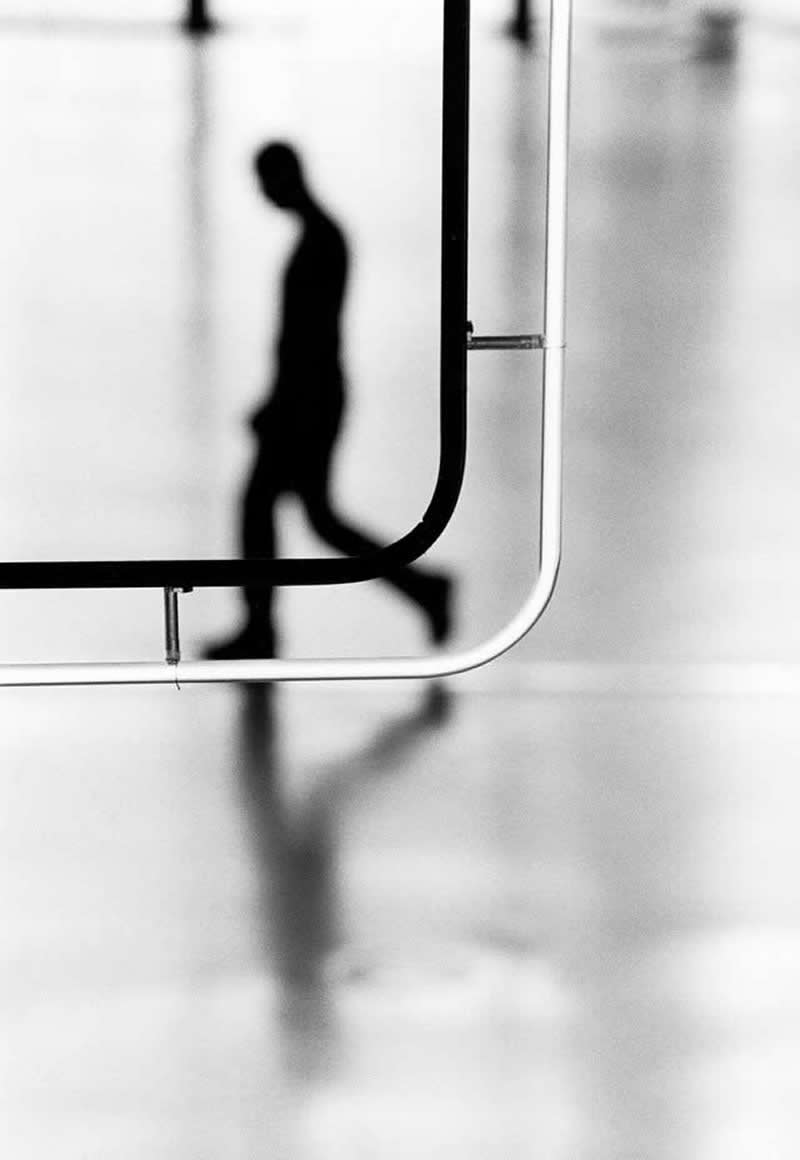
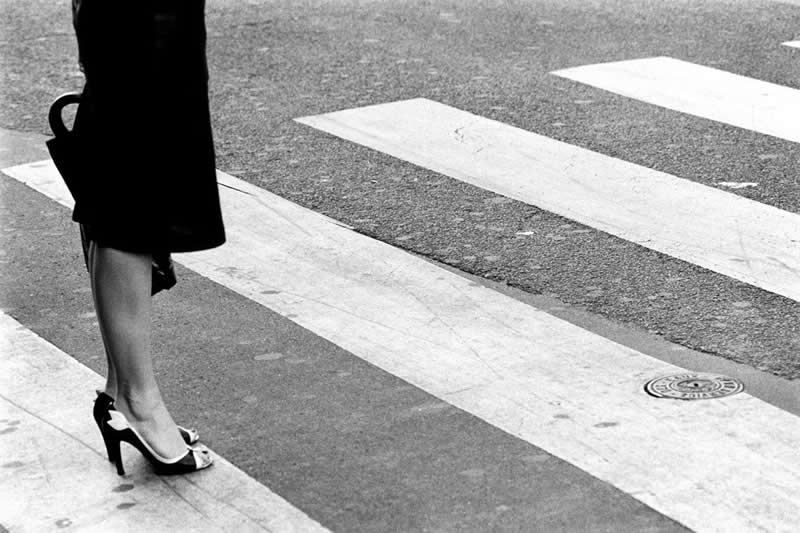
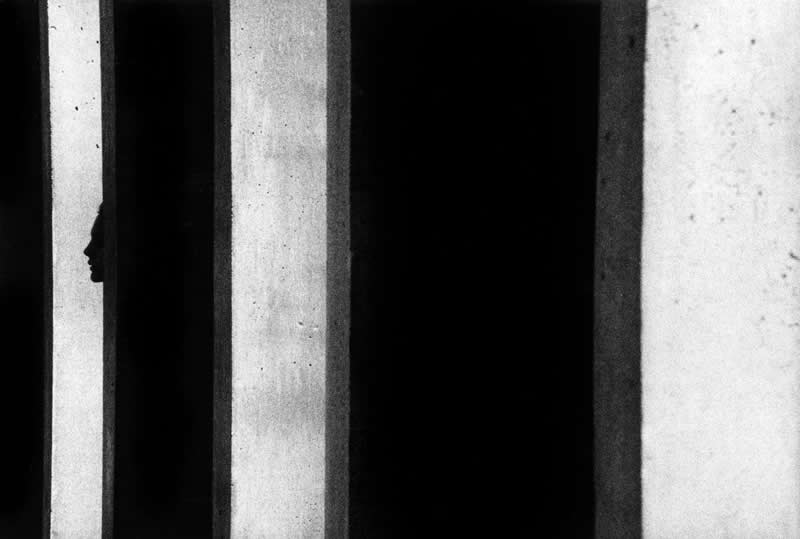
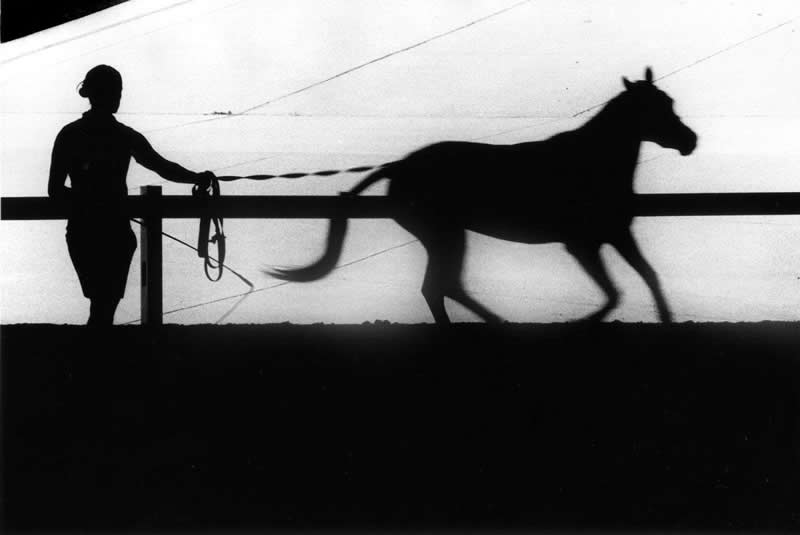
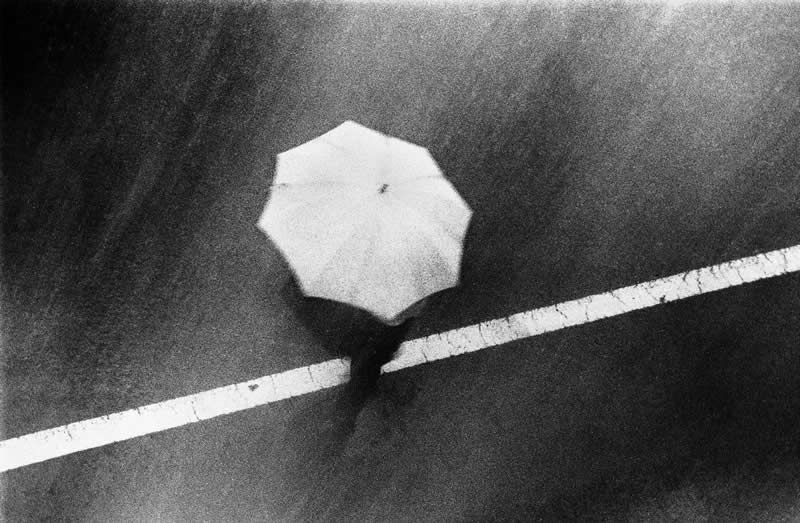
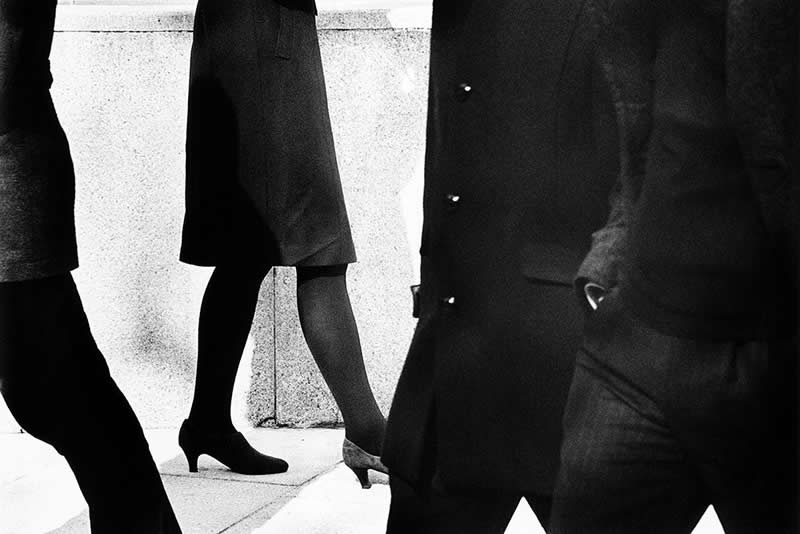
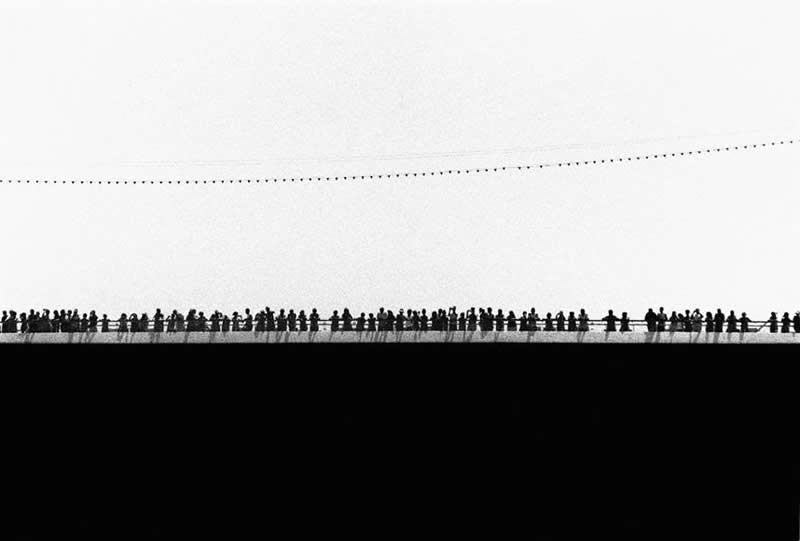
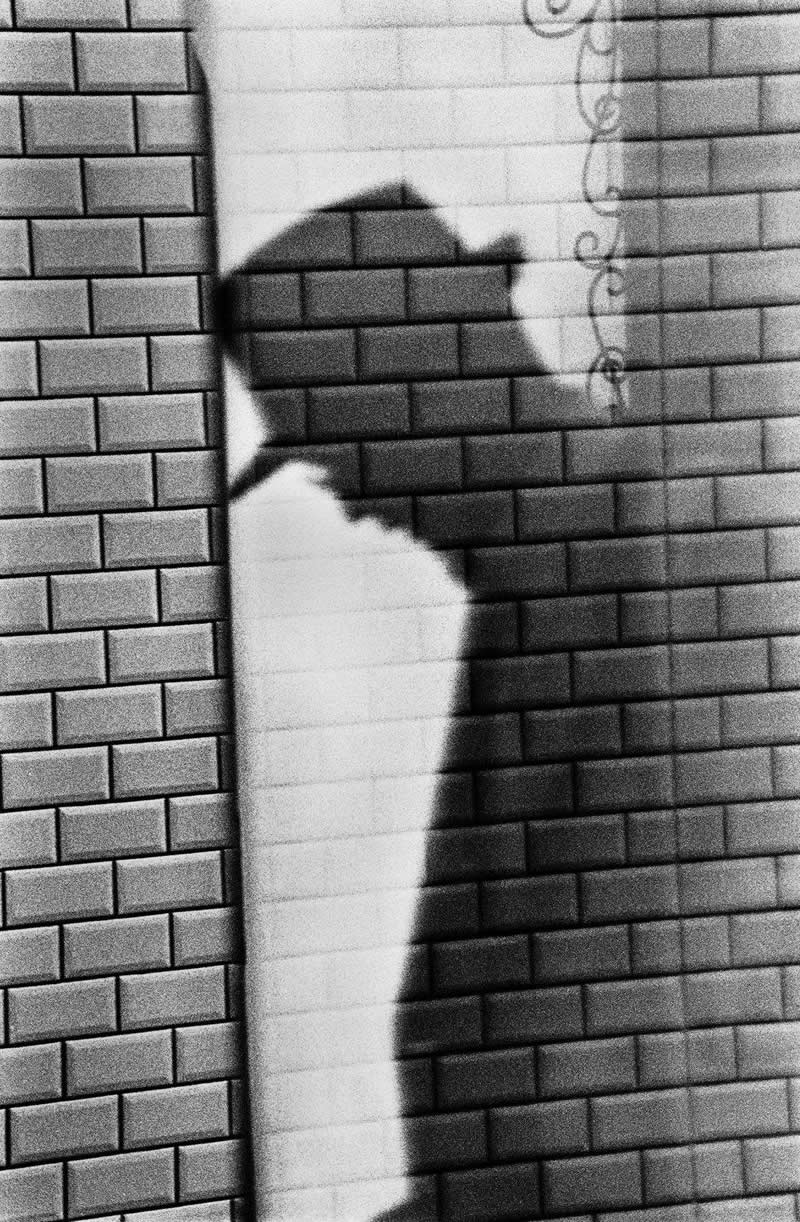
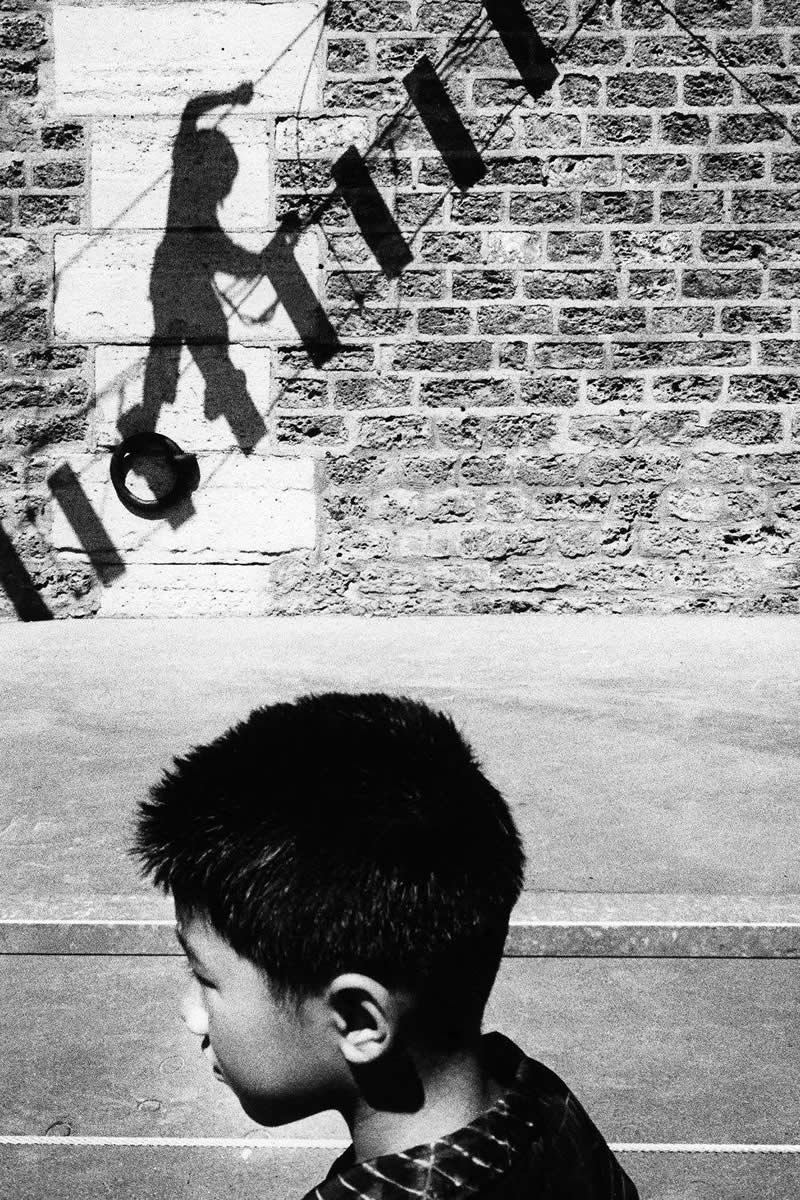
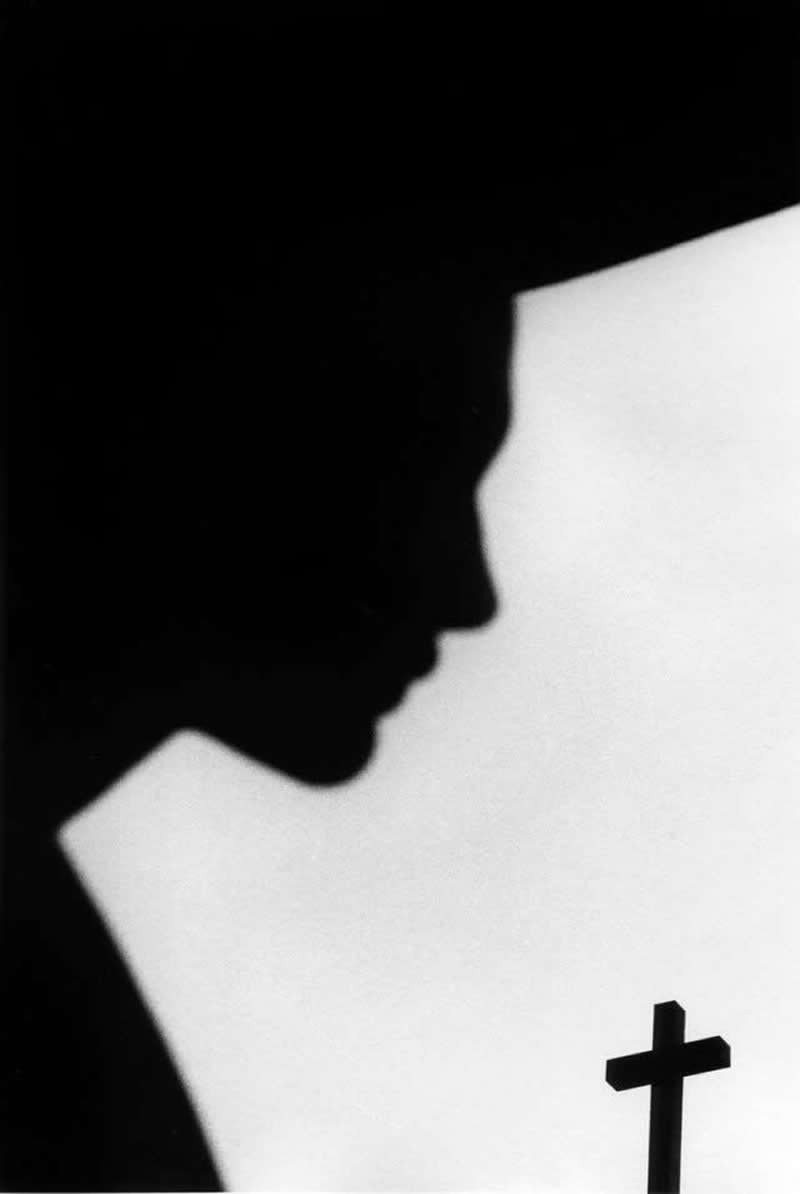
What sets D’Agostin apart is his unique perspective. He doesn’t capture cities as most of us see them. Instead, he removes the clutter to highlight shapes, shadows, geometry, and space. A single person crossing a street turns into a symbol. An ordinary building becomes an abstract form. Even a shadow takes on as much significance as the subject itself.
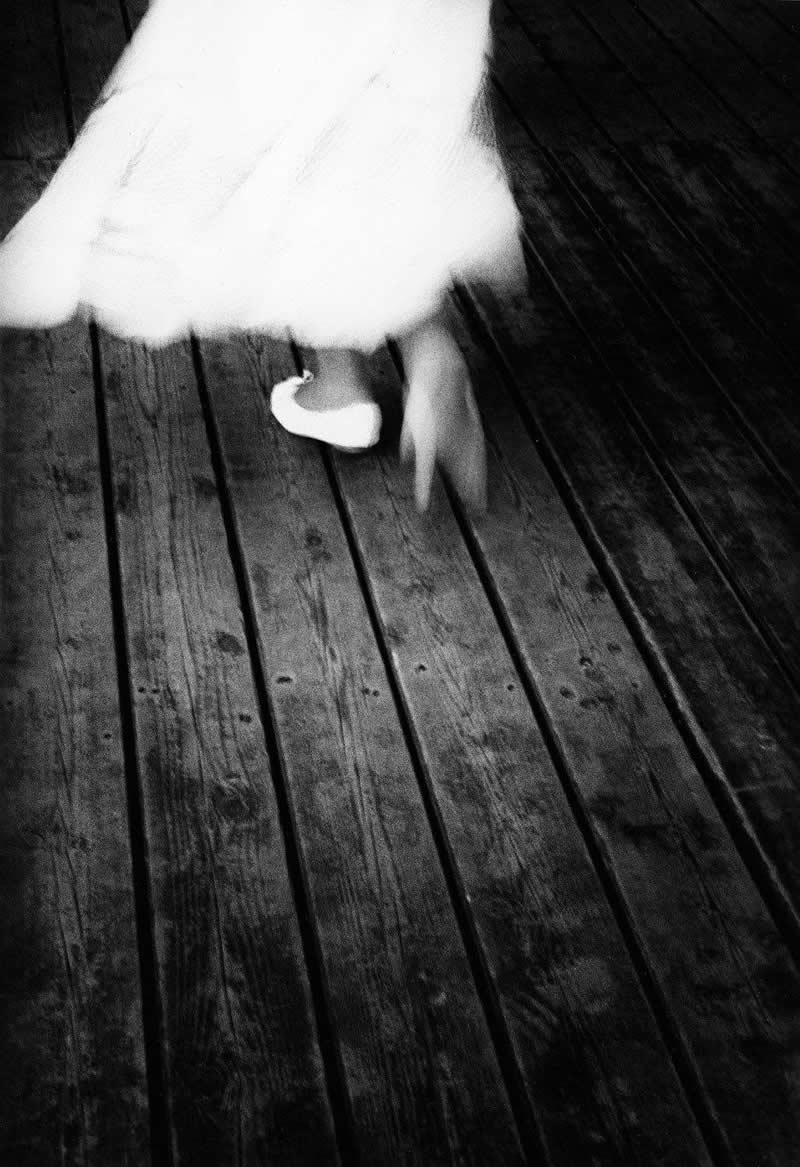
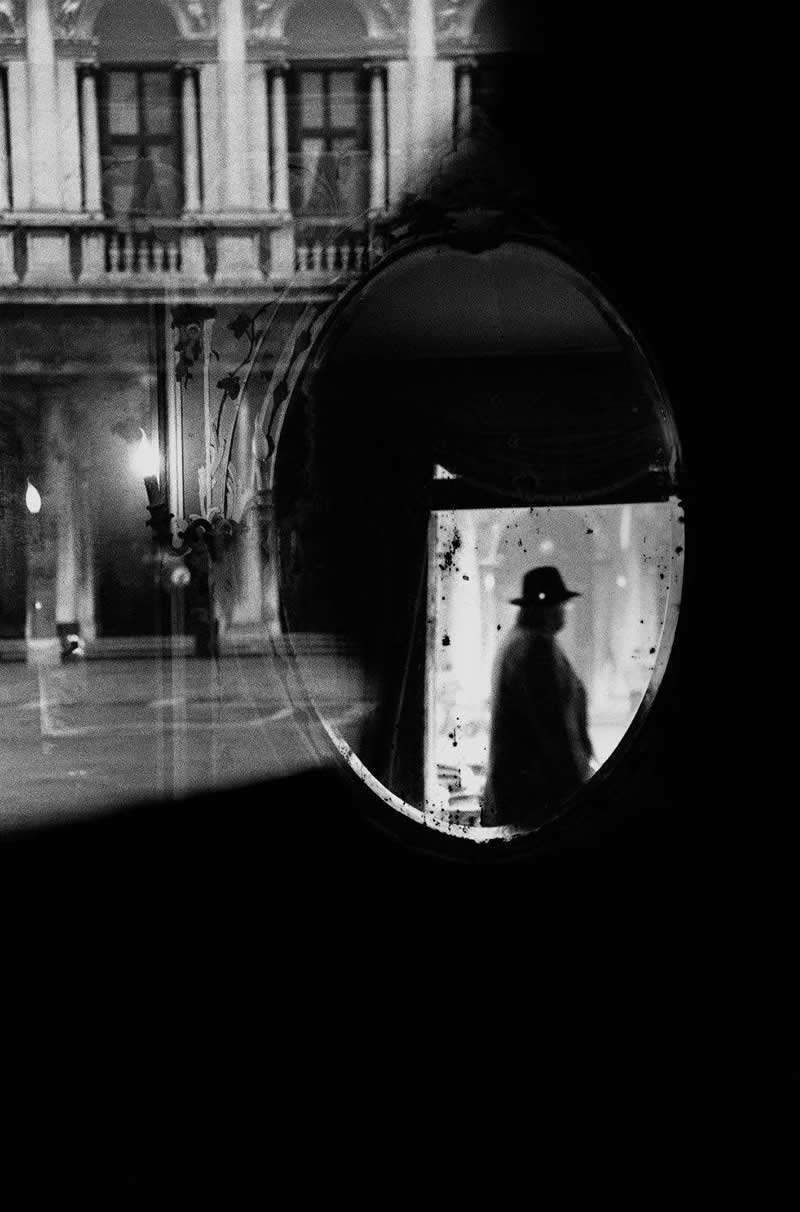
In this series of 30 black-and-white photographs, D’Agostin demonstrates how less can truly be more. With careful composition, minimalist framing, and perfect timing, he encourages us to pause, observe, and find beauty in the everyday world.
You can find more info about Renato D’Agostin:
#1
#2
#3
#4
#5
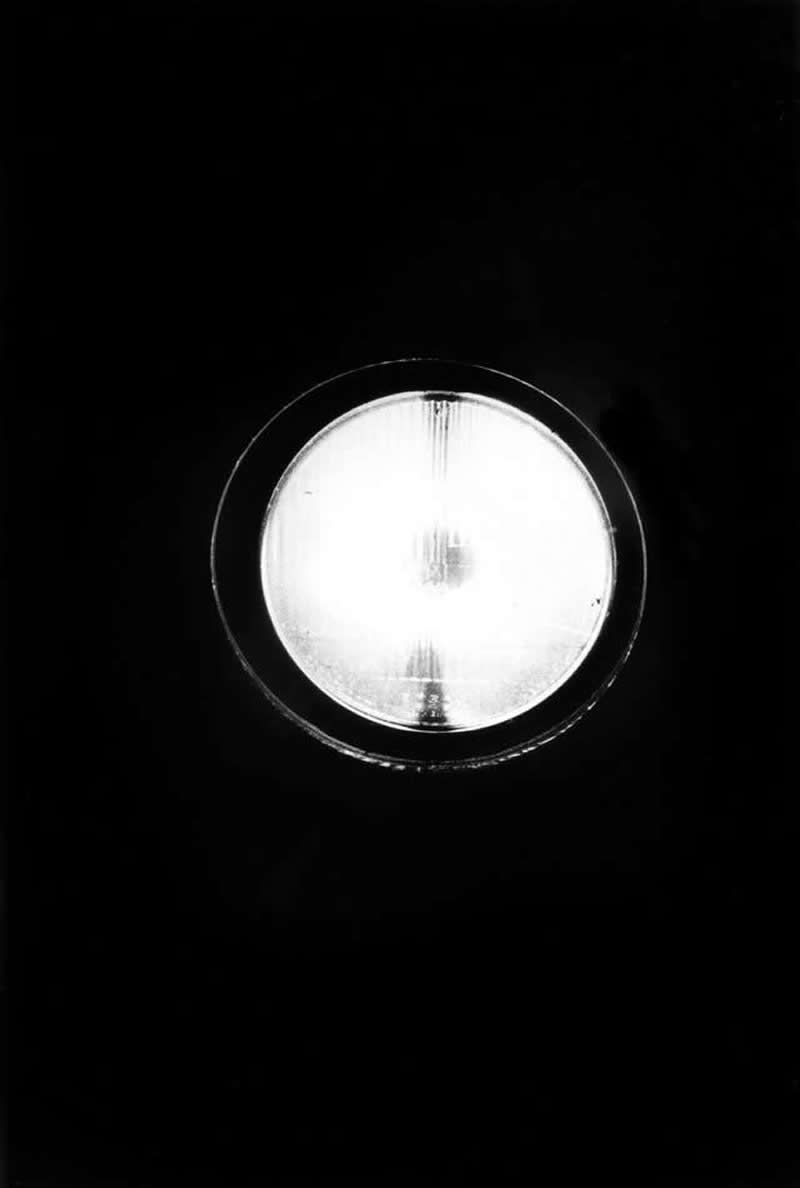
The Journey from Venice to New York
Like every photographer, Renato D’Agostin has his own story, and his reads like a scene from a creative road movie. Growing up in Venice, he found himself drawn to the rhythms of people moving through city spaces. In 2002, he set out across Western Europe, exploring new places and developing his eye for the unexpected.
Eventually, New York beckoned. Like many artists, he came looking for inspiration but discovered so much more. The city’s energy, unpredictability, and architectural flow gave him endless material. During these years, he met the iconic Ralph Gibson and spent six years as his assistant.
Learning and creating within one of the world’s most vibrant photography communities, D’Agostin developed his signature style. New York was more than a setting; it was a classroom, a studio, and an endless source of inspiration.
#6
#7
#8
#9
#10
Why Black and White Works So Powerfully
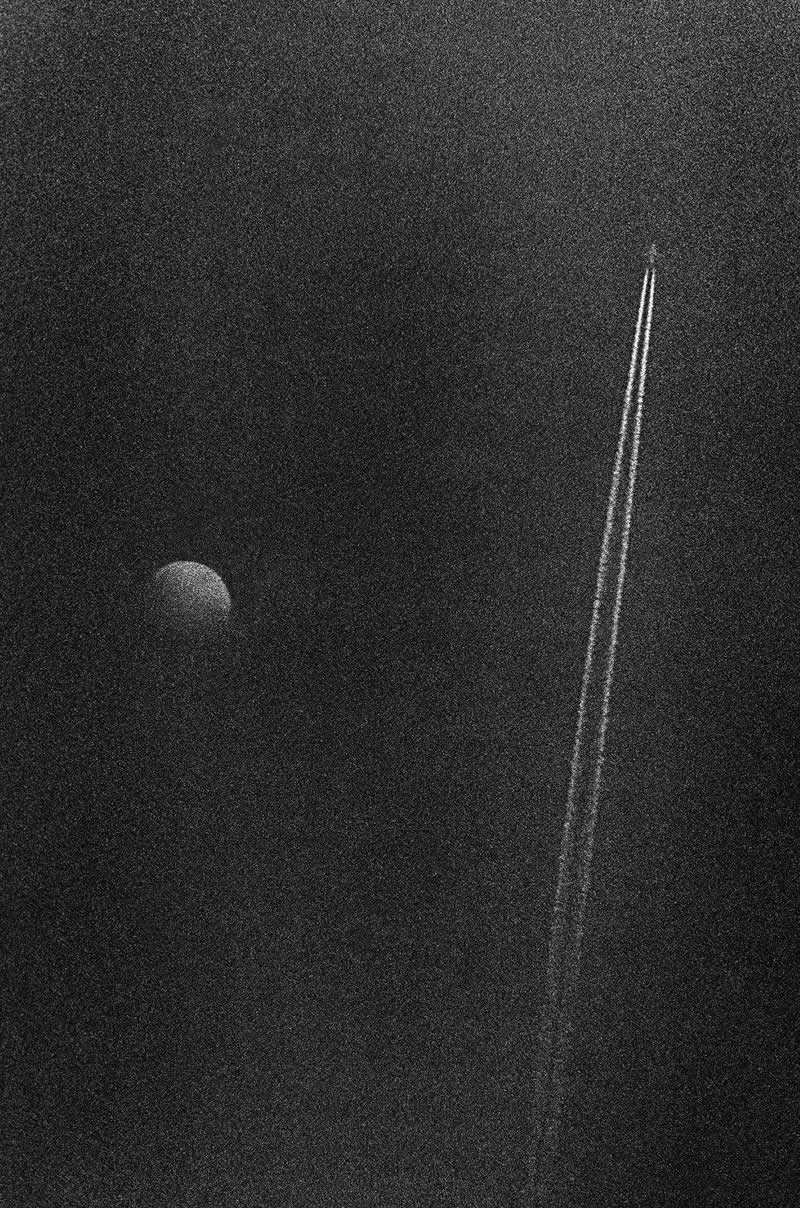
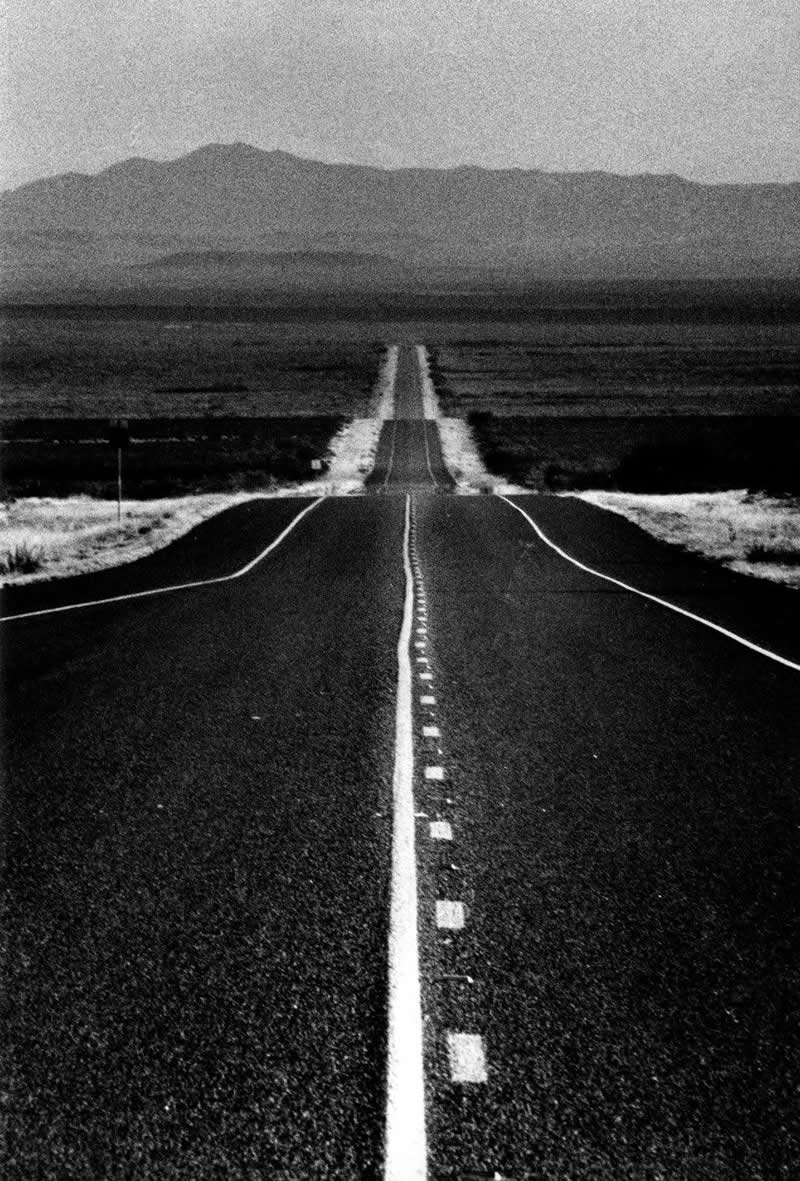
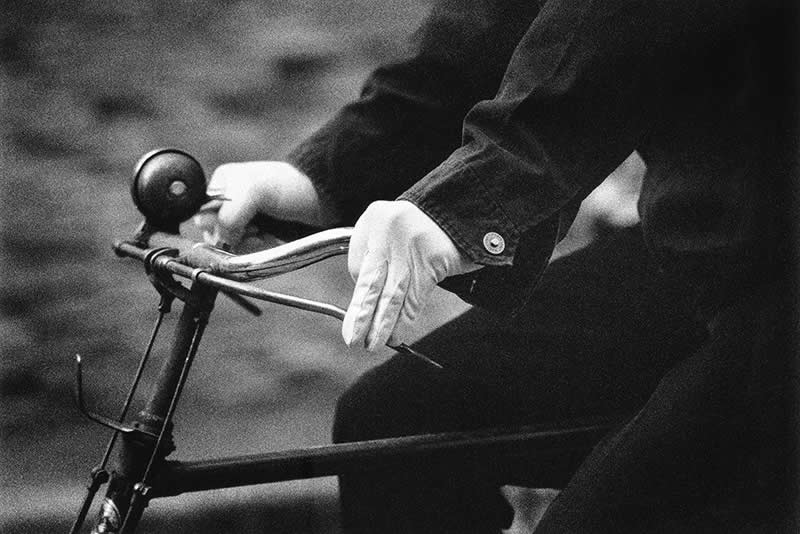
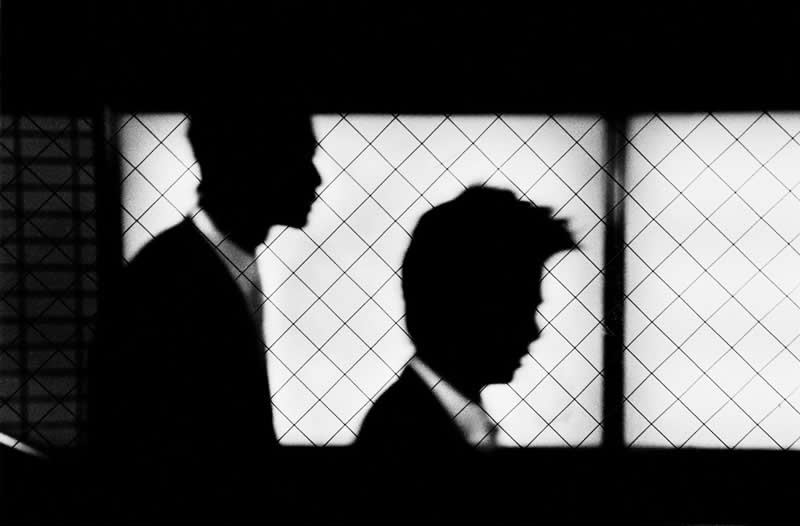
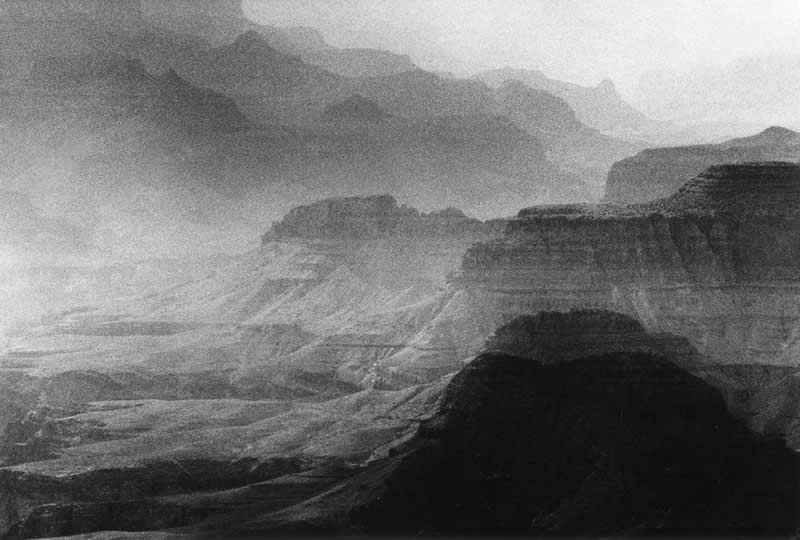
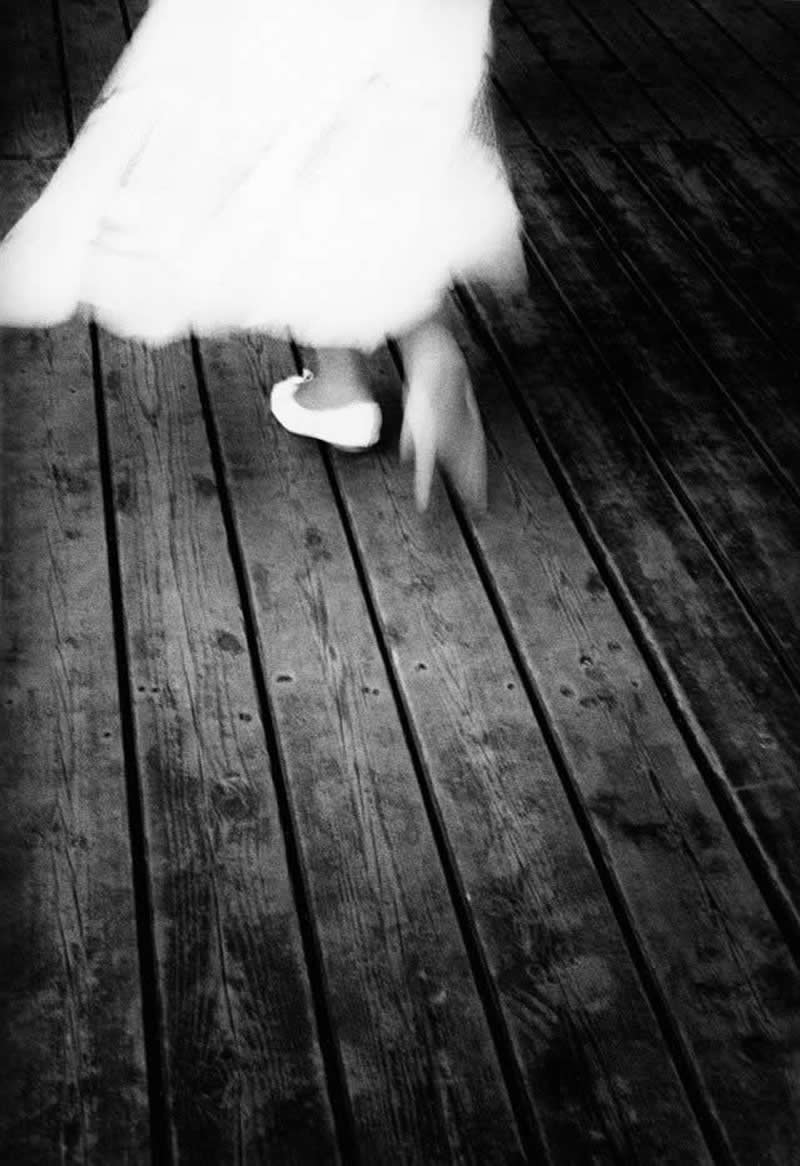
Color has its allure, but it can sometimes distract. That’s why D’Agostin fully commits to black-and-white photography. Without the pull of color, viewers are drawn to the essentials: light, shadow, texture, shape, and feeling.
It’s like watching a classic film; color isn’t needed for the story to feel timeless. D’Agostin’s black-and-white images strip away distractions and heighten the mood. Lines appear bolder, and shadows seem to carry more weight.
His expertise in silver gelatin printing adds a tactile richness: blacks turn velvety and deep, while highlights softly glow. The end result is a collection of images that feel both modern and timeless.
Without color dictating the scene, the mind is free to wander. Viewers fill in the blanks, bringing their own interpretations to each photograph. That’s the true magic these images invite imagination more than they document reality.
#11
#12
#13
#14
#15
Architecture Becomes the Main Character
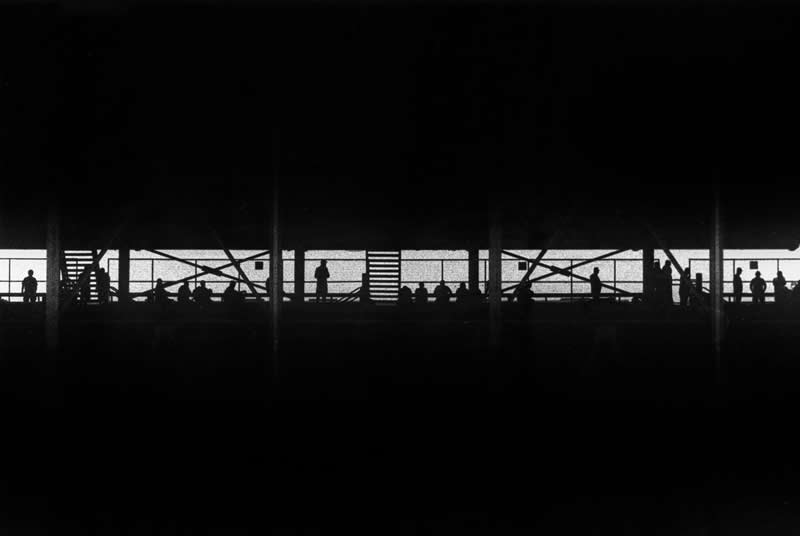
While most urban photographers center their work on people, D’Agostin turns his lens toward the interplay between people and architecture. In his photographs, buildings aren’t mere backdrops; they become active characters in the visual story.
A towering wall might dwarf a lone passerby. A staircase can introduce striking geometric tension. A single shaft of sunlight might slice the frame in two, creating separate visual worlds. These carefully chosen elements give his photos a cinematic, contemplative quality.
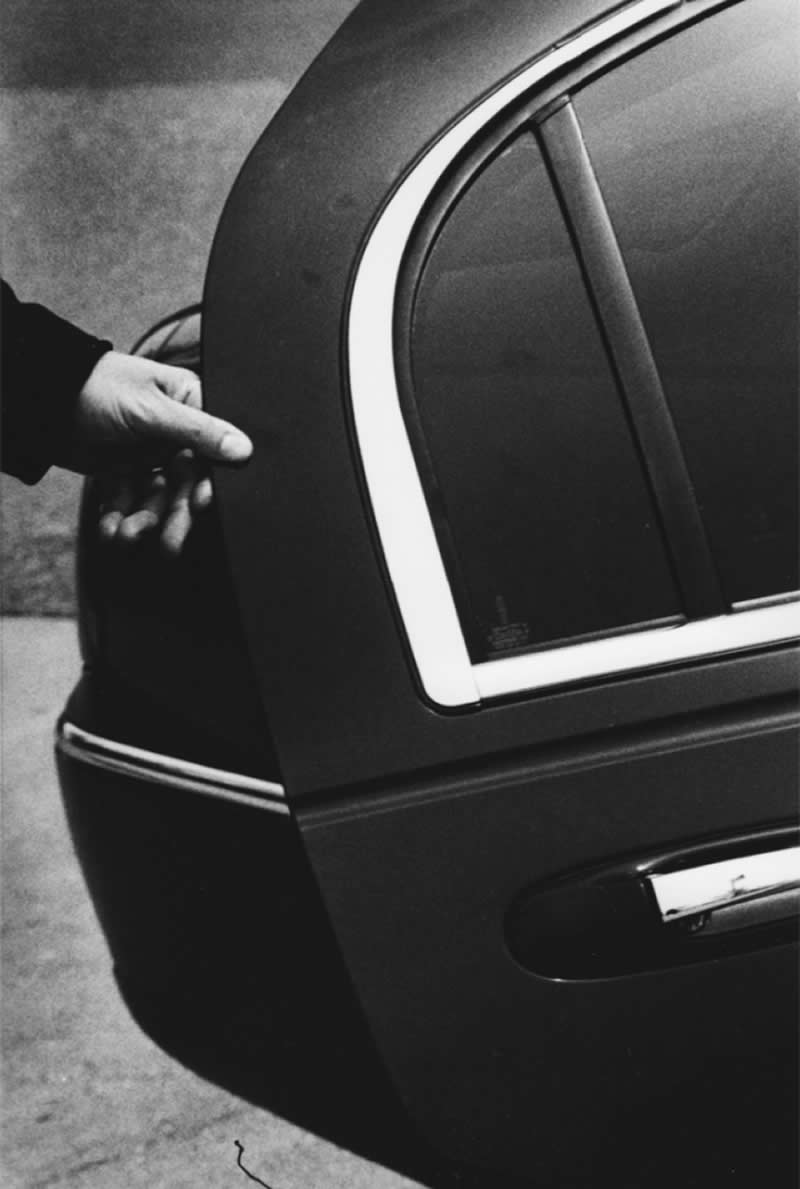
What’s remarkable is the way he transforms everyday city structures into something abstract and mysterious. A parking garage suddenly resembles a piece of modern art. A sidewalk takes on the look of graphic design. Even a plain doorway can feel like a portal to another world.
His compositions feel intentional down to every line and curve. Yet, despite this precision, his photos never seem forced; they still carry a sense of spontaneity. Striking that balance is rare, and it’s part of why his work connects with people all over the world.
#16
#17
#18
#19
#20

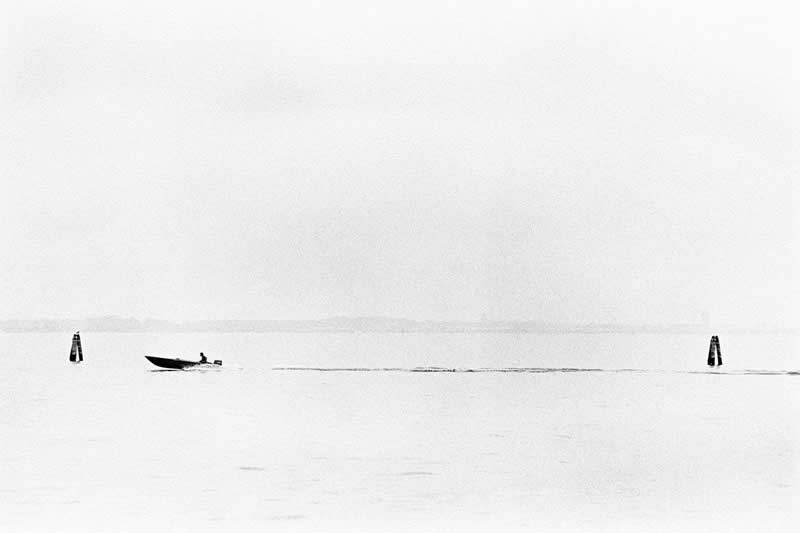
The Art of Minimalism and Negative Space
In a world crowded with constant information, endless social feeds, ads, and notifications, D’Agostin’s images offer a welcome pause from the noise.
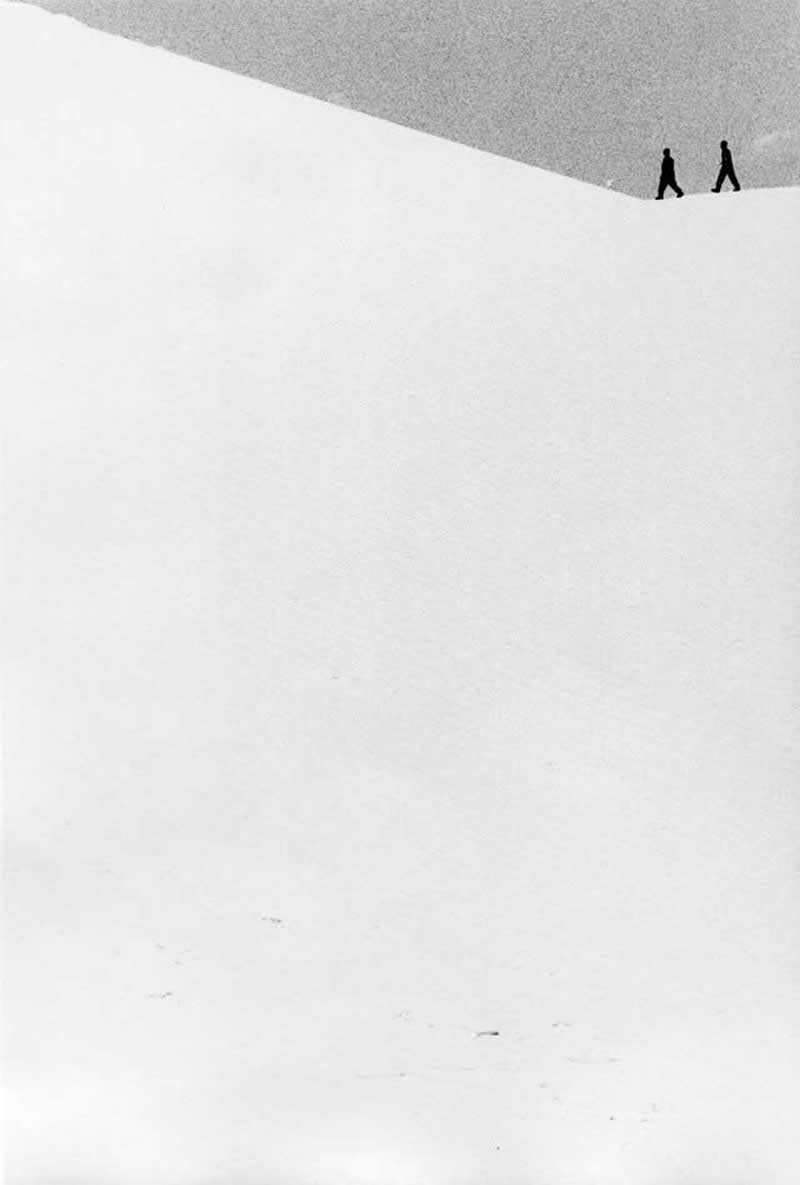
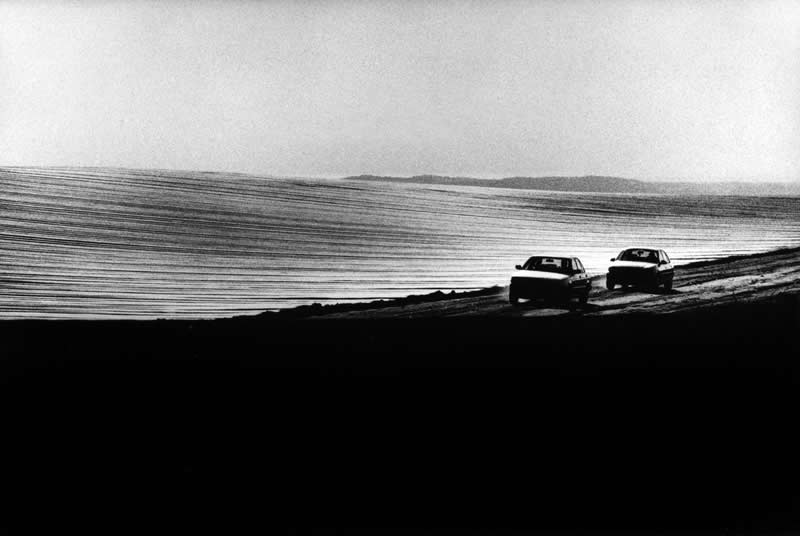
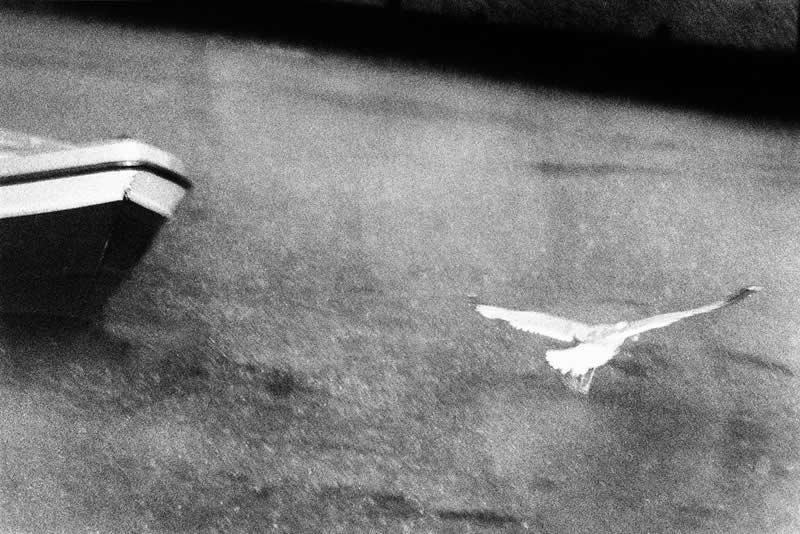
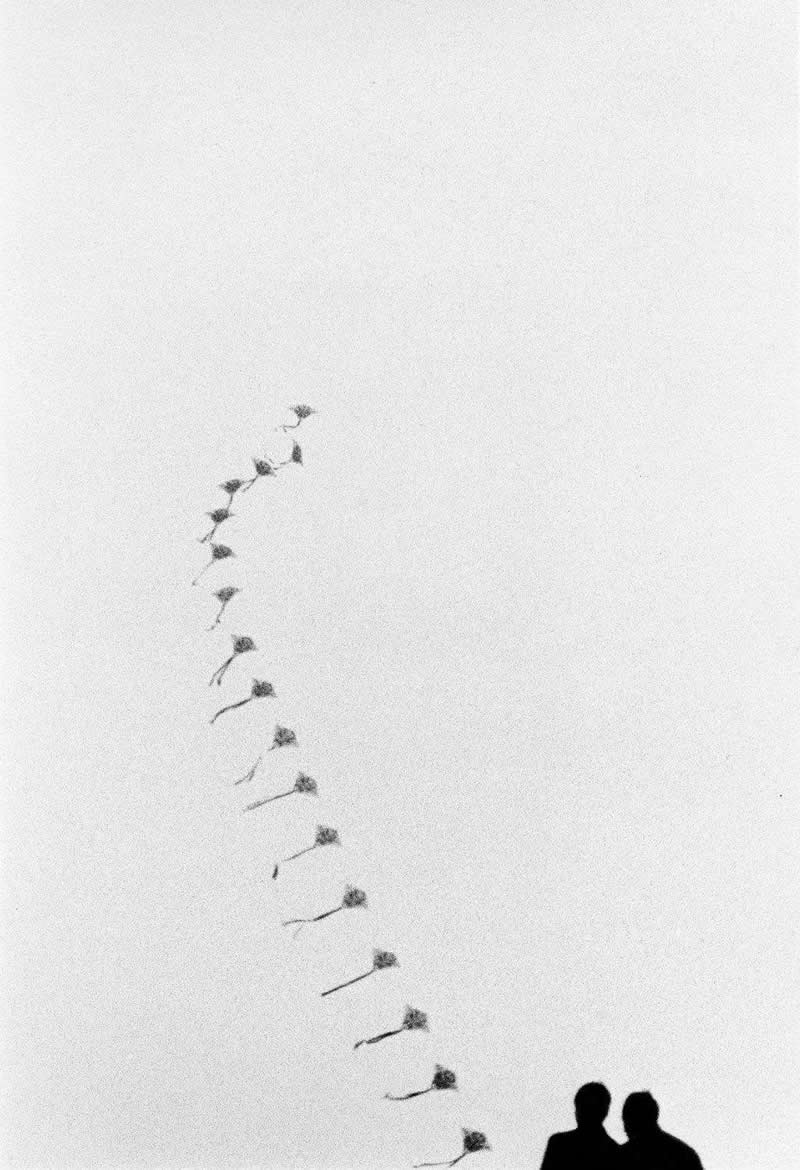
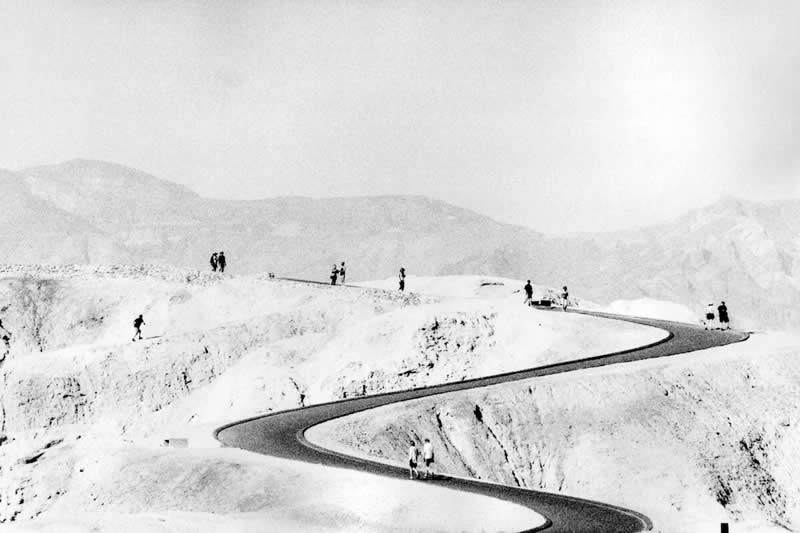
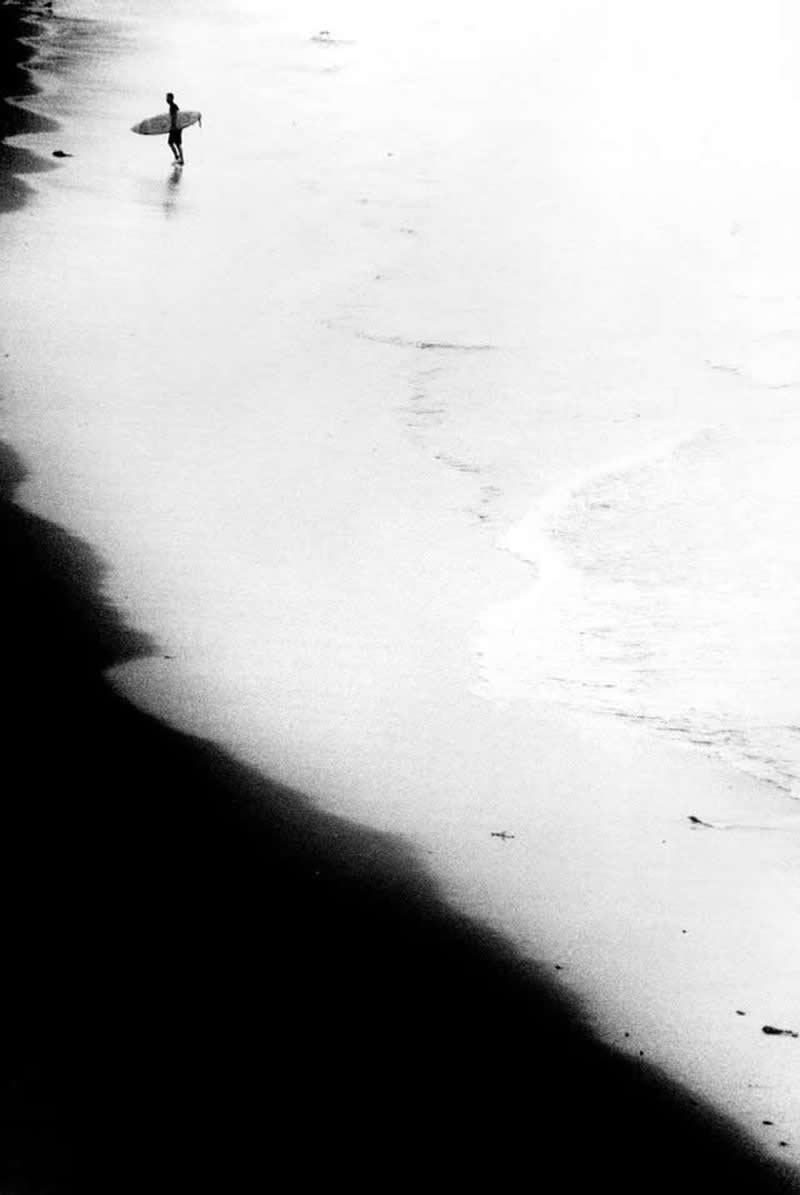
His minimalist style is all about simplicity. Instead of cramming the frame, he leaves plenty of open space. These empty areas become part of the picture, giving each image balance, tension, and a chance to breathe.
It’s a bit like a thoughtful pause in a conversation; the silence can be just as powerful as the words. In D’Agostin’s photography, negative space carries the same weight.
By clearing away distractions, D’Agostin makes us focus on what really counts. A lone figure, a dramatic shadow, or a bold architectural detail gains importance when surrounded by simplicity. The effect is calm, refined, and unexpectedly powerful.
His photography reminds us that greatness isn’t always about adding more; often, it’s about choosing what to leave behind.
#21
#22
#23
#24
#25
A Legacy Built on Vision and Imagination
Today, Renato D’Agostin’s work hangs in some of the world’s top collections, including the Bibliothèque nationale de France, LACMA, the International Center of Photography, the Library of Congress, and the George Eastman Museum. That’s no small feat.
But what truly makes his photography unforgettable isn’t the accolades or museum spaces. It’s the feeling his images leave behind. They challenge us to see everyday places in new ways, uncovering hidden connections between buildings and people and reminding us to slow down and really look.
After thirteen years in New York, D’Agostin moved back to Italy in 2018 and set up a studio near Venice. There, he keeps exploring form, light, and perception, fueled by the same curiosity that sparked his journey years ago.
These thirty photographs are more than just striking images; they’re invitations. Invitations to look more closely, think more deeply, and rediscover the poetry woven into the fabric of everyday city life.
#26
#27
#28
#29
#30
Frequently Asked Questions:
Who is Renato D’Agostin?
Renato D’Agostin is an Italian fine art photographer born in Venice in 1983. Known for his distinctive black-and-white photography, he explores the relationship between architecture, people, light, and urban space through minimalist, highly artistic compositions.
What style of photography is Renato D’Agostin known for?
He is best known for black-and-white fine art photography that combines minimalism, urban landscapes, architecture, and strong geometric composition. His images often transform everyday city scenes into abstract and emotionally engaging visual experiences for viewers.
Why does Renato D’Agostin use black and white photography?
Black and white allows him to emphasize light, shadow, texture, and form without the distraction of color. This approach creates timeless photographs that encourage viewers to focus on composition, atmosphere, and the emotional impact of urban spaces.
What makes Renato D’Agostin’s urban photography unique?
His work goes beyond documenting cities. Through careful framing and abstraction, he reveals unexpected relationships between architecture and human presence, creating images that feel poetic, mysterious, and open to personal interpretation.
Where can Renato D’Agostin’s photographs be found?
His photographs are included in prestigious collections worldwide, including the Library of Congress, LACMA, the International Center of Photography, the Bibliothèque nationale de France, and several major museums and photography institutions across Europe and America.