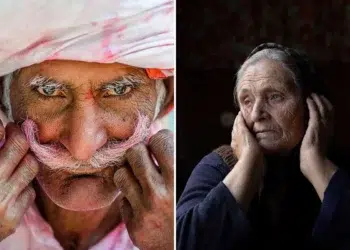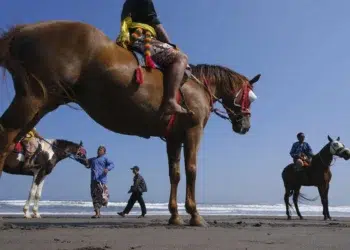

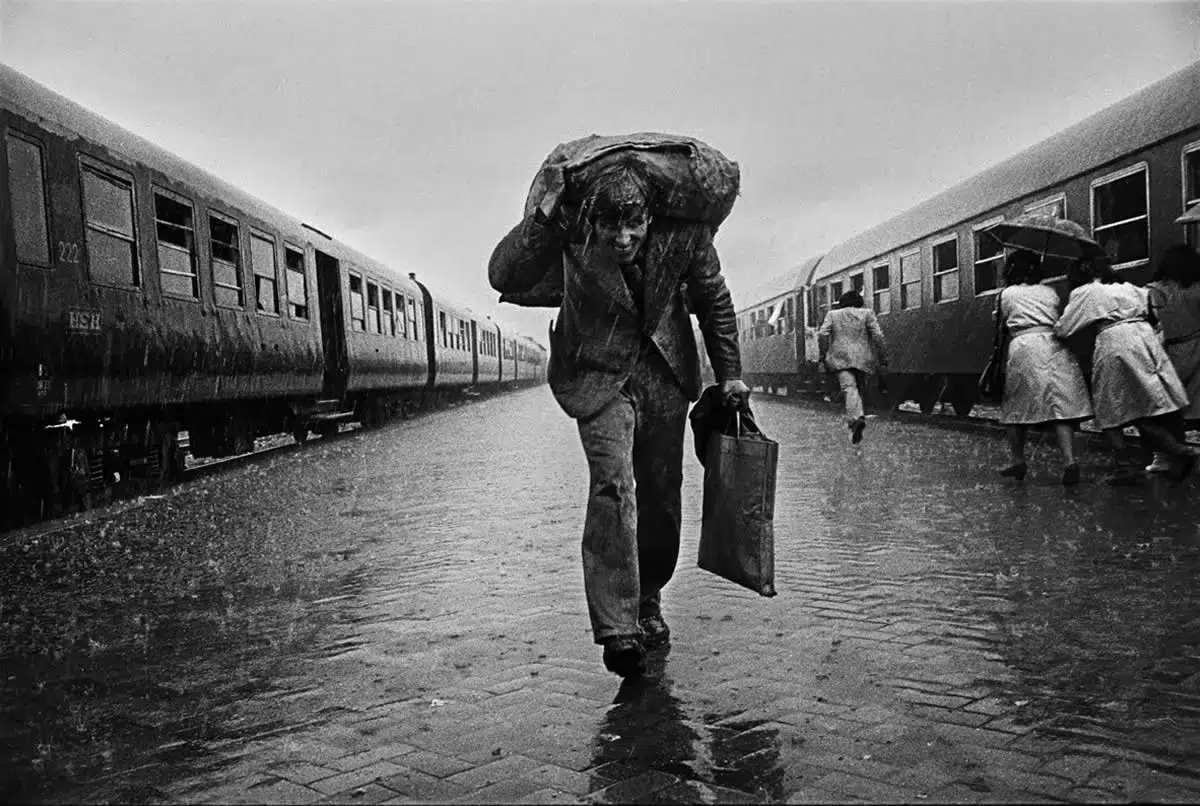
Some photographers capture what happens in front of their cameras. Others manage to capture what it feels like to be there. Greek photographer Nikos Economopoulos belongs to that rare second group. His pictures pull you into the middle of everyday life, where strangers cross paths, children get lost in their own little worlds, and ordinary moments quietly reveal something profound about being human.
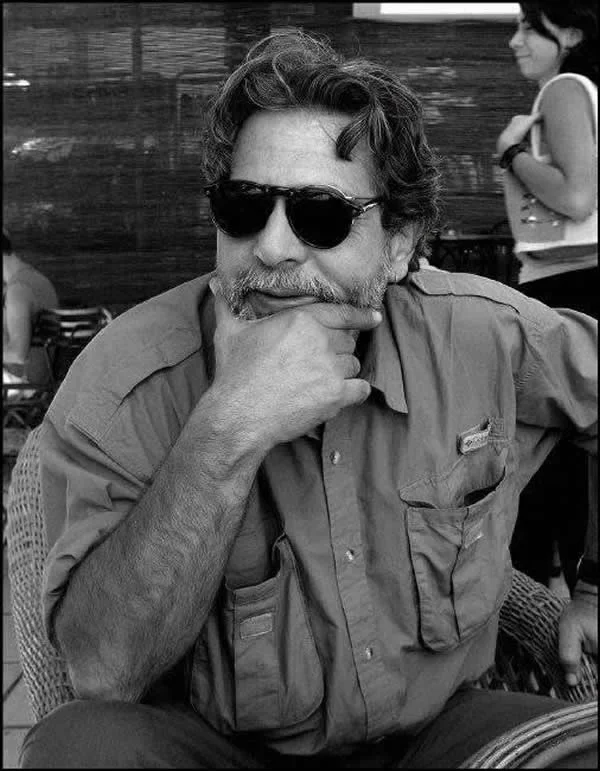
Born in 1953, Economopoulos is a celebrated photojournalist and a full member of Magnum Photos since 1994. Over the decades, he has traveled extensively across the Balkans, Southern Europe, and West Asia, documenting people, cultural identities, and communities navigating enormous social and political changes. Yet his photography rarely relies on dramatic headlines to make its point. Instead, he finds beauty in life’s unpredictable rhythm.
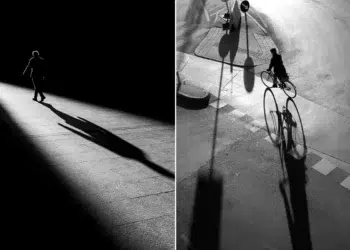
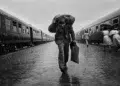
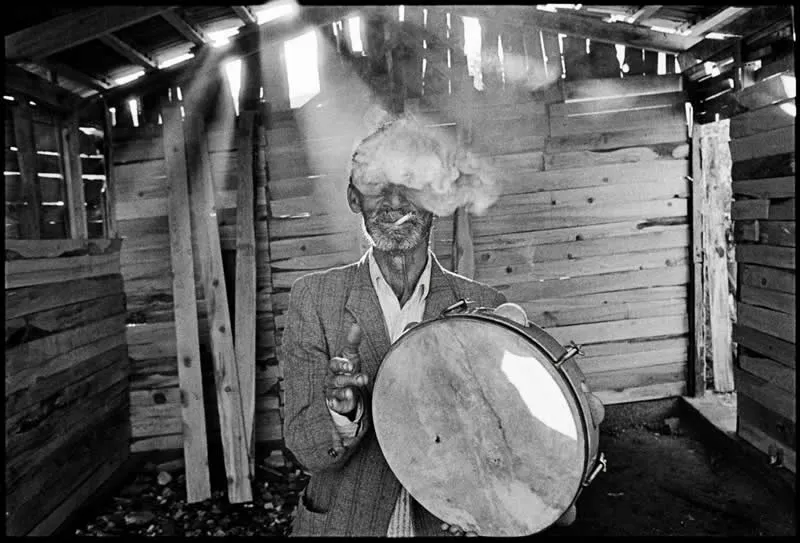
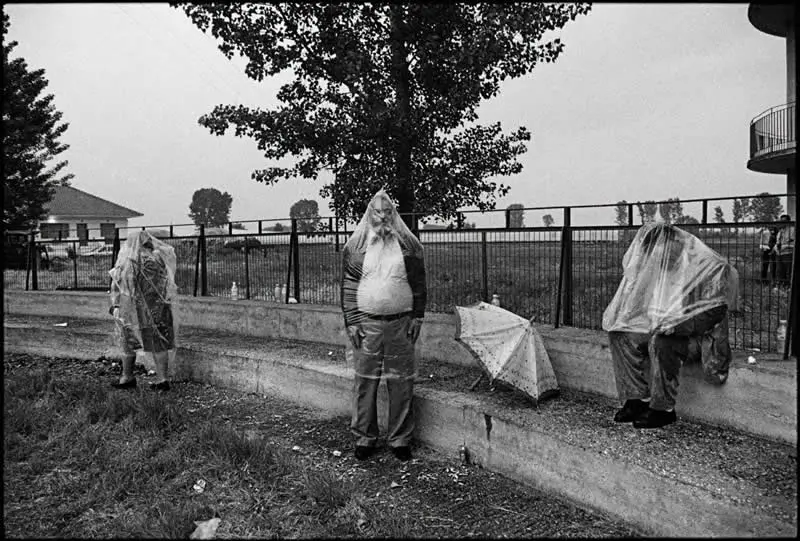
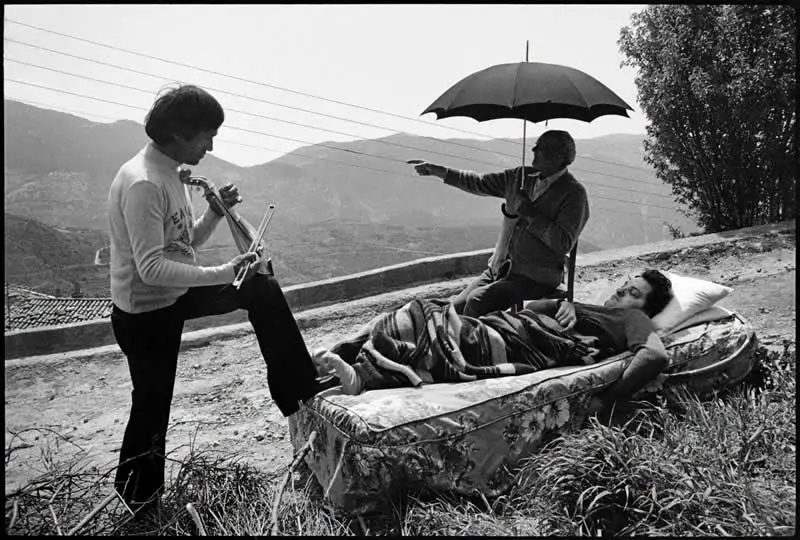
What makes his work so fascinating? Take a closer look at his black-and-white photographs, and you’ll discover frames packed with people, gestures, shadows, and unexpected connections. A scene that initially looks chaotic begins to make sense, revealing layers of meaning you might have missed at first glance.
From his powerful documentation of the Balkans to his later explorations of color and global photographic workshops, Economopoulos has developed a visual language that’s unmistakably his own. His photographs remind us that the world doesn’t need staging to become extraordinary. Sometimes, all it takes is a photographer who knows how to look.
You can find more info about Nikos Economopoulos:
#1
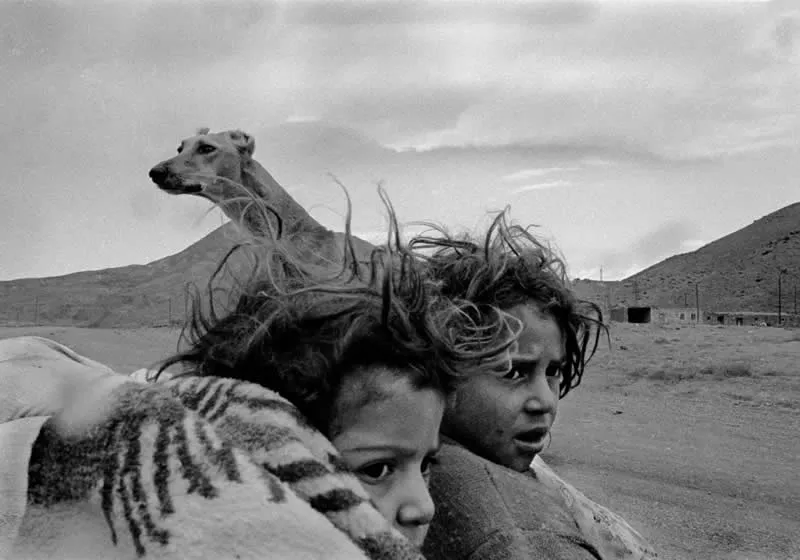
© Nikos Economopoulos
#2
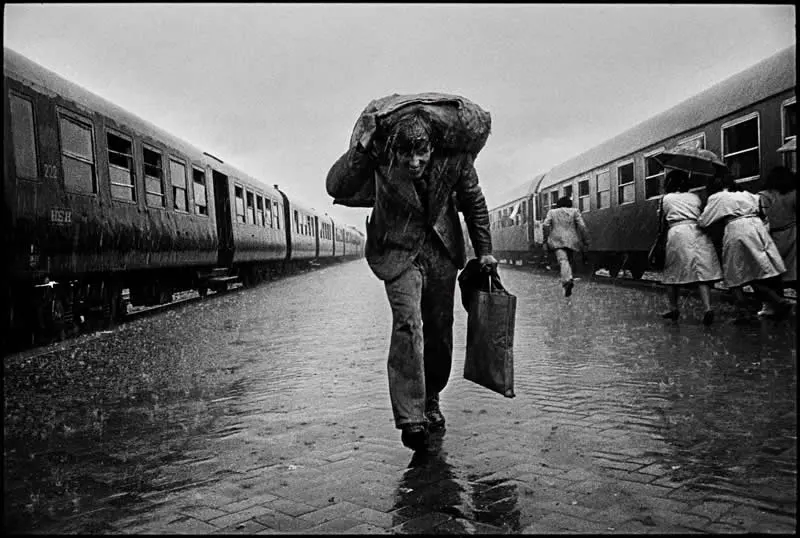
© Nikos Economopoulos
#3
© Nikos Economopoulos
#4
© Nikos Economopoulos
#5
© Nikos Economopoulos
#6
© Nikos Economopoulos
From Law and Journalism to the Freedom of Photography
Before photography became his life’s work, Economopoulos studied law and worked as a print journalist. That experience gave him a deeper understanding of politics, history, and the complicated forces shaping people’s lives. Eventually, he left journalism to follow photography full-time, trading written reports for visual stories that felt spontaneous, intimate, and wonderfully unpredictable.
- A different beginning: His professional journey didn’t start behind a camera.
- A journalist’s perspective: He understood the social and political context behind everyday scenes.
- A creative turning point: Photography offered him a more personal way to interpret reality.
- Beyond the headlines: His pictures often focus on people rather than breaking news.
- A distinctive vision: He transformed observation into a deeply personal visual language.
#7
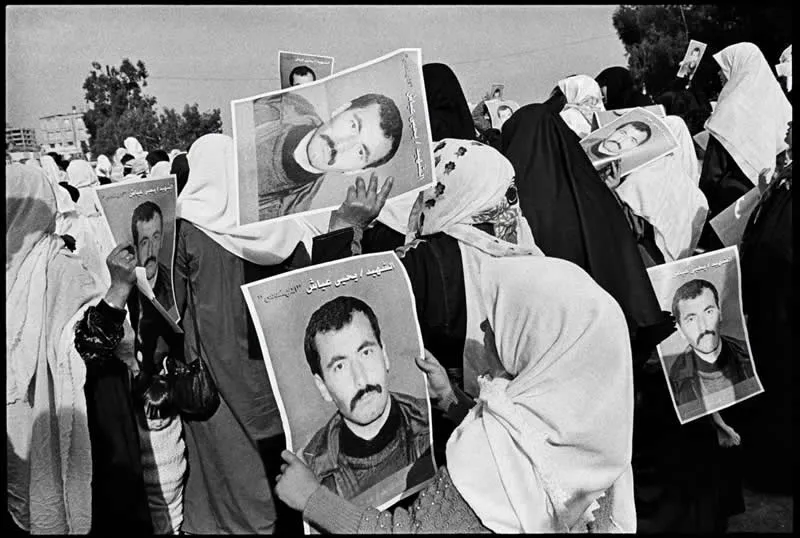
© Nikos Economopoulos
#8
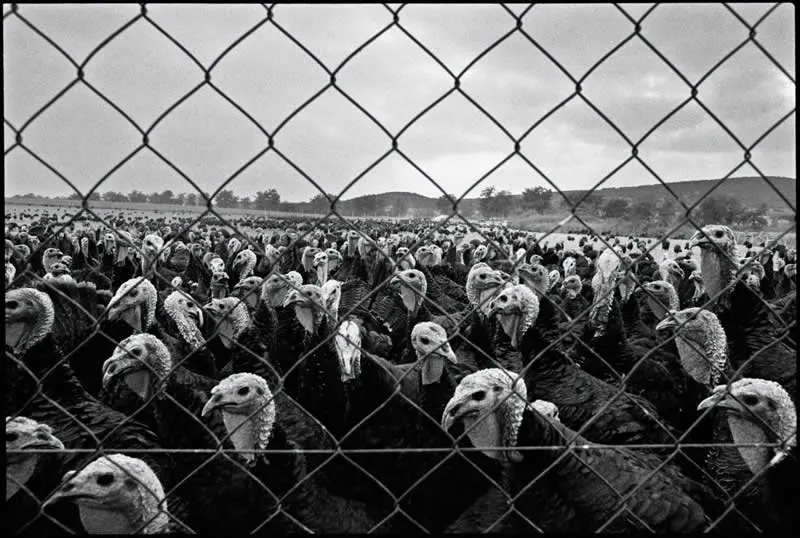
© Nikos Economopoulos
#9
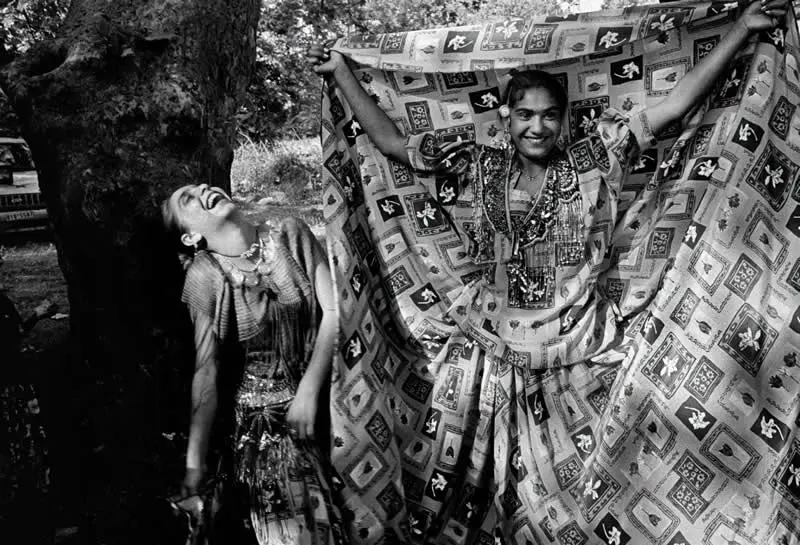
© Nikos Economopoulos
#10
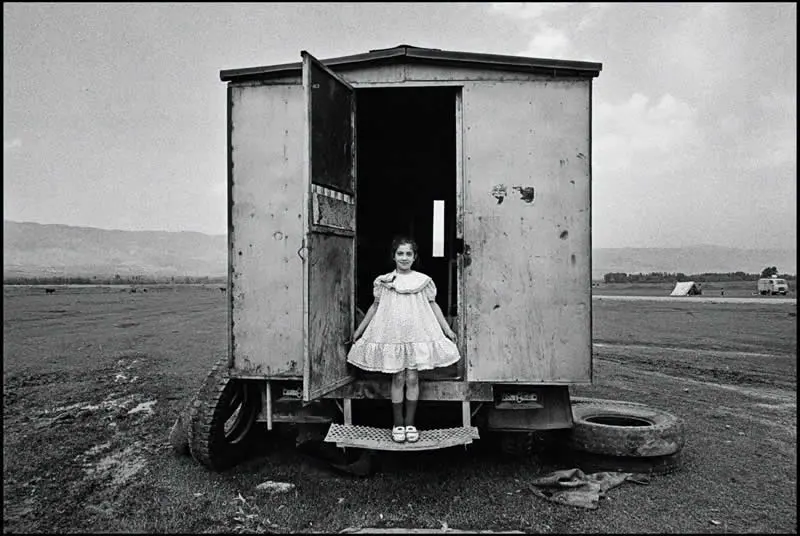
© Nikos Economopoulos
#11
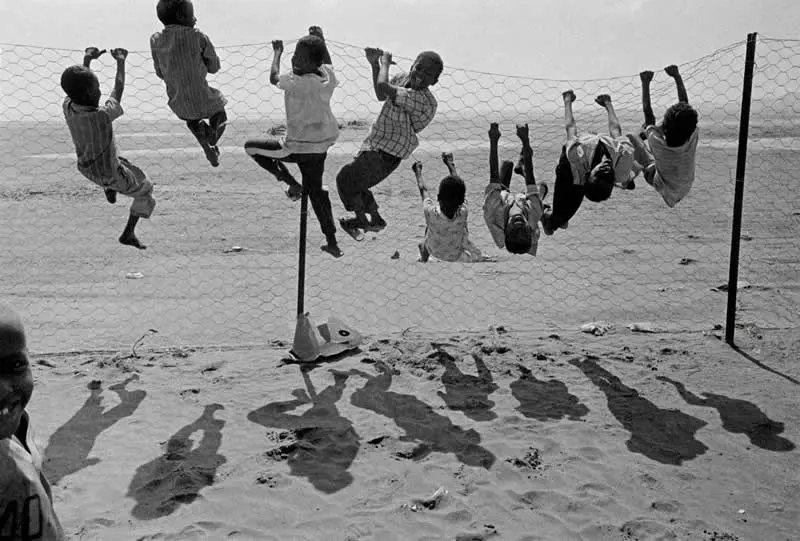
© Nikos Economopoulos
#12
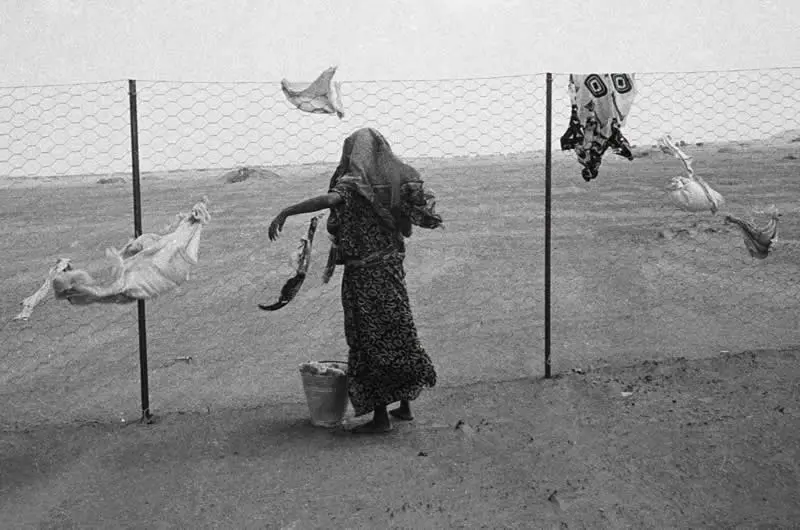
© Nikos Economopoulos
The Balkans: Finding Humanity Beyond the Headlines
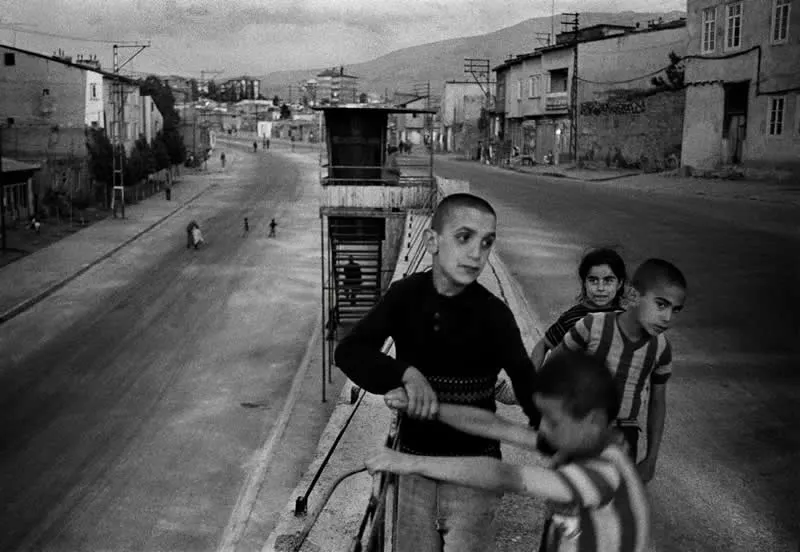
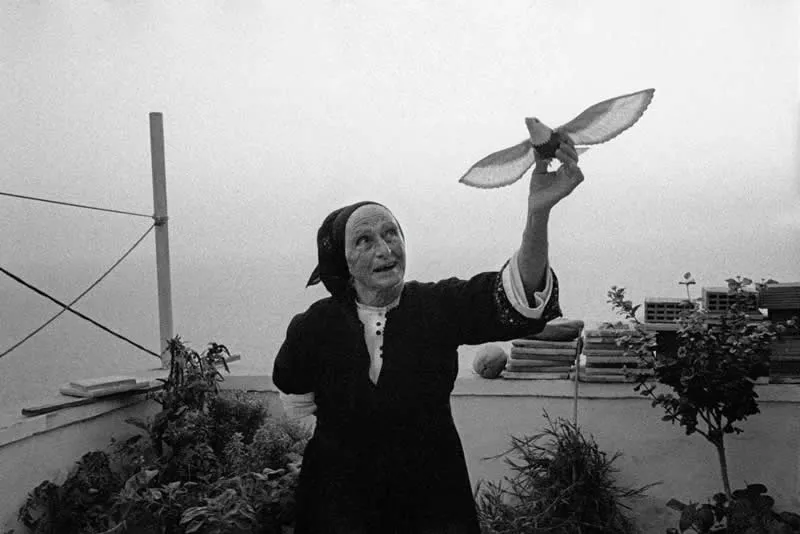
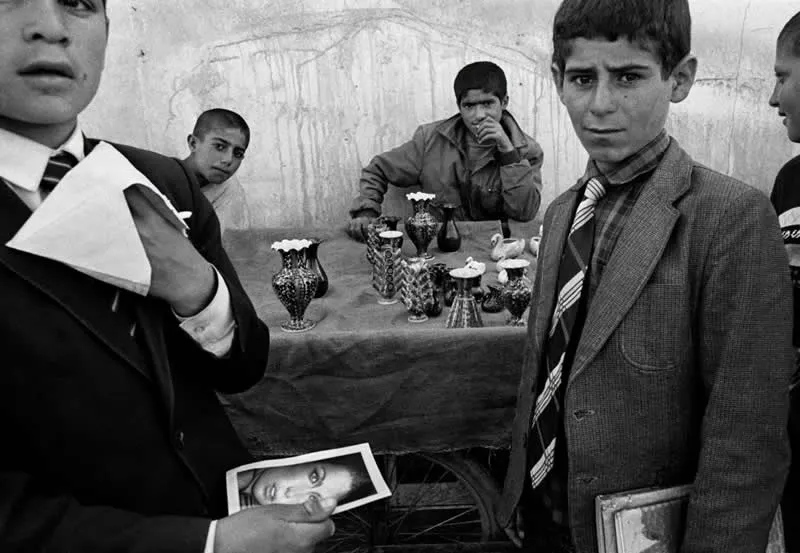
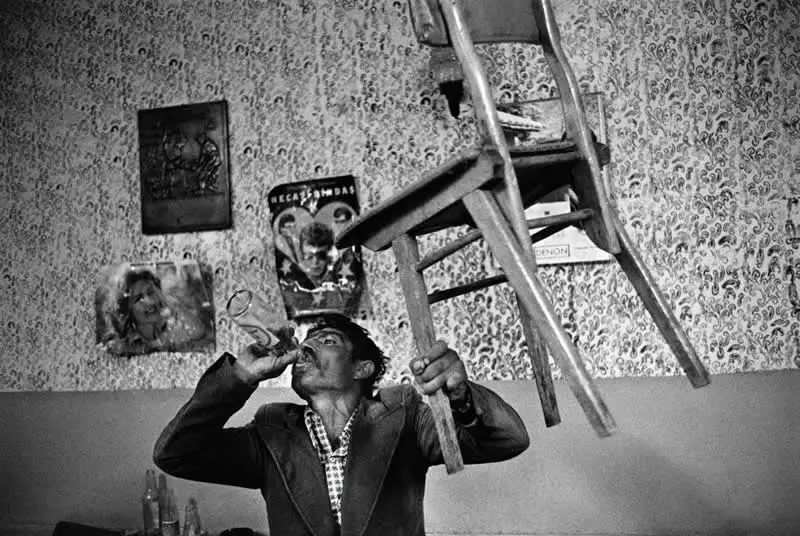
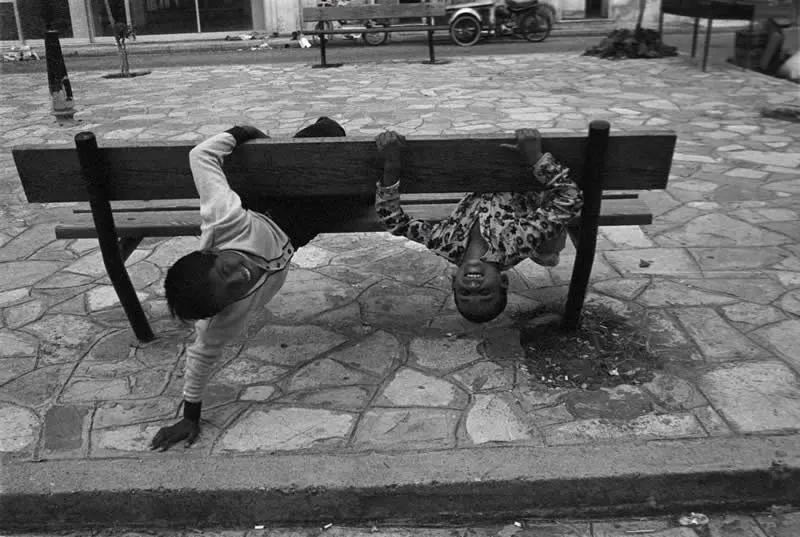
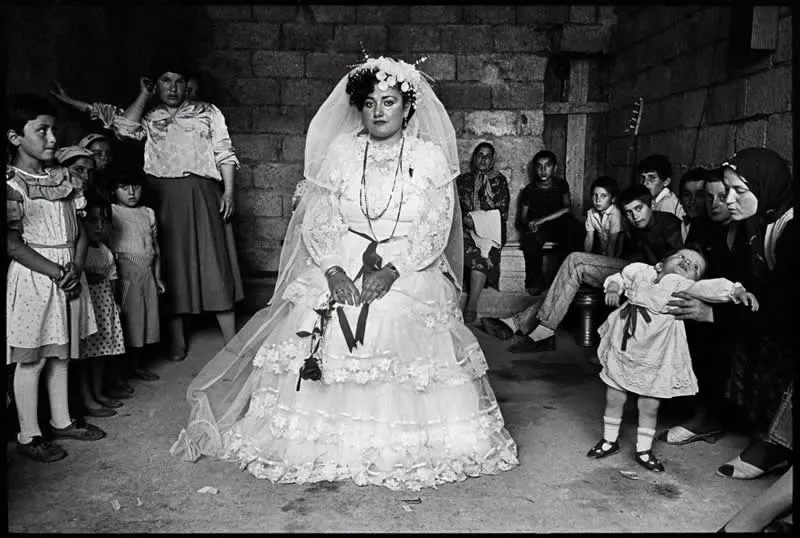
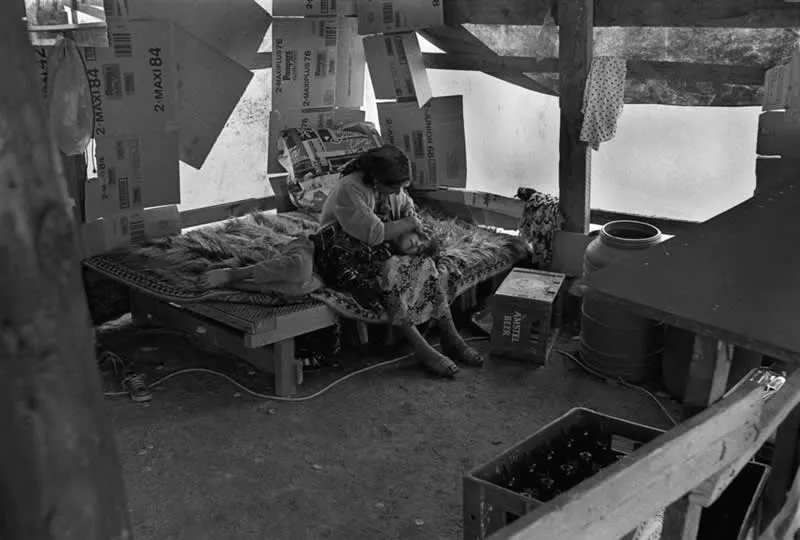
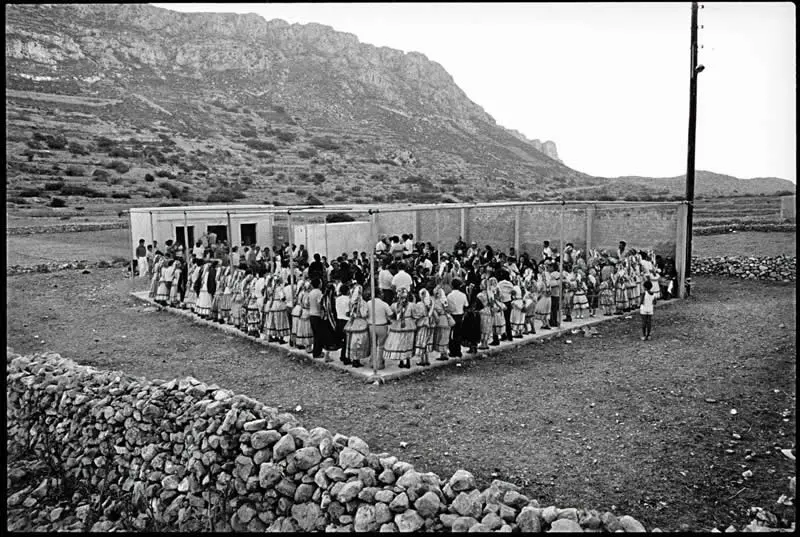
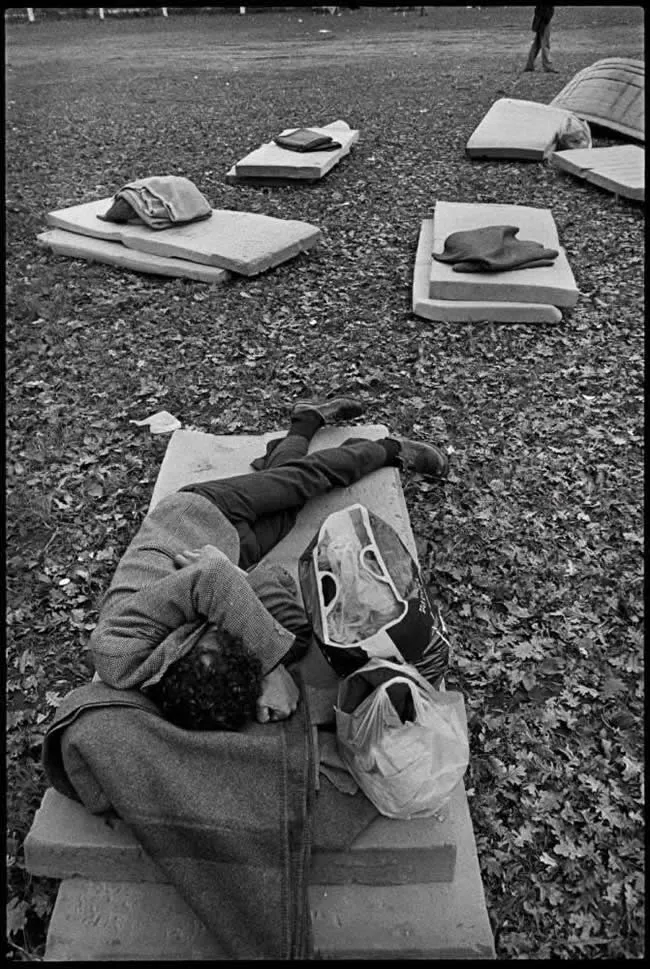
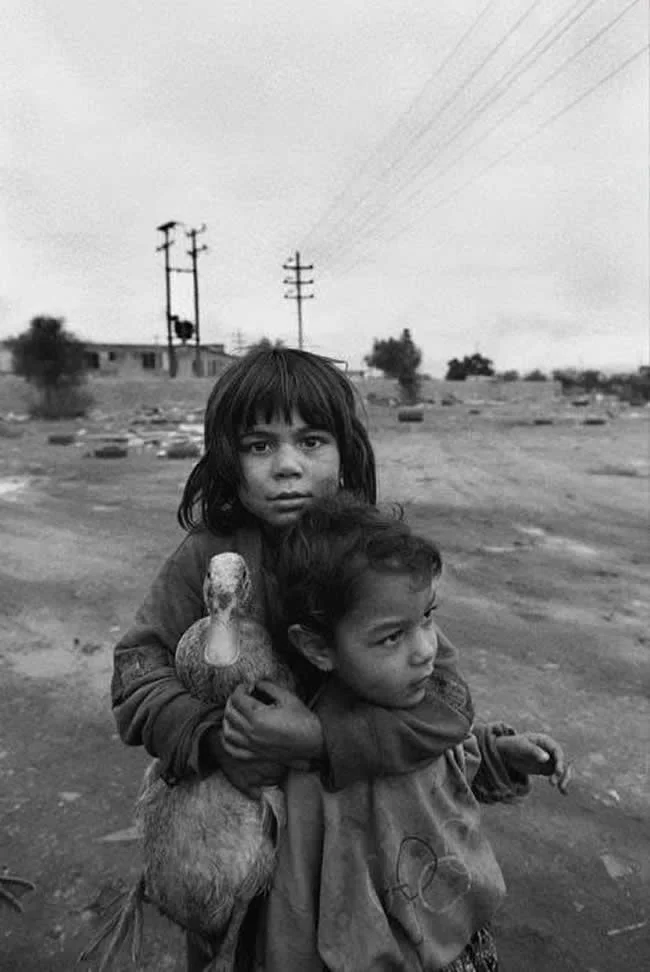
Economopoulos’s celebrated project In the Balkans (1995) grew out of extensive travels through a region marked by political upheaval, shifting borders, and ethnic divisions. Rather than concentrating exclusively on conflict, he photographed weddings, funerals, children, and everyday encounters. These scenes reveal a powerful truth: even when history turns turbulent, ordinary people continue finding ways to live, connect, and carry on.
- Everyday realities: His photographs show the rhythms of ordinary life.
- Cultural traditions: Weddings and funerals reveal the importance of community and belonging.
- Life amid uncertainty: Personal moments unfold against a backdrop of political change.
- Human resilience: His subjects are more than symbols of conflict.
- A lasting record: His work preserves intimate glimpses of a region in transition.
#13
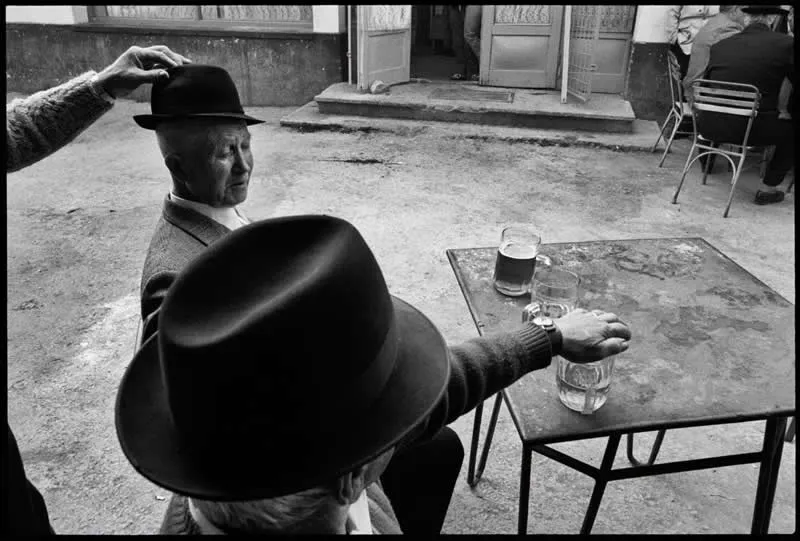
© Nikos Economopoulos
#14
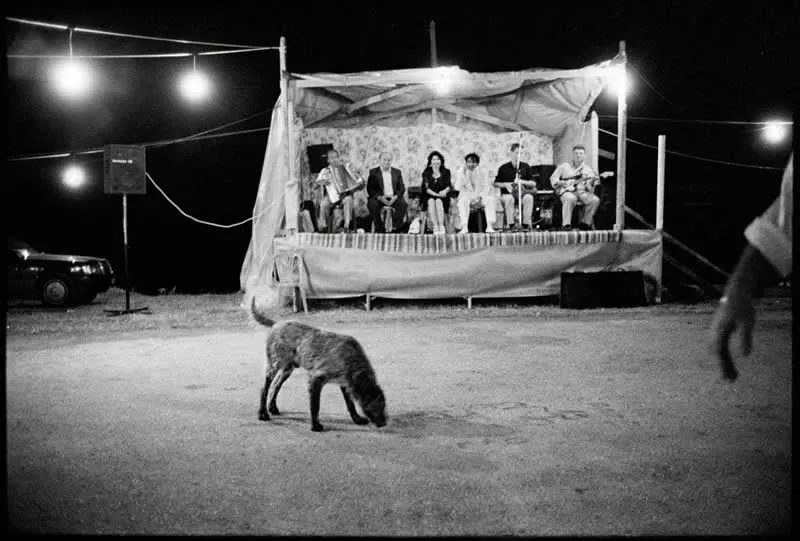
© Nikos Economopoulos
#15
© Nikos Economopoulos
#16
© Nikos Economopoulos
#17
© Nikos Economopoulos
#18
© Nikos Economopoulos
The Magic of Layers, Shadows, and Spontaneous Moments
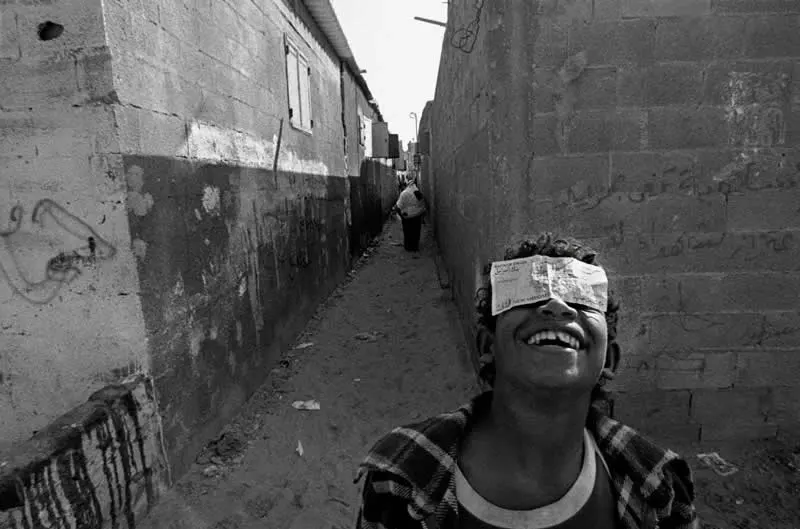
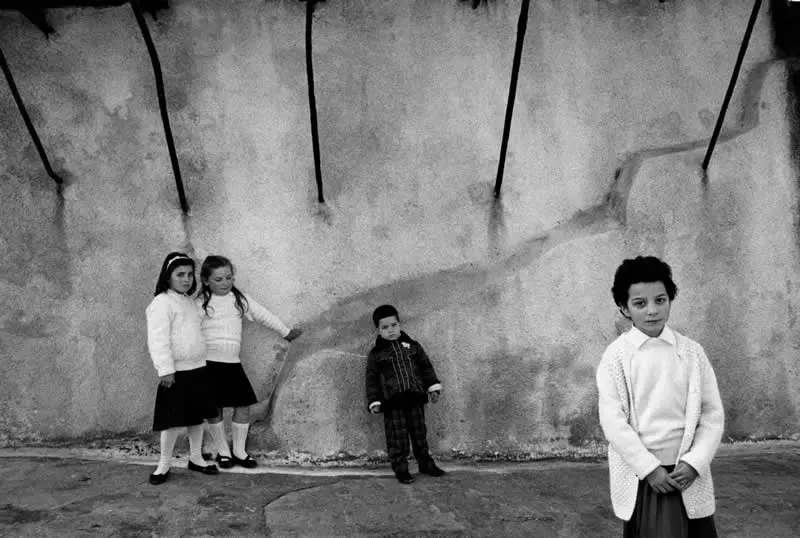
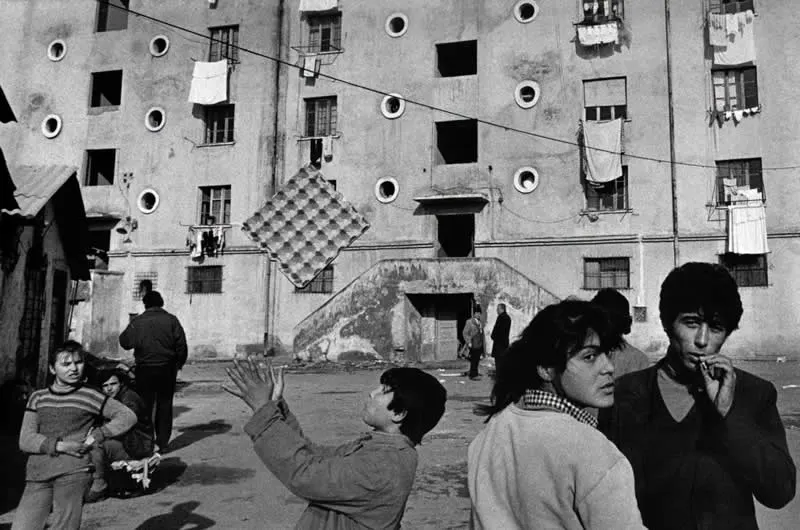
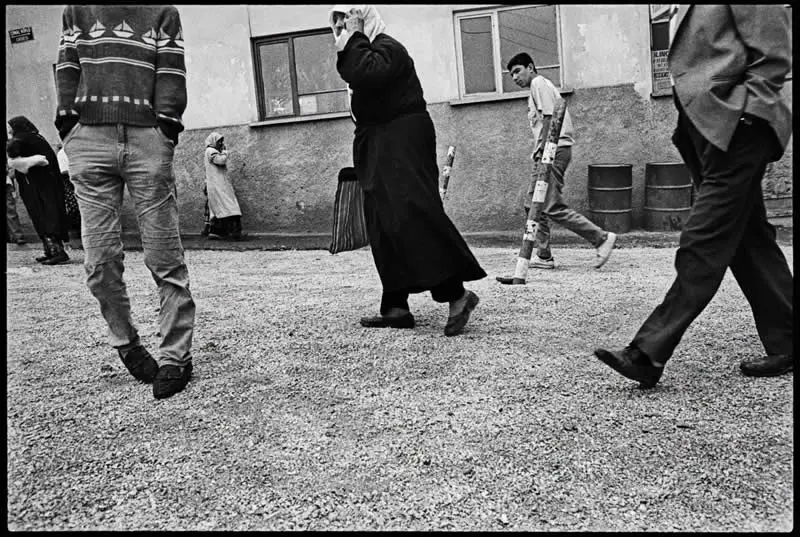
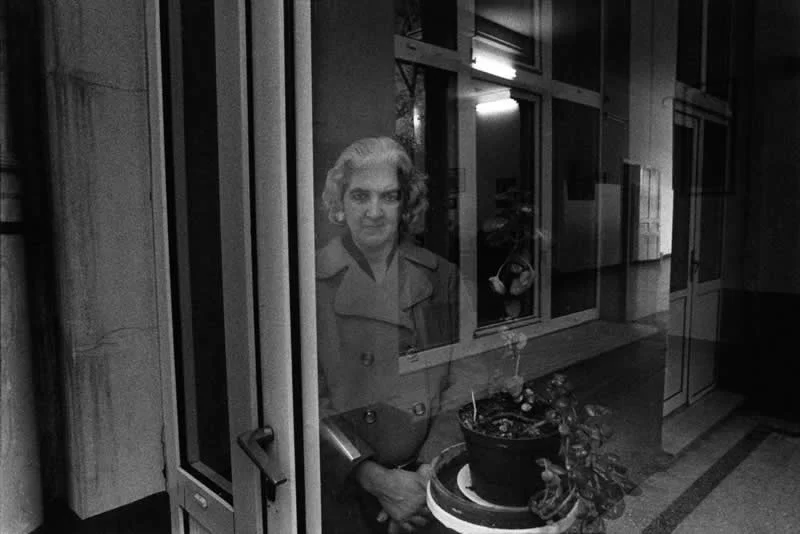
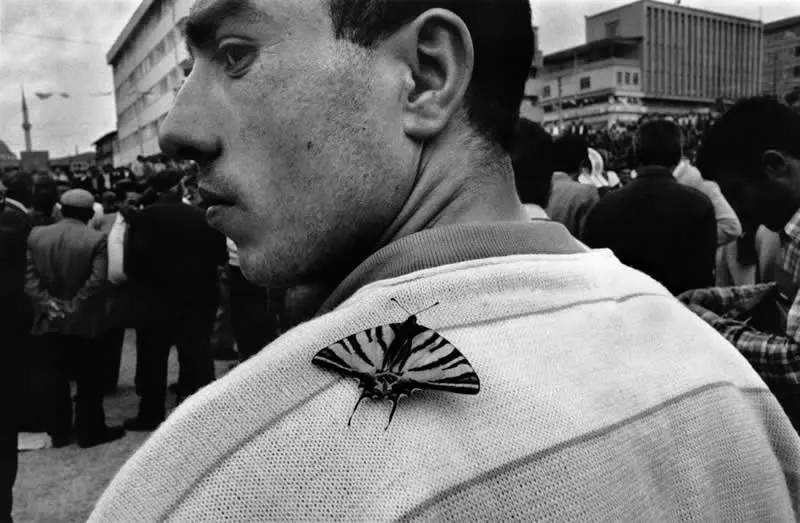
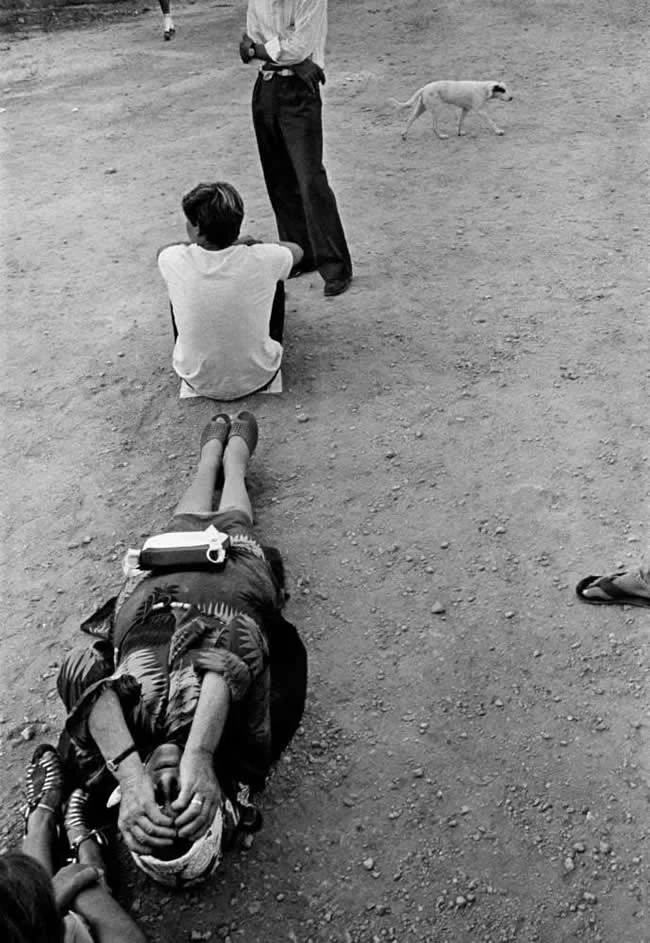
One of the most recognizable qualities of Economopoulos’s black-and-white photography is his mastery of layered composition. Several people may occupy different distances within one frame, while gestures, shadows, and background details create unexpected relationships. The result feels spontaneous but never visually empty. Every corner offers another clue, inviting viewers to slow down and discover the story for themselves.
- Multiple layers: Foreground and background subjects work together.
- Candid gestures: Small movements often become the emotional heart of a photograph.
- Black-and-white atmosphere: Monochrome emphasizes contrast, texture, and visual relationships.
- Beautiful ambiguity: His frames leave room for interpretation rather than explaining everything.
- Patient observation: Looking longer often reveals details that first went unnoticed.
#19
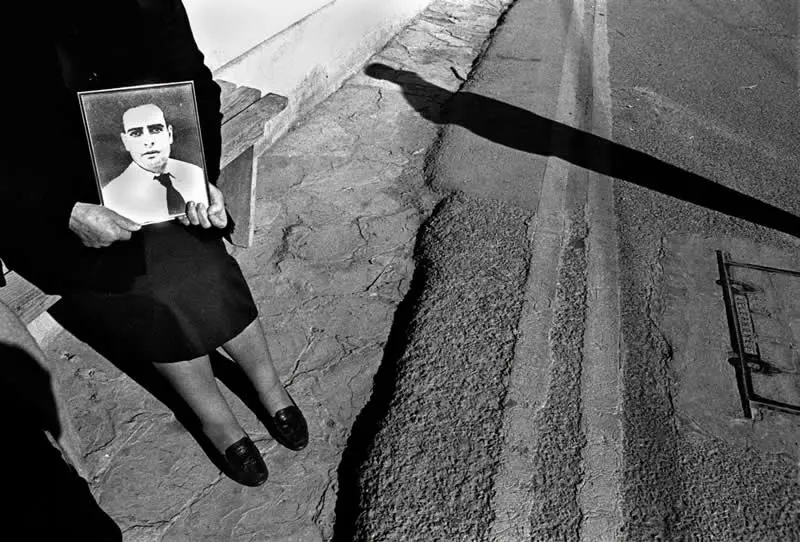
© Nikos Economopoulos
#20
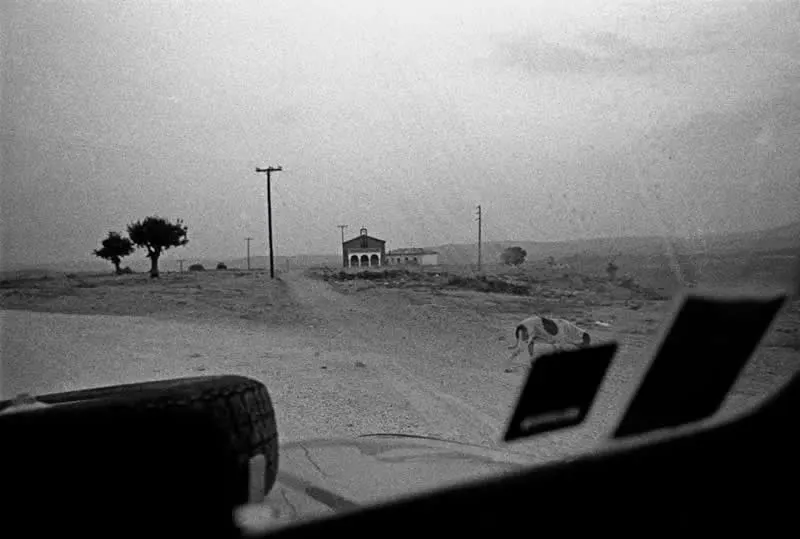
© Nikos Economopoulos
#21
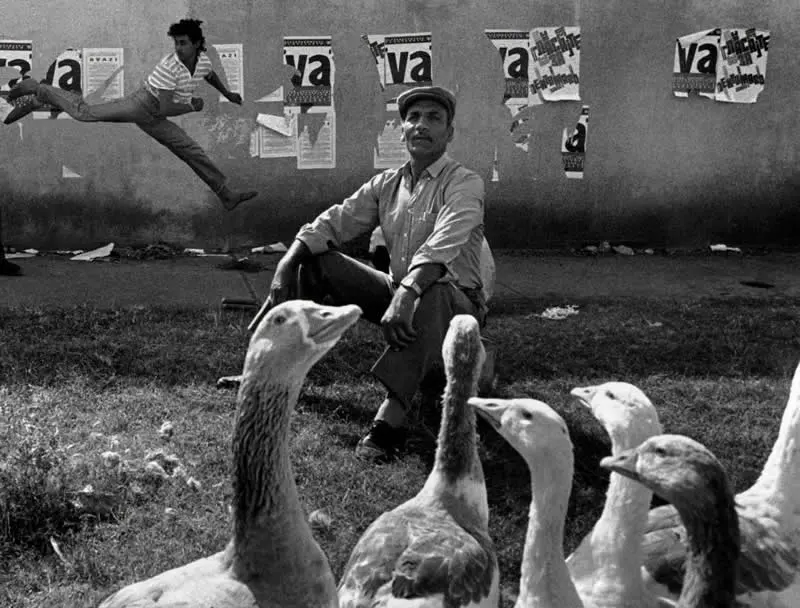
© Nikos Economopoulos
#22
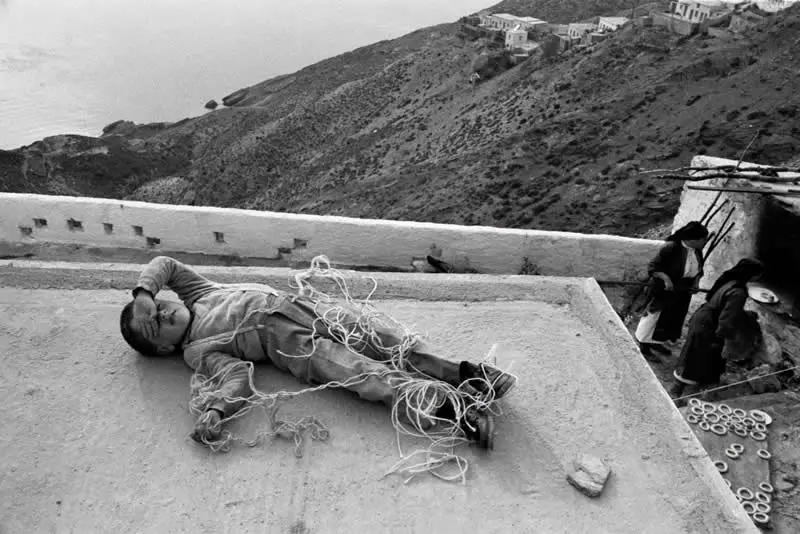
© Nikos Economopoulos
#23
© Nikos Economopoulos
#24
© Nikos Economopoulos
Beyond Monochrome: Exploring Color and the World
Although Economopoulos is widely admired for his black-and-white imagery, his photographic journey hasn’t stood still. He has also explored vibrant color photography, bringing fresh energy to his observations of everyday life. Through his On The Road travel and workshop initiative, he has expanded his exploration across cultures, showing that a photographer’s curiosity can stay alive at every stage of a career.
- A broader palette: Color introduces new relationships between people, objects, and surroundings.
- Strong visual rhythm: His compositions retain their spontaneous, cinematic character.
- Cultural discovery: Travel creates opportunities to observe unfamiliar visual environments.
- Learning through experience: Workshops encourage photographers to develop their own way of seeing.
- An evolving vision: His work demonstrates that artistic growth doesn’t require abandoning your roots.
#25
© Nikos Economopoulos
#26
© Nikos Economopoulos
#27
© Nikos Economopoulos
#28
© Nikos Economopoulos
#29
© Nikos Economopoulos
#30
© Nikos Economopoulos
A Philosophy of Photography Built on Human Connection
Economopoulos’s approach begins with understanding a place, not simply passing through it. He has explained, “I prefer to photograph in places where I understand the visual codes… where I can make genuine connections without forcing a story.” That idea offers a valuable lesson for street photographers: observe carefully, respect the people around you, and let meaningful moments emerge naturally.
- Understand the environment: Learn how a place communicates through gestures, traditions, and daily routines.
- Build genuine connections: Approach people and communities with curiosity and respect.
- Avoid forced narratives: Let photographs emerge from observation rather than preconceived ideas.
- Trust your instincts: Stay alert to fleeting gestures and unexpected visual relationships.
- Find poetry in reality: Ordinary life can become extraordinary when seen with patience and empathy.
#31
© Nikos Economopoulos
#32
© Nikos Economopoulos
#33
© Nikos Economopoulos
#34
© Nikos Economopoulos
.#35
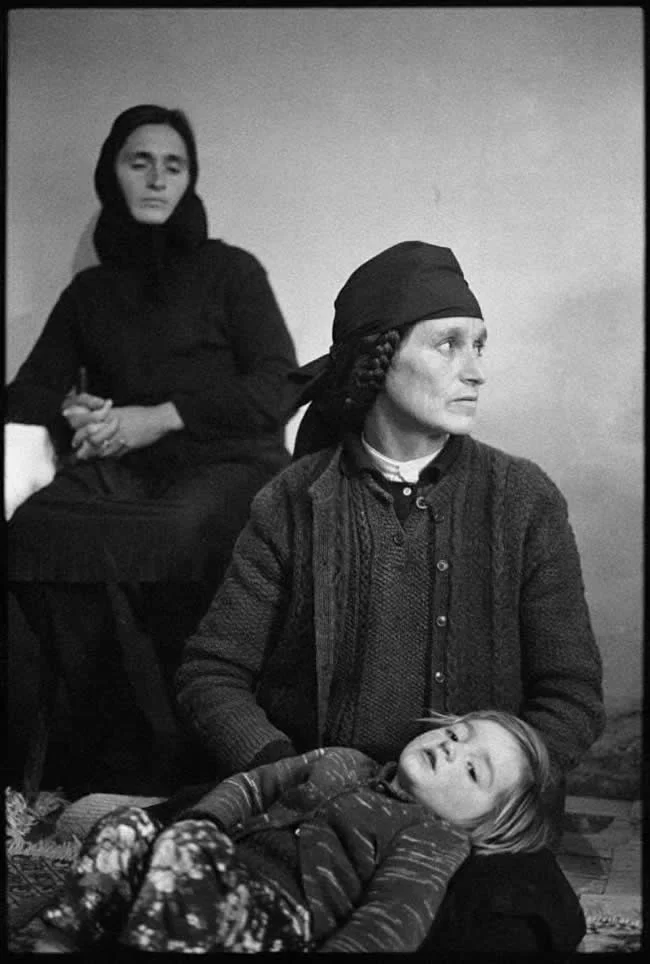
© Nikos Economopoulos
#36
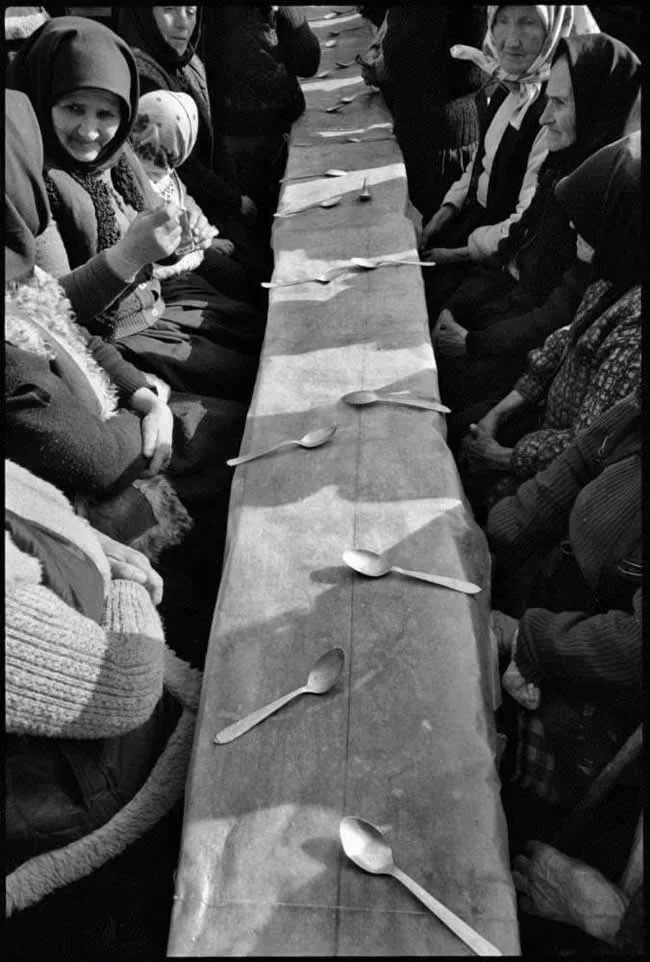
© Nikos Economopoulos
#37
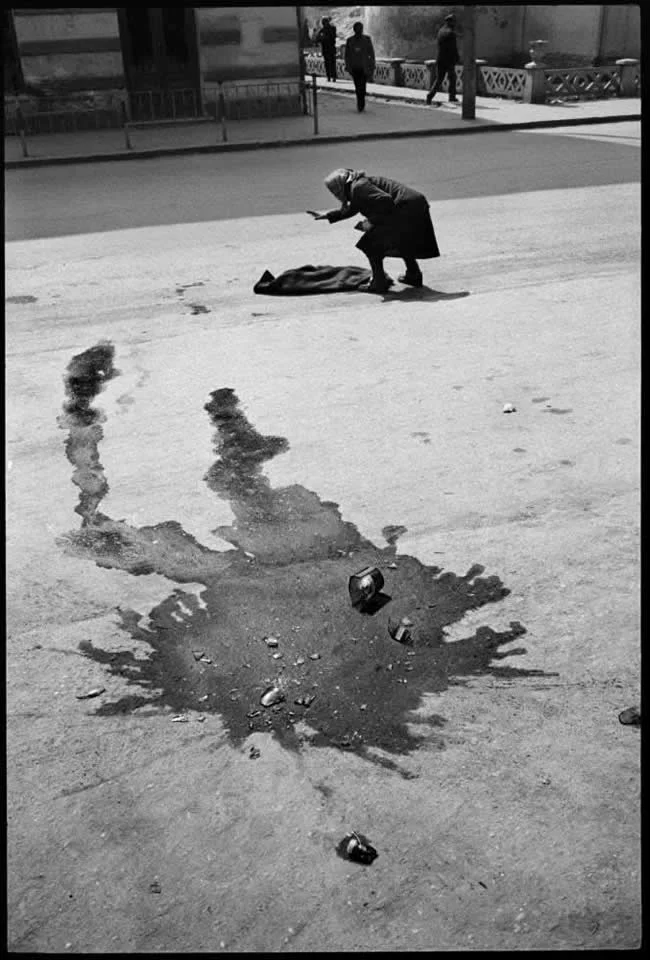
© Nikos Economopoulos
Frequently Asked Questions About Nikos Economopoulos:
Who is Nikos Economopoulos?
Nikos Economopoulos is a Greek photojournalist born in 1953 and a full member of Magnum Photos since 1994. He is known for empathetic street photography documenting everyday life, cultural identity, and social change across the Balkans, Southern Europe, and West Asia.
What is Nikos Economopoulos best known for?
Economopoulos is best known for his atmospheric documentary photography, layered black-and-white compositions, and intimate portrayal of ordinary people. His work captures spontaneous encounters and cultural traditions, particularly throughout the Balkans, revealing the human stories that often remain hidden behind political headlines.
What is In the Balkans by Nikos Economopoulos?
In the Balkans is a celebrated photographic project published in 1995 that reflects Economopoulos’s extensive travels through the region. His images explore everyday experiences, cultural traditions, and human resilience amid political upheaval, shifting borders, and ethnic divisions during a period of profound change.
What makes Nikos Economopoulos’s photography unique?
His photography combines spontaneous moments with intricate compositions, atmospheric lighting, and multiple visual layers. Rather than presenting straightforward explanations, he creates photographs filled with gestures, contrasts, and ambiguity, encouraging viewers to look closely and interpret the relationships unfolding within each frame.
Does Nikos Economopoulos photograph in color?
Yes. Although he is best known for his black-and-white documentary photography, Economopoulos has also explored vibrant color imagery. His later work extends beyond the Balkans through travel and photographic workshops, while maintaining his characteristic spontaneity, cinematic compositions, and interest in everyday human experiences.