
What makes a photograph truly unforgettable? Sometimes, it’s not a breathtaking landscape or a perfectly staged portrait. It’s a fleeting human moment that tells a story without saying a single word. That’s exactly what Canadian street and documentary photographer France Leclerc brings to her work.
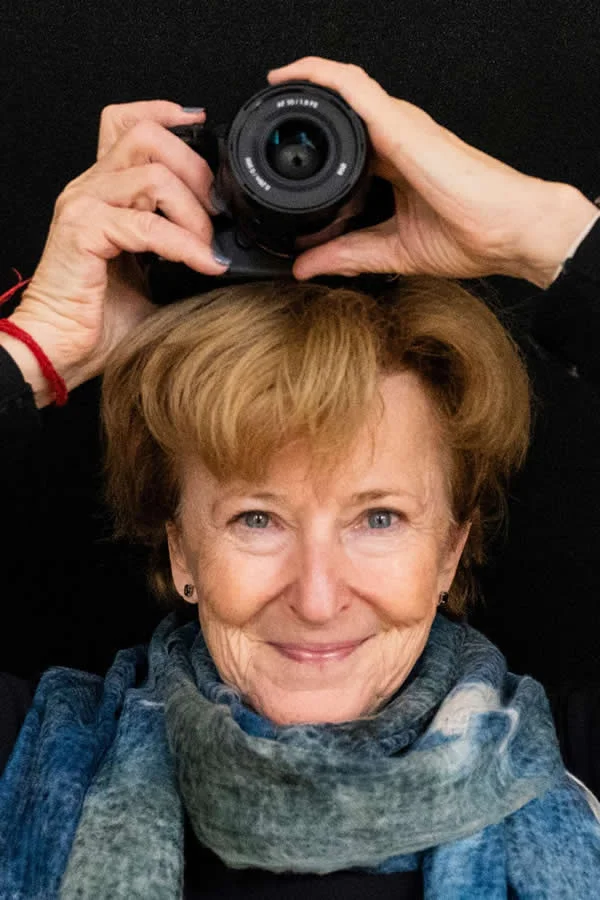
Originally from Québec and now based in Chicago, Leclerc has traveled to more than 100 countries, documenting the people, traditions, celebrations, and everyday moments that make our world so fascinating. Her photographs take us from the streets of India and Bangladesh to the communities of Ethiopia and South Sudan, offering intimate glimpses into lives that may look different from ours but share something deeply familiar.
With an academic background in human behavior, Leclerc approaches photography with genuine curiosity, patience, and empathy. She believes in waiting for authentic moments rather than forcing them. Whether capturing a religious gathering, a spontaneous dance, or a quiet street interaction, her images reveal the beauty of ordinary life.
Her award-winning work has earned recognition from the LensCulture Street Photography Awards, Pure Street Photography Awards, All About Photo Awards, and Miami Street Photography Festival, among others. But beyond the accolades, Leclerc’s greatest strength lies in her ability to remind us that, wherever we come from, humanity connects us all.
You can find France Leclerc on the web:
Interview with France Leclerc: Stories Behind the Lens
In this exclusive interview, France Leclerc opens up about her journey from academia to award-winning photography, her experiences documenting more than 100 countries, and the importance of patience, trust, and human connection. She also shares his approach to capturing authentic moments, preserving cultural stories, and the photographers who inspire her creative vision.
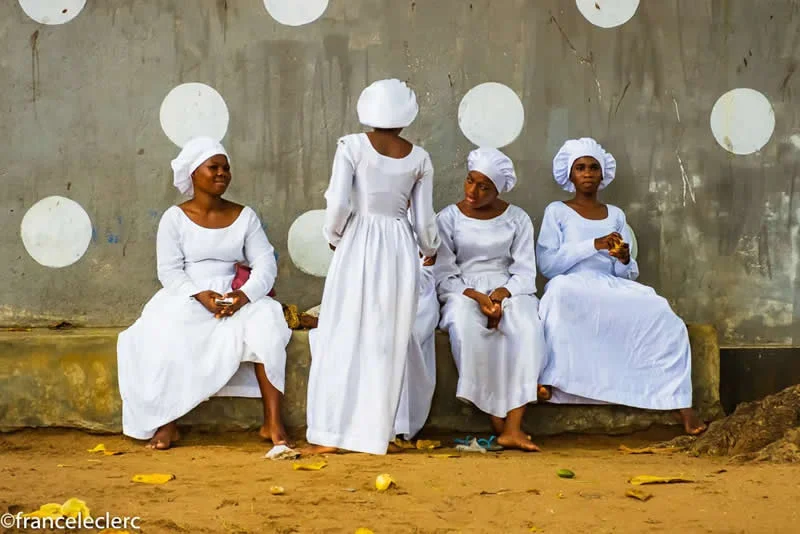
#1. Some ladies, followers of the Celeste Church, resting and chatting after attending a service
#2. Camaguey, Cuba
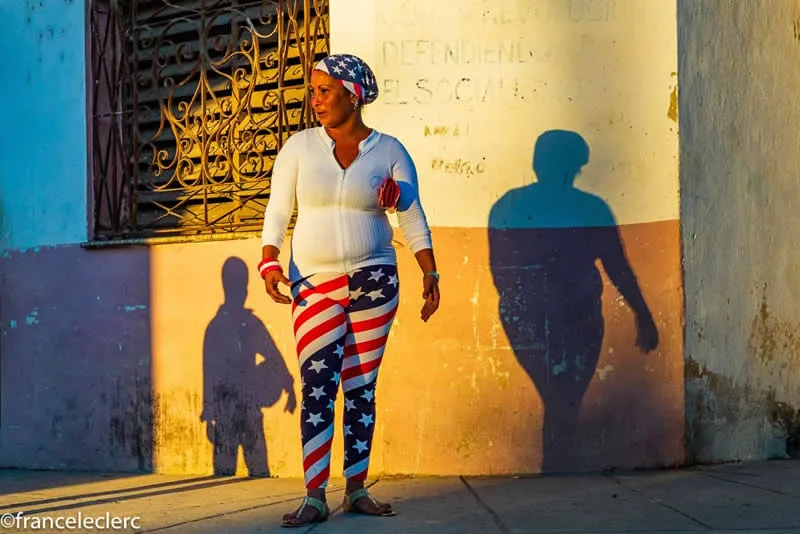
#3. Lamu town, the oldest and best preserved Swahili settlement in East Africa
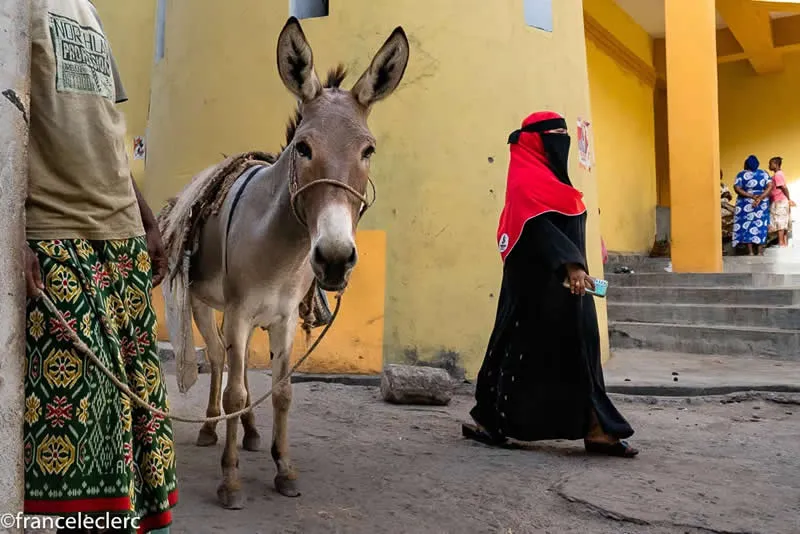
#4. Tongi, a suburb of Dhaka, Bangladesh
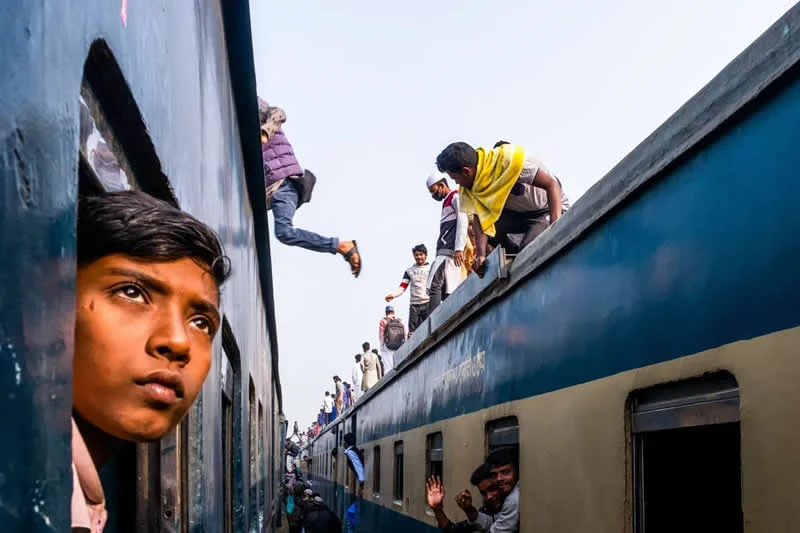
A brief introduction about yourself?
I am a Canadian street and documentary photographer, originally from Québec and now based in Chicago. Before turning seriously to photography, I spent many years in academia studying and teaching about human behavior. In some ways, photography has allowed me to continue that exploration, but outside the classroom and in direct contact with the world.
I have traveled to more than 100 countries, often returning to places several times, and much of my work grows from my curiosity about how people live, connect, worship, celebrate, work, and endure. Although cultures and circumstances may differ, I hope my photographs reveal something familiar and remind us of the humanity we share.
#5. Lahore, Pakistan
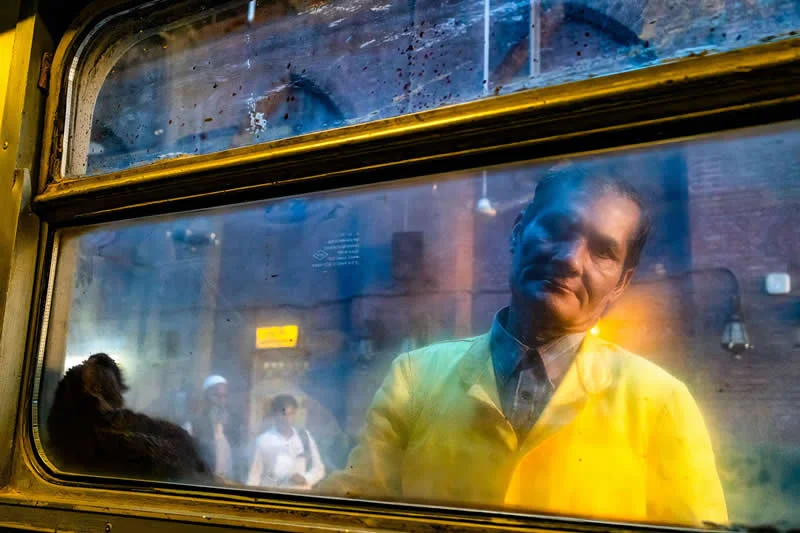
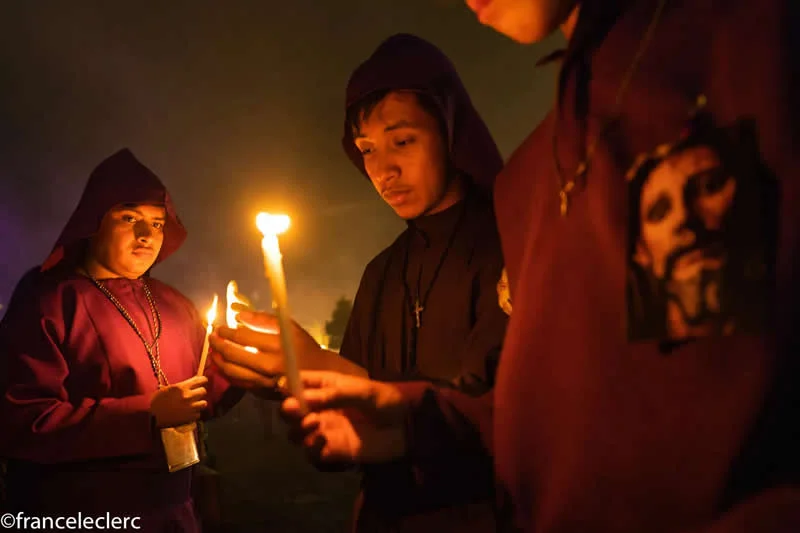
#6. Candles are lit during the night processions of the Semana Santa in Antigua
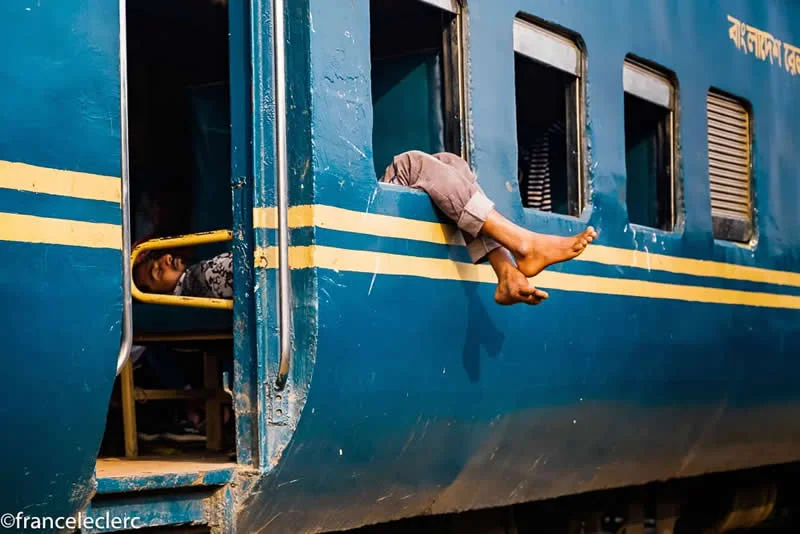
#7. Tonga, Bangladesh
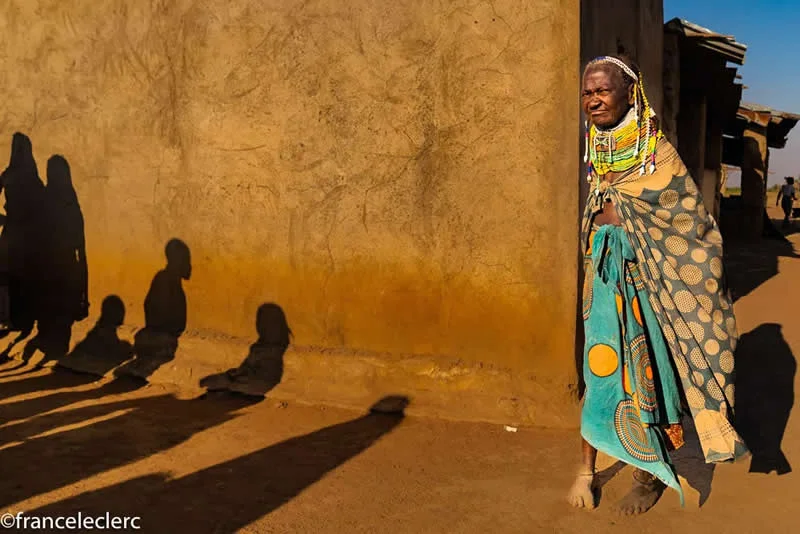
#8. A woman from the Ovamwila tribe arriving at the market near Lubango, Southern Angola
How did you begin your journey in photography?
I came to photography relatively late. I had always been curious about the world and traveled extensively, but photography gradually became much more than a way of recording the places I visited. It became a way of looking more carefully and engaging more deeply with people and their lives.
As an introvert, I discovered that the camera gave me a reason to step into situations I might otherwise have observed from a distance. It encouraged me to enter public spaces, approach people, and pay closer attention to the gestures and interactions unfolding around me.
My earliest work had a strong documentary focus and was driven primarily by storytelling. Over time, I became increasingly attentive to composition—to those moments when gesture, light, color, movement, and the surrounding environment briefly align. Today, my work moves between documentary and street photography, but the story remains central to both.
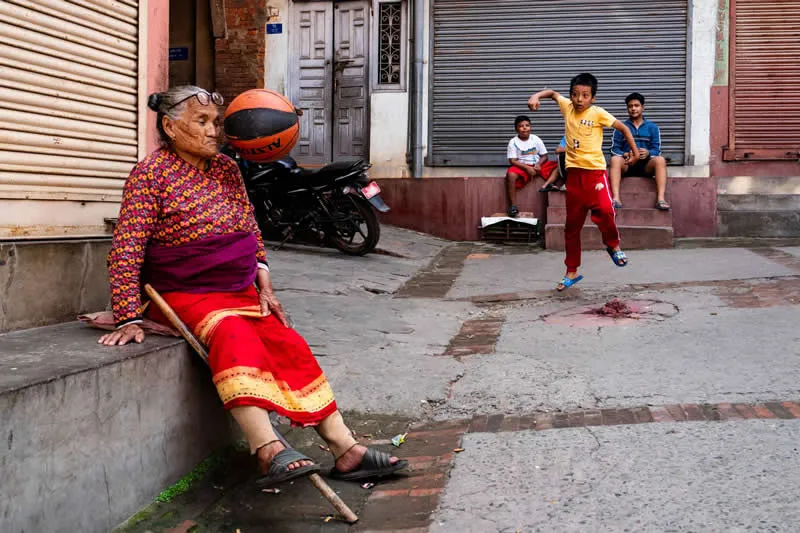
#9. Street Scene, Lalitpur, Nepal
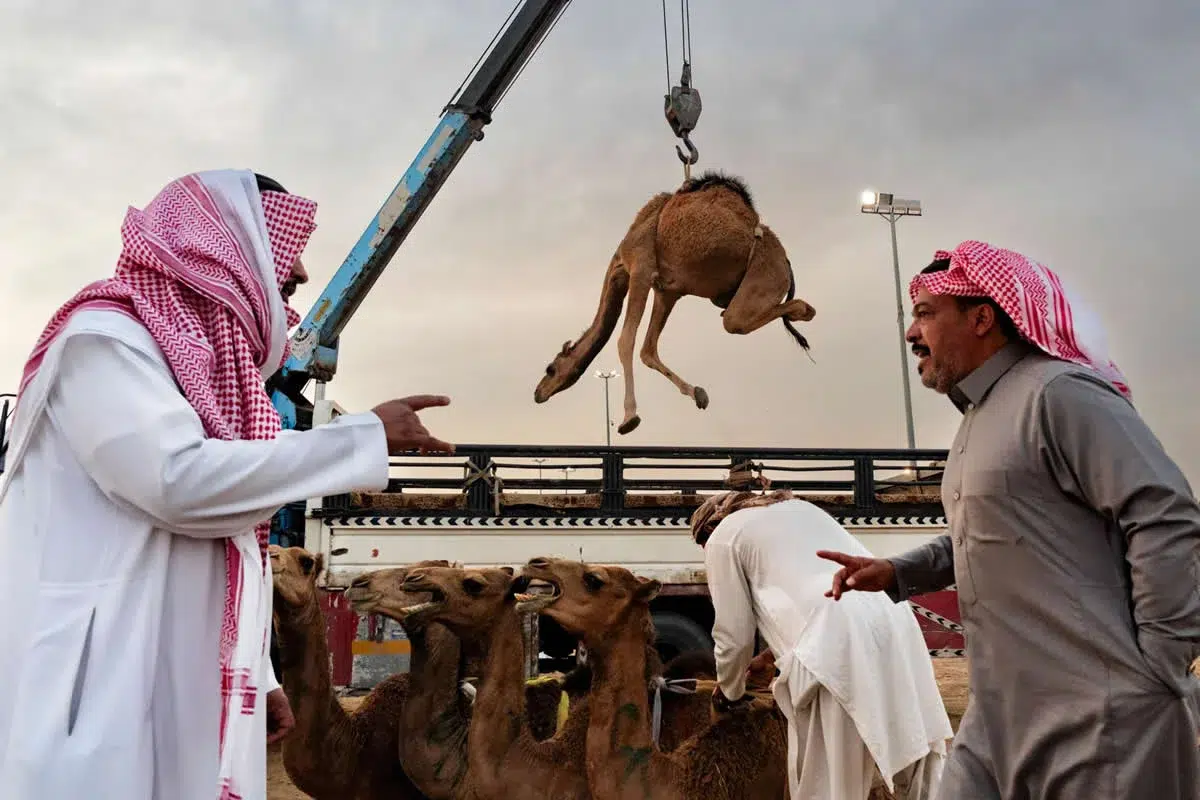
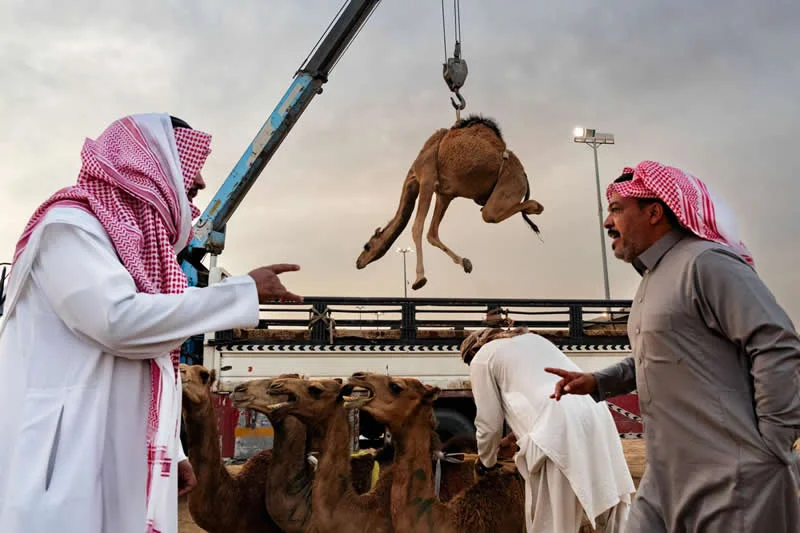
#10. The Buraidha Market, Saudi Arabia
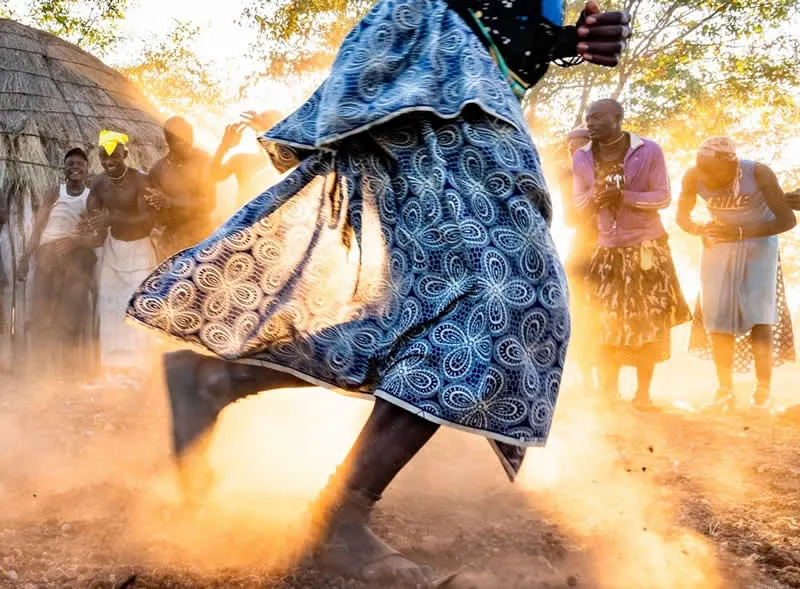
#11. In Southern Angola, men from the Hakaona ethnic group dance at sunset
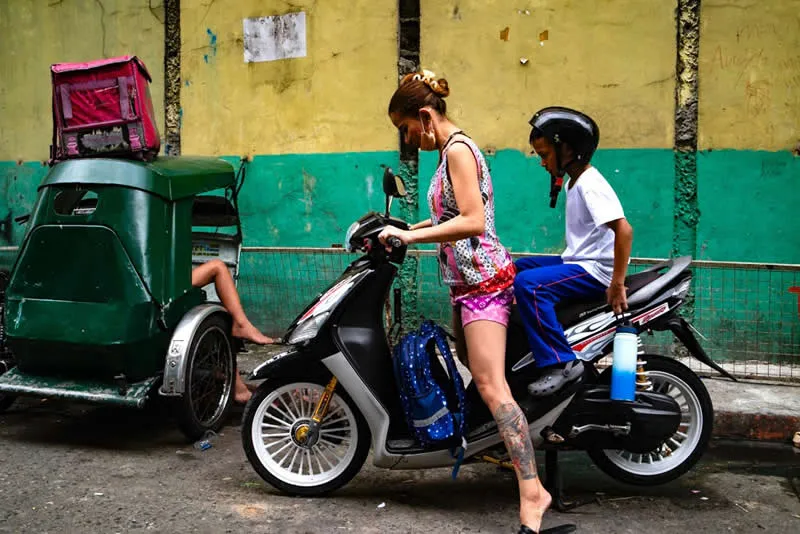
#12. Ready to go, Manila, Philippines
You’ve photographed communities and traditions across places like Ethiopia, South Sudan, Bangladesh, India, and Pakistan. When you enter a new culture, how do you build enough trust and connection for people to eventually forget that you’re carrying a camera?
Patience is probably the key element. When people know they are being photographed, they often pose or become self-conscious—and that is rarely the image I am looking for. I want to photograph people as they live and interact, not only as they present themselves to the camera.
I may take a few photographs at first and then remain nearby and wait. Sometimes I turn my attention to a dog, a cat, or something else in the surroundings, suggesting that I have moved on. If I am patient enough, people eventually return to their activities and begin to forget—or at least become less conscious of—my presence. That is when more natural and revealing moments tend to emerge.
I also try to approach each situation with respect and genuine curiosity. Trust does not always require a long conversation; sometimes it develops simply through time, body language, and a willingness to remain present without pushing.
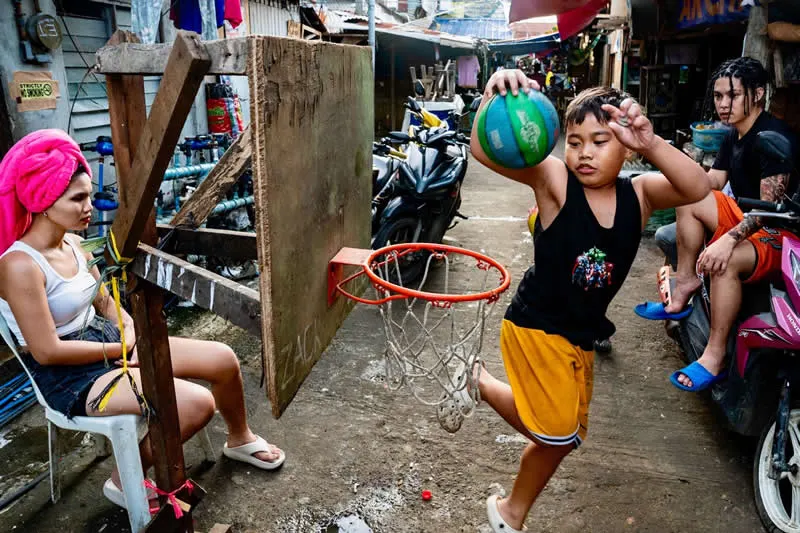
#13. Basketball in the Philippines, a passion!
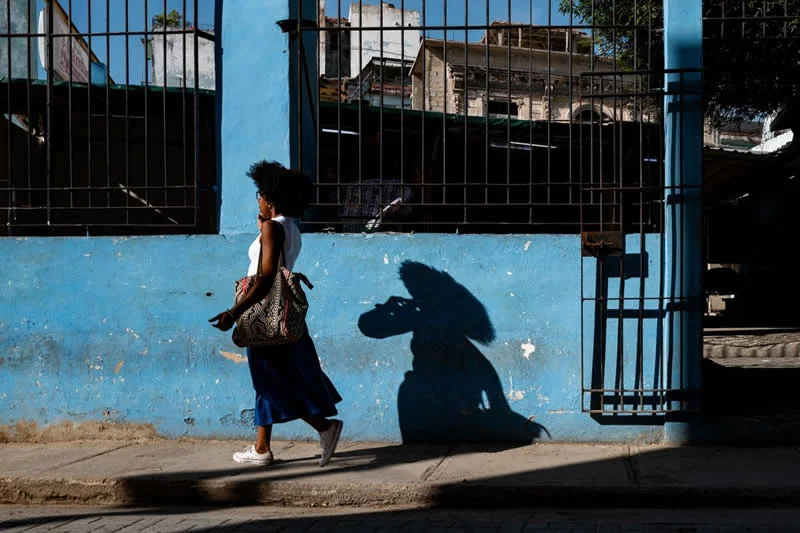
#14. Havana Blues
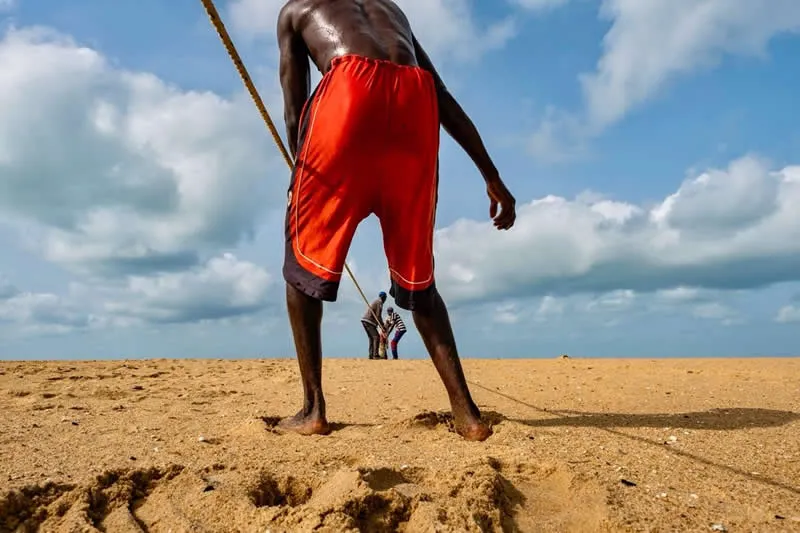
#15. On the coast near Ouidah, Benin, men pulling huge fishing nets from the water
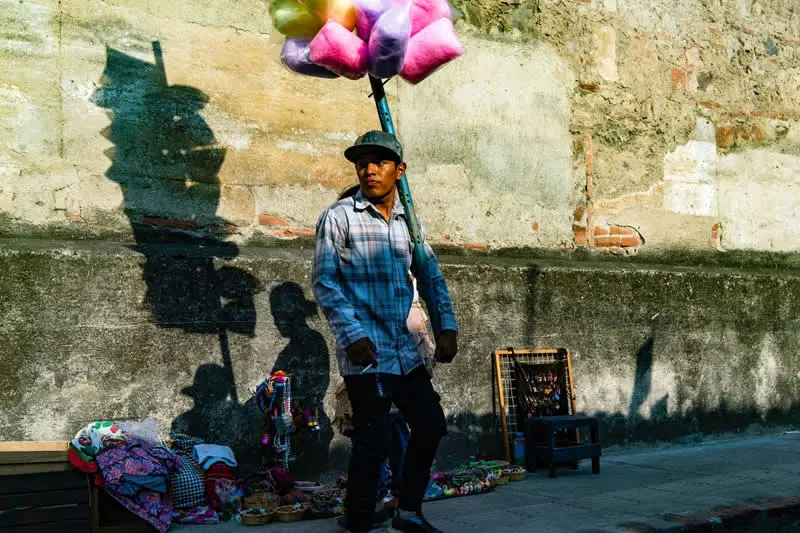
#16. Street vendors, Antigua
Many of your photographs capture incredibly spontaneous moments—dancing, celebrations, religious gatherings, street scenes, and everyday interactions. How much of your photography is about waiting for the right moment, and how do you know when that moment has arrived?
A great deal of my photography is about waiting, although the nature of that waiting varies. In documentary situations, I may wait for people to stop responding to the camera and return to what they were doing. In street photography, waiting is more about anticipation—recognizing that a setting has potential and remaining there until something happens.
I may initially be drawn by the light, a background, a particular arrangement of colors, or the way people occupy a space. Then I wait for a gesture, expression, or movement that connects the different elements and completes the frame. Sometimes that moment arrives quickly; at other times, it never does.
Knowing when to press the shutter is partly instinct, but it is an instinct developed through observation and experience. I am looking for that fleeting instant when the visual elements align and an ordinary situation suddenly becomes more expressive, surprising, or meaningful.
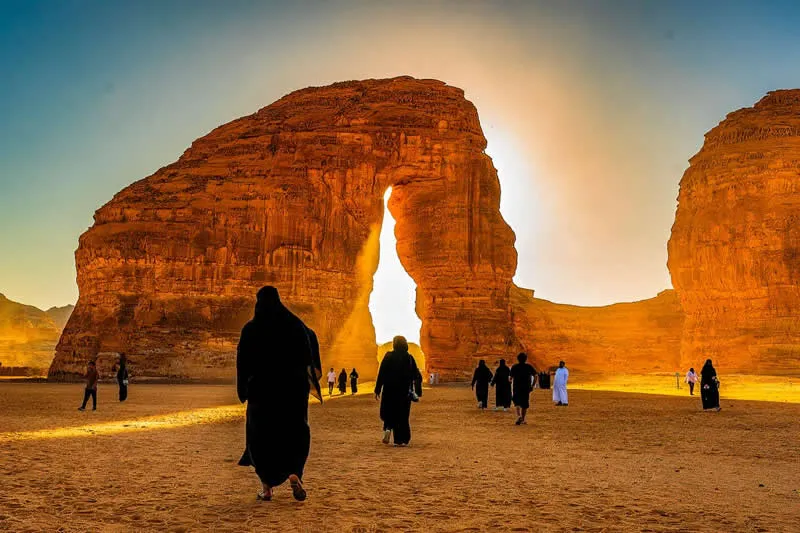
#17. Saudi Arabia
#18. Hanging out in Manila
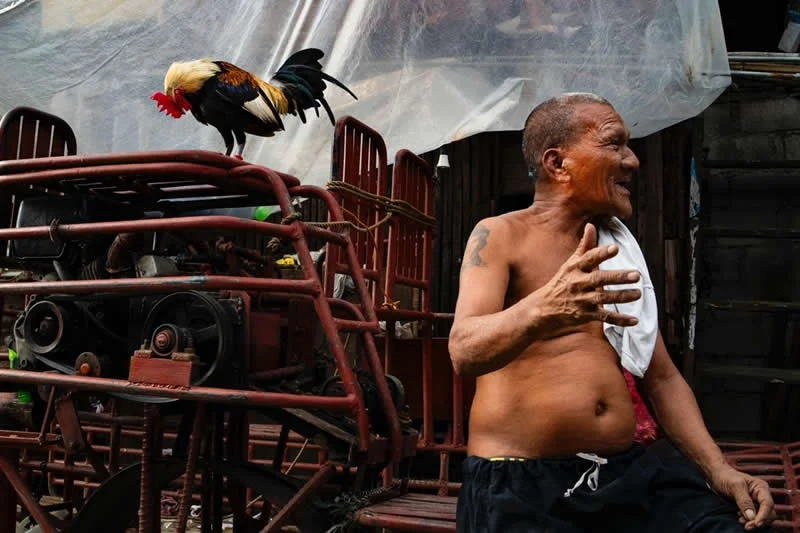
#19. A new friend?, Manila, Philippines
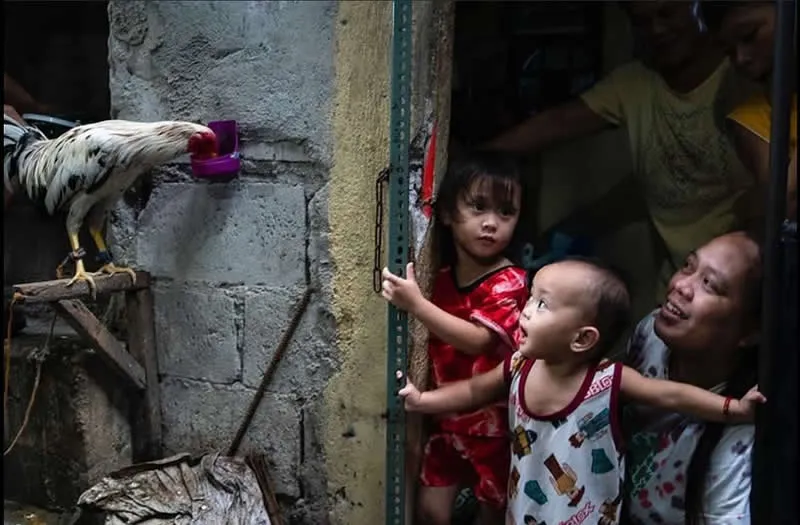
#20. Trinidad, Cuba
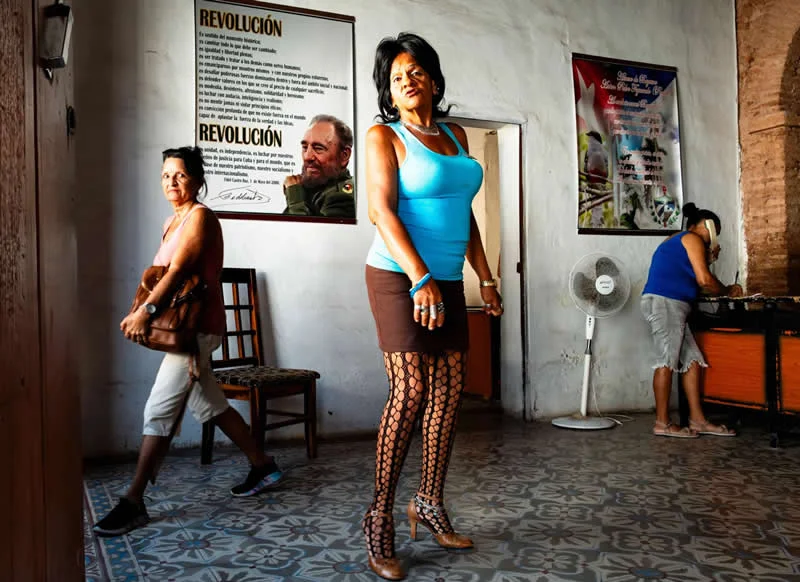
You’ve spent years documenting cultures and traditions that are changing or disappearing. Does knowing that a tradition may not look the same in another generation change the way you photograph it or the stories you choose to tell?
My photography is not about romanticizing the past or presenting traditions as though they were frozen in time. I am interested in people’s current experiences and in how traditions exist within contemporary life.
Of course, I may record traditional clothing, rituals, crafts, or art forms that could change or disappear, but I always try to show them in the context in which they are lived today. Traditions are not separate from modern life; they adapt, coexist with new technologies and influences, and acquire new meanings for each generation.
Knowing that something may change gives the act of photographing it a certain importance, but my intention is not to preserve an idealized version of the past. It is to bear witness to the present—to show how people experience, practice, and reshape their traditions now.
#21. Majuli Island, Assam, India
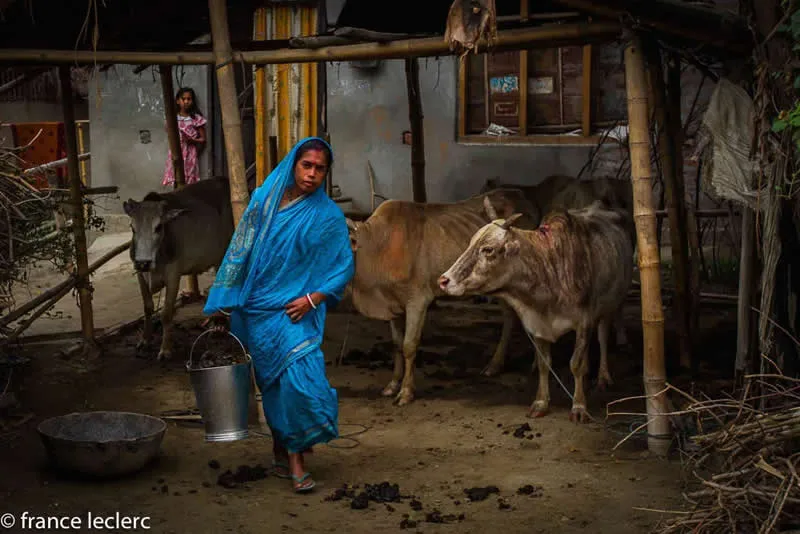
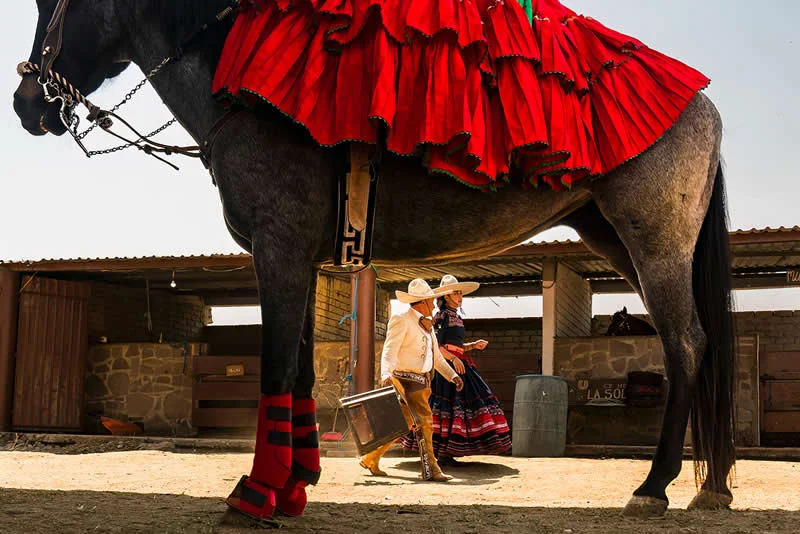
#22. Charreada, a Stylish Rodeo, Mexico
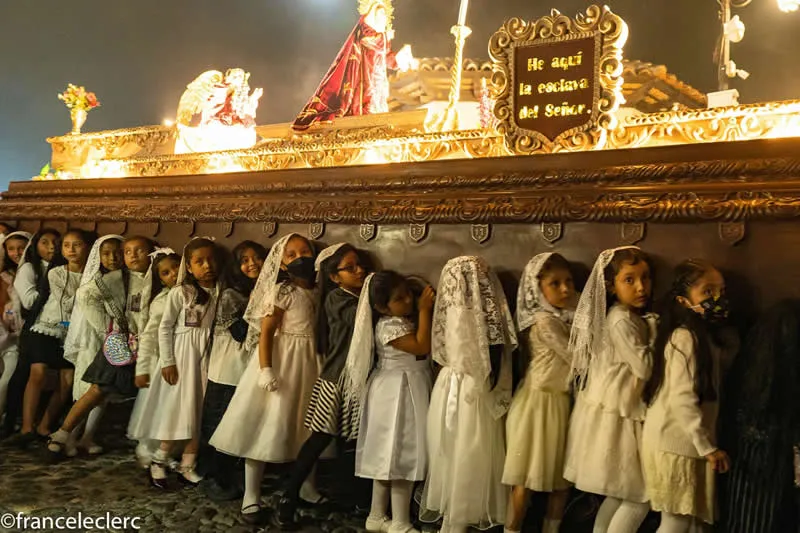
#23. Girl’s Procession, La Semana Santa (Holy Week) is the annual Catholic commemoration of the Passion of Christ.
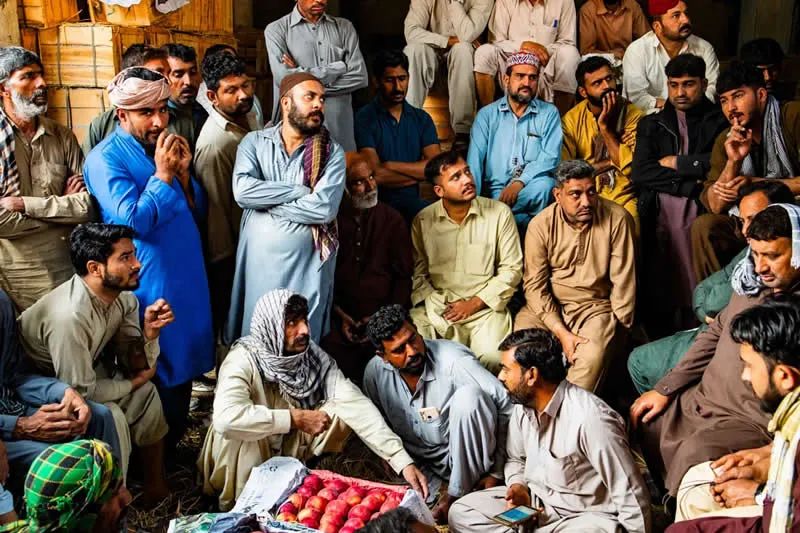
#24. Who’s the highest bidder? Fruit auction in Lahore, Pakistan
What are some of your awards and recognitions?
I have been fortunate to receive a number of awards and opportunities to exhibit my work. I received third place in the LensCulture Street Photography Awards in 2023 and third place at the Miami Street Photography Festival in 2022.
Two of my series were selected for the Prix de la Photographie Paris “State of the World” collection in 2023, and two additional series were selected in 2025. My photographs have also been exhibited through Women Street Photographers, the Brussels Street Photography Festival, the Dublin Street Photography Festival, the Siena International Photo Awards Festival, and the American Center for Photographers, among others.
I am grateful for these recognitions, but what matters most to me is that they allow the photographs—and the people and stories within them—to reach a wider audience.
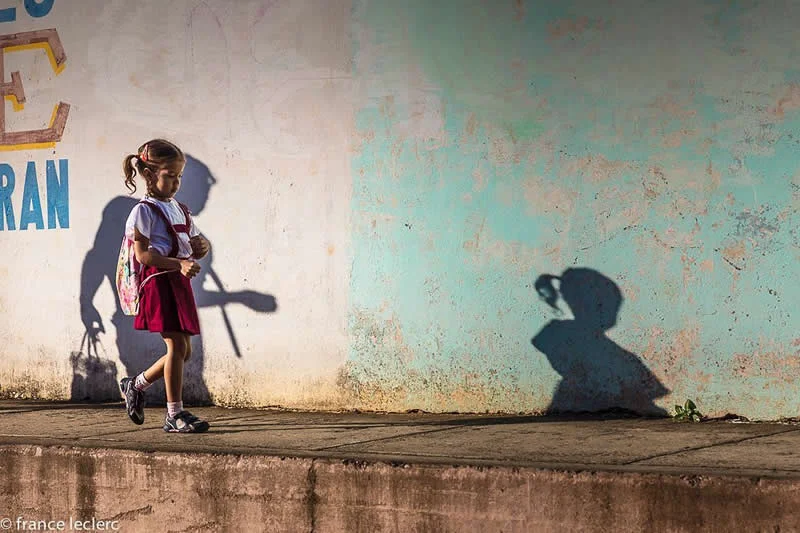
#25. A father (the shadow) walks her daughter to school in Baracoa, Cuba
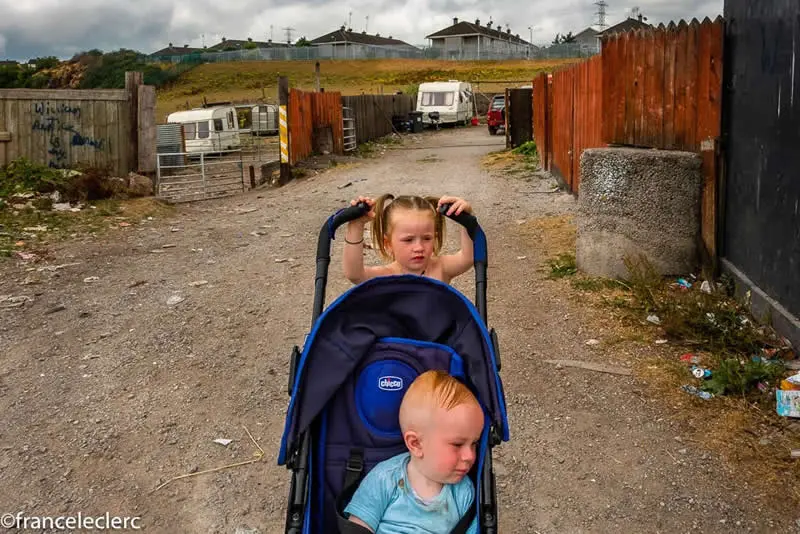
#26. Ireland
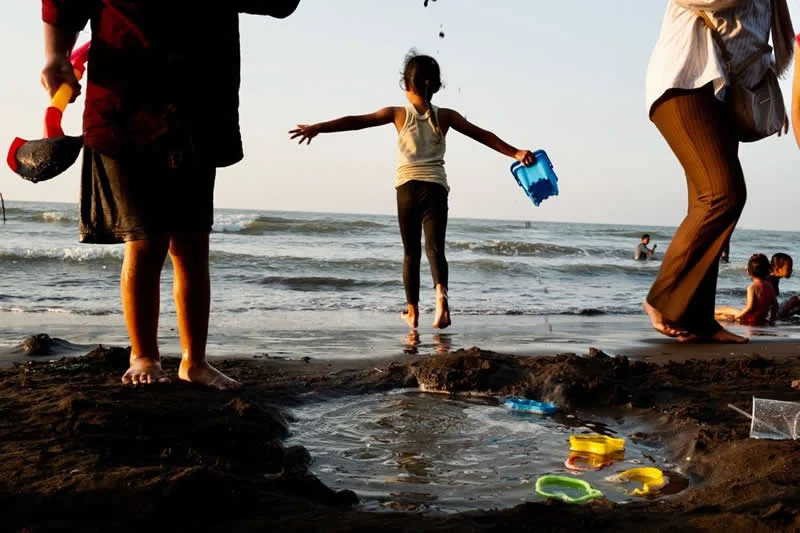
#27. Fun at the beach in Cirebon, Indonesia
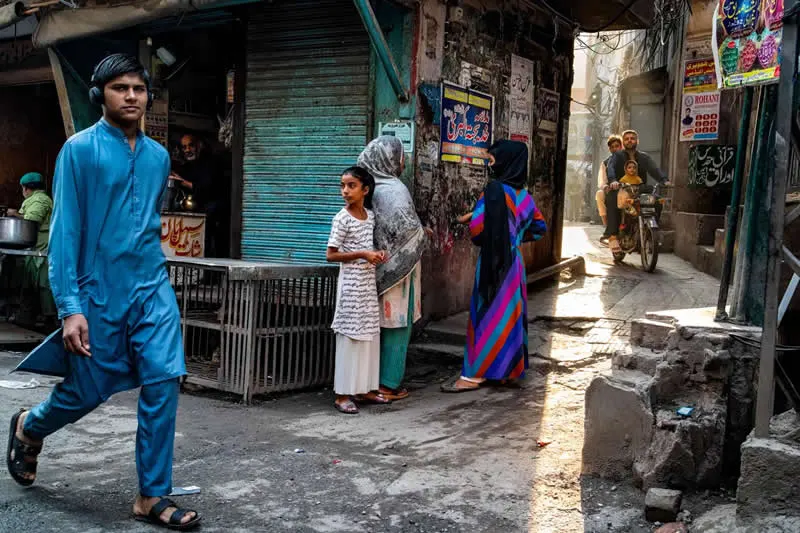
#28. Lahore, Pakistan
Who are your favorite photographers and key sources of inspiration?
There are so many that I could not possibly list every photographer whose work I admire. Among them are Dorothea Lange and Mary Ellen Mark, for the honesty, empathy, and compassion they brought to their subjects; Raghubir Singh, for making me dream of new worlds through color; and Alex Webb, for showing me the beauty that can be created with the right light and the possibilities brought of by layering.
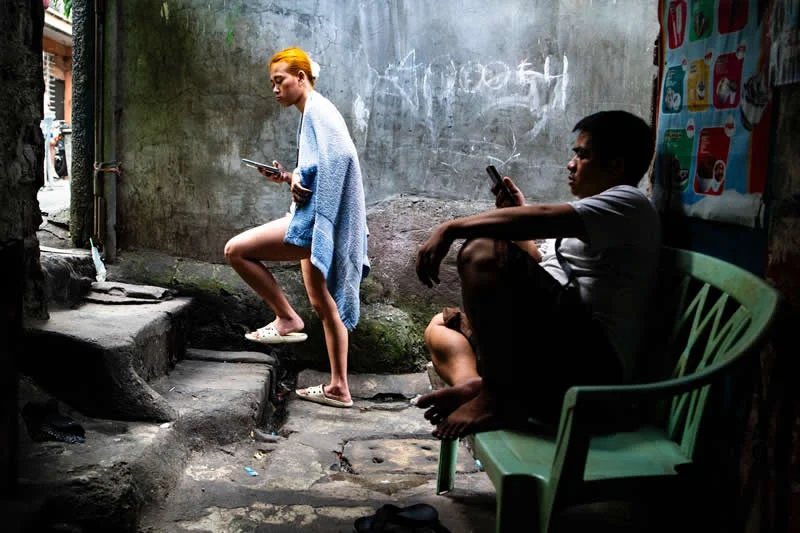
#29. Candid moment of affordable housing, Manila, Philippines
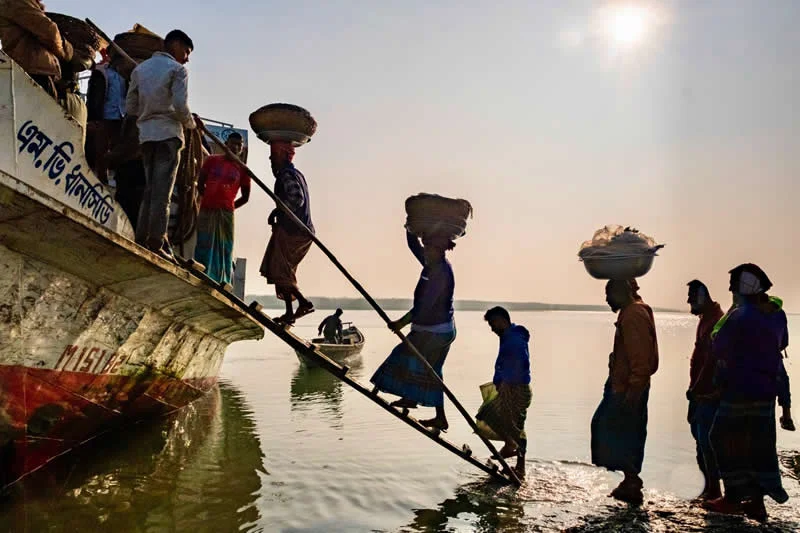
#30. Head’s up, the hard way to carry a load, Bangladesh
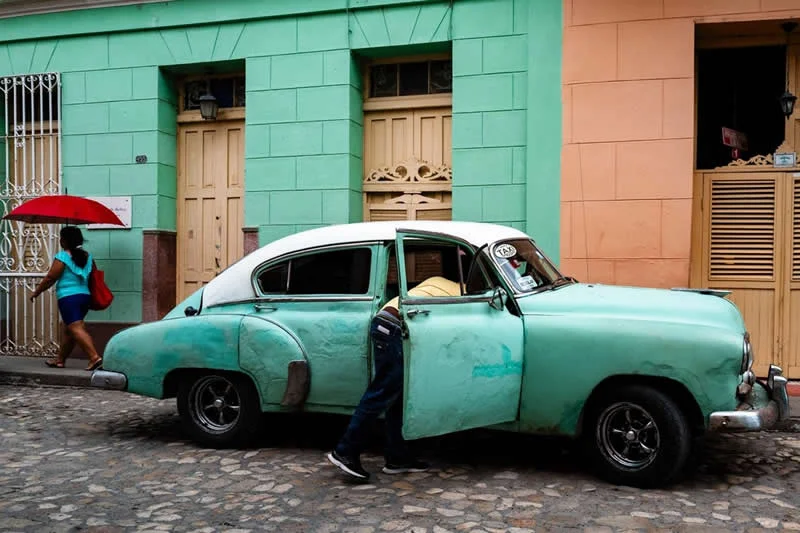
#31. Turquoise scene, Trinidad, Cuba
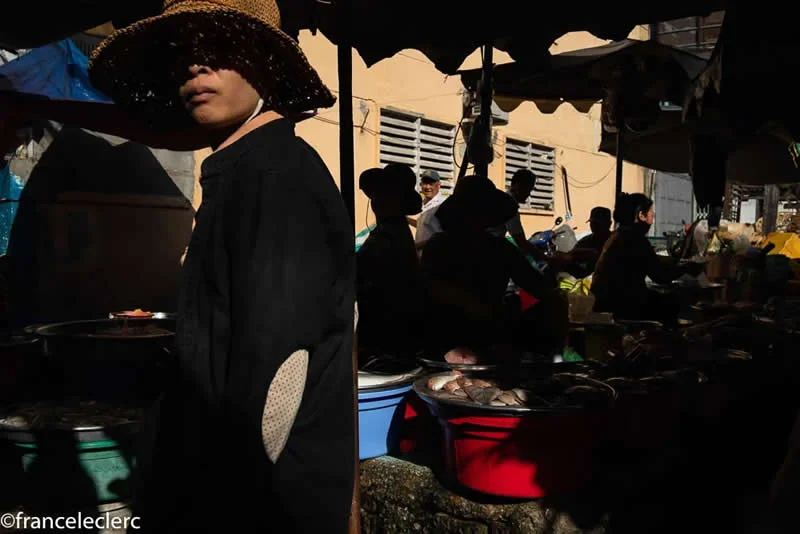
#32. Busy market, Ho Chi Min City
Editor’s Summary
France Leclerc’s photography reminds us that extraordinary stories are often hiding in ordinary moments. Her patience, curiosity, and respect for different cultures make her work especially meaningful. There’s plenty to learn from her approach: great photography isn’t always about chasing the perfect shot; it’s about understanding people, observing carefully, and recognizing the humanity in every frame.
5 Things We Can Learn From France Leclerc’s Photography:
- Be patient: Sometimes the best photographs happen when you stop rushing and allow moments to unfold naturally.
- Connect with people: Genuine curiosity and respect can create more meaningful documentary photographs.
- Observe the details: Pay attention to gestures, expressions, colors, light, and the surrounding environment.
- Tell authentic stories: Photograph traditions and cultures as they exist today instead of romanticizing the past.
- Find humanity everywhere: Look beyond geographical and cultural differences to capture emotions and experiences we all share.
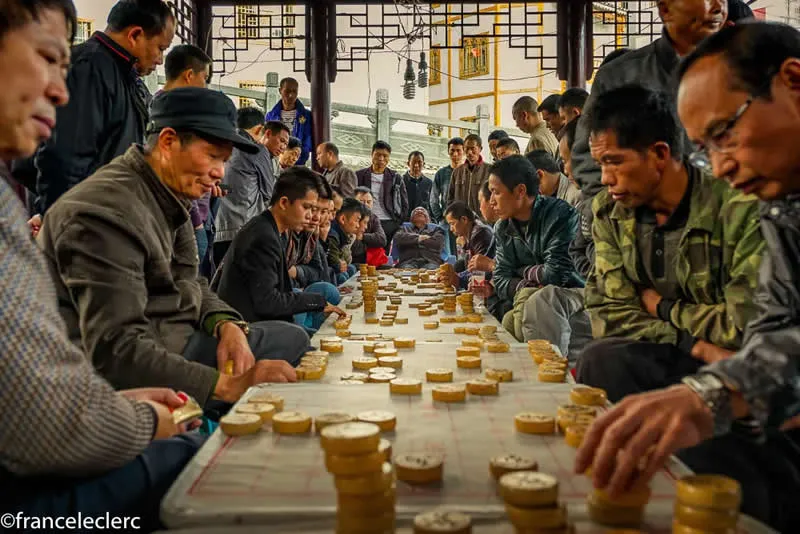
#33. Kailli, Guizhou, China
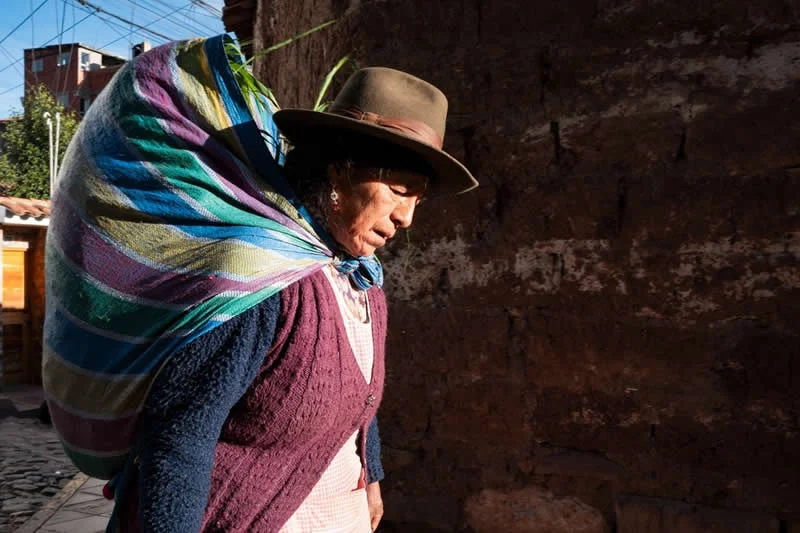
#34. I love the bowler hats, called « bombin » worn by the Quechua Peruvian ladies
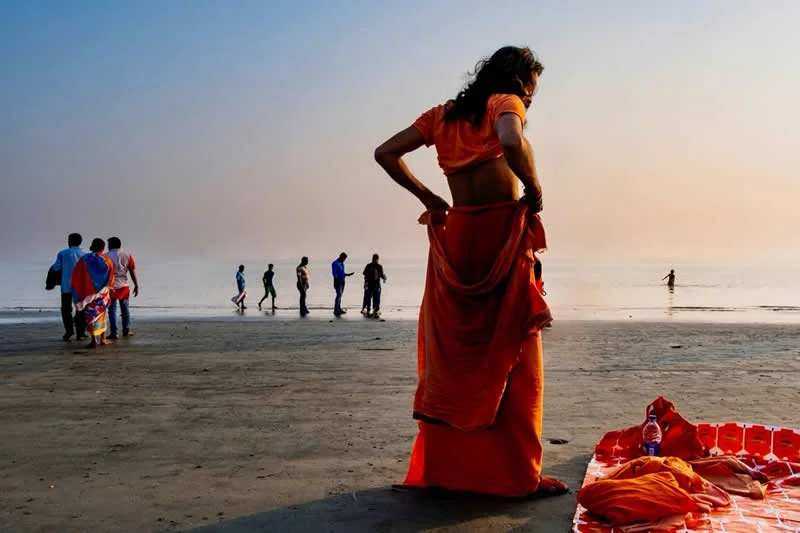
#35. Devotees ready to take a holy dip at the confluence of the River Ganges and of the Bay of Bengal
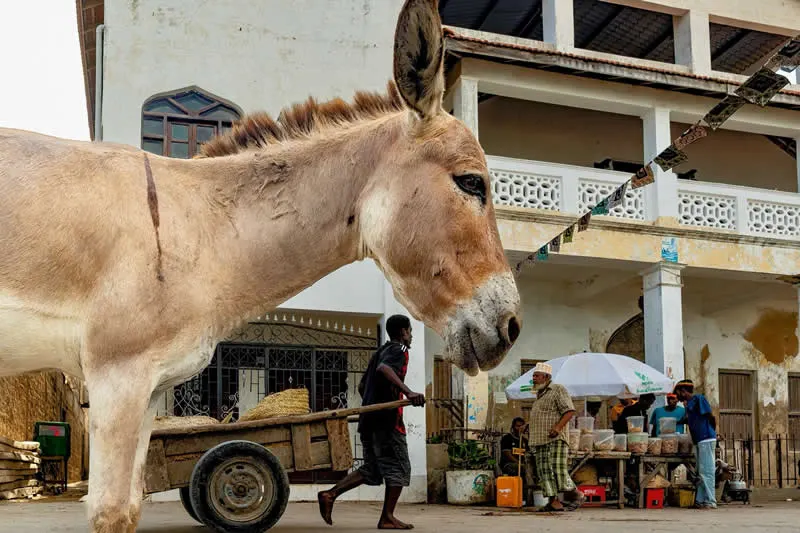
#36. Lamu Island
Frequently Asked Questions (FAQ):
Who is France Leclerc?
France Leclerc is a Canadian street and documentary photographer originally from Québec and currently based in Chicago. She has traveled to more than 100 countries, documenting everyday life, cultural traditions, human interactions, and communities through photography.
What type of photography is France Leclerc known for?
France Leclerc is primarily known for street and documentary photography. Her work focuses on spontaneous human interactions, cultural celebrations, religious gatherings, everyday activities, and authentic moments that reveal the shared experiences of people across different communities.
What photography awards has France Leclerc received?
France Leclerc received third place at the LensCulture Street Photography Awards in 2023 and third place at the Miami Street Photography Festival in 2022. Her photographic series were also selected for the Prix de la Photographie Paris collection in 2023 and 2025.
Which countries has France Leclerc photographed?
France Leclerc has photographed communities across more than 100 countries. Her documented locations include Ethiopia, South Sudan, Bangladesh, India, and Pakistan, where she explores local traditions, cultural celebrations, religious gatherings, and the everyday experiences of ordinary people.
What can photographers learn from France Leclerc’s work?
Photographers can learn the importance of patience, observation, composition, and genuine curiosity. Her approach demonstrates how waiting for authentic moments, understanding cultural contexts, respecting subjects, and combining light, color, and movement can create compelling visual stories.