

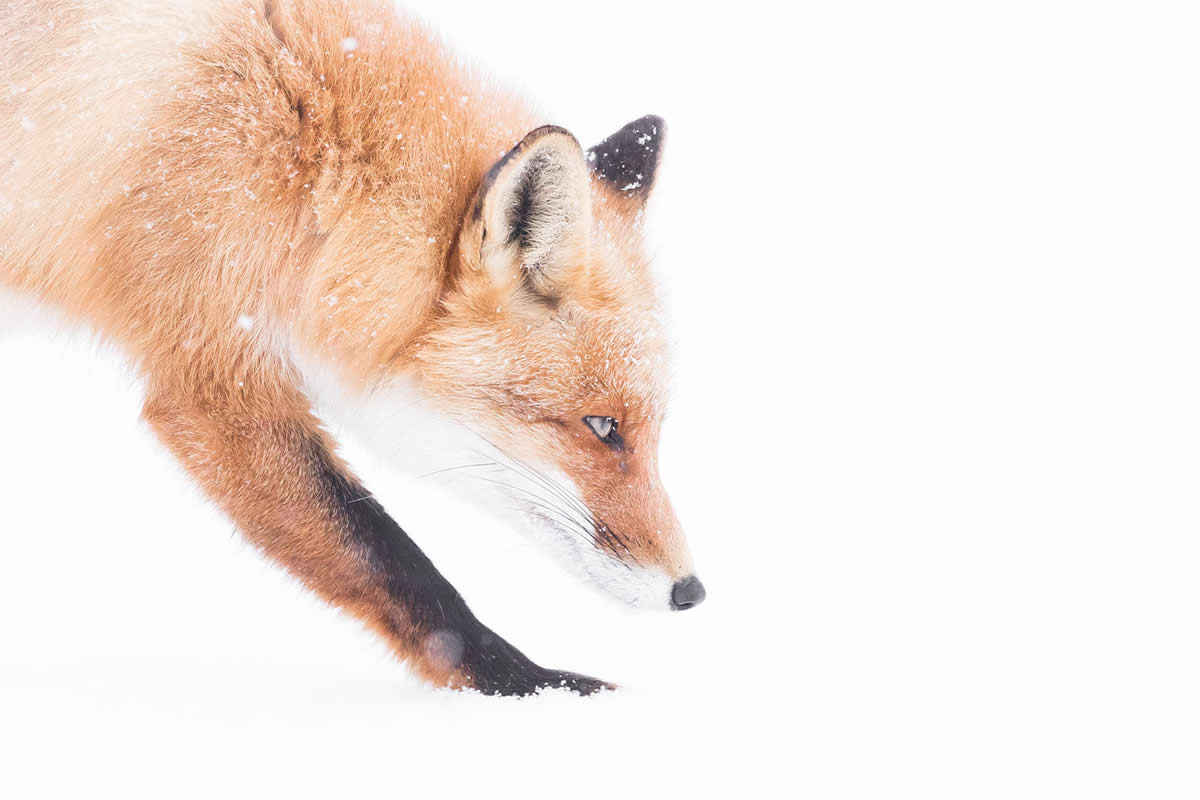
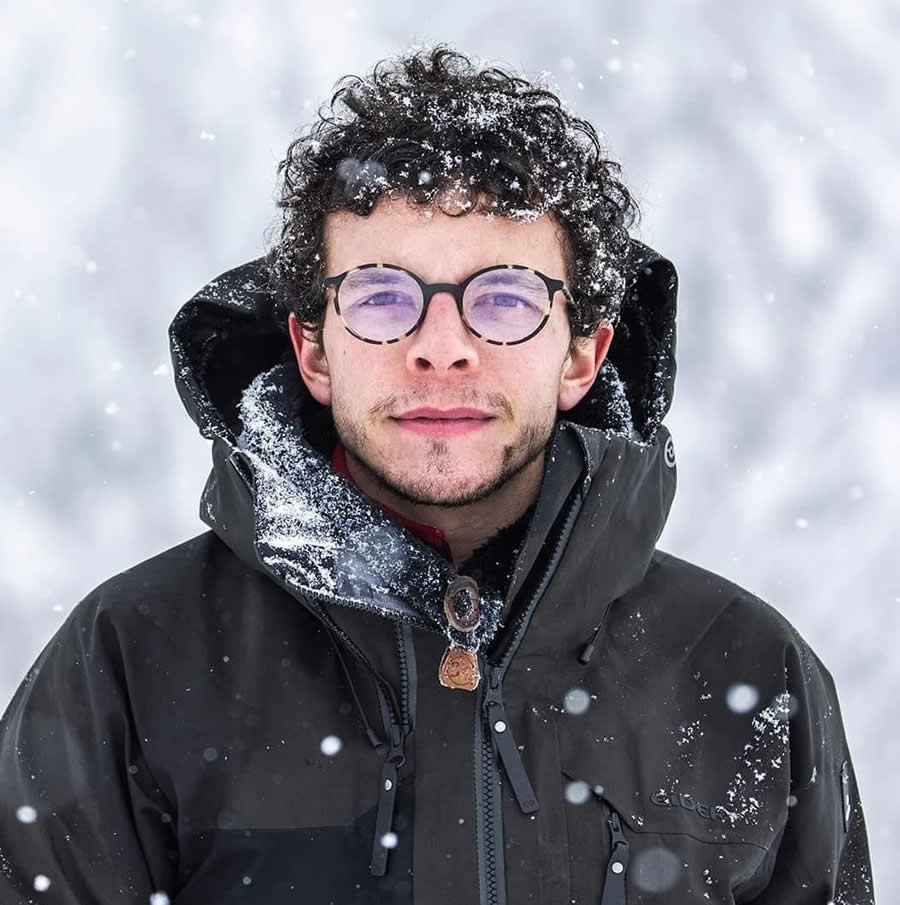
Step into Michel d’Oultremont’s world, and suddenly, the pace of life changes. The noise fades, the rush disappears, and what’s left is a genuine, peaceful connection to nature. Michel has spent over ten years as a professional wildlife photographer and more than two decades simply watching and learning from the natural world. His approach isn’t about chasing excitement; it’s about tuning into the subtle rhythms of his surroundings.
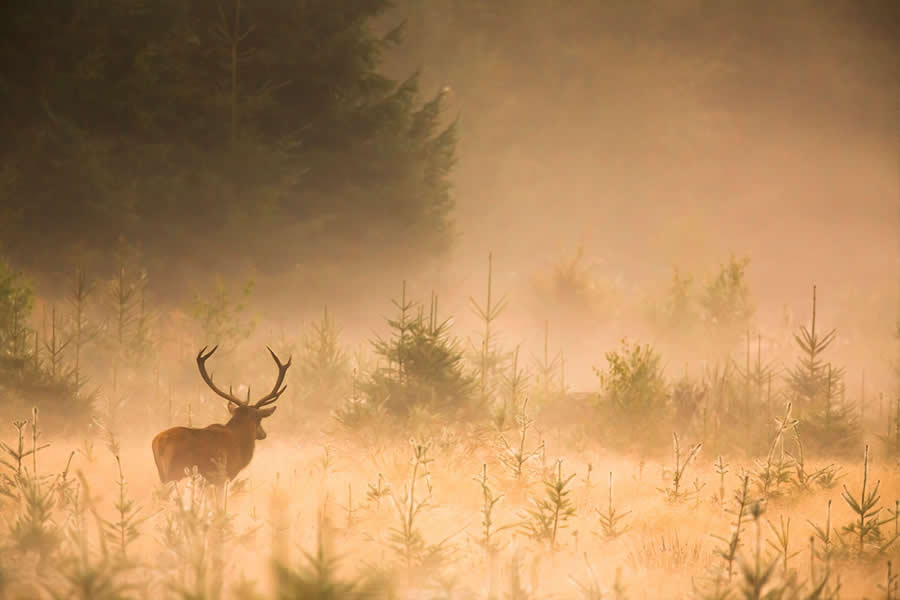
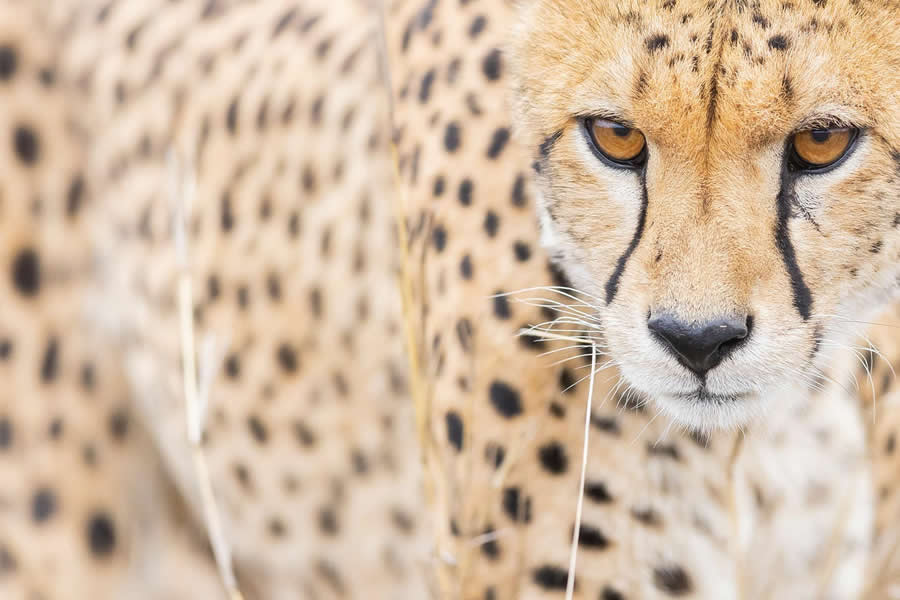
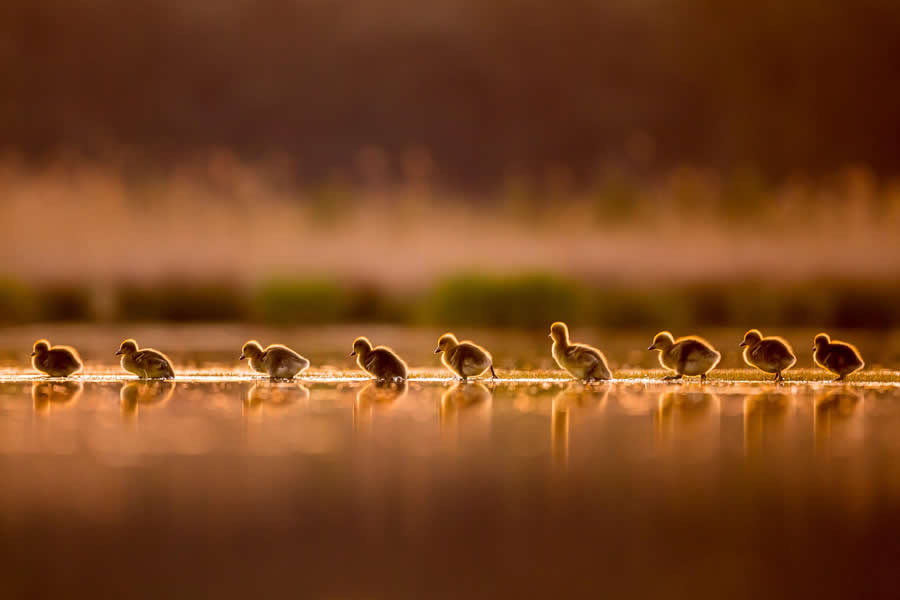
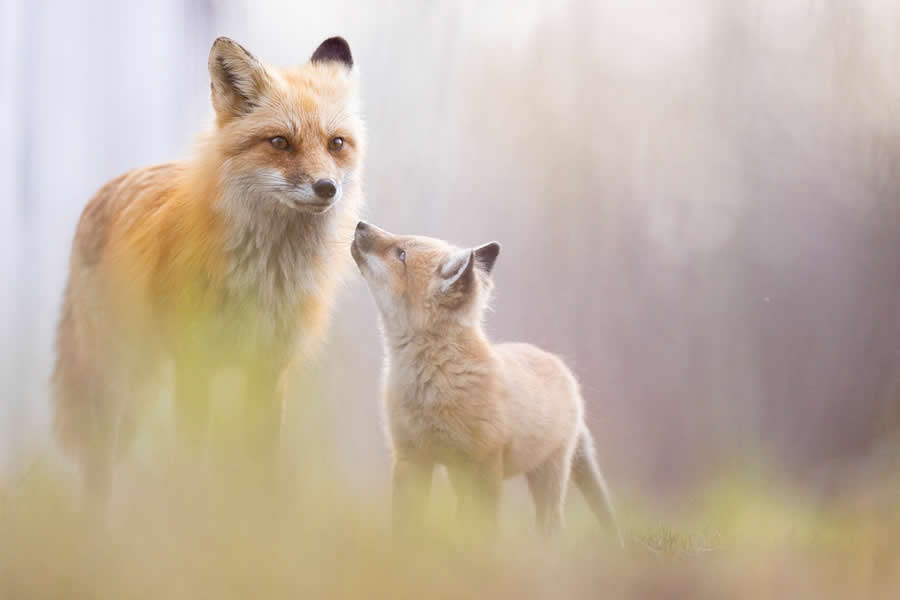
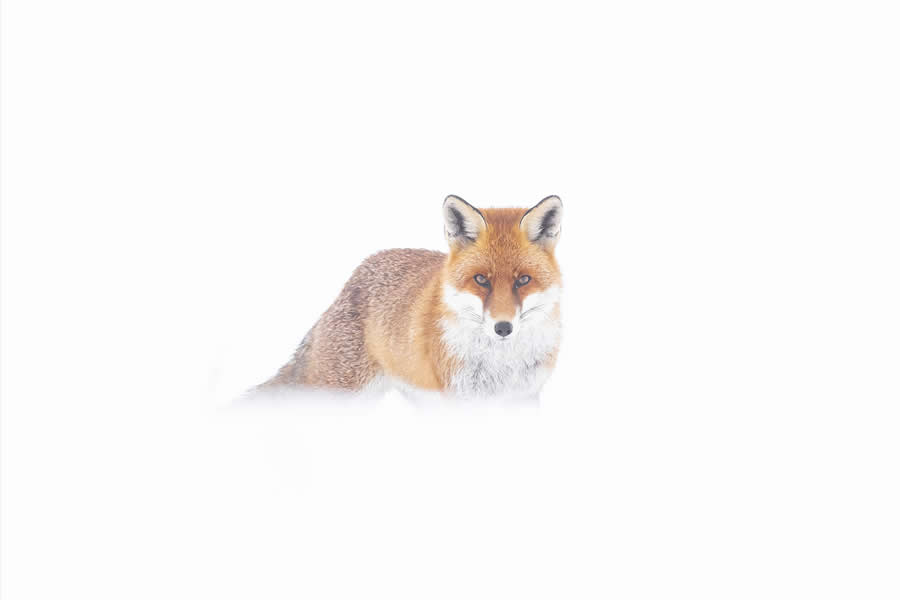
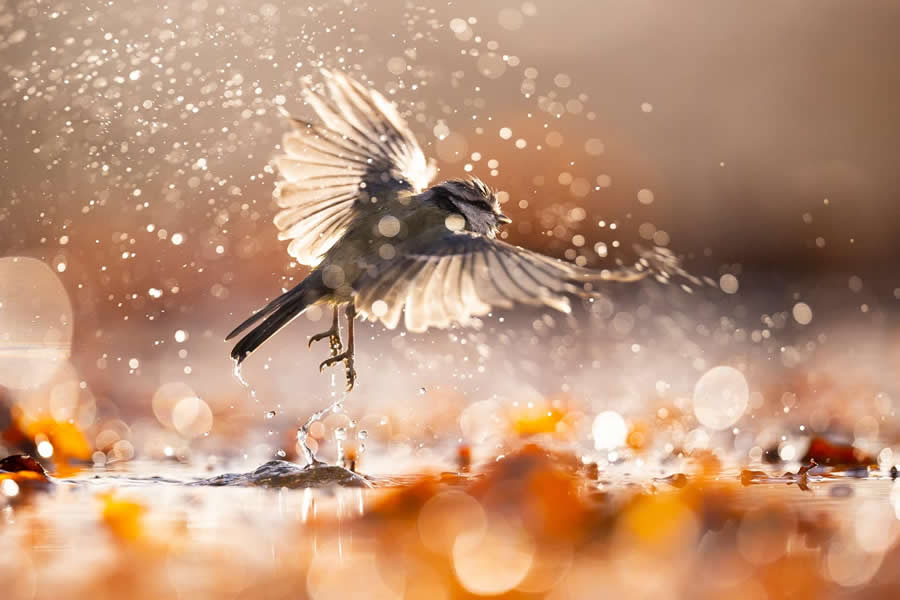
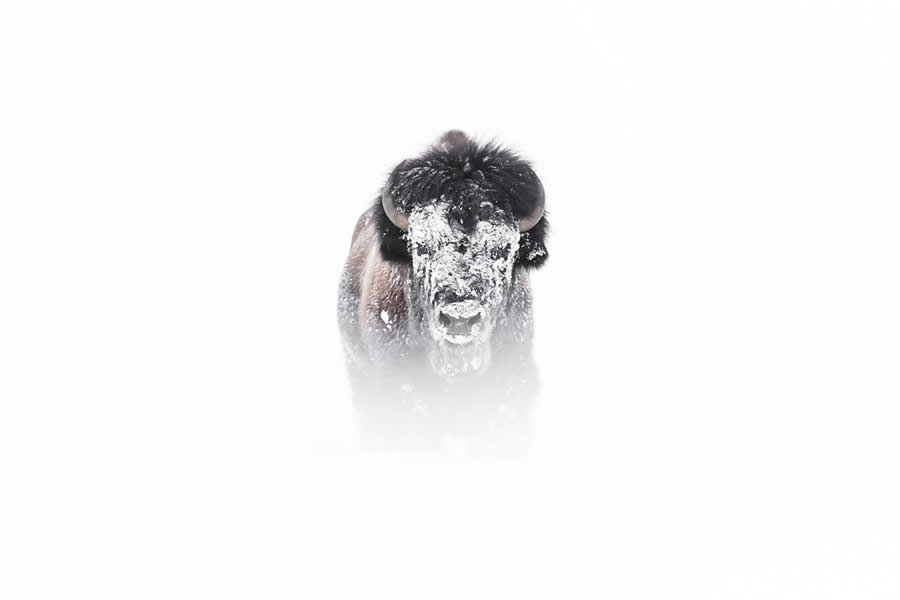
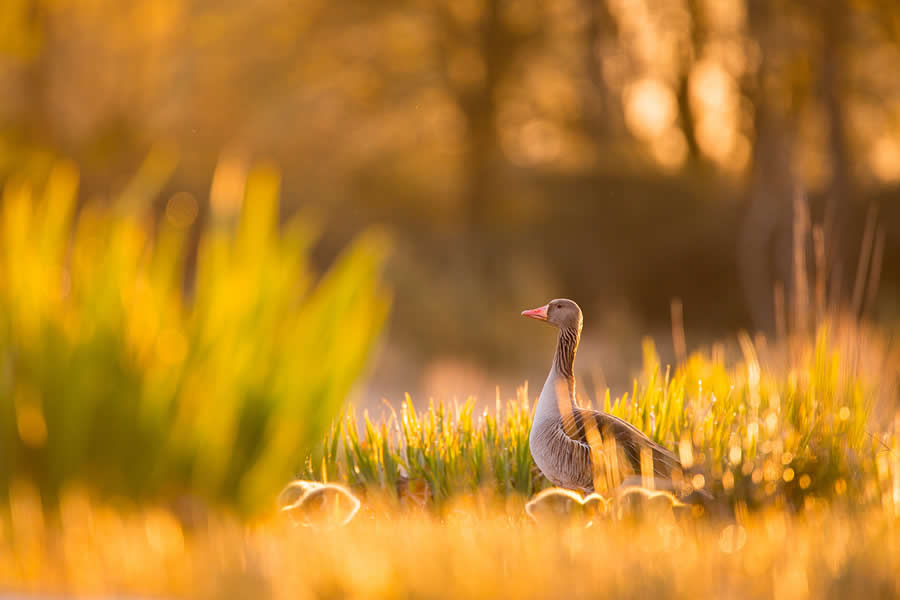
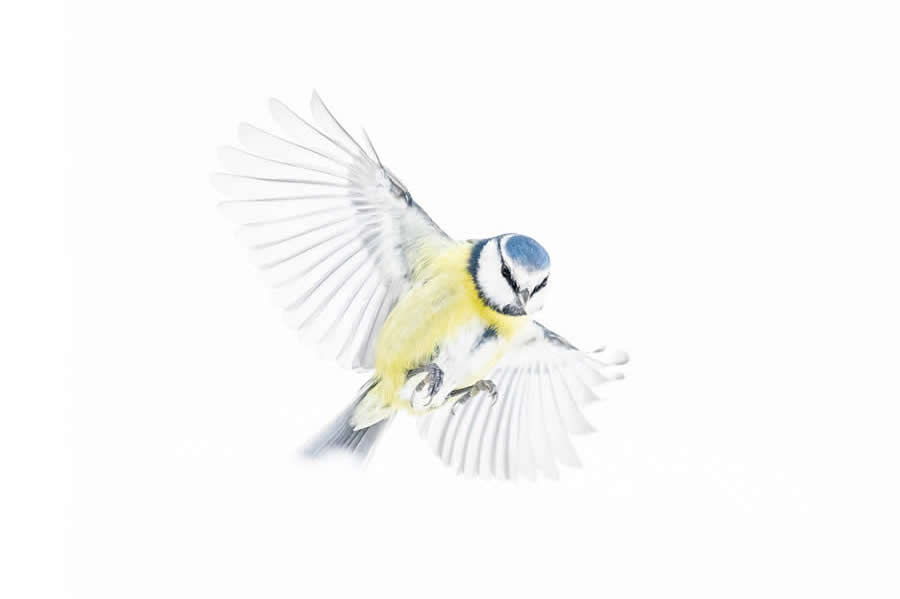
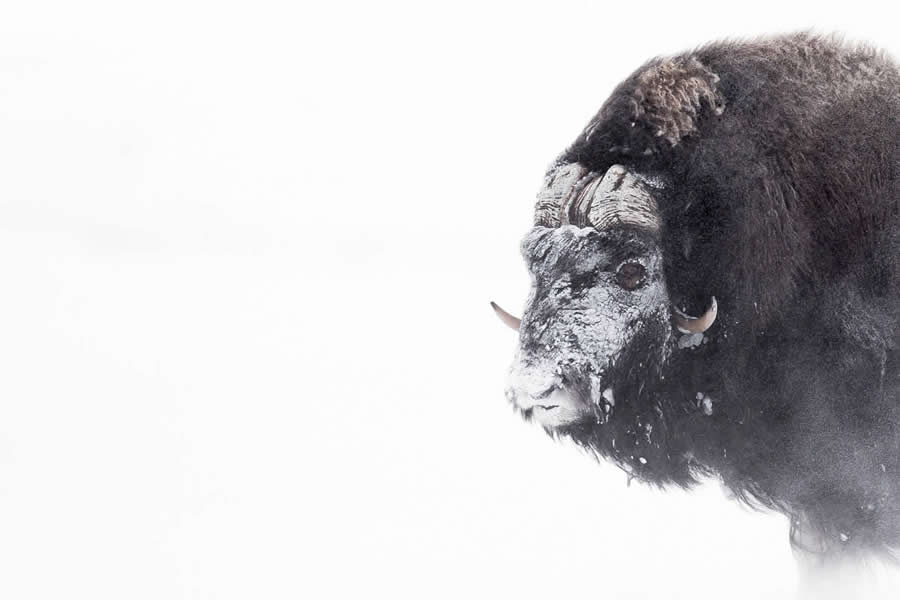
His photographs aren’t loud or flashy. They’re quiet, almost like a gentle conversation. You might see fog drifting through the trees, snow gently covering the earth, or a single animal hidden at the edge of the frame. These subtle scenes are what draw him in. For Michel, it’s never about creating something conventionally “pretty.” It’s about capturing atmosphere, emotion, and those rare, perfect moments when everything falls into place.
Patience is Michel’s true gift. He can wait for hours or even days without taking a single photo, and that’s perfectly fine by him. For Michel, just being out in the wild is as important as snapping the shutter. When the right moment finally appears, it has an honesty and depth that can’t be staged.
What makes Michel unique is how he sees animals as just one part of a bigger picture. The landscape, the light, the weather, they’re all just as important. His photos don’t just show wildlife; they let you experience it.
And maybe that’s what it’s all about. In a world that’s always in a hurry, Michel’s photos are a quiet invitation to slow down, take a breath, and find something real again.
You can find more info about Michel d’Oultremont:
#1
#2
#3
#4
#5
A brief introduction about yourself
I have been a professional wildlife photographer for over ten years, but in reality, my journey began long before photography. I have been observing animals for more than twenty years, and this connection to the living world has remained the guiding thread throughout my work. Today, photography has simply become a way to express what I feel in the field and to convey the beauty of our wild world.
How did you begin your journey in photography?
I started by observing, without a camera. Photography came later, quite naturally, as a way to preserve those moments. Over time, it became a deeper pursuit, a way of expressing something beyond what we simply see.
#6
#7
#8
#9
#10
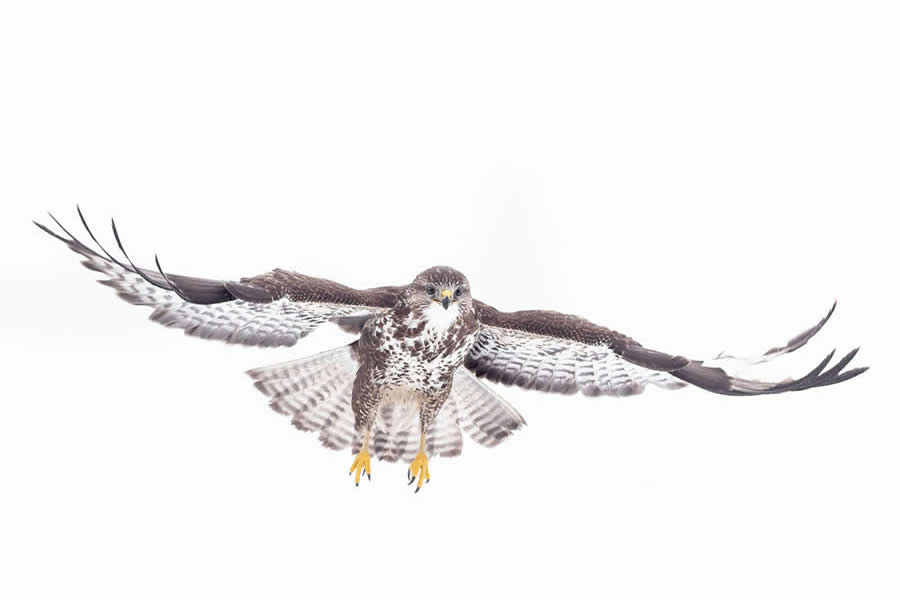
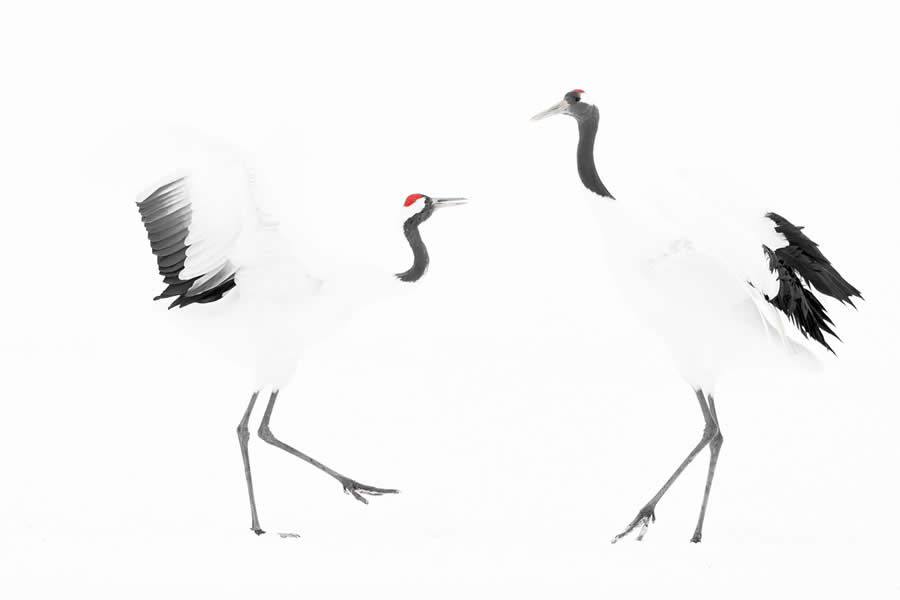
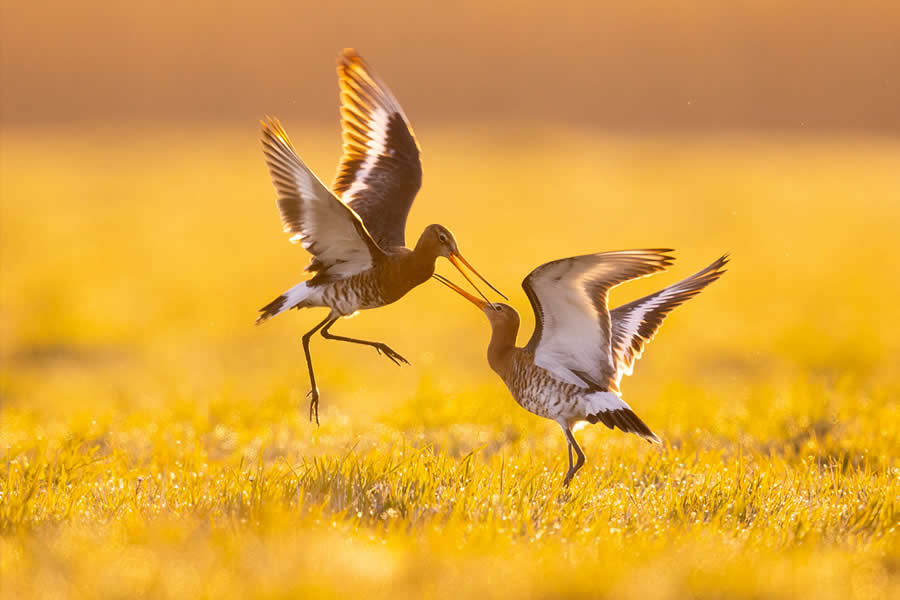
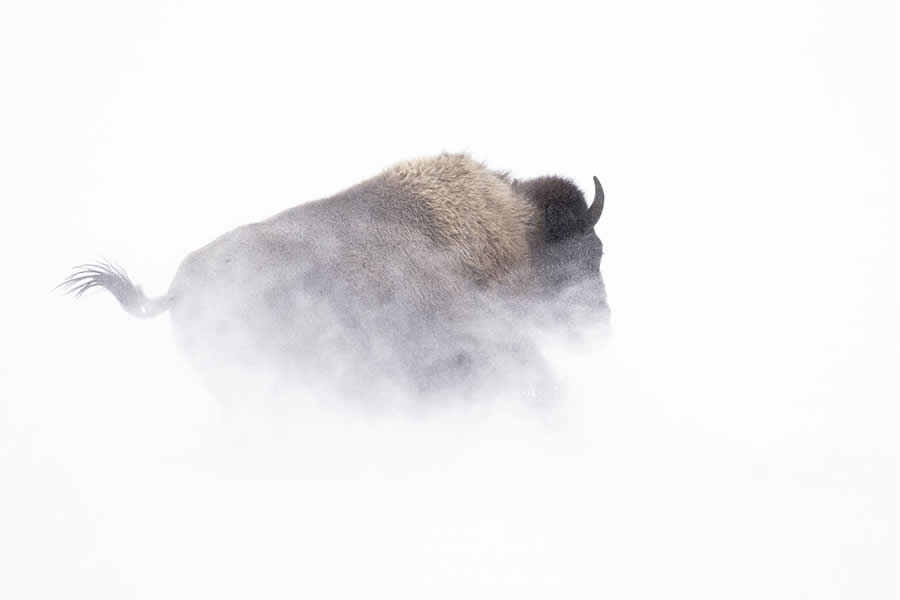
Your work beautifully blends wildlife with atmosphere and light. How do you approach creating those almost “dreamlike” and poetic scenes in nature?
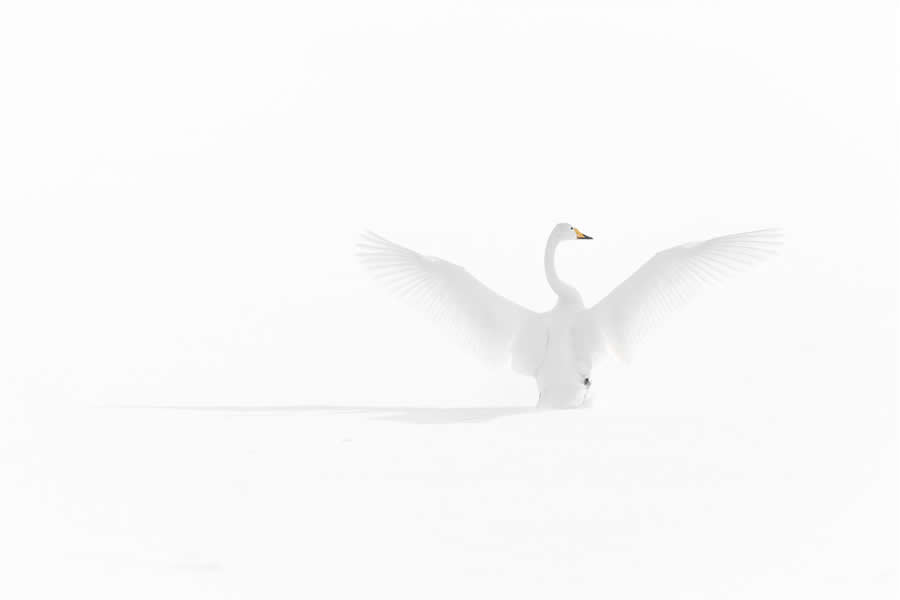
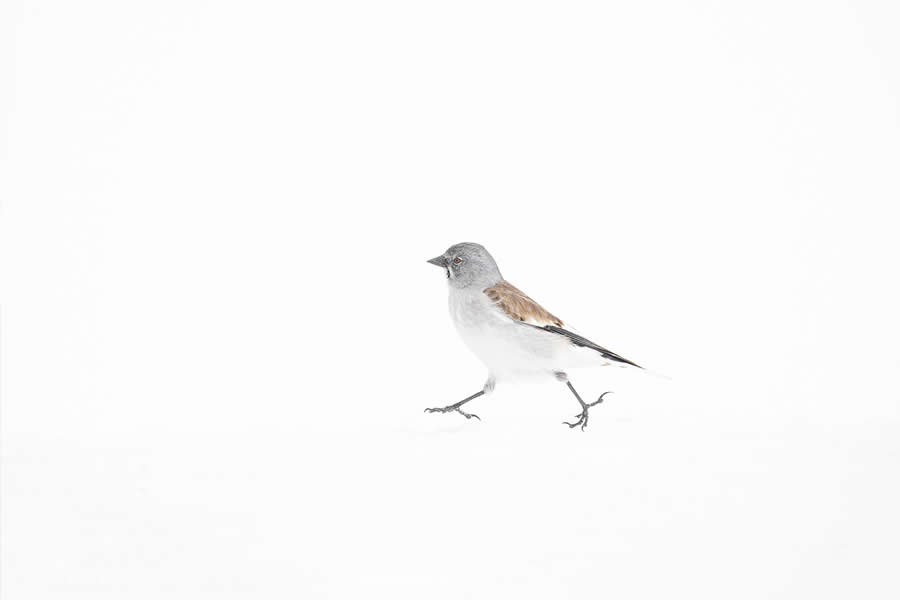
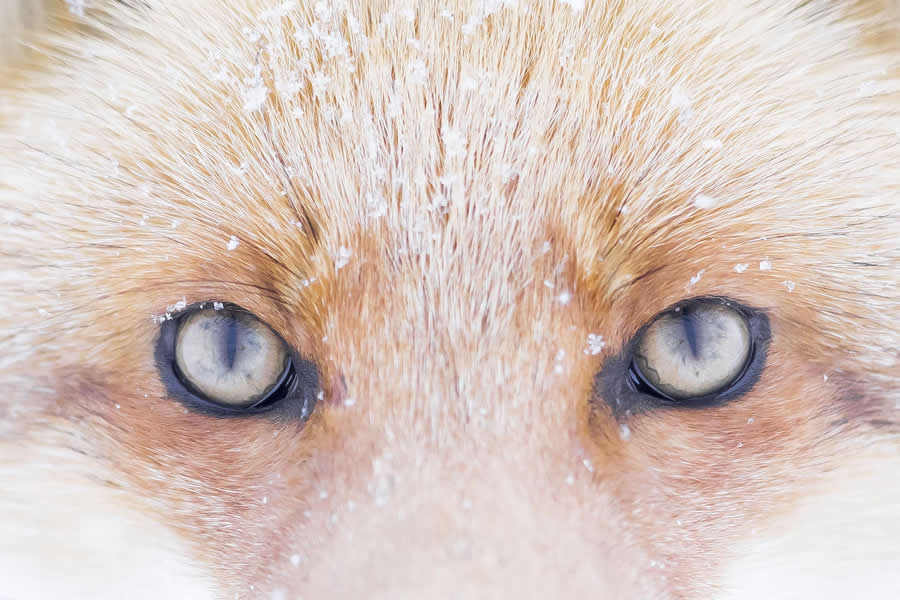
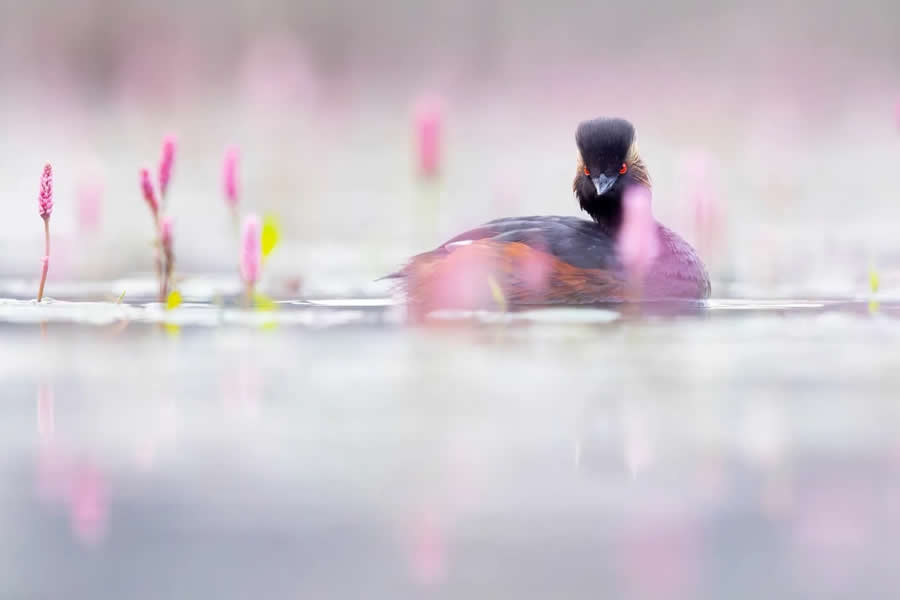
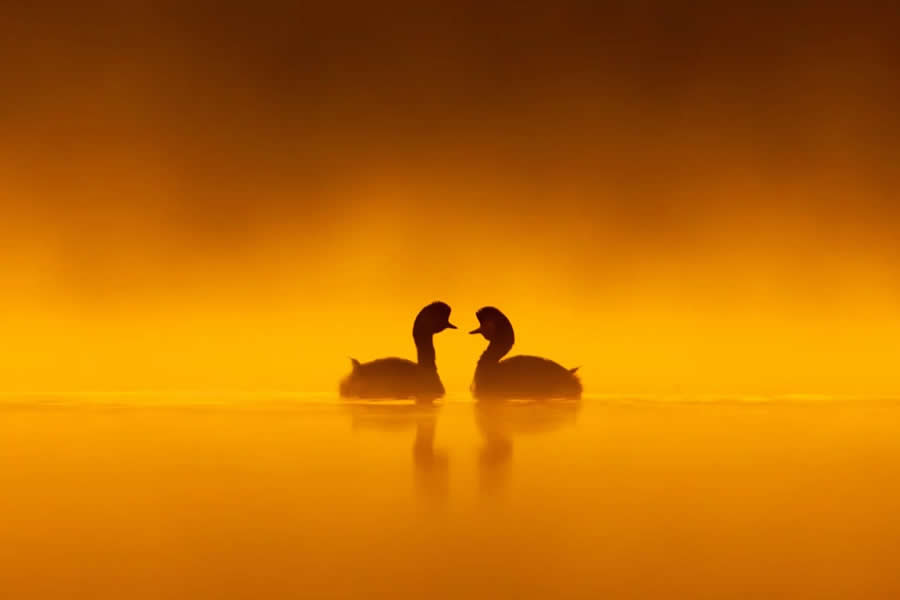
I don’t try to create something “beautiful” in the traditional sense. I’m more interested in atmosphere and emotion. Light, fog, snow, or rain often matter more than the subject itself. I spend a lot of time observing the conditions and absorbing the environment. Sometimes, everything aligns for a very brief moment; those are the moments I try to capture as simply as possible.
Patience seems to be a huge part of your process. How do you handle those long waiting periods?
Waiting is part of the process, almost as much as taking the photograph itself. I don’t see it as a constraint. Being out in the field, even without making images, is what I love most. Those are the moments when you truly connect with a place. Often, the strongest images come after long hours or even days of waiting.
#11
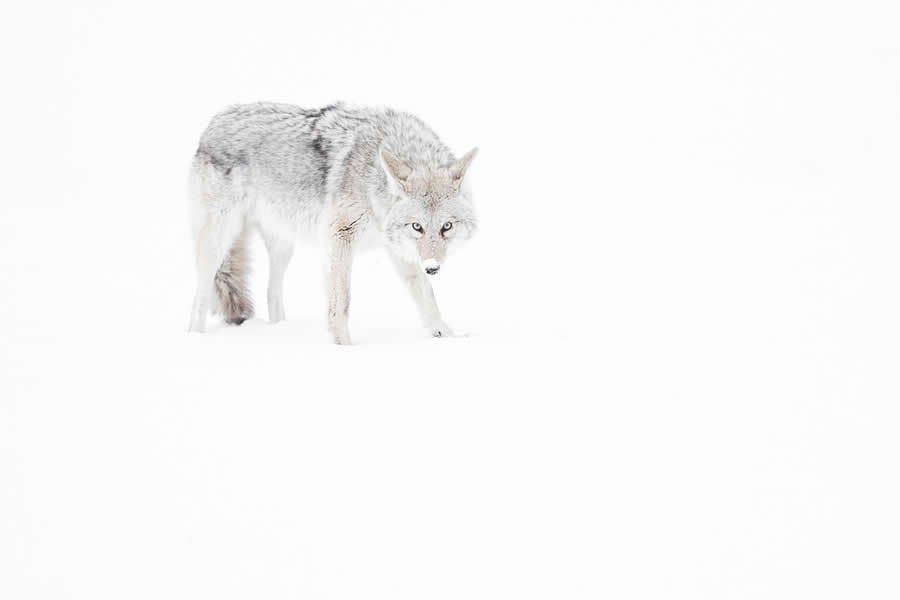
#12
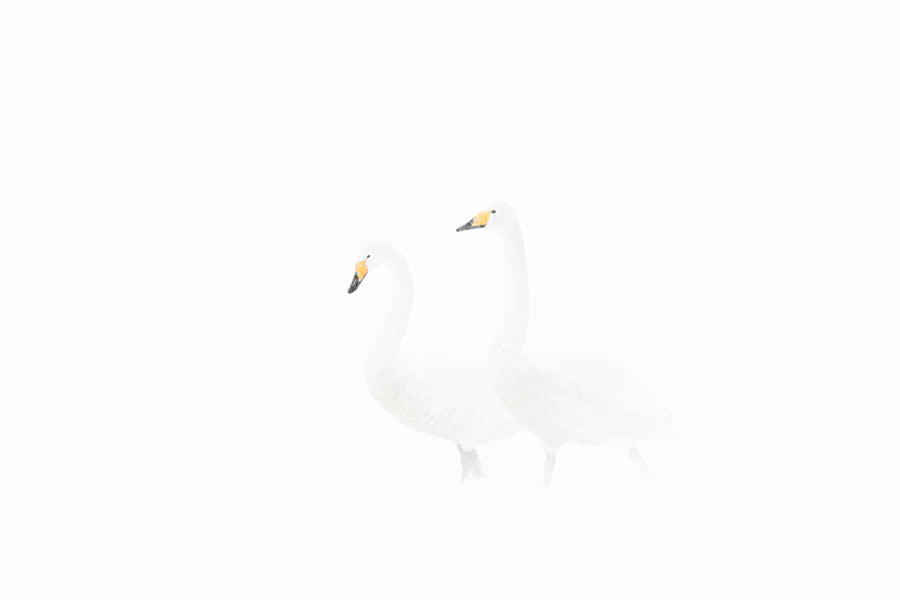
#13
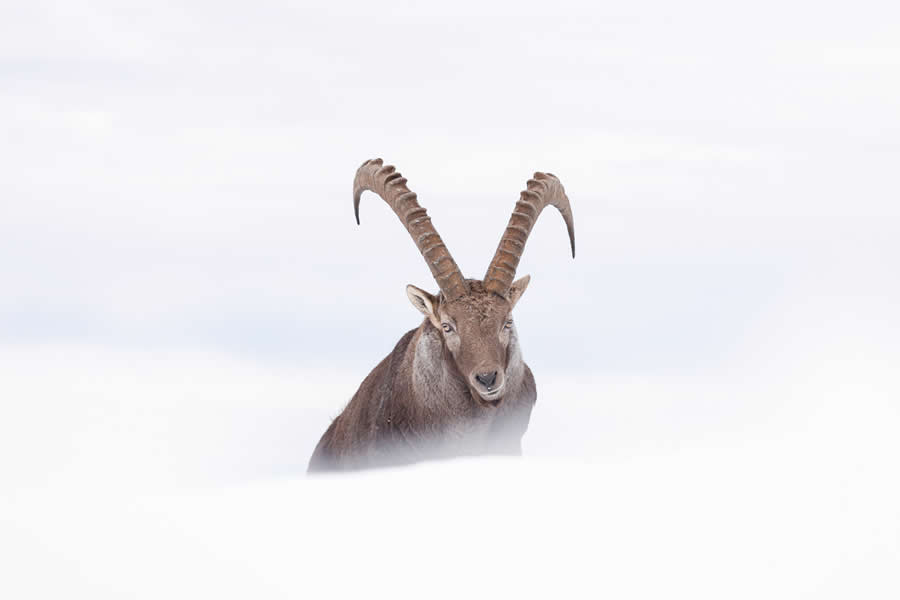
#14
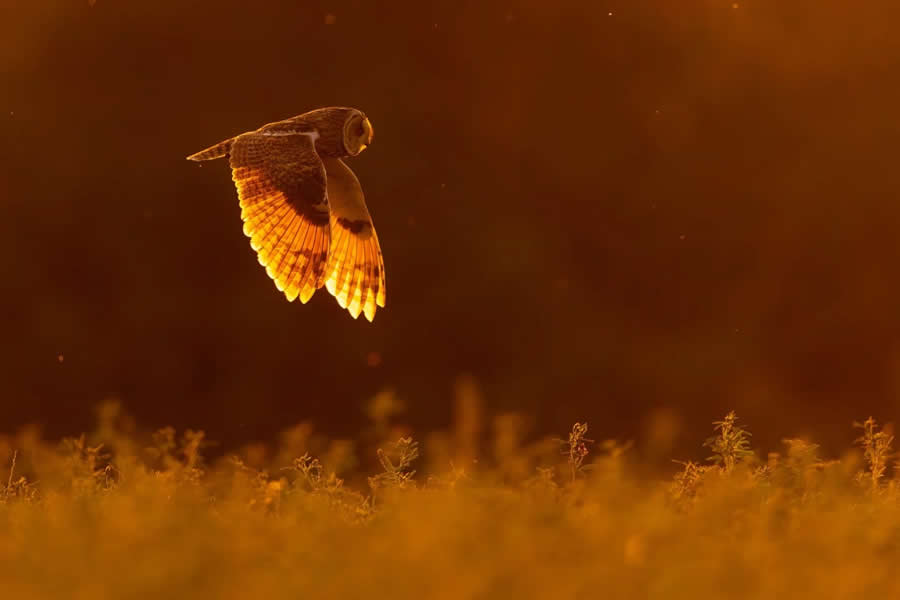
#15
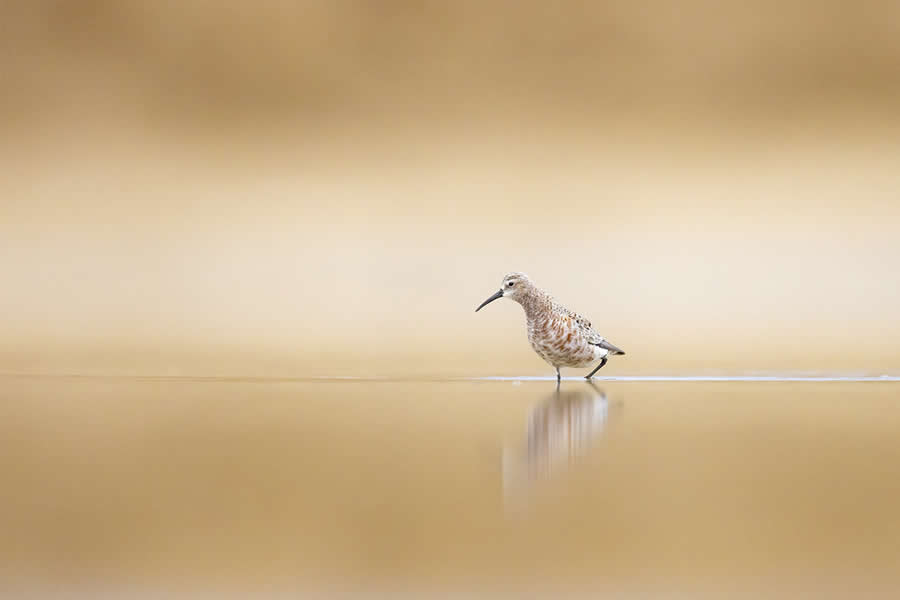
Your images often show animals within a larger environment. How important are storytelling and habitat in your work?
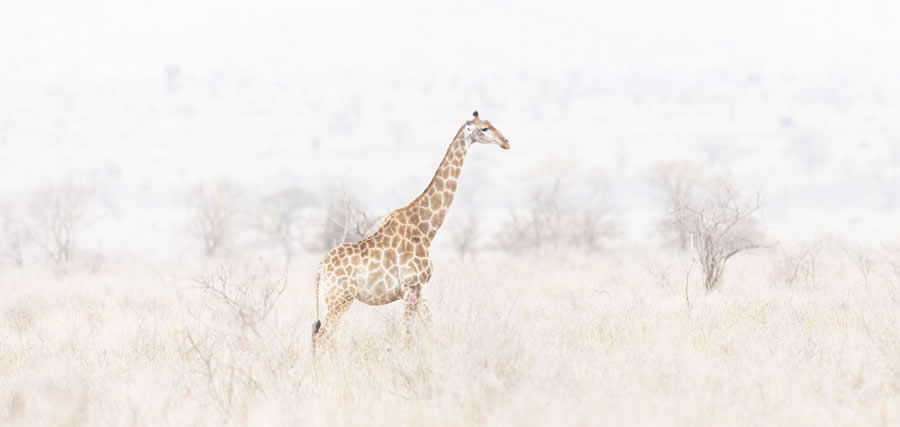
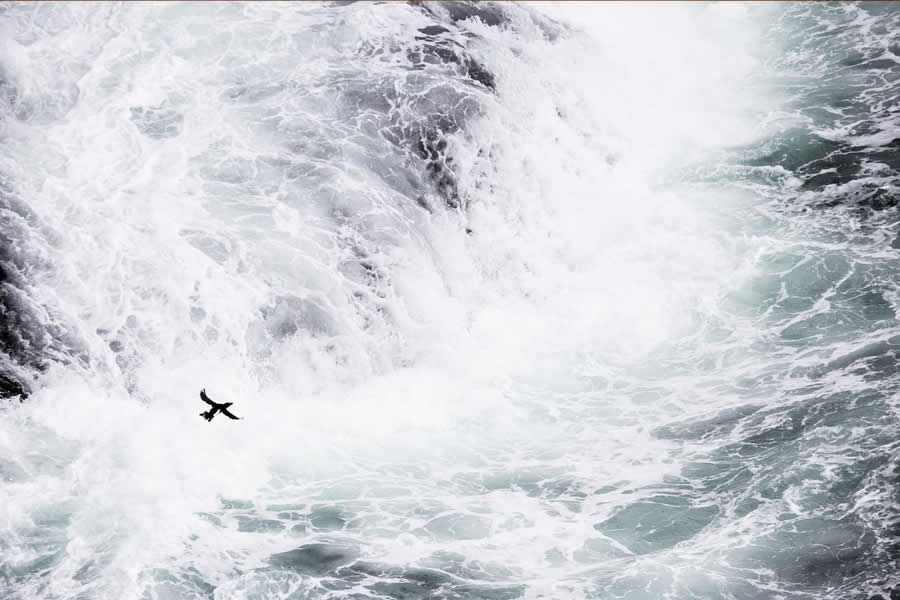
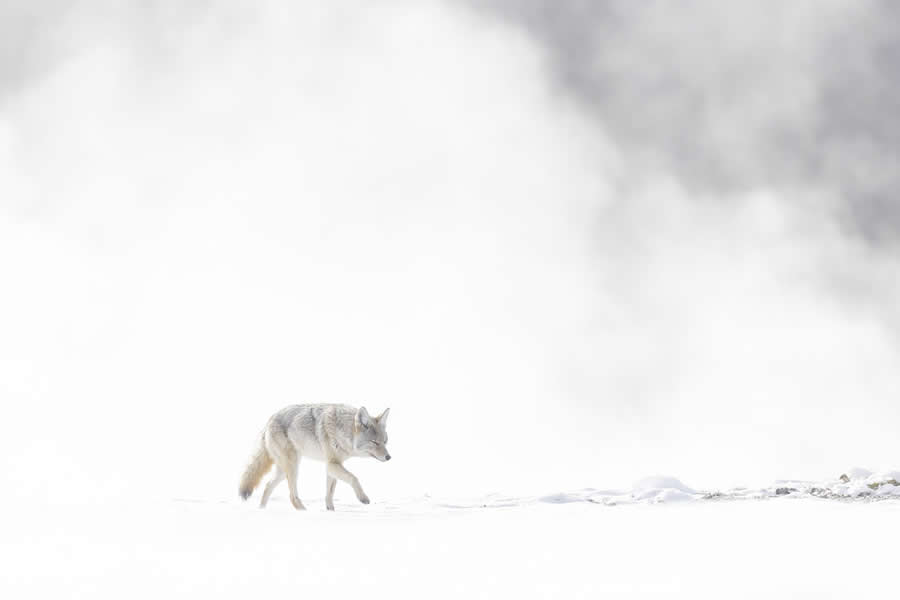
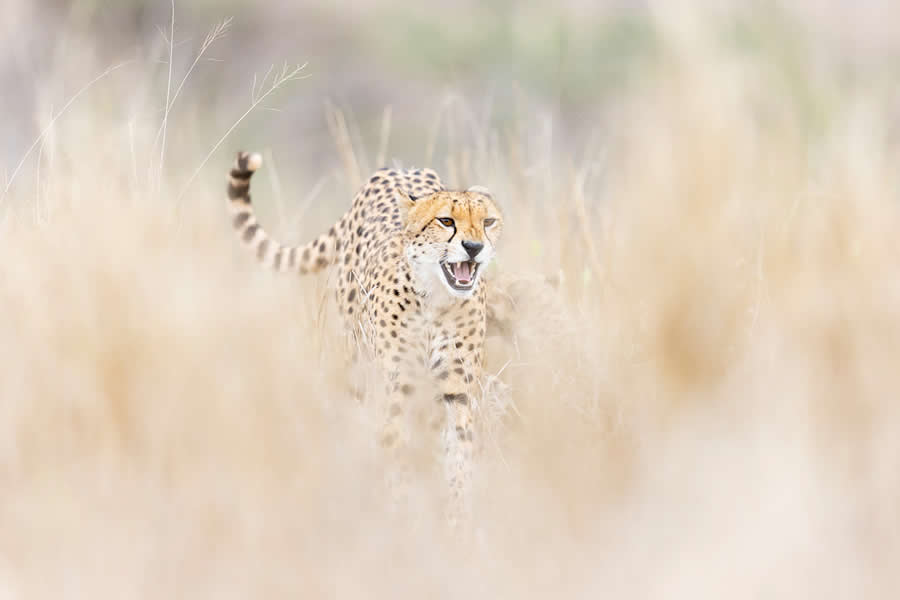
For me, an animal cannot be separated from its environment. The landscape, the light, and the conditions tell as much of the story as the subject itself. I like it when the animal occupies only a small part of the frame, almost as just one element among others. This allows for a more complete and honest story.
#16
#17
#18
#19
#20
How do different locations influence your visual style and creative decisions?
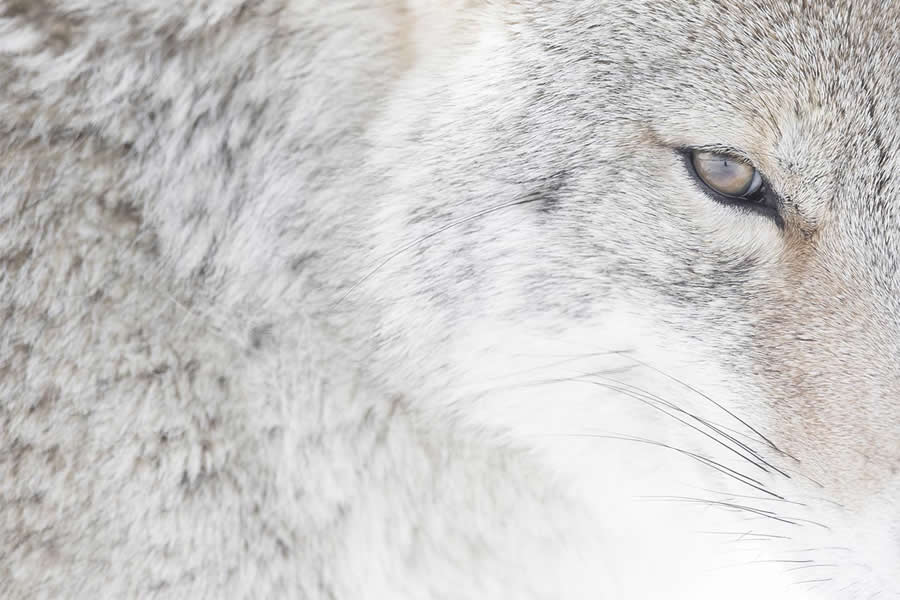
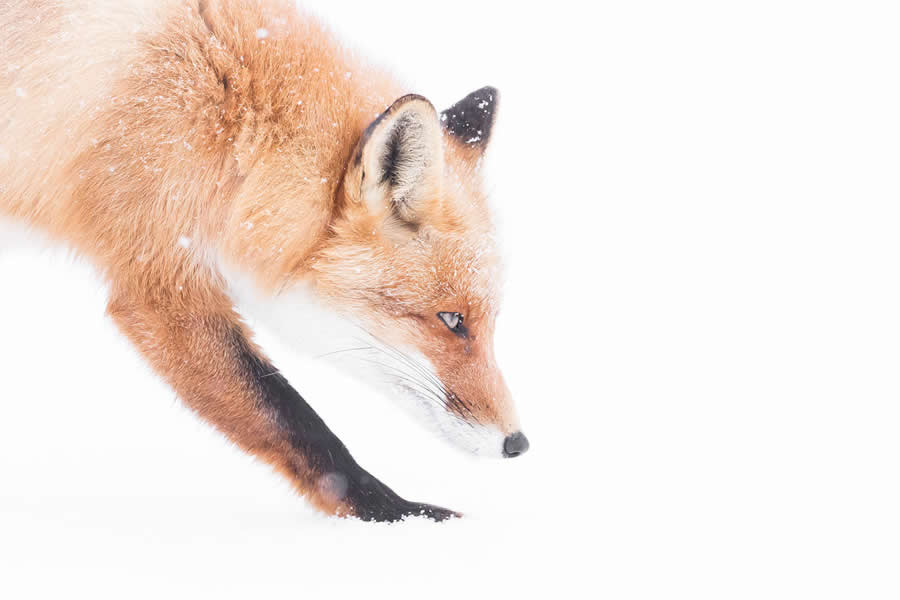
Each place has its own rhythm, its own light, and its own constraints. I don’t try to apply a formula. On the contrary, I adapt and let myself be influenced by what surrounds me. A winter in Hokkaido has nothing in common with a winter in Yellowstone or in a European forest. It is precisely this diversity that fuels my creativity.
#21
#22
#23
#24
#25
What message do you hope viewers take away from your work?
If my images can simply make someone feel something, slow down, or look at the living world differently, then that is already a lot. I’m not trying to convey a strong or militant message, but rather an emotion, a sense of connection. Today, I believe that rebuilding our connection with nature is essential.
#26
#27
#28
#29
#30
FAQs
Who is Michel d’Oultremont?
Michel d’Oultremont is a professional wildlife photographer with over ten years of experience and more than twenty years spent observing animals. His work focuses on atmosphere, emotion, and capturing nature in its most poetic and authentic forms.
What makes his wildlife photography unique?
His images emphasize mood, light, and environment over the subject alone. By using fog, snow, and minimal compositions, he creates dreamlike scenes that are emotional, tranquil, and deeply connected to nature.
Why is patience important in his work?
Patience allows him to fully experience the environment and wait for the perfect moment. He often spends hours or even days without shooting, ensuring that when the moment arrives, it carries genuine depth and meaning.
How does he approach composition in wildlife photography?
He often places animals as small elements within a larger landscape. This approach highlights the connection between the subject and its habitat, creating a more complete and authentic visual narrative.
What message does he want to convey through his images?
He hopes viewers will feel something, slow down, and reconnect with nature. His work is less about delivering strong messages and more about fostering emotional connections and encouraging people to see the natural world differently.
