
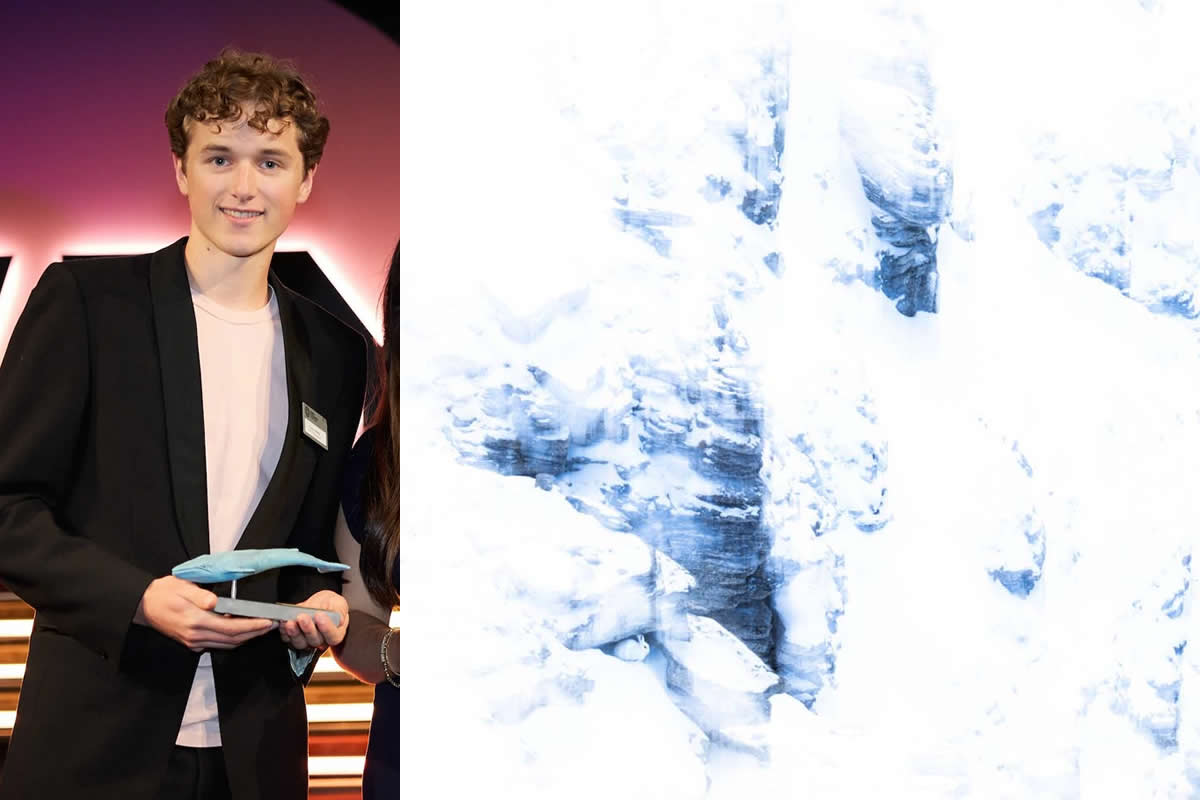
At just 20 years old, wildlife photographer Luca Lorenz has achieved what many photographers spend a lifetime chasing, winning the prestigious GDT Nature Photographer of the Year 2026. His hauntingly beautiful image, White on white, instantly captured the attention of judges and nature lovers around the globe. But this wasn’t just another wildlife photograph. It was a quiet, emotional story wrapped in snow, silence, and survival.
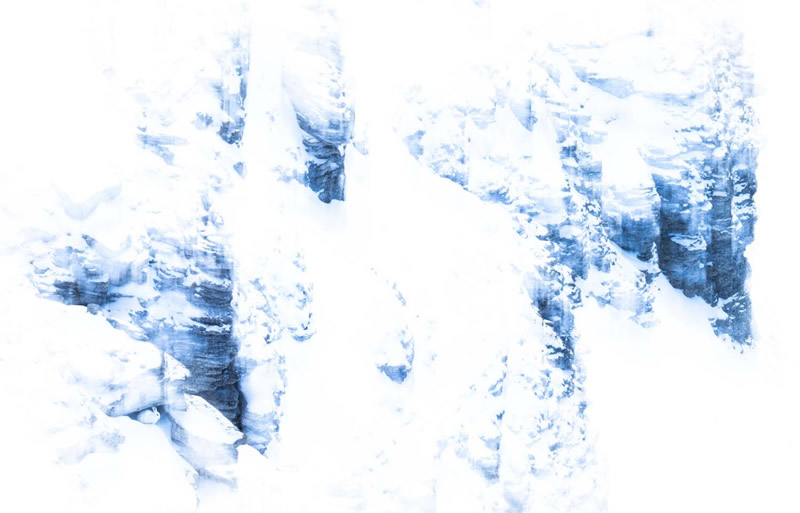
Taken high in the Swiss Alps, the image features an alpine hare sitting almost invisibly against a frozen white landscape. Luca used intentional camera movement and a long exposure technique to blur the boundaries between the animal and its surroundings, creating a dreamy frame that feels more like a painting than a photograph. The result is pure visual poetry, minimal, atmospheric, and deeply moving.
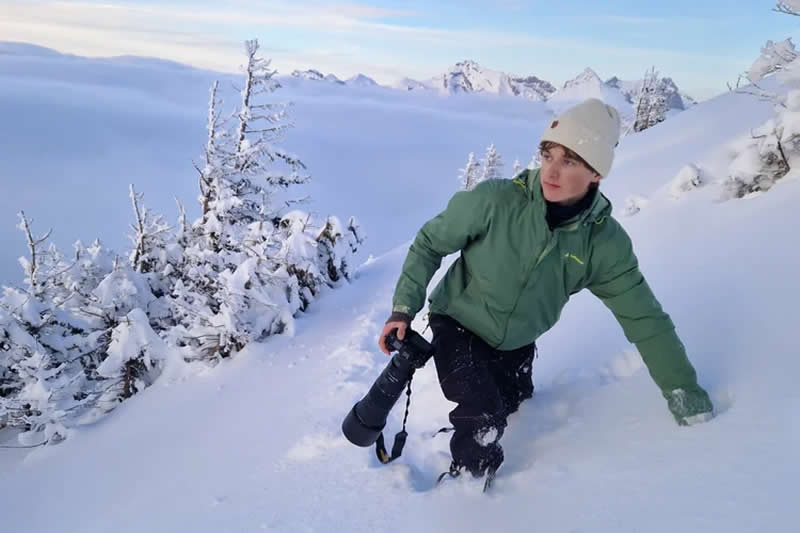
What makes the image even more powerful is the story behind it. Luca spent hours freezing in brutal mountain conditions while carefully observing the hare from a distance. Through that patience, he managed to capture not just an animal, but the fragile relationship between wildlife and climate. The photograph quietly highlights the growing danger of “color mismatch,” where changing snowfall patterns leave alpine hares exposed to predators.
For Luca, photography has never been about trophies. It’s about emotion, awareness, and helping people reconnect with nature in ways words often cannot.
You can find more info about Luca Lorenz:
More Award-Winning Photos from Luca Lorenz
#1
#2
#3
#4
#5
The Story Behind “White on white”
The award-winning image, White on white, was captured during Luca Lorenz’s first encounter with an alpine hare in the Swiss Alps. Surrounded by snow, rock, and icy winds, Luca spotted the animal resting quietly near a small rock hollow nearly 30 meters below him. What struck him instantly was how perfectly the hare blended into the frozen landscape, almost becoming part of the mountain itself.
Instead of going for a sharp documentary-style shot, Luca chose a more artistic route. Using long exposure and intentional camera movement, he created soft streaks across the frame that mimic drifting snow and icy wind. The technique gave the image an ethereal feeling, allowing the hare to remain mysterious and elusive.
But beneath the beauty lies a serious environmental message. Alpine hares rely on seasonal camouflage to survive, changing from brown to white during winter. Climate change is disrupting this balance, making them dangerously visible before snowfall arrives. Luca’s image quietly shines a light on that growing crisis while celebrating the resilience of wildlife in harsh environments.
#6

#7
#8
#9
#10
A Self-Taught Photographer With a Unique Vision
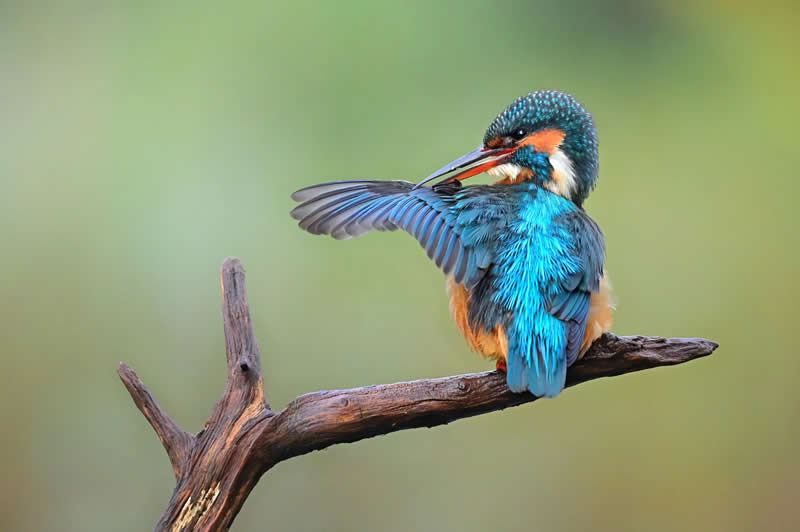
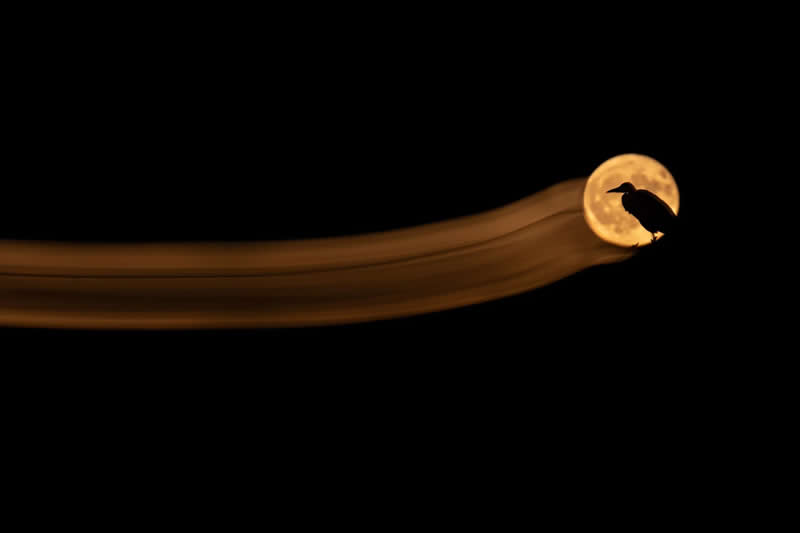
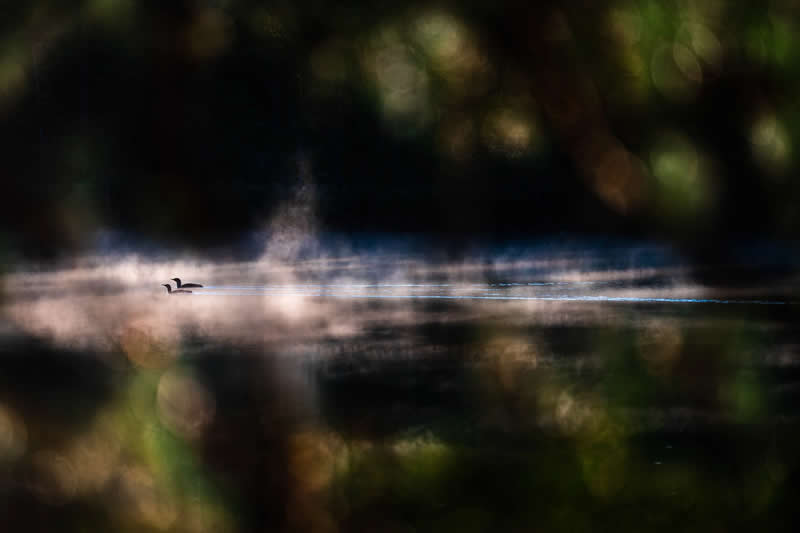
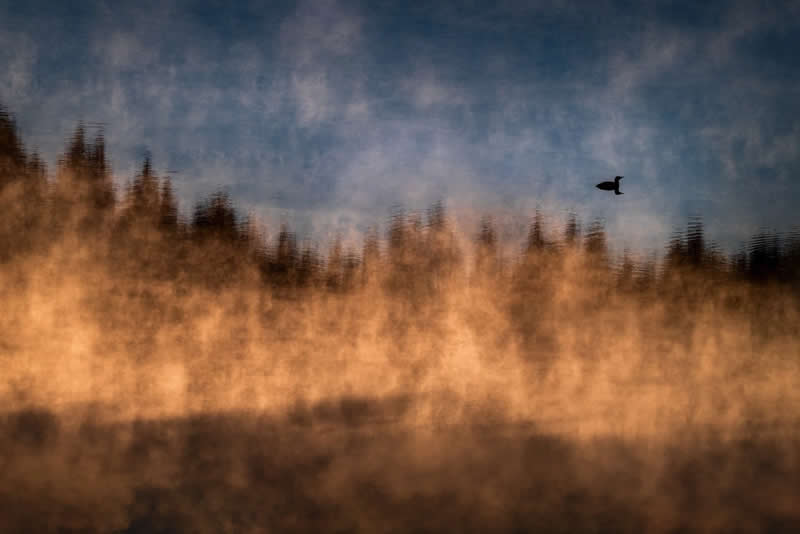
Born north of Berlin, Luca Lorenz developed a deep connection with nature long before he ever picked up a camera. As a child, he spent countless hours wandering through forests, gardens, and meadows, fascinated by birds and tiny natural details most people overlooked. While others rushed past, Luca paused to admire the light filtering through leaves or the movement of animals hidden in silence.
At the age of eleven, photography became his way of sharing that wonder with the world. Entirely self-taught, Luca learned through experimentation, patience, and endless time outdoors. Rather than following strict technical rules, he trusted his instincts and emotions. Over time, that approach shaped his signature style — minimalist, painterly, and deeply atmospheric.
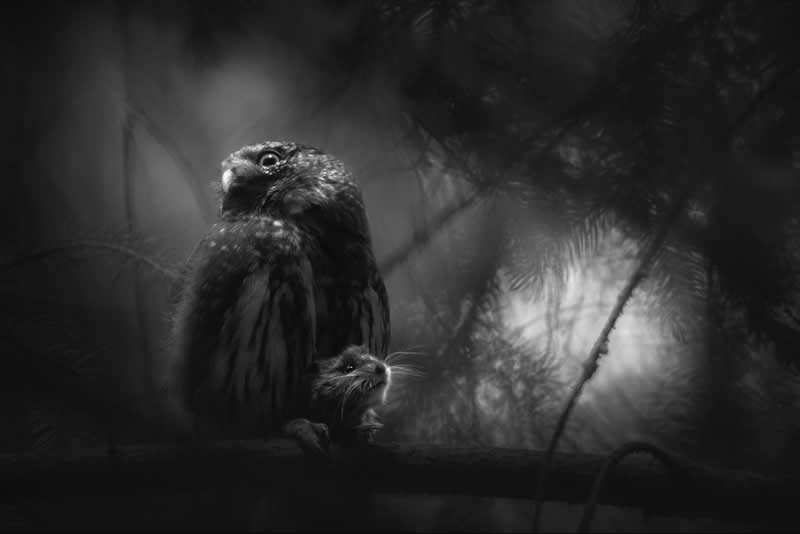
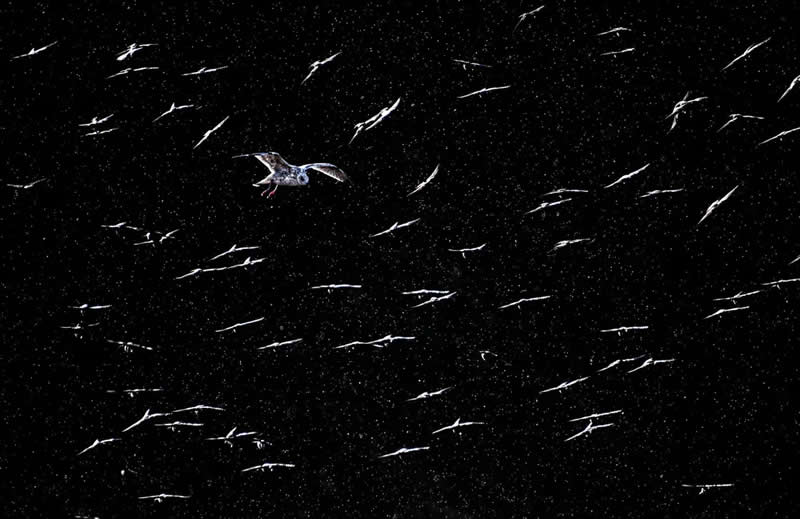
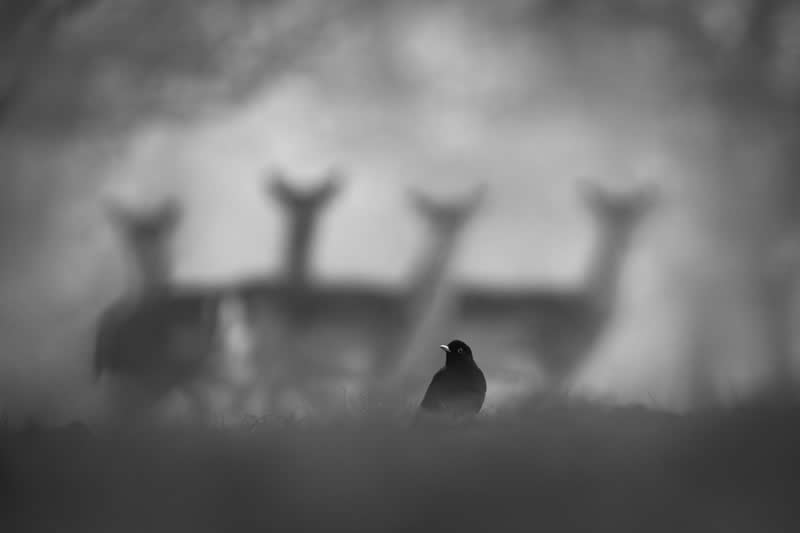
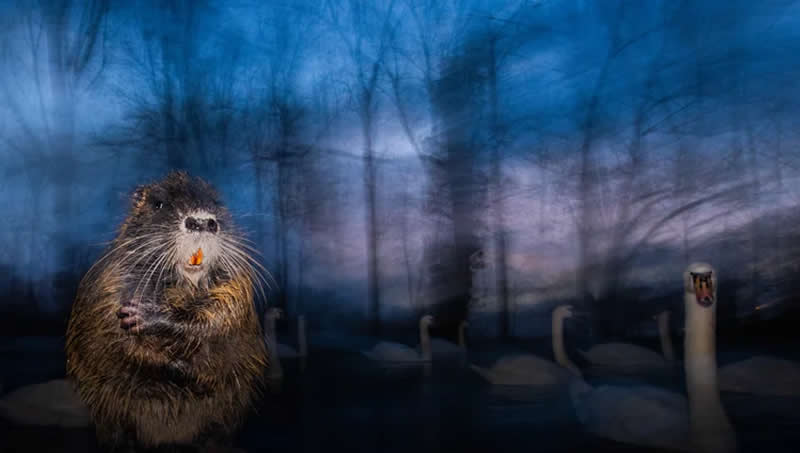
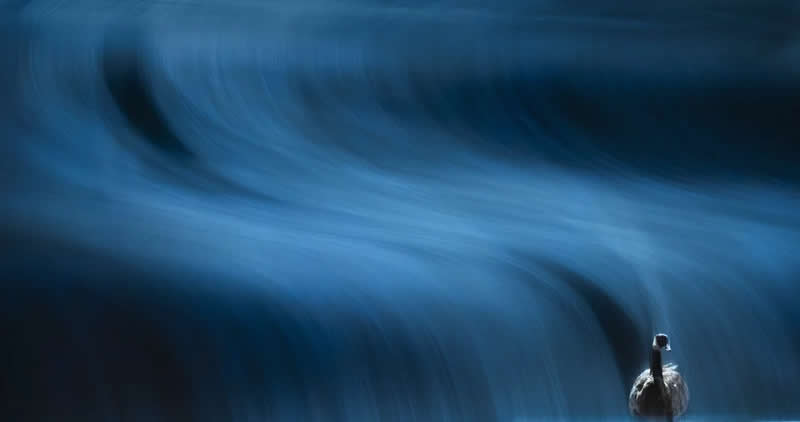
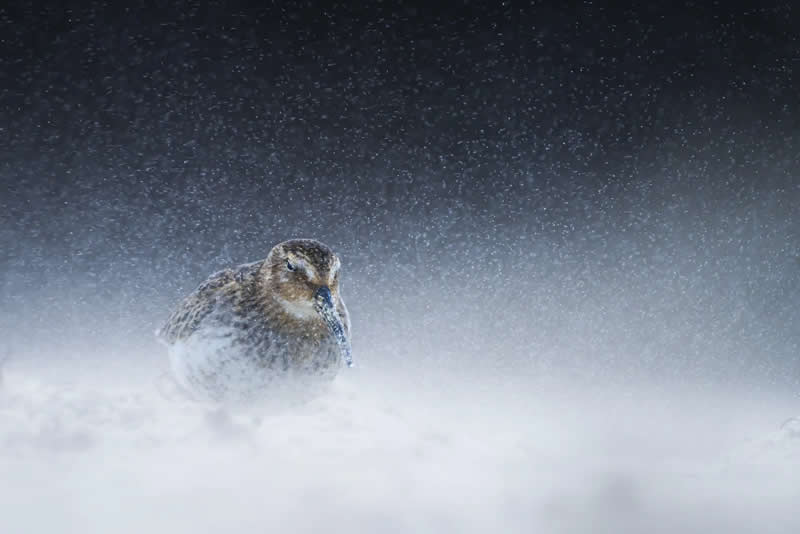
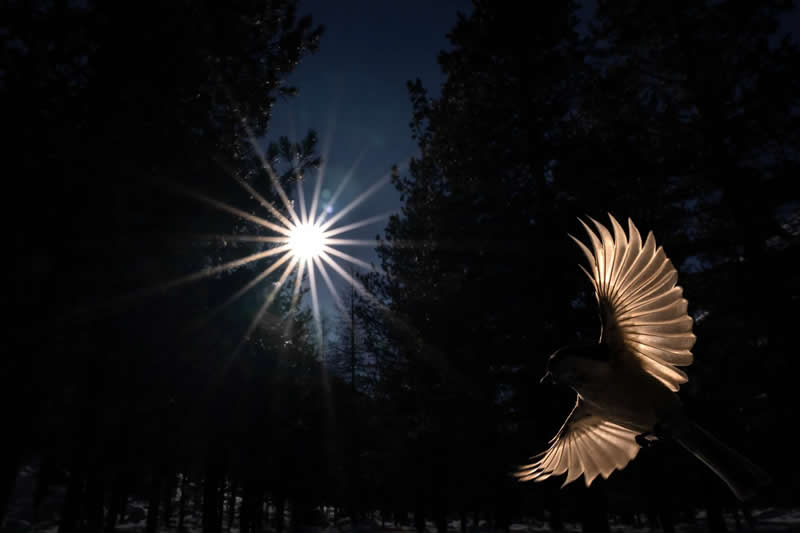
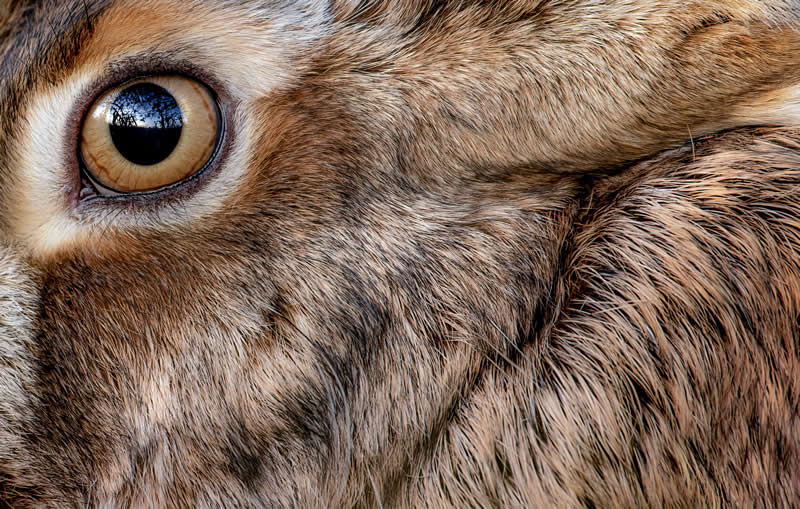
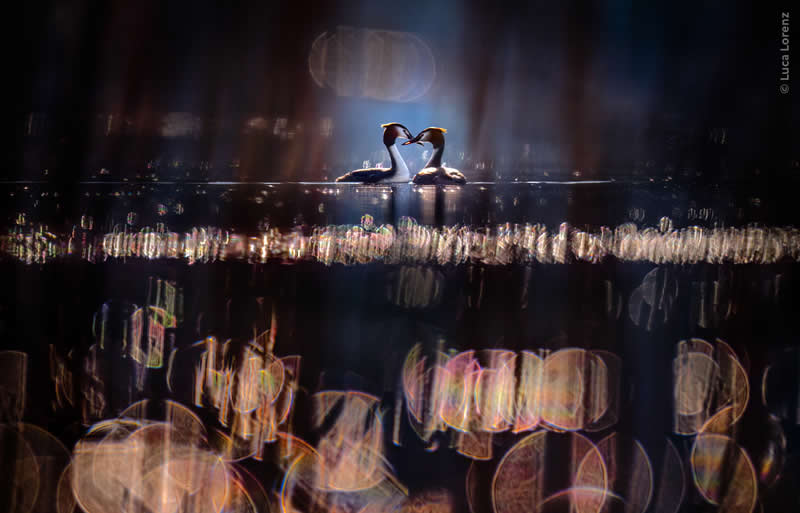
His work often combines long exposures, abstract compositions, and unusual perspectives that blur the line between photography and fine art. More importantly, Luca believes wildlife photography should create emotional connections. He wants viewers to feel something when they look at his images, whether it’s awe, calmness, or concern for endangered habitats and species threatened by environmental change.
#11
#12
#13
#14
#15
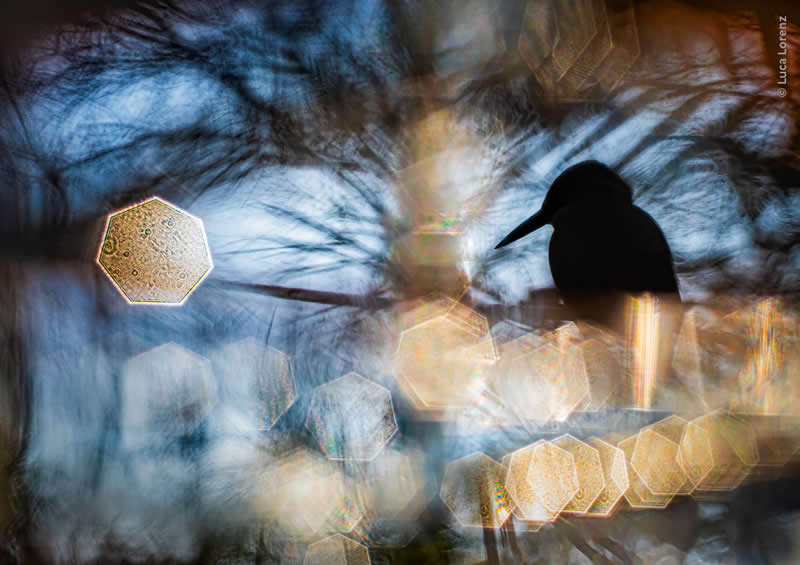
Why Luca Lorenz’s Win Matters for Modern Wildlife Photography
Luca Lorenz’s victory feels like a breath of fresh air in modern wildlife photography. In an era dominated by ultra-sharp action shots and dramatic predator moments, White on white proves that quiet storytelling can still leave the strongest impact. The image doesn’t scream for attention; it whispers, and somehow that makes it unforgettable.
His success also highlights a growing shift toward artistic and emotional nature photography. Luca focuses less on documenting wildlife and more on expressing atmosphere, emotion, and connection. Through soft motion blur and minimalist framing, he transforms ordinary wildlife encounters into cinematic visual experiences.
Perhaps the most inspiring part of his journey is his age. At only 20, Luca has already earned worldwide recognition while staying deeply committed to conservation and biodiversity awareness. His work reminds younger photographers that creativity matters just as much as expensive gear or formal training.
With photographers like Luca Lorenz leading the next generation, wildlife photography feels more emotional, experimental, and meaningful than ever before, and honestly, the future of nature storytelling looks incredibly exciting.
#16
#17
#18
#19
#20
FAQs:
Who is Luca Lorenz?
Luca Lorenz is a 20-year-old self-taught wildlife photographer from north of Berlin. Known for his minimalist, artistic style, he creates emotional nature photographs that combine storytelling, atmosphere, and conservation awareness through techniques such as long exposure and intentional camera movement.
What photo won the GDT Nature Photographer of the Year 2026?
Luca Lorenz won the competition with his image White on white, featuring an alpine hare camouflaged in the snowy Swiss Alps. The photograph uses intentional motion blur and long exposure to create a dreamy, painterly atmosphere, highlighting wildlife survival.
Why is the photo “White on white” important?
The image highlights the environmental challenges alpine hares face due to climate change. Seasonal camouflage mismatches caused by irregular snowfall make the animals more visible to predators, turning the photograph into both a work of art and a conservation message.
What makes Luca Lorenz’s photography style unique?
Luca combines minimalist compositions, abstract framing, and creative exposure techniques to create emotional wildlife images. Instead of focusing only on sharpness or action, his work emphasizes mood, atmosphere, and the emotional connection between animals and their natural environments.
Why is Luca Lorenz gaining international attention?
Luca’s fresh artistic vision, combined with his young age and environmental storytelling, has made him stand out globally. His award-winning wildlife photographs resonate with audiences because they blend fine art aesthetics with meaningful messages about biodiversity and conservation.