

History doesn’t always live in textbooks. Sometimes, it breathes through a grainy frame, frozen in black and white, carrying emotions no paragraph could ever explain. These 25 powerful historical photos don’t just show the past—they pull you into it. They reveal daily life before smartphones, before highways, before the world sped up. You see people laughing, waiting, working, surviving. Ordinary moments that quietly became extraordinary over time.
Some images capture famous faces before they became legends—caught mid-smile, mid-thought, mid-life. Others document major historical events, not from a grand stage, but from street level, where real people stood, watched, and lived through it. There are photos of old cities, dusty roads, crowded markets, and forgotten neighborhoods that once buzzed with life. Every wrinkle, shadow, and crack in the photograph tells a story that history class skimmed over.
What makes these images hit hard is their honesty. No filters. No edits. Just raw reality. You see struggle in tired eyes, hope in small gestures, and resilience in moments that never made headlines. These rare historical photos remind us that the past wasn’t just about wars and dates—it was about daily routines, personal dreams, and human connection.
Black-and-white photography strips everything down to emotion and light. It forces you to focus. To feel. To imagine the sounds, the smells, the tension in the air. Each photo becomes a time machine, pulling forgotten stories back into the present and asking us to slow down and look closer.
Because sometimes, one image can explain history better than a thousand words.
#1. German ship Gneisenau in Kiel dock after being hit by a torpedo from a British submarine. 1940s
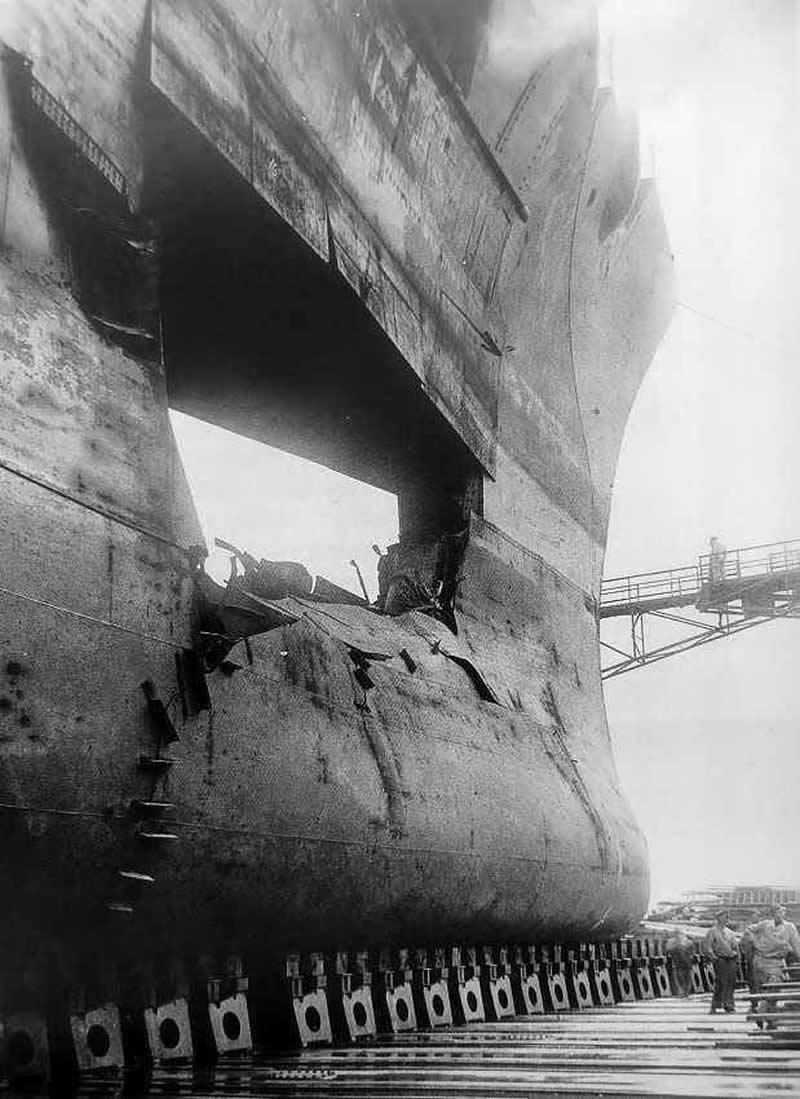
Image Source: Historic Photographs
#2. Abandoned boy holding a stuffed animal amid ruins following German aerial bombing of London, 1945.
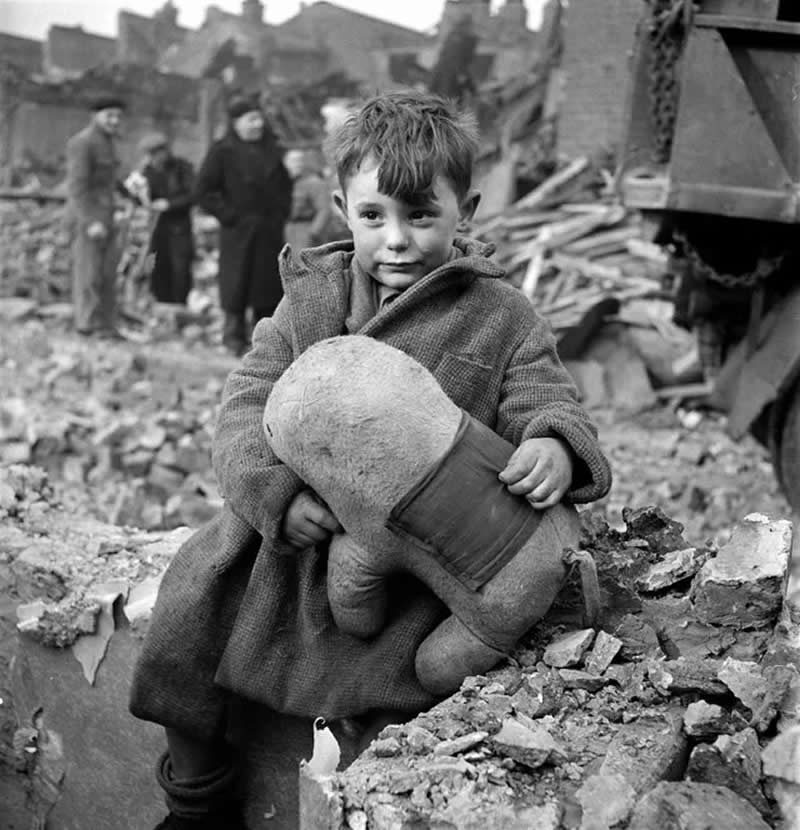
Image Source: Historic Photographs
#3. Albert Einstein at 52 years old, Standing on Ledbetter Beach, Santa Barbara, California in (1931)
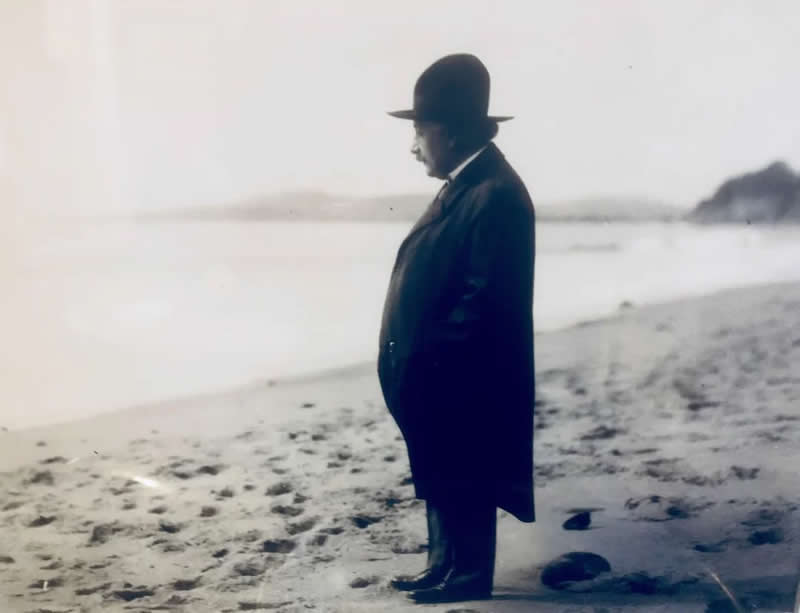
Image Source: Historic Photographs
#4. One of the last images taken of Judy Garland, taken 3 weeks before her death from a barbiturate overdose in June 1969.
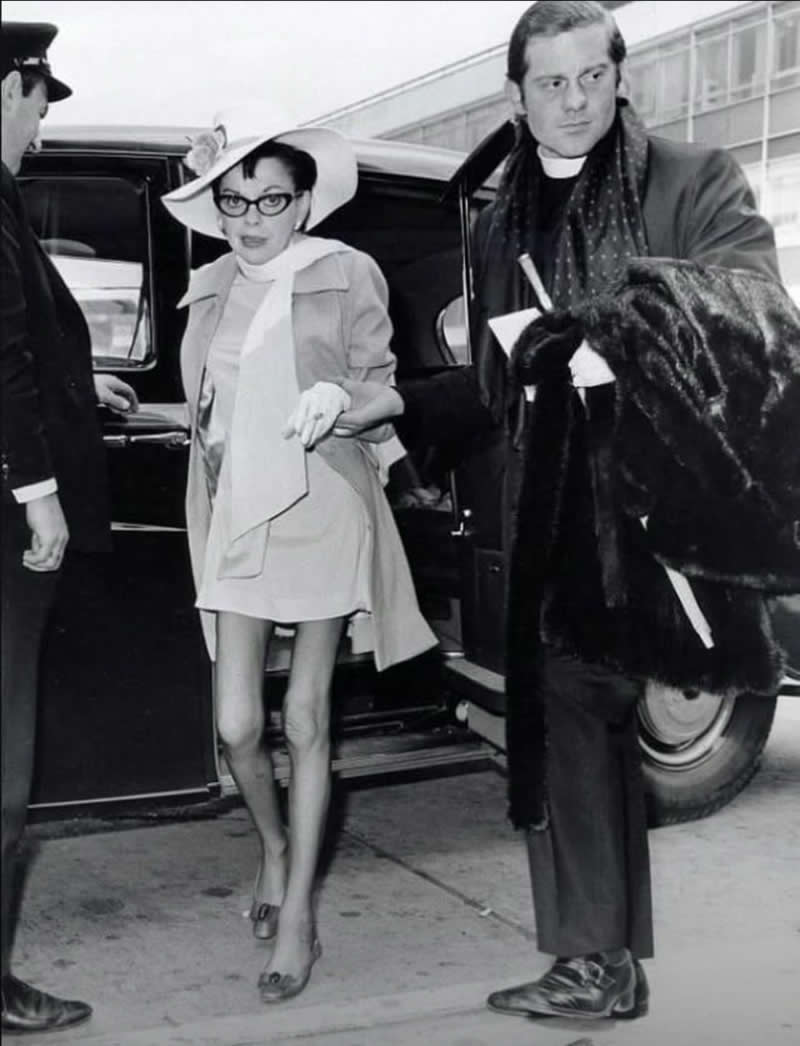
Image Source: Historic Photographs
#5. The prize-winning coiffures in a contest in Munich, Germany on May 1, 1964. They were designed for evening wear and hairdressers said anyone with a little time can copy them.
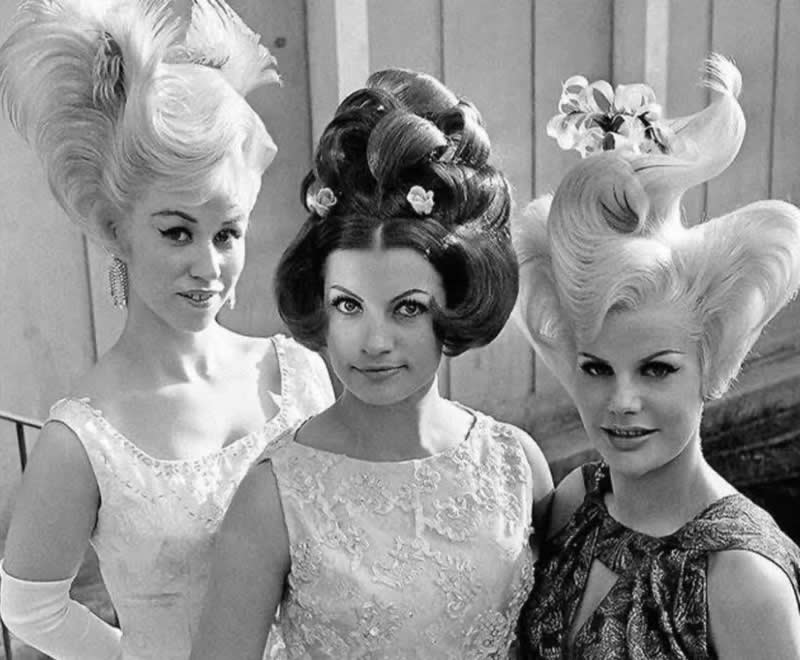
Image Source: Historic Photographs
#6. A 41-year-old Winston Churchill commanding the 6th Royal Scots Fusiliers, 1916, after resigning from the government.
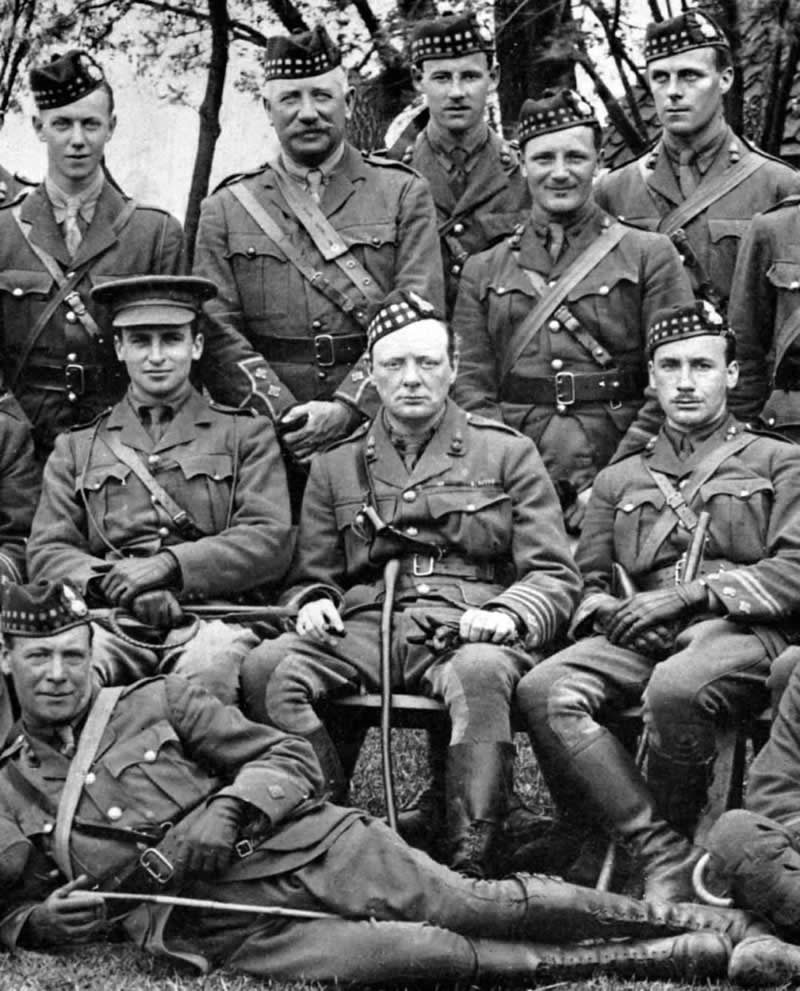
Image Source: Historic Photographs
#7. Irish family with 7 children poses for their portrait. March 1908.
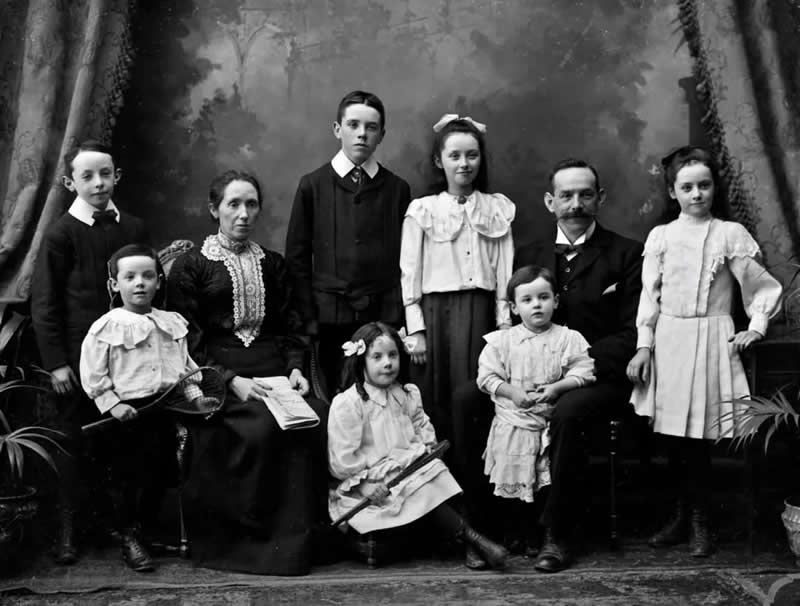
Image Source: Historic Photographs
#8. A Detroit Electric car drives on a mountain road, Washington, 1919. Note the camera’s shadow at the bottom right of the picture.
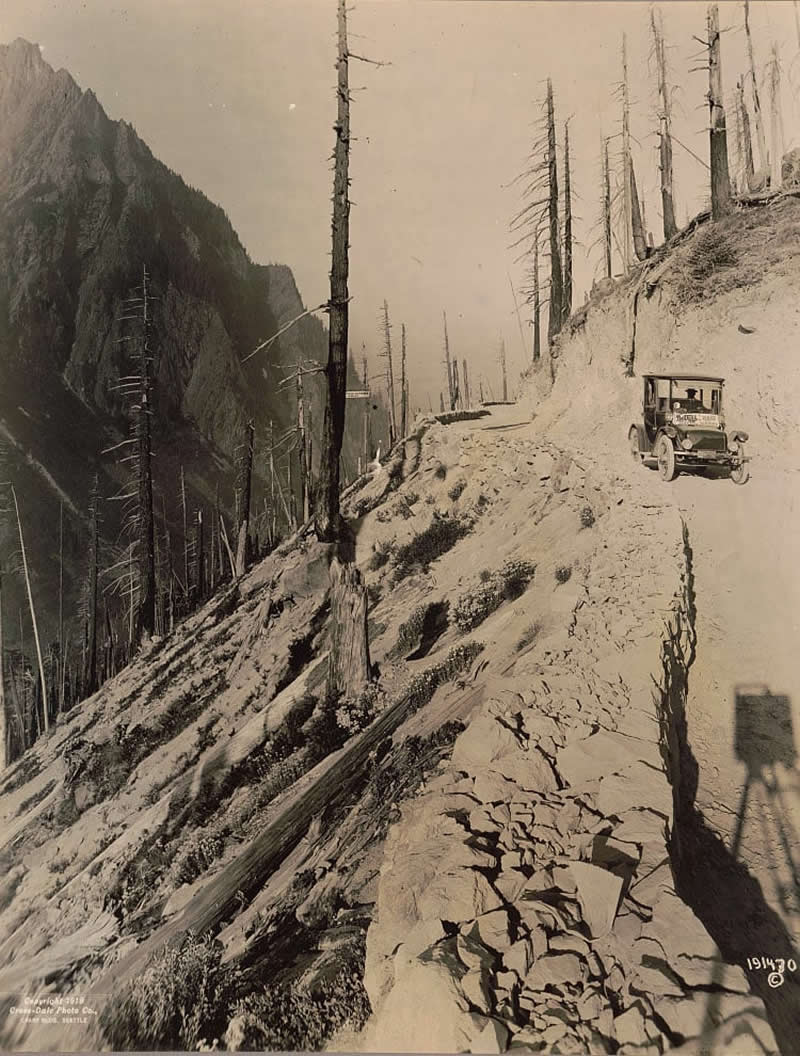
Image Source: Historic Photographs
#9. The playground children had in the early 1900s.
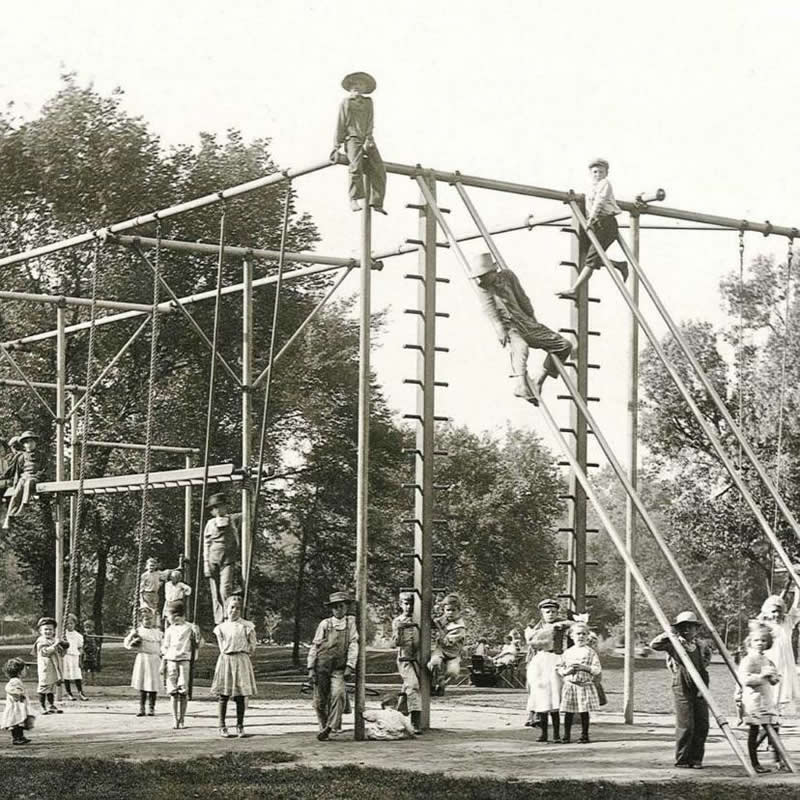
Image Source: Historic Photographs
#10. In the 1960s, it was a common sight to see babies bundled up in their strollers, left outside to enjoy the crisp fresh air.
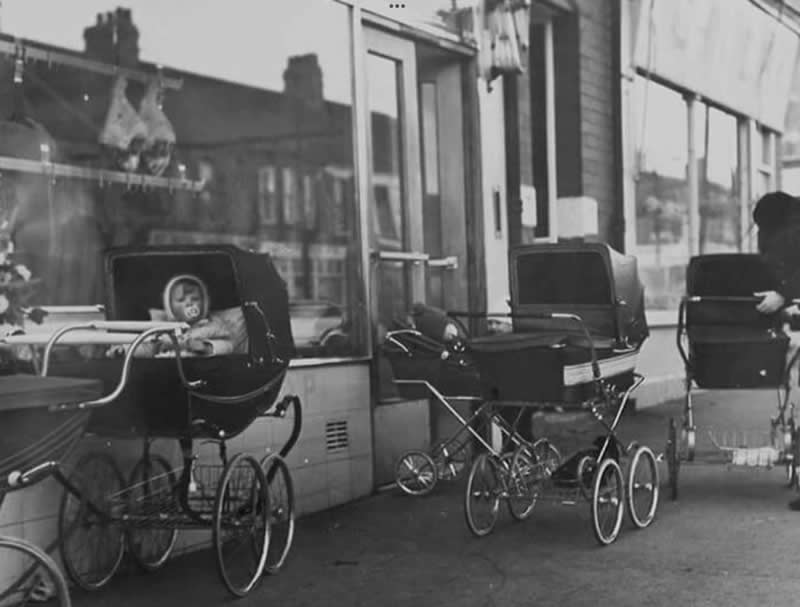
Image Source: Historic Photographs
#11. British racing motorist Sir Malcolm Campbell poses with his Campbell-Railton Blue Bird. The vehicle was powered by a 36.7-liter supercharged Rolls-Royce engine producing over 2,300 horsepower and, in 1935, became the first car to surpass 300 miles per hour.
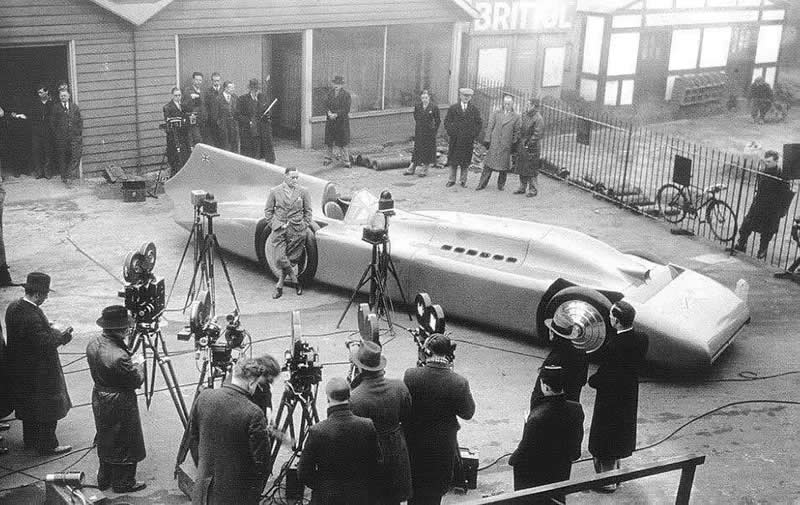
Image Source: Historic Photographs
#12. A kid with a chemistry set containing radioactive samples in 1950. He’s wearing a Geiger counter with earphones sensitive enough to detect the radioactivity of a watch.
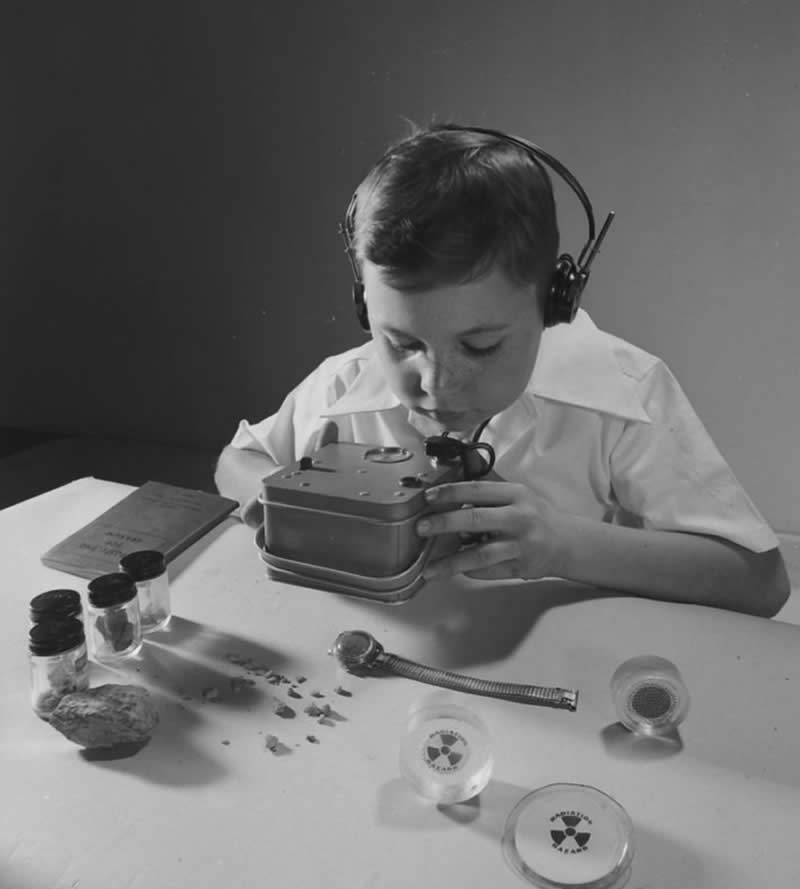
Image Source: Historic Photographs
#13. Man on a wild chopper bicycle, Chicago, early 1970s.
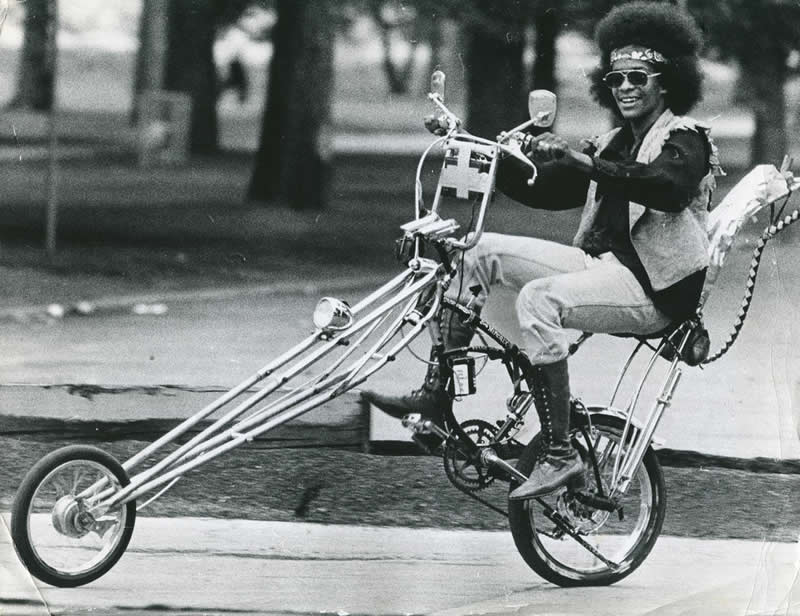
Image Source: Historic Photographs
#14. Frida Kahlo wearing a suit in her family portrait in 1927. She was 19 years old.
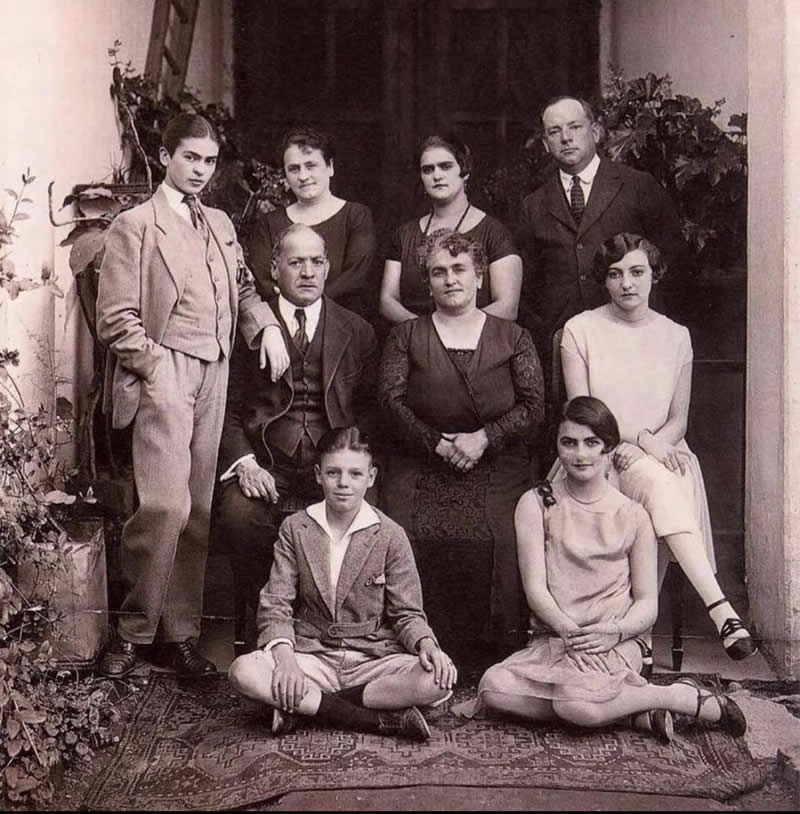
Image Source: Historic Photographs
#15. Native American Taos woman Taos Pueblo in New Mexico, 1890s.
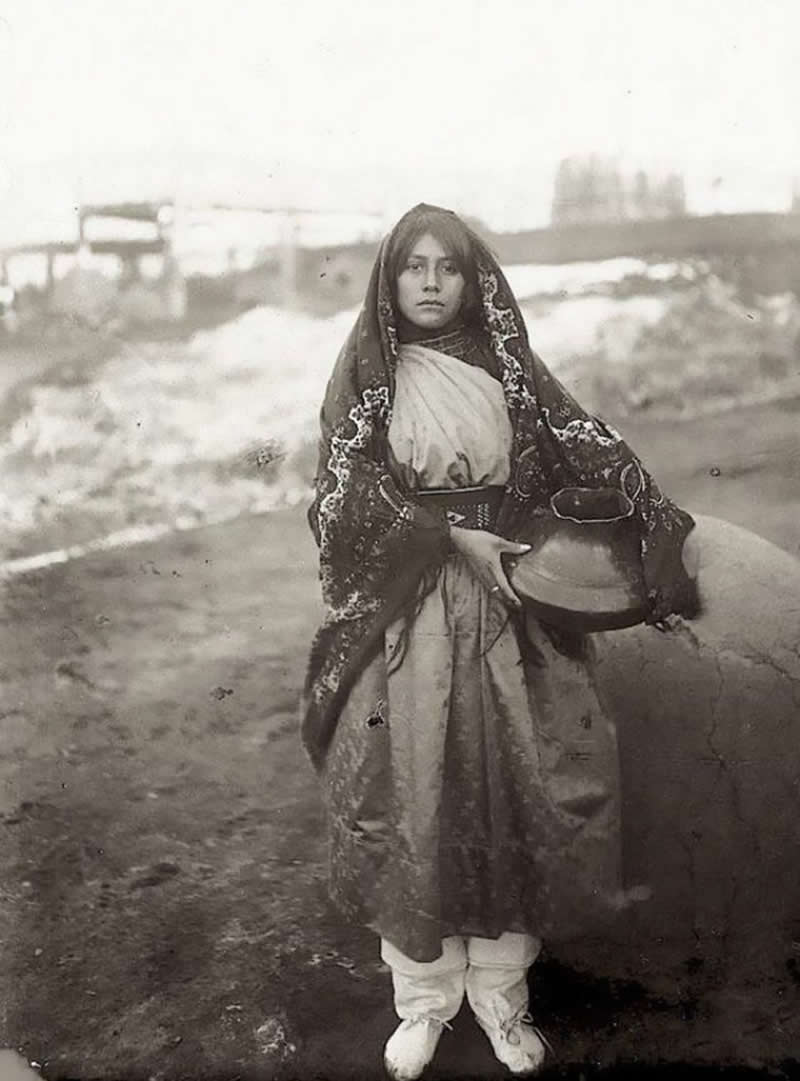
Image Source: Historic Photographs
#16. Sure, it’s cold and snowy, but, not 1978 snowy. (Photo from the blizzard of 1978 in Cortland, New York).
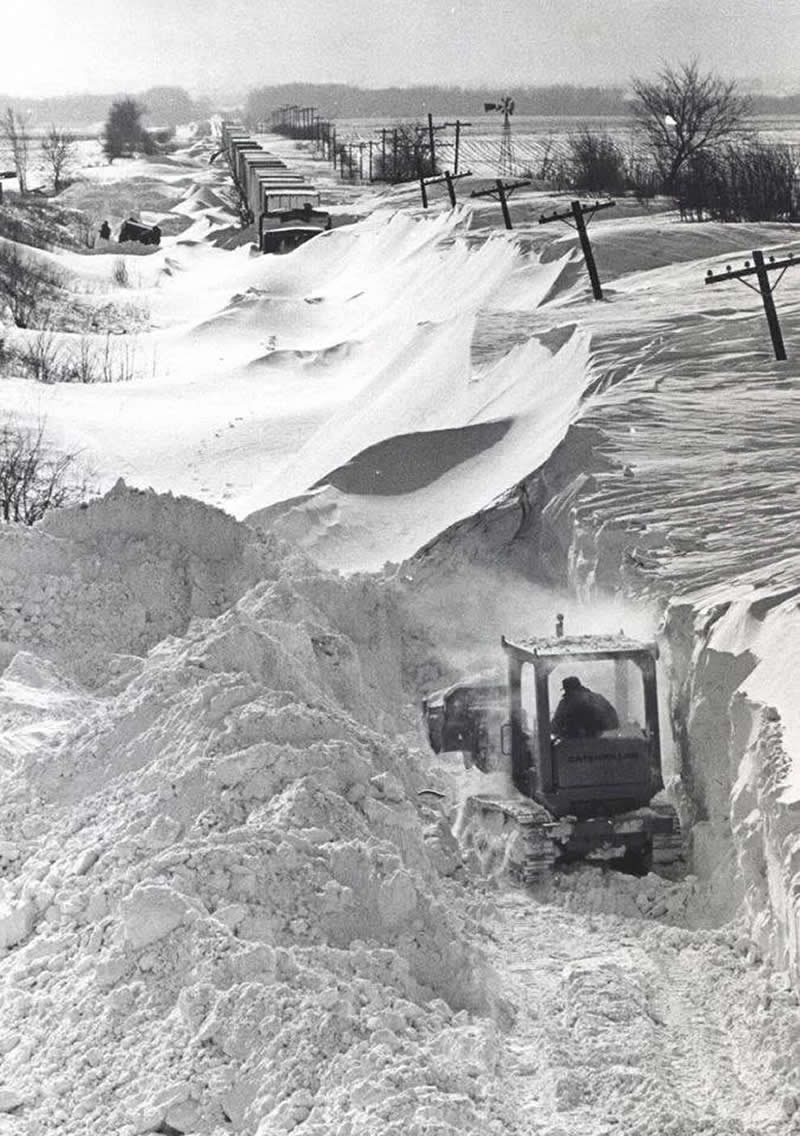
Image Source: Historic Photographs
#17. 1920s women wearing fashions from the 1890s in Atlantic City.
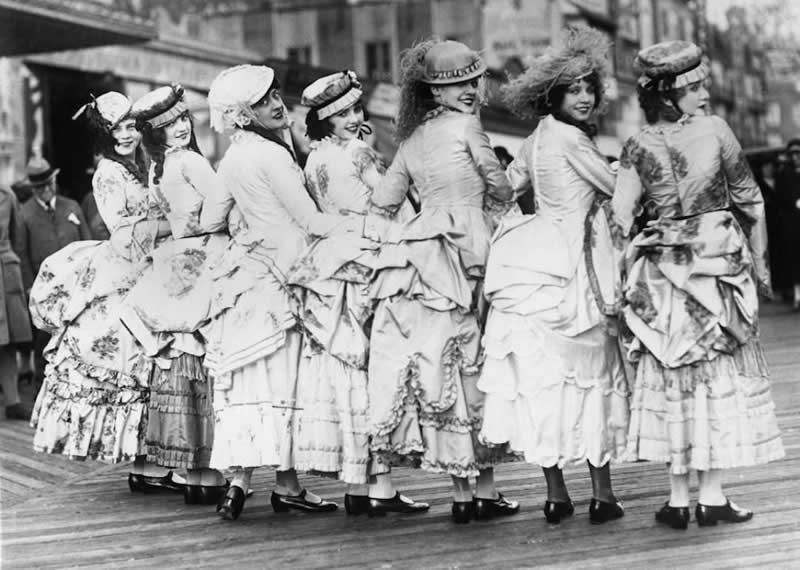
Image Source: Historic Photographs
#18. Hanoi residents shelter chest-deep in sidewalk bunkers as they await the all-clear during an air-raid warning. Hanoi, North Vietnam, 1967.
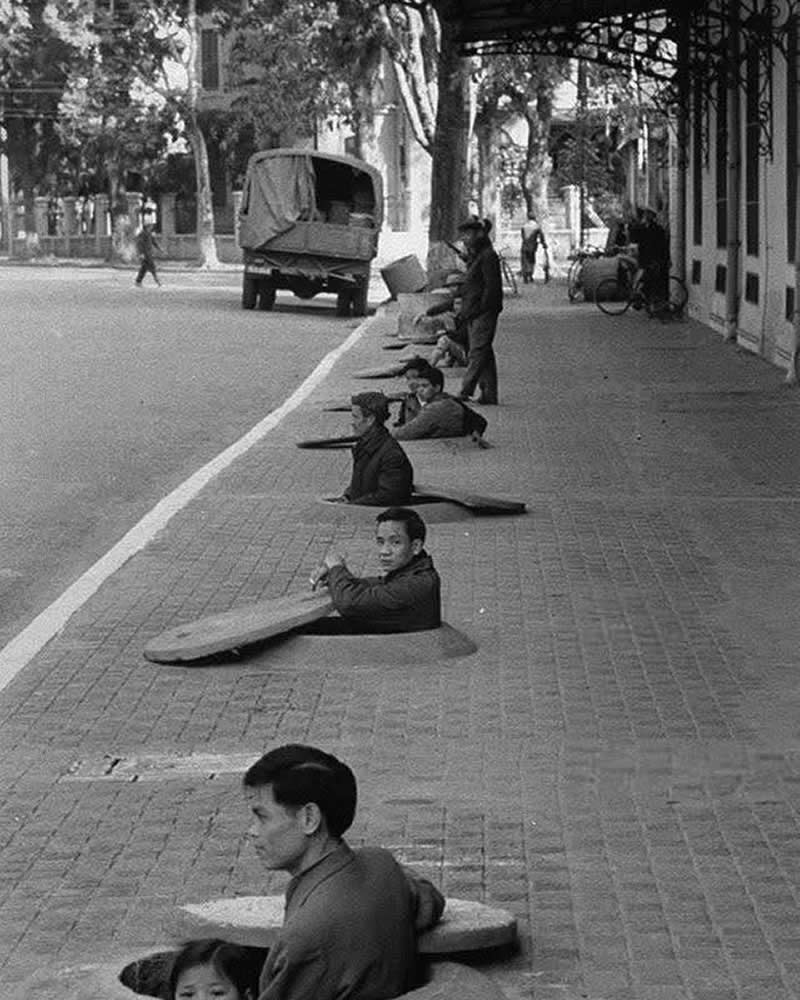
Image Source: Historic Photographs
#19. Anti-tank scooter made in the 1950s from a Vespa scooter for use with French paratroops.
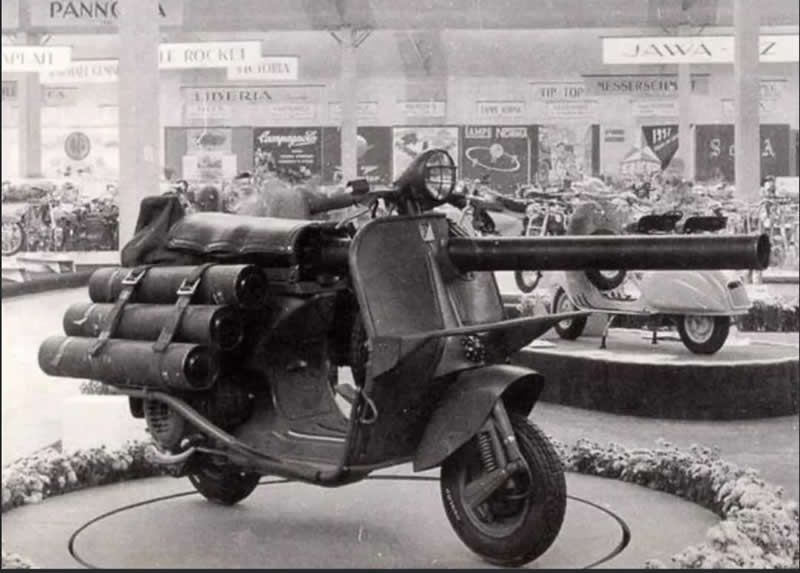
Image Source: Historic Photographs
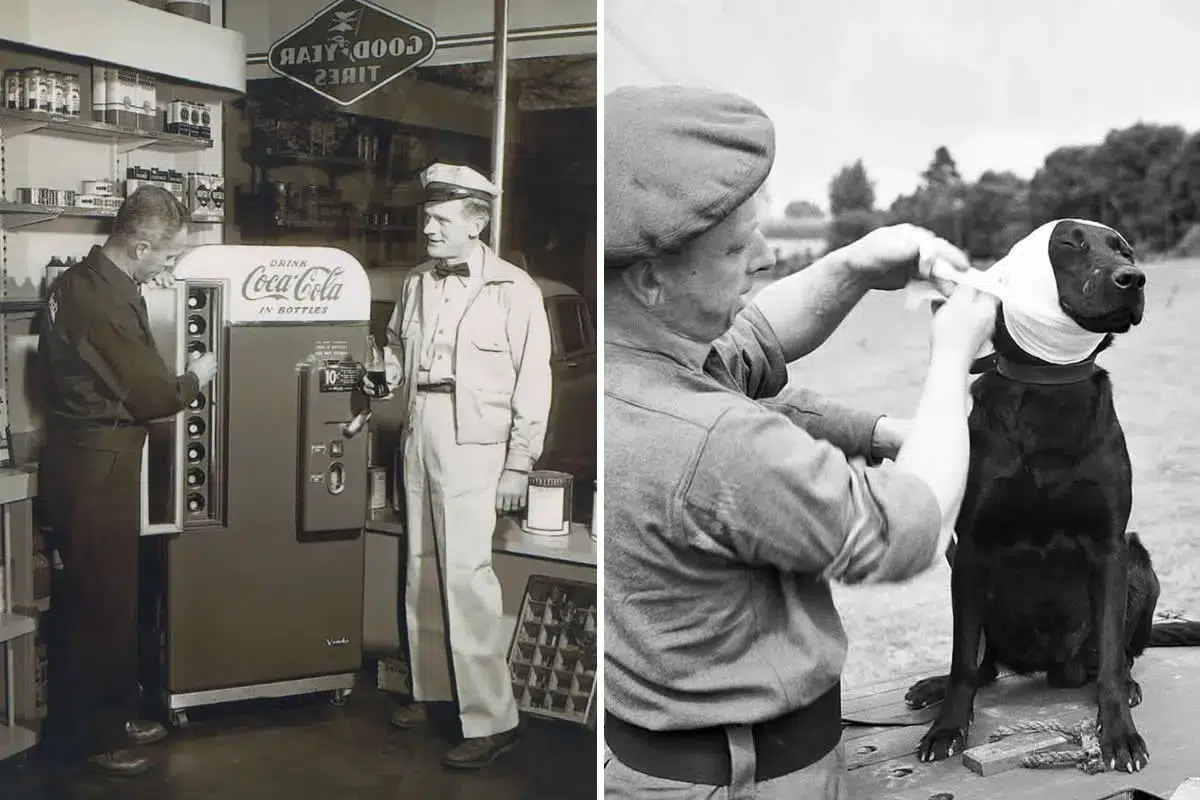
#20. A Coca-Cola delivery man filling a Coca-Cola machine while a Shell station attendant stands holding a cola and watching. Terre Haute, Indiana, 1957.
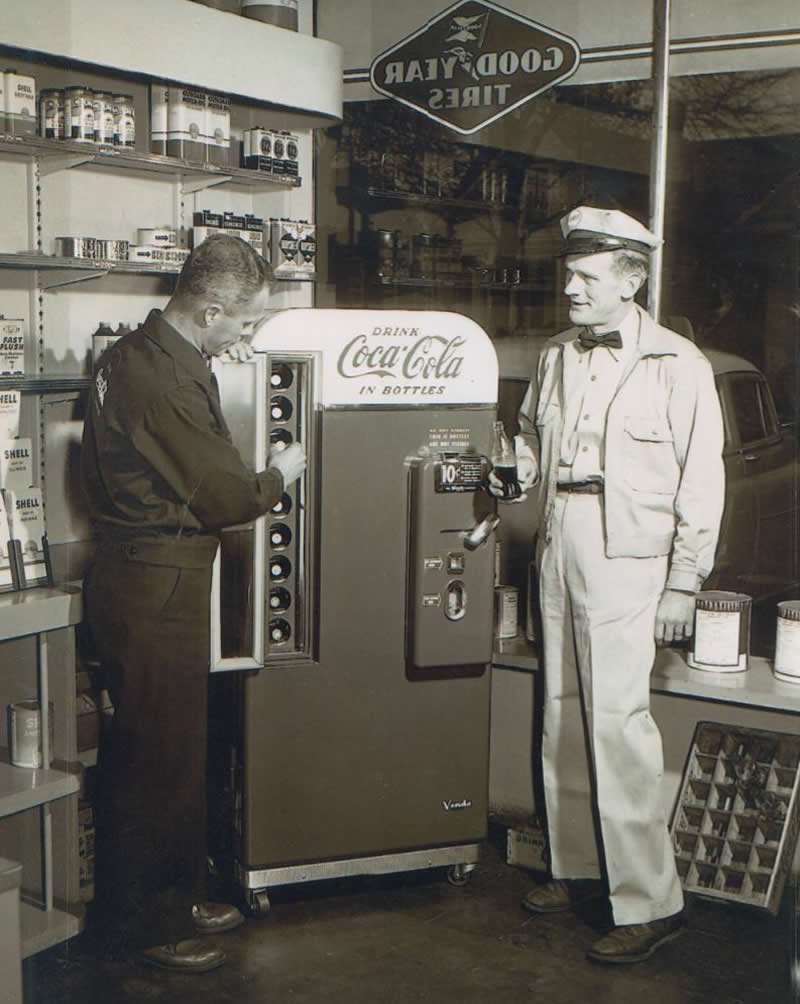
Image Source: Historic Photographs
#21. Children of a farm day laborer living north of Sallisaw, Oklahoma, 1939. Inside a modest, paper-lined home used for insulation, they sit closely together on a single bed, their worn clothing and bare feet revealing the hardship faced by rural families during the Dust Bowl years.
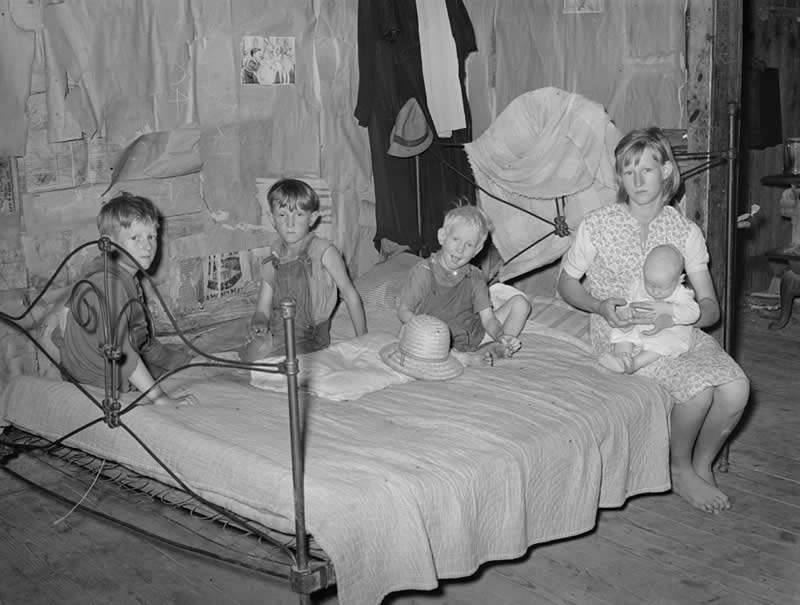
Image Source: Historic Photographs
#22. A Tupperware party in full swing in the 1950s. A table in the foreground displays a range of the company’s products.
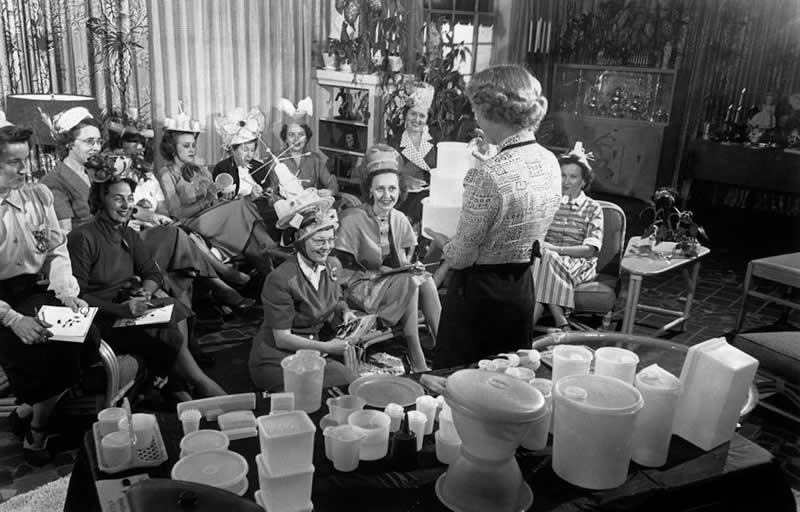
Image Source: Historic Photographs
#23. A Canadian invention from 1939, this plastic contraption offered protection for the face in snowstorms.
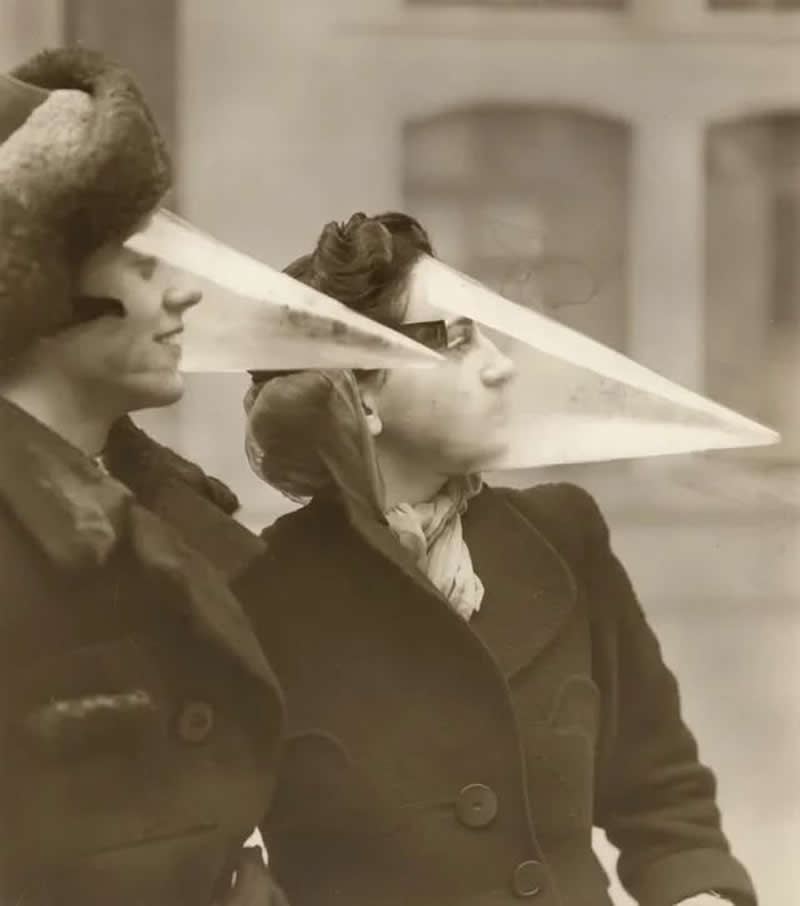
Image Source: Historic Photographs
#24. A sergeant of the Royal Army Veterinary Corps bandages the wounded ear of Jasper, a mine-detecting dog in Bayeux, Normandy, 1944.
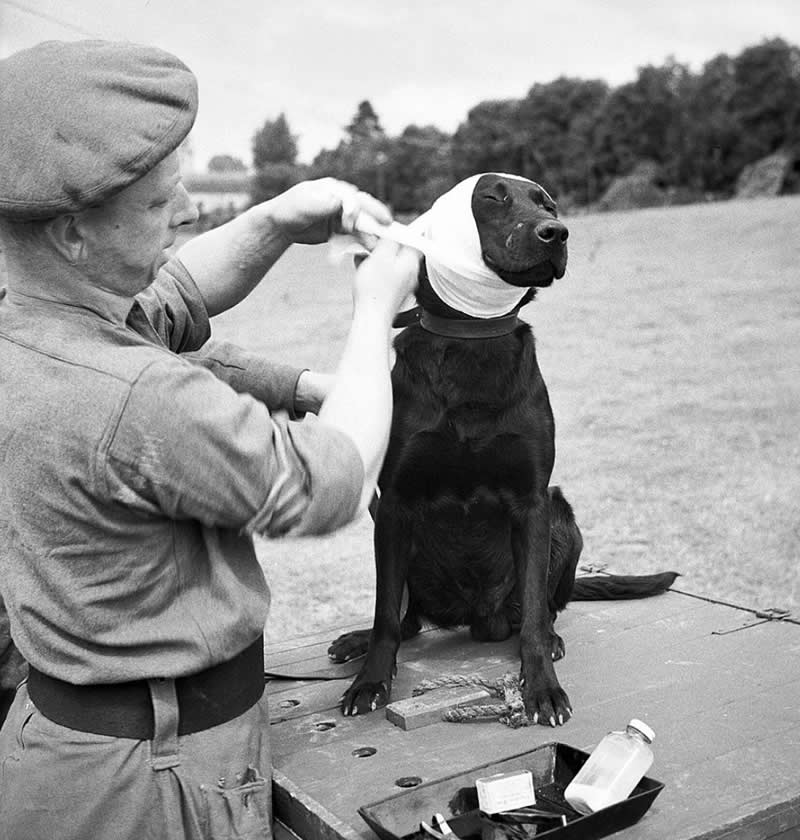
Image Source: Historic Photographs
#25. 70 MeV electron synchrotron, a type of particle accelerator used for radiation therapy. 1956-64
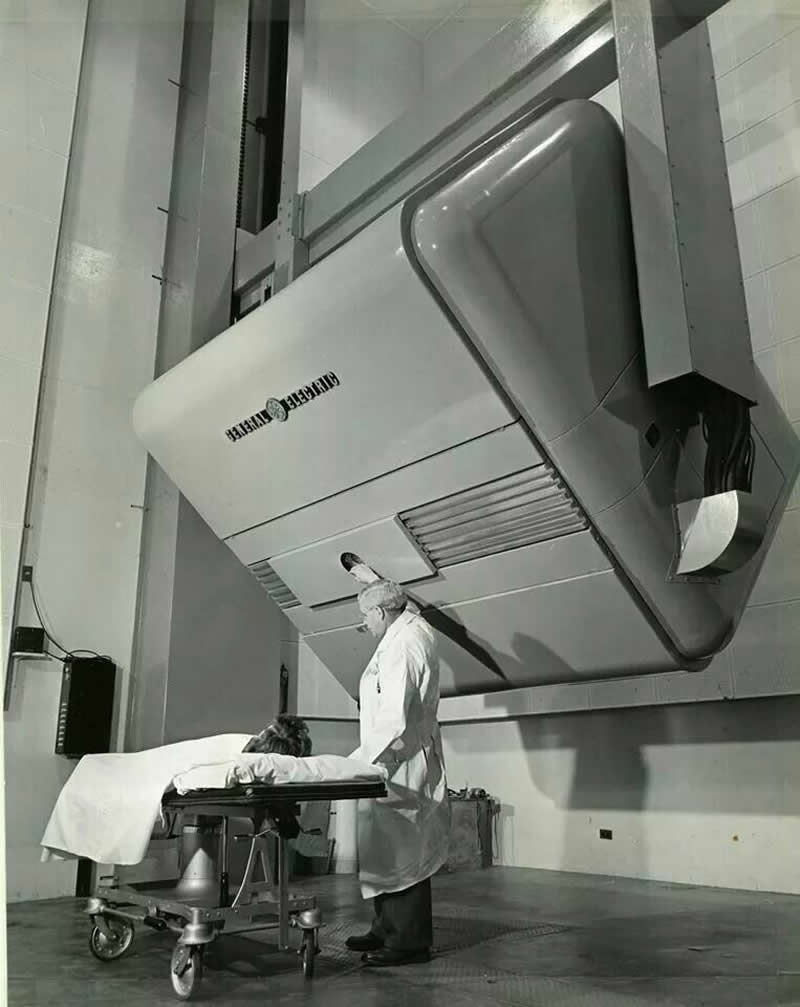
Image Source: Historic Photographs
In Summary
What are historical photos?
- Historical photos are images captured in the past that document people, places, events, and everyday life from earlier eras.
Why are rare historical photos important?
- They reveal untold stories, forgotten moments, and human emotions that often don’t appear in history books.
What makes black-and-white photos powerful?
- They remove distractions, highlight emotion, and focus attention on light, expressions, and storytelling.
Do historical photos show daily life?
- Yes, many capture ordinary routines—work, travel, family life—offering a real look at how people once lived.
Why do historical images still matter today?
- They help us understand our roots, connect emotionally with the past, and learn lessons that still shape the present.
