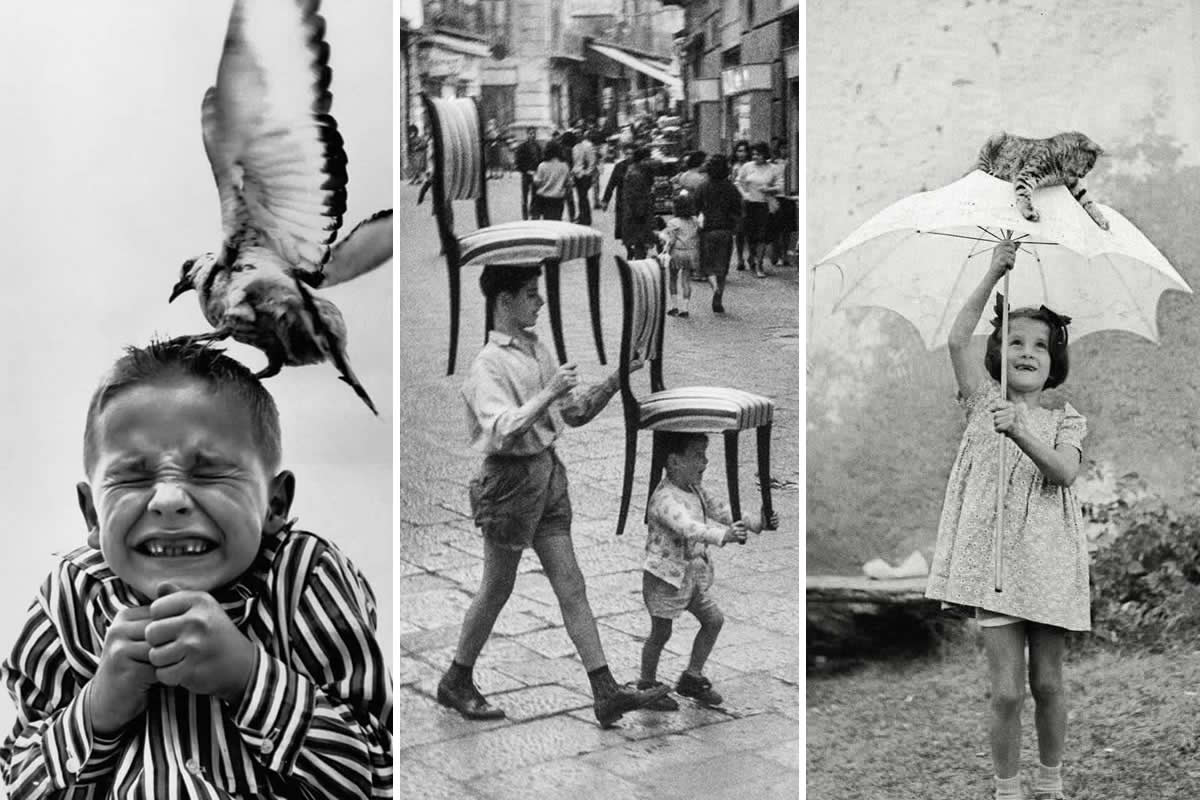
Black and white photography strips away the noise and goes straight for the gut. No colors to distract, just raw emotion, light, shadow, and story. When film was king, the legends of photography turned monochrome into poetry. Every frame was built with care, capturing life in sharp, deliberate moments.
Monochrome photography is all about essential contrast that grabs you, shadows that hint at secrets, and highlights that pull your focus. Every shot is about that split-second magic when everything clicks into place. That’s the power of black-and-white imagery.
The greats didn’t need fancy edits or rapid-fire shooting. They went with their gut, framed the shot, and caught the streets in real time. Whether it’s an empty alley, a wild street corner, or a fleeting glance, these photos nail the pulse of the past, and they still hit hard today.
These 33 photos aren’t just a trip down memory lane; they’re a lesson in visual storytelling. Each shot proves that great photography comes from vision, not gear. Monochrome? Still punches above its weight.
#1
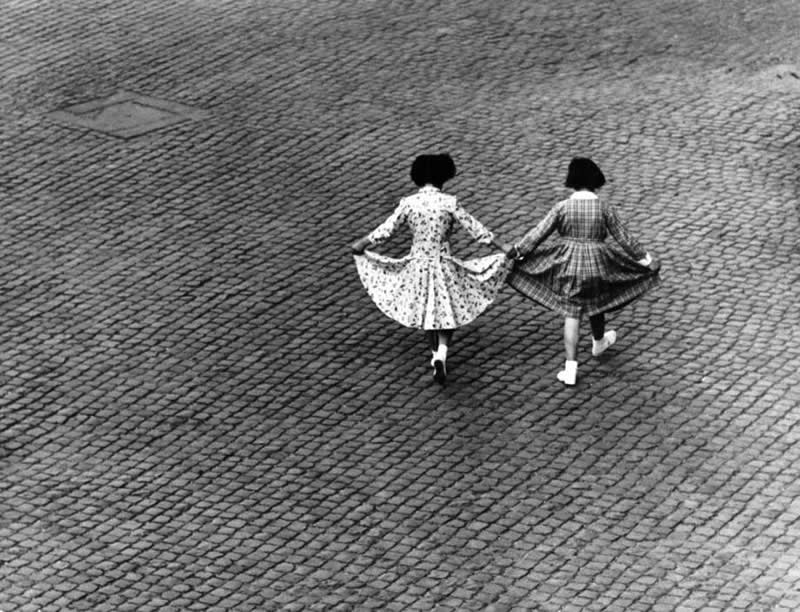
Photo by: Herbert List
#2

Photo by: Herbert List
#3
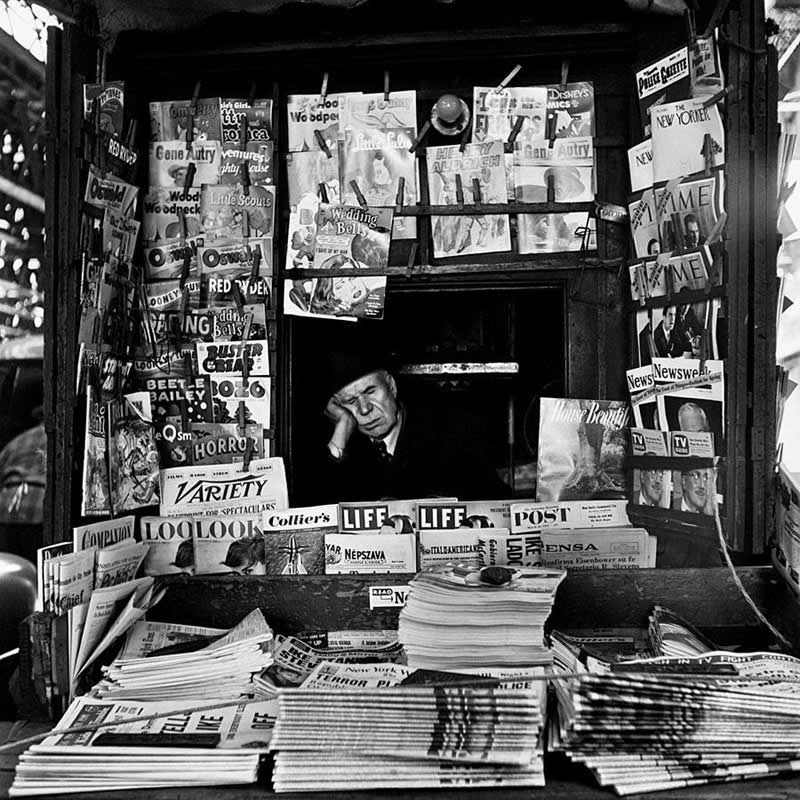
Photo by: Vivian Maier
#4
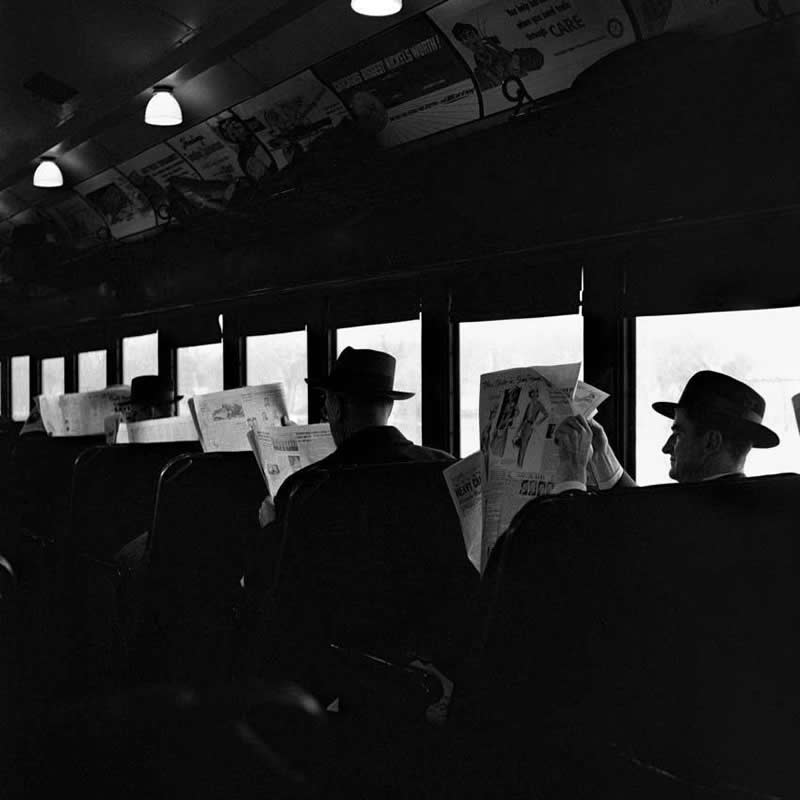
Photo by: Vivian Maier
#5
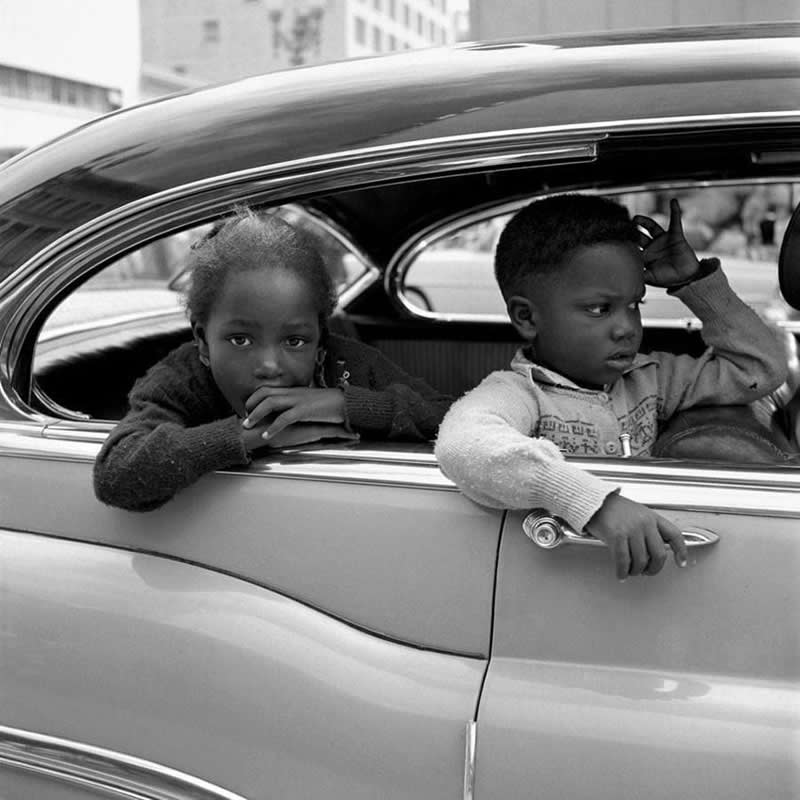
Photo by: Vivian Maier
Stripping It Down: Why Monochrome Still Hits Hard
Black-and-white photography strips away all the fluff. Lose the color, and you get raw texture, pure emotion, sharp composition, and honest light. It puts the spotlight on what matters, no distractions. That’s why it hits so hard, nothing to hide behind, just the truth.
Film photography made every shot count. Miss the mark, and you’ll pay the price, literally. That pressure shaped legends. The frames are tight, the subjects deliberate, the stories loud and clear.
Monochrome cranks up contrast-rich blacks, blinding whites, instant drama. Lose the color, and any moment could be anywhere: a vendor lost in thought, a kid tearing down an alley. It’s universal, it’s timeless.
#6
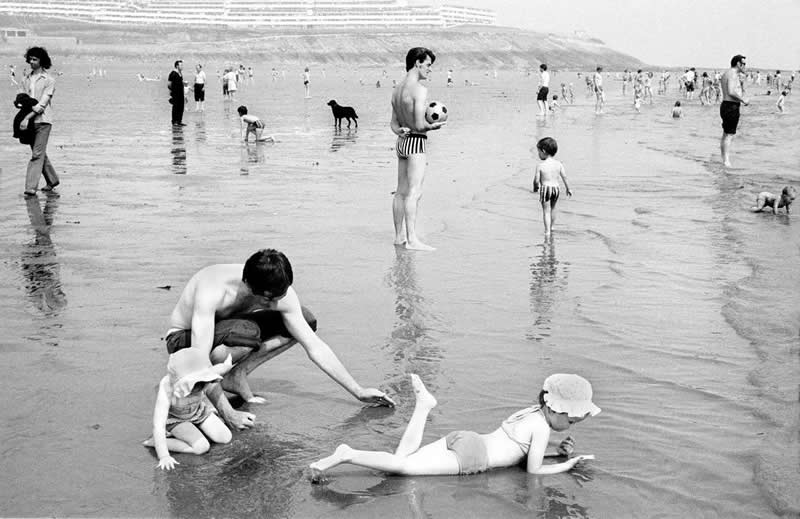
Photo by: David Hurn
#7
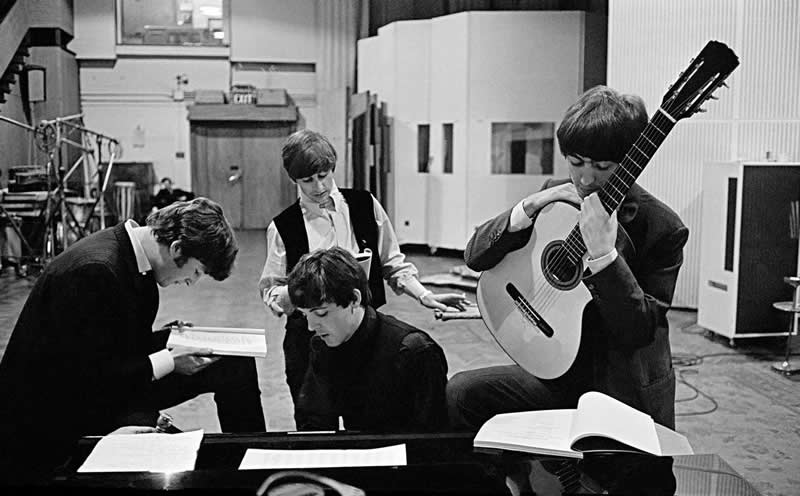
Photo by: David Hurn
#8
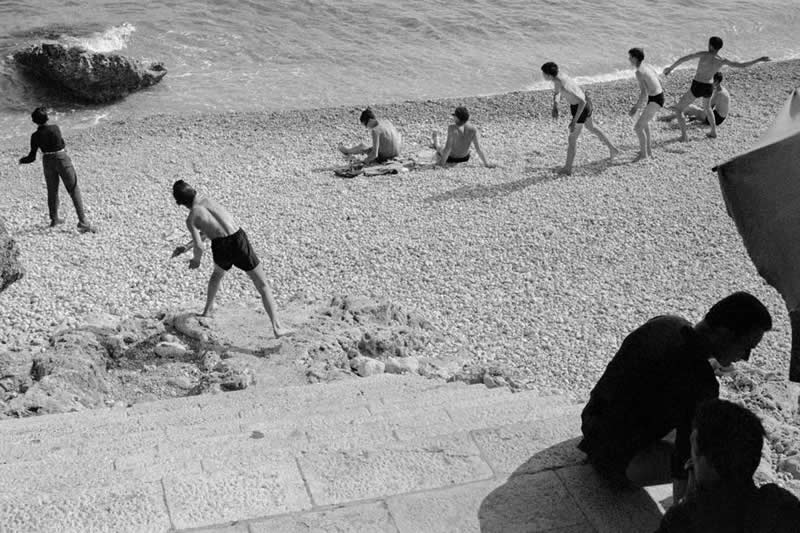
Photo by: David Hurn
#9
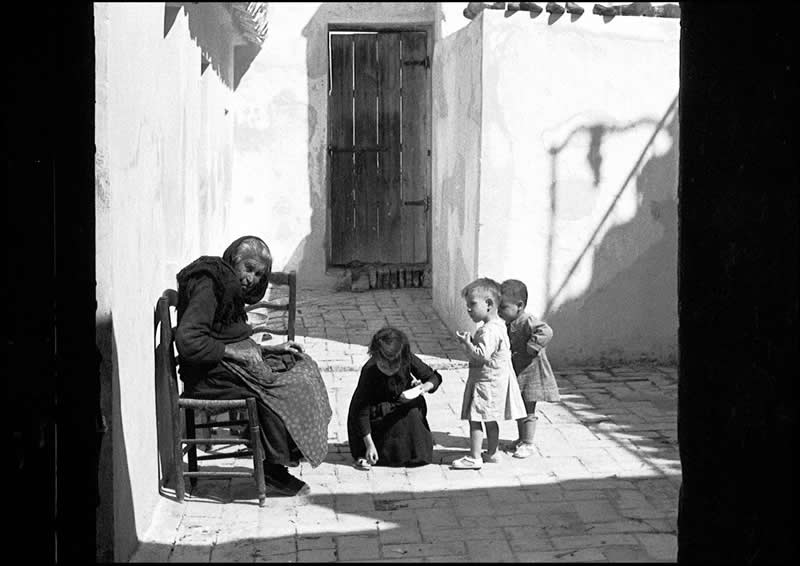
Photo by: Carlos Saura
#10
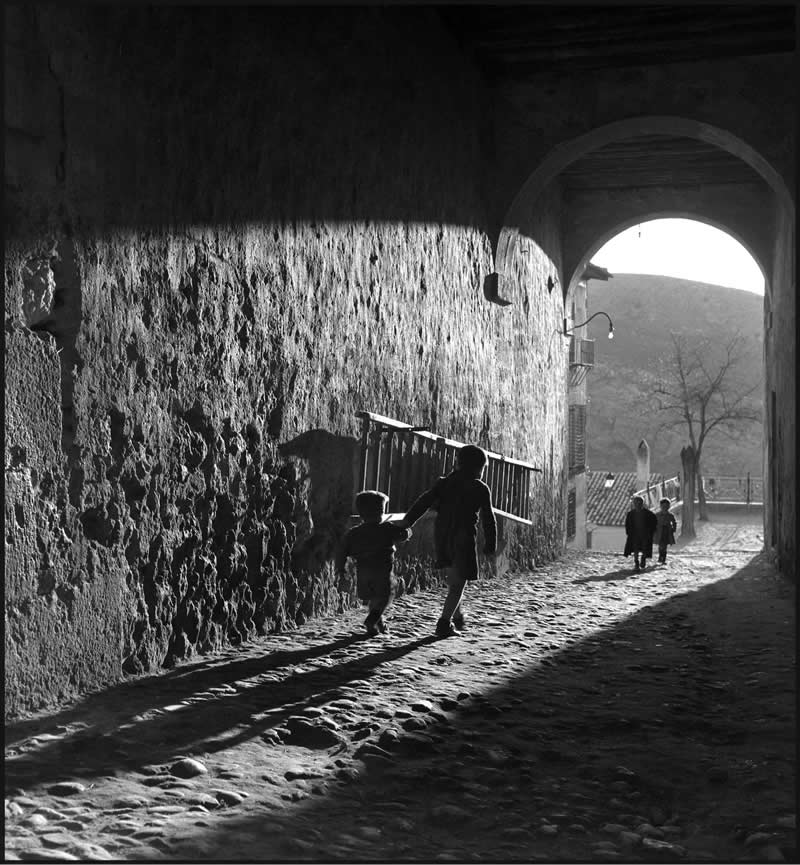
Photo by: Carlos Saura
The Masters Behind the Lens
Legendary photographers didn’t just shoot; they shaped how we see. They turned daily life into legend, catching the moments everyone else missed. They watched, waited, and struck gold.
Their documentary work rewrote the rules. Real people, real grit, zero filters. Shooting on film, they trusted instinct over screens. The result? Pure, unfiltered reality. That’s why it hits so real.
These names are storytelling itself. They hunted for the split-second when everything lines up, a look, a gesture, the perfect shadow. That’s where the magic happens. They didn’t just record life. They made it art.
#11
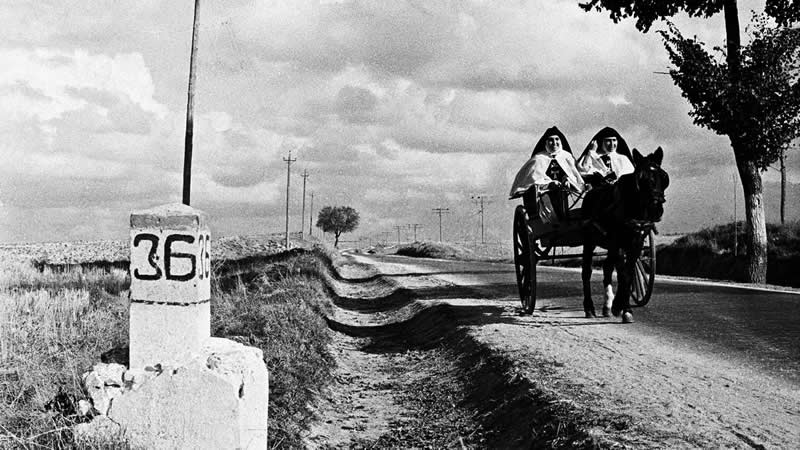
Photo by: Carlos Saura
#12
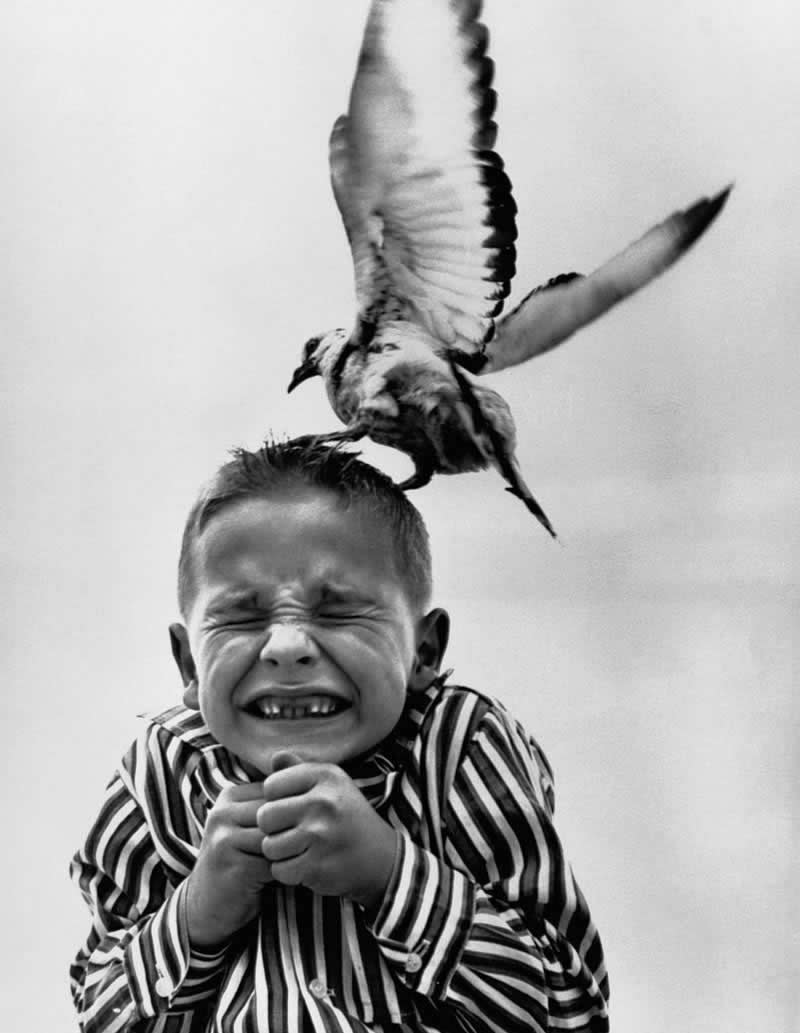
Photo by: Bettmann
#13
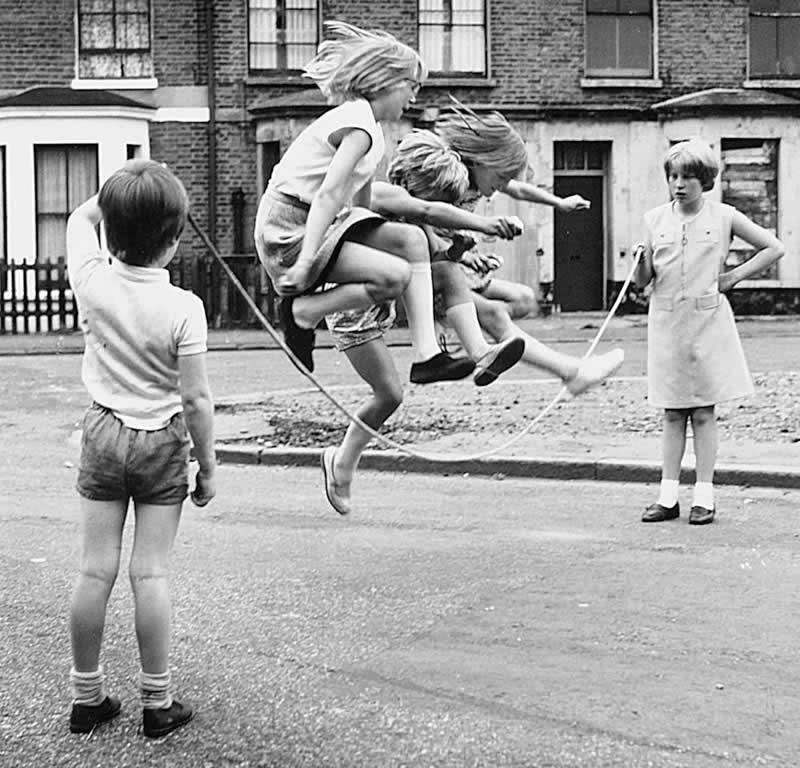
Photo by: Mary Evans
#14

Photo by: Anne-Marie von Wolff
#15
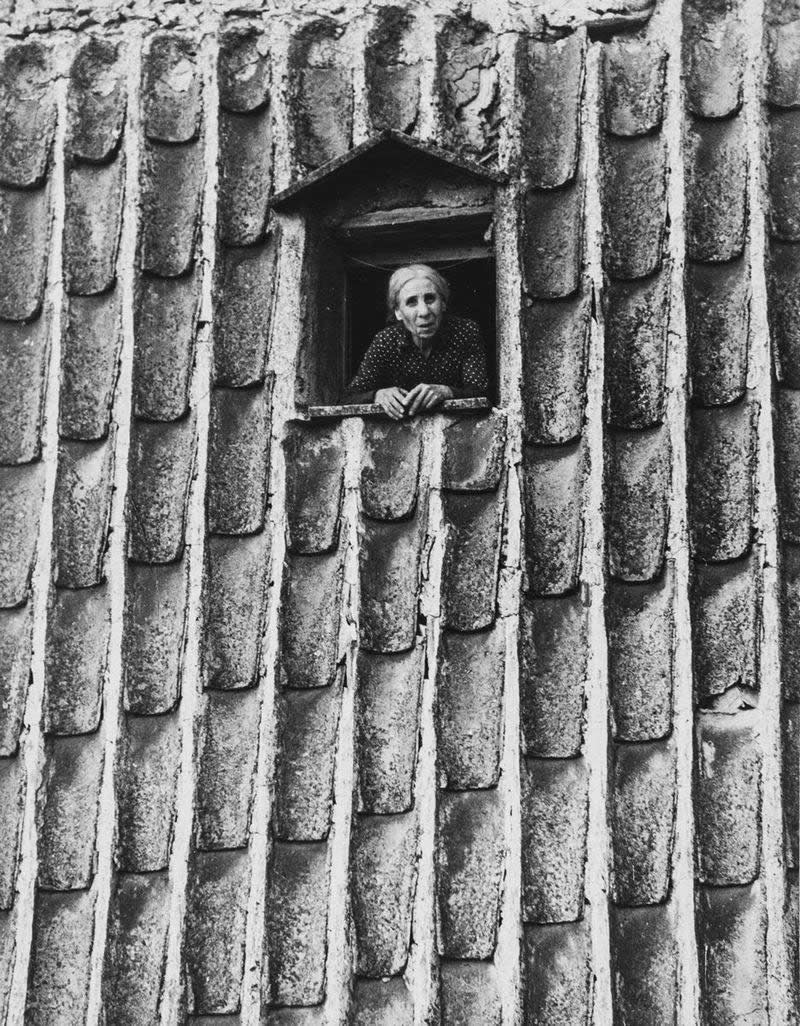
Photo by: Enzo Sellerio
Everyday Life, Elevated to Art
Monochrome takes everyday life and makes it iconic. A random street, a packed bus, a quiet café ditch the color, and it’s pure cinema. It’s all in the framing.
Black-and-white cuts the noise, spotlighting real emotion. You catch the small stuff: a wrinkle, a hit of light, a glance between strangers. These details are the photo’s soul.
Old-school photographers weren’t after perfection; they wanted truth. That’s what makes these shots timeless. Raw, real, deeply human. They don’t just show you a moment; they drop you right in it.
#16
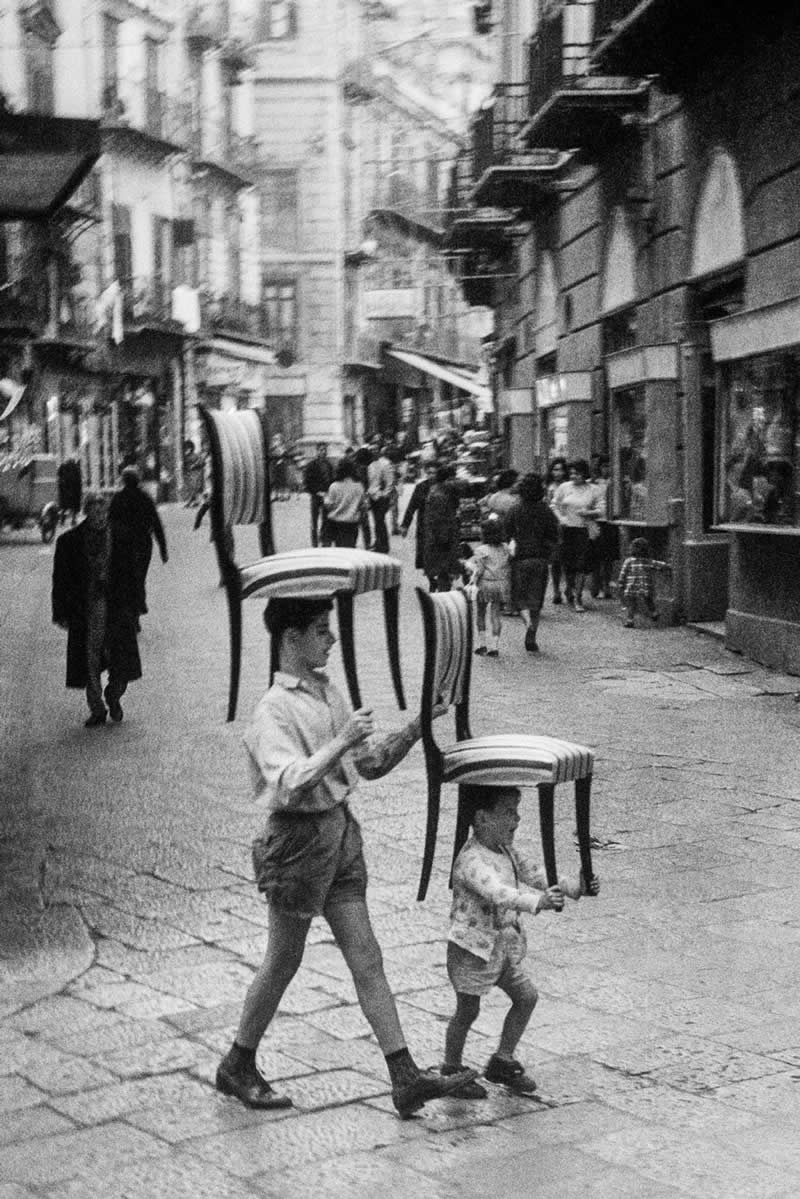
Photo by: Enzo Sellerio
#17
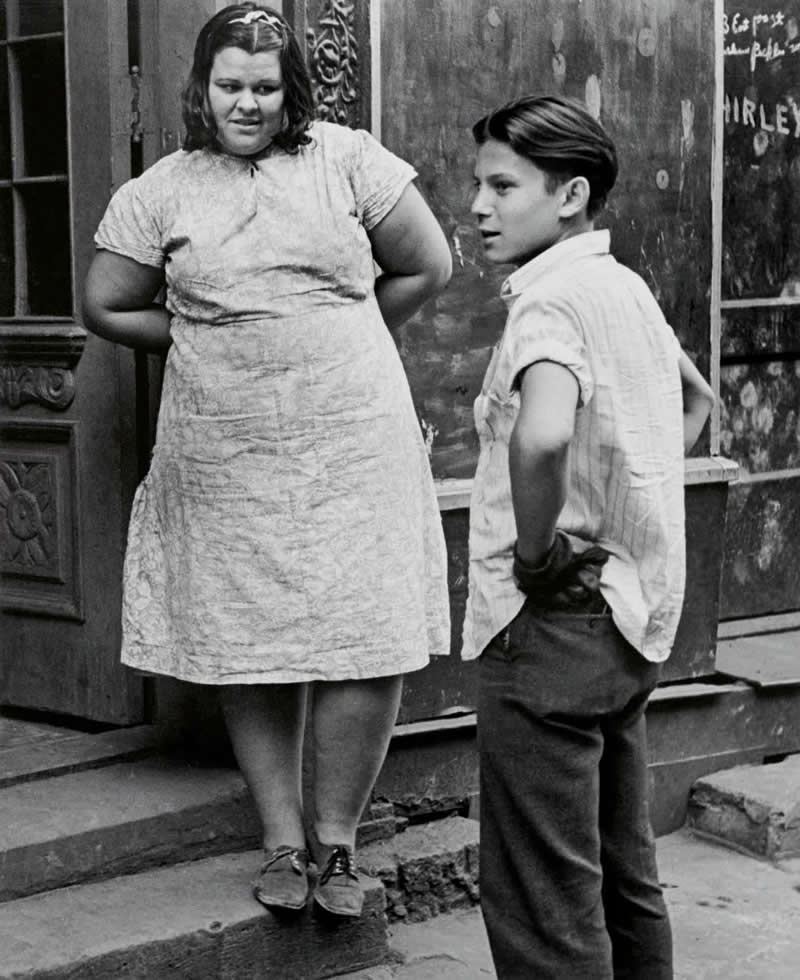
Photo by: Helen Levitt
#18
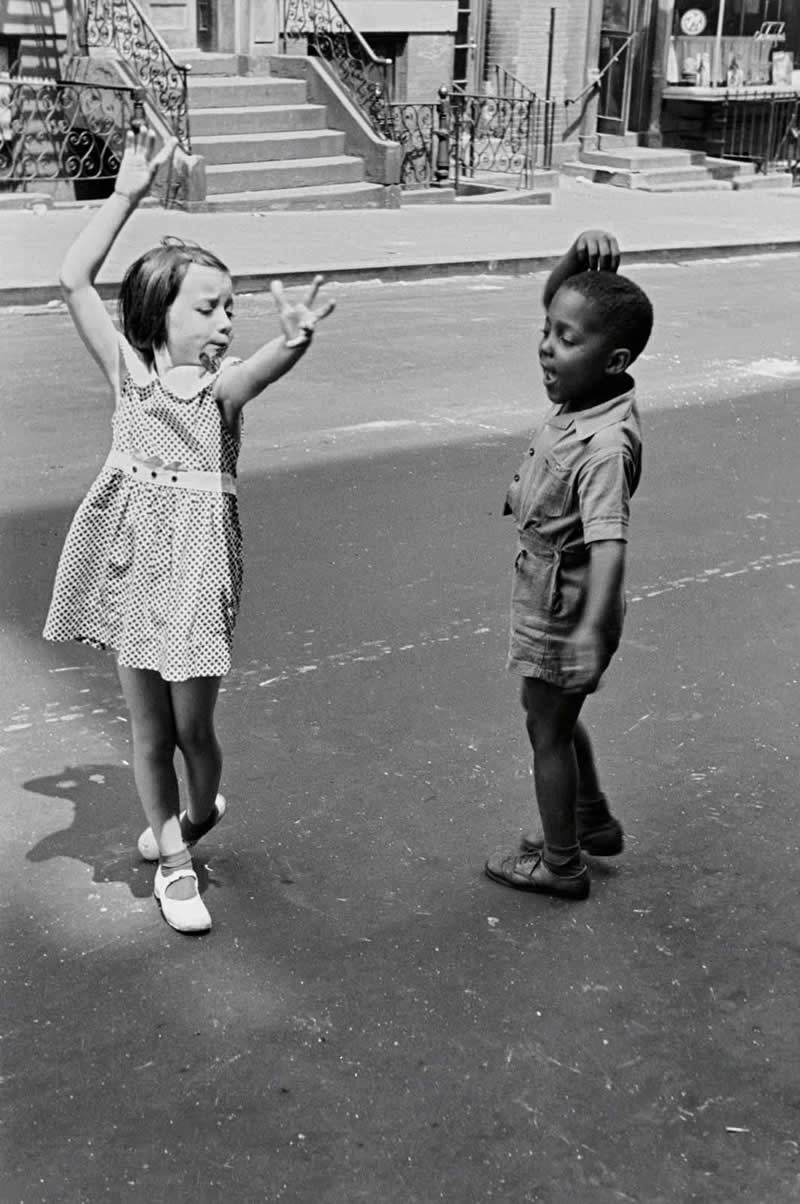
Photo by: Helen Levitt
#19
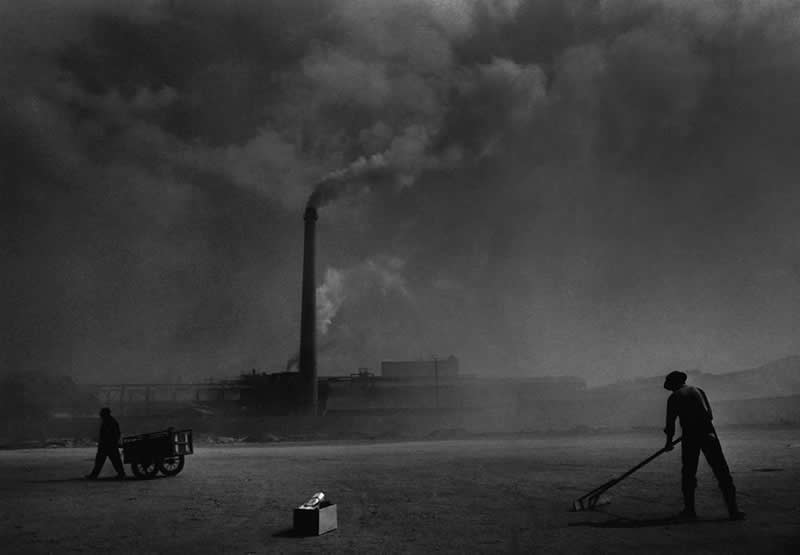
Photo by: Eduardo Gageiro
#20
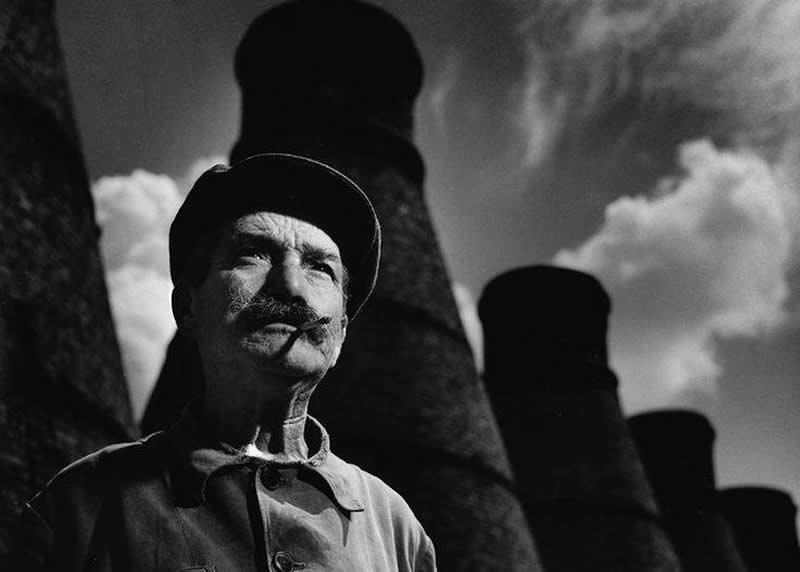
Photo by: Eduardo Gageiro
Composition, Contrast, and the Decisive Moment
Legendary shooters nailed one thing above all: composition. In monochrome, it’s everything. No color to distract, just lines, shapes, and shadows running the show.
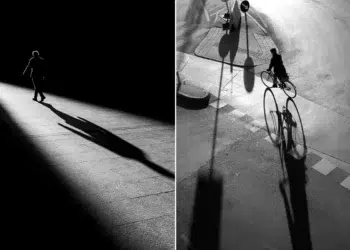
Contrast is king. Light and dark set the mood, shadows bring mystery, and highlights command focus. Two colors, endless stories. Sometimes less really does say more.
Then comes the decisive moment, a split second where everything just clicks. Someone steps in, a bird lifts off, strangers trade glances. You can’t plan it, you just have to catch it. That’s what makes a legend.
#21
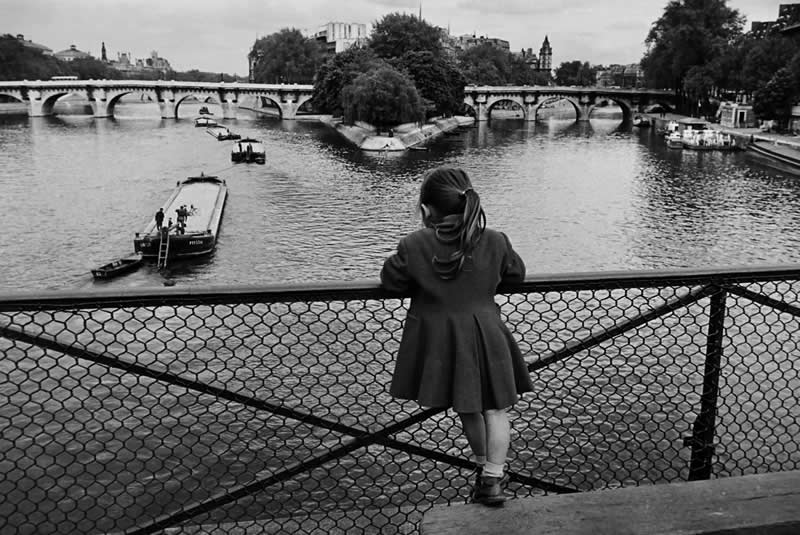
Photo by: Edouard Boubat
#22
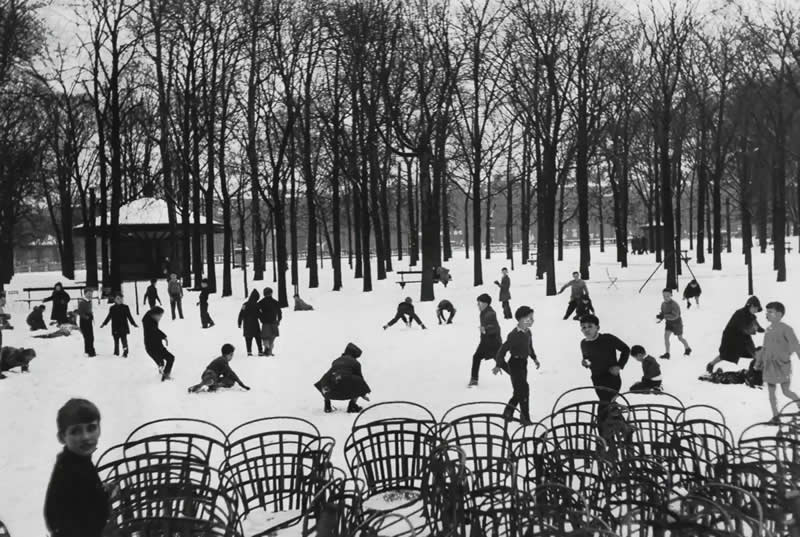
Photo by: Edouard Boubat
#23
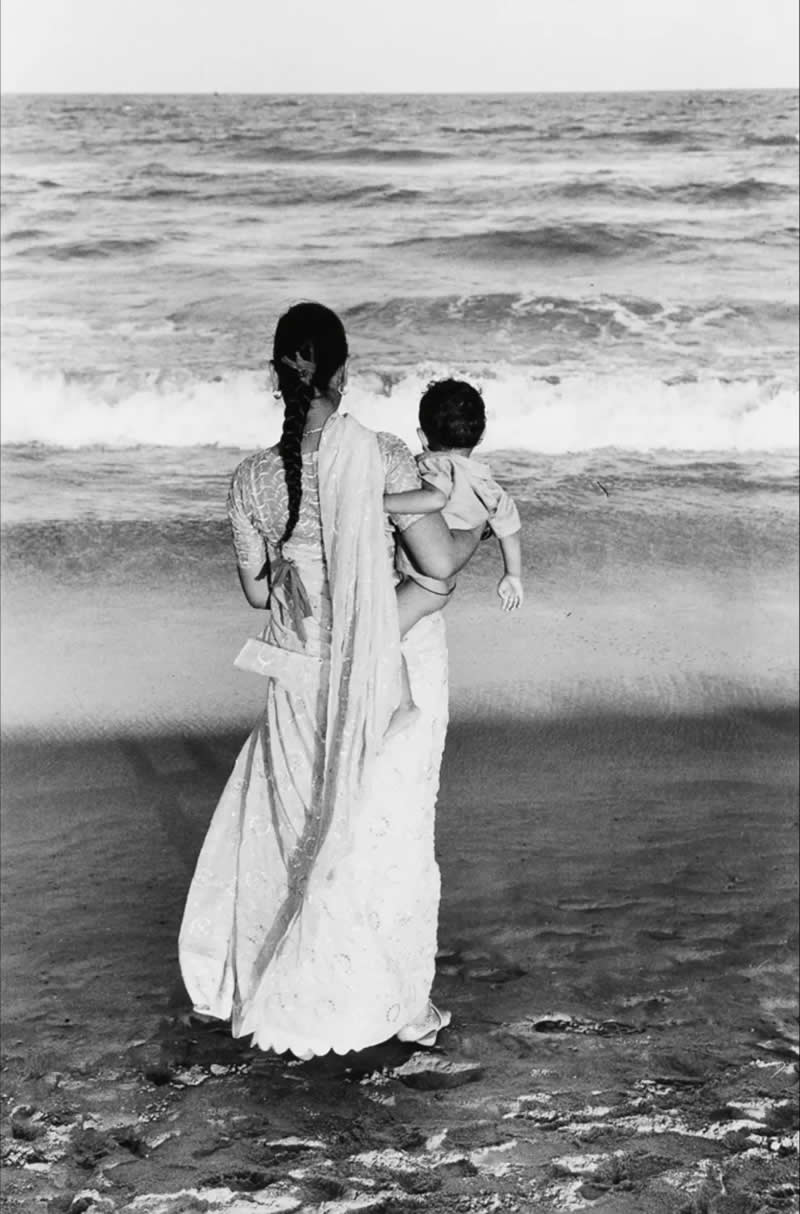
Photo by: Edouard Boubat
#24
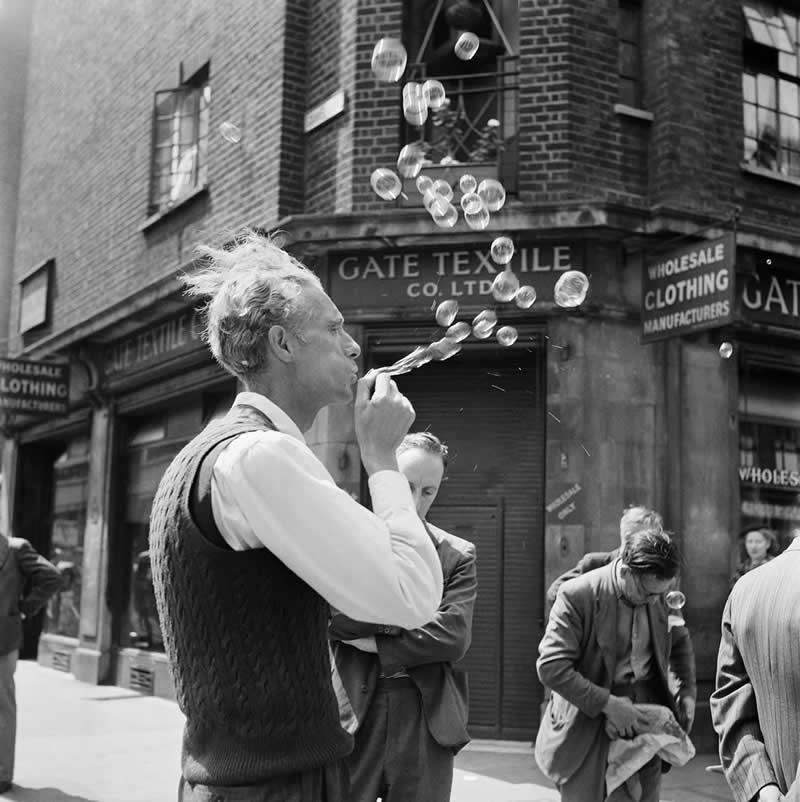
Photo by: Cas Oorthuys
#25
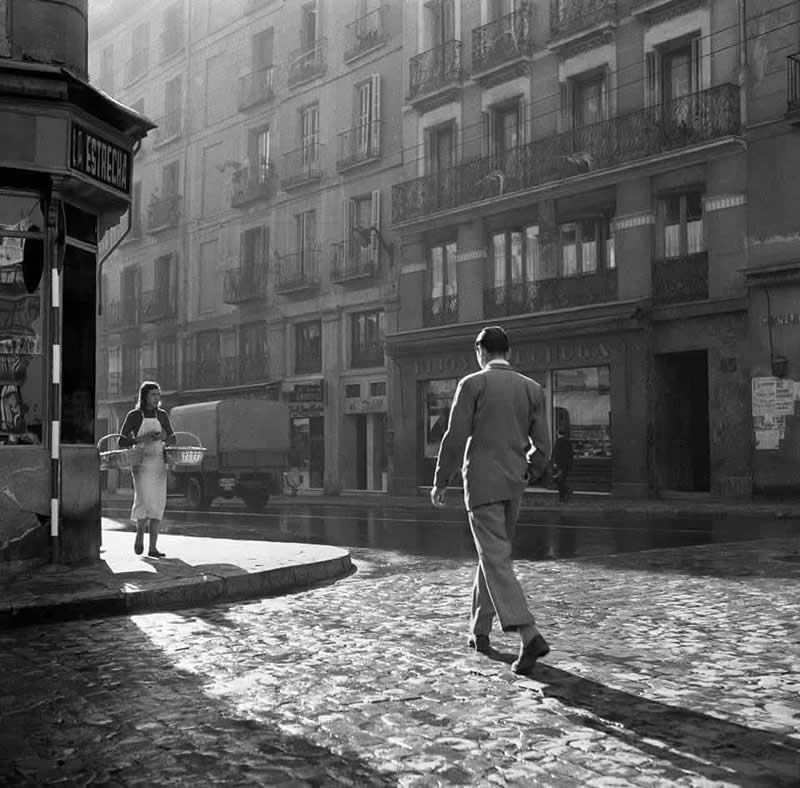
Photo by: Cas Oorthuys
Why Monochrome Will Never Go Out of Style
Trends fade, black and white stays. Monochrome never ages. It’s not nostalgia, it’s pure impact, always in style, no matter the tech.
Even now, photographers keep coming back to monochrome because it cuts straight through. Honest, bold, powerful. The most iconic shots in history? Black and white, for a reason.
Monochrome bridges generations. A photo from fifty years ago still hits today; the emotions are universal. Love, struggle, joy, loneliness, black and white capture them all, making every shot timeless.
#26
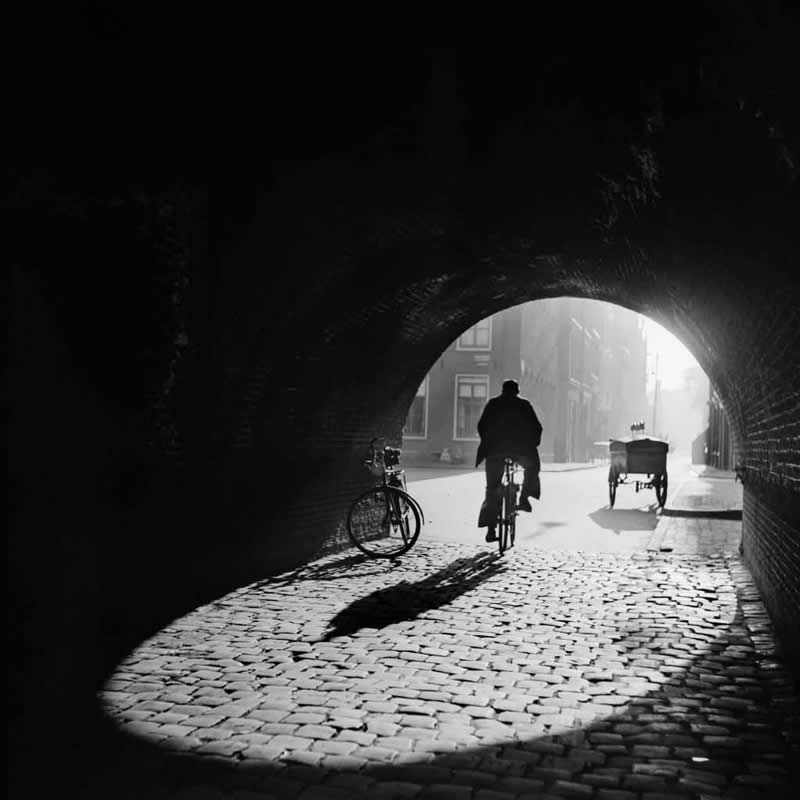
Photo by: Cas Oorthuys
#27
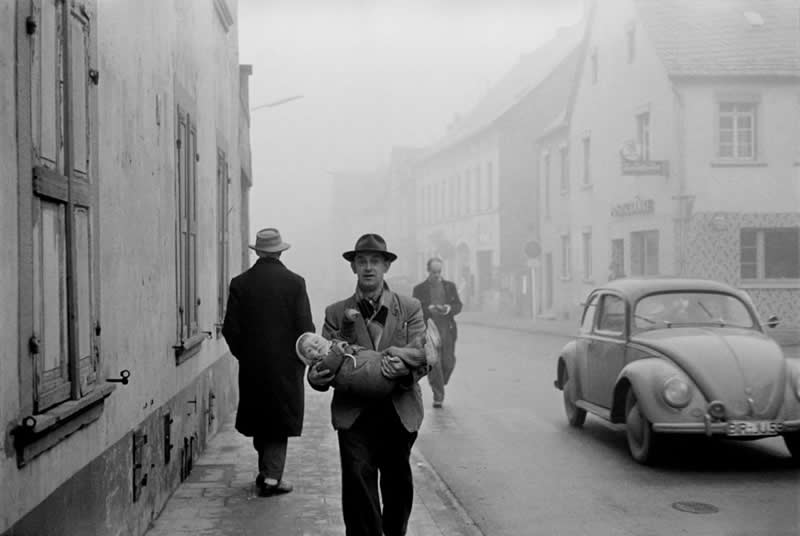
Photo by: René Burri
#28
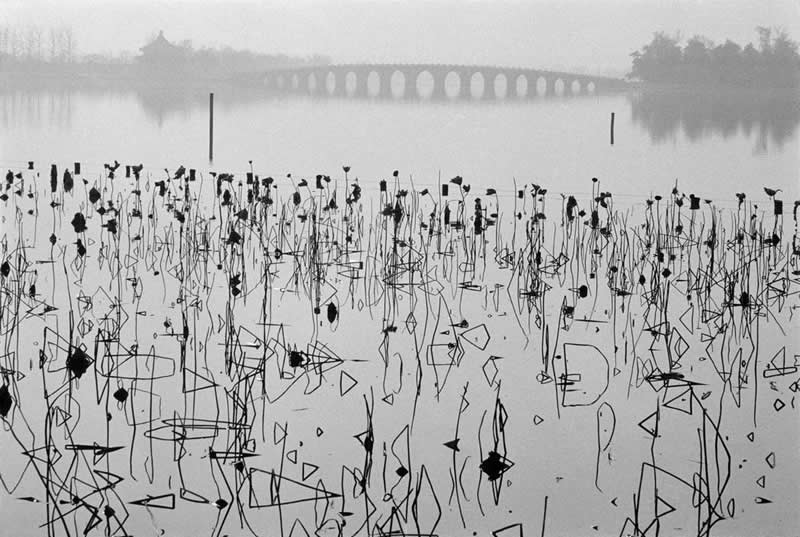
Photo by: René Burri
#29
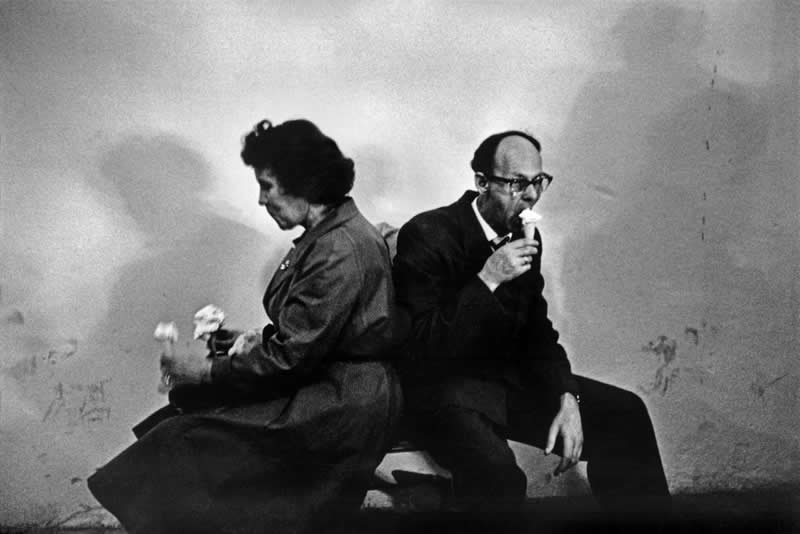
Photo by: René Burri
#30
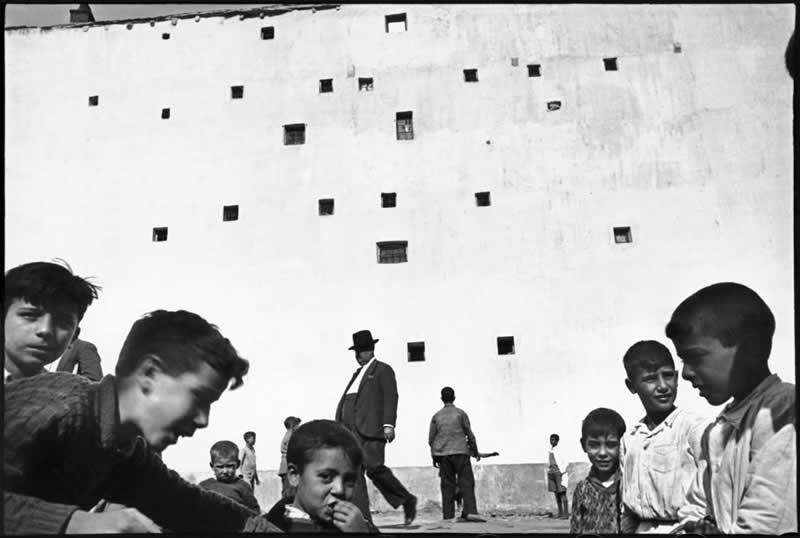
Photo by: Henri Cartier-Bresson
#31
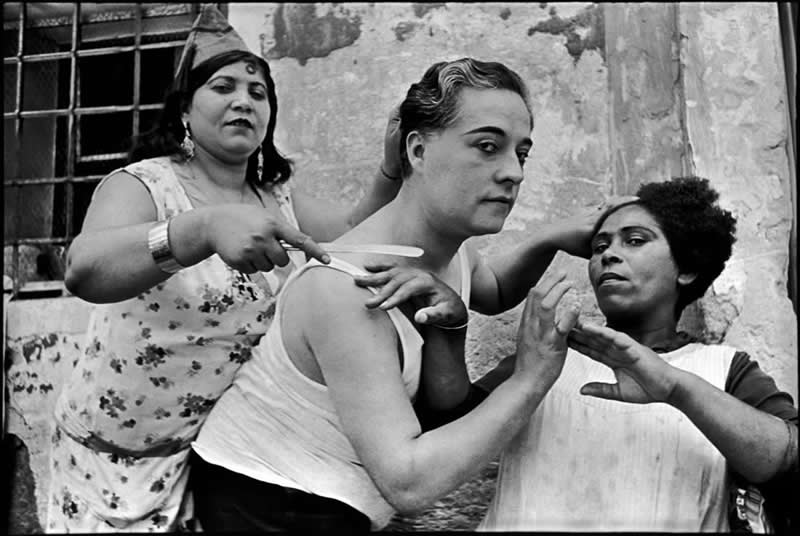
Photo by: Henri Cartier-Bresson
#32
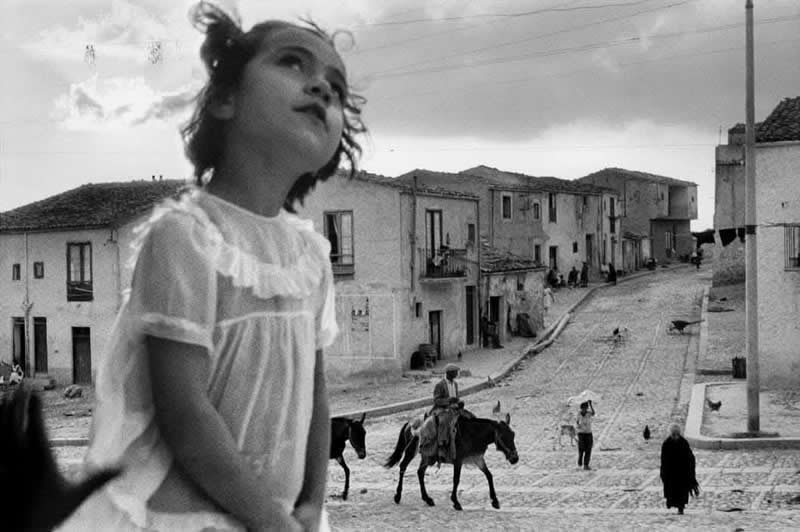
Photo by: Sergio Larraín
#33
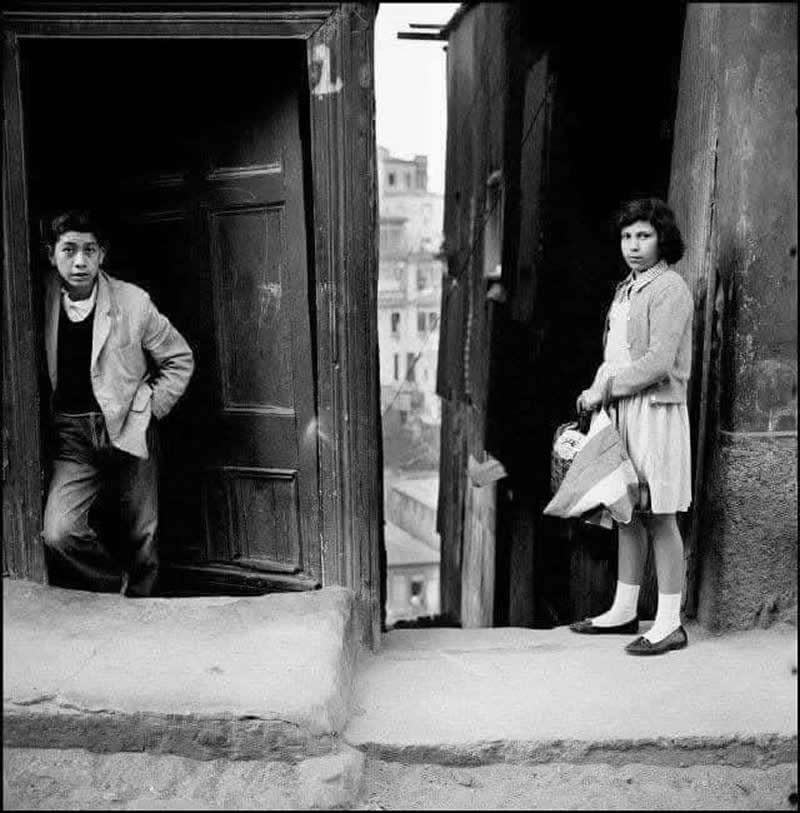
Photo by: Sergio Larraín
FAQs:
Why is black-and-white photography considered timeless?
Black-and-white photography strips away distractions and puts the spotlight on emotion, lighting, and how each scene is composed. Its straightforward nature gives the photos a sense of universality, so they continue to resonate with people across different eras, instead of being linked to fleeting trends or particular decades.
What makes a great monochrome photograph?
A memorable monochrome photo comes down to contrast, composition, and catching the right moment. Things like lighting, shadows, textures, and how the shot is framed all blend together to build depth and emotion, usually capturing a moment that really stands out.
Why did legendary photographers prefer film cameras?
Film cameras demanded patience and a careful touch, which meant photographers had to think through every shot. These limits actually fostered discipline and creativity, leading to photos that were more intentional and thoughtfully crafted, and continue to inspire even now.
How does monochrome enhance street photography?
Monochrome clears away visual noise and brings out the emotions, gestures, and connections between people. This focus lets viewers dive into the story behind the photo, turning ordinary street scenes into something more dramatic, meaningful, and artistically striking.
Can modern photographers still benefit from shooting in black and white?
Definitely. Shooting in black and white is a great way for photographers to sharpen their understanding of light, composition, and storytelling. It teaches you to look past color and focus on the details that make a photo truly memorable and powerful.