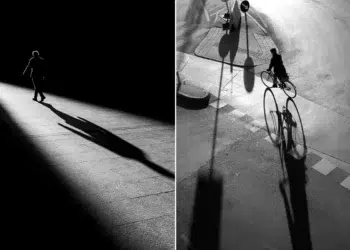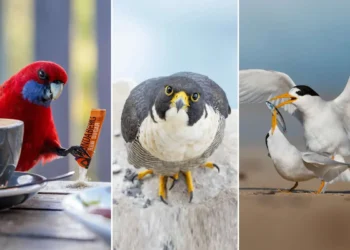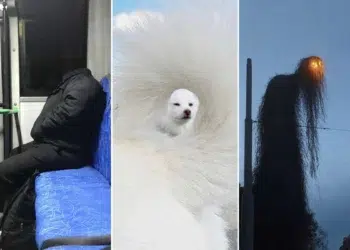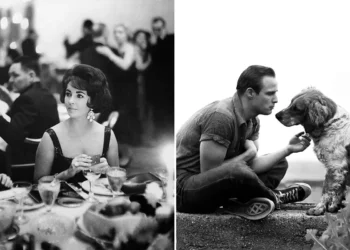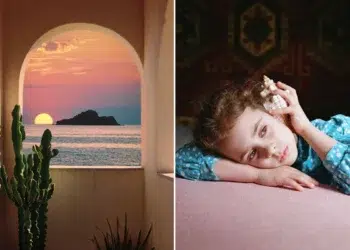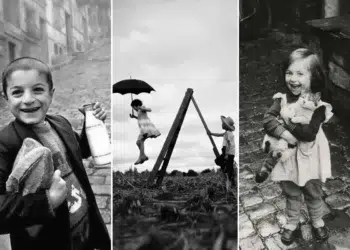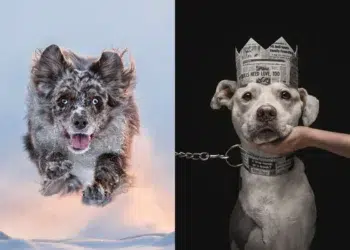

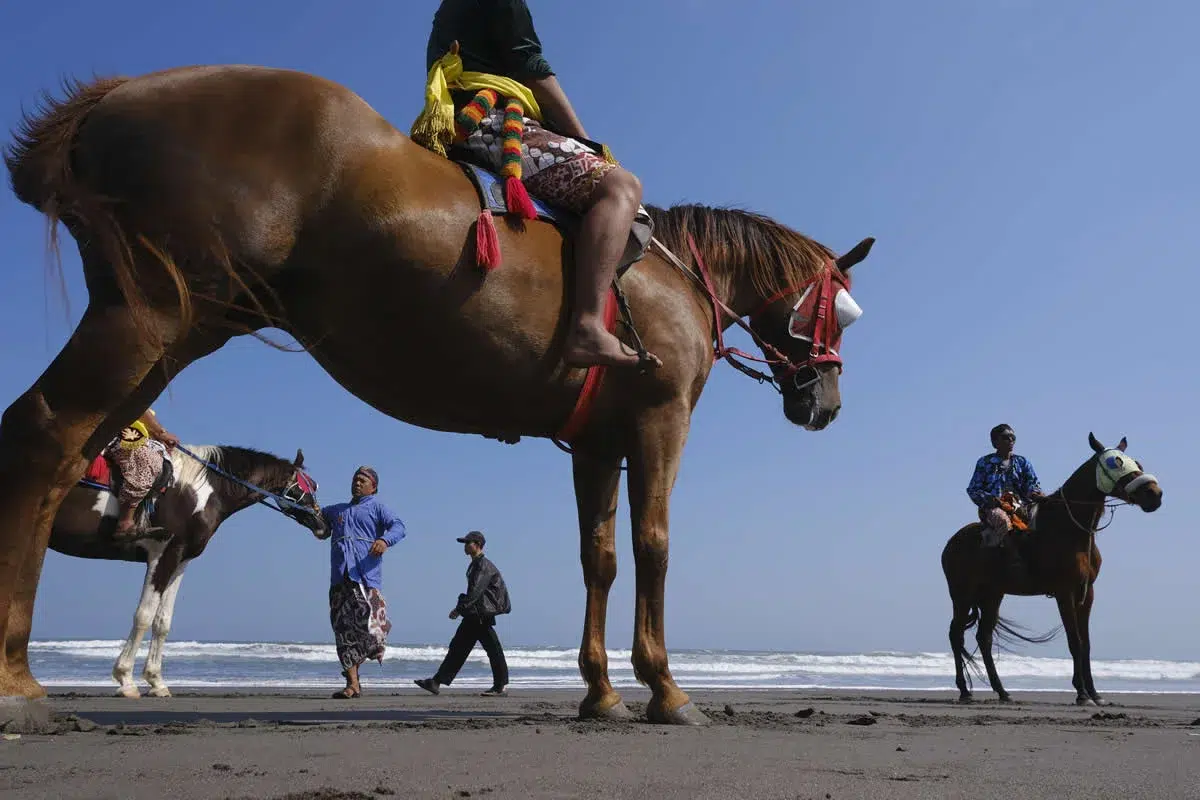
Sometimes, the most incredible photographs happen when nothing extraordinary seems to be going on. A stranger walks through a patch of sunlight, a curious shadow falls across a wall, or two completely unrelated moments suddenly come together in one perfect frame. That’s the kind of everyday magic Indonesian street photographer Bimo Pradityo knows how to find.
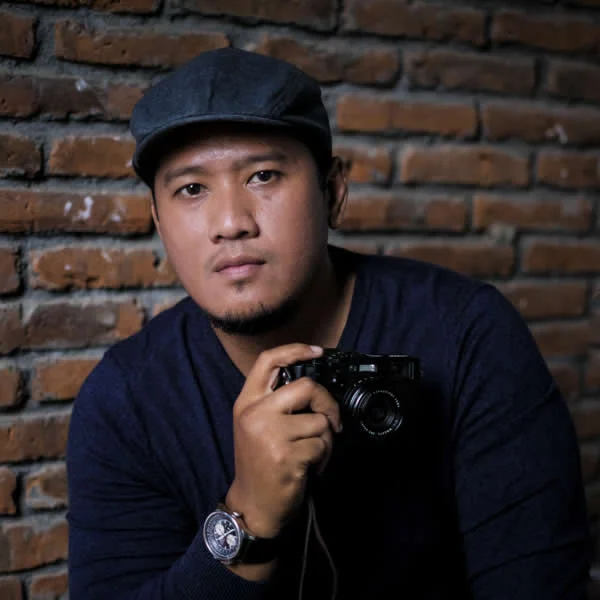
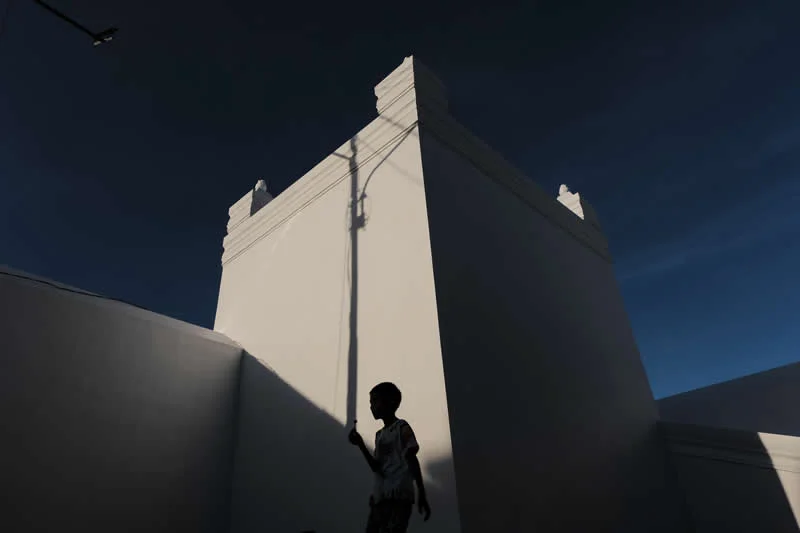
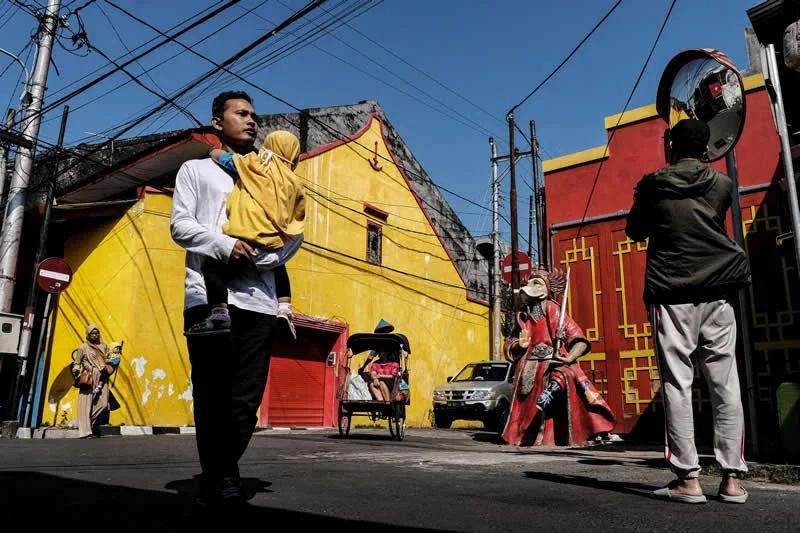
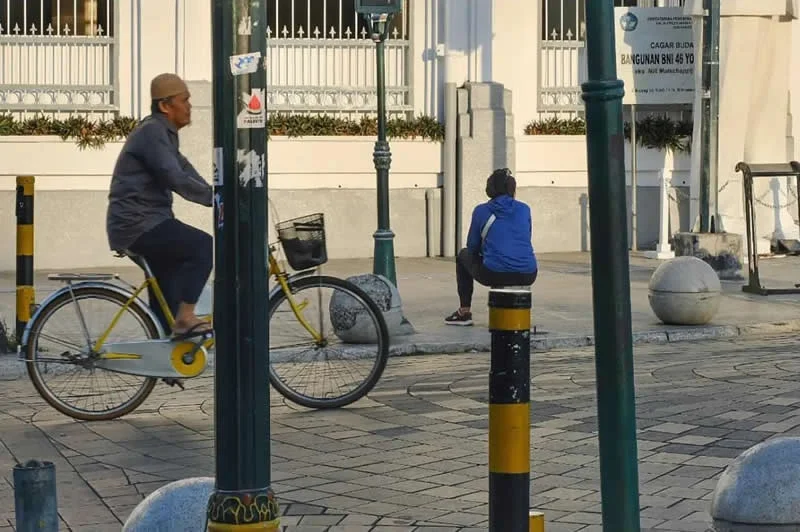
Based in Yogyakarta, Bimo is an architect whose trained eye brings a fresh perspective to street photography. Since taking photography more seriously around 2014, he has developed a style built around geometry, layers, negative space, and those wonderfully unpredictable moments that make you stop and look twice.
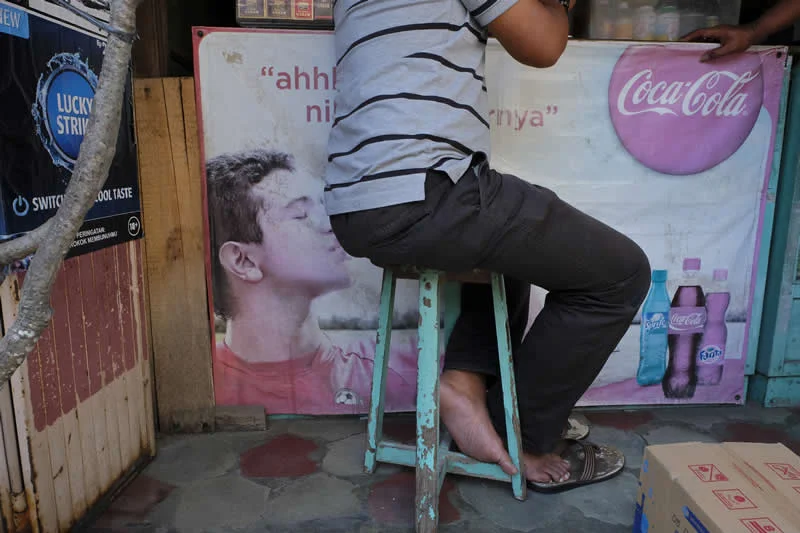
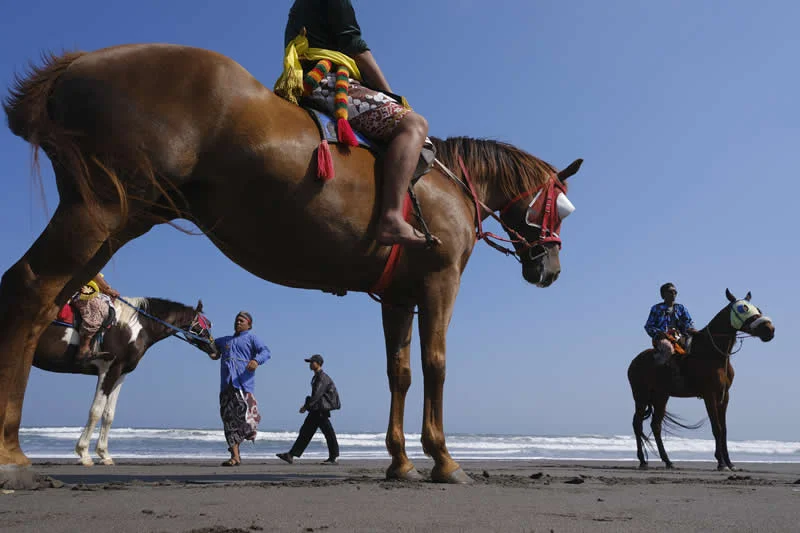
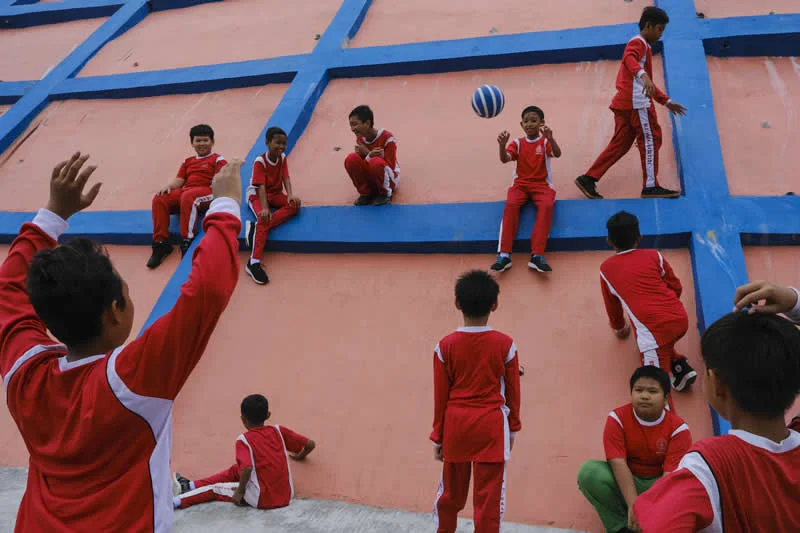
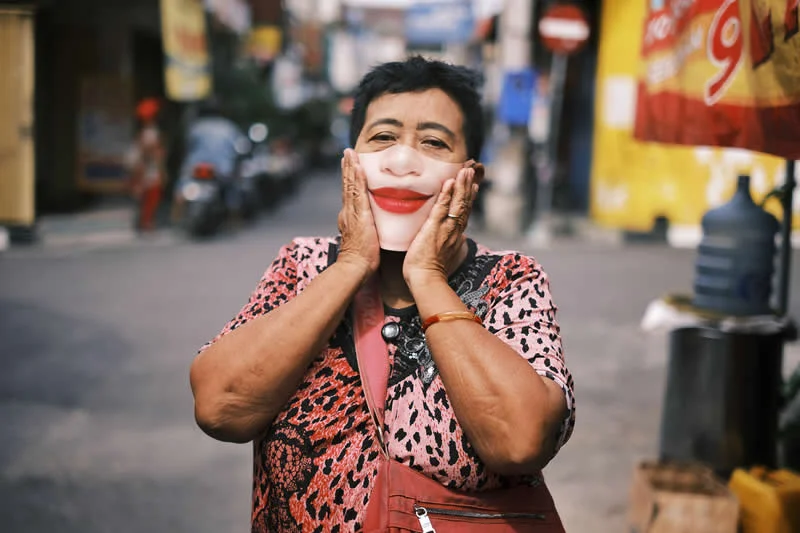
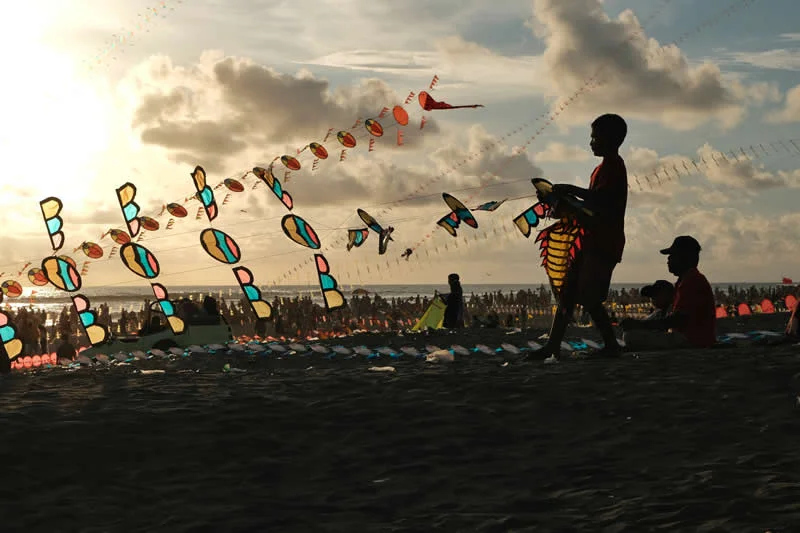
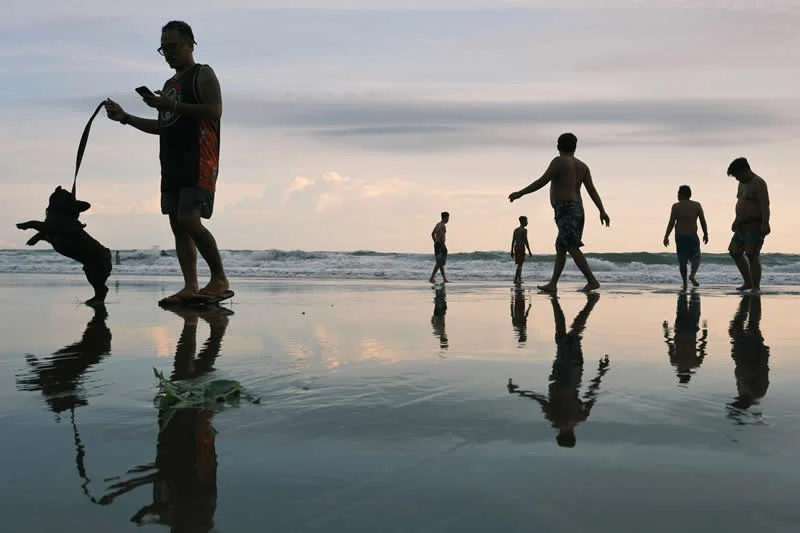
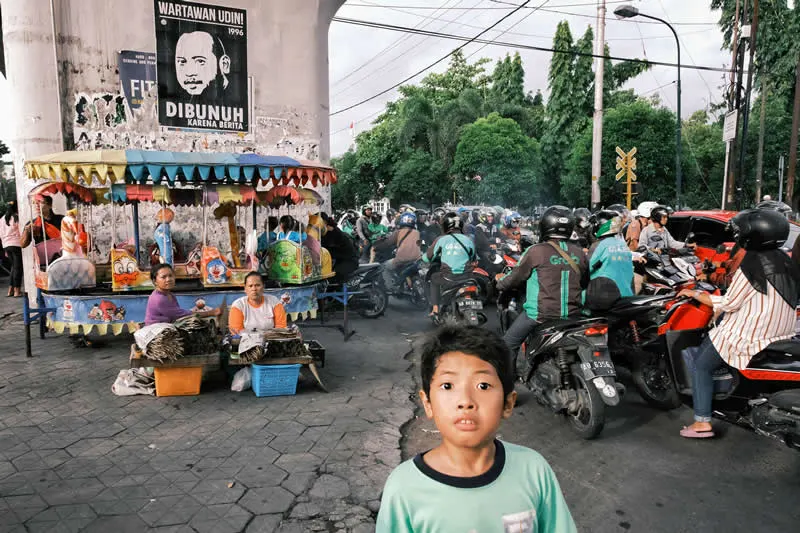
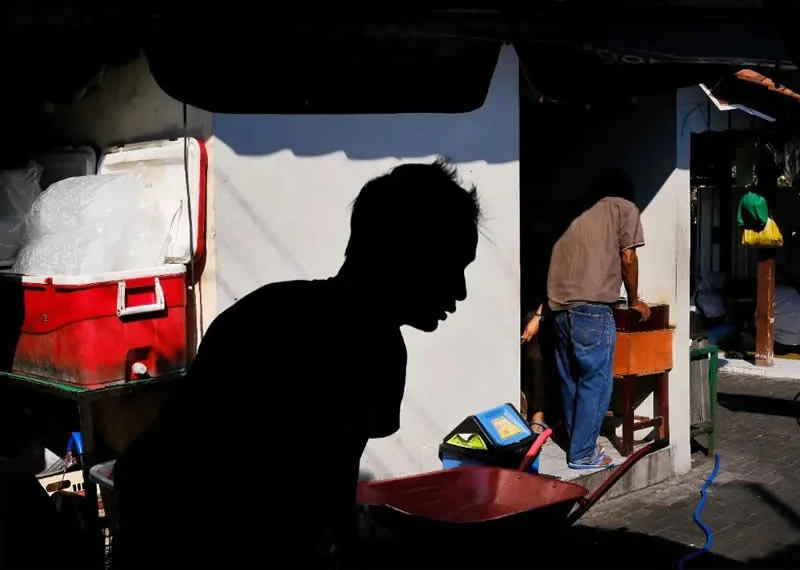
What makes his work so engaging is the balance between careful composition and pure spontaneity. Bimo often spots an interesting arrangement of light, colors, or architectural lines, then patiently waits for a person or gesture to complete the picture. Sometimes, though, life throws him an unexpected surprise, and that’s when the real fun begins.
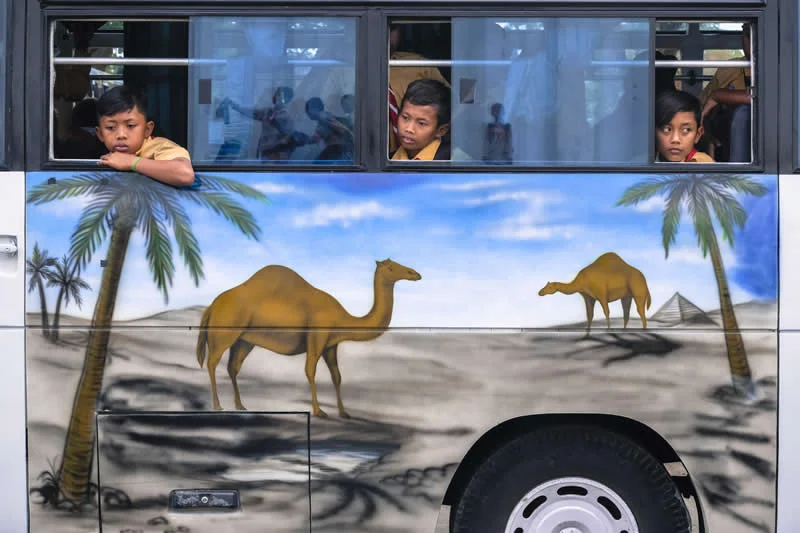
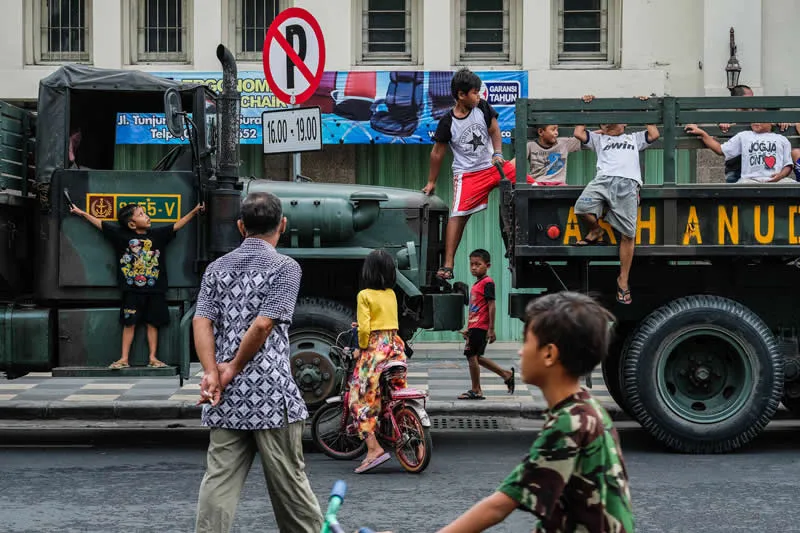
Inspired by photographers Elliott Erwitt and Alex Webb, Bimo searches for humor, poetry, and visual coincidences in everyday scenes. His photographs remind us that great street photography isn’t always about chasing spectacular events. It’s about slowing down, paying attention, and recognizing the extraordinary hiding in plain sight.
Scroll through these 35 street photographs and discover how an observant eye can turn ordinary moments into something truly memorable.
You can find Bimo Pradityo on the web:
#1
#2
#3
#4
A Brief Introduction About Yourself?
I’m Bimo Pradityo, an architect and street photographer based in Yogyakarta, Indonesia. My photography focuses on everyday life, unexpected moments, and the subtle interactions between people and their surroundings. I’m particularly drawn to moments when ordinary scenes come together in unusual or visually interesting ways.
#5
#6
#7
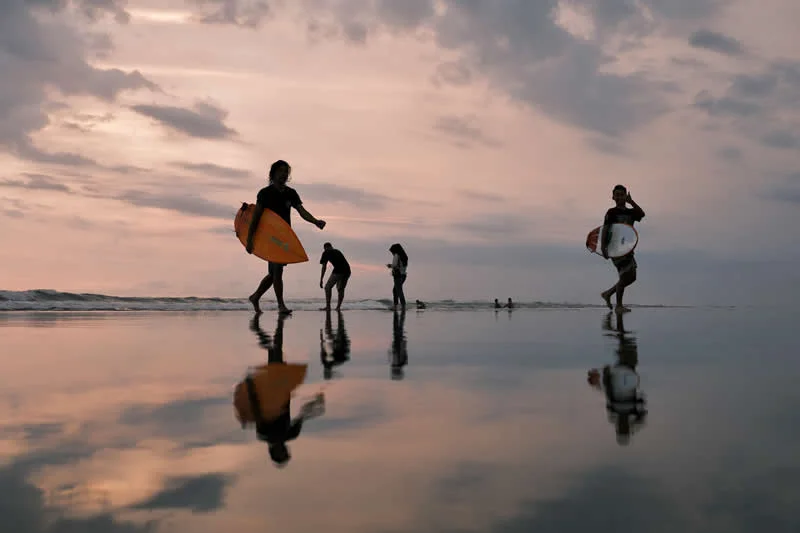
#8
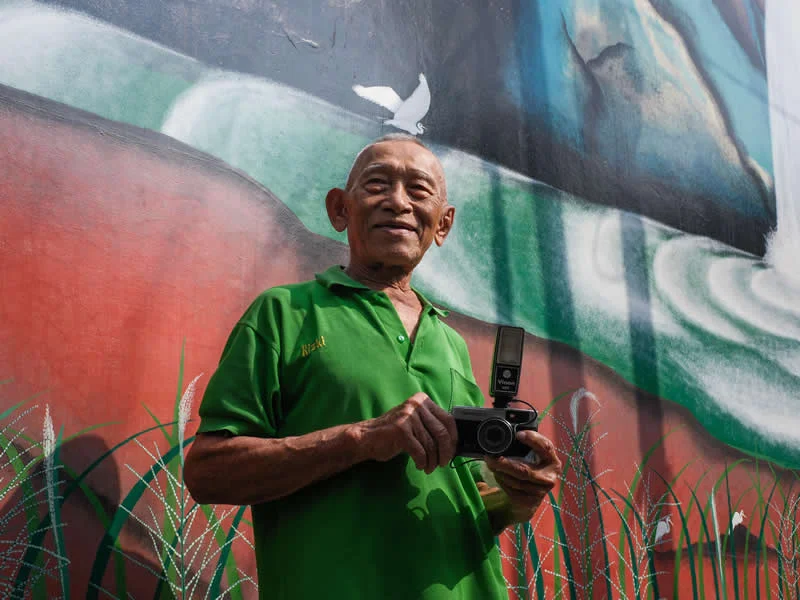
How Did You Begin Your Journey in Photography?
I started taking photography more seriously around 2014. At first, it was simply a way of observing and documenting the world around me. Over time, I became fascinated by street photography because it allows me to discover small, unexpected stories within everyday life. The more I photographed, the more I realized that photography was not just about making images, but also about learning how to see.
#9
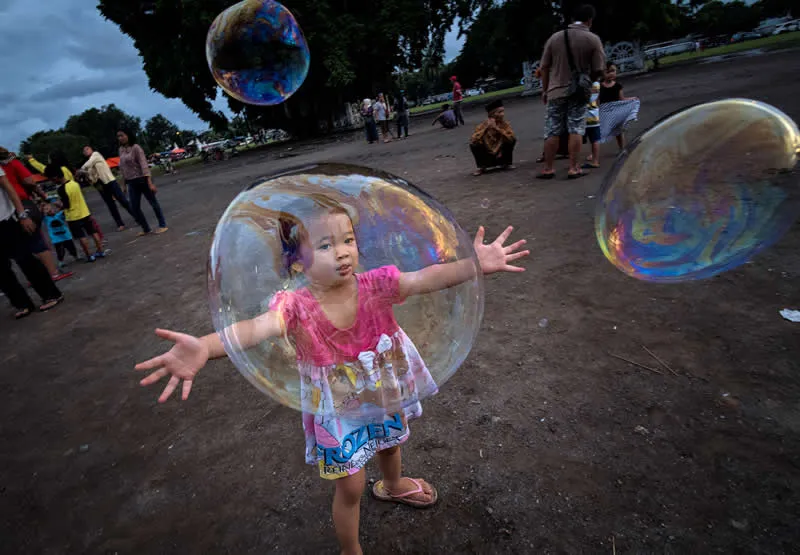
#10
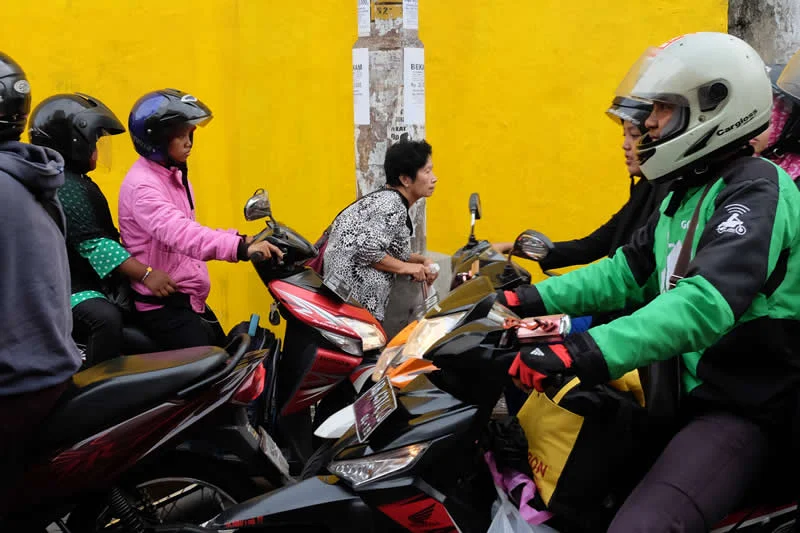
#11
#12
How Has Your Architectural Eye Influenced the Way You Photograph the Streets?
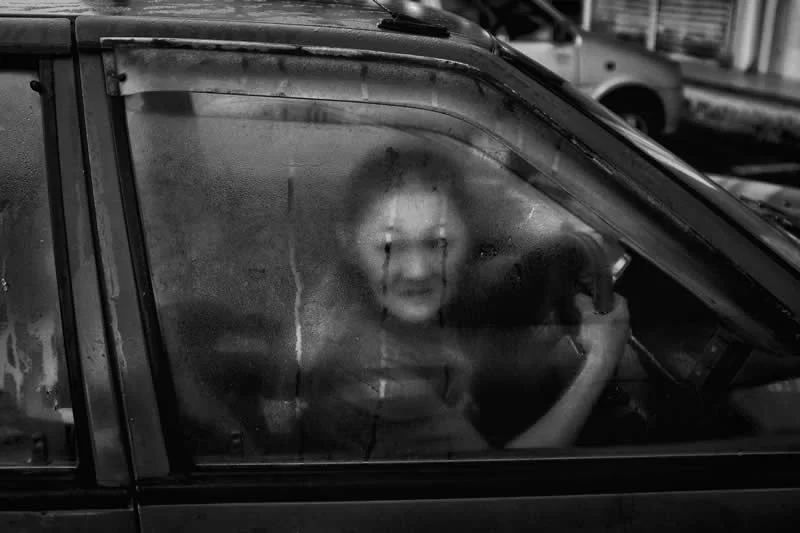
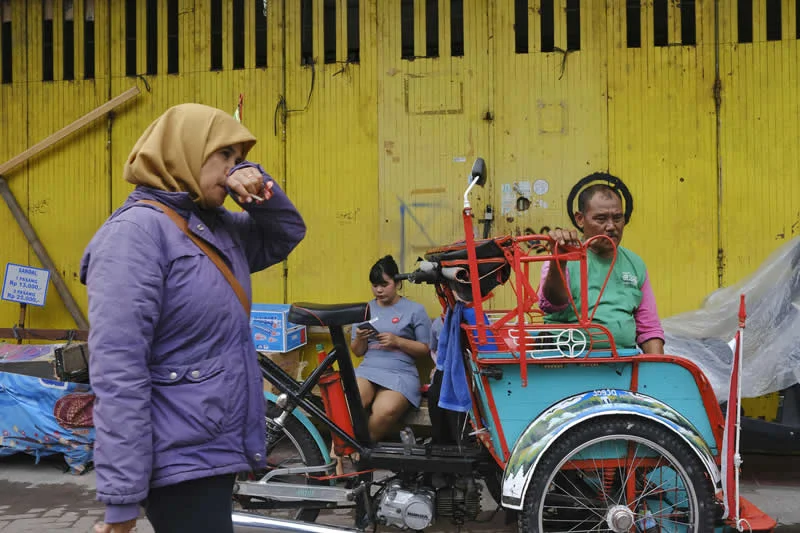
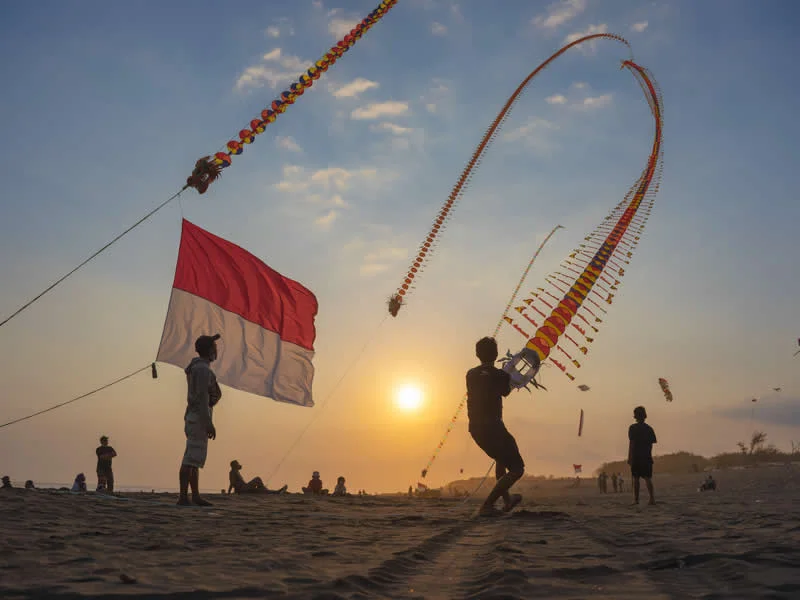
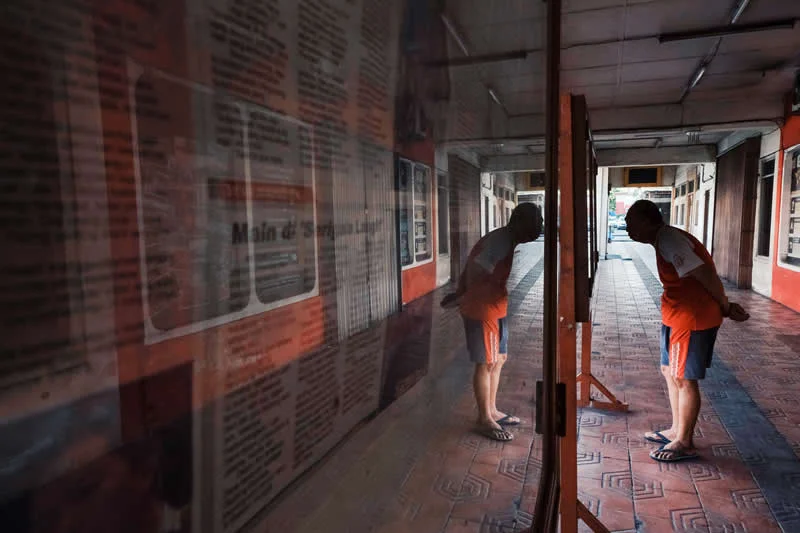
Architecture has definitely shaped the way I see. I naturally pay attention to geometry, lines, layers, negative space, and how people interact with their surroundings. But on the street, things are never as controlled as they are in architecture. I enjoy that unpredictability, waiting for a person, gesture, or coincidence to complete the composition. In a way, architecture provides the structure, while the street provides the surprise.
#13
#14
#15
#16
Do You Find the Composition First, or Does the Person Become the Starting Point?
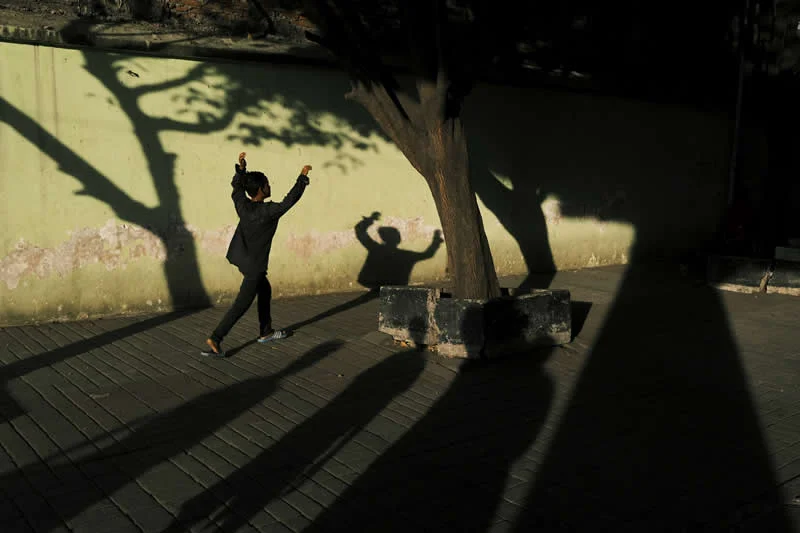
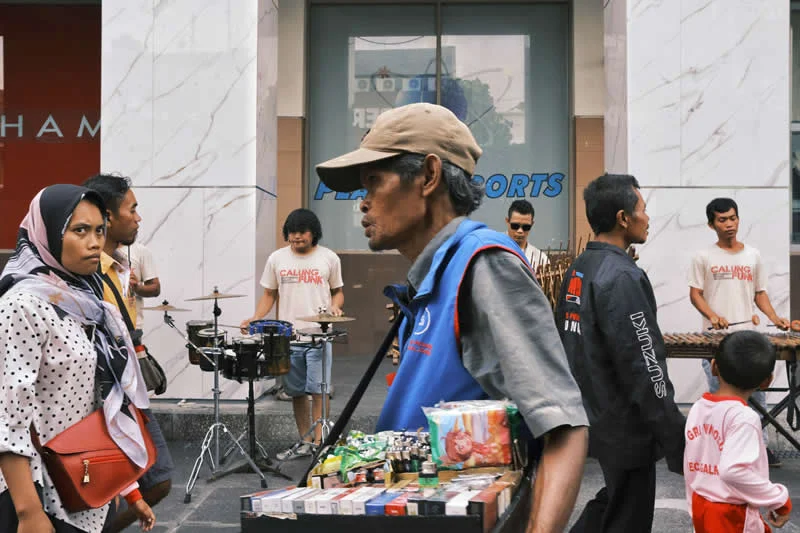
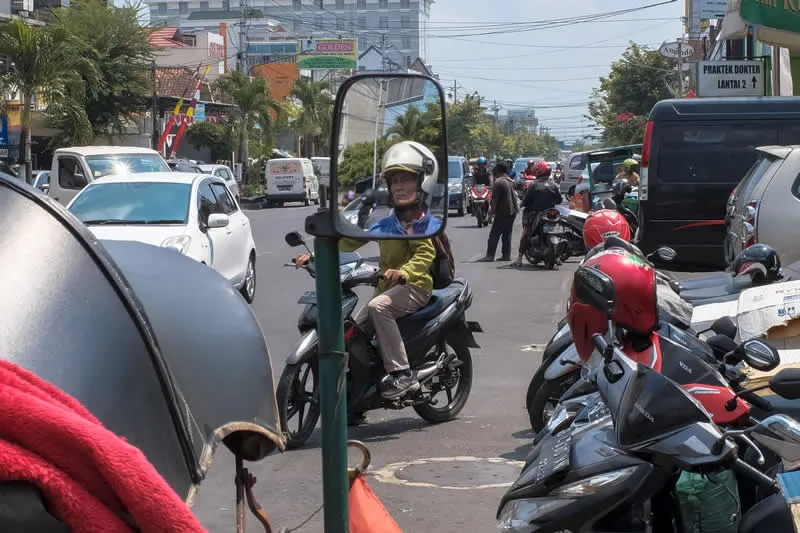
Most of the time, I discover the composition first. I might notice an interesting combination of light, geometry, colors, or layers, and then wait for the right person or moment to enter the frame. Sometimes, I can wait quite a while.
But it also works the other way around. Occasionally, a person or an unexpected action catches my attention first, and I then look for the best way to place that moment within its environment. I think the most interesting photographs often happen when the environment and the human moment complement each other.
#17
#18
#19
#20
Has Teaching Photography Changed the Way You Look at Your Own Photographs?
Absolutely. Teaching has made me more conscious of why an image works or doesn’t. When explaining photography to others, I often find myself questioning my own decisions more deeply. It has taught me to look beyond whether a photograph is simply “beautiful” and think more about its timing, relationships, and emotional impact.
#21
#22
#23
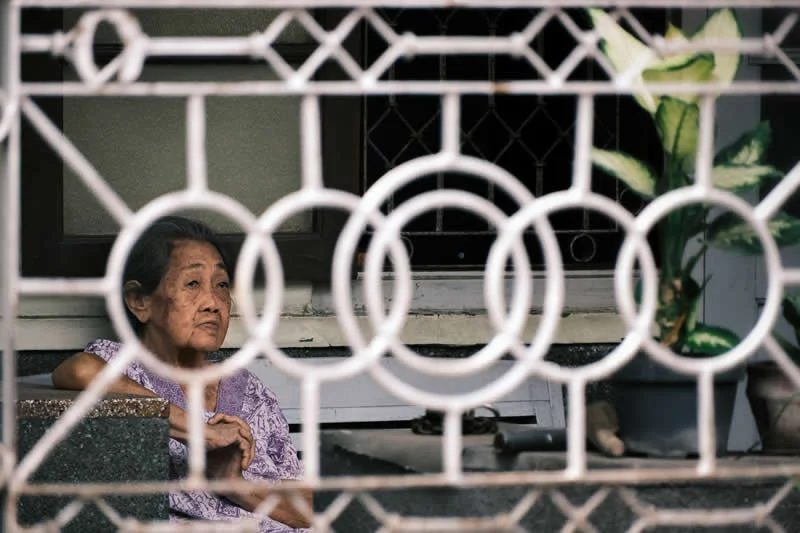
#24
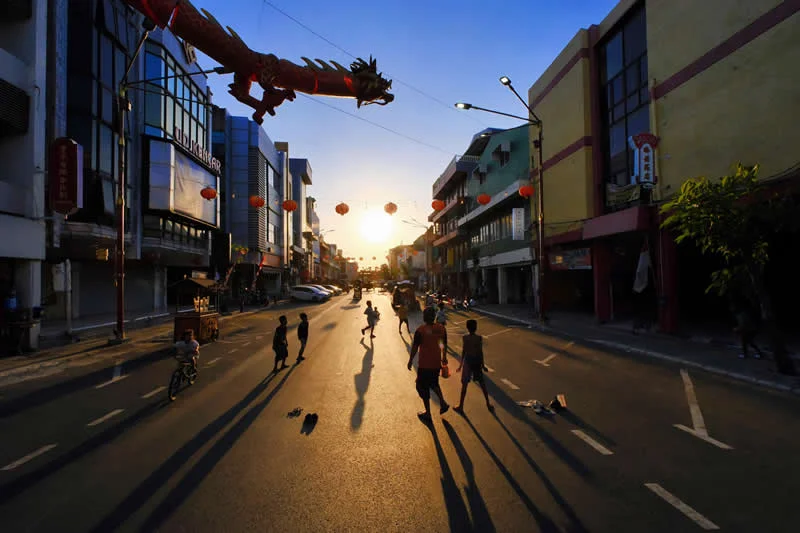
What Are You Really Searching for With Your Camera?
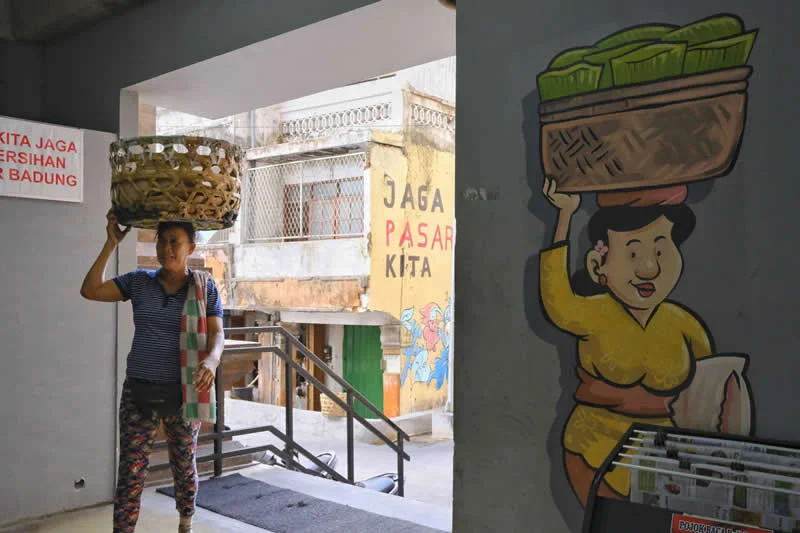
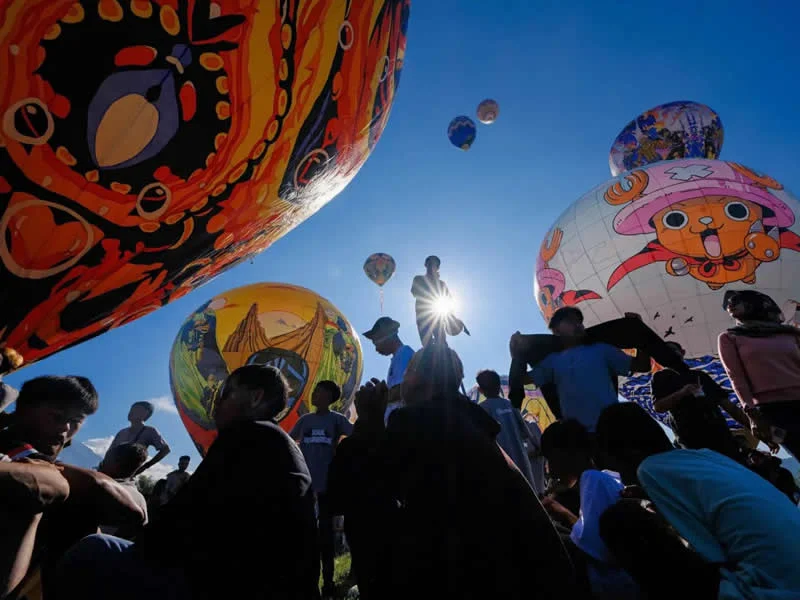
I think I’m searching for a combination of all those things, but ultimately, I’m looking for a moment that makes me stop. A strong composition can catch my attention, but it’s the unexpected human moment or a small visual coincidence that makes a photograph stay with me. I’m interested in those brief moments that could easily disappear if you weren’t paying attention.
#25
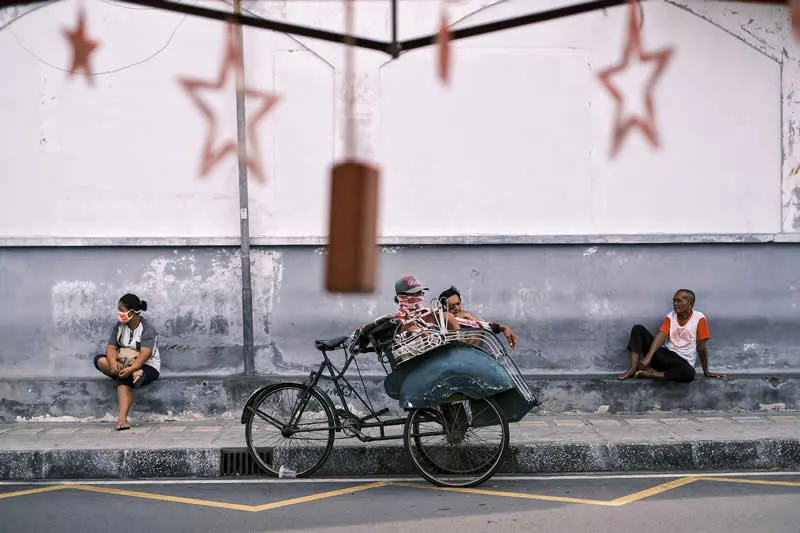
#26
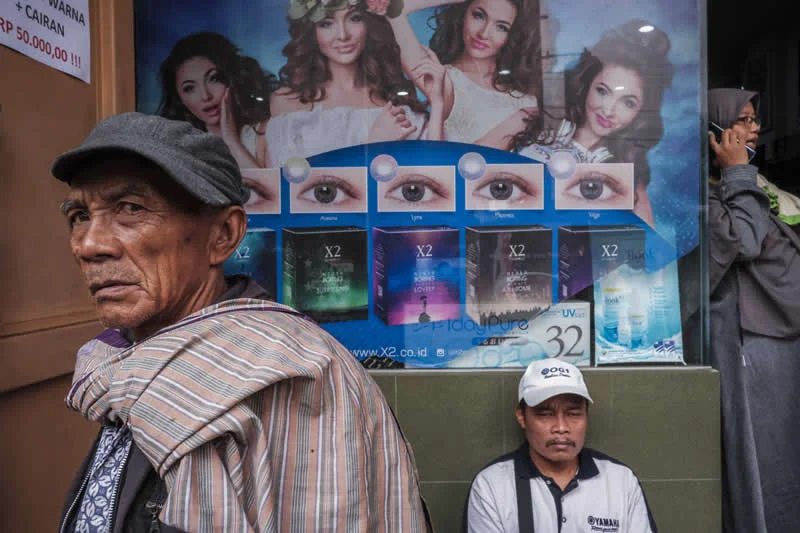
#27
#28
What Awards and Recognition Have You Received?
I’ve been fortunate to receive recognition in a number of photography competitions and exhibitions, both nationally and internationally. I’ve also had the opportunity to share my work through exhibitions, workshops, and talks, as well as serve as a competition judge. For me, these experiences are less about the awards themselves and more about the opportunities they create to connect with other photographers and audiences.
#29
#30
#31
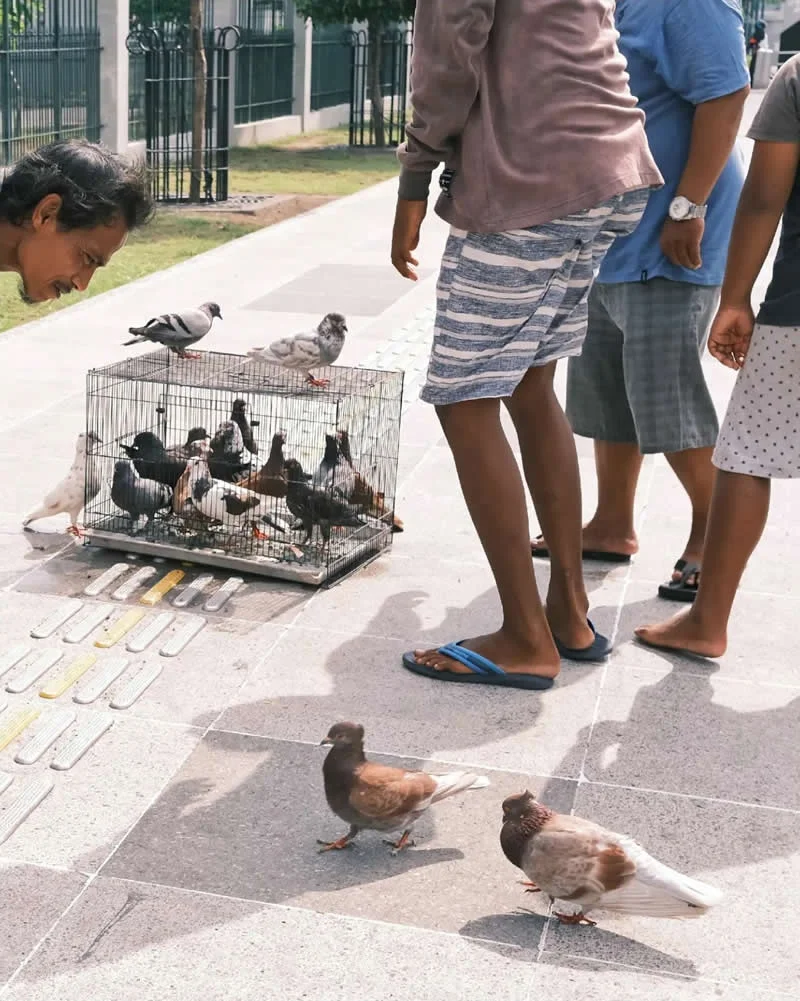
#32
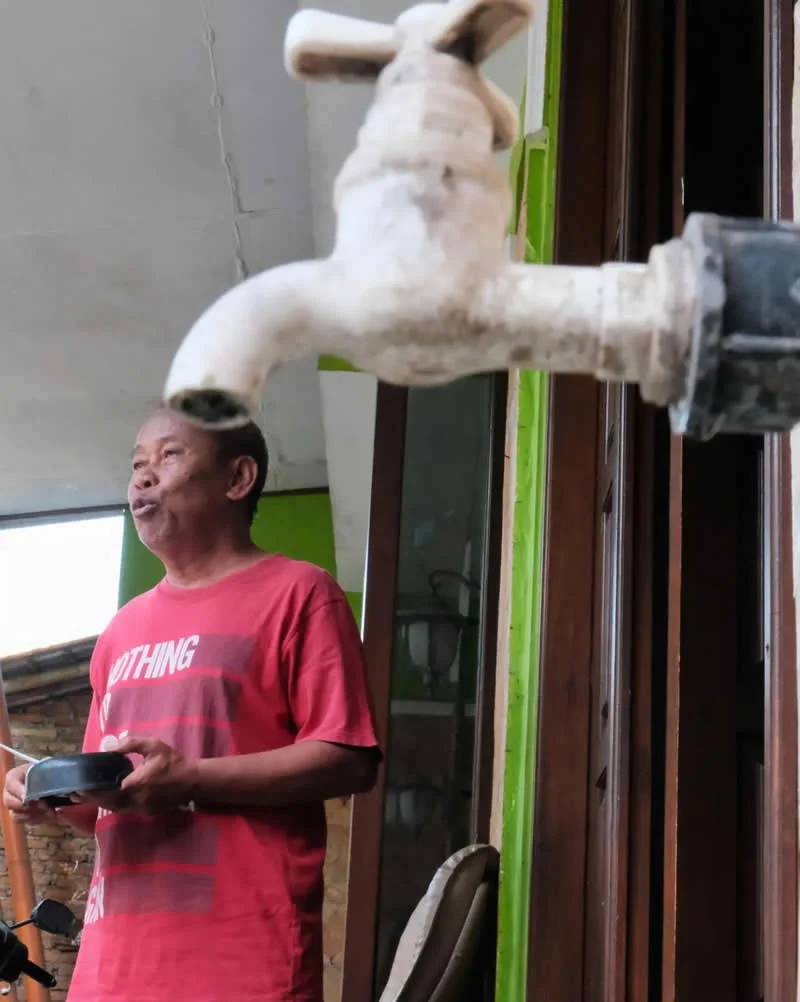
Who Are Your Favorite Photographers, and What Are Your Main Sources of Inspiration?
I’ve always been inspired by photographers who can find humor, poetry, and unexpected moments in everyday life. Elliott Erwitt and Alex Webb are two photographers I particularly admire. I’m also inspired by the streets themselves—the people, architecture, light, culture, and unpredictable situations that unfold around us every day. Often, simply walking around, strolling through the streets, and observing the world is my biggest source of inspiration.
#33

#34
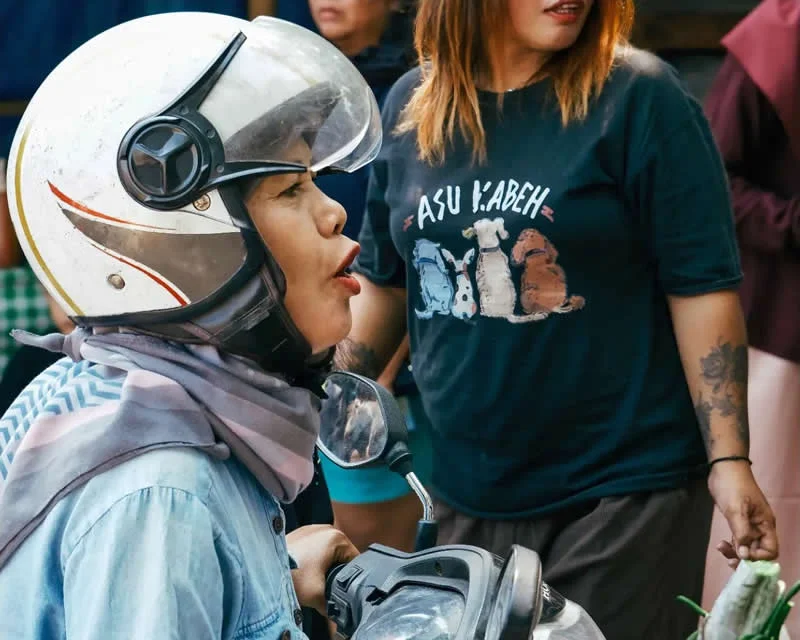
#35
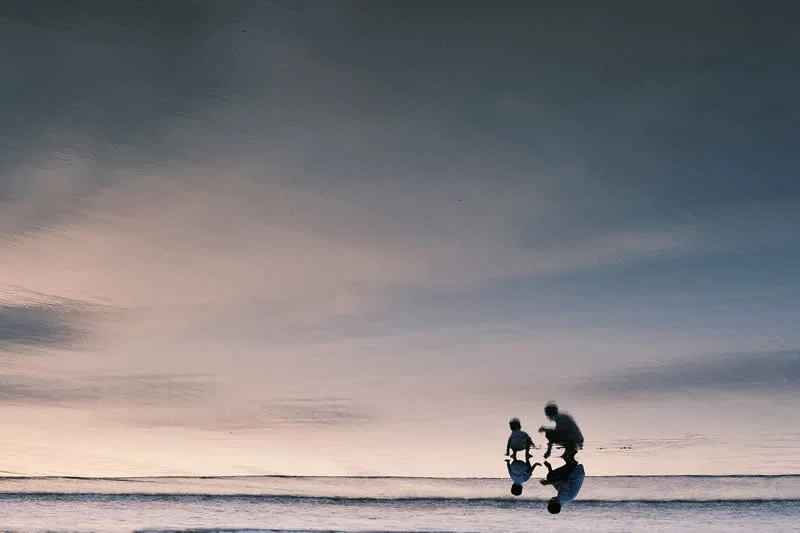
Editor’s Summary: What We Can Learn From Bimo Pradityo’s Photography
Bimo’s photographs remind us that great street photography starts with curiosity, patience, and a willingness to see everyday life differently. His approach offers valuable inspiration for photographers who want to create stronger compositions and capture meaningful moments.
- Observe carefully: Find beauty in ordinary surroundings.
- Master composition: Use lines, geometry, layers, and negative space.
- Practice patience: Wait for the right person or gesture.
- Embrace spontaneity: Let unexpected moments shape your photographs.
- Tell visual stories: Combine human interactions with the surrounding environment.