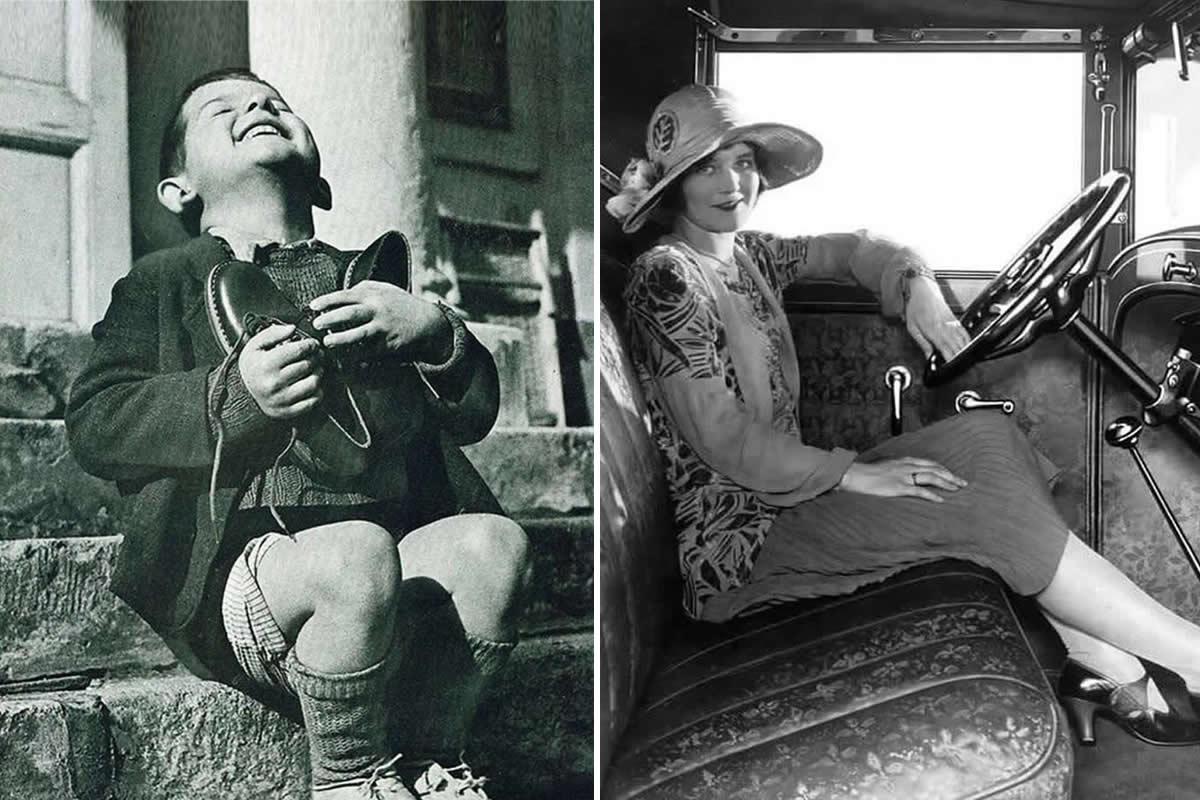
History tends to seem rather remote when it’s confined to textbooks, lists of dates, and exhibits in dusty museums. But as soon as you come across an old photograph, all at once the past seems actual. You are then able to see the faces, the streets, the clothes, the buildings, and the ordinary moments which had once seemed unimaginably distant.
The collection of 40 historic photographs offers the same kind of time-travel experience it promises. They are not merely well-known pictures from history but rare views of how people really lived; they show daily life in past times, busy streets, striking architecture, early fashions, groundbreaking inventions, and moments shaped by war, poverty, and social change.
Certain photographs show us famous individuals and locations at times when their stories were still developing. In contrast, other photographs depict ordinary people carrying out their daily routines, and in this way the calm scenes can end up being the most fascinating of all.
If you look carefully, you will notice a number of things that now seem wonderfully odd: old methods of transport, forgotten technologies, odd hairstyles, vintage clothing, buildings that are no longer there, and streets which look very different from the way they do nowadays.
That is the true strength of historic photography: one photograph can show more than a whole page of history could. It doesn’t merely tell us what took place; it makes us aware of what it was like to be there.
#1. The Nemi ships, built almost 2000 years ago by emperor Caligula, discovered in 1929 and destroyed by fire in 1944 during World War II.
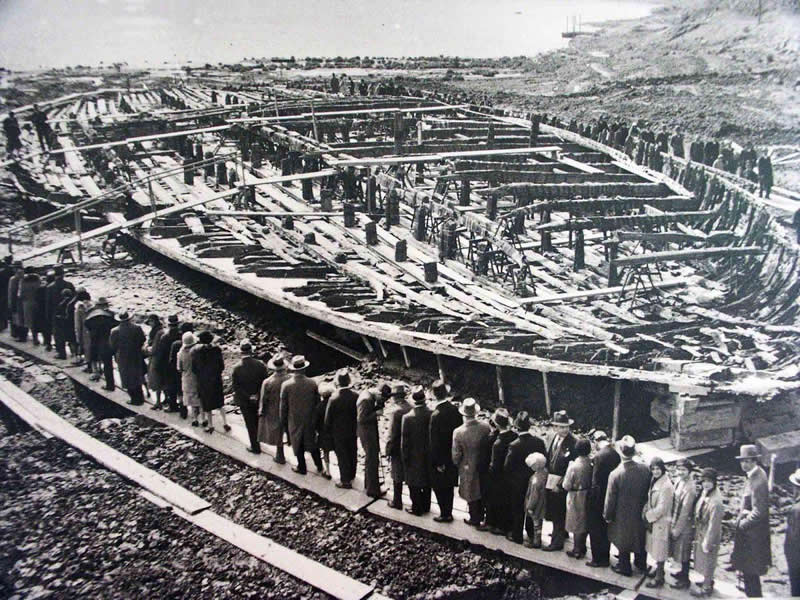
Image Source: Historic Photographs
#2. Unemployed lumber worker goes with his wife to the bean harvest. Note Social Security number tattooed on his arm. Oregon, August 1939.
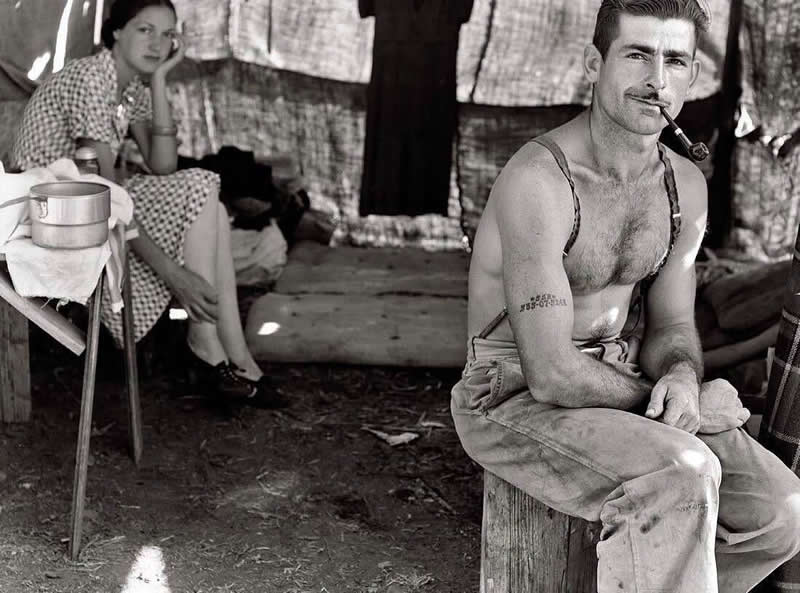
Image Source: Historic Photographs
#3. Restoring Stonehenge in the 1950s. The modern story of restorations at Stonehenge begins in 1880 when the site was surveyed by William Flinders-Petrie, who also established the numbering system for the stones that is in use to this day.
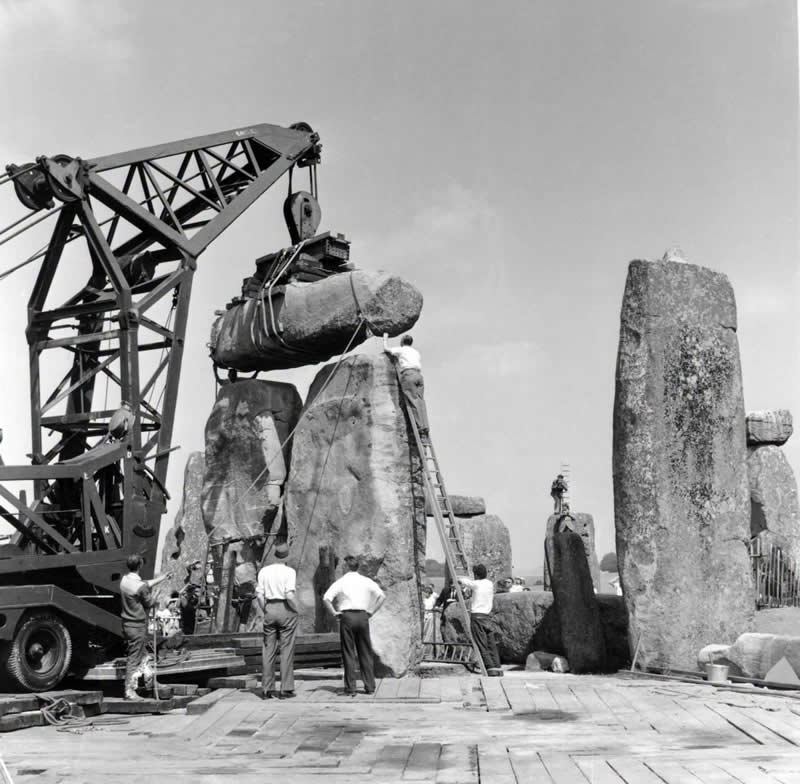
Image Source: Historic Photographs
#4. This is what hanging out in a college dorm room looked like in 1910. (University of Illinois).
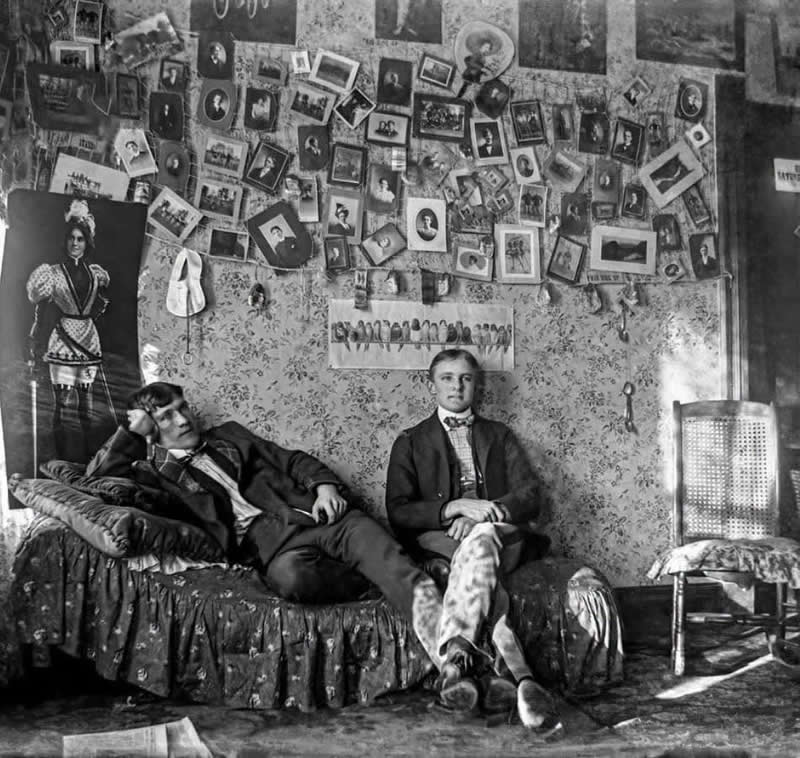
Image Source: Historic Photographs
#5. Yuri Gagarin pours himself a mug of beer while visiting the Karlsberg’s brewery in Copenhagen, Denmark, 1962.
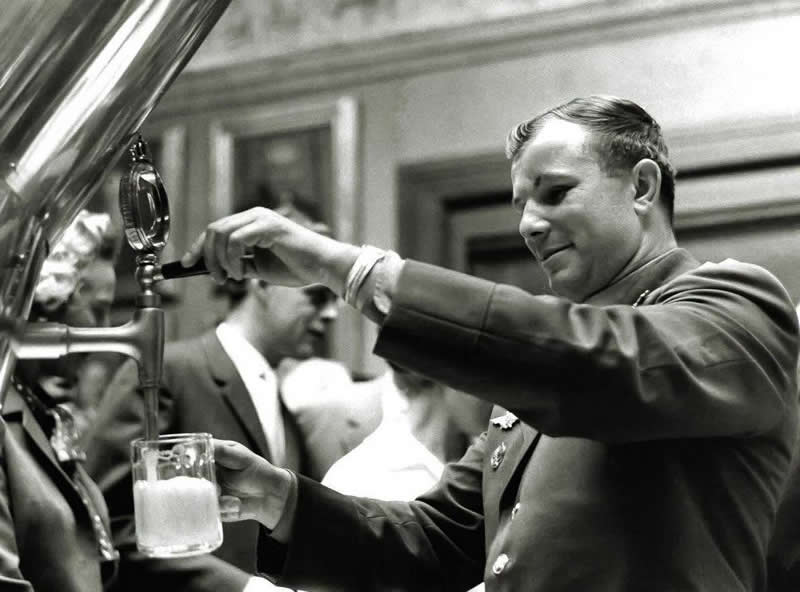
Image Source: Historic Photographs
#6. Six-year-old Austrian boy “Werfel” receiving a new pair of shoes at the Am Himmel orphanage, donated by the Junior Red Cross in America. Published in the LIFE Magazine in 1946, photo by Gerald Waller.
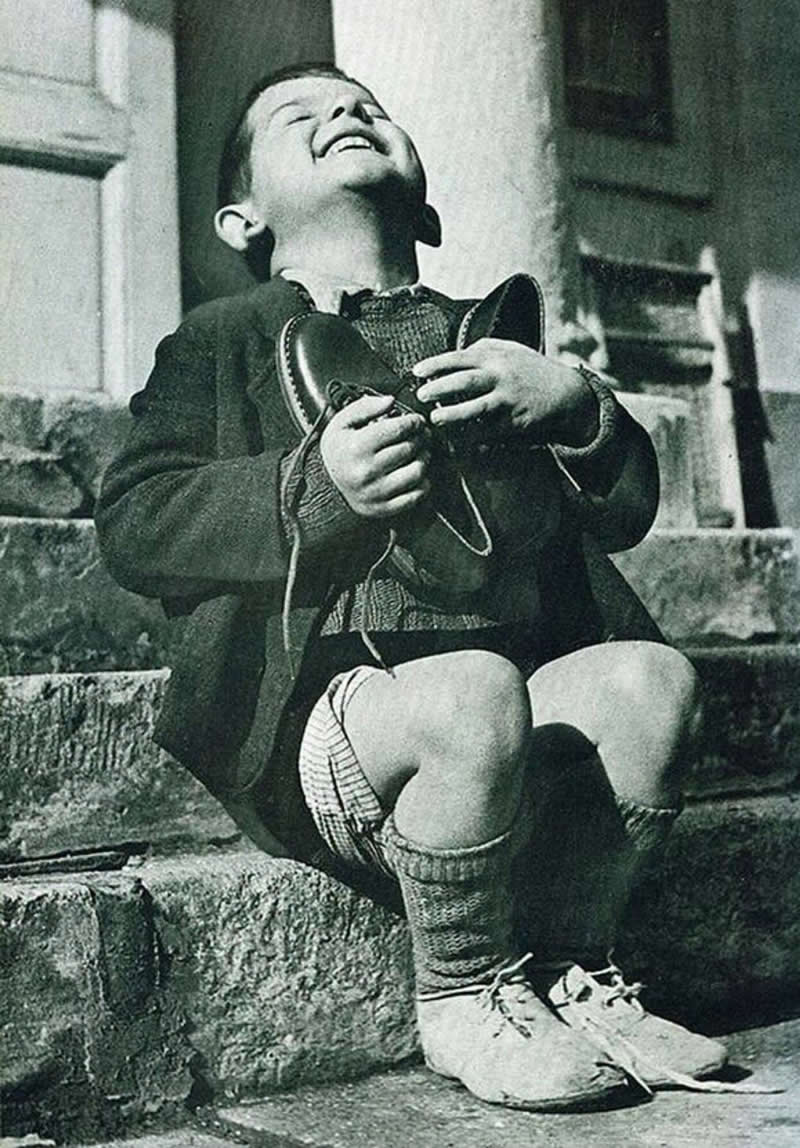
Image Source: Historic Photographs
#7. A man rests in a bed with roof over it. Mays Avenue camp, Oklahoma City, Oklahoma. (Photo by Russell Lee).
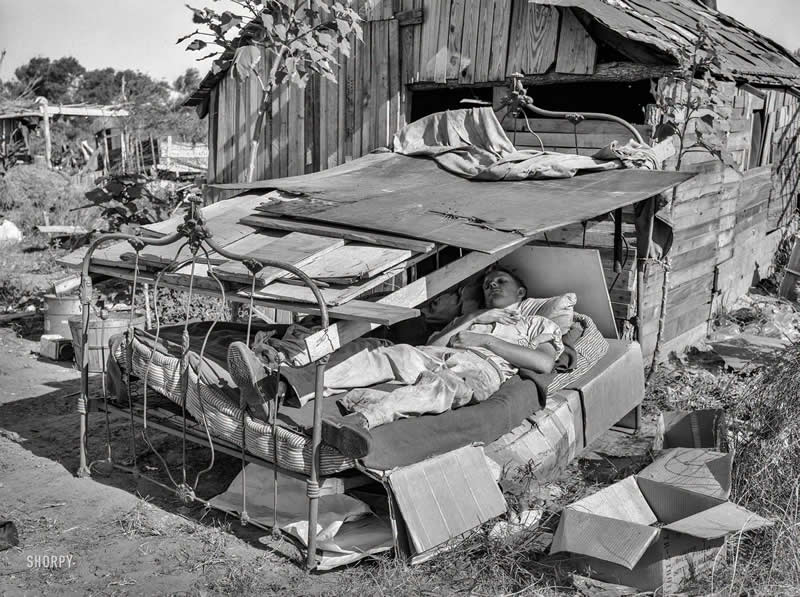
Image Source: Historic Photographs
#8. An X-ray apparatus being operated by an radiologist wearing (Radiological exhibition. Central Hall. Westminster, 1934).
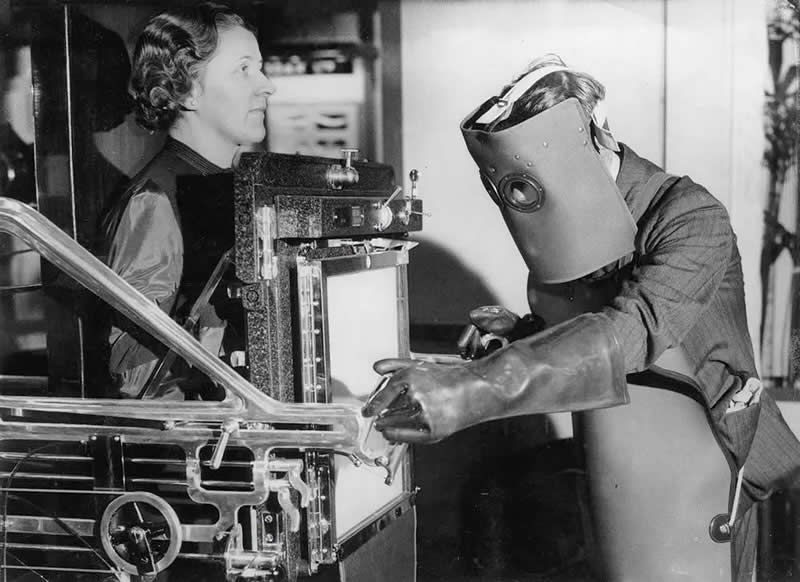
Image Source: Historic Photographs
#9. The Central Social Institution in Prague was home to the world’s largest vertical file cabinet, with over 3,000 drawers, 1937.
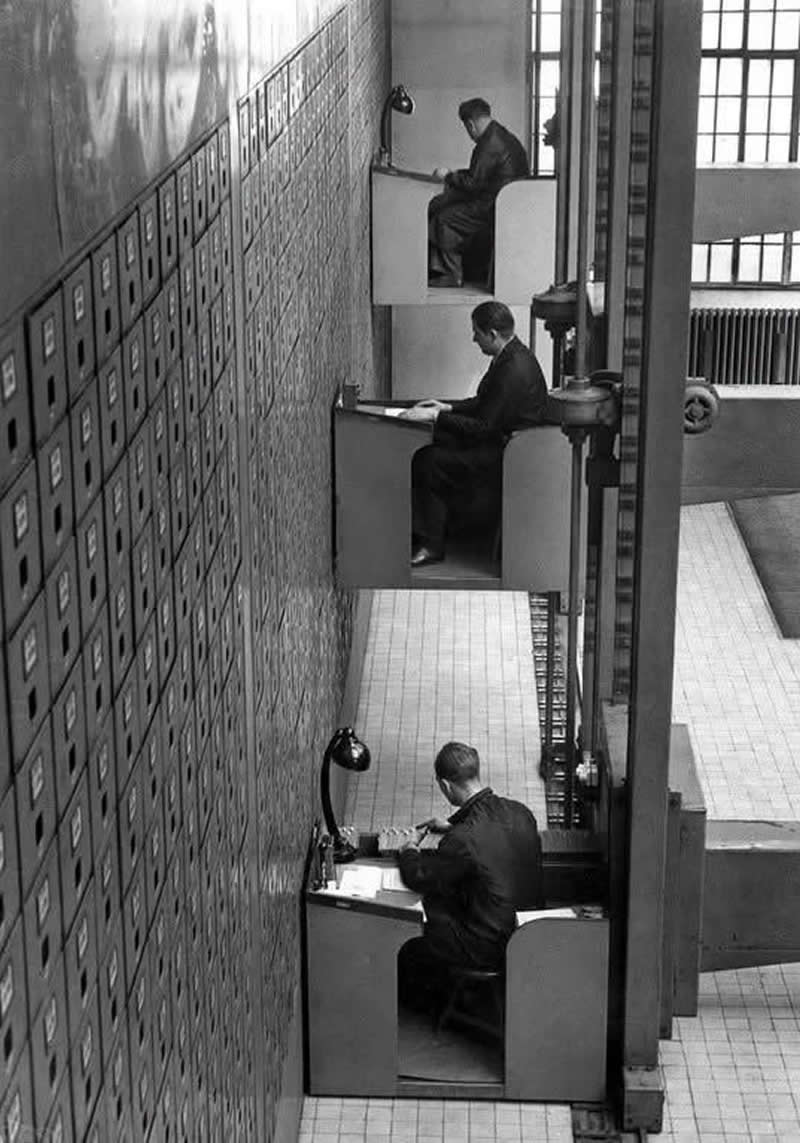
Image Source: Historic Photographs
#10. Aircraft detection device before radar. (Bolling Field, USA, 1921)
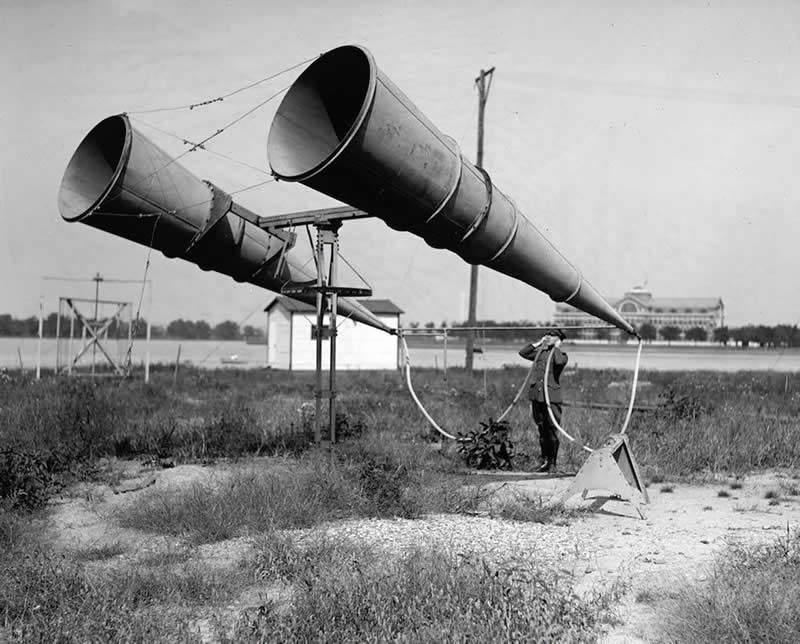
Image Source: Historic Photographs
#11. Looking for something to eat. Hamburg, post-war Germany, 1946.
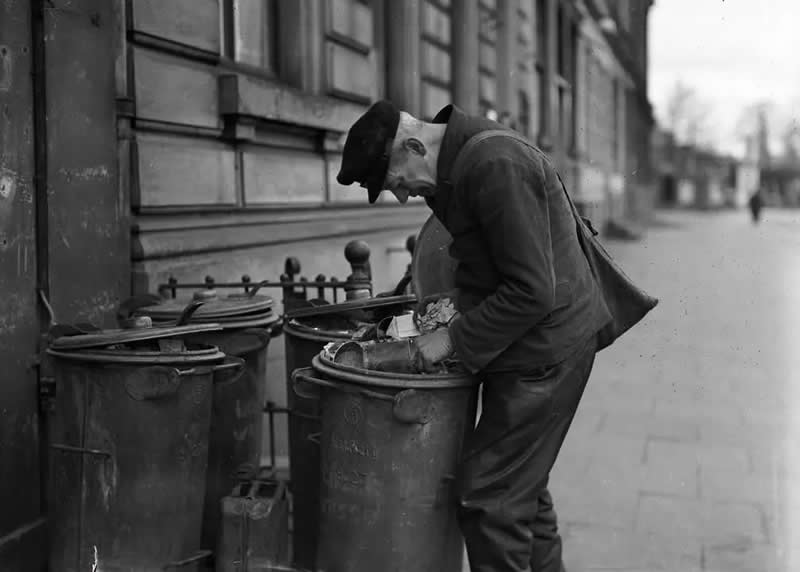
Image Source: Historic Photographs
#12. Women grocery shopping in the 1960s.
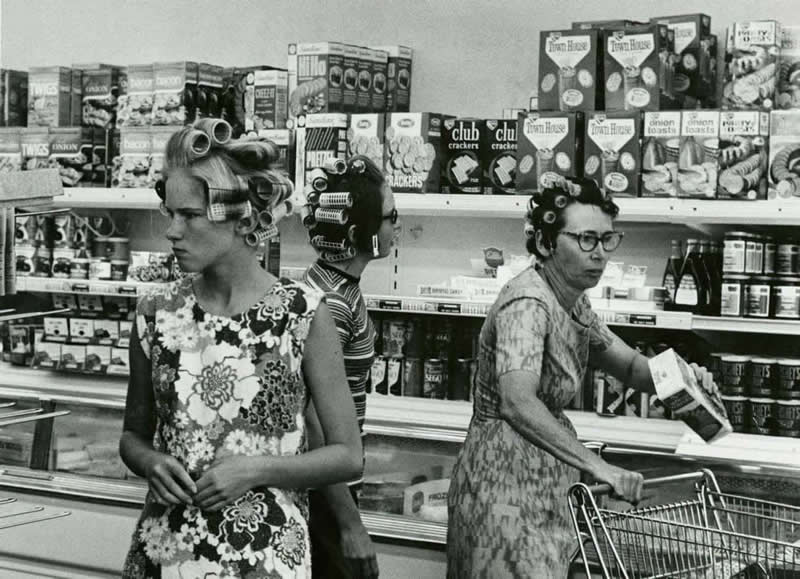
Image Source: Historic Photographs
#13. Summertime melon at a millworker’s house in Person County, North Carolina. July 1939. Photo by Dorothea Lange.
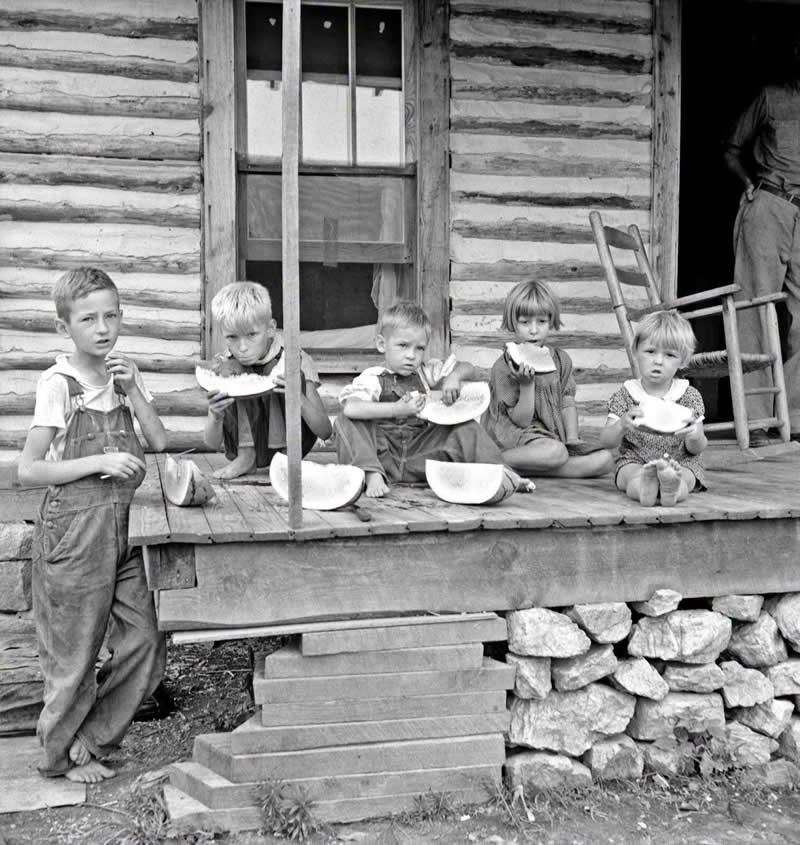
Image Source: Historic Photographs
#14. A high school typing class, 1959.
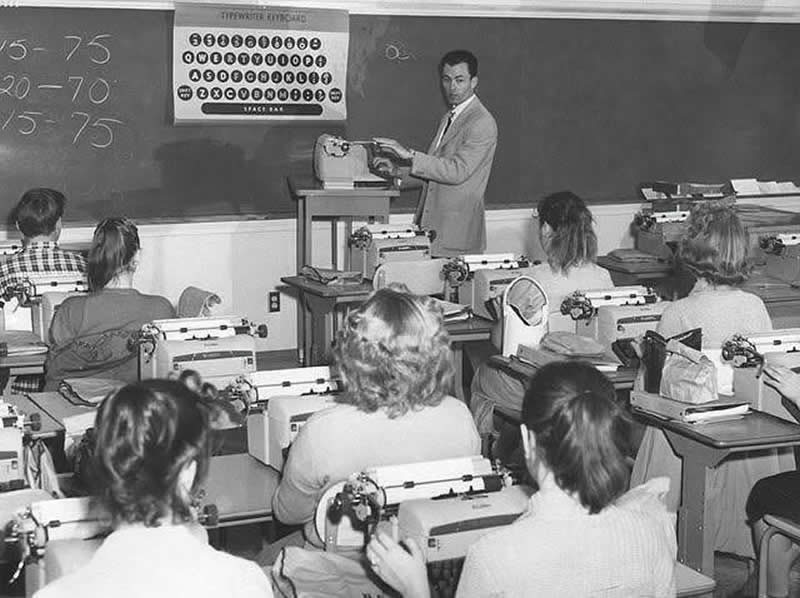
Image Source: Historic Photographs
#15. Truckstop waitress. New Mexico, 1972.
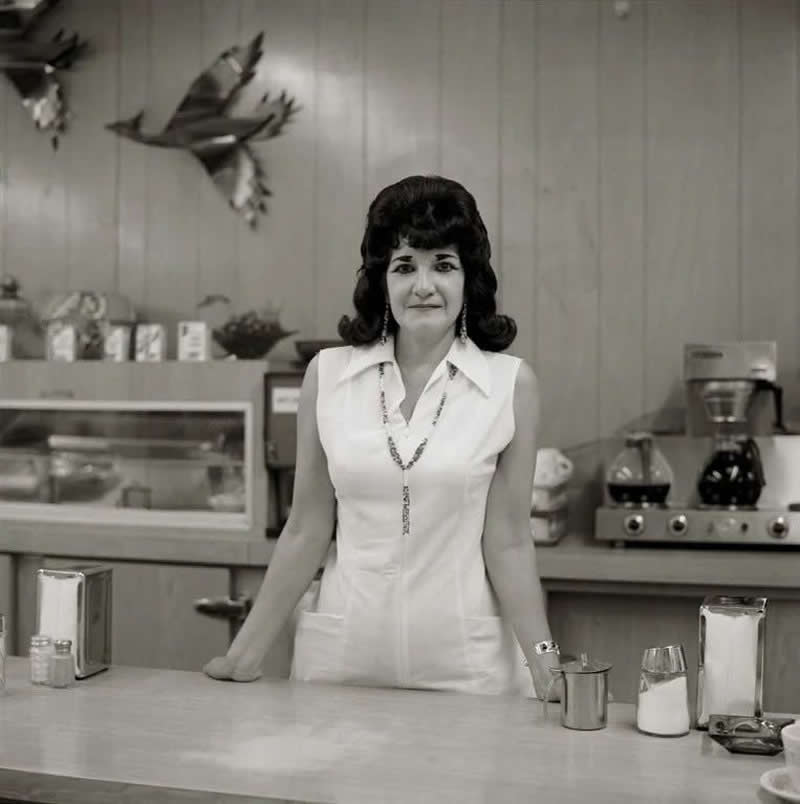
Image Source: Historic Photographs
#16. This Italian woman is curiously inspecting the kilt of a Scottish soldier. The soldiers are standing near the Coliseum after the liberation of Rome in 1944.
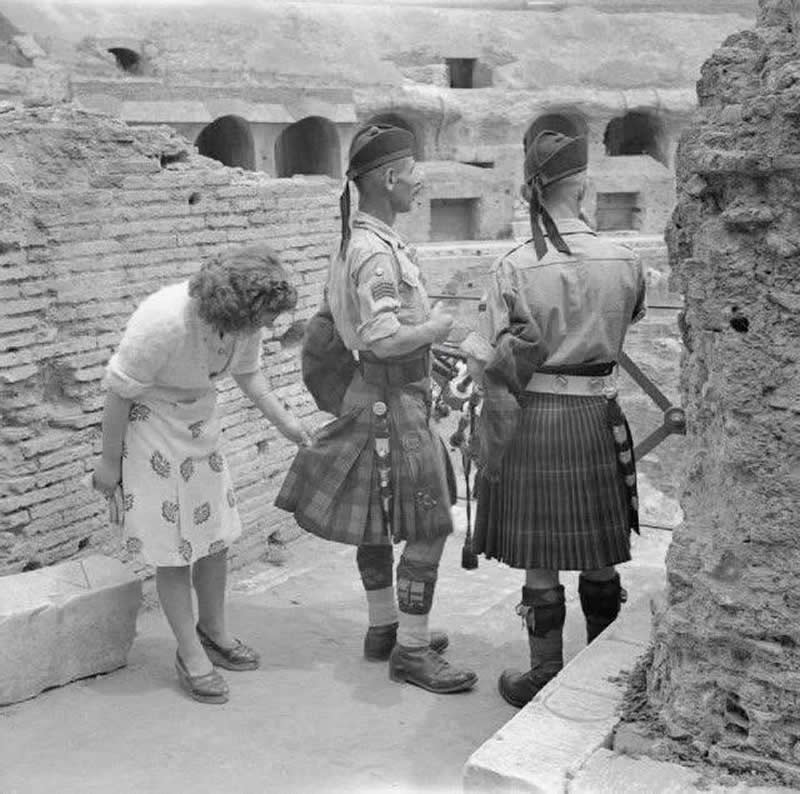
Image Source: Historic Photographs
#17. Cooking hot soup. Garrett County, Maryland. Photo by Arthur Rothstein, October 1936.
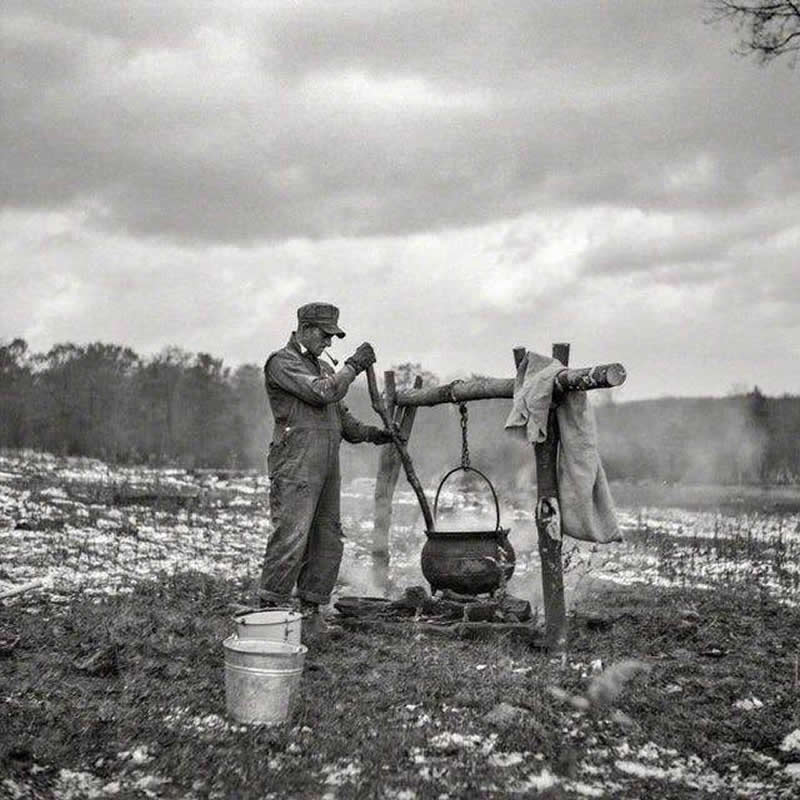
Image Source: Historic Photographs
#18. Listening to music in art class, 1957. (Photo by Francis Miller)
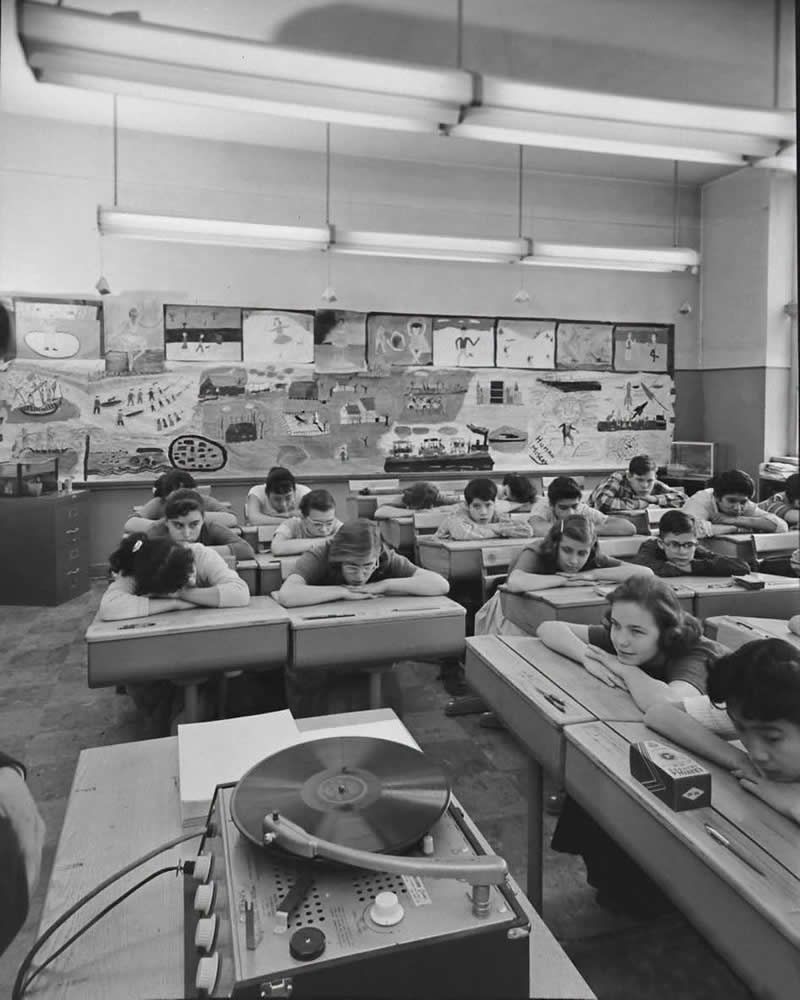
Image Source: Historic Photographs
#19. The Mercury train, Chicago 1936.
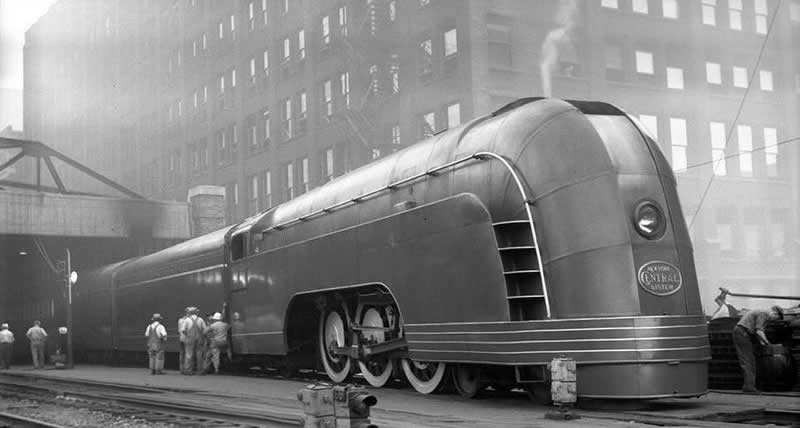
Image Source: Historic Photographs
#20. Clint Eastwood, Eli Wallach, Lee Van Cleef and Sergio Leone in between scenes of "The Good, the Bad and the Ugly". 1966.
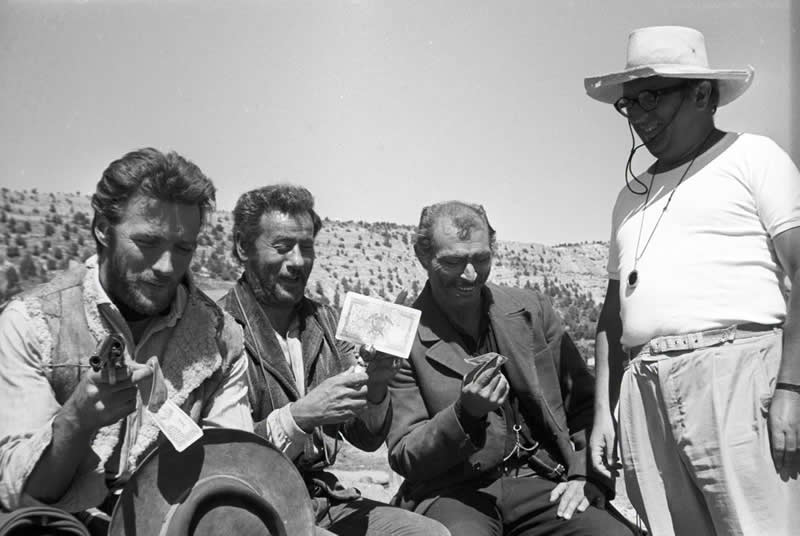
Image Source: Historic Photographs
#21. Washington, D.C., 1924. ‘Billy’ Friel shown inflating his football by using someone’s spare tire.
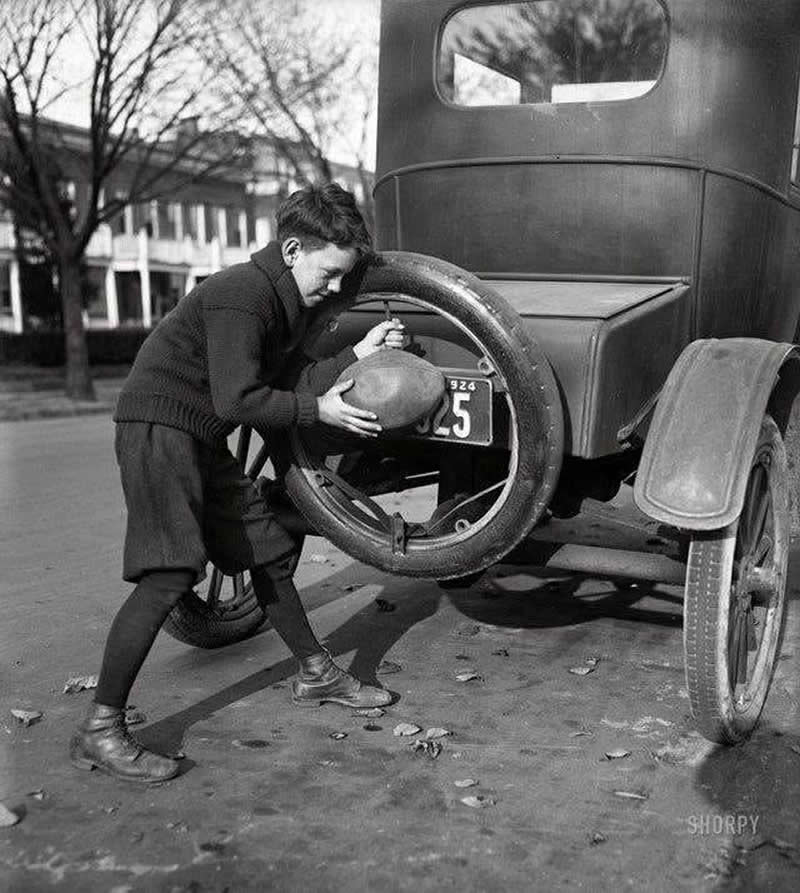
Image Source: Historic Photographs
#22. Gentleman in his zebra-drawn carriage, London, 1913.
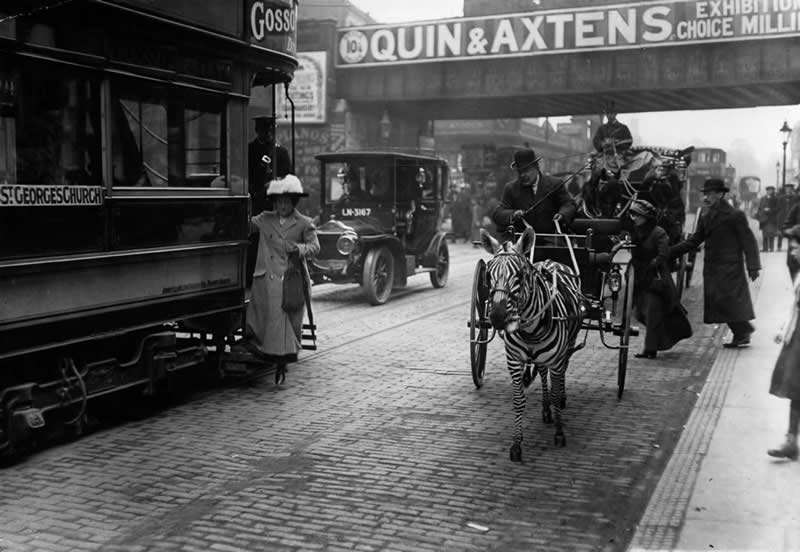
Image Source: Historic Photographs
#23. A pretty young lady in bygone fashions. (1928)
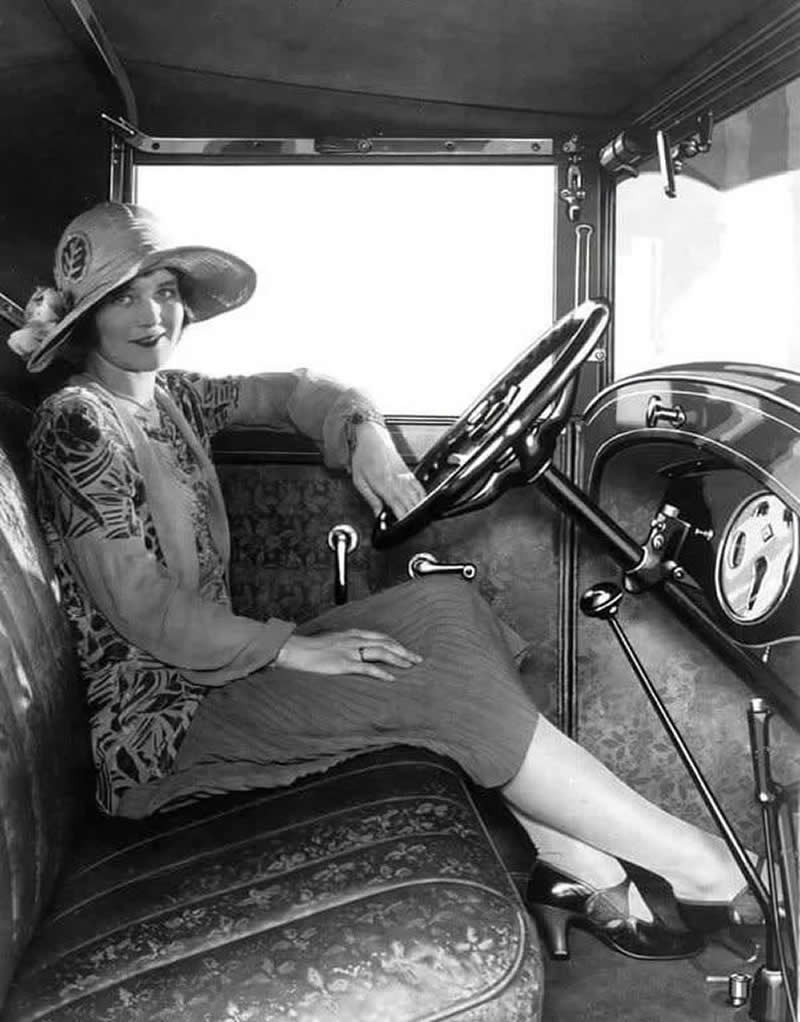
Image Source: Historic Photographs
#24. Military motorcycles for sale in 1946. When World War II ended in 1945, the industrial war machine did not stop overnight. Estimates of the value of the probable surpluses have ranged from a low of $25 billion to a high of $150 billion.
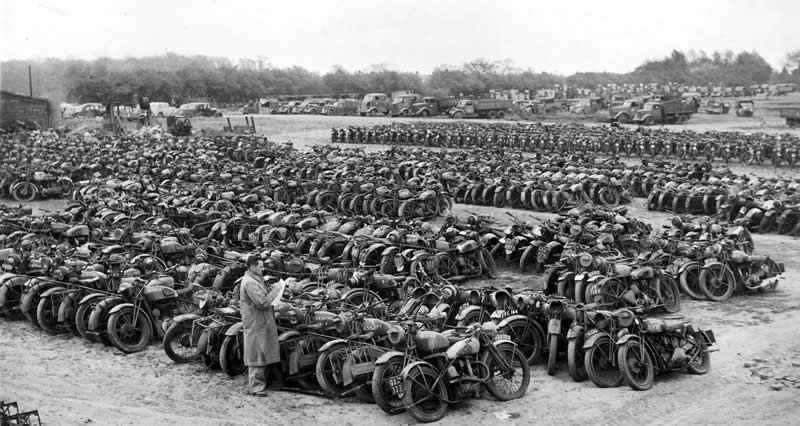
Image Source: Historic Photographs
#25. In the Victorian era, the woman’s hair was considered an important part of her appearance and it marked her status and her femininity. Women in that era were often expected to grow their hair to great lengths, and it was common knowledge that a woman’s crowning glory was her hair.
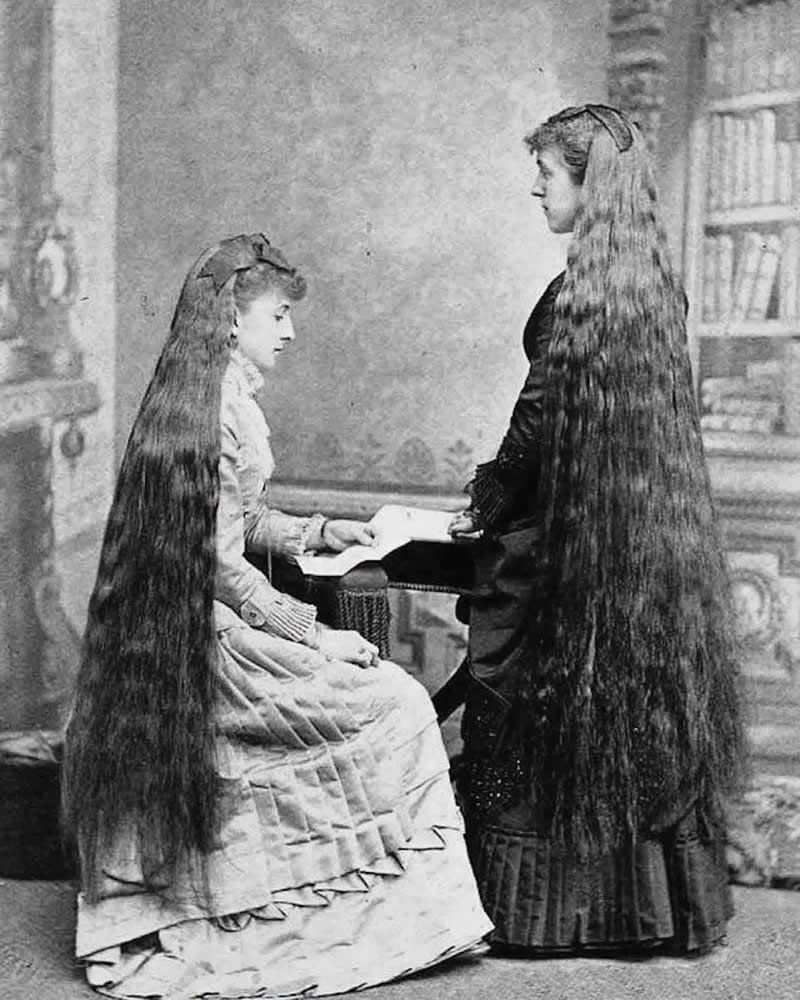
Image Source: Historic Photographs
#26. French bike racer Alfred Letourneur towing a 22 foot long Airstream Liner at the Metropolitan Airport in Van Nuys, California to demonstrate how light it was, 1947
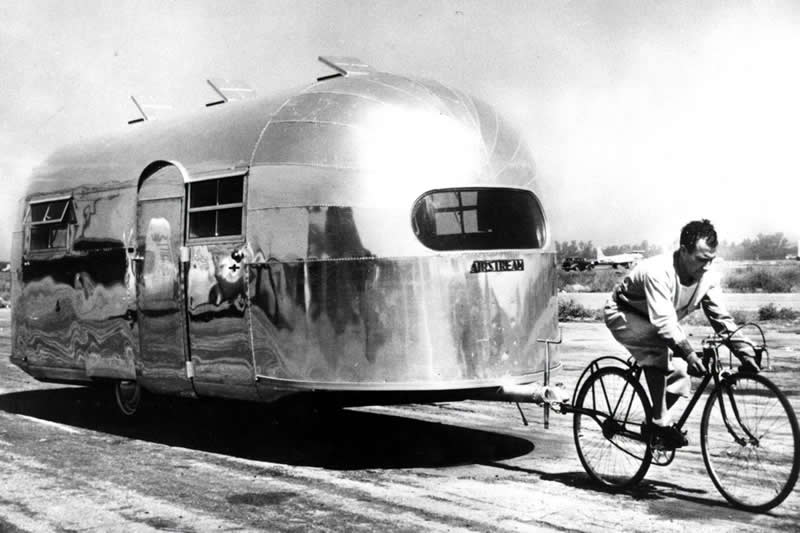
Image Source: Historic Photographs
#27. Egypt, Luxor Temple, 1950: A guide pointing out hieroglyphs.
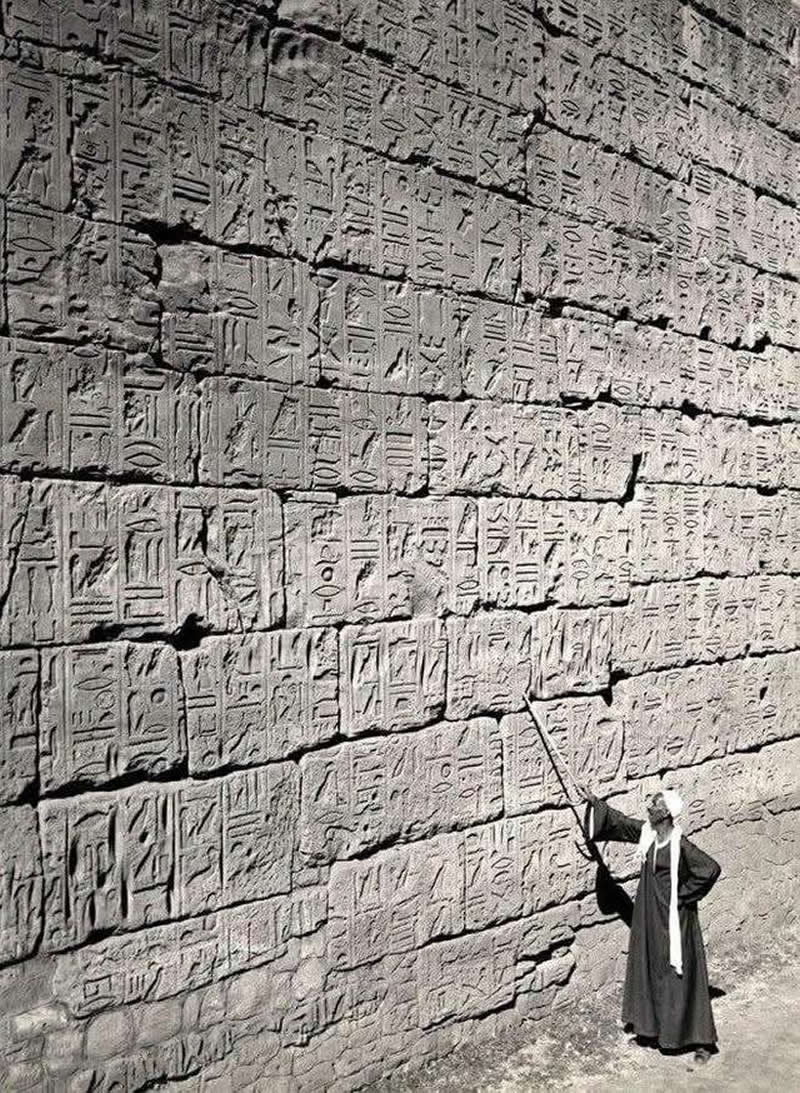
Image Source: Historic Photographs
#28. A worker hangs pasta to dry in a factory in Italy, 1932. (Photo by Alfred Eisenstaedt)
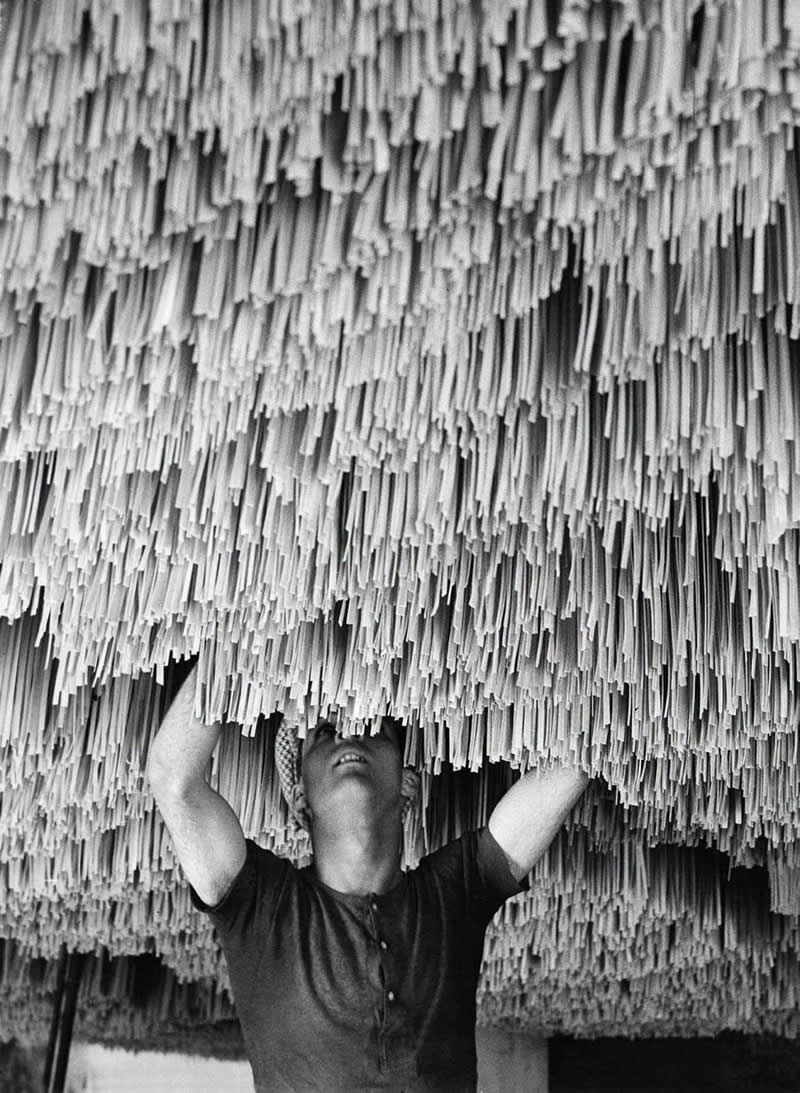
Image Source: Historic Photographs
#29. James Dean sitting in a car, signing photos for his fans at the peak of his career, just two months before dying in a car accident at the young age of 24.
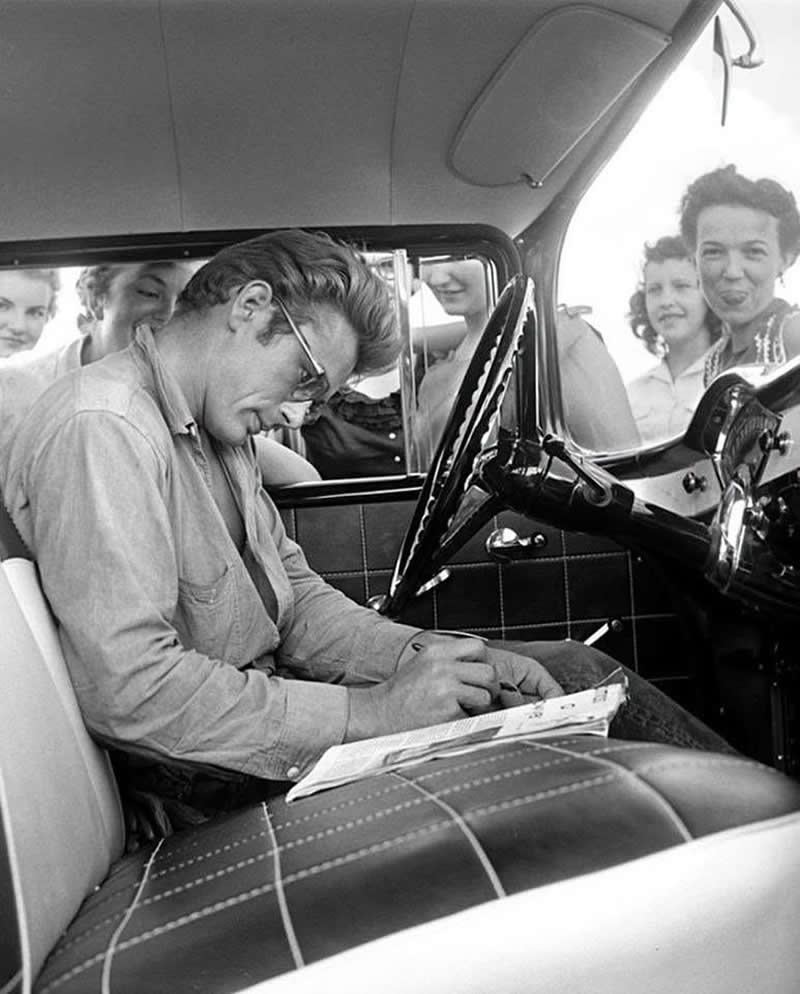
Image Source: Historic Photographs
#30. The inside of a German WWI era U-Boat.
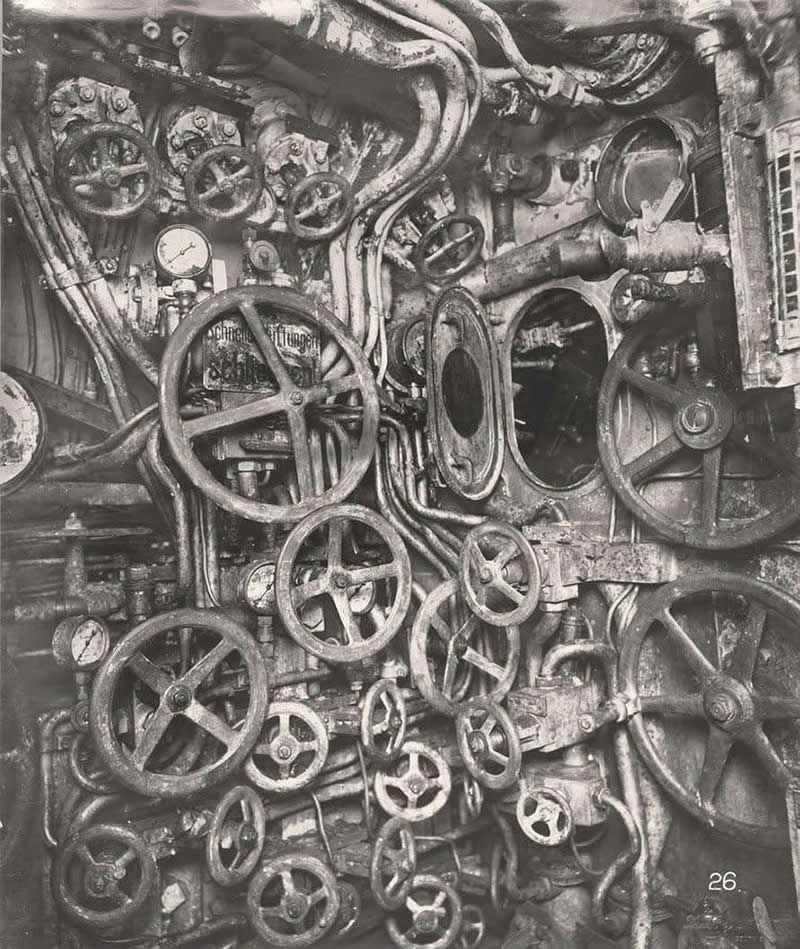
Image Source: Historic Photographs
#31. Robert Pershing Wadlow (February 22, 1918 – July 15, 1940), also known as the Alton Giant and the Giant of Illinois, was a man who was the tallest person in recorded history for whom there is irrefutable evidence. Wadlow’s height was 8 ft 11.1 in (2.72 m) while his weight reached 439 lb (199 kg) at his death at age 22.
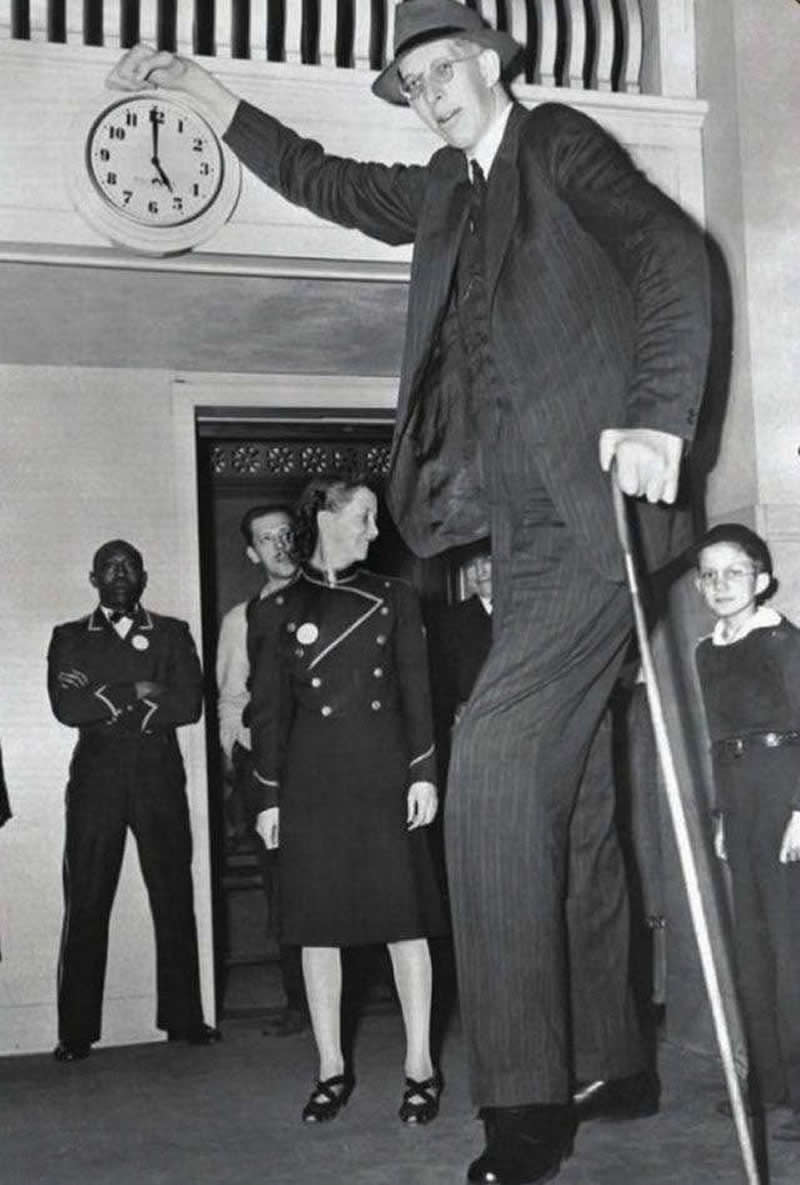
Image Source: Historic Photographs
#32. The Titanic and Olympic under construction at Harland and Wolff shipyard Belfast, 1910
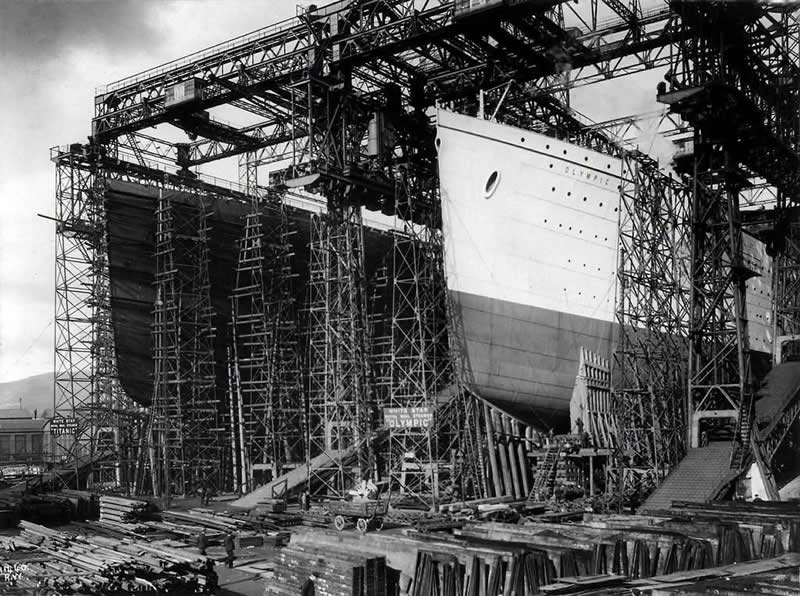
Image Source: Historic Photographs
#33. A sign creator at work in his studio, London, 1877.
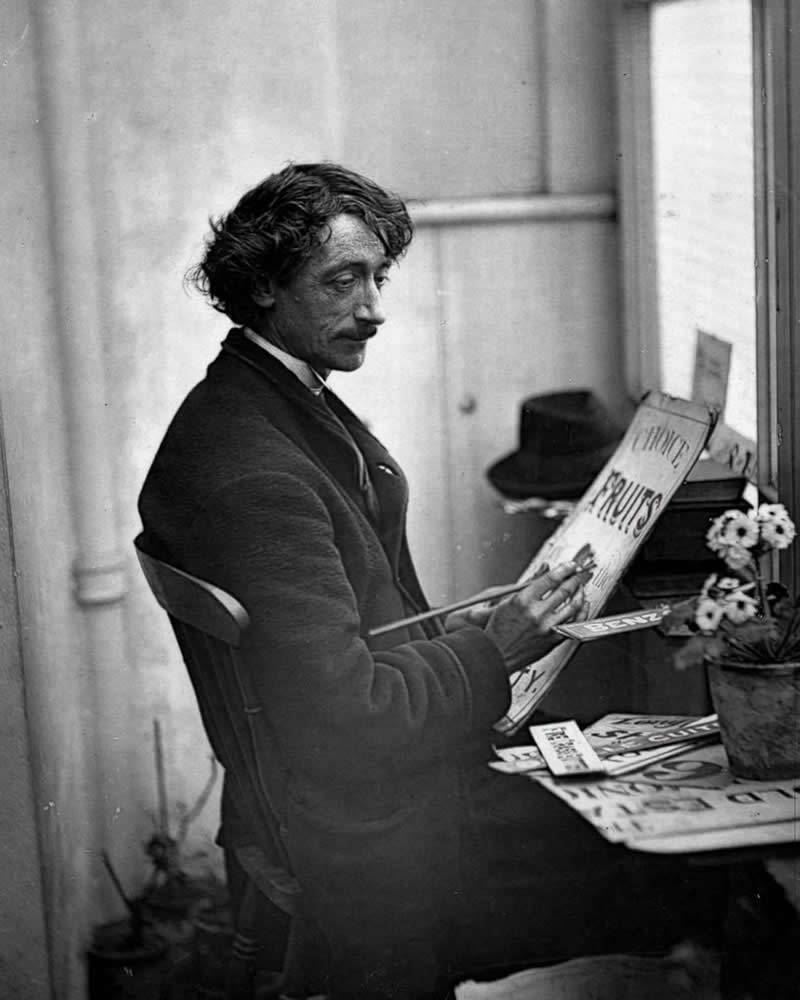
Image Source: Historic Photographs
#34. The Beatles pose with “The Greatest”, Muhammad Ali at the Fifth Street Gym on Miami Beach, 1964.
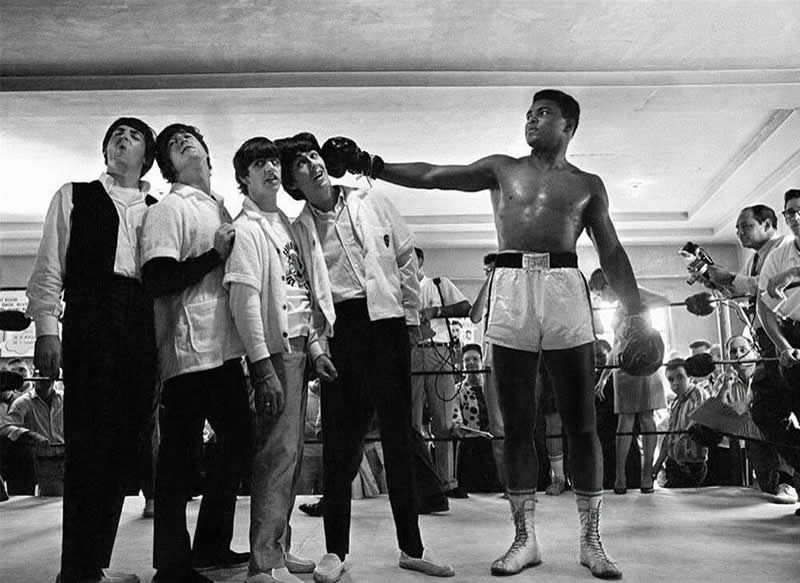
Image Source: Historic Photographs
#35. May 1922: 78-year-old Robert T. Lincoln (son of Abraham Lincoln) is helped up the steps at the dedication of the Lincoln Memorial in Washington D.C.
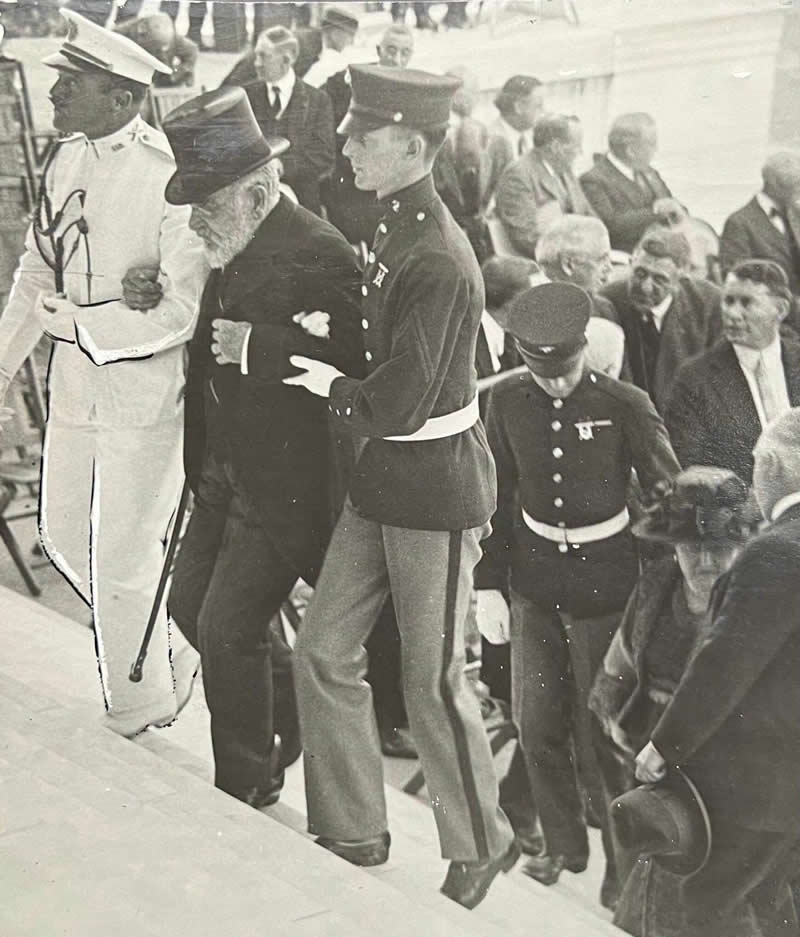
Image Source: Historic Photographs
#36. Oldriev’s new tricycle. Photo by Chas. W Oldrieve, 1882.
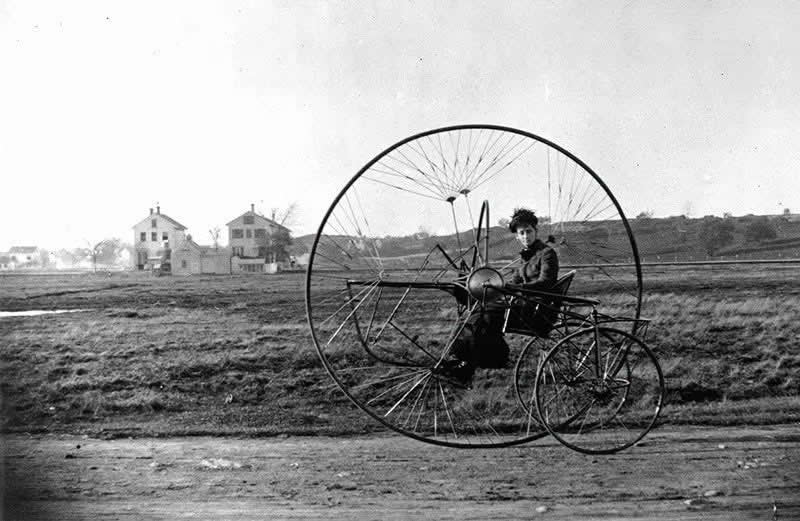
Image Source: Historic Photographs
#37. New Fords delivered by train in the 1940s
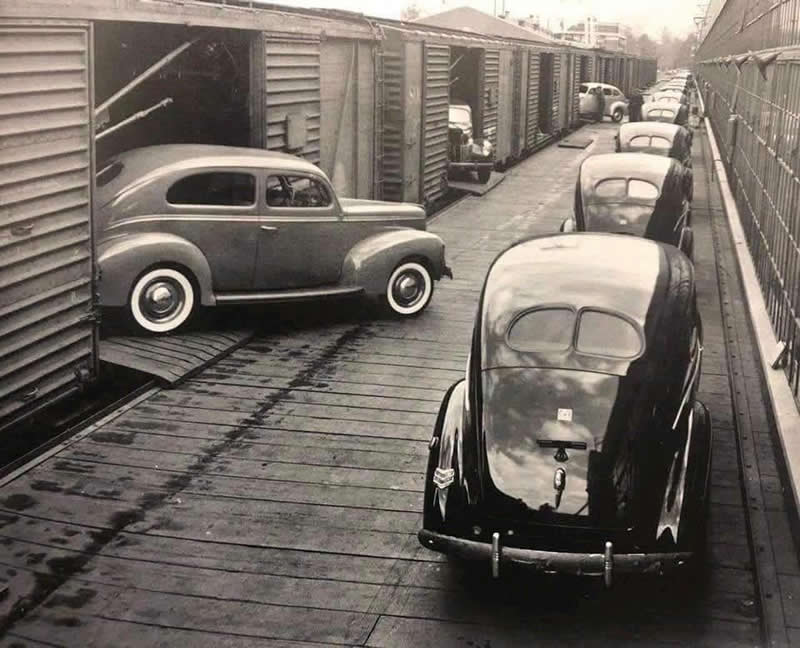
Image Source: Historic Photographs
#38. US cavalry soldiers pose in front of a tree known as the "Grizzly Giant" 1900. The tree still stands.
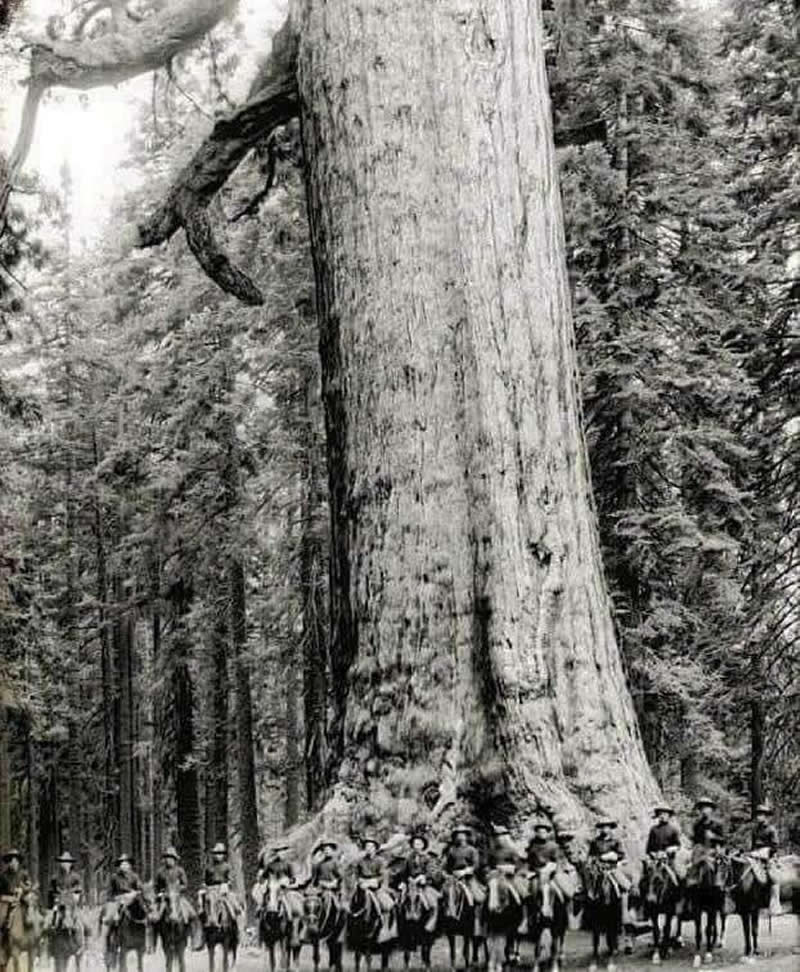
Image Source: Historic Photographs
#39. The only known picture of the Brothers Grimm, 1847.
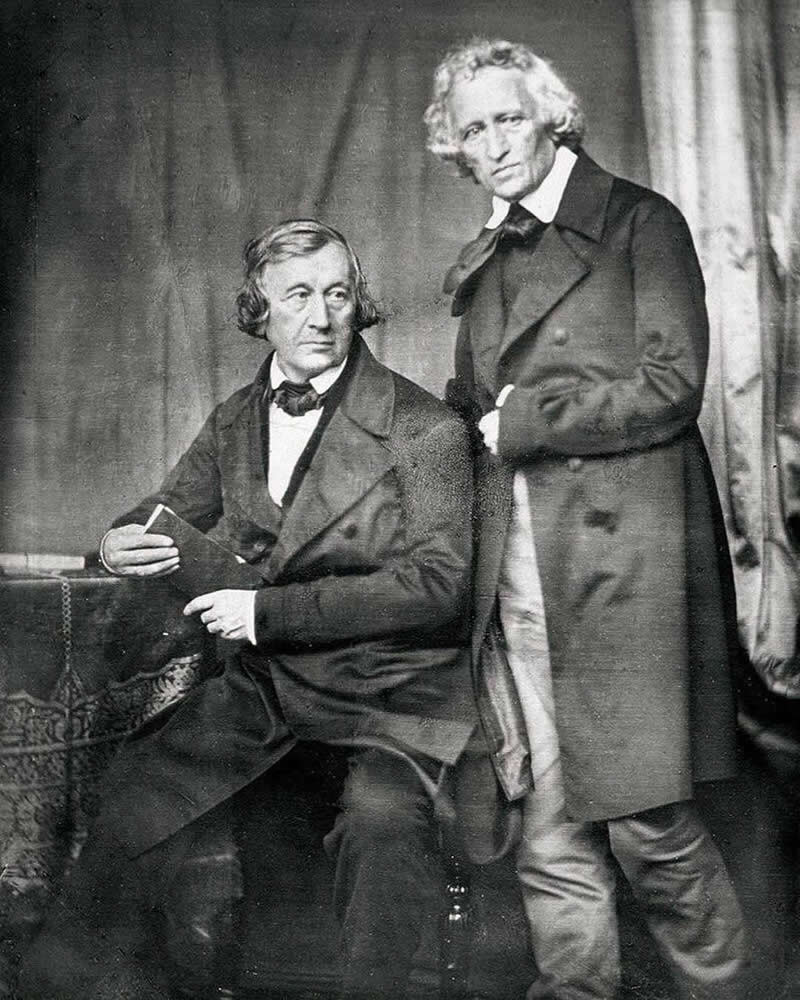
Image Source: Historic Photographs
#40. Junkers G38, circa 1930. The aircraft featured passenger cabins in the leading edges of its wings. Two examples were constructed in Germany and both aircraft flew as a commercial transport within Europe.
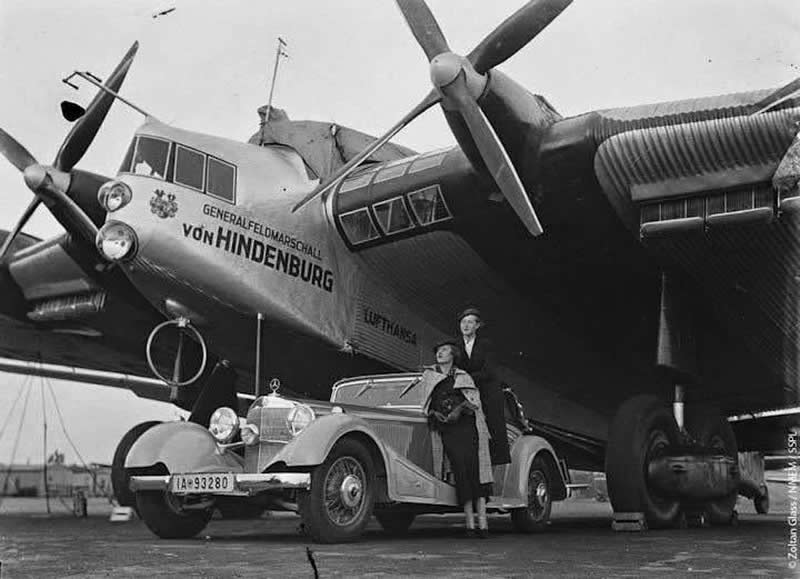
Image Source: Historic Photographs
Frequently Asked Questions:
Why are historic photos important?
Historic photos preserve visual evidence of how people lived, dressed, worked, traveled, and interacted. They capture places, events, architecture, inventions, and social conditions that written records sometimes miss, giving us a more personal, immediate connection to previous generations.
What can rare history photos teach us?
Rare history photos can reveal forgotten details about everyday life, cultural traditions, technology, clothing, architecture, and major events. They often show ordinary people and environments, helping us understand history beyond famous names, dates, battles, and political milestones.
Why does everyday life matter in historical photography?
Everyday life photographs show history from the ground level. They reveal how ordinary people actually lived, worked, traveled, dressed, and spent their time. These seemingly simple moments often provide powerful clues about changing societies, customs, technology, and living conditions.
What subjects appear in historic photographs?
Historic photographs cover an incredible range of subjects, including famous people, wars, poverty, architecture, early inventions, fashion, transportation, workplaces, cities, celebrations, and ordinary families. Together, these images create a vivid visual record of changing societies and cultures.
How can historic photos change our view of the past?
Historic photos make distant events feel immediate and human. Seeing real faces, streets, buildings, clothing, and technology helps us understand that the past wasn’t abstract it was lived by real people facing challenges, enjoying ordinary moments, and shaping the world we know today.