
Street photography is funny that way. You can go down the same street every day, go past the same coffee shop, cross the same intersection, and yet still fail to notice the photograph that’s right in front of you. All of a sudden, it all becomes clear: a stranger walks into just the right patch of light, a cyclist positions himself in line with a doorway, or two entirely unconnected people create a funny little situation without even realizing it. Click. There it is.
That’s what makes the streets so special.
The finest street photographs taken at the right moment don’t depend on costly cameras or intricate settings; they come from staying alert to what’s going on around you. Composition, timing, framing, geometry, shadows, the action, and a good amount of patience all combine in an instant. Sometimes you have to wait ten minutes for a single person to walk into the right spot, and other times the moment lasts less than a heartbeat.
It is precisely for this reason that these 35 photographs are so enjoyable to study. Each one seems to be a small fragment of actual life which somehow ended up in the right place at the right time. If you look carefully, you will spot clever juxtapositions, unexpected alignments, decisive moments, and visual jokes that could have vanished forever if the photographer had merely looked away.
Then here’s how you can create that kind of magic yourself; let’s look at it.
#1
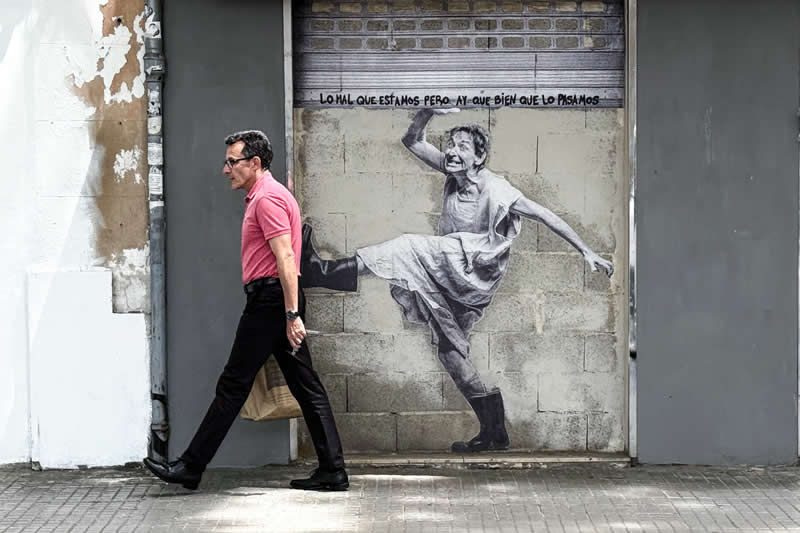
Photo by: Pablo Abreu
#2
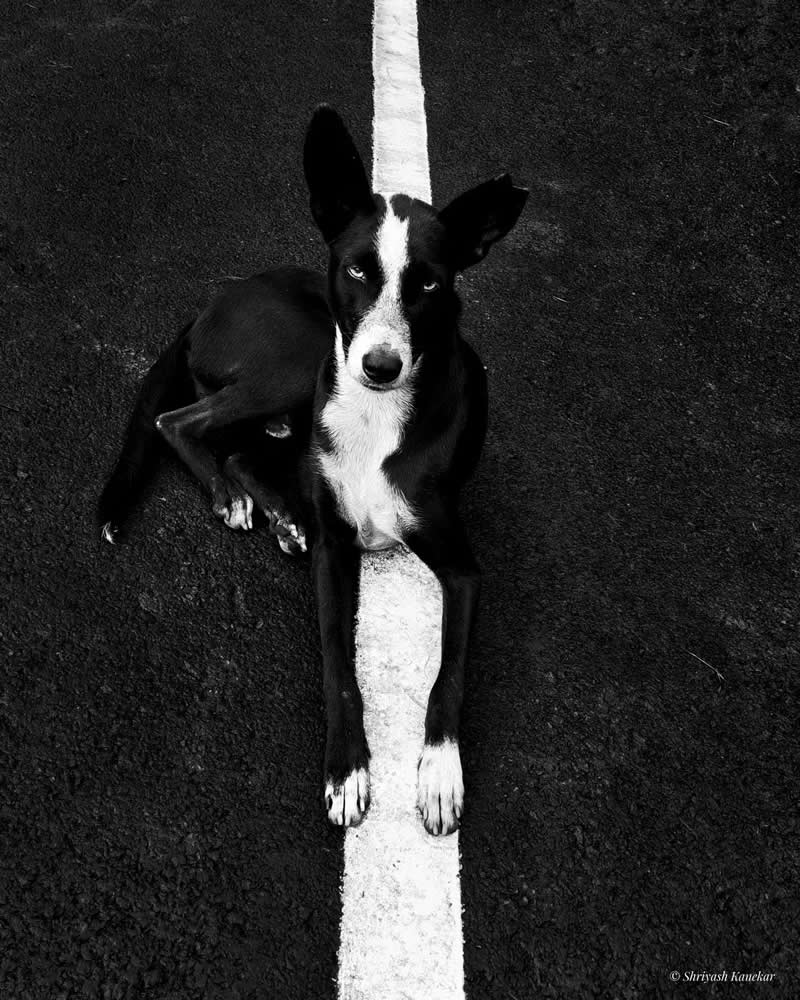
Photo by: Shriyash Kanekar
#3
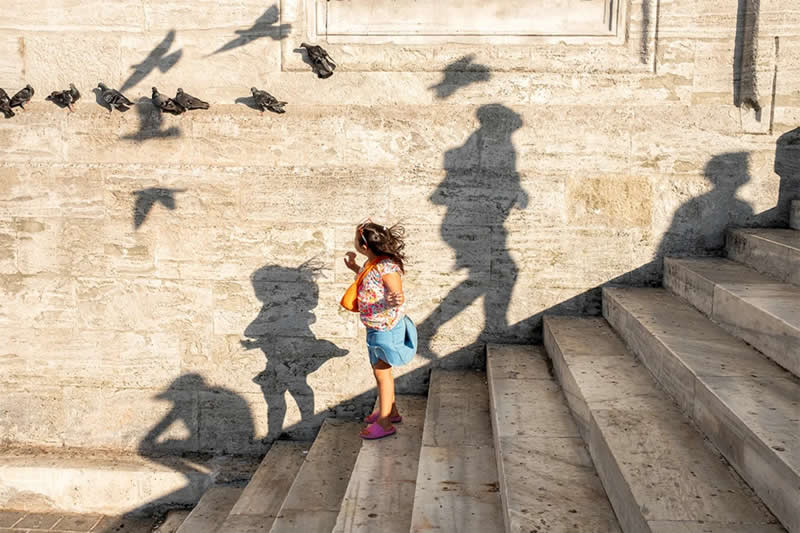
Photo by: Erhan
#4
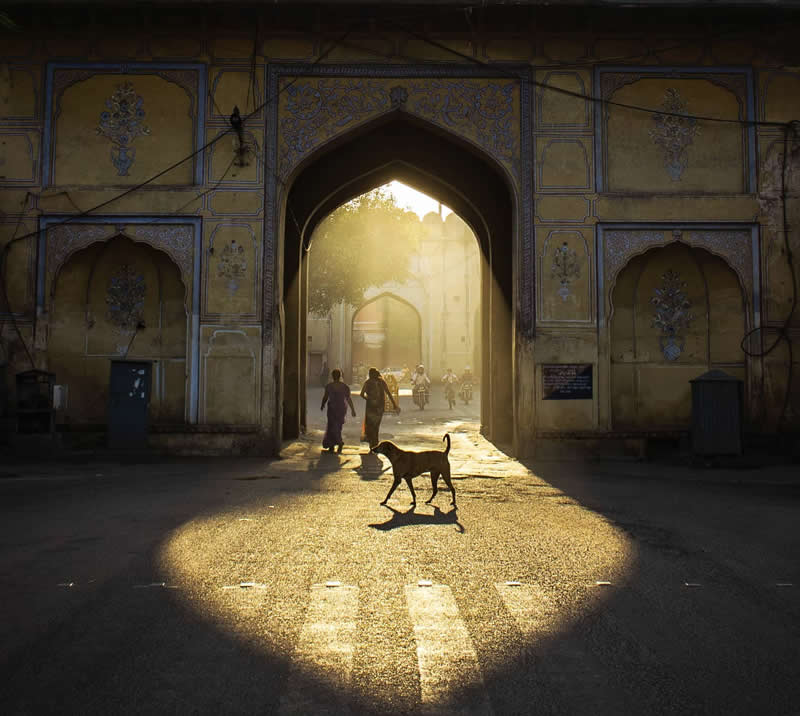
Photo by: Rahul saini
#5
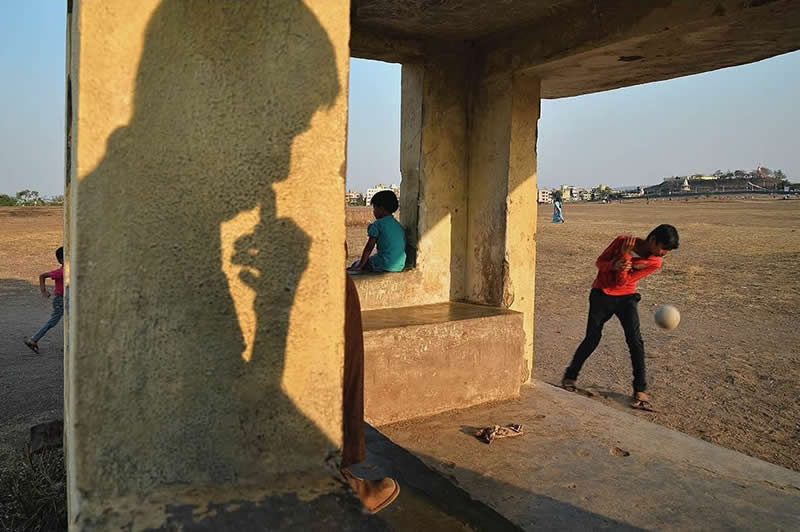
Photo by: Swapnil Jdhe
#6
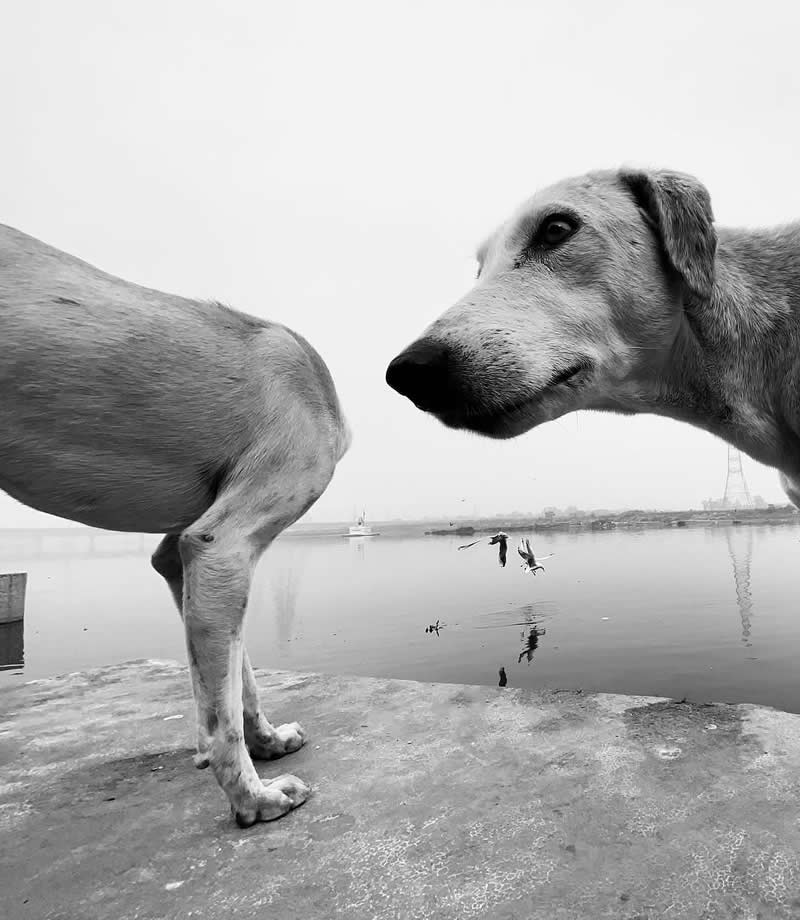
Photo by: Dimpy Bhalotia
Take it slow and look before shooting
The best moment to begin is even before your camera is raised. Rather than moving about and shooting at everything, select an interesting spot and then watch what takes place. A vibrant wall, a deep shadow, a doorway, a staircase, or a busy crossing can serve as your stage. After that, wait for the right kind of person to enter it. Doesn’t that sound easy? It does—but it is patience that involves the actual effort.
- Start by finding a interesting background.
- Observe the way people are moving and the patterns of their movement.
- Predict the paths that people will take.
- Keep your camera ready.
- Hold until the key moment arrives.
One day the street will offer you something, so there’s no need to hurry.
#7
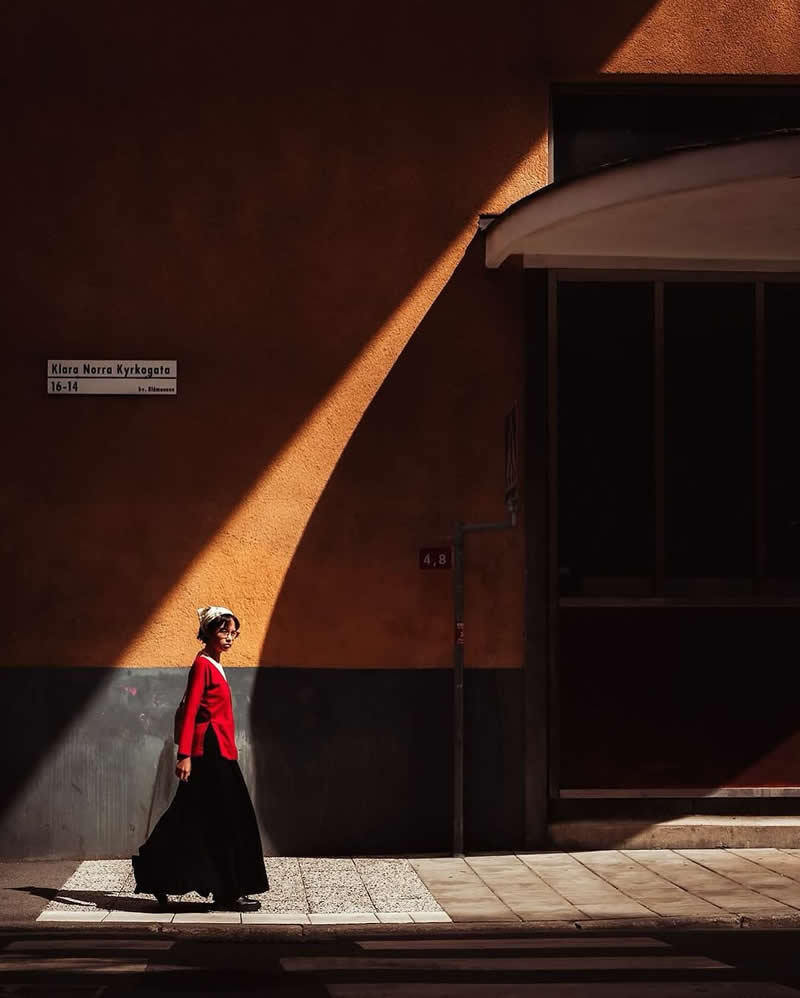
Photo by: Daniel Hedquist
#8
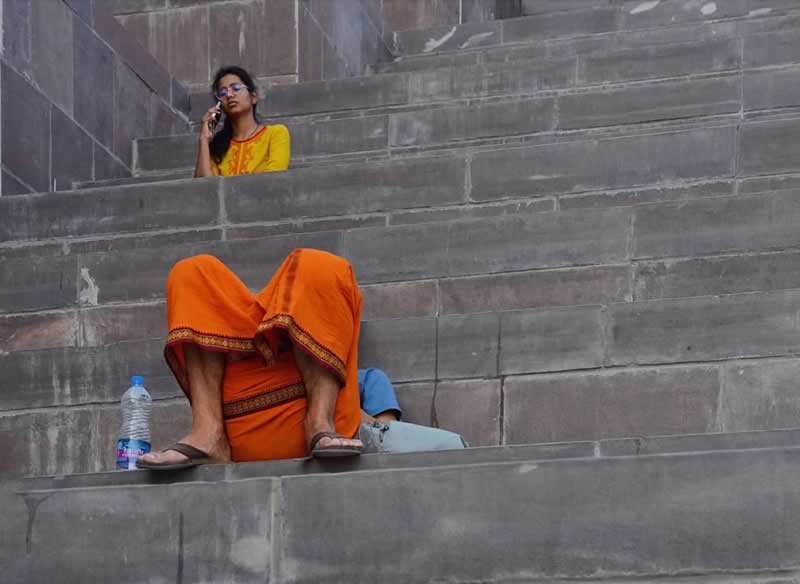
Photo by: Pranay Pariyar
#9
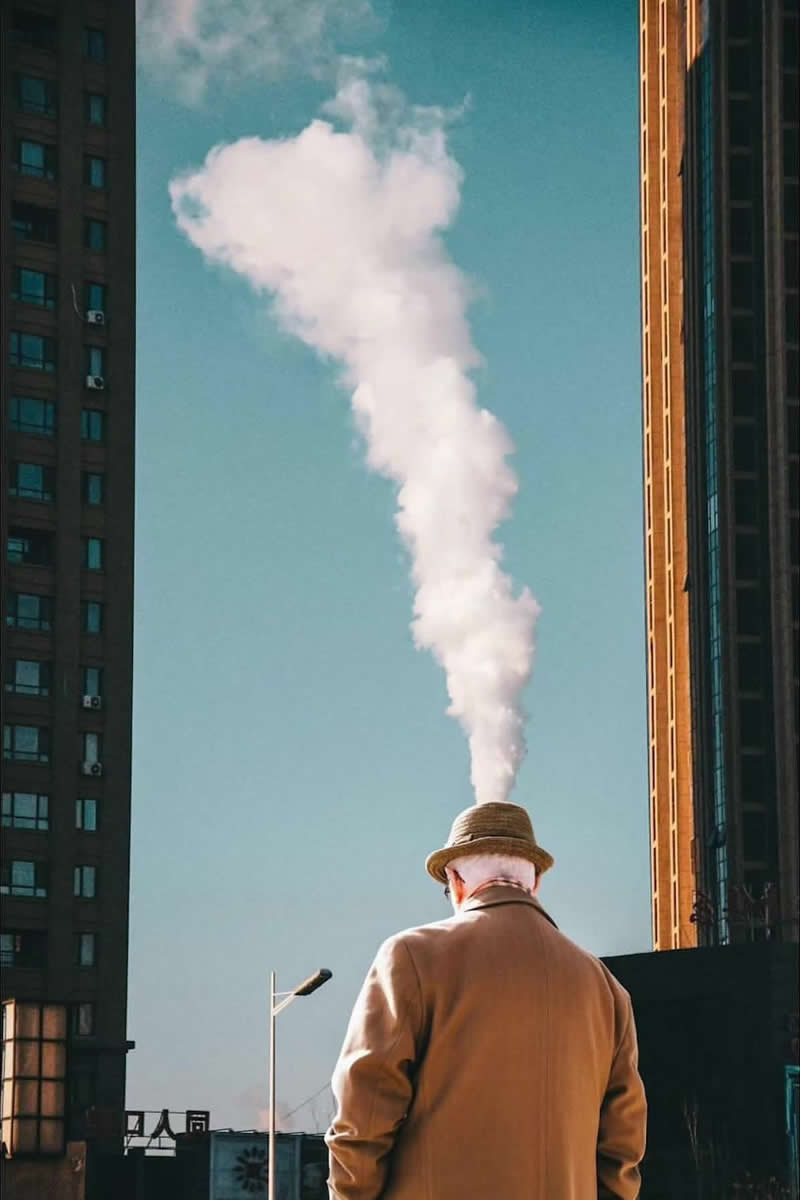
Photo by: Manolis Soulos
#10
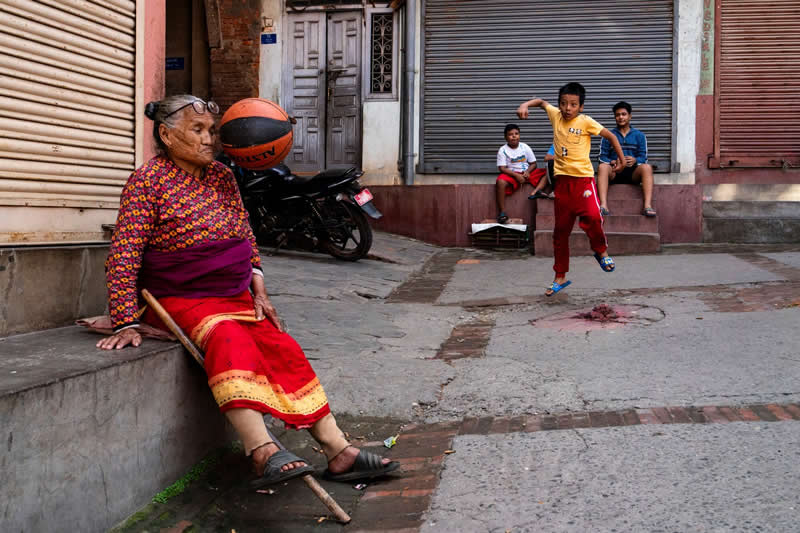
Photo by: France Leclerc
#11
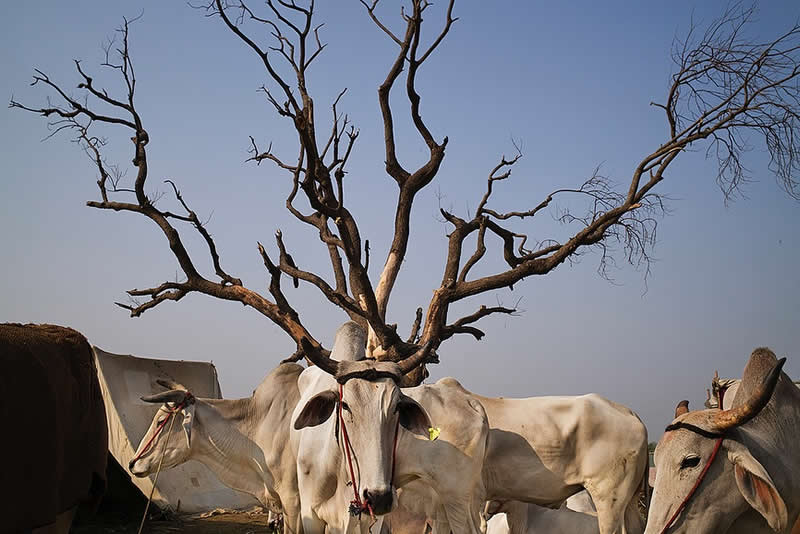
Photo by: Vineet Vohra
#12
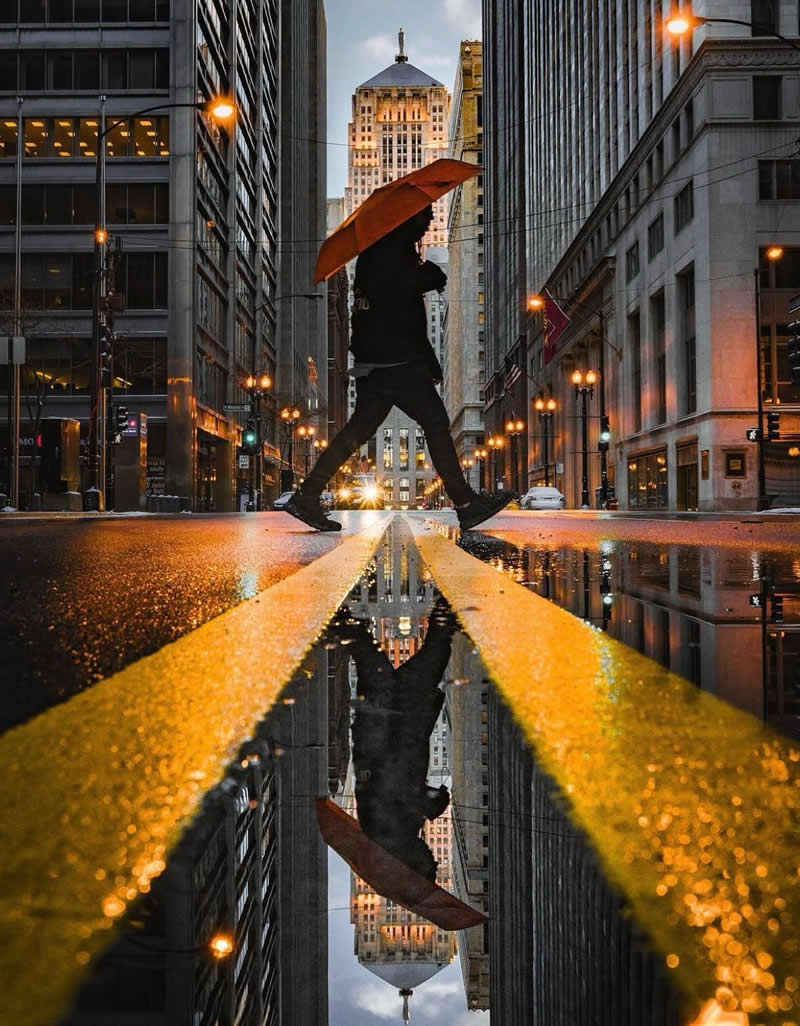
Photo by: Nick Acquaviva
Make use of geometry, framing, and alignment.
Many great street photographs seem to be almost perfectly arranged, even though the scene was not actually staged. This is where geometry plays a role—you should look for lines, circles, windows, poles, buildings, and any shapes that repeat. Then you have to wait for a person or a moving object to interact with these elements. Once all the elements align, the photograph then seems deliberately composed. In effect, you’re turning the street into a massive, constantly changing composition.
- Look for strong leading lines.
- Use the doorways and windows as frames.
- Watch for repeating shapes.
- Set yourself up to achieve clean alignment.
- Ask the subjects to finish the composition.
Simply moving by two feet can make a complete difference.
#13
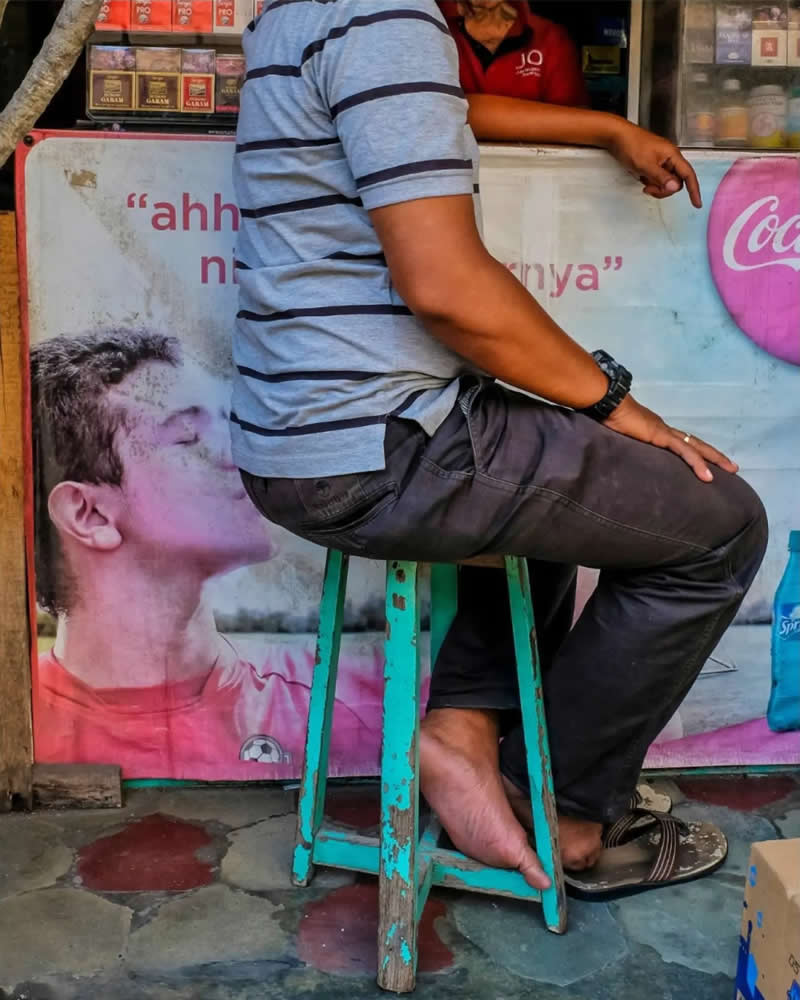
Photo by: Bimo Pradityo
#14
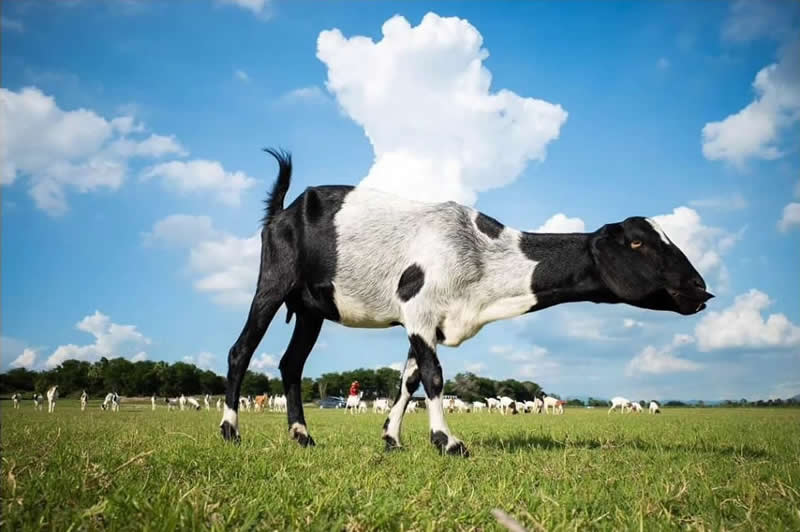
Photo by: Jad Jadsada
#15
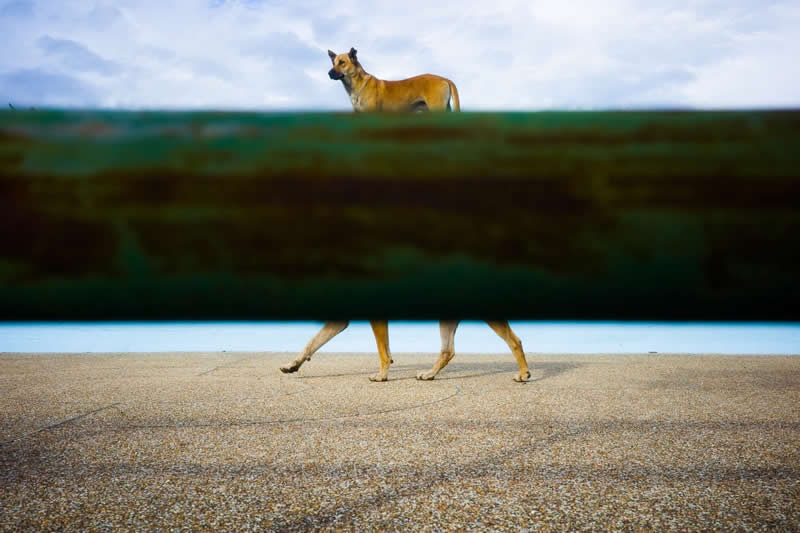
Photo by: Jad Jadsada
#16
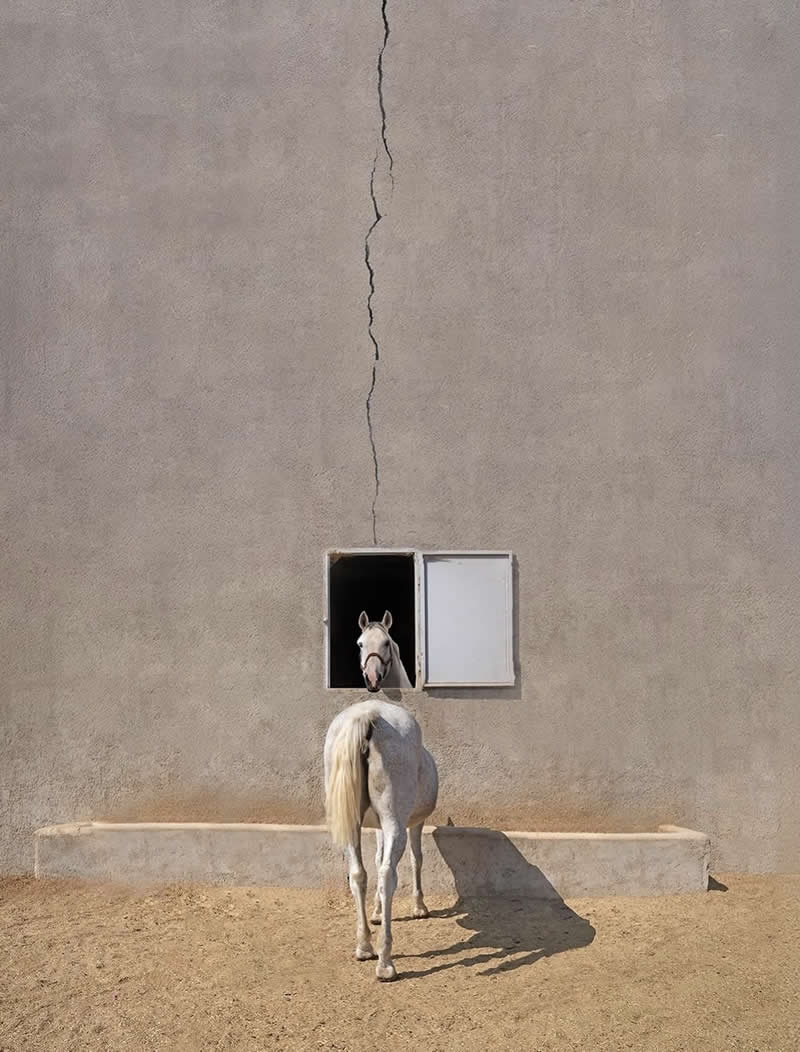
Photo by: Abolghasem Khoshro
#17
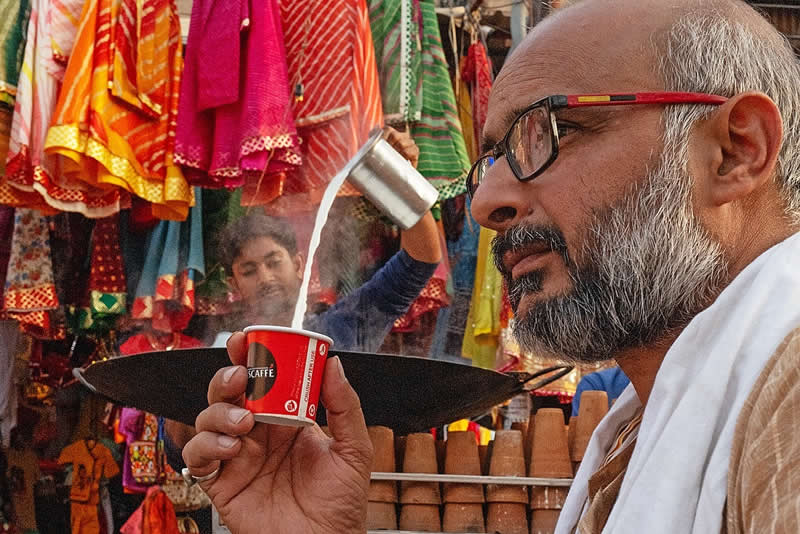
Photo by: Vineet Vohra
#18
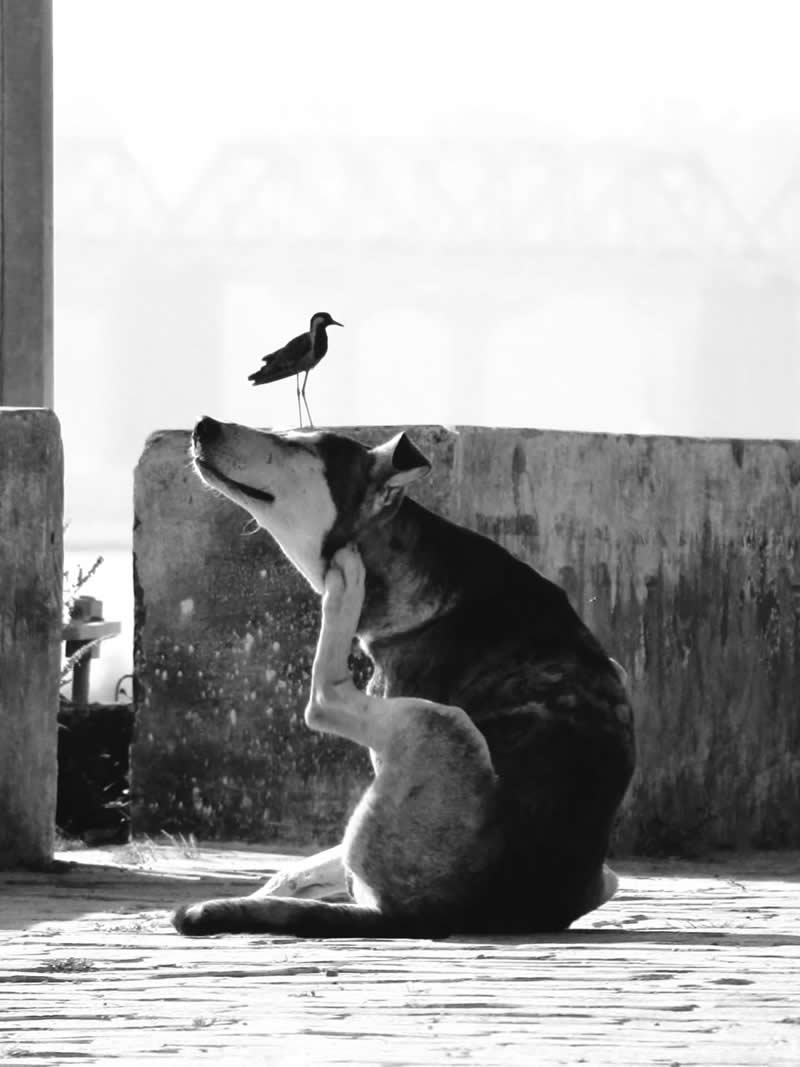
Photo by: Divyanshu Verma
Pursue shadows, light, and contrast
A regular sidewalk can be turned completely into a cinematic scene. Under harsh sunlight, strong shadows are formed and areas of brightness can isolate a person from a darker background. The key is to predict where the light will meet the action. Identify the shadow first and then wait; as soon as someone walks through that exact strip of light you’ll have your photograph.
- Seek out areas where the sunlight is dramatic.
- Watch how shadows move.
- Combine the bright and dark areas.
- Carefully expose it to obtain strong highlights.
- Stay until a person goes into the light.
Instead of taking photographs of the light, take photographs of what takes place within it.
#19
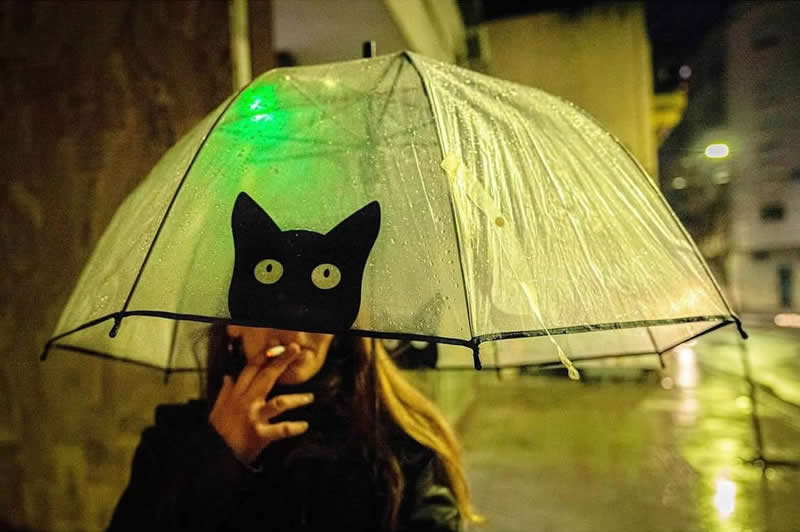
Photo by: Manu Fernández
#20
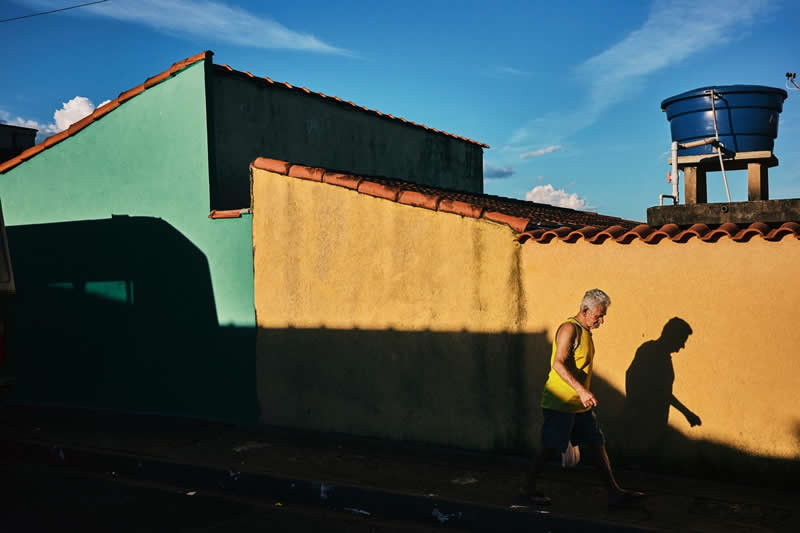
Photo by: Gustavo Gomes
#21
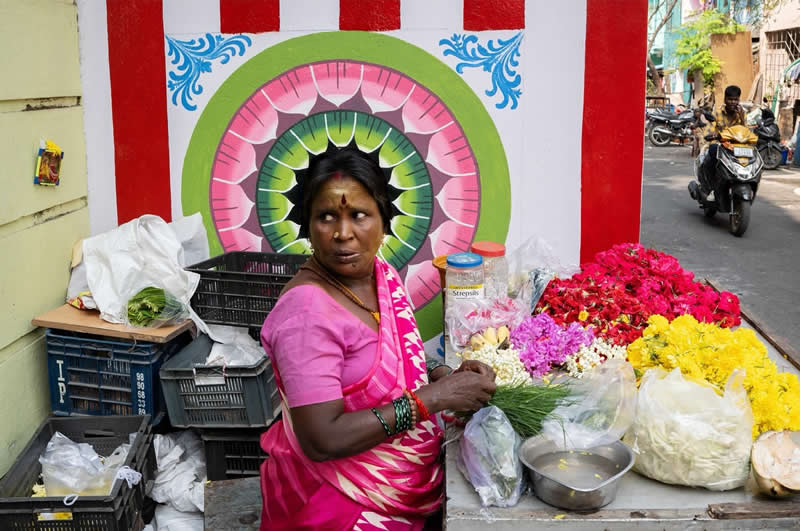
Photo by: Tavepong Pratoomwong
#22
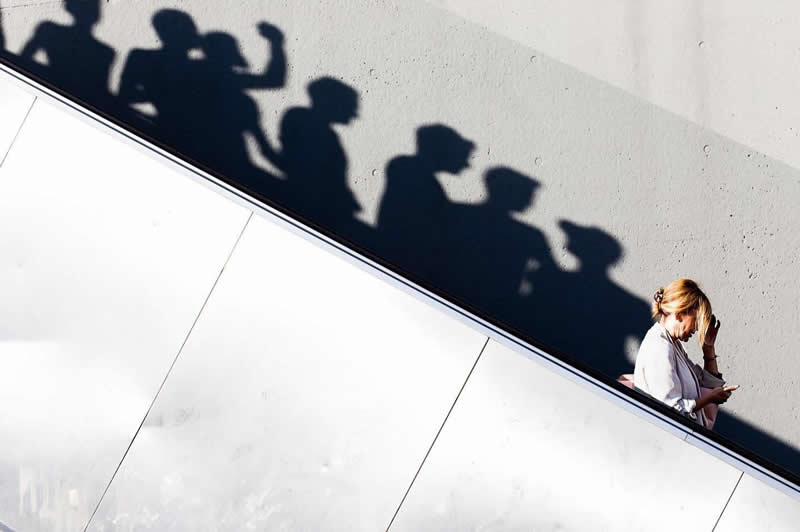
Photo by: Céline Pannetier
#23
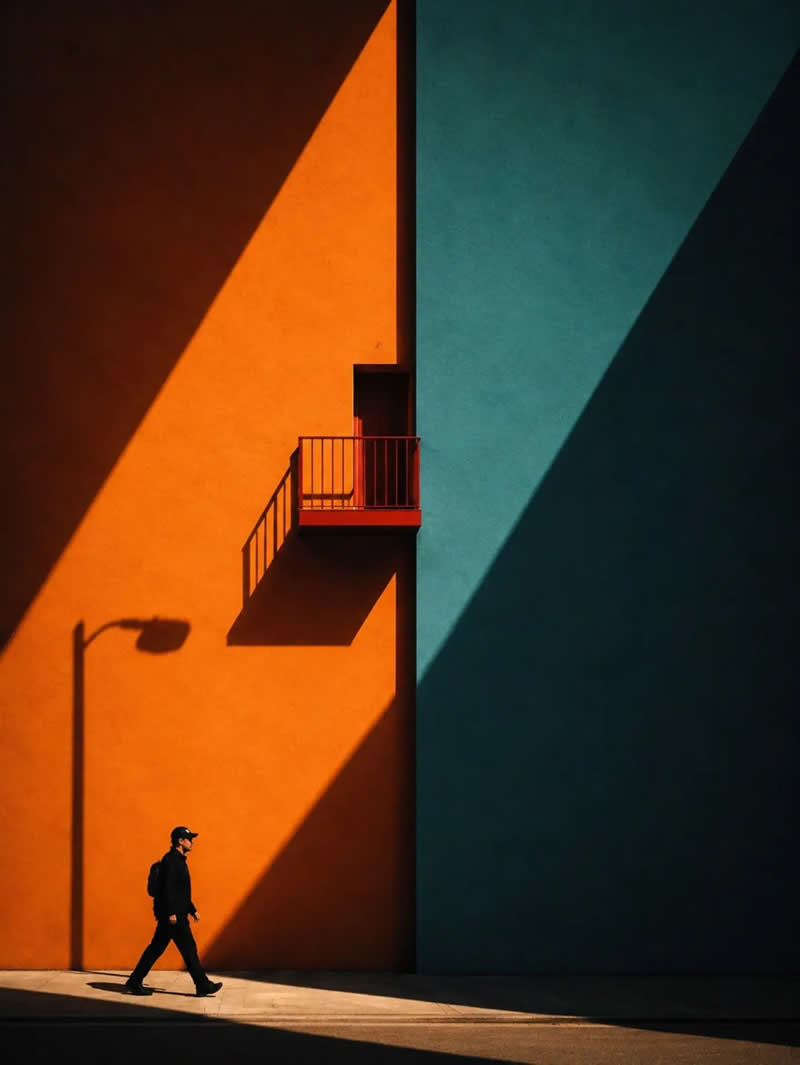
Photo by: Andy
#24
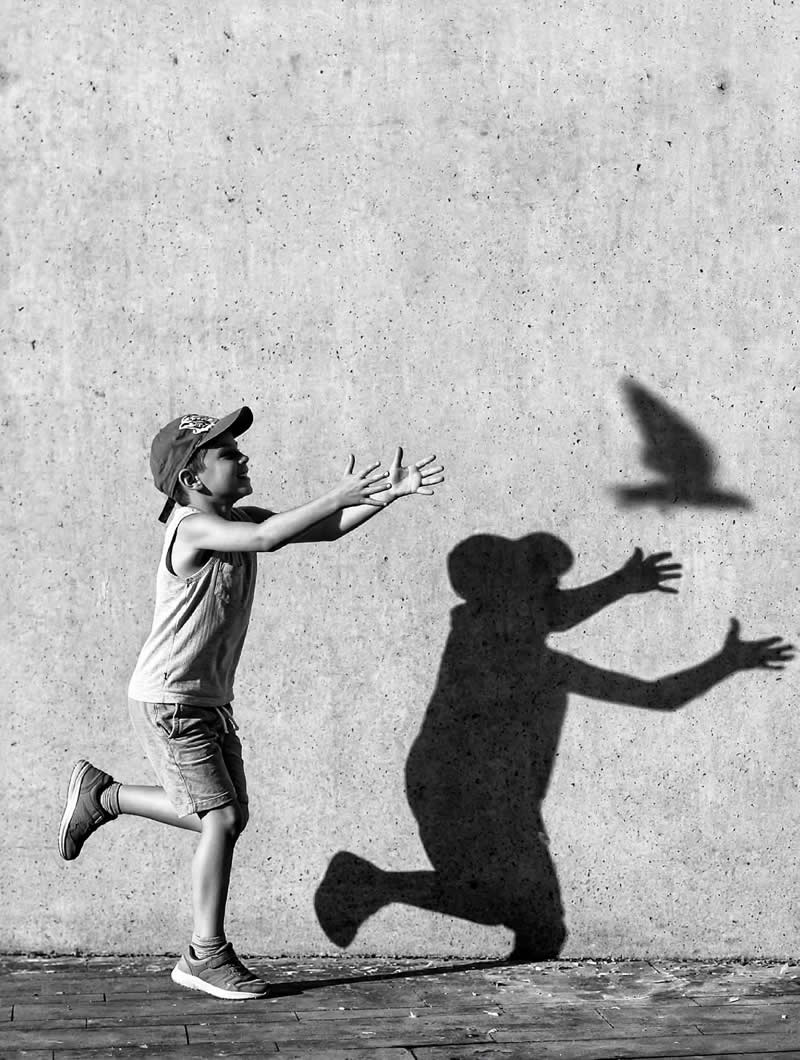
Photo by: Jorge
Seek out juxtapositions and unexpected moments
Street photography becomes very interesting when two things that have no connection at all suddenly turn meaningful. For example, a person dressed in a wild style walks past a billboard that matches their outfit. A small dog copies the pose of its owner. Someone seems to be carrying the moon on their shoulder. These instances aren’t intended or planned, and that is what makes them so good. When looking at a scene you should keep your attention on the entire frame and not just focus on the obvious subject.
- Look for visual contradictions.
- One should compare people to signs or to advertisements.
- Look out for some amusing background details.
- Make sure to check all the corners of the frame.
- When the connection shows, shoot quickly.
The most effective visual jokes typically only last a second.
#25
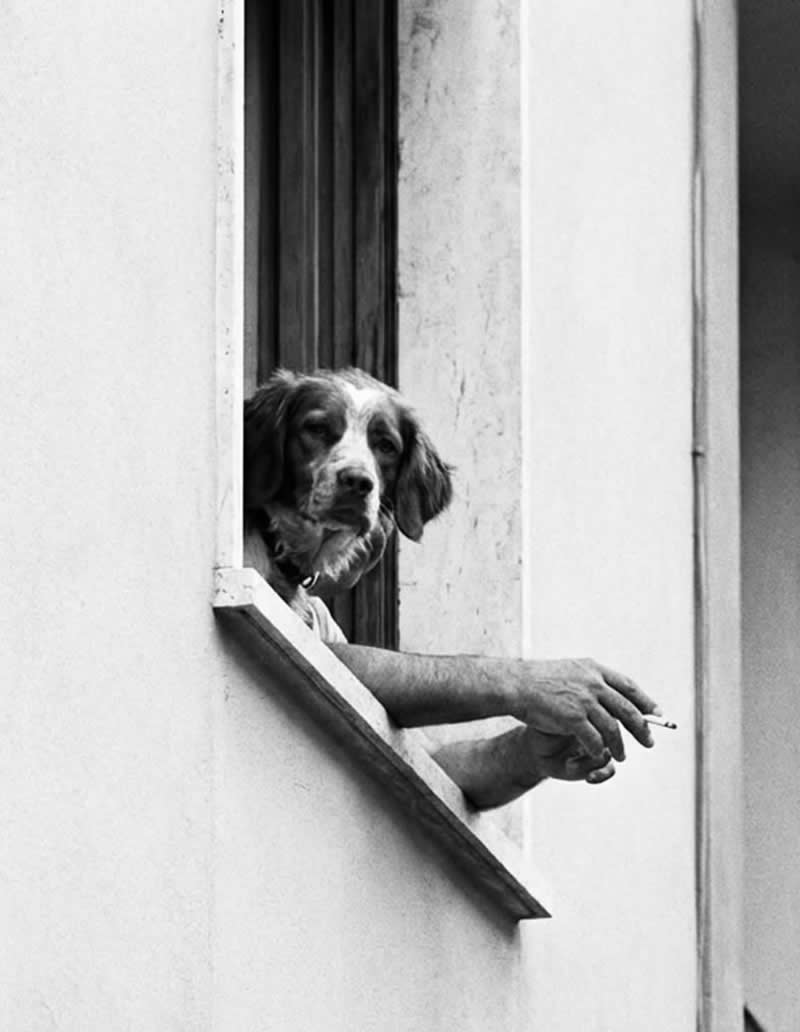
Photo by: Paolo Belloni
#26
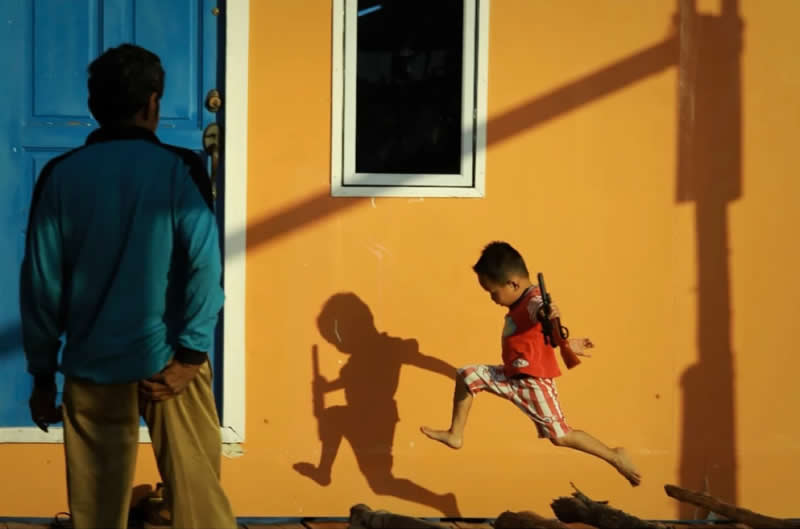
Photo by: Bob Matkodak
#27
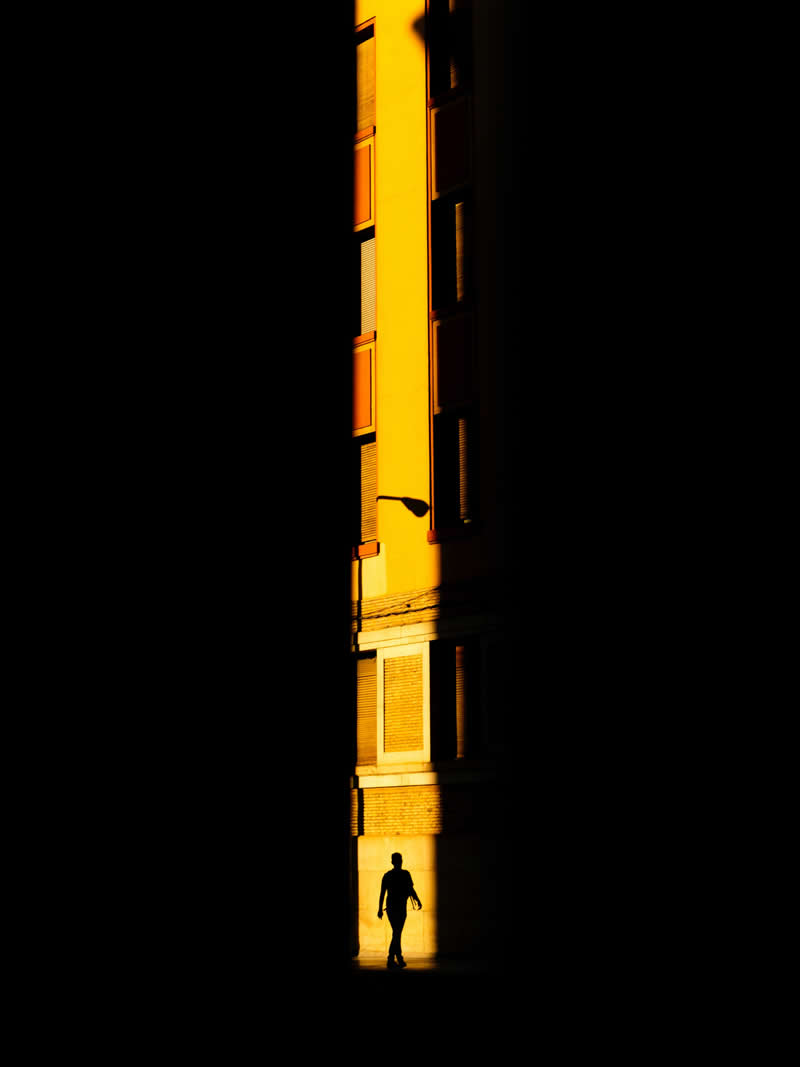
Photo by: Joaquín Pastor Genzor
#28
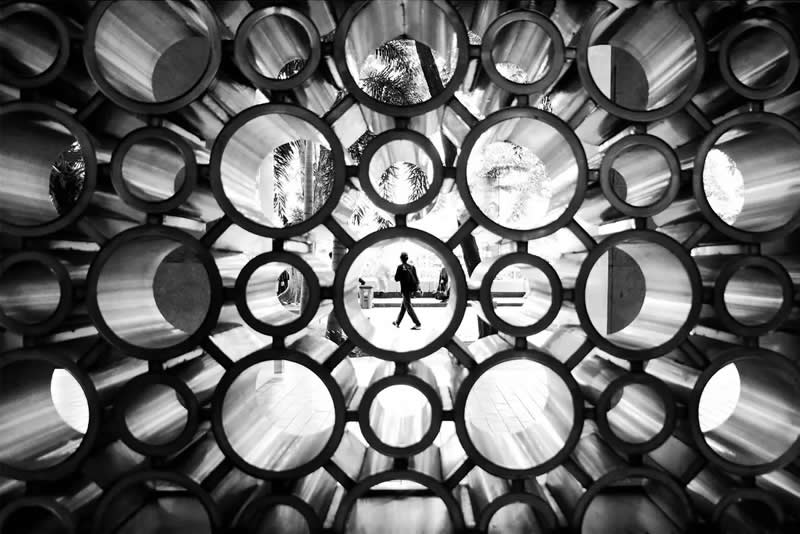
Photo by: Christianto Kumoro
#29
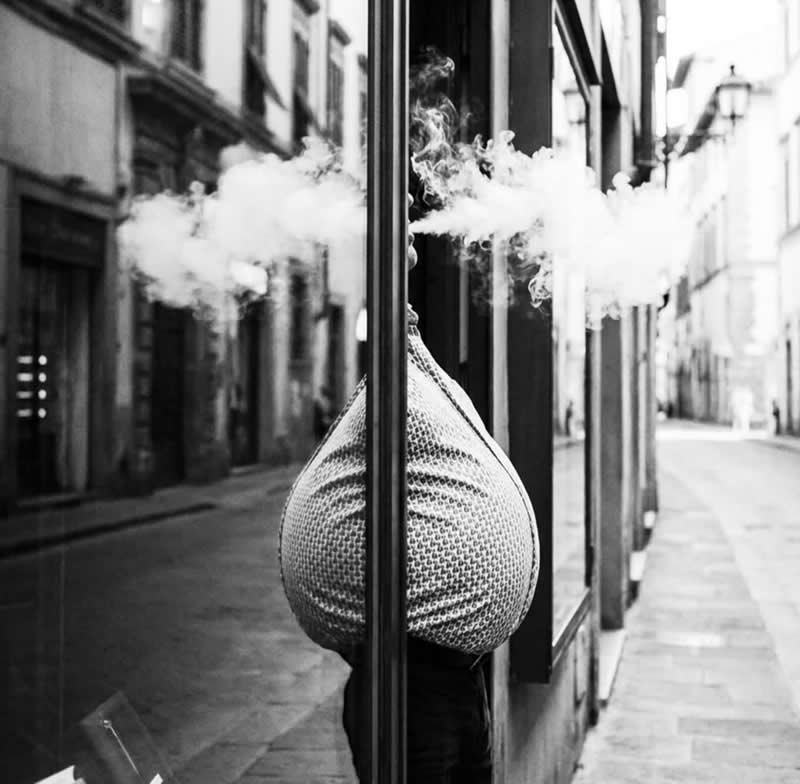
Photo by: Paolo Belloni
#30
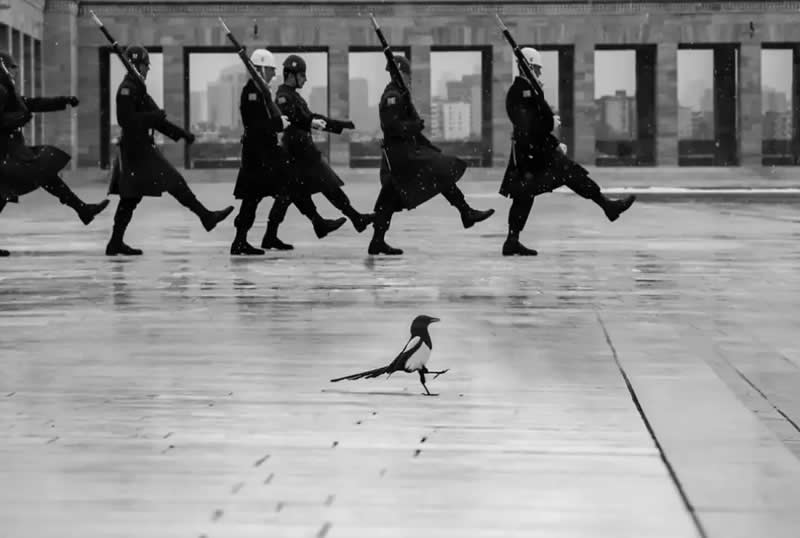
Photo by: Fatih Çindemir
Foresee the action and have faith in your instincts
Perfect timing doesn’t necessarily mean luck; instead, it often results from anticipation. You should observe how people move, pick up on patterns, and then consider what might occur next. For example, a skateboarder comes towards a wall, a cyclist approaches a shadow, and someone raises an umbrella as the clouds come rolling in. Your role is to predict the exact moment when something happens. After you’ve witnessed a good deal of street life, your instincts begin to become surprisingly keen.
- Press the shutter only after following the movement.
- Pre-focus when possible.
- To get better results in action situations, use a faster shutter speed.
- Take multiple frames when timing is critical.
- Trust your first instinct.
The decisive moment doesn’t wait for perfect settings. Be ready.
#31
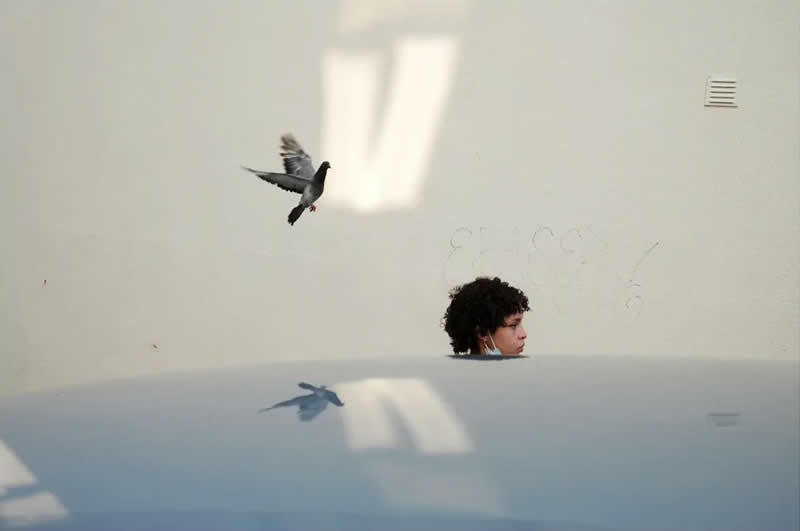
Photo by: Rúben Rosa
#32
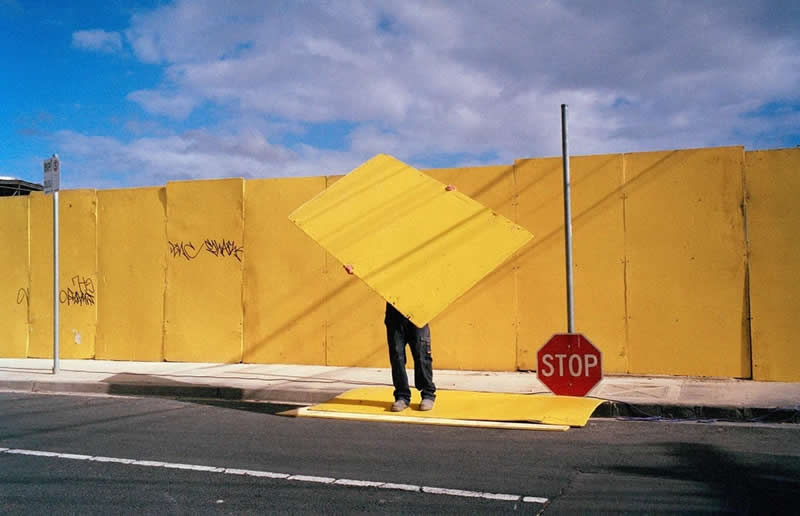
Photo by: Jesse Marlow
#33
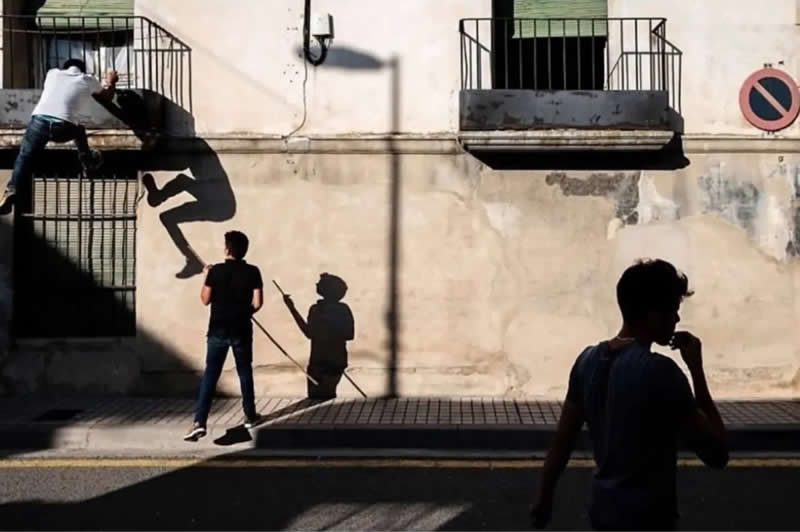
Photo by: Simone Mantia
#34
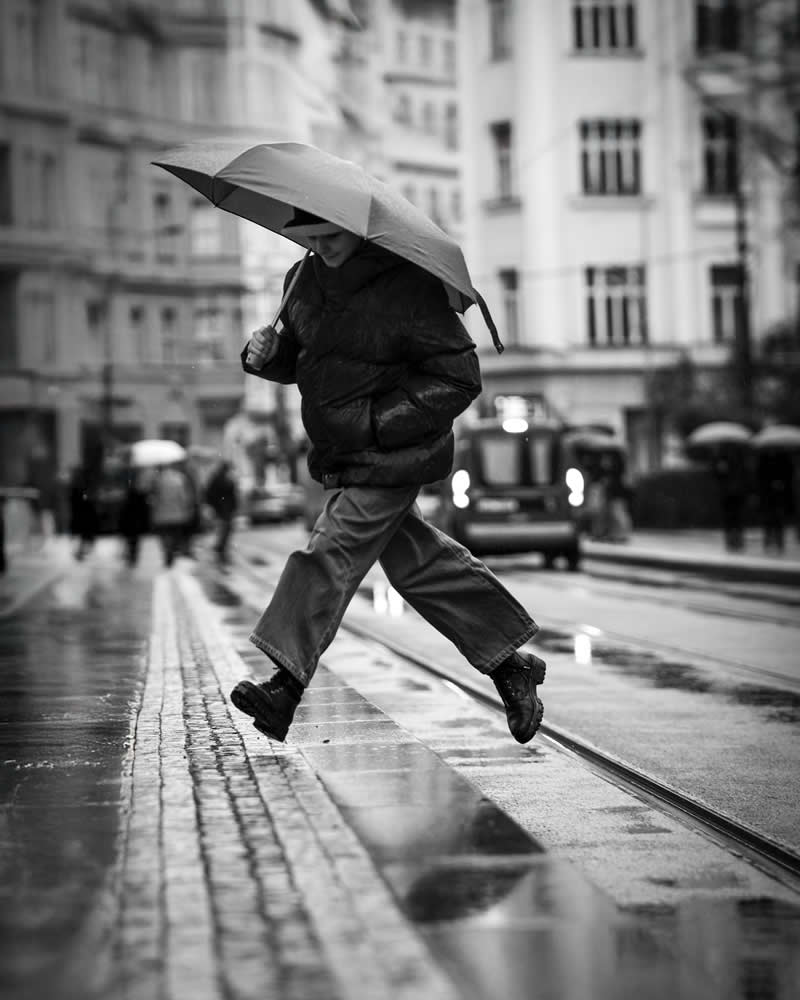
Photo by: Fernando Pedro Salgado
#35

Photo by: Stefano Mirabella
Frequently Asked Questions:
What constitutes a perfectly timed street photo?
A street photograph taken at the right moment manages to beautifully capture a brief instance when people, light, action, and the surroundings all come together. Photographers are able to identify and take these decisive moments before they vanish because of good composition, anticipation, careful observation, patience, and swift reactions.
How might I get better at timing when taking street photography?
You can improve your timing by watching people before you take their photograph, by forecasting their movements and waiting for them to move into certain areas of your composition. With practice you will be able to spot patterns more quickly, and patience will give you more chances of capturing unexpected decisive moments.
When engaged in street photography, what should I look for?
Seek out interesting lighting, shadows, geometric patterns, reflections, movement, architecture, gestures, and odd combinations of elements. Note the relationships between the subjects in the foreground and those in the background. A straightforward scene can turn into an engaging one if the right person arrives at the right place at the exact right moment.
What is the importance of patience in the practice of street photography?
What patience enables photographers to do is to create their compositions rather than just responding to random situations. By selecting an interesting background and then waiting for the right subject to appear in it, they can end up with more effective photographs. In some cases, the best photograph can only be obtained after several minutes of observation until everything finally comes together.
What constitutes the decisive moment in street photography?
The key moment occurs for a short while when the various aspects of the image, such as the visual elements, the action, the emotion, and the composition, come together in a perfect way. Photographers expect this moment and then take the photograph at exactly the right time, capturing a scene that may never occur quite the same way again.