
Walk into a coffee shop, college campus, concert, or weekend flea market these days and you might spot something that feels oddly out of place: a young person carrying a film camera. Not a tiny digital camera with a giant screen. Not the latest mirrorless body. An actual film camera.
I find that fascinating because Gen Z grew up surrounded by instant previews, unlimited storage, face detection, HDR, computational photography, and cameras that practically beg us to make every picture look perfect. Yet many young photographers are deliberately stepping backward.
Why?
I think part of the answer is simple: digital photography became too easy. We shoot hundreds of frames, check the LCD after every click, delete anything that isn’t perfect, edit the colors, sharpen the details, and post the final version before the moment has even settled in our heads.
Film breaks that rhythm.
There’s something refreshing about not knowing exactly what you got. You can’t endlessly tweak the exposure on the spot. You can’t swipe through 47 nearly identical portraits. You shoot, wait, and eventually see what happened.
For a generation exhausted by polished feeds and algorithm-friendly perfection, that uncertainty feels strangely liberating. Film isn’t just making a comeback. It’s offering a slower, messier, more human way to photograph.
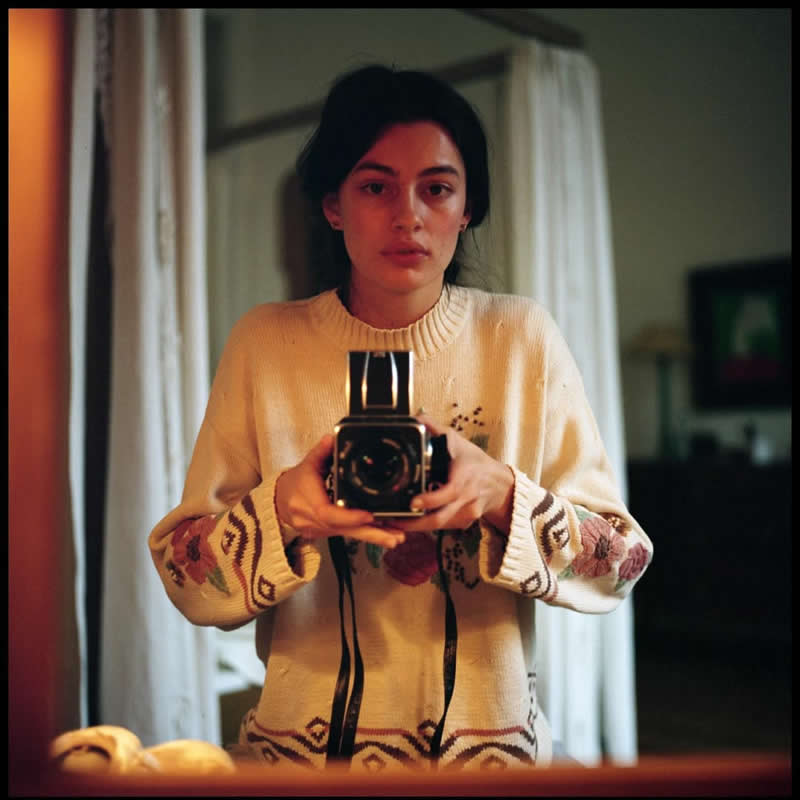
Photo by: @dianasfilmdiary
Film Grain
Film grain gives photographs a personality that digital cameras often try desperately to eliminate. I love that tiny texture because it makes an image feel touched, handled, and alive. Gen Z seems drawn to that honesty, especially when ultra-clean digital images dominate social feeds.
- Grain creates texture and emotional depth.
- Every roll develops with subtle character.
- Images feel less clinically perfect.
- Grain can make ordinary scenes memorable.
- Imperfection becomes part of the aesthetic.
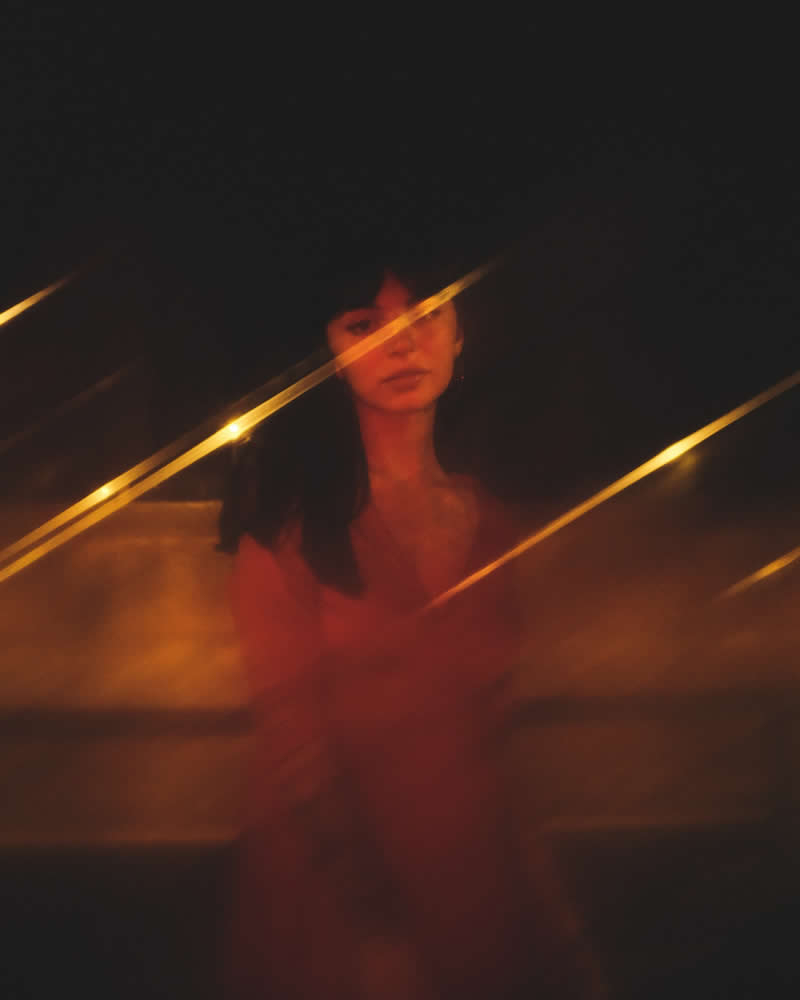
Photo by: @alecoletta
Delayed Gratification
We’re used to seeing everything instantly. Film flips that habit completely. You press the shutter and move on, without knowing whether you nailed the shot. I think that waiting creates a stronger emotional connection. When the scans finally arrive, every photograph feels like opening a tiny surprise.
- You don’t see results immediately.
- Waiting makes photographs feel valuable.
- Mistakes become part of the experience.
- Anticipation replaces instant feedback.
- Each developed roll tells a story.
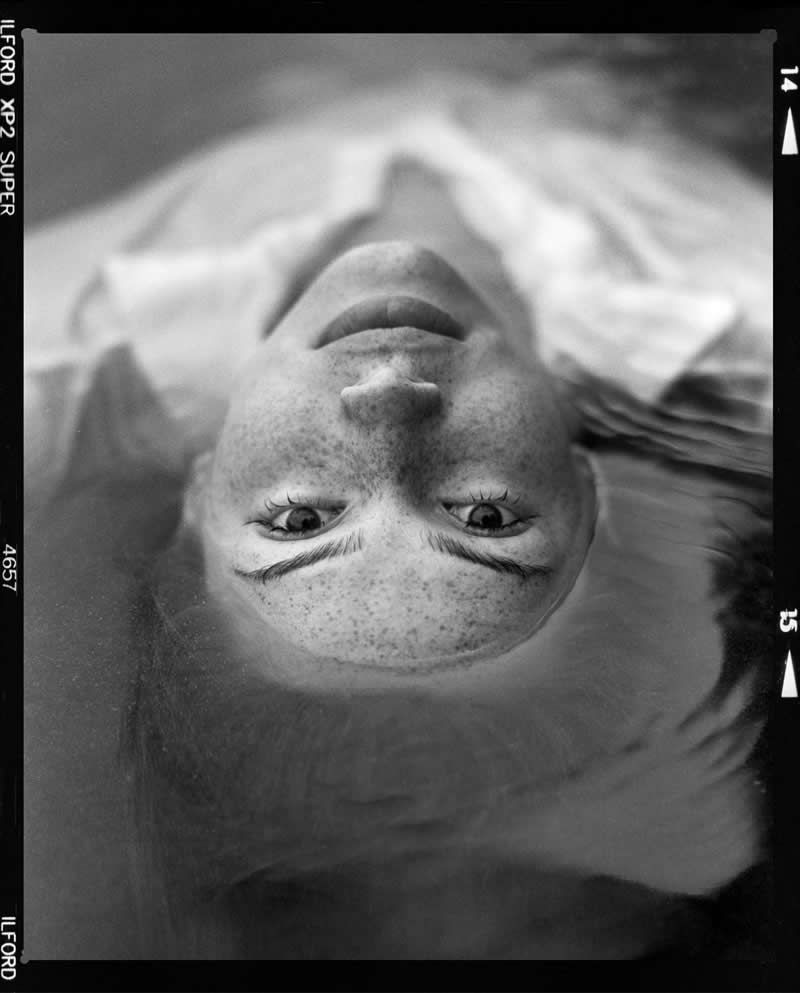
Photo by: @georg.kritsch
Disposable Cameras
Disposable cameras might be the ultimate Gen Z gateway into analog photography. They’re cheap, simple, and wonderfully low-pressure. You don’t need to understand aperture or shutter speed. You just point, shoot, and accept whatever happens. At parties, vacations, and concerts, that carefree approach feels more natural than carrying expensive digital gear.
- They’re inexpensive and easy to use.
- No technical knowledge is required.
- Flash creates a distinctive look.
- Mistakes often become favorite pictures.
- They’re perfect for casual social moments.
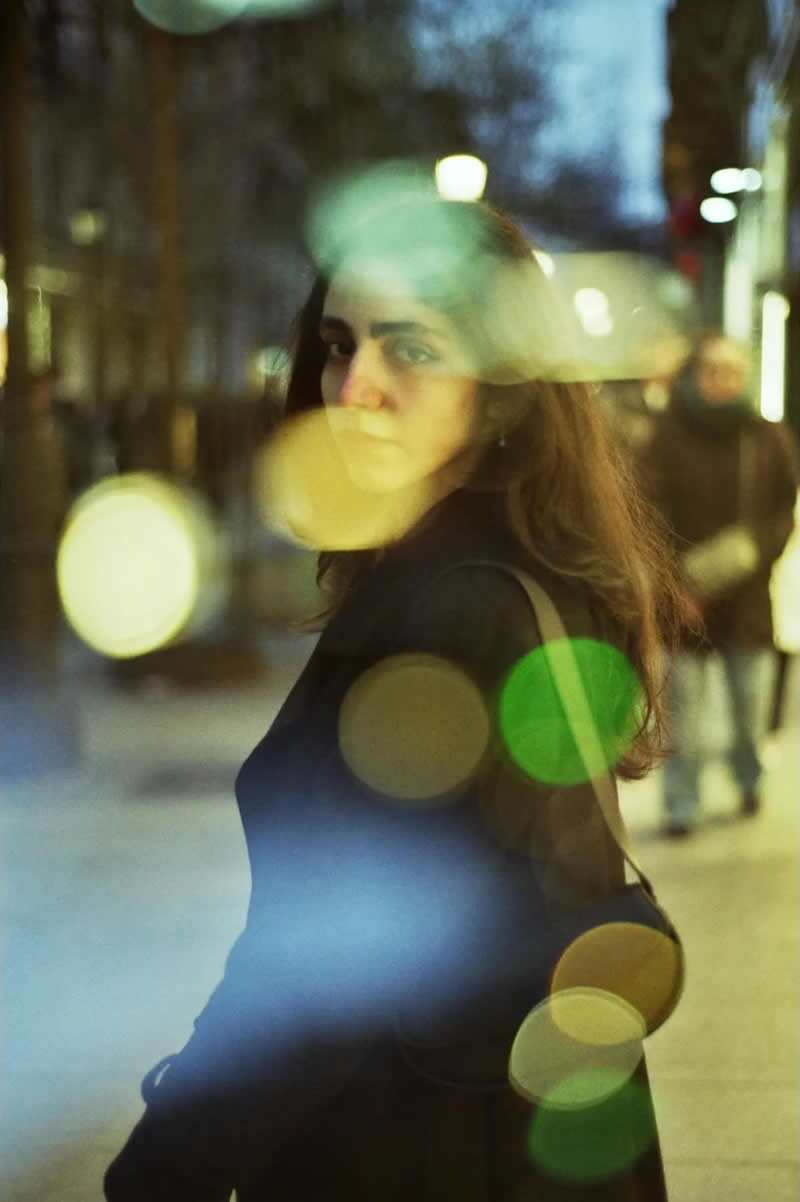
Photo by: @e.amirmohammad
Physical Prints
There’s something magical about holding a photograph instead of endlessly scrolling past it. I think physical prints hit Gen Z differently because so much of modern life exists inside phones. A printed photograph can sit on a desk, slide into a wallet, or become part of a bedroom wall.
- Prints turn images into physical memories.
- Photographs become objects, not files.
- Albums encourage slower viewing.
- Prints can be shared personally.
- Physical pictures feel surprisingly intimate.
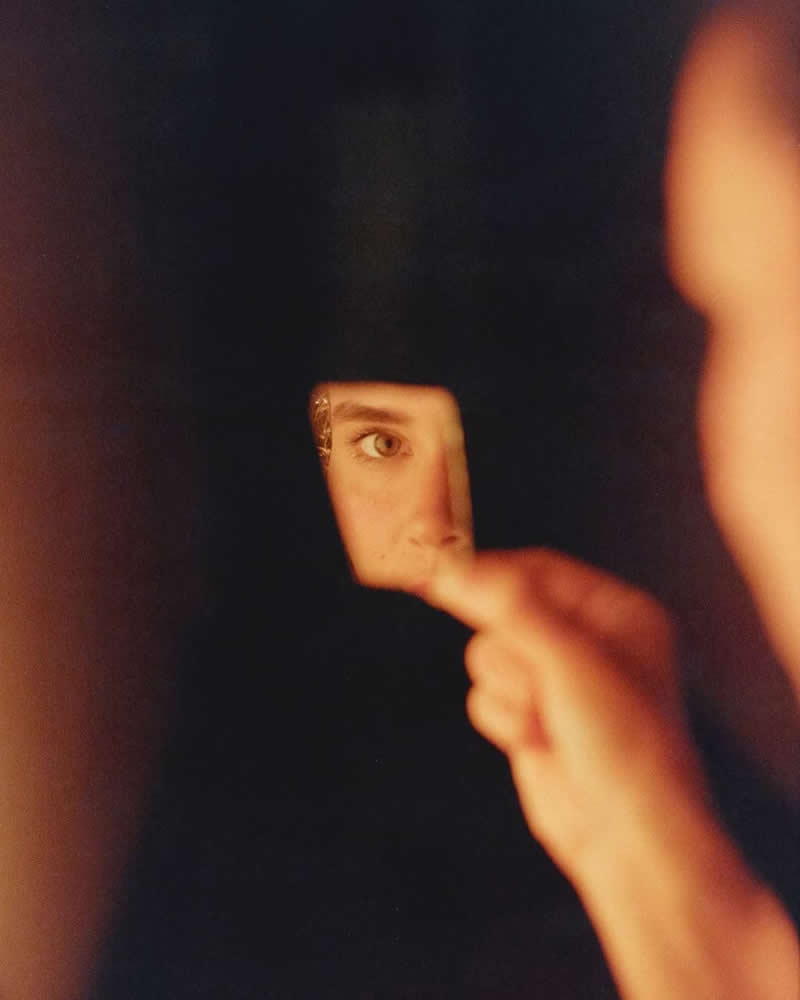
Photo by: @bettershootfilm
Imperfect Exposures
Digital photography trains us to chase technical perfection. Film quietly asks us to loosen up. Slightly blown highlights, accidental blur, strange colors, or underexposure can make a picture feel more authentic. I actually think these flaws often give photographs personality that perfectly exposed digital images sometimes lack.
- Mistakes can create unexpected beauty.
- Exposure errors add emotional character.
- Blur can suggest movement.
- Strange colors can feel nostalgic.
- Perfect isn’t always interesting.

Photo by: @lalovenenoso
Instagram Fatigue
Instagram changed photography by making presentation almost as important as photography itself. But after years of polished feeds, presets, retouching, and carefully curated identities, people are getting tired. I think film offers an escape from that pressure. You aren’t necessarily creating content. You’re simply making pictures.
- Perfect feeds can feel exhausting.
- Editing pressure encourages comparison.
- Film slows down content creation.
- Authentic moments feel more valuable.
- Photography becomes personal again.

Photo by: @sixe
Nostalgia
Here’s the funny part: many Gen Z photographers never actually experienced the film era they’re nostalgic for. Yet they love its visual language. Old family albums, vintage movies, thrift-store cameras, and retro fashion have created a secondhand nostalgia. Film lets them participate in that feeling instead of simply looking at it.
- Vintage aesthetics remain culturally powerful.
- Old family photos inspire younger photographers.
- Retro cameras feel tactile and personal.
- Film connects generations visually.
- Nostalgia makes ordinary scenes feel special.
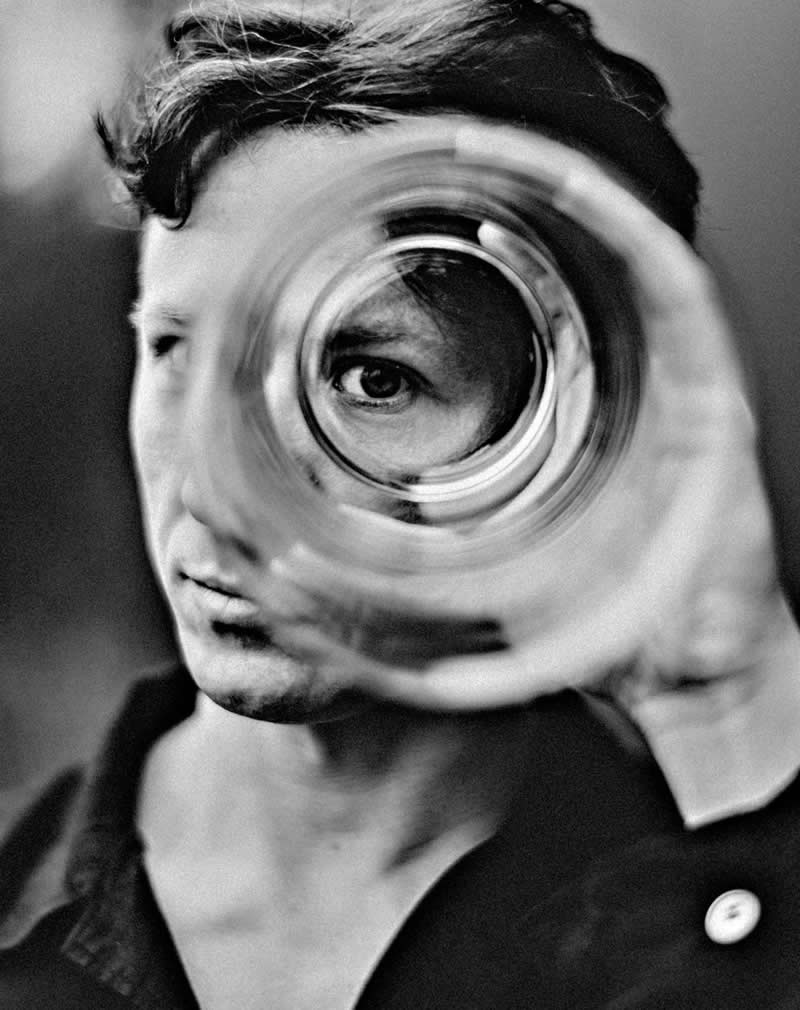
Photo by: @valeriapaal
Photographing Without Checking the LCD
This might be the biggest reason I understand the film revival. Without an LCD, you stop interrupting the moment. You compose, trust your instincts, press the shutter, and keep watching. That’s it. No chimping. No second-guessing. The camera becomes a tool again, rather than a tiny television demanding your attention.
- You stay present with your subject.
- Composition becomes more instinctive.
- You stop obsessing over mistakes.
- Moments unfold without interruption.
- Shooting becomes slower and more intentional.
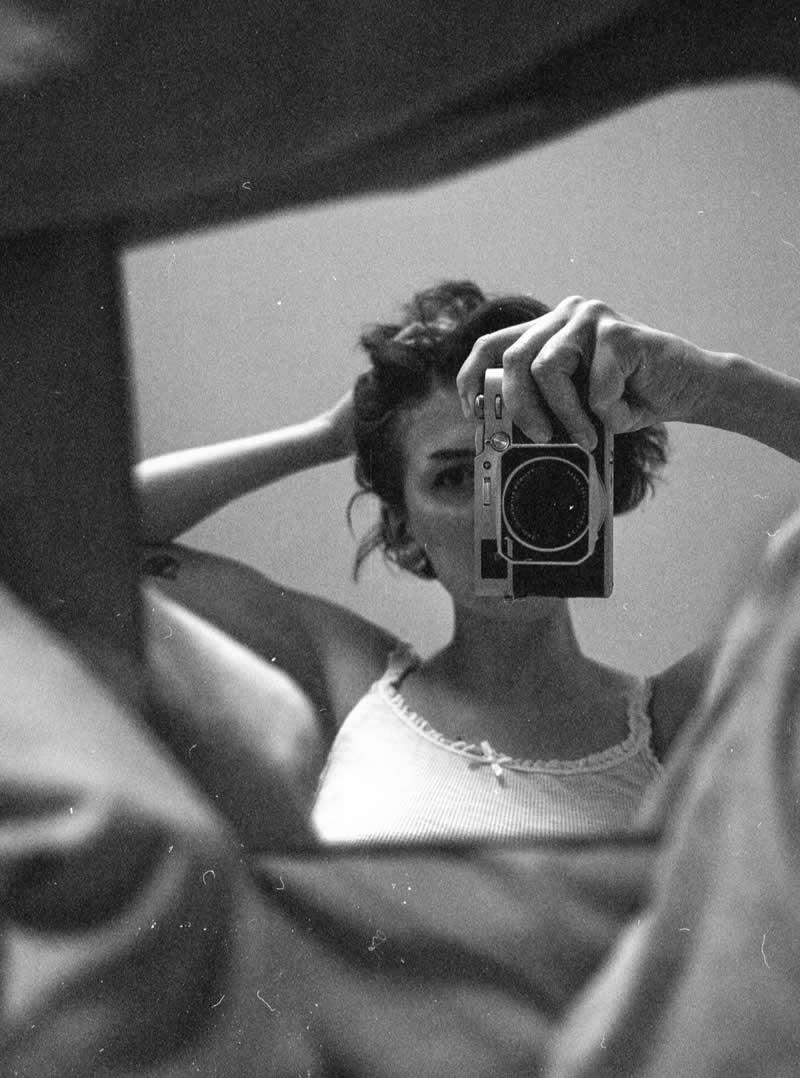
Photo by: @hercosyframes
Why Rejecting Perfect Digital Photography Feels So Appealing
I don’t think Gen Z suddenly hates digital photography. That would be too simplistic. Digital cameras are incredibly powerful, and smartphones are ridiculously convenient. The interesting part is that younger photographers now have the freedom to choose something slower.
Film creates friction.
And friction can be good.
When every digital mistake can be corrected, deleted, or reshot, photographs can start feeling disposable. Film makes you commit. You have a limited number of frames. You have to pay for development. You might get something imperfect. You might get something beautiful.
That uncertainty changes how you photograph.
I see the current analog revival less as a rejection of technology and more as a rejection of perfection. Gen Z has grown up inside a culture of filters, algorithms, edited selfies, AI-generated imagery, and endless visual stimulation. Against that backdrop, a slightly crooked photograph with grain and imperfect exposure can feel incredibly honest.
And maybe that’s the real attraction.
Film doesn’t promise perfection. It promises a memory.
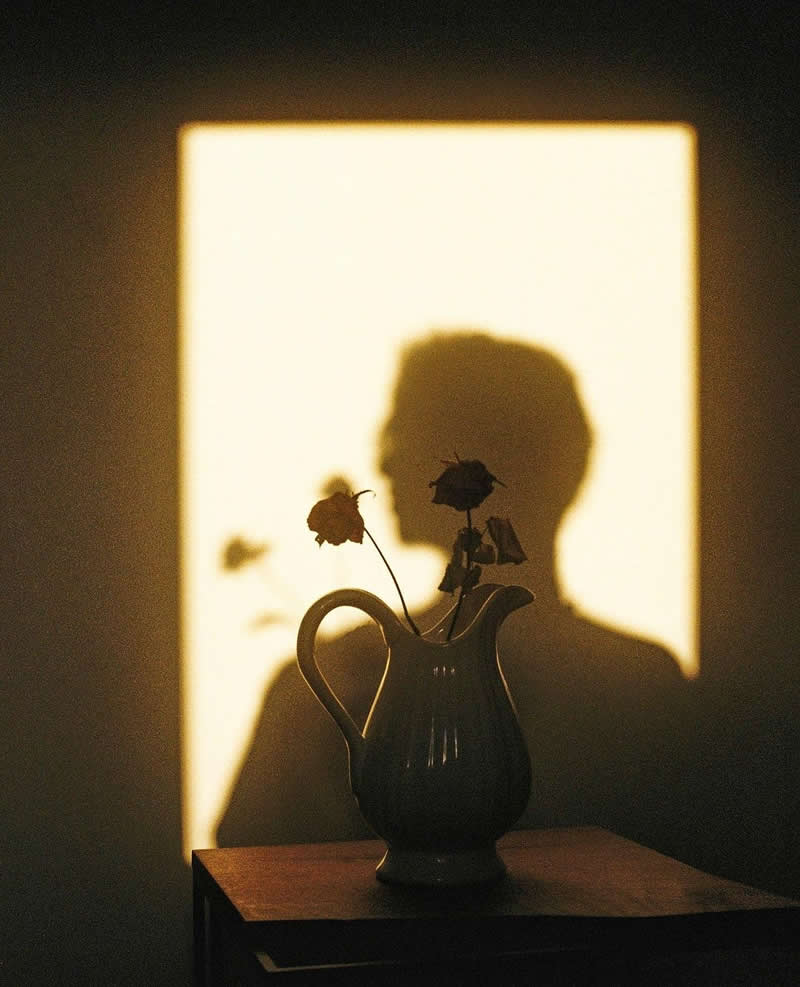
Photo by: @jaydenju_
The Bigger Photography Shift
The analog revival also tells us something important about where photography culture is heading. People aren’t necessarily looking for the most technically advanced camera anymore. They’re looking for an experience.
That’s why old point-and-shoots, disposable cameras, instant cameras, and vintage SLRs continue to attract attention. The camera itself becomes part of the story.
Think about it like vinyl records. Nobody buys vinyl because streaming doesn’t work. Streaming is faster, cheaper, and easier. Vinyl survives because people enjoy the ritual.
Film works the same way.
Loading a roll, choosing your frames, hearing the mechanical shutter, waiting for development, and finally seeing the photographs creates a relationship with the process. And when photography becomes a process rather than a race toward the perfect image, something changes.
You start paying attention again.
Film Isn’t Coming Back Because Digital Failed
Digital photography won for very good reasons. It’s fast, flexible, affordable, and incredibly capable. There’s no realistic future where film replaces digital photography at scale.
But that’s not what this revival is about.
Film is becoming desirable precisely because digital photography solved so many problems. When everything is instant, instant becomes ordinary. When everything is editable, imperfection becomes interesting.
That contradiction is what makes the current revival so fascinating to me.
Gen Z isn’t necessarily asking, "How can I take better photographs?"
They’re increasingly asking, "How can photography feel different?"
And film has a surprisingly good answer.
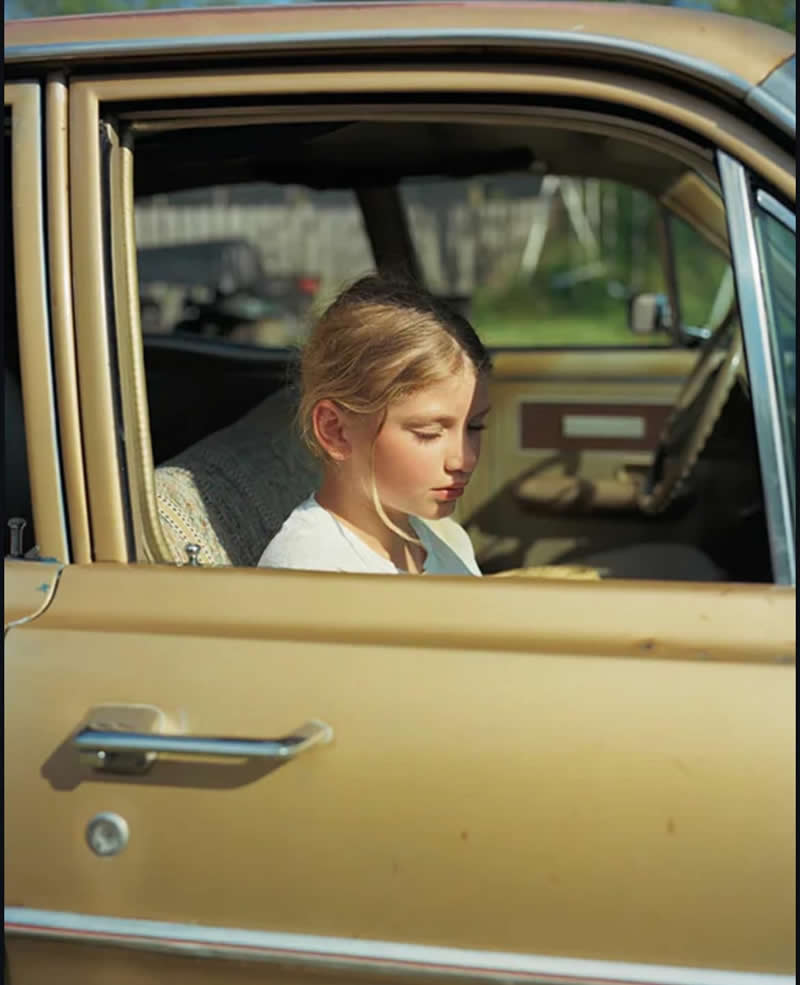
Photo by: @analogueportrait
Frequently Asked Questions:
Why is Gen Z interested in film cameras?
Gen Z is attracted to film cameras because they offer a slower, more tactile photography experience. Film grain, delayed results, physical prints, imperfect exposures, and limited frames provide an escape from digital perfection, endless editing, social-media pressure, and instant visual feedback.
Why are young photographers rejecting perfect digital photography?
Many young photographers aren’t rejecting digital cameras themselves. They’re rejecting the pressure surrounding perfect digital images. Film introduces limitations, mistakes, waiting, and unpredictability, making photography feel more personal, spontaneous, experimental, and emotionally meaningful.
Are disposable cameras becoming popular again?
Yes, disposable cameras have become popular because they’re simple, inexpensive, nostalgic, and easy to use. They remove technical decisions and encourage spontaneous photography at parties, vacations, concerts, and everyday gatherings without the pressure of creating perfect images.
Why does film photography feel more authentic?
Film photography feels authentic because photographers cannot immediately review, delete, or endlessly correct every image. Grain, blur, unusual colors, and exposure mistakes remain part of the photograph, creating imperfections that can communicate emotion, atmosphere, personality, and genuine moments.
Is film photography replacing digital photography?
No. Film isn’t replacing digital photography. Instead, the analog revival gives photographers another creative option. Digital remains faster and more practical, while film offers tactile experiences, delayed gratification, physical memories, and imperfections that many photographers increasingly find refreshing.