
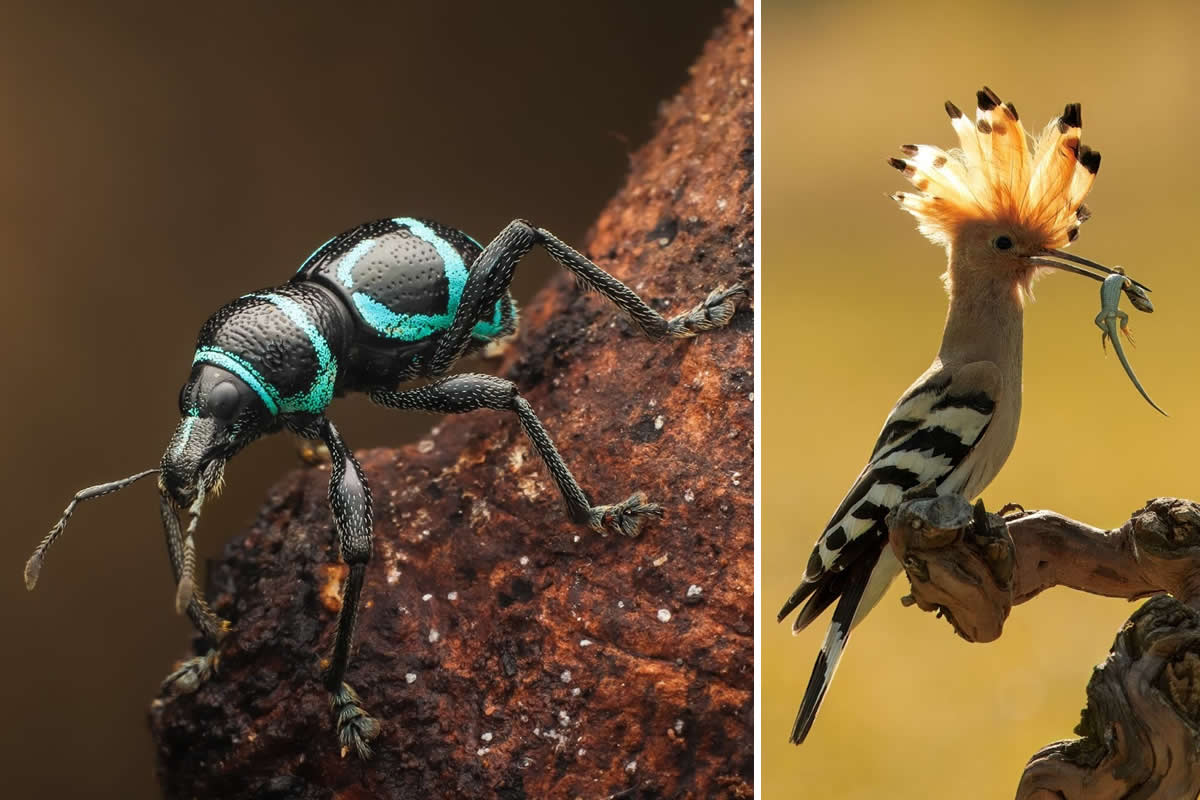
Every year, nature photography gives us a fresh reason to stop scrolling and just stare for a second. And honestly, Wiki Loves Earth 2025 delivered exactly that kind of moment. The international photography competition, dedicated to the beauty and importance of natural heritage, is back with its most exciting reveal yet: the top 20 winning images from around the world.
This year’s edition was bigger, louder, and more global than ever. A record 57 countries and territories joined the competition, turning it into a massive celebration of protected landscapes, fragile ecosystems, and the tiny wonders hiding in plain sight. The response was huge: nearly 80,000 photographs were submitted by more than 5,200 participants, all sharing their own view of Earth’s most valuable natural spaces. That’s not just impressive; it’s kind of mind-blowing.
The final selection was traditionally split into two categories: landscapes and macro, which means the winners take you from sweeping mountain scenes and untouched wetlands to intimate close-up moments of insects, flowers, and textures you’d normally walk right past. Out of 618 local winning images that advanced to the international round, only 20 made the final cut.
With 13 photographers, visual experts, and Wikimedians on the international jury, these winning images aren’t just pretty pictures. They’re a reminder that protected natural areas still have the power to surprise, humble, and leave us speechless.
You can find more info:
#1. Macro/Close-up: 1st Place by Edunavia1
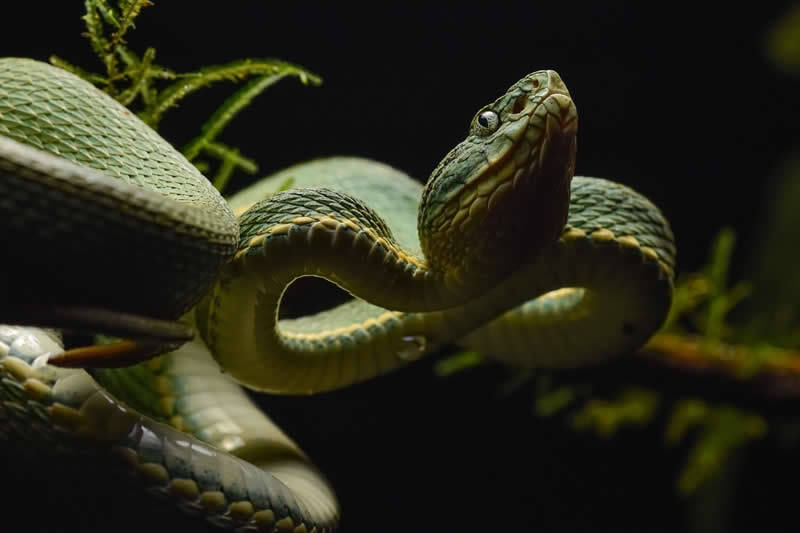
"The category of macro images opens with a breathtaking close-up that depicts a posing green jararaca (Bothrops bilineatus) on the territory of Carrasco National Park in Bolivia."
#2. Macro/Close-up: 2nd Place by Buggingitout
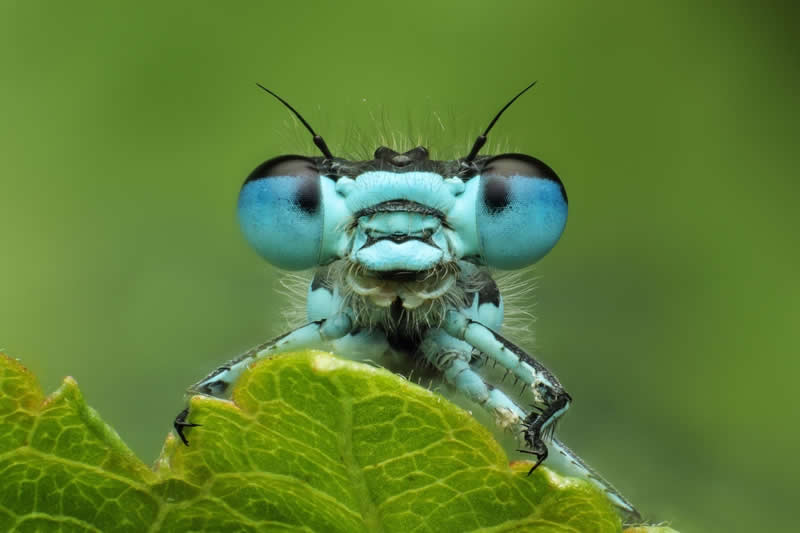
"The next macro image comes from England and illustrates the focus stack of a common blue damselfly (Enallagma cyathigerum), found beside a river in the Norfolk Broads National Park."
#3. Macro/Close-up: 3rd Place by Sven Damerow
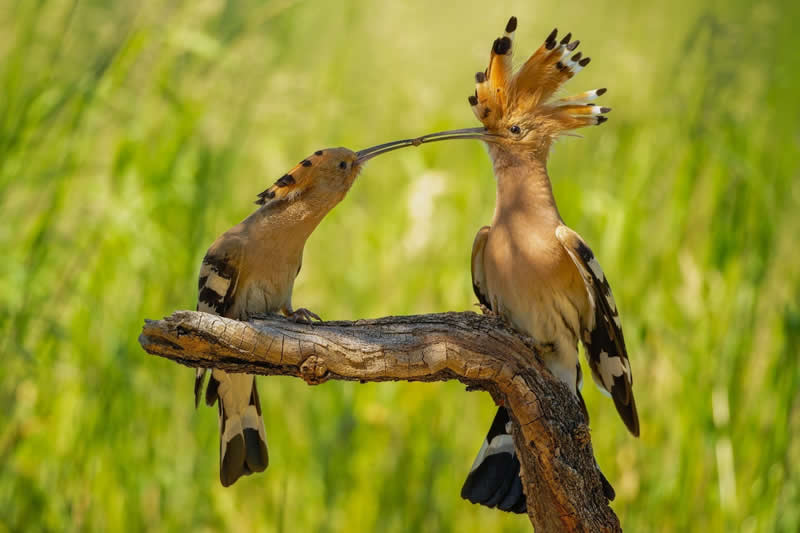
"This image captures the feeding process of an Eurasian hoopoe (Upupa epops) pair in the Mittlere Elbe-Steckby protected landscape area in Germany."
#4. Macro/Close-up: 4th Place by Lukas Kott
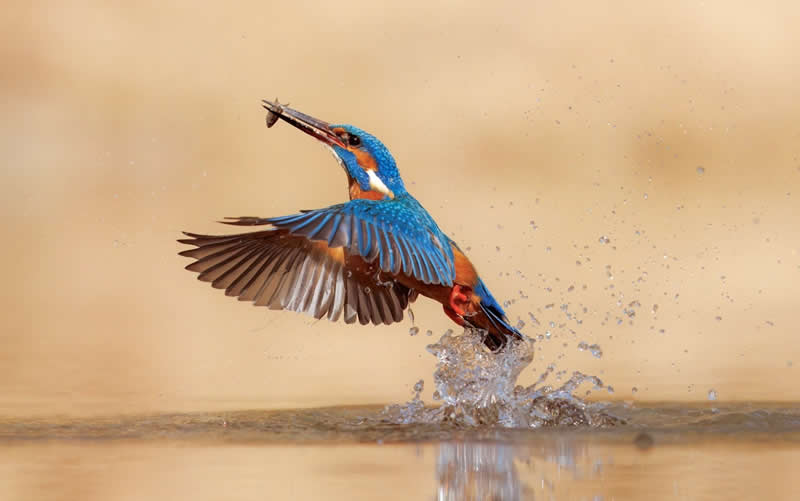
"A well-timed moment of a common kingfisher (Alcedo atthis) hunting on a pond was captured in Poodří Protected Landscape Area, Czech Republic."
#5. Macro/Close-up: 5th Place by Rauxilian
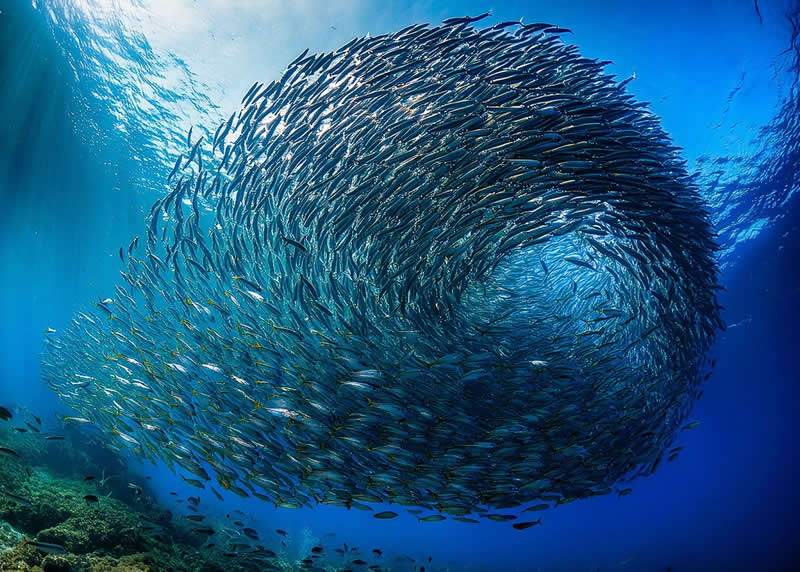
"On this image, a swirling ball of countless reef fish named yellowstripe scad (Selaroides leptolepis) forms a mesmerizing bait ball beneath the clear waters of Tawi-Tawi, Sibutu and Tumindao Islands, the Philippines, and was captured amid vibrant coral reefs teeming with marine life."
#6. Macro/Close-up: 6th Place by A. H. M Ibnul Arabi
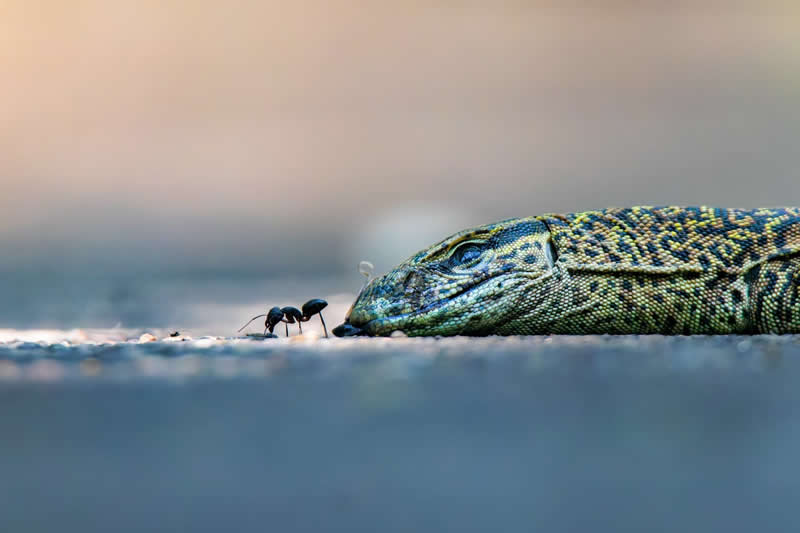
"This photograph was taken in the National Botanical Garden of Bangladesh. A black carpenter ant (Camponotus compressus) was tearing flesh from the carcass of a Bengal monitor (Varanus bengalensis). As the life of the monitor ends, the small ant struggles to survive by feeding on it. This is a remarkable example of nature’s food chain."
#7. Macro/Close-up: 7th Place by Sven Damerow
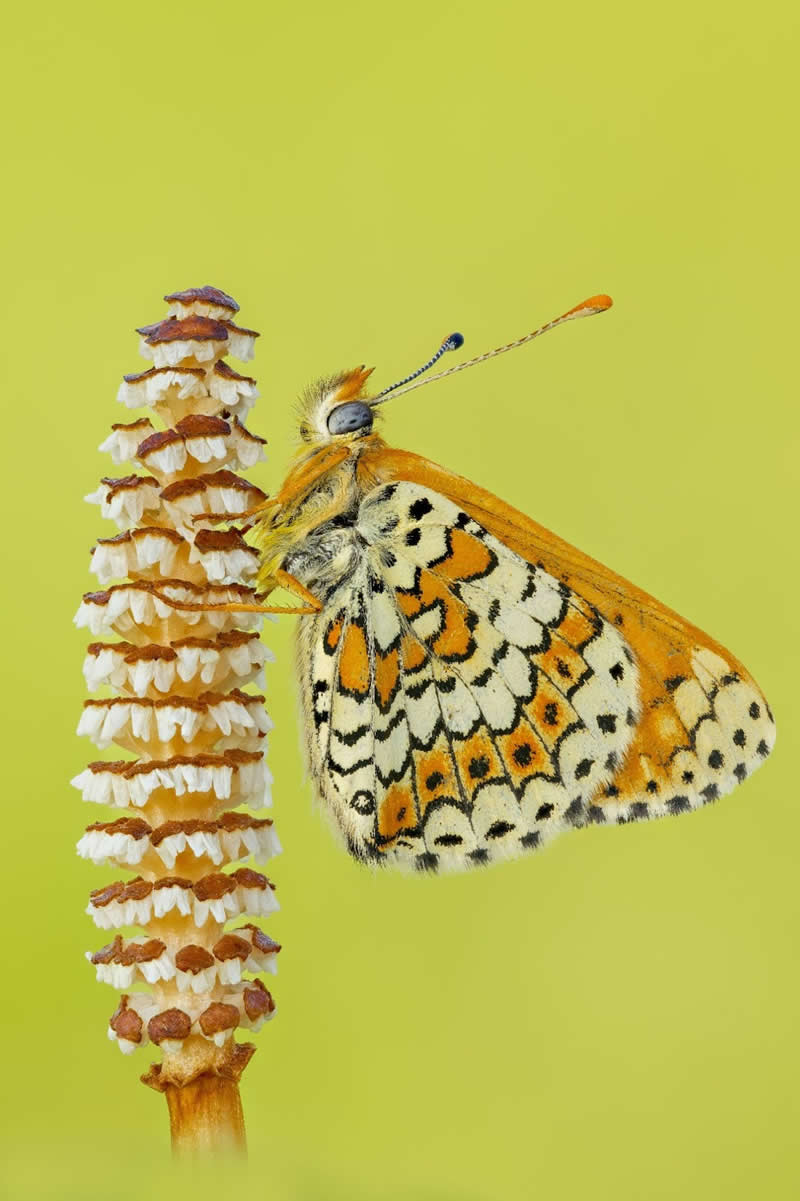
"The next macro shot depicts Glanville Fritillary (Melitaea cinxia) in the Wittenberge-Rühstädter Elbniederung Nature Reserve in Germany."
#8. Macro/Close-up: 8th Place by Mark Kineth Kasindac
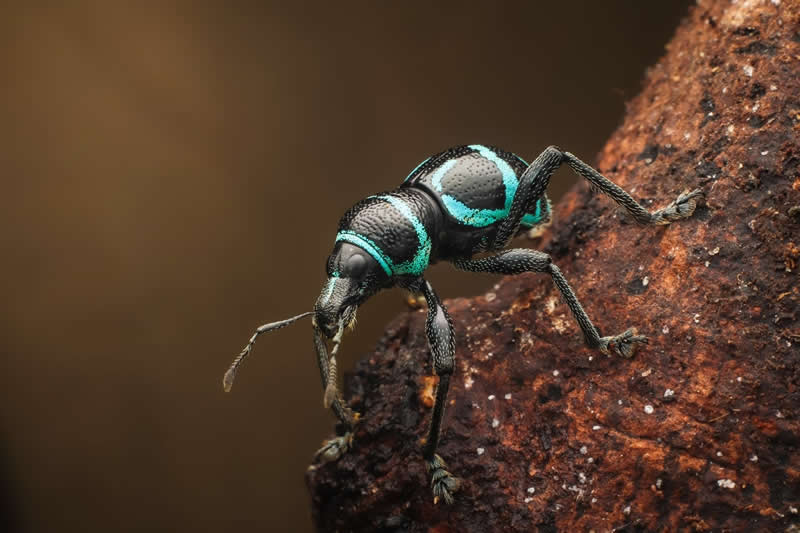
"This image shows us an illustration of weevil (Metapocyrtus reyesi) in Northern Negros Natural Park, the Philippines. As the author said, this unique coloration may indicate a potential case of natural variation or localized adaptation, and it adds new insight into the phenotypic diversity within the species."
#9. Macro/Close-up: 9th Place by Lukas Kott
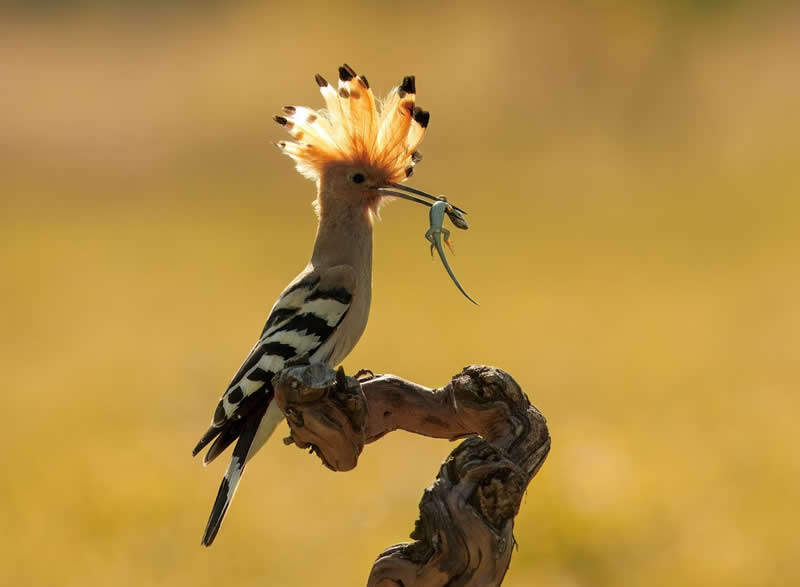
"The next image showcases a very rare moment when a Great Crested Hoopoe (Upupa epops) flew in with a caught lizard for a female that was sitting on eggs. Photographed in the Pálava Protected Landscape Area, Czech Republic."
#10. Macro/Close-up: 10th Place by Nishant Sharma Parajuli
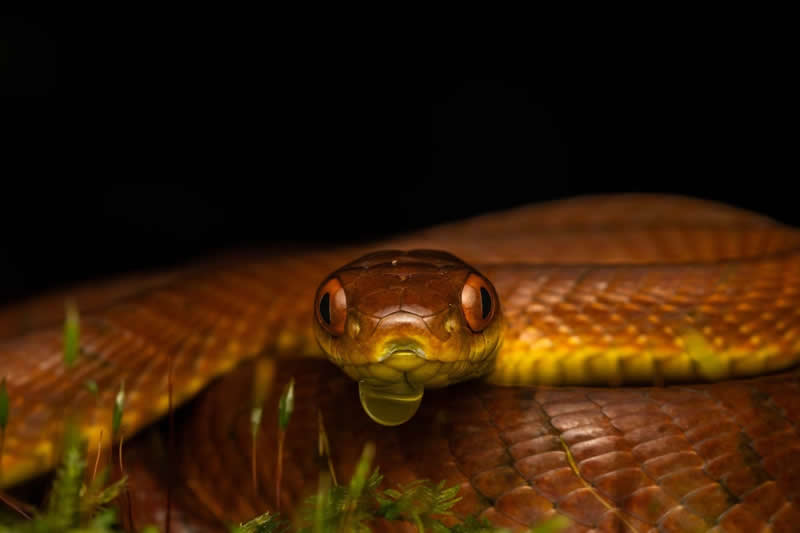
"The last image in еру macro category illustrates a Tawny Cat Snake (Boiga ochracea) peering through the dusk captured during the calm of evening in the lush greenery in Godawari National Botanical Garden of Nepal. As the author of the photo said, this image celebrates the quiet elegance of Nepal’s often-overlooked reptilian fauna."
#11. Landscapes: 1st Place by Markusmachtphotos
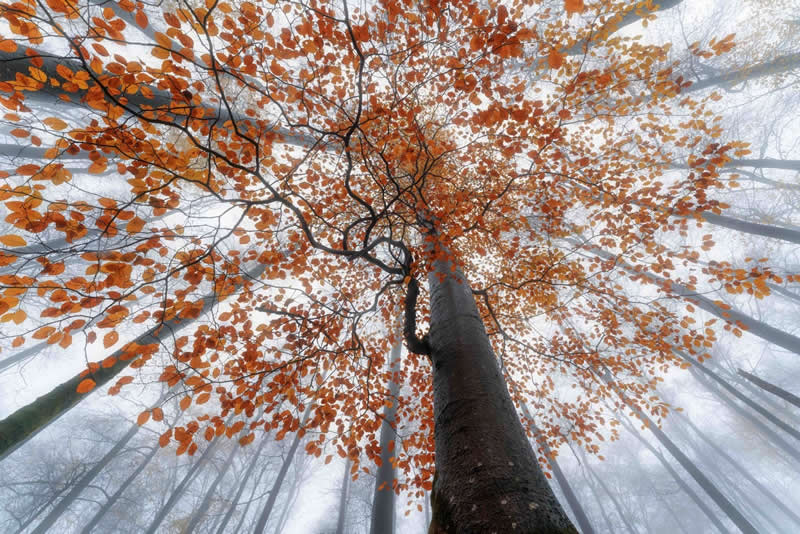
"The first place in the landscapes category goes to a beautiful image of a European beech (Fagus sylvatica) with autumn leaf color in the biosphere reserve Rhoen in Germany."
#12. Landscapes: 2nd Place by Thiagomarcelcampi
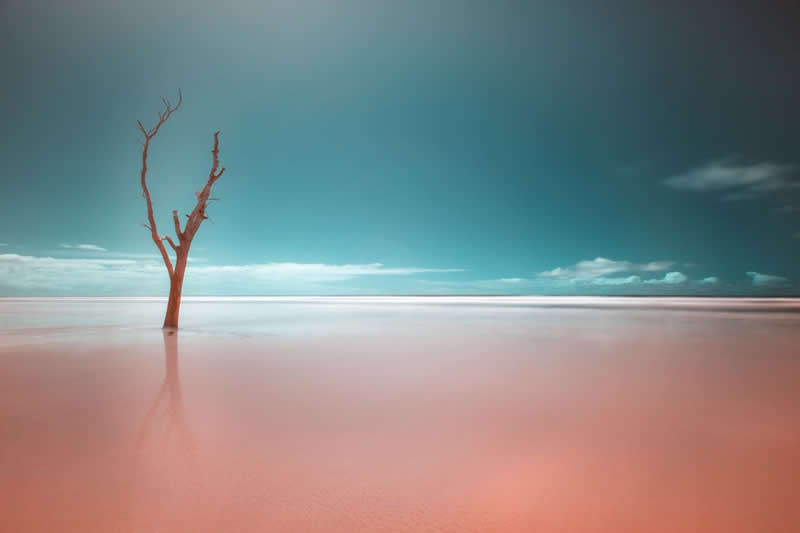
"This photograph documents the effects of climate change, shown by the rise in the Atlantic Ocean’s sea level, which increasingly floods areas of Ilha do Cardoso that were previously occupied by mangroves. It is located in the State Park of Ilha do Cardoso, Cananéia, São Paulo, Brazil."
#13. Landscapes: 3rd Place by Di7ane
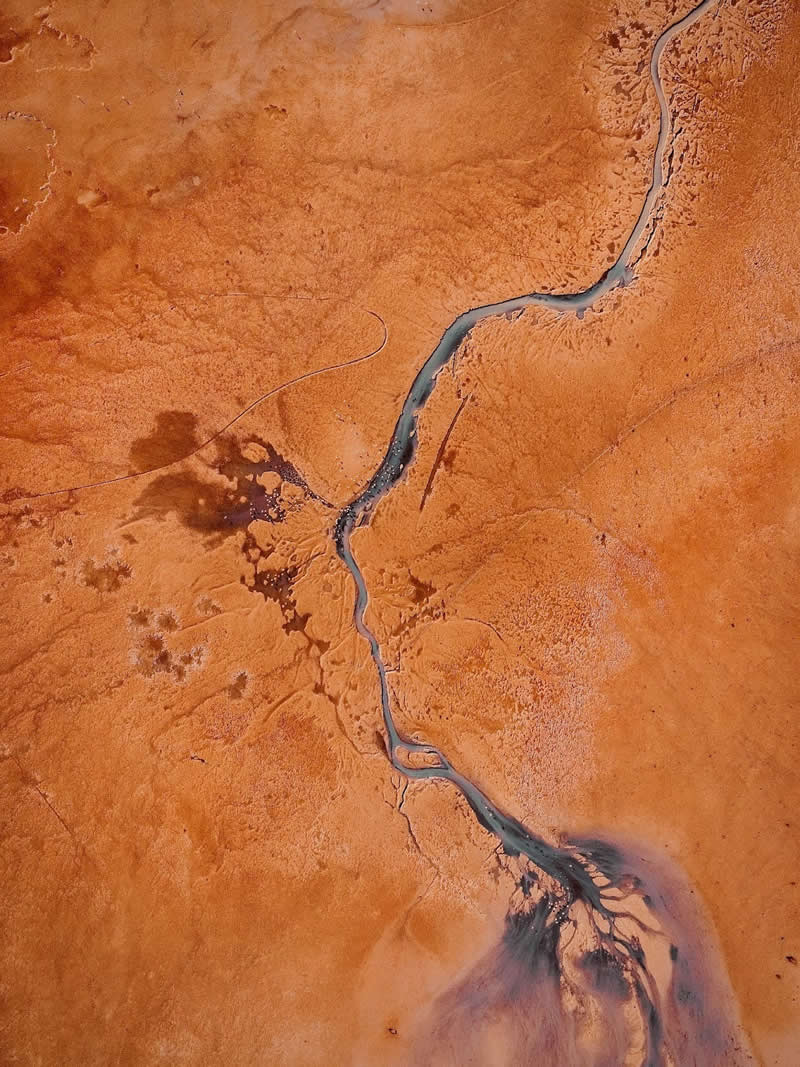
"The next place goes to a magnificent aerial photography of Sulaibikhat Marine Protected Area in Kuwait."
#14. Landscapes: 4th Place by Di7ane
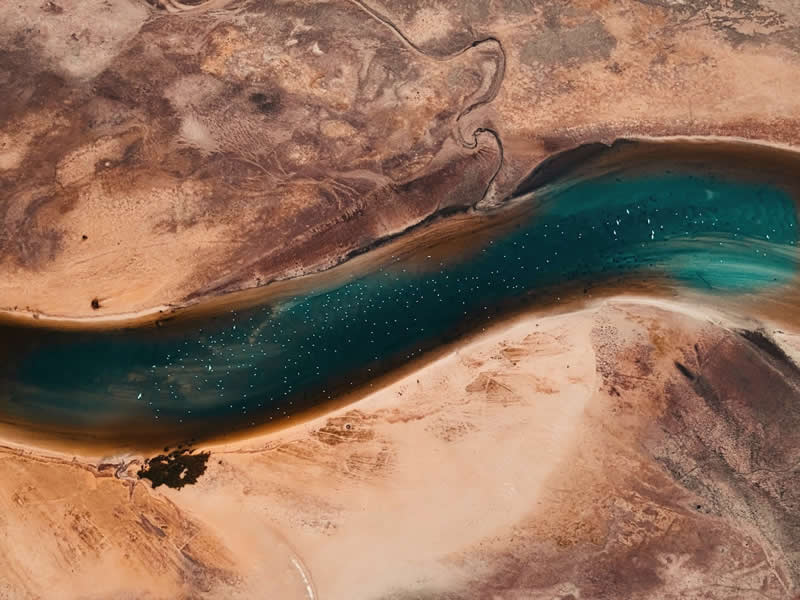
"The next place goes to another aerial image from the same author. This one is taken in Al-Khuwaisat (Al-Jahra) Natural Reserve in Kuwait."
#15. Landscapes: 5th Place by Missoni Francesco
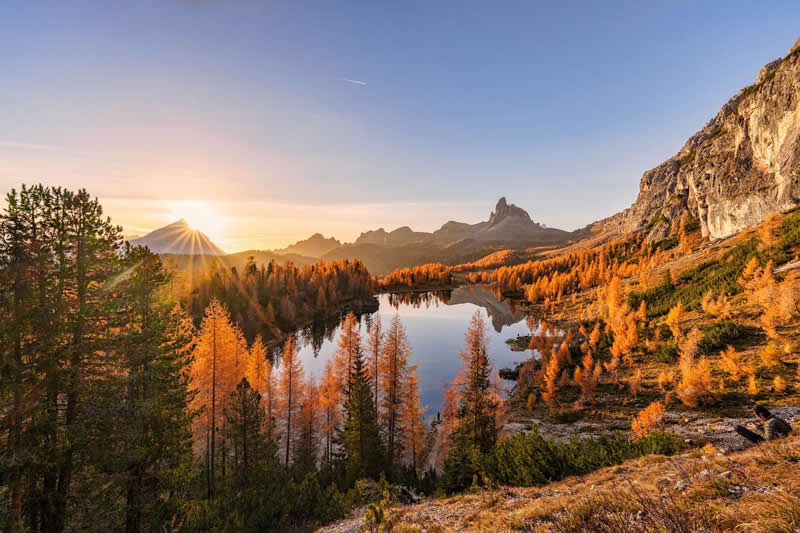
"A warm image taken near Federa lake in the Natural regional park of Dolomiti d’Ampezzo, Monte Pelmo – Mondeval – Formin protected area, Italy."
#16. Landscapes: 6th Place by Miura
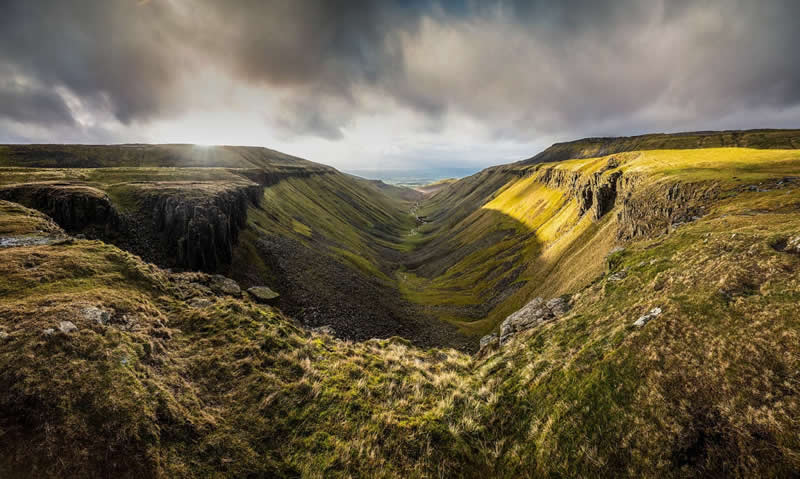
"The next place goes to a beautiful landscape of a Glaciated valley called High Cup Nick in the North Pennines, England."
#17. Landscapes: 7th Place by Svjetlopis
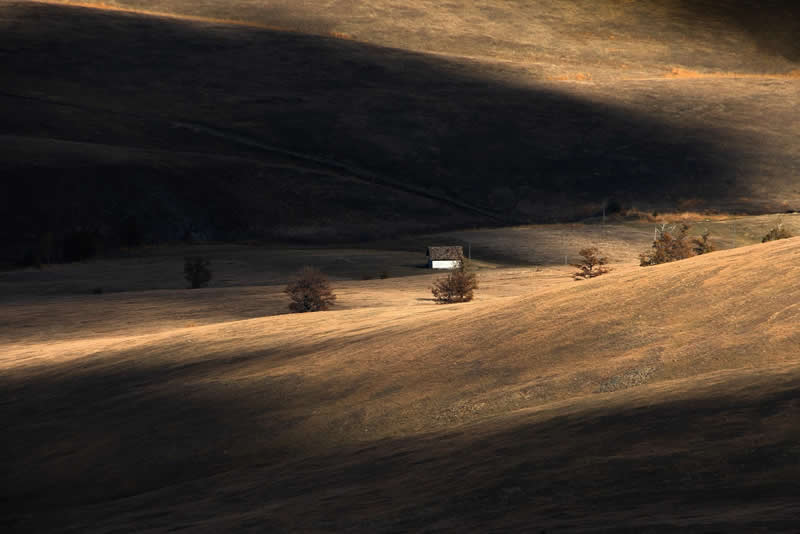
"The next mysterious landscape image is taken in Čigota, Zlatibor protected area, located in Serbia."
#18. Landscapes: 8th Place by Glenn Wilks
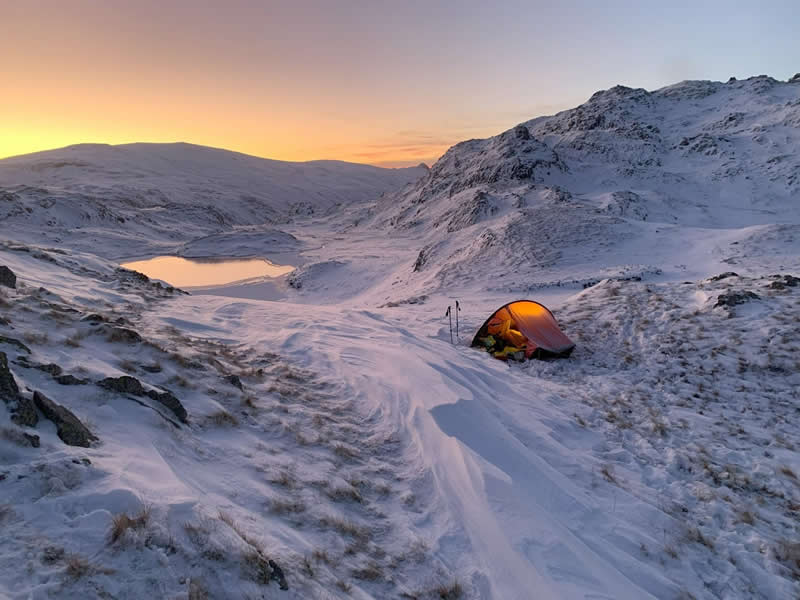
"This image illustrates a cold morning — day break on Bessy Boot above Tarn at Leaves looking to High Raise in the south east, Lake district National Park, England."
#19. Landscapes: 9th Place by José Nuno Rosado
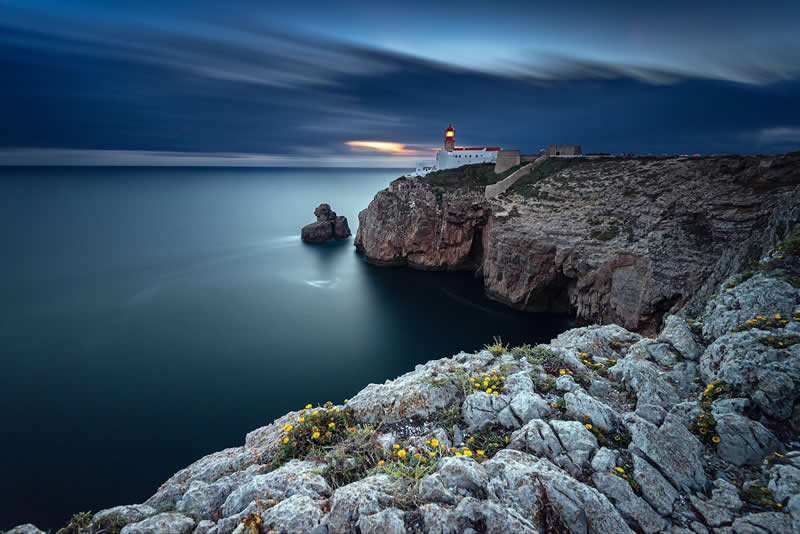
"This image depicts Sagres Lighthouse that is located in Southwest Alentejo and Vicentine Coast Natural Park in Portugal."
#20. Landscapes: 10th Place by David Egan
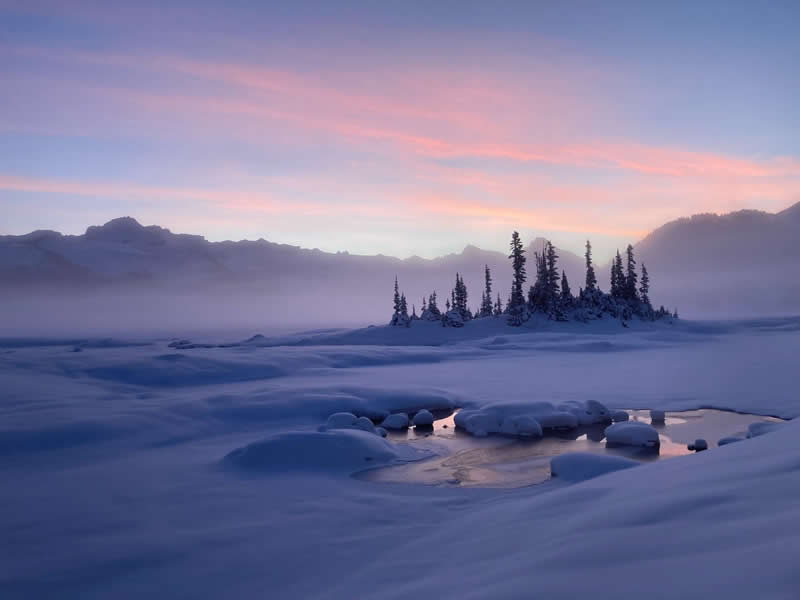
"And the top of landscape images closes with a photo of Garibaldi Lake at dawn on New Year’s Day, taken in Garibaldi Provincial Park, Canada."
Frequently Asked Questions:
What is Wiki Loves Earth 2025?
Wiki Loves Earth 2025 is an international photography competition focused on natural heritage and protected nature areas. It invites photographers from around the world to document landscapes, wildlife habitats, and macro details that highlight the beauty and importance of conservation.
How many photos were submitted to Wiki Loves Earth 2025?
Wiki Loves Earth 2025 received around 80,000 photo submissions from more than 5,200 participants worldwide. It was one of the competition’s biggest editions yet, with a record number of countries, territories, and local winning images reaching the international judging round.
How were the winners selected in Wiki Loves Earth 2025?
The international winners were selected by a jury of 13 experienced photographers, visual experts, and Wikimedians from around the world. They reviewed 618 local winning images and chose the final top 20 based on quality, storytelling, originality, and visual impact.
What categories are included in the Wiki Loves Earth winners list?
The top international winners are traditionally divided into two categories: landscapes and macro photography. This creates a balanced showcase of both grand protected natural landscapes and tiny close-up details, offering a richer, more complete visual celebration of Earth’s natural heritage.
Why is Wiki Loves Earth important for nature photography?
Wiki Loves Earth matters because it goes beyond beautiful images. It helps document protected natural areas, spreads awareness about environmental conservation, and encourages people to value the landscapes and ecosystems around them through the universal language of photography.