
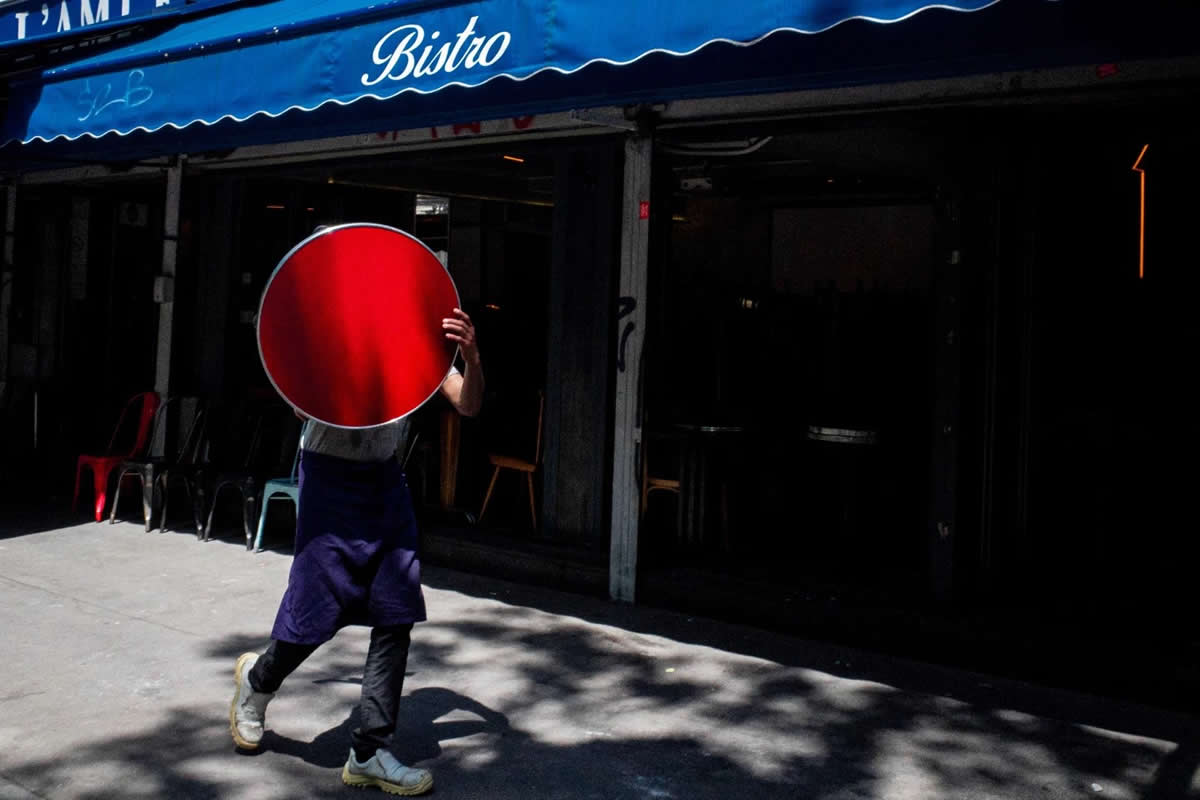
Paris-based street photographer Lea Gundermann doesn’t chase perfection; she chases the split-second magic most people walk right past. In her world, city streets become living stages where light, movement, humor, and emotion collide without warning. Every frame feels raw, stylish, and deeply human, like a scene pulled from a movie that was never scripted.
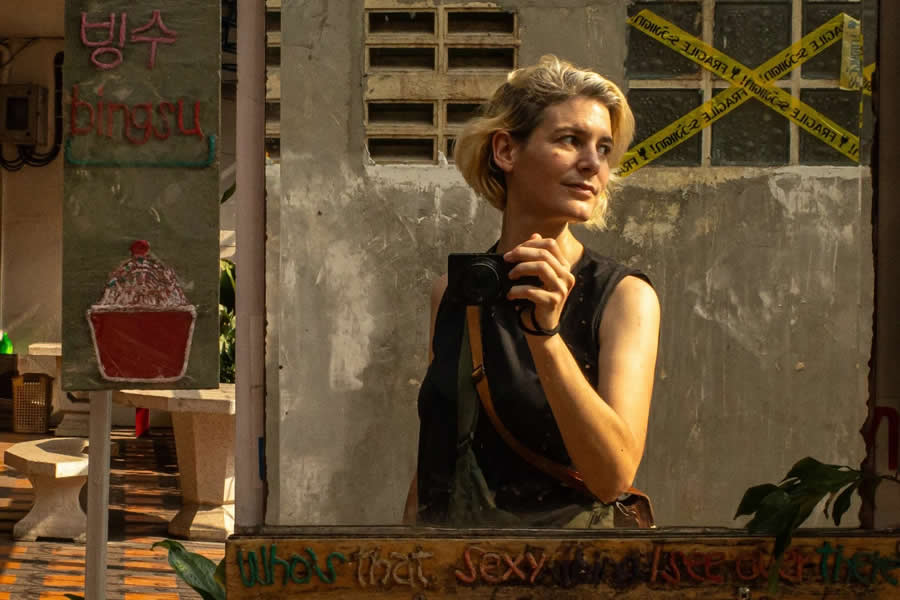
Lea came to photography after leaving the nonstop grind of advertising life. With freedom suddenly in front of her, she picked up a camera and stepped into the streets. No studio, no fancy setup, no grand plan, just curiosity and instinct. That choice changed everything. Today, her work reflects a photographer who trusts chaos and knows how to turn everyday moments into visual poetry.
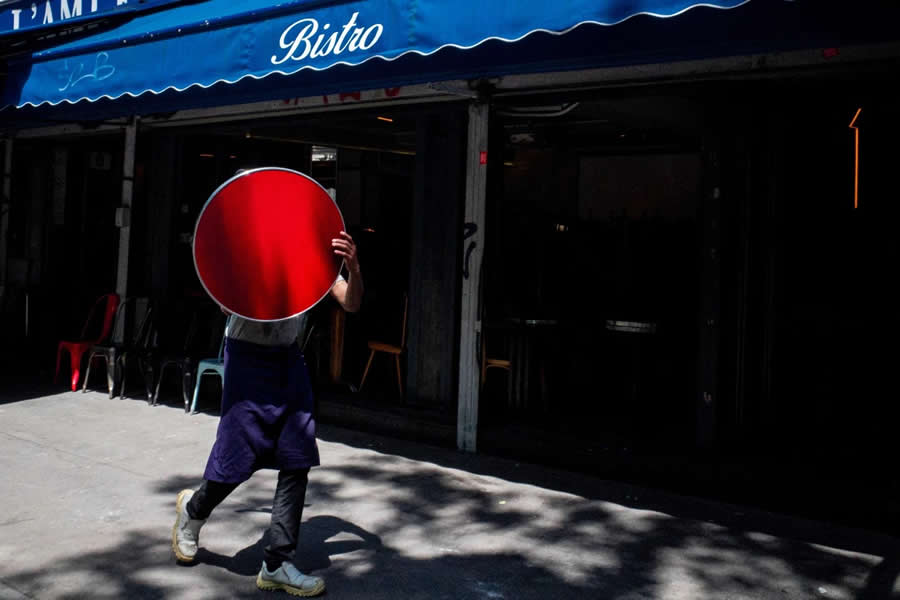
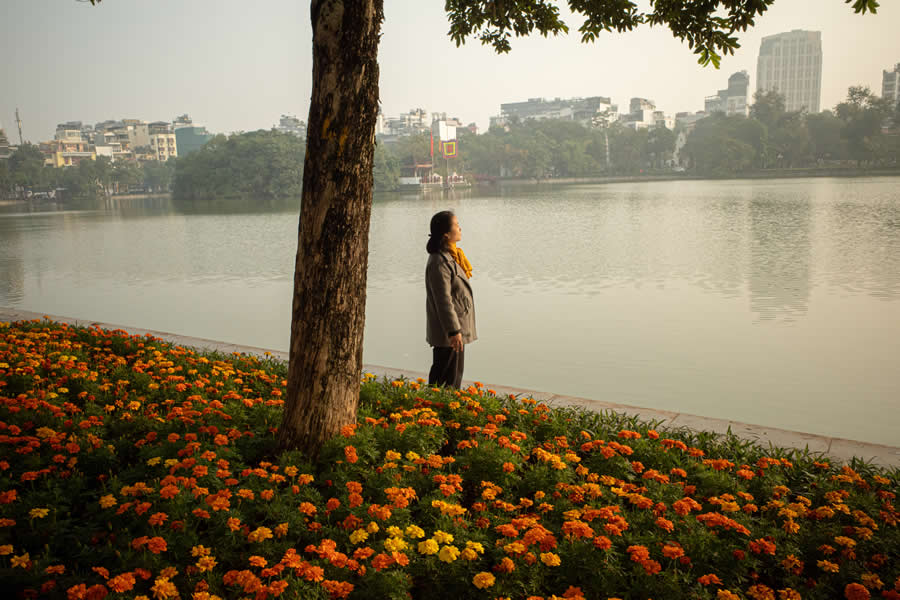
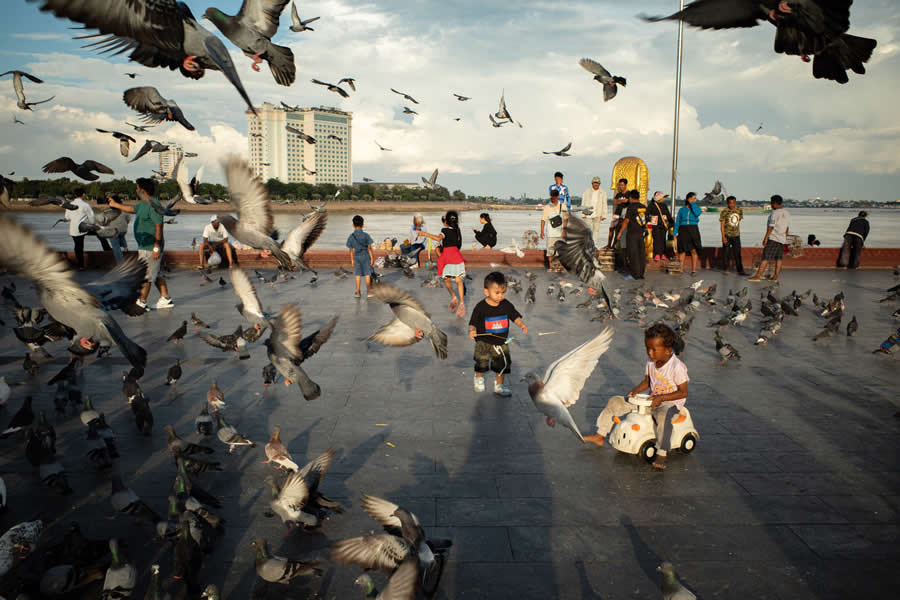
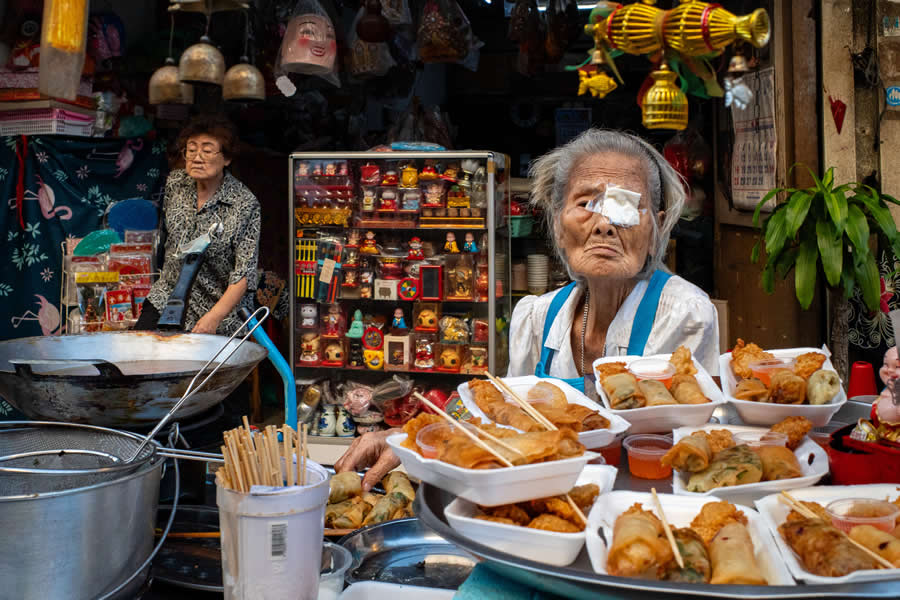
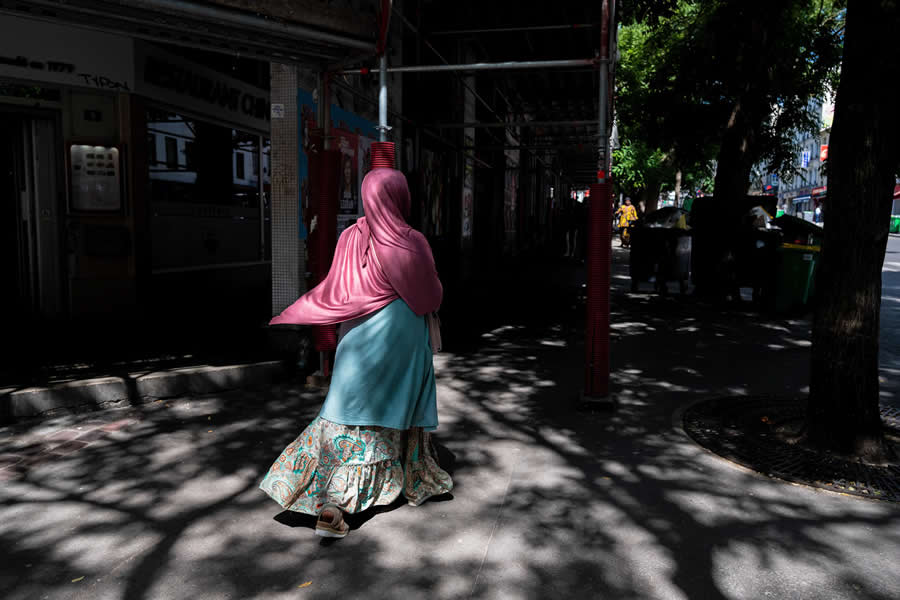
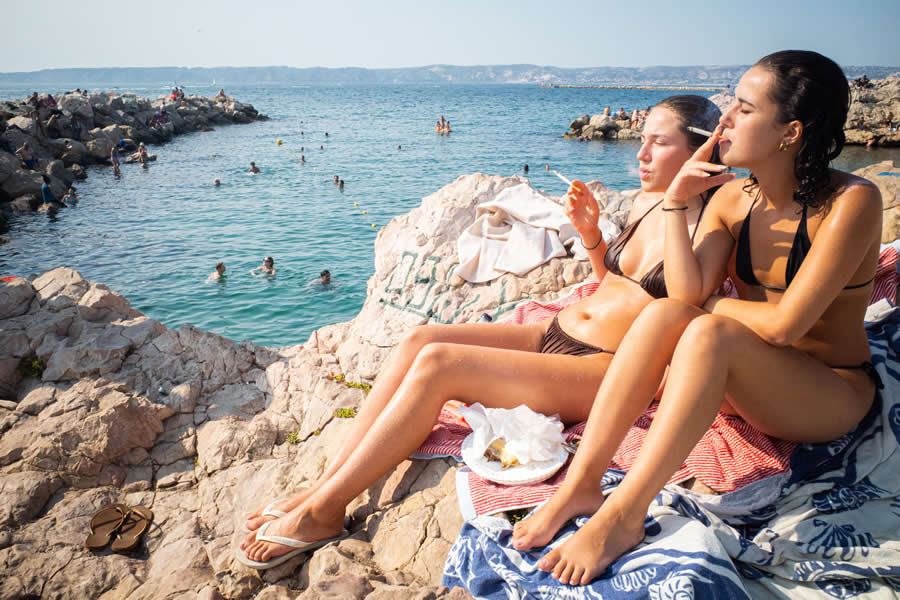
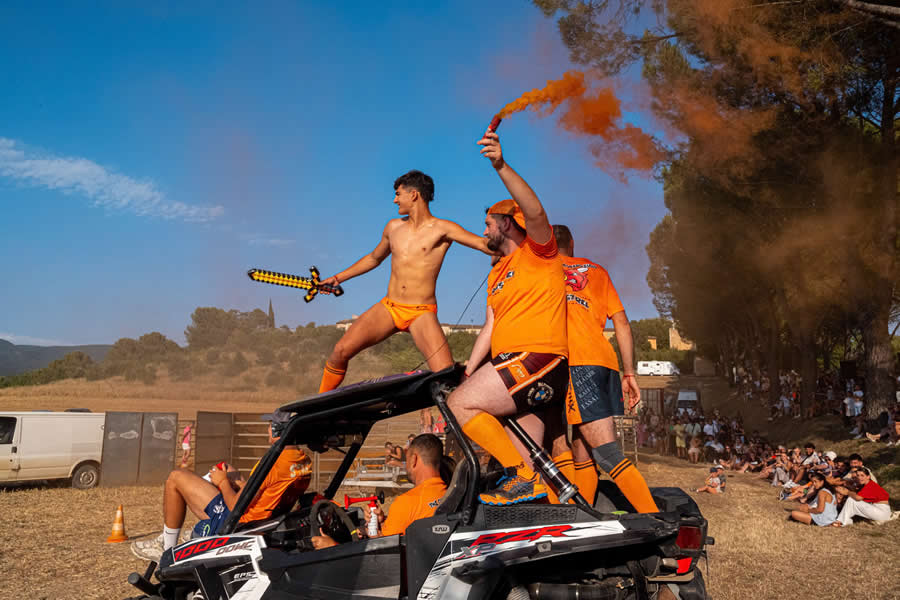
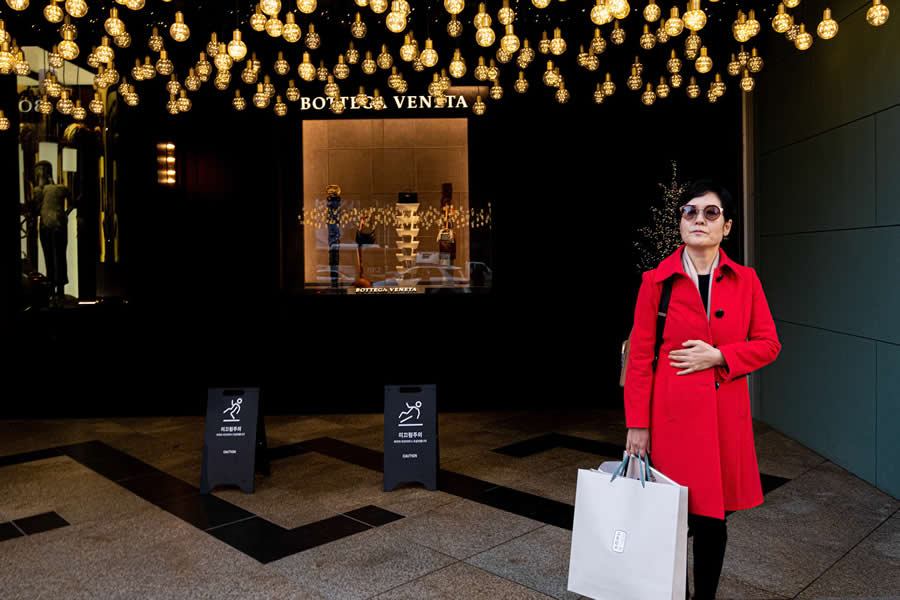
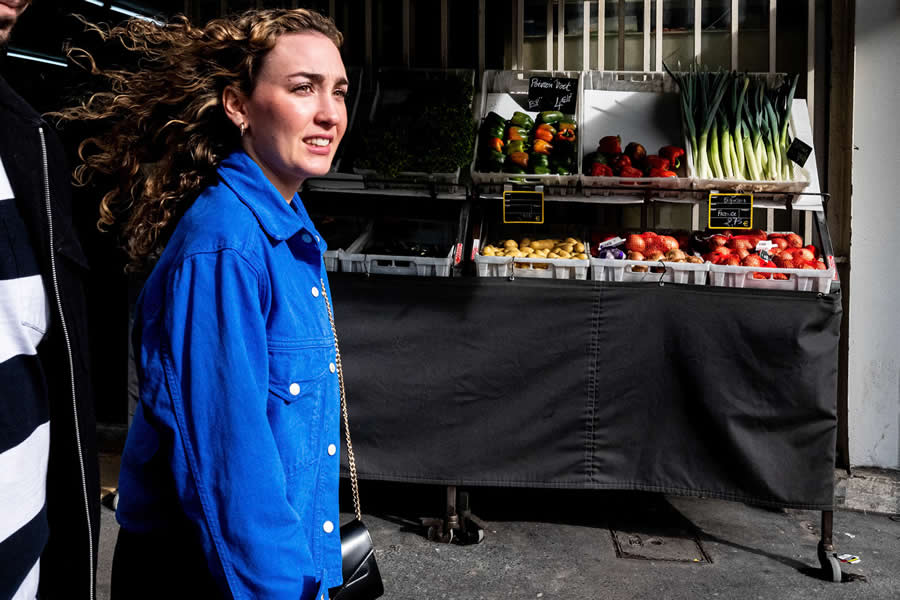
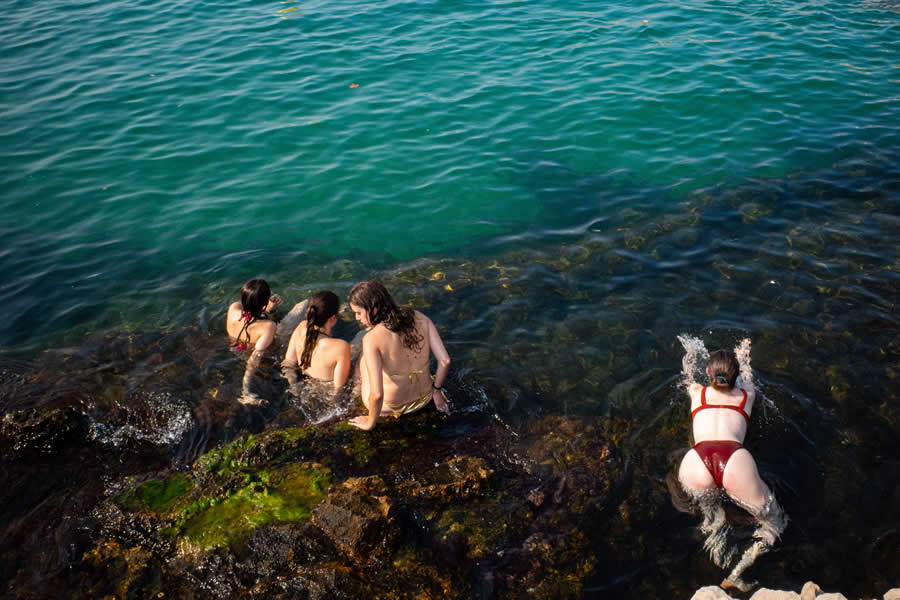
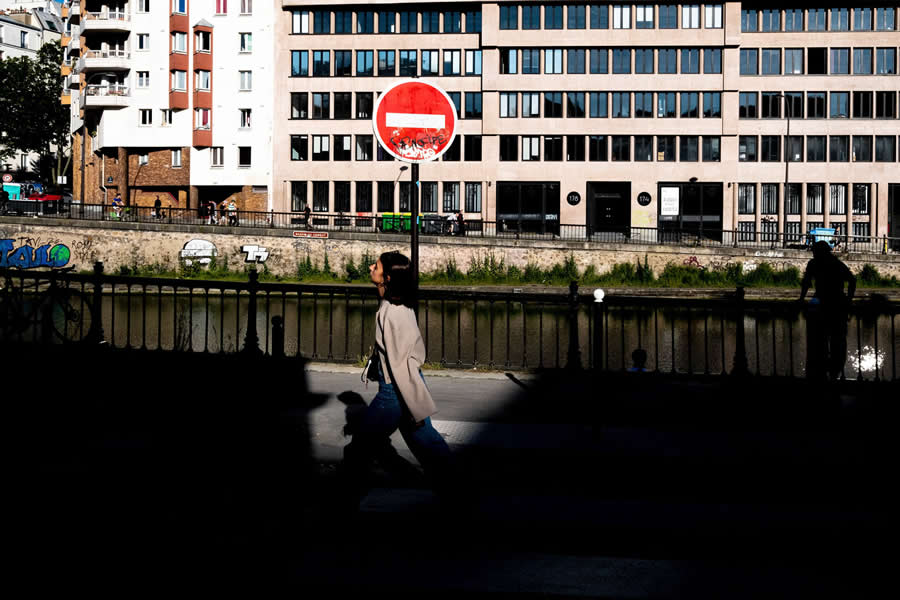
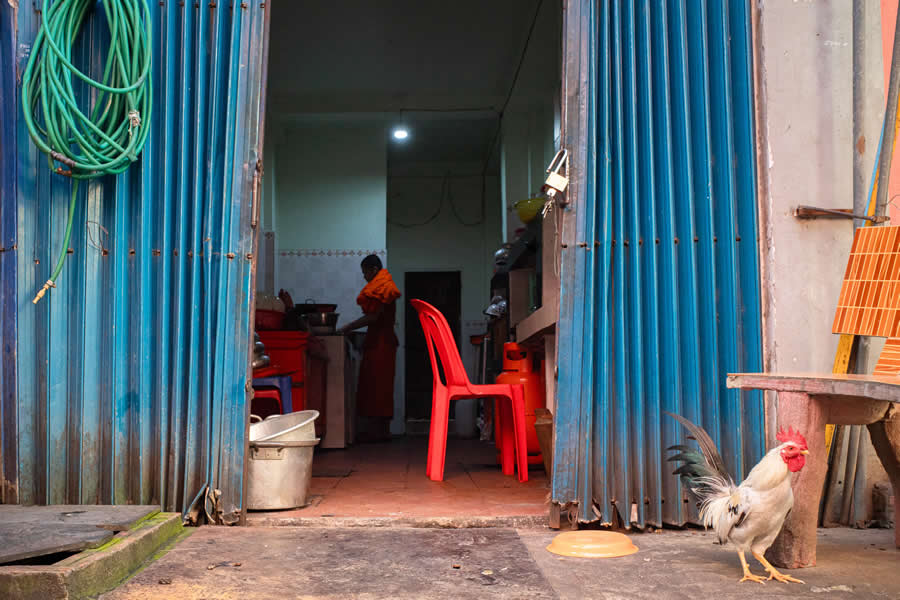
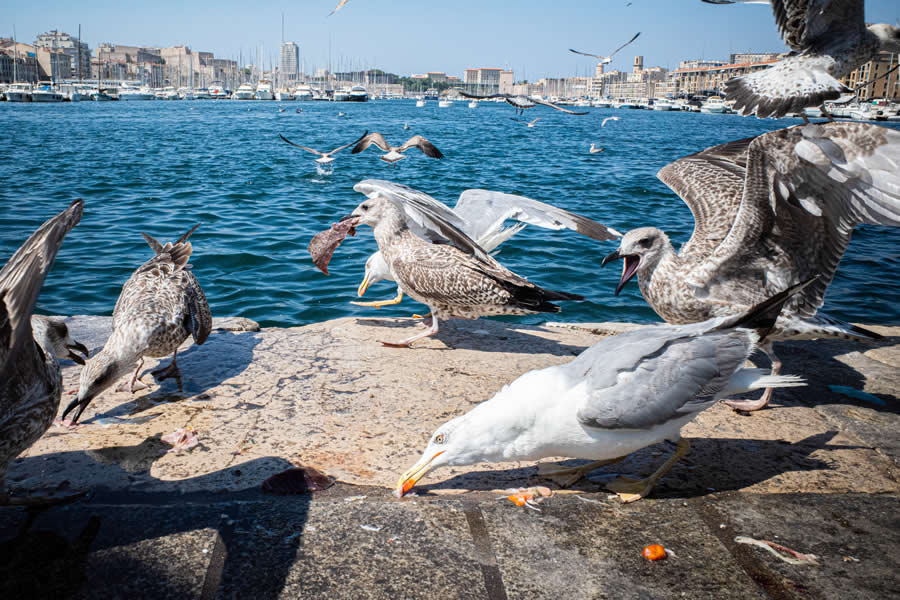
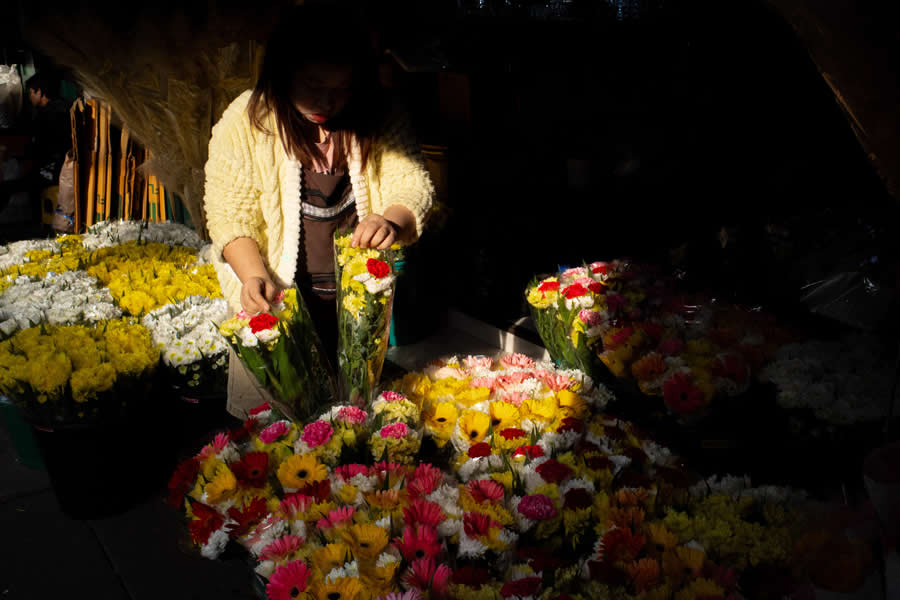
What makes her images hit different is the sense of mystery they evoke. Influenced by storytellers like Duane Michals, Lea creates photos that don’t hand you all the answers. Instead, they pull you in and make you wonder what happened seconds before or what comes next. A stranger’s glance, a shadow crossing a wall, two people passing in perfect rhythm, she catches the tiny moments that usually disappear unnoticed.
Using compact cameras like the Ricoh GRIII, Lea moves naturally through the crowd, blending into the rhythm of the street. Her photos feel honest because they are honest. There’s no forcing, no drama, just life unfolding in real time. And somehow, through her lens, the unexpected becomes unforgettable.
You can find more info about Lea Gundermann:
#1
#2
#3
#4
#5
A brief introduction about yourself?
My name is Léa. I’m a street photographer based in Paris, 37 years old, co-founder of Women in Street France, and a devoted cat lover. Street photography is my way of connecting with the outside world. When I’m immersed in the chaos of the streets, trying to reshape it through my lens, I feel truly alive.
How did you begin your journey in photography?
I quit my job at an advertising agency and became independent. Advertising means never counting your hours; it’s relentless. Suddenly, I had all this free time and no idea what to do with it. My partner was the one who nudged me: ” You’re always taking photos on holiday, why not take it more seriously? Something clicked. I started photographing people on the street because it felt like the most accessible thing: no studio, no equipment, no planning. Just go outside and see what happens. I met generous people along the way who taught me a lot. That was just over two years ago, and I’m still very much enjoying the ride.
#6
#7
#8
#9
#10
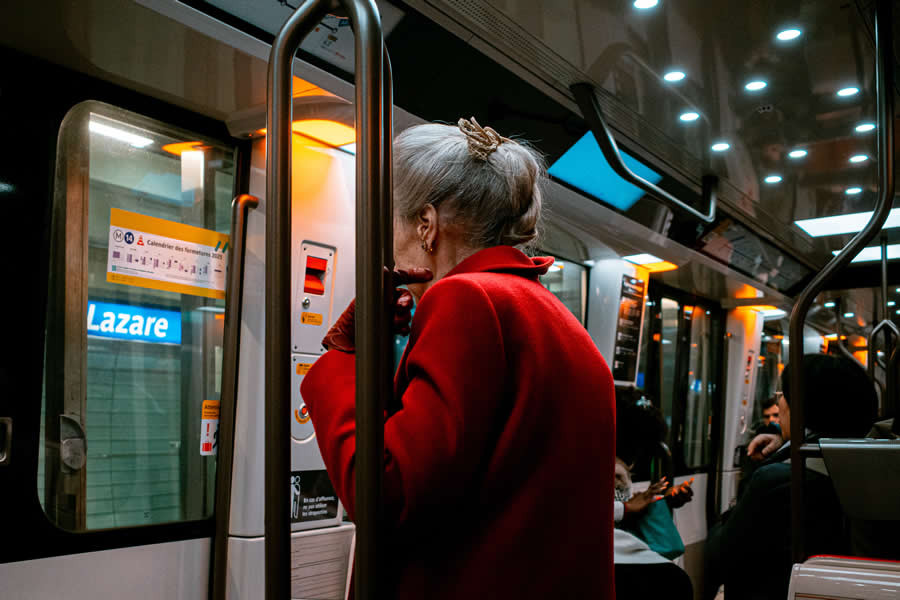
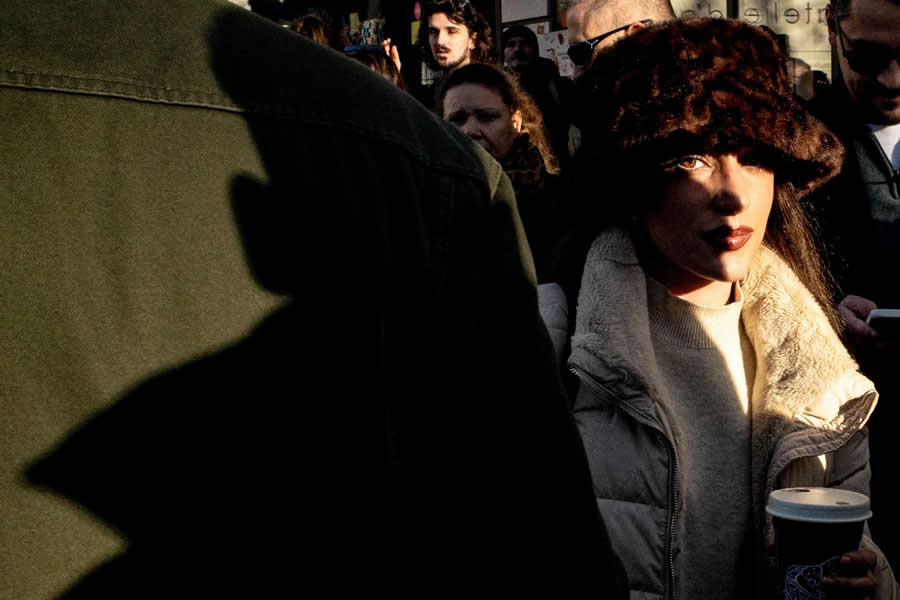
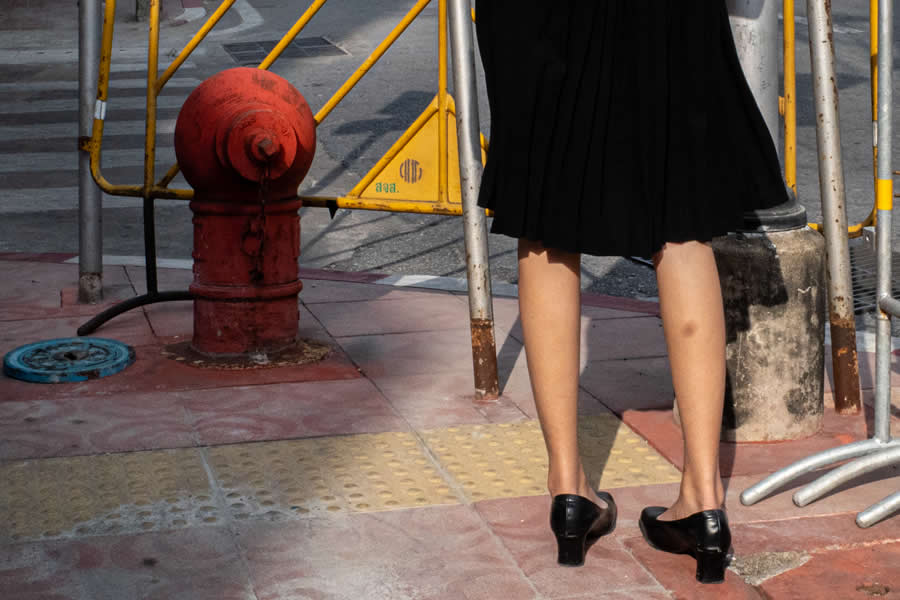
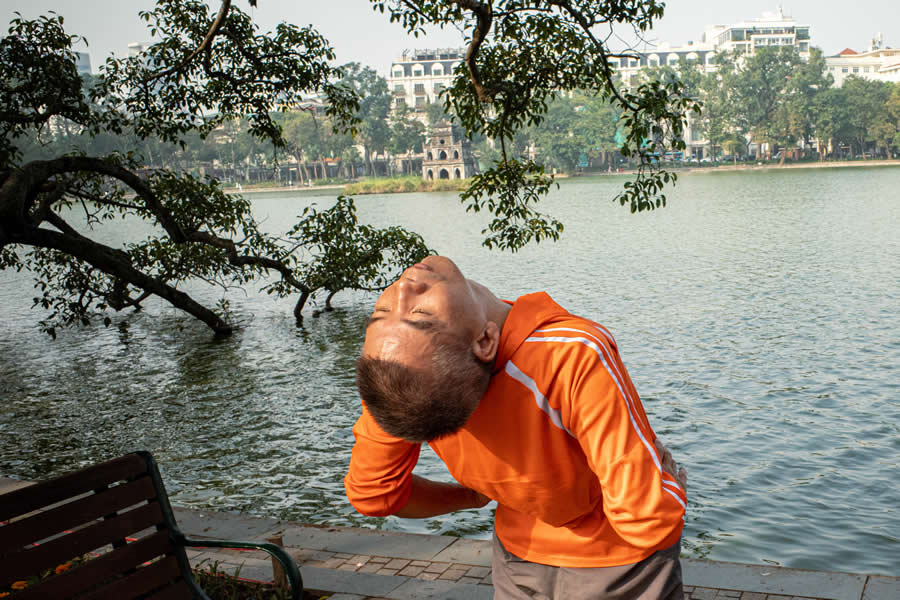
Your work feels deeply rooted in everyday life, from Paris streets to your travels across Asia. What first drew you to street photography, and how did it evolve into a personal storytelling tool for you?
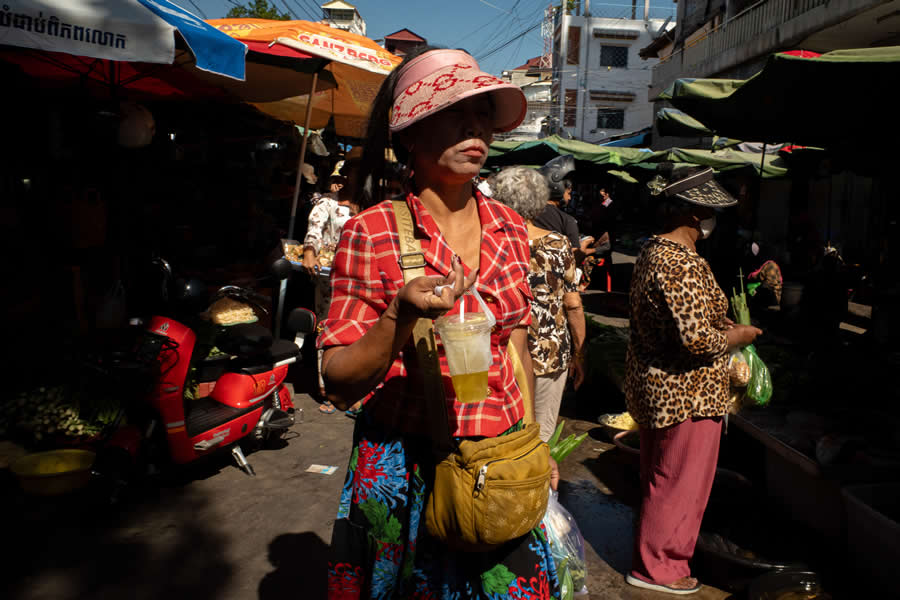
I stayed with street photography because I love not having complete control over the frame. You set yourself up, pay attention, and then reality walks into your shot and does something you didn’t plan for. That’s the part I’m addicted to.
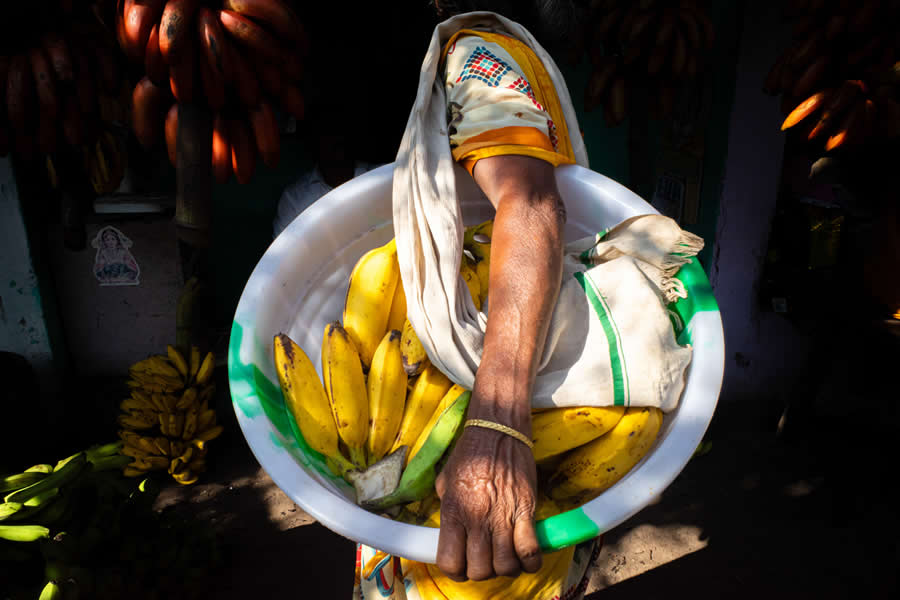
My biggest storytelling influence is actually not a street photographer at all. It’s Duane Michals, who created strange, sequential photo stories and would sometimes write directly on his prints. What struck me about his work is that it never explains itself fully. It leaves a gap and trusts you to fill it. That’s what I want from my own photos: not an image that tells you everything, but one that makes you imagine what happened just before or just after the frame as a question rather than an answer.
You often capture spontaneous moments that feel almost cinematic. When you’re out shooting, are you actively searching for a scene, or do you prefer to wander and let the story unfold naturally?
I never go out with a plan. I think of it as negotiating with chance. But when something catches my eye, I don’t just take one shot and move on; I stay. I try different angles, wait, and watch how things develop. A scene that looks finished often isn’t. Some of my favorite images came from just being patient enough to see what came next.
#11
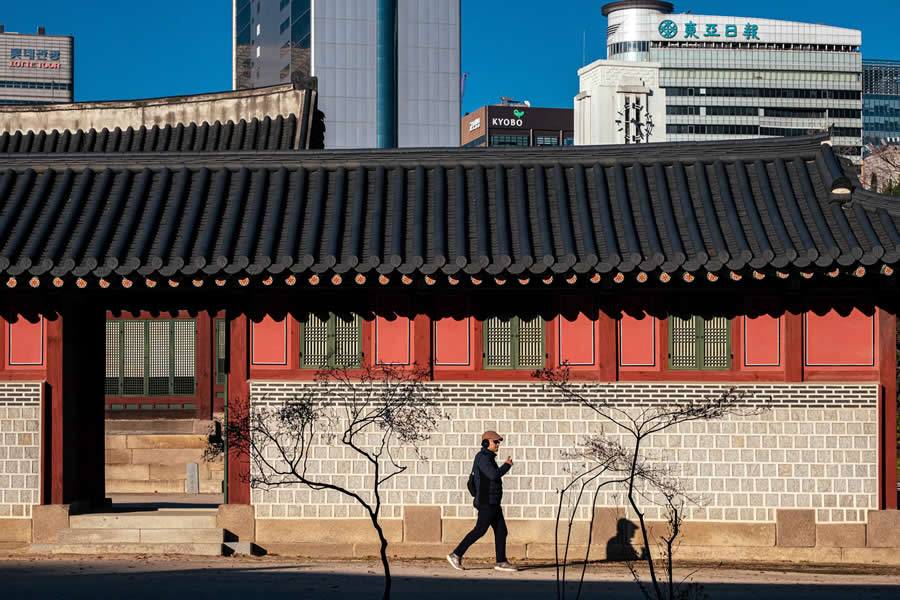
#12
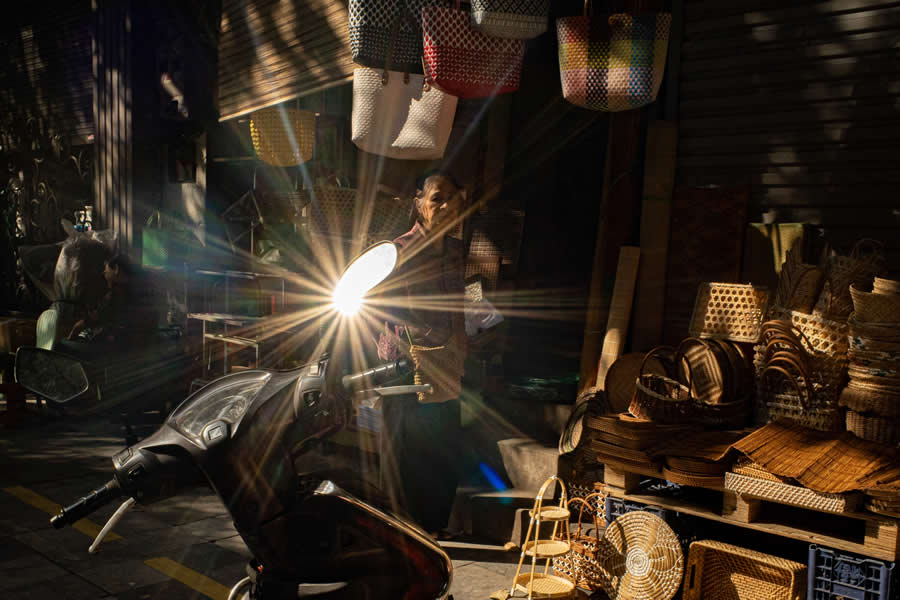
#13
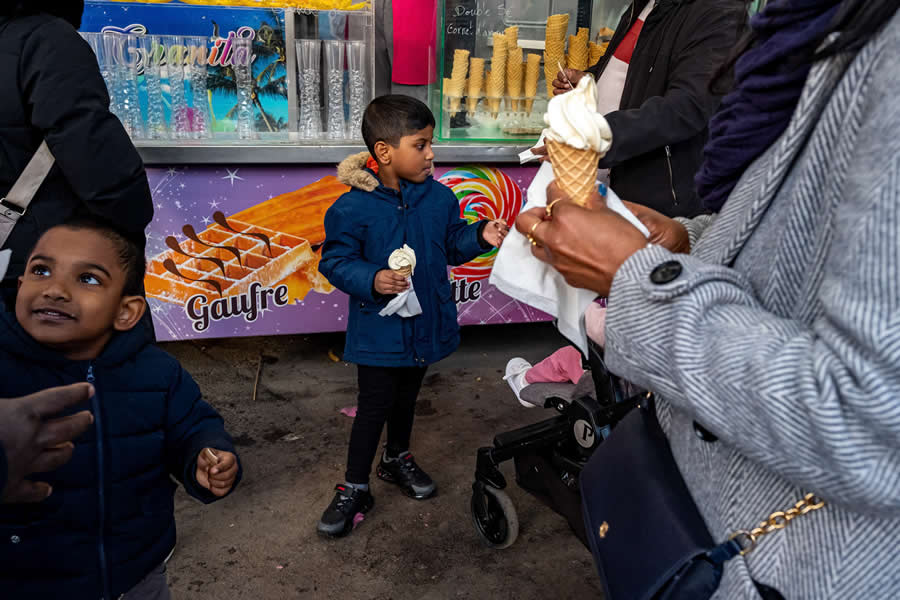
#14
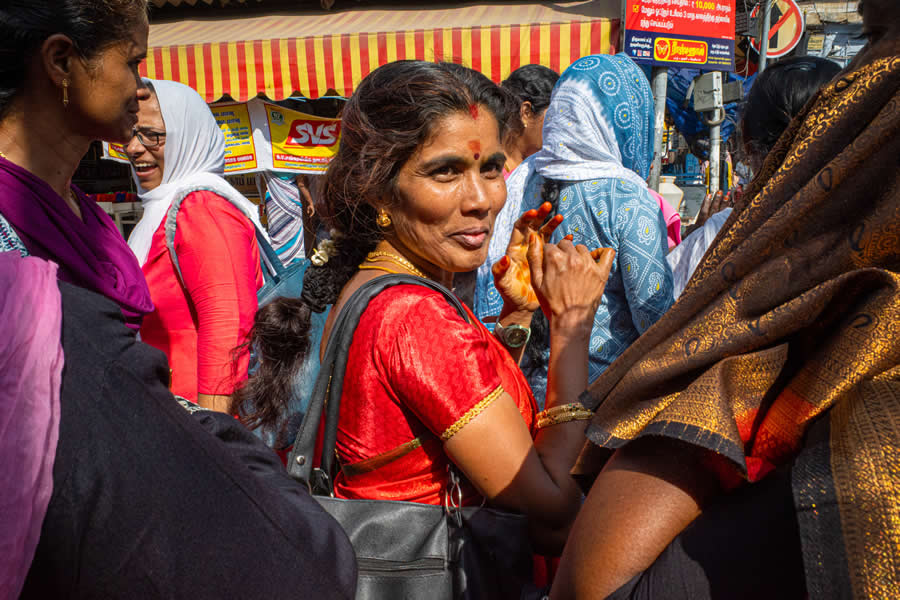
#15
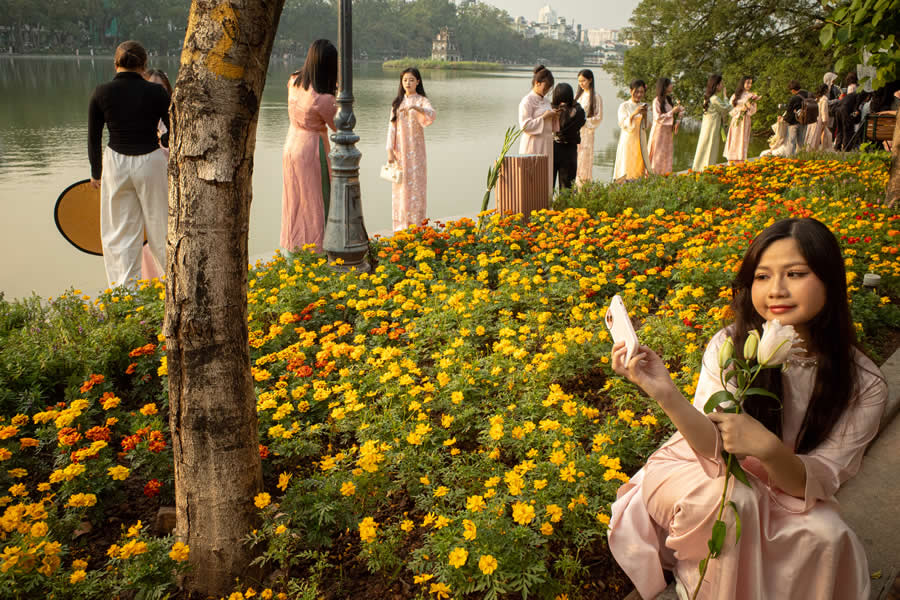
Your images beautifully balance candid street scenes with intimate portrait-like moments. How do you approach photographing strangers, and what helps you create that sense of connection in such a short time?
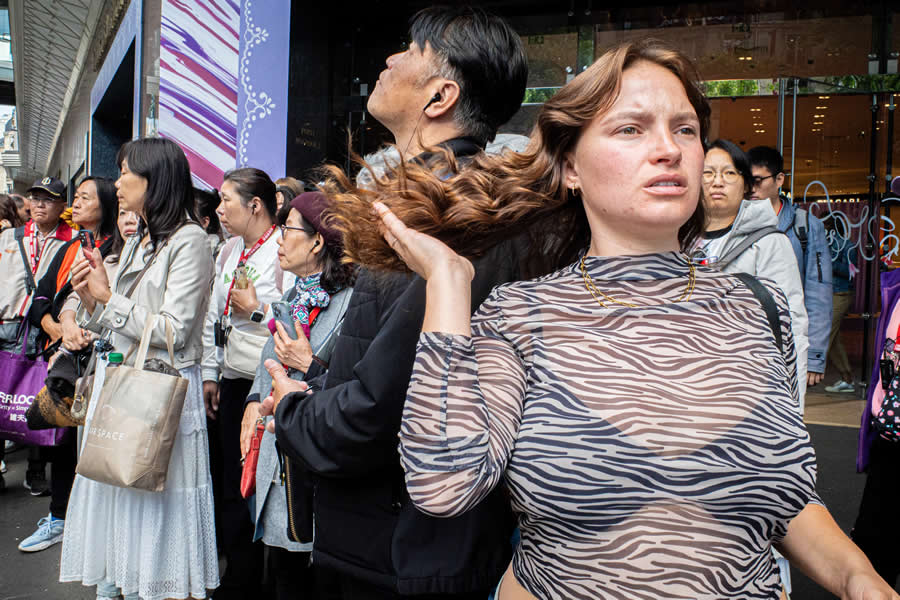
I never ask permission. I’m visible; I don’t hide. If someone wants me to erase a photo afterward, I do it without question, but that almost never happens. Usually, I smile, they smile back, and that’s it.
The exception is my project in Crete, Off Season, where I work differently. I ask in Greek, and the locals know me by now since I come twice a year with my camera around my neck. The project is about what happens to the island every October, when the tourists leave, and the inhabitants get it back to themselves. I keep coming back because I think that kind of trust takes time, and the project only makes sense if it does.
#16
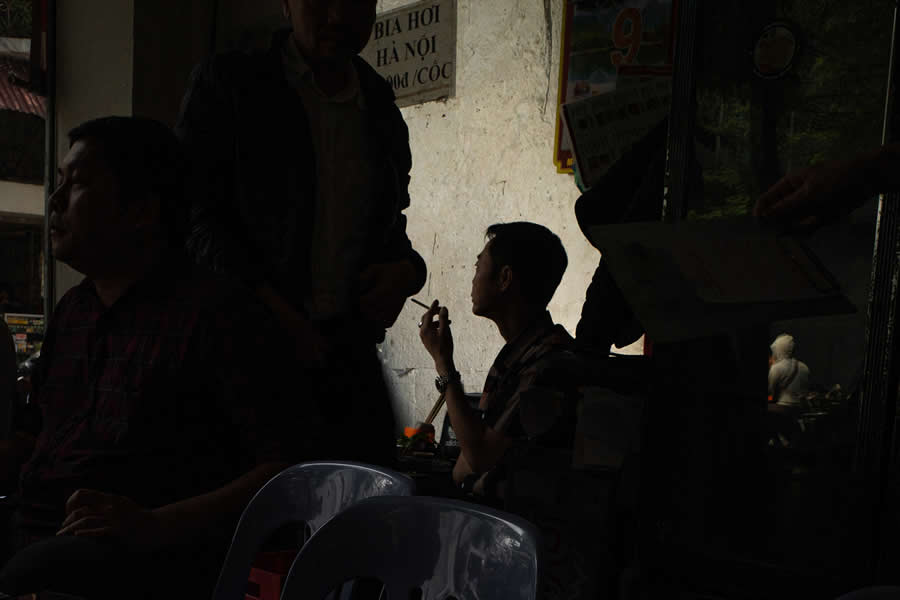
#17
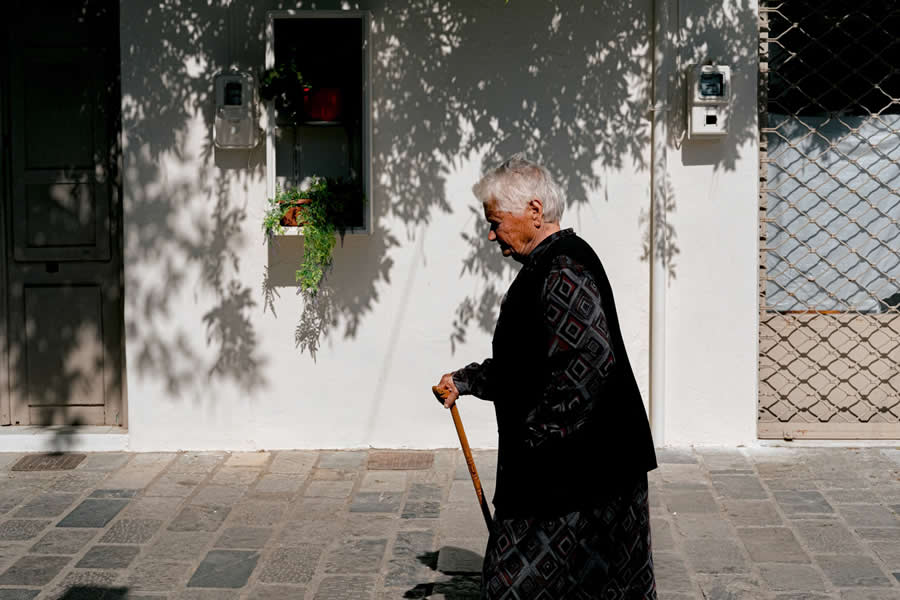
#18
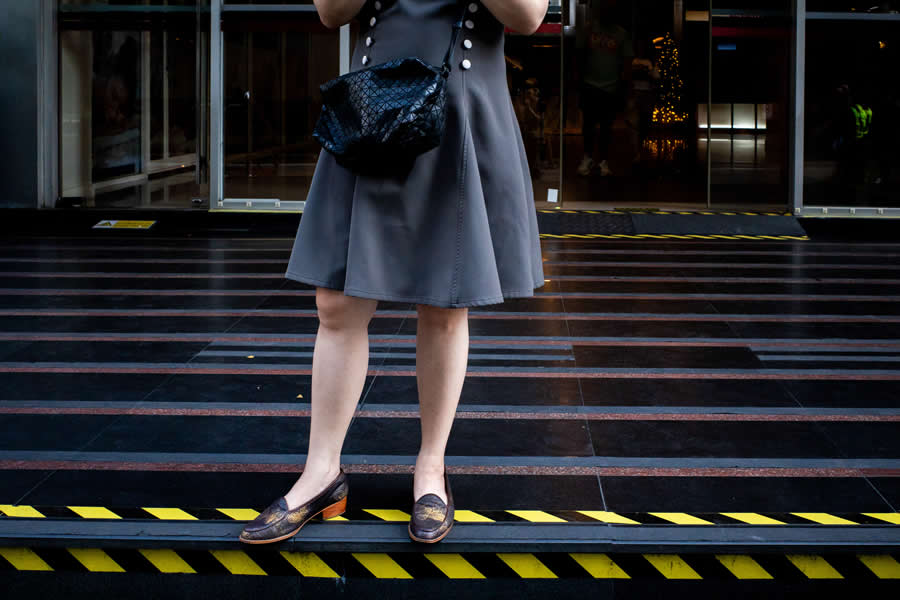
#19
#20
You shoot with compact cameras like the Ricoh GRIII and Fuji XT-2, tools that are often favored by street photographers. How do these cameras influence your shooting style, especially in fast-paced environments?
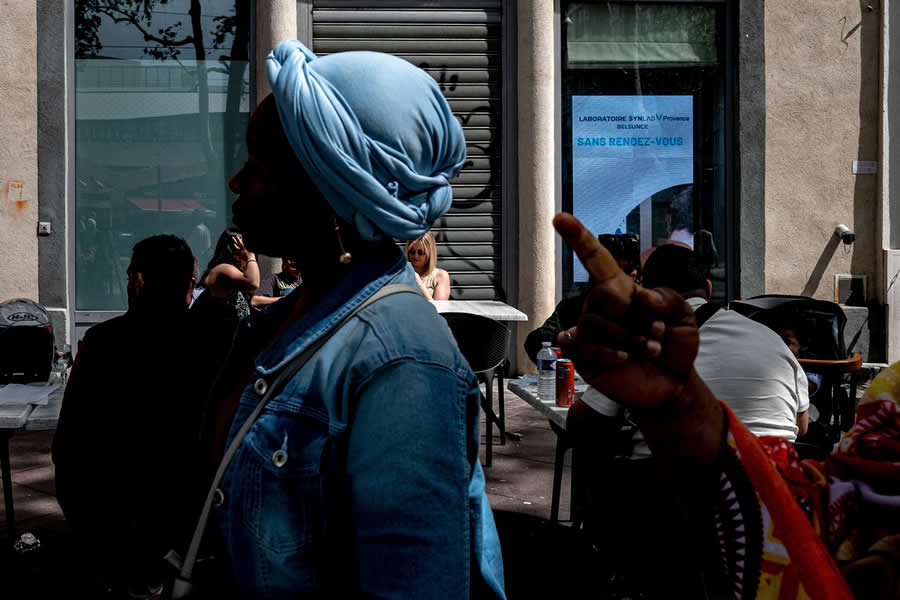
The Ricoh GRIII changed how I move. It’s so small that people stop registering it, and because I’m completely comfortable with it, my whole body language relaxes too. On the street, that matters more than any technical spec. People don’t react to the camera—they react to you. If you look uncertain, they feel it. The GRIII makes me feel like I belong wherever I am, which is probably the most useful thing a camera can do.
#21
#22
#23
#24
#25
Your favorite photographers and key sources of inspiration?
I’ve already mentioned Duane Michals. Fukase’s Ravens haunts me; I’m still moved when I think about it. That level of obsession, turned into a single coherent work, is something I find both terrifying and beautiful.
Saul Leiter inspires me with his intelligent use of color and the way he found geometry and tenderness in the same frame. Pinkhassov stands out for his compositions, the sense that every element is exactly where it needs to be, even when everything looks chaotic.
Helen Levitt for the movement beyond the frame, that feeling that her subjects are always on their way somewhere, that life carries on well outside the edges of the image.
And Chloé Jafé for her courage in immersing herself in the yakuza world and her bold approach to combining photography and paint.
#26
#27
#28
#29
#30
What 121Clicks Editor Thinks About Lea Gundermann’s Street Photography
Lea Gundermann reminds us that powerful photography doesn’t need spectacle; it needs awareness. Her work proves beauty lives in ordinary places when the eye is trained to notice it. She captures emotion, timing, and atmosphere with confidence and grace. Young photographers can learn a lot from her patience, trust in instinct, and fearless curiosity. She turns random city movement into lasting art.
- Stay patient and wait for the scene to evolve.
- Trust everyday life as a worthy subject.
- Use light, timing, and gesture creatively.
- Let photos ask questions, not explain everything.
- Move with confidence and shoot with purpose.