
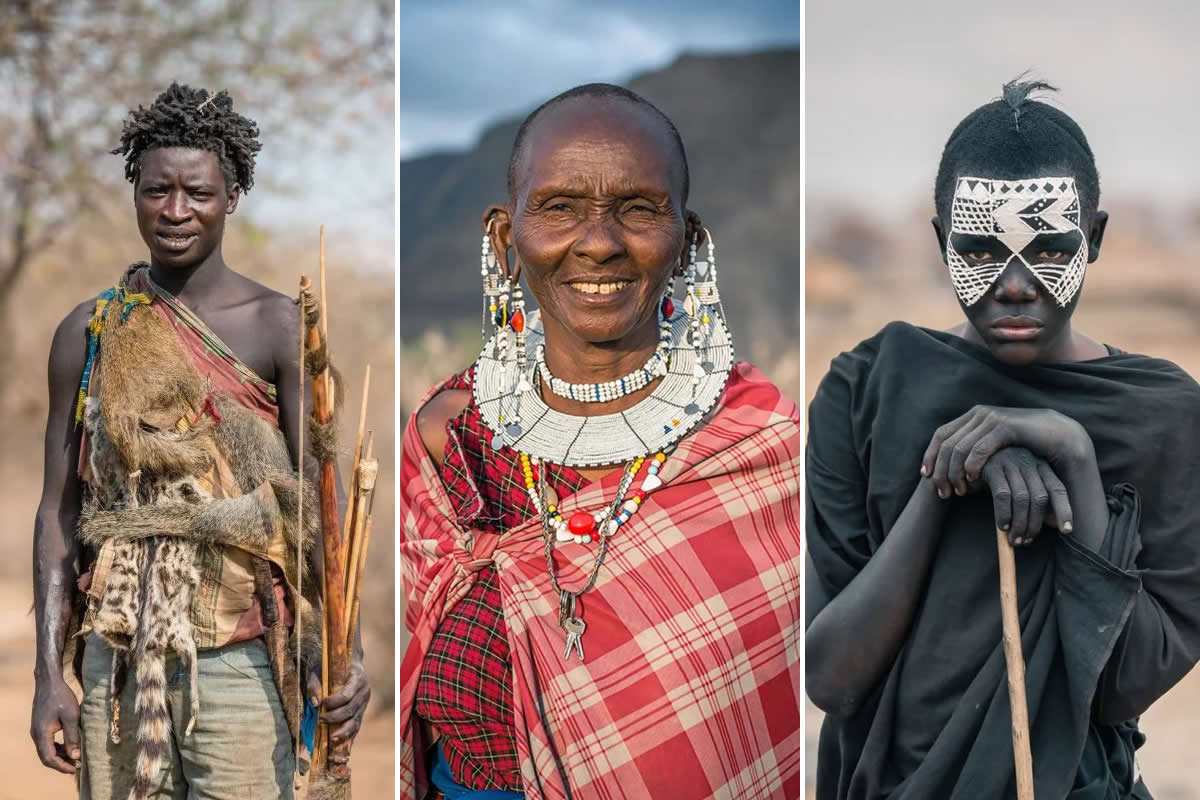
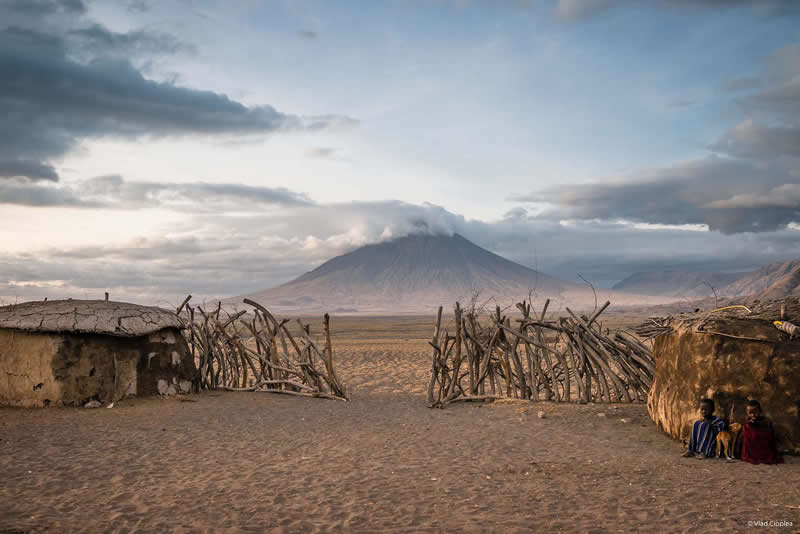
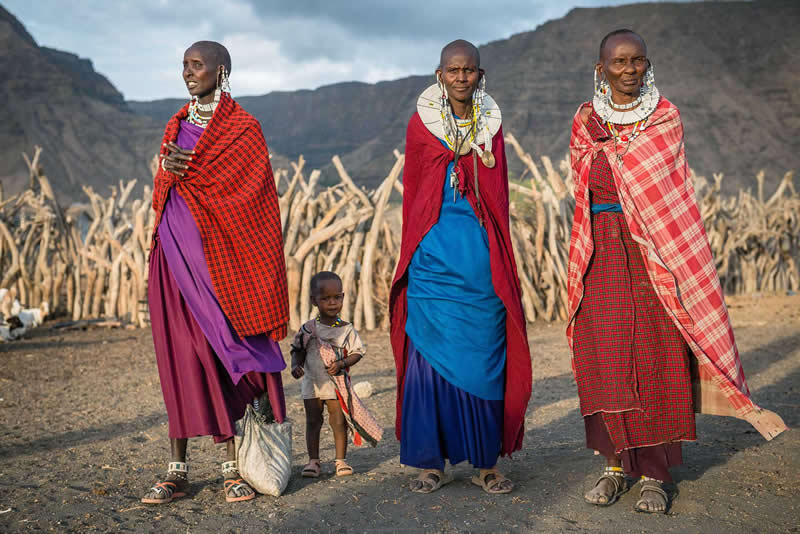
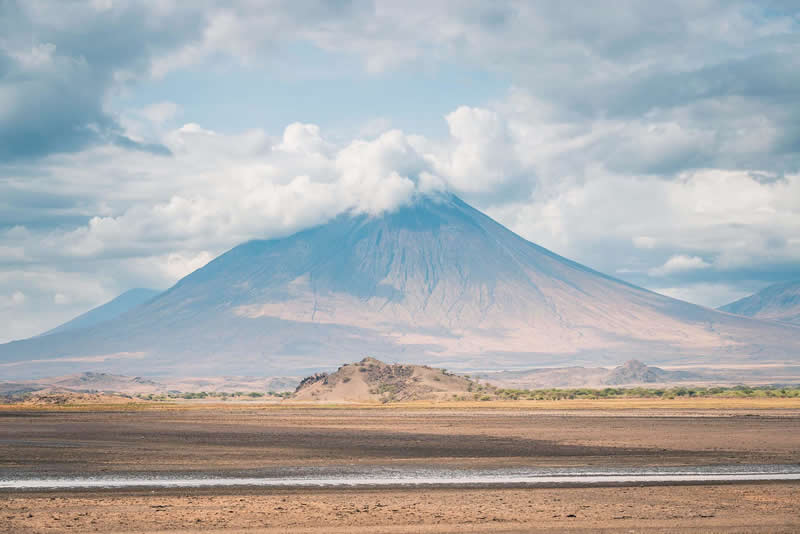
Some trips give you beautiful photos. Others completely change the way you see the world. For Romanian photographer Vlad Cioplea, his 20-day journey through Tanzania was definitely the second kind. Instead of following the usual safari route packed with luxury lodges and wildlife drives, Vlad set out to meet the people who have called these landscapes home for generations. His goal wasn’t simply to photograph colorful clothing or dramatic landscapes. He wanted to understand stories, traditions, and everyday life through genuine human connection.
That decision led him into experiences few travelers ever get to witness. He spent nights sleeping in the African savannah surrounded by wild animals, shared conversations with members of the Maasai, Bushman, and Tatoga tribes, and discovered traditions that have survived for centuries.
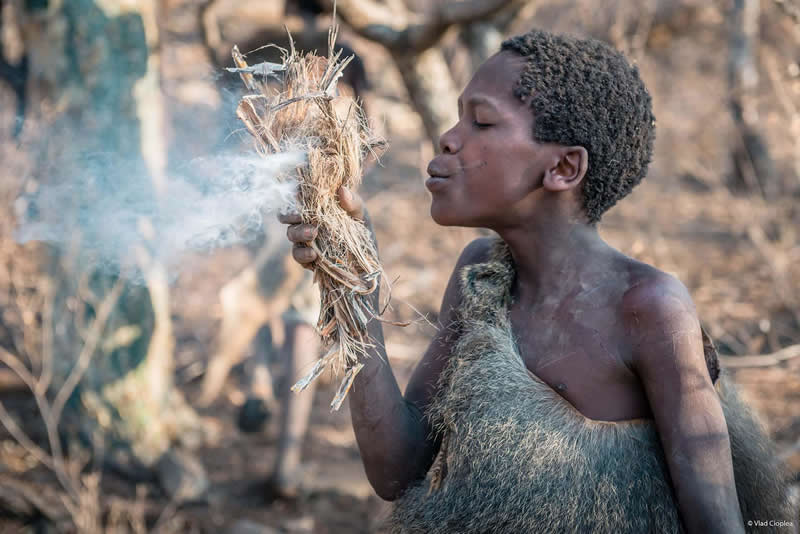
Every day brought something unexpected. One moment he was learning ancient hunting techniques from Bushman tribe members. The next, he was politely declining an offer to eat monkey meat. Later, a young Tatoga girl surprised him with an innocent question after admitting she believed people in Europe regularly ate one another.
These encounters remind us how different cultures often build fascinating ideas about places they’ve never seen. It’s a two-way street, really. Just as many outsiders misunderstand indigenous communities, people living far from modern cities can develop equally surprising beliefs about the rest of the world. Through his camera, Vlad captures more than striking portraits; he preserves moments of curiosity, respect, and shared humanity that connect people across continents.
You can find more info about Vlad Cioplea:
#1
#2
#3
#4
#5
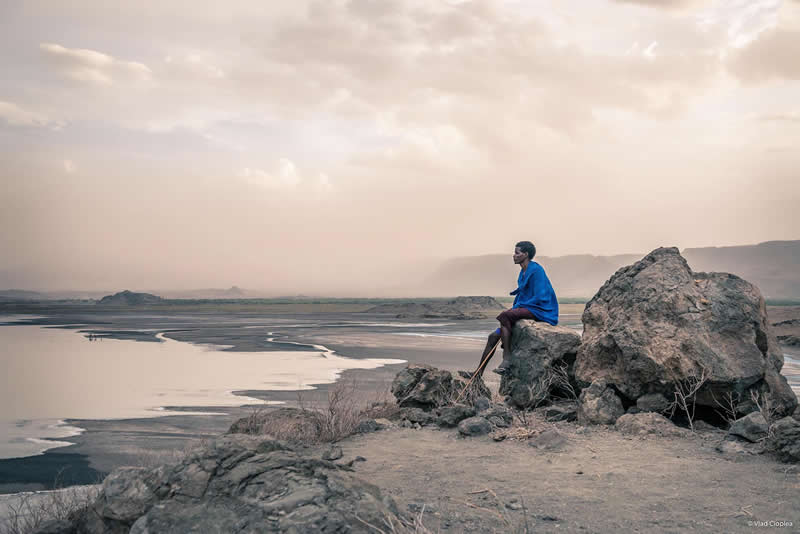
Living Among the Maasai: Courage Becomes a Way of Life
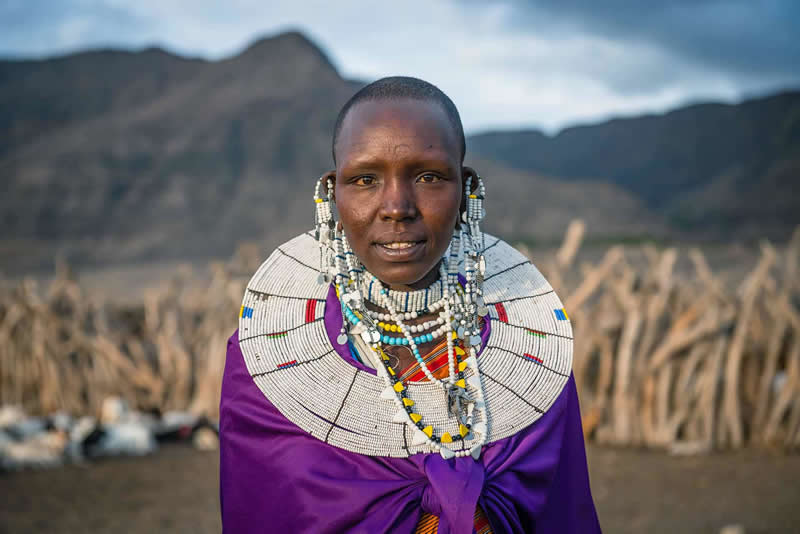
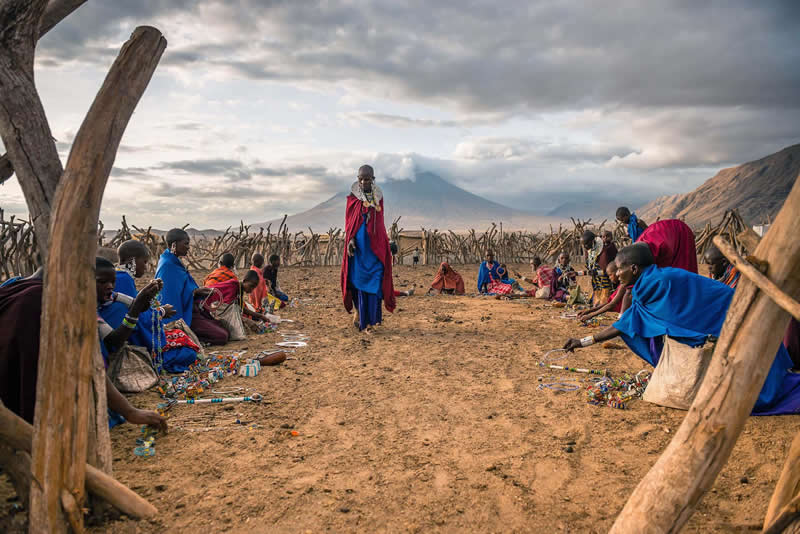
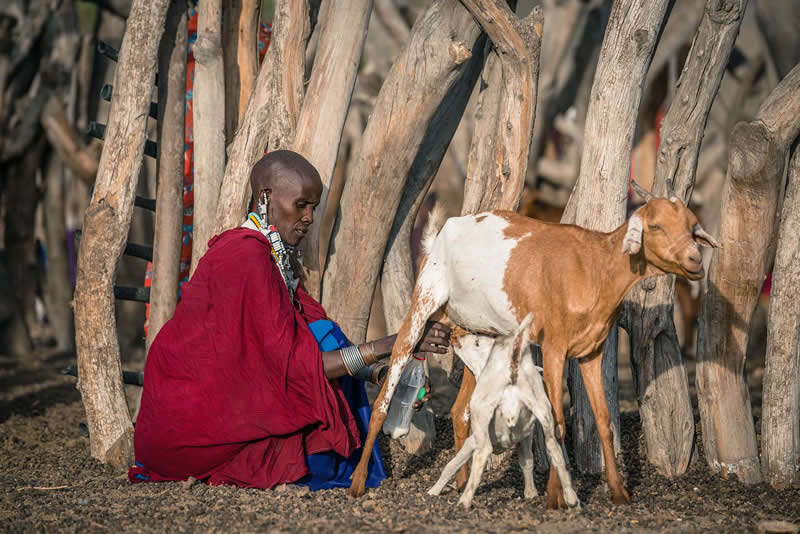
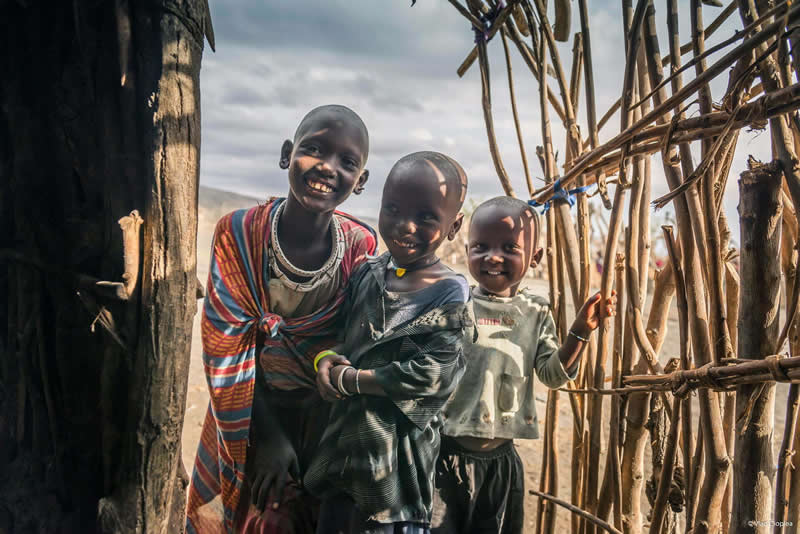
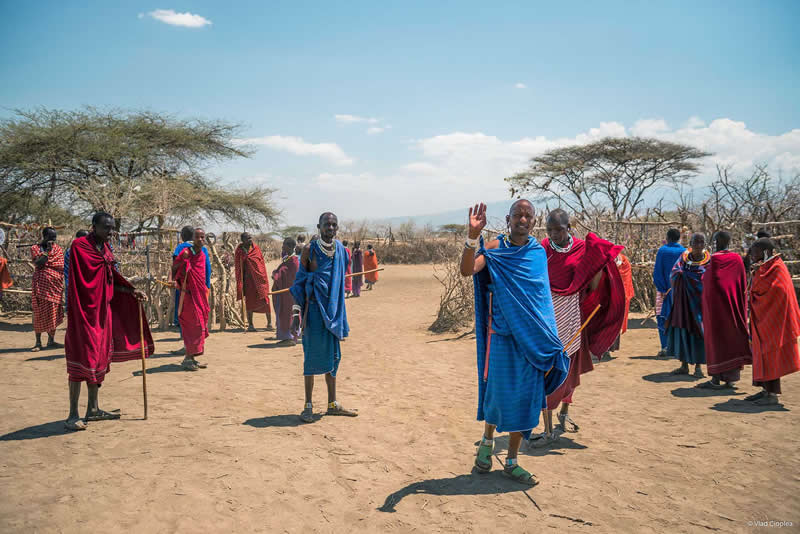
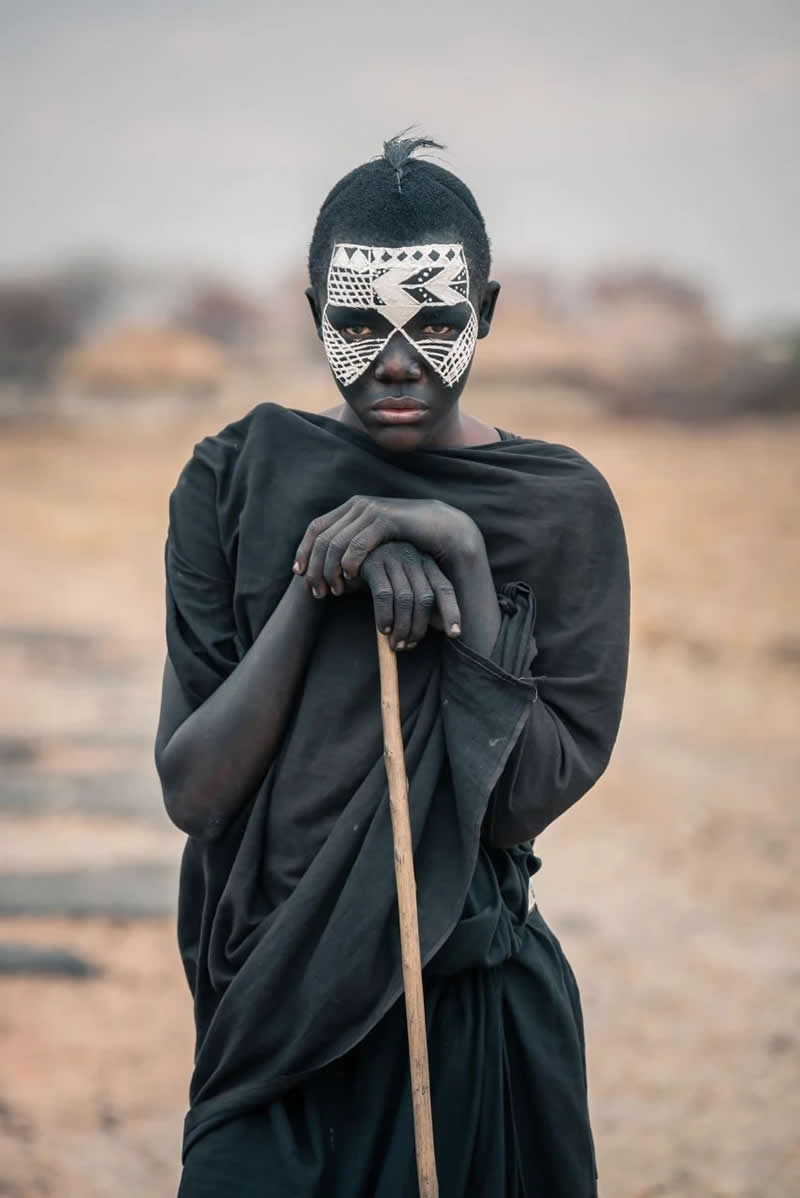
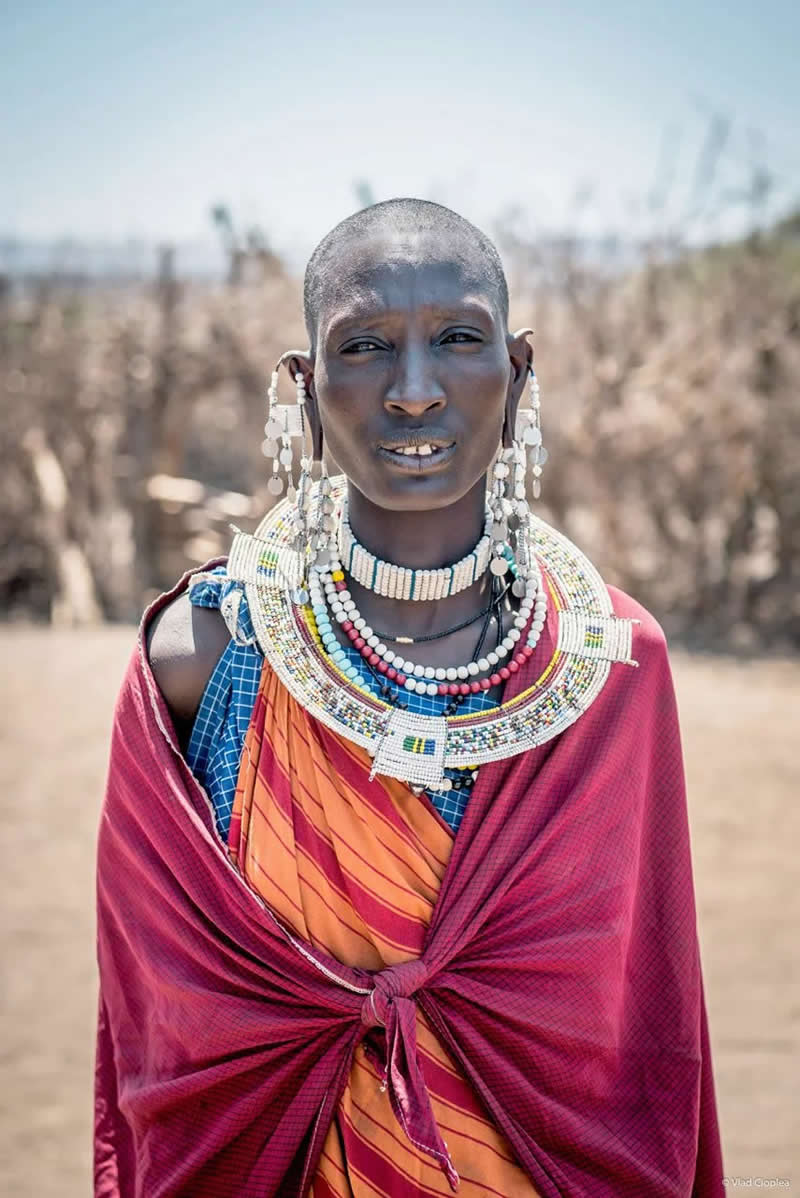
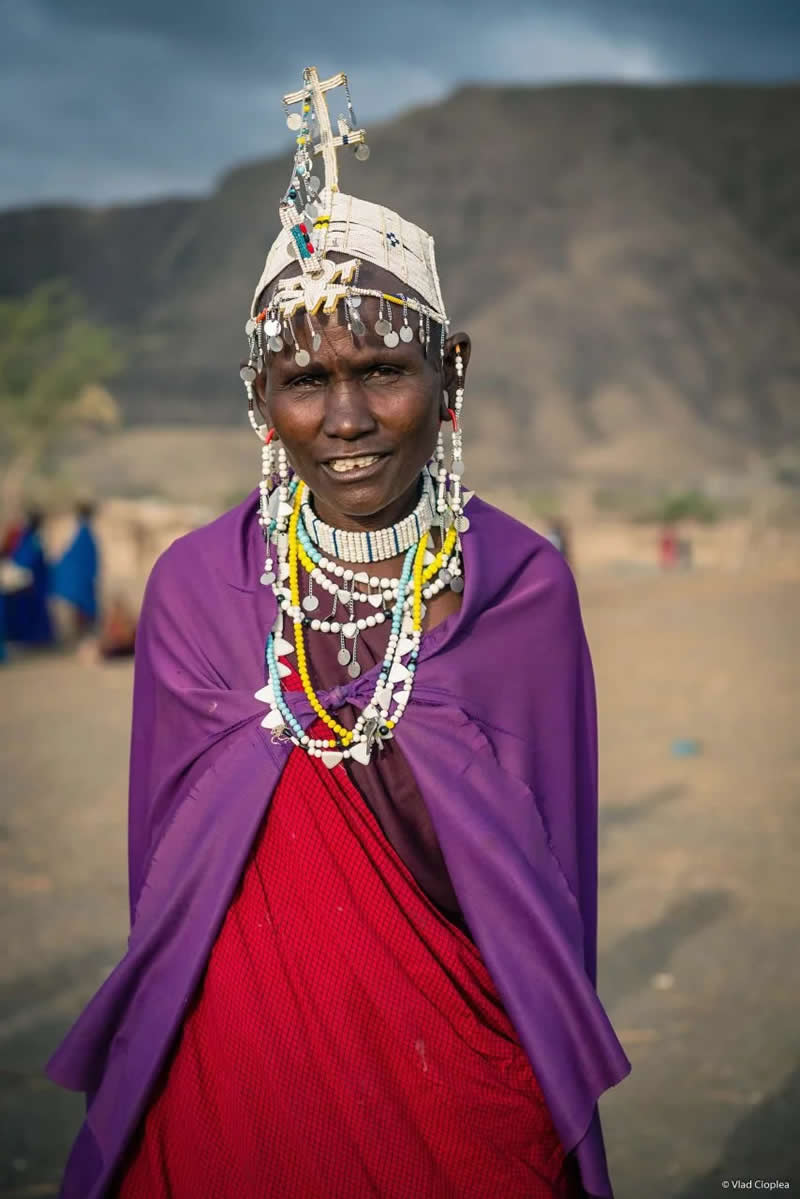
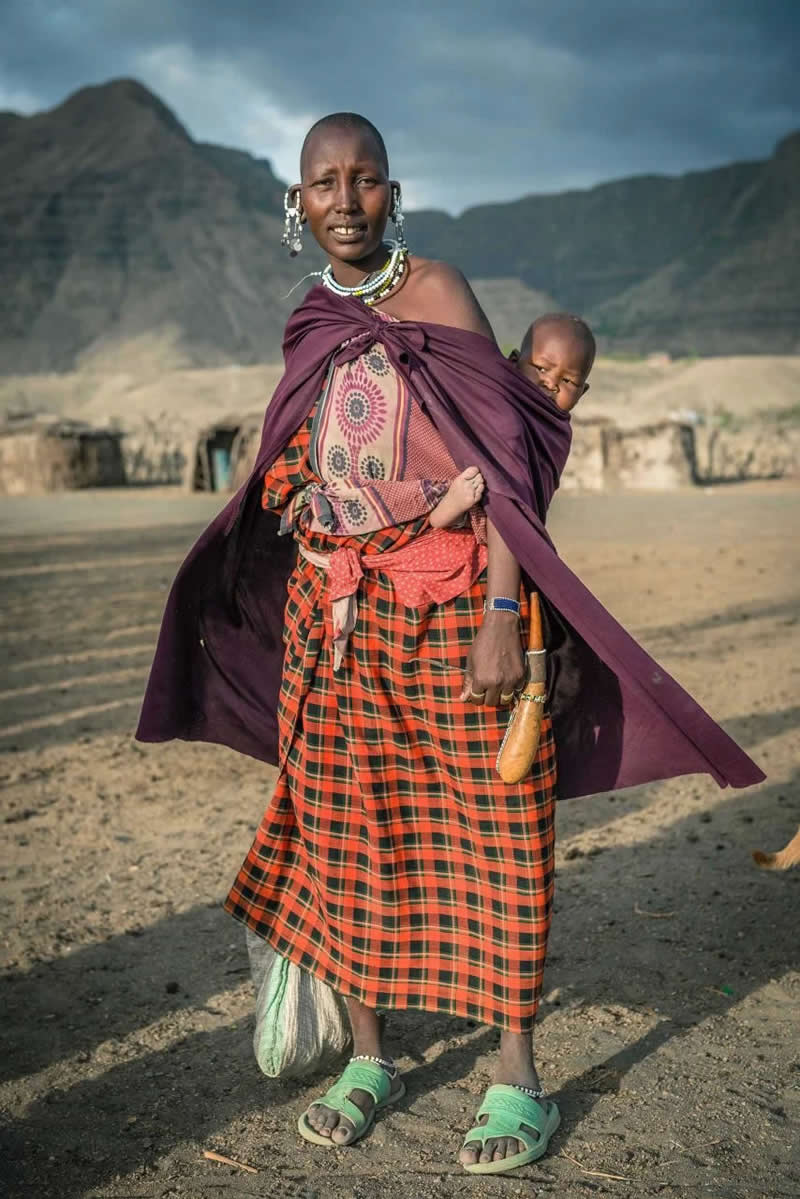
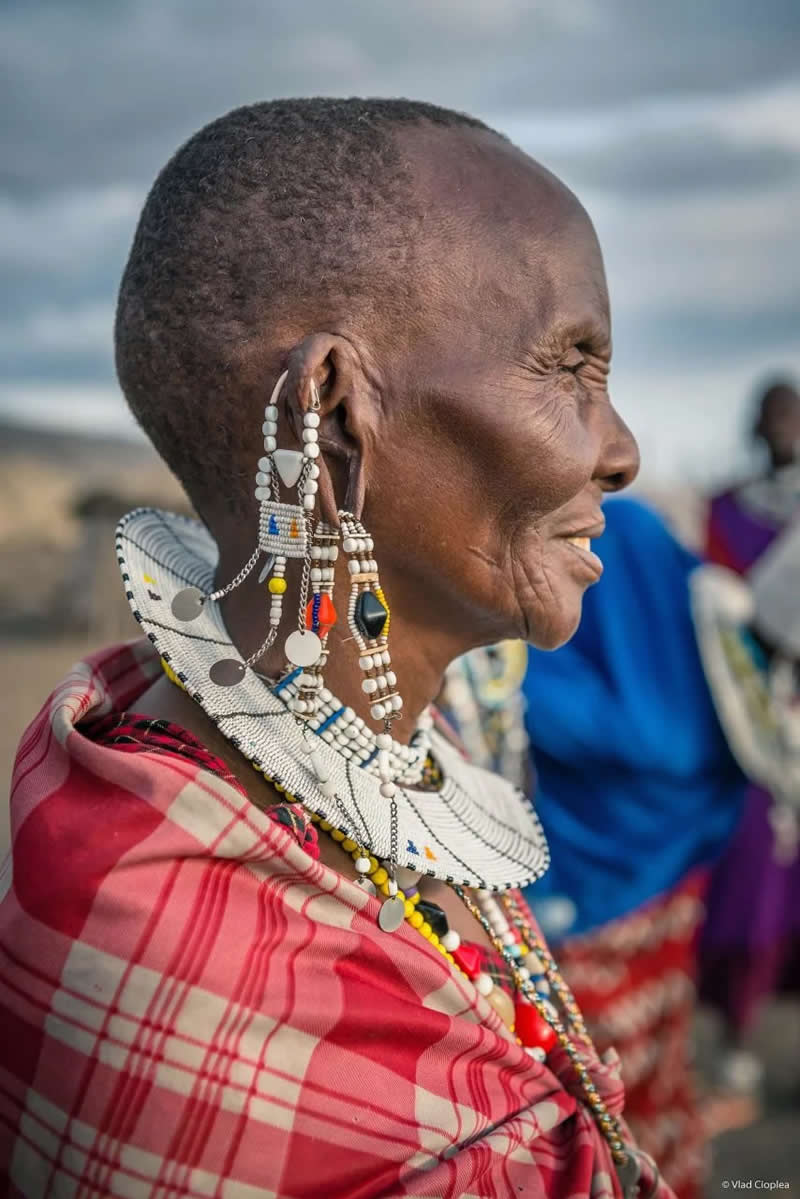
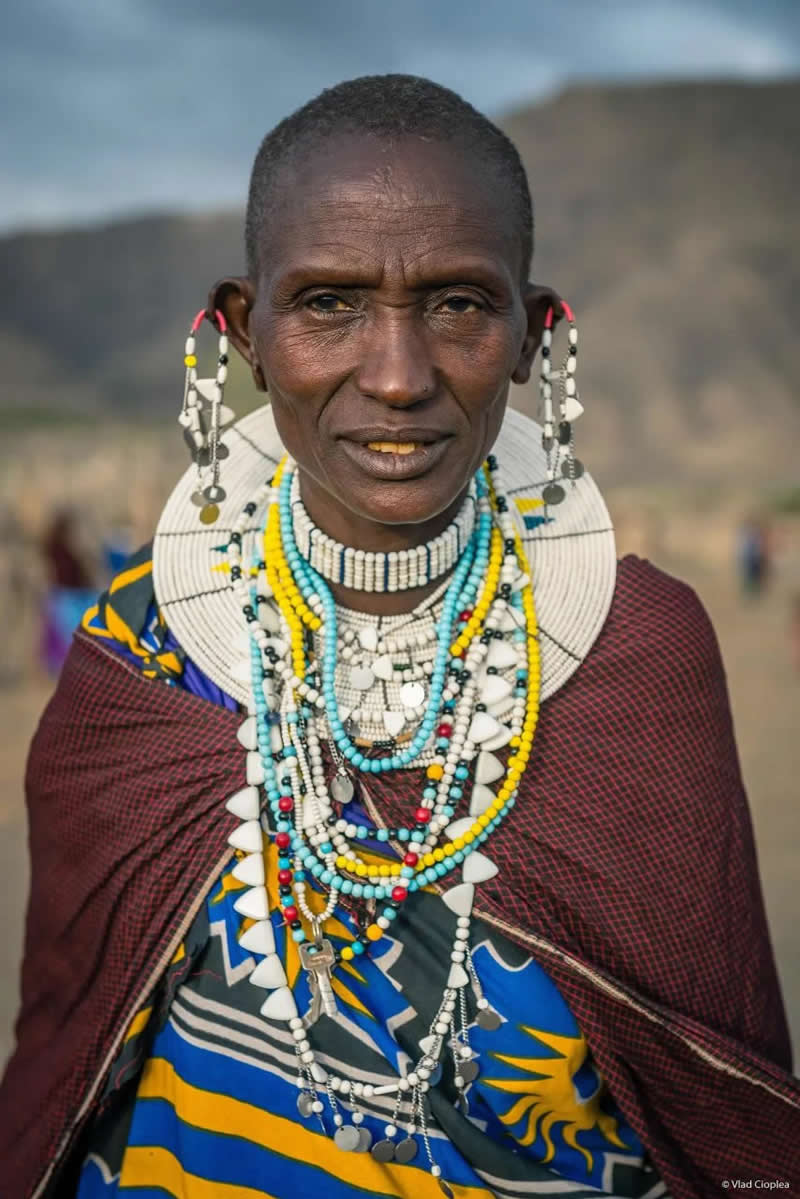
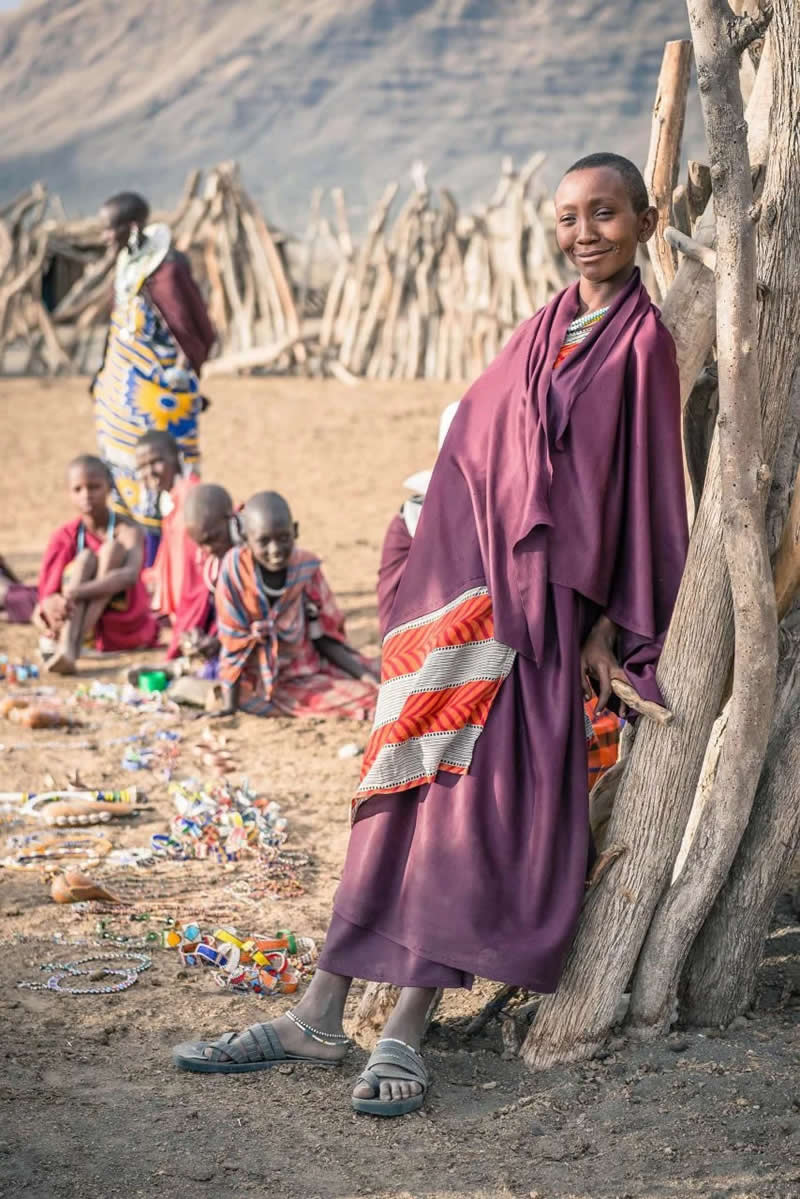
Spending time with the Maasai gave Vlad an unforgettable look at one of East Africa’s most recognizable cultures. While their vibrant red clothing and impressive beadwork immediately catch the eye, it’s their traditions that leave the deepest impression. He learned that Maasai boys typically undergo circumcision around the age of 14. Afterward, they leave the village for a period of time and are expected to survive by hunting and relying on the skills they’ve learned throughout childhood.
Imagine leaving home as a teenager and proving you can survive entirely on your own. That’s a level of independence many people today can barely imagine. Watching these customs firsthand helped Vlad appreciate that courage isn’t always about dramatic moments. Sometimes it’s about preserving traditions, accepting responsibility, and growing into adulthood through experiences that have shaped generations before you.
#6
#7
#8
#9
#10
Learning Survival Skills with the Bushman Tribe
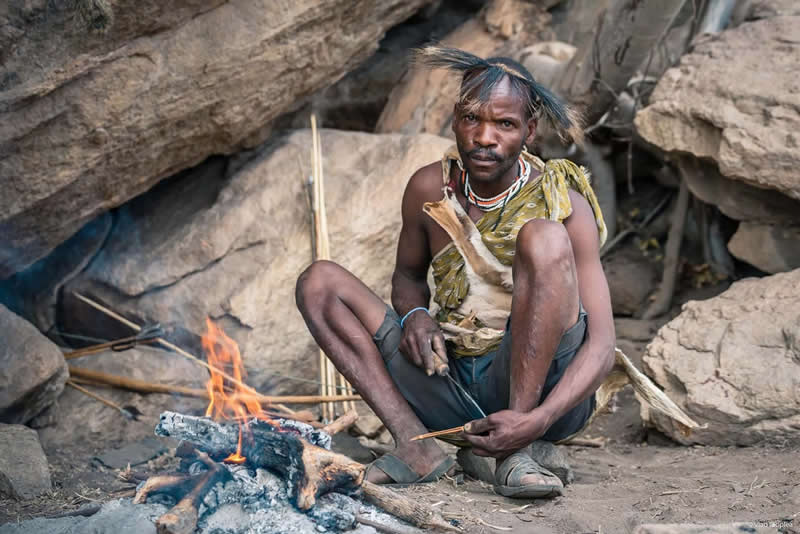
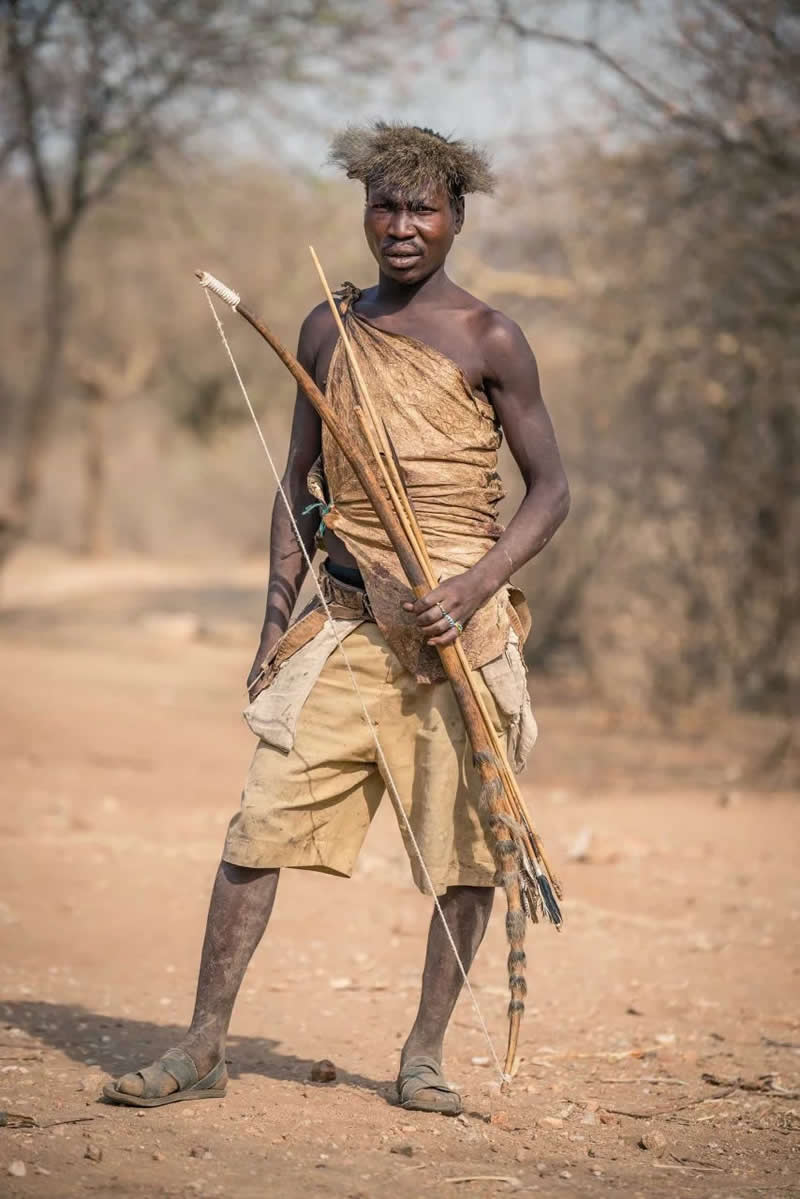
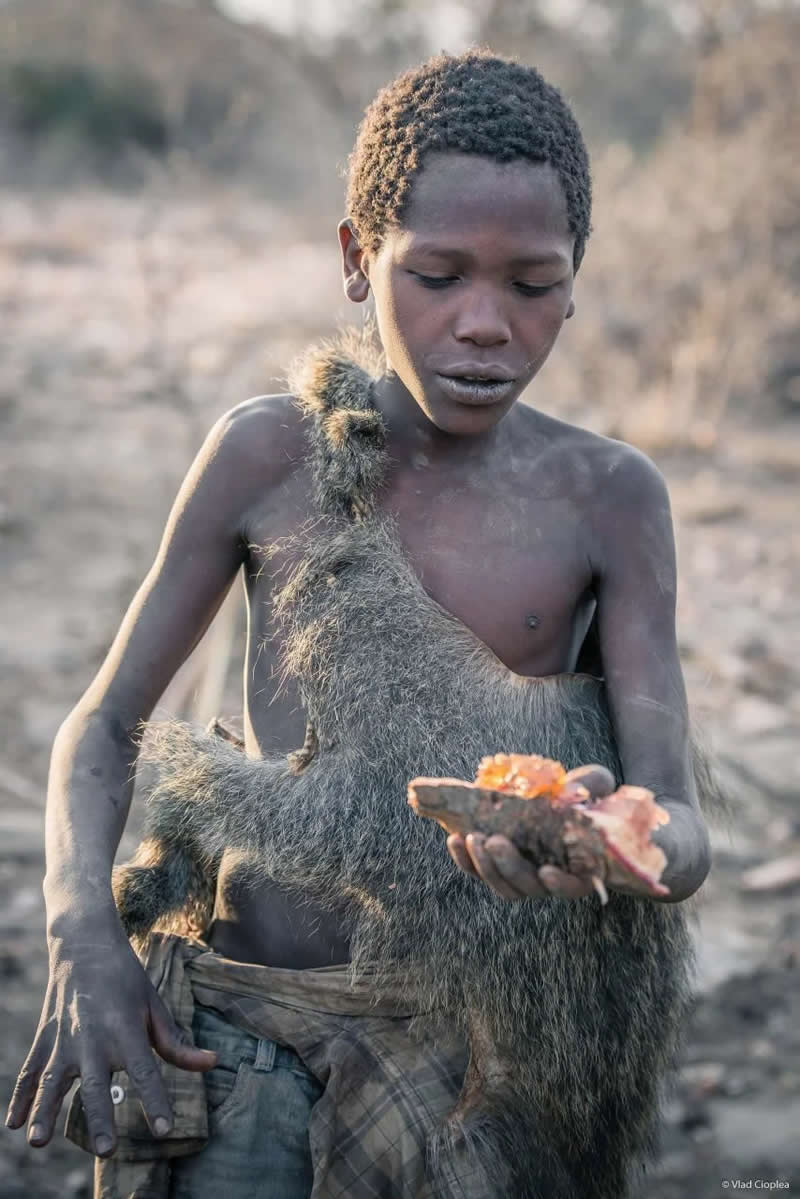
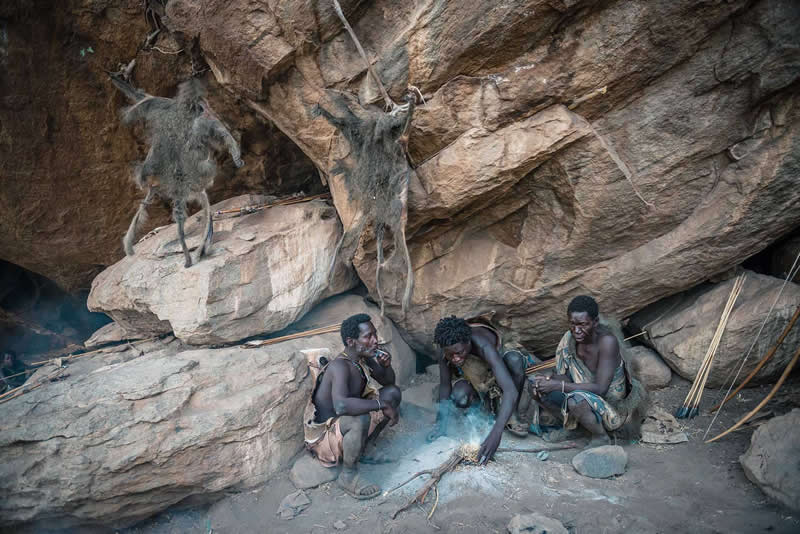
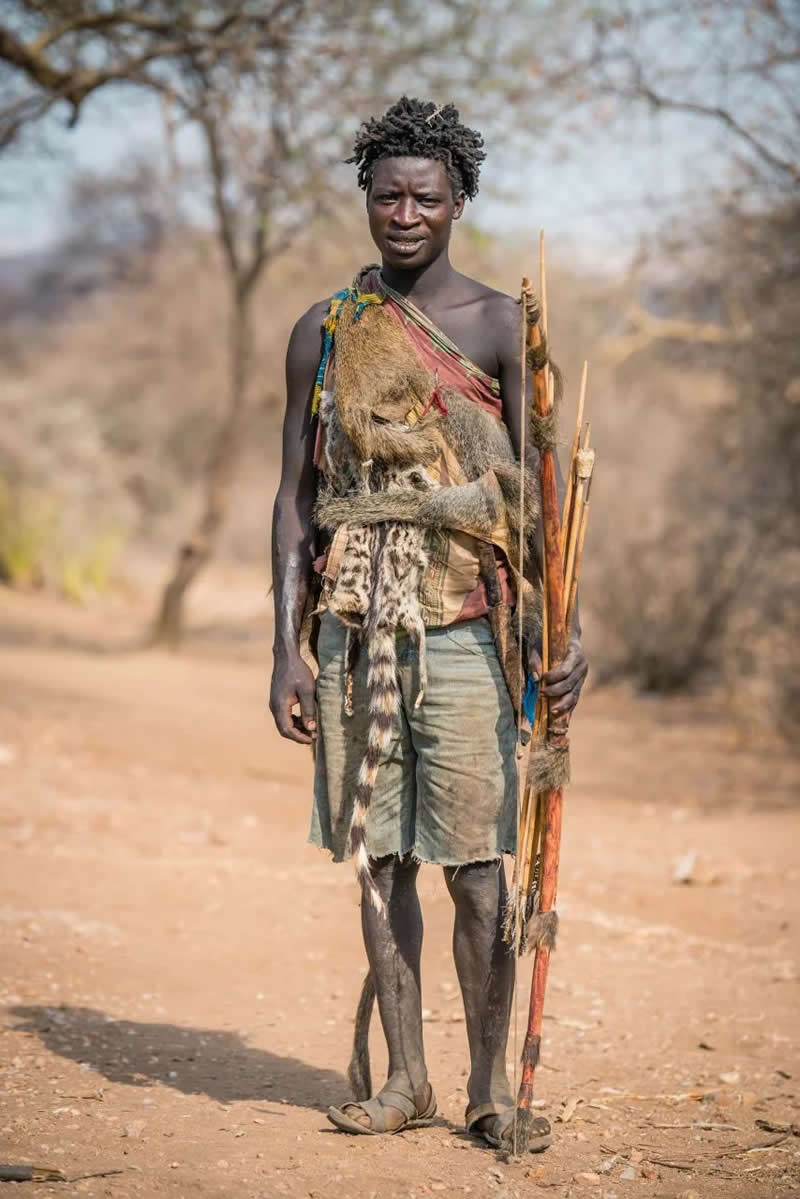
Life with the Bushman community introduced Vlad to a completely different relationship with nature. Hunting wasn’t treated like a sport or an adventure. It was simply part of everyday survival. Community members patiently demonstrated tracking techniques, reading footprints, and understanding the environment with remarkable precision. Skills passed from one generation to another had become second nature.
Then came one of the trip’s most memorable moments. The Bushman people generously offered Vlad monkey meat. While grateful for their hospitality, he respectfully declined. Cultural exchange doesn’t always mean saying yes to everything. Sometimes it’s about appreciating another person’s customs while remaining honest about your own comfort zone. Moments like these build trust because they’re rooted in mutual respect rather than pretending everyone shares identical traditions.
#11
#12
#13
#14
#15
The Tatoga Conversation He’ll Never Forget
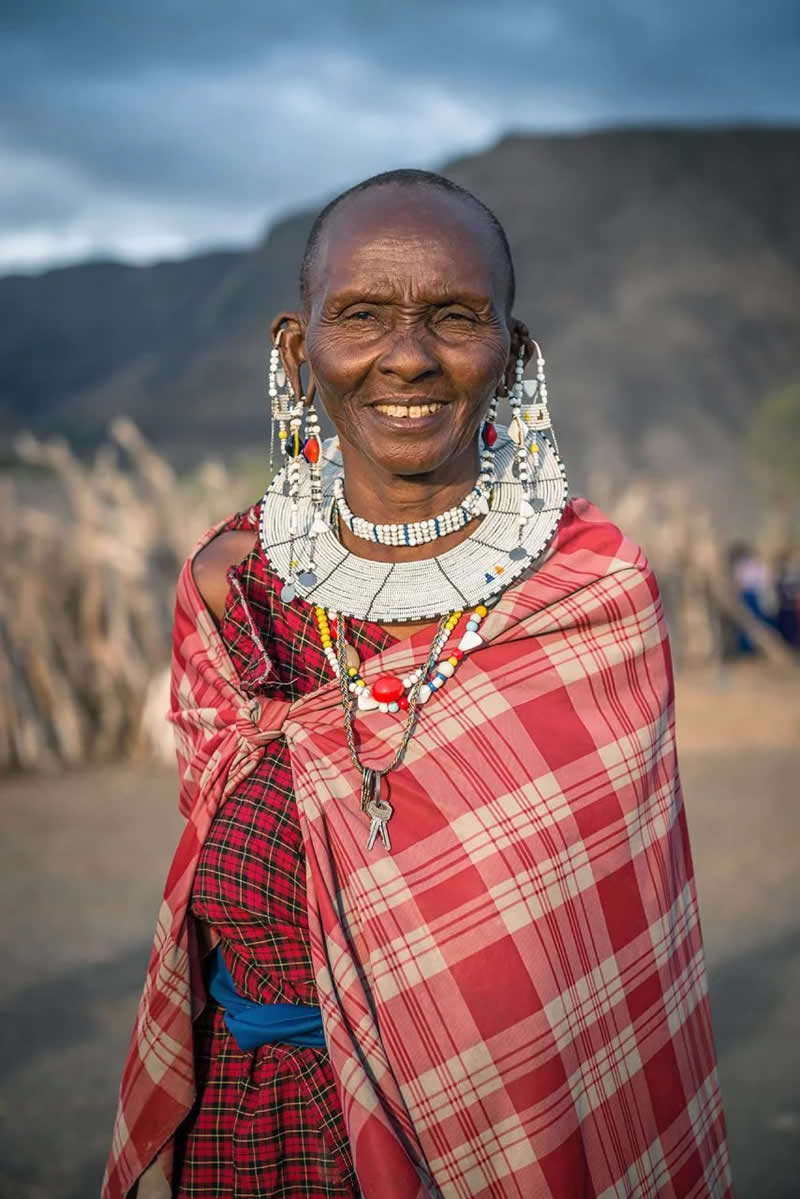
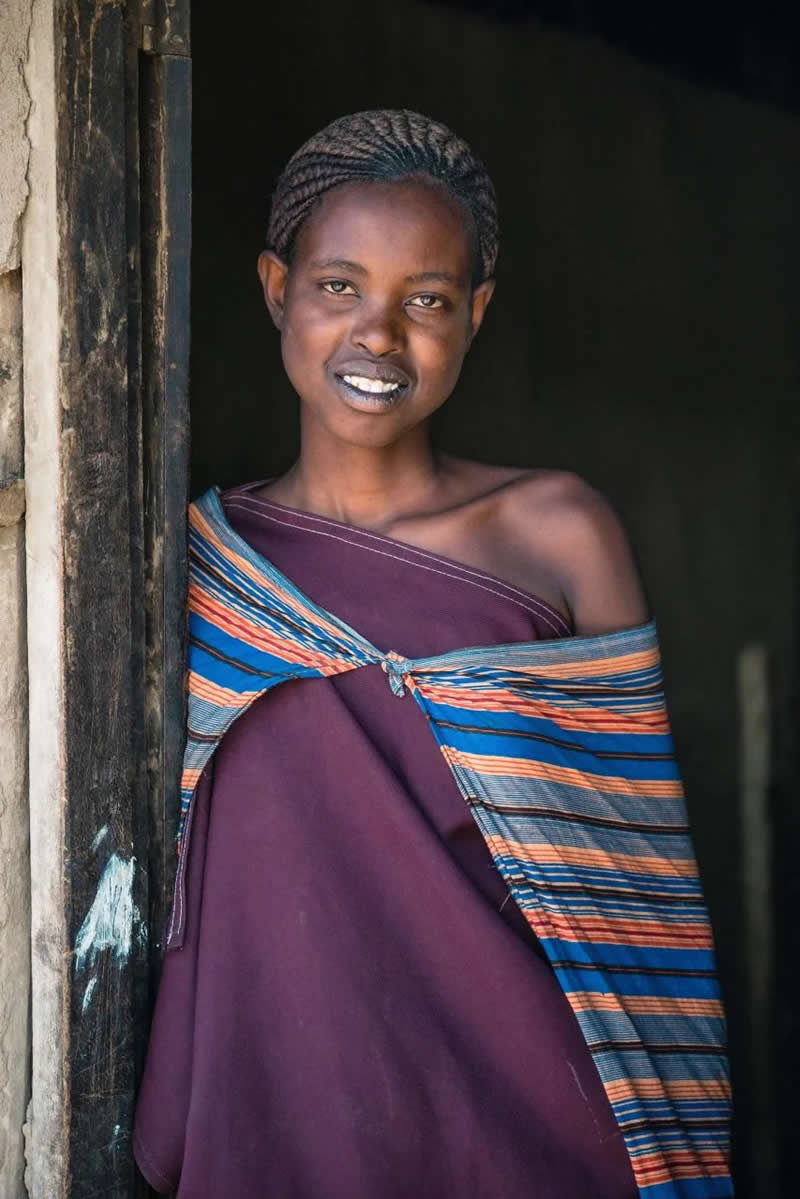
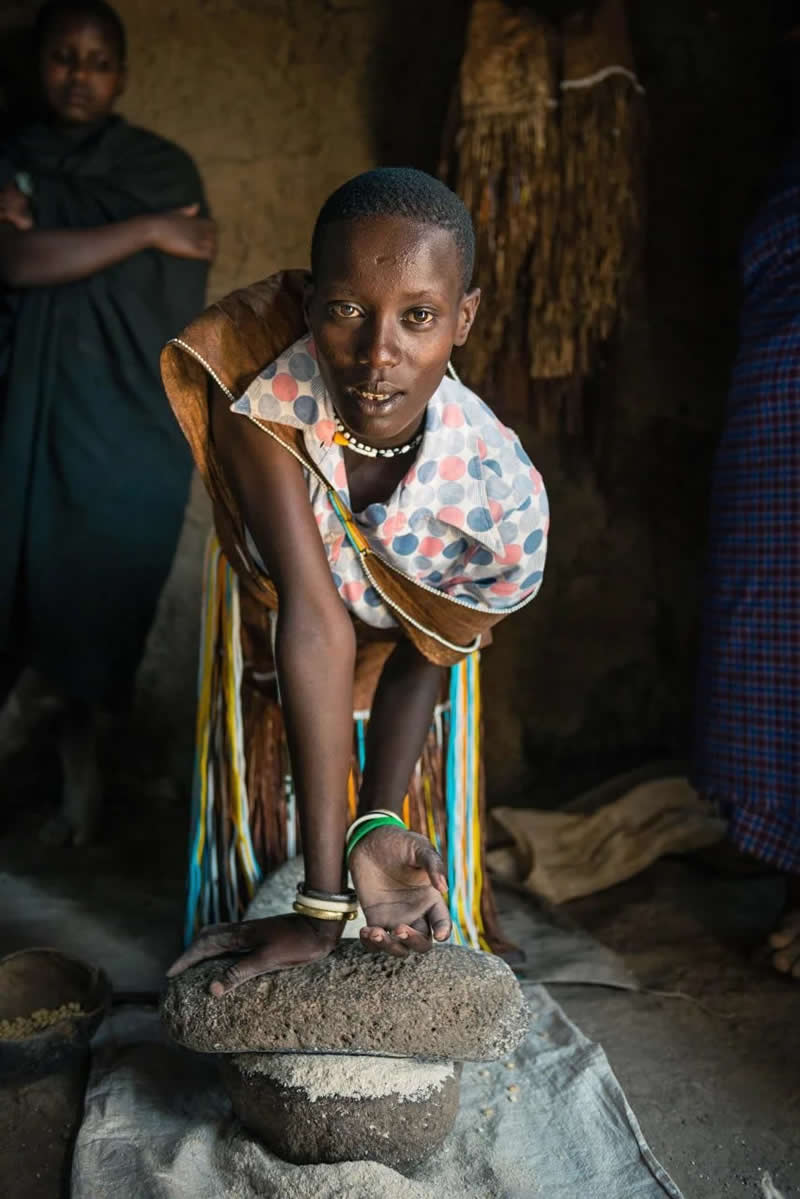
Some of the strongest travel memories don’t involve landscapes or wildlife. They happen during simple conversations. While spending time with the Tatoga community, Vlad experienced one of those unforgettable exchanges. A young girl genuinely believed that people living in Europe commonly ate each other. It sounds funny at first, but it also reveals how isolated communities can form ideas based on limited information or stories passed between generations.
Instead of laughing, Vlad saw it as an opportunity to connect. He realized people everywhere create assumptions about unfamiliar cultures. Haven’t we all done something similar? Maybe not on that scale, but it’s easy to imagine places we’ve never visited through stereotypes or secondhand stories. Honest conversations quietly replace misunderstanding with curiosity, and curiosity is often where real understanding begins.
#16
#17
#18
#19
#20
Photography That Tells Human Stories
Vlad’s photographs aren’t simply portraits of people wearing traditional clothing. They’re visual conversations. Every wrinkle, smile, thoughtful glance, and confident posture tells part of a much larger story about identity, resilience, and heritage. His project reflects the same curiosity that inspired his earlier series, "100 Friends," where he documented people through their passions. Tanzania expanded that idea onto a much bigger stage.
Looking through his images feels less like flipping through a travel album and more like meeting individuals you’d love to sit down and talk with. That’s the magic of meaningful documentary photography. Great portraits don’t just show what someone looks like; they invite you to wonder who they are, how they live, and what experiences shaped them. Those questions stay with you long after you’ve finished viewing the photographs.
#21
#22
#23
#24
#25
#26
Frequently Asked Questions:
Who is Vlad Cioplea?
Vlad Cioplea is a Romanian documentary photographer who traveled across Tanzania to photograph indigenous communities. His work focuses on capturing authentic human stories, cultural traditions, and everyday life while building genuine relationships with the people he photographs.
Which tribes did Vlad Cioplea photograph in Tanzania?
During his 20-day journey, Vlad photographed members of the Maasai, Bushman, and Tatoga tribes. Each community introduced him to unique traditions, survival skills, cultural beliefs, and daily routines that became central to his documentary photography project.
What did Vlad learn from the Maasai tribe?
Vlad learned about the Maasai rite of passage where boys are circumcised around age 14 before spending time away from their village, learning independence and survival skills through hunting, an important tradition passed down for generations.
Why is Vlad Cioplea’s Tanzania project unique?
Rather than focusing only on wildlife or landscapes, Vlad immersed himself in local communities, sleeping in the savannah, learning traditional customs, and documenting authentic human connections that reveal Tanzania’s remarkable cultural diversity through intimate portrait photography.
What message does Vlad Cioplea’s photography share?
His photography encourages viewers to look beyond stereotypes and appreciate cultural diversity through empathy and curiosity. By documenting real people and genuine conversations, his images remind us that understanding begins with listening, respect, and meaningful human connection.