
History books give us dates, names, wars, inventions, and big turning points. But what about the little stuff? The everyday moments that happened between the famous headlines? That’s where historical photographs can really open the door.
These 42 unseen historical photos offer fascinating glimpses into a world that feels both familiar and strangely distant. From everyday life and forgotten moments to remarkable people, major events, famous places, fashion, and early inventions, each photograph captures a tiny piece of a much bigger story.
Some images are surprising. Others are downright fascinating. A few might even make you stop and think, “Wait, people actually lived like that?”
That’s the beauty of old photos. They don’t just show us what the past looked like; they show us how people lived, worked, traveled, dressed, celebrated, struggled, and dreamed. A street corner, a crowded gathering, an unusual invention, or an ordinary family scene can suddenly become a priceless historical record.
These photographs take us beyond the textbooks and into the texture of everyday life. They remind us that history isn’t only made by famous names. It’s also built from millions of ordinary moments, quietly captured before they disappeared forever.
#1. Sophia Loren attending the Venice Film Festival, 1955.
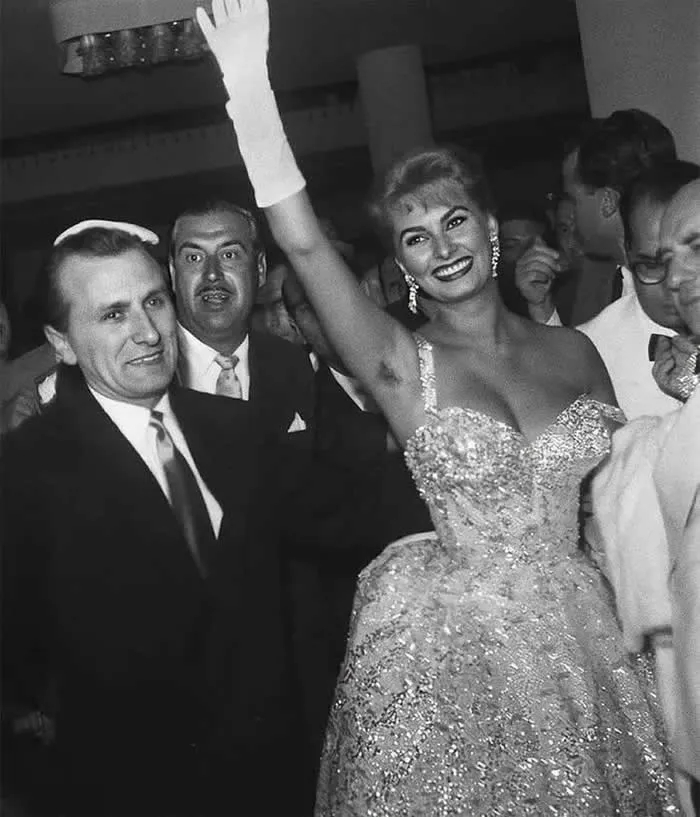
Image Source: Historic Photographs
#2. Two brothers meet after being separated by the Berlin Wall. Berlin, Germany, Christmas season 1963. (Photo by Ian Berry)
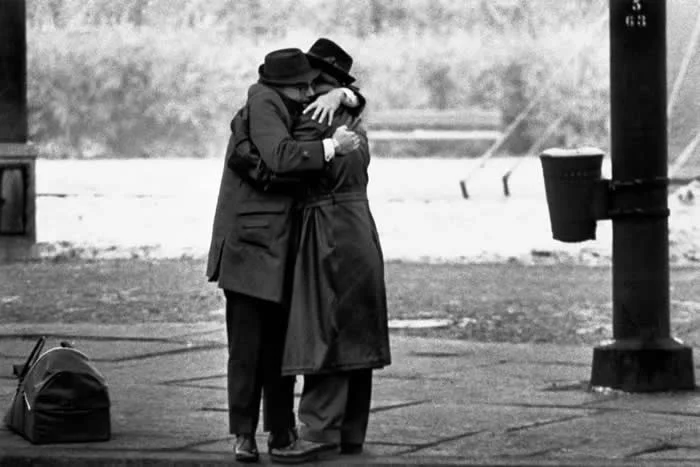
Image Source: Historic Photographs
#3. The hard life of roughnecks of the East Texas Oil Field, 1939. (A photo collection by Russell Lee / Library of Congress)
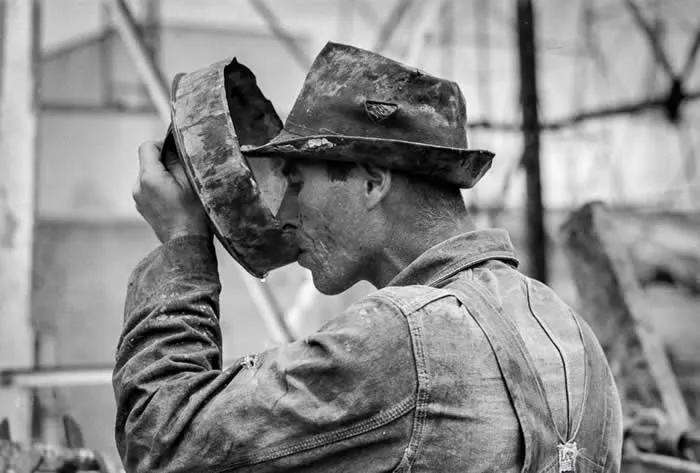
Image Source: Historic Photographs
#4. Halloween on the school bus, 1980s
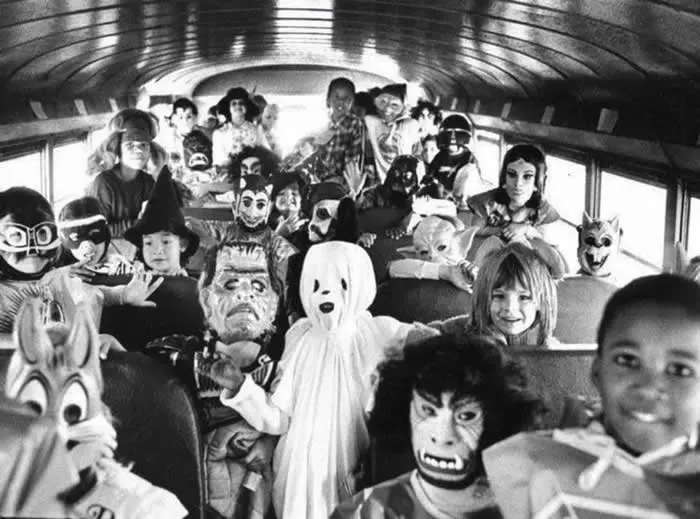
Image Source: Historic Photographs
#5. A pre-GPS era navigation hotline. Pictured: Operators giving directions to callers who would inquire about driving directions before they left their homes on a trip. (Netherlands, circa 1963). Photo by ANP
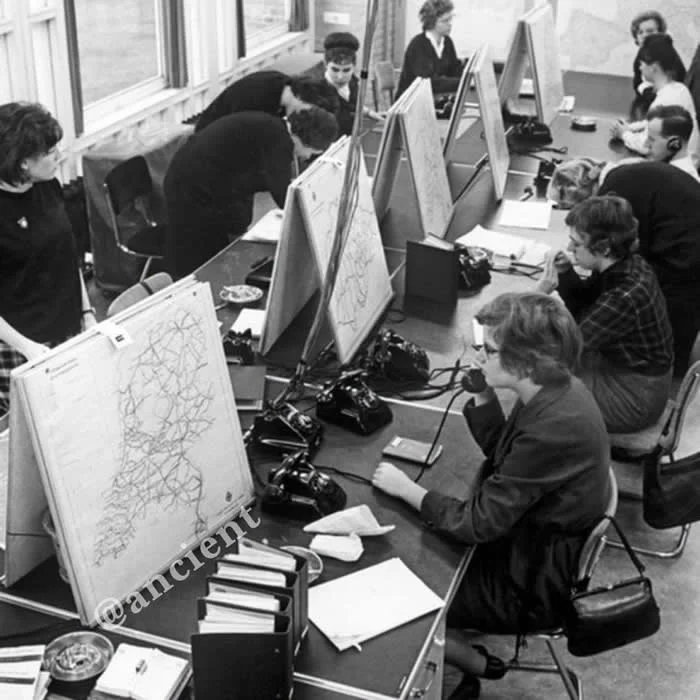
Image Source: Historic Photographs
#6. How many Victorians does it take to put on a dress? Crinolines (the hoop) were hazardous if worn without due care. Thousands of women died in the mid-19th century as a result of their hooped skirts catching fire, or getting caught in machinery, carriage wheels, gusts of wind, or other obstacles.
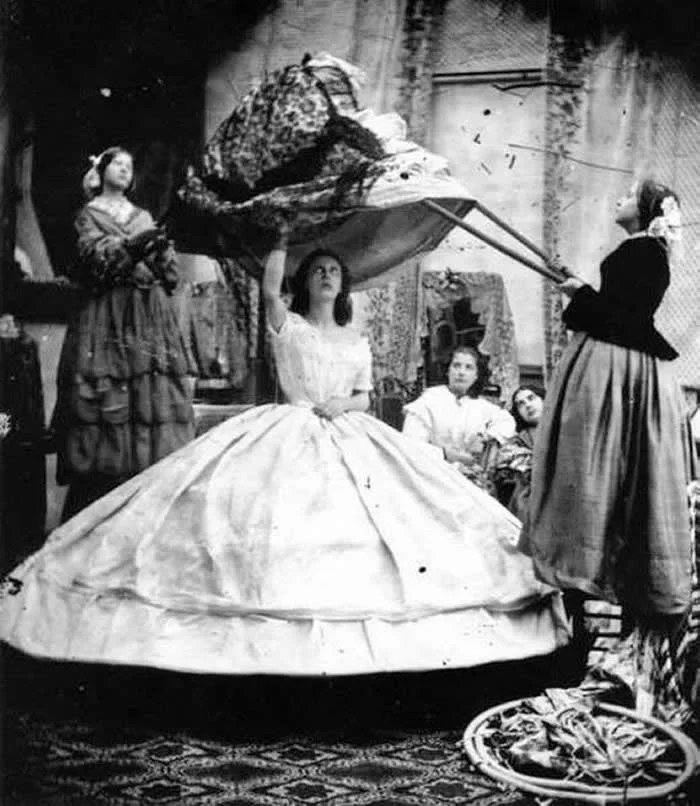
Image Source: Historic Photographs
#7. Behind the scenes of Star Wars – The Empire Strikes Back. (1980)
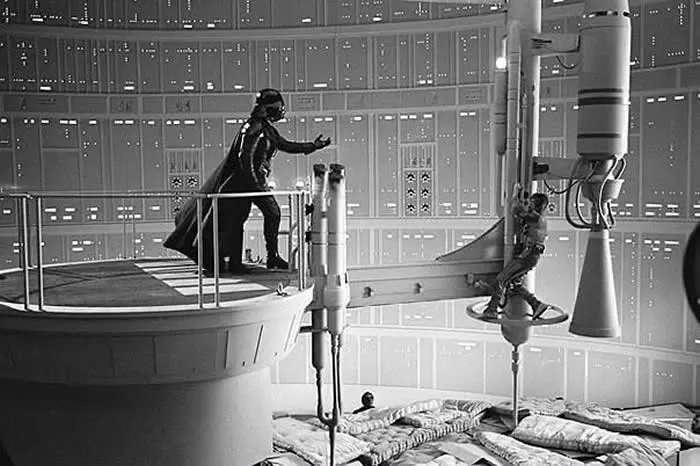
Image Source: Historic Photographs
#8. The German city Cologne was utterly destroyed by bombings in WW2. The 700-year old Cathedral famously survived, and that produced this terrifying photo where it looms over the ruins. 1944.
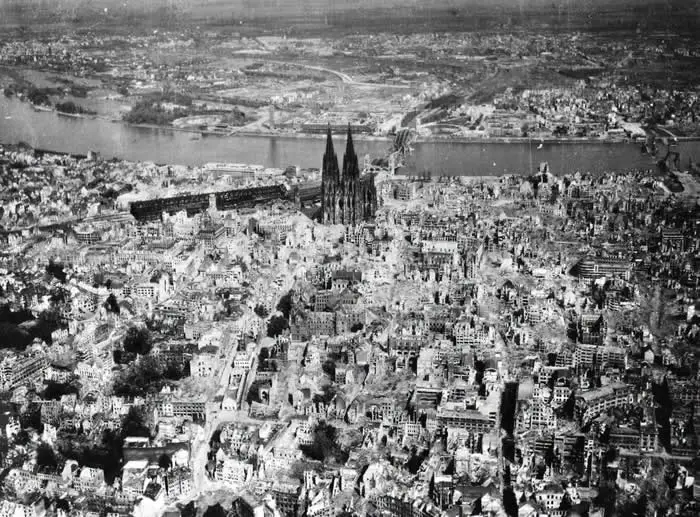
Image Source: Historic Photographs
#9. Fashion designer Pierre Cardin posing with Models in his futuristic vision of nursing uniforms in Paris, France in 1970.
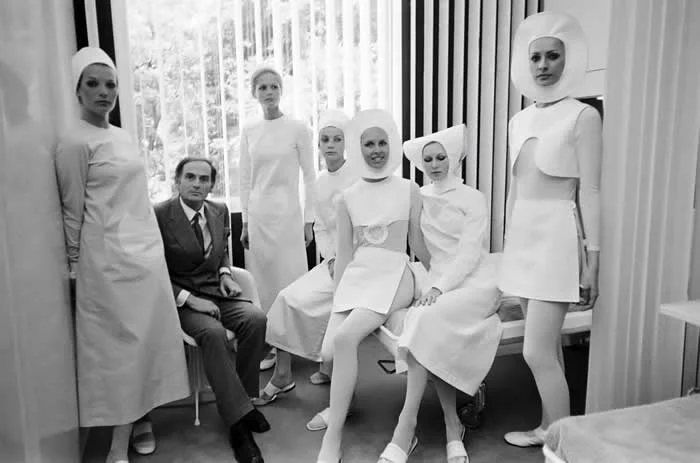
Image Source: Historic Photographs
#10. Selfies of 1954. Three young ladies preparing to have their pictures taken in a photo booth.
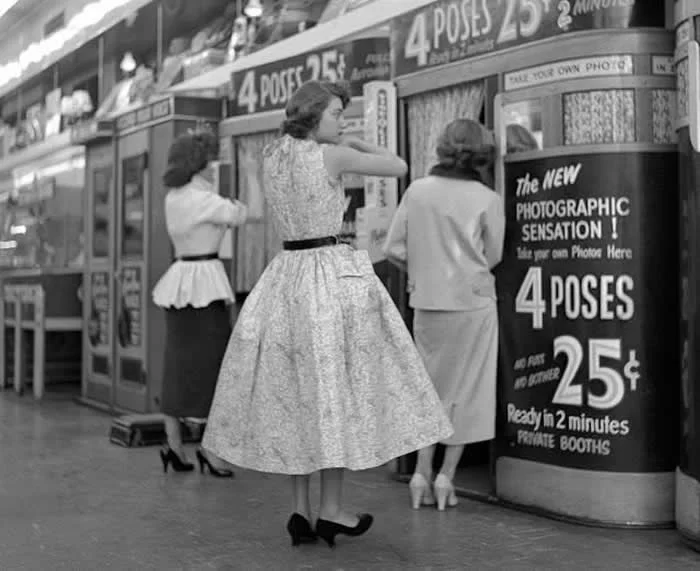
Image Source: Historic Photographs
#11. Japanese telephone operators in Tokyo using the new View Phone, made by Toshiba Shibaura Electric Co, with which they can see the caller, and the caller can see them. 1964
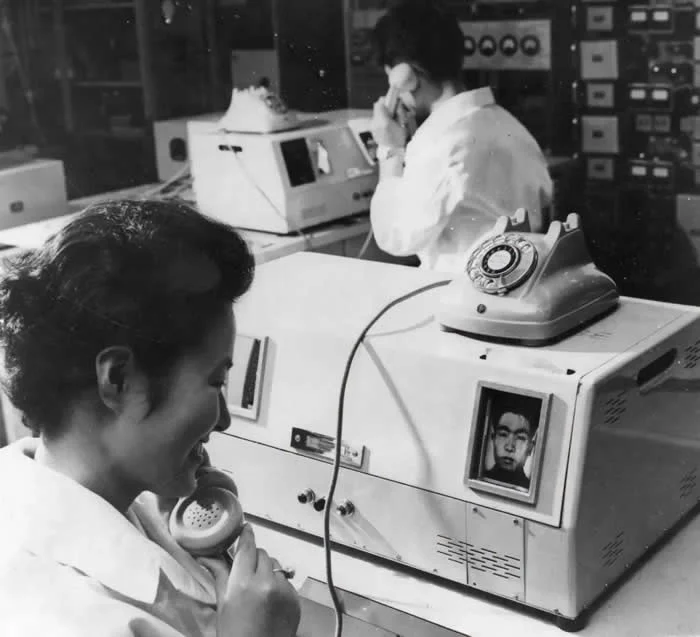
Image Source: Historic Photographs
#12. Albert Einstein wearing fuzzy slippers. (1940s)
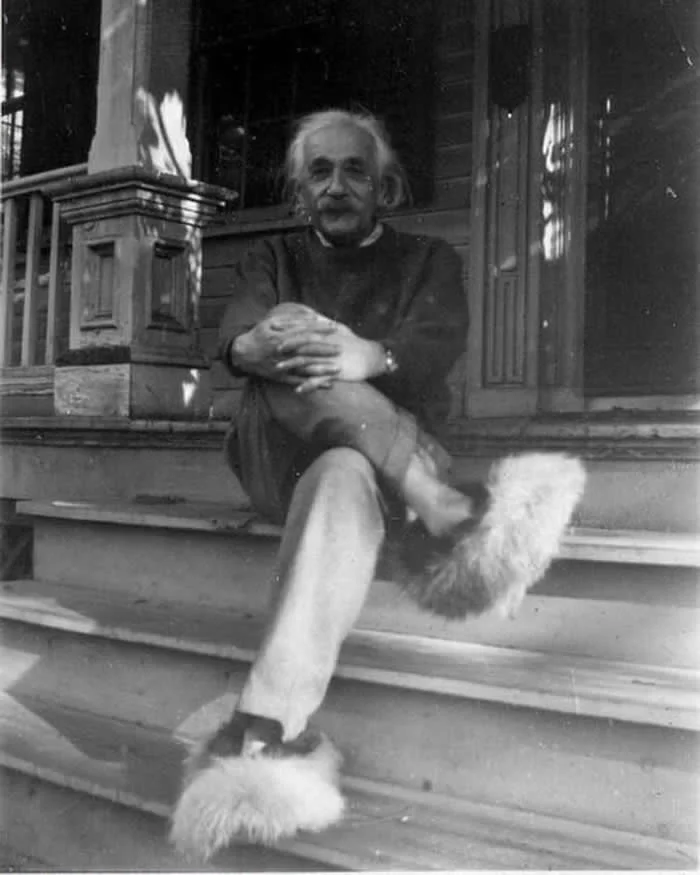
Image Source: Historic Photographs
#13. The models for ‘American Gothic’ pose in front of the iconic painting, 1942.
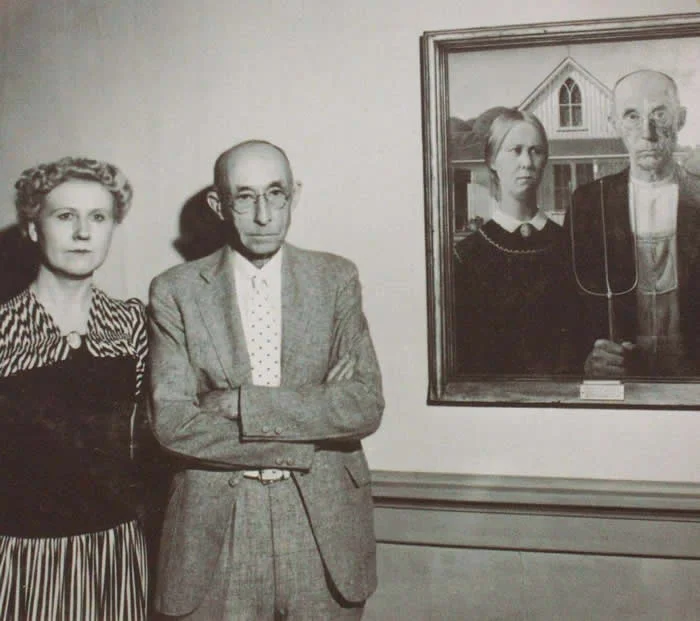
Image Source: Historic Photographs
#14. A 30-horse combine grain thresher, Washington, US, 1912.
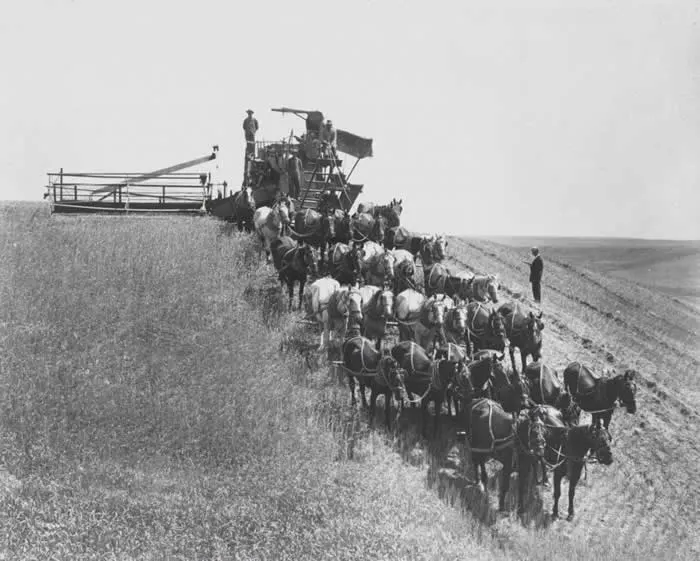
Image Source: Historic Photographs
#15. Typist of the future, ca. 1970
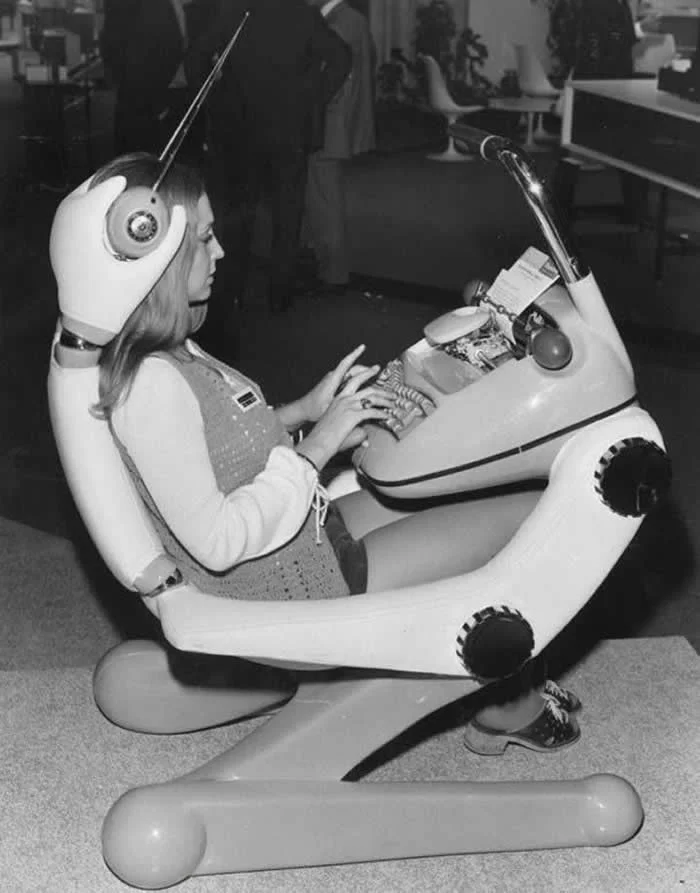
Image Source: Historic Photographs
#16. Two Maltese women talking. Malta (1950s). The ghonnella, sometimes referred to as a Faldetta, is a form of women’s head dress and shawl, or hooded cloak, unique to the Mediterranean islands of Malta and Gozo.
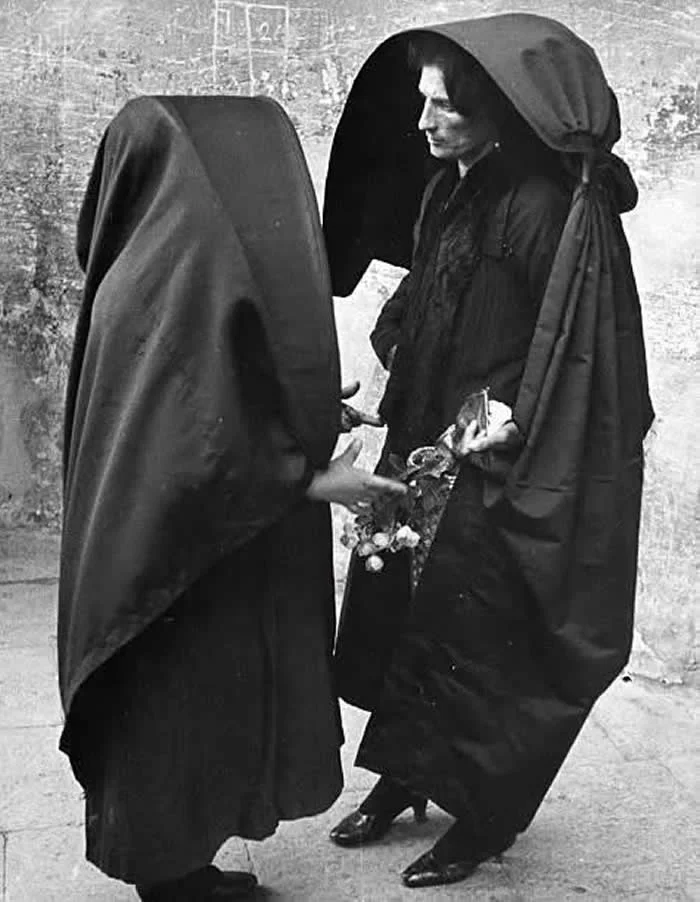
Image Source: Historic Photographs
#17. The bookmobile was a traveling library often used to provide books to villages and city suburbs that had no library buildings. It went from a simple horse-drawn cart in the 19th century to large customized vehicles that became part of American culture and reached its height of popularity in the mid-twentieth century.
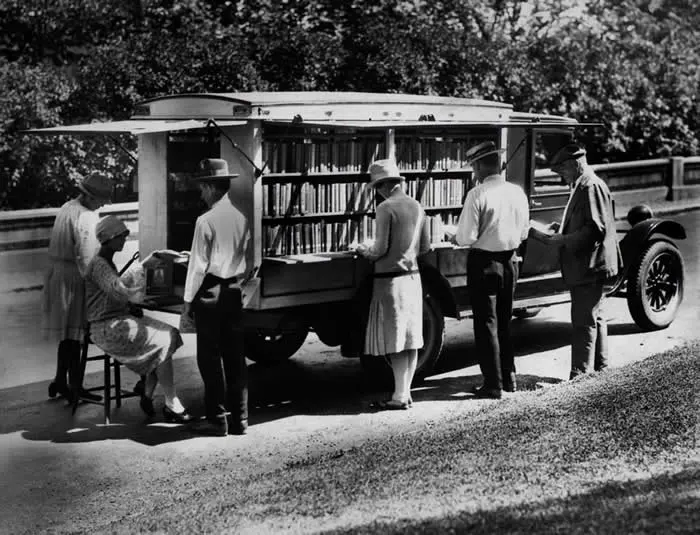
Image Source: Historic Photographs
#18. Before make up tutorials on YouTube, you had this. Pictured: Audience of women applying makeup at lecture by beautician Manka Rubenstein in Los Angeles, Calif., circa 1950.
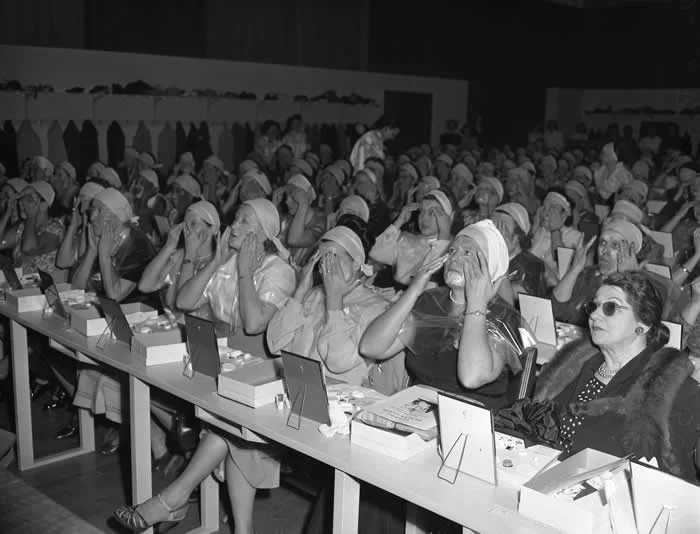
Image Source: Historic Photographs
#19. The last picture of now extinct Tasmanian Tiger in 1933
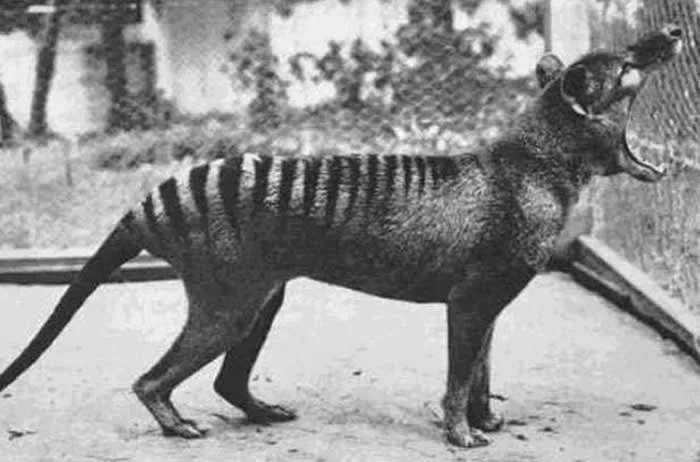
Image Source: Historic Photographs
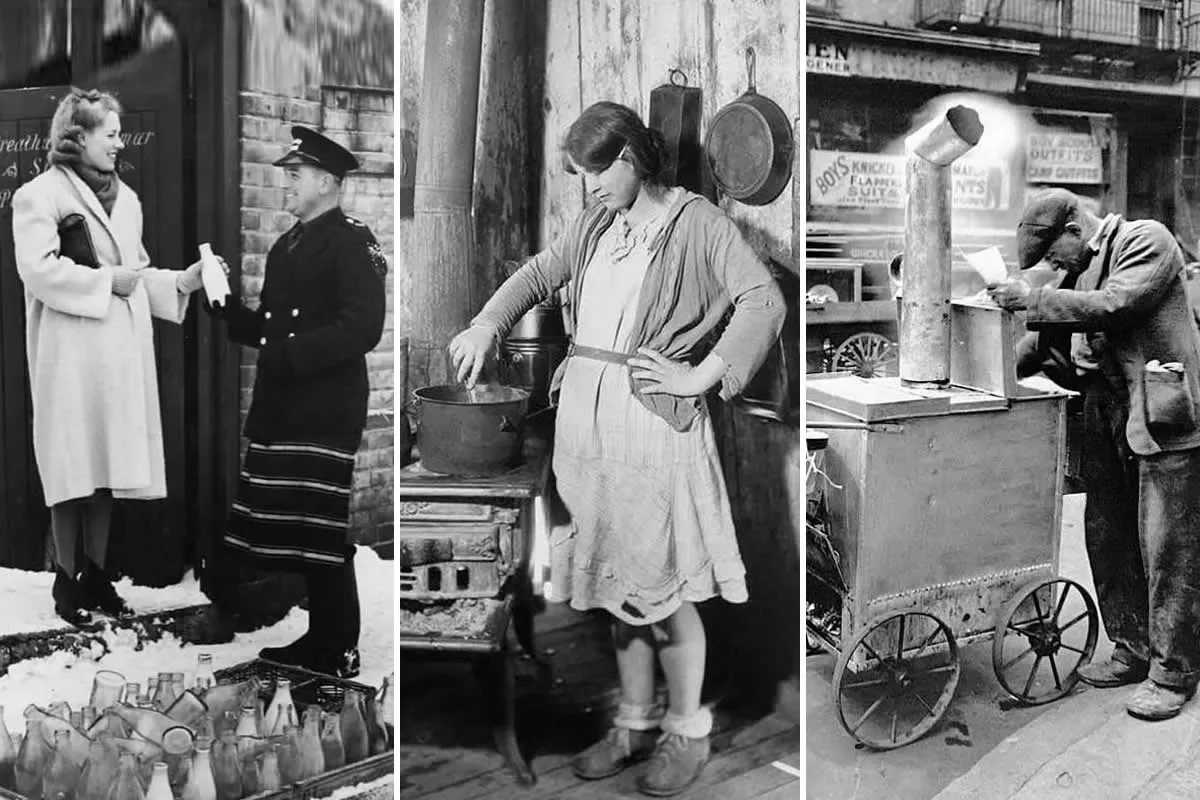
#20. The teenage daughter of a an impoverished Arkansas farmer cooking on an old stove while her mother was in a tuberculosis sanitarium during the Great Depression. Red Cross photo from ca. 1930.
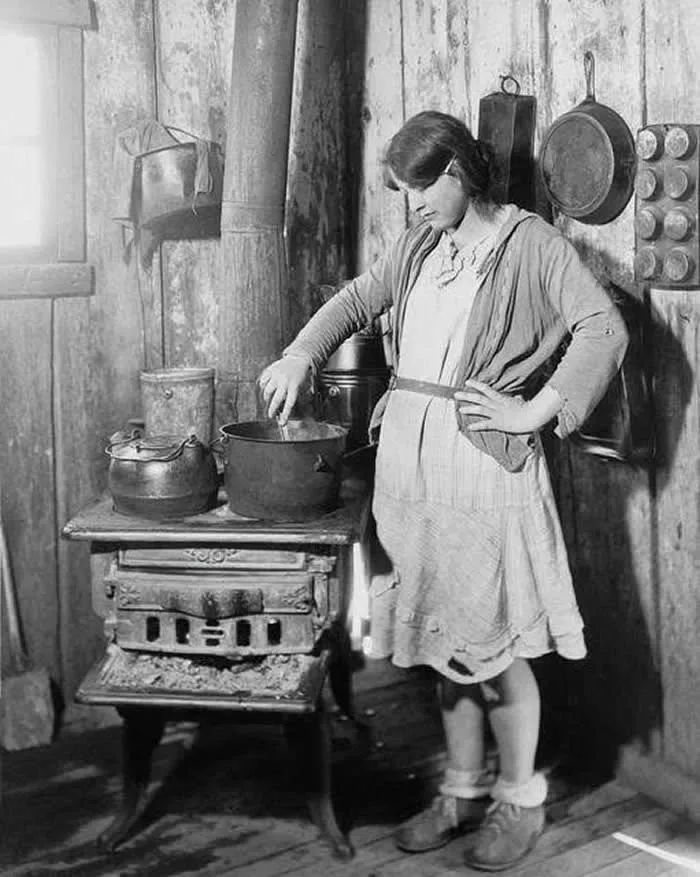
Image Source: Historic Photographs
#21. A milkman makes a delivery to Streatham Grammar school in London. 1939.
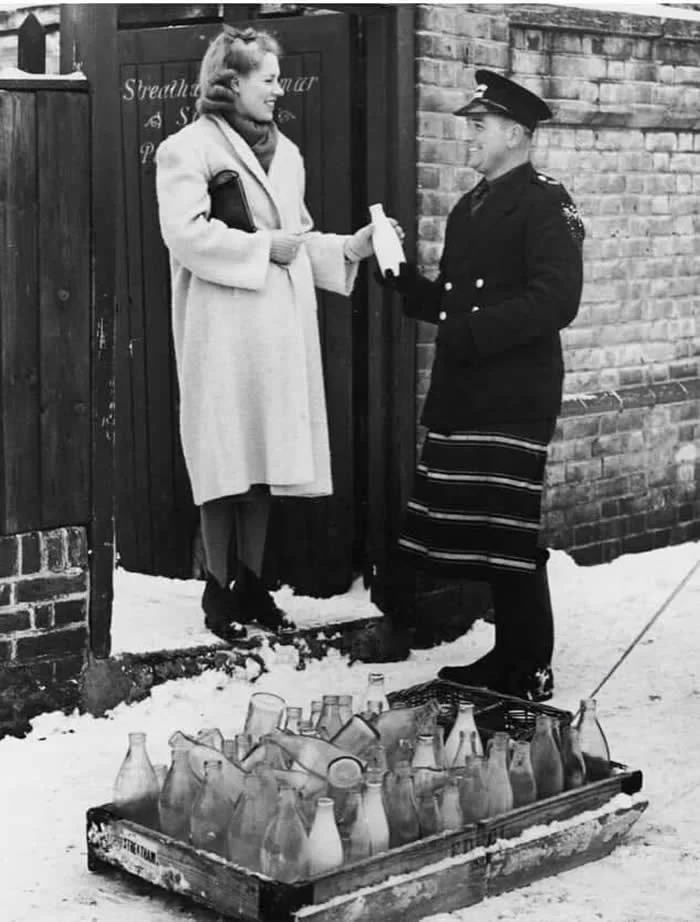
Image Source: Historic Photographs
#22. Yury Gagarin and Valentina Tereshkova, the first man and woman in human history to go to space, 1960s. (There’s only one question: why is Gagarin holding Tereshkova’s ear?)
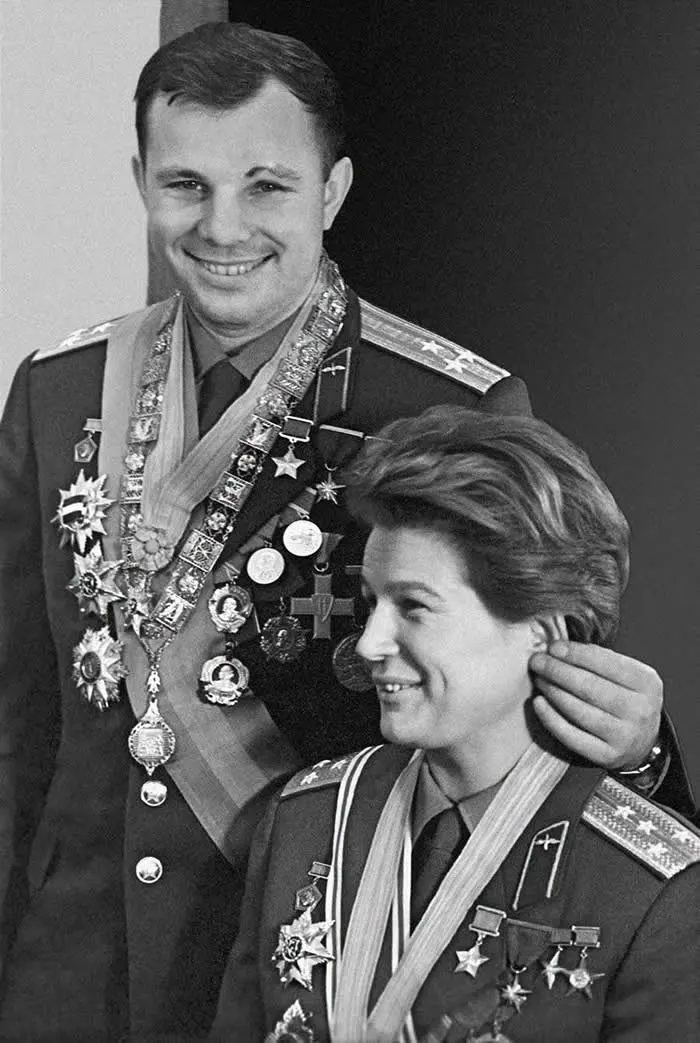
Image Source: Historic Photographs
#23. The return of the Mona Lisa to the Louvre after being stolen for 3 years (France, 1914).
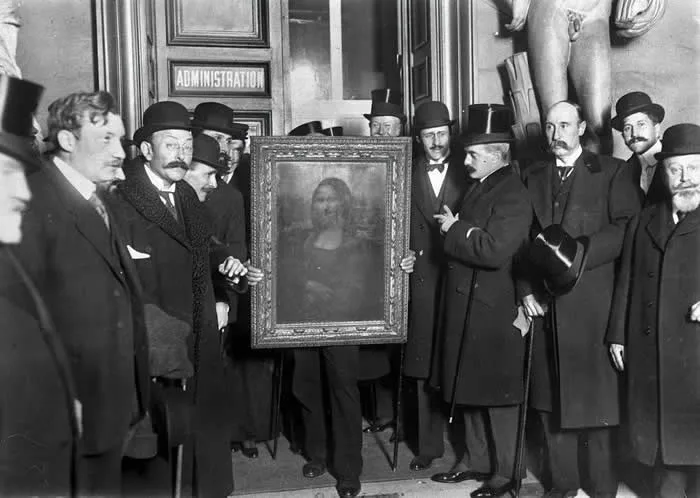
Image Source: Historic Photographs
#24. Emperor Nicholas II on board the Imperial Train. In 1902, the train consisted of ten carriages: a sleeping-car, a saloon car, carriages intended for children, the grand dukes, and the Emperor’s retinue, as well as carriages for railway servicemen, a kitchen, servants, luggage and workshops. Later the eleventh carriage used as a church was added.
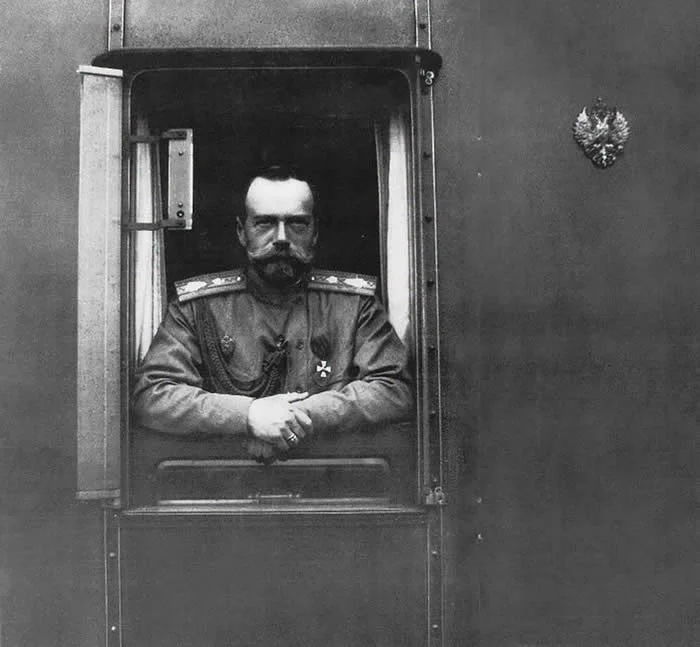
Image Source: Historic Photographs
#25. French inventor H. Mercier with his four-stroke v-twin powered roller skates. 1912
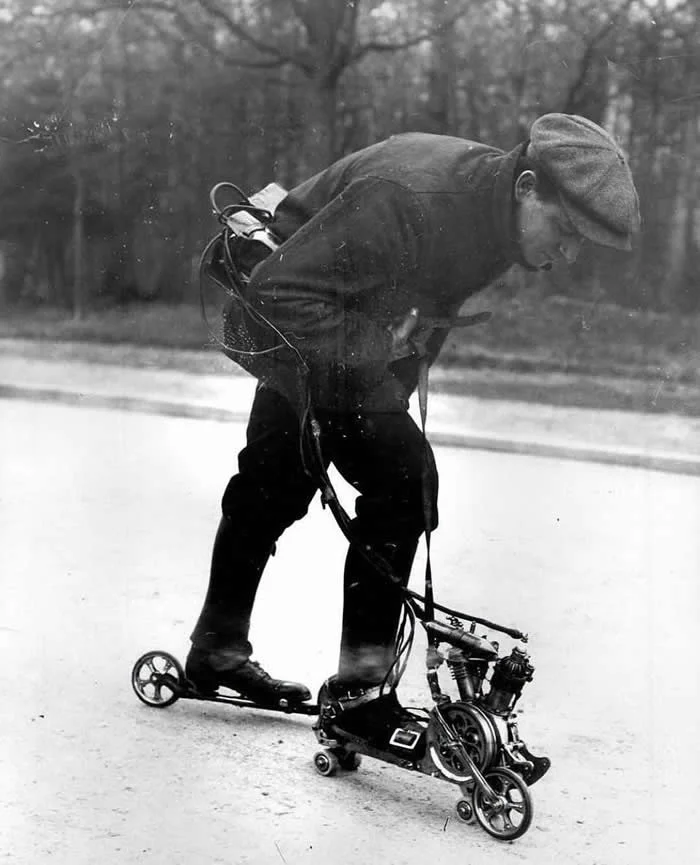
Image Source: Historic Photographs
#26. Queen Victoria with Princess Victoria, Princess Elizabeth, and Princess Alix of Hesse, 1879.
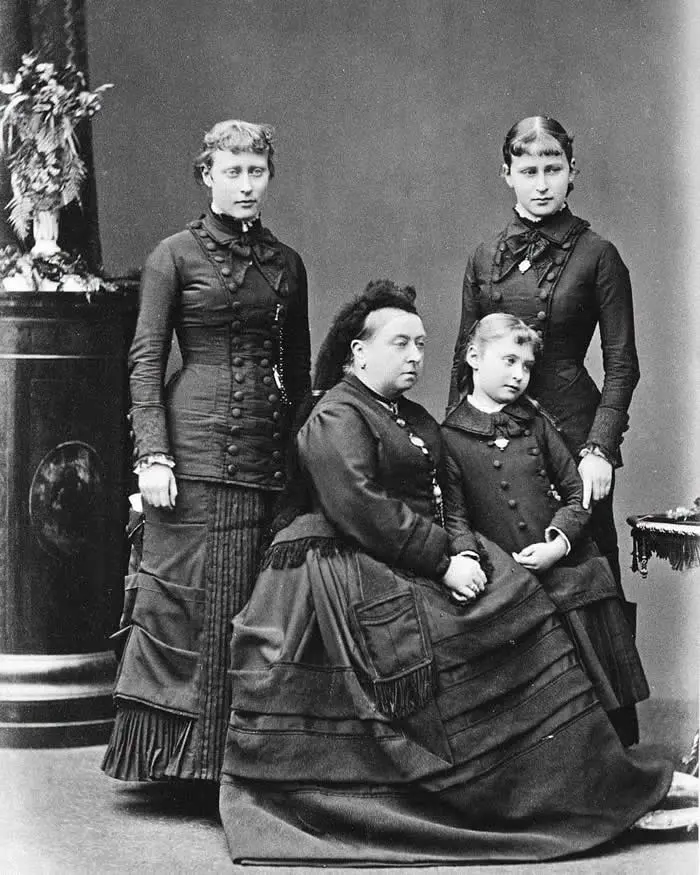
Image Source: Historic Photographs
#27. The bells for the University of Chicago’s chapel leaving the foundry in England where they were manufactured (1932).
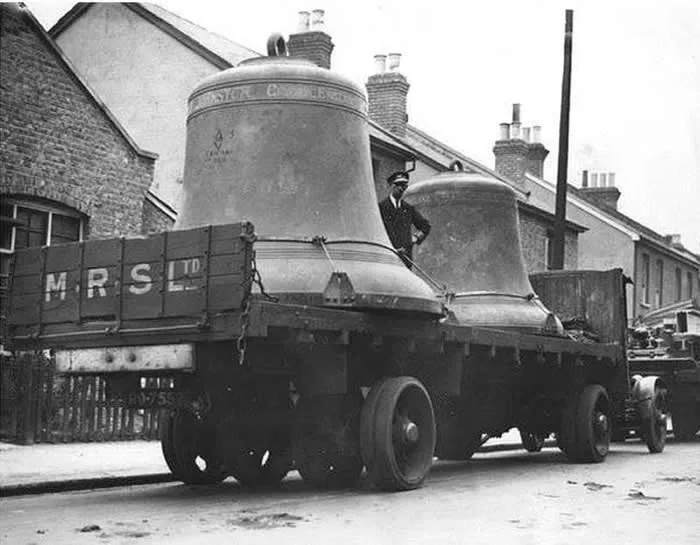
Image Source: Historic Photographs
#28. Ducklings used to cheer up girl in a hospital bed, 1956.
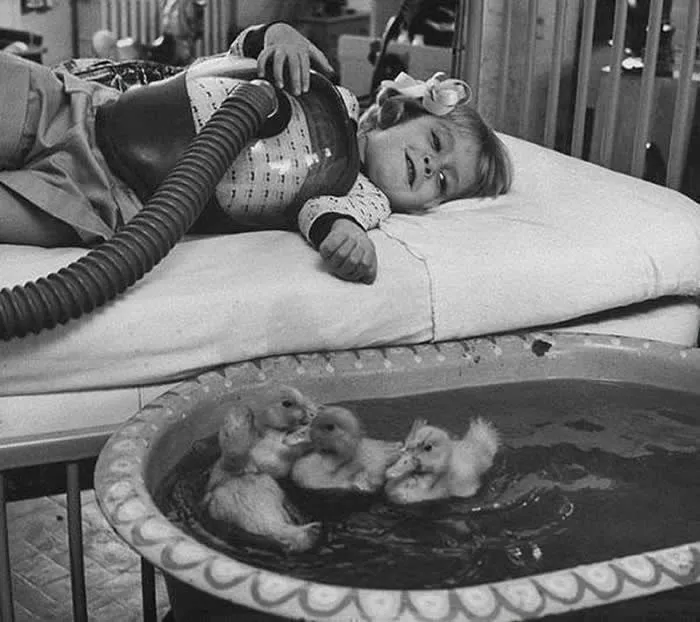
Image Source: Historic Photographs
#29. Ice Fountain, Washington Boulevard, Detroit. 1940s
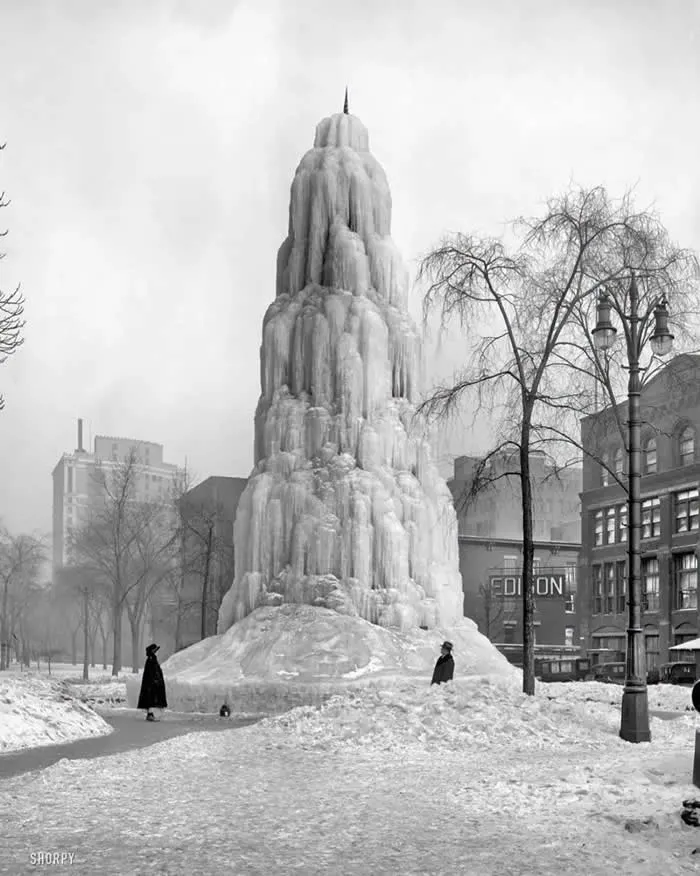
Image Source: Historic Photographs
#30. An Italian immigrant rag-picker sits with her baby in a small run-down tenement room on Jersey Street, 1887 (Photo by Jacob Riis).
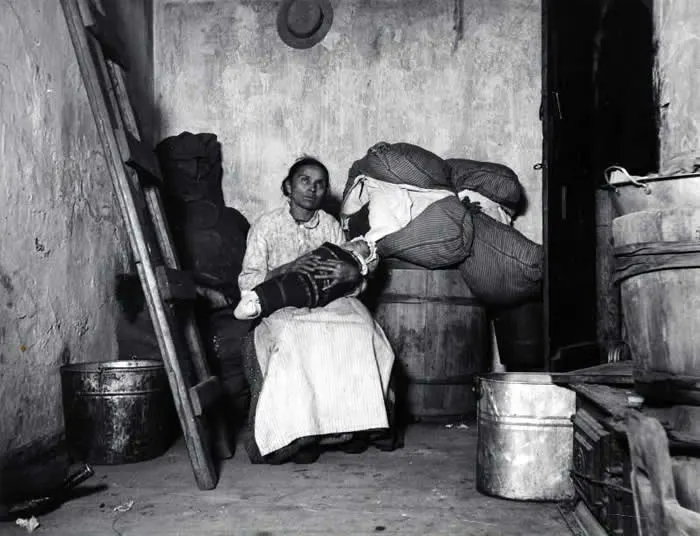
Image Source: Historic Photographs
#31. Philippe Petit walking across a tightrope between the World Trade Center’s Twin Towers in 1974.
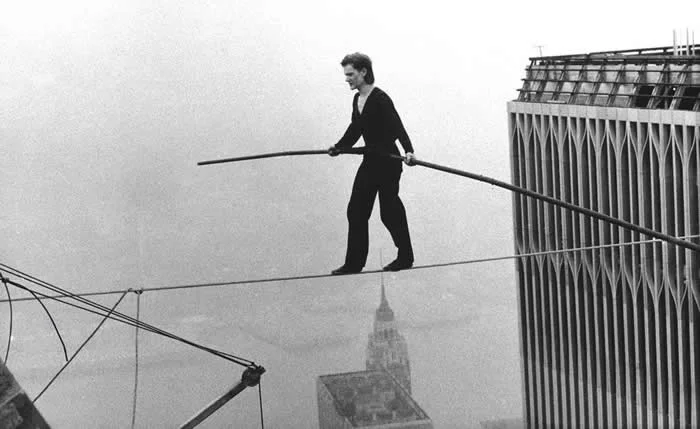
Image Source: Historic Photographs
#32. The skyline of Paris in 1890.
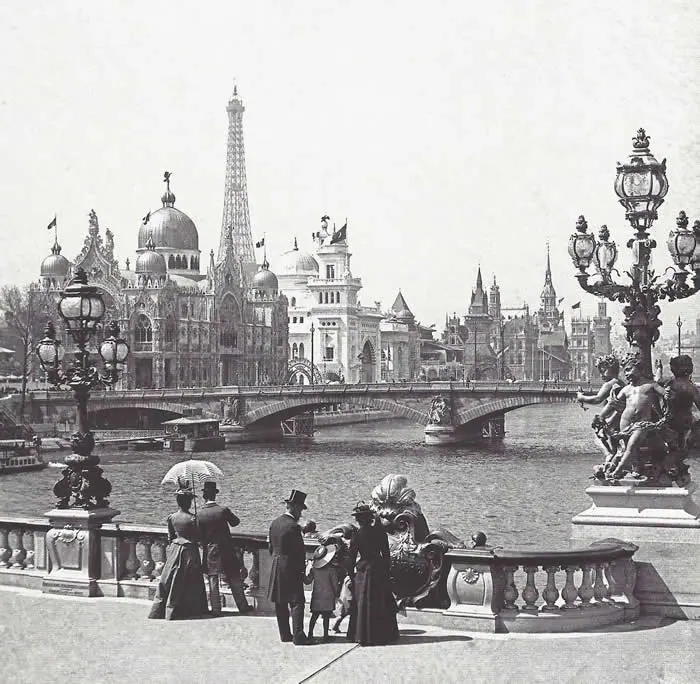
Image Source: Historic Photographs
#33. Portrait of Dakota Sioux Joseph Two Bulls, 22 June 1900
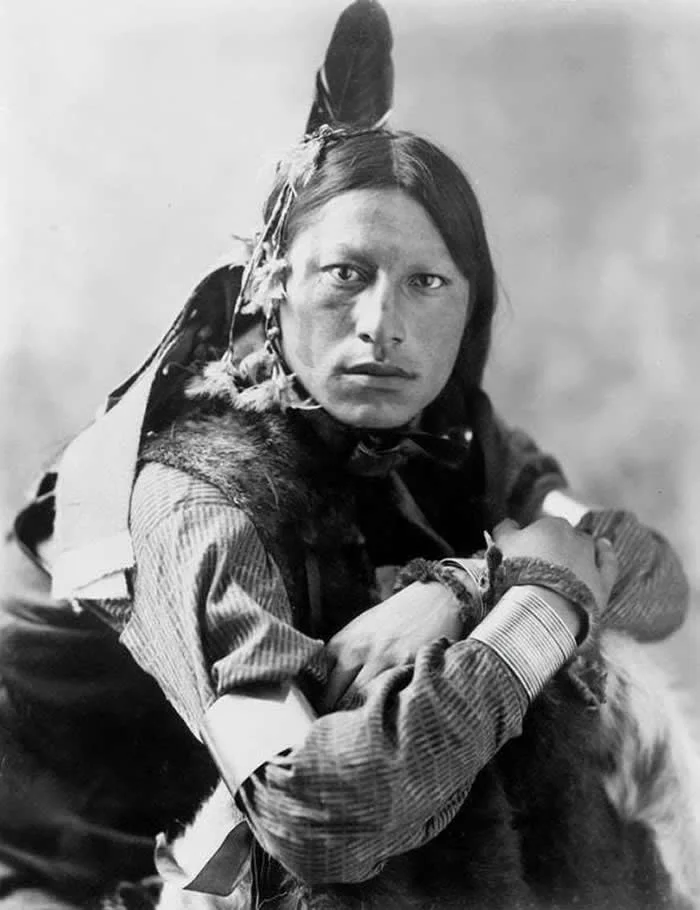
Image Source: Historic Photographs
#34. The New York Central Railroad streamliner ‘Mercury’ passes through Syracuse City Hall. 1936
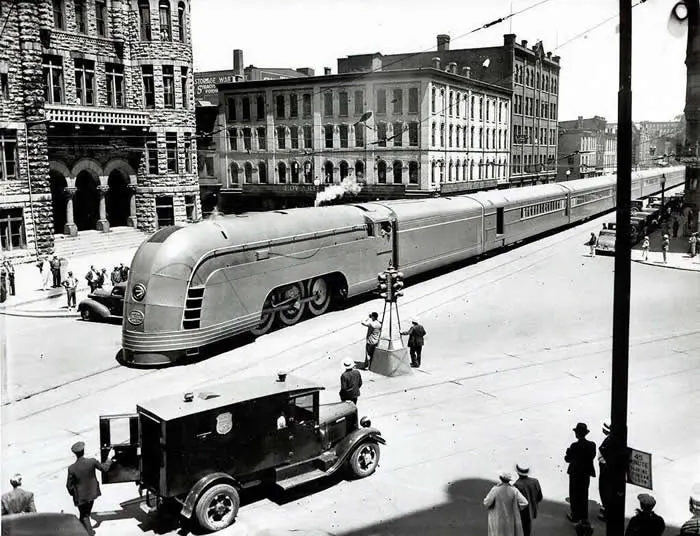
Image Source: Historic Photographs
#35. The up-to-date American kitchen, 1955.
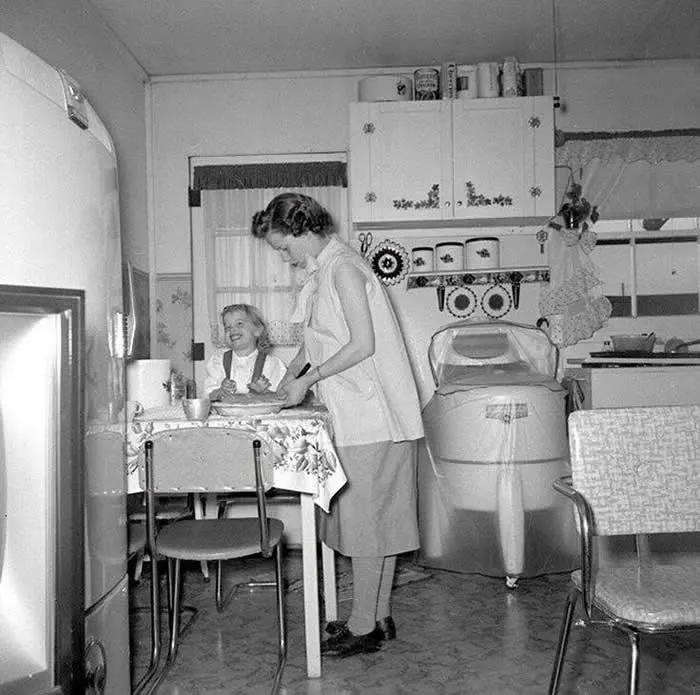
Image Source: Historic Photographs
#36. This is "The Family Bicycle”, with a sewing machine included for mom (1939, Chicago, US). Invented by Charles Steinlauf so the whole family can get out and enjoy some family exercise and catch up on some sewing, too.
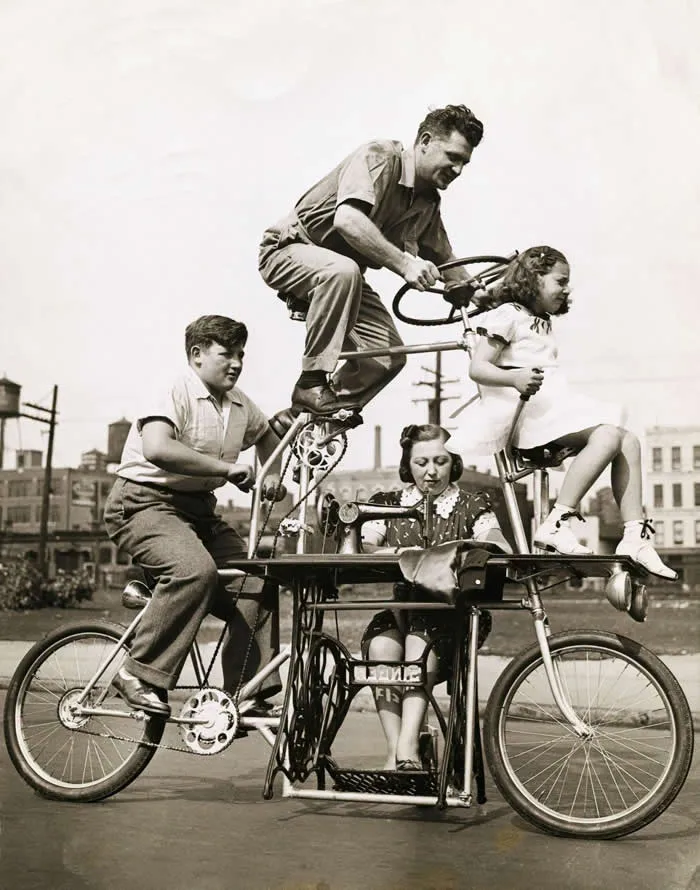
Image Source: Historic Photographs
#37. A 1936 project for making the 2nd floor of the Eiffel Tower accessible by car.
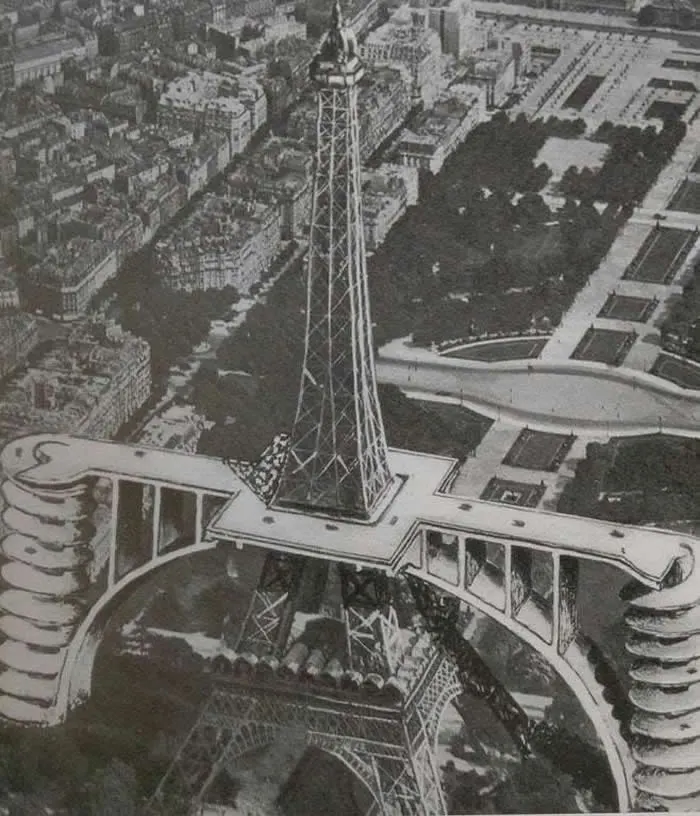
Image Source: Historic Photographs
#38. Steve Jobs showing Andy Warhol, Keith Haring and Kenny Scharf how to use a Macintosh computer (1984)
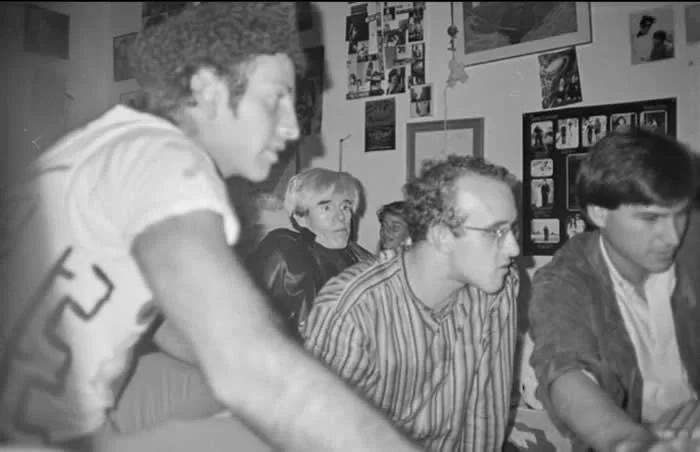
Image Source: Historic Photographs
#39. Man on a wild chopper bicycle, Chicago, early 1970s.
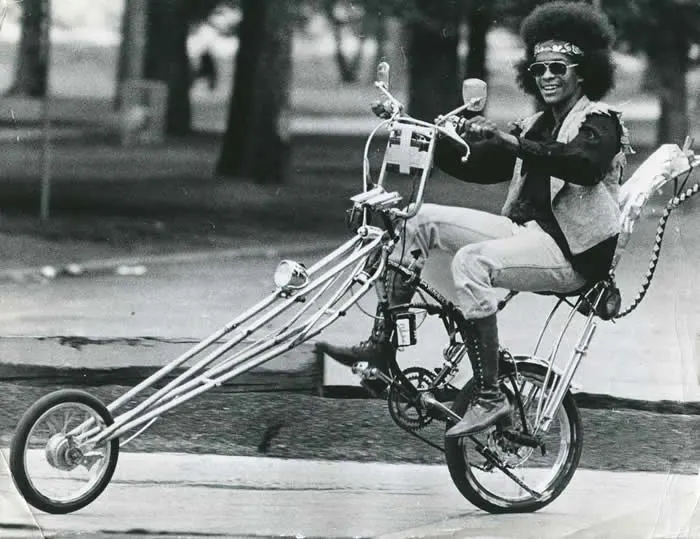
Image Source: Historic Photographs
#40. What 5 megabytes of computer data looked like in 1966: 62,500 punched cards, taking four days to load.
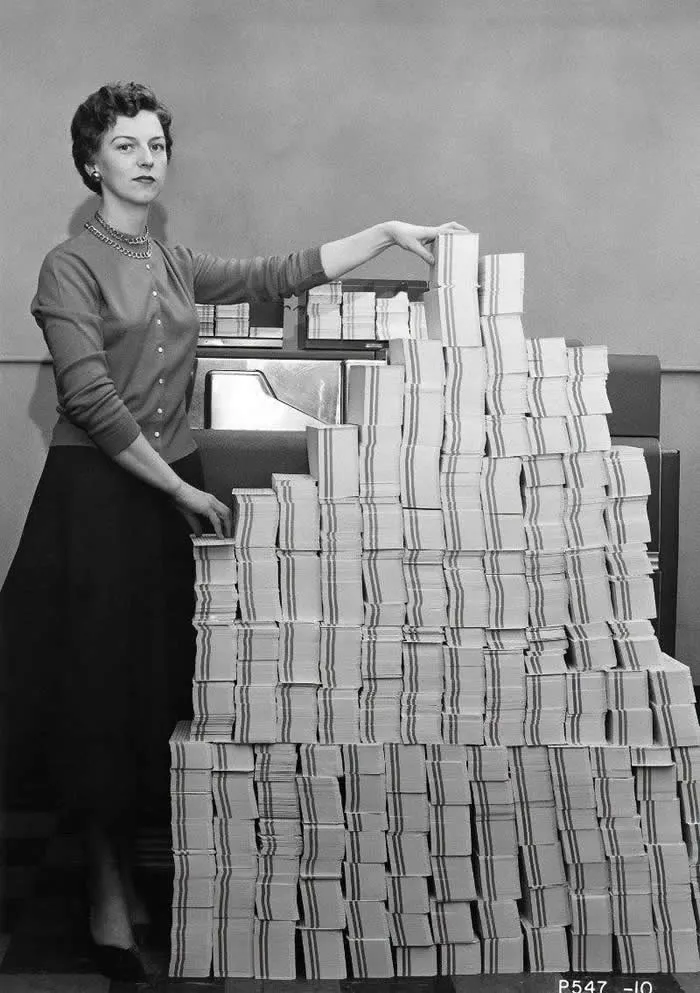
Image Source: Historic Photographs
#41. During the Battle of the Bulge, soldiers used lace fabric found in homes as camouflage in the snow. 1944. It started as a joke, but they found it protected them quite well.
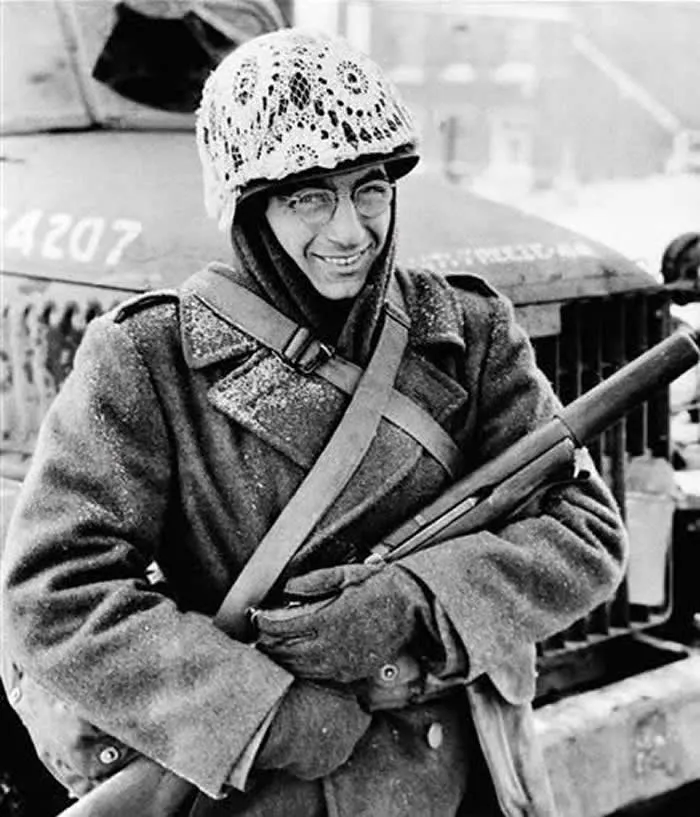
Image Source: Historic Photographs
#42. Roast corn man, Manhattan, 1938.
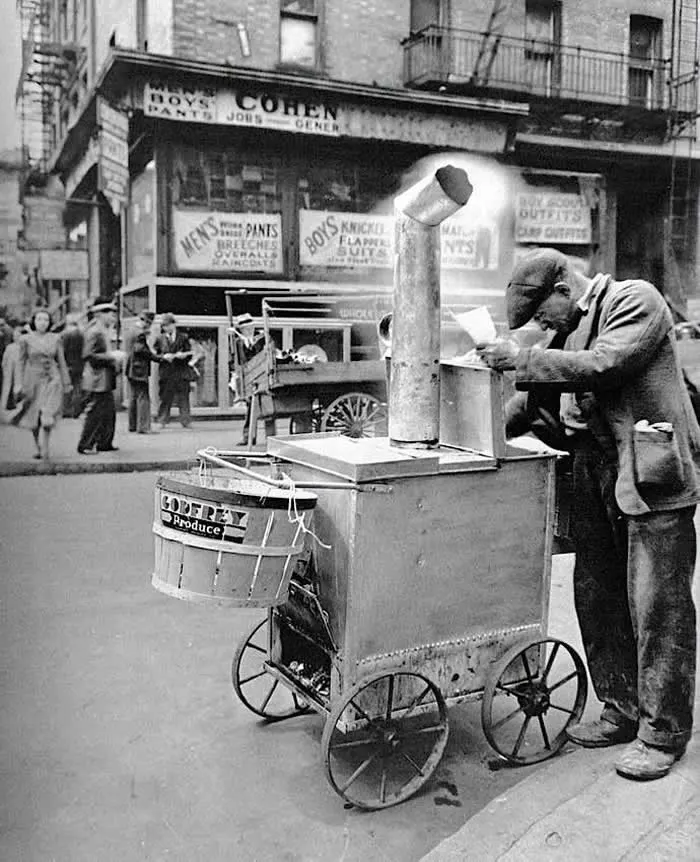
Image Source: Historic Photographs
Frequently Asked Questions:
What are historical photos?
Historical photos are visual records capturing people, places, events, objects, and everyday life from earlier periods. They provide valuable glimpses into how societies looked, lived, worked, traveled, dressed, and experienced important moments throughout history.
What can unseen historical photos reveal?
Unseen historical photos can reveal overlooked details about everyday life, fashion, technology, architecture, famous places, social customs, early inventions, and significant events, helping viewers understand the past from perspectives often missing from traditional history books.
Why are everyday life photos important to history?
Everyday life photos preserve ordinary experiences that may otherwise disappear. Images of families, workers, streets, clothing, homes, transportation, and celebrations create a visual record of how people actually lived during different periods of history.
What types of photographs are included in this collection?
This collection includes historical images of everyday moments, people, events, famous locations, fashion, older lifestyles, technological developments, early inventions, and unusual scenes that offer fascinating glimpses into different periods of the past.
Why do historical photographs feel so powerful?
Historical photographs make distant moments feel immediate and human. A single image can reveal expressions, surroundings, clothing, technology, and daily routines, allowing viewers to connect emotionally with people and places that existed generations ago.