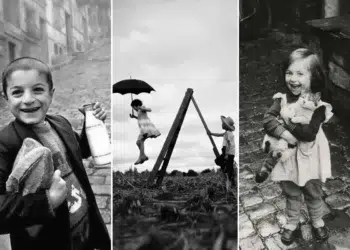

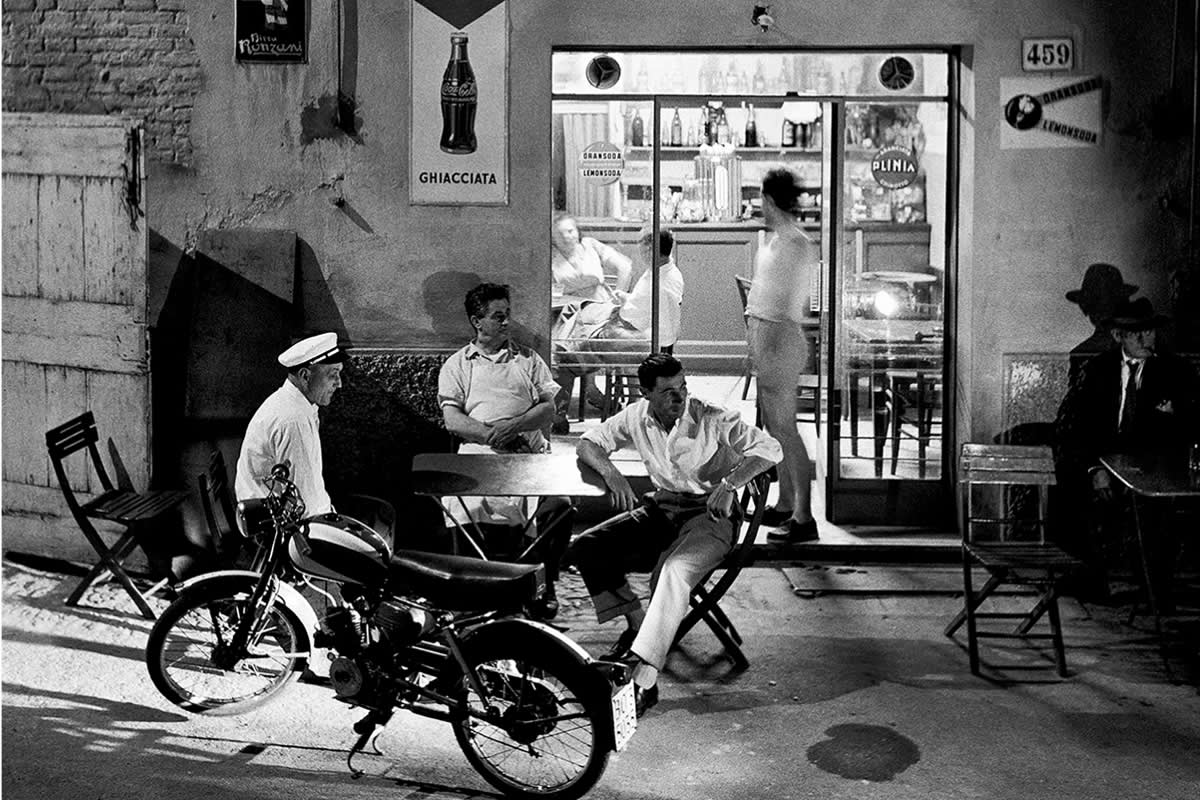
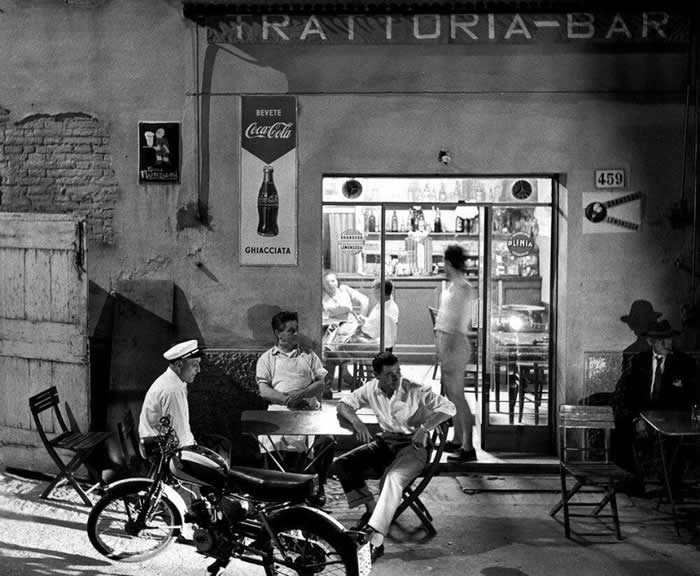
Some photographers chase spectacle. Nino Migliori chased the truth. And that’s exactly why his work still hits hard decades later. Self-taught and fiercely original, Migliori began photographing in 1948, when Italy was emerging from the wreckage of World War II. Streets were scarred, economies were shaky, and communities were rebuilding from the ground up. But through his lens, this wasn’t just a country in recovery; it was a nation alive with grit, humor, style, heartbreak, and hope.
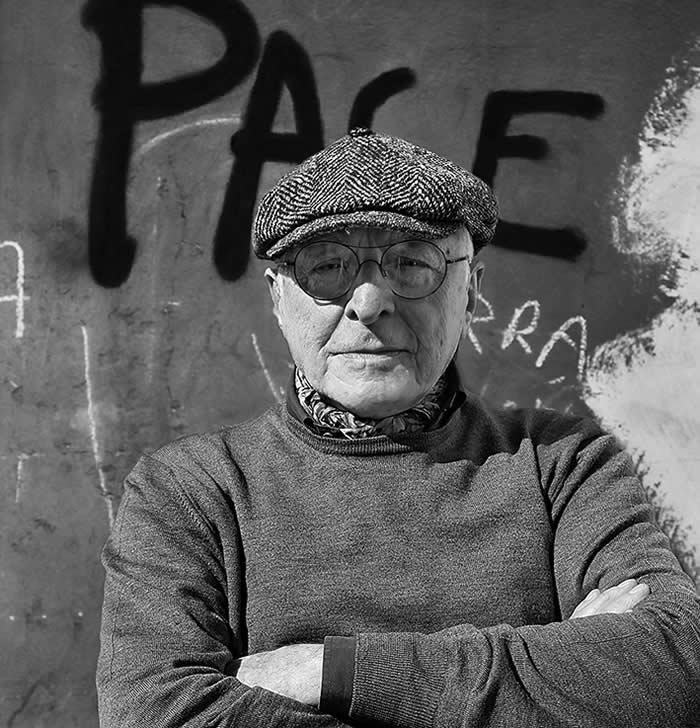
Migliori didn’t photograph Italy from a distance. He moved through it like family. From the struggling villages of the South to the rapidly modernizing cities of the North, he documented people with empathy and without pretension. His images never feel staged or superior. Instead, they feel human, warm, curious, and deeply connected to ordinary life. He had that rare gift of making everyday moments feel cinematic without losing their honesty.
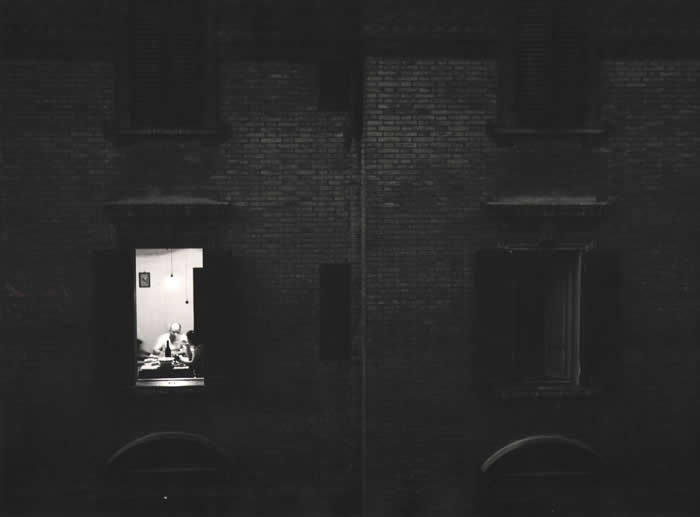
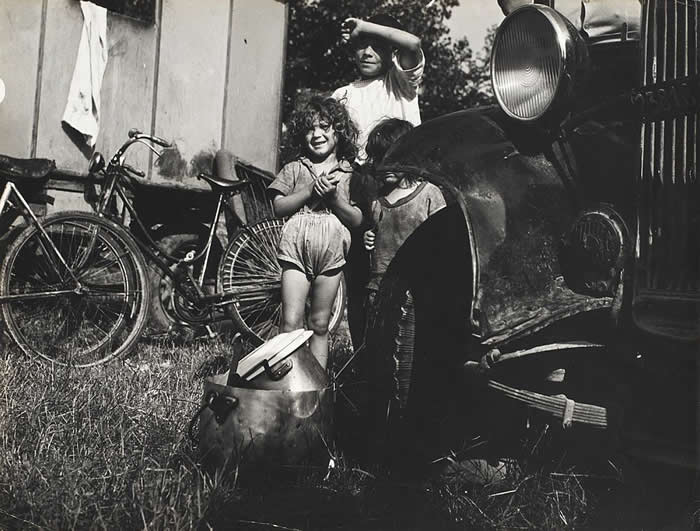
As a leading figure of Italy’s neorealist photography movement, Migliori helped redefine what photography could do after fascism. He and his peers turned away from polished fantasy and leaned into reality: laborers, children in alleyways, women in conversation, weathered streets, and neighborhoods on the edge of transformation. He captured a country changing in real time.
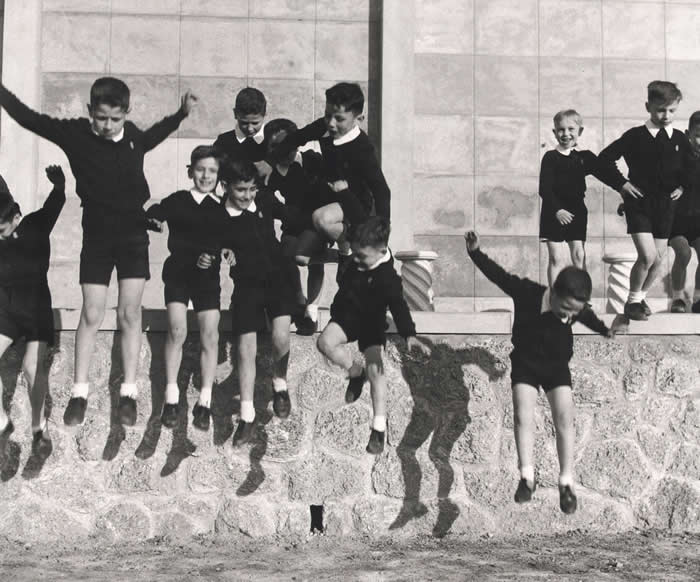
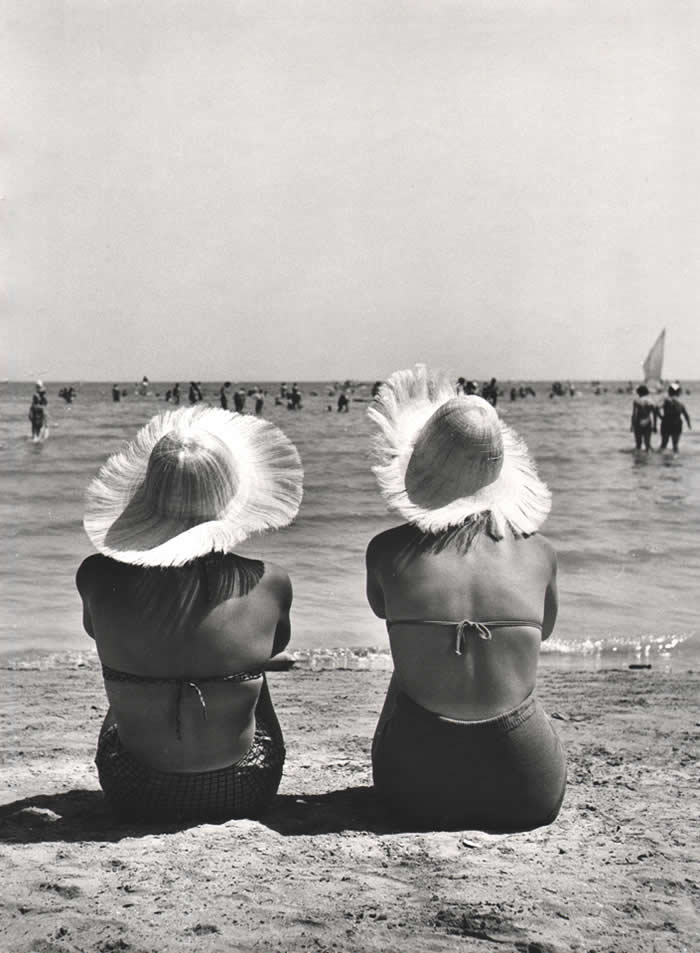
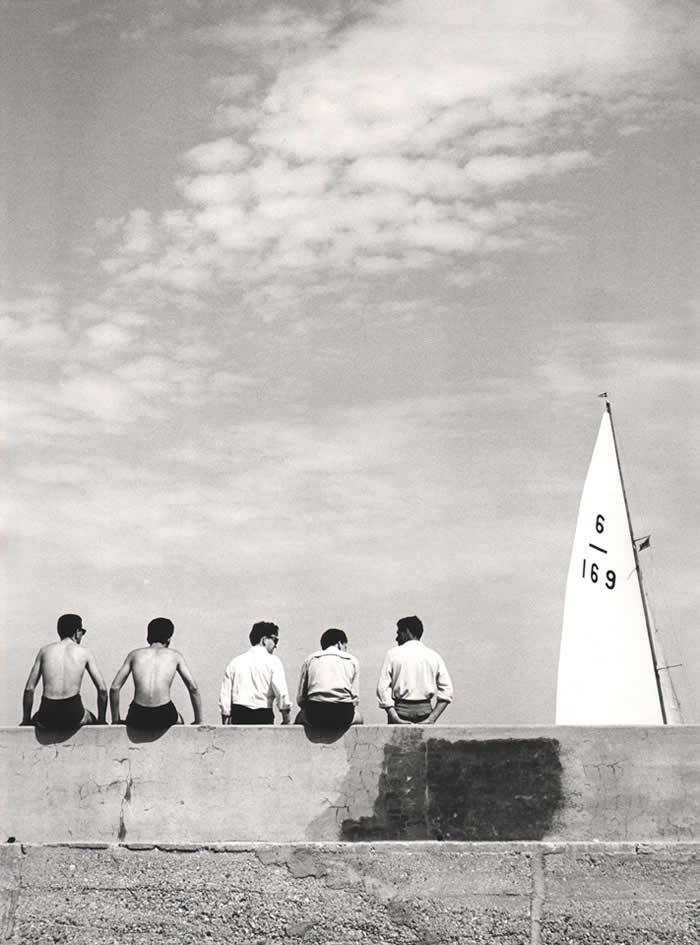
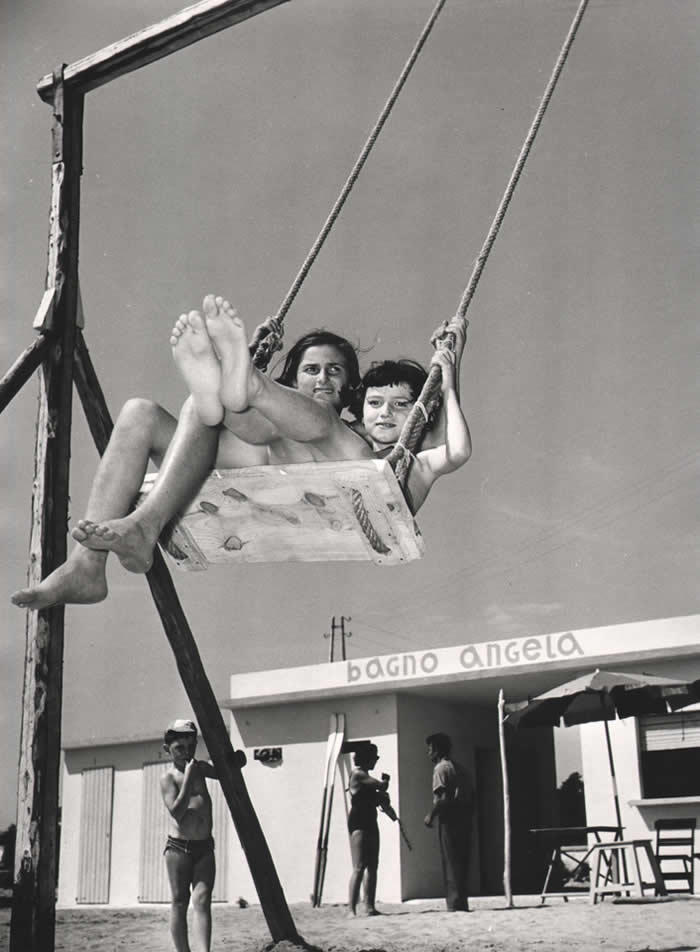
What makes Migliori unforgettable is how playful and poetic he remained while documenting serious times. A leap into the sea, a hand gesture mid-argument, boys pretending to wage war, he found drama in seconds that most people would miss. His most active documentary period lasted less than a decade, yet the impact has lasted generations.
Today, Nino Migliori stands as a master of street observation, visual storytelling, and emotional timing. His Italy may belong to the past, but his photographs still feel alive right now.
You can find Nino Migliori on the web:
#1
#2
#3
#4
#5
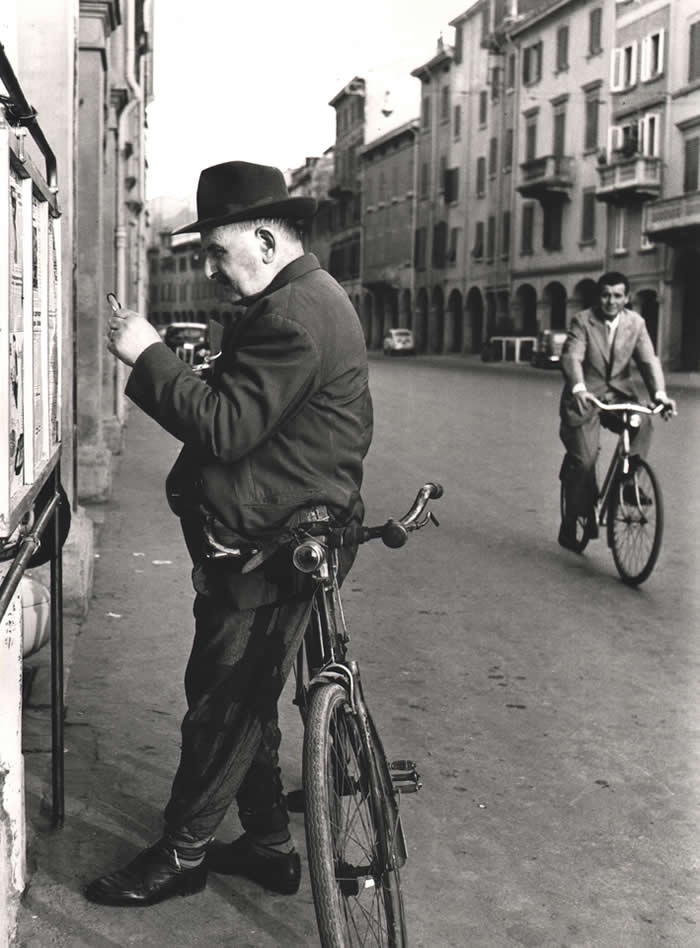
Self-Taught and Fearless
Nino Migliori never waited for permission. No formal training, no rulebook, no polished path. He learned by shooting, observing, and trusting instinct.
That freedom shaped his style. His images feel alive, never stiff. He responded to movement, emotion, and chance in real time.
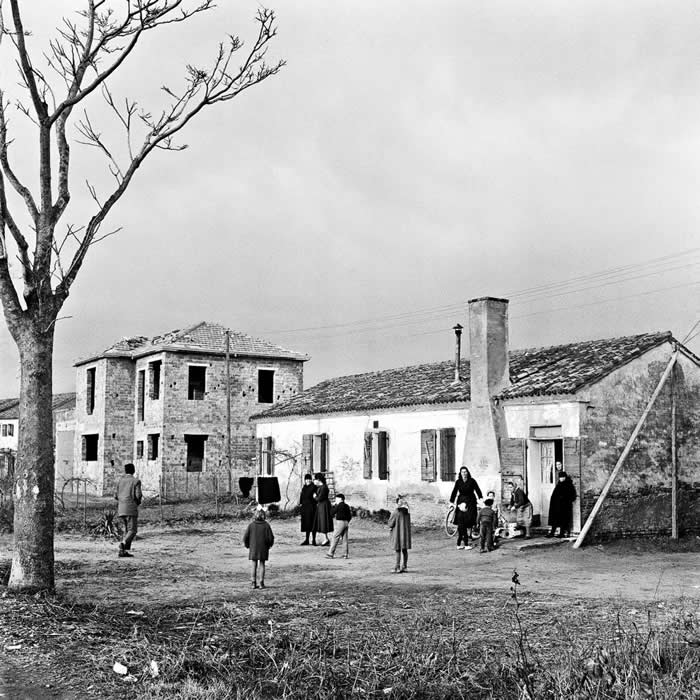
Starting in 1948, he entered photography during one of Italy’s most dramatic eras. The country was healing, rebuilding, and redefining itself.
Migliori didn’t study life from afar—he walked straight into it.
#6
#7
#8
#9
#10
Real Life, No Filters
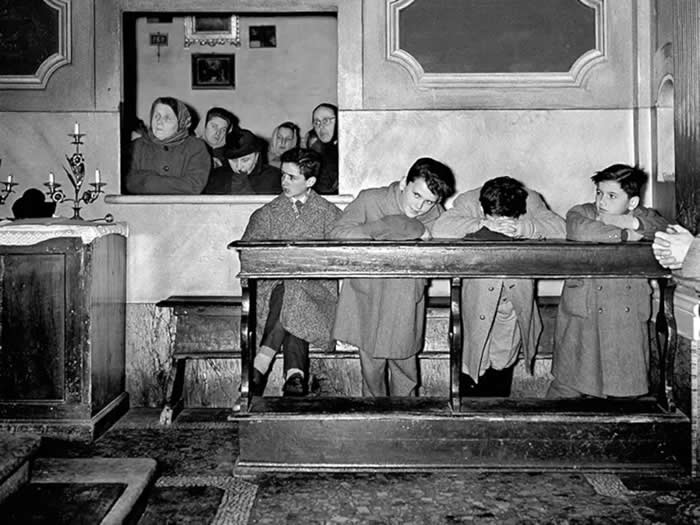
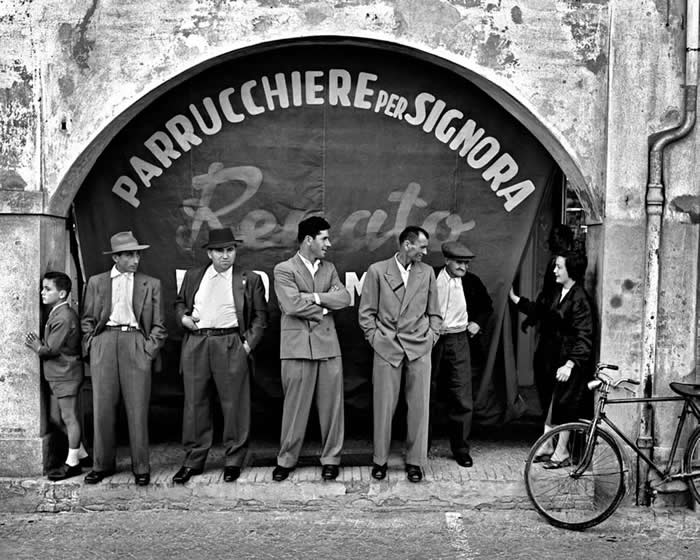
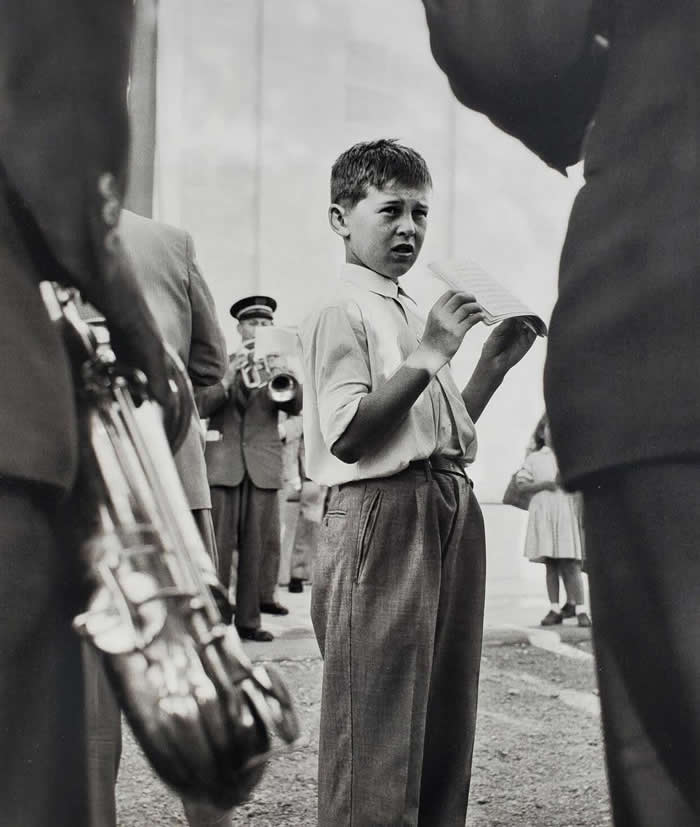
Migliori became a leading force in Italy’s neorealist movement, where truth mattered more than glamour.
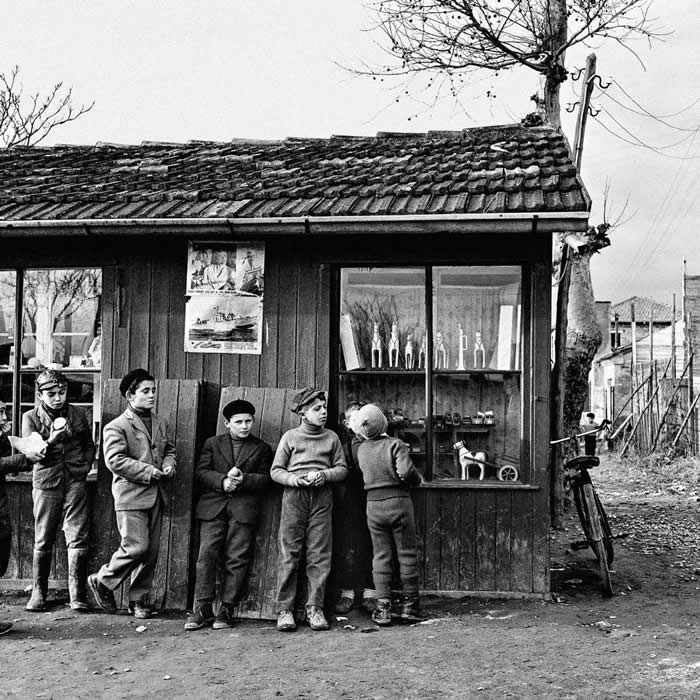
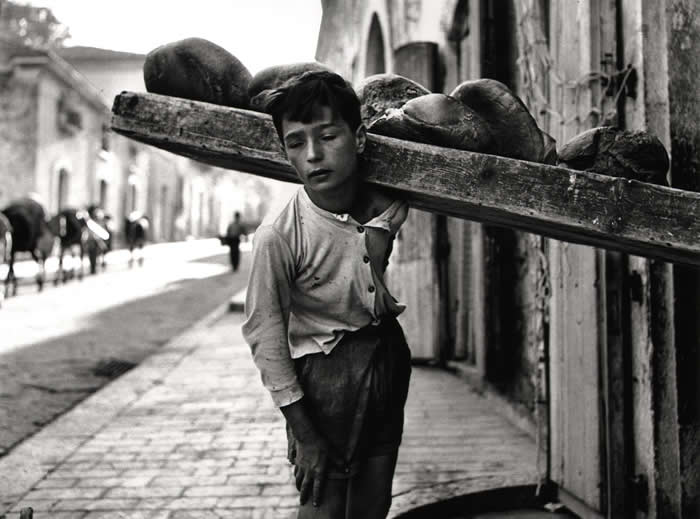
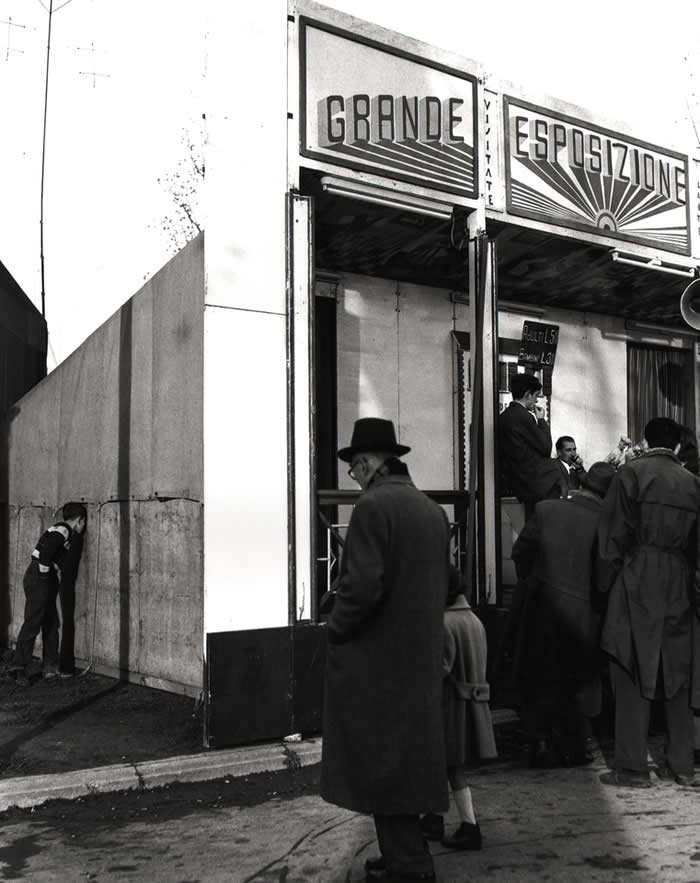
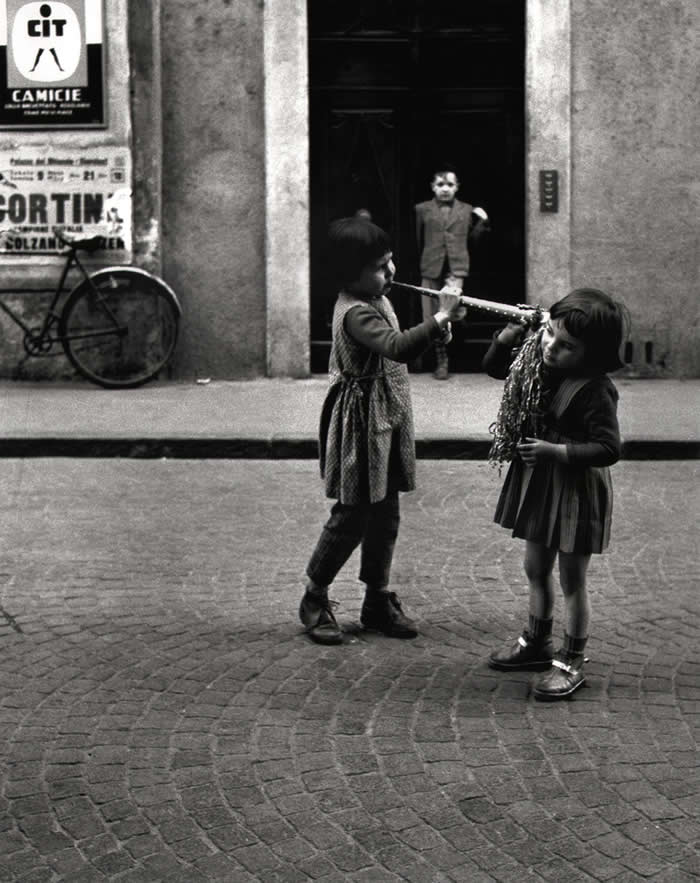
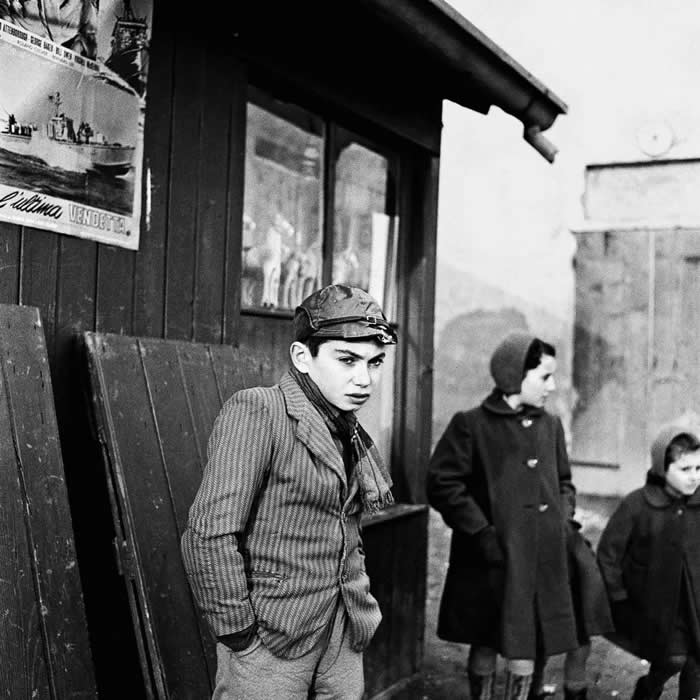
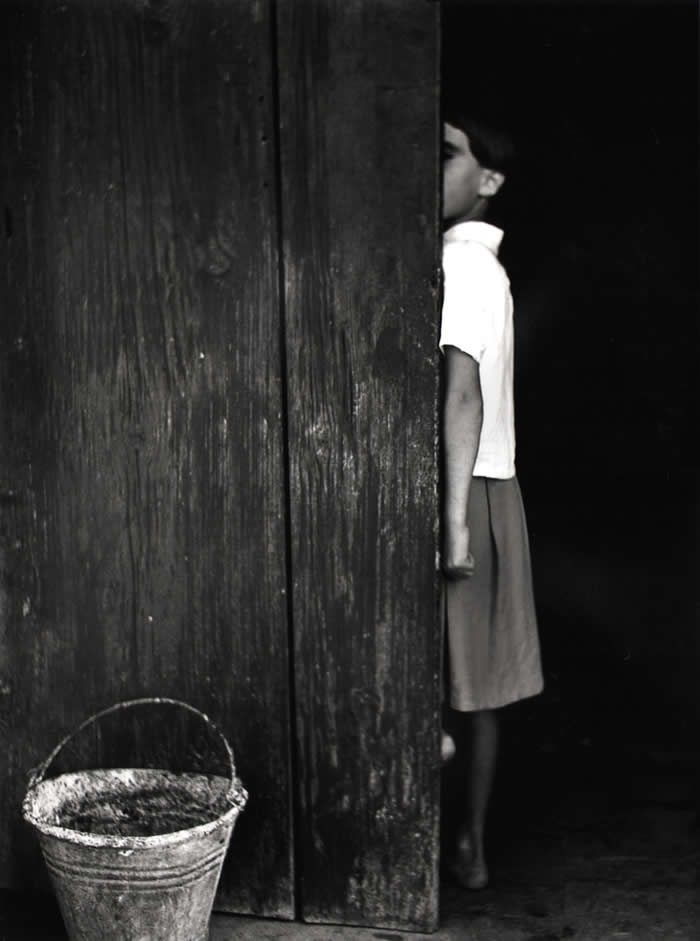
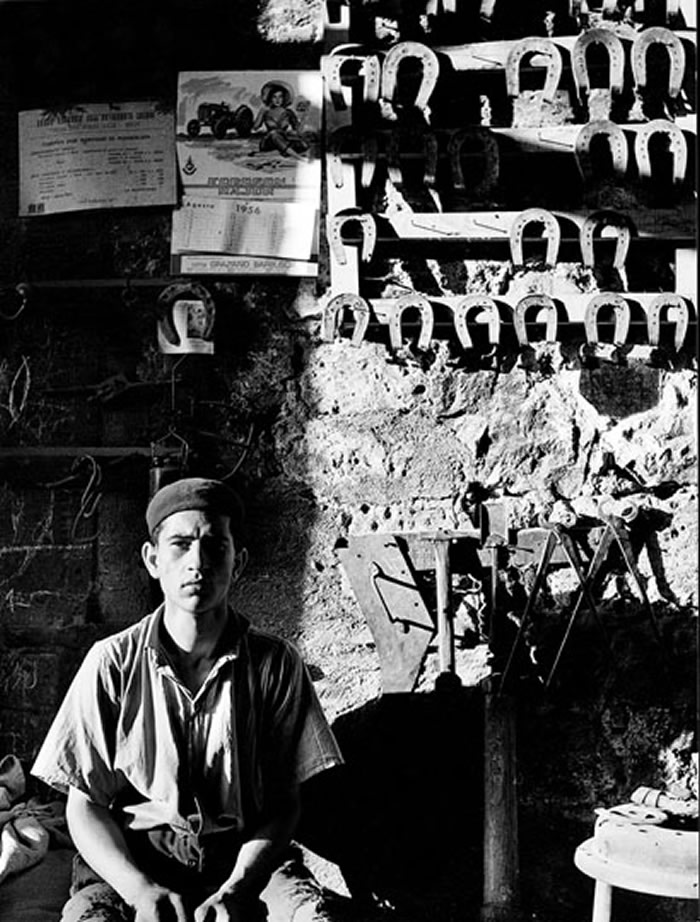
He photographed workers, children, families, and street life exactly as they were. No staged smiles. No romantic fantasy. Just raw humanity.
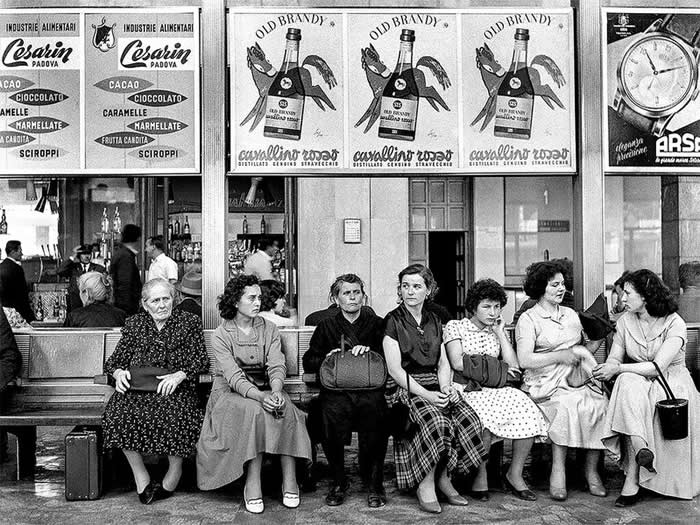
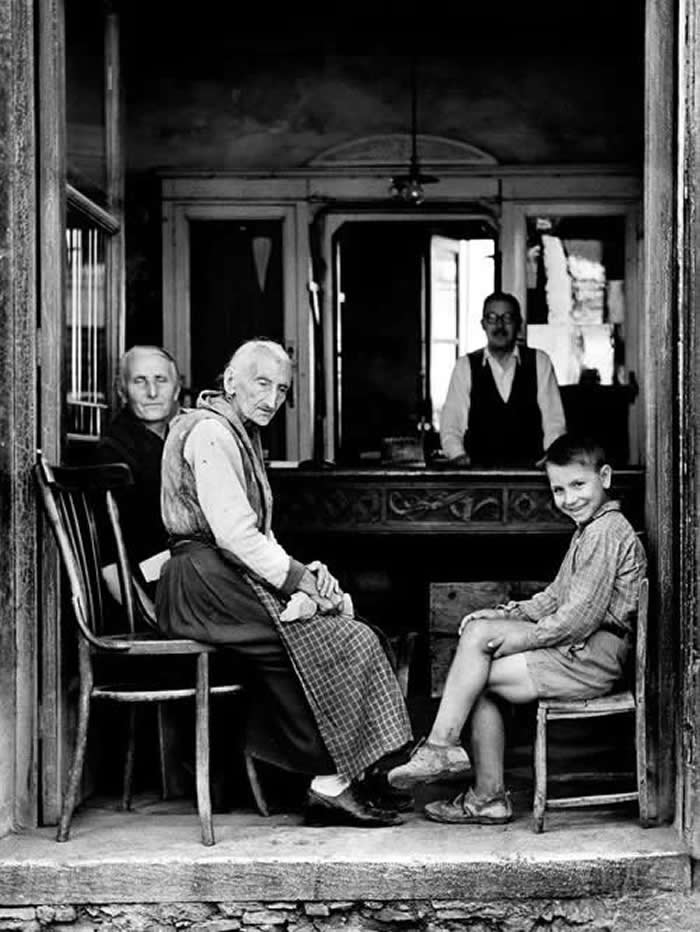
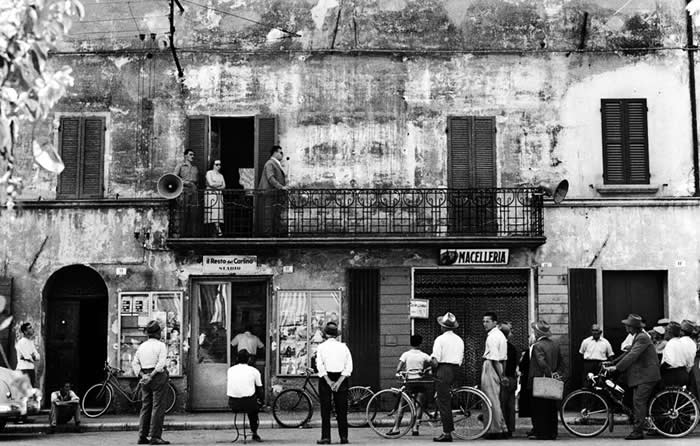
In Southern Italy, he showed dignity inside poverty. In the North, he captured old communities before modernization changed everything.
His photos feel honest because they are honest.
#11
#12
#13
#14
#15
A Story in Every Frame
Many photographers chase one great image. Migliori built stories.
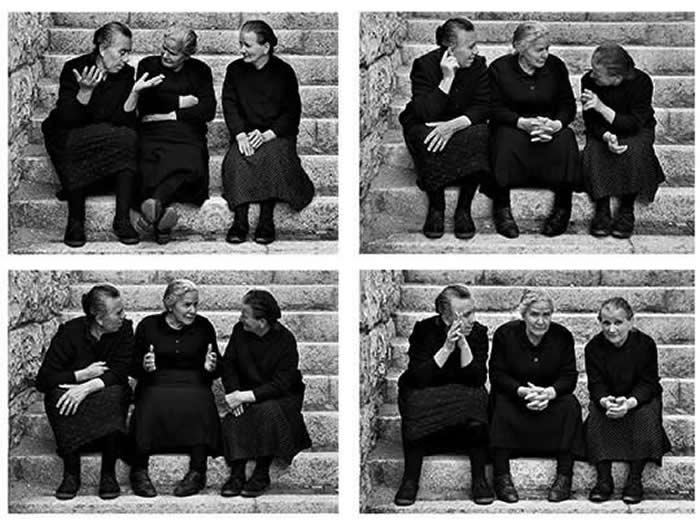
In Le mani parlano (The Hands Speak), three women talk through gestures and expressions so vivid no captions are needed.
In I ragazzi della via (Boys of the Street), kids race through the frame in playful mock battle.
He understood that life moves fast—and meaning often unfolds across moments.
That cinematic instinct made his work unforgettable.
#16
#17
#18
#19
#20
The Shot Everyone Remembers
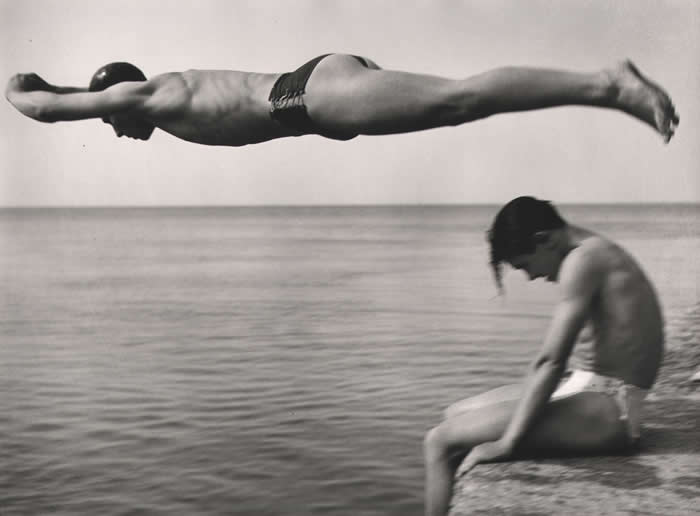
His most famous image is Il Tuffatore (The Diver, 1951), made in Rimini.
A boy leaps over his brother into the sea, suspended perfectly midair. Clean horizon. Perfect timing. Zero tricks.
People still ask if it was manipulated. It wasn’t.
That’s Migliori’s genius: making impossible moments feel effortless.
#21
#22
#23
#24
#25
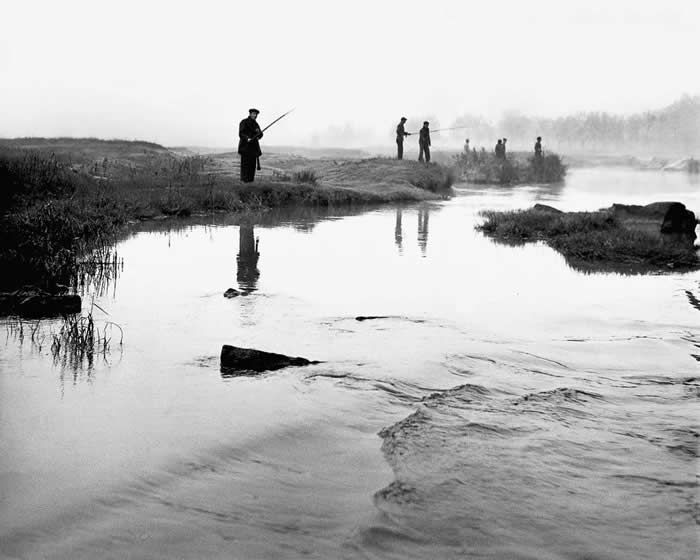
The Legacy Still Hits Today
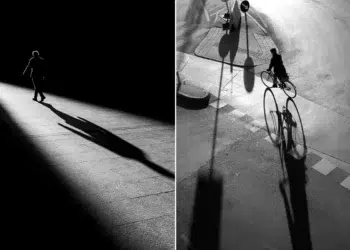
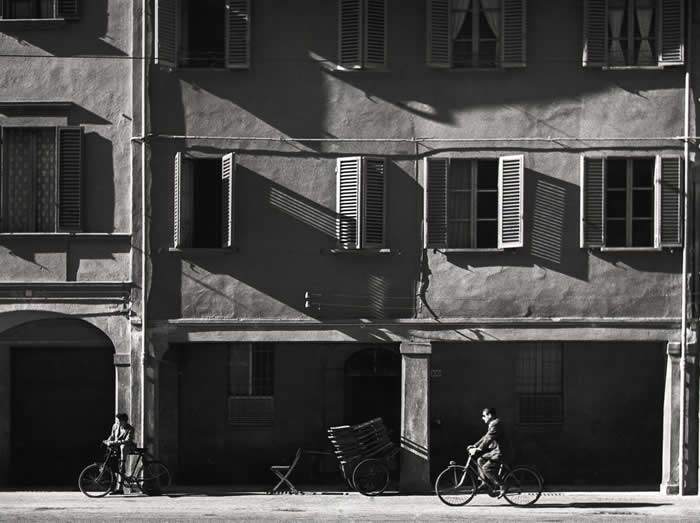
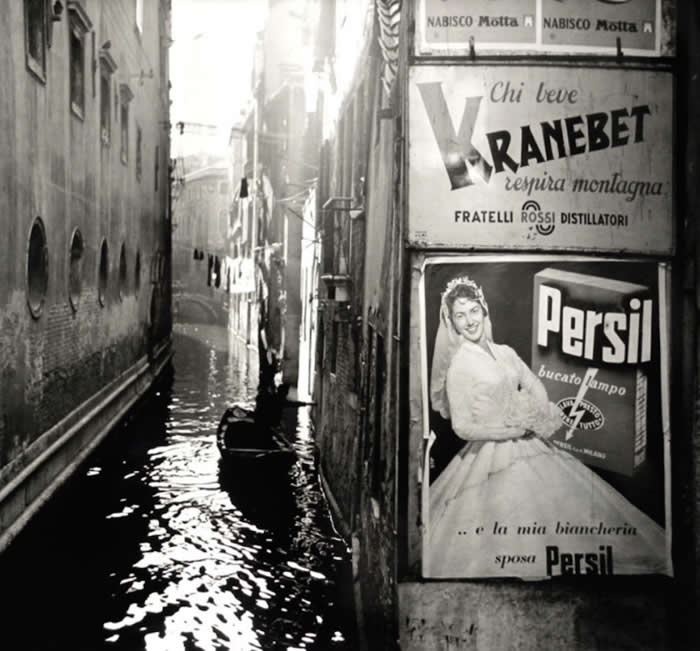
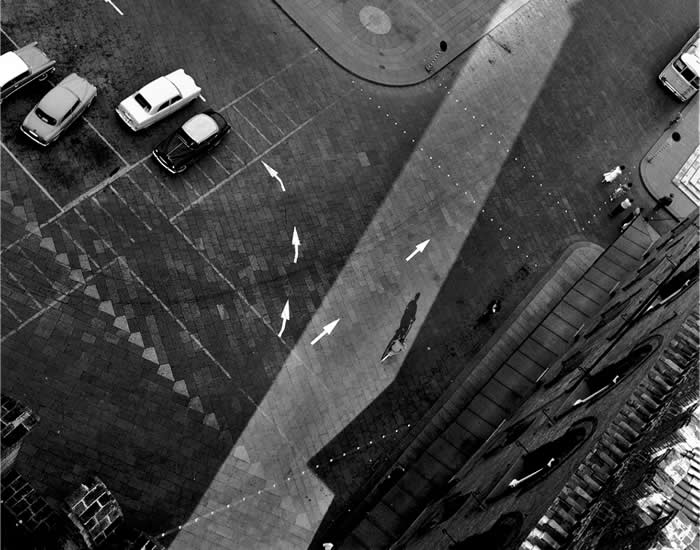
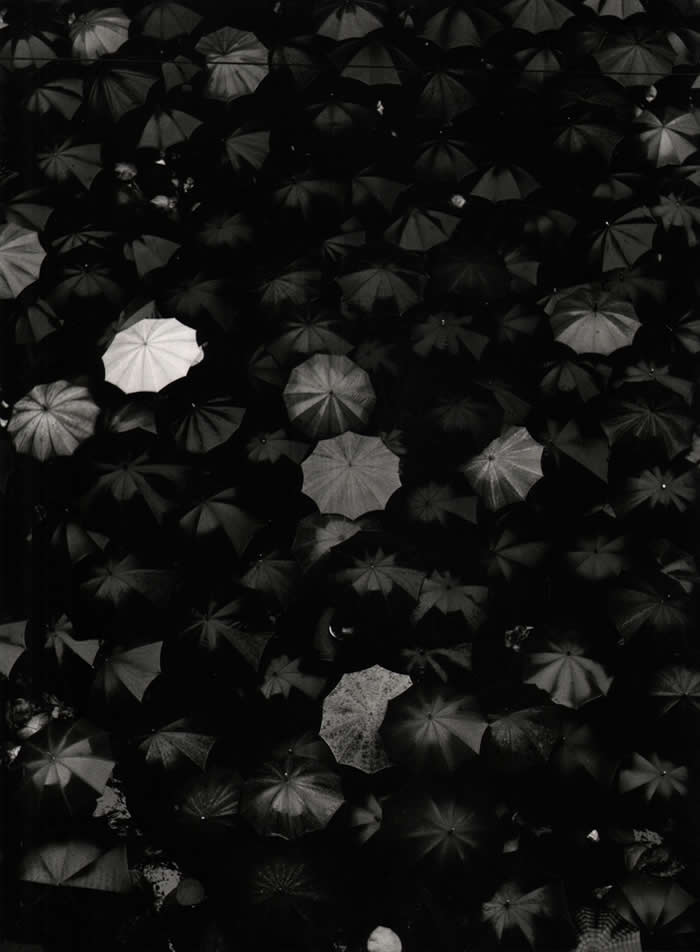
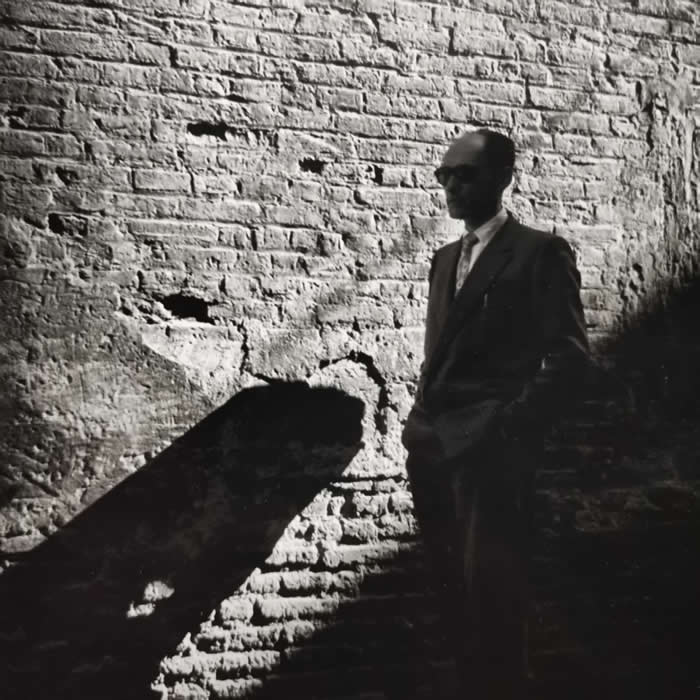
Migliori also photographed Bologna, Milan, and Venice with bold contrast, graphic shapes, and sharp urban energy.
His best documentary work lasted under ten years, but its impact never faded.
He proved great photography doesn’t need spectacle.
Just timing. Truth. And an eye that cares.
#26
#27
#28
#29
#30
FAQs:
Who is Nino Migliori?
Nino Migliori is a celebrated Italian photographer known for documenting postwar Italy with honesty, warmth, and sharp visual storytelling. He is considered a master of neorealist photography and street imagery.
Why is Nino Migliori important?
He helped redefine Italian photography after World War II by focusing on real people and everyday life. His human-centered images remain influential for photographers worldwide today.
What is Il Tuffatore?
Il Tuffatore is Migliori’s famous 1951 photo showing a boy diving over his brother in Rimini. It became iconic for its perfect timing and striking composition.
What style did Nino Migliori use?
He worked in a neorealist style, capturing authentic life, social truth, spontaneous gestures, and changing Italian cities with emotional depth and visual power.
Why does his work still matter?
Because his photographs prove ordinary moments can become timeless art. His images feel fresh, emotional, and deeply human even decades later.
Related Articles:
- Master Photographer Sebastiao Salgado
- Master Photographer Henri-Cartier Bresson
- Master Photographer Steve McCurry
- Master Photographer Alex Webb