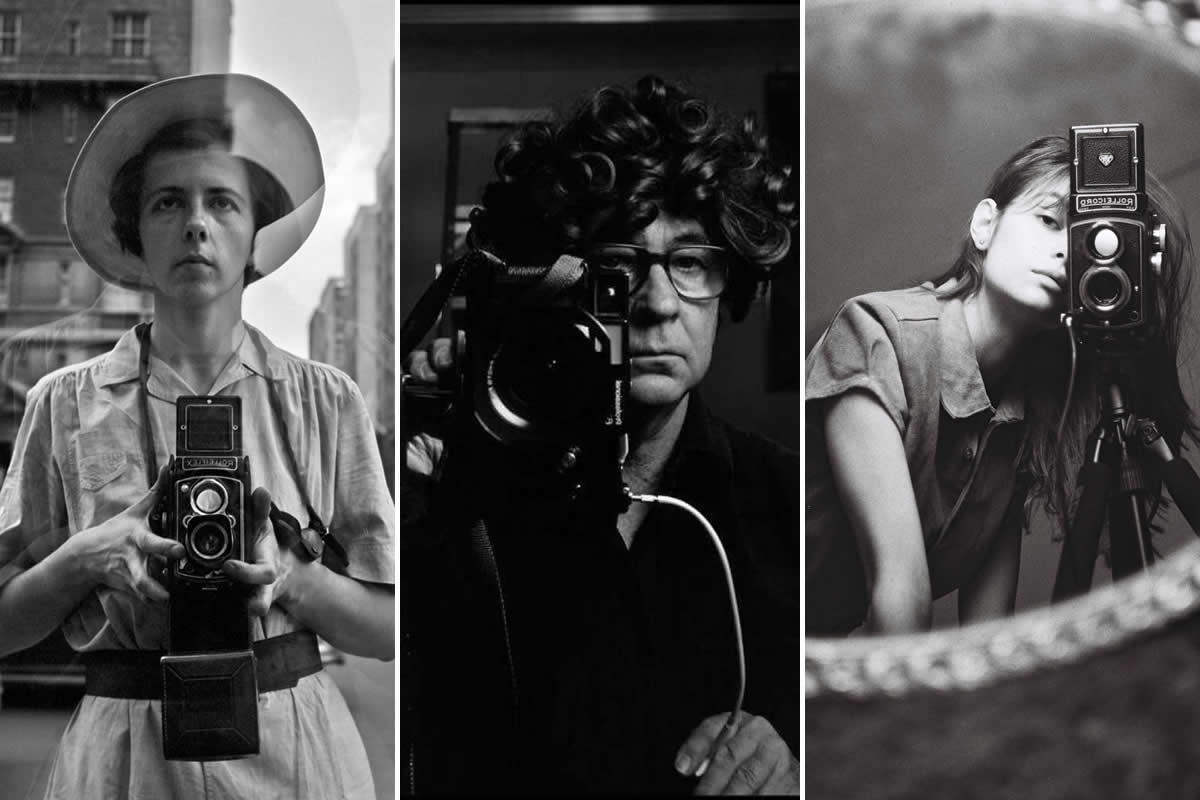
Long before smartphones and front cameras ruled the world, photographers were already taking selfies just with more grit, style, and patience. In the early days of photography, mirrors became the original front-facing screen. They helped artists step into the frame, control composition, and turn the camera on themselves.
These weren’t casual snapshots. Every image took planning, timing, and technical skill. Cameras were heavy, film was limited, and each exposure mattered. Yet photographers still found creative ways to capture their own reflections in studios, bedrooms, shop windows, and quiet corners of the world.
What makes these portraits special today is their honesty. No filters, no endless retakes, no polished perfection. Just bold expressions, dramatic shadows, vintage cameras, and real personality. Some feel elegant, some playful, some deeply mysterious.
This collection of 25 mirror self-portraits proves one thing: the selfie didn’t begin online. It began with artists curious about identity, image, and how they existed in the world. Before the selfie became a trend, it was already art.
1. Vivian Maier: Mirror Self-Portrait with Twin-Lens Camera
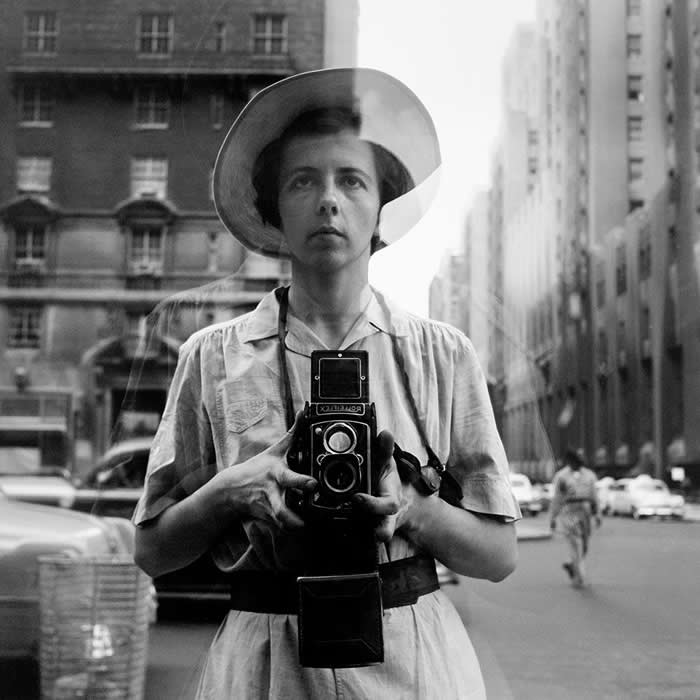
2. Diane Arbus in Reflection: A Quiet Self-Portrait
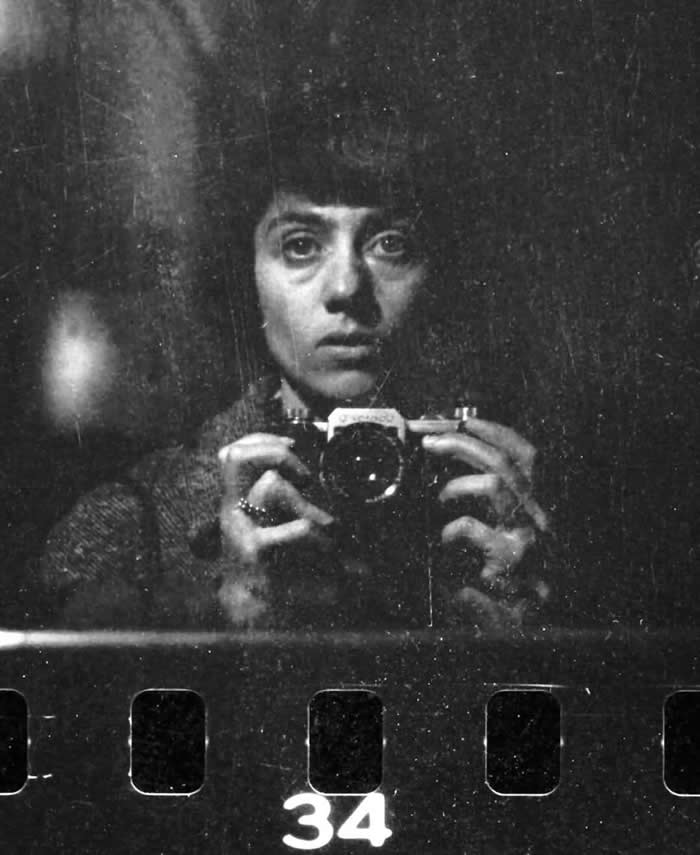
3. Bill Brandt Behind the Lens: Self-Portrait in Shadow
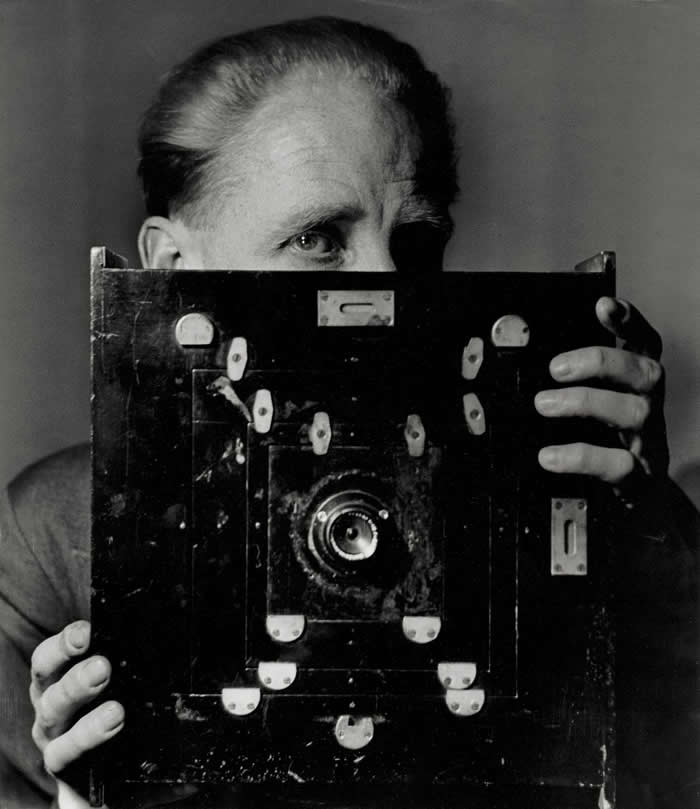
4. Elliott Erwitt in Reflection: Self-Portrait with Curlers and Camera
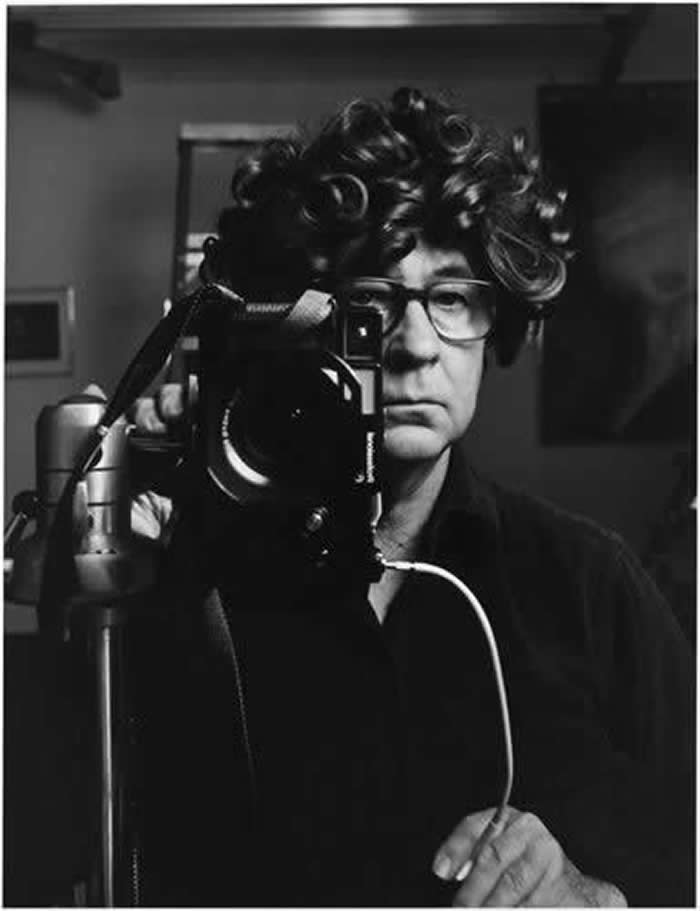
5. Frédéric Boissonnas and the Watchful Lens: Early Self-Portrait
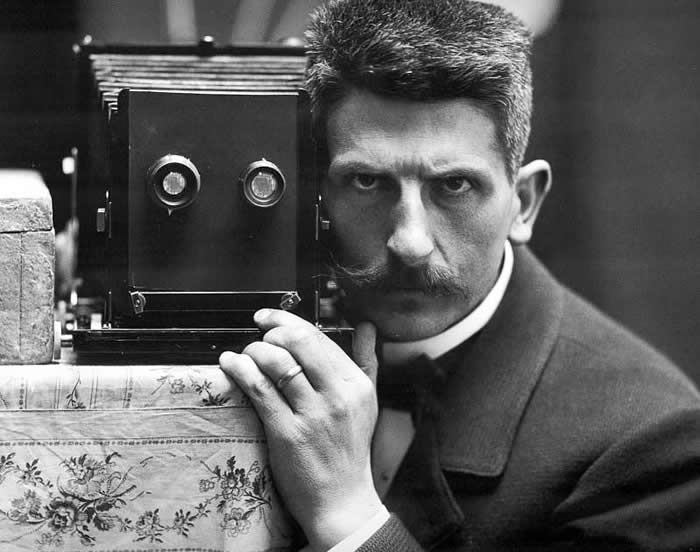
The Mirror Was the First Front Camera
Before digital screens, photographers used mirrors to frame themselves. It was the smartest way to see the shot and become both artist and subject.
A reflection added depth and tension. You see the person, the camera, and the scene all at once. That layered effect still feels modern today.
These early creators turned a simple mirror into a storytelling tool and started the self-portrait game long before apps existed.
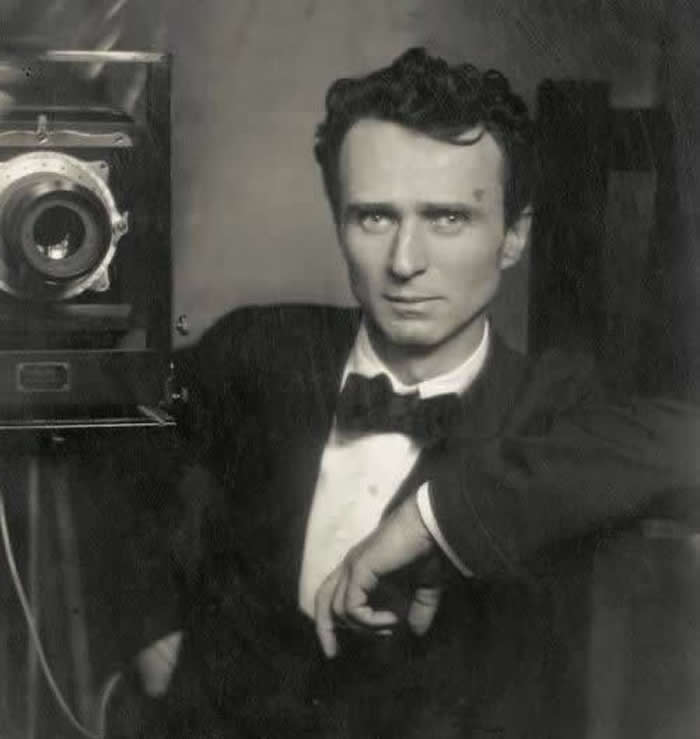
6. Edward Steichen Beside the Lens: Classic Self-Portrait
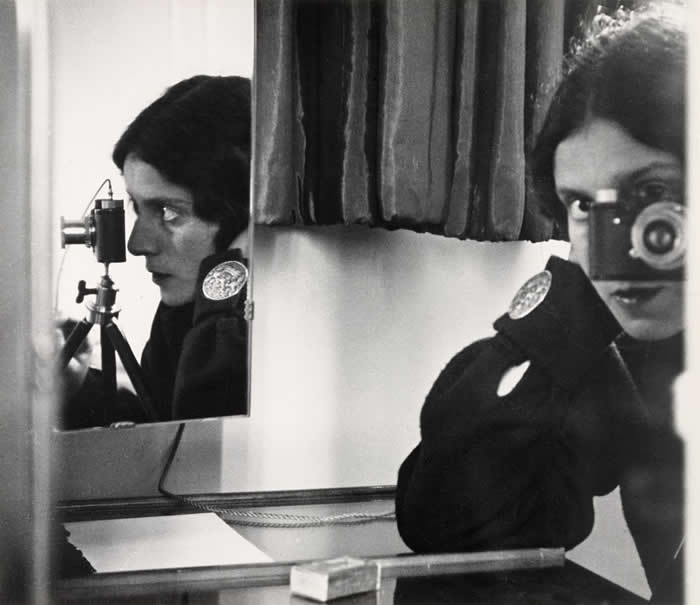
7. Ilse Bing in Double Reflection: Mirror Self-Portrait
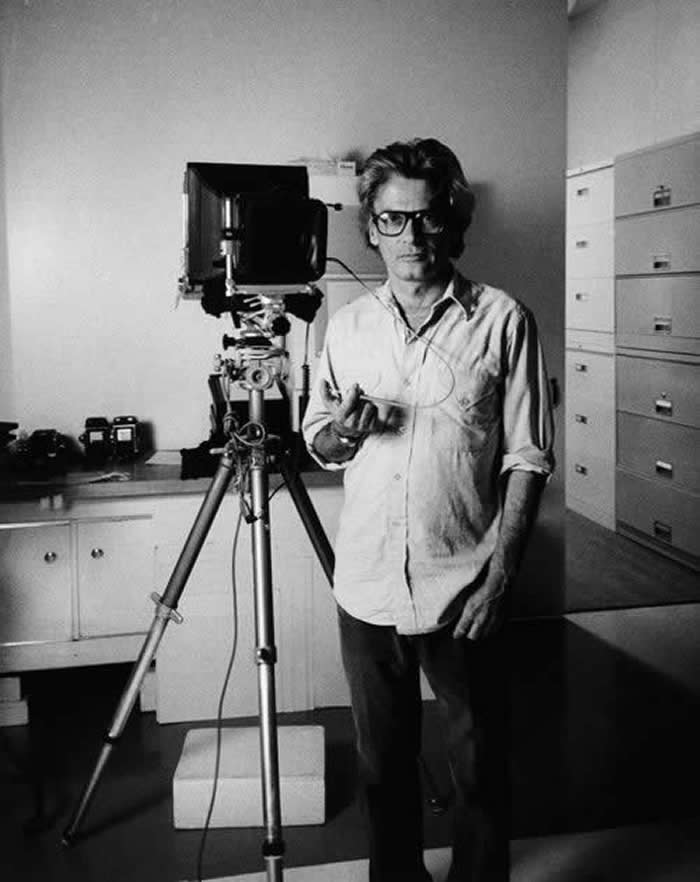
8. Richard Avedon in the Studio: Self-Portrait with Large Format Camera
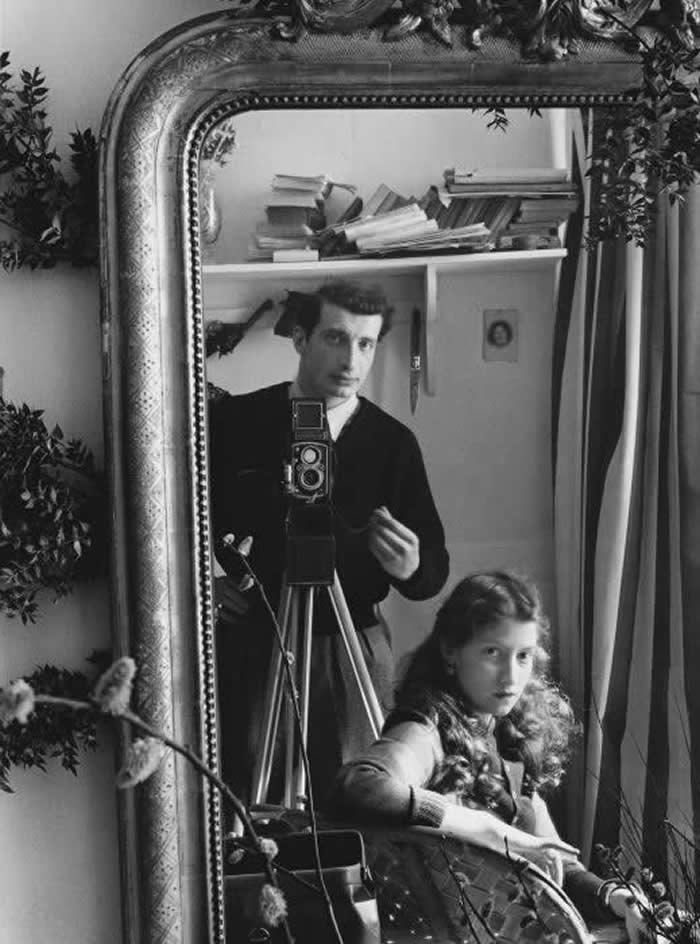
9. Édouard Boubat in Reflection: Mirror Portrait with Lella
10. Lotte Jacobi Beside the Lens: Dramatic Self-Portrait
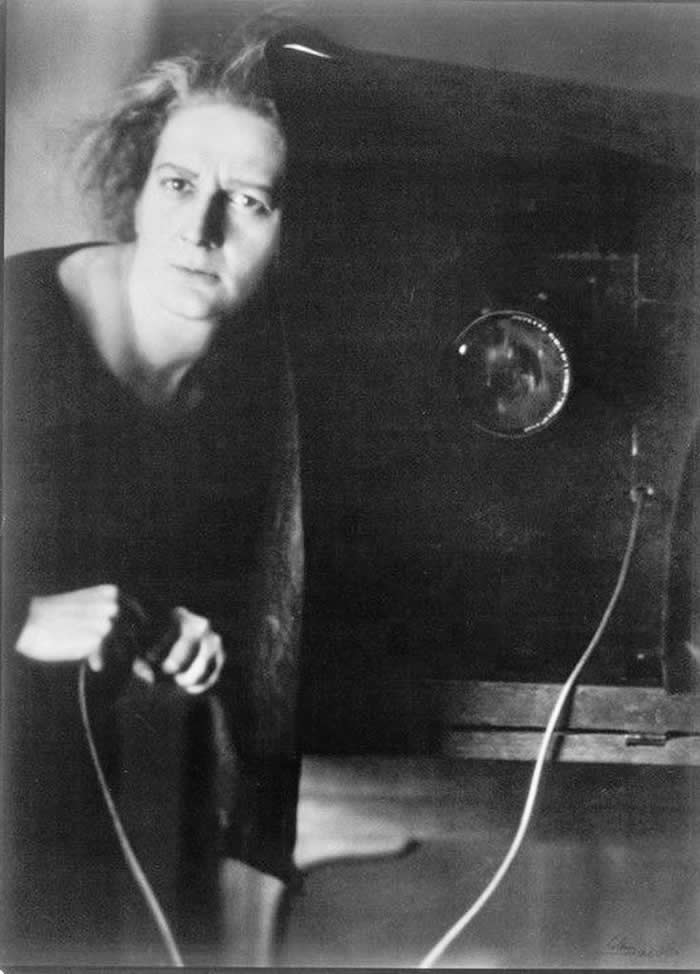
Old Cameras, Big Energy
Vintage cameras lent these portraits a serious presence. Rolleiflex models, box cameras, and large-format machines were impossible to ignore.
Instead of hiding the gear, photographers made it part of the image. The camera became a symbol of craft, patience, and personality.
Every knob, tripod leg, and lens added character. In many of these portraits, the camera is just as iconic as the face behind it.
11. Masahisa Fukase with Cat and Camera: Playful Self-Portrait
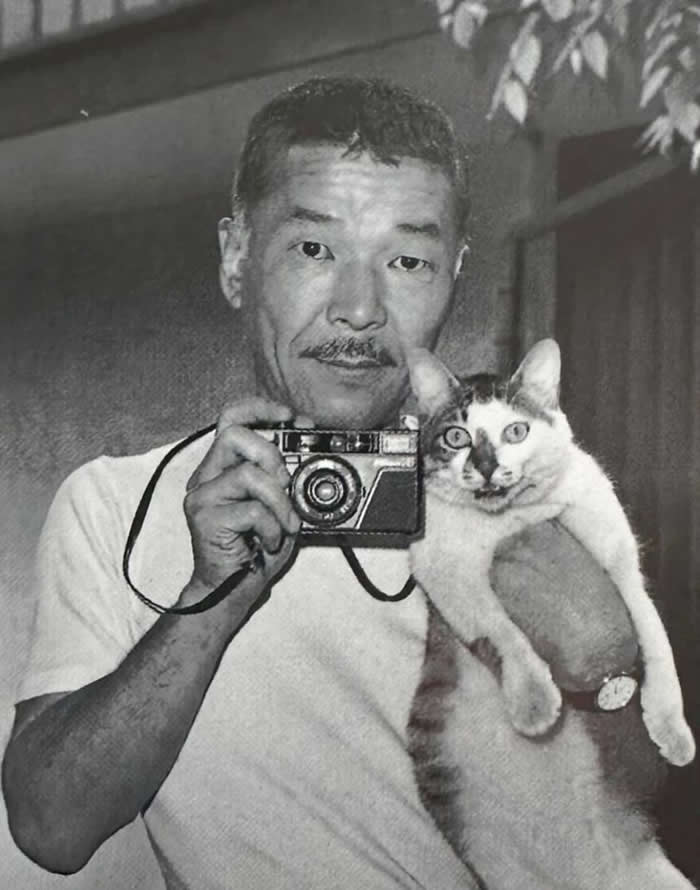
12. Willy Ronis in Reflection: Self-Portrait with Lamps and Camera
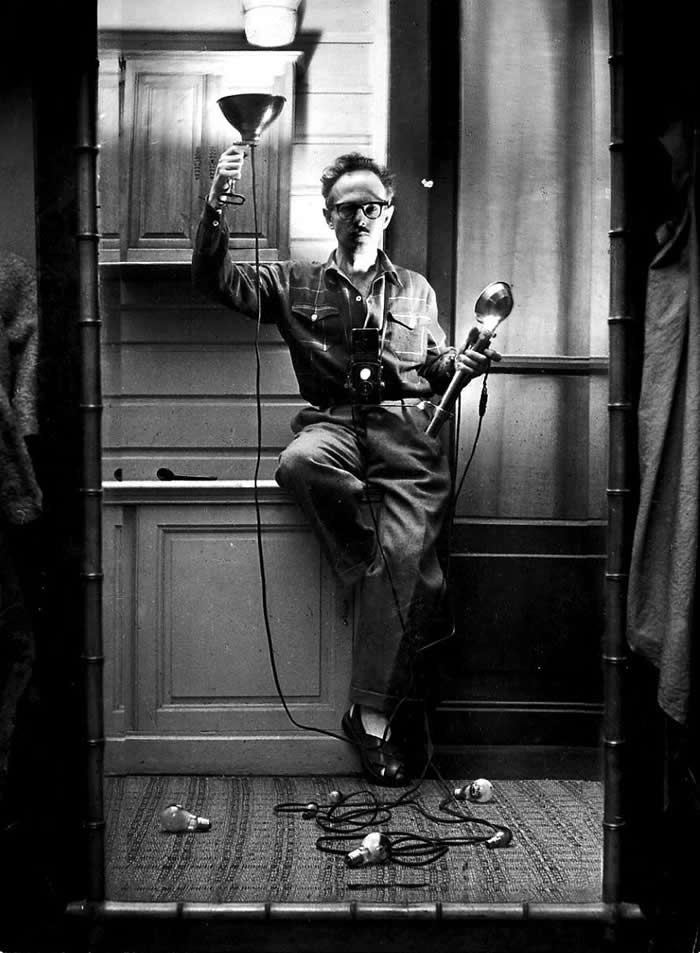
13. Sally Mann in Reflection: Intimate Self-Portrait with Large Format Camera
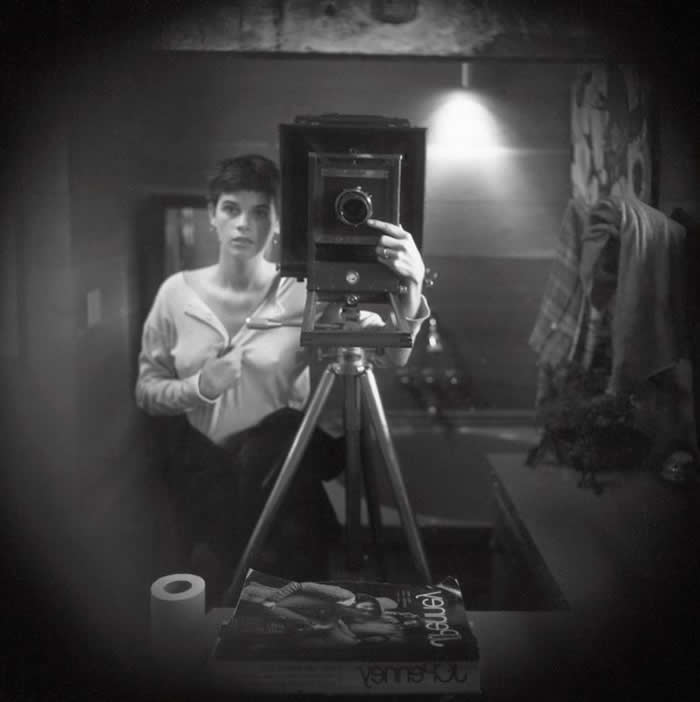
14. Imogen Cunningham in Reflection: Self-Portrait with View Camera
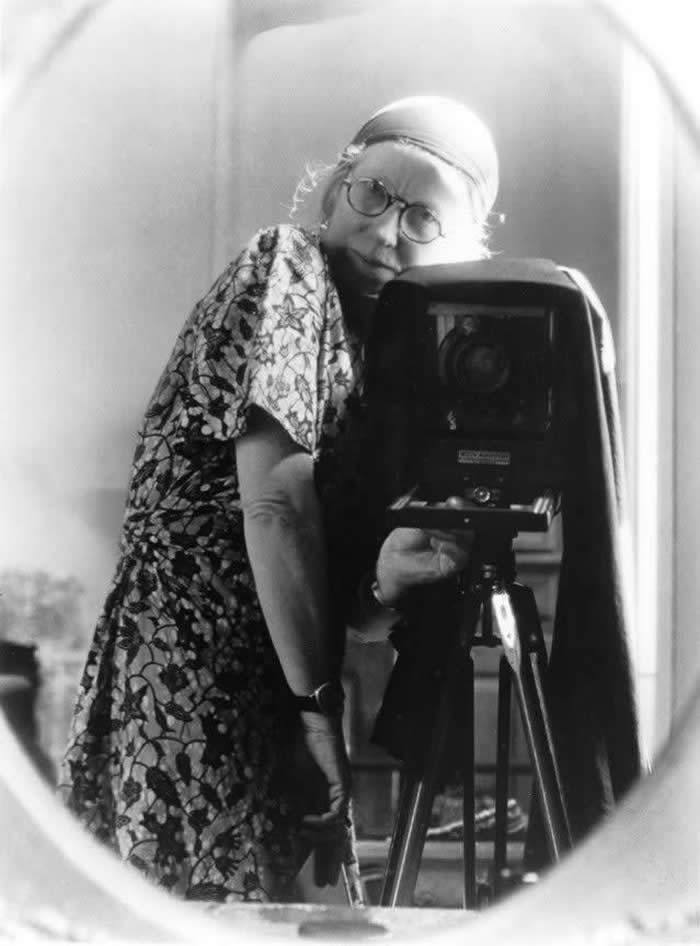
15. Mirella Cardoso in Reflection: Contemporary Mirror Self-Portrait
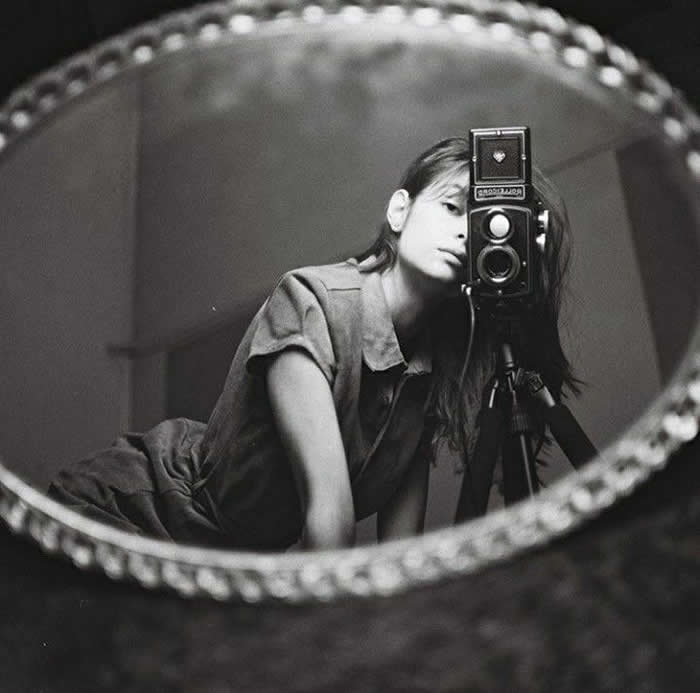
Black and White Still Hits Hard
Black and white gives these portraits timeless power. Without color, everything depends on light, mood, texture, and expression.
A shadow across the face or a bright window reflection becomes the full story. Nothing feels distracting.
That’s why these images still connect today. They feel raw, clean, and emotionally sharp, proof that great photography never ages.
16. Harold Feinstein in the Shop Window: Layered Self-Portrait
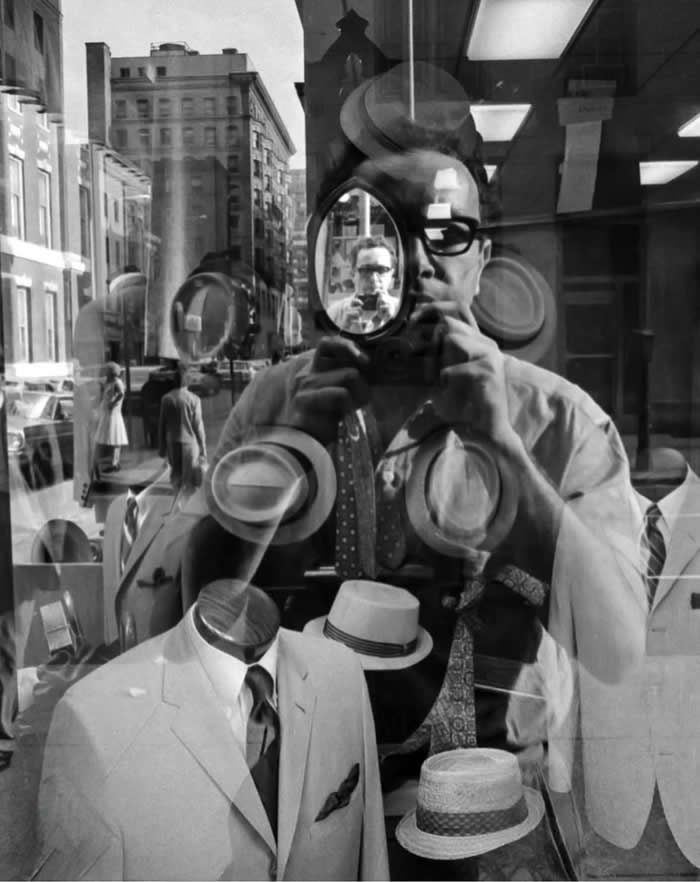
17. Arnold Newman in Reflection: Studio Self-Portrait with Large Format Camera
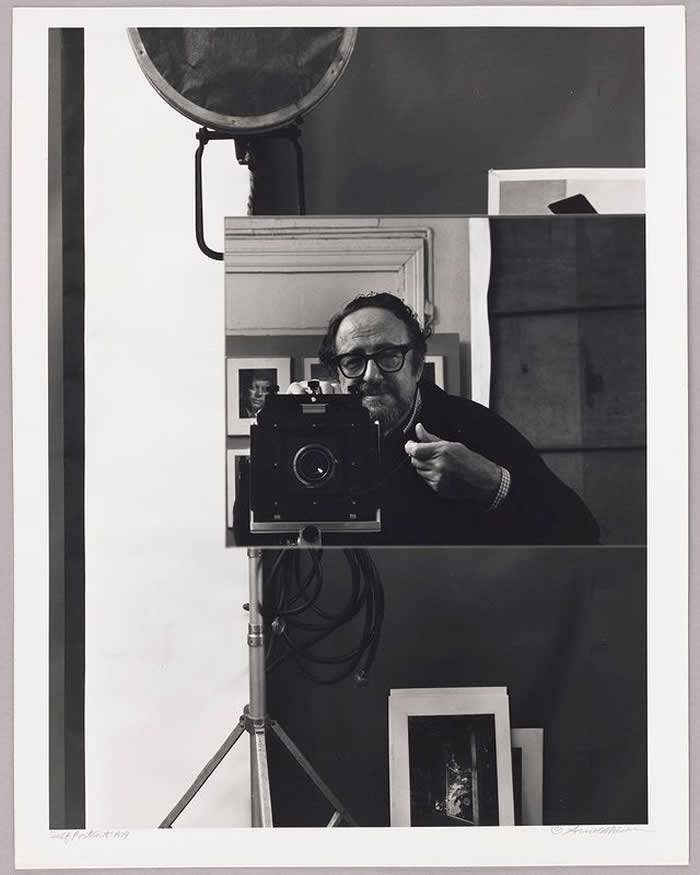
18. Vivian Maier in Infinite Reflection: Mirror Self-Portrait
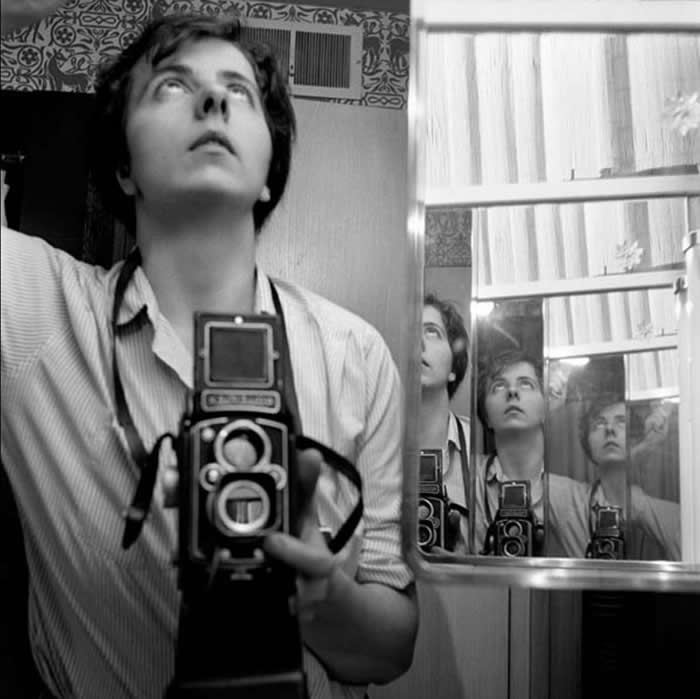
19. Eva Besnyö in Reflection: Introspective Mirror Self-Portrait
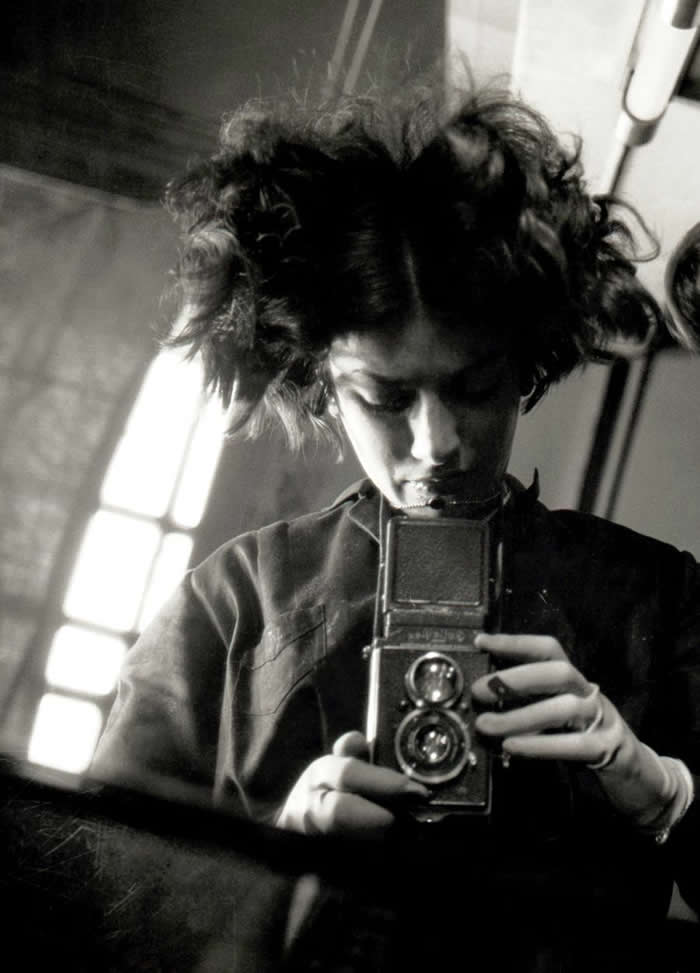
20. Jack Sharp and the Mechanical Eye: Self-Portrait with Camera
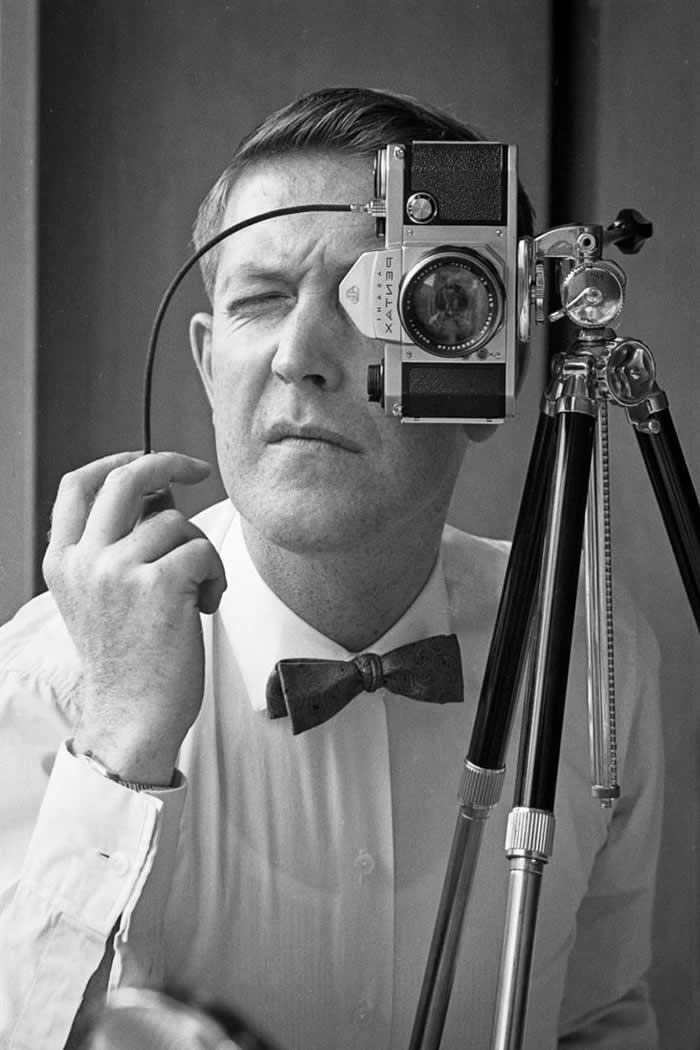
Why These Portraits Still Matter
These photos show that self-expression didn’t start with social media. People have always wanted to explore identity and control their own image.
Early photographers did it with patience, creativity, and purpose. Every frame meant something.
The tools changed, but the instinct stayed the same. Whether it’s a mirror in 1920 or a phone in 2026, people still turn the lens inward.
21. Cecil Beaton Behind the Lens: Elegant Self-Portrait
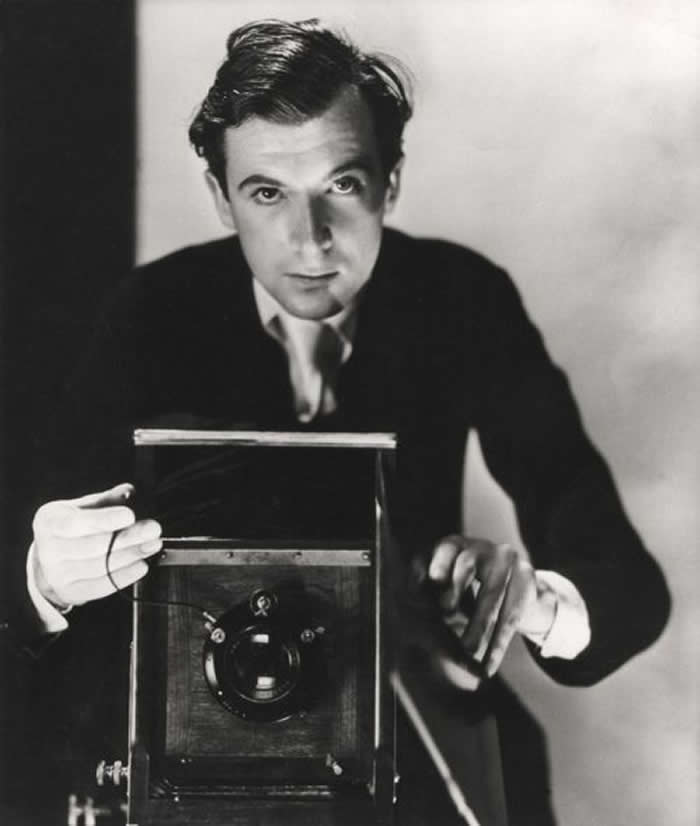
22. Vivian Maier in Circular Reflection: Outdoor Self-Portrait
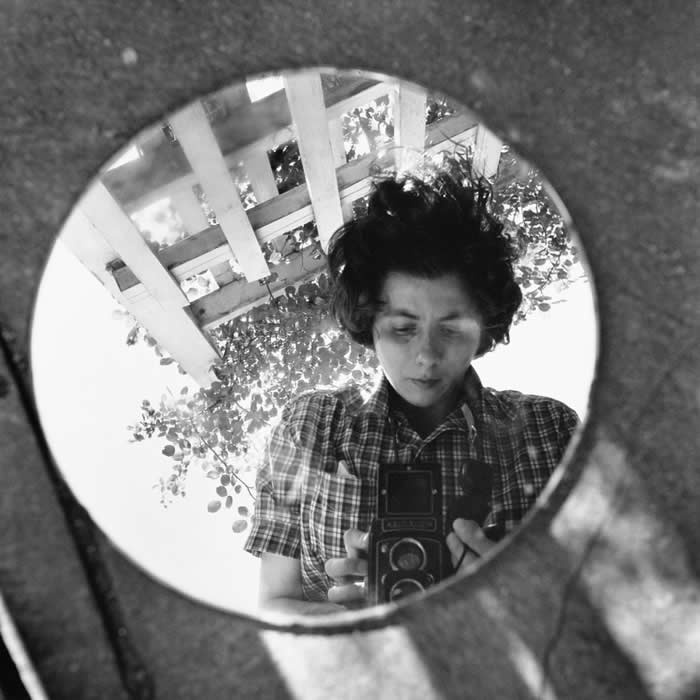
23. Gisèle Freund with Rolleiflex: Classic Mirror Self-Portrait
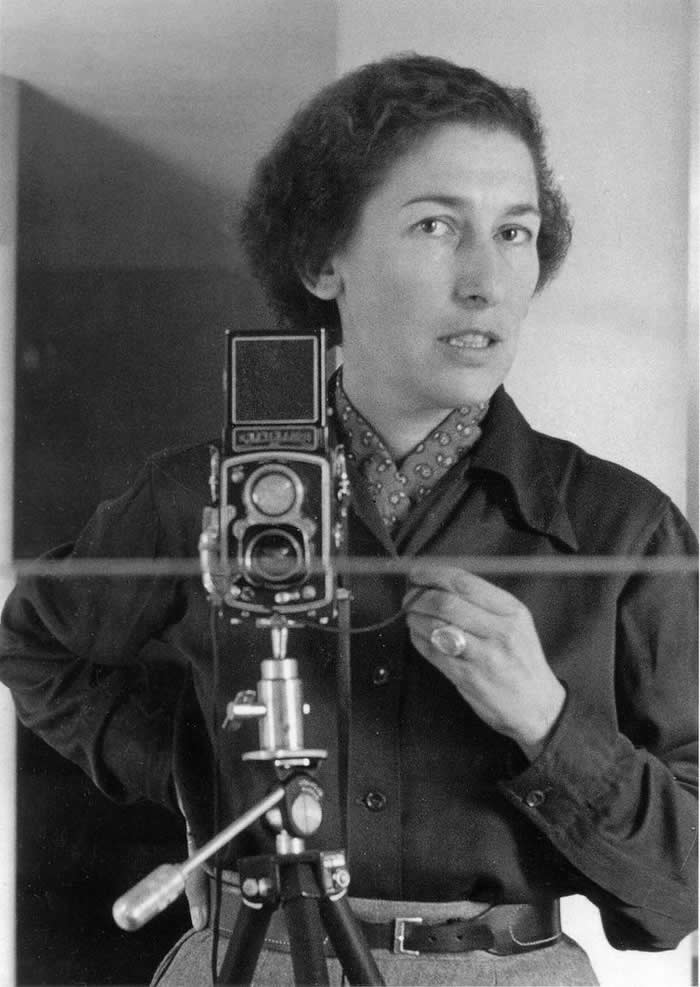
24. Kate Simon in Reflection: Quiet Room Self-Portrait
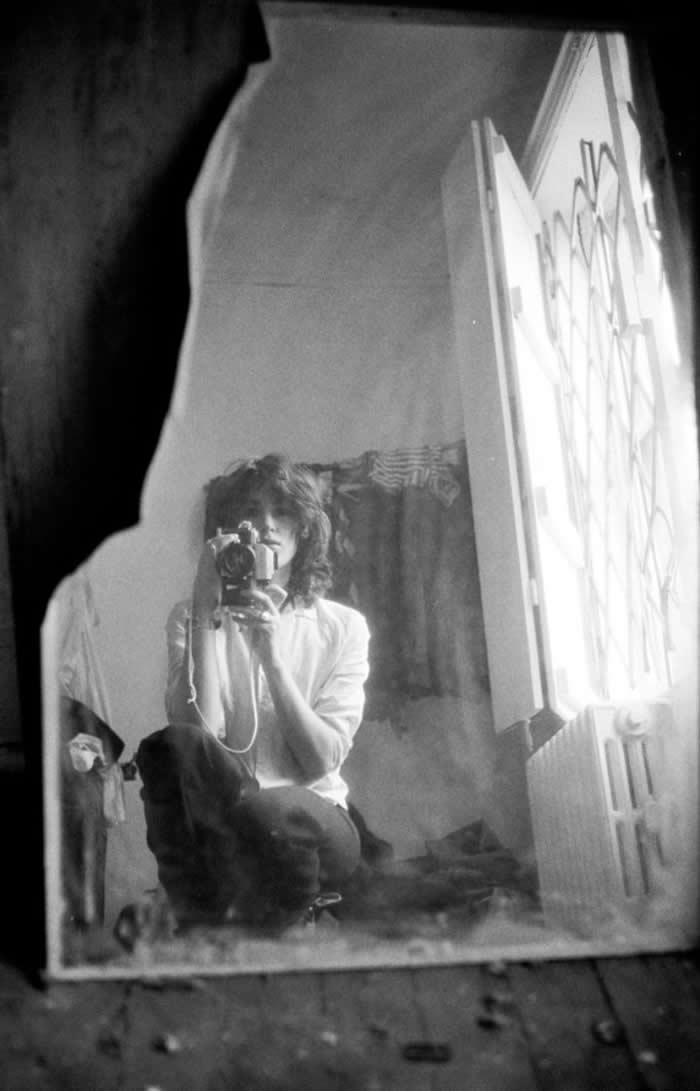
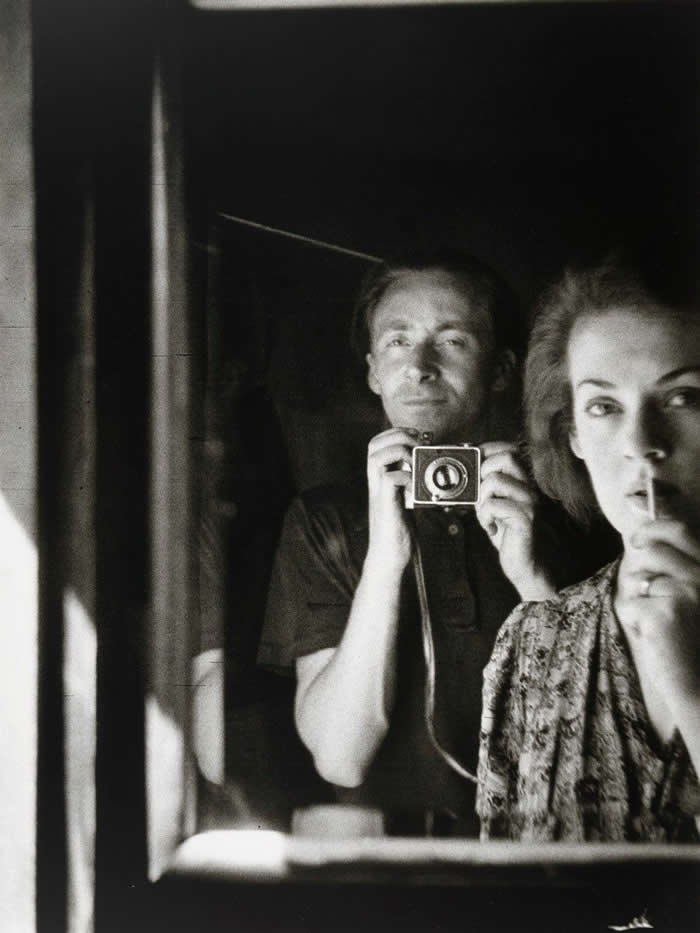
25. Albert Tucker with His Wife: Mirror Self-Portrait in Shadow
FAQs:
What is a mirror self-portrait in photography?
A mirror self-portrait is a photograph taken using a reflective surface so the photographer appears in the image. It allows the artist to be both creator and subject while controlling composition, pose, and camera placement.
Did selfies exist before smartphones?
Yes, selfies existed long before smartphones. Early photographers used mirrors, timers, cable releases, and tripods to create self-portraits. The modern selfie is simply a faster digital version of an old photographic tradition.
Why are early mirror self-portraits important?
They document the history of photography, personal identity, and artistic experimentation. These images show how photographers explored self-expression, composition, and technology while creating portraits that remain visually powerful and culturally relevant today.
Why were old cameras often visible in self-portraits?
Old cameras were large and difficult to hide, but photographers also used them intentionally. Showing the camera highlighted craftsmanship, process, and the connection between artist and machine inside the final portrait.
Why do black and white self-portraits feel timeless?
Black-and-white images focus attention on light, emotion, texture, and expression rather than on color. This simplicity creates a strong mood and visual clarity, helping portraits remain stylish and emotionally effective across generations.