
Most people complain about winter. Photographers wait for it.
Because when the temperature drops, something magical happens. Noise fades. Colors simplify. Light softens. The world feels quieter, almost cinematic.
Winter isn’t lifeless. It’s focused. And the best winter photos prove exactly that.
In this collection, you’ll see how snow, ice, fog, and low winter light transform ordinary streets, forests, and cities into scenes that feel straight out of a film. You’ll discover why winter photography carries a mood and depth no other season can match.
Let’s step into the cold and see what makes it beautiful.
Why Winter Photos Feel So Powerful
There’s a reason winter photography feels different. It strips distractions away.
Here’s what makes winter photos so visually striking:
- Minimalism: Snow removes clutter and simplifies compositions
- Contrast: Dark trees and buildings pop against bright white landscapes
- Light Quality: Lower sun angles create soft, directional light
- Atmosphere: Fog, snowfall, and frost add a natural mood
- Emotion: Winter scenes often evoke silence, resilience, and warmth
Snow acts like a giant reflector. It bounces light everywhere. It smooths harsh edges. It turns even small towns into something dramatic.
That’s why winter photos often feel cinematic without trying too hard.
If you love seeing how winter transforms cities into glowing storybooks, you’ll also enjoy these stunning pics of Japan streets turning into a winter wonderland by Hisa Matsumura.
25 Mesmerizing Winter Photos From Around the World
Here are 25 stunning winter photos that capture the season at its most breathtaking.
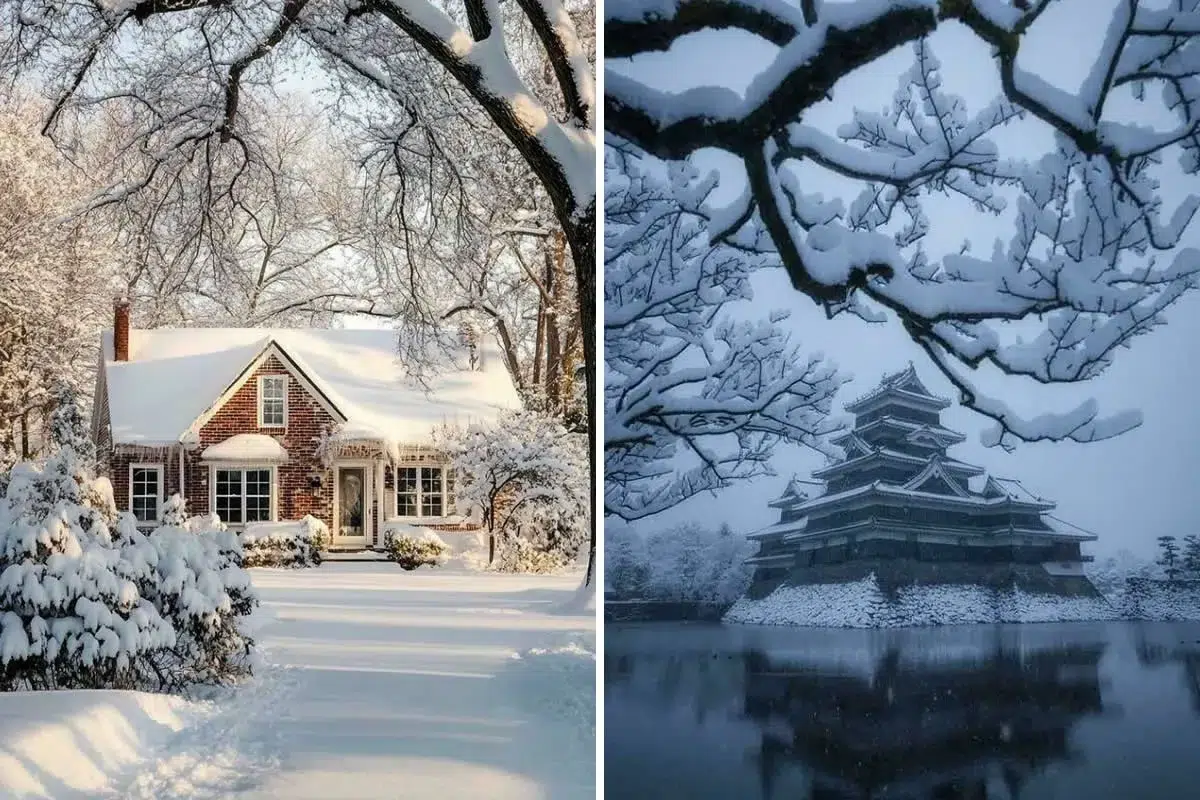
1. My Nana’s House
A small home wrapped in fresh snow feels timeless. Winter has a way of turning everyday places into nostalgic scenes.
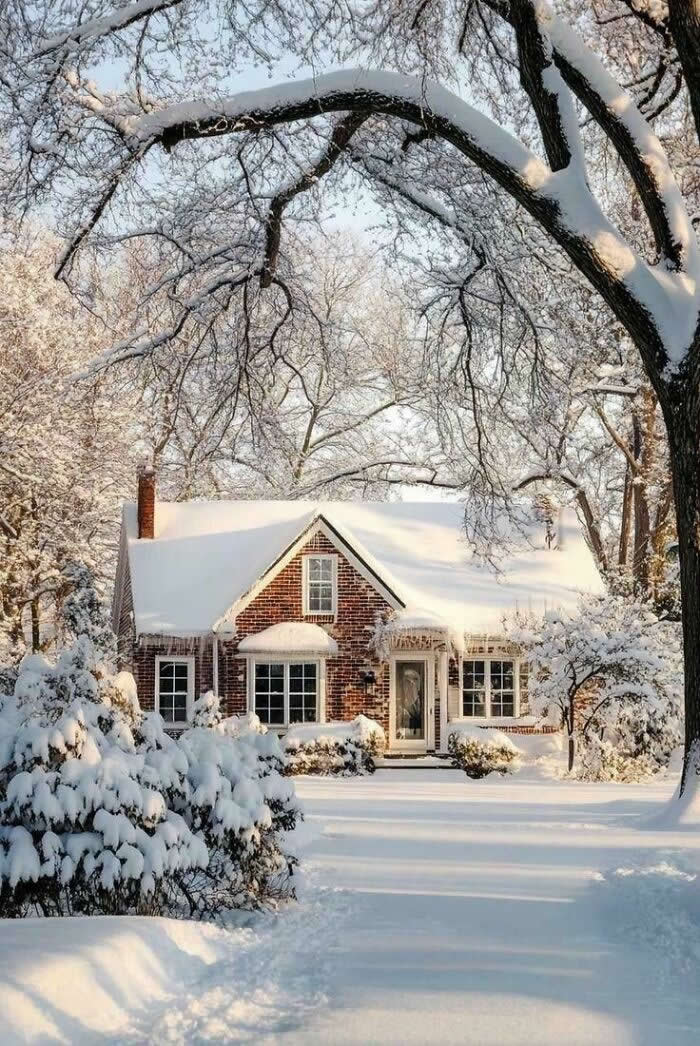
Image source: BroadAkita
#2. Boston Massachusetts
Historic streets glow softly under winter light, proving cities shine in the cold.
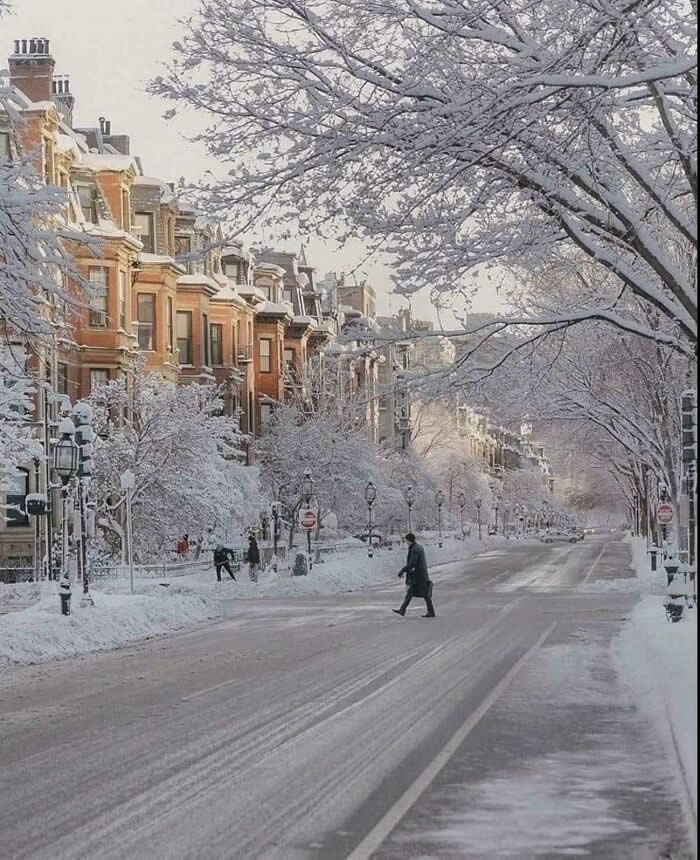
Image source: brolbo
#3. Winter Season In Bergen, Norway
Colorful waterfront houses dusted in white create a stunning contrast of warmth and chill.
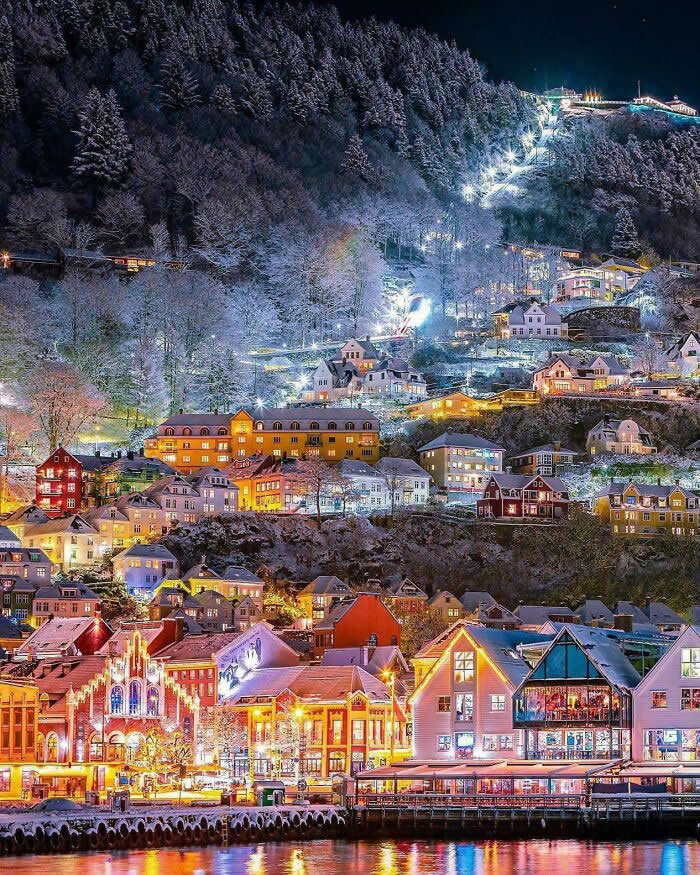
Image source: Lol-Akita
#4. Bergen, Norway
The stillness of water paired with snowy rooftops shows how winter photos balance silence and structure.
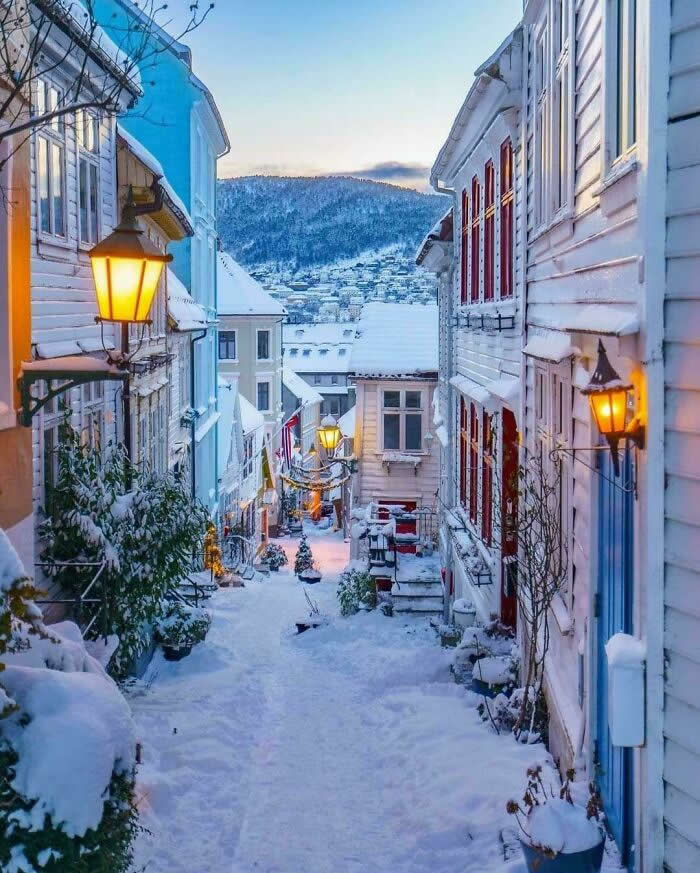
Image source: OllieSmithurst
#5. Snow Sunrise!
When sunlight hits fresh snow, it transforms everything into gold.
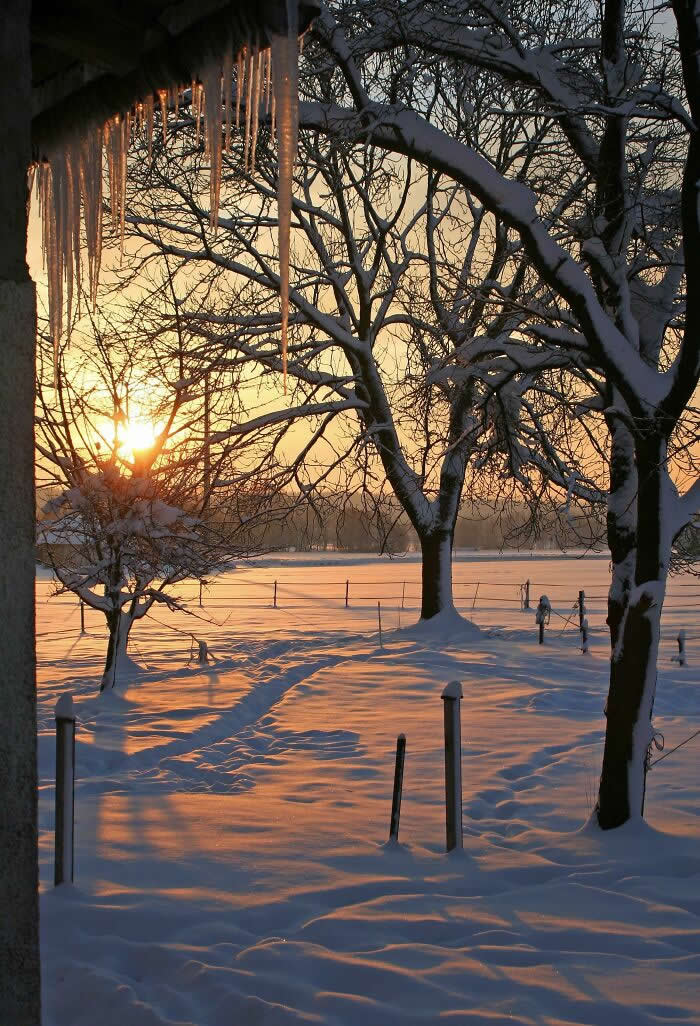
Image source: reddit.com
#6. Snow In Yosemite
Towering cliffs look even more dramatic under a blanket of snow.
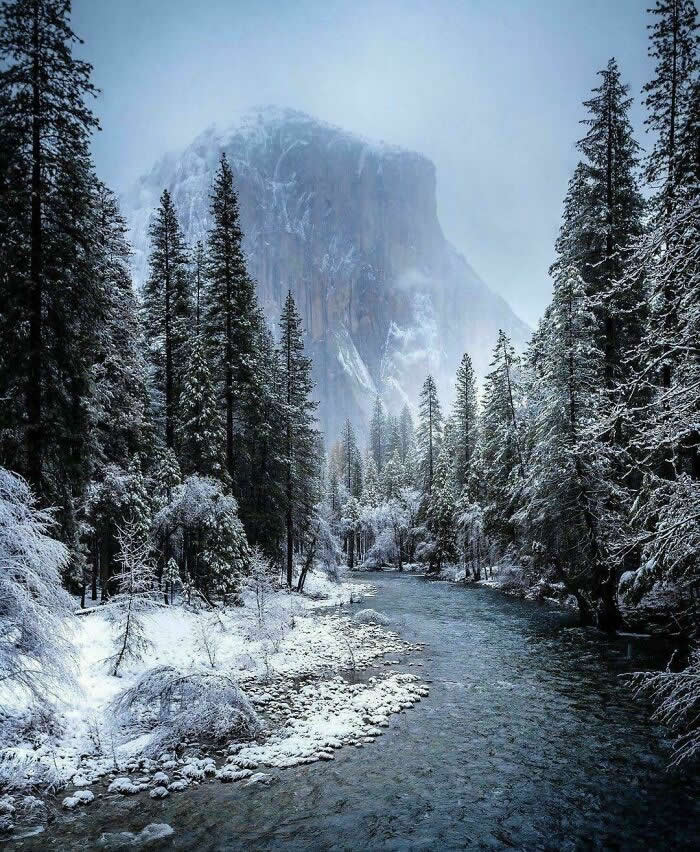
Image source: AkitaBorn
#7. Beautiful Place
A remote landscape where snow softens the world into peaceful silence.
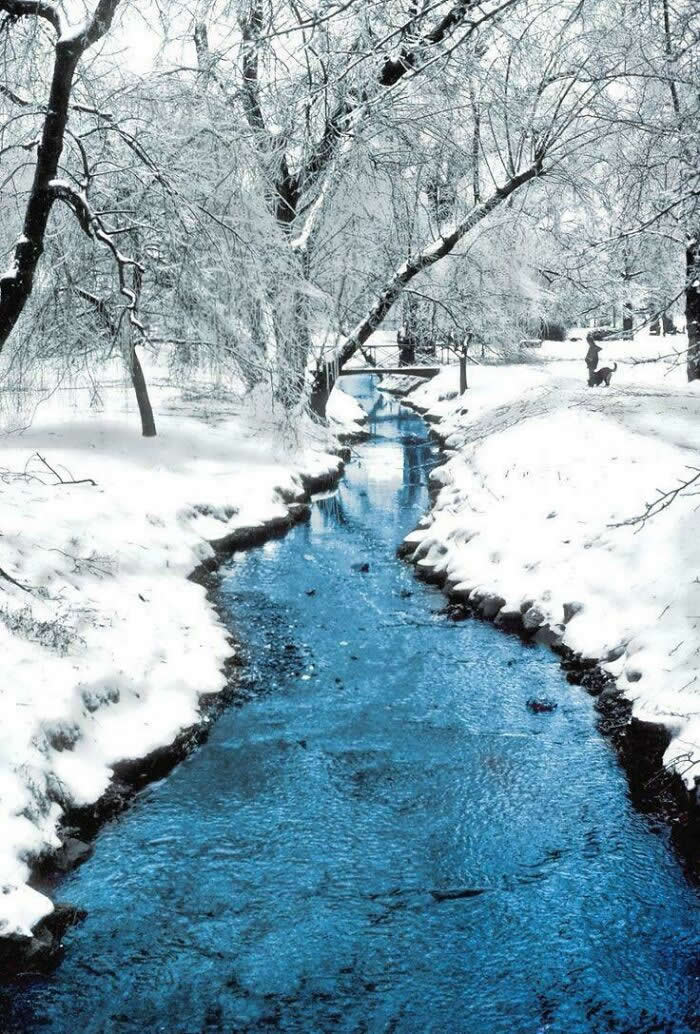
Image source: Old-Hawk3274
#8. Beautiful Sight
Snow-covered branches sketch delicate lines across a pale sky.
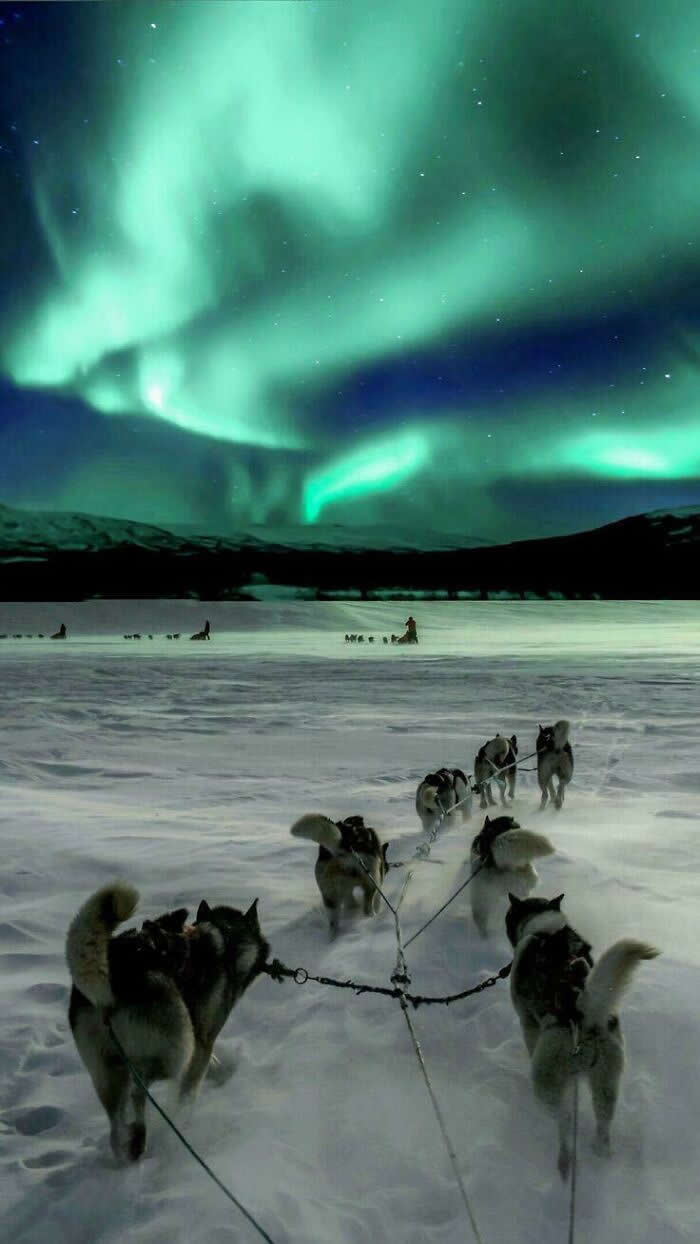
Image source: cemreorkun
#9. Snow In Kyoto. Photo By: @criss1016
Historic temples look even more timeless when framed by falling snow.
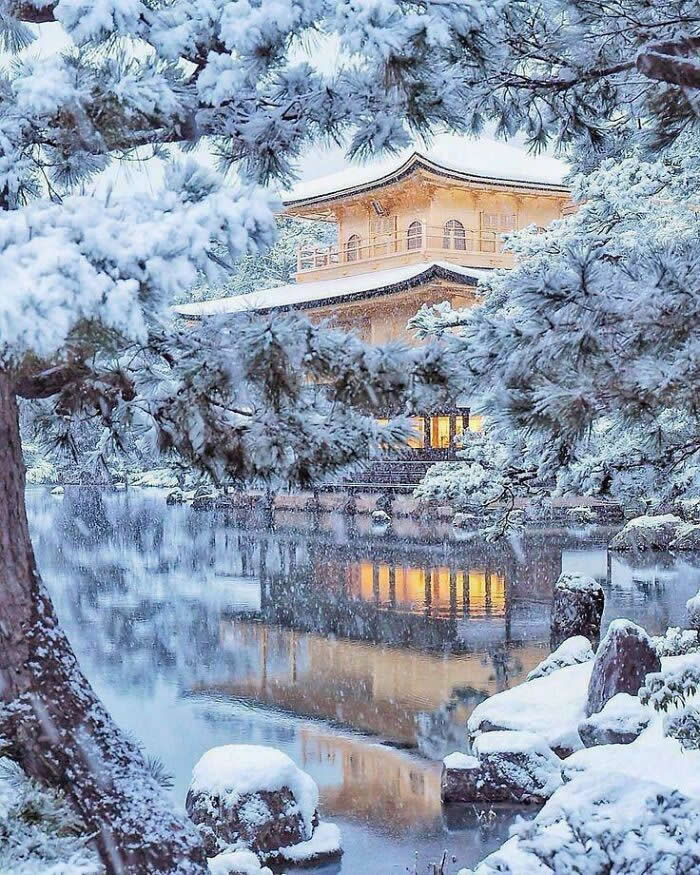
Image source: reddit.com
#10. Winter In Kyoto, Japan
Empty streets, soft snowfall, glowing lanterns, pure atmosphere.
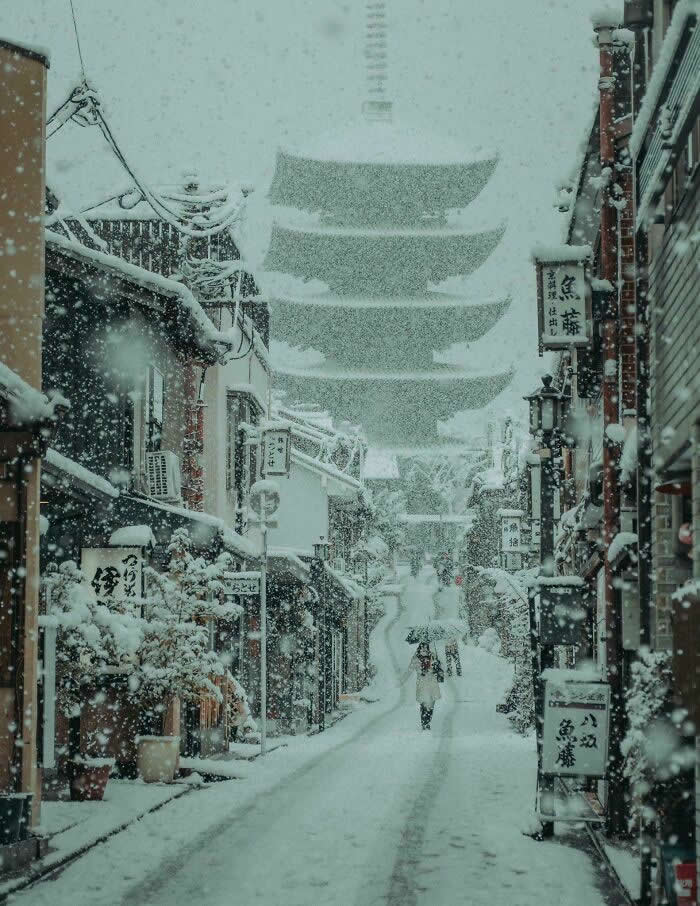
Image source: PickingMadison
#11. Norway
Mountains and fjords wrapped in snow feel both vast and intimate.
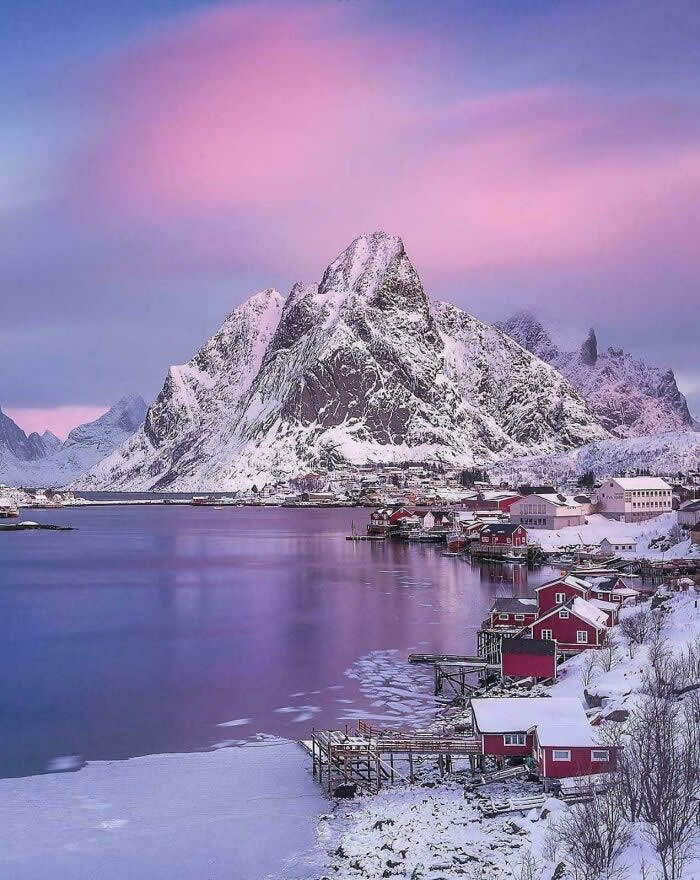
Image source: brolbo
#12. Frosted Countryside
Minimalism at its best, a simple scene elevated by snow.
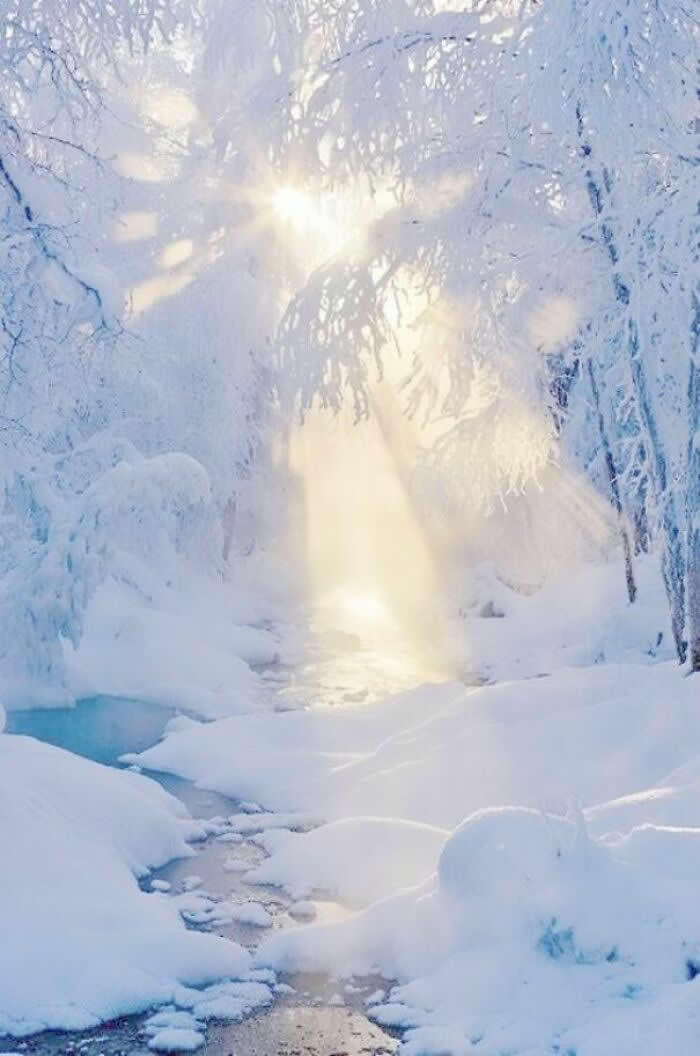
Image source: mm1530791
#13. Kentucky, USA
Open landscapes feel even wider under a pale winter sky.
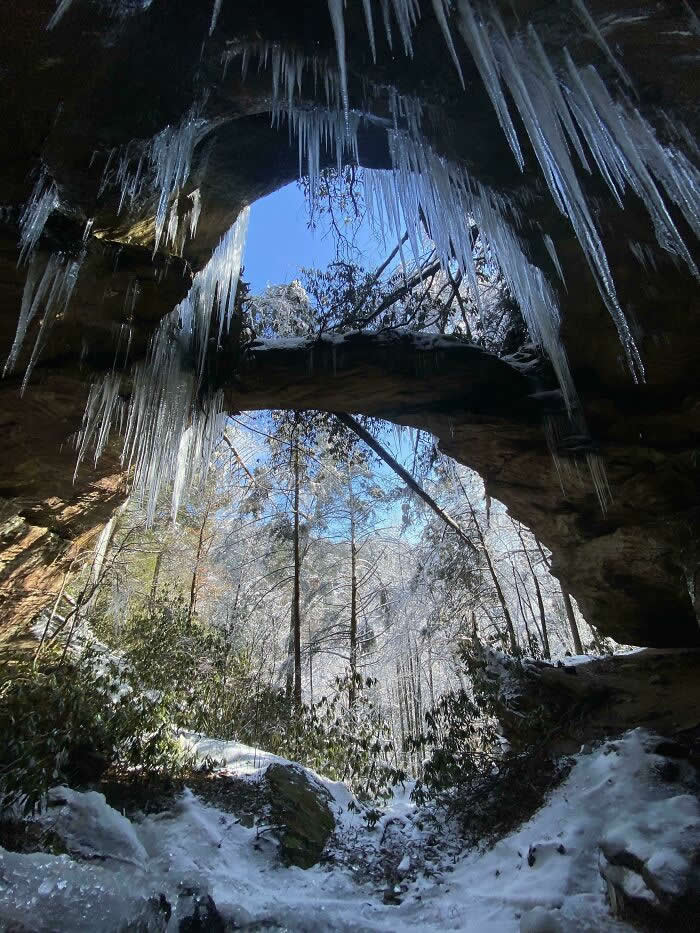
Image source: SnooSuggestions7179
#14. Heavy Snow in Nagano & Niigata, Japan
Massive snowfall turns entire towns into storybook scenes.
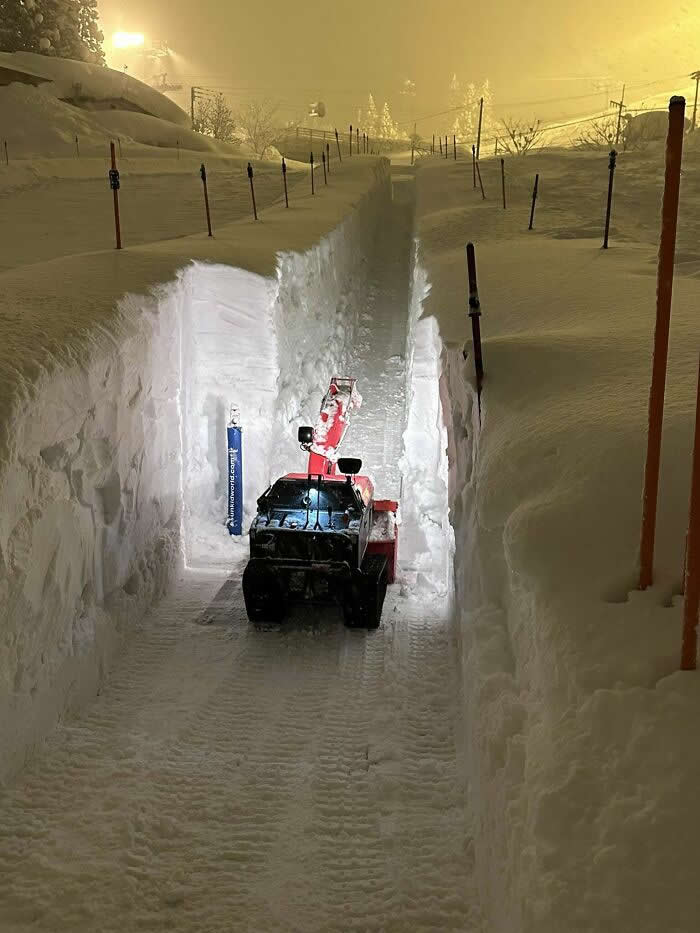
Image source: frozenpandaman
#15. St. John’s Newfoundland And Labrador, Canada
Bright homes against white snow create a striking winter contrast.
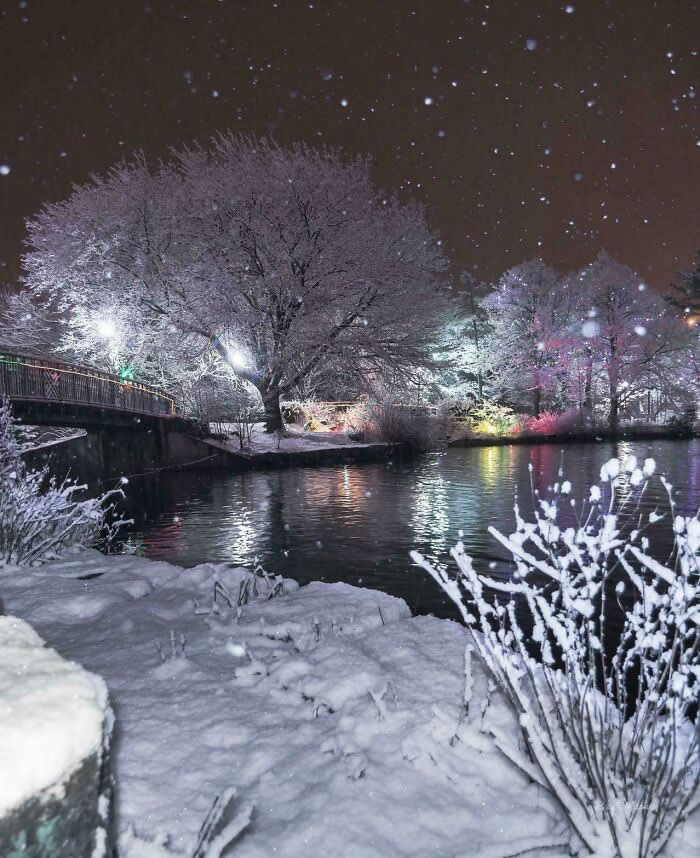
Image source: brolbo
#16. Road Through a Magical Forest in Finland
A snowy road disappearing into trees feels like stepping into a fairytale.
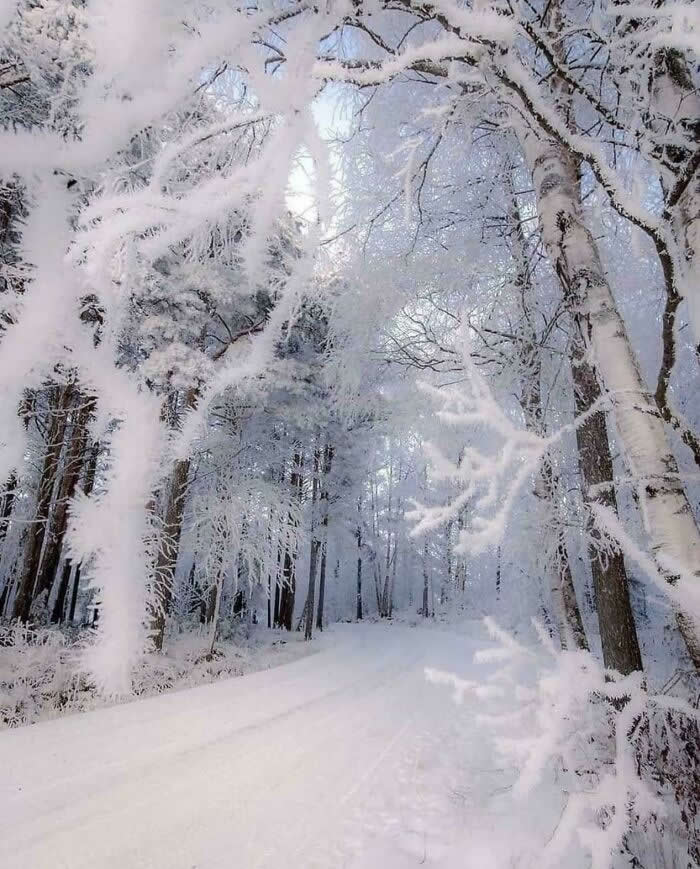
Image source: brolbo
#17. Nature’s Frozen Art
Ice formations and frost patterns show winter’s delicate side.
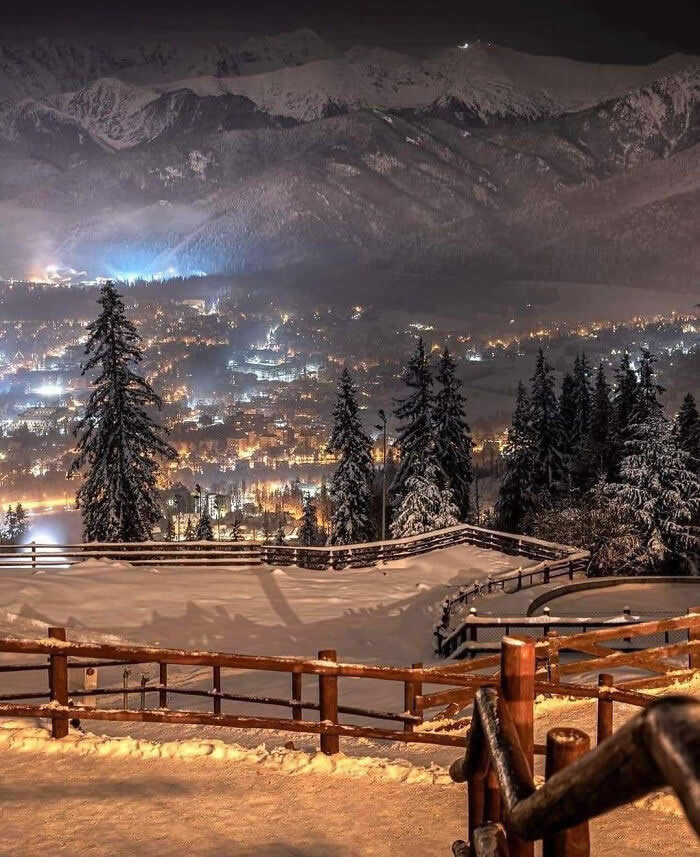
Image source: BreadSlight9518
#18. Winter Nights In Switzerland
City lights reflecting on snowy streets create moody night photography.
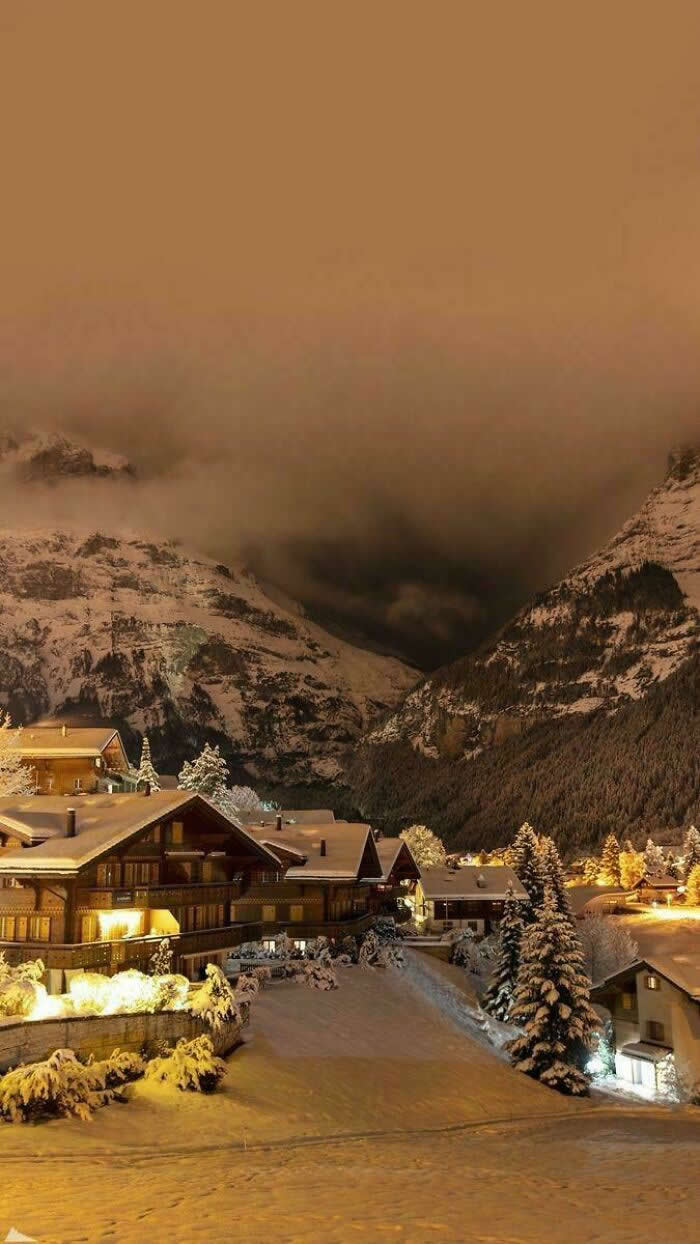
Image source: LivelyCatherine
#19. Central Park, New York
Even the busiest parks feel peaceful after snowfall.
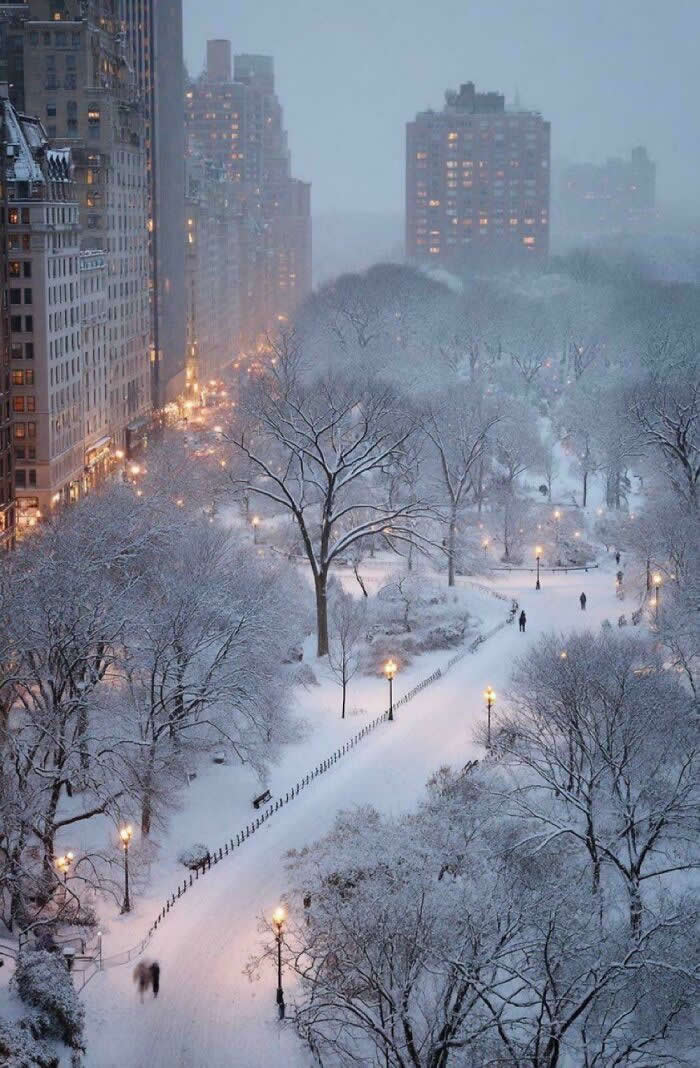
Image source: LegitimateKaitlyn
#20. Snow Today In Aberdeenshire!
Rolling hills under white layers look sculpted by light.
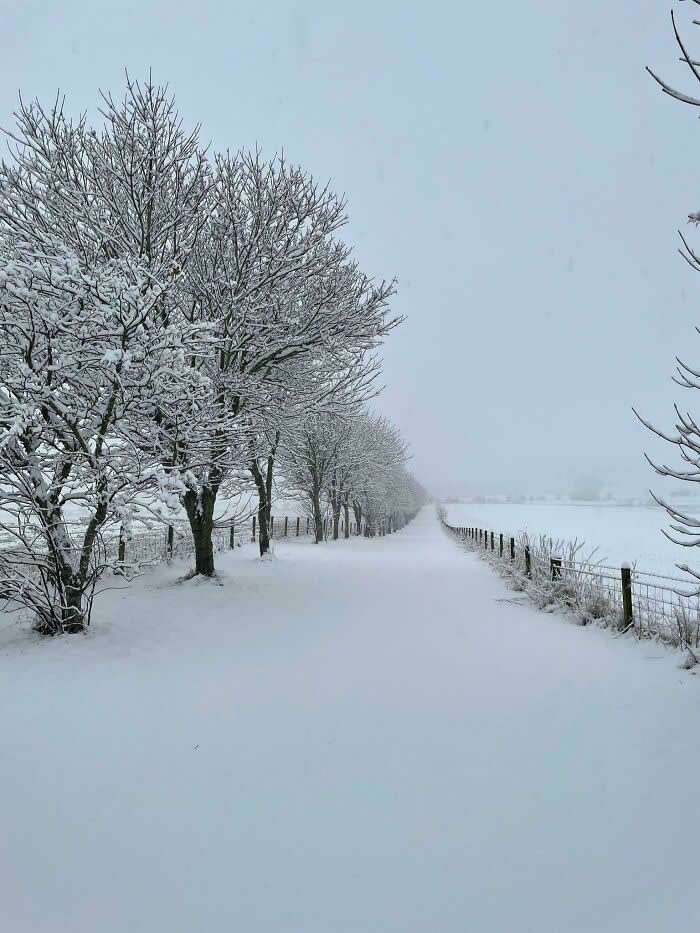
Image source: Consistent_Farm_7478
#21. A Snow Day Is A Pause Button On Life
Footprints in untouched snow remind us how winter slows time.
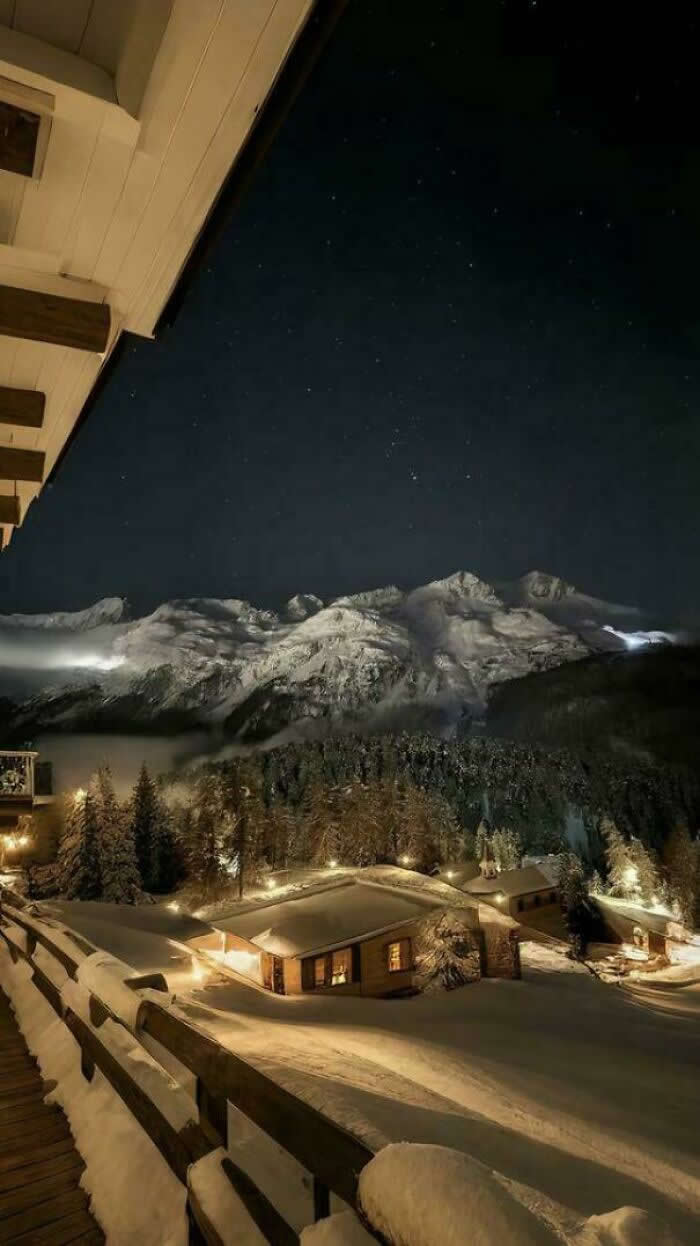
Image source: Independent_Bag6513
#22. Banff Alberta Canada
Sharp peaks look even bolder against crisp winter skies.
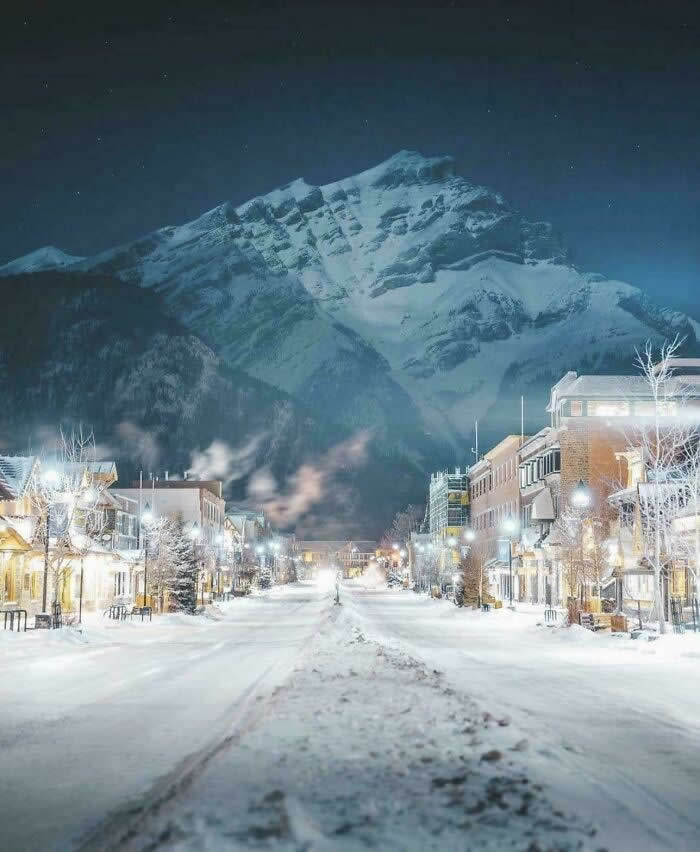
Image source: brolbo
#23. Netherlands
Water turning to ice creates natural leading lines and symmetry.
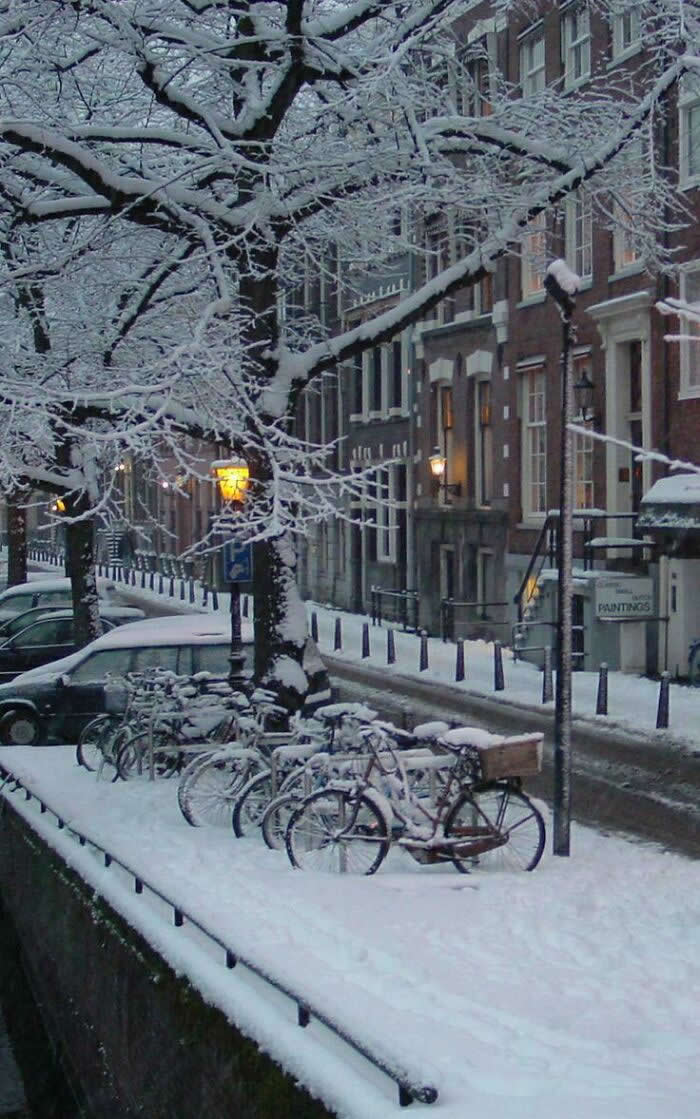
Image source: yourdanka
#24. Snow In Osaka, Japan
Neon signs reflecting on wet winter streets add cinematic drama.
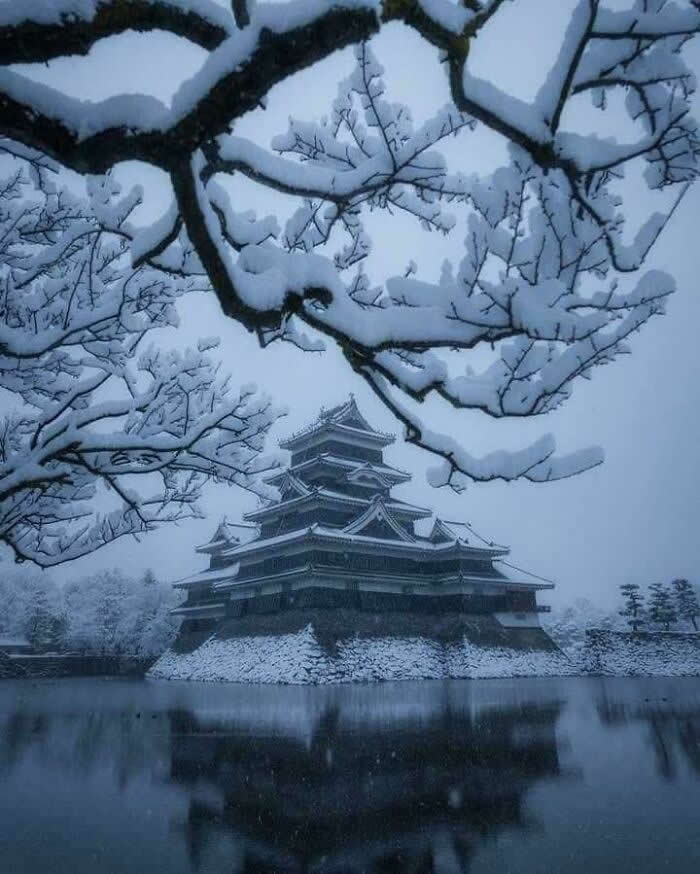
Image source: AkitaBorn
#25. Winter In Prague
Snow-draped architecture makes old cities feel even more magical.
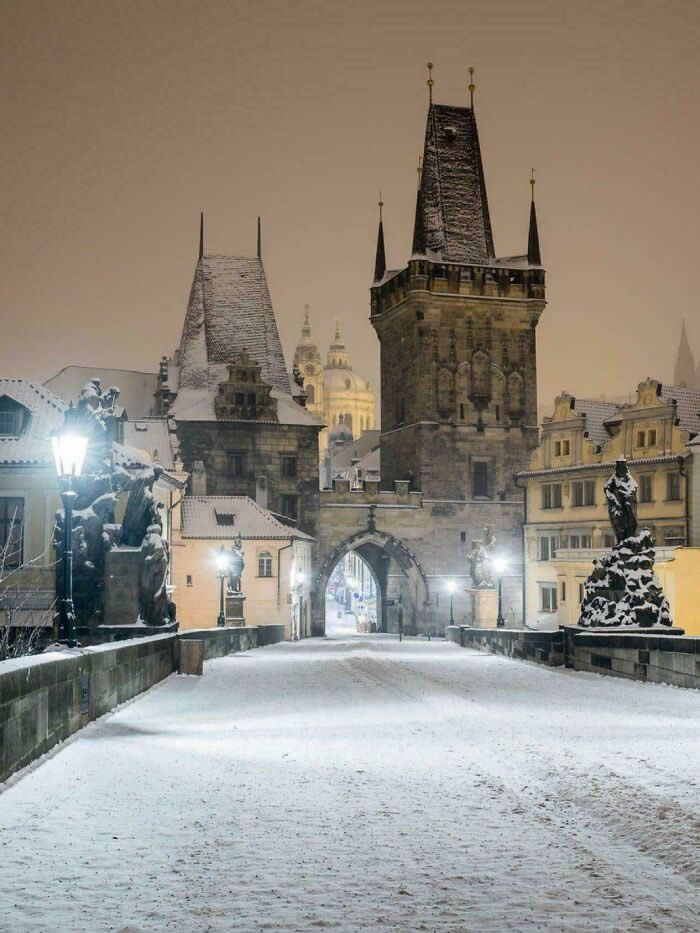
Image source: ImaginaryCandace
If mountain scenery and dramatic snow-covered vistas inspire you, take a look at these captivating winter landscapes by Stanley Aryanto. They beautifully showcase the power of winter light and texture.
How to Capture Better Winter Photos
Seeing great winter photos is inspiring.
Capturing them yourself? That’s even better.
Here’s how to do it right.
1. Master Exposure in Snow
Snow tricks your camera.
It often appears gray if you rely on automatic settings.
- Slightly overexpose (+0.3 to +1 EV)
- Watch your histogram carefully
- Shoot in RAW to recover details
- Use spot or center-weighted metering
2. Use Light to Create Mood
Winter light is softer and more directional.
Use it intentionally.
- Shoot during golden hour for warm contrast
- Try blue hour for cinematic tones
- Let streetlights add warmth to cold scenes
- Position the sun low for texture in the snow
Fog, mist, and snowfall aren’t obstacles. They’re atmosphere.
3. Add Strong Subjects & Contrast
Winter loves simplicity, but it needs a focal point.
Look for:
- People in dark coats
- Animals against white snow
- Footprints
- Bare trees
- Roads or fences as leading lines
Contrast makes winter photos powerful.
4. Protect Your Gear During U.S. Winter Conditions
Winter in the United States can be unpredictable.
From subzero temperatures in Alaska and the Midwest to icy winds in New York or Colorado snowstorms, cold weather affects both you and your gear.
And here’s something many photographers underestimate:
Research shows camera batteries can lose 30–50% of their charge capacity in freezing temperatures. That means a fully charged battery may drain much faster during a winter shoot.
If you’re shooting winter photos in places like Chicago, Montana, Maine, or the Rocky Mountains, your battery life may drop much faster than expected.
- Carry extra batteries (keep them warm)
- Let your camera adjust gradually to avoid condensation
- Use gloves that allow movement
- Watch slippery surfaces
The shot is never worth risking safety.
Why Winter Is a Photographer’s Secret Weapon
Winter offers advantages that other seasons don’t.
- Fewer crowds
- Cleaner compositions
- Stronger mood
- Dramatic contrast
- Unique lighting angles
Tourist numbers often drop in winter months, which means cleaner frames — especially in major U.S. cities and national parks.
And for a different perspective, this collection of beautiful winter photography in Bangladesh by Mou Aysha proves that winter magic isn’t limited to one part of the world.
Winter photos often tell deeper stories about resilience, stillness, warmth, and contrast.
That emotional layer is what makes them unforgettable.
What Makes Winter Photos So Memorable?
Not all seasonal photography leaves a lasting impact.
But winter photos do.
They stay with you not just because of the snow, but because of the feeling they create. There’s something about a winter landscape, a frozen lake, or a quiet street after snowfall that feels deeper and more cinematic.
Let’s break down why.
1. Winter Adds Instant Mood
Winter photography carries emotion naturally.
Silence after snowfall feels almost sacred. Sound gets absorbed. Movement slows. The world feels paused.
That stillness creates powerful storytelling in winter photos. Whether it’s a lone figure walking through snow or a cabin glowing in the distance, the mood is built in. You don’t have to force drama; winter brings it.
2. Snow Simplifies the Scene
One of the biggest strengths of winter landscapes is minimalism.
Snow acts like a blank canvas. It covers distractions. It removes visual noise. It softens harsh lines and unifies color palettes.
In landscape photography, this means:
- Cleaner compositions
- Stronger focal points
- Better subject isolation
- More emphasis on shapes and forms
Less clutter always leads to stronger winter compositions.
3. Light Behaves Differently in Winter
Winter light is unique.
The sun sits lower in the sky, even during midday. That creates:
- Longer shadows
- More texture in the snow
- Directional lighting
- Natural depth
Snow also reflects light, working like a giant softbox. It bounces brightness into darker areas, reducing harsh contrast while maintaining detail.
That’s why winter photos often look naturally well-lit and evenly exposed when handled correctly.
Golden hour in winter? Even more dramatic.
Blue hour after snowfall? Pure magic.
4. Natural Contrast Becomes Stronger
Winter scenes create contrast effortlessly.
Dark trees against white snow.
Bright windows against cold night streets.
Red coats in pale landscapes.
That high contrast makes winter photography visually striking.
It draws attention immediately. Your eye knows exactly where to look.
Even black and white winter photos work beautifully because tonal contrast becomes the hero of the image.
5. Texture Comes Alive
Frost on branches.
Ice patterns on glass.
Footprints pressed into snow.
Frozen rivers with cracked surfaces.
Winter reveals texture in ways other seasons don’t.
Cold air sharpens detail. Snow adds dimension. Ice creates abstract patterns that feel almost artistic.
For photographers who love fine art photography or detailed landscape shots, winter is a playground.
6. Atmosphere Is Built Into the Season
Fog.
Mist.
Falling snow.
Icy air haze.
These elements add depth layers to a scene.
In photography, atmospheric perspective creates separation between foreground and background. Winter provides this naturally.
That’s why winter travel photography often looks cinematic: mountains fade into mist, city lights glow softly through snowfall, and street photography gains instant mood.
Final Thoughts
Winter isn’t just another season to photograph.
It’s a mood.
A perspective.
A creative advantage.
The stillness, the snow-covered landscapes, the cinematic lighting, and the clean compositions all combine to make winter photos some of the most powerful images you can capture.
So the next time the temperature drops and the world turns white, don’t think of it as harsh.
Think of it as an opportunity.
Because winter doesn’t dull the world. It sharpens it.