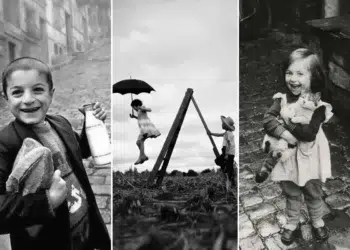
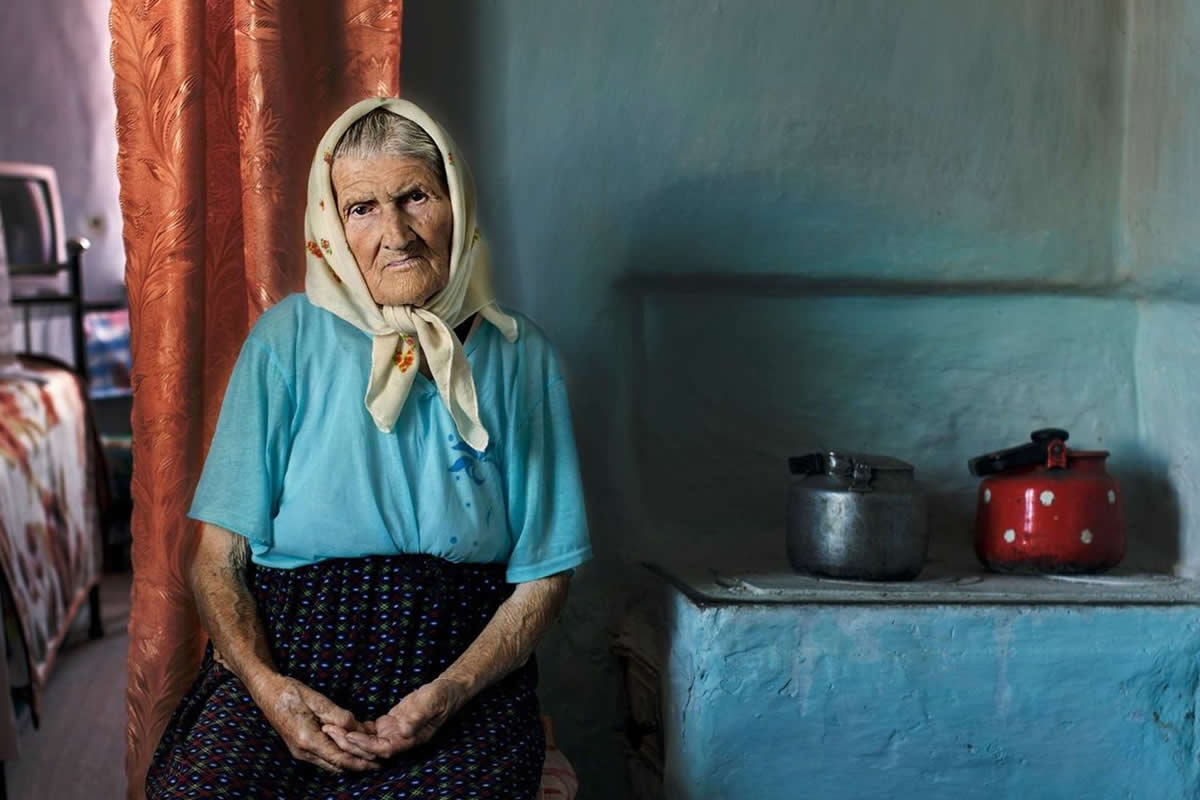
Have you ever returned to a place you loved as a kid only to realize it doesn’t feel the same anymore? Maybe your grandparents’ old neighborhood looks quieter, the corner store is gone, or familiar faces have simply disappeared. That strange mix of nostalgia and heartbreak is something almost everyone understands. Now imagine that feeling stretched across dozens of villages, where communities are slowly fading away. That’s exactly what makes Viktoria Sorochinski’s Lands of No Return such an unforgettable photography project.
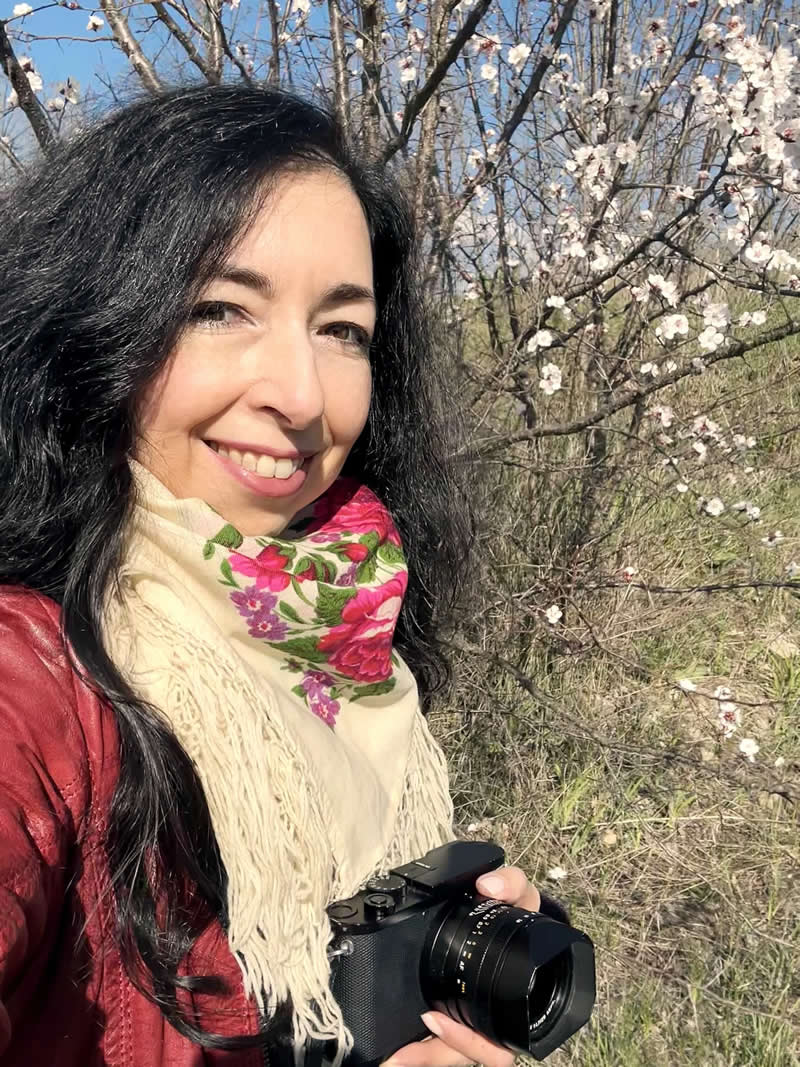
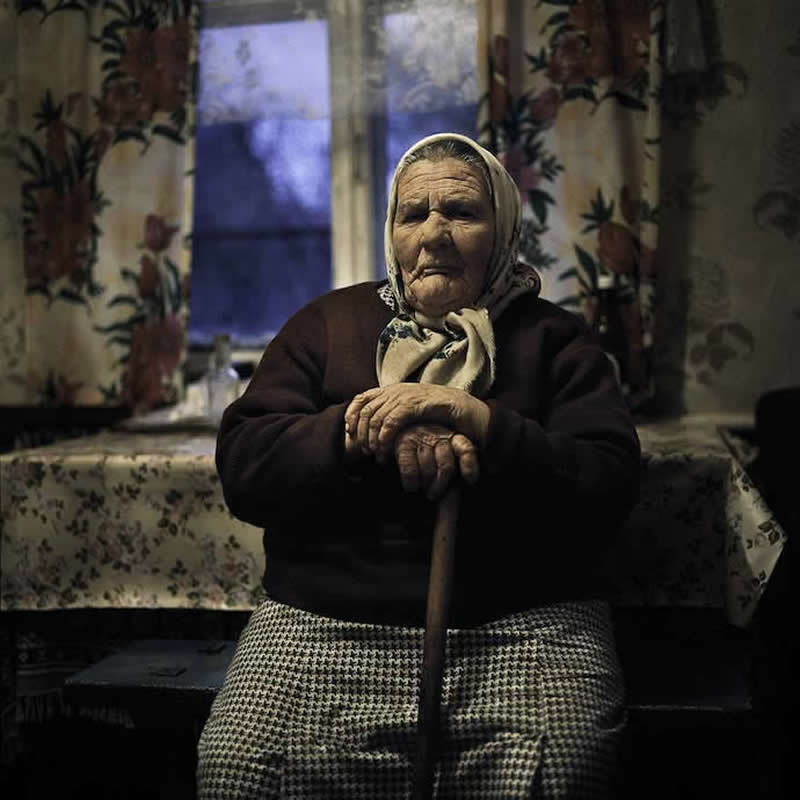
Born in Ukraine and now based in Berlin, Sorochinski didn’t set out to create just another documentary series. She returned to the villages near Kyiv because they were part of her own family history. Her grandparents lived there, and childhood memories of laughter, gardens, and busy village life stayed with her long after she left the country. But years later, those places had changed dramatically. The streets felt empty. Homes were crumbling. Many villages had become home to elderly residents, some left as the last people in their communities.
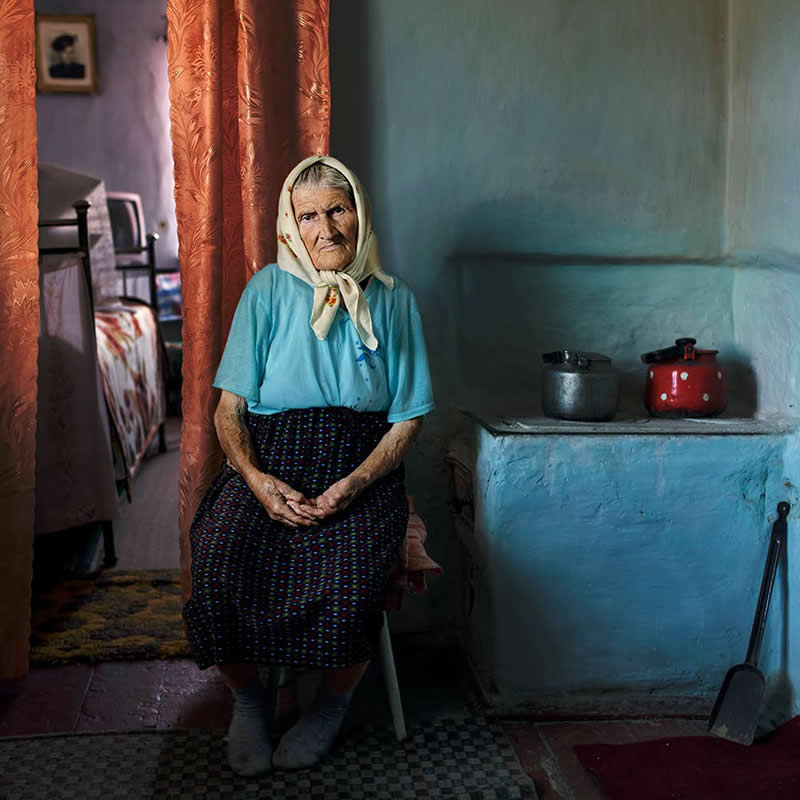
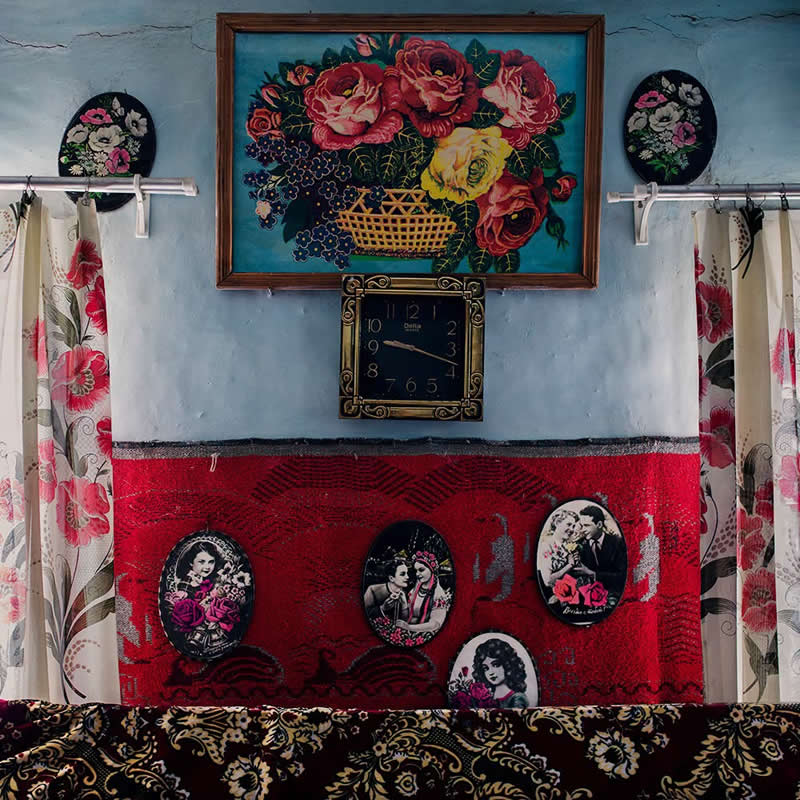
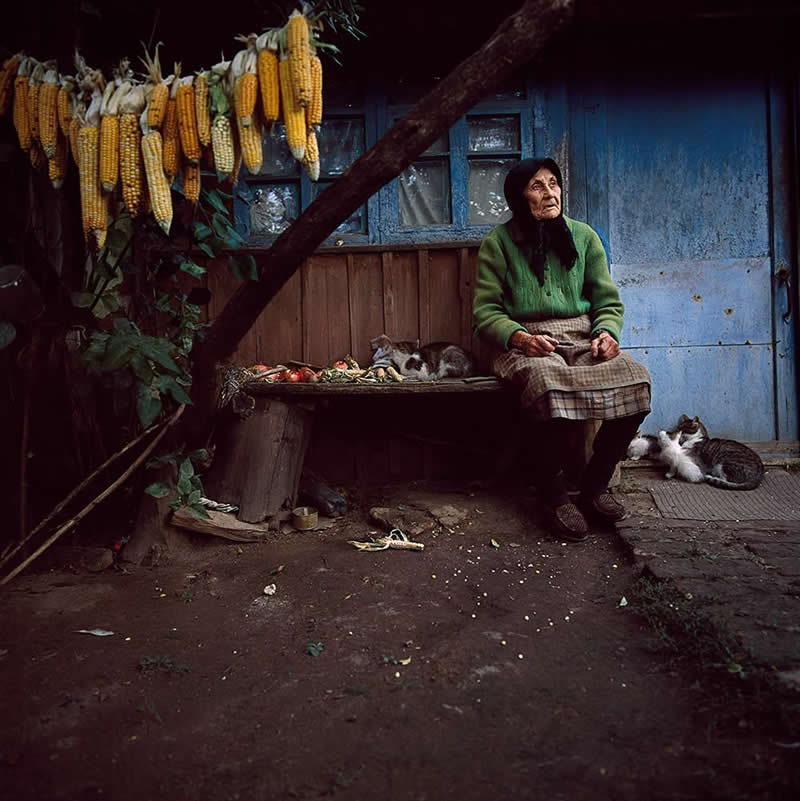
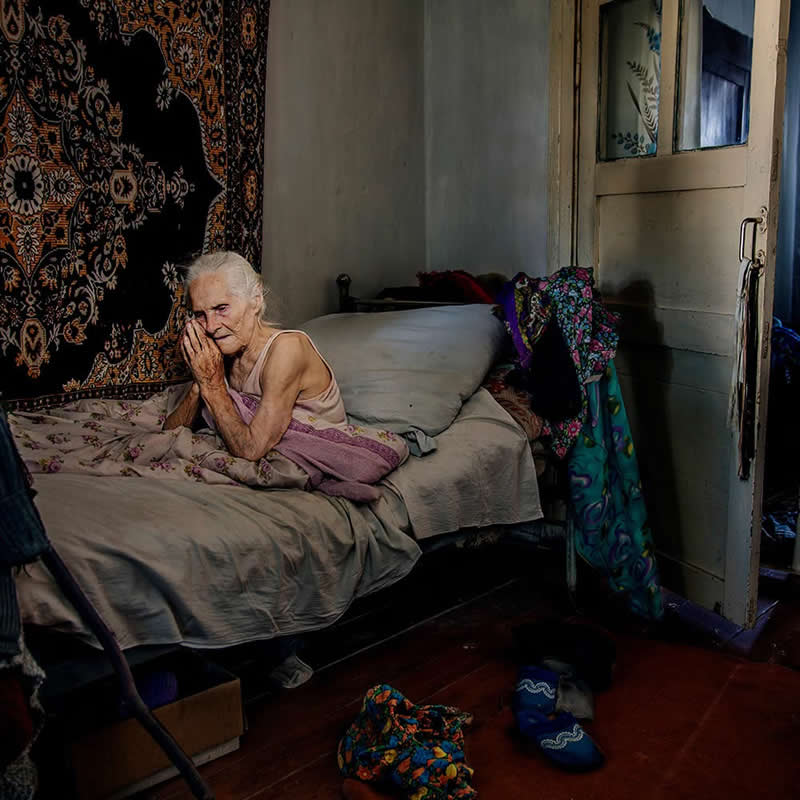
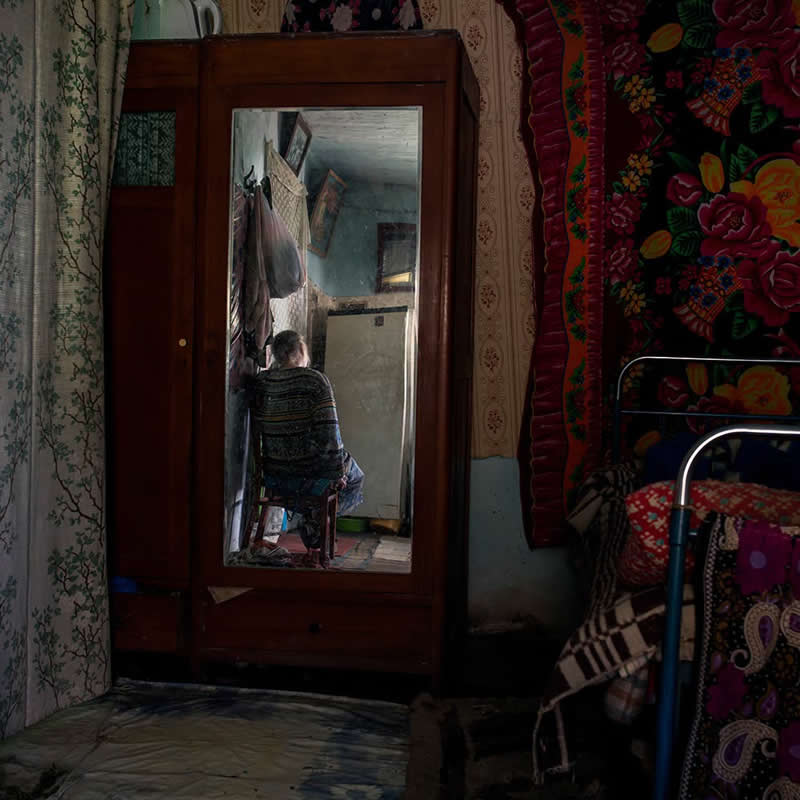
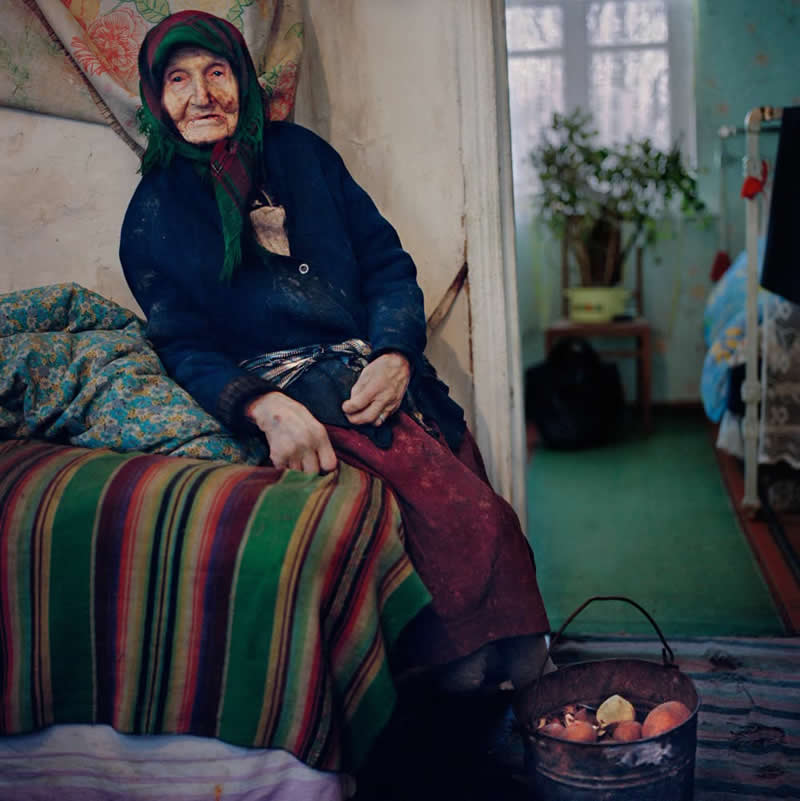
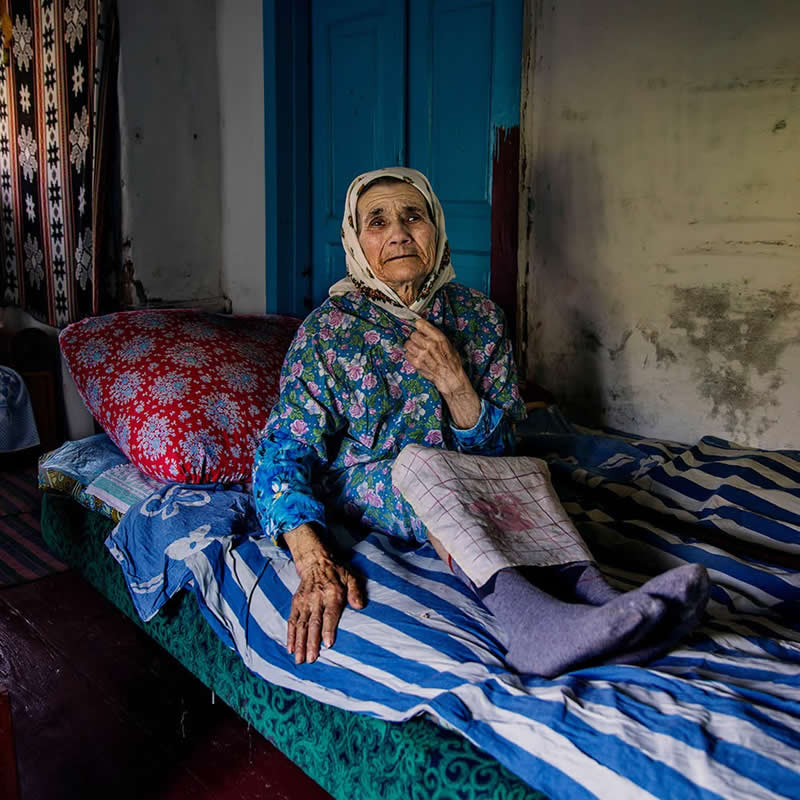
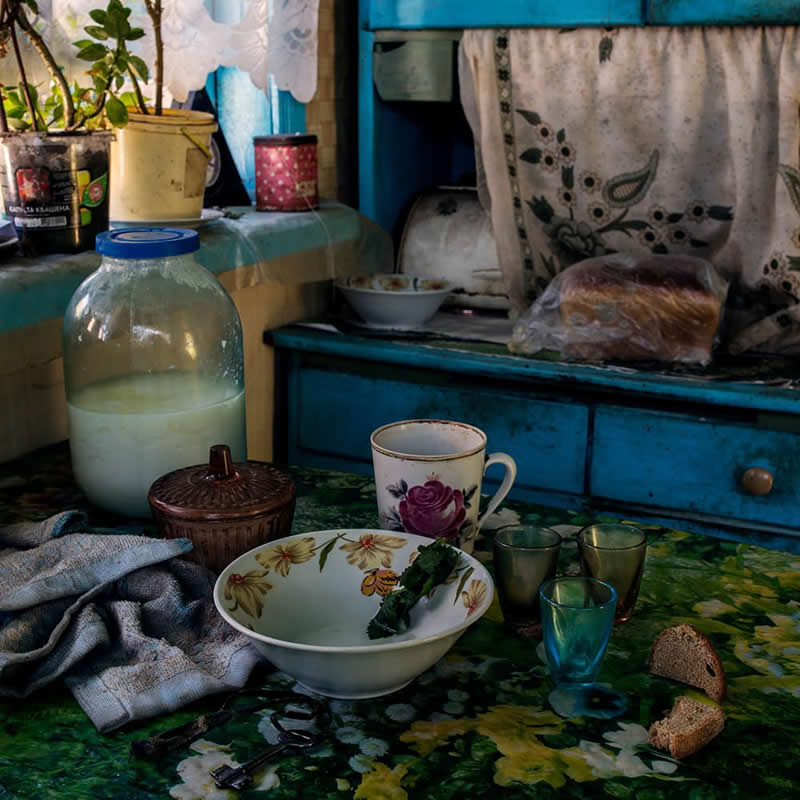
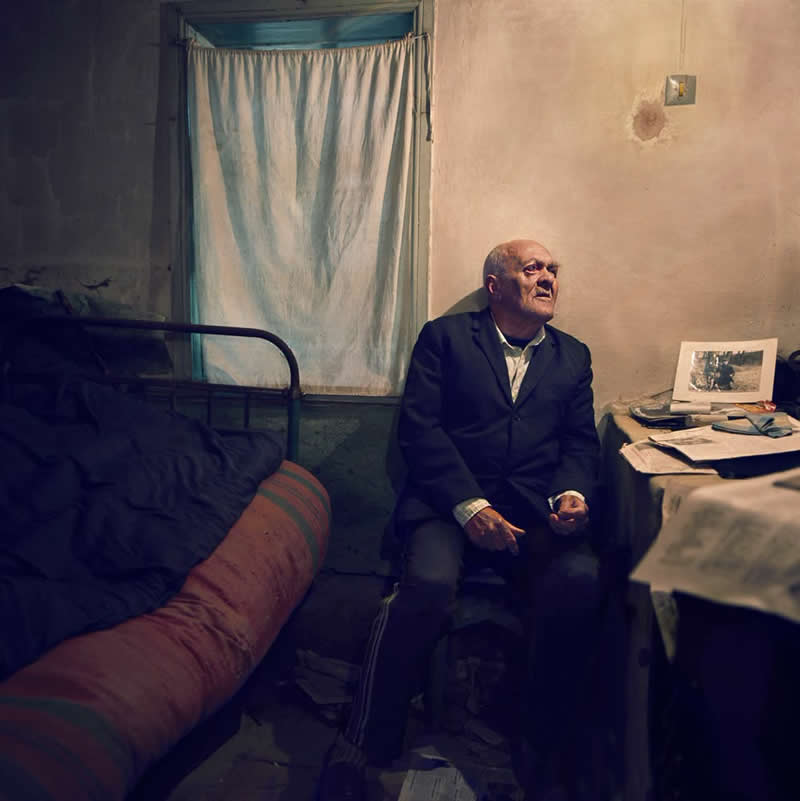
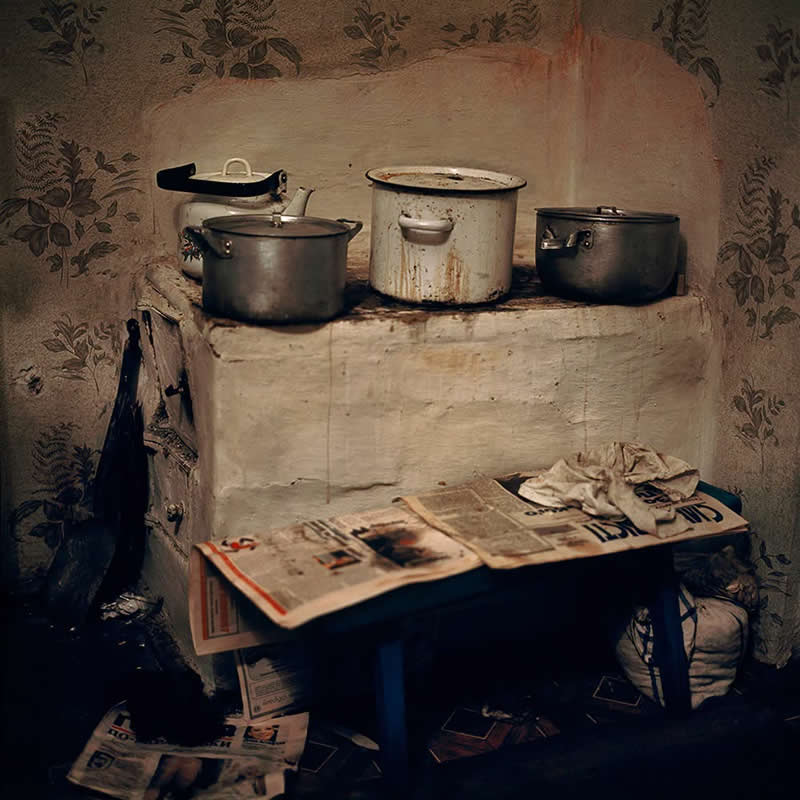
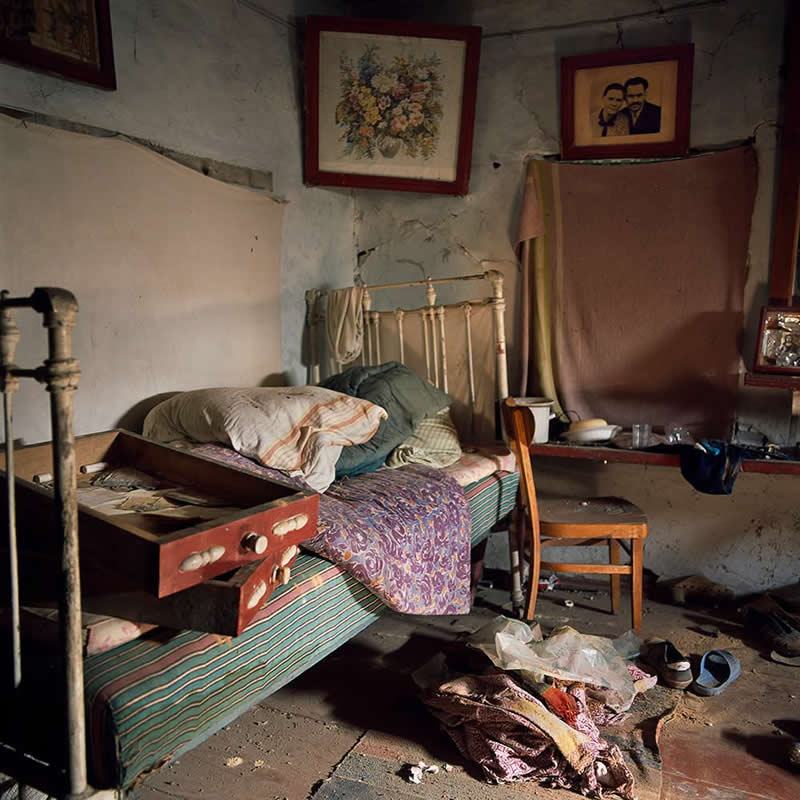
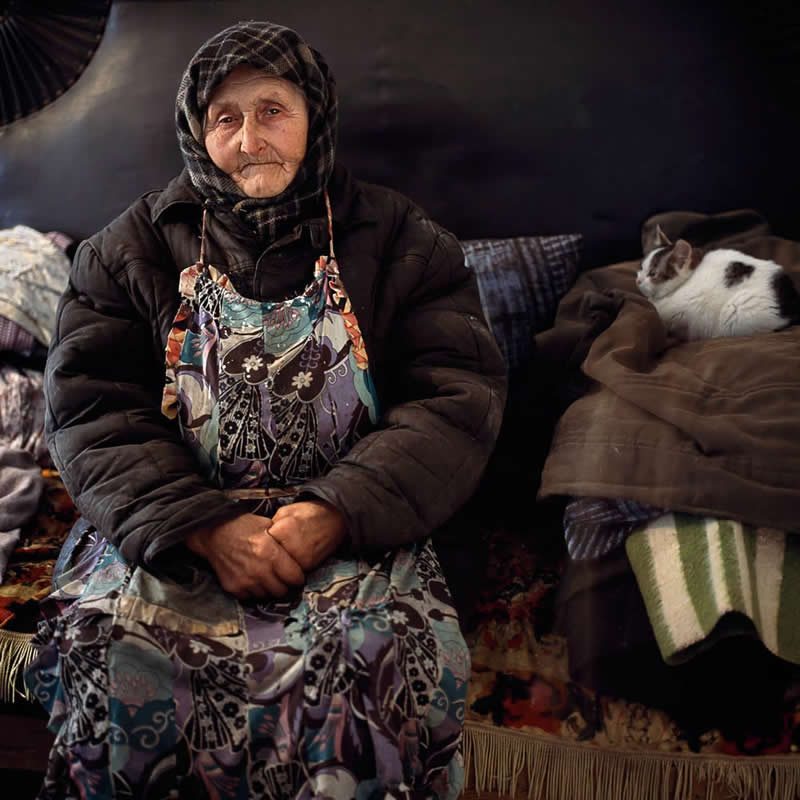
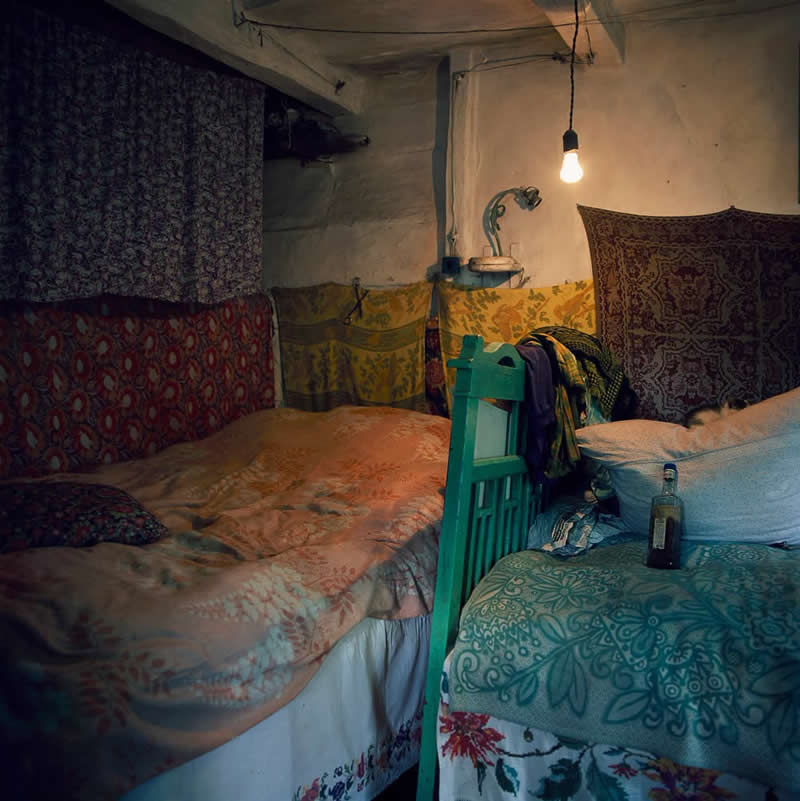
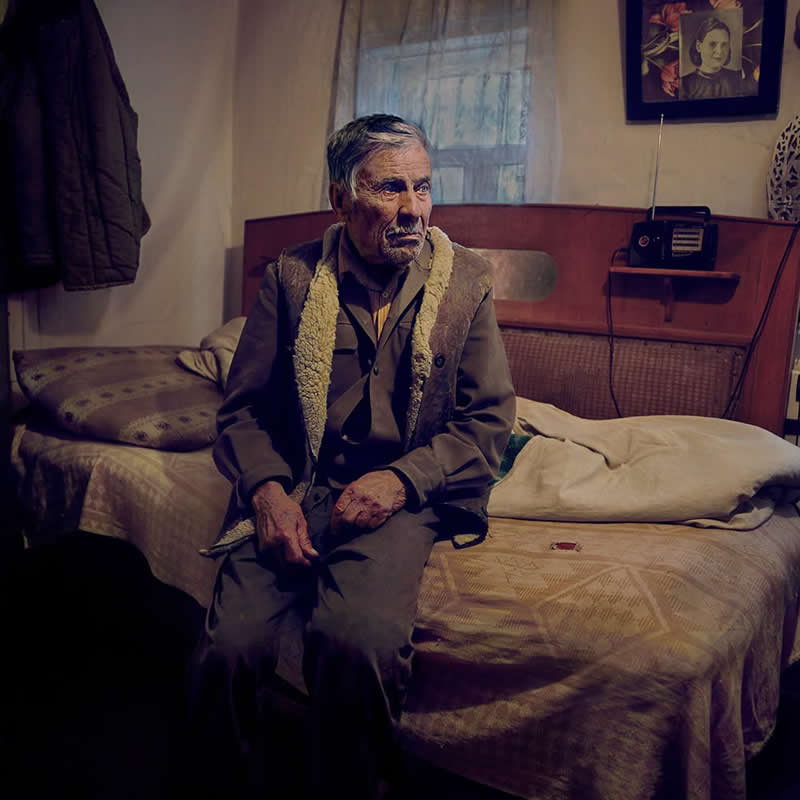
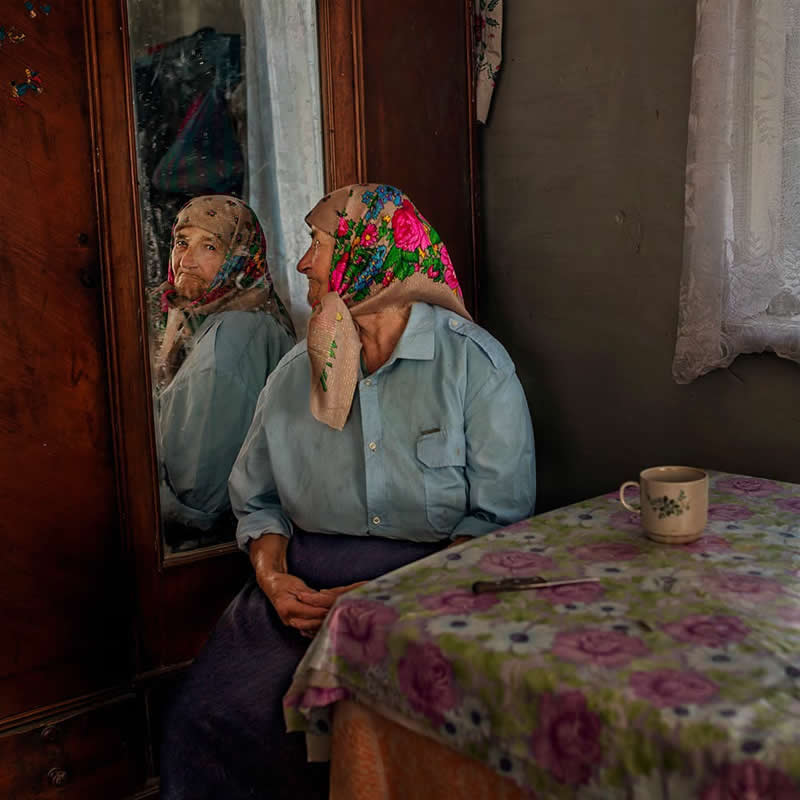
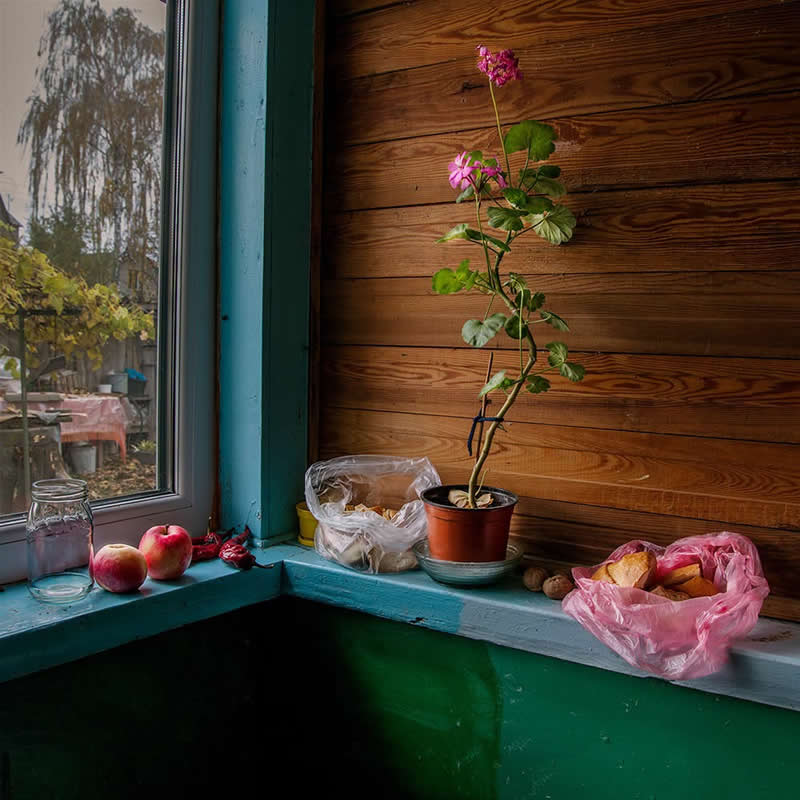
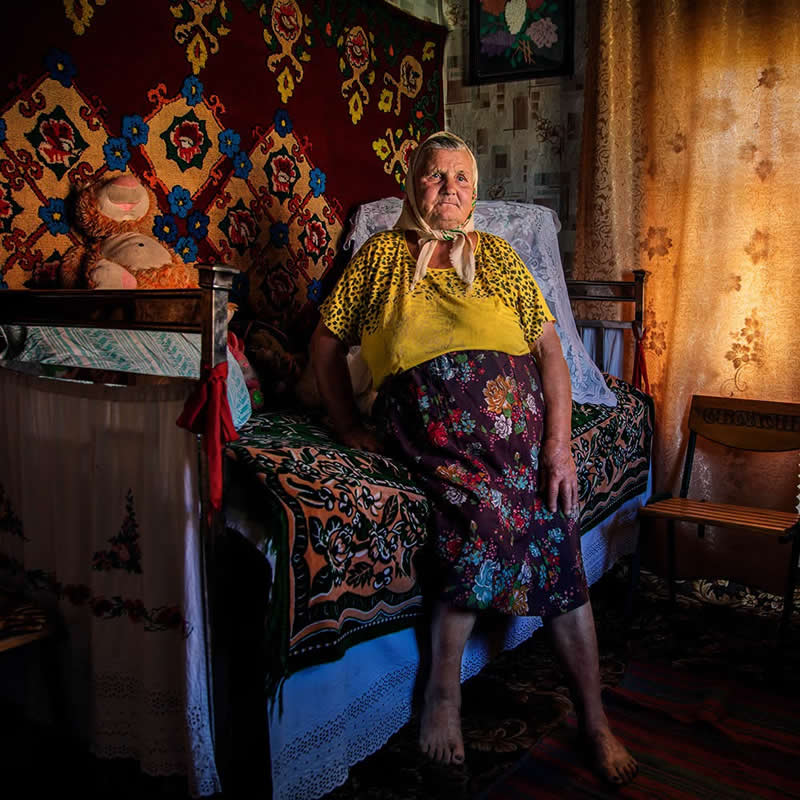
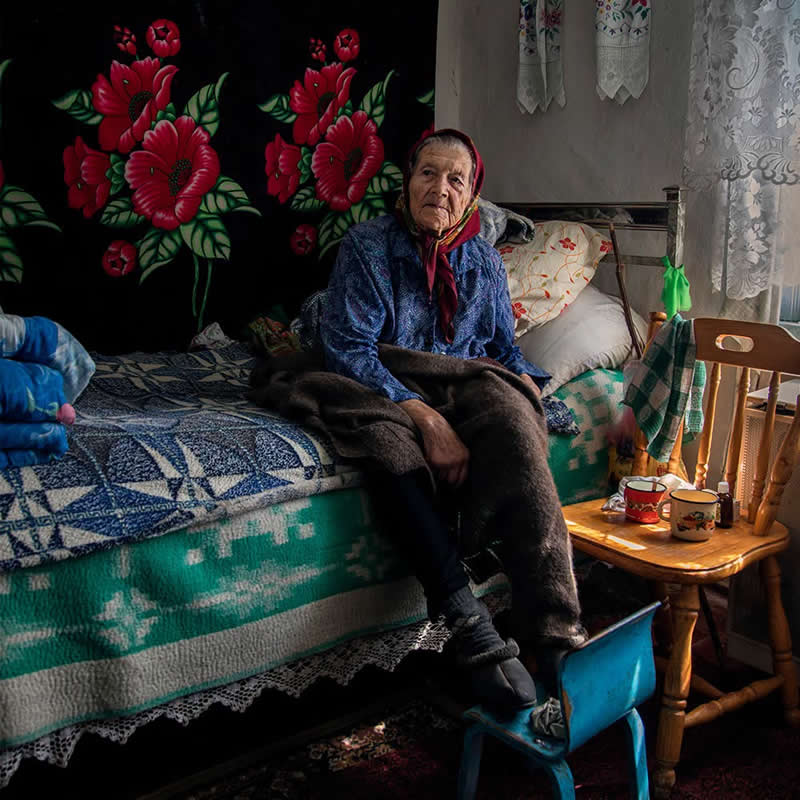
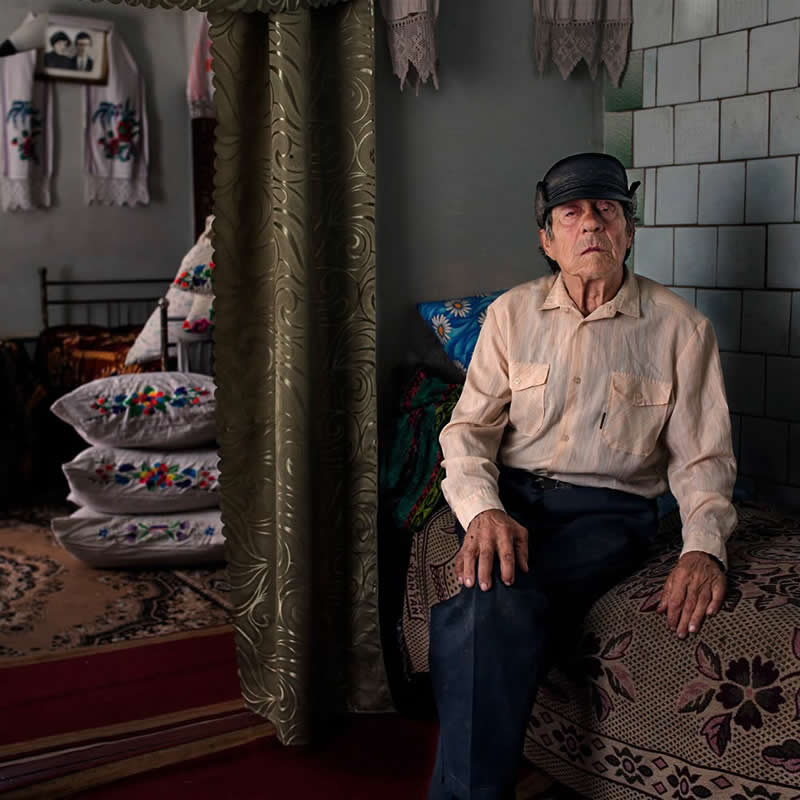
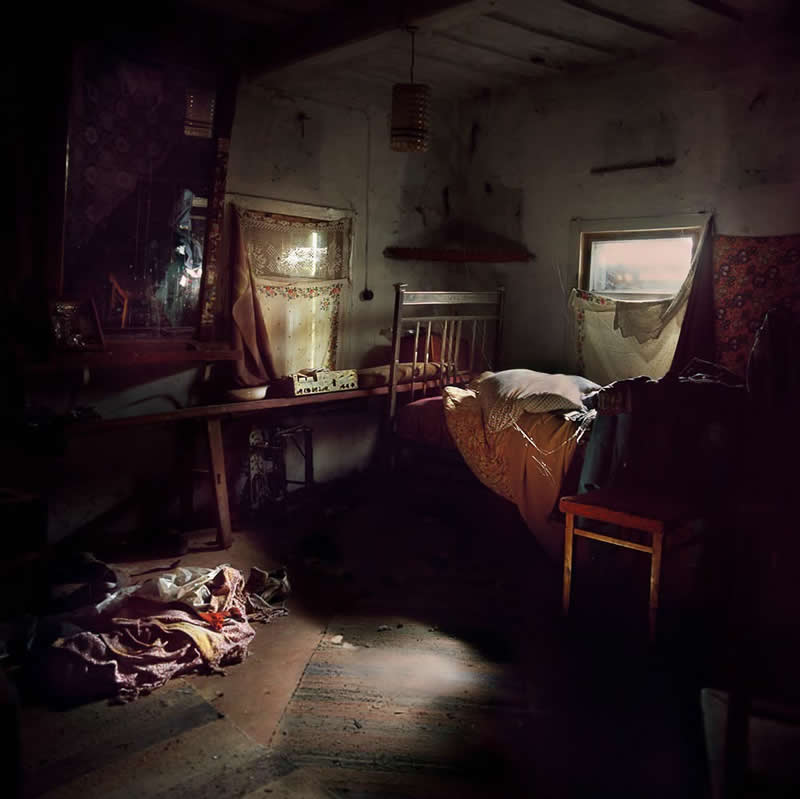
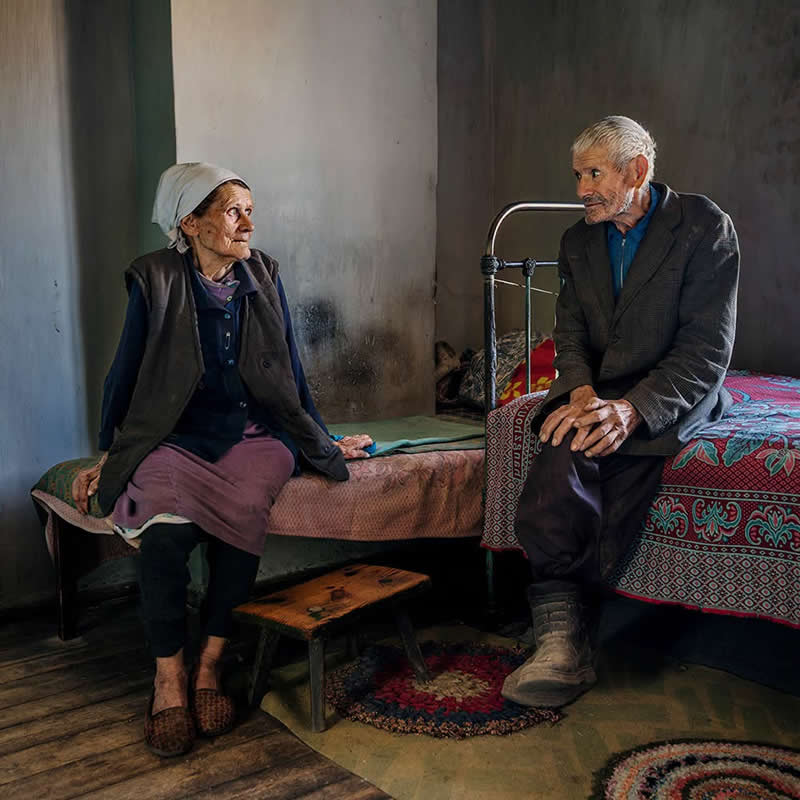
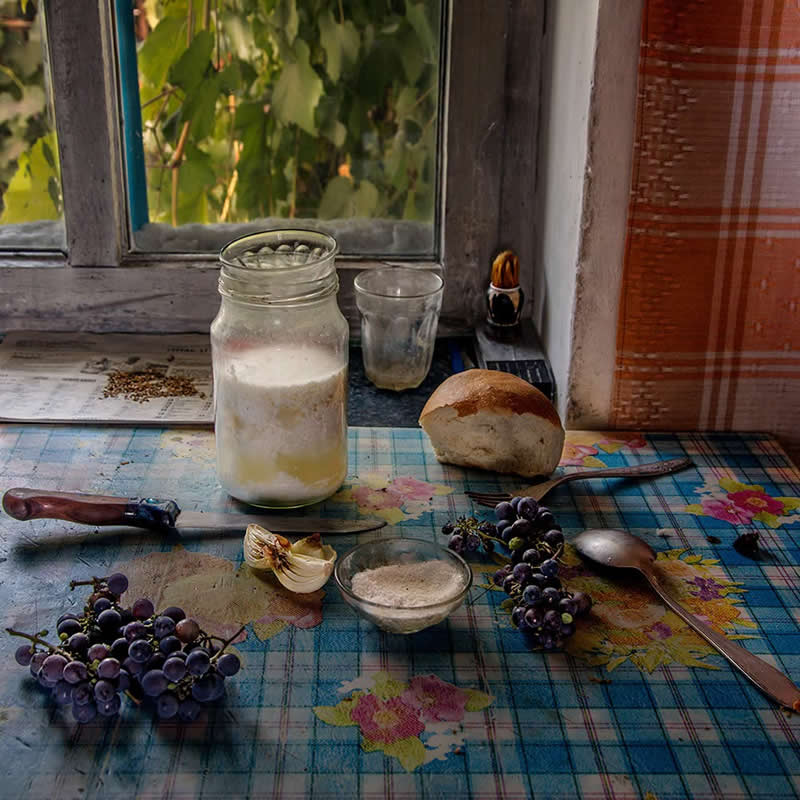
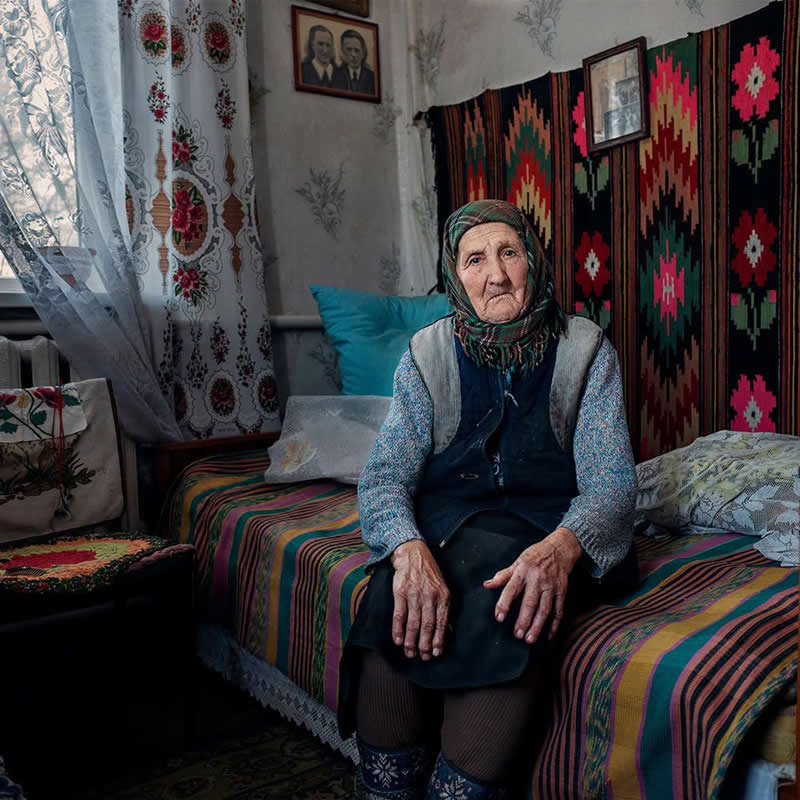
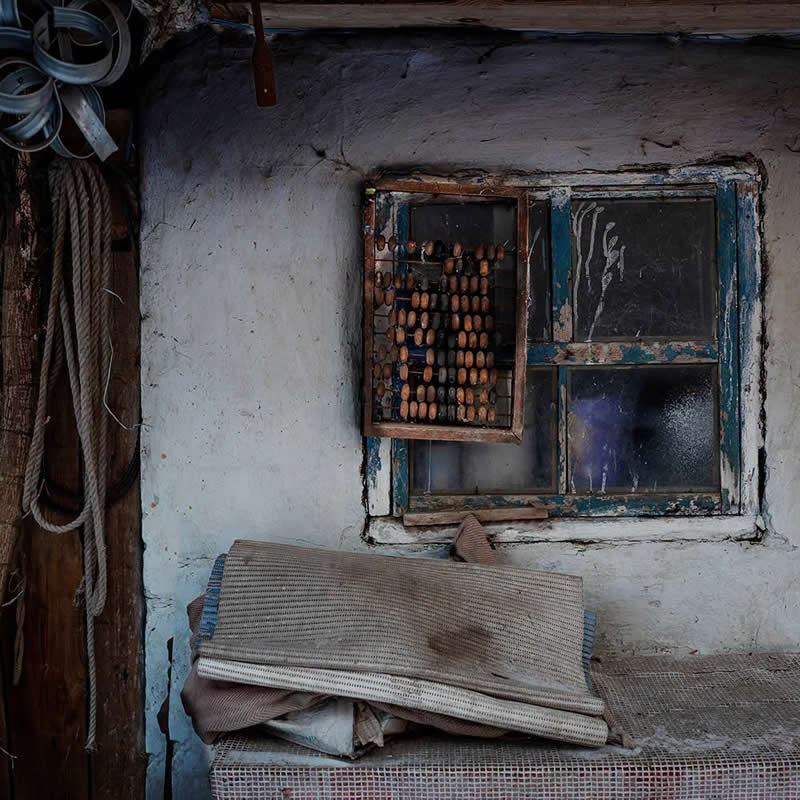
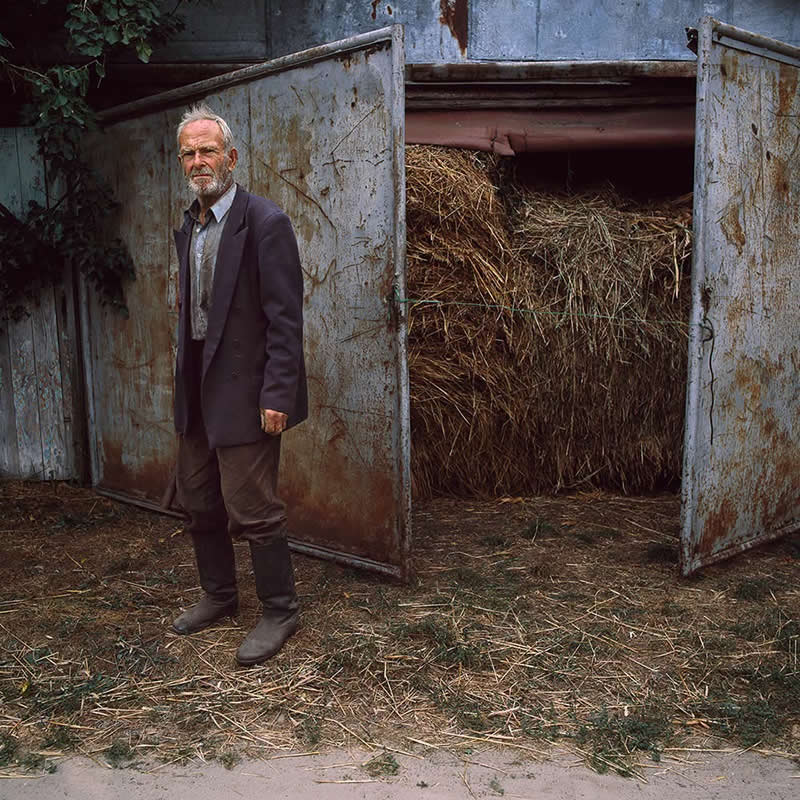
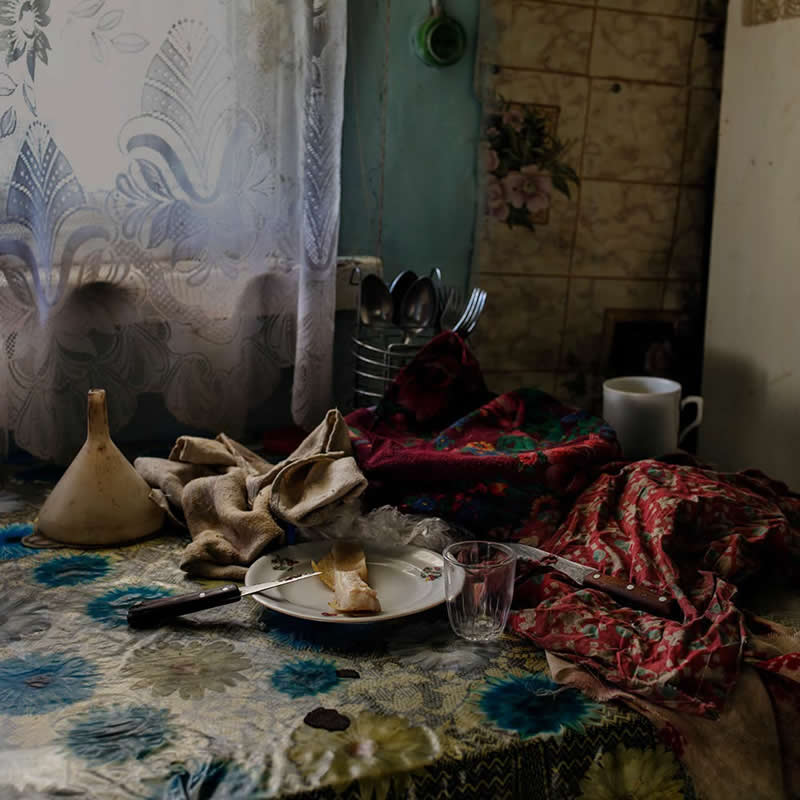
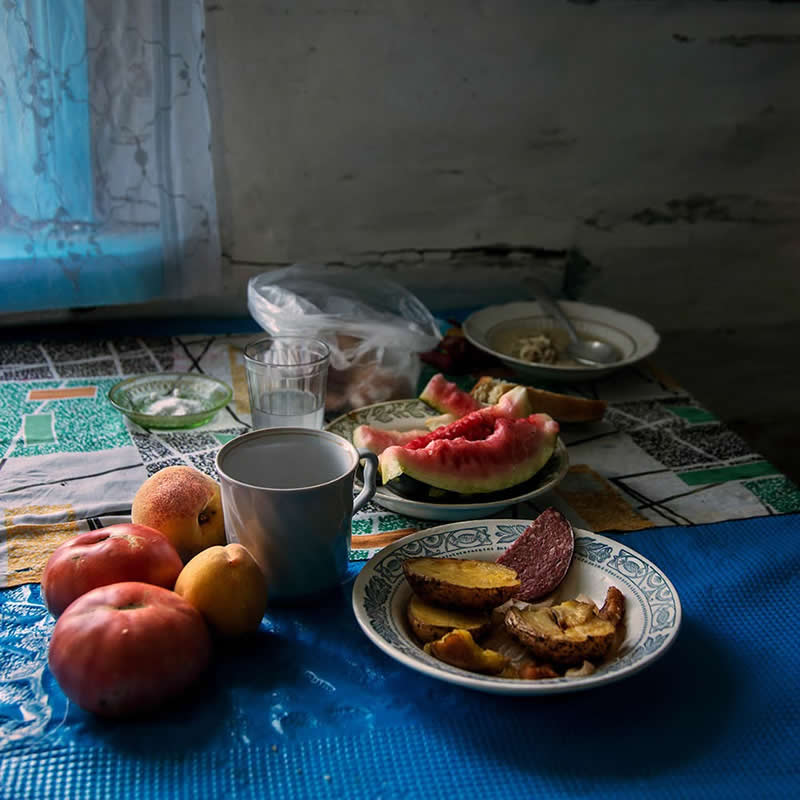
Over ten years, Sorochinski traveled back again and again, photographing these villages with patience, empathy, and deep respect. Her images don’t chase dramatic headlines or sensational moments. Instead, they quietly reveal everyday life: weathered hands, aging faces, modest homes, family photographs, and traditions that have endured for generations but may not survive much longer.
What makes this work so powerful isn’t just its beauty. It’s the realization that every photograph becomes a piece of history. These people aren’t simply posing for portraits; they’re carrying stories, customs, and memories that could disappear with them. Lands of No Return reminds us that culture isn’t only found inside museums or history books. Sometimes it’s on a wooden porch, tending a garden, or sharing memories that only one person left alive can still tell.
You can find more info about Viktoria Sorochinski:
#1
#2
#3
#4
#5
A Personal Journey That Became a Cultural Archive
Every meaningful documentary project starts with a reason, and for Viktoria Sorochinski, that reason was deeply personal. She wasn’t chasing an assignment or following a trend. She was trying to reconnect with her roots. Growing up, visits to her grandparents’ village were filled with warmth, family traditions, and simple joys that shaped her childhood. When she returned years later, it felt like opening an old photo album and discovering many of its pages had vanished.
That emotional connection changed everything about the way she photographed these communities. Instead of treating villagers as subjects, she approached them like neighbors whose stories deserved to be heard. As a result, the trust between photographer and resident feels present in every frame. The collection feels intimate rather than observational, and it is less about documenting decline than honoring lives that quietly built generations of Ukrainian culture.
#6
#7
#8
#9
#10
The Last Guardians of Ukraine’s Rural Traditions
Traditions don’t disappear overnight. They fade little by little when fewer people remain to practice them, and that gradual loss is one of the biggest themes running through Lands of No Return. The elderly villagers photographed by Sorochinski are more than individuals; they’re the last keepers of customs passed down through families for generations.
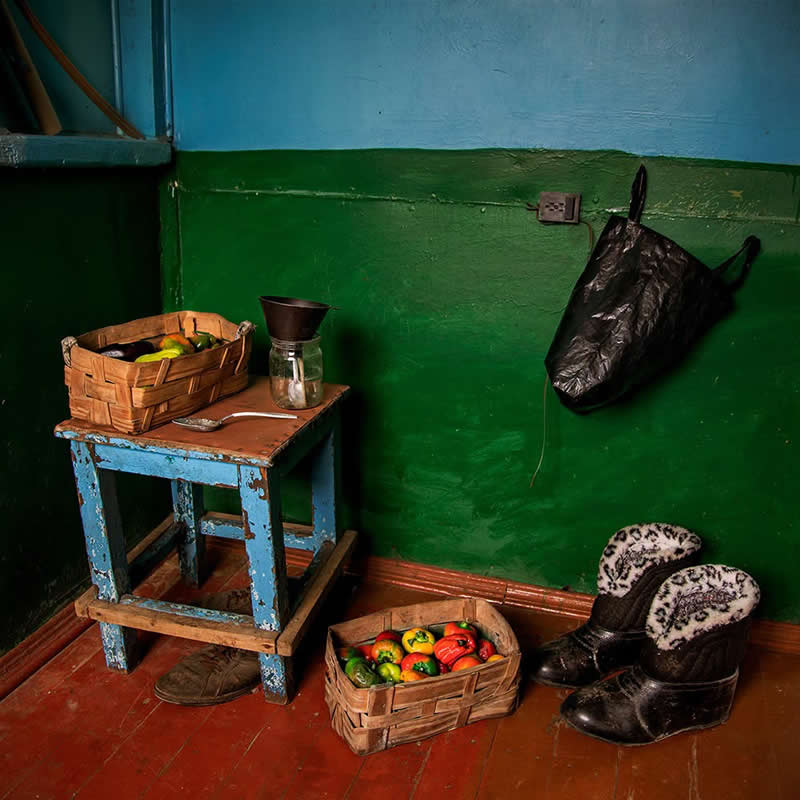
Many still maintain vegetable gardens, celebrate seasonal traditions, preserve handmade household items, and care for homes built decades ago. These routines might seem ordinary, but together they represent a living cultural heritage. As these residents are gone, much of that knowledge could vanish with them.
Sorochinski’s photographs remind us that history isn’t only about famous monuments or major events. It’s also found in everyday rituals, worn furniture, embroidered fabrics, handwritten letters, and familiar faces. Every portrait quietly asks the same question: Who will remember these stories when the storytellers are no longer here?
#11
#12
#13
#14
#15
Photography That Speaks Through Quiet Moments
Some photographers rely on action, bold colors, or dramatic scenes to capture attention. Sorochinski takes the opposite approach, slowing everything down and inviting viewers to pause and notice details they might otherwise overlook.
A single expression, soft afternoon light through an old window, peeling wallpaper, or a weathered wooden fence suddenly becomes emotionally powerful. Nothing feels staged, and everything feels lived in.
That’s what makes these images so memorable. They don’t shout for your attention; they earn it through honesty. Looking through the series feels almost like sitting quietly beside someone while they tell stories from decades ago. There’s no rush and no distractions, only human connection.
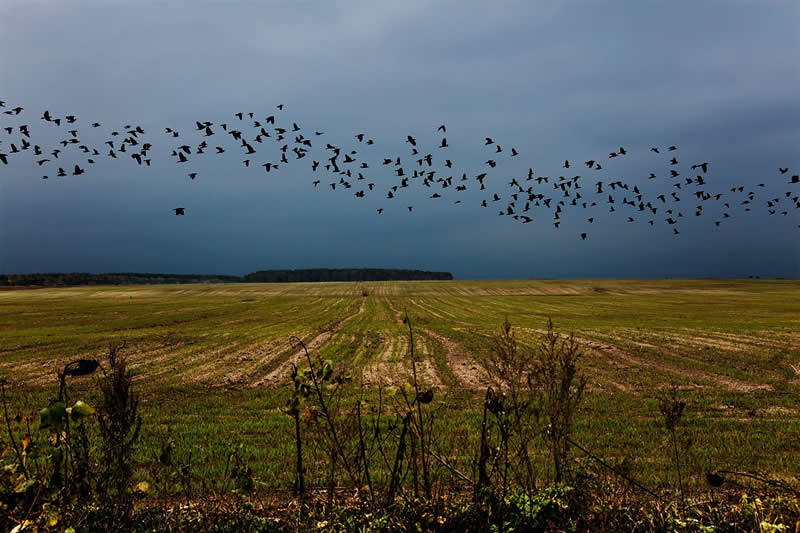
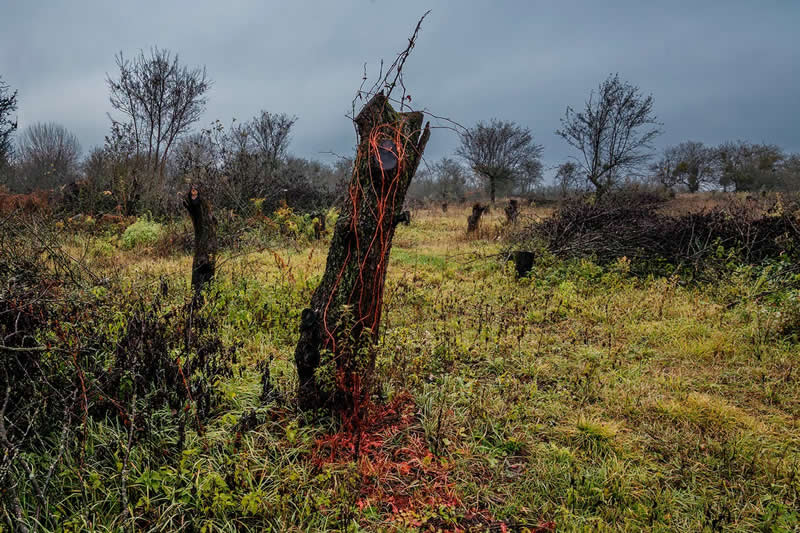
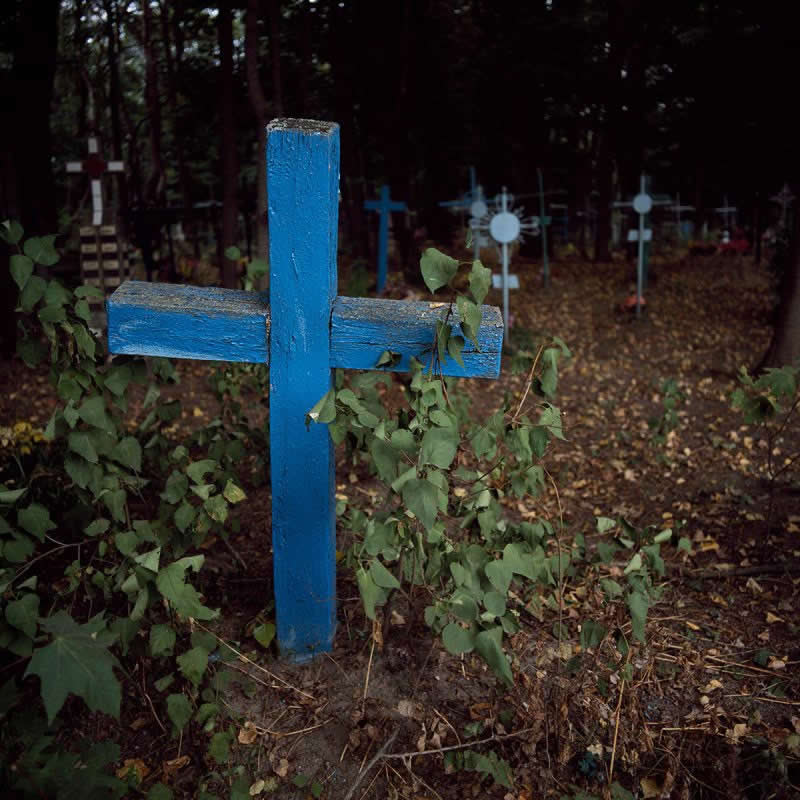
The silence inside many of these photographs is surprisingly loud. Empty roads, abandoned homes, and quiet landscapes say just as much as the portraits themselves. In some cases, what’s missing tells the biggest story of all.
#16
#17
#18
#19
#20
More Than Documentary Photography—A Tribute to Family
For Sorochinski, Lands of No Return is also an act of remembrance. Her grandfather and great-grandmother were born in one of these villages, and both are buried there. Because of that family connection, the project becomes something far beyond traditional documentary photography.
Every visit became a way of reconnecting with loved ones, preserving memories, and acknowledging the generations who came before her. That personal emotion runs throughout the series. The photographs never feel distant or clinical because they’re rooted in genuine affection.
This emotional honesty is what separates great photography from simply good photography. Viewers aren’t just observing unfamiliar places; they’re experiencing the photographer’s own relationship with them. Even people who’ve never been to Ukraine can recognize the universal feeling of wanting to preserve family memories before time quietly erases them.
#21
#22
#23
#24
#25
Why Lands of No Return Matters More Than Ever
Photography has an incredible ability to stop time, even if only for a fraction of a second. That’s exactly why this project carries so much weight today. With each passing year, fewer villagers remain, fewer traditions continue, and fewer authentic rural communities survive unchanged.
Sorochinski’s decade-long commitment has transformed these photographs into an invaluable historical record. Future generations may look at this collection not only as beautiful art but also as evidence of a way of life that once existed.
The project also reminds us to appreciate our own family histories before they fade. Maybe it’s calling your grandparents more often, scanning old family photographs, or simply listening when older relatives tell stories you’ve heard a hundred times. One day, those stories become priceless.
Lands of No Return isn’t simply about disappearing villages in Ukraine. It’s about memory, identity, belonging, and, above all, the quiet importance of remembering where we came from.
#26
#27
#28
#29
#30
#31
#32
Frequently Asked Questions:
What is Lands of No Return by Viktoria Sorochinski?
Lands of No Return is a long-term documentary photography project about Ukraine’s disappearing villages and their elderly residents. Through intimate portraits and rural landscapes, Viktoria Sorochinski preserves traditions, memories, and cultural heritage fading from modern life.
Why did Viktoria Sorochinski create this project?
Sorochinski created the series after returning to the Ukrainian villages where her grandparents once lived. Seeing nearly abandoned communities inspired her to document their people, traditions, and stories before they disappeared.
What themes are explored in Lands of No Return?
The project explores memory, aging, family heritage, cultural preservation, rural depopulation, identity, nostalgia, and documenting communities disappearing through migration, isolation, and changing generations.
Where is Viktoria Sorochinski based today?
Viktoria Sorochinski is a Ukrainian-born photographer and artist living and working in Berlin, Germany. She earned her Master of Fine Arts from New York University and has exhibited in more than 85 exhibitions across 25 countries.
Why is this photography project important today?
The series preserves authentic Ukrainian village life before it disappears. Beyond its artistic value, it serves as a historical archive, reminding future generations that everyday people, traditions, and ordinary places shape a nation’s cultural identity.