Certain photographers hunt for remarkable moments. John Loengard had the ability to discover them concealed within everyday life. He was born in New York City in 1934 and became interested in photography when he was only eleven, thanks to his father mentioning that they were going to buy a new camera after World War II. Soon afterwards, he was taking photographs while at high school and contributing them to the school newspaper. That wasn’t really a bad beginning.
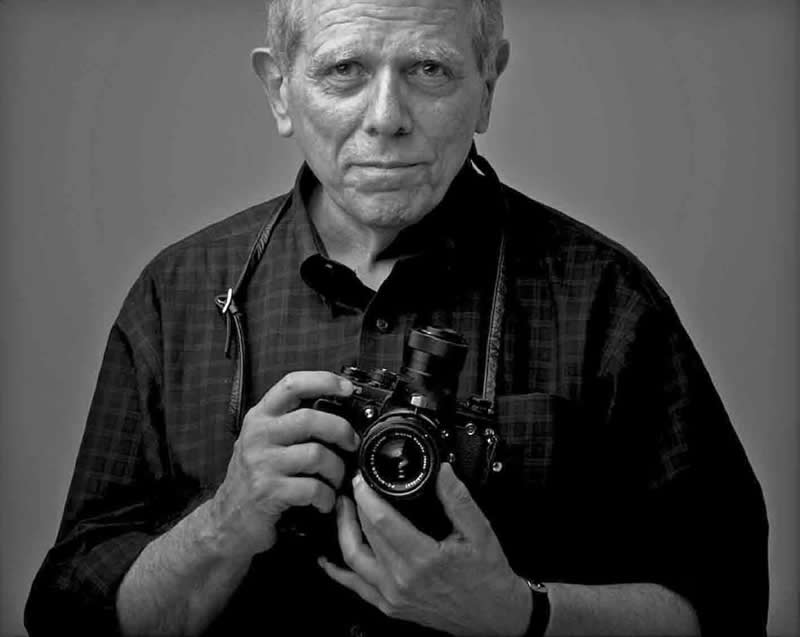
In 1956, Loengard, who was then a senior at Harvard College, was telephoned by LIFE magazine to take a photograph of a freighter which had run aground on Cape Cod; this single assignment eventually developed into a significant relationship with the magazine that had a major impact on the course of his career.
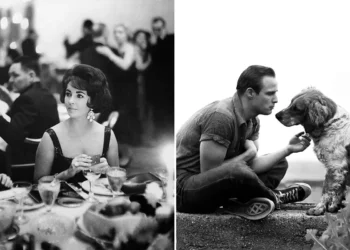
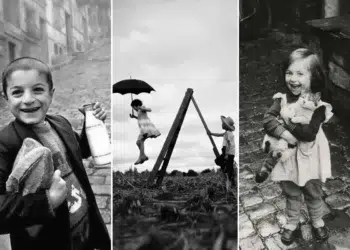
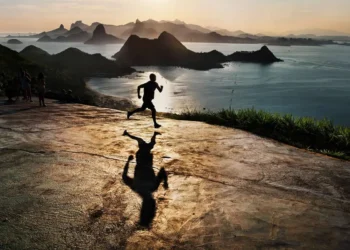
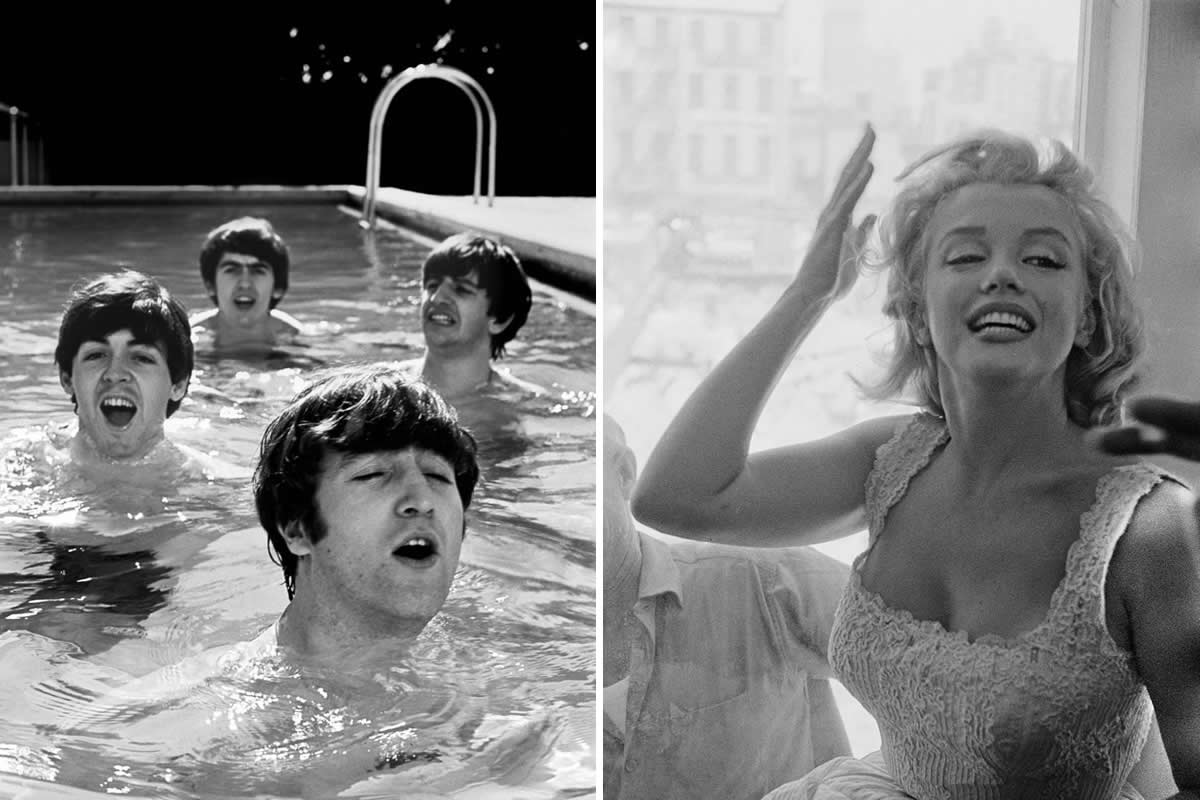
What makes Loengard so interesting is that he wasn’t content just to record events. He also wanted photographs to convey emotion. His photographs of “The Shakers” and his work with Georgia O’Keeffe were acclaimed for blending observation with a personal touch.
Loengard described his photographic heroes, Henri Cartier-Bresson, W. Eugene Smith, and Robert Frank, as artists who combined emotion with reportage; this concept became the foundation of his own work. If you look at his photographs, you will see why. The camera was not merely recording life; it was also interpreting it.
You can find more info about John Loengard:
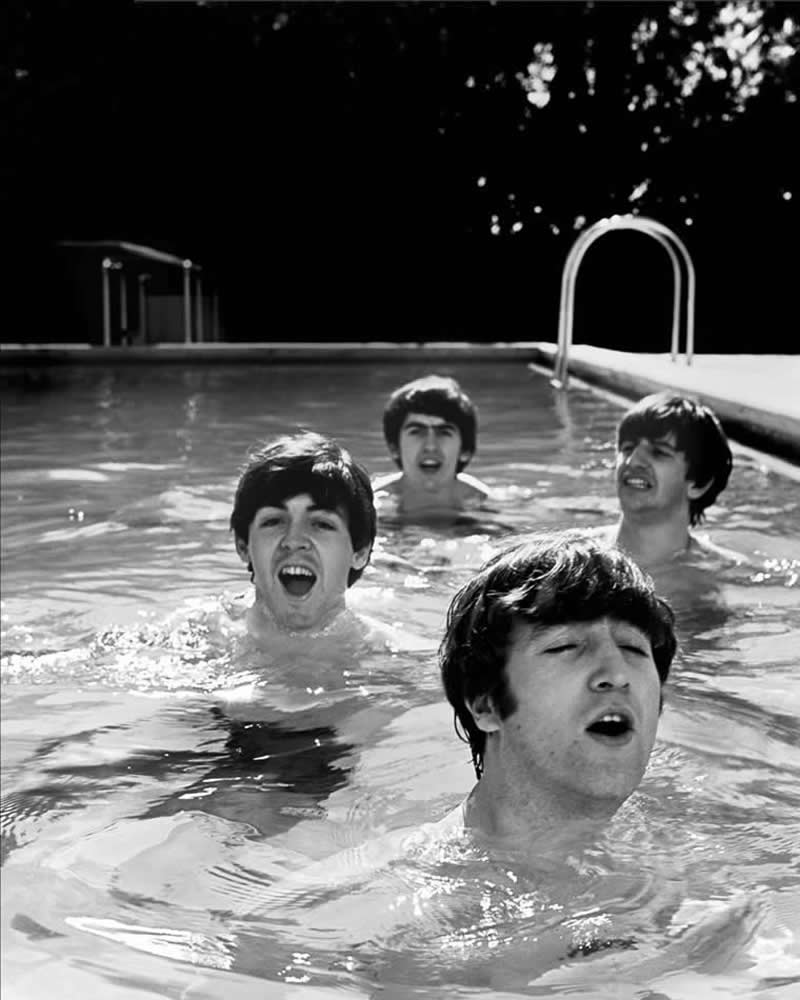
© John Loengard
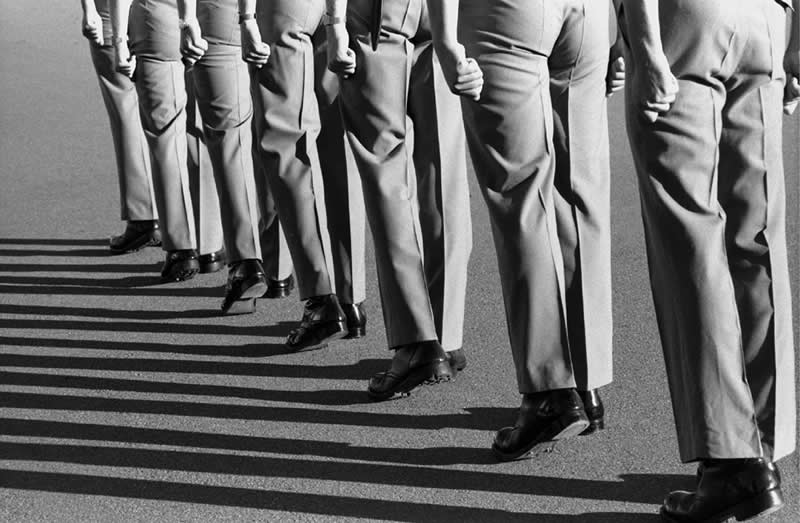
© John Loengard
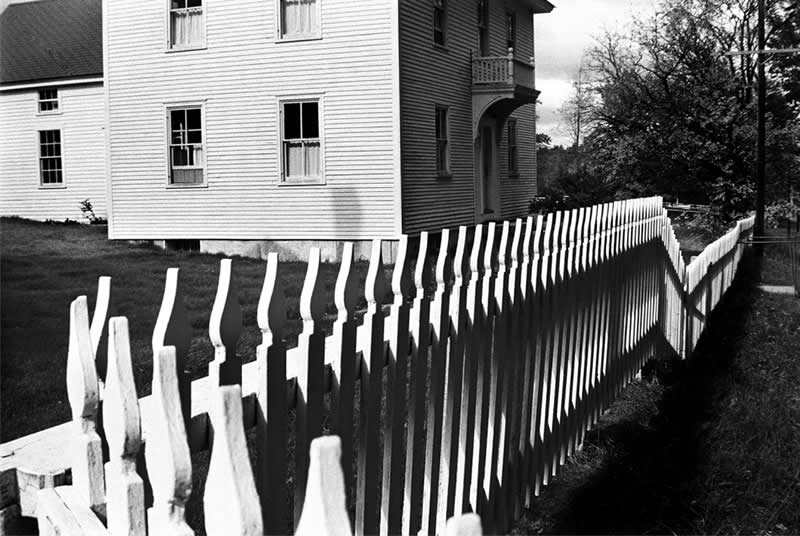
© John Loengard
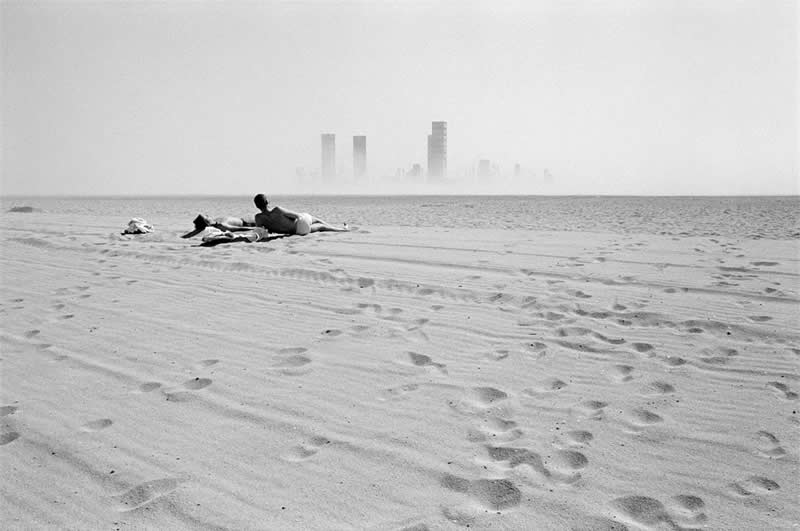
© John Loengard
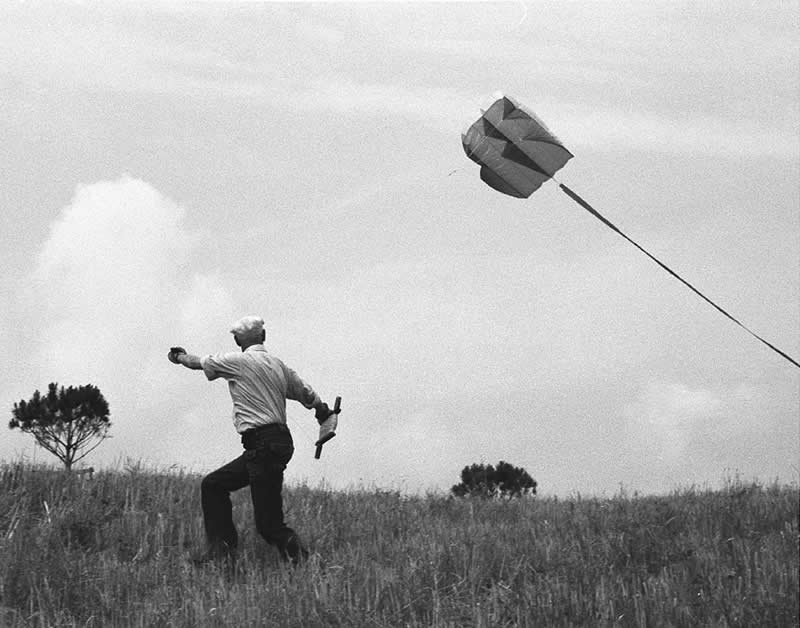
© John Loengard
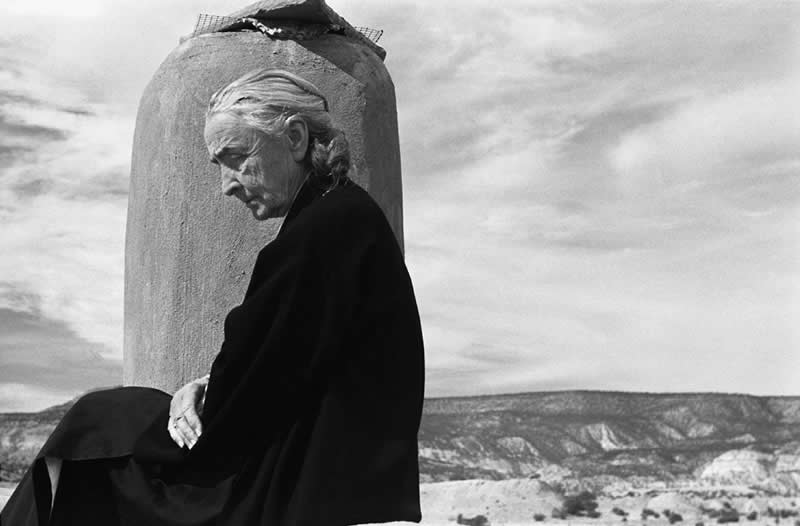
© John Loengard
A Young Photographer Finds His Calling
Loengard’s association with photography started rather early. When he was eleven years old he became interested in getting a camera, and that interest soon turned into action. By the time he reached high school he had already begun to take photographs for the school newspaper, having soon realised the basic lesson which every serious photographer eventually comes to understand: you have to be there when the moment occurs.
His major opportunity came in his final year at Harvard in 1956 when LIFE magazine asked him to go to Cape Cod and take photographs of a freighter that had run aground. It must have seemed like a big deal to be a university student being given a task by one of the most prominent magazines in American photography. No pressure, then, had it?
The position gave rise to a long-term relationship with LIFE and started a career which was based on observation, patience, and a natural ability to spot significant moments.
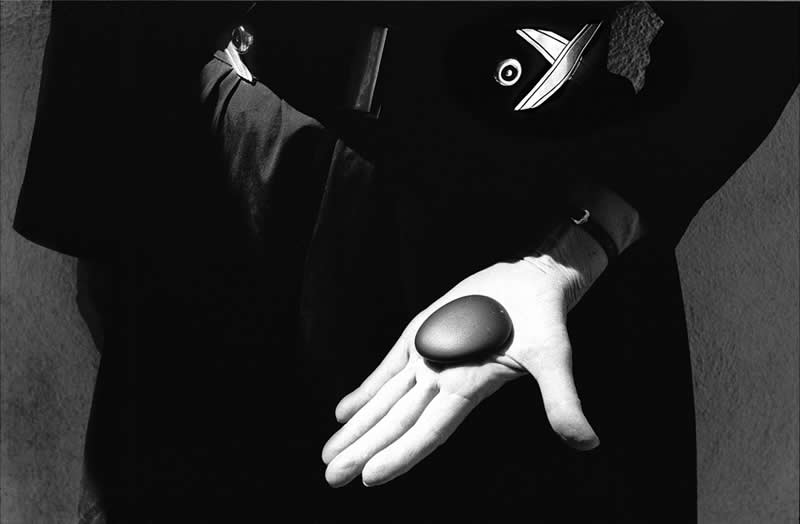
© John Loengard
© John Loengard
© John Loengard
© John Loengard
© John Loengard
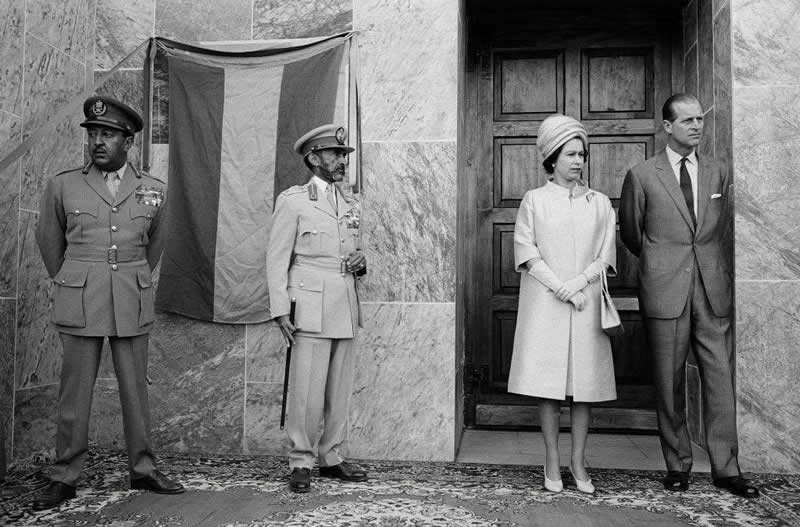
© John Loengard
Learning to Mix Emotion With Documentary Photography
Loengard understood a point which is easy to overlook—that documentary photography needn’t seem cold. A photograph is able to inform you about what took place while at the same time showing the photographer’s feelings regarding what they were seeing.
His influences made the philosophy clear. He respected Henri Cartier-Bresson, W. Eugene Smith, and Robert Frank since they went beyond merely presenting the basic facts in their photographs; they included emotion, personality, and interpretation.
Loengard had a desire to carry out the same action.
This method gave his work a special character since he wasn’t just taking evidence with a camera but was in fact searching for atmosphere, human behaviour, the relationships between people, and those small visual details which make a picture come to life; it is probably for that reason that his photographs still have a surprisingly intimate feeling after so many decades.
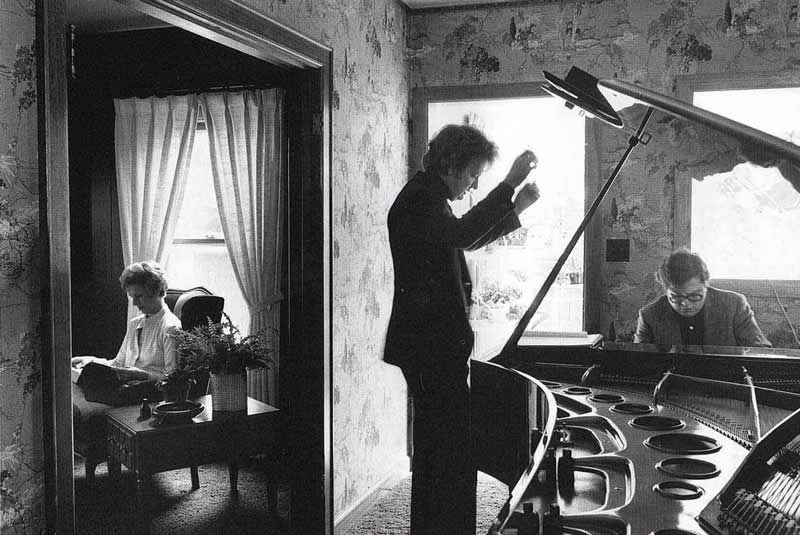
© John Loengard
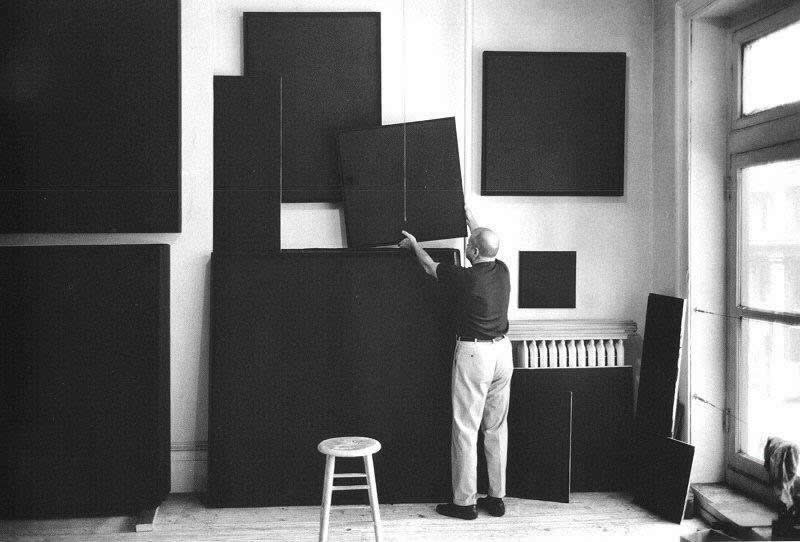
© John Loengard
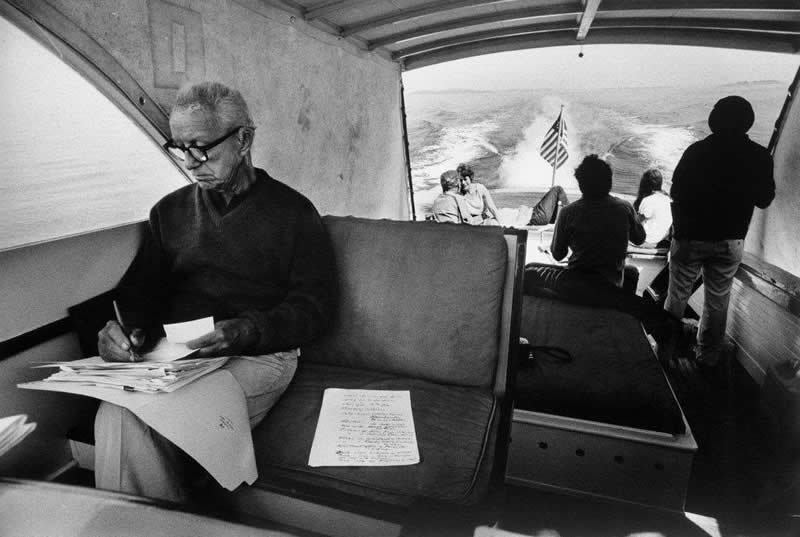
© John Loengard
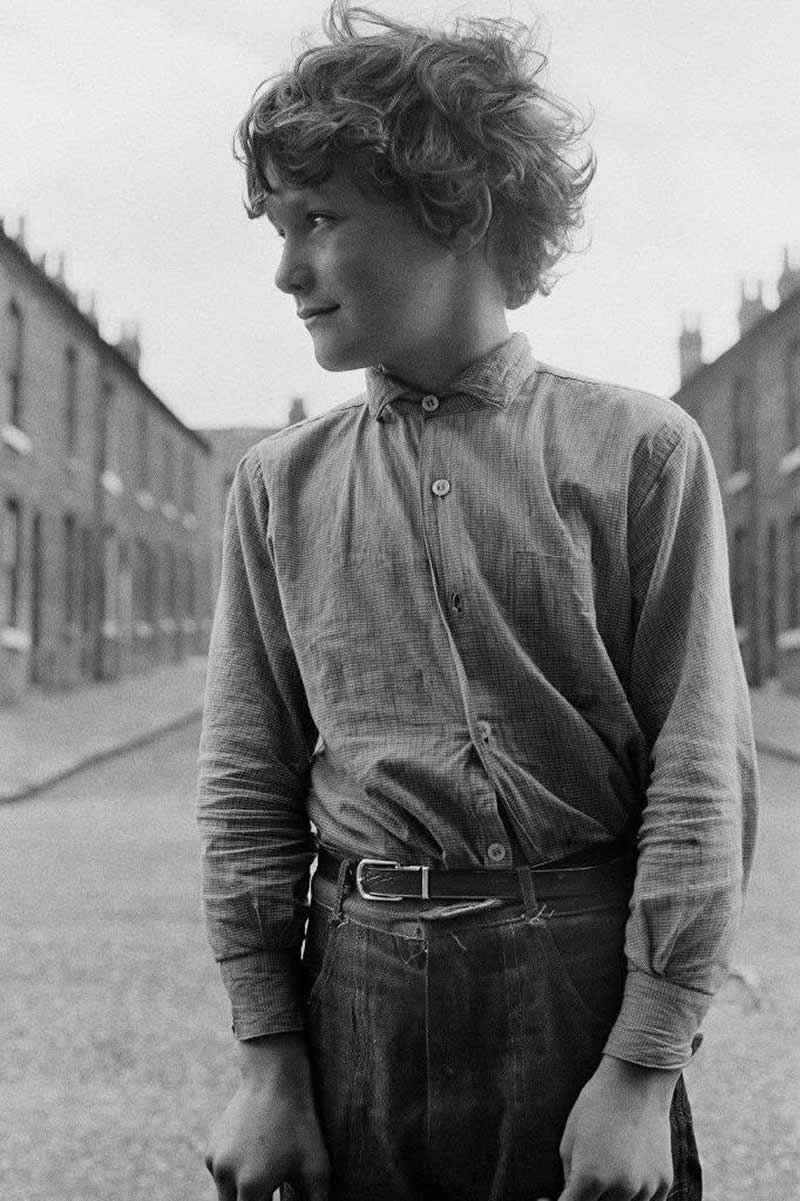
© John Loengard
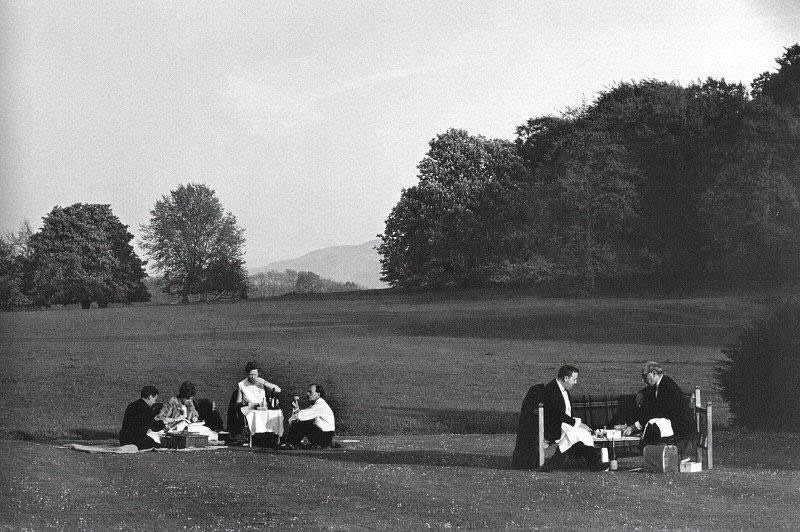
© John Loengard
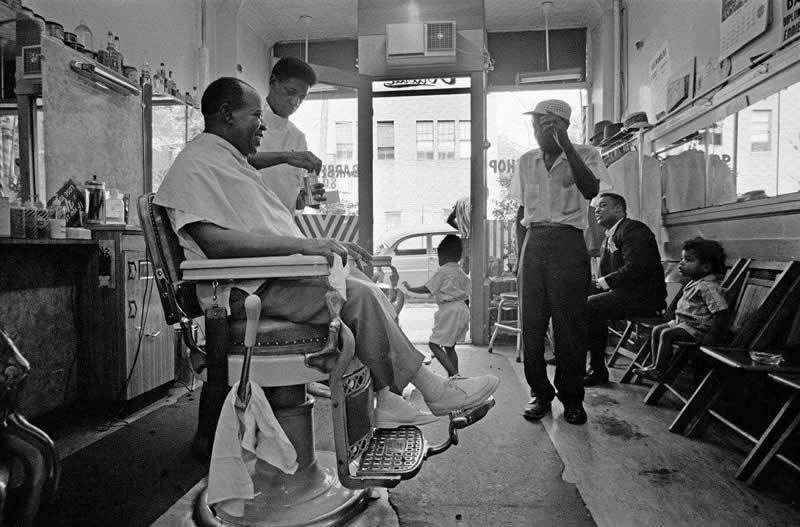
© John Loengard
From The Shakers to Georgia O’Keeffe
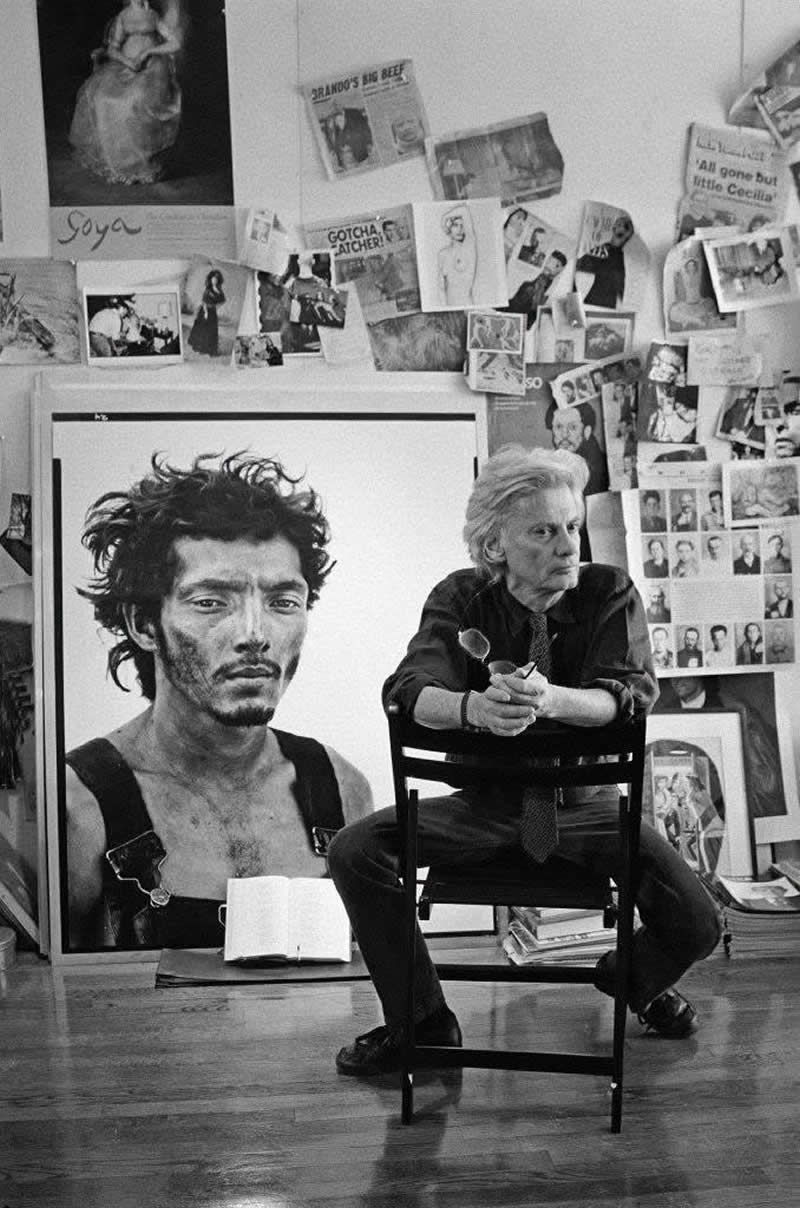
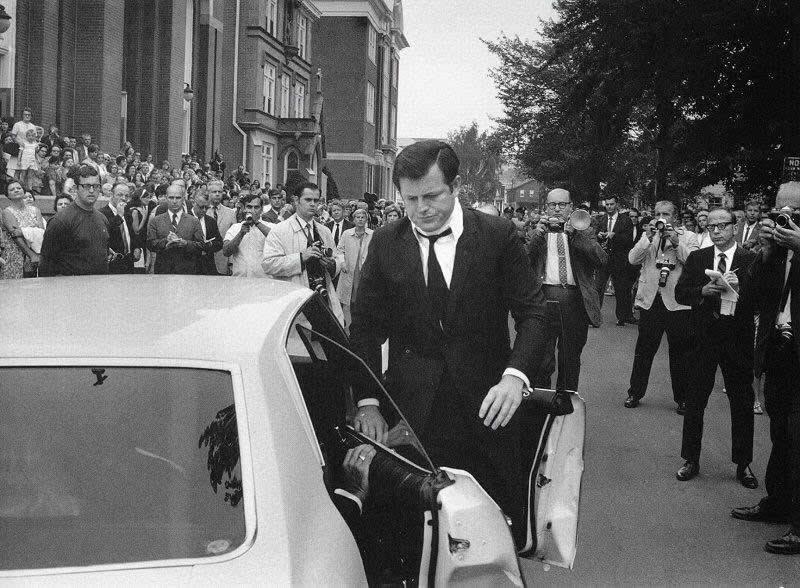
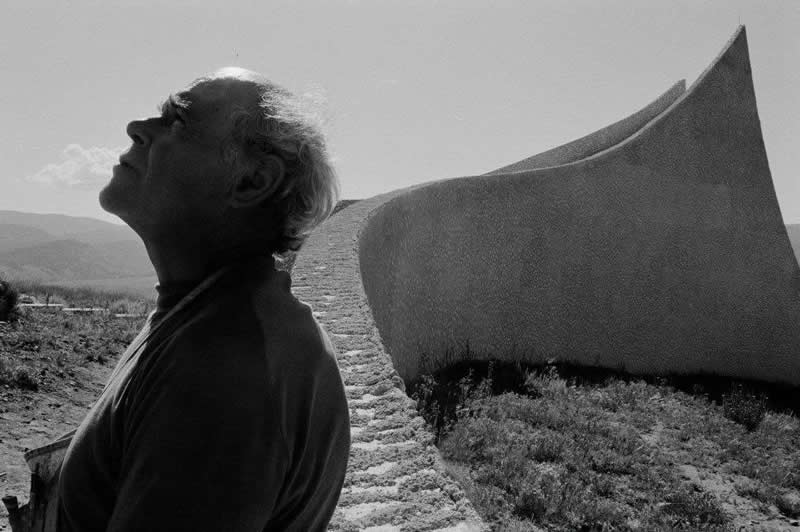
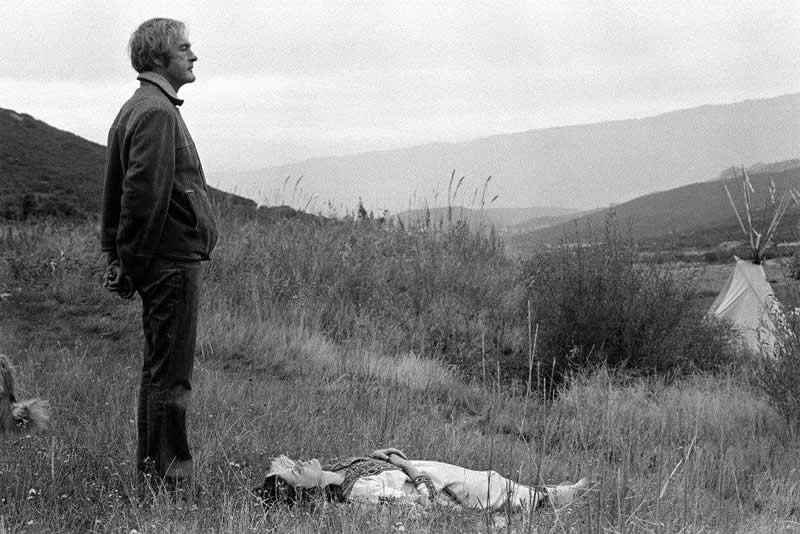
The Shakers and the artist Georgia O’Keeffe are particularly good examples of Loengard’s skill in creating photographic narratives; the photographs in question were not simply quick shots inserted into a magazine layout but rather careful visual essays designed to make viewers take the time to look.
It was necessary to exercise sensitivity when photographing a community like the Shakers, since their way of life, beliefs, surroundings, and traditions presented a world that could easily be turned into stereotypes. Rather than merely observe, Loengard approached the subject with curiosity and care.
His photographs of O’Keeffe show another aspect of his storytelling; instead of viewing the famous artist merely as a subject for a celebrity portrait, he looked into the person and the environment behind the public image.
The difference between taking someone’s picture and actually photographing their world lies in that.
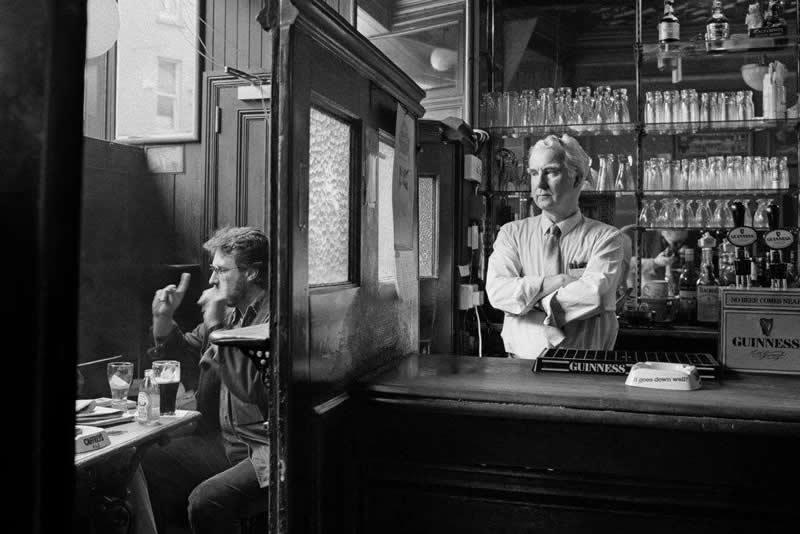
© John Loengard
© John Loengard
© John Loengard
© John Loengard
© John Loengard
© John Loengard
The Picture Editor Behind LIFE and People
Loengard’s impact wasn’t confined to the photographs he took himself; he also played a significant role in shaping how magazines used photographs.
When LIFE stopped publishing on a weekly basis in 1972, Loengard took a position with Time Incorporated’s Magazine Development Group as picture editor of LIFE Special Reports; and later, while the People magazine was being created, he acted as picture editor both during its conception in 1973 and during its first three months of publication in 1974.
He later helped restore LIFE as a monthly magazine in 1978 and continued as its picture editor until 1987.
Take that for a moment. Loengard wasn’t just producing pictures; he helped decide which pictures should receive attention and how visual stories should be told to millions of readers.
© John Loengard
© John Loengard
© John Loengard
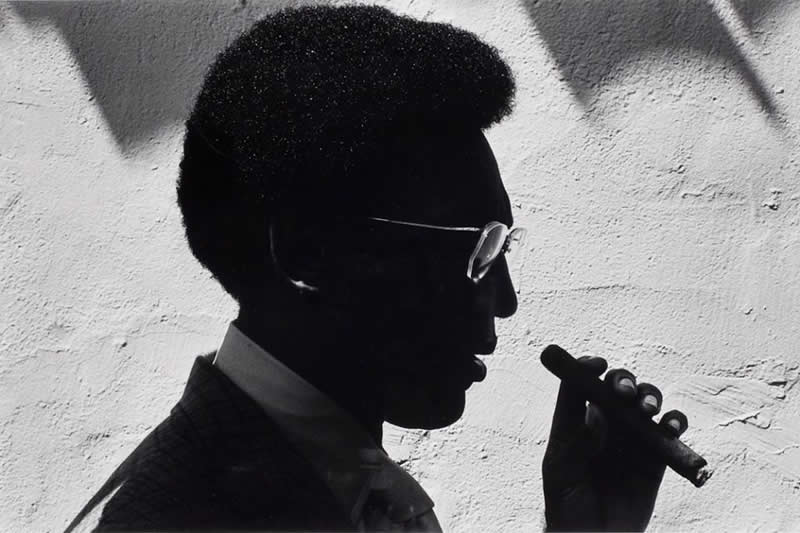
© John Loengard
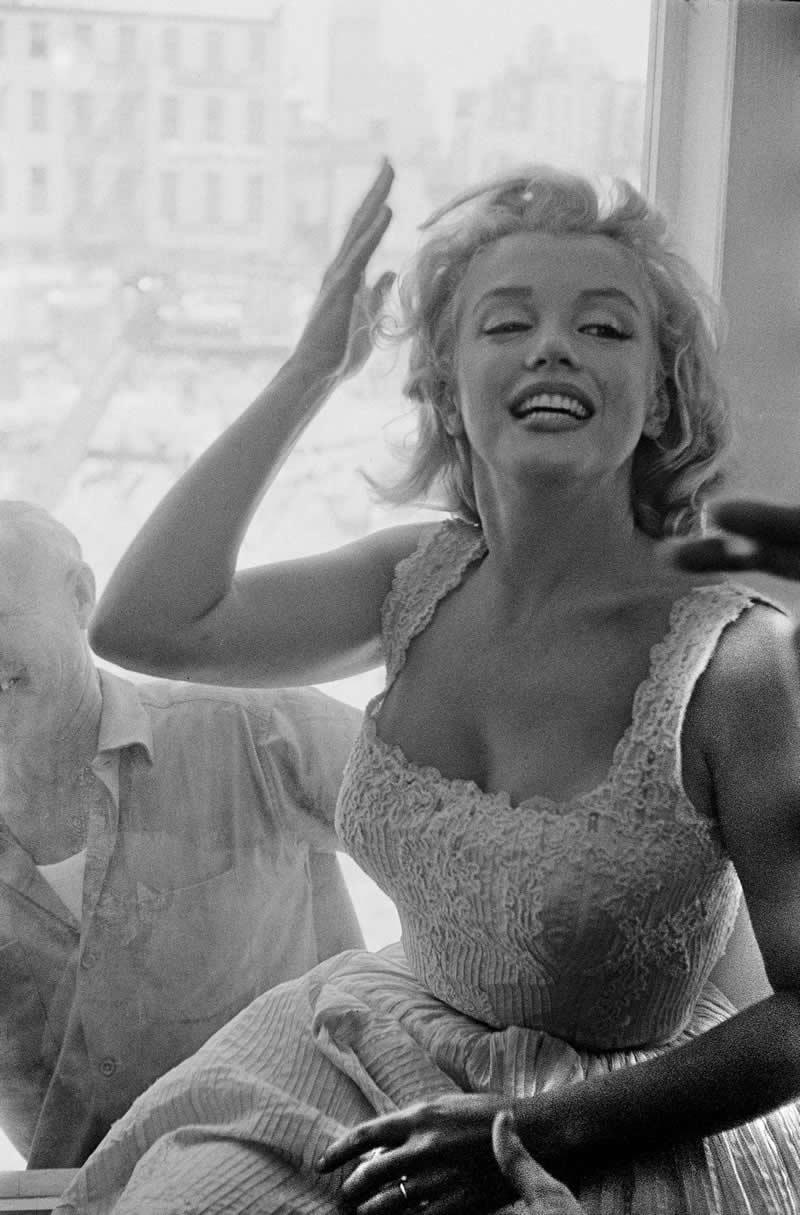
© John Loengard
A Lasting Legacy in American Photography
Even after leaving his LIFE picture-editor role, Loengard continued photographing for LIFE and other publications while also writing ten books; his influence ultimately extended well beyond magazine pages.
In 2005, American Photo named him one of the 100 most influential people in photography. In 2018, he was inducted into the International Photography Hall of Fame, another recognition of a career that connected documentary photography, editorial storytelling, and visual history.
Loengard passed away from heart failure in Manhattan on 24th May 2020; he was 85 years old.
But his work doesn’t feel stuck in the past. That’s what makes it interesting. His photographs still remind us that excellent documentary photography is not just about coming across something unusual. It can also be about observing ordinary life with enough patience to see what everybody else has overlooked.
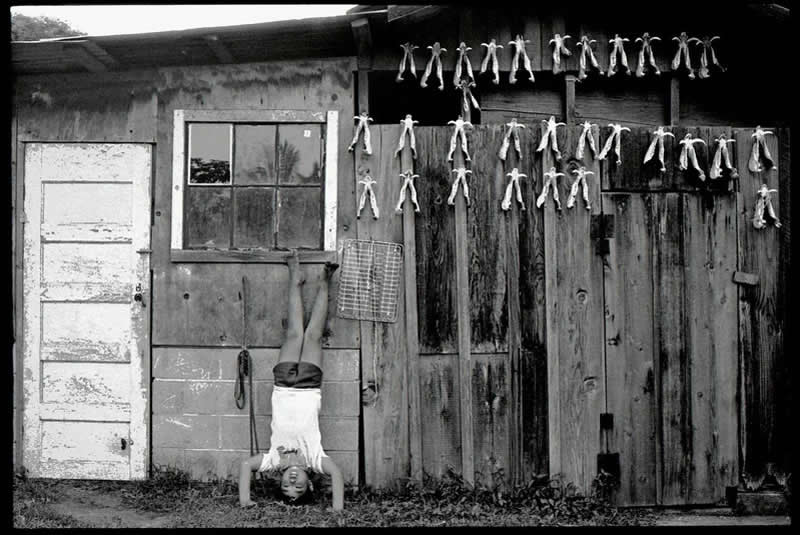
© John Loengard
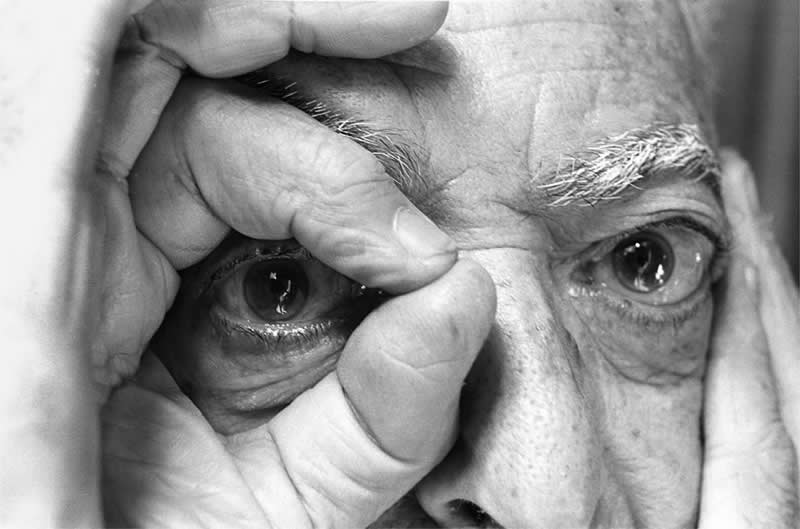
© John Loengard
Frequently Asked Questions:
What was John Loengard’s identity?
John Loengard was a prominent American photographer and picture editor who was most famous for his long-standing connection with LIFE magazine; among his documentary works were highly regarded photographic essays on topics such as the Shakers and Georgia O’Keeffe.
When did John Loengard start working with LIFE magazine?
Loengard started his lengthy association with LIFE in 1956 when he was a senior at Harvard College; for this purpose the magazine asked him to take photographs of a freighter which had run aground on Cape Cod.
What was it that made John Loengard’s photography stand out?
Loengard mixed documentary observation with his own personal feelings. Drawing inspiration from photographers such as Henri Cartier-Bresson, W. Eugene Smith, and Robert Frank, he thought that good reportage was able to convey both facts and emotions.
Which magazines did John Loengard contribute to in shaping them?
Loengard held key picture-editing positions with LIFE and People; he was involved in the LIFE Special Reports, helped to shape People when it was first launched, and later had an important role in LIFE’s return as a monthly magazine.
What awards did John Loengard receive?
Loengard was named one of the 100 most influential people in photography in 2005 by American Photo, and in 2018 he was inducted into the International Photography Hall of Fame as a result of his lasting contribution to the field.