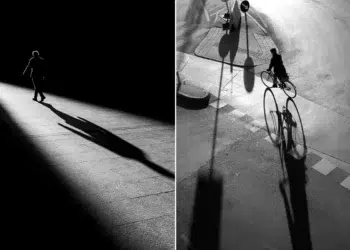
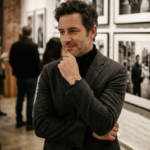
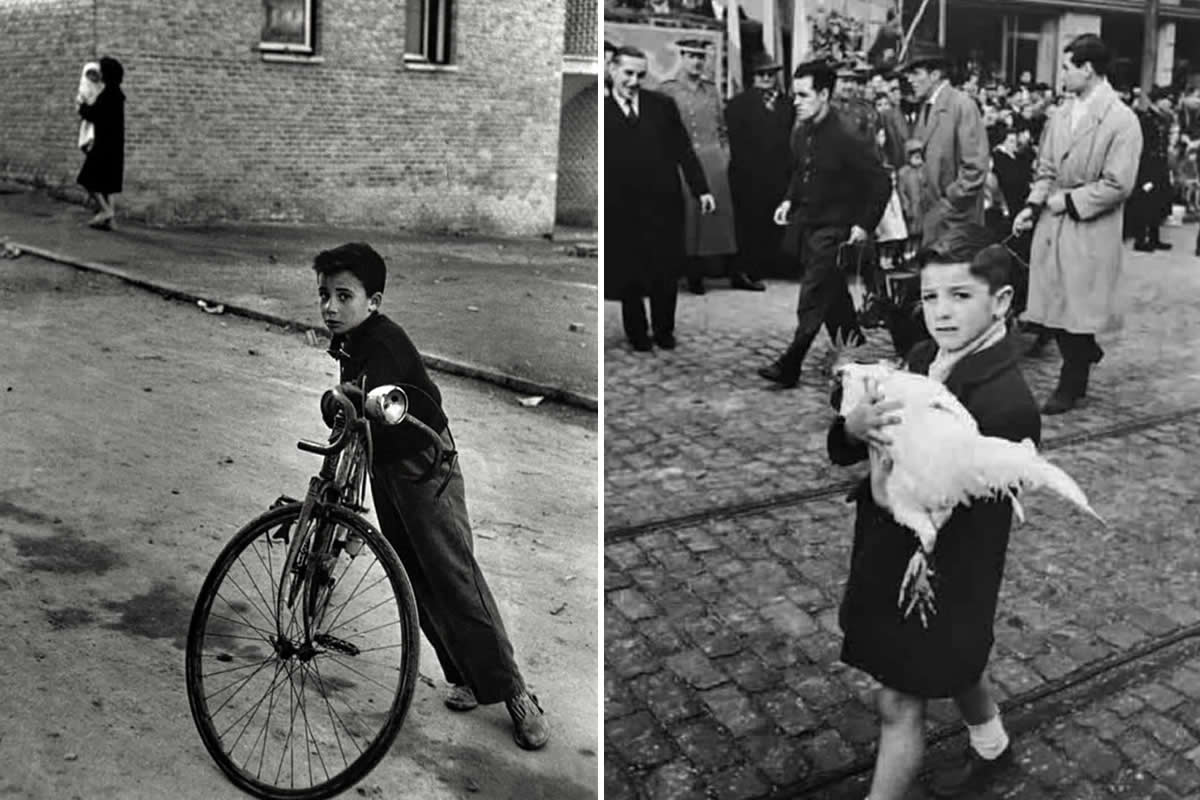
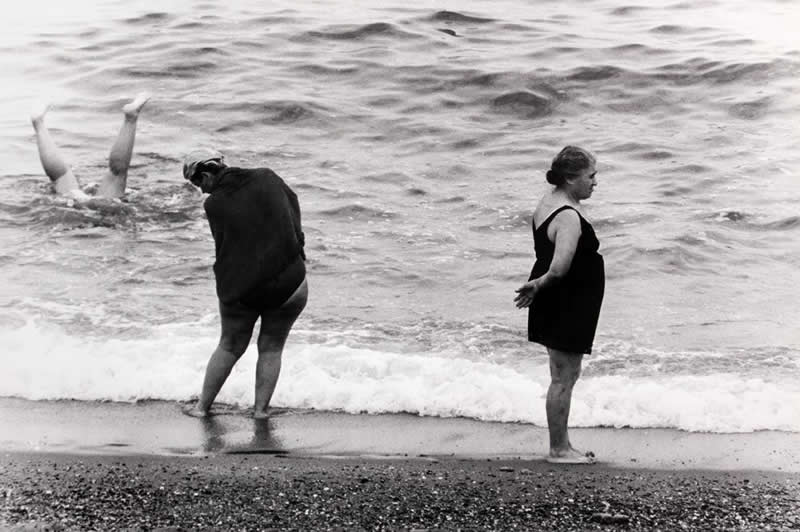
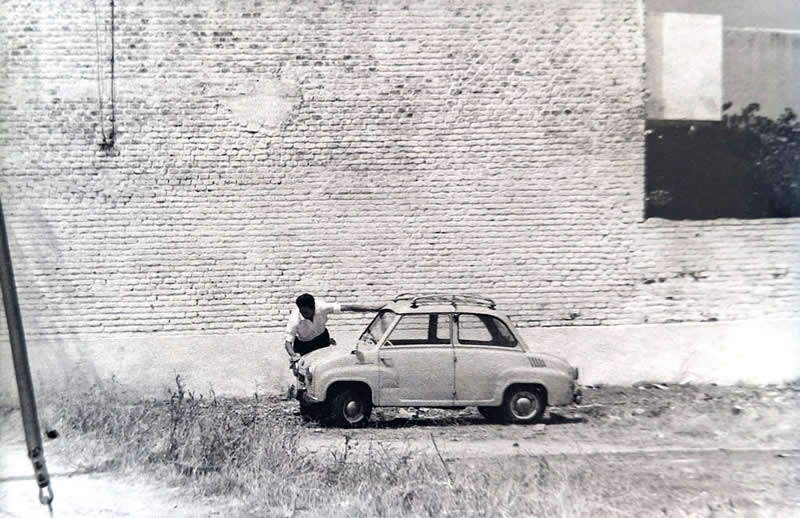
In the world of European photography, few names carry the quiet emotional power of Francisco Ontañón. While many photographers chased spectacle, Ontañón chased truth. His camera moved through the streets, cafés, villages, editorial offices, and intellectual circles of Spain with remarkable patience and humanity. What makes his work unforgettable isn’t dramatic staging or flashy techniques; it’s the way he captured people exactly as they were, suspended between history and everyday life.
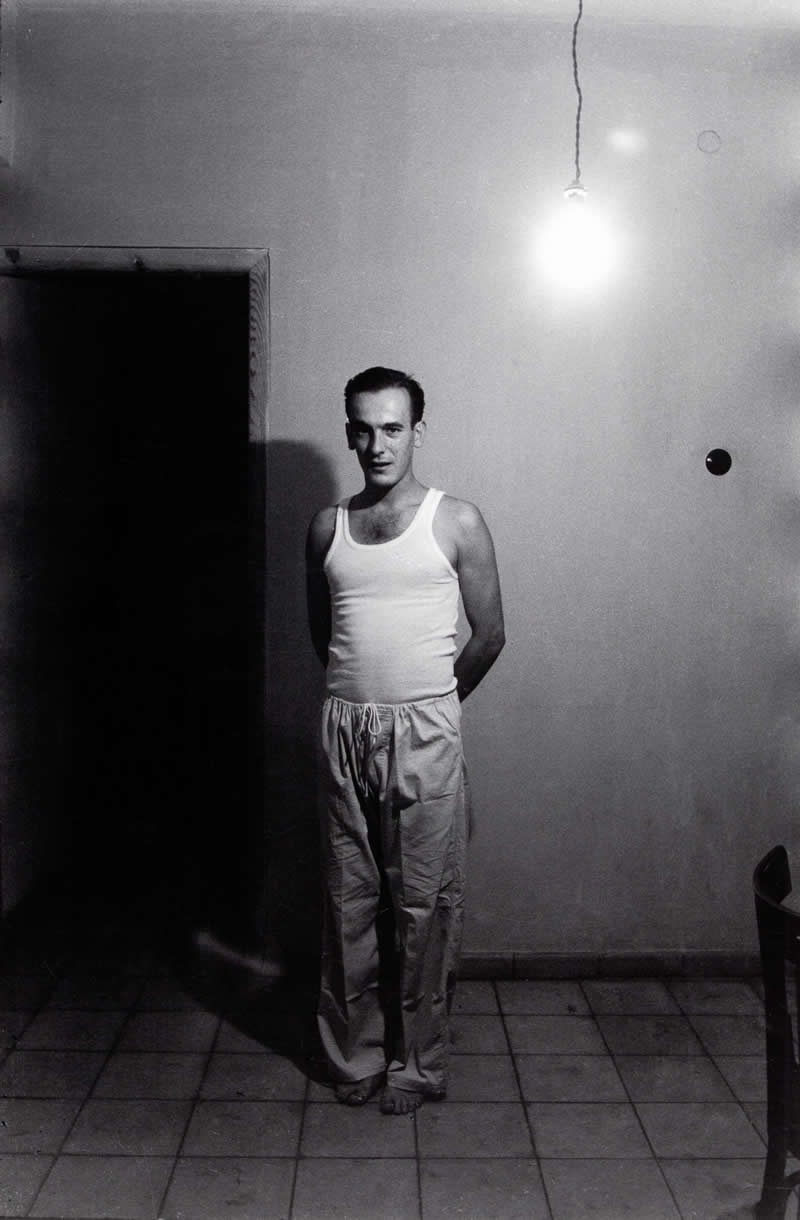
Born in Barcelona in 1930 and later professionally based in Madrid, Ontañón emerged during one of the most politically complex periods in Spanish history. Spain was still living under the shadow of post-war Francoism, and creative expression often existed inside strict cultural boundaries. Yet Ontañón found a visual language that felt deeply modern, honest, and emotionally intelligent. His photography became a bridge between classic documentary realism and the cultural awakening Spain experienced during the 1960s and 1970s.
Working with influential publications like Triunfo, Destino, and La Actualidad Española, he transformed editorial photography into something poetic and cinematic. Whether photographing celebrated writers, anonymous workers, or remote Spanish landscapes, Ontañón brought dignity and narrative depth into every frame. His images now stand not only as artistic achievements but as a living archive of a society navigating change, identity, and memory. Decades later, his photography still feels intimate, timeless, and profoundly human.
You can find Francisco Ontañón on the web:
#1
#2
#3
#4
#5
The Early Years That Shaped Francisco Ontañón’s Vision
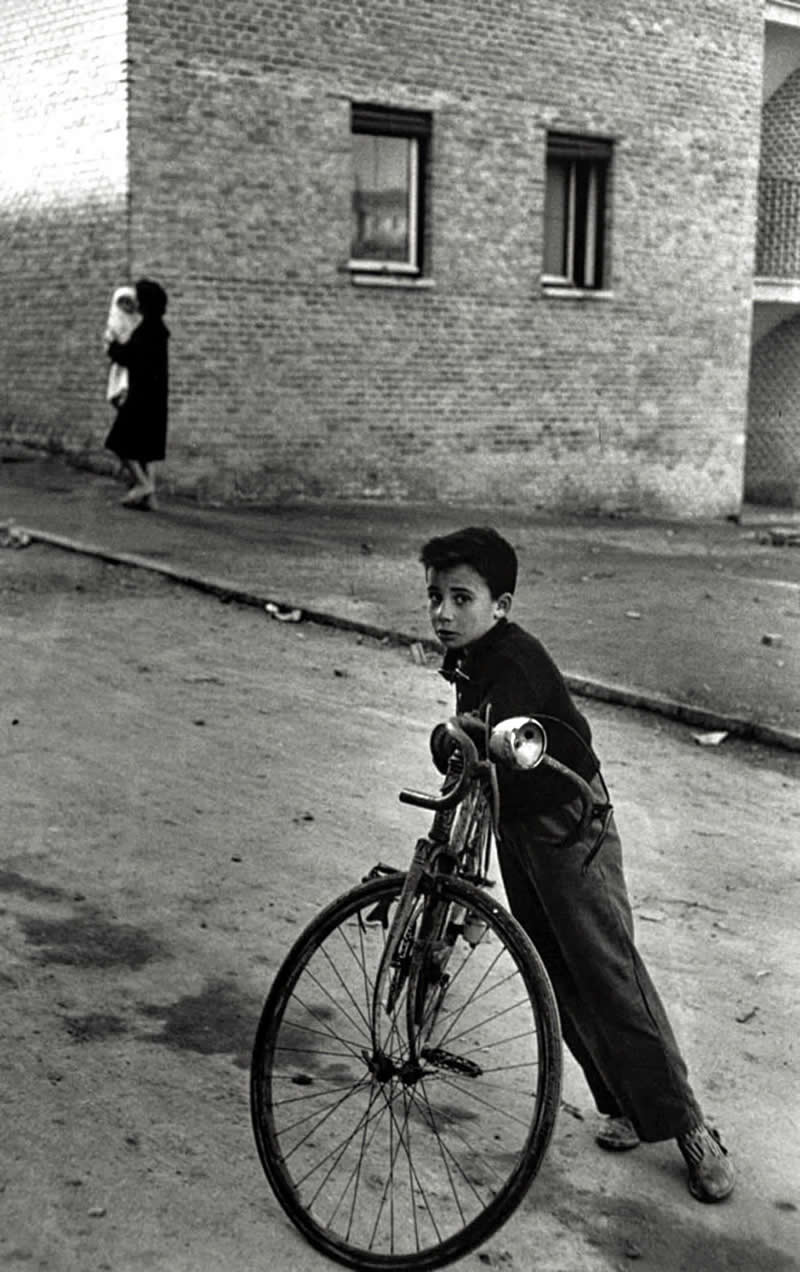
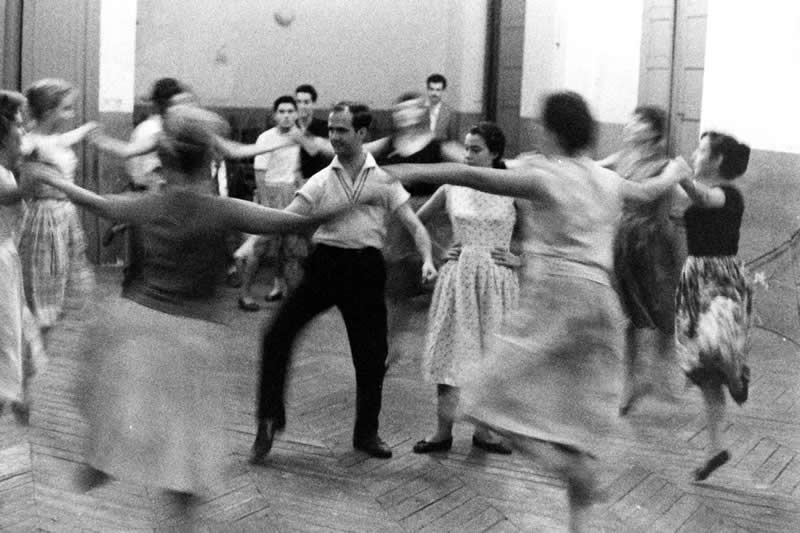
The roots of Francisco Ontañón’s photography were built during the difficult post-war years of Spain. Growing up in a nation struggling under political tension and cultural restriction, he developed a strong sensitivity toward ordinary human experiences. Unlike many modern photographers trained through institutions, Ontañón learned photography through direct practice, observation, and constant experimentation.
That self-taught journey gave his work emotional honesty and natural realism. Barcelona introduced him to urban culture and social diversity, while Madrid later connected him with creative circles that expanded his editorial career. His early photographs already displayed the calm storytelling style that would define his legacy for decades. Instead of chasing sensational moments, he quietly documented daily life with empathy and visual intelligence. Those early experiences helped him create photography that felt deeply human, timeless, and emotionally connected to Spain’s reality.
- Self-taught photographer shaped by practical experience.
- Influenced heavily by post-war Spanish society.
- Developed emotional realism through observation.
- Barcelona and Madrid shaped his artistic identity.
- Early work focused on everyday human stories.
#6
#7
#8
#9
#10
How Editorial Photography Became His Creative Playground
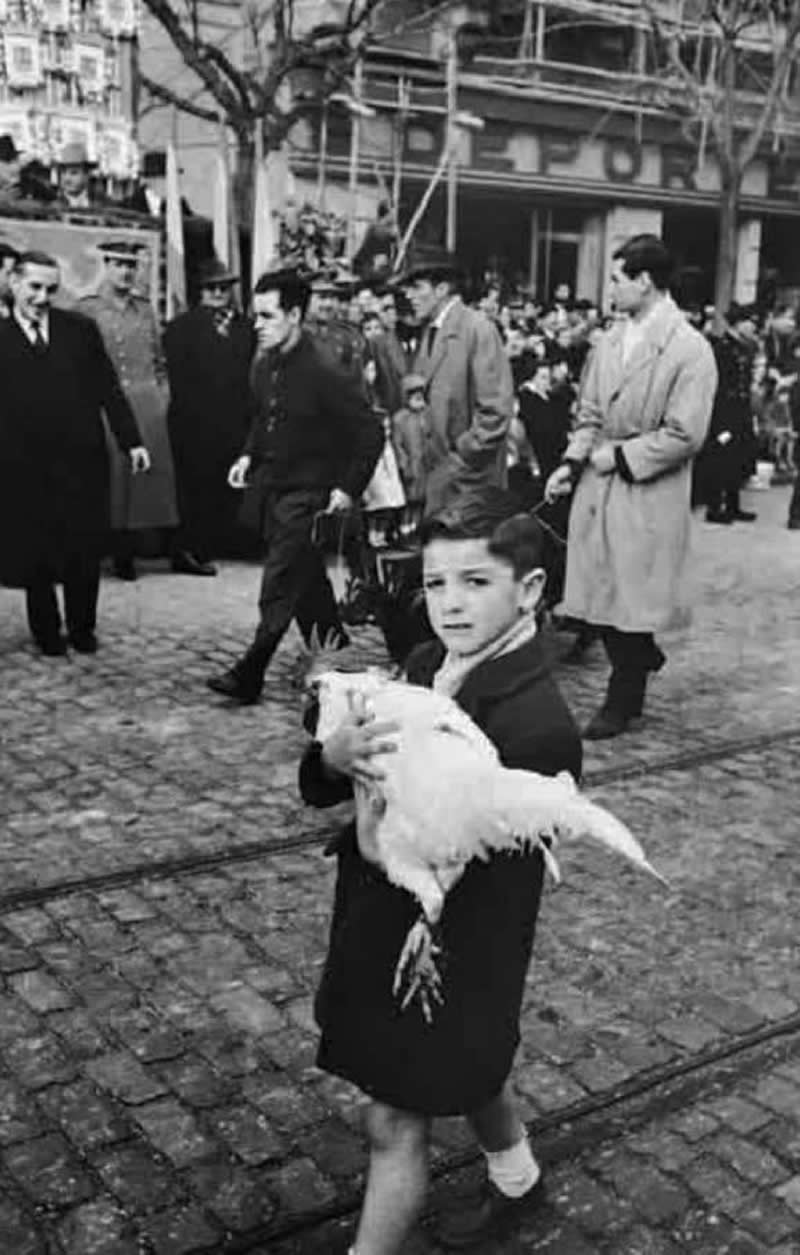
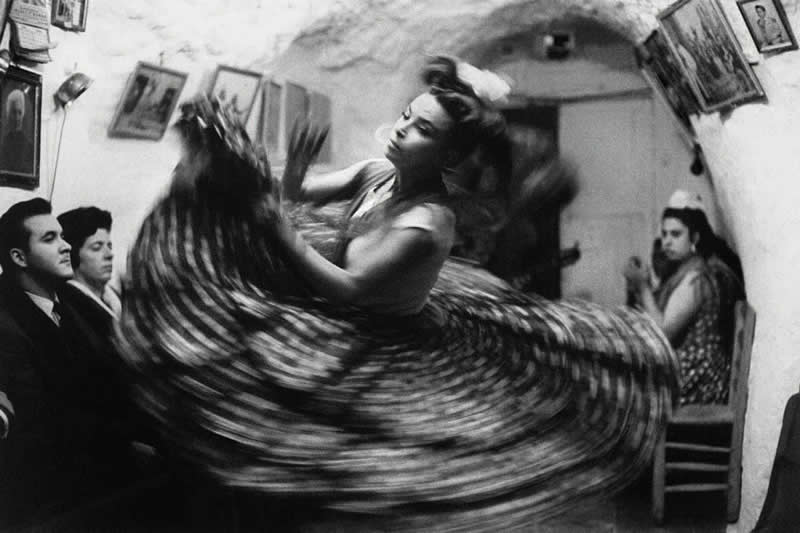
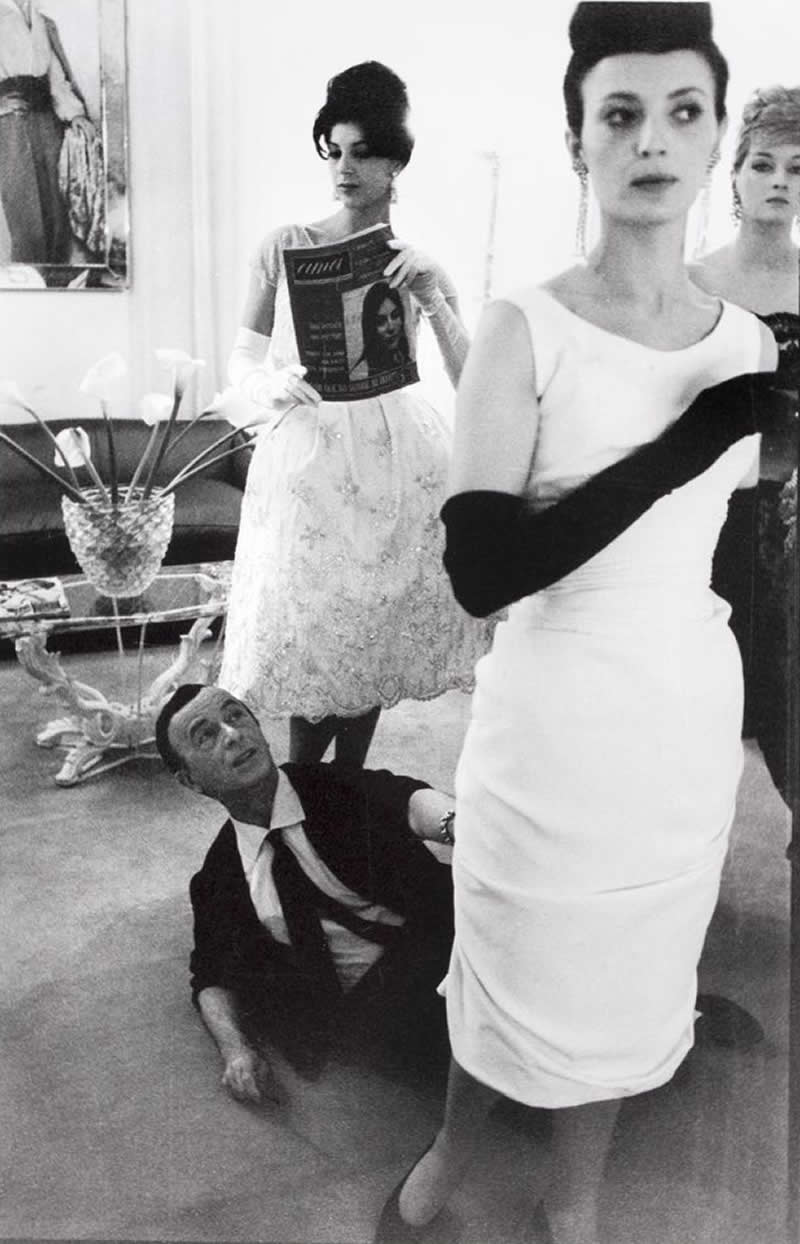
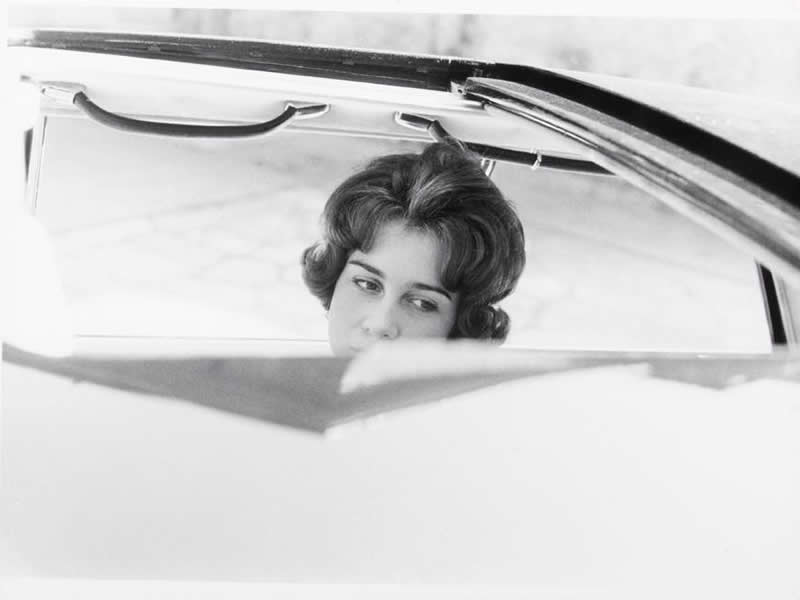
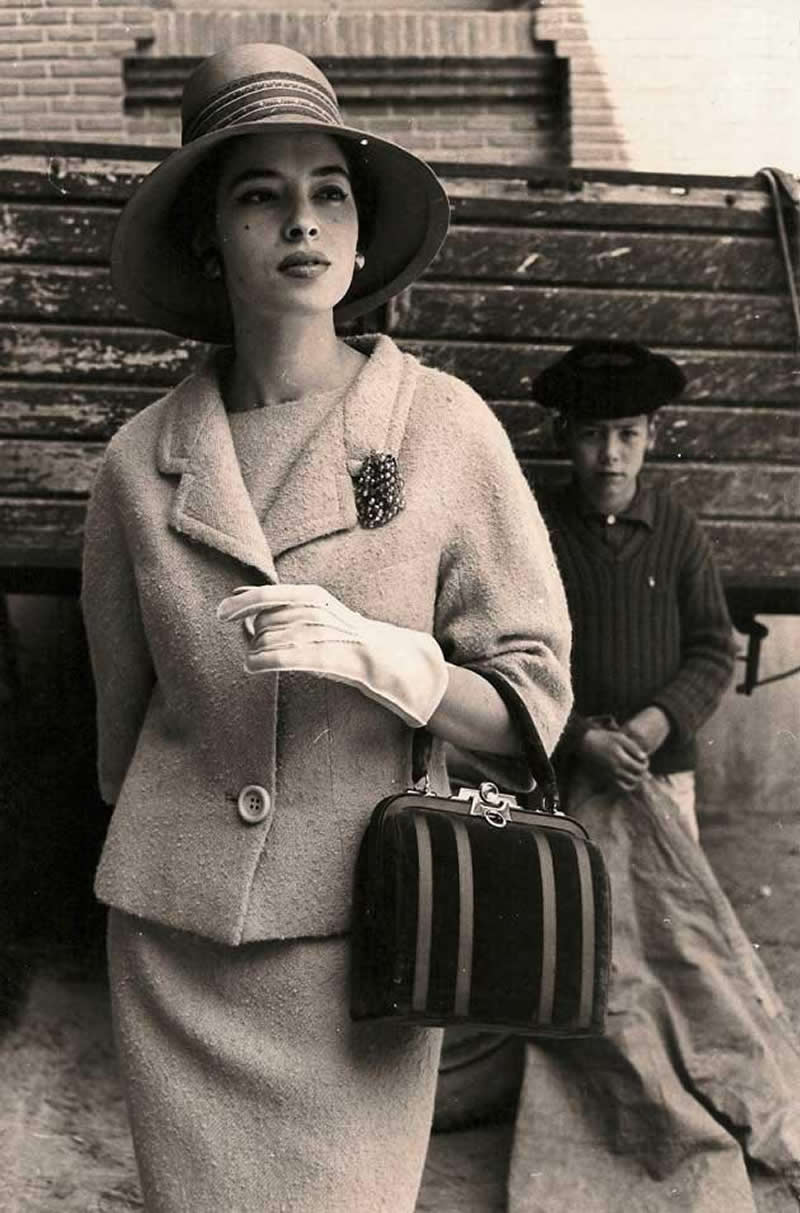
Francisco Ontañón discovered his strongest artistic voice through editorial photography. Working with respected Spanish magazines such as Triunfo, Destino, and La Actualidad Española, he transformed ordinary assignments into visually rich narratives filled with emotion and atmosphere. Unlike traditional photojournalists who focused mainly on recording events, Ontañón approached photography like a literary storyteller. Every image carries mood, psychology, and social context.
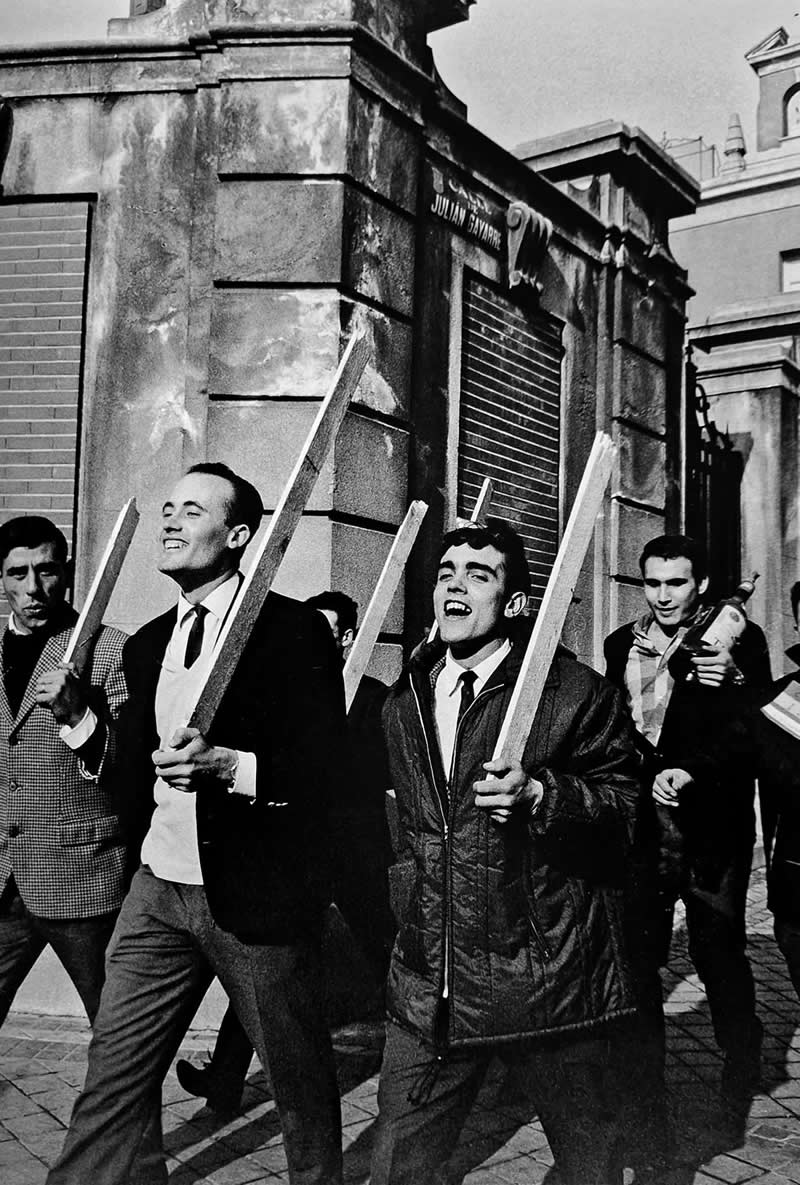
His editorial photographs documented a Spain moving through modernization while still trapped within political limitations. That tension gave his work extraordinary depth and historical importance. He had a rare ability to combine documentary honesty with artistic elegance without making photographs feel staged or artificial. Readers connected with his imagery because it felt intimate and truthful. Through magazines, Ontañón not only documented cultural life but also helped redefine editorial photography in Spain as a serious artistic medium with emotional and intellectual value.
- Worked for leading Spanish cultural magazines
- Combined reportage with cinematic storytelling
- Captured Spain’s cultural transformation visually
- Balanced realism with artistic sophistication
- Elevated editorial photography into cultural art
#11
#12
#13
#14
#15
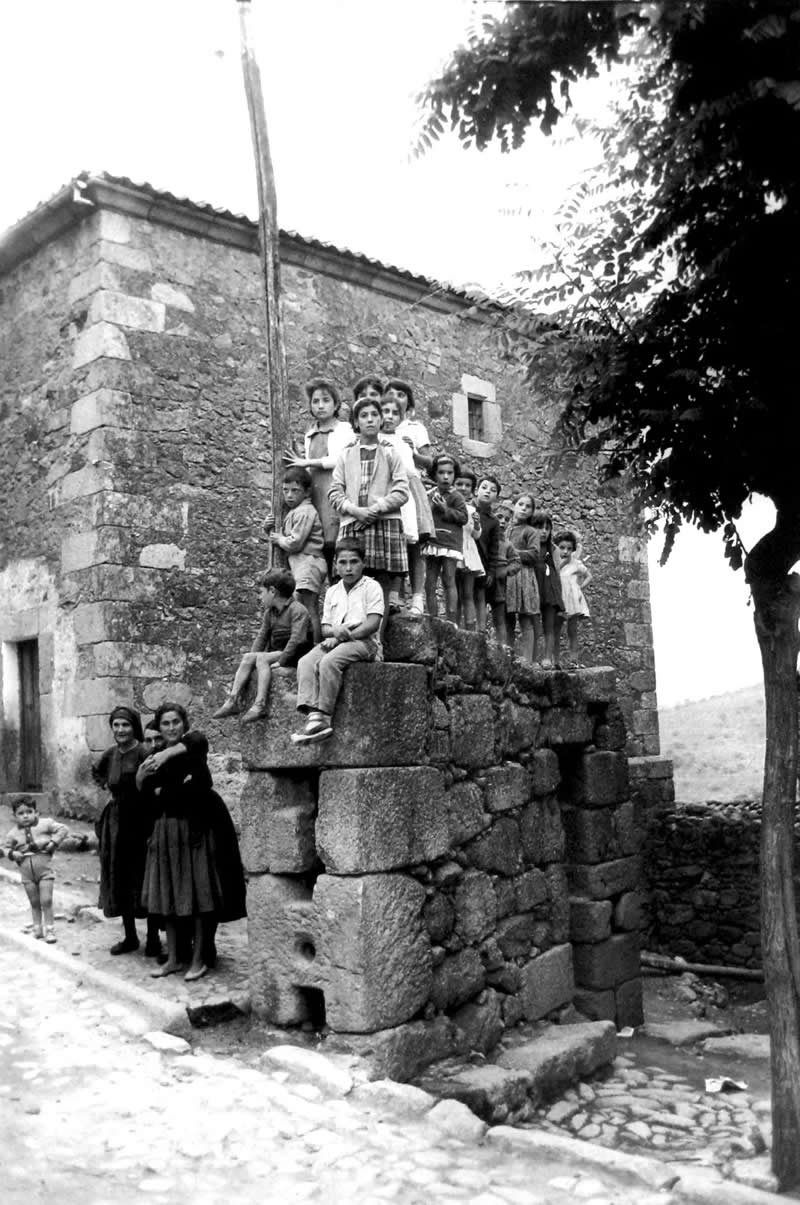
The Portraits That Preserved Spain’s Intellectual History
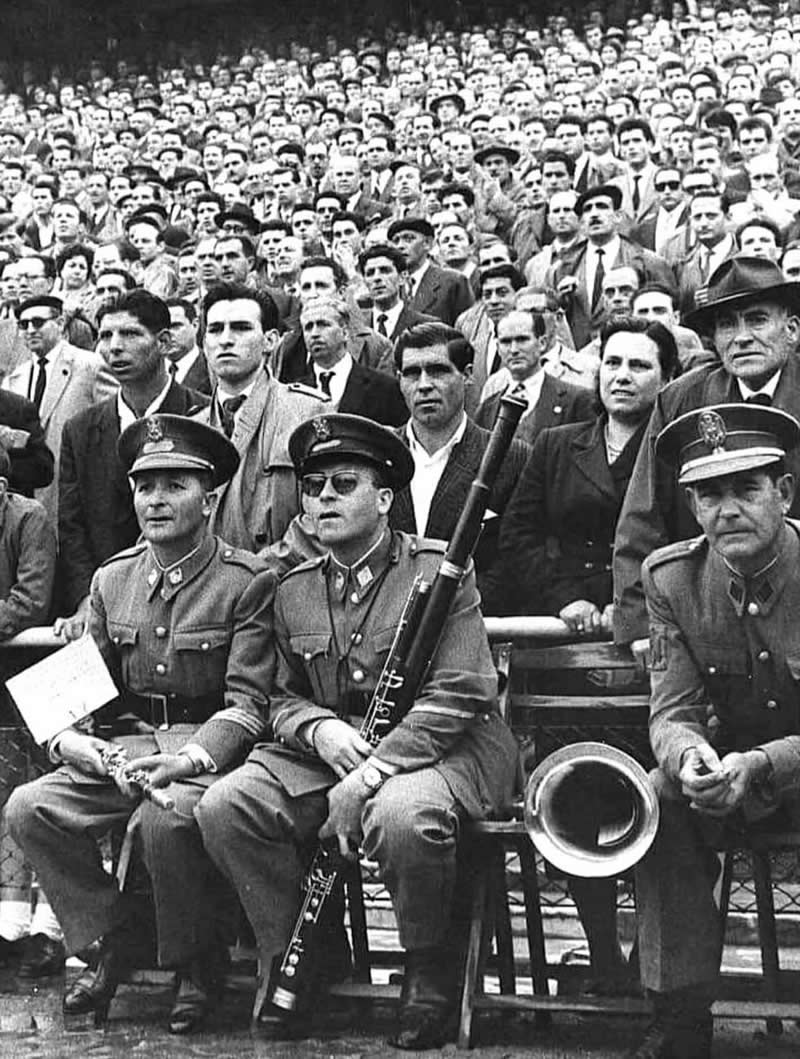
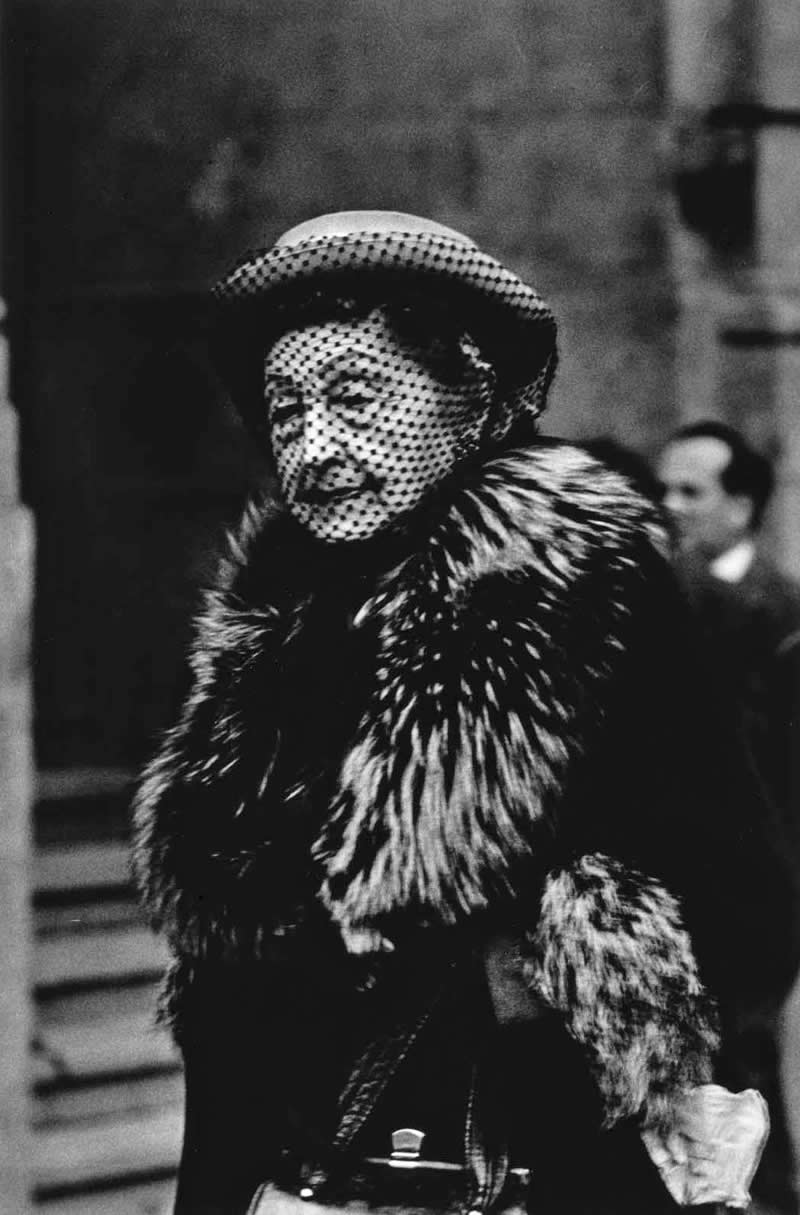
Portrait photography became one of Francisco Ontañón’s greatest artistic achievements. Over the years, he photographed writers, thinkers, artists, and intellectuals who shaped modern Spanish culture. Yet his portraits never relied on dramatic posing or artificial glamour. Instead, Ontañón focused on capturing authentic human presence through subtle gestures, quiet environments, and emotionally rich compositions. His photographs allowed viewers to feel connected to the subject rather than separated from it.
He understood that great portraiture is not only about appearance but also about atmosphere and personality. The surroundings inside each frame often revealed important clues about the individual’s life and creative identity. Today, these portraits serve as powerful historical documents preserving Spain’s intellectual memory during decades of social transformation. Ontañón’s restrained and deeply observant style gave his portraits timeless emotional weight, proving that simplicity can often communicate more than elaborate visual effects ever could.
- Photographed major Spanish writers and artists
- Preferred natural and emotionally honest portraits
- Used environments to strengthen visual storytelling
- Captured intellectual life during cultural change
- Created timeless portraits filled with human depth
#16
#17
#18
#19
#20
A Photographer Who Captured Spain Beyond Folklore
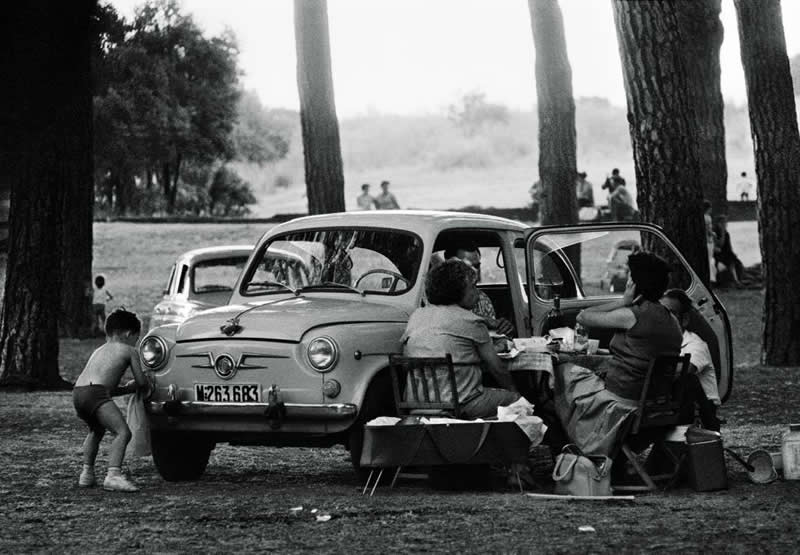
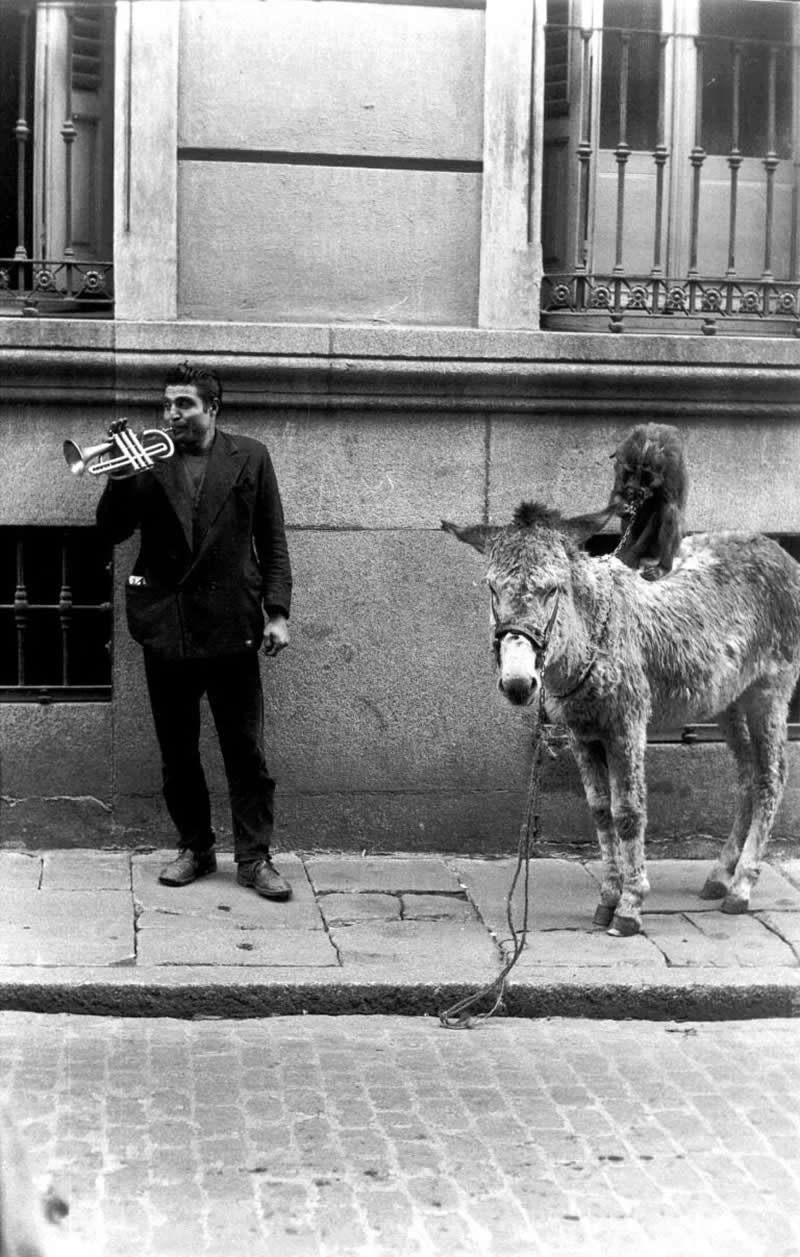
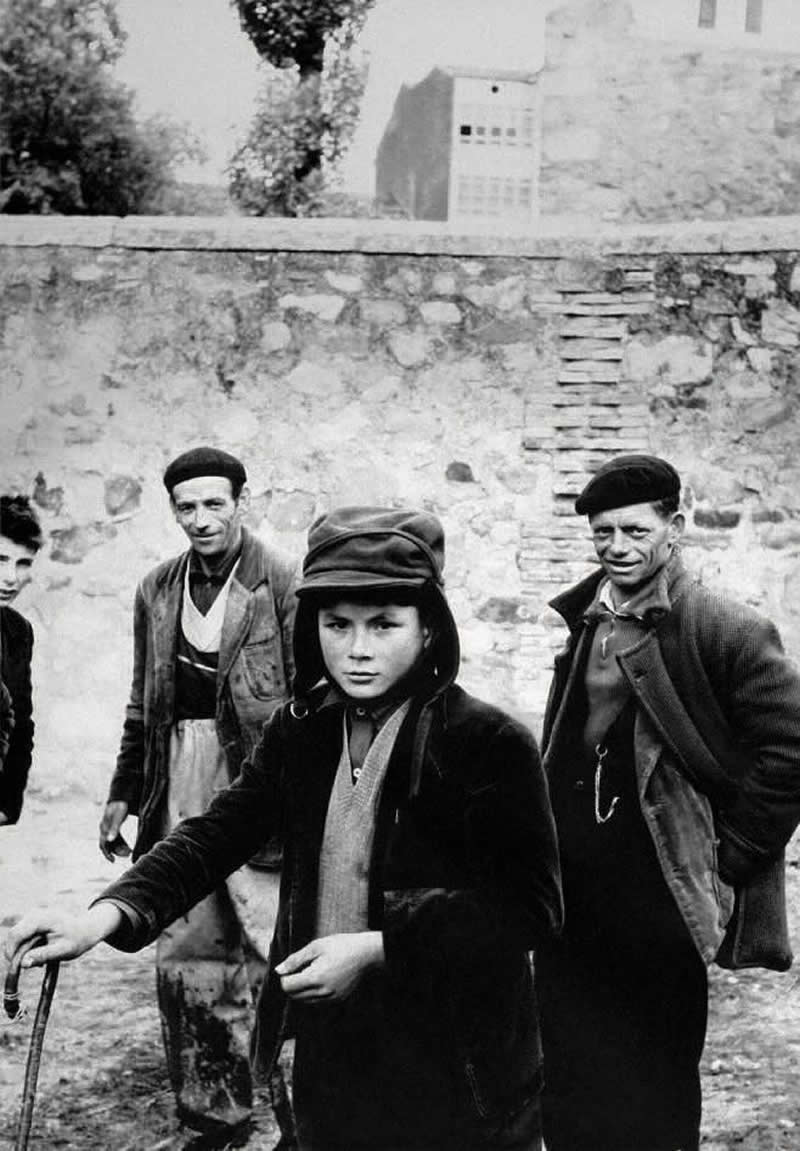
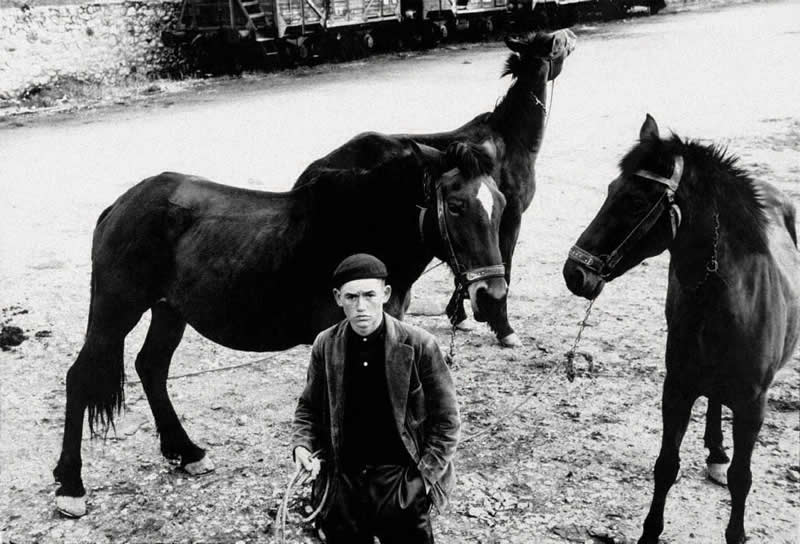
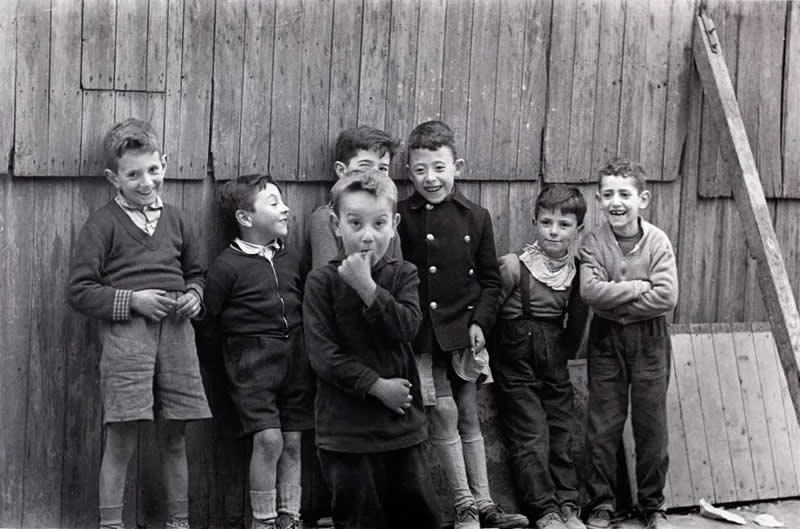
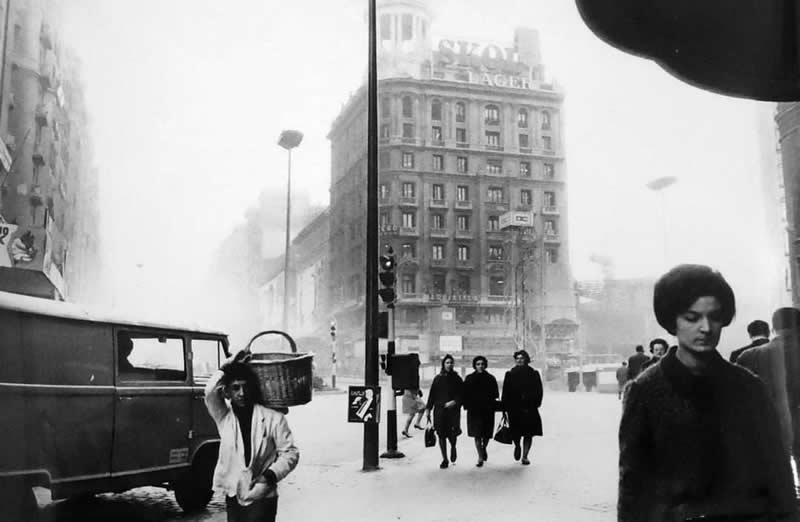
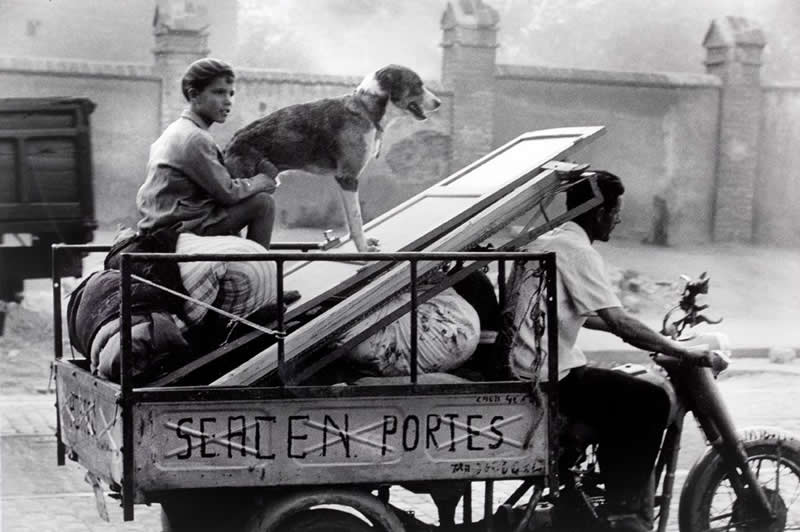
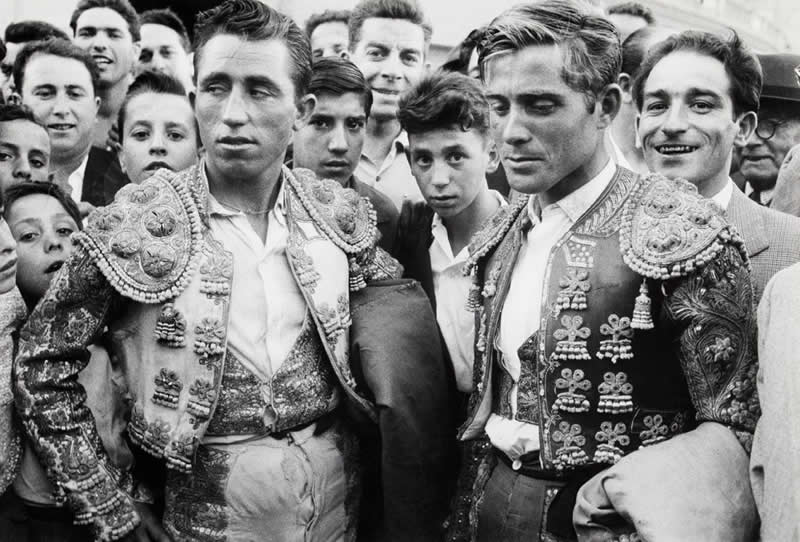
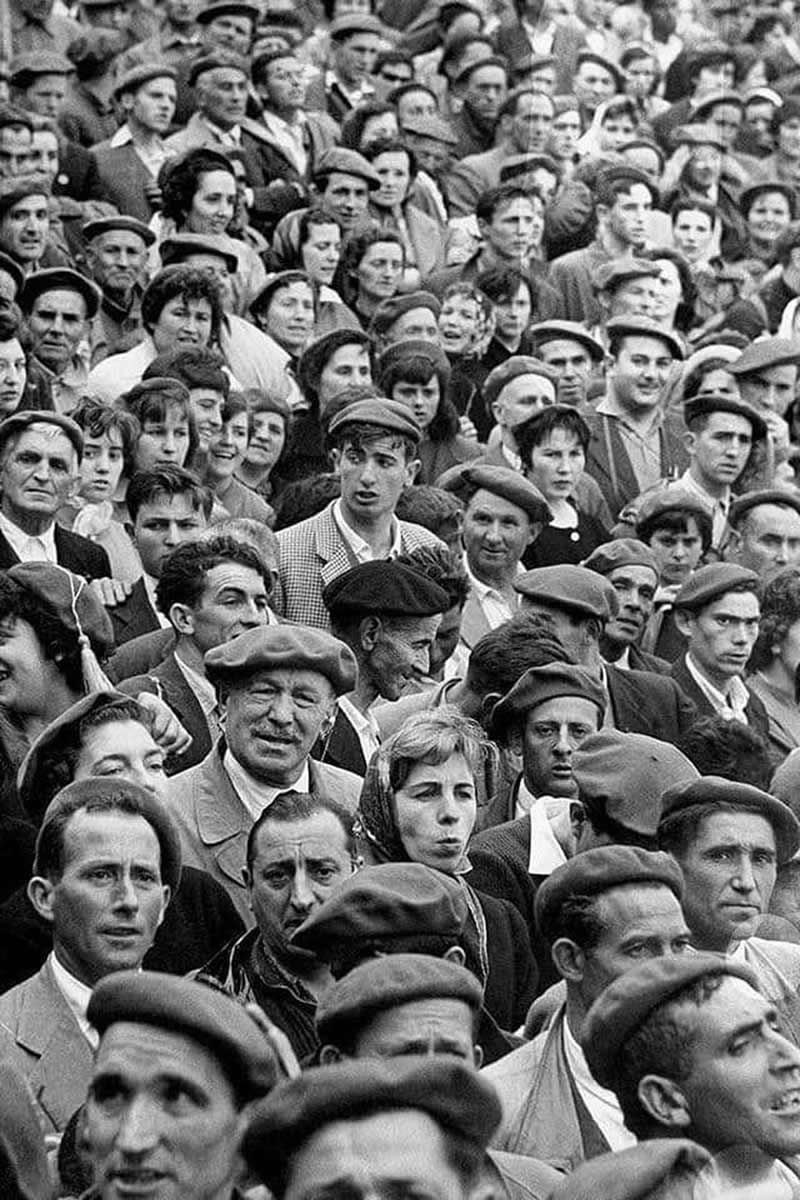
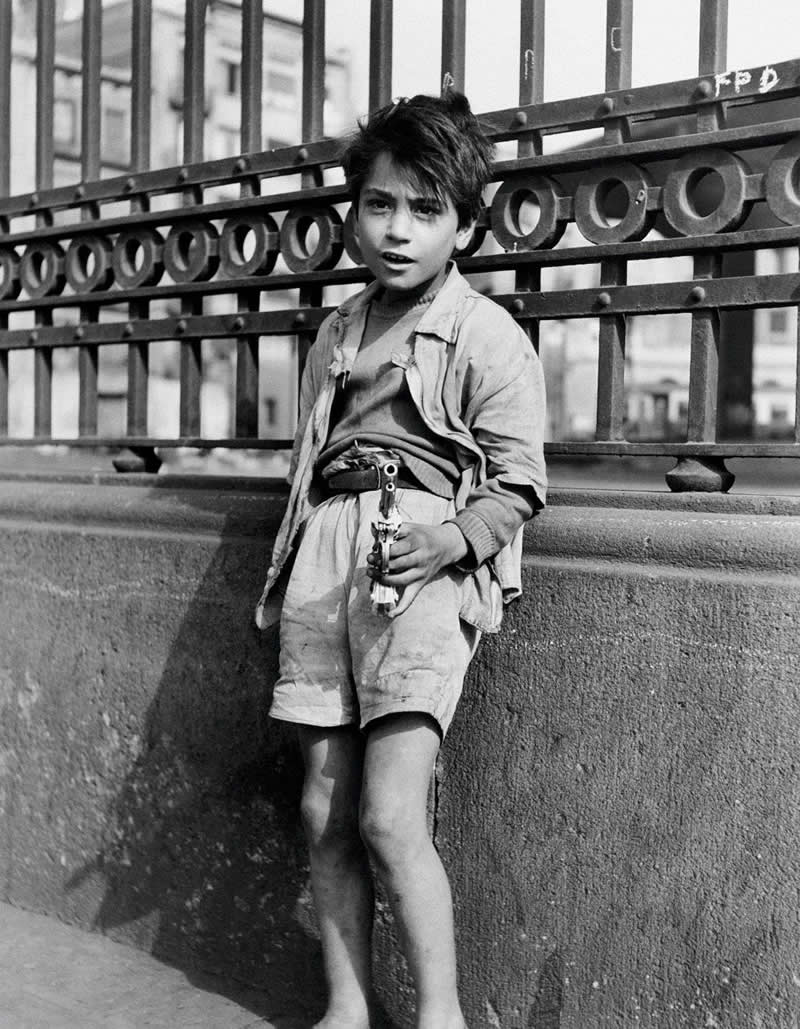
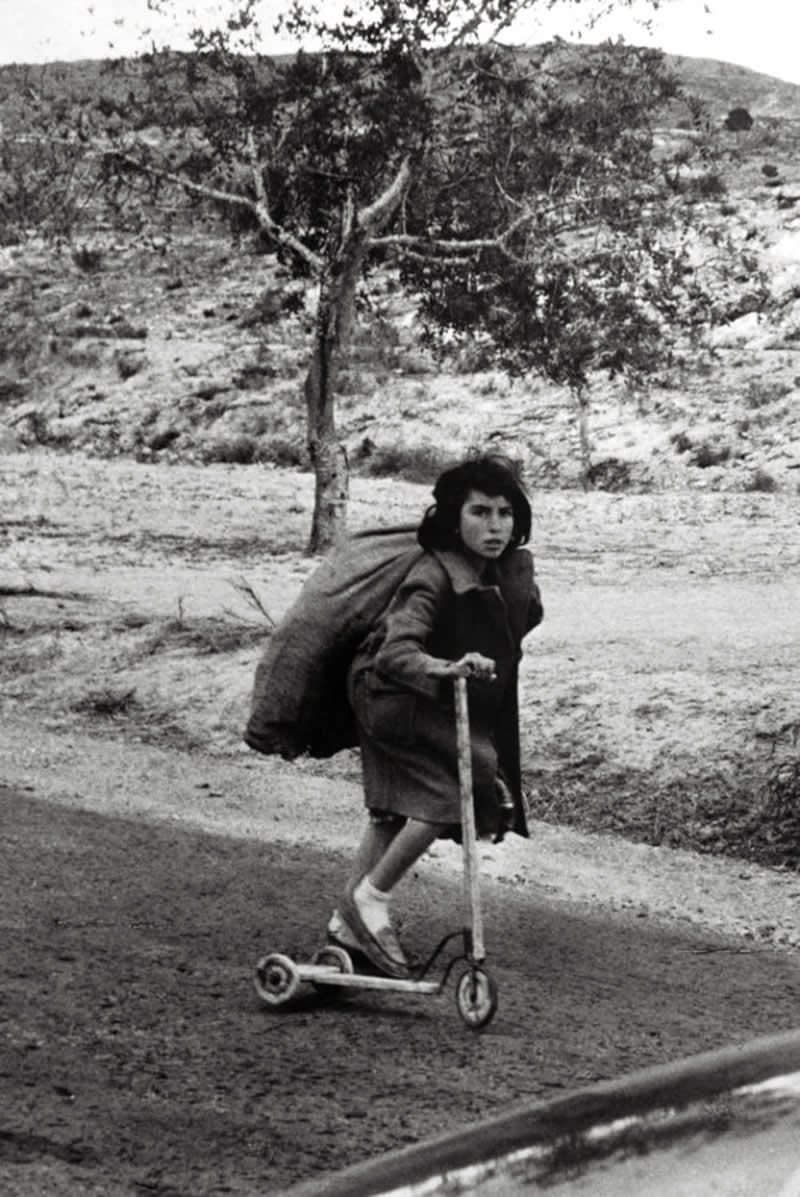
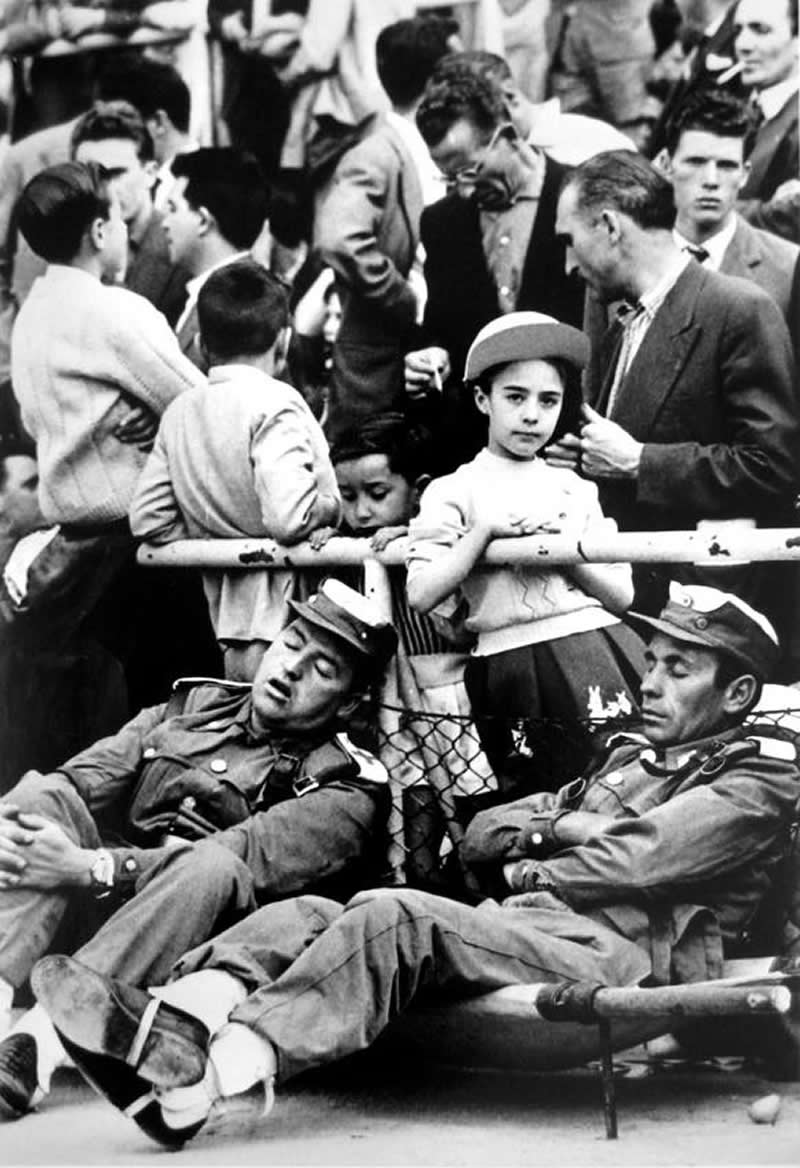
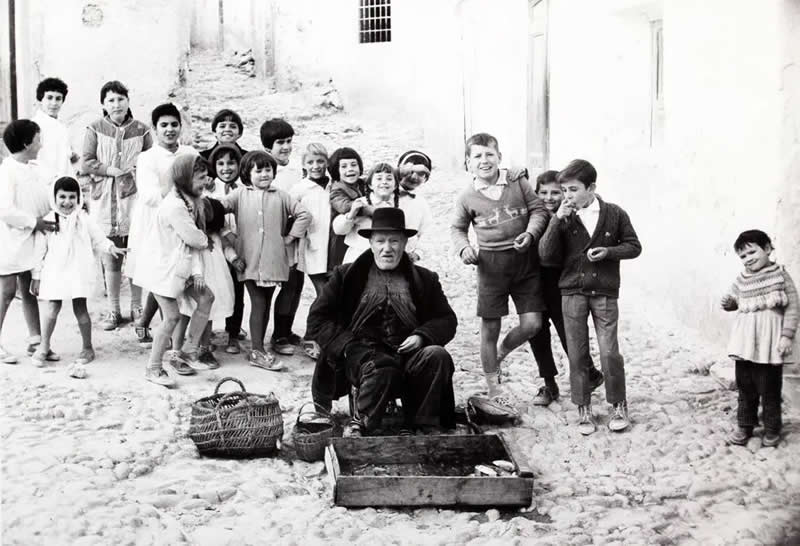
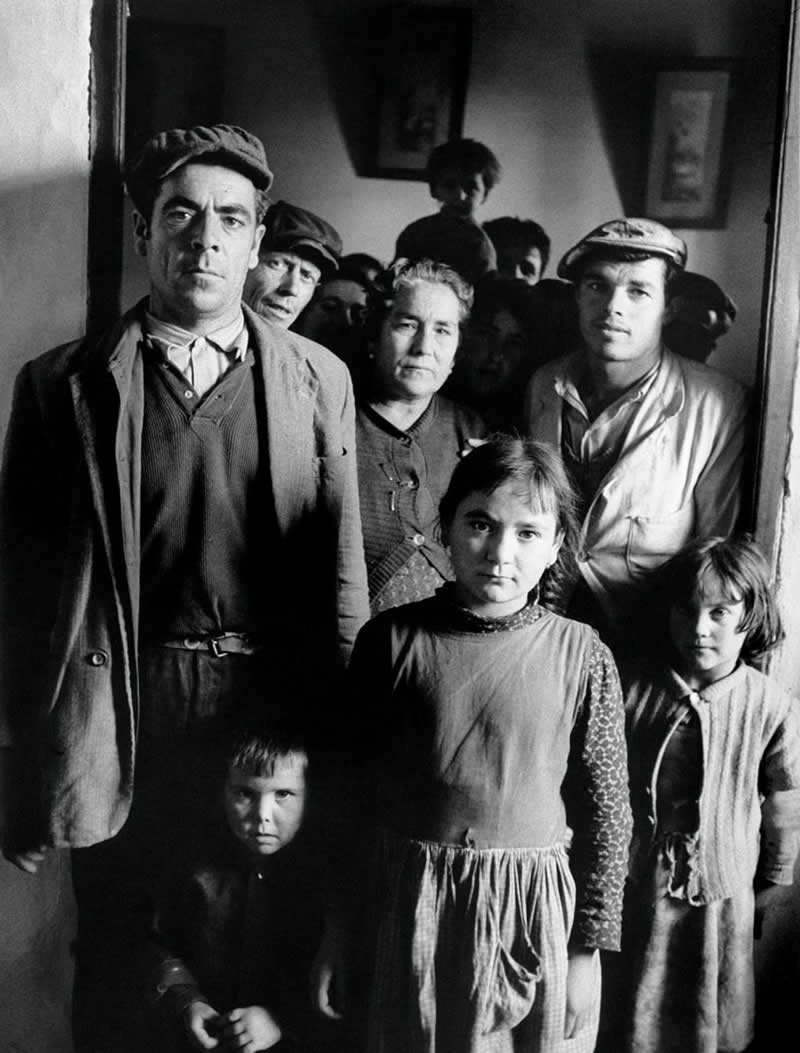
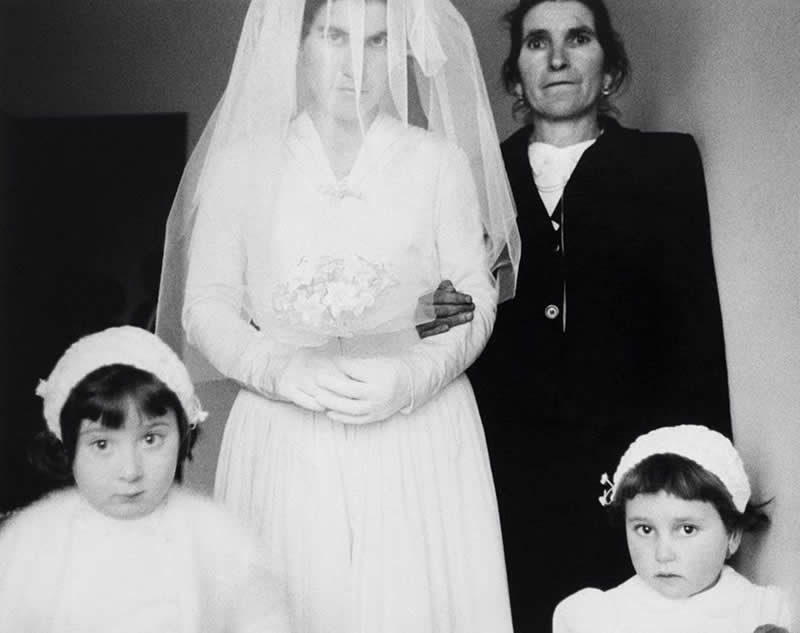
Francisco Ontañón’s documentary and travel photography revealed a Spain far more complex than official stereotypes suggested. During a period when Spanish identity was often reduced to tourist imagery and folklore, Ontañón explored the country with curiosity, honesty, and cultural sensitivity. Traveling across different regions, he photographed workers, villages, cafés, landscapes, and ordinary citizens with remarkable emotional awareness.
His photographs avoided romanticizing poverty while also refusing artificial optimism. Instead, he presented Spain as a living society filled with contradictions, traditions, and evolving identities. The quiet realism inside his work gave viewers a deeper understanding of daily life during the late Francoist era. His images documented modernization, economic shifts, and social tension without becoming visually aggressive or politically forced. That balance made his photography powerful and enduring. Through empathy and observation, Ontañón transformed travel photography into a meaningful exploration of Spain’s human landscape and cultural complexity.
- Traveled widely across diverse Spanish regions
- Rejected stereotypes and tourist-style imagery
- Documented ordinary people with empathy
- Captured modernization and social tension naturally
- Created poetic yet realistic visual narratives
#21
#22
#23
#24
#25
Why Francisco Ontañón’s Legacy Still Matters Today
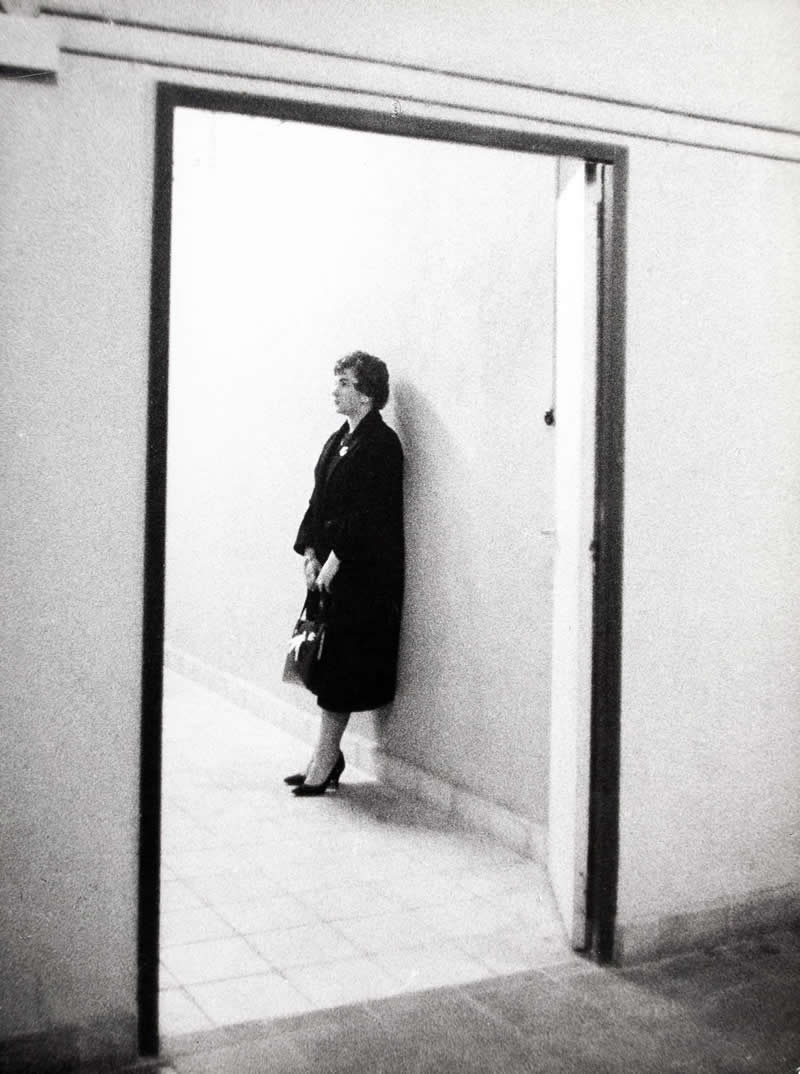
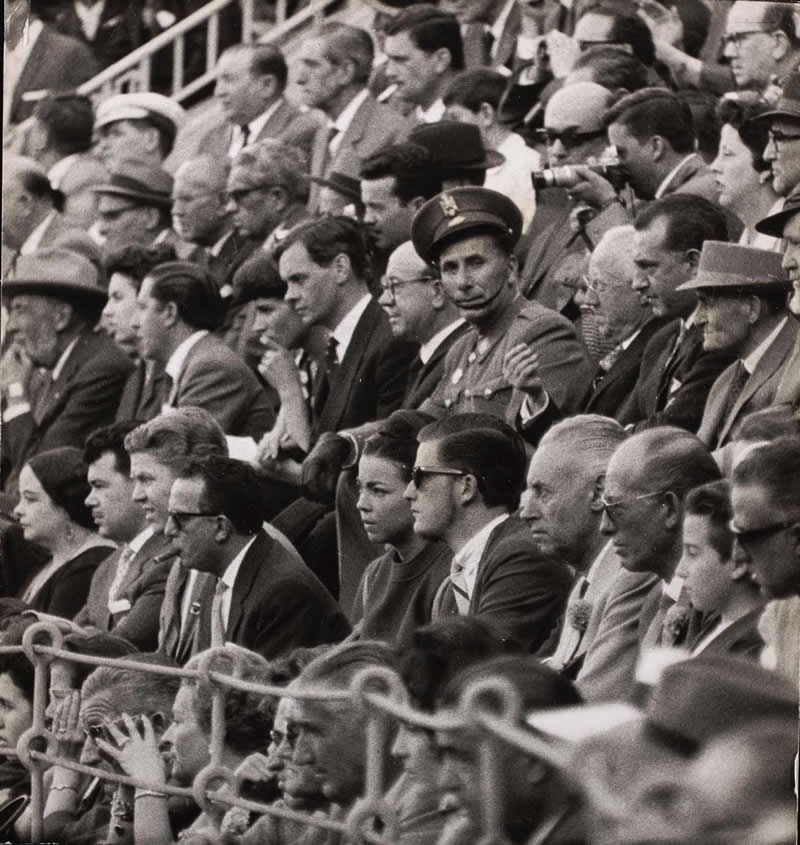
The legacy of Francisco Ontañón remains deeply influential in both documentary and portrait photography. His work continues to inspire modern photographers because it proves that meaningful images come from observation, patience, and emotional intelligence rather than technical excess. During a time when photography in Spain struggled for cultural recognition, Ontañón helped elevate the medium into a respected artistic practice. His black-and-white compositions demonstrated extraordinary control of atmosphere, balance, and storytelling simplicity.
More importantly, his photography preserved the emotional reality of a society experiencing historical transformation. Even today, his images remain relevant because they focus on universal human experiences rather than fleeting trends. In the digital age, where fast visual consumption often dominates photography, Ontañón’s work reminds audiences about the lasting value of authenticity and human connection. His photographs continue to stand as visual memories of Spain and as timeless examples of emotionally driven storytelling through imagery.
- Influenced generations of documentary photographers
- Helped legitimize photography as cultural art
- Known for timeless black-and-white compositions
- Focused on authenticity over visual spectacle
- Preserved Spain’s emotional and historical memory
#26
#27
#28
#29
#30
FAQs:
Who was Francisco Ontañón?
Francisco Ontañón was a celebrated Spanish photographer known for documentary, portrait, and editorial photography. His work captured Spain’s social and cultural transformation during the mid-20th century with honesty, emotional depth, and remarkable visual storytelling that still inspires photographers today.
What style of photography was Francisco Ontañón famous for?
Francisco Ontañón became famous for documentary and portrait photography characterized by sober composition, mastery of black-and-white, and emotional realism. His images blended journalism with artistic storytelling, creating photographs that felt intimate, timeless, and deeply connected to Spanish cultural history.
Why are Francisco Ontañón’s portraits important?
His portraits documented influential Spanish writers, intellectuals, and artists during a transformative era in Spain. These photographs preserved not only appearances but also personality, atmosphere, and cultural identity, making them valuable historical and artistic records of Spanish intellectual life.
How did Francisco Ontañón influence Spanish photography?
Ontañón helped elevate photography in Spain into a respected cultural and artistic practice. Through editorial storytelling, documentary realism, and emotionally intelligent portraiture, he inspired future generations of photographers to approach photography with humanity, sensitivity, and artistic purpose.
What makes Francisco Ontañón’s photography timeless?
His photography remains timeless because it focuses on universal human experiences rather than trends or spectacle. Through empathy, realism, and elegant simplicity, Ontañón created emotionally powerful images that continue connecting with modern audiences across generations and cultures.