

Macro photography has a funny way of messing with your sense of scale. A tiny insect suddenly looks like a monster from another planet. A flower petal turns into a landscape. Even a drop of water can look like a tiny glass sculpture. That’s the fun of getting ridiculously close.
But creating an award-winning macro photos isn’t just about owning a macro lens and getting close to your subject. A lot more happens inside those frames. The photographers behind these 36 images understand light, composition, timing, focus, color, texture, and perhaps most importantly, how to make a tiny subject tell a big story.
Think about it. You can photograph the same butterfly as hundreds of other people, but what makes your frame different? Maybe it’s the way morning light hits the wings. Maybe the background melts into a gorgeous blur. Or perhaps you’ve caught a split-second behavior nobody else noticed.
That’s where the magic lives.
And if you’re dreaming about entering macro photography contests around the world, there’s another side to the game: preparing files correctly, following contest rules, choosing the right category, and submitting exactly what the organizers request.
These 36 award-winning macro photos aren’t just eye candy. They’re a crash course in seeing small things differently and turning those observations into photographs that deserve attention.
#1. Mobile Photography Awards: 1st Place Winner – "Assassin Fly" by Linda Repasky
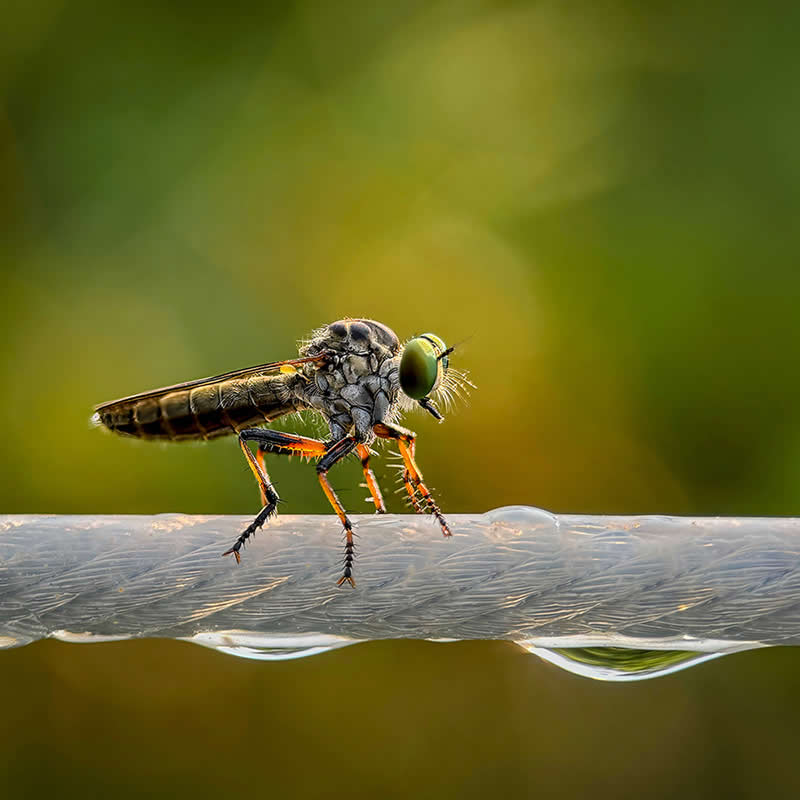
© Linda Repasky
#2. Mobile Photography Awards: "Tiny World of Ferns" by Linda Repasky
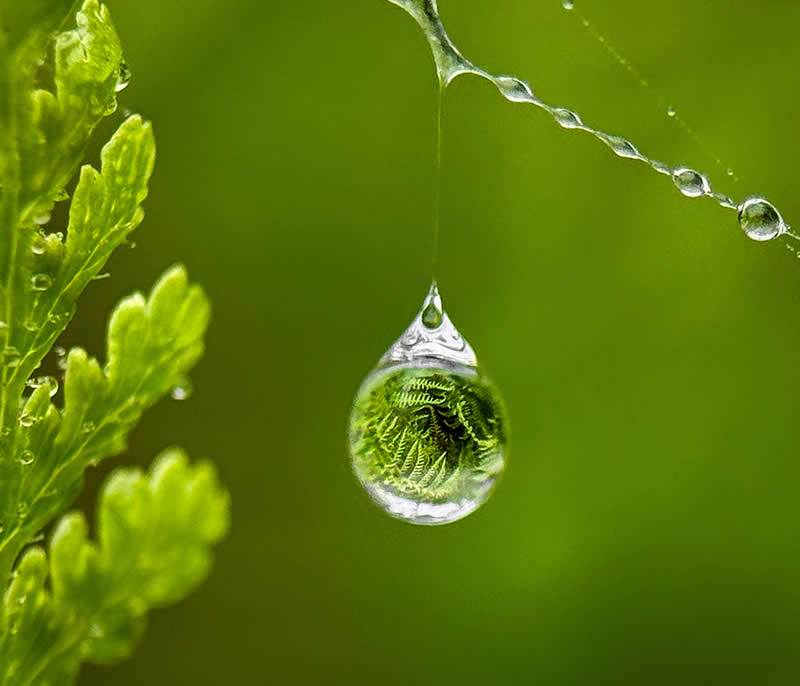
© Linda Repasky
#3. Mobile Photography Awards: "On a Thistle" by Erin Achterhof
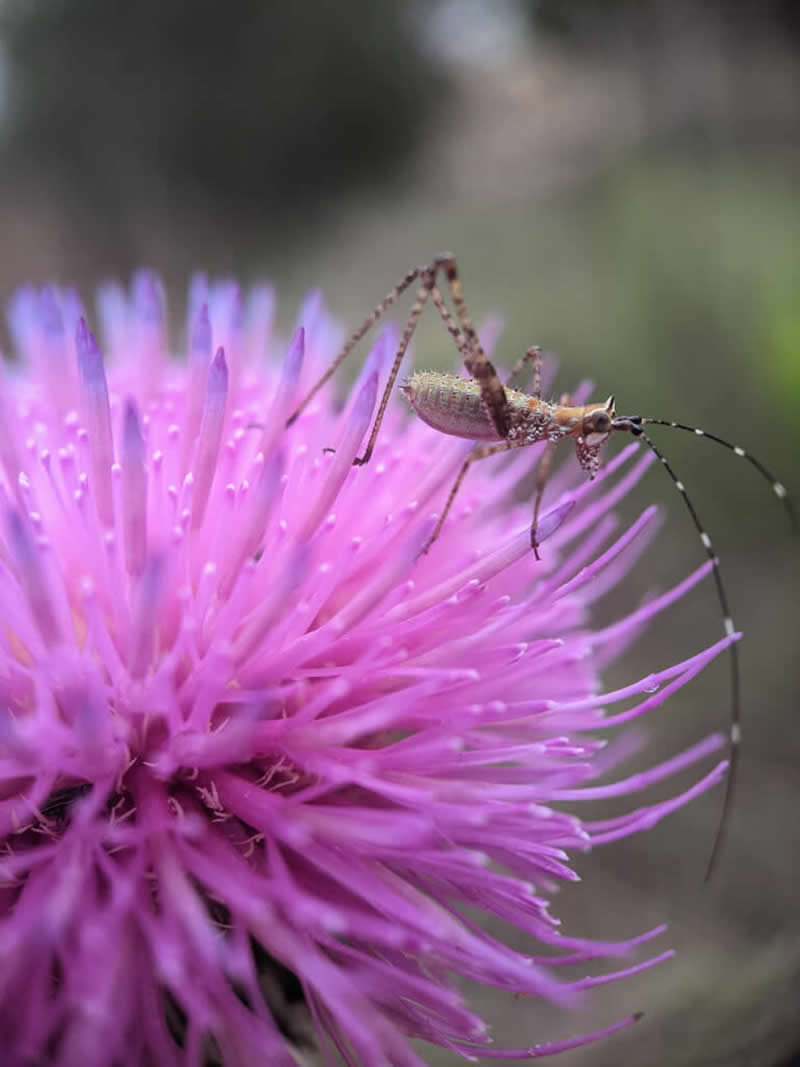
© Erin Achterhof
#4. Mobile Photography Awards: "Eyes" by Fabio Sartori
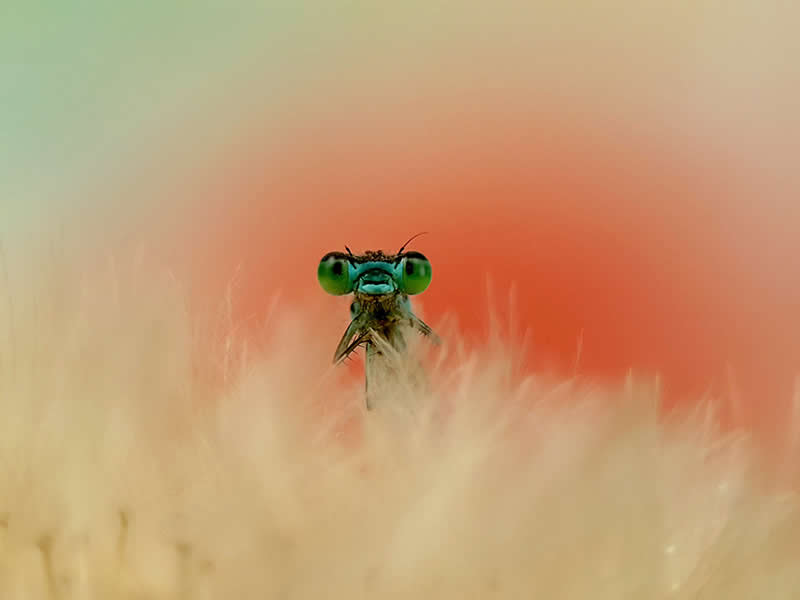
© Fabio Sartori
#5. Close-Up Photographer of the Year: Insects: "Le Projectionniste" by Nicolas Reytet
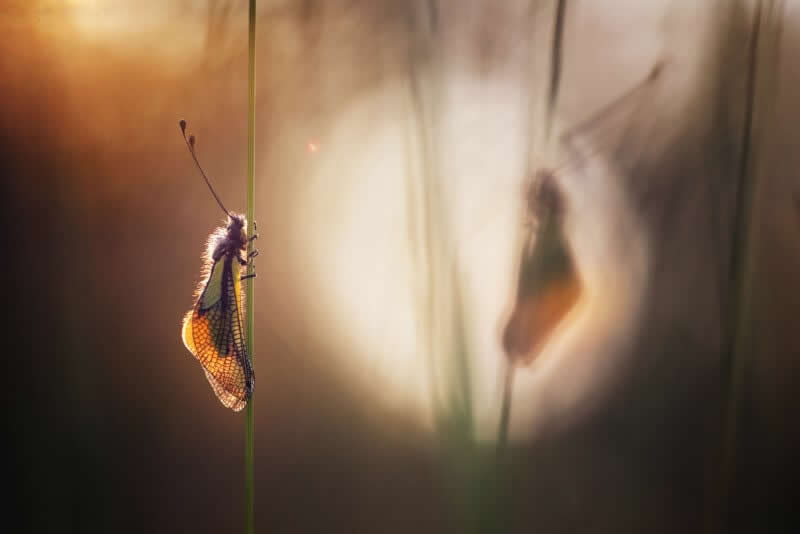
© Nicolas Reytet
#6. Close-Up Photographer of the Year: Butterflies and Dragonflies – "Flight" by Pal Hermansen
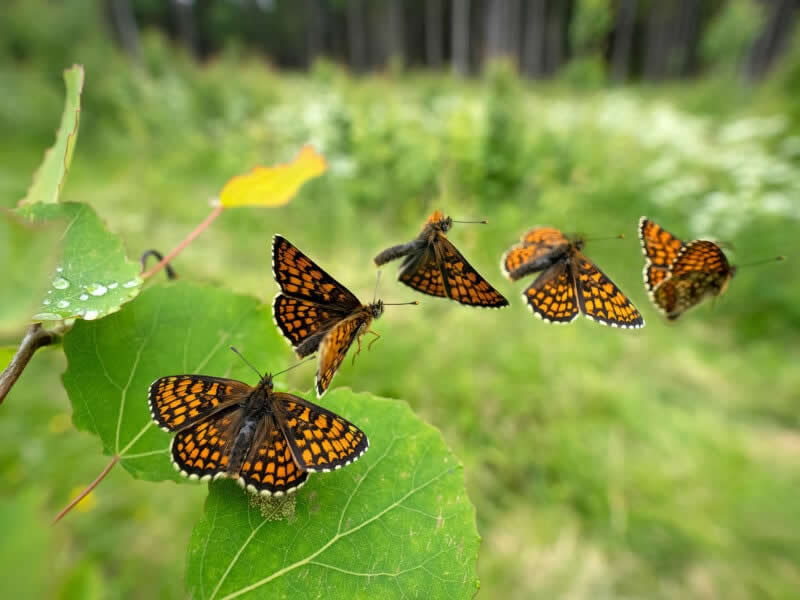
© Pal Hermansen
Get the Shot Right: Macro Photography Tips That Matter
Award-winning macro photography starts before you touch the shutter. Slow down. Watch your subject and study the light. A technically sharp close-up is great, but a compelling photograph needs intention. These simple habits can help you move from “nice macro” to a frame people actually remember.
- Shoot during soft morning or evening light whenever possible.
- Focus carefully on the subject’s most important detail, especially the eyes.
- Keep your background clean so the tiny subject gets all the attention.
- Try different angles instead of photographing everything straight-on.
- Watch behavior and patience; the best moments often happen after waiting.
#7. Close-Up Photographer of the Year: Arachnids – "Sunrise" by Natalia Shinkevich
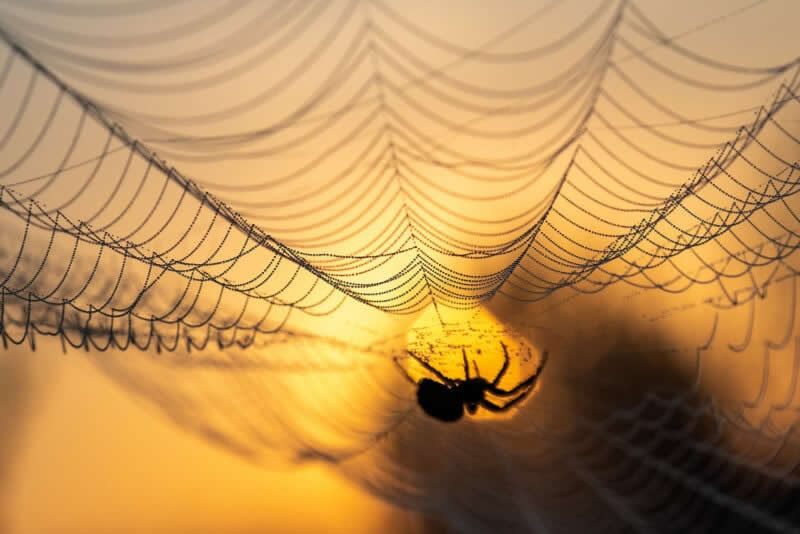
© Natalia Shinkevich
#8. Close-Up Photographer of the Year: Arachnids – "Pumpkin Spice" by Justin Chan

© Justin Chan
#9. Close-Up Photographer of the Year: Arachnids – "Mite Feeding on Slime Mould" by Barry Webb
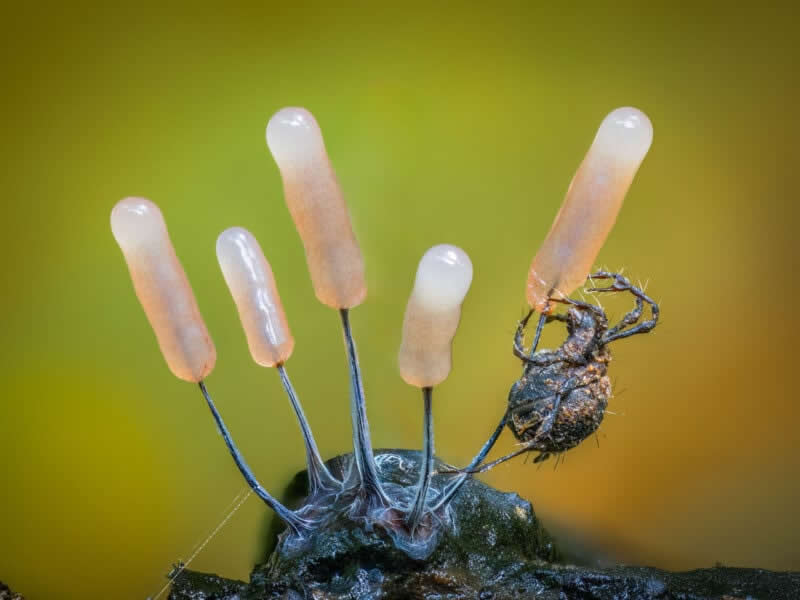
© Barry Webb
#10. Close-Up Photographer of the Year: Arachnids – "Predator" by Alexis Tinker-Tsavalas
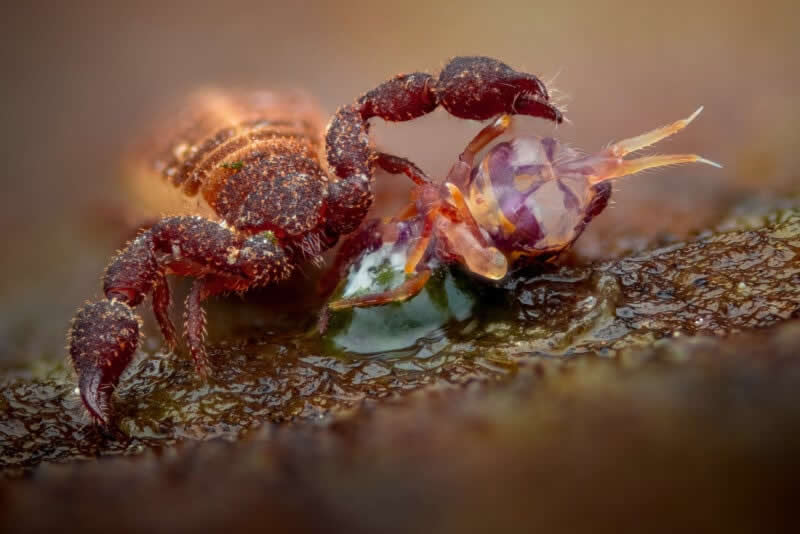
© Alexis Tinker-Tsavalas
#11. Close-Up Photographer of the Year: Invertebrate Portrait – "Leafcutter Bee" by Andrei Chetronie
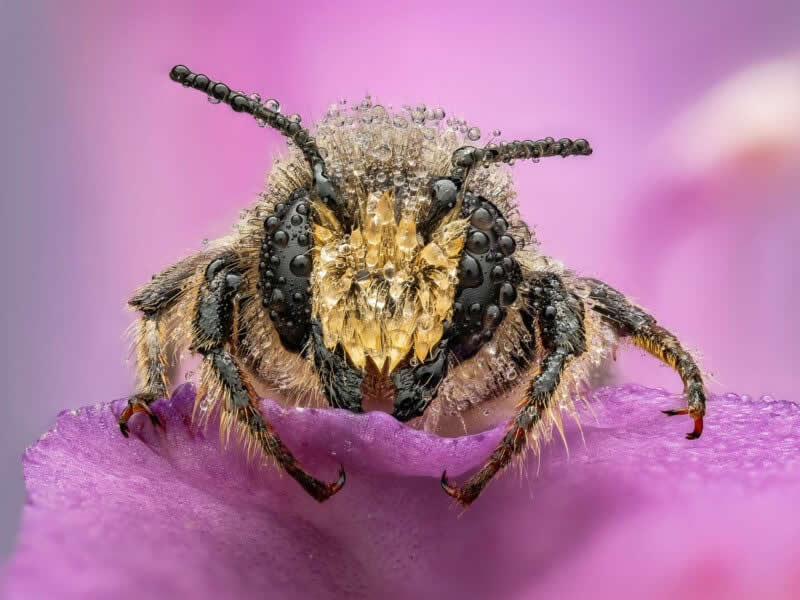
© Andrei Chetronie
#12. Close-Up Photographer of the Year: Invertebrate Portrait – "Windows to a Diminutive Yellow Soul" by Zhong Rui Marcus Kuan
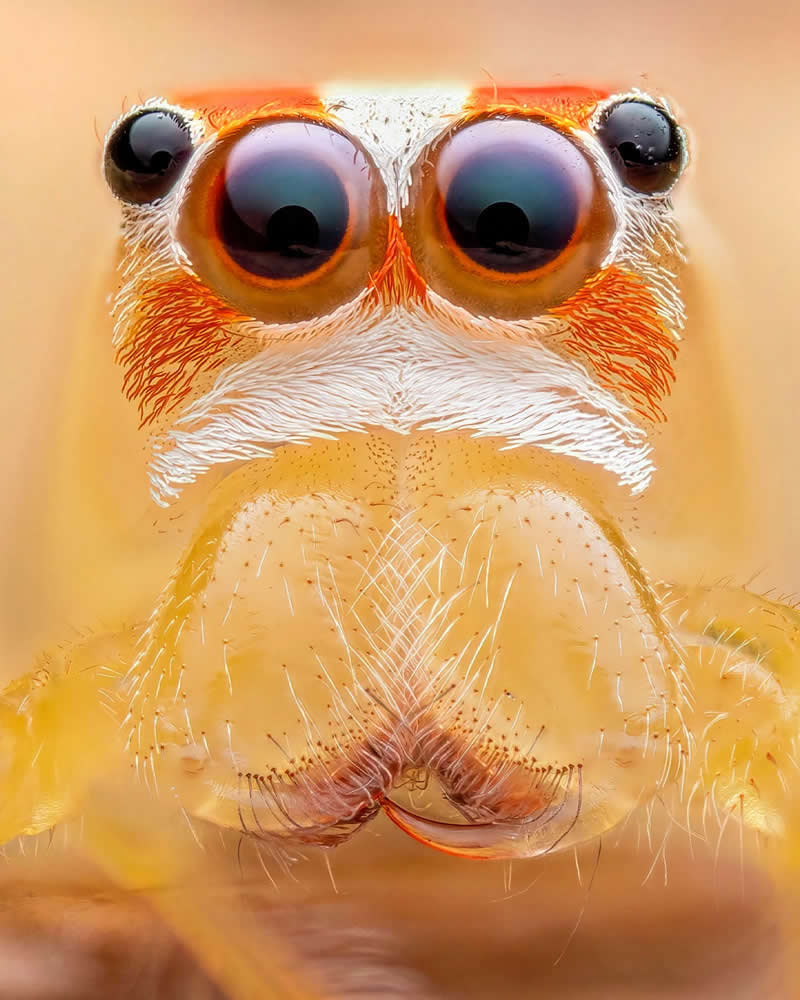
© Zhong Rui Marcus Kuan
Gear Up: Building a Macro Photography Setup
You don’t need a suitcase full of expensive gear to make strong macro photographs. A good macro lens, stable support, and reliable lighting can take you surprisingly far. The trick is knowing your equipment and understanding its limitations. Great photographers squeeze every bit of performance from the gear they already have.
- A dedicated macro lens gives you excellent close-focusing ability and detail.
- A tripod or stable support helps when using slower shutter speeds.
- External flashes or diffusers can create softer, controlled light.
- Focus rails can help when extremely precise focus placement matters.
- Weather protection and spare batteries are smart choices for outdoor shoots.
#13. British Photography Awards: Macro – Winner: "Pink Elephant" by Adam Ferry
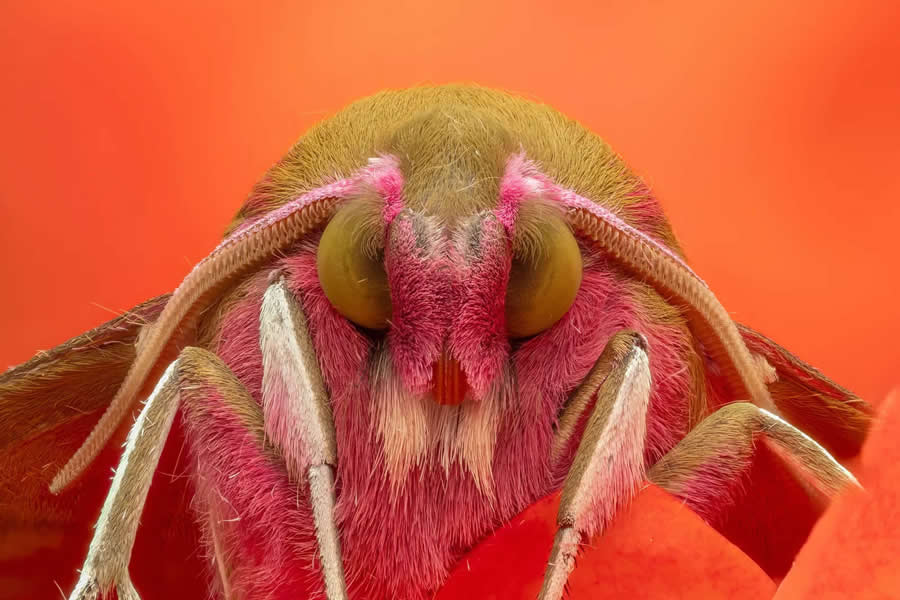
© Adam Ferry
#14. British Photography Awards: Macro – Peoples Choice: "Glistening Slime mould" by Barry Webb
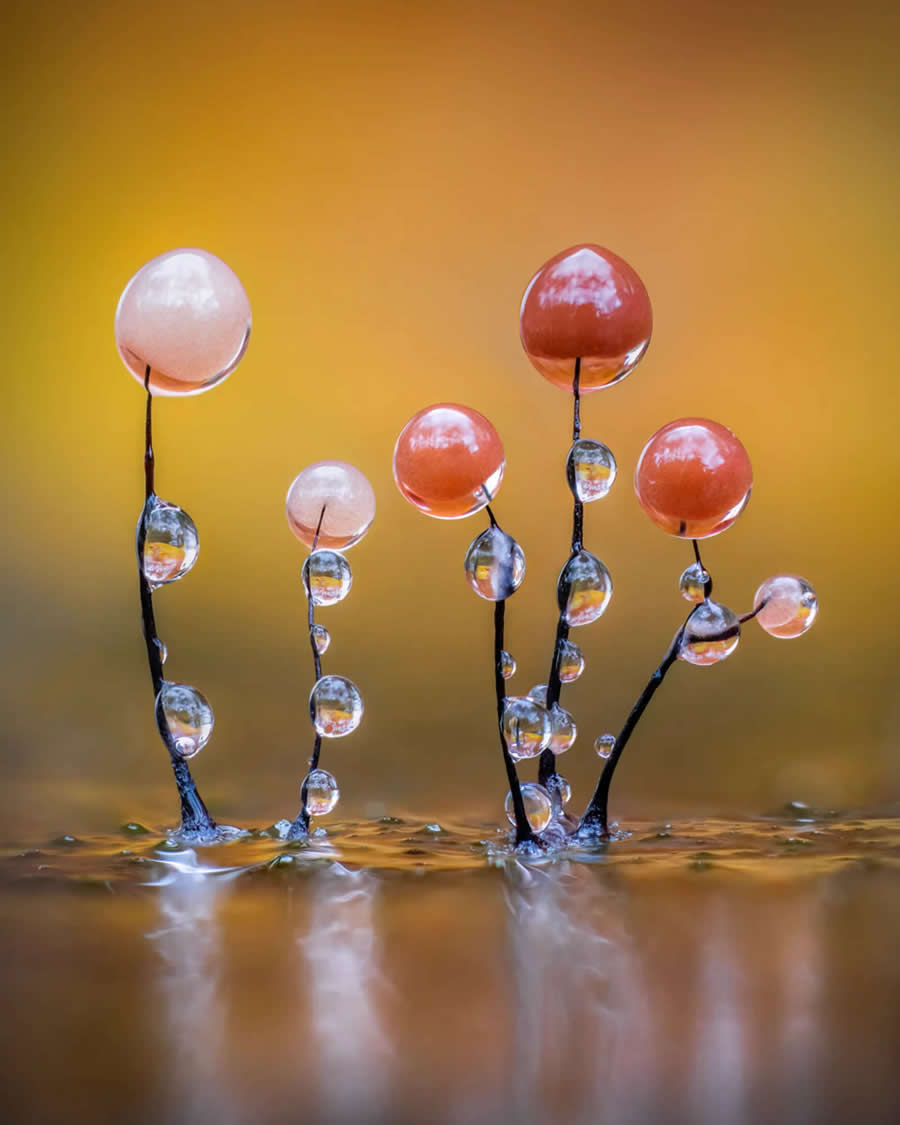
© Barry Webb
#15. Nikon Small World Photomicrography: 1st Place – "Rice weevil (Sitophilus oryzae) on a grain of rice" by Zhang You
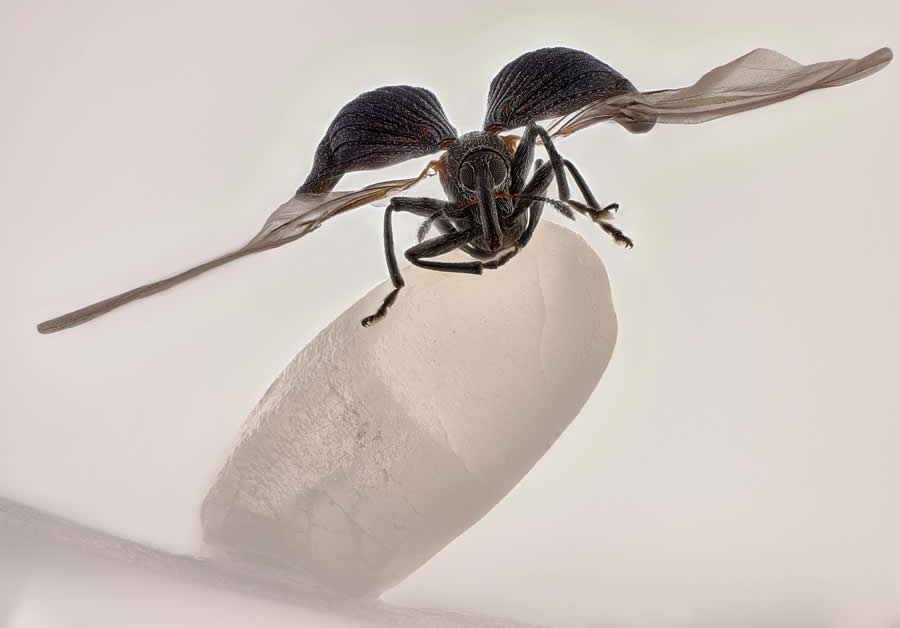
© Zhang You
#16. Nikon Small World Photomicrography: 2nd Place – "Colonial algae (Volvox) spheres in a drop of water" by Dr. Jan Rosenboom
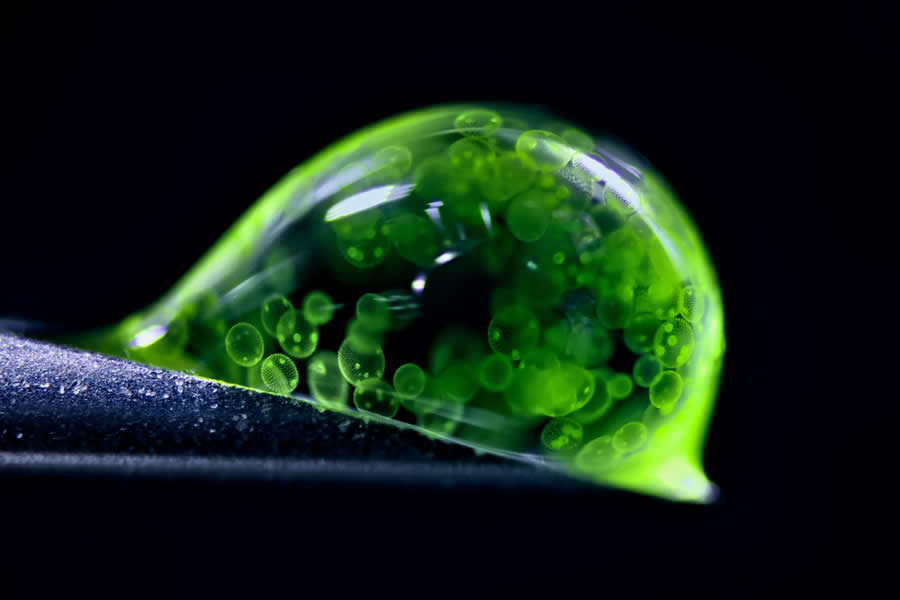
© Dr. Jan Rosenboom
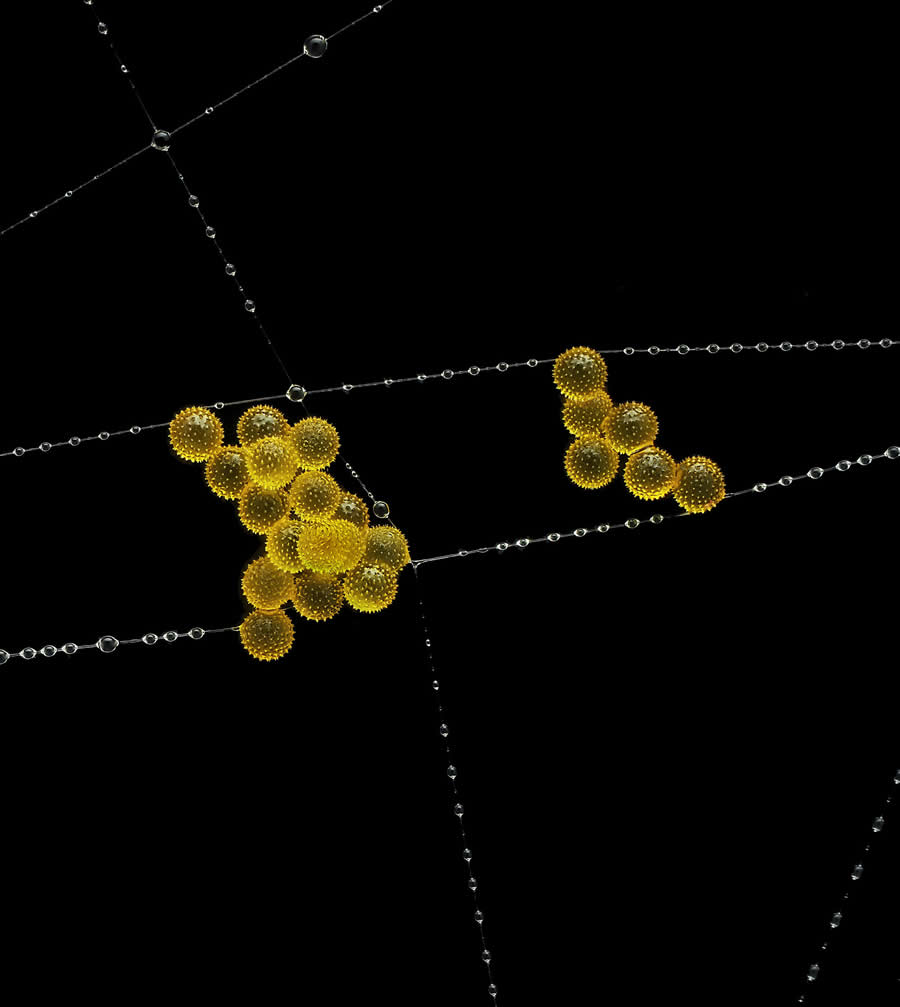
#17. Nikon Small World Photomicrography: 3rd Place – "Pollen in a garden spider web" by John-Oliver Dum
© John-Oliver Dum
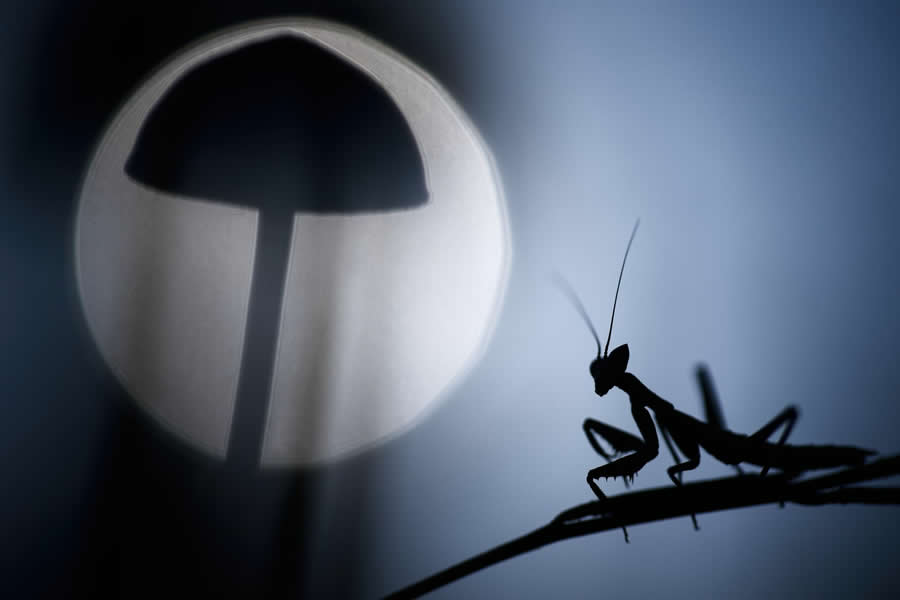
#18. 1839 Photographer of the Year Awards: Macro, Winner – "Mushroom madness" by Panagiotis Dalagiorgos
© Panagiotis Dalagiorgos
Composition, Framing and Focus: Make Tiny Subjects Powerful
Getting close is easy. Making the frame work is harder. Macro photography magnifies everything, including messy backgrounds, awkward angles, and distracting highlights. Pay attention to where your subject sits inside the frame. A little negative space can make a tiny insect feel dramatic, while careful symmetry can turn a simple detail into something almost graphic.
- Use composition to guide the viewer toward the most important detail.
- Leave intentional negative space when it strengthens the subject.
- Look for natural lines, curves, symmetry, and repeating patterns.
- Experiment with vertical and horizontal framing before settling on one.
- Check the entire frame for distractions, not just the subject itself.
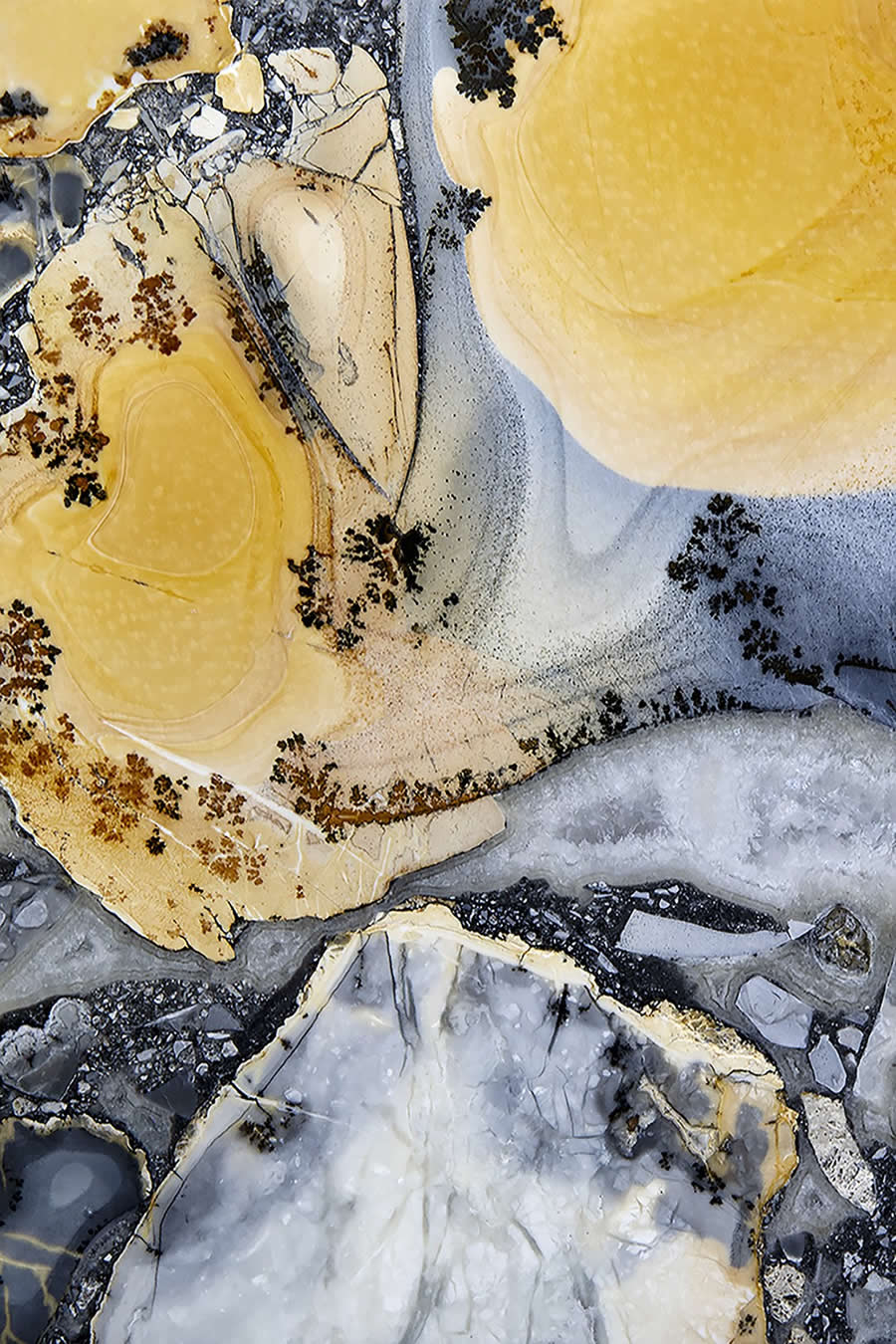
#19. 1839 Photographer of the Year Awards: Macro, Silver – "A Stroll In the Primordial Countryside" by Tamra M. Gentry
© Tamra M. Gentry
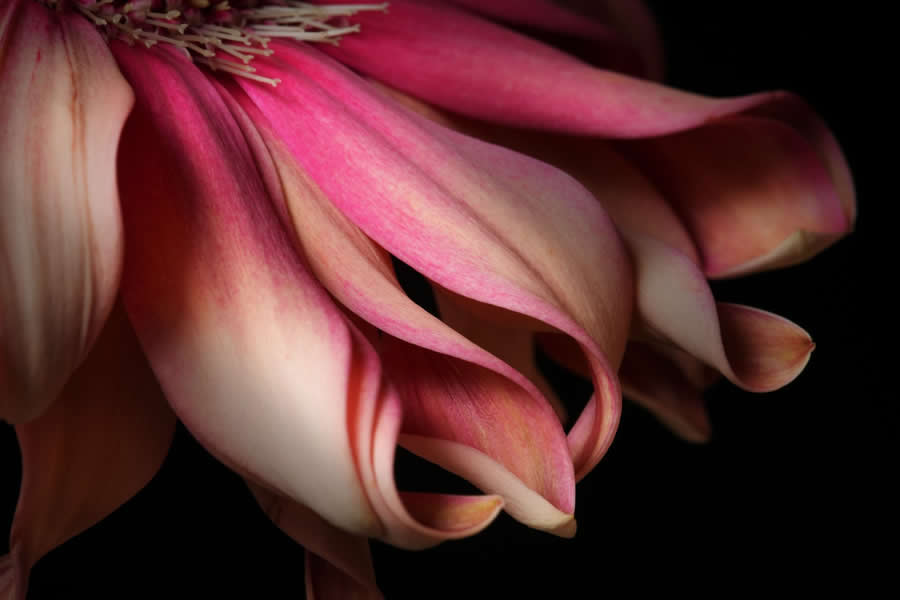
#20. 1839 Photographer of the Year Awards: Macro, Bronze – "Invisible Repro Gems" by Hidetaka Ito
© Hidetaka Ito
#21. 35 Photography Awards – "Jeweled Flower Mantis – Creobroter Gemmatus" by LOH CHEE WOEI
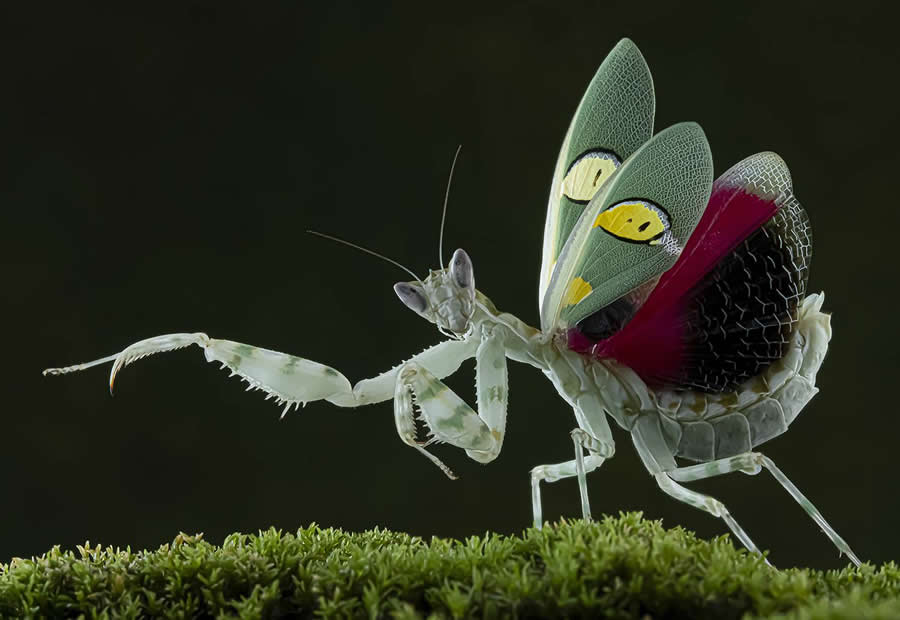
© LOH CHEE WOEI
#22. 35 Photography Awards – "The robberfly hunting" by TRAN THE NGOC
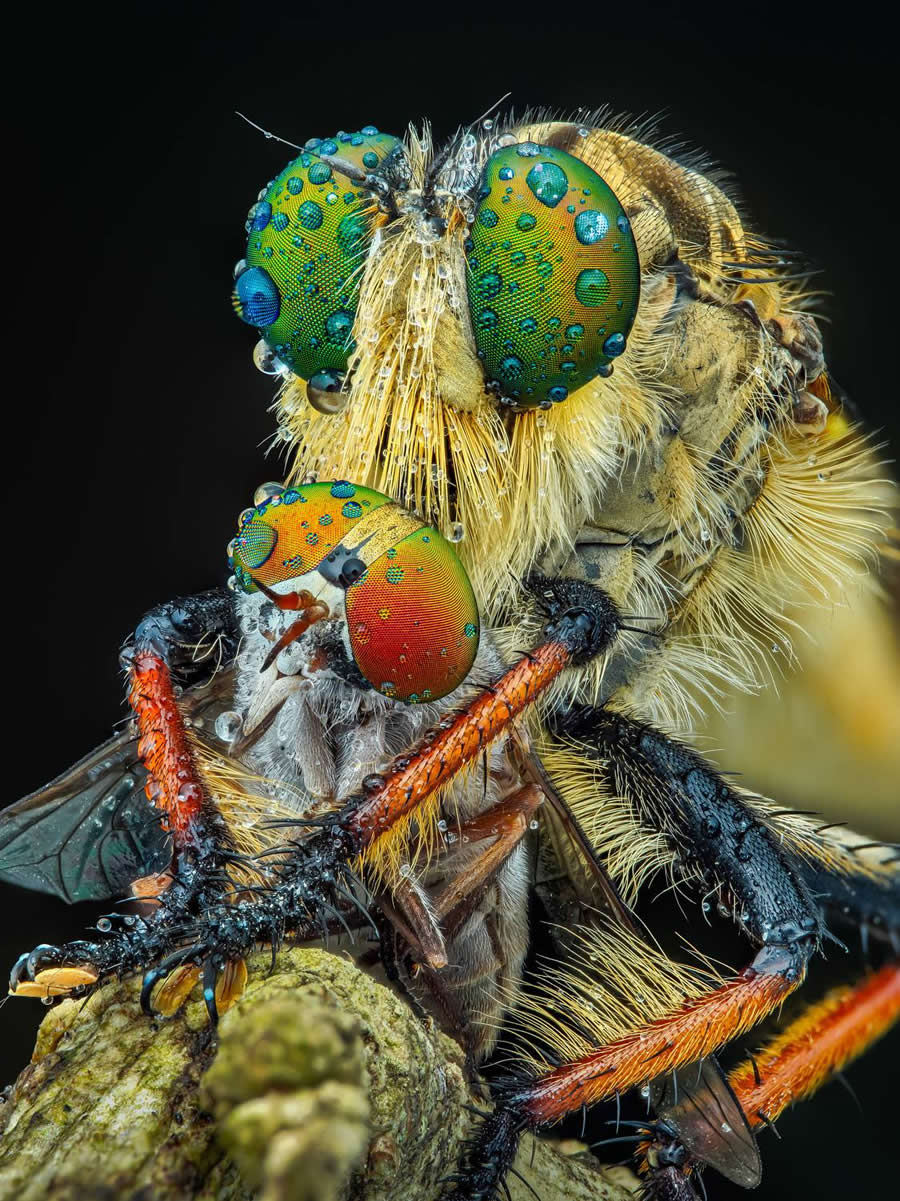
© TRAN THE NGOC
#23. 35 Photography Awards – "Photo" by Dzulfikri
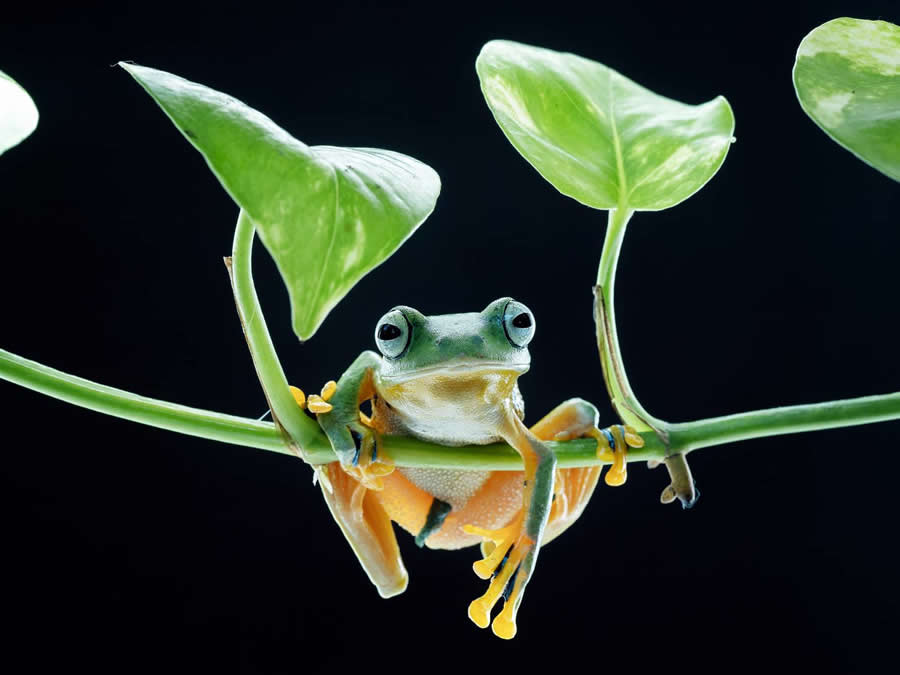
© Dzulfikri
#24. 35 Photography Awards – "Photo" by Marcus Kam
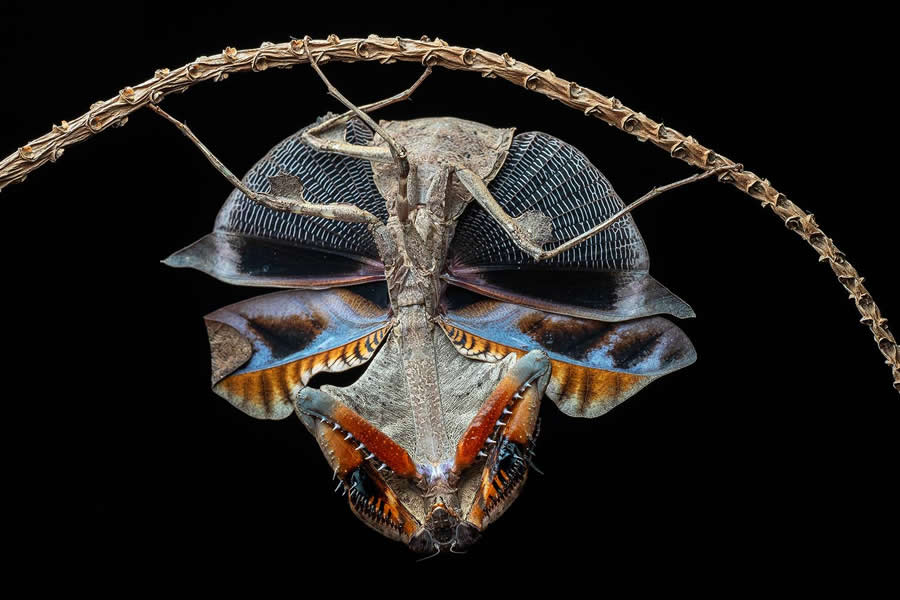
© Marcus Kam
Post-Processing: Enhance the Photograph Without Killing It
Post-processing should polish a strong photograph, not rescue a weak one. Macro images often benefit from careful adjustments to exposure, contrast, sharpness, color, and noise. But don’t go crazy. Overprocessed details can quickly make a natural subject look artificial, and judges can spot that heavy-handed look from a mile away.
- Correct exposure and white balance before making creative adjustments.
- Add sharpening selectively rather than cranking it across the entire image.
- Reduce distracting noise while preserving fine textures and details.
- Crop carefully to improve composition without losing too much resolution.
- Check contest rules before removing, adding, or altering elements in the image.
#25. 35 Photography Awards – "Devil Flower Mantis – Idolomantis Diabolica" by LOH CHEE WOEI
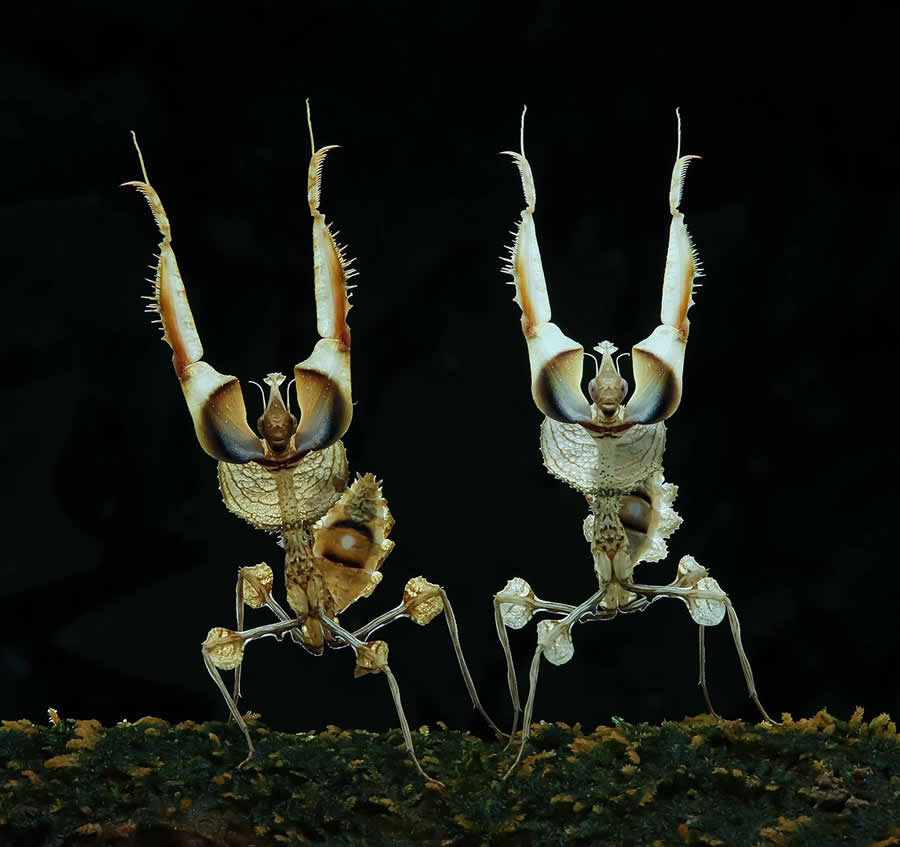
© LOH CHEE WOEI
#26. 35 Photography Awards – "Dorcus parryiritsemae" by Javier Ruperez
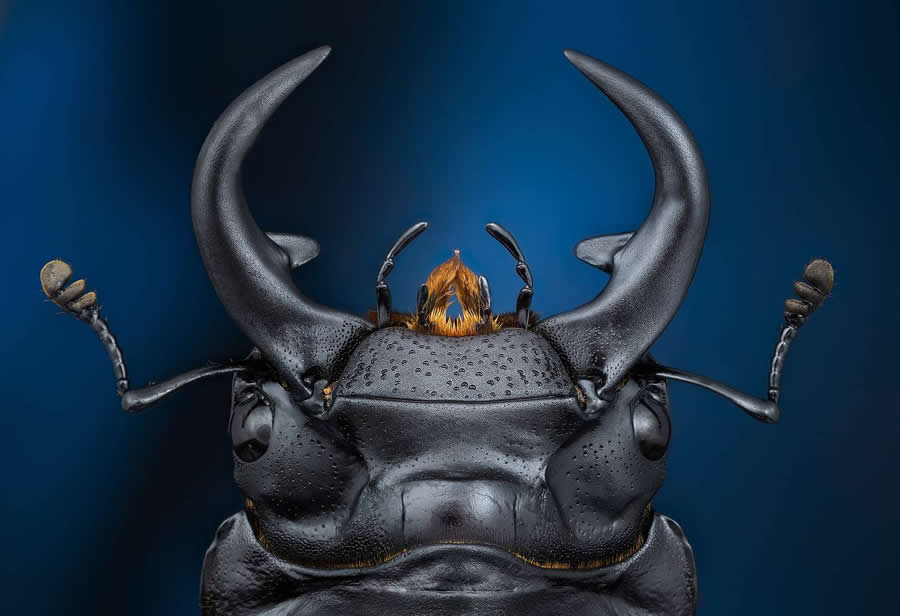
© Javier Ruperez
#27. 35 Photography Awards – "Robber fly" by Richard Kubica
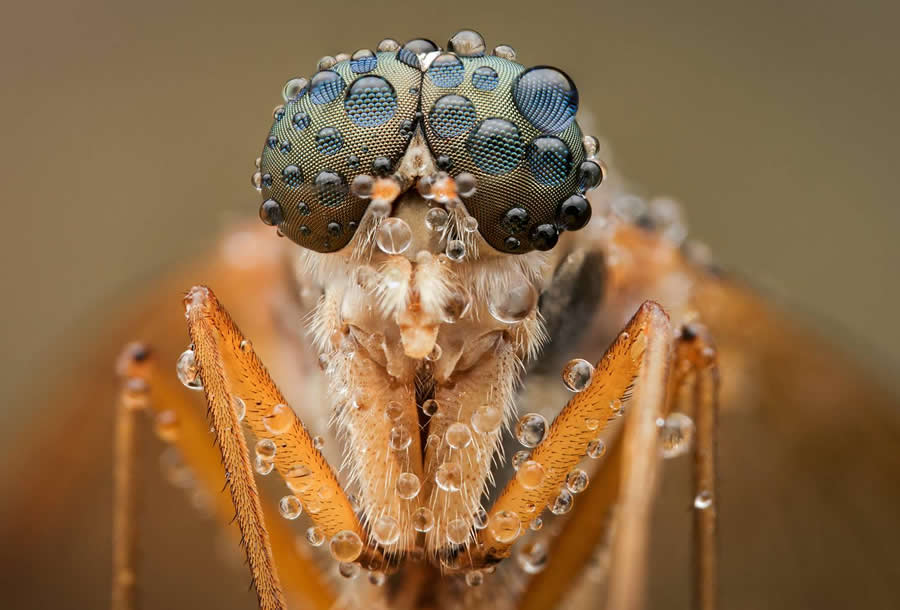
© Richard Kubica
#28. 35 Photography Awards – "Morning dragonfly. Photo taken early in the morning, in dewdrops" by Zaitsev Roman
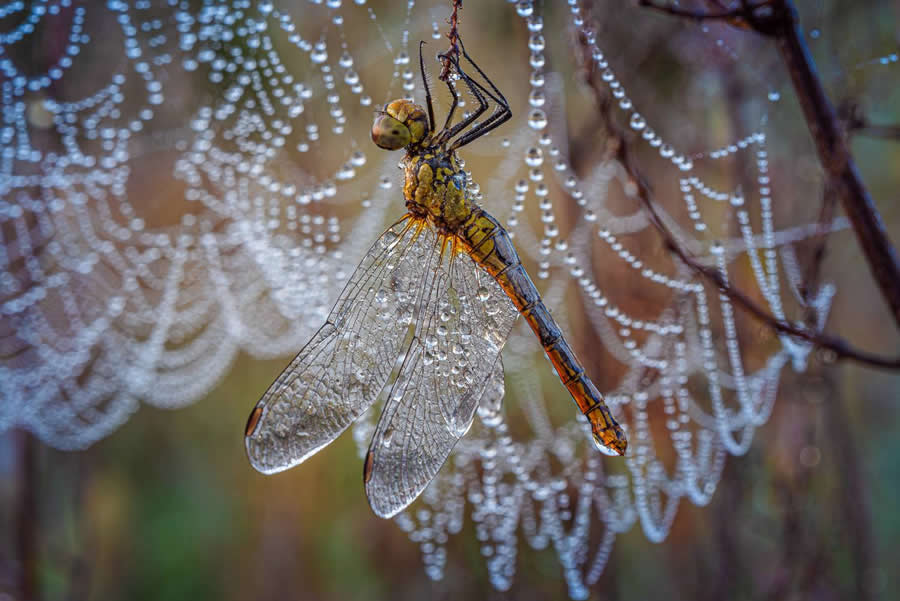
© Zaitsev Roman
#29. 35 Photography Awards – "Dragonfly" by Tran The Ngoc
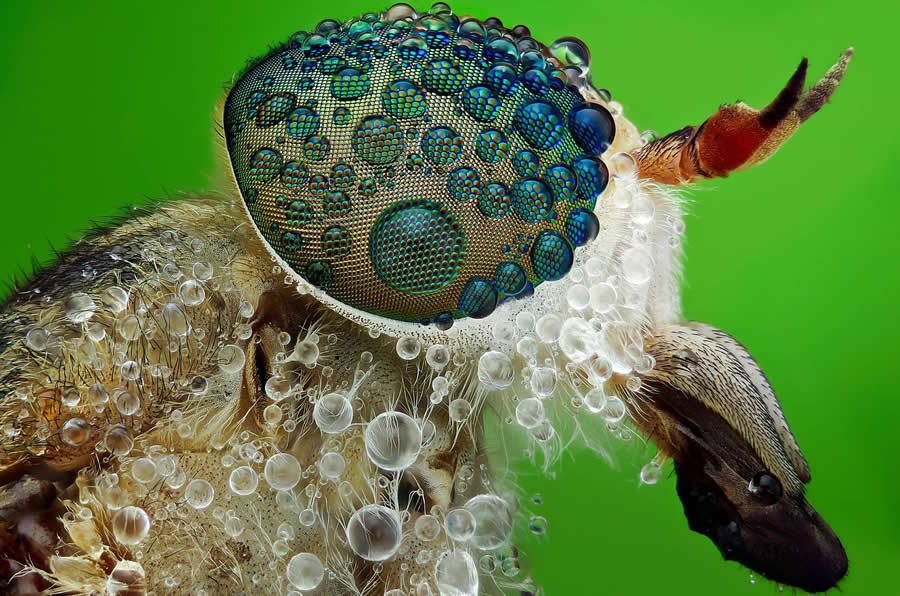
© Tran The Ngoc
#30. 35 Photography Awards – "A heavy drop" by Koledova Irinav
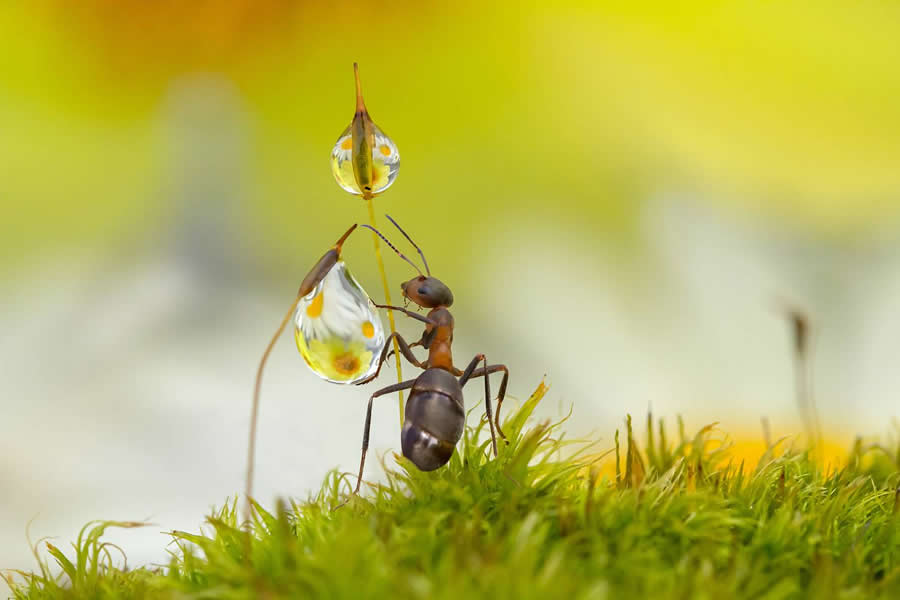
© Koledova Irinav
Entering Photo Contests: Submit Like a Pro
Taking the photograph is only half the job if you’re entering macro photography contests. Every competition has its own rules, file requirements, categories, deadlines, and editing policies. Don’t let a great photograph get rejected because you uploaded the wrong format or missed one tiny requirement. Read everything. Then read it again.
- Choose the contest category that genuinely matches your photograph.
- Follow exact requirements for file size, dimensions, format, and naming.
- Check whether the contest allows cropping, retouching, composites, or AI editing.
- Submit before the deadline instead of gambling on the final few minutes.
- Keep the original RAW file and metadata safely stored after submission.
#31. 35 Photography Awards – "Robber fly" by Richard Kubica
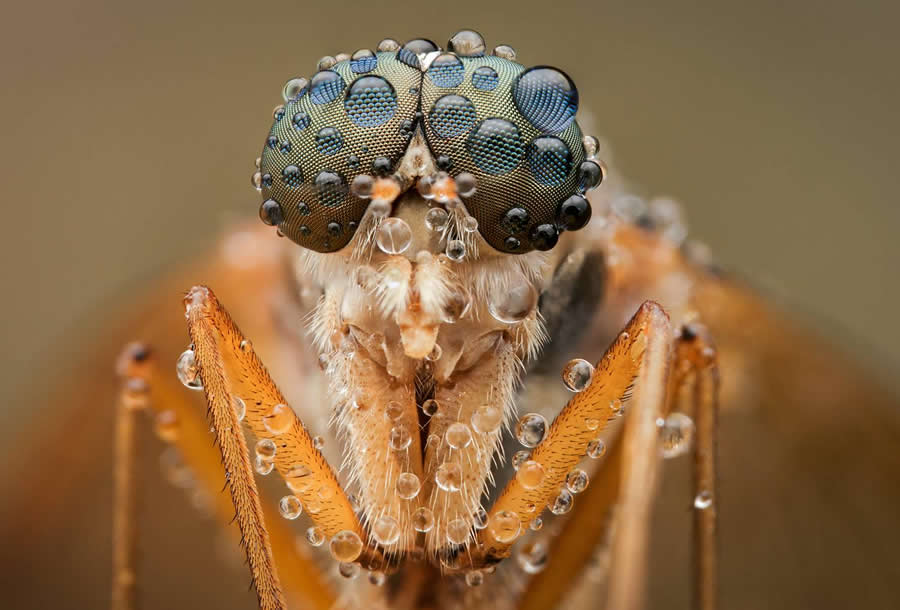
© Richard Kubica
#32. 35 Photography Awards – "Ladybug and Drops" by Tsvetan Ganev
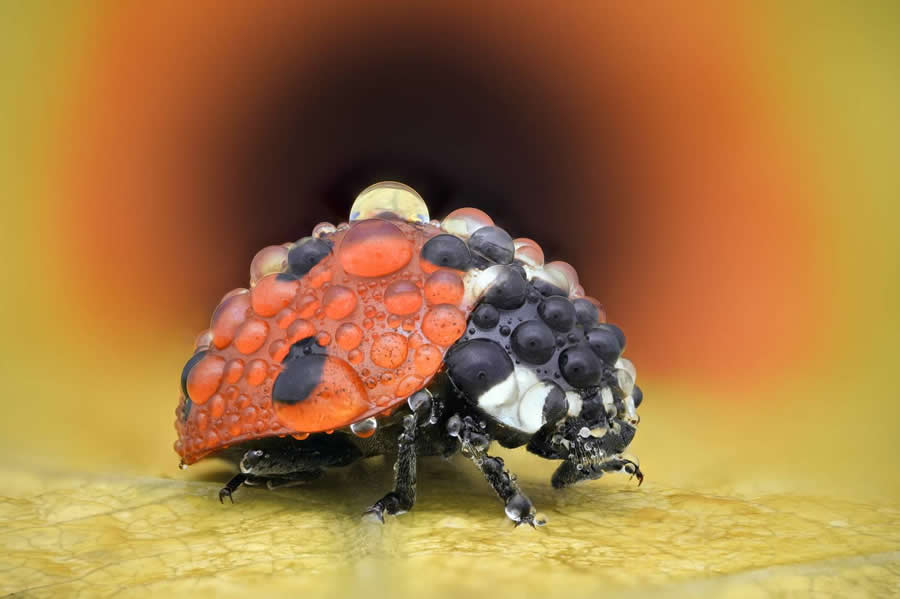
© Tsvetan Ganev
#33. 35 Photography Awards – "Fresh shower" by Richard Kubica
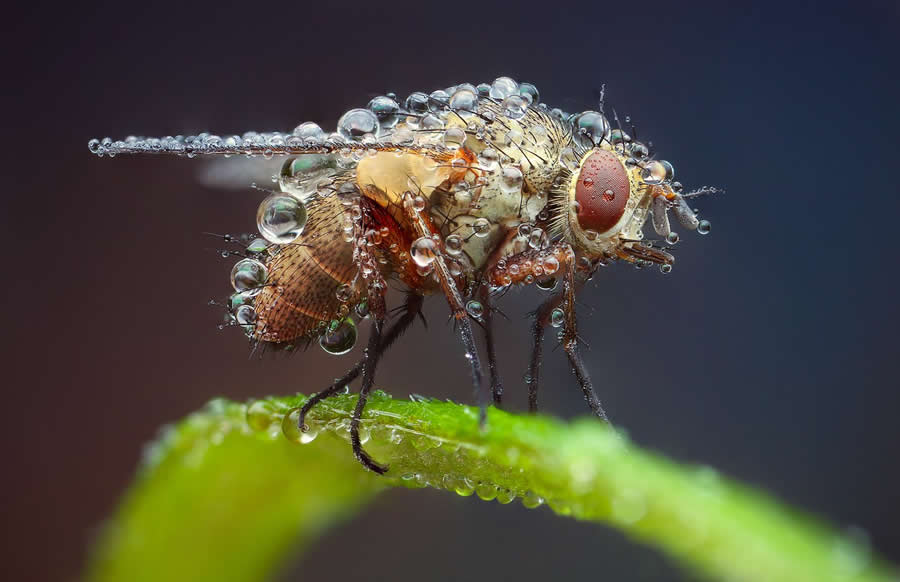
© Richard Kubica
#34. 1st Place Winner: The crustacean Hyperia galba by Ramil Shakirov, Russian Federation
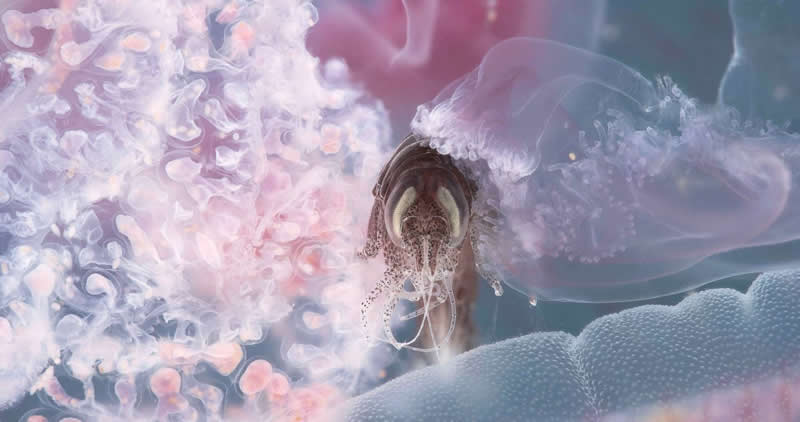
© Ramil Shakirov
#35. 2nd Place Winner: Andrea Grammatico, France
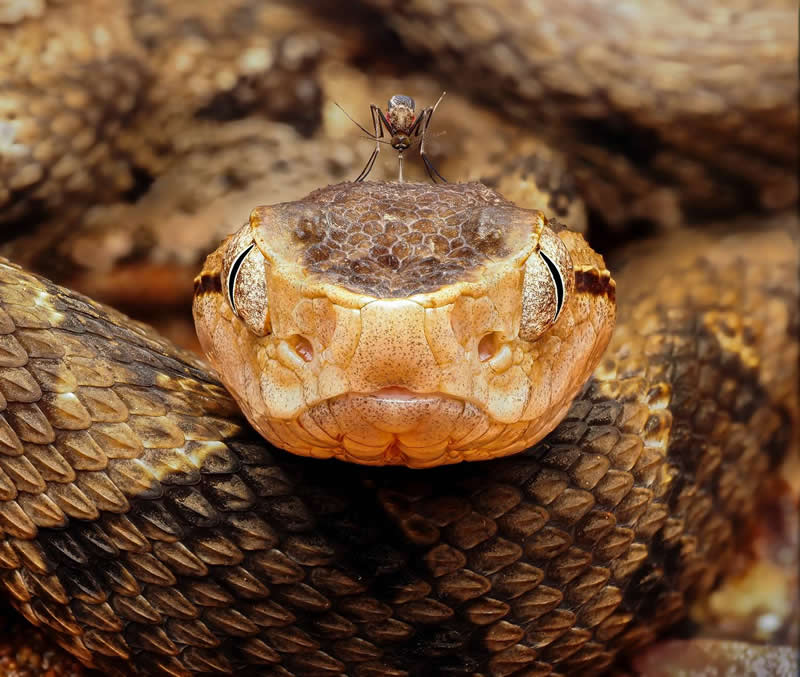
© Andrea Grammatico
#36. 3rd Place Winner: Detail Eupholus magnificus 10x by Javier Ruperez, Spain
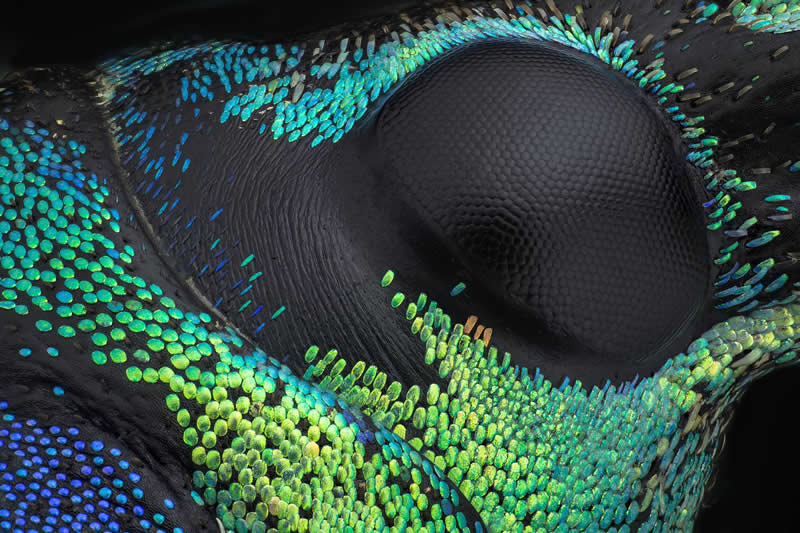
© Javier Ruperez
Editor Summary
These 36 photographs show that award-winning macro photography is about much more than magnification. Study the light, composition, focus, background, and storytelling. If you’re entering contests, treat submission rules just as seriously as the photograph itself. A brilliant image deserves a clean, technically correct submission that gives judges no reason to reject it.
- Study light before shooting.
- Make composition intentional.
- Keep critical details sharp.
- Edit with restraint.
- Follow every contest rule carefully.