
A new street photography trend you can’t ignore.
This shift isn’t just about gear; it’s about how photographers are redefining what makes an image memorable today.
Street photography is going through a quiet shift. While high-end lenses promise perfect sharpness and clinical precision, many photographers are moving in the opposite direction toward imperfect, character-rich vintage glass.
This trend, often called the “Vintage Glass on Mirrorless” movement, is picking up serious momentum across the US. And it’s not just about nostalgia, it’s about creating images that feel different in a feed full of polished sameness.
So, I set myself a challenge:
Ditch my expensive G-Master lens and shoot with a $50 thrift store lens in Chicago.
Here’s what happened and why you might want to try it too.
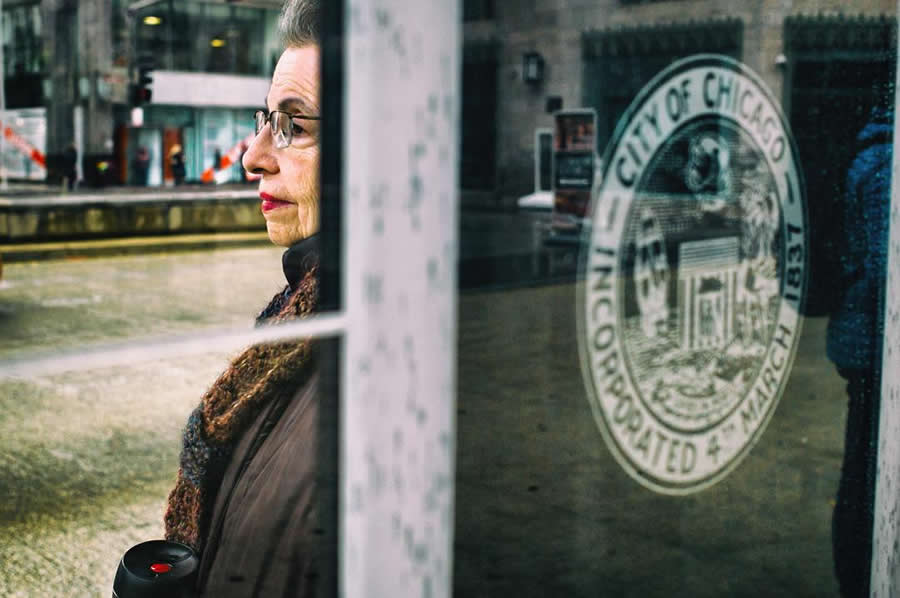
Photo by: @ipons
What is the “Vintage Glass” trend?
At its core, this trend is about rediscovering old tools and using them in new ways to create a distinct visual identity.
The idea is simple:
- Buy an old manual lens (Canon FD, Nikon AI, Minolta, etc.)
- Use an adapter to mount it on a modern mirrorless camera
- Shoot manually, no autofocus, no digital corrections
- These lenses were built decades ago, but they bring something modern lenses often lack: Character
Think:
- Swirly bokeh
- Soft corners
- Unique color rendering
- Subtle imperfections that feel cinematic
And the best part? Many of these lenses cost less than $50–$100.
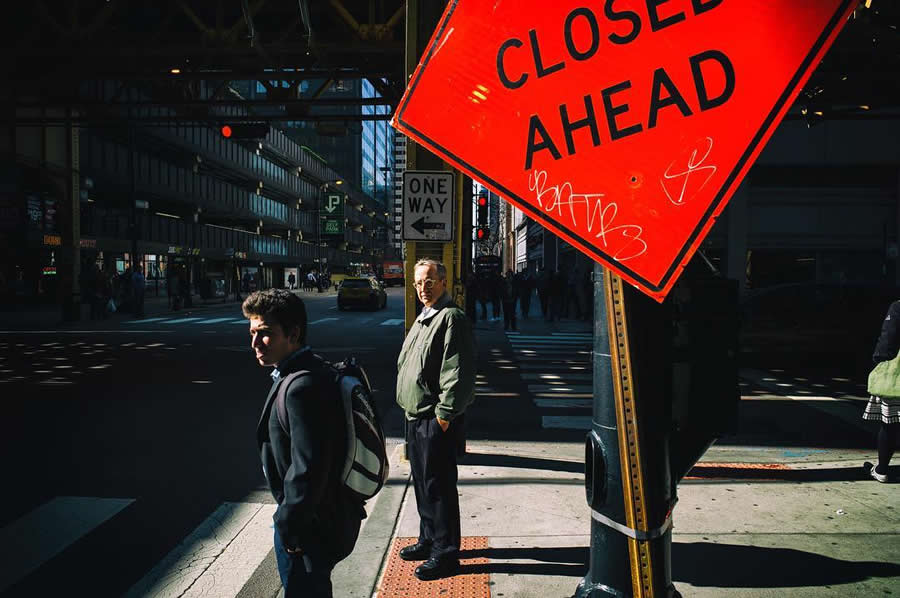
Photo by: @ipons
Why photographers are moving away from expensive lenses
This isn’t about replacing modern gear completely; it’s about choosing a different creative direction when needed.
1. Perfection is starting to feel repetitive
Modern lenses are incredibly sharp but sometimes too perfect.
On platforms like Instagram and Google Discover, images that feel real and emotional stand out more than technically perfect ones.
Vintage lenses introduced:
- Slight softness
- Organic flare
- Natural depth
These imperfections make photos feel more human.
2. Manual focus slows you down (in a good way)
Shooting a manual changes your mindset from reacting to observing.
With vintage glass, you can’t rely on autofocus.
You:
- Anticipate moments
- Compose more carefully
- Engage deeply with your subject
3. It’s budget-friendly experimentation
This trend lowers the barrier to trying new styles without a big financial commitment.
Instead of spending ₹1–2 lakh on a premium lens, you can:
- Try 3–4 vintage lenses
- Experiment with different looks
- Build a unique visual style
This makes it perfect for:
- Beginners
- Creators testing styles
- Street photographers chasing originality
If you look at how popular camera systems became over time, even enthusiast models like the Canon 7D Mark II gained attention for delivering strong performance at a relatively accessible price point compared to flagship gear. You can explore more about this in this quick breakdown of camera trends.
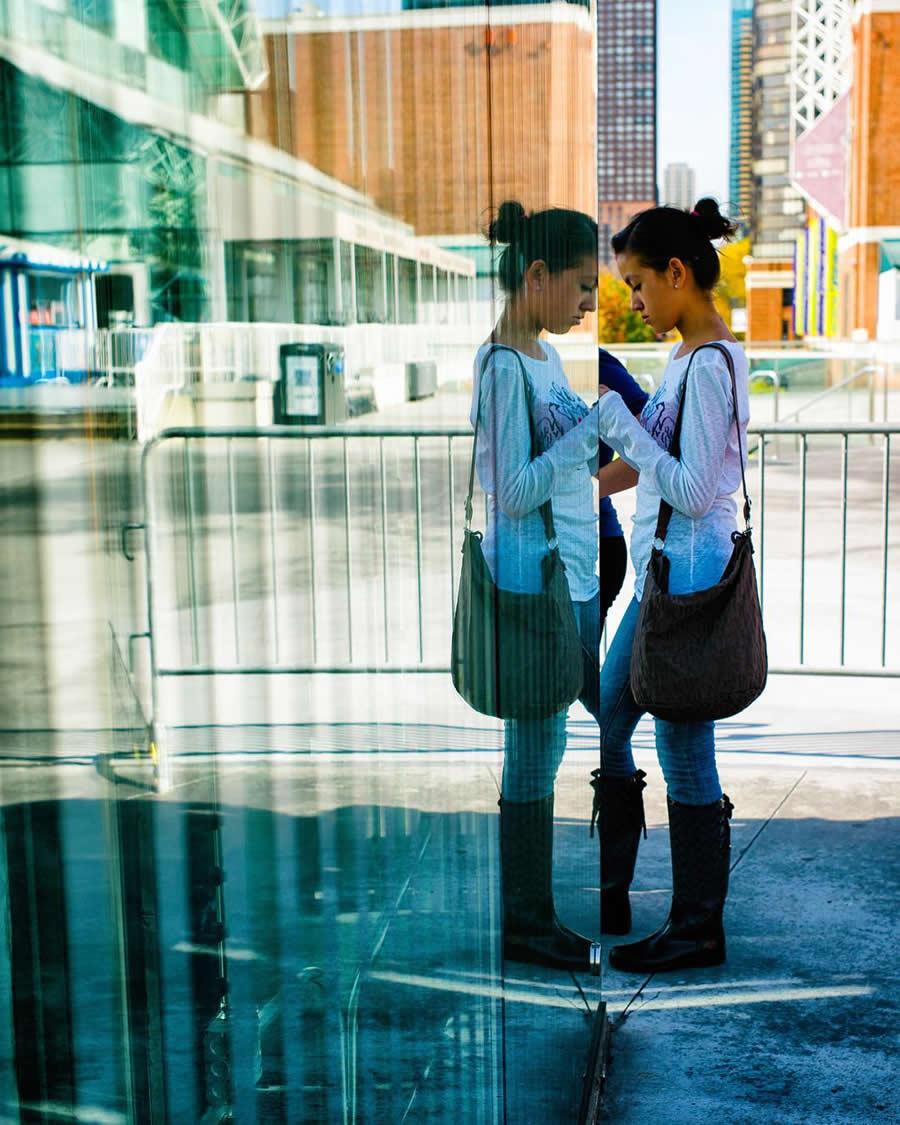
Photo by: @ipons
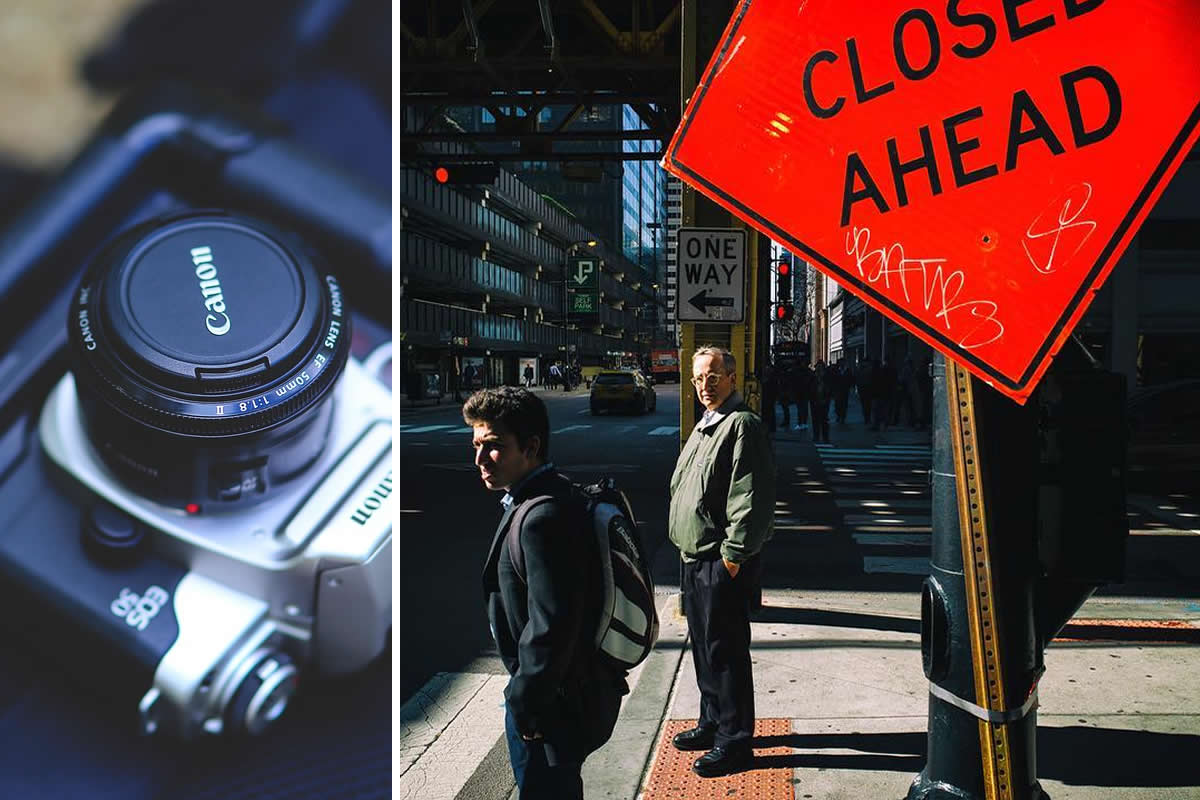
My $50 lens experience on the streets of Chicago
This is where the theory meets reality and where the real learning begins.
I picked up a used Canon FD 50mm f/1.8 from a thrift store and adapted it to my mirrorless body. If you’re curious about how mirrorless systems handle adapted lenses, check this quick overview on mirrorless camera performance.
Here’s what stood out:
The good
- Beautiful, soft background separation
- Warm tones straight out of the camera
- A cinematic feel, especially during golden hour
The challenging
- Missed focus on fast-moving subjects
- No image stabilization
- Learning curve for manual shooting
The surprising part
Some of my favorite shots weren’t technically perfect, but they had mood, depth, and story.
And those are the images that people actually stopped scrolling for.
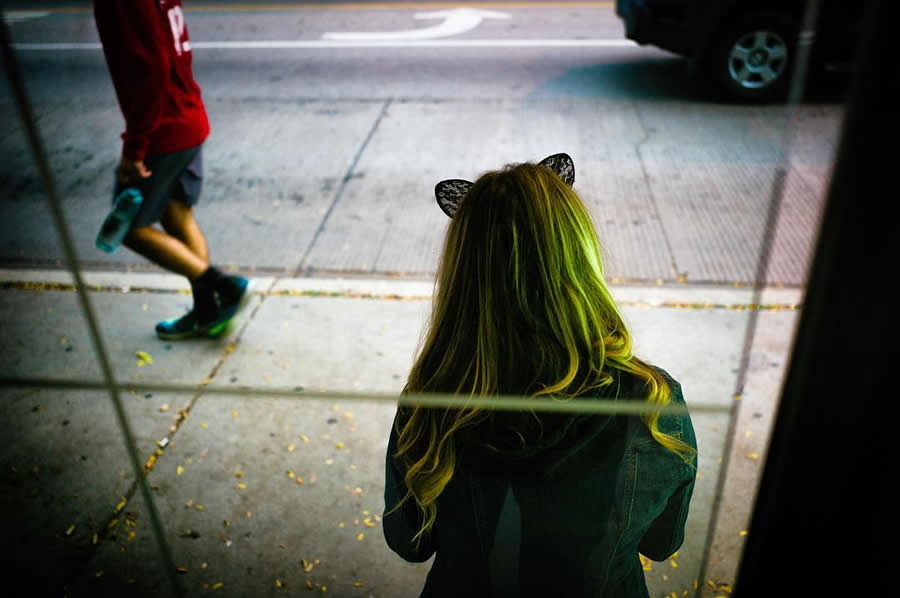
Photo by: @ipons
Best vintage lenses to try (under $100)
If you’re starting out, these lenses offer a strong balance of affordability and creative output.
- Canon FD 50mm f/1.8 – Affordable and versatile
- Helios 44-2 58mm – Famous for swirly bokeh
- Nikon AI 50mm f/1.4 – Strong build and classic rendering
- Minolta Rokkor 58mm – Great for portraits and street
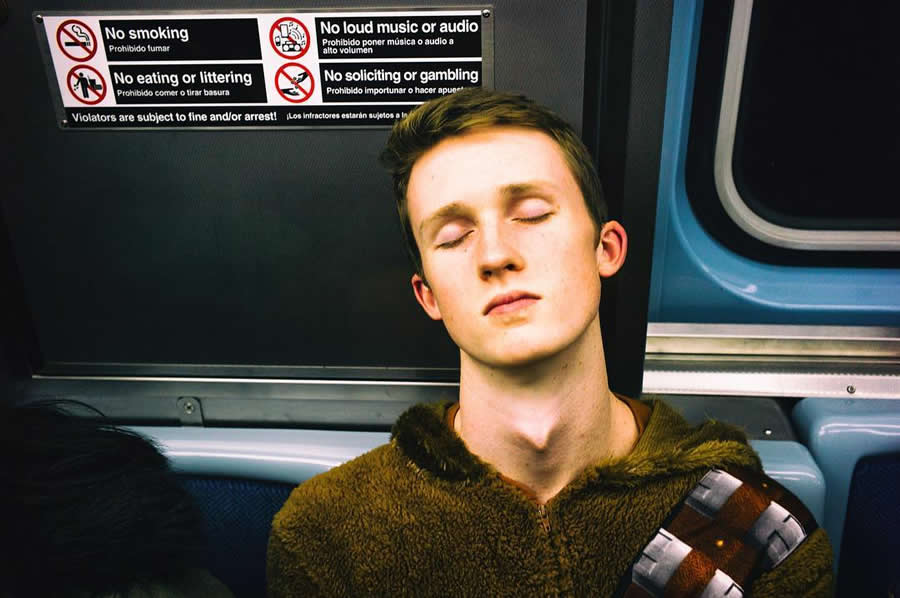
Photo by: @ipons
How to use vintage lenses on mirrorless cameras
The setup process is simple, which is one of the reasons this trend is growing so fast.
It’s easier than it sounds:
- Identify your lens mount (FD, AI, M42, etc.)
- Buy a compatible adapter for your camera (Sony E, Fuji X, etc.)
- Enable “Shoot without lens” in camera settings
- Use focus peaking for easier manual focusing
That’s it, you’re ready to shoot.
To put this into perspective, the growing interest isn’t just anecdotal. The secondhand camera and lens market, including vintage gear, is valued at USD 8.6 billion and is projected to reach USD 13.3 billion by 2034.
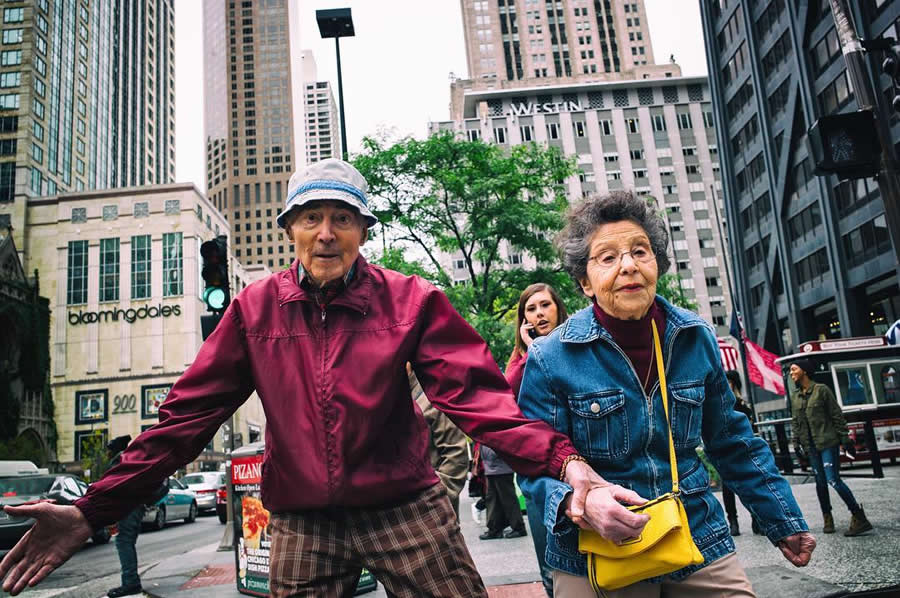
Photo by: @ipons
Should you try the $50 lens challenge?
Think of this as a creative experiment rather than a permanent switch.
If your photos feel:
- Too clean
- Too similar to others
- Lacking emotion
Then yes, this challenge is worth trying.
You don’t need expensive gear to create impactful images. Sometimes, all it takes is:
- A $50 lens
- A busy street
- And a fresh perspective
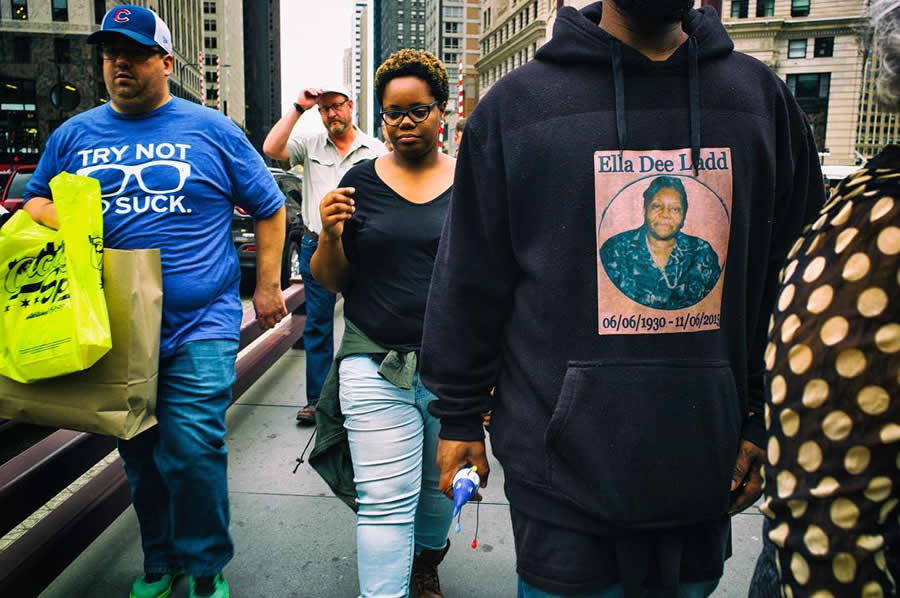
Photo by: @ipons
Final thoughts
In a world full of high-resolution perfection, standing out often means doing the opposite.
Switching from a premium lens to vintage glass isn’t a downgrade; it’s a creative reset.
It forces you to:
- Think differently
- Shoot intentionally
- Embrace imperfection
And in today’s content-heavy world, that’s exactly what makes your work stand out.
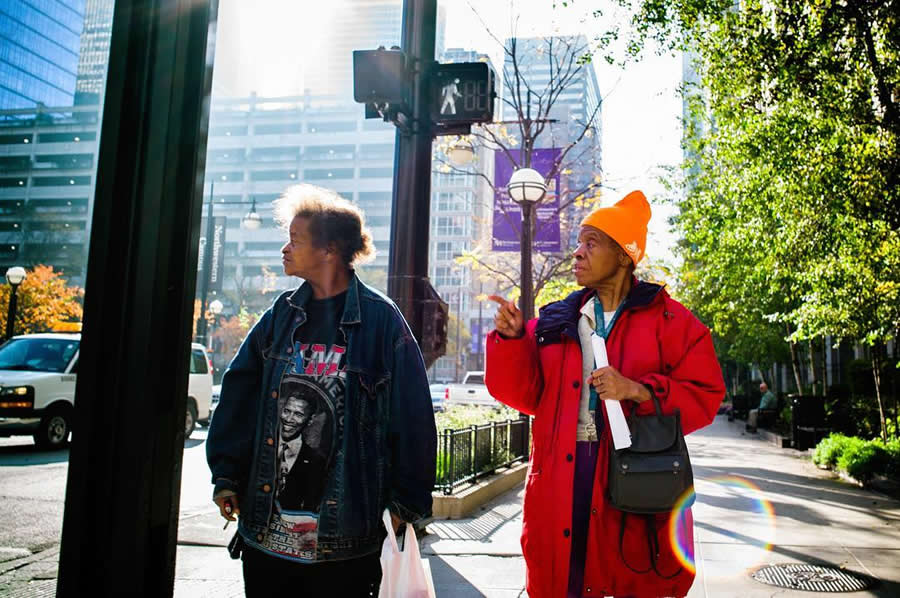
Photo by: @ipons
FAQs;
1. Do vintage lenses affect image quality on high-resolution cameras?
Yes, vintage lenses can behave differently on high-resolution sensors. You may notice softer edges or lower contrast, but many photographers use this intentionally to create a more artistic look.
2. Are vintage lenses good for video shooting?
Vintage lenses are widely used in video for their cinematic rendering, smooth focus transitions, and unique flares, making them popular among filmmakers and content creators.
3. Where can you buy affordable vintage lenses today?
You can find vintage lenses at thrift stores, flea markets, local camera shops, and online platforms like eBay, Facebook Marketplace, and photography forums.
4. Do vintage lenses work well in low-light conditions?
Some vintage lenses with wider apertures (like f/1.4 or f/1.8) perform well in low light, but they may produce softer images compared to modern lenses with advanced coatings.
5. Is it safe to use old lenses on modern cameras?
Yes, it’s generally safe as long as you use a proper adapter. Mirrorless cameras are especially compatible because they don’t require complex mechanical connections.