
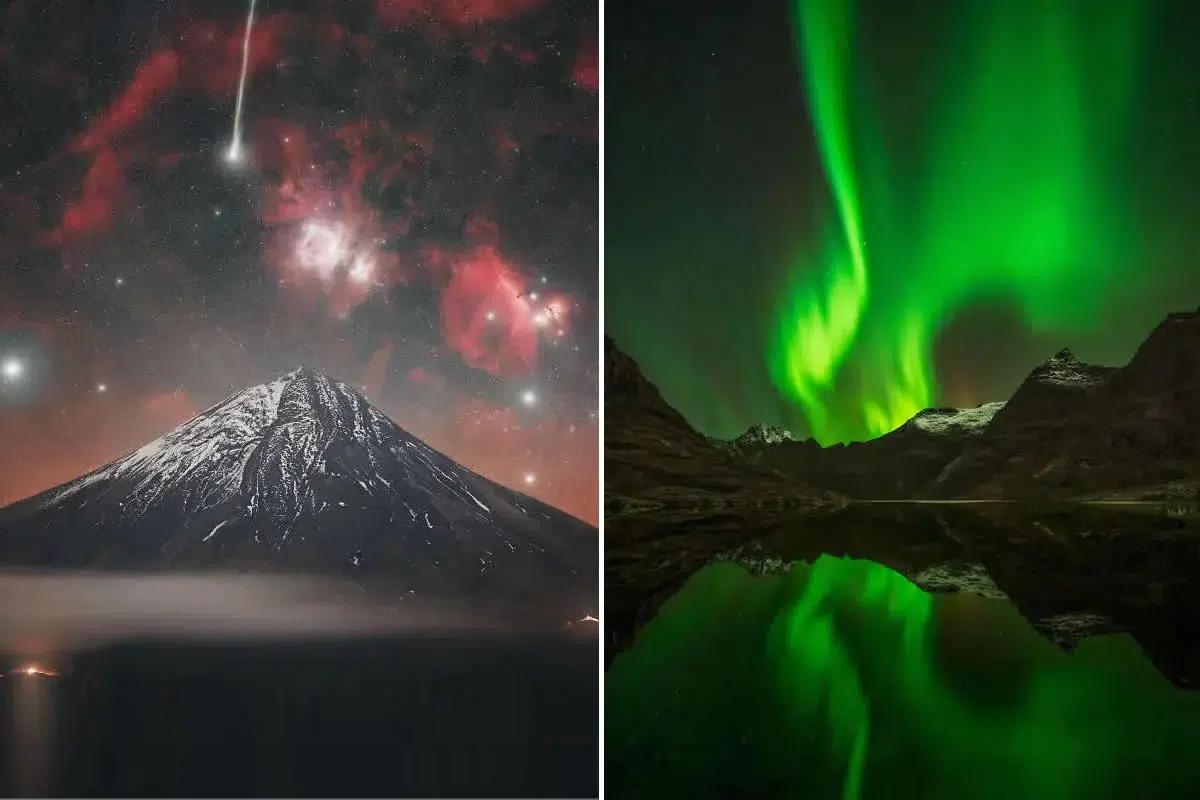
The 2026 Astrophotography Awards Prize has announced its winners, recognizing photographers who captured some of the most remarkable sights in the night sky. From colorful auroras and distant galaxies to enormous nebulae and interstellar dust clouds, this year’s selected images showcase the technical skill and creativity behind astrophotography.
Established in 2023, the international competition attracted approximately 500 entries from 22 countries. Organized by astrophotographers for astrophotographers, the contest features four categories: Astro Landscape, Aurora, Deep Space, and Remote Imaging.
We’ve selected 20 winning and finalist photographs from this year’s competition, offering a closer look at the incredible celestial scenes captured by photographers around the world.
You can find more info about Astrography Prize:
Winners
The 2026 Astrophotography Prize recognizes outstanding work across several categories, including Astrophotographer of the Year, Deep Space, Aurora, Remote Imaging, and the Getaway Award. This year’s winners showcase exceptional technical skills and creativity, capturing everything from distant galaxies and colorful auroras to remarkable celestial scenes and night-sky landscapes.
#1. Astrophotographer of the Year Award: Cathedral By Evan Mckay
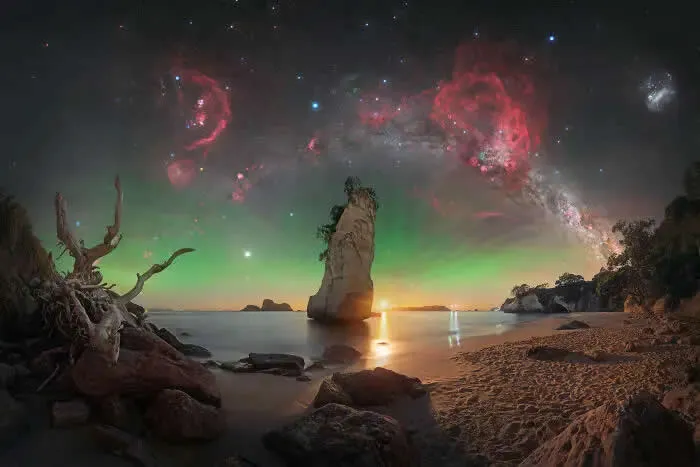
Location: Cathedral Cove, New Zealand
Photographer’s statement: “This is a multilayer 24 panel mosaic taken from Cathedral Cove before and during a moonrise. I timed it in such a way that I was able to finish capturing the sky just before the moon started to rise.”
#2. Winner of the Deep Space Category: Chameleon Dark Clouds By Marzena Rogozińska
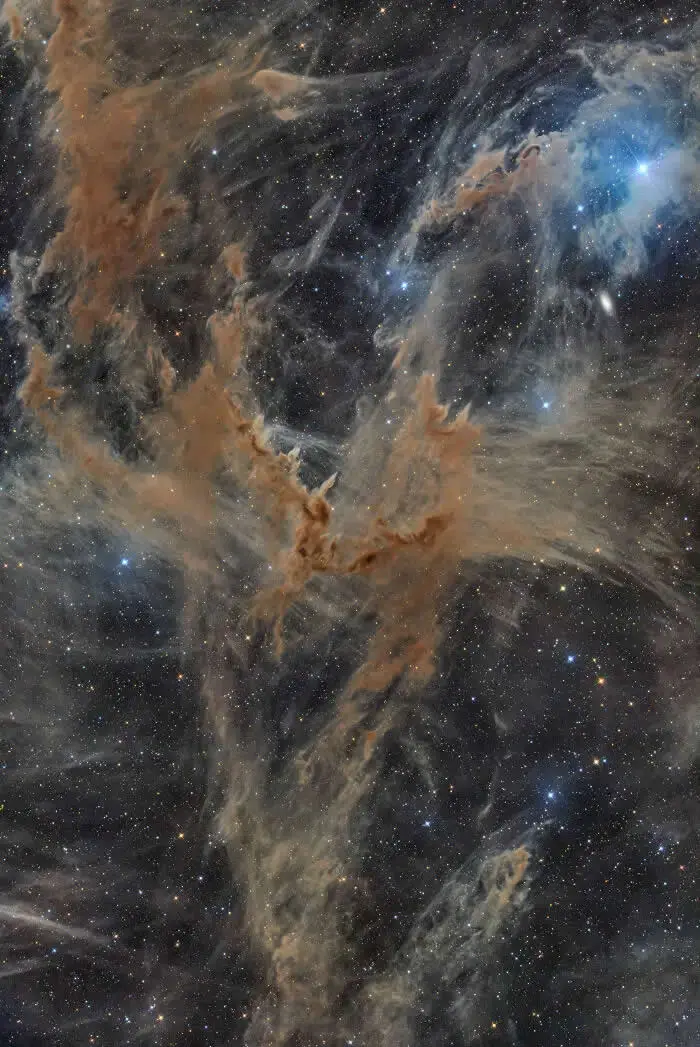
Location: Hakos, Namibia
Photographer’s statement: “The Chameleon Dark Clouds in the constellation Chamaeleon, captured from Namibia. The image reveals intricate streams of interstellar dust illuminated by delicate blue reflection nebulae.”
#3. Winner of the Remote Imaging Category: Galileo’s Finger By Alpha Zhang
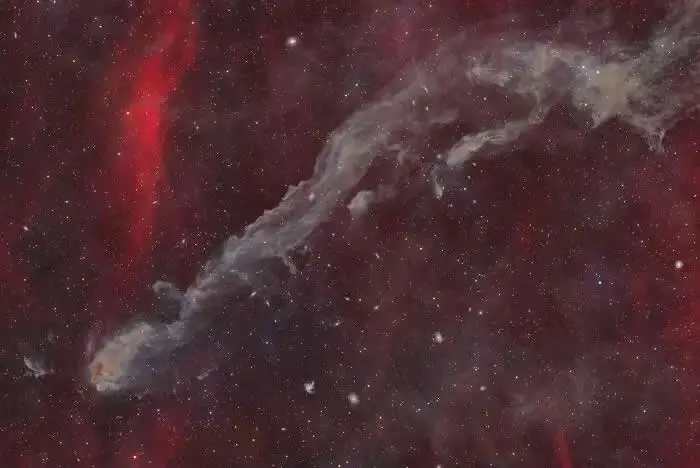
Location: Sichuan, China
Photographer’s statement: “Galileo’s Finger Through a Faint Hα Veil: A near-threshold Hα veil rather than a bright red sea: dust sets the direction, Ha builds the depth, and distant galaxies still thread through the field.”
#4. Getaway Award Winner: Rotten Fish Nebula By Brian Puhl
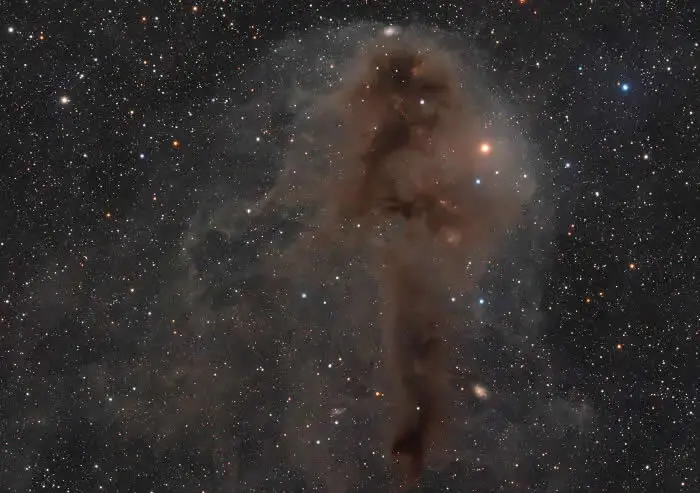
Location: North Carolina
Photographer’s statement: “LDN 1251, the Rotten Fish Nebula. A dark nebula of rich brown dust in Cepheus. A little over 19 hours of LRGB from my North Carolina back yard.”
#5. Winner of the Aurora Category: Aurora Borealis Dance By Jason Perry
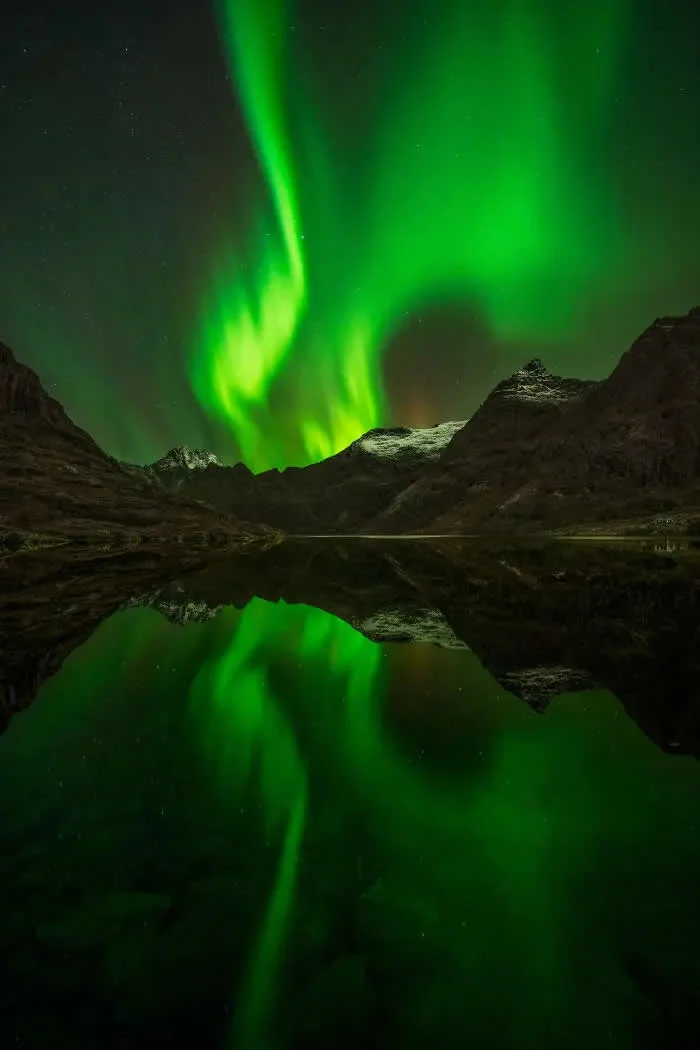
Location: Å, Lofoten Islands, Norway
Photographer’s statement: “The Aurora Borealis dances above the mountains of Å in Norway’s Lofoten Islands, its vibrant green light reflected across the calm waters below.”
Finalists
The 2026 Astrophotography Prize finalists showcase an impressive range of talent across Deep Space, Aurora, and Remote Imaging categories. Their selected images capture distant galaxies, colorful auroras, intricate nebulae, and spectacular night-sky landscapes, highlighting the creativity and technical precision behind each photograph.
#6. Finalist in the Astro Landscape Category: Orion Above Mount Taranaki By Evan Mckay
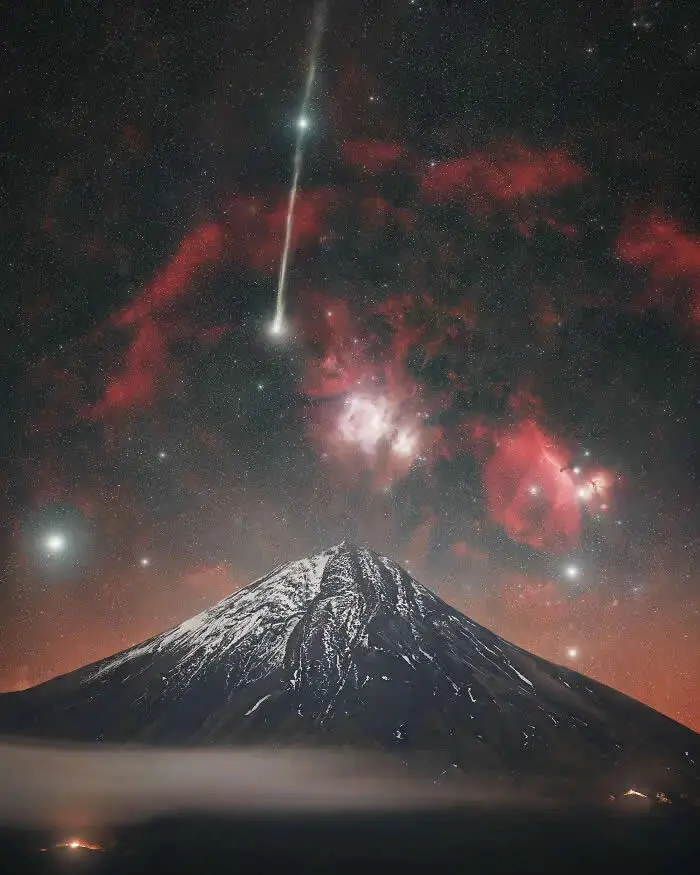
Location: Mount Taranaki New Zealand
Photographer’s statement: “This is a multilayer 2 panel mosaic in full colour and duoband data of the Comet C/2025 R3 PANSTARRS with Orion above Mount Taranaki. All was shot with 135mm lens on location.”
#7. Finalist in the Astro Landscape Category: Panorama Of The Milky Way By Matteo Strassera
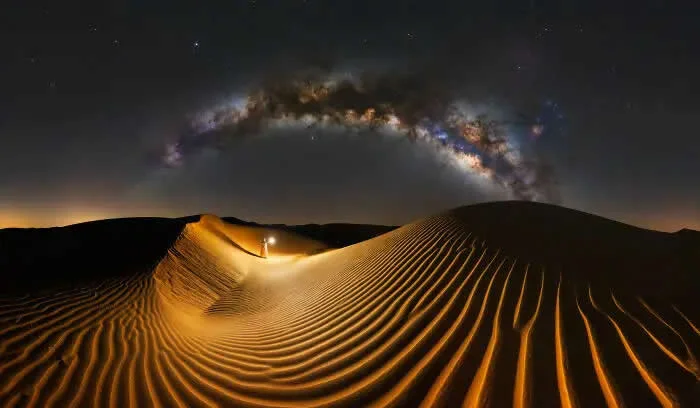
Location: Rub’ al-Khali Desert
Photographer’s statement: “Panorama of the Milky Way captured in Rub’ al-Khali desert, in the UAE. A solitary figure is framed between two elements, the cosmos and the dunes, both immutable but in constant evolution.”
#8. Finalist in the Aurora Category: Beacon By Kavan Chay
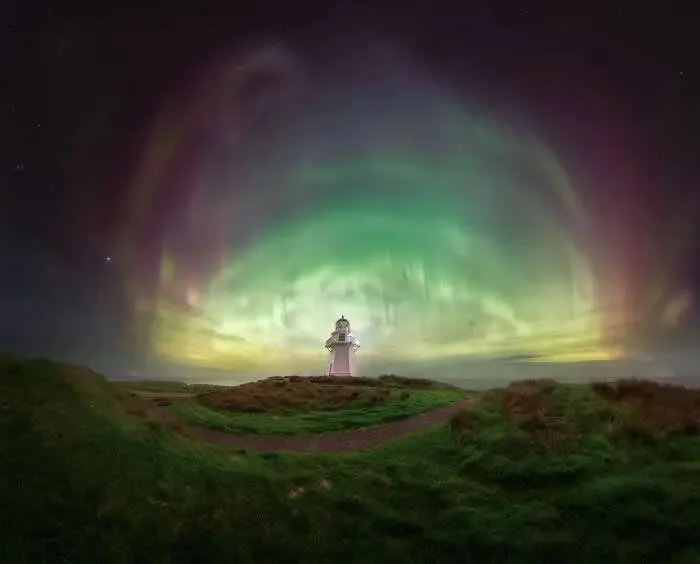
Location: Waipapa Point, New Zealand
Photographer’s statement: “This Aurora Australis display was so expansive, it needed a 12 frame panorama to capture the full display, with another 6 to capture the lighthouse in the foreground.”
#9. Finalist in the Astro Landscape Category: Milky Way And Orion By Łukasz Remkowicz
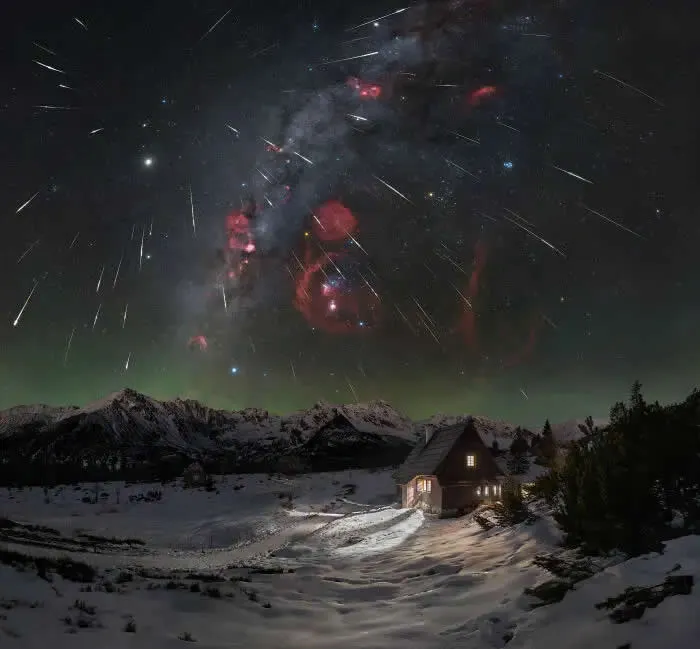
Location: Betlejemka, Poland
Photographer’s statement: “Betlejemka, the Polish Alpine Association’s training center in Hala Gąsienicowa, beneath the winter Milky Way and Orion, photographed at the peak of the Geminids.”
#10. Finalist in the Aurora Category: Daytime Aurora By Jason Perry
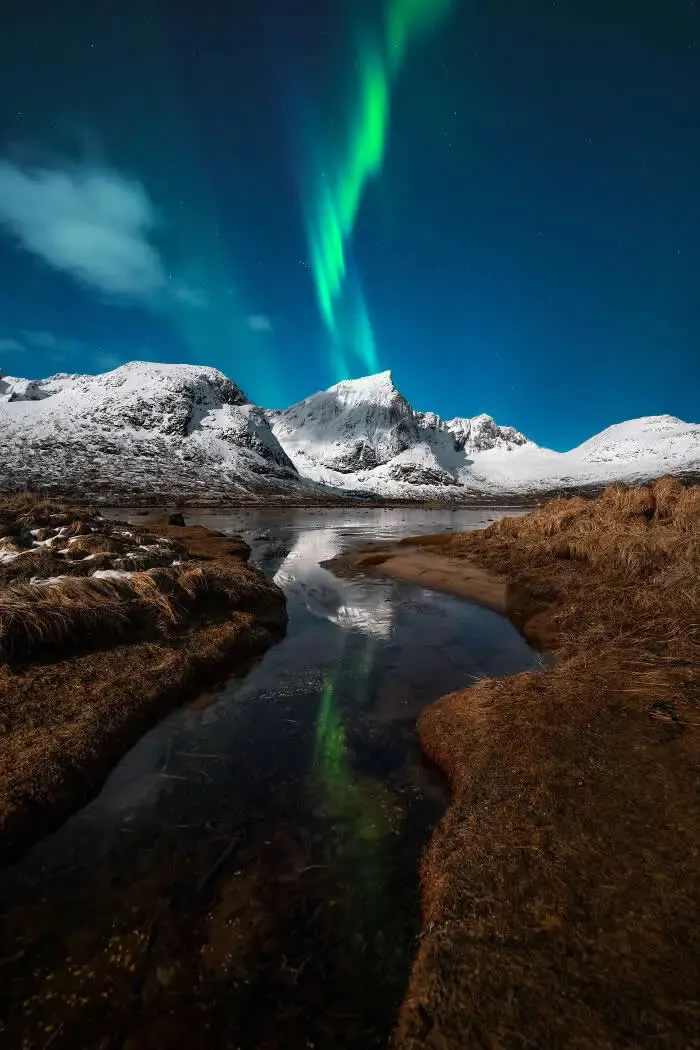
Location: Lofoten Islands, Norway
Photographer’s statement: “A single ribbon of the Aurora Borealis rises above the moonlit mountains of Norway’s Lofoten Islands, reflected in the calm waters below.”
#11. Finalist in the Aurora Category: Fireball By Matteo Strassera
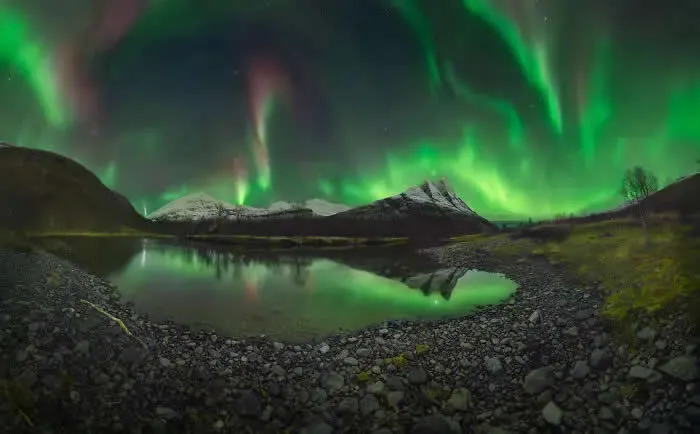
Location: Senja Island, Norway
Photographer’s statement: “In this panorama the Northern Lights dance above the peaks of Senja, reflected in a calm river. A flash of light brightens the already lit sky, a fireball with a trail that lasts few seconds.”
#12. Finalist in the Deep Space Category: Ldn 1295 By Damian Potocki
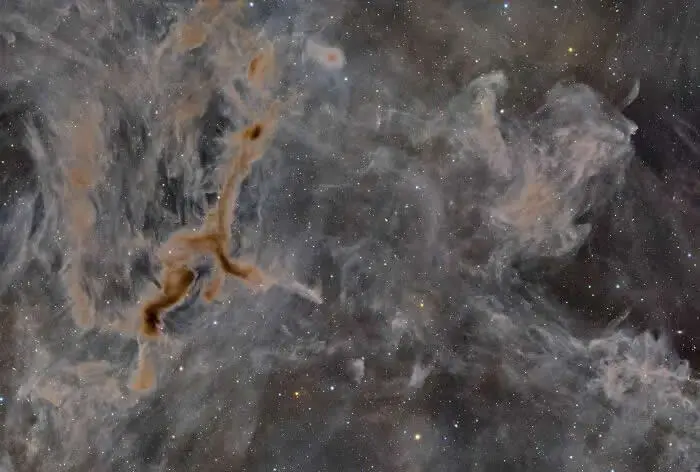
Location: Hohe Dirn, Reichraming, Austria
Photographer’s statement: “LRGB study of LDN 1295, a dark molecular cloud in Cassiopeia whose dusty silhouette traces a giraffe against the Milky Way.”
#13. Finalist in the Deep Space Category: Orion By Troy Casswell
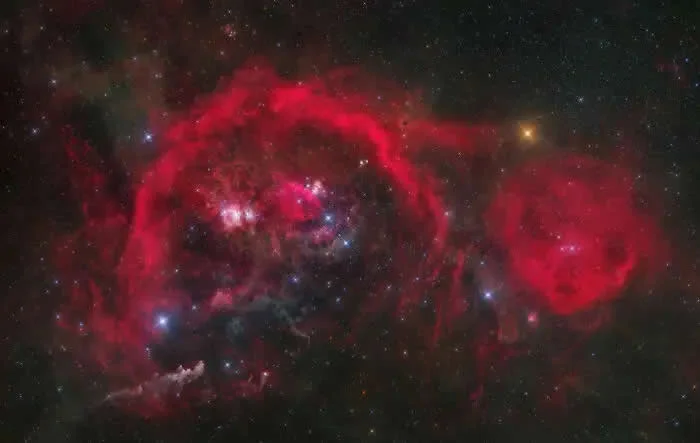
Location: Southeast Queensland, Australia
Photographer’s statement: “A multi panel mosaic of the iconic Orion constellation, which is a stellar birth powerhouse. With an abundance of nebulae and stars of all types, it was a challenge to balance everything in this image.”
#14. Finalist in the Remote Imaging Category: Alnilam By Kevin Morefield
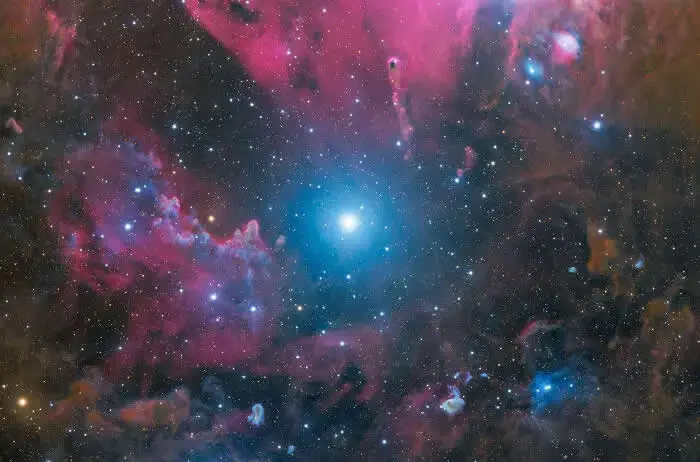
Location: HCRO New Mexico, USA
Photographer’s statement: “Instead of treating bright Alnilam as an obstacle, I made it the subject. It is neatly placed in a void between many details in emission, reflection and dark nebulae.”
#15. Finalist in the Remote Imaging Category: Lmc Rosette By Kevin Morefield
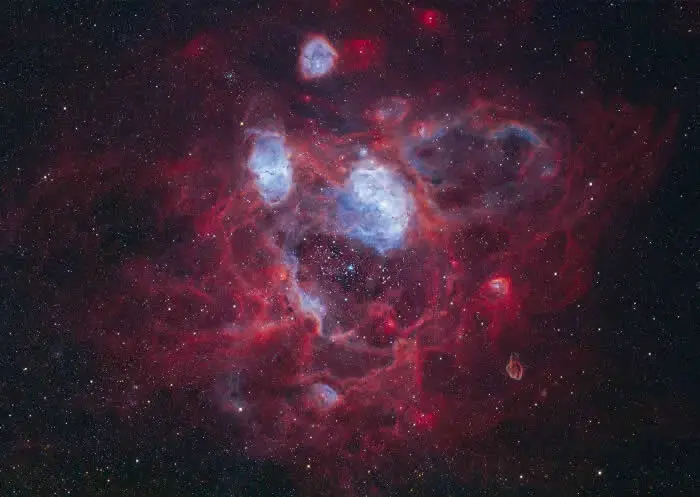
Location: El Sauce Observatory, Chile
Photographer’s statement: “As this complex is in the distant LMC, it is really a collection of many objects. I wanted to highlight the similarity with the Rosette. Massive young stars carving out the central cavity.”
#16. Finalist in the Remote Imaging Category: Ha Shell By Kevin Morefield
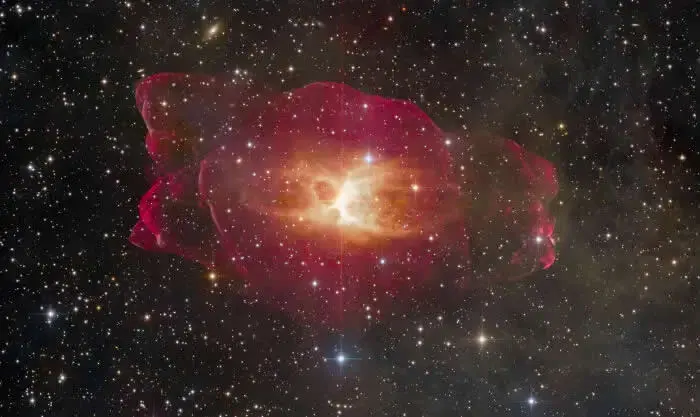
Location: El Sauce Observatory, Chile
Photographer’s statement: “The orangish reflection nebula is unusual but the full Ha shell was a surprise. I like how the local dust appears both in front of and behind the shell, telling us it is part of the scene.”
#17. Finalist in the Aurora Category: Wings Of The Night By Yu Li
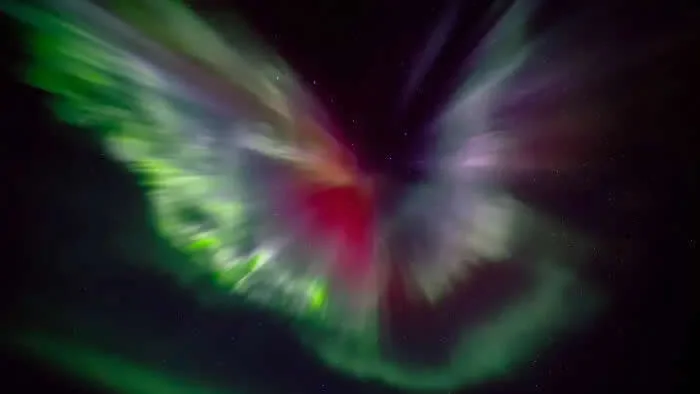
Location: Fairbanks, Alaska, USA
Photographer’s statement: “Wings of the Night: Emerald aurora wings cradle a vibrant core, framing the seven stars of the Big Dipper as quiet sentinels in the deep sky. taken in 3/22/26 at Fairbanks, Alaska.”
#18. Finalist in the Deep Space Category: G156.2 By Mateusz WIśniewski
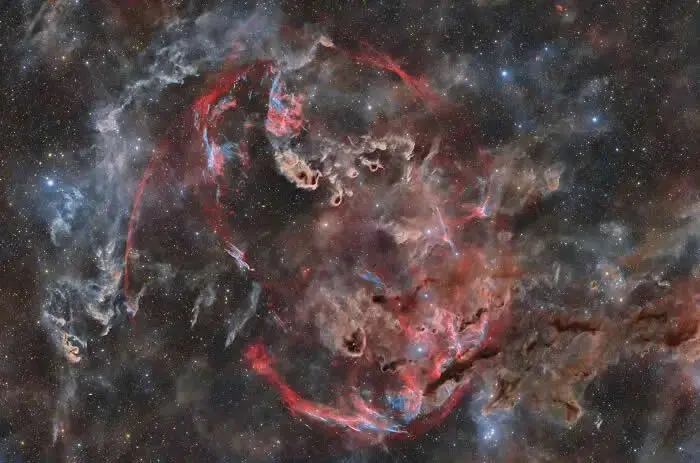
Location: Czarne, Poland
Photographer’s statement: “G156.2+5.7 is one of the largest and most faint supernova remnants in our sky. Located on the border of Auriga and Perseus. Spans nearly 3 degrees—six times the diameter of the full Moon.”
#19. Finalist in the Astro Landscape Category: Milky Wave Above The Wave By Jason Perry
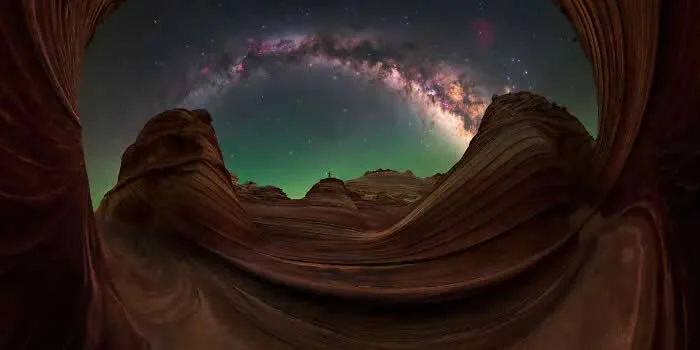
Location: Coyote Buttes North, Paria-Canyon Wilderness, Arizona, USA
Photographer’s statement: “The Milky Way arches above the Wave in Arizona, where sculpted sandstone curves surround the night sky in one of the most remarkable landscapes on Earth.”
#20. Finalist in the Remote Imaging Category: Dark Nebula By Kevin Morefield
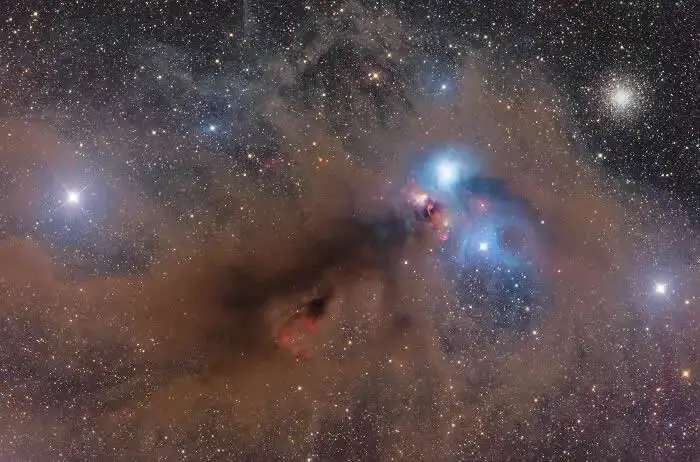
Location: El Sauce Observatory, Chile
Photographer’s statement: “With a globular; reflection, dark and emission nebulae, and HH objects, this target has it all. I felt the Ha was critical to add dynamic color and fully represent the glow of HH objects in the dust.”
Frequently Asked Questions (FAQ):
What are the 2026 Astrophotography Awards?
The 2026 Astrophotography Prize is an international photography competition celebrating outstanding images of space. It brings together astrophotographers from around the world to showcase their skills in capturing galaxies, nebulae, auroras, and night-sky landscapes.
How many entries did the 2026 Astrophotography Prize receive?
The 2026 Astrophotography Prize received approximately 500 entries from photographers across 22 countries. Participants submitted their work across four categories, highlighting different approaches to capturing astronomical subjects and celestial events.
What are the categories in the 2026 Astrophotography Prize?
The competition features four categories: Astro Landscape, Aurora, Deep Space, and Remote Imaging. Each category highlights a different area of astrophotography, from colorful northern lights and starry landscapes to distant galaxies and deep-space objects.
What can you see in the 2026 Astrophotography Award-winning photos?
The selected photographs showcase spectacular auroras, interstellar dust clouds, distant galaxies, nebulae, and star-filled landscapes. These images reveal the beauty of the universe through careful planning, specialized equipment, technical expertise, and remarkable photographic timing.