
Wildlife photography has a way of making us stop scrolling and take a closer look at the incredible creatures sharing our planet. The 2026 BIAZA Photo Competition does exactly that, bringing together remarkable animal portraits, playful moments, and fascinating details from zoos, aquariums, and the natural world across Britain and Ireland.
Organized by the British and Irish Association of Zoos and Aquariums (BIAZA), this year’s competition attracted more than 800 entries. After a challenging judging process, judges selected winning and runner-up photographs across seven categories, celebrating everything from mammals and birds to reptiles, fish, and tiny invertebrates.
And there’s plenty to love here. One image captures a mud-loving elephant enjoying a wonderfully messy moment, while another showcases a lionfish with mesmerizing patterns. Elsewhere, a tiny crab hiding among anemone tentacles proves that even the smallest creatures can steal the spotlight.
The 2026 competition also introduced a Human category, highlighting the people dedicated to animal care, conservation, and welfare. Alongside the Native Species category added in 2025, this year’s awards offer a broader look at the connections between wildlife, people, and conservation.
Explore 25 remarkable photos celebrating the beauty, character, and surprising personalities of the animal kingdom.
You can find more info about BIAZA:
#1. Birds – Winner: Frosty Vulturine By Gareth Clifford
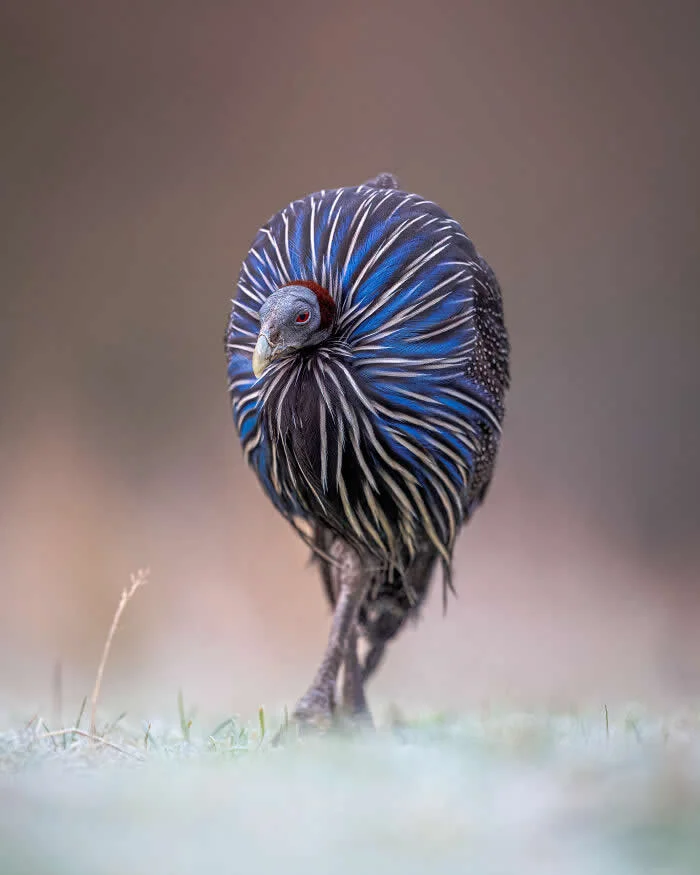
Species: Vulturine Guineafowl (Acryllium vulturinum)
Location: Watatunga Wildlife Reserve
Description: “The photographer took great lengths to take this shot during an early January sunrise experience at Watatunga Wildlife Reserve in Norfolk. Vulturine Guineafowl are known for their distinctive appearance.”
#2. Mammals – Winner: Still I Rise By Thomas Harris
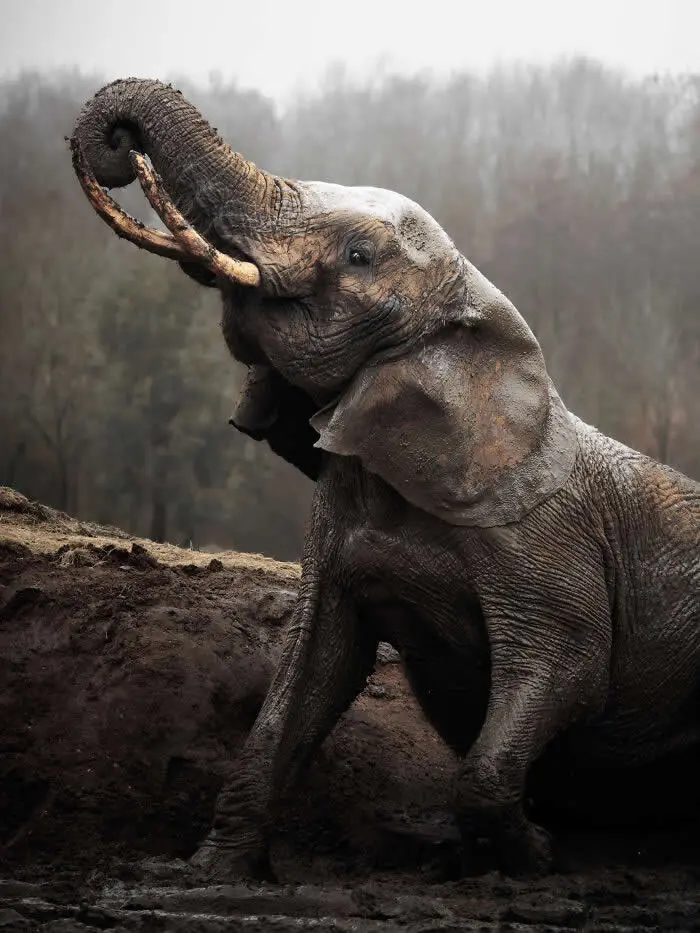
Species: African Elephant (Loxodonta africana)
Location: Colchester Zoological Society
Description: “Photographer Thomas Harris found Opal the elephant enjoying a mud pile on a soggy day at the Colchester Zoological Society, home to four African elephants. The Society’s conservation work includes a Zambian elephant orphanage project and research into vaccines for elephants.”
#3. Native species – Winner: Forest Lantern By Peter Baird
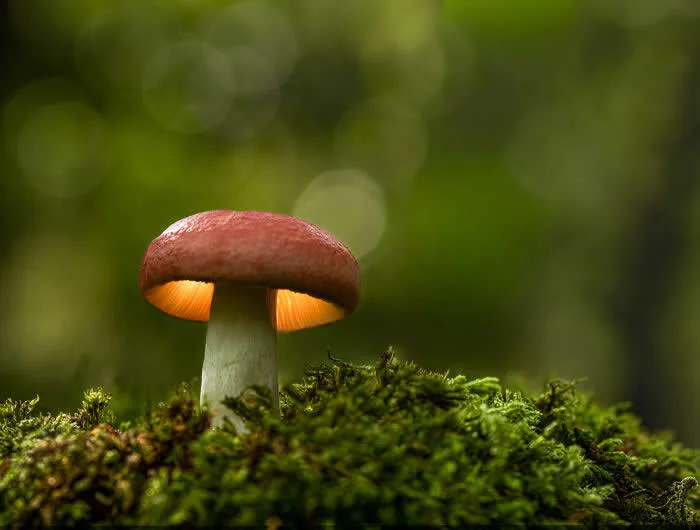
Species: Beechwood sickener (Russula nobilis)
Location: West Calder
Description: “Fungi are increasingly becoming part of the conservation picture, as ecologists realize their importance in forest habitats. This photo was taken in West Calder, Scotland.”
#4. Invertebrate – Winner: Small Crab, Big Anemone By Ellie Richards
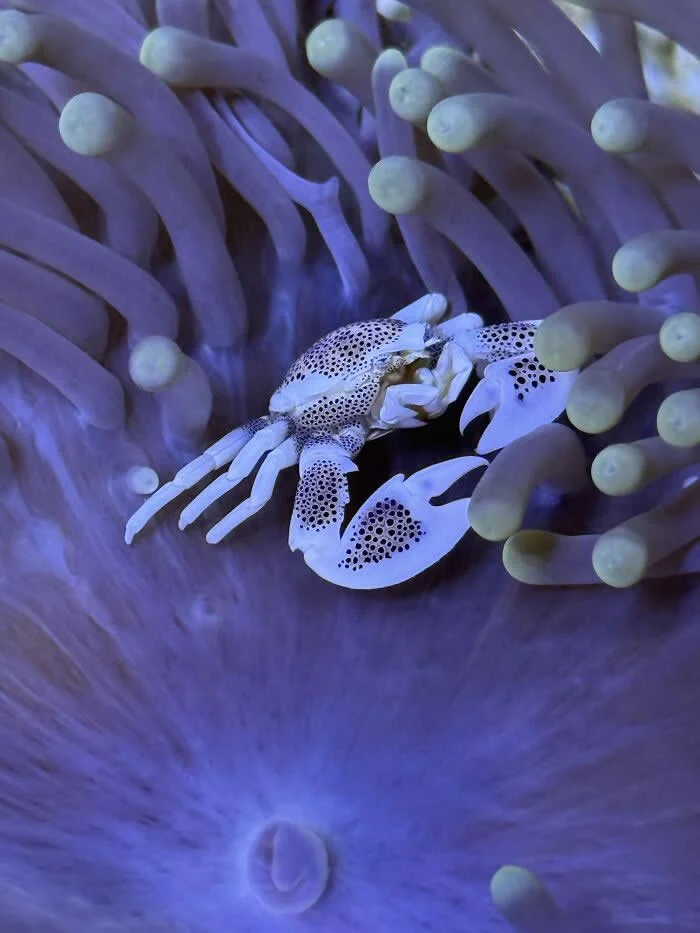
Species: Porcelain crab (Neopetrolisthes maculatus)
Location: Oceanarium Bournemouth
Description: “When visiting an aquarium, keep an eye out for the tiny creatures! This little porcelain crab at the Oceanarium Bournemouth is often missed as it is found within the stinging tentacles of an anemone, which it is unbothered by.”
#5. Reptile/amphibian – Winner: Mid-Nap Breather By Dylan Lynch
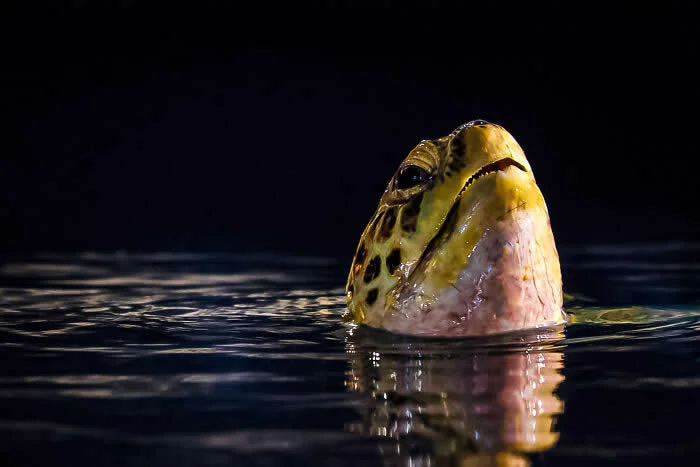
Species: Green Sea, Turtle(Chelonia mydas)
Location: National Marine Aquarium
Description: “Friday the Green Turtle is one among the most charismatic and iconic animals at the National Marine Aquarium in Plymouth. He resides in the deepest tank in the UK.”
#6. Fish – Winner: Eye Of The Lion By Jessamyn Reddy
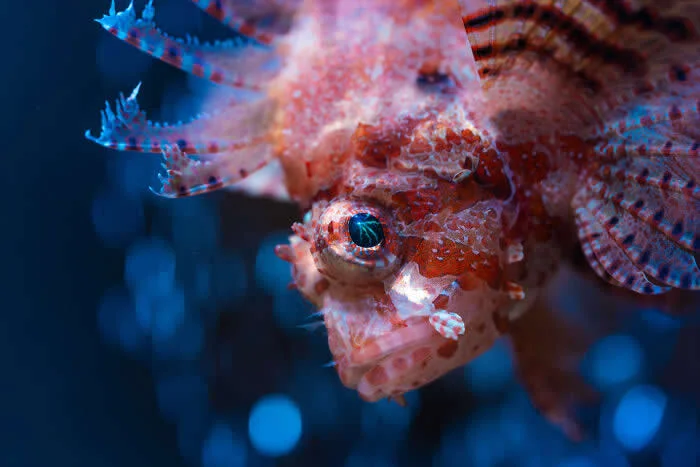
Species: Fuzzy Dwarf Lionfish (Neochirus brachypterus)
Location: National Marine Aquarium
Description: “A close-up of a fuzzy dwarf lionfish. Photographer Jess captures the eye’s mystical quality. Not every individual lionfish has such intricate eye patterning, which makes each individual unique.”
#7. Human – Winner: Early Rounds By Gareth Clifford
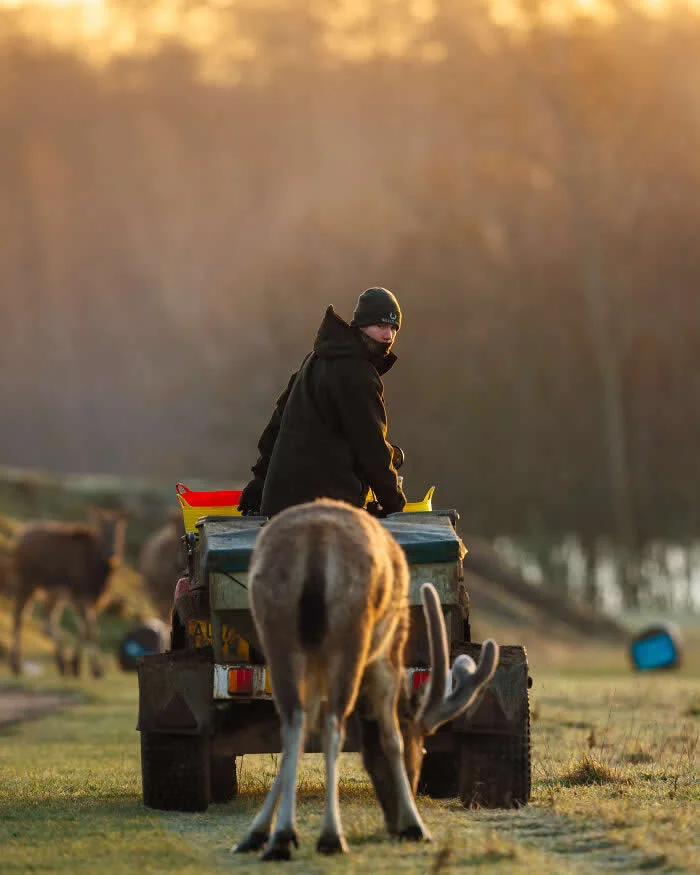
Location: Watatunga Wildlife Reserve
Description: “During the early morning rounds, the Watatunga Wildlife team check on the animals at first light – no small task in a reserve that is 170 acres of woodland, grassland, and lakes.”
#8. Runner-up in the Invertebrate: Cockroach Wasp By Jennifer-Louise Read
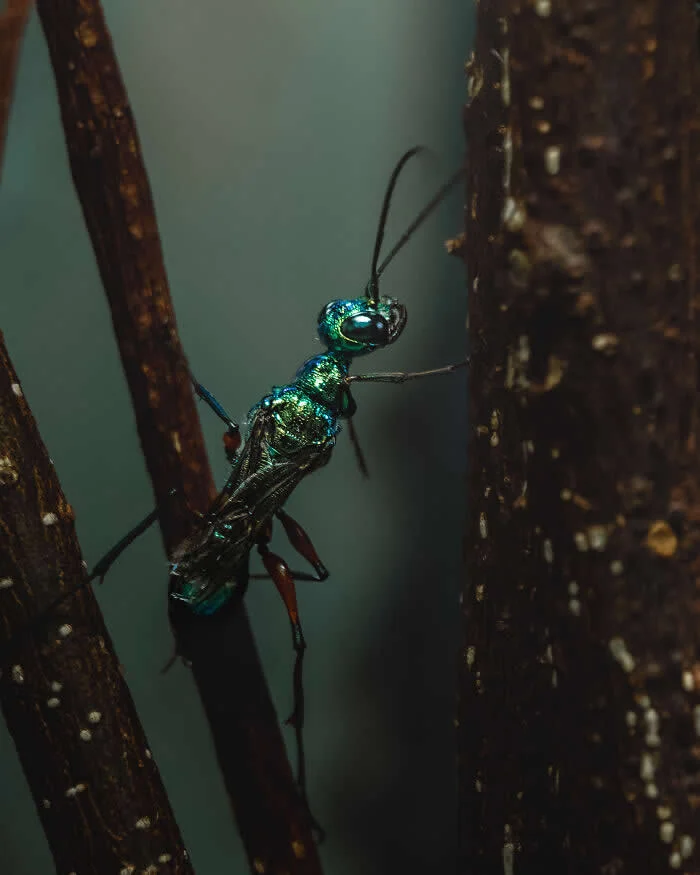
Species: Emerald Cockroach (Ampulex compressa)
Location: Chester Zoo
Description: “Beneath the beautiful metallic exterior of these insects is a secret; that each of these wasps begin life emerging from a cockroach host, after consuming its internal organs.”
#9. Finalist in the Birds: Disguised Love Birds By Danielle Powney
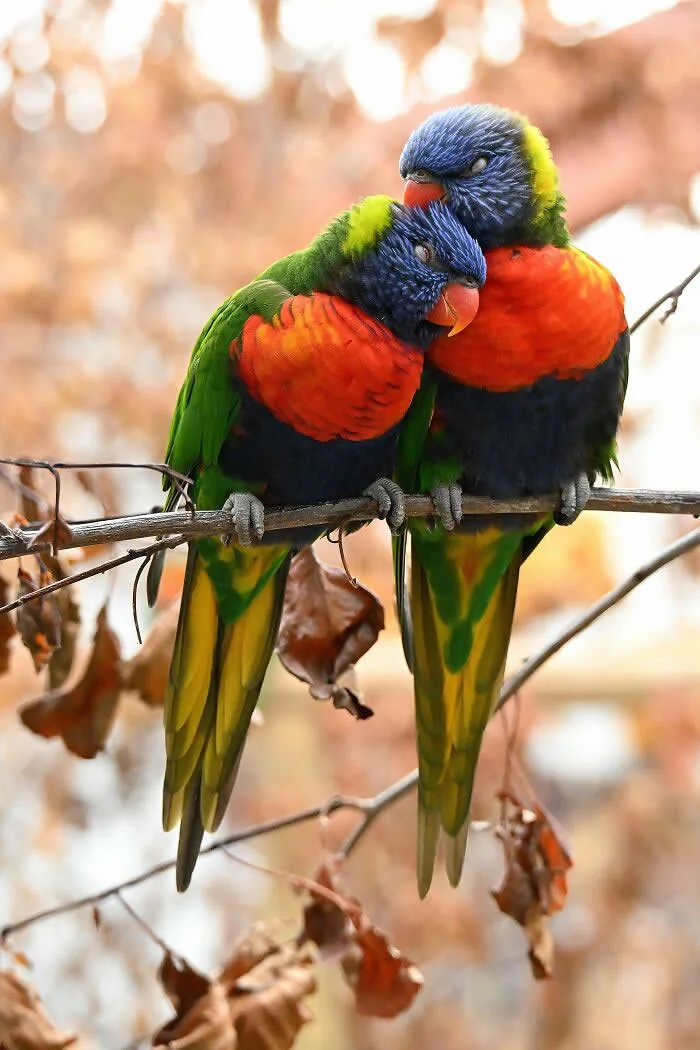
Species: Rainbow Lorikeets (Trichoglossus moluccanus)
Location: Colchester Zoo
Description: “Two rainbow lorikeets in a sweet embrace.”
#10. Finalist in the Mammals: Striped Affection By Shae Crawley
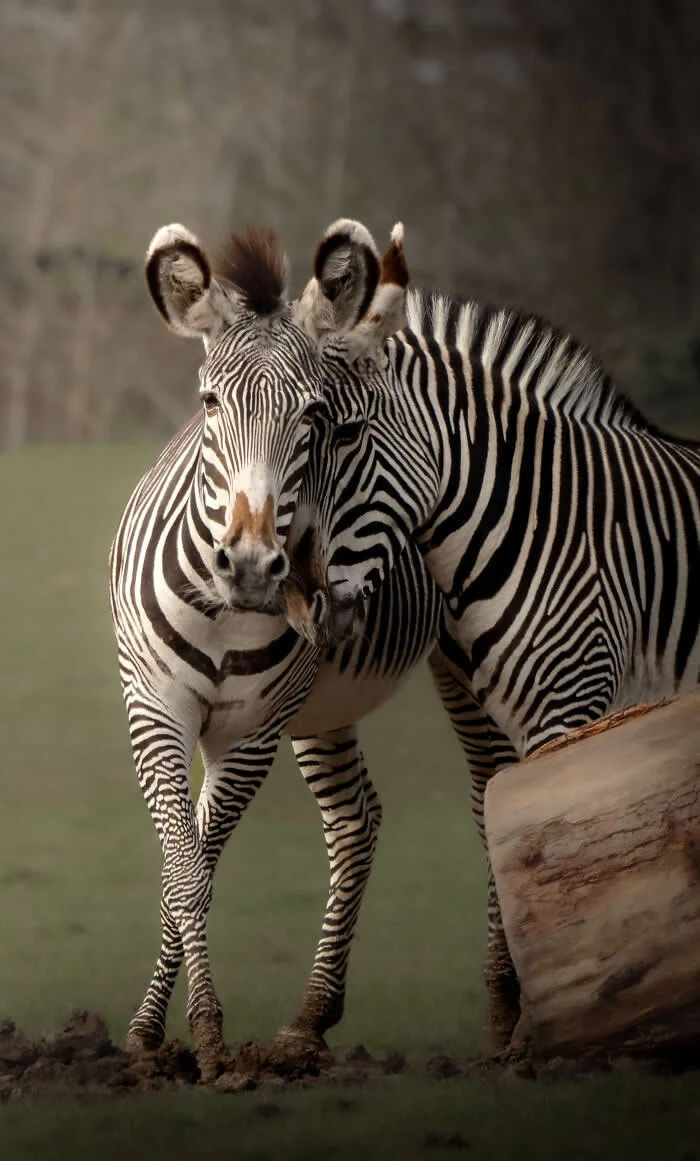
Species: Grévy’s zebra (Equus grevyi)
Location: Marwell Zoo
Description: “Amid the energy of the herd moving playfully across the field, two zebras remained closely in step, trotting side by side with a natural sense of connection. As one turned slightly toward the camera, the other gently nuzzled alongside, creating a brief yet striking moment of quiet affection.
A fleeting interaction, but one that beautifully reflects the subtle bonds.”
#11. Runner-up in the Native species: The Watcher By Celyn Stephens
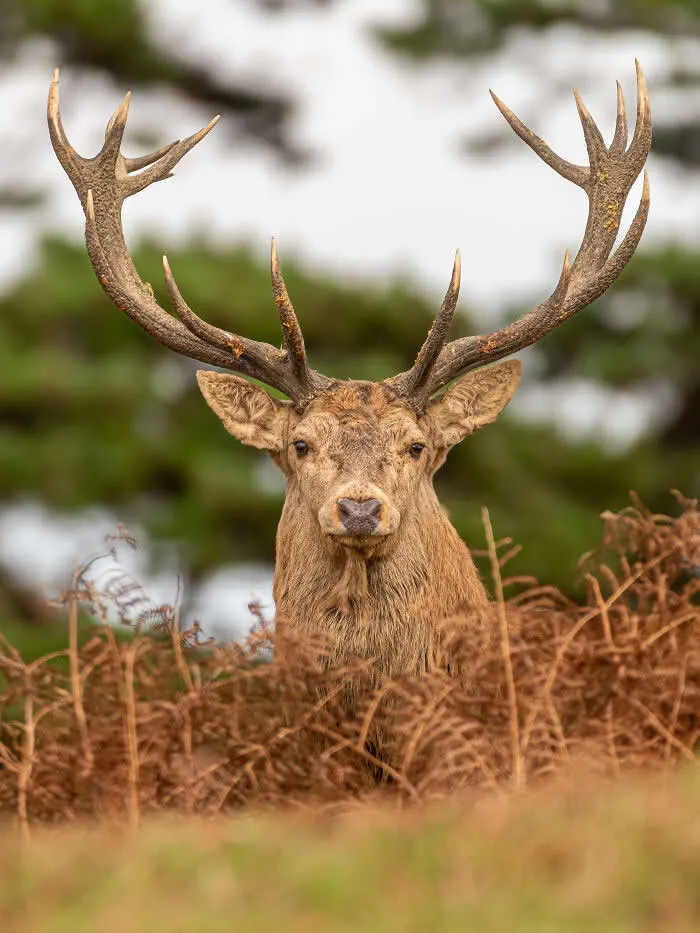
Species: Red Deer (Cervus elaphus)
Location: Margam Country Park
Description: “Representing one of the largest species of deer, this Red Deer met the gaze of photographer Celyn at Margam Country Park, Wales.”
#12. Finalist in the Mammals: Baby Panda Surprise By Jo Brown
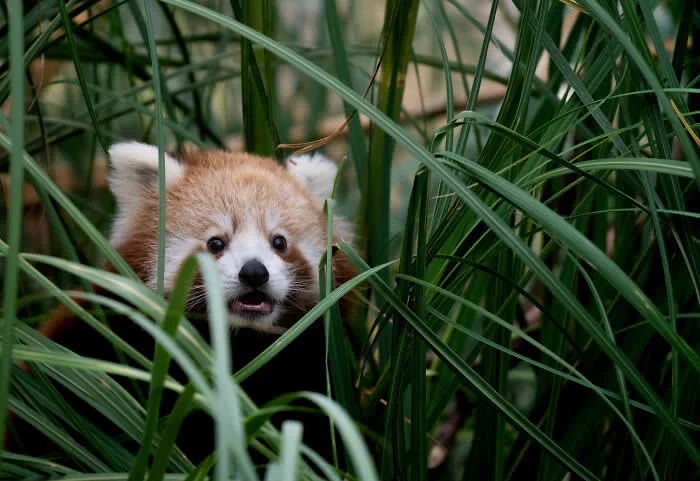
Species: Red Panda (Ailurus fulgens)
Location: Whipsnade Zoo
Description: “A young red panda peeks out from the greenery, a look of surprise on her face. Only a few months old, and still pretty confused by the world, this little cub seemed as surprised to see me as I was excited to see her. Whipsnade have been very successful with their red panda breeding program, and I am always overjoyed to hear there is another new fluffy face to search for in the bushes.”
#13. Finalist in the Mammals: Sniffin’ Around By Amber Rainsford
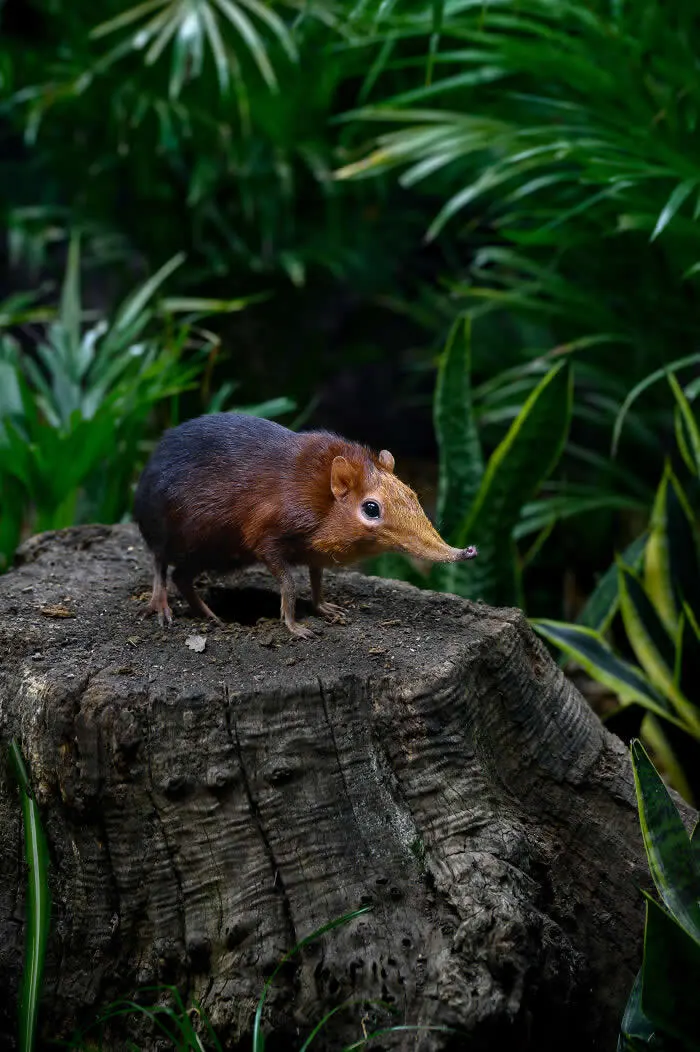
Species: Black and rufous elephant shrew (Rhynchocyon petersi)
Location: Hertfordshire Zoo
Description: “Sengis are full of charisma, you can’t help but fall in love with them, once you see their adorable long snouts sniffing around for a tasty snack! These beautiful animals are only held by two collections in the UK, one of them being Hertfordshire zoo in an amazingly well planted habitat, if you sit by it for a while you may be luckily enough to see them emerge from under the plants!”
#14. Finalist in the Mammals: Sisterhood By Lucy Dickens
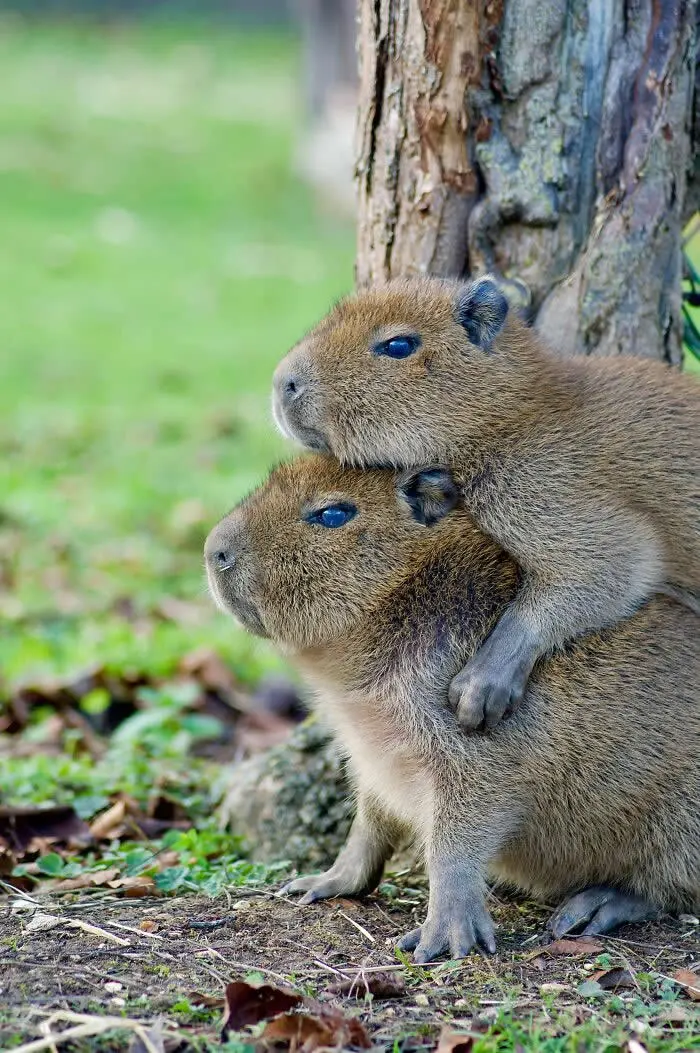
Species: Capybara (Hydrochoerus hydrochaeris)
Location: Shepreth Wildlife Park
Description: “New babies at the park having a little cuddle.”
#15. Runner-up in the Birds: Get Weaving! By Jonathan Isaacs
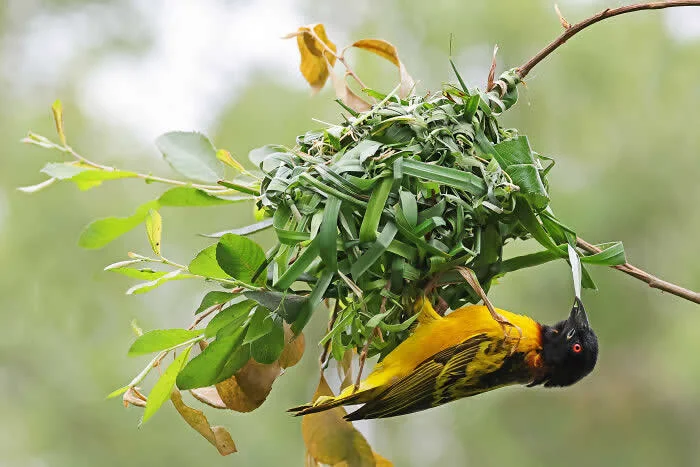
Species: Village Weaver (Ploceus cucullatus)
Location: Marwell Zoo
Description: “At Marwell Zoo’s walkthrough aviary, visitors can delight in watching the weaver birds build their multi-chambered nests.”
#16. Runner-up in the Mammals: Our Endangered Brothers By Fred Wall
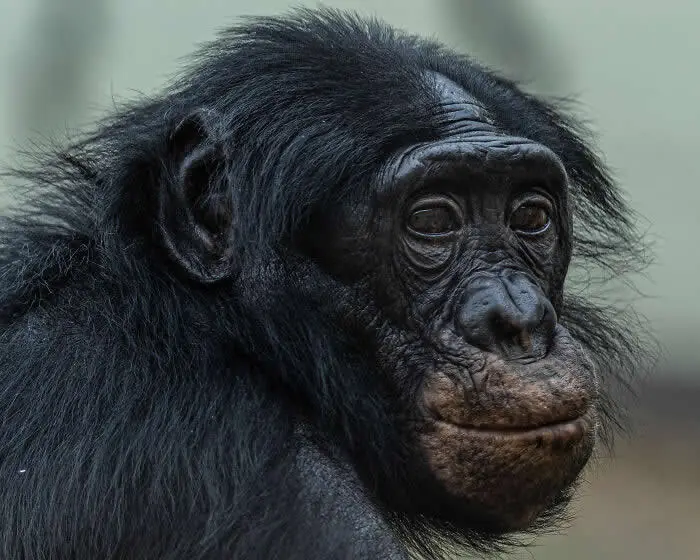
Species: Bonobo (Pan paniscus)
Location: Twycross Zoo
Description: “The face of humanity’s closest living relative. Bonobos are an Endangered species supported by conservation organizations like Twycross Zoo, the only zoo in the UK which houses all four great apes.”
#17. Runner-up in the Reptile/amphibians: The Singing Skink By Jagz Bharth
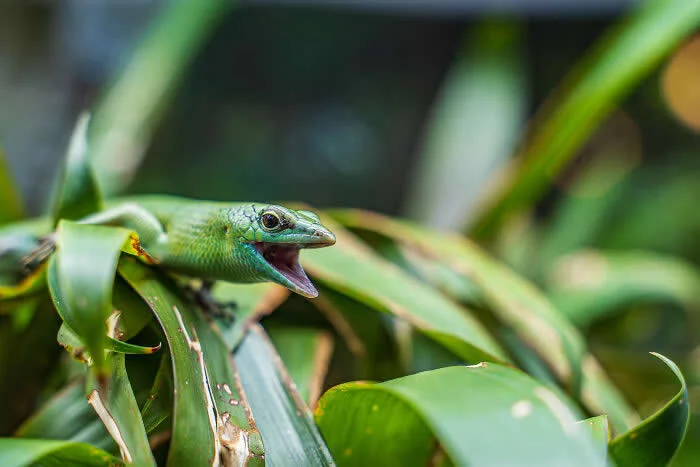
Species: Emerald Tree Skink (Lamprolepis smaragdina)
Location: Hertfordshire Zoo
Description: “Hertfordshire Zoo’s Lions of India area, opened in 2025, isn’t just home to lions! There, visitors can also find emerald tree skinks which derive from Southeast Asia.”
#18. Finalist in the Mammals: Holding On By Harrison Wright
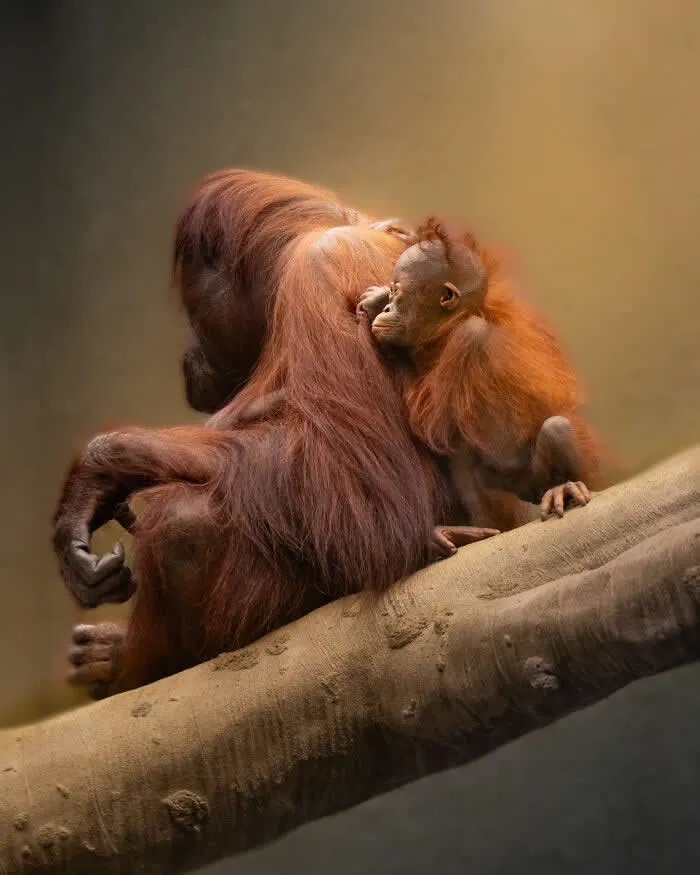
Species: Bornean orangutan (Pongo pygmaeus)
Location: Chester Zoo
Description: “A young orangutan clings tightly to its mother, a bond that can last up to eight years—the longest of any land mammal. In the wild, this time is critical, as mothers pass on the complex skills needed to survive in rapidly disappearing rainforest habitats. With deforestation continuing to threaten their future, moments like this are becoming increasingly rare.”
#19. Finalist in the Fish: Clown Fish By Caoimhe Tyndall
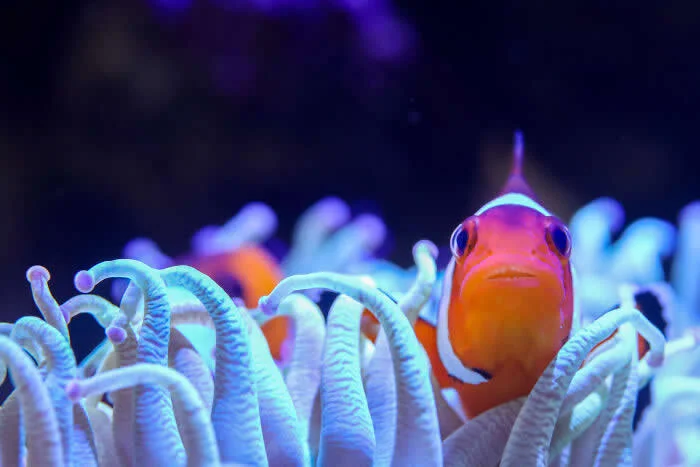
Species: Clownfish
Location: Fota Wildlife Park
Description: “This took a number of attempts as the Clown Fish swims very fast. I saw my opportunity when the little clown fish briefly paused in the sea anemone, which also added more contrast to the photo!”
#20. Finalist in the Bird: Sunset Bath By Peter Bonser-Blak
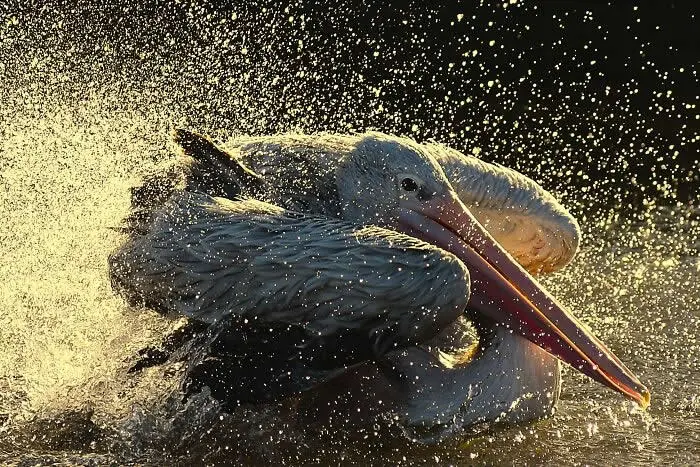
Species: Pink-backed pelican (Pelecanus rufescens)
Location: Folly Farm
Description: “This photo was taken during the golden hour just before park close. As the Pelican was splashing around in the water I managed to capture the way the sunset highlighted the water droplets around them.”
#21. Runner up in the Fish: Tompot’s Pot By Rebekah Weatherhead
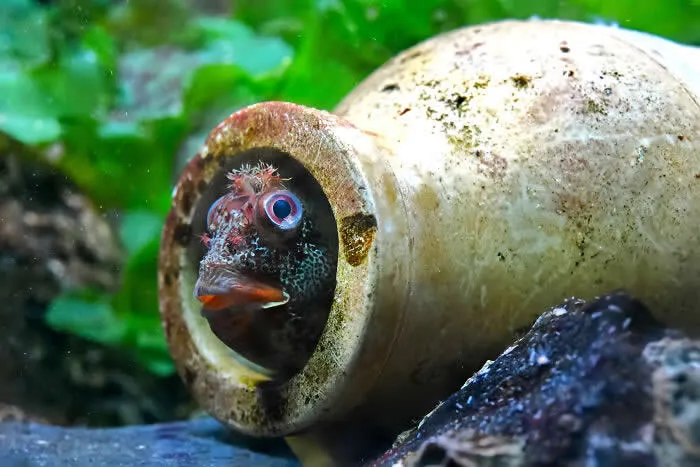
Species: Tompot blenny (Parablennius gattorugine)
Location: Sealife Adventure
Description: “Local to British shores, tompot blennies are a small fish with a big personality. This individual has chosen the largest pot in its habitat to call home.”
#22. Finalist in the Mammals: Roloway Monkeys By Anna Maria Modl
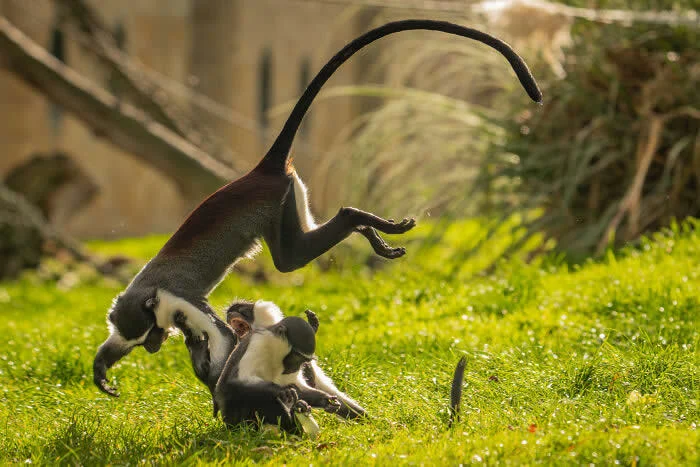
Species: The Roloway monkey (Cercopithecus roloway)
Location: Chester Zoo
Description: “They appear to pour out of the sunlight in a flurry of activity, black and white bodies and ridiculously long tails transforming the grass into a fleeting platform for frenetic activity. This is a snapshot of the Roloway monkeys as pure motion, one frozen in mid-leap and the others wrapped into the bundle of play, and yet there is more to this than mere vivacity. This is a picture of a species whose liberty is inextricably linked to its forests, the canopy, the leaf cover, the branching pathways, and the security of height.”
#23. Finalist in the Invertebrate: A Living Ecosystem By Amber Rainsford
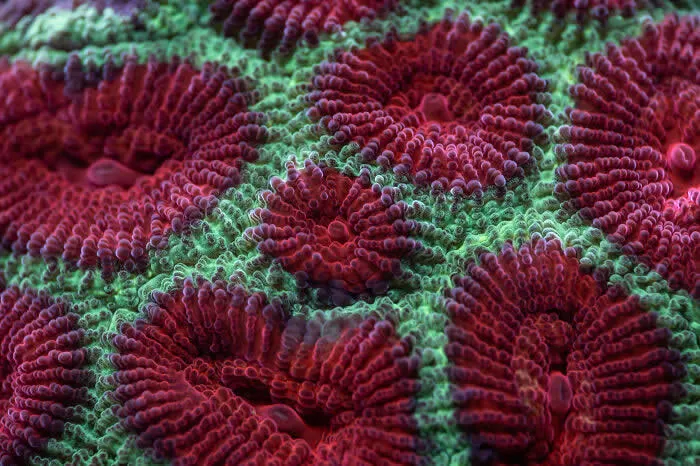
Species: Favia moon coral
Location: London Zoo
Description: “One of the many corals that can be seen in London zoos reef tank, this macro shot shows the individual polyps that make up a coral colony, a coral colony can be made up of hundreds to thousands of these tiny polyps. Corals play a vital role in the ocean, despite covering only 0.1% of the ocean floor they provide home to an amazing 25% of marine life. Today over 80% of the world’s reef is affected by bleaching and over the past 30 years half of our coral reefs have been lost.”
#24. Finalist in the Native species: Season Of Conflict By Llanya O’haolain
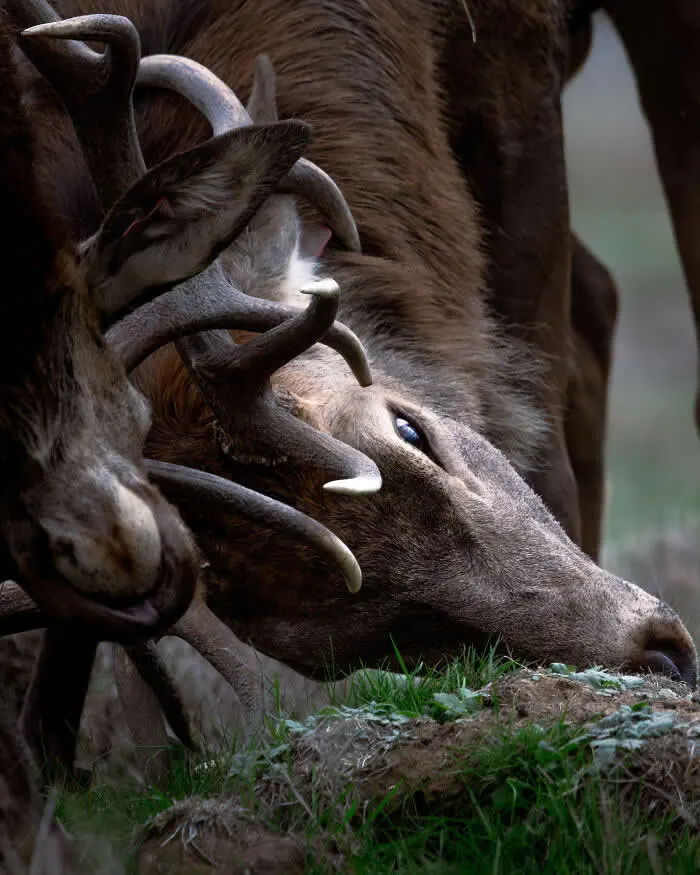
Species: Red Deer (Cervus elaphus)
Description: “In autumn, red deer enter the rut. For a chance to breed, stags must clash antlers with rivals, each fight a test of strength, endurance, and instinct.”
#25. Runner-up in the Human category: Flooded By Jo Brown
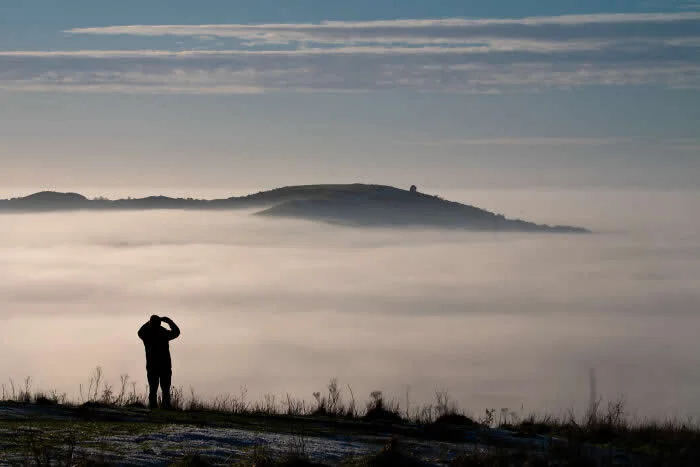
Location: Whipsnade Zoo
Description: “Whipsnade Zoo sits atop a hill, providing a stunning view from the penguin habitat. On this day, the fog had collected so thickly in the valley below, that it made photographer Jo feel like they were lookin out over an ocean.”
Frequently Asked Questions (FAQ):
What is the BIAZA Photo Competition 2026?
The BIAZA Photo Competition 2026 is an annual photography contest organized by the British and Irish Association of Zoos and Aquariums. It celebrates animals, wildlife, and conservation through photographs taken across participating zoos, aquariums, and natural environments in Britain and Ireland.
How many entries did the 2026 BIAZA Photo Competition receive?
The 2026 BIAZA Photo Competition received more than 800 entries. Judges reviewed the submissions and selected winning and runner-up photographs across seven categories, showcasing diverse animal species, conservation stories, and the people working to support animal welfare and biodiversity.
What animal categories are featured in the BIAZA photography awards?
The 2026 BIAZA photography awards feature seven categories covering mammals, birds, reptiles and amphibians, fish, invertebrates, native species, and humans. These categories celebrate animal diversity while highlighting wildlife photography, conservation work, and the important relationships between people and animals.
What is new about the 2026 BIAZA Photo Competition?
The 2026 competition introduced a Human category to recognize people involved in animal care, conservation, and welfare. This addition complements the Native Species category introduced in 2025, expanding the competition’s focus beyond zoo and aquarium animals to include people and surrounding wildlife.
Why is the BIAZA Photo Competition important for wildlife conservation?
The BIAZA Photo Competition helps audiences appreciate animal diversity and understand the work behind modern zoos and aquariums. By showcasing compelling wildlife images and dedicated animal-care professionals, it can encourage curiosity about conservation, biodiversity, animal welfare, and the protection of threatened species.