
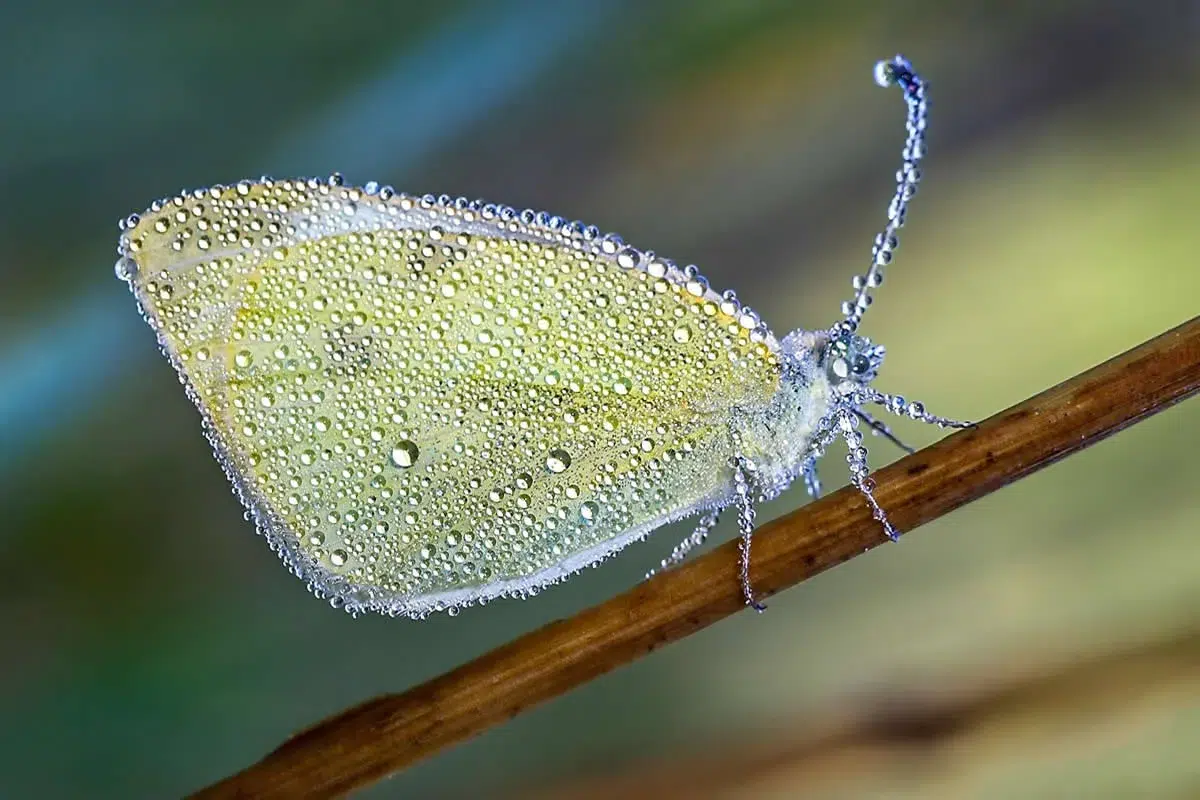
Ever looked at a water drop macro photos and wondered what kind of magic it might be hiding? Under the right light and through a macro lens, an ordinary drop of water can become a miniature universe filled with brilliant reflections, dreamy colors, delicate patterns, and mind-blowing detail. What looks like a simple bead of water to the naked eye can become a breathtaking work of art when a photographer gets up close.
Water drop macro photography reminds us how much beauty we miss in everyday life. A droplet resting on a flower petal, clinging to a green leaf, or suspended at the tip of a blade of grass can become the star of an extraordinary photograph. And when reflections of flowers, colorful backgrounds, or tiny objects appear inside the droplet, the results can feel almost otherworldly.
The secret behind these images? A mix of patience, precise focusing, creative lighting, and a curious eye. Award-winning macro photographers know how to turn the smallest subjects into unforgettable visual experiences. Their work also proves that you don’t always need an exotic location or expensive equipment to create something remarkable.
Get ready to explore 33 award-winning water drop macro photos that reveal nature’s hidden wonders, and pick up a few practical photography tips to help you create your own tiny masterpieces.
You can find more info about 35Awards:
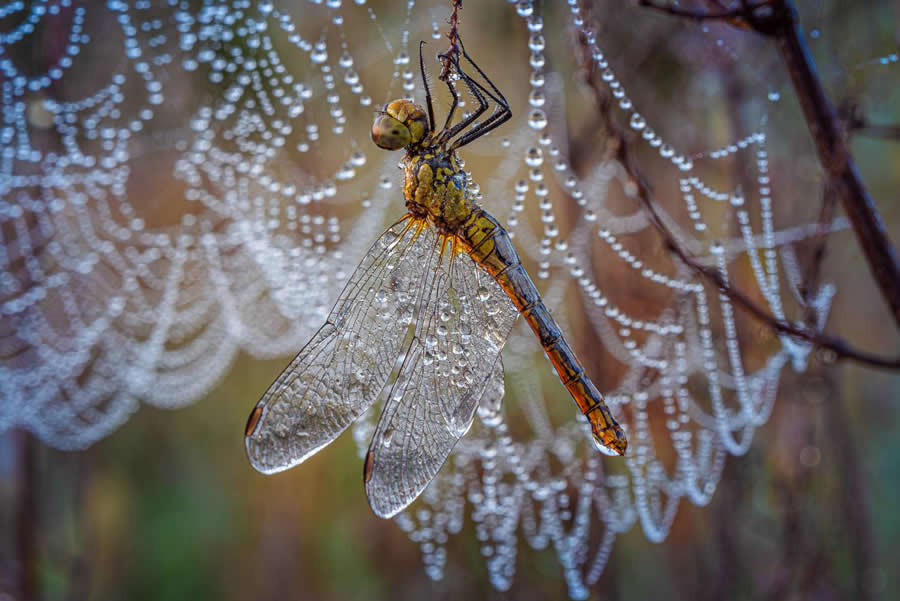
#1. "Morning dragonfly. Photo taken early in the morning, in dewdrops" by Zaitsev Roman
© Zaitsev Roman
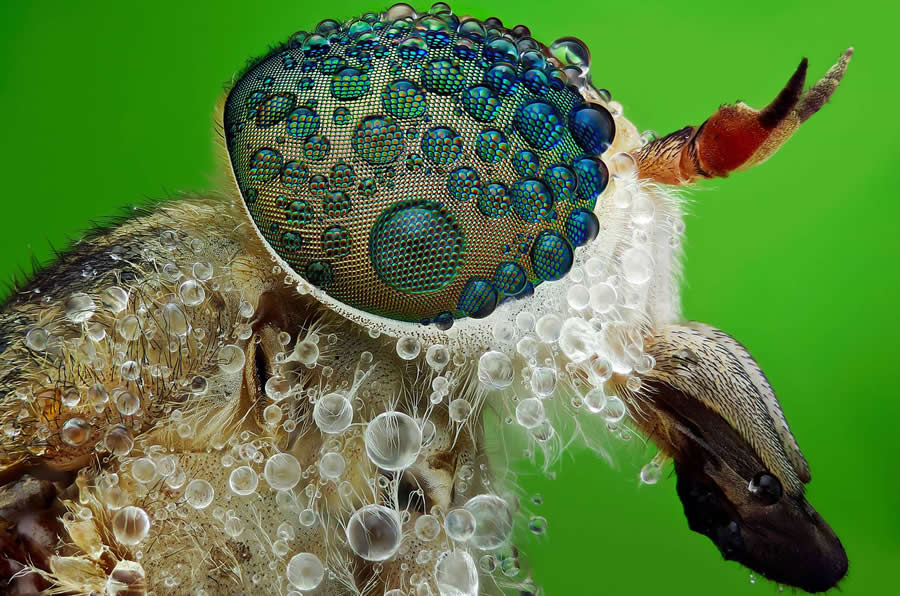
#2. "Dragonfly" by Tran The Ngoc
© Tran The Ngoc
#3. "A heavy drop" by Koledova Irinav
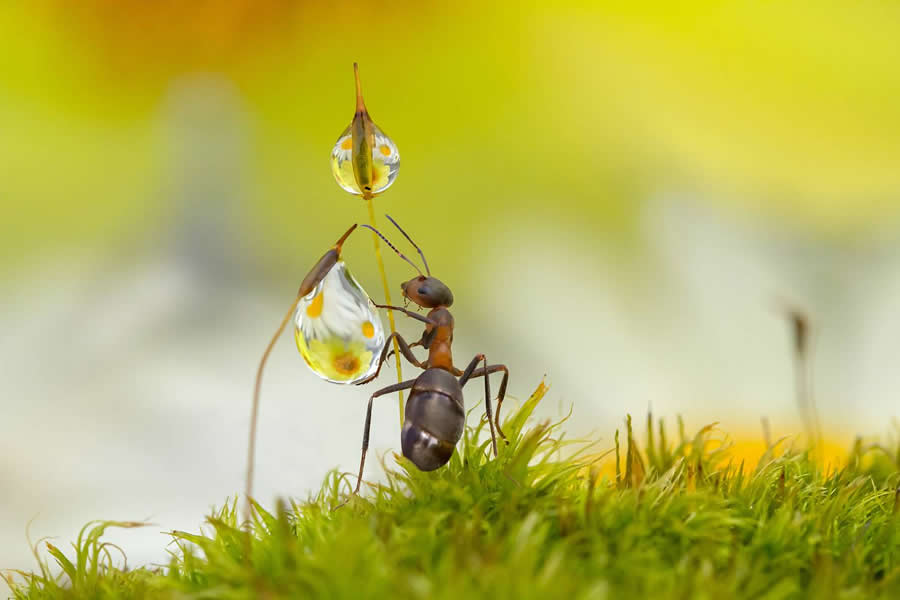
© Koledova Irinav
#4. "Droplets on a leaf" by Boris Belkanija
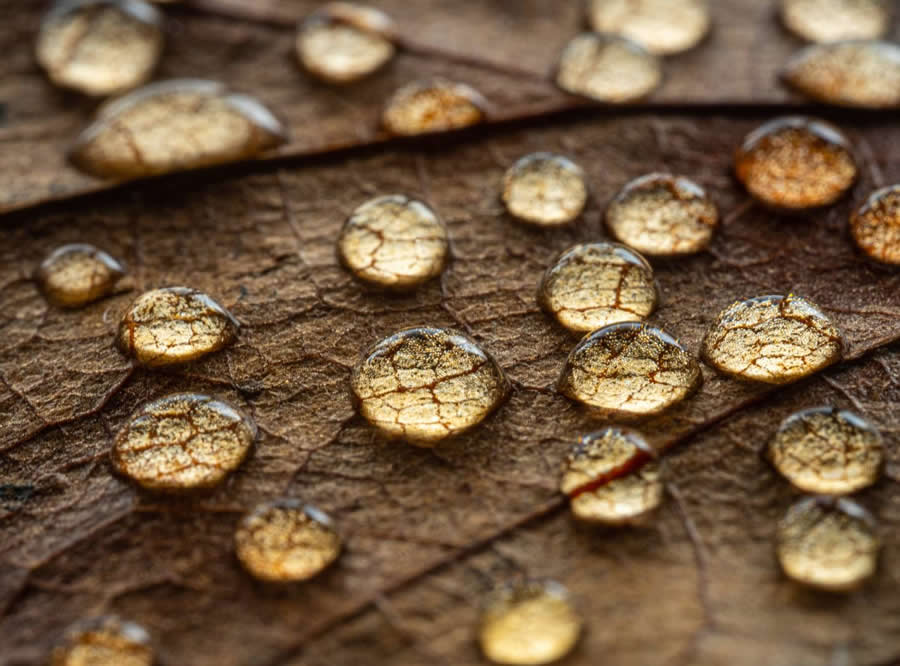
© Boris Belkanija
#5. "Drops on a leaf" by Nadezhda Zakharova
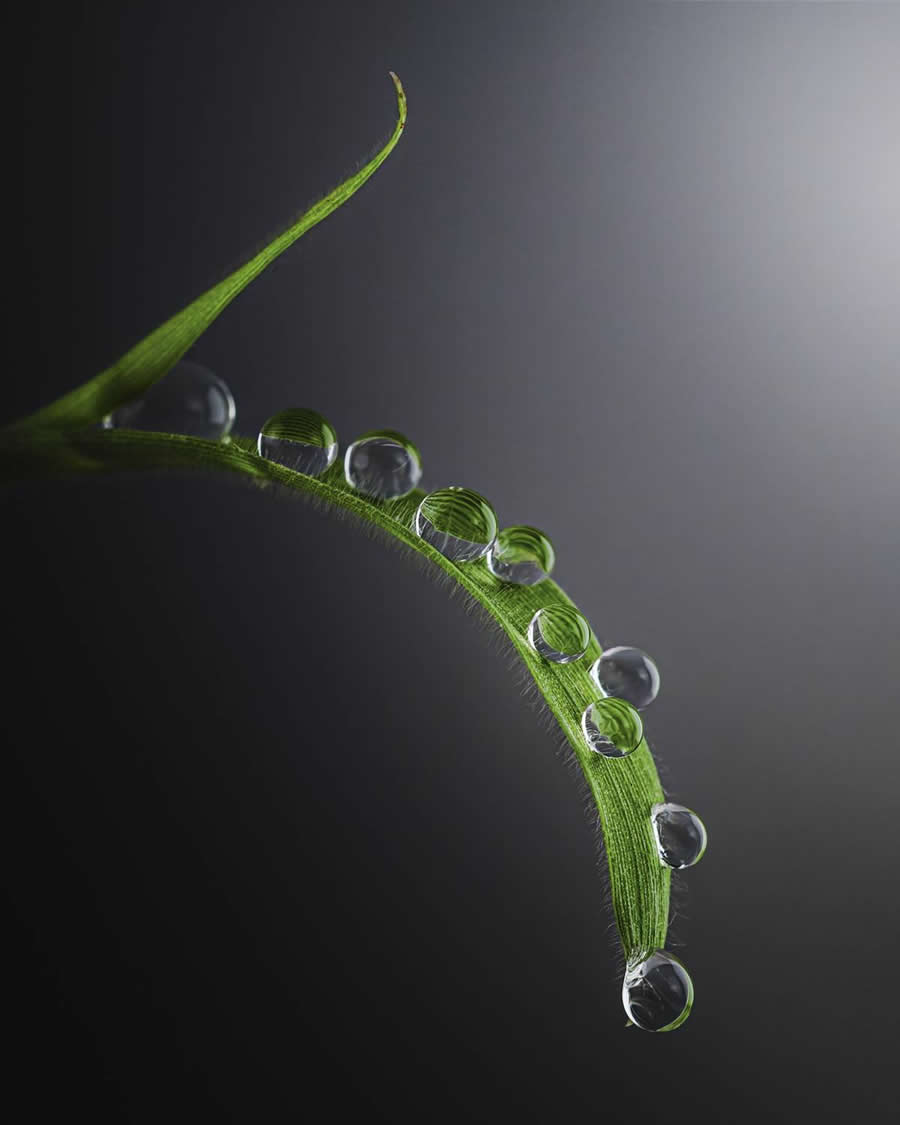
© Nadezhda Zakharova
#6. "Robber fly" by Richard Kubica
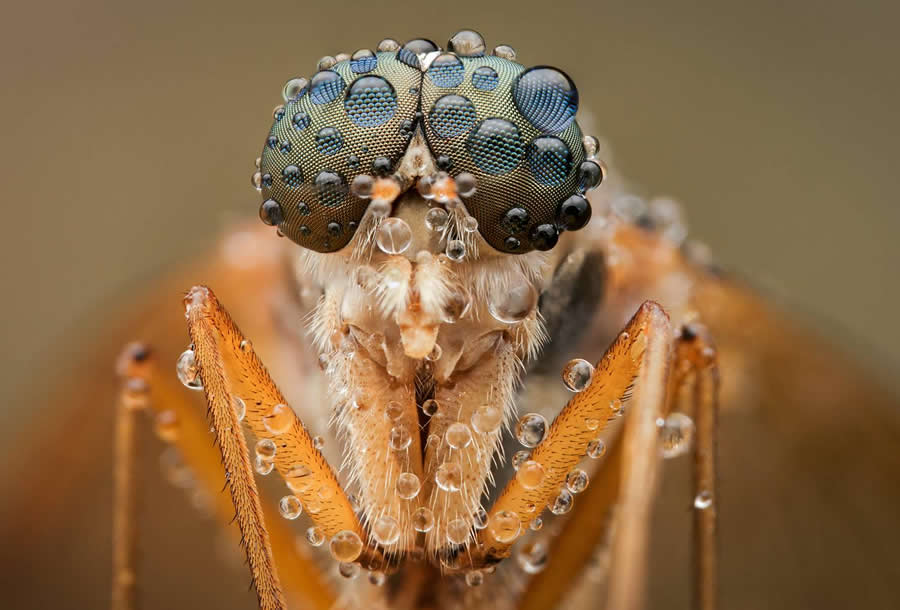
© Richard Kubica
The Art of Seeing Beauty in Tiny Water Drops
Water drop macro photography begins with a simple idea: look closer. Tiny droplets can reflect their surroundings, magnify delicate details, and create beautiful natural patterns. A macro lens helps reveal these hidden features, turning everyday subjects into compelling photographic compositions.
- Look for fresh subjects: Photograph droplets on flower petals, leaves, spiderwebs, or blades of grass.
- Choose a macro lens: A dedicated macro lens with 1:1 magnification reveals fine details.
- Get down low: Shooting at droplet level creates a more immersive perspective.
- Focus carefully: Use manual focus or precise autofocus to keep the droplet’s most important detail sharp.
- Experiment with backgrounds: Colorful flowers and soft greenery can add depth without distracting from the subject.
#7. "Ladybug and Drops" by Tsvetan Ganev
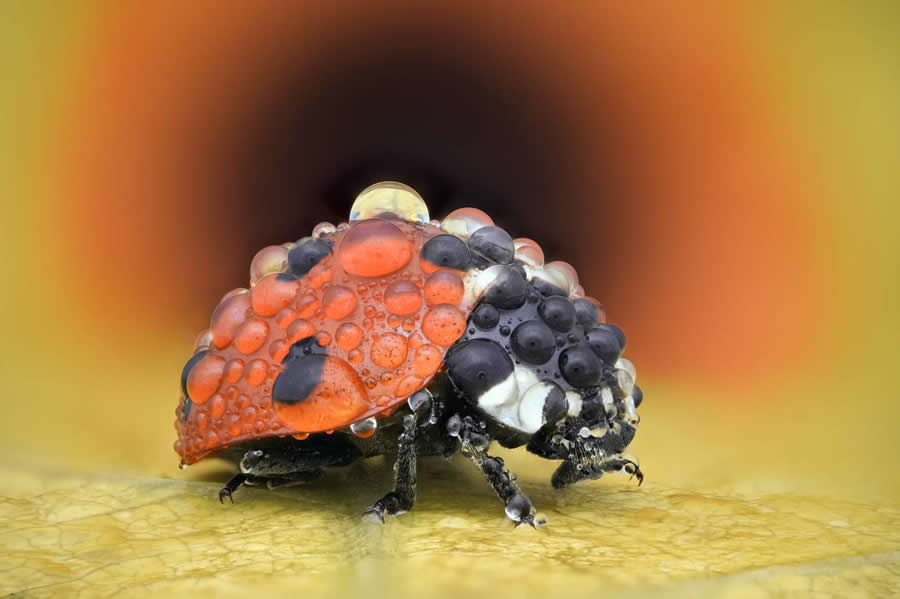
© Tsvetan Ganev
#8. "Fresh shower" by Richard Kubica

© Richard Kubica
#9. "Photo" by Yuri Yuryevich Podgrushny
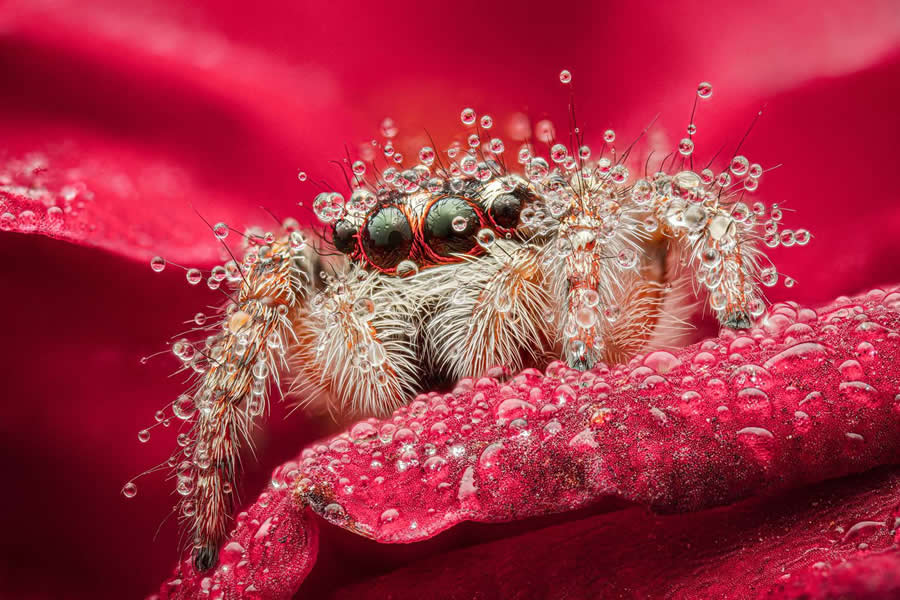
© Yuri Yuryevich Podgrushny
#10. "Butterfly" by Boris Novikov
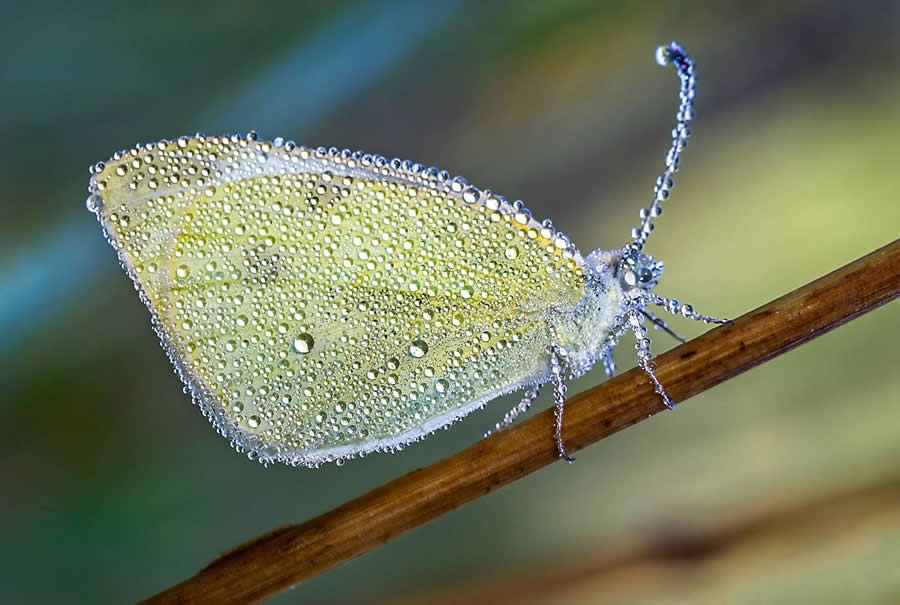
© Boris Novikov
#11. "Droplets and flowers" by Ivan Radkov
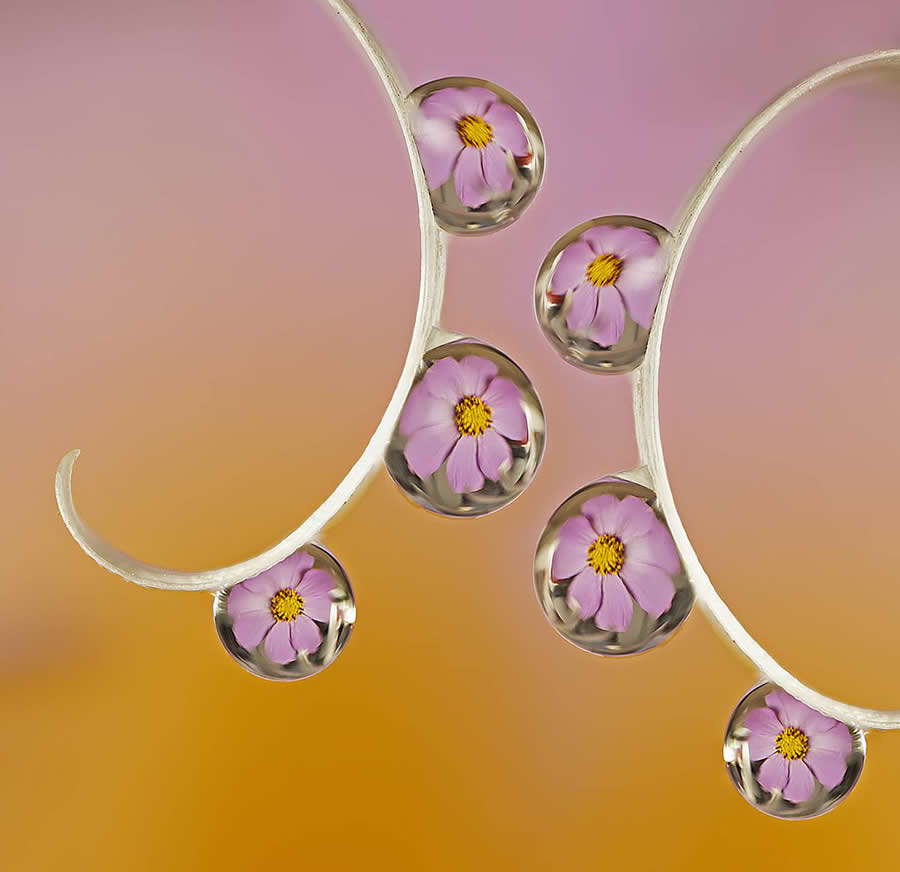
© Ivan Radkov
#12. "A heavy drop" by Koledova Irina
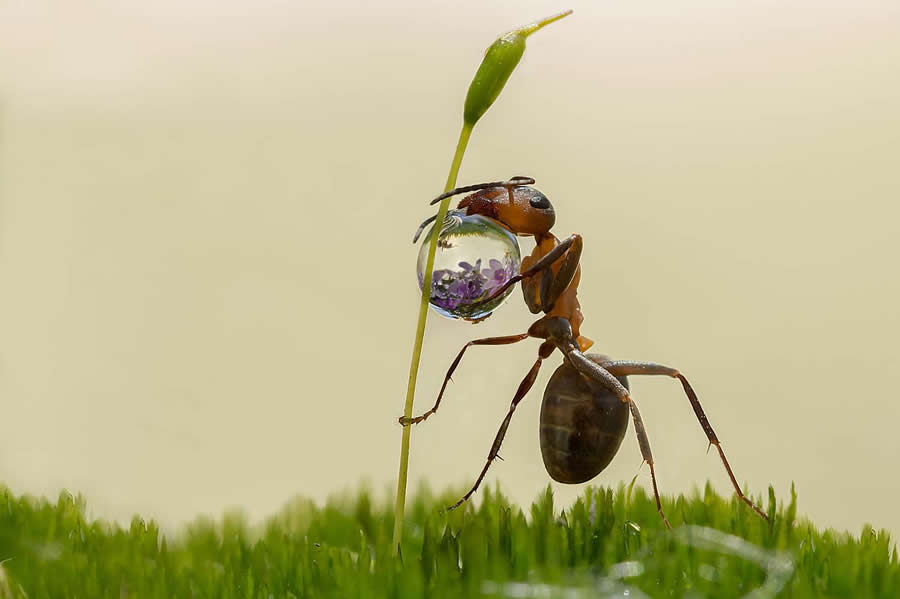
© Koledova Irina
Mastering Light, Reflections, and Color
Lighting can make or break a macro photograph. Water droplets are naturally reflective, so harsh sunlight may create distracting highlights, while soft, controlled light can reveal beautiful textures and colors. Award-winning images often balance delicate illumination with carefully placed reflections.
- Use soft natural light: Photograph near a bright window or under open shade to avoid harsh highlights.
- Try a diffuser: Soften direct sunlight with a suitable diffuser to create more even illumination.
- Create colorful reflections: Position a flower or colorful object behind the droplet to produce interesting reflected details.
- Control artificial light: Use a small LED light or diffused flash when natural light isn’t enough.
- Watch your highlights: Check the brightest areas to make sure important details aren’t lost to overexposure.
#13. "Photo" by Kasun Wickramasinghe
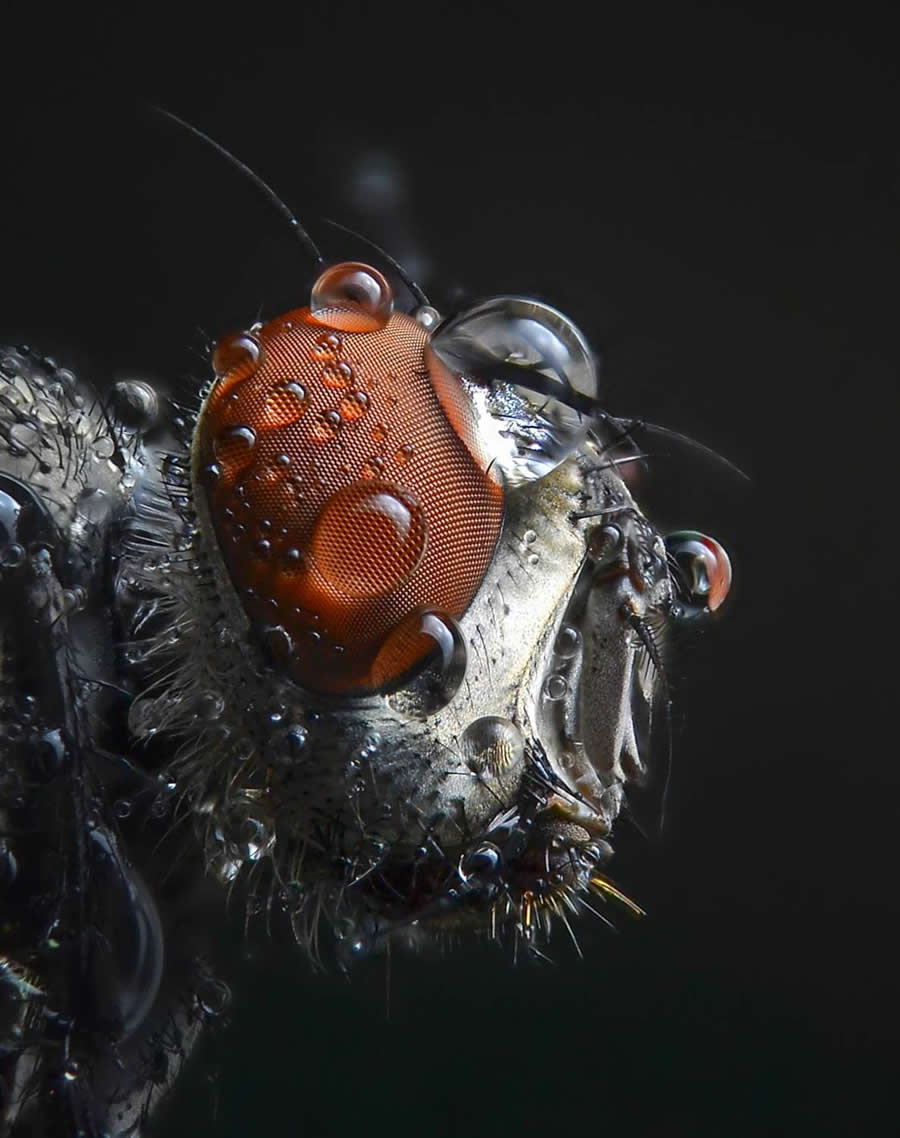
© Kasun Wickramasinghe
#14. "Photo" by Savchuk Anatoly
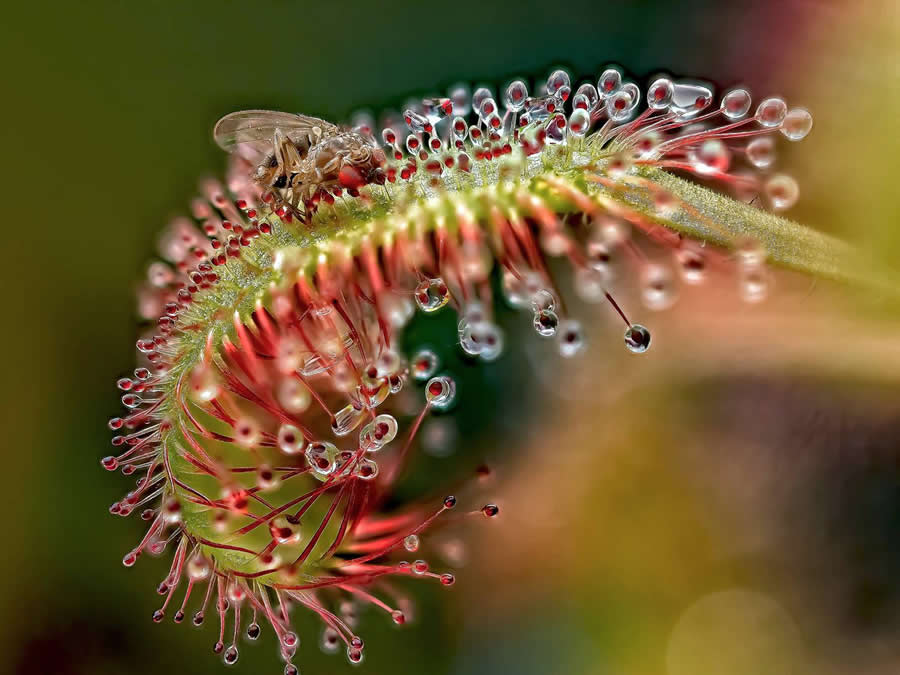
© Savchuk Anatoly
#15. "Photo" by Vladimir Zubkov
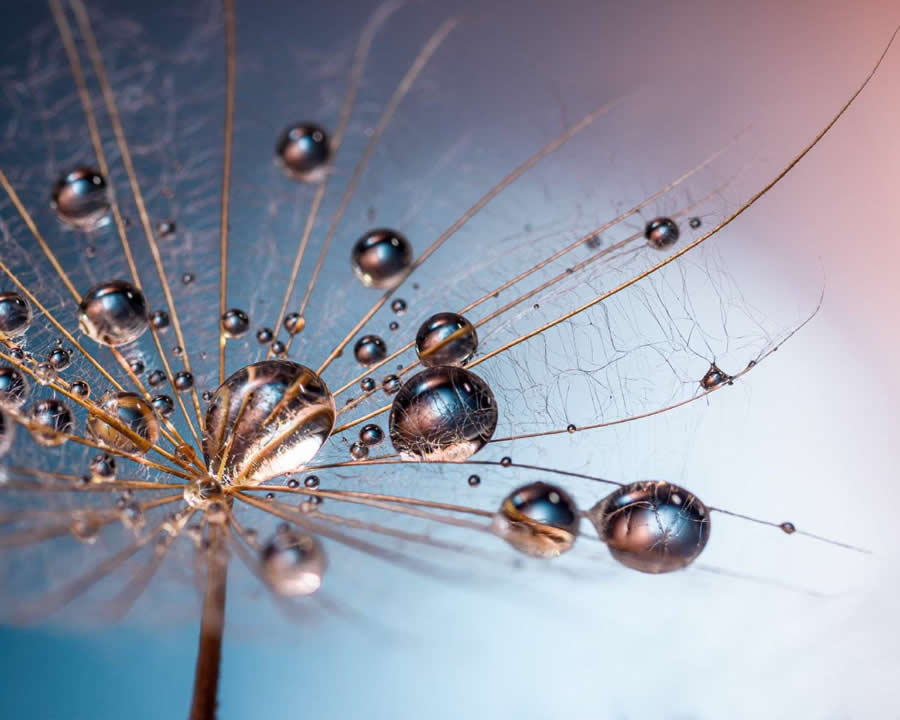
© Vladimir Zubkov
#16. "Merry" by Yuri Afanasyev
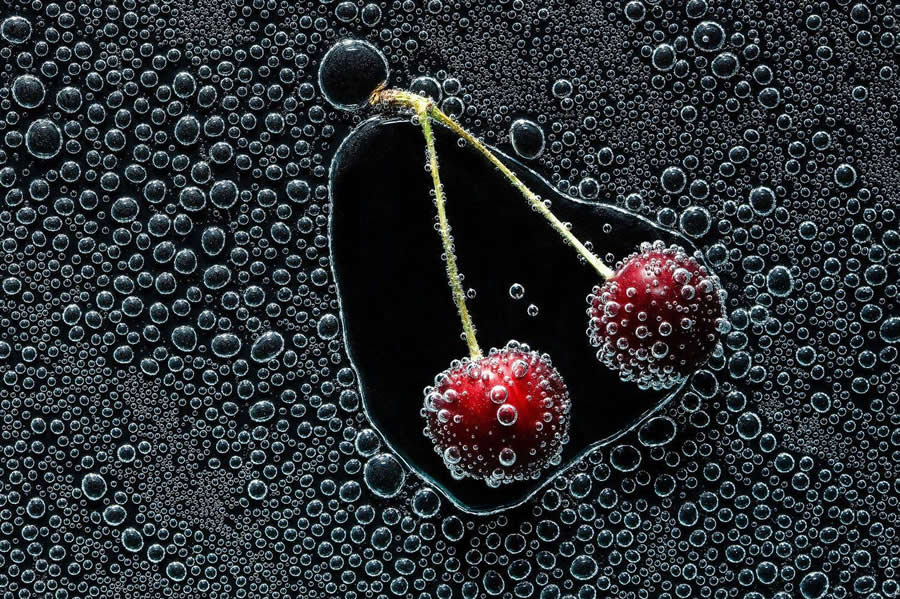
© Yuri Afanasyev
#17. "Goat’s-beard fluff at sunset" by Margarita Sidoruk
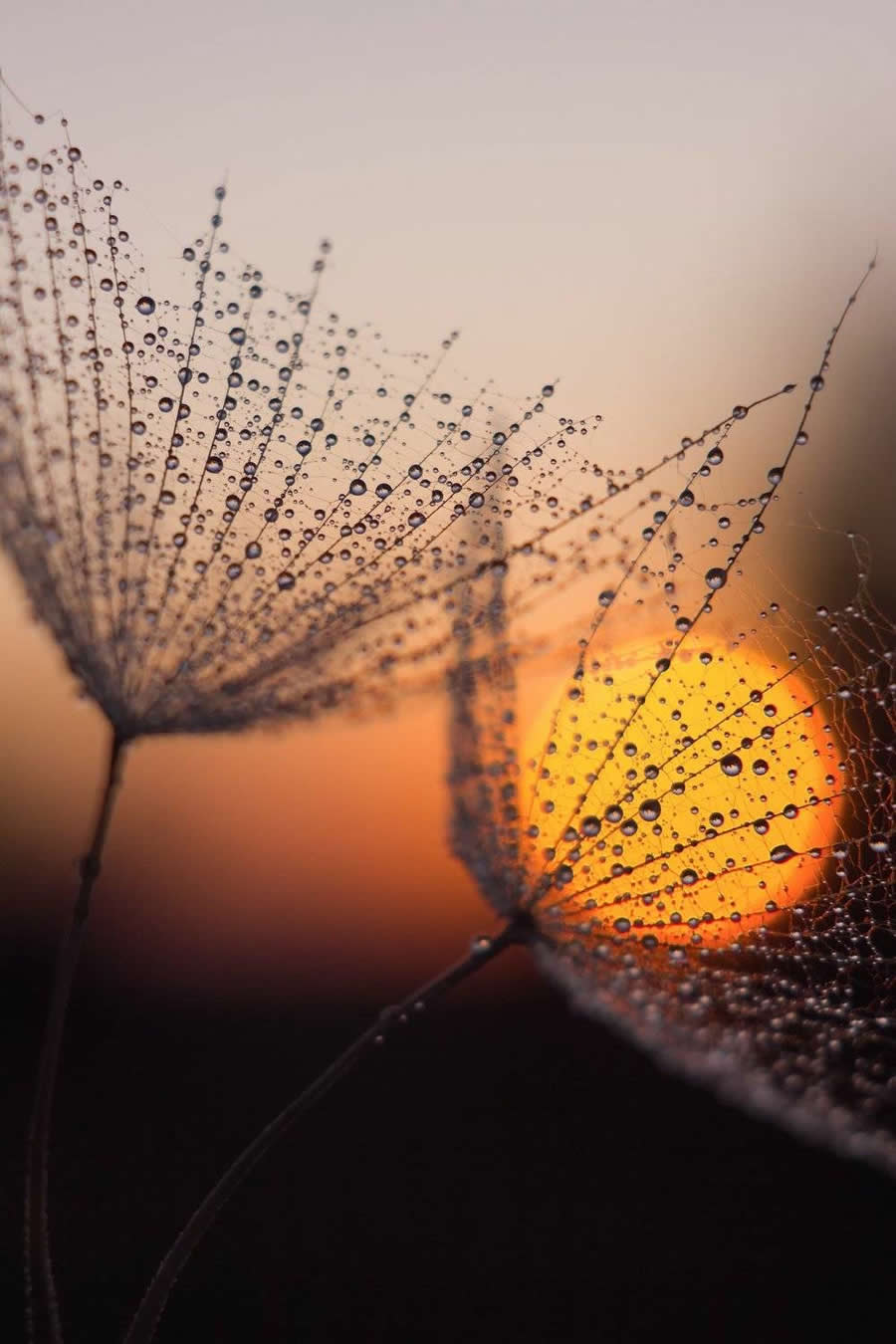
© Margarita Sidoruk
#18. "Photo" by Dace Spalvina
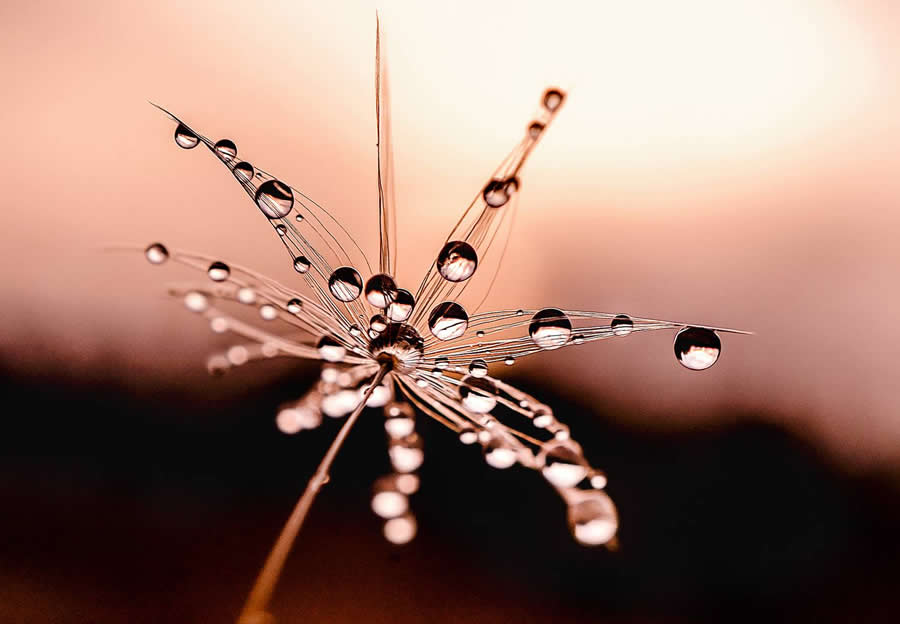
© Dace Spalvina
Create Dreamy Bokeh and Beautiful Backgrounds
One reason water drop macro photos look so magical is their creamy, out-of-focus backgrounds. This effect, known as bokeh, separates the subject from its surroundings and makes the tiny droplet stand out. The trick is to manage distance, aperture, and background color.
- Use a wide aperture: Start around f/2.8 to f/5.6, then adjust for the depth of field your subject needs.
- Increase background distance: Move distracting objects farther behind the droplet to create smoother blur.
- Choose complementary colors: Green foliage, colorful petals, and soft natural tones can make droplets pop.
- Try backlighting: Light shining through translucent petals or leaves can create beautiful glowing backgrounds.
- Keep the subject sharp: Even with a dreamy background, focus precisely on the droplet’s key detail.
#19. "A scattering of diamonds" by Margarita Sidoruk
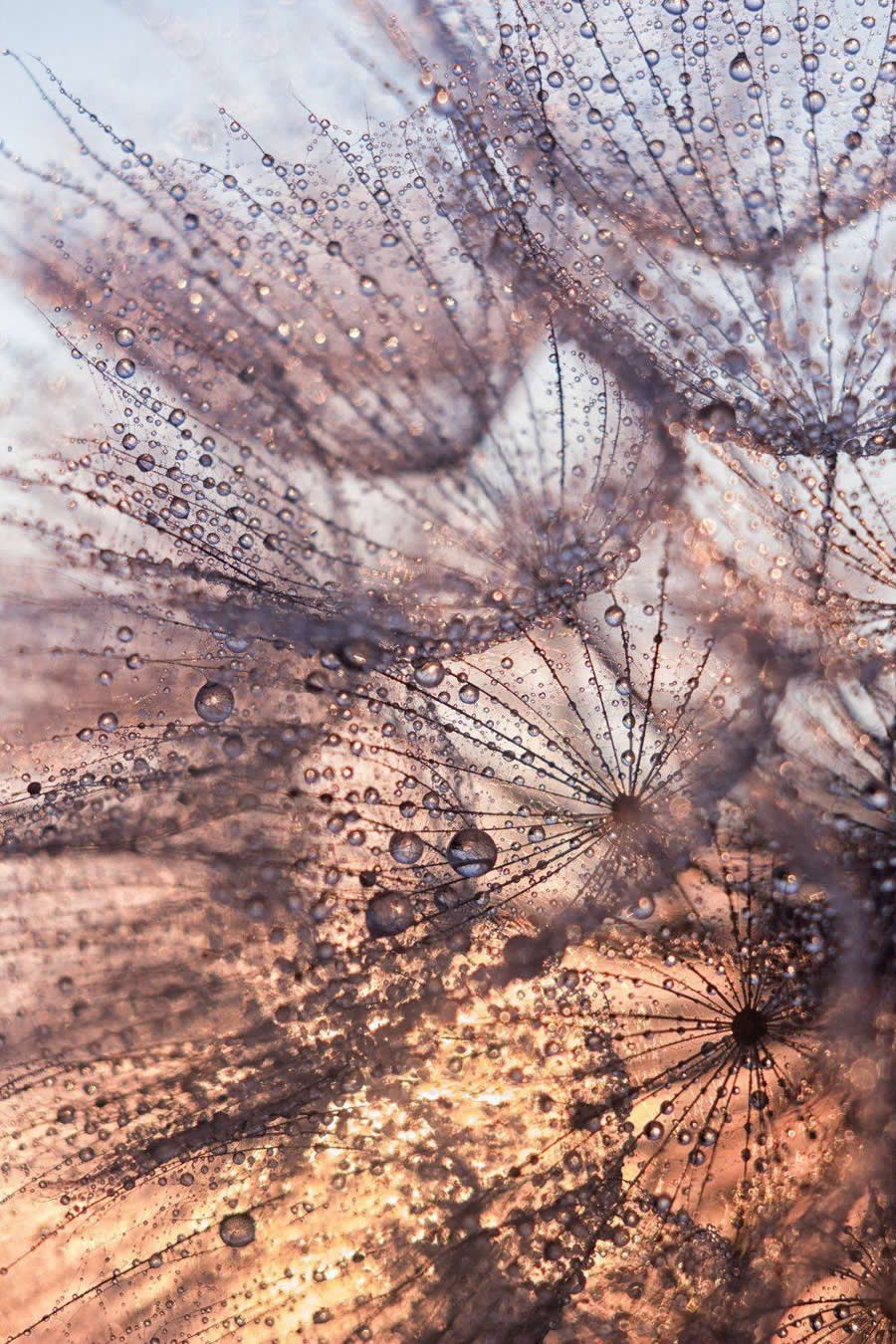
© Margarita Sidoruk
#20. "Photo" by Tran The Ngoc
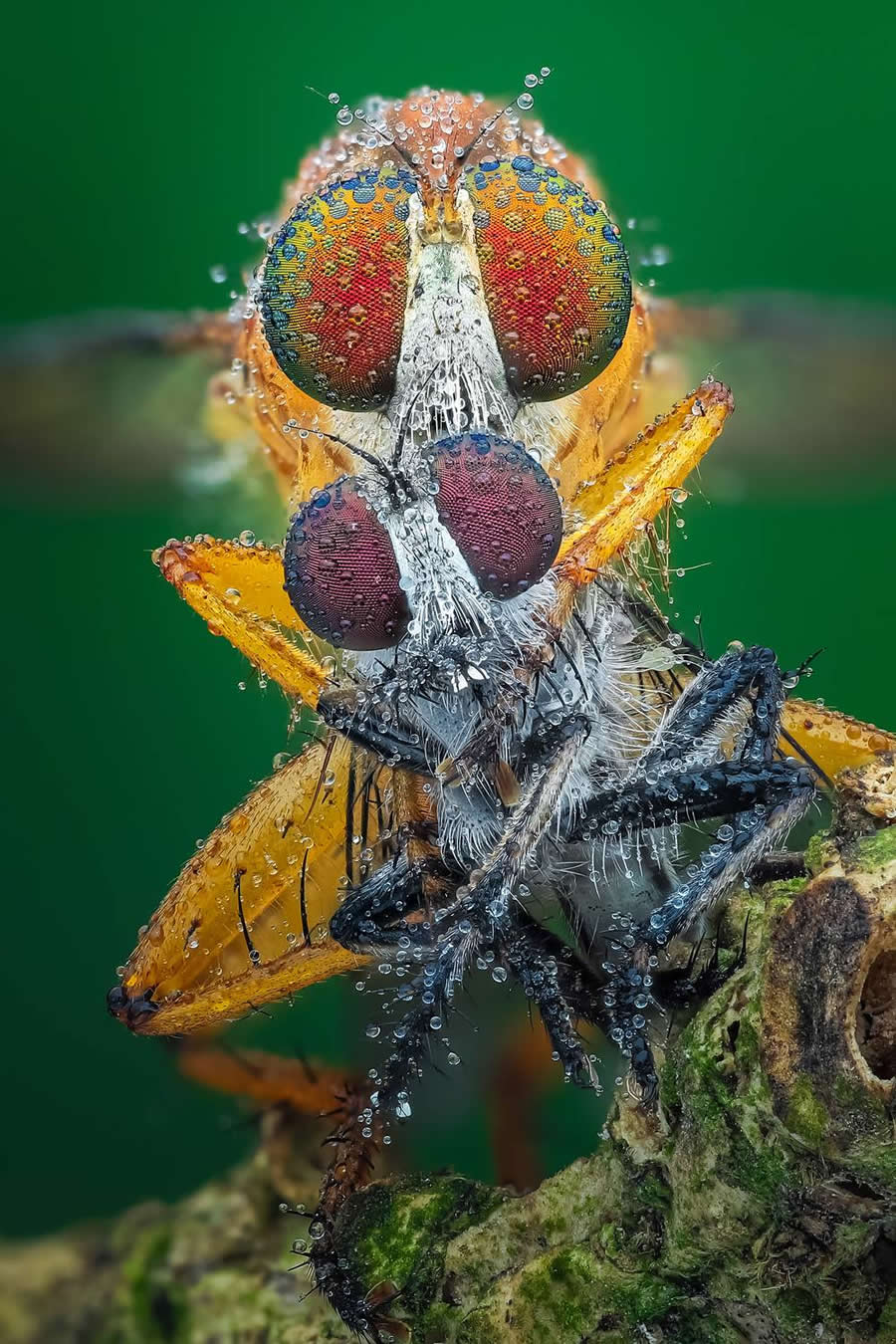
© Tran The Ngoc
#21. "Morning Dews" by Nadezhda Zakharova
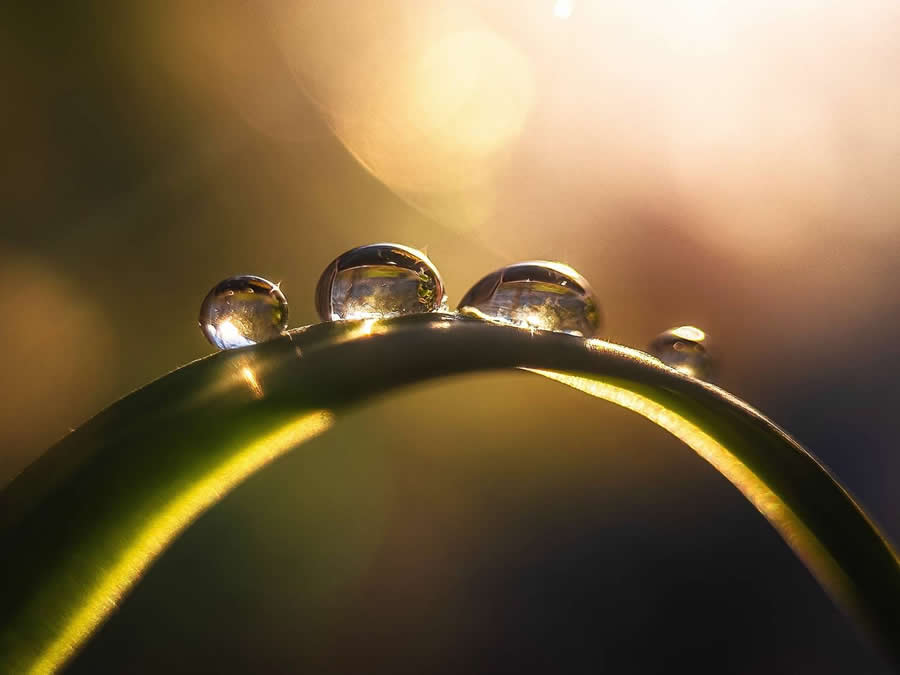
© Nadezhda Zakharova
#22. "Photo" by Atul Saluja
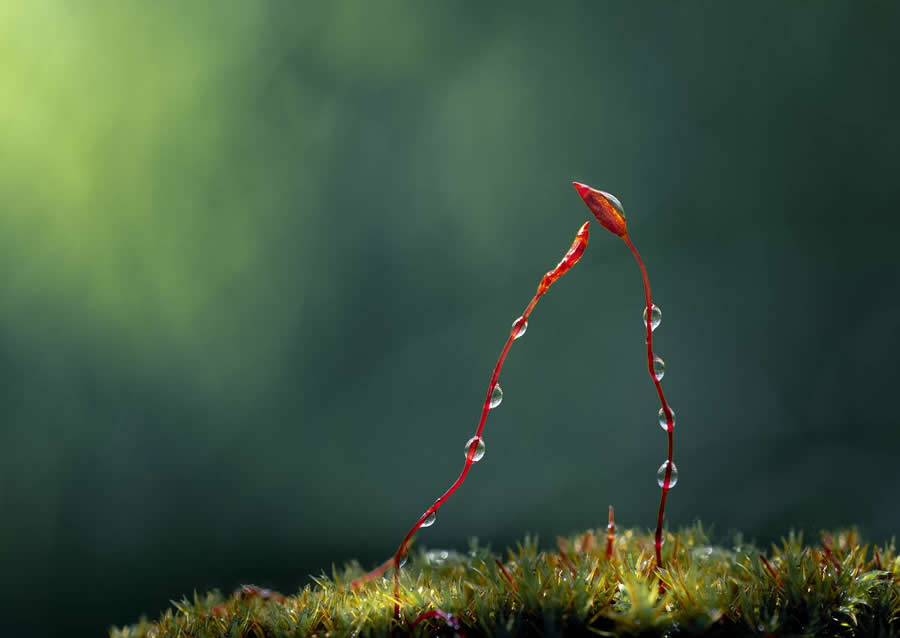
© Atul Saluja
#23. "Drop and fluff" by Borovskikh Svetlana
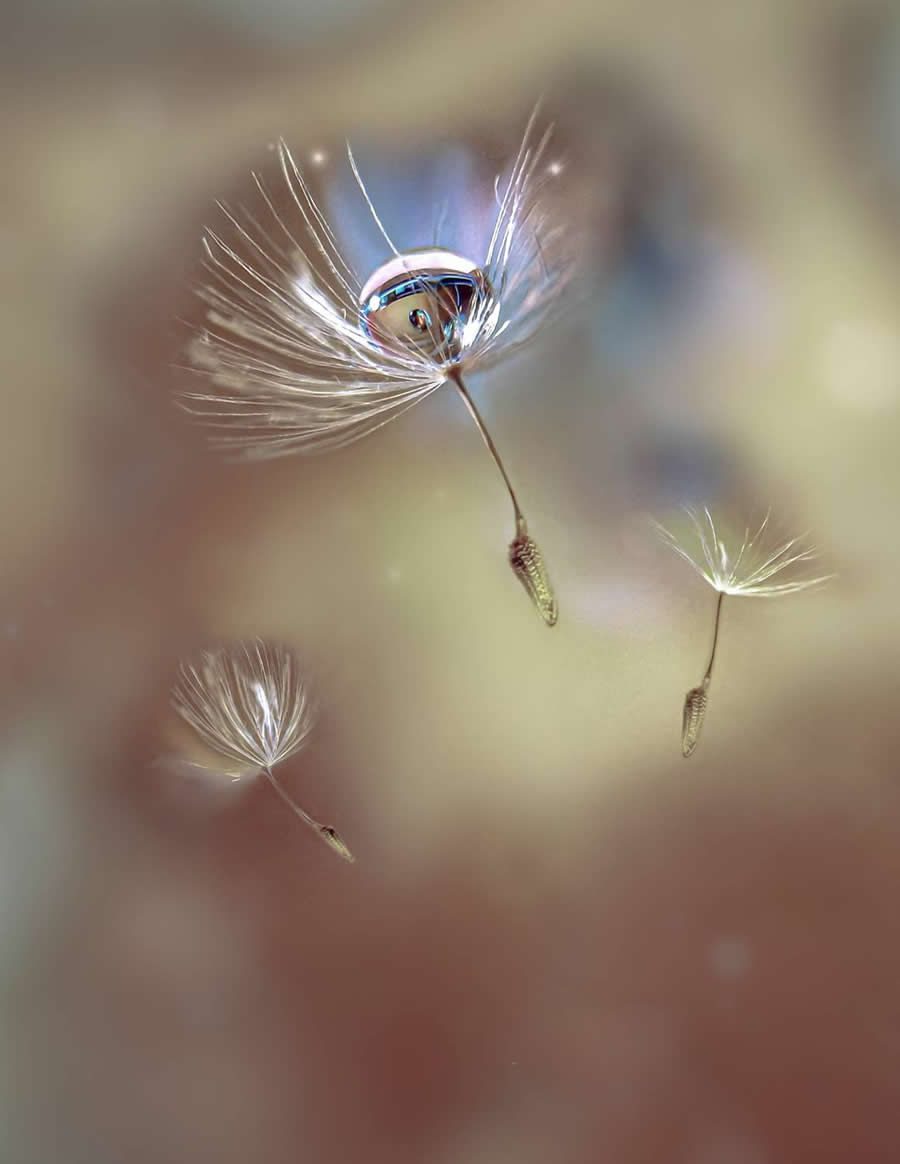
© Borovskikh Svetlana
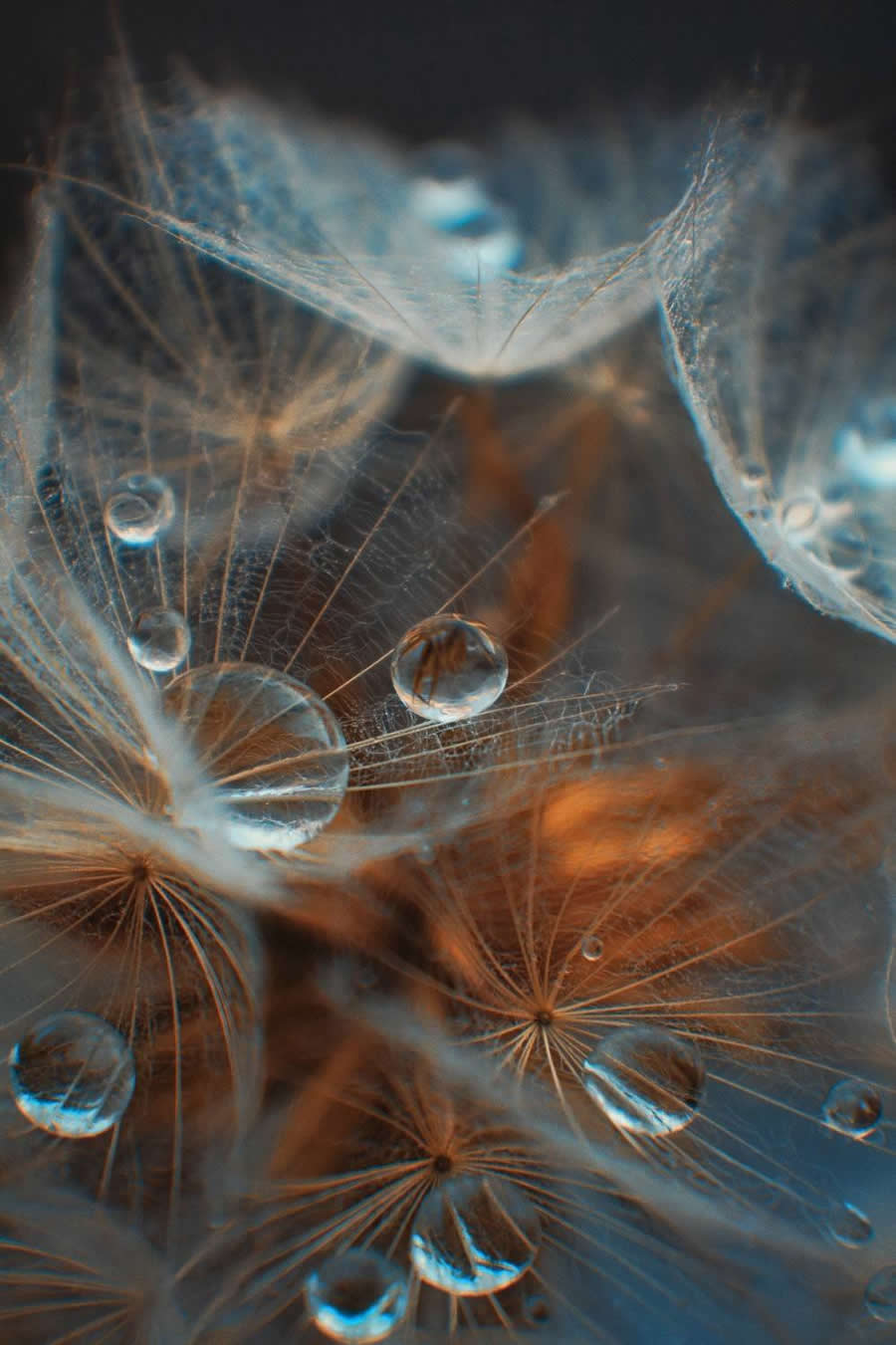
#24. "Photo" by Tatyana Maksakova
© Tatyana Maksakova
Perfect Your Composition, Framing, and Focus
A stunning macro photograph isn’t just about magnification. Composition guides the viewer’s eye and gives a tiny subject room to shine. Whether a single droplet sits against a clean background or several droplets form a repeating pattern, thoughtful framing can turn a simple scene into a memorable image.
- Follow the rule of thirds: Place the main droplet off-center for a balanced composition, or center it for dramatic impact.
- Simplify the frame: Remove distracting stems, bright spots, or clutter around the subject.
- Explore different angles: Small changes in camera position can dramatically alter reflections and background shapes.
- Use a tripod: Stabilize your camera for precise framing and consistent focus.
- Check depth of field: At high magnification, depth of field becomes extremely shallow, so consider focus stacking for stationary subjects when you need more detail in focus.
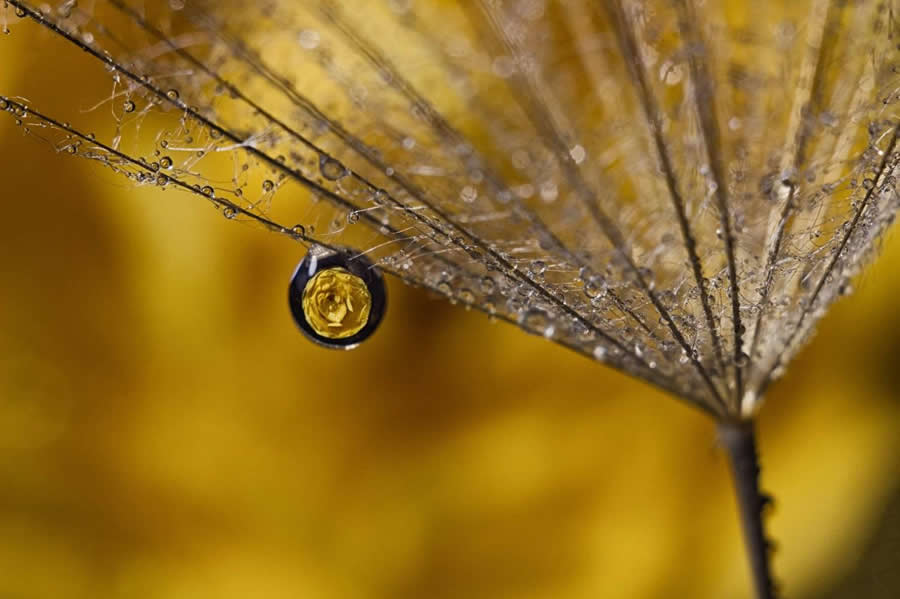
#25. "Photo" by Margarita Sidoruk
© Margarita Sidoruk
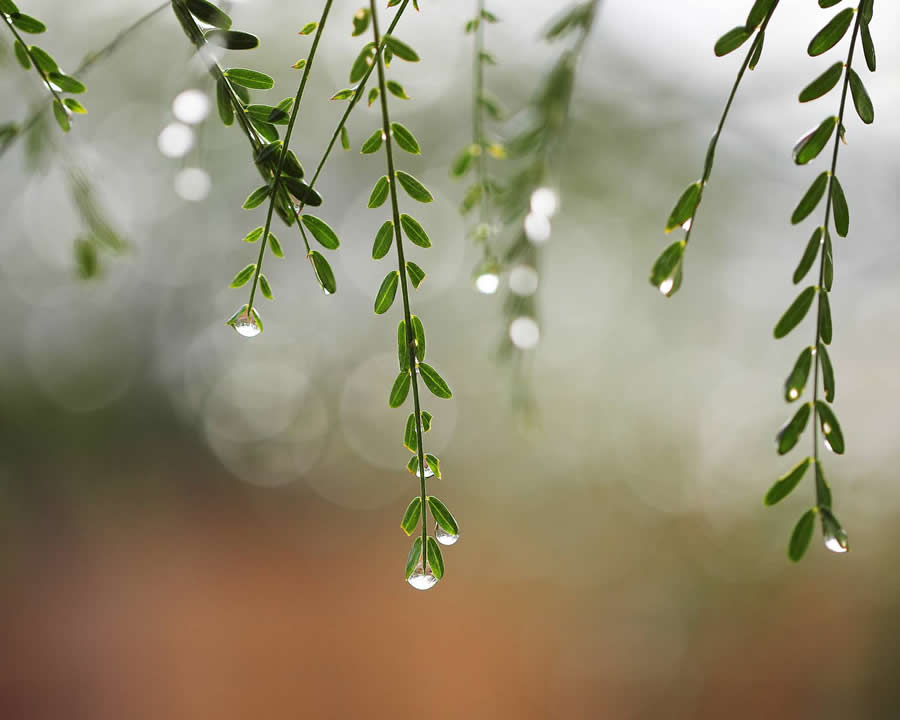
#26. "Photo" by Anferow Lana
© Anferow Lana
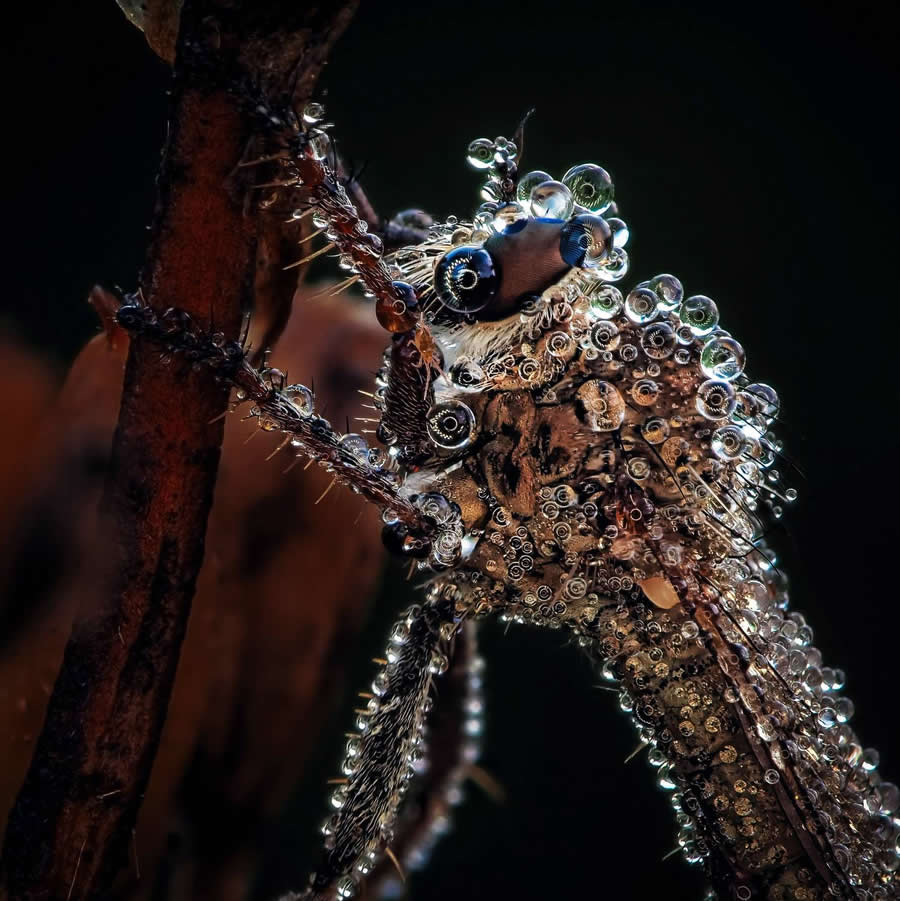
#27. "Photo" by Lapshina Vladlena
© Lapshina Vladlena
#28. "Photo" by Alexander
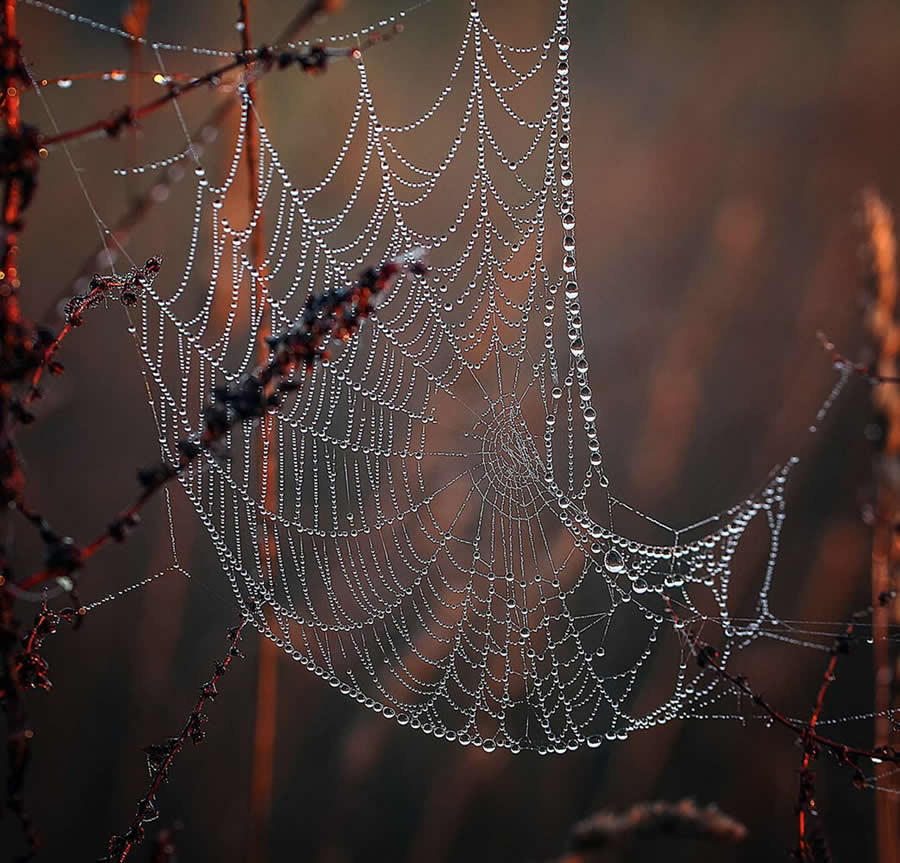
© Alexander
#29. "Bee in Petunia Flower" by Yuri Yuryevich
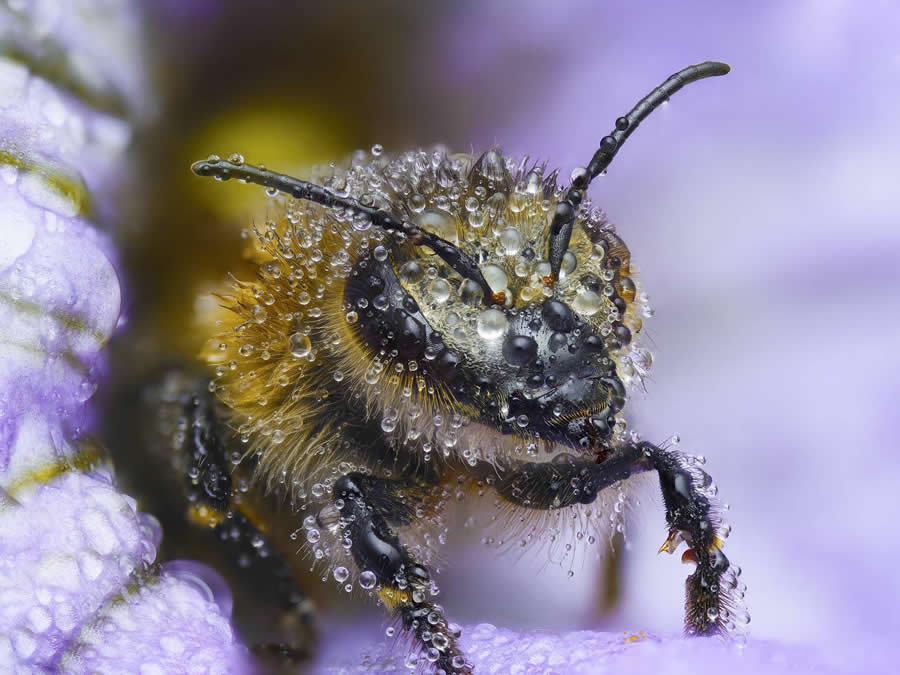
© Yuri Yuryevich
#30. "Photo" by Kukhta Maria
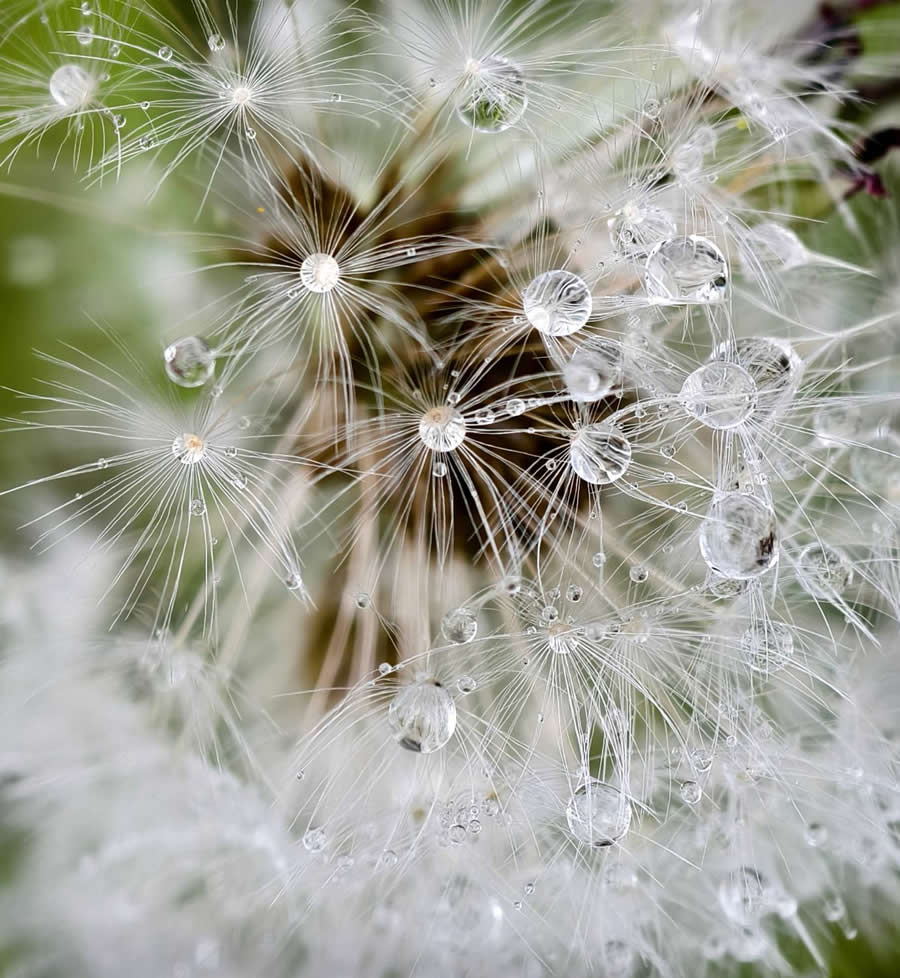
© Kukhta Maria
Patience, Practice, and the Right Macro Setup
Great water drop macro photography often comes down to patience. Droplets move, breezes shake leaves, and even a tiny camera adjustment can change the composition. The right equipment helps, but careful preparation and repeated experimentation are what turn a promising shot into a polished image.
- Start with what you own: Try a close-focusing lens, extension tubes, or a dedicated macro lens before investing in specialized gear.
- Shoot in calm conditions: Early mornings often provide fresh droplets and less wind.
- Use a fast shutter when needed: A shutter speed around 1/250 second or faster can help reduce movement, depending on your setup and light.
- Try a remote release: A timer or remote shutter reduces camera shake during close-up shooting.
- Review and refine: Zoom in, check sharpness, adjust lighting, and experiment again instead of relying on a single shot.
#31. "Fathead in the morning" by Boris Novikov

© Boris Novikov
#32. "Photo" by Elvira Kurochkina
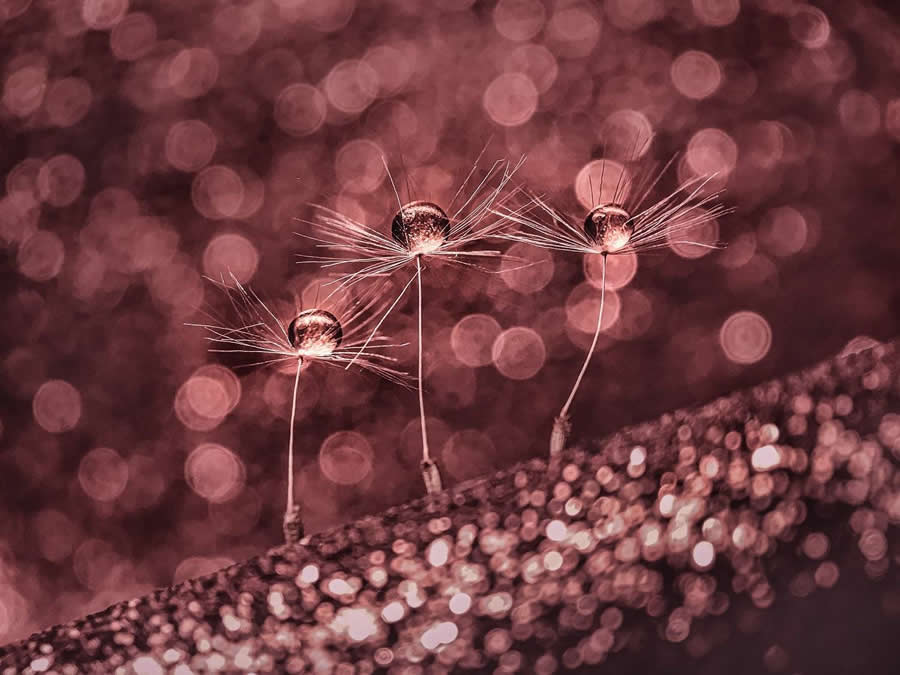
© Elvira Kurochkina
#33. "Photo" by Ekaterina Kolot
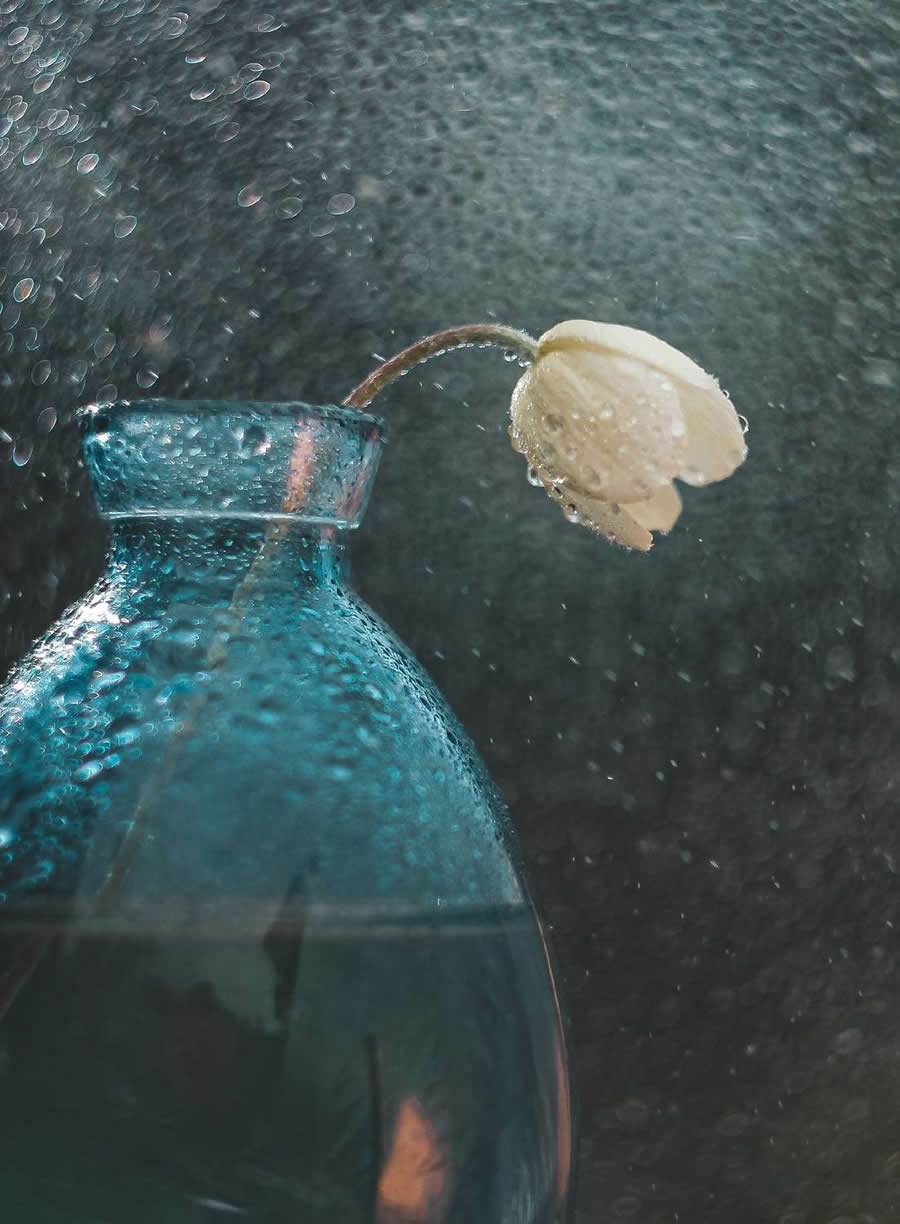
© Ekaterina Kolot
Editor’s Summary: What We Can Learn From These Photos
These award-winning water drop macro photos show how patience, creativity, and technical control can transform the smallest natural details into extraordinary art. They remind us that great photography isn’t always about grand landscapes; sometimes, the most fascinating world is right in front of us.
- Look closer: Discover extraordinary details in ordinary subjects.
- Master light: Use soft illumination and reflections to reveal texture and color.
- Compose thoughtfully: Keep backgrounds clean and guide the viewer’s attention.
- Practice patience: Wait for calm conditions and refine your focus.
- Experiment boldly: Explore different angles, lenses, apertures, and creative reflections.